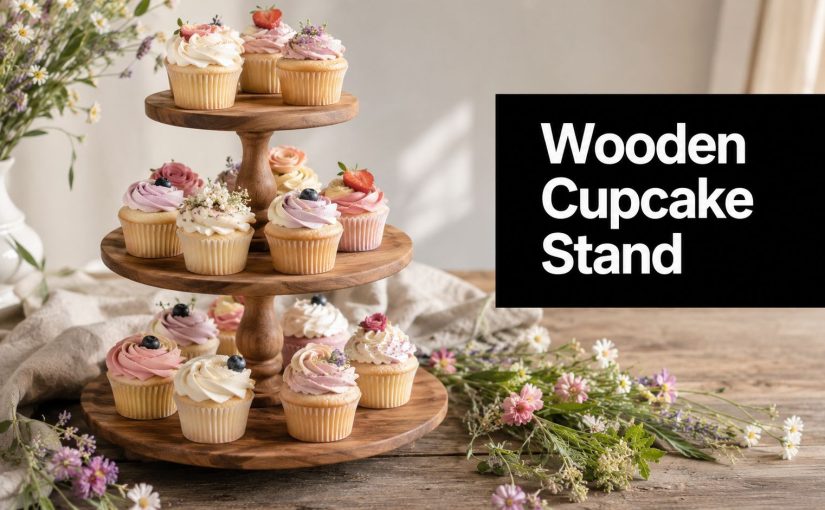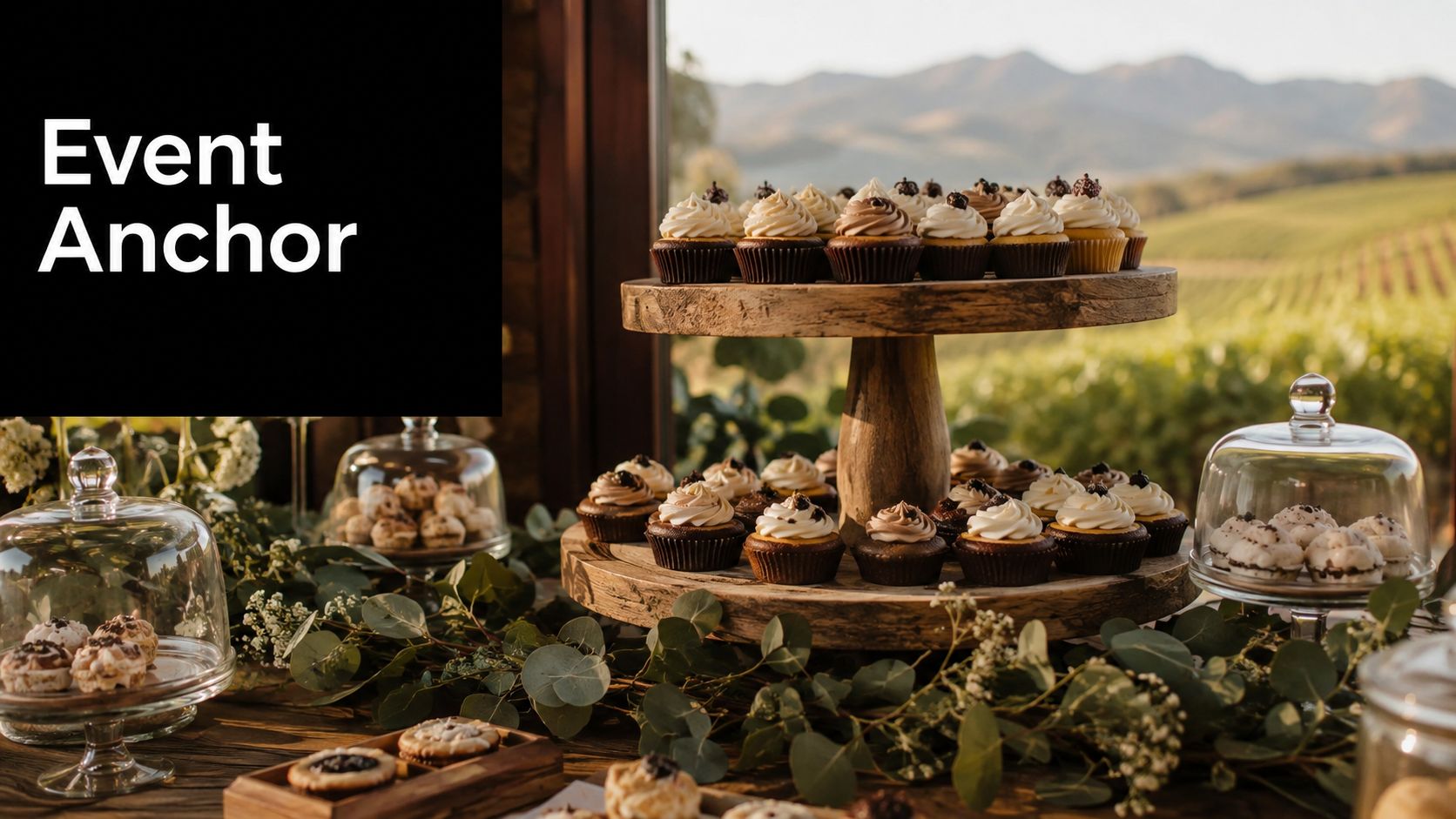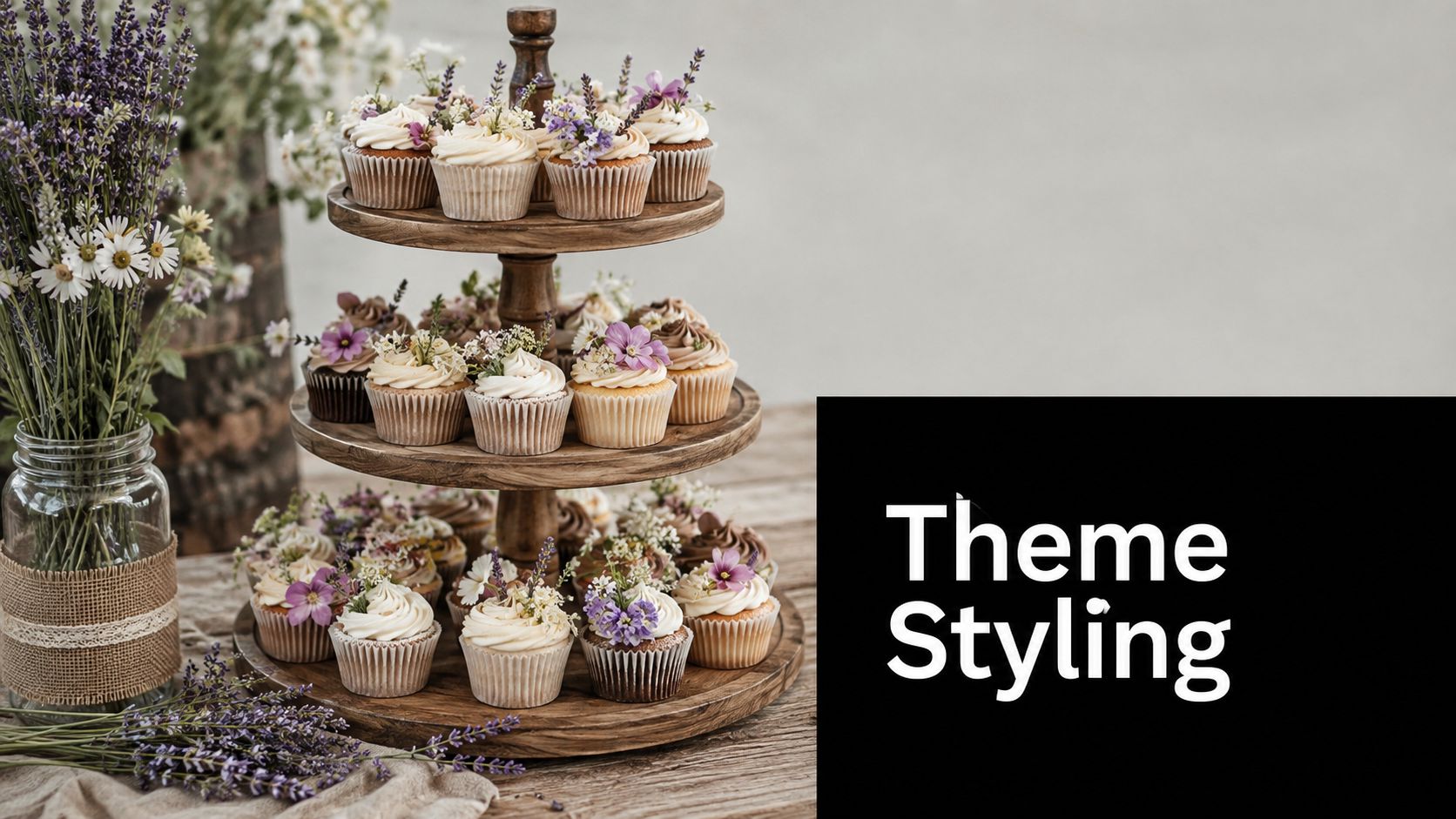
A Wood Display Stand Guide to Styling Cape Town Events

You've chosen the flowers, signed off the menu, and finally have a venue that feels right. Then you look at the actual guest touchpoints. The welcome area feels flat, the tasting table has no height, the favours need structure, and the signage is leaning against whatever surface is available. That's usually the moment a wood display stand stops being a decorative extra and starts solving real event problems.

In Cape Town and the Winelands, that decision carries more weight than it does in a generic styling guide. Venues range from modern CBD rooftops to wine estates, courtyards, farm sheds, marquees, school halls, and coastal lawns. A stand that looks beautiful in a showroom can fail badly on gravel, absorb moisture on a damp morning, or feel too flimsy once guests start interacting with it. Good event styling here isn't only about the look. It's about choosing pieces that work under local conditions and still photograph well.

Why Wood Display Stands Are Essential for Modern Events

A wood display stand earns its place because it gives an event structure. It creates a focal point, lifts products or décor off a flat table, and helps guests understand where to look first. That matters whether you're setting a ceremony welcome area, a canapé station, a gifting table, or a branded product moment at a launch.

In practical event use, wood has become far more than a retail fixture. Wood display stands have evolved from purely functional retail fixtures into branded presentation tools, especially in hospitality and experiential settings, with use cases that include signage, tasting notes, menus, and branded presentation in places like Cape Town and the Winelands, as reflected in wooden advertising displays. That shift is easy to see on the ground. Wedding planners use them for seating charts and cake moments. Wine farms use them for tasting notes and product storytelling. Corporate teams use them to soften a branded setup that would otherwise feel too hard or generic.

Where they make the biggest difference

Some event items need elevation to read properly in a room.

  • Welcome areas: A sign on its own rarely feels finished. Add a wood stand and it becomes an arrival feature.
  • Food and beverage styling: Menus, tasting cards, packaged treats, and small-batch products all sit better with height and separation.
  • Retail-style event moments: Pop-ups, activation counters, and favour displays benefit from shelving and clear product zoning.
  • Ceremony and reception crossover: One piece can move from entrance signage to gift table duty later in the day.

That versatility is one reason event teams keep coming back to timber-based display pieces instead of one-use props.

Practical rule: If a guest needs to notice it, read it, photograph it, or reach for it, it usually needs more than a flat tabletop.

Wood also works because it bridges styles well. It can read rustic, polished, minimal, modern-country, or editorial depending on the finish and surrounding décor. That's why it pairs naturally with plinths, easels, and layered presentation furniture. If you're building out a fuller styling story, this plinth for hire guide is a useful companion for mixing heights without making the layout feel cluttered.

Why event planners keep choosing them

Acrylic can feel sharp and contemporary. Metal can feel clean and architectural. But wood usually wins when the brief needs warmth. It softens a venue, especially one with stone, concrete, glass, or exposed industrial finishes. It also helps tie together floral work, linen, stationery, and food presentation.

Just as important, a wood display stand can be reused across multiple moments in one event. That makes it less of a styling indulgence and more of a working piece of infrastructure.

Choosing the Right Wood and Finish for Your Stand

Cape Town conditions punish poor material choices. A stand that looks perfect in a catalogue can swell, mark, wobble, or lose its finish once it hits sea air, patio service, or damp grass. For local events, material choice matters as much as styling, particularly because the Western Cape's winter rainfall makes temporary outdoor use more demanding than many people expect, as noted in this discussion of temporary outdoor display use in variable weather.

An infographic titled Choosing Your Wood and Finish detailing characteristics of wood types and various finishes.

Comparing common wood options

Here's the useful way to think about timber for events. Not every stand needs to be made from premium hardwood. It needs to be right for the job.

Wood type How it looks Where it works well Main trade-off
Pine Light in colour, softer grain, easy to stain or paint Indoor weddings, lighter welcome displays, short-term styled moments Marks and dents more easily
Oak Strong grain, classic tone, feels substantial Premium hospitality, tasting setups, heavier visual anchors Heavier to move and usually pricier
Plywood or engineered board Clean, practical, can look refined when well edged and sealed Rental stock, modular shelving, branded activations Less romantic if left too raw
Mahogany-style dark timber Rich, formal, high-end look Luxury dinner service, old-world venues, premium bottle display Can feel too heavy visually in bright daytime setups
Bamboo-style options Lighter, contemporary, natural texture Eco-conscious brands, modern cafés, casual outdoor events Doesn't suit every venue style

The finish often matters more than the species

At events, the finish is what guests touch, what photographs pick up, and what determines whether a stand survives service.

  • Sealed clear coat: A dependable choice for rentals. It protects against light moisture and makes wipe-downs easier.
  • Stained timber: Good when you need warmth and visible grain, especially in wine estate venues.
  • Painted finish: Useful for corporate branding, monochrome weddings, and school formals where colour matching matters.
  • Natural oil or wax look: Attractive, but better for controlled indoor use than damp or high-traffic settings.

A raw or barely treated stand often sounds appealing because it feels organic. In practice, it's the option most likely to show water rings, fingerprints, and transport scuffs.

What works in Cape Town and the Winelands

Coastal humidity and inland heat don't affect every event in the same way. A morning setup in Constantia has different demands from a dry summer reception in Paarl.

For local rentals, these pairings usually work well:

  • Garden wedding: Sealed timber with stable footing.
  • Wine estate tasting station: Mid-tone stain with a satin protective coat.
  • Corporate activation: Painted or neatly sealed plywood for a cleaner branded look.
  • School or community event: Durable engineered wood that can handle transport and quick setup.

If you're balancing timber styling with your wider furniture plan, this wooden tables and chairs guide helps line up finishes so the display stand doesn't feel like a disconnected add-on.

Selecting the Perfect Size and Weight Capacity

The quickest way to make a wood display stand look wrong is to choose the right style in the wrong scale. A beautiful stand that's too small feels apologetic. One that's too large eats floor space and disrupts traffic flow. Beyond these concerns, poor sizing creates stability problems once guests start leaning in, reaching across, or placing items back unevenly.

In South African event rentals, timber stands should be chosen with a conservative safety factor in mind. A well-braced design with a widened base and back-splayed supports resists tipping more effectively, which matters at weddings and expos where uneven paving, temporary flooring, or outdoor wind can introduce lateral forces beyond the display's nominal static load, as described in this overview of stable timber stand design.

Match the stand to the job

A stand for a sign and a stand for products are not the same thing.

Use this simple framework:

  1. Welcome sign or seating chart
    These pieces need visual height more than heavy load capacity. The primary requirement is base stability, especially near entrances where people brush past them.

  2. Cake, desserts, or bottled products
    For such products, many planners under-specify. Concentrated weight creates more pressure than people expect, particularly on narrow-top stands.

  3. Favours, brochures, or menus
    The weight may be light, but guest interaction is constant. That means the stand must handle repetitive touch without rocking.

  4. Brand activation displays
    Products get picked up, moved around, and replaced badly. The stand should tolerate that without looking untidy by the second hour.

What to check before you confirm

A rental photo won't tell you enough. Ask for practical details.

  • Top surface size: Is there enough usable space once styling props are added?
  • Base width: A slim upright can look elegant but become risky on grass, decking, or temporary flooring.
  • Bracing: Shelves and legs need more than visual neatness. They need structural support.
  • Transport footprint: If it must fit through cellar doors, marquees, or narrow service passages, proportions matter.
  • Setup location: Indoor polished flooring, gravel, lawn, and paving all affect stability differently.

A dessert display needs more support than a welcome sign, even when the furniture looks similar at first glance.

A quick decision guide

Use case Best stand profile Main risk if underspecified
Welcome board Taller, lighter, broad base Tipping in a breeze or at busy entrances
Cake stand Lower centre of gravity, strong top, firm legs Bowing, wobble, collapse under concentrated load
Gift display Shelving or broad tabletop Crowding and uneven weight distribution
Product sampling Modular shelves, easy reach zones Constant movement causing shift or lean

As a rule, if guests will touch the items on the stand, choose one level sturdier than you think you need. The event won't be static, and your stand shouldn't be designed as if it is.

Styling Your Wood Display Stand for Any Occasion

The best-styled wood display stand doesn't look decorated. It looks intentional. Guests should feel that every element belongs there, from the florals to the cards to the objects being displayed. That's what separates a pretty setup from a polished event moment.

A two-tier rustic wood display stand holding potted plants, candles, and stacked coffee table books.

Wedding styling that feels layered, not overloaded

At a Winelands wedding, a timber stand often works hardest in the welcome area. Start with a board or framed sign, then add one soft floral gesture rather than wrapping the whole stand in flowers. A linen runner, candle cluster, or one low arrangement is usually enough. Too much décor hides the shape of the piece and makes the display feel heavy.

For cake and dessert moments, work in layers. Use the wood stand as the anchor, then vary the surrounding heights with small dishes, votives, and menu cards. If every item sits at one level, the setup reads flat in photographs.

Good wedding styling often follows this order:

  • Anchor first: Choose the main item, such as the cake, sign, or gifting table centrepiece.
  • Add one textural layer: Linen, draping ribbon, or foliage is enough.
  • Control the palette: Timber already adds warmth, so don't force too many competing tones.
  • Leave breathing room: Negative space makes expensive elements look more considered.

Corporate launches and product activations

Corporate teams sometimes avoid wood because they think it will look too rustic. That only happens when the styling leans too hard into country décor. In a city venue, a clean-lined wood display stand with simple branding, neat lighting, and disciplined product spacing can feel sharp and premium.

For launches, don't crowd the shelves. Feature fewer products with better spacing. Add branded cards, a tasting note, or a message panel, but keep typography crisp and surfaces clear. If your event includes exhibition or activation elements, this guide for effective trade show booths is useful for thinking about sightlines, messaging, and how people move through a display area.

Designer's note: A stand looks more expensive when not every shelf is full.

Private parties, matric functions, and milestone events

These events give you more freedom. A birthday or engagement celebration can carry stronger colour, playful signage, sweets, mini florals, balloons, or themed props without losing the elegance of wood. The key is to let the stand organise the fun, not disappear under it.

For school formals and family celebrations, use the stand to create one obvious focal point. That could be cupcakes, a memory table, favours, or a photo guestbook station. Guests engage better when they understand the purpose of the setup immediately.

Three combinations tend to work well:

  • Natural wood with white and green for classic celebrations
  • Dark timber with black, cream, and metallic accents for formal evening functions
  • Painted or pale wood with bold stationery and sweets for younger, more playful events

Your Essential Checklist for Renting Wood Displays

A wood display stand can look perfect in a showroom and fail badly at a Cape Town venue. I've seen stands rock on old wine cellar floors, absorb moisture during a Franschhoek morning setup, or arrive too wide for a guesthouse staircase. Good rental decisions come from checking venue conditions, access, and setup responsibility before anything is loaded onto a van.

An eight-step checklist for renting wood display stands for events, covering needs, research, and logistics.

Questions to ask before you book

Start with operating details.

  • What is included in the hire fee? Confirm whether the quote covers delivery, on-site placement, setup, breakdown, and collection.
  • What condition is the stand in right now? Ask for current photos, especially if the stand will sit at the entrance, bar, gift table, or any other high-visibility position.
  • Does it arrive assembled or in parts? Flat-pack units can work, but only if your crew has time, tools, and clear instructions.
  • What surface can it stand on safely? Lawn, gravel, uneven stone, timber decking, and cellar floors each affect stability.
  • Can it handle outdoor use for part of the event? In the Winelands, wind and damp air matter. Ask whether the timber is sealed and whether the base needs extra weighting.

Venue compliance should be checked early, especially for hotels, estates, and formal function venues with strict setup rules. Ask your provider about sealed timber and low-VOC coatings, and confirm whether the venue requires documentation for decorative structures or finishes. For a useful reference on venue and event compliance expectations, see this guide to event rental agreements and venue logistics.

The logistics planners often miss

Transport and access usually cause actual problems.

Get these points confirmed in writing:

Checklist item Why it matters
Delivery window Cape Town venues often have tight access slots, especially on shared wedding weekends
Collection timing Late breakdowns can trigger overtime charges or clash with venue lock-up times
Damage terms You need a clear distinction between normal wear and billable damage
Placement responsibility Some suppliers drop at the loading bay. Others carry in and position on site
Access limits Staircases, narrow doors, gravel paths, and lift restrictions affect what can actually be used
Backup options If a stand is unstable or unsuitable on arrival, you need a replacement plan fast

If the wood stand forms part of a larger exhibition, launch, or branded activation, review it in the wider build plan. These strategies for high-impact trade show displays are useful for mapping traffic flow, sightlines, and the practical relationship between display furniture and the rest of the setup.

What a good rental choice looks like

A good rental stand arrives event-ready. It is stable, clean, properly finished, and realistic for the venue's access conditions. It should not need last-minute packing wedges, touch-up products, or improvised styling to hide wear.

Local rental stock often works better for Cape Town and Winelands events than a once-off custom build. Hire inventory is usually selected with transport, repeated setup, and venue variation in mind, which matters when one week's event is in a Constantia estate hall and the next is on a Stellenbosch lawn.

ABC Hire is one local option for event furniture and stand-related items in the Cape Town area, including display-oriented pieces used for signs and presentation setups. For short-term events, that rental route is often the practical choice. It avoids storage, reduces transport headaches, and gives planners more flexibility when the brief or venue shifts close to event day.

Keeping Your Wood Display Stand in Perfect Condition

A rented wood display stand doesn't need complicated maintenance. It needs careful handling at the points where damage usually happens. That means loading, setup, service, and breakdown.

During the event

The finish takes the first hit, not the structure. Drinks sweat, candles drip, product labels stick, and florists place wet stems where they shouldn't.

Use a few basic protections:

  • Place a barrier under anything damp: Coasters, trays, acrylic risers, or discreet mats help protect the surface.
  • Avoid dragging décor across the top: Lift and place. Don't slide.
  • Keep heat sources controlled: Candles should sit in holders that contain wax and protect the timber below.
  • Wipe spills quickly: Use a soft dry or slightly damp cloth, then dry the area fully.

Most rental damage happens during rushed setup and rushed breakdown, not during the event itself.

During transport and breakdown

Corners and edges are the first areas to chip. If a stand is being moved between ceremony and reception spaces, carry it properly rather than shuffling it across floors or loading it with décor still attached.

For protection in vans or storerooms, padded wraps make a difference. If you need a good reference for basic transit protection, this overview of removal blankets shows the kind of covering that helps prevent knocks and surface scuffs.

If you own rather than rent

Owned stands need a little more discipline after the event.

Store them in a dry interior space, not a damp garage or an outdoor shed. Don't stack heavy items on top of shelves or tabletops. If the finish starts looking tired, refresh it with the right product for that surface rather than layering random cleaners or polish over marks.

A well-kept timber piece ages nicely. A neglected one starts looking worn surprisingly fast.

Finding Wood Display Stands in Cape Town and the Winelands

A display stand that works perfectly in a city showroom can become awkward fast at a wine estate with gravel paths, wind off the valley, and a tight venue access window. In Cape Town and the Winelands, sourcing the right wood display stand is as much a logistics decision as a styling one.

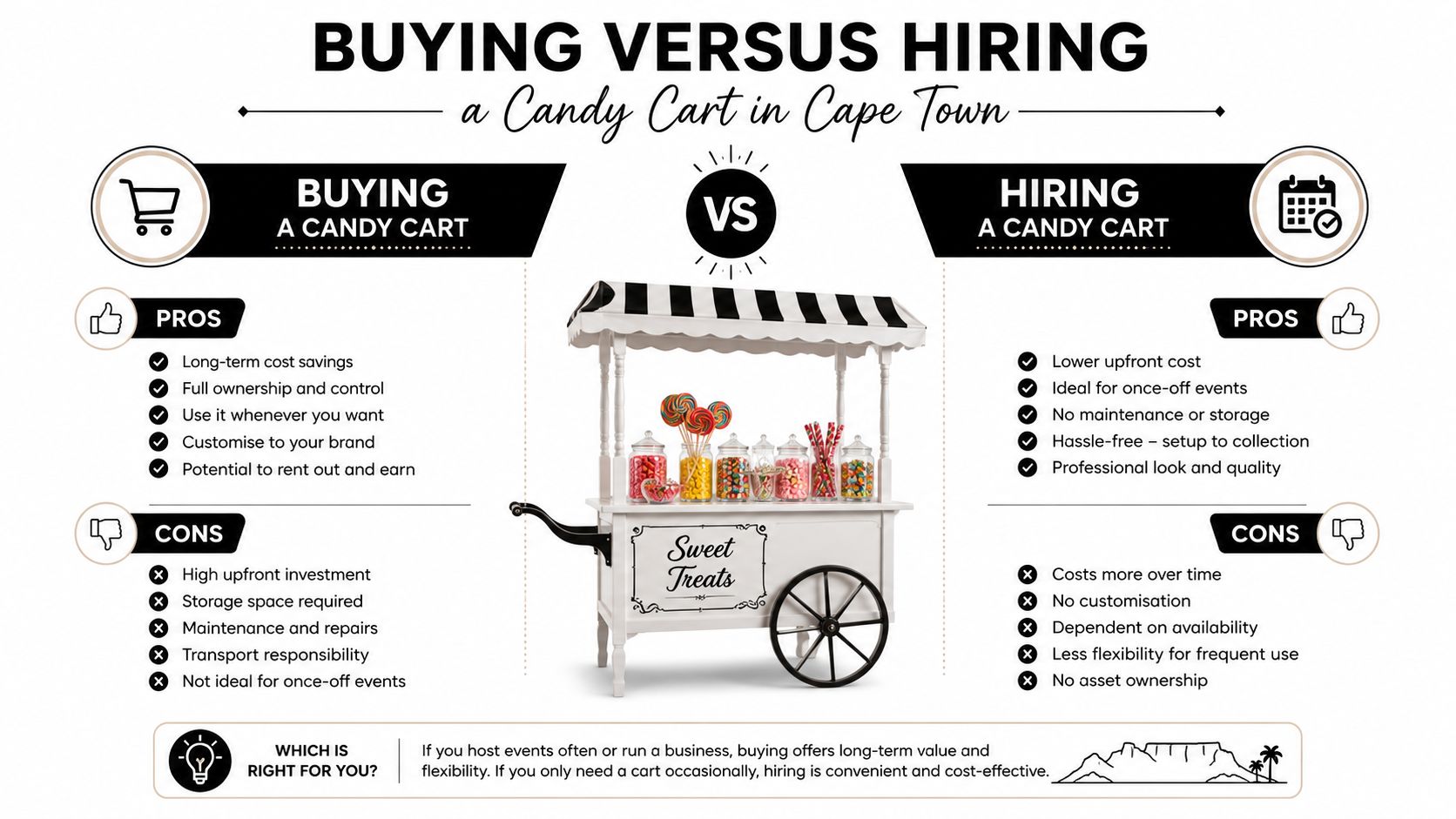
For short-term events, renting usually makes better sense than buying. A purchased stand has to suit more than one venue, survive storage between uses, and justify the cost over time. That can work for tasting rooms, retail spaces, and brands running the same activation format all season. For weddings, launches, and once-off corporate functions, rental is usually the more practical call.

A rustic wooden display stand filled with wine bottles and gourmet snacks overlooking a scenic vineyard.

Why local rental often makes more sense

Cape Town events rarely happen under one set of conditions. One week the stand is going into a hotel ballroom in the CBD. The next, it is heading to Franschhoek or Stellenbosch where load-in means stairs, uneven ground, or a long push from the parking area. Local hire stock is useful because it is selected for actual event use, not just for looking good in a catalogue.

That matters even more outdoors. Timber stands for Winelands venues need stable footing, sensible proportions, and finishes that still look presentable if the weather turns or the morning setup starts damp. A supplier used to local venues will usually flag those points early, which saves a lot of trouble on event day.

What to look for in a supplier

Choose a company that understands function first. Good sourcing starts with practical questions about the venue, the items being displayed, and how long the piece will be in use.

Look for:

  • Clear information on finish, wear, and overall condition
  • Delivery experience across Cape Town, Stellenbosch, Paarl, and Franschhoek
  • Advice on where a timber stand should and should not be placed outdoors
  • Stock that suits different event types, from weddings to brand activations
  • Related rental items that help complete the setup without mixing styles

It helps if the supplier can provide more than the stand itself. A display area often needs side tables, plinths, bars, easels, or seating nearby to look resolved rather than improvised. If you are comparing options, this guide to furniture for hire in Cape Town gives a useful sense of how display furniture fits into a full event setup.

Rent for flexibility. Buy for repeated fixed use

That rule holds up well in this region.

Renting gives you the freedom to match the stand to the venue instead of forcing one owned piece into every brief. It also removes the admin that catches many clients off guard, especially transport, storage space, touch-ups, and replacement if a finish gets knocked during a busy season.

Buying makes sense when the stand has a permanent job. A cellar door, venue entrance, product showroom, or long-running promotional setup can justify a custom piece because it stays in one environment and gets used often enough to earn its keep.

For Cape Town and Winelands events, the right wood display stand is the one that arrives on time, suits the venue conditions, carries the load safely, and leaves without creating more work after the event.

If you need event-ready display furniture, welcome board stands, tables, chairs, or related hire items for a Cape Town or Winelands function, ABC Hire offers rental options for weddings, corporate events, private parties, and venue setups across the region.

10 Epic 21st Birthday Party Ideas for Cape Town 2026

It is 6 pm on a Friday in Cape Town. The family wants something polished, friends want a proper party, half the guest list is asking about parking, and someone has already suggested “just book a table.” That approach usually falls apart once numbers grow, weather shifts, and the night needs to carry from arrival drinks to speeches, dinner, and dancing.

A good 21st birthday party starts with format, not decoration. The right idea has to suit the guest mix, the venue, the season, and the transport plan. In Cape Town and the Winelands, that usually means choosing a concept that works with the setting instead of fighting it.

South African 21sts also tend to carry more structure than a casual birthday night out. Families often expect a hosted element, friends expect energy, and the organiser needs the event to run on time. Giggster's guide to planning a 21st advises setting the guest list early and keeping a buffer for plus-ones and late additions in the same booking plan, which is practical advice for Cape Town venues where capacity, parking, and shuttle timing matter most. 21st birthday planning guide from Giggster

From an event planning side, the biggest mistakes are predictable. People choose a pretty venue with no wet-weather backup, underestimate seating, skip a proper bar setup, or assume the venue will cover every operational detail. It rarely does. That is where a rental plan makes the difference. ABC Hire's stock gives you the basics that turn a loose idea into a functioning event. Tables, chairs, glassware, lounge furniture, bar counters, catering equipment, and marquee options for sites that need weather cover.

If you are serving wine, bubbly, or cocktails, the glassware also needs to match the style of party. ABC Hire's guide to wine glasses and crystal for events is a useful starting point before you lock in quantities.

The ten ideas below are built for real Cape Town and Winelands conditions. Each one links the theme to local venue types, guest-flow decisions, and the specific ABC Hire items that make setup easier and the event feel properly hosted.

1. Elegant Wine and Gin Tasting Experience

If the birthday person likes a polished atmosphere more than a loud dance floor, this is one of the easiest 21st birthday party ideas to get right in the Cape Winelands. Stellenbosch and Franschhoek already give you the backdrop. You don't need to overdecorate. You need to sharpen the guest experience.

A server pours red wine into a glass on a table set with snacks overlooking a vineyard.

Waterford Estate, Delheim, Grande Provence, Mont Rochelle, and Rickety Bridge all suit this format because they already understand paced hospitality. The mistake people make is treating a tasting like it's enough on its own. It isn't. A 21st still needs a hosted arrival, proper seating pockets, food that lands on time, and a clear transition from tasting to celebration.

Make it feel like an event

Use one long lunch table if the group is small and close-knit. For bigger groups, break the room into cocktail zones with high tables, lounge seating, and one anchor area for speeches or cake. ABC Hire's cocktail tables, quality chairs, and bar counters work well here because they keep the setup elegant without fighting the venue.

A polished tasting also depends on glassware. If you're planning pairings, read ABC Hire's guide to wine glasses and crystal for events before locking the service style.

Practical rule: If guests are tasting first and partying later, serve substantial food before sunset, not after people have already started drifting into “we'll eat later”.

What works best in the Winelands

  • Book transport early: Shuttle vans or designated drivers matter more here than almost any other party format.
  • Keep the menu regional: Canapés, shared platters, and harvest-table service suit this style better than messy finger food.
  • Build in non-alcoholic options: Premium juices, sparkling alternatives, and a proper coffee station stop non-drinkers from feeling like an afterthought.
  • Use sunset well: A late-afternoon booking with a view gives you the photos without forcing a full-night production budget.

This format suits mixed groups especially well. Parents, friends, and partners can all enjoy it without the night feeling too young or too formal.

2. Tropical Beach or Pool Party

Some 21st birthday party ideas only work on Pinterest. A beach or pool party works in real life if you control the layout. The theme is easy. The challenge is wind, wet surfaces, changing temperatures, and guests who need somewhere to sit that isn't a random towel on the lawn.

A refreshing cocktail with a pineapple garnish sits beside a colorful tropical pool float in a pool.

Private villas in Camps Bay and Constantia are usually the strongest option because they give you bathrooms, prep space, and cleaner power access for music and lighting. Beach clubs and pool venues can work too, but only if the booking includes a proper bad-weather fallback. In Cape Town, that isn't optional.

A tropical brief doesn't need heavy décor. Bright towels, citrus-toned florals, punchy signage, and one well-styled bar zone do the job. Then spend the rest of your budget on comfort. ABC Hire's bean bags, bar counters, slush machines, and outdoor-friendly seating are more useful than novelty props.

Keep the zones separate

The best pool parties have clear boundaries. Put food in one dry zone, bar service in another, and swimming away from both. Guests naturally spread out if you give them a reason to.

Cape Town weather is famously variable, and local guidance around outdoor party planning rarely answers the practical question of shelter, lighting, heaters, and backup setups. That's exactly why outdoor event rentals matter in the Western Cape, where wind and weather disruption are recurring planning issues, as noted in this Cape Town-focused party planning discussion.

Don't let the pool become the whole party. The strongest version is a social event with a pool, not a pool with nowhere else to be.

Smart rental mix for this theme

  • Bean bags and lounge seating: Good for poolside socialising without forcing everyone onto dining chairs.
  • Slush machine station: Frozen cocktails and mocktails fit the theme and keep service fast.
  • Shade or tenting: Essential for midday sun and useful later if the wind picks up.
  • LED furniture: Best added for the evening switch, especially if the party runs from day into night.

This theme suits a younger crowd, but it still needs adult planning behind it. Done well, it feels effortless. Done badly, it feels scattered within an hour.

3. Sophisticated Cocktail Bar and Mixology Night

At 9 pm in Cape Town, the weak version of this party starts to show. The bar queue gets long, guests order drinks nobody can make quickly, and the birthday person spends the night solving small problems instead of enjoying it. A good cocktail-led 21st avoids that completely. Keep the venue tight, the menu short, and the service setup clear from the start.

This format works well for a celebrant who wants city-night energy without splitting the group across three venues. In Cape Town, I'd look at a private room in the CBD, a rooftop in Woodstock, or a small function space in Sea Point where sound, access, and staffing are easier to control than in a busy public bar. Winelands options can work too, but only if transport is organised properly. Once guests are driving back from Stellenbosch or Franschhoek, the mixology concept usually loses momentum.

A group of four hikers stands on a mountain summit celebrating while watching a beautiful sunset.

The room needs to feel like a real bar, not a hall with drinks added later. ABC Hire's LED bar units, bar stools, cocktail tables, and lounge seating help create that layout properly. Put the main bar where guests see it immediately, keep one side for service, and leave enough standing space for conversation. If you're still weighing staffed service against a self-contained setup, ABC Hire's guide to mobile bar service for events gives a useful planning baseline.

Build the night in three phases

Start with one welcome cocktail on arrival. Then run a short guided mixology segment for the main guest group. After that, switch to open service with a reduced menu that bartenders can execute fast.

That structure solves two common 21st problems. It gives the event an activity early on, and it stops the bar from becoming slow once the room is full.

I would not offer a full craft list at a 21st. It sounds impressive, but it slows service and pushes costs up quickly. Two signature cocktails, one simple highball, one mocktail, and a wine or beer fallback is usually the sweet spot.

What to get right

  • Choose a venue with a contained footprint: Rooftops and private rooms work best when guests stay connected to one central bar.
  • Keep the menu tight: Drinks should share base spirits and garnishes so service stays quick.
  • Serve proper food: Sliders, loaded flatbreads, skewers, or substantial canapés hold guests far better than light snack bowls.
  • Use rentals to shape flow: Bar stools at the edges, not directly in front of the counter, keep turnover healthy.
  • Create one visual focal point: A back bar display, signage wall, or lit shelving gives the party a clear identity in photos.

This style suits a 21st that wants polish without the overhead of a formal dinner. It also scales well. For 25 guests, you can create a smart private lounge feel. For 60, you can build a full bar-centred party with enough structure to keep the energy steady all night.

4. Festival or Music Concert Experience

If the guest list is large and the birthday person is known for music, this is the version that people remember for years. It also demands the most discipline. Festival styling only works when the flow is managed properly.

A farm venue in Stellenbosch, Paarl, or Franschhoek is usually the cleanest fit. You've got more space for sound separation, parking, and multiple zones. A city venue can work, but once neighbours, loading times, and sound limits become tight, the vibe starts getting trimmed back.

Build a mini-line-up, not a marathon

Most private parties make the mistake of booking too much entertainment with no breathing room. A better format is DJ on arrival, live set during peak energy, then DJ again. Add one acoustic or sax roaming element only if the venue supports it.

Use ABC Hire LED furniture and bean bags to create a proper chill-out section. Festival parties need somewhere for guests to step out of the crowd without leaving the event. That's where rentals do real work. They shape behaviour.

A festival party fails when every area feels the same. Guests need a stage-facing zone, a bar zone, a seating zone, and a quieter edge.

The operational side matters more than the décor

  • Anchor the entrance: Wristbands, welcome signage, and one clear check-in point make even a private event feel intentional.
  • Layer the lighting: Don't rely only on stage lights. Walkways, bar fronts, and seating clusters need their own illumination.
  • Handle weather upfront: Outdoor music events in the Cape need tenting, heaters, or a fallback indoor room.
  • Space the food: One central queue creates frustration. Split food service if the venue is large.

This is one of the strongest 21st birthday party ideas if the host wants scale. It's not the cheapest route, and it's not forgiving if you under-plan. But when the venue, sound, and furniture layout all line up, it has real impact.

5. Glamorous Black-Tie Gala or Formal Dinner

A 21st doesn't have to be casual to feel young. In fact, some of the best milestone birthdays I've seen in Cape Town lean fully into formality. That works especially well when the guest mix includes family, close family friends, and university friends who can all dress up and settle into a structured evening.

Hotels and estate venues are your strongest base here. Think The Twelve Apostles, Taj Cape Town, or a polished Winelands property with a private dining room or ballroom feel. The room should already have presence. You're refining it, not rescuing it.

Formal only works when service is tight

The reason guests enjoy a black-tie dinner is because the evening feels easy from their side. Place cards are clear. Welcome drinks are ready. The speeches happen before people get restless. The dance floor opens at the right moment.

ABC Hire's tables, chairs, and lounge pieces help if the venue needs softening or a better after-dinner transition. I often like formal dining up front, then a separate lounge and dance area after dessert so the night doesn't stay stiff.

Where hosts usually get this wrong

  • Too many speeches: Keep only the speakers who'll contribute meaningfully.
  • No transition plan: Guests need to know when dinner becomes party.
  • Overdecorating the table: Flowers, candles, chargers, and menus can quickly crowd the place setting.
  • Ignoring younger guests: Add a late-night snack or DJ shift so it doesn't end as a family dinner with cake.

A formal 21st works best when the celebrant likes ceremony. It suits milestone photo moments, polished fashion, and a keepsake feel. It also ages well. Five years later, the photos still look strong.

6. Adventure and Outdoor Activity Party

For some people, the last thing they want for a 21st is a room full of chairs and speeches. If the birthday person is active, give them a day that starts with movement and ends with comfort. Cape Town is built for this.

A sunrise Table Mountain hike followed by brunch is the obvious option, but there's more range than that. Ceres zip-lining, Stellenbosch trail riding, sea kayaking, and paragliding-linked celebrations can all work if you split the day properly. The activity is phase one. The celebration is phase two.

Plan the recovery first

Outdoor celebrations fall apart when the organiser focuses only on the adrenaline part. Once guests finish the activity, they need shade, water, somewhere to sit, and proper food. That's where ABC Hire's tables, chairs, bean bags, and outdoor lounge pieces become useful. You're creating a landing zone.

A lawn at a guesthouse, a private garden, or a farm venue near the activity base often works better than trying to host at the adventure site itself. People want to decompress after the action.

The best active 21st is half outing, half hosted celebration. If it stays in “group excursion” mode all day, it won't feel like a milestone.

Good fit for smaller, tighter groups

  • Choose one headline activity: Don't stack too many physical demands into one day.
  • Time brunch or lunch well: Food should be waiting close to arrival.
  • Add low-effort social games: Giant Jenga, cards, or lawn games work after adventure better than anything too competitive.
  • Make comfort visible: Blankets, bean bags, and soft seating tell guests they can settle in.

This is one of the most practical non-bar options. That matters locally because alcohol-related harm is a real concern in South Africa, and a more inclusive format can suit mixed-age guest lists, non-drinkers, and designated drivers, as discussed in this 21st birthday planning article with sober-friendly ideas.

7. Retro or Decade Theme Party

If you want a party with built-in participation, go retro. Guests know what to wear, the playlist writes itself, and the theme carries the room before anyone even gets to the bar.

An 80s neon party works brilliantly with ABC Hire's LED furniture. A 90s or Y2K version suits low couches, bar stools, bean bags, and a layered lounge setup. This theme doesn't need a premium venue. It needs a venue with enough blank canvas to let the styling read clearly.

Pick one era and commit

A common mistake is trying to combine too many references. Choose one decade or one cultural lane within that decade. A full neon 80s brief is stronger than “retro but also disco but also nineties but also rave”.

Music should lead the planning here. Once the playlist is right, build the room around it. Photo wall, costume touch-up station, one dance pocket, one seating zone, and one snack table that fits the mood.

Rentals that make the theme visible

  • LED cubes and bars: Perfect for 80s-inspired colour and nightlife feel.
  • Couches and ottomans: Better for 90s lounge energy or house-party styling.
  • Cocktail tables: Useful when guests are dressed up and circulating often.
  • Bean bags: Best kept to chill zones, not the main dance area.

This format also works well for hosts on a tighter budget because the personality comes from music, dress code, and furniture styling rather than expensive floral work. If the guest list is sociable and likes a bit of theatre, retro is one of the safest 21st birthday party ideas you can choose.

8. Destination Weekend Getaway

Some birthdays are better stretched over a weekend. That's especially true in the Western Cape, where a short drive can completely change the feel of the celebration.

Franschhoek, Stellenbosch, Hermanus, and De Kelders are all strong options depending on whether the birthday person wants wine, coast, food, or outdoor adventure. The smartest version is a central villa, guesthouse, or boutique property with one main hosted event rather than trying to turn the whole weekend into a packed itinerary.

Keep one anchor event

A getaway only feels like a proper 21st if there's one clear celebratory moment. That could be a Saturday dinner, a sunset braai with a dressed-up lounge setup, or a long lunch with speeches and cake.

If the accommodation is stylish but under-furnished for entertaining, bring in ABC Hire tables, chairs, bar counters, and soft seating to enhance the main night. This is one of the easiest ways to make a rental house feel like an event venue.

Best for organised friend groups

  • Set expectations early: Shared budgets, room allocations, and transport plans need to be decided upfront.
  • Leave breathing room: Guests don't need an activity every hour.
  • Pre-book the important parts: Restaurants, tastings, and transport fill up before people expect.
  • Use rentals strategically: Focus on the one meal or party moment everyone will remember.

This theme works because it gives guests more than a party. It gives them a trip, a backdrop, and time together. It's also one of the more forgiving formats if the celebrant doesn't love being the centre of attention every minute.

9. Luxury Private Venue Event with Premium Catering

Guests arrive at a Constantia villa expecting a birthday dinner, then walk into a proper hosted event: champagne at the entrance, a staffed bar on the terrace, dinner under lighting that flatters the room, and a late-night lounge area that keeps the party going after dessert. That is the appeal of a private luxury venue. You control the guest list, service standard, timing, noise level, and overall finish.

In Cape Town and the Winelands, this format works best at private villas in Constantia and Bishopscourt, boutique estates in Stellenbosch, and small exclusive-use venues in Franschhoek where the setting already carries some weight. The mistake I see most often is assuming a beautiful property is automatically event-ready. It rarely is. Many high-end homes have great views and weak flow, too little seating, no proper bar point, and dining furniture that looks good in photos but fails once 30 guests need to sit comfortably.

Build zones with a purpose

Luxury events feel polished because the room plan is clear. Put welcome drinks in one area, keep dinner in another, and create a separate lounge for the later part of the night. Guests should never be guessing where to stand, where to collect drinks, or where speeches are happening.

ABC Hire is useful here because the inventory solves practical venue problems fast. Their premium couches and ottomans help fill oversized rooms without making them feel empty. Dining tables and chairs give you a consistent look across the meal. Bar units matter more than people expect, especially at private venues where the kitchen or house counter is too far from the action.

If you are serving a plated meal or a polished buffet, use ABC Hire's guide to cutlery and crockery hire for events before you lock in your numbers. It is one of the easiest ways to avoid a premium menu being let down by mismatched place settings.

Catering needs the same level of discipline. A private chef or premium caterer suits this format far better than casual drop-off food, because timing, plating, clearing, and staff presentation shape the whole night. For readers comparing international high-end catering approaches, this piece on bespoke catering for Var birthdays is a useful reference point.

Why hosts choose this format

Hosts are spending more carefully, but they are spending on the parts guests notice. Better furniture. Better tableware. Better service. Less throwaway décor.

That shift is easy to see in Cape Town. Clients booking private venues usually want a birthday that feels exclusive without the unpredictability of a public restaurant or club. ABC Hire fits that brief well. LED lounge pieces, bar modules, slush machines, and climate-control equipment all help improve a private venue that looks impressive on arrival but still needs party infrastructure to run smoothly.

10. Gaming and Esports Tournament Party

Not every 21st needs to orbit around alcohol. For a lot of Gen Z hosts, gaming is the social engine. If that sounds niche, it isn't. A well-run gaming party can be one of the most interactive 21st birthday party ideas on this list because guests have a role from the moment they arrive.

You can host this at a gaming café, a tech-friendly event space, or a private venue with enough power, screen placement, and internet stability. The key is to decide whether the event is mainly competitive, mainly social, or a hybrid. Most birthday groups do better with a hybrid.

Build for players and spectators

ABC Hire's bean bags and couches are ideal here because gaming parties need soft seating with sightlines. If only the players are comfortable, half the room disengages. You want one tournament area, one casual gaming area, and one lounge section where people can chat, eat, and wait for the next round.

Lighting matters more than people think. Keep the screen area controlled, then let LED furniture and subtle accent lighting shape the rest of the room. Too much harsh overhead light kills the atmosphere.

The social version usually beats the hardcore version. If the bracket is too serious, non-gamers check out fast.

What to include so it still feels like a birthday

  • Tournament board or screen: Guests like seeing progress in real time.
  • Casual side games: Racing, sports, rhythm, or party games keep everyone involved.
  • Comfort food: Pizza, sliders, popcorn, and easy-grab snacks work better than plated service.
  • Lounge furniture: This is what stops the event feeling like a school computer lab.

If you want a more lifestyle-driven version of the event, there's also inspiration in broader hospitality thinking around bespoke catering for Var birthdays, especially around tailoring food to the social format rather than defaulting to a standard party menu.

Top 10 21st Birthday Party Ideas Comparison

If you are choosing between ten very different 21st birthday formats, the fastest way to get to the right one is to compare effort, spend, guest fit, and venue demands side by side. In Cape Town, that decision usually comes down to wind, transport, guest mix, and how much infrastructure the venue already has versus what you need to bring in from ABC Hire.

Item 🔄 Implementation complexity ⚡ Resource requirements ⭐ Expected outcomes 📊 Ideal use cases 💡 Key advantages
Elegant Wine and Gin Tasting Experience Moderate, venue booking, tasting host coordination, transport planning High, premium pours, glassware, catering, venue fees Memorable guided tasting with a more mature social tone Wine farms in Stellenbosch or Constantia, smaller guest lists, mixed family and friend groups Strong Cape Winelands fit, easy to pair with harvest tables and glassware from ABC Hire
Tropical Beach or Pool Party Low to moderate, permits, weather backup, outdoor setup Moderate, loungers, umbrellas, sound, shade, coolers Relaxed, social, photo-friendly party with strong summer energy Clifton, Camps Bay, private pools, large friend groups Natural scenery lowers décor spend, ABC Hire umbrellas and casual seating solve comfort fast
Polished Cocktail Bar and Mixology Night Moderate, bartenders, licensing checks, bar layout, glassware management Moderate to high, spirits, mixers, bar units, ice, staff Interactive party with high engagement and strong visual appeal City Bowl venues, private homes, rooftop spaces, smaller adult groups Signature drinks add personality, mobile bar counters and stools from ABC Hire make home venues work
Festival or Music Concert Experience High, entertainment booking, staging, sound, permits, crowd planning High, artists, lighting, stage, security, toilets if outdoors High-energy celebration with broad guest appeal Large properties, Winelands estates, music-first groups Big atmosphere, multiple zones, strong value if the guest list is large enough
Glamorous Black-Tie Gala or Formal Dinner High, seating plan, catering timeline, formal styling, staffing Very high, premium venue, dining furniture, linen, service staff Timeless milestone event with polished photos and a structured flow Family-inclusive 21sts, formal venues, winter evenings Clear schedule, strong dining experience, ABC Hire tables, Tiffany chairs, and linens help private venues match hotel standards
Adventure and Outdoor Activity Party Moderate, activity provider booking, timing, transport, safety planning Moderate, guides, gear, transfers, catering Active day out with strong group bonding Hiking groups, water sports groups, daytime birthdays Experience-led format, less spend on décor, easier to keep the schedule focused
Retro or Decade Theme Party Low to moderate, décor sourcing, dress code coordination, playlist or DJ direction Low to moderate, props, lighting, dance floor, furniture Social, fun, and usually easy to fill with energy early Home parties, smaller halls, costume-friendly groups Flexible budget, easy brief for guests, ABC Hire dance floors and themed lounge furniture carry the room
Destination Weekend Getaway High, accommodation, activity bookings, travel logistics, group coordination Very high, villas, transport, meals, deposits Longer celebration with more intimate group time Small close-knit groups heading to Franschhoek, Hermanus, or Langebaan More time together, layered itinerary, better for guests willing to commit to travel costs
Luxury Private Venue Event with Premium Catering Very high, full event coordination, supplier scheduling, custom floorplan Very high, exclusive venue, premium catering, staffing, rentals Fully managed, highly personalised celebration with strong guest comfort High-budget private estates, milestone family events, formal mixed-age crowds Full control over layout and menu, premium look, ABC Hire can furnish blank venues properly
Gaming and Esports Tournament Party Moderate, screens, power, internet stability, tournament scheduling Moderate, consoles or PCs, seating, snack service, tech support Competitive and social atmosphere that suits the right crowd Indoor venues, teen-to-young-adult guest groups, weather-sensitive dates Strong spectator potential, scalable budget, lounge seating from ABC Hire keeps non-players involved

The practical filter is simple. Pick the format that suits your guest list first, then test whether the venue and season support it without forcing expensive fixes on the day.

Your Perfect 21st Starts with a Plan

The best 21st birthday party ideas always come down to fit. Fit for the person, fit for the guest list, fit for the venue, and fit for Cape Town conditions. A theme can look great on a mood board and still fail on the day if there's nowhere to sit, no shelter from wind, no transport plan, or no clear structure to the night.

That's why I always advise hosts to decide on three things first. What kind of energy do you want, who absolutely needs to enjoy the event, and what time of year are you planning around. Once those are clear, the rest becomes much easier. You can choose a venue that supports the format, not one that fights it.

In South Africa, a 21st still carries weight as a coming-of-age milestone, and guests usually expect something more considered than a casual drinks gathering. That doesn't mean everything has to be formal or expensive. It means the celebration should feel intentional. Even a relaxed beach setup or gaming night works better when there's a visible plan for arrival, seating, food, and flow.

For Cape Town and the Winelands, weather deserves special respect. Outdoor parties need a proper backup. Evening events need warmth and lighting. Private homes and small venues often need more furniture than people realise because built-in seating is rarely enough once the whole guest list arrives. That's where rentals stop being an add-on and start being part of the event design.

It's also worth being honest about the role of alcohol. Plenty of 21sts include it, but the strongest parties don't rely on it as the only activity. Good hosts give people other reasons to stay engaged. Tastings, music, games, lounge zones, strong food service, and comfortable seating all help create a night that feels full without becoming chaotic. That's especially important when your group includes non-drinkers, designated drivers, younger siblings, or older family members.

From a planning point of view, the most reliable formats are the ones that give guests something to do and somewhere to be. A wine tasting works because the experience is paced. A black-tie dinner works because the service rhythm carries the room. A pool party works because there are clear zones. A festival setup works because guests can move between energy levels. A luxury private event works because each space has a purpose. That's the thread running through all ten ideas.

If you're still choosing, keep it simple. For a polished crowd, go with wine tasting, cocktail night, or a formal dinner. For a social younger crowd, beach, retro, or festival usually lands well. For a celebrant who wants less tradition, adventure, destination weekend, or gaming makes more sense. There isn't one correct way to turn 21. There is only the version that suits the person and is executed properly.

And if you want something more memorable than a standard photobooth setup, this alternative to photobooths is also worth a look when you're thinking about guest interaction and keepsake moments.

ABC Hire is strongest when the brief needs to move from idea to reality. If you've already picked the theme, the next step is making the venue function like the party you've imagined. LED bars, lounge furniture, cocktail seating, tables, chairs, bean bags, slush machines, heaters, and practical event extras all help turn a good concept into a proper 21st.


Planning a 21st in Cape Town or the Winelands? ABC Hire can help you turn the idea into a workable event with the right furniture, bar setups, lounge pieces, slush machines, and climate-control rentals for your venue. Reach out early if you want the best stock options and a setup that fits your guest list, style, and season.
Wine Barrels for Sale: A Cape Town Event Planner’s Guide

You're probably staring at a venue layout, a mood board, and a supplier list, trying to decide whether to buy one of the many wine barrels for sale around Cape Town, or just rent the things and move on. That's a smart question. Too many planners get seduced by the look of a barrel and ignore the headache attached to it.

A wine barrel can be brilliant event décor. It can also become the most annoying item on your job sheet. It's bulky, awkward, heavy, and rarely as “simple” as the listing makes it sound. In the Cape Town and Winelands market, where delivery routes, farm roads, venue access, and storage all affect cost, the buy-versus-rent decision matters more than people admit.

My view is blunt. If you run frequent events, have storage, and want a consistent rustic inventory item, buying can make sense. If you're styling a once-off wedding, a brand activation, a matric dance, or a private celebration, renting is usually the cleaner call. The barrel itself is only part of the cost. Handling it is the primary consideration.

Decoding Wine Barrels A Quick Guide for Planners

Before you even compare quotes, learn the language. Most buyers searching for wine barrels for sale don't need a “wine barrel”. They need a specific look, a specific size, and a barrel in a condition that suits the job.

A visual guide illustrating different types, sizes, conditions, features, and event uses of wine barrels.

Start with the standard event barrel

The barrel you'll see most often is the 225L Bordeaux-style cask. It's the workhorse shape for décor because it looks familiar, photographs well, and suits weddings, tastings, bars, and entrance styling. According to Social Vignerons' barrel anatomy guide, a standard 225L barrel is about 95 cm long, has a 56 cm head diameter, uses 27 mm wood thickness, and weighs around 50 kg empty. Filled, it reaches roughly 275 kg.

That matters immediately for planners. An empty barrel already needs proper loading, safe carrying technique, and a venue team that knows where it's going before it comes off the vehicle. If somebody tells you “we'll just move it around on the day”, they haven't worked with barrels enough.

Practical rule: If you haven't checked access ramps, floor surfaces, and final placement in advance, don't confirm barrel décor yet.

Know the words suppliers use

A barrel listing can sound polished while saying almost nothing. These are the terms that matter:

  • New barrel means cleaner lines, fresher timber, tighter branding, and a more polished finish.
  • Used barrel usually means visible wear, staining, patina, and more character.
  • Neutral barrel means an older barrel with little flavour impact left for wine use, but often still very good for décor.
  • Décor grade or furniture grade usually signals that appearance matters more than watertight performance.
  • Watertight matters only if you want functional use, such as a display involving liquid, ice, or planting.

Size and look aren't the same thing

For events, people obsess over litres and forget visual scale. A standard barrel works well beside harvest tables, ceremony aisles, lounge areas, and bar installations. Larger formats create more presence but also eat floor space and can feel clumsy in a tight room. If your event is in a compact city venue, oversized barrels can make the room feel crowded fast.

Wood choice also affects the conversation. If you want a deeper understanding of how oak shapes wine vessel choices, Res Fortes on wine vessels is worth reading. For planners, the practical takeaway is simple. The type of barrel influences both appearance and cost, so don't ask for “any barrel” if your client cares about finish.

The True Cost of Buying a Wine Barrel

Buying feels cheaper because the first number is visible. Ownership is where the bill grows teeth.

The purchase price is only the first hit

Barrel economics vary sharply by oak type. Data Bridge's wine barrel market report notes that a 60-gallon American oak barrel might cost about USD 395, while a 60-gallon French oak barrel can sit around USD 900 before shipping and import costs. That's a big gap, and it matters if you're buying multiple units for an event stockholding.

For wineries, that difference is part of production planning. For event people, it's a warning. If you're paying up for a prettier barrel without a clear reuse plan, you're tying money up in an object that may spend most of its life in storage.

The hidden costs are what catch planners

Owning barrels in the Western Cape comes with predictable friction:

  • Transport means more than delivery. You need collection, loading help, vehicle space, tie-downs, and a route that suits farm roads or city loading zones.
  • Storage sounds easy until you realise a barrel is awkward to stack, awkward to clean around, and always in the way when warehouse space gets tight.
  • Maintenance never disappears. Wood moves. Hoops loosen. Surfaces dry out. Stains deepen. Pests and mould are real concerns if barrels sit badly stored.
  • Disposal or resale is often messier than expected. A tired barrel still takes up the same amount of space while you wait for a buyer.

Buying a barrel for one event is rarely a one-time purchase. It's a long tail of handling decisions.

The South African context matters

The broader market is active. One market summary projected the global wine barrels market at USD 3.1 billion in 2023, rising to USD 4.9 billion by 2033 at a 4.8% CAGR, according to Market.us wine barrels market news. That tells you barrels remain a live category, not a dead tradition.

But don't confuse industry demand with event practicality. Wineries buy barrels because they use them operationally. Event planners buy them because they look good in photos. Those are not the same economics.

When buying does make sense

Here's my hard line. Buy only if most of these are true:

Question If yes, buying may work
Will you use them repeatedly? Yes, across multiple events and seasons
Do you have dry, secure storage? Yes, without displacing higher-value stock
Can your team move them safely? Yes, with proper vehicles and labour
Does your brand use rustic inventory often? Yes, not just occasionally
Can you tolerate wear and upkeep? Yes, it's built into your operations

If those answers are shaky, don't romanticise ownership. The barrel won't become easier just because you own it.

New vs Used Barrels What's Best for Event Décor

Most event clients don't need the “best” barrel. They need the right one for the brief.

An infographic comparing the pros and cons of new versus used wine barrels for event decor purposes.

New barrels suit polished styling

A new barrel works when the event needs a cleaner finish. Think luxury wedding, premium product launch, cellar opening, or a styled tasting where every surface is intentional. New barrels tend to look more uniform, and that consistency matters in corporate settings where roughness can read as messy rather than charming.

The downside is obvious. You pay more, and sometimes the look is too perfect. In a rustic setting, a pristine barrel can feel like a prop rather than a real piece with character.

Used barrels usually win for atmosphere

For décor, I prefer used barrels most of the time. They look honest. They bring texture into a room. Their marks, staining, and age do half the styling work for you.

WinemakerMag's guide to your first wine barrel notes that barrels sold as neutral for décor purposes have often been used for 5 to 10 years. They no longer contribute much oak flavour, but their structure is still sound, and their aged look is often more appealing for rustic event use than a brand-new barrel. That's exactly why planners chase them.

What to inspect before saying yes

Don't buy a used barrel off a photo alone. Inspect it like a venue manager, not like a Pinterest board.

  • Check the hoops: If the metal rings look loose, badly rusted, or uneven, expect trouble.
  • Test the stability: A barrel that rocks on a flat floor is a nuisance for table styling and unsafe in guest areas.
  • Smell it: Wine aroma is fine. Sour, mouldy, or chemical smells are not.
  • Look at the timber surface: Splitting, soft patches, and insect damage are red flags.
  • Ask about treatment: If it's going outdoors or into a food-adjacent environment, you need clarity on condition and handling.

The best used barrel for events isn't the oldest one. It's the one that looks weathered but still feels solid.

My recommendation by event type

Event type Better choice
Luxury wedding New or very clean used
Farm wedding Used, with authentic wear
Brand activation Cleaner barrels for consistency
Birthday or private party Used is usually enough
Permanent venue décor Buy the best condition you can afford

If your event style leans romantic, rustic, or wine-country casual, used barrels are usually the smarter visual choice. If your client wants crisp luxury, don't try to fake it with a tired barrel and a tablecloth.

The Smart Alternative Renting Barrels for Your Event

If you only need barrels for one date, renting is usually the grown-up decision.

Renting removes the annoying parts

For the South African event market, Northeast Barrel Company's collection page is useful for one reason. It highlights the primary issue: total ownership cost often makes renting more viable for single-use décor, especially when transport and setup can rival the item cost. That logic lands hard in Cape Town and the Winelands, where distance, labour, and timing affect everything.

When you rent, you're not paying to become a barrel owner. You're paying to solve a styling need for a defined event window. That's a much cleaner transaction.

Why planners usually regret buying for one-off use

The barrel arrives. Then what?

You still need to:

  • get it to the venue,
  • unload it without damaging floors or backs,
  • place it,
  • protect it if rain hits,
  • move it again after the event,
  • store it somewhere that won't ruin it.

That's the part couples and first-time organisers underestimate. Experienced planners don't. They know the décor item is never the full story.

Renting gives you flexibility, not baggage

One month you need weathered barrels for a Franschhoek wedding. Next month you need cleaner pieces for a city tasting event. Then you need none at all. Renting keeps your options open and your storage area clear.

It also helps you build a broader styling plan. If you're comparing overall event furniture strategy, Cape Town furniture hire ideas are worth reviewing alongside statement décor pieces like barrels, because the best event spaces balance hero items with practical furniture.

Good planners spend their time designing flow, guest comfort, and atmosphere. They don't spend it babysitting bulky props after load-out.

My opinion on the buy-versus-rent split

Rent if:

  • the event is once-off,
  • the budget is tight,
  • the venue has awkward access,
  • you don't have storage,
  • the client only wants the look.

Buy only if:

  • you'll reuse them regularly,
  • you can manage transport properly,
  • your business already carries rustic inventory,
  • you've got a plan for upkeep.

That's not glamorous advice. It's profitable advice. There's a difference.

Sourcing Barrels in Cape Town and the Winelands

If you're set on finding wine barrels for sale, source them with your eyes open. The Western Cape gives you options, but not all options suit event work.

Where to look first

You'll usually find barrels through three channels.

Wineries often release older stock when they refresh cellar equipment or change ageing needs. These barrels can be excellent for décor because they already carry that wine-country patina clients want.

Coopers and barrel suppliers are where you go for cleaner stock and more predictable specs. If you need consistency across several barrels, this route is stronger than buying random singles from scattered sellers.

Event rental and décor suppliers make the most sense if your priority is ease, not ownership. They've already solved the condition and logistics issue.

Ask better questions than “how much?”

Poor sourcing starts with vague questions. Ask these instead:

  • Is it watertight or décor only? That changes how you can use it.
  • Has it been cleaned and inspected? You need clarity, especially for indoor venues.
  • What does the barrel smell like? Wine residue can be charming. Mustiness is not.
  • Have the hoops been checked? A pretty barrel with loose hardware is a liability.
  • What are the delivery and collection terms? In the Cape, distance and access can swing the practical cost.
  • Has it been treated for insects or outdoor wear? Essential if it's going to a garden venue or permanent display.

Don't ignore the local transport reality

Cape Town sourcing isn't just “where is the barrel?” It's also “how does it get from there to here, and then back again if plans change?” Farm venues, gravel roads, narrow service entrances, and tight loading windows all change what looked like a good deal online.

That's why broad décor planning matters. If you're building a full venue concept rather than chasing isolated props, Cape Town event décor hire guidance can help you think in systems instead of single objects.

If a supplier can't explain delivery clearly, they're not ready for event work.

My local sourcing advice

In the Winelands, used barrels often look better than city-sourced stock because they fit the environment naturally. In Cape Town corporate venues, condition consistency matters more, so cleaner units tend to work better. Match the sourcing channel to the event style, not just the cheapest listing.

And never assume a seller understands event standards. A barrel that's acceptable in a yard or cellar might be completely wrong in a ballroom, hotel foyer, or polished brand activation.

Inspiring Barrel Décor Ideas for Any Occasion

Barrels earn their keep. Used properly, they don't just fill space. They anchor it.

A wooden wine barrel repurposed as a rustic outdoor patio table with flowers and wine glasses.

The best uses are practical and visual

A growing local style trend is versatility. Evans Family Barrels' rustic used barrels page reflects a familiar event pattern: oak barrels are being used as cocktail stations, photo-op props, and statement décor pieces. That fits exactly what works in Cape Town and the Winelands. The best barrel isn't a passive ornament. It should do a job.

A barrel at the right spot can become a welcome table, a plinth, a drinks point, a floral anchor, or a visual marker that pulls guests through the venue.

Barrel ideas that actually work

Cocktail corners

Two barrels with a timber top create an instant standing drinks station. This works beautifully on lawns, under stretch tents, or beside a mobile bar. Guests understand it immediately, and it photographs well without trying too hard.

Ceremony styling

At outdoor weddings, barrels can mark the start of an aisle or frame the ceremony area with florals and candles. In the Winelands, this works because the barrel doesn't feel imported into the surroundings. It feels native to the setting.

Cake and dessert displays

One barrel can carry a cake table moment. A grouped set can support a dessert installation with varied heights and layers. Just make sure the surface is level and the styling team secures anything delicate.

Photo moments

A barrel paired with signage, florals, or branded elements gives guests a natural pause point. That's useful at weddings, launches, and tasting events where you want one strong visual anchor instead of clutter everywhere.

Use them with restraint

Barrels are statement pieces. Treat them like statement pieces. If you scatter too many around the venue, the room starts feeling themed instead of styled.

I prefer one of these approaches:

  • Entry feature: a pair at the welcome zone
  • Functional cluster: grouped at bar or dessert area
  • Ceremony framing: placed with floral design
  • Single hero piece: one barrel used deliberately, not repeated to death

If your look leans vintage or rustic, Cape Town vintage furniture inspiration pairs naturally with barrel styling. The key is balance. Timber, linen, glassware, and lighting should work together. The barrel shouldn't carry the whole concept alone.

Your Final Barrel Checklist Before You Commit

If you're still deciding between renting and buying, strip the emotion out of it. Run through the checklist like a production manager.

A checklist titled Your Final Barrel Checklist Before You Commit with eight numbered planning steps for barrels.

Ask these questions before you spend anything

  1. What is the barrel doing? If it has no function beyond “it looks nice”, rental is usually enough.

  2. Does the event style justify the effort?
    A barrel suits Winelands weddings, rustic celebrations, tasting events, and some brand activations. It doesn't suit every venue just because it's fashionable.

  3. Can your team handle the logistics?
    This is not a lightweight prop. If transport and placement already sound awkward, trust that instinct.

  4. Have you checked the condition properly?
    New, used, neutral, décor grade, watertight. Those words change the decision.

Then ask the harder operational questions

Checklist item What matters
Frequency of use Will you realistically use it often enough to justify ownership?
Storage Do you have dry, secure space that won't create clutter?
Cleaning Who's dealing with residue, dust, smells, and upkeep?
Venue fit Does it suit the floor, access points, and room scale?
Client brief Is the look polished, rustic, branded, or casual?

My final filter

If you answer “no” or “not sure” to several of these, renting is the better move:

  • Repeat use: Will I use this often, not just hopefully?
  • Handling: Do I have people and vehicles to move it safely?
  • Storage: Can I keep it without damaging it or losing space?
  • Condition control: Can I maintain the look my clients expect?
  • Time value: Is managing this asset the best use of my time?

A barrel is only a good buy when it keeps paying you back through repeat use. Otherwise it's a bulky souvenir from one event.

The decision in plain English

Buy when the barrel becomes part of your operating kit.

Rent when the barrel is part of the look.

That's the cleanest test I know. It saves money, cuts stress, and keeps you focused on what matters most on event day: a room that works, guests who feel looked after, and a setup that doesn't create unnecessary drama behind the scenes.


If you'd rather skip the storage, transport, and condition gamble, talk to ABC Hire. They help Cape Town and Winelands clients build stylish events without turning every décor choice into a logistics project.

Rent a Fridge for Drinks: Cape Town Event Guide

You've probably had this moment already. The bar plan looks sorted, the caterer is confirmed, and then someone asks a simple question: where are all the drinks going to stay cold?

That question matters more in Cape Town and the Winelands than most planners expect. A fridge for drinks at a summer wedding in Stellenbosch, a corporate launch in the CBD, or a matric dance in Paarl isn't just a convenience. It affects service speed, presentation, stock control, and whether guests get a crisp beer or a lukewarm can pulled from a struggling venue fridge.

Generic advice about drink coolers usually assumes a home kitchen, steady indoor temperatures, and no interruptions. Event work is different. You're dealing with marquees, garden venues, indoor-outdoor flow, staff opening doors constantly, and the local reality that power planning can't be an afterthought.

Why Your Event's Success Hinges on a Great Drinks Fridge

A planner once described the drinks setup at a Winelands wedding to me in one sentence: “Everything is beautiful until service starts.” That's accurate. The flowers hold. The lighting holds. The timeline usually shifts a little, but it survives. Beverage service is where pressure shows first.

Take a hot afternoon wedding under canvas. Sparkling wine needs to arrive in good condition. Beer must be properly cold. Water and soft drinks have to be easy to grab in volume. If the only cold storage is a venue kitchen fridge already packed with garnish, desserts, and supplier overflow, the drinks programme falls apart quickly.

Guests notice beverage temperature immediately. They may not remember the make of the oven or the wattage of the sound rig, but they will remember warm sauvignon blanc, flat mixers, and a bar queue that never moves.

Service flow matters as much as cold temperature

A proper fridge for drinks does two jobs at once. It holds stock at the right temperature, and it supports the way drinks are served. Those are not the same thing.

An undercounter unit behind a bar helps bartenders work fast without cluttering the visual look of the counter. A glass-door display unit helps guests see options instantly. A larger storage unit in the prep area lets staff restock without running to a distant kitchen every few minutes.

A drinks fridge at an event is part of the service system, not just part of the equipment list.

That's why it helps to think beyond “we need something cold” and instead think in terms of bar layout, stock rotation, and backup planning. If you're comparing venue options, this practical look at a refrigerator for rent for events is useful because it frames cooling as an event operation issue rather than a home appliance decision.

Western Cape events have their own pressure points

Local conditions change the calculation. Heat builds fast at outdoor venues, and indoor-outdoor formats mean fridge doors open more often than they would in a closed restaurant setting. Power reliability is another issue that home-focused buying guides barely touch.

That's also why beverage planning often overlaps with menu planning. If your team is serving iced drinks, canned refreshers, or chilled coffee as part of the guest experience, practical catering resources such as how workplaces can serve cold coffee can spark useful ideas for hot-weather service formats.

A good rental decision saves you from emergency ice runs, awkward bar delays, and stock that's technically cold in places but inconsistent in the glass.

Choosing the Right Fridge Type for Your Event

There isn't one perfect fridge for drinks. There's only the right unit for the way your event serves, stores, and presents beverages.

In Western Cape event work, climate fit changes what works. Standard appliance reviews often assume mild indoor conditions, but hot, dry summers and indoor-outdoor setups around Cape Town, Stellenbosch, Franschhoek, and Paarl create a different cooling problem. For mixed menus of wine, beer, and soft drinks, a single-purpose unit can underperform, which is one reason multi-zone and specialised rental units are increasingly useful in hot-weather service planning, as noted in this beverage cooler category overview.

A comparison chart showing three types of event fridges: display, back-bar, and walk-in cold rooms.

Display fridges for visibility

A glass-door merchandiser works like a visual menu. Guests can see what's available without opening the door repeatedly, and brand teams like them because labels face forward cleanly.

They suit:

  • Brand activations: Product visibility is part of the brief.
  • Self-service zones: Guests can make quick choices without asking staff.
  • Casual private events: Water, mixers, and canned drinks stay easy to access.

The trade-off is appearance versus deep storage. These units look organised out front, but they're not always the right answer if the primary need is bulk stockholding in the back-of-house.

Back-bar fridges for cleaner service

An undercounter or back-bar fridge is the workhorse behind a staffed bar. It keeps the facade tidy and puts key stock within arm's reach of bartenders.

This is often the right choice when:

  • the bar design matters
  • the planner wants bottles hidden from guest view
  • speed at service matters more than visual display

For weddings especially, this style usually integrates better with a custom counter, draping, or a furniture-led bar build.

Bulk cooling for stock management

A chest cooler, upright storage fridge, or cold room setup belongs behind the scenes. Guests don't need to see it. Staff do.

Use this when:

  • Volume is high: Bars need reserve stock nearby.
  • Menus are mixed: Separate overflow stock by category.
  • Service is long: Restocking needs to happen smoothly throughout the function.

A lot of bar problems come from using one attractive fridge for every job. Front-of-house and storage are different jobs. Treat them separately and the whole operation feels calmer.

Portable units for awkward venues

A portable electric cooler or mobile refrigeration unit is useful when the venue layout doesn't support a traditional bar position. Think lawns, temporary bars, dressing areas, supplier holding zones, or satellite beverage stations.

These units are not about glamour. They're about flexibility.

If your planning extends into wider beverage equipment choices, this guide on beverage machines for Oklahoma businesses is worth a look for its broader thinking on matching service equipment to use case, even though the market context is different.

Quick comparison for planners

Fridge Type Best For Capacity Aesthetic Impact
Display fridge Guest-facing beverage display Moderate High visibility
Back-bar fridge Staffed bar service Moderate Low visual intrusion
Bulk storage fridge or cold room Back-of-house reserve stock High Functional only
Portable cooler Mobile or awkward layouts Variable Low to moderate

Selection rule: If guests need to choose the drink, favour visibility. If staff need to serve fast, favour access. If the event needs sustained stockholding, favour storage first and appearance second.

Calculating Fridge Capacity for Your Guest List

Most planners don't struggle because they forgot to order drinks. They struggle because the cold storage plan was too vague.

Saying “we need a big fridge” doesn't help a rental company or a bar team. What you need is a stocking plan based on service style, not guesswork. The shape of the stock also matters. Cans stack differently from wine bottles, water bottles, and large soft drink bottles.

An infographic showing a formula and worked example to calculate the number of fridges needed for events.

Start with a simple planning formula

Use this as a working event estimate:

Number of guests × event duration in hours × expected drinks per guest per hour = service volume to keep cold

That gives you a planning baseline. From there, adjust for the kind of event:

  • Weddings: Arrival drinks may spike demand early.
  • Corporate functions: Soft drinks, mixers, and water often move steadily.
  • Matric dances and school events: Non-alcoholic drinks usually dominate, so shelf layout matters.
  • Private parties: Service can be less predictable if guests self-serve.

Add a practical buffer

Cold storage always needs breathing room. Fridges cool better when stock is organised and air can move. If shelves are jammed edge to edge, recovery after door openings slows down.

That means your target isn't “fit everything somehow”. Your target is “hold key stock cold, accessibly, and with room to rotate”.

A useful check is to separate your drinks into three groups:

  1. Fast movers such as water, soft drinks, and popular beers
  2. Service-led items such as sparkling wine or premium wine
  3. Reserve stock that staff can pull from later

Size guides can assist with this. A quick read through how bar fridge size affects event planning helps translate broad fridge categories into something closer to actual event use.

Match the fridge to the stock shape

A fridge for drinks can be the right size on paper and still be wrong in practice.

Common problems include:

  • Too many shelves for tall bottles: Good for cans, frustrating for wine.
  • Deep but awkward interiors: Stock gets lost at the back.
  • One all-purpose unit: It ends up serving beer, mixers, water, and wine badly rather than any one category well.

Don't calculate only by litres or external dimensions. Calculate by how your actual beverage formats will sit inside the unit and how often staff need to reach them.

For mixed events, I'd rather see two well-positioned units with clear roles than one oversized fridge doing front-of-house display, reserve stockholding, and wine service all at once.

Mastering Logistics Power and Placement

The best fridge for drinks can still fail on event day if the logistics are sloppy. Most of the actual trouble shows up before the first bottle is loaded.

In Cape Town and the Winelands, power reliability changes how you plan refrigeration. For events, that makes rented, backup-capable cooling more practical than relying on a venue's built-in fridge, and local operators increasingly use portable refrigeration that works with generator support so beverage service can continue during load-shedding, a point reflected in this discussion of backup-capable cooling and operational risk.

Two technicians in uniform positioning a large double-door glass refrigerator in a modern event space.

Check the power path before delivery

Ask four questions before the truck arrives:

  • Where is the plug point? Don't assume it's near the bar position.
  • What backup power exists? Generator planning should include beverage cooling, not only lights and sound.
  • How far is the cable run? Long distances affect where you can place units safely and neatly.
  • Who controls the circuit? Venue staff should know what else is drawing from that line.

If the fridge needs to sit well away from the nearest supply, extension planning becomes part of the refrigeration plan. This practical look at using a 20 m extension cord for event equipment is useful for thinking through cable routing and placement without creating guest trip hazards.

Placement affects performance

Fridges need more than electricity. They need sensible positioning.

Put the unit on stable, level ground. A fridge perched on grass, paving that dips, or a makeshift platform will give you trouble. Doors may not seal properly, staff will fight the layout, and the whole setup looks temporary in the wrong way.

Keep enough surrounding space for ventilation. In a hot marquee, this matters even more. A fridge pushed tight against draping, decorative panelling, or a back wall without airflow has to work harder.

Build service around movement

Good placement reduces steps. Bad placement creates queues.

Think about who needs access:

  • Bartenders need quick reach to core stock.
  • Barbacks need a restocking path that doesn't cut through guest traffic.
  • Guests need visible, intuitive drink access if the event includes self-service.
  • Caterers and venue staff need to move around the bar without squeezing past open fridge doors.

A few practical rules solve most issues:

  • Keep reserve stock separate: Don't let the main guest-facing fridge become the only store.
  • Avoid direct sun: Even brief afternoon exposure can work against the cooling cycle.
  • Protect door swing space: A fridge blocked by décor, linen, or furniture slows everyone down.
  • Position near the point of use: Water station fridges belong near hydration points, not hidden in a prep kitchen.

If a bartender has to leave the bar station to fetch every second bottle, the fridge is in the wrong place even if it's technically cold.

One provider in this space is ABC Hire, which offers mobile fridge and bar fridge rental as part of broader event equipment supply in the Cape Town area. That kind of bundled event understanding can help when refrigeration has to fit into a wider furniture, bar, and power layout rather than stand alone as an appliance drop.

Pro Tips for Fridge Setup and Flawless Service

Delivery is only half the job. Setup decides whether the fridge for drinks performs properly once guests arrive.

The most common mistake is loading a warm unit with warm stock and expecting it to catch up during service. It might eventually. Your guests won't wait for that.

An infographic titled Pro Tips for Fridge Setup and Flawless Service with four steps for managing event refrigerators.

Set the right temperature for the stock

For beverage quality, a drinks fridge should operate in a band of about 1.1°C to 10°C, with more specific targets by drink type. Beer is commonly held at 1.1°C to 3.3°C, soft drinks at 1.6°C to 4.4°C, and wine at a warmer 7.2°C to 18.3°C. For mixed-stock events, dual-zone cooling is technically the stronger option because it avoids over-chilling wine or serving beer too warm, as explained in this guide to beverage refrigerator temperature control.

Beer likes a colder range. Soft drinks and water also want a cold service temperature. Wine usually needs a warmer setting than the rest of the bar stock.

That's why a single fridge packed with lager, sauvignon blanc, sparkling wine, mixers, and still water often gives uneven results. If wine quality matters, separate it or use a dual-zone unit.

Load for airflow, not just for maximum count

Cold air has to move. If staff wedge stock into every gap, the centre of the fridge may stay colder than the edges, and recovery after door openings gets slower.

Use these setup habits:

  • Pre-chill drinks before loading: The fridge should maintain temperature, not do all the heavy lifting from ambient.
  • Group by category: Keep beer together, mixers together, water together.
  • Face labels forward only where visibility matters: In staff-use fridges, access matters more than display.
  • Leave operating space: Don't block vents or pack the top shelf so tightly that air can't circulate.

A wedding bar often works best with service stock in front and replacement stock sorted behind the scenes. That stops staff rummaging during peak service.

Keep service disciplined during the event

Fridge performance drops when the door becomes a casual meeting point for staff. Open, grab, close. That rule sounds basic, but it matters.

A few event-day habits help:

  • Assign restocking responsibility: One person should monitor core lines.
  • Check the thermostat display periodically: Don't assume all is well because the unit is humming.
  • Rotate colder stock forward carefully: Use the unit's colder zones strategically if needed.
  • Avoid mixed-purpose loading: Don't let garnishes, desserts, and staff food creep into the drinks fridge.

If wine is central to the menu, it also helps to think about selection alongside temperature. This piece on the wine you should always have in your fridge is useful as a menu-planning prompt for hosts deciding what to keep ready to serve.

Operational habit: The better the stock discipline, the less the fridge has to recover from unnecessary door openings and messy loading.

Budgeting for Your Rental and Choosing a Partner

The cheapest fridge hire option can become the expensive one if it arrives late, looks tired, or isn't suited to the venue. In events, refrigeration value sits in reliability, cleanliness, and fit for purpose.

A rental quote usually includes the unit itself and some form of delivery arrangement. What changes from supplier to supplier is everything around that core: timing windows, distance charges, after-hours collection, setup expectations, and whether the team understands event service or only equipment drop-off.

What to look for in the quote

Read beyond the item name. “Bar fridge” can mean very different things depending on the supplier.

Check for:

  • Delivery and collection terms: Especially for Winelands sites and remote venues.
  • Power expectations: Ask what the unit needs from the venue or generator plan.
  • Cleanliness and presentation: Guest-facing units should look event-ready.
  • Replacement support: If something goes wrong, who do you call and what happens next?

A good partner will ask you questions about guest count, beverage mix, venue access, and service style. A weak one just asks for a date and address.

Price matters less than suitability

A planner's real cost isn't only the hire line on the invoice. It's also the consequence of a poor decision: warm drinks, bar delays, supplier stress, and staff making improvised fixes during service.

Choose the company that can answer practical questions clearly:

  • Can the fridge handle a mixed beverage menu?
  • Is it suitable for guest-facing display or only back-of-house?
  • What happens if power becomes an issue?
  • Will it fit through the venue access points?
  • Can it be positioned where service occurs?

A reliable rental partner reduces decision load. That matters when the rest of the event is already pulling for your attention.

Local knowledge counts here. A supplier who knows Cape Town event flow, Winelands access quirks, and hot-weather service challenges will usually save you time long before the first delivery vehicle leaves the depot.

Frequently Asked Questions About Drink Fridge Hire

How far in advance should I book a fridge for drinks?

Book as soon as your date and venue are confirmed, especially for peak wedding season and year-end functions. Fridges aren't always the first item planners think about, so the scramble often happens late. The earlier you book, the easier it is to match the right unit to your layout instead of taking whatever is still available.

Can I put a rental fridge on grass?

Sometimes, but only if the surface is firm and level enough to support the unit properly. Soft lawn, uneven ground, or a slope can affect stability and door sealing. If the fridge has to go on grass, ask the supplier what base or platform is appropriate.

Is one fridge enough for wine, beer, and soft drinks?

Sometimes for a small event, but it often isn't the best setup for a mixed menu. Different drinks serve better at different temperatures, and a single unit can force compromise. If wine quality matters and beer volume is high, separating stock usually gives better results.

Can a venue's built-in fridge do the job?

It may help, but I wouldn't build the full drinks plan around it without checking capacity, location, access, and who else needs that fridge on the day. Venue fridges are often already committed to catering, garnish, or house stock. Dedicated rental cooling gives you control.

Can fridges be branded for a corporate event?

In many cases, yes, depending on the fridge type and the branding method. Glass-door units and guest-facing merchandisers are the usual starting point because they support visibility. Ask early, because branding often needs coordination with the hire company and your production team.

How early should the fridge be switched on?

Early enough for the cabinet to pull down properly before loading starts. The key point is not to treat arrival and service time as the same thing. Give the unit time to stabilise, then load with already chilled stock where possible.

What's the biggest day-of mistake?

Overloading and poor placement. A fridge hidden in the wrong spot, crammed too tightly, and opened constantly won't perform the way you need it to. Most event cooling problems come from setup choices, not from the idea of renting refrigeration in the first place.


If you're planning an event in Cape Town, Stellenbosch, Franschhoek, Paarl, or the surrounding areas and need a practical cold-storage setup, ABC Hire can help you assess the right fridge for drinks based on service style, venue layout, and event logistics.

Stunning Round Table Linens for Cape Town Events

You're often standing in an empty venue when the hardest styling decisions happen. The tables are in place, the light is doing something beautiful through the windows, and yet the room still feels unfinished. At that point, many people focus on flowers first, or candles, or charger plates. In practice, the round table linens usually decide whether the room reads polished, relaxed, formal, modern, or slightly off.

That matters more in Cape Town than people expect. A vineyard venue in Stellenbosch, a glass-fronted hotel ballroom in the city, and a lawn reception in Franschhoek all ask different things of the same table. Generic linen advice doesn't help much when the wind picks up, when suppliers use mixed table sizes, or when your event needs to look premium in photographs from every angle.

The Foundation of Your Event's Style

A round table without linen looks like furniture. A round table with the right linen looks like part of the event design.

That's the difference couples and planners notice during a site visit, even if they don't say it in those exact words. In a Cape Town hotel, a smooth full cloth can make the room feel clean and architectural. In a Winelands venue, a softer drape can make timber, stone and glass feel warmer. The linen becomes the base layer that everything else sits on, from candles to cutlery to florals.

Why linen still signals quality

There's a reason table linen still carries such visual weight. Historically, tablecloths were tied to status in European dining culture, and in medieval Europe the whitest linen signalled the highest rank because keeping cloth bright white required serious labour before modern washing methods, as noted in this history of the tablecloth. That legacy still shows up in South African event culture. In Cape Town and the Winelands, a properly dressed round table still reads as premium service.

That doesn't mean every event needs white. It means linen still communicates standard, intention and finish before a guest sits down.

Practical rule: If you want guests to feel that an event is elevated, don't treat the linen as a background item. Treat it as the visual floor of the room.

The tablecloth is the canvas

In real event work, the cloth usually decides how all the smaller details behave. Metallic cutlery feels sharper on matte neutrals. Glassware pops more on darker tones. Florals either float or fight, depending on the base colour under them.

If you're refining your place setting as well, ideas around incorporating gold charger plates in your wedding can help you think through how metallic accents sit against linen colour and texture. That combination often makes the difference between a table that looks assembled and one that looks designed.

What works in Cape Town venues

A few patterns show up again and again:

  • Classic estates: Crisp neutrals and controlled drape usually work better than overly shiny finishes.
  • Urban launches: Stronger contrast, darker cloths, or textured fabrics can hold their own against modern interiors.
  • Private celebrations: Softer tones often make a room feel less hired-in and more considered.

The key isn't choosing the most dramatic cloth. It's choosing the one that gives the rest of your styling somewhere solid to land.

Perfecting the Fit How to Measure for Round Tables

The fastest way to make an expensive setup look wrong is poor fit. Too short, and the table feels underdressed. Too long, and guests catch it with chairs, heels or bags.

The sizing method itself is simple. Use this formula:

Table diameter + (desired drop x 2)

That gives you the required linen size.

Start with the drop, not the cloth size

Many hosts ask, “Do I need a 90-inch or 108-inch round?” The better question is, “How far do I want the cloth to fall?”

The drop is the amount of fabric hanging from the table edge. That one choice affects the look, guest comfort, setup speed and safety.

For a typical 60-inch round table that's roughly 30 inches high, a 90-inch cloth gives a formal 15-inch drop, and 90-inch to 102-inch round cloths are used on about 78% of premium wedding bookings in the region, according to this linen sizing guide. The same source notes that a 120-inch cloth on a 30-inch table can pool heavily on the floor, which is especially problematic at outdoor Winelands venues.

A quick guide you can actually use

Here's a practical reference for 76 cm/30-inch high tables.

Round Table Linen Sizing Guide (for 76cm/30" High Tables) Lap Drop (30cm) Full Drop (76cm)
76cm table / small round 136cm cloth 228cm cloth
90cm table / small round 150cm cloth 242cm cloth
120cm table / 4 to 6 guests 180cm cloth 272cm cloth
152cm table / 8 to 10 guests 212cm cloth 304cm cloth
183cm table / larger round 243cm cloth 335cm cloth

For smaller dining setups, this guide to a small round table is useful when you're matching linen proportions to compact floorplans and tighter guest counts.

Which drop suits which event

A lap-length or half-drop often makes more sense than people think.

  1. Outdoor receptions
    Shorter drops are easier to manage in wind and high foot-traffic areas. They also reduce the chance of guests stepping on the cloth when tables are tightly spaced.

  2. Formal seated dinners
    A longer, cleaner drop gives a more finished look, especially in venues with polished flooring, chandeliers or strong symmetry.

  3. Brand activations and networking events
    Movement matters more than drape. If people will be circulating constantly, a practical drop usually wins.

If guests will move chairs in and out repeatedly, test the linen with a real chair before sign-off. The chair tells you more than the measuring tape does.

The mistake to avoid

The common error isn't measuring badly. It's choosing by appearance in isolation. A cloth can look luxurious in a sample room and become a nuisance the moment service starts.

What works is simple. Measure the actual table. Decide the drop based on venue conditions. Then check the result with chairs, foot traffic and weather in mind. That's how round table linens look intentional instead of improvised.

Choosing Your Fabric and Colour Palette

Fabric choice changes how a table behaves, not just how it looks. In Cape Town, that matters because the same event can begin in still air and end with a breeze pushing through an open venue.

A person with elegant jewelry arranging colorful fabric circles on a dark tabletop surface.

Most generic guides stop at colour and drop. That misses the practical side. For South African events, linen choice needs to balance elegance with local conditions, especially the Western Cape's weather volatility and growing sustainability awareness, as discussed in this piece on weather-resistant and sustainable event planning angles.

What different fabrics do in the real world

Not every fabric earns its place at every event.

  • Polyester blends work hard. They're generally easier to manage, hold colour well, and suit events where setup speed and repeated handling matter.
  • Cotton-rich options can feel softer and more natural, but they usually ask for more care to keep them looking crisp.
  • Satin and high-sheen finishes catch light dramatically. In evening venues, that can look glamorous. In harsh daylight, it can sometimes feel too reflective.
  • Velvet or crushed textures add depth fast, especially in winter functions or moody indoor rooms, but they can feel heavy if the rest of the table styling is already visually busy.

Matching fabric to venue conditions

The easiest way to choose is to think about pressure points.

Outdoor settings

A heavier cloth is often more stable on exposed terraces, lawns and wine farm courtyards. Lightweight fabric may move too much, especially when guests stand, sit or brush past.

Fast-turnaround events

Corporate functions, school formals and multi-phase celebrations usually benefit from fabrics that recover well after transport and handling. A material that looks good only when perfectly steamed can create unnecessary stress.

Sustainability-minded planning

Reusable linen has clear practical value when the same event infrastructure moves through multiple hires. The trade-off is maintenance. Some fabrics wash and press more easily than others, so durability and laundering demand should be part of the decision, not an afterthought.

The smartest fabric is the one that still looks right after delivery, setup, guest use and pack-down.

Building a colour palette for Cape Town venues

Colour isn't only about trend. It's about what the venue already gives you.

A few dependable pairings:

  • Wine estates and farm venues: warm neutrals, soft stone, muted green, dusty tones
  • City hotels and modern venues: black, charcoal, crisp white, deep navy, metallic accents
  • Coastal or summer events: sand, pale blue, sage, off-white, restrained texture
  • Matric dances and formal evenings: richer jewel tones or contrast combinations with stronger lighting response

If you're exploring layered colour combinations and pattern relationships, these artisan blanket design ideas are surprisingly useful for thinking through balance, contrast and warmth in event styling too.

The best palette usually has one quiet base, one supporting tone and one accent. If every element tries to lead, the table gets noisy. If the base cloth does its job well, the rest of the styling can breathe.

Advanced Styling with Linens

Once the base cloth is right, styling gets interesting. At this point, round table linens stop being a practical item and start doing design work.

A guide illustrating five advanced styling techniques for decorative table linens including layering, runners, and drapes.

The trick is restraint. A layered table should look considered, not crowded. In mixed-format Cape Town events, that becomes even more important because many layouts include different table sizes, tighter footprints, or unusual room shapes. Most guides assume standard rounds, but planners often need more operational guidance for irregular setups, as highlighted in this discussion of linen decisions for mixed inventories and venue constraints.

Five styling moves that hold up on event day

Overlay layering

An overlay can add depth without changing the whole cloth inventory. This works well when the base linen is neutral and you want a secondary tone on selected tables such as a cake table, registration point or VIP area.

Runners with purpose

Runners are most effective when they create direction. On a round table, they can frame a low centrepiece, separate candle groupings, or introduce texture where the main cloth is plain.

Napkins as the accent

If the room already has strong architecture, use the cloth as the anchor and let napkins carry the colour accent. That often feels cleaner than adding another full textile layer.

Texture contrast

Pairing a matte base with a more tactile element usually works better than combining several glossy surfaces. For example, a soft woven runner over a smooth cloth can add detail without glare.

Controlled drape

A dramatic drop can be beautiful, but only where circulation allows it. On sweetheart tables or display tables, extra drape can look generous. In compact guest seating, it quickly becomes impractical.

Good styling solves a room. It doesn't just decorate a table.

Handling mixed table sizes without visual chaos

Experienced planners save an event in this scenario. If one supplier sends smaller rounds and another sends larger ones, using identical linen sizes can make the room look inconsistent very quickly.

A better approach is to build consistency through these elements:

  • Keep the base colour constant across all guest tables.
  • Vary only the drop intentionally where layout demands it.
  • Repeat one texture or accent tone so the eye reads the room as connected.
  • Use feature tables strategically so visual emphasis goes where you want it.

For additional tabletop styling ideas that pair well with linen decisions, these woven table mats are useful when you want to define place settings without overloading the table.

Styling examples that work

A black base cloth with a metallic or sequin runner can suit a matric dance or evening gala. White or soft ivory with a natural-texture runner can suit a farm wedding. A muted neutral cloth with precise napkin colour can sharpen a corporate dinner without making it feel wedding-like.

The room doesn't need more elements. It needs the right relationship between the elements already there.

Renting vs Buying Your Linens

Buying sounds sensible until you deal with volume, storage, stain management and colour consistency. For most once-off or occasional events, renting is the more practical route.

That isn't just a modern convenience. The broader history of table linen points in the same direction. Textile production became more accessible during the 18th and 19th centuries, and modern rental continues that shift by giving planners access to coordinated linen packages without needing to own everything, as noted in this brief history of table linens.

Two neat stacks of colorful round table linens placed side by side against a dark background.

When buying makes sense

Buying can work if you host the same style of event repeatedly and control your venue conditions closely. A restaurant group, venue operator or event business with stable inventory needs may prefer ownership for standard white or neutral basics.

Even then, ownership only pays off if you can manage:

  • Storage conditions that keep cloth clean and dry
  • Laundry and pressing
  • Replacement planning for stains, tears and fading
  • Accurate quantity control across event dates

Why renting is usually easier

For weddings, milestone functions, school events and most corporate bookings, renting removes the least glamorous parts of linen management.

You gain flexibility on colour, quantity and size without carrying long-term responsibility for the stock. That matters when guest numbers change, layouts shift, or a planner wants to refine the look closer to the date.

A few practical advantages stand out:

  • Variety without commitment
    You can match linen to the venue and mood instead of forcing one owned stock range onto every event.

  • No post-event laundry problem
    After a full event, the last thing most hosts need is fabric recovery logistics.

  • Better fit for mixed requirements
    One event may need guest table cloths, cake table linen, buffet draping and cocktail table covers in different proportions.

  • Cleaner coordination
    A rental partner can often align tables, seating and linen choices more efficiently than separate suppliers working in isolation.

If you're comparing options, this guide to table cloth hire gives a useful overview of what to ask before confirming quantities and styles. For Cape Town event setups, ABC Hire is one local option for coordinating furniture and related event equipment alongside linen planning.

The real trade-off

Buying gives control. Renting gives adaptability.

For most clients, adaptability wins. Events change. Venues differ. Weather interferes. Guest counts move. Linen is one of those categories where flexibility often saves more stress than ownership ever removes.

Event Day Logistics and Final Checks

Even the right round table linens can fall flat if the final checks are rushed. Event day is where styling decisions meet real conditions.

Use a simple sequence and the room will settle faster.

The checks that matter

  • Confirm delivery timing early so the setup team isn't dressing tables around other suppliers.
  • Open and inspect a few cloths first before the full room is laid. Look for obvious creasing, colour mismatch or incorrect sizing.
  • Dress one sample table completely with chairs pushed in and then pulled out. Problems show up quickly at that stage.
  • Keep a handheld steamer available for minor travel wrinkles, but don't rely on last-minute steaming to fix a poor fabric choice or wrong fold method.
  • Walk the room from guest height rather than only from standing height. Seated sightlines reveal bunching, uneven drops and cluttered layering.

What planners often miss

The final visual check should happen after place settings and centrepieces are in. A cloth can look perfect on its own and then feel too dark, too shiny or too busy once the table is fully built.

If one table looks wrong, stop and correct it before the whole room is finished. Small linen issues multiply fast.

For broader run-sheet planning, transport timing and supplier coordination, a comprehensive event planning checklist can help you keep the day organised around more than just styling.

Returns are usually straightforward when linen is rented. The important part is knowing what the supplier expects after service, especially if the event runs late or includes outdoor use. Clarify collection timing, packing instructions and any separation needed for heavily soiled items before the event starts, not after it ends.

Round table linens do a lot of quiet work. They shape the mood, support the styling, influence guest comfort and help the room feel finished. Get the size right, choose fabric for the venue you have, and style with discipline. That's usually what separates a good-looking table from one people remember.


If you're planning an event in Cape Town or the Winelands and want help matching tables, linen sizing and venue conditions, ABC Hire can help you build a practical setup that looks polished on the day.

Double Electric Fryer: Your Cape Town Event Guide

You're usually not thinking about a double electric fryer until the menu is already set and the service plan starts to wobble.

The chips need to go out hot. The chicken strips can't wait behind calamari. Half the guest list wants vegetarian options kept separate. Then someone at the venue says the catering team will be sharing power with the bar, coffee station, and DJ. That's when fryer choice stops being a kitchen detail and becomes an event-planning problem.

In Cape Town, that problem shows up fast at weddings, corporate functions, school events, and private parties. A fryer can help you serve a crowd smoothly, or it can become the bottleneck that holds up the whole line. The difference usually comes down to two things: power planning and menu strategy. Get both right, and a double electric fryer is a very useful tool. Get either wrong, and you'll feel it during peak service.

Why Your Event Needs Smarter Frying

A single fryer works until the rush starts.

The trouble begins when every guest seems to want hot food at once. One basket is tied up with chips, the next batch is waiting, and the queue grows while oil temperature drops between loads. Staff start rushing. Quality slips. Service slows down at the exact moment you need it to feel organised.

That's where a double electric fryer changes the flow. Its value comes from a dual-basket design with two independent cooking zones, each with separate temperature and timer settings, which helps solve the single-basket limitation for large groups and improves service speed at weddings, matric dances, and corporate functions where demand peaks all at once, as noted in this overview of dual-zone fryer development.

Two vats change the pace of service

Think of it as moving from a single-lane road to a dual carriageway. You're not just doubling space. You're reducing the stop-start delays that happen when different foods all need the same fryer at different moments.

One side can run chips continuously while the other handles snack items in smaller batches. Or one vat can stay dedicated to a high-volume menu item while the second gives you flexibility for late additions, dietary requests, or a second serving line.

Practical rule: If your event menu includes more than one fried item, a single fryer often creates a queue inside the kitchen before guests ever see a queue at the counter.

That matters because frying isn't only about cooking. It's about recovery, timing, and holding a rhythm. When staff can drop two batches independently, they make fewer compromises. They don't have to choose between delaying one item or overcrowding one basket.

Better output, not just more equipment

A lot of people hear “double fryer” and assume it's a larger version of a countertop appliance. In practice, it's a workflow tool.

Here's where it helps most:

  • Large guest arrivals: Wedding canapés after the ceremony, school function intervals, and brand activation lunch rushes often hit in one wave.
  • Mixed menus: Chips, chicken, fish bites, samoosas, spring rolls, or doughnut service all compete for fryer time.
  • Service consistency: Two independent vats let staff keep food moving without constantly interrupting one product for another.

If you're still refining your fried menu ideas, seasonings matter too. For teams testing flavour profiles before event day, these Smokey Rebel air fryer rub ideas are a useful reference for thinking through coating and seasoning combinations that can translate into fryer-friendly menu planning.

A double electric fryer doesn't remove pressure from service. It gives your team a better structure for handling it.

Key Fryer Features and Catering Capacity

Spec sheets can look impressive without telling you what matters on event day. For caterers, venues, and planners, three things matter most: temperature range, oil volume, and recovery behaviour.

A commercial stainless steel Key Fryer for foodservice catering displayed with images of fried foods.

Commercial double fryers commonly offer adjustable thermostats from 60°C to 200°C, with tank sizes ranging from 3 L per vat for smaller functions to 8 L or more per vat for heavier service. Larger oil volume gives more thermal inertia, which helps the fryer recover faster after each batch and keeps food quality more consistent during busy periods, as shown in this commercial fryer specification overview.

Why oil capacity matters more than most people expect

Small tanks can work well for lighter jobs. They're easier to place, easier to transport, and often fine for short runs of snack service. The problem starts when cold product keeps hitting the oil.

Every fresh load pulls heat out of the vat. If the oil mass is small, the temperature drop is sharper and recovery takes longer. That affects colour, texture, and timing. Chips can turn pale and greasy. Battered items can lose crispness. Staff then compensate by holding food too long or overloading the next batch.

A larger vat gives you more room to absorb that shock.

Fryer feature What it means in service
3 L per vat Better suited to lighter, lower-frequency batches
Mid-size vats More forgiving for mixed-event service
8 L or more per vat Better for repeated batches during peak demand

Temperature range affects menu control

The thermostat range also matters. A fryer that can hold lower and higher setpoints gives the chef or caterer more options across one event.

That helps with:

  • Chips and high-moisture foods: These need stable high heat for clean frying.
  • Delicate snack items: Lower settings can reduce over-browning on lighter products.
  • Split menus: One vat can run one product profile while the second runs another.

A fryer that looks “big enough” on paper can still underperform if the tanks are small and the event menu calls for repeated cold loads.

When comparing models, don't stop at basket count. Look at the tank size and thermostat range first. Those are the two figures that tell you how the unit is likely to behave once the first wave of orders lands.

If you want a visual reference for the kind of unit caterers often compare in this category, this electric countertop twin tank fryer shows the basic layout and format that many event teams are assessing when choosing between compact and higher-capacity options.

Powering Your Fryer in Cape Town A Practical Guide

This is the part many planners leave too late.

A double electric fryer can be completely practical for a Cape Town event, but only if the venue supply, extension run, and backup plan are sorted before the equipment arrives. In South Africa, the limiting factor often isn't basket size. It's the electrical load and the reliability of the supply available on site.

An infographic guide for operating electric deep fryers in Cape Town including power and safety tips.

Commercial double electric fryers can draw from 3.5 kW up to 7.2 kW on a 220 V system, and because each vat has its own heating element, one side can recover after a cold batch while the other continues frying. That benefit only holds if the venue circuit or generator can support the load consistently, as outlined in this double fryer power specification example.

Start with the venue, not the fryer

Before you confirm the menu, ask the venue or site manager very direct questions.

  • What supply is available at the catering point? You need to know whether the fryer is running on a suitable circuit, not just whether “there's a plug nearby”.
  • Is the catering supply shared? Shared circuits with coffee machines, urns, hot trays, or bar fridges can create trouble under load.
  • What happens during an interruption? Outdoor setups, marquees, and temporary kitchens need a realistic backup plan.

In Cape Town and the Winelands, this matters more than generic product pages admit. A fryer may perform perfectly in a test kitchen and badly at a venue if the supply is unstable or undersized.

What works and what usually doesn't

What works is simple. Short cable runs, known circuit capacity, and a dedicated power plan.

What often doesn't work is treating the fryer like a casual countertop appliance. It isn't one. If the unit pulls serious power, then plugging it into a random socket through a long extension shared with other heating equipment is asking for poor recovery, nuisance trips, or inconsistent service.

A proper extension setup matters too. If you're dealing with distance between the kitchen position and the supply point, this guide on choosing a 20 m extension cord for event equipment is worth reviewing before the event layout is finalised.

Don't ask only whether the fryer can switch on. Ask whether it can hold temperature properly for the full service window.

Questions to settle before event day

Use this checklist with your venue, caterer, or hire company:

  1. Confirm the fryer's exact power draw. “Double fryer” is not specific enough.
  2. Ask what plug type the unit uses. Don't assume standard convenience sockets are appropriate.
  3. Check whether the circuit is dedicated. Shared event power causes most surprises.
  4. If using a generator, confirm headroom. The fryer won't be the only load.
  5. Plan around load shedding risk. If service must continue, backup power needs to be part of the kitchen plan, not a last-minute add-on.

For some events, gas equipment may be easier. For others, an electric setup is cleaner and more practical. The right answer depends on the venue infrastructure, not on brochure language.

If you're hiring through a provider such as ABC Hire, this is the conversation to have before confirming the booking. Ask for the actual electrical requirement of the fryer, the operating assumptions, and whether the intended venue setup supports it.

Strategic Menus for Your Double Fryer

The best use of a double electric fryer isn't cooking more of the same thing. It's separating jobs that shouldn't compete with each other.

That's where the equipment starts earning its keep. One vat can handle a high-volume savoury item, while the other protects dietary separation or supports a different service rhythm. For professional catering, that menu flexibility is often a key advantage.

The key benefit isn't only capacity. A double fryer allows physical separation of foods for allergen management and dietary needs, such as vegetarian items apart from meat, which improves food safety and workflow for events serving mixed guest requirements, as discussed in this commercial fryer buying guide.

Use each vat with a purpose

A smart fryer plan usually looks like one of these setups:

  • Vegetarian and meat split: Spring rolls or vegetable samoosas on one side, chicken strips or fish bites on the other.
  • Core item and rotating special: Chips in one vat all service long, with calamari, nuggets, or snack platters in the second.
  • Low-risk separation: Keeping products apart helps reduce flavour transfer and supports cleaner service for guests with specific preferences.

This matters more now because event menus are rarely one-track. A wedding may need a vegetarian late-night snack alongside standard fried options. A school function may need simple crowd-pleasers with clearer separation. A corporate event may want branded snack boxes with different fried components delivered quickly.

Build the menu around service peaks

The strongest menus are the ones that match the fryer's workflow.

Good examples include:

  • Chips and calamari combo: One vat stays dedicated to chips. The second handles seafood to avoid flavour crossover.
  • Samoosas and mini doughnuts: Savoury on one side, sweet on the other, which keeps flavours cleaner.
  • Chicken strips and vegan spring rolls: A practical split for mixed dietary service.

For support equipment, coordinated holding matters just as much as frying. If part of your menu needs to stay hot while later batches finish, these catering food warmers for events are useful to consider alongside the fryer rather than as an afterthought.

Separate vats don't just protect food. They protect your service plan.

Hygiene discipline still matters

Two tanks help with separation, but they don't replace kitchen discipline. Staff still need clear utensil control, basket control, and product handling rules.

A practical kitchen team should define:

  • Which basket belongs to which menu group
  • Which prep trays feed each vat
  • How used oil and crumbs are managed during service
  • Who is responsible for wipe-downs and contamination checks

If your team needs a refresher on cleaning routines around active service, this checklist of essential commercial kitchen hygiene tasks is a helpful starting point.

A double electric fryer gives you flexibility. The kitchen still has to use that flexibility properly.

Renting vs Buying A Fryer for Your Business

For most event businesses, the question isn't whether a double fryer is useful. It's whether ownership makes sense.

That answer depends on frequency of use, storage space, maintenance tolerance, and how predictable your event calendar is. If you're frying at high volume every week in a permanent kitchen, buying can make sense. If your use comes in bursts around weddings, activations, school functions, and seasonal bookings, renting is often the cleaner decision.

In the wider market, deep fryers sat in a category valued at USD 549.8 million in 2023, with projected growth ahead, which signals durable foodservice demand. For local operators, that also means commercial-grade equipment remains a serious purchase with ongoing upkeep, while renting gives access to maintained equipment without the upfront capital commitment, as noted in this commercial fryer market and history overview.

The practical comparison

Factor Renting from ABC Hire Buying Your Own
Upfront cost Lower event-by-event spend Higher initial outlay
Maintenance Usually handled by the hire provider Your responsibility
Storage No long-term storage burden Needs secure storage between jobs
Flexibility Match equipment to event type You use what you own
Idle periods No issue if not used for weeks Asset may sit unused
Cleaning and wear Shared as part of hire workflow and terms Full long-term wear sits with you

When renting usually makes more sense

Renting is a strong fit if your pattern looks like this:

You run occasional larger events rather than daily fryer service. You need the fryer for peak periods, not every week. You don't want to carry storage, transport, and maintenance on equipment that spends long stretches off the floor.

That's common in the event world. A planner may need fryer capacity for one wedding this month, two school functions next month, and nothing the month after. Ownership in that case ties up money in a machine that isn't producing value most days.

For broader event kit planning, this range of catering equipment for hire is a useful reminder that fryers usually work best when hired as part of a coordinated kitchen setup rather than as a standalone item.

When buying can make sense

Buying becomes easier to justify when the fryer is part of your normal operating base. A fixed-site caterer or takeaway kitchen with regular fried output may prefer to own, maintain, and standardise around one unit.

But ownership comes with hidden work:

  • Cleaning after every use
  • Servicing and replacement parts
  • Storage and transport protection
  • Downtime if the unit fails before an event

If you're not set up for those realities, rental is often the more sensible business decision.

Your Double Fryer Hiring Checklist

A fryer booking should never end with “Please reserve one for Saturday.” You need details. The more specific the conversation, the fewer surprises you'll face during setup and service.

A professional checklist guide for hiring a skilled kitchen staff member to operate a double fryer machine.

Use this checklist before you confirm the hire.

Ask these questions first

  • What are the exact power requirements? Ask for the unit's load, voltage requirement, and plug format.
  • Is the fryer suitable for my venue setup? Mention indoor kitchen, outdoor marquee, mobile catering station, or shared prep area.
  • What comes with the unit? Confirm baskets, lids if applicable, and any handling instructions.
  • Who is responsible for cleaning and oil handling? Set expectations before collection day.
  • What are the delivery and collection arrangements? Timing matters when kitchens are being built on site.

Clarify the service plan

Some events need more than equipment. They need an operator who understands frying rhythm, safe loading, and menu separation.

Ask:

  1. Who will run the fryer during peak service?
  2. Has the menu been matched to the fryer setup?
  3. Do we need warming equipment alongside it?
  4. What is the backup if venue power becomes unreliable?

The best fryer hire is the one that fits the venue, the menu, and the power supply before the first basket goes in.

Final check before sign-off

Run through these last points on the week of the event:

  • Venue power re-confirmed
  • Extension route planned
  • Menu split between vats decided
  • Operator briefed
  • Delivery access cleared
  • Collection timing agreed

A double electric fryer is a very practical piece of event equipment when it's chosen for the right reason. Not because it looks professional on a spec list, but because it solves a real service problem. In Cape Town, that usually means better queue control, cleaner menu separation, and a power plan that won't let you down halfway through the rush.


If you're planning an event and need to check whether a double electric fryer suits your venue, menu, and power setup, ABC Hire can help you work through the practical requirements before you book.

Speakers for Rent: Your Cape Town Event Sound Guide

You've got the venue, the guest list is moving, and one question keeps sitting in the background. Will people hear what matters?

That pressure is real. At a wedding, it's the vows and speeches. At a corporate launch, it's the presenter, the video playback, and the timing. At a birthday or school function, it's the difference between music that fills the room cleanly and a system that sounds harsh, uneven, or too weak. In Cape Town and the Winelands, that gets more complicated because venues vary wildly. One event is in a compact city space with reflective walls. The next is in a marquee in Stellenbosch, or on a wine estate where wind, power, and access all change the job.

That's why speakers for rent are usually the right starting point. Not because buying is impossible, but because event audio works best when the system matches the venue, the guest count, and the programme for that specific day.

Why Renting Speakers is Your Smartest First Step

Most first-time planners underestimate how specialised event sound becomes once real guests arrive. A system that seems fine in a lounge or office can fail fast in a hall, courtyard, or outdoor ceremony space. Speech gets lost. Music sounds thin. Guests at the back hear less than guests at the front.

Renting avoids that trap and keeps your budget focused on the event rather than the hardware. The South African events industry was estimated at USD 6.04 billion in 2024, with audio-visual rental as a core service, which tells you this isn't a fringe option but part of normal event operations in a large market (South African speaker rental market context). The same source notes that a small PA package can start around R1,500 per day, while buying a similar system could cost over R20,000.

What renting actually solves

A rental isn't just a pair of boxes on stands. It solves several practical problems at once:

  • Equipment matching: The system can be sized to the guest count and venue instead of forcing one fixed setup onto every event.
  • No storage burden: You don't need to keep bulky gear after a once-off wedding or annual function.
  • No maintenance stress: Cables fail, batteries die, settings get changed. Rental stock is meant to be checked and turned around for events.
  • Less transport hassle: Speakers, stands, subwoofers, and mixers take up more vehicle space than many people expect.

Practical rule: If you're planning a one-off event or a seasonal run of events, renting is usually the safer decision because you're paying for fit-for-purpose sound, not ownership.

For planners who want a broader view of how portable systems are typically hired and packaged, this expert guide to portable PA hire is a useful comparison point.

If your event includes furniture, layout, and party equipment alongside sound, it also helps to think in packages rather than isolated items. A practical example is this guide on how to rent for a party, because audio usually works best when it's planned with the rest of the event footprint.

Matching Speakers to Your Event

The simplest way to size speakers for rent is to answer three questions in order. How many people are coming? What kind of space are you using? What does the sound need to do?

That sequence matters. Many people jump straight to wattage, but wattage on its own doesn't tell you whether guests at the side, rear, or dance floor will hear properly.

A five-step infographic guide on how to choose the right audio speakers for your specific event.

Start with guest count

A useful sizing guide recommends approximately 1,000 to 2,000W RMS for events up to 100 people and 3,000 to 4,000W RMS for up to 300 people (sound system sizing guide). That same guidance makes an important point. Wattage alone is misleading, because speaker placement and dispersion affect whether the room has loud hot spots or quiet dead areas.

For a small ceremony, dinner, or speech-driven event, that lower range can be enough when the speakers are positioned well. For a larger function, the extra power helps, but only if the coverage pattern suits the room or outdoor footprint.

Then look at the space

A 100-person function in a low-ceilinged room in Cape Town isn't the same job as a 100-person ceremony in an open-sided Winelands marquee.

Hard walls, glass, and stone can make speech reflections worse. Open air does the opposite. Sound escapes, wind interferes, and the back rows lose clarity faster. That's why two smaller speakers placed correctly often work better than one larger speaker trying to cover everything from a single point.

Don't ask only, “How loud is it?” Ask, “How evenly will it cover the room?”

Finally decide the audio focus

Speech, background music, dancing, and live performance all pull the system in different directions.

  • Speech-first events need clarity, microphone stability, and even coverage.
  • Background music needs gentle fill without overwhelming conversation.
  • Dance floors and DJs need stronger low-end support and usually a more deliberate front-of-house layout.
  • Mixed-format events need flexibility, because the same system may handle speeches at one point and music later.

Speaker sizing guide by guest count and venue

Guest Count Venue Type / Audio Focus Recommended Speaker Setup
Up to 50 Indoor room, ceremony, speeches, presentation Compact powered PA with speaker stands and at least one microphone
Up to 100 Small hall, restaurant, courtyard, wedding ceremony plus light music Two powered speakers for balanced left-right coverage
Up to 100 Outdoor ceremony, beach setup, open-sided marquee Two powered speakers on stands, placed for speech coverage rather than maximum volume
Up to 300 Banquet hall, school function, corporate event Medium PA with multiple microphones and mixer support
Up to 300 Marquee, estate lawn, activation space with music focus Medium PA plus subwoofer support if dancing or fuller music playback is important
Larger-format event Large outdoor or complex programme Full PA design with placement plan, mixer, multiple microphones, and more setup time

The sizing mistakes that cause problems

Three mistakes show up repeatedly:

  1. Choosing by wattage alone
    A bigger number doesn't fix bad placement.

  2. Ignoring venue shape
    Long narrow spaces, L-shaped rooms, and outdoor lawns need different layouts.

  3. Booking for music when the primary priority is speech
    Wedding vows and keynote audio need clarity first. Bass can be added. Lost speech can't be recovered in the moment.

When you speak to a rental company, give them the guest count, venue type, and programme order. That gets you closer to the right answer than asking for “a speaker loud enough for 150 people”.

Choosing the Right Speaker Technology

Once you know the rough size of the system, the next decision is the speaker type. For most event rentals, the practical choice is powered speakers, also called active speakers.

A side-by-side comparison of three different types of audio speakers on a white table.

Powered versus passive

Powered speakers have the amplifier built into the cabinet. Passive speakers need a separate external amplifier.

That sounds like a small detail, but on event day it changes a lot.

  • Powered speakers reduce cabling complexity and speed up setup.
  • Passive speakers can work well in larger or more specialised systems, but they add more hardware, more routing, and more room for setup mistakes.
  • Many powered rental speakers also include DSP, which helps optimise sound and suppress feedback for non-technical users (powered speakers and DSP overview).

For first-time planners, schools, private hosts, and many wedding applications, powered speakers are usually the safer route. Fewer separate components means fewer points of failure.

When a subwoofer helps

Not every event needs a subwoofer. Some absolutely do.

A subwoofer is worth adding when:

  • the event includes a DJ or dance floor
  • you want fuller music playback
  • the room is larger and needs more low-end support
  • the event shifts from speeches into a party format later in the evening

A subwoofer is often unnecessary when the job is mainly:

  • ceremony audio
  • speeches and toasts
  • conferences
  • panel discussions
  • school prizegivings

More bass doesn't automatically mean better sound. For speech-led events, too much low-end can make the system less intelligible.

Connectivity matters more than people expect

Most audio issues on the day aren't caused by the speaker itself. They start at the input.

Before booking, confirm how your audio will connect:

  • Bluetooth is convenient for simple playback, but it isn't always ideal where reliability matters.
  • AUX or direct cable from a device is often more stable for playlists and presentation audio.
  • XLR connections are standard for microphones and professional audio gear.
  • Mixer-fed input is the right approach if multiple sound sources need to be managed.

If you're running a wedding ceremony playlist from a phone, that's one thing. If you're combining a lectern mic, handheld mic, laptop audio, and background music, the system should be planned like a proper PA, not treated like a home speaker.

Microphones and Mixers Explained

The speaker gets most of the attention, but the input side is where many event problems begin. A poor microphone choice or a missing mixer can make a good speaker system sound average very quickly.

A professional audio interface unit next to a gold studio microphone with a green foam windscreen.

Pick the microphone for the job

The easiest way to choose is by movement and speaking style.

  • Handheld microphone
    Best for speeches, toasts, MC work, and announcements. It's simple, visible, and easy to pass between speakers.

  • Lapel microphone
    Useful when a presenter needs both hands free. Good for ceremonies, presentations, and some corporate speaking formats.

  • Lectern microphone
    Best when the speaker stays fixed in one place and the event has a podium or lectern setup.

  • Wired versus wireless
    Wired mics are straightforward and dependable when the speaker stays localised. Wireless mics are cleaner visually and allow movement, but they need proper battery management and testing.

When you need a mixer

If you have only one microphone and one music source, a simple setup may work without much adjustment. Once the event has several inputs, a mixer becomes important.

A mixer lets the operator:

  • balance multiple microphones
  • control presentation audio from a laptop
  • lower music under speeches
  • manage sudden level changes without touching the speaker itself

This matters at weddings where one moment is a quiet welcome speech and the next is walk-in music. It matters at conferences where panel mics, video playback, and Q&A all need different levels.

A mixer doesn't make the system more complicated for the planner. It makes the event easier to control when the programme changes.

Music choice matters too. If you're planning the listening experience carefully, this visual on curating the perfect party soundtrack is a useful reminder that song selection and sound delivery work together. A well-built playlist still needs the right microphone and playback structure around it.

The safe question to ask your rental provider

Don't ask only for “a microphone”. Ask this instead:

  • Will there be speeches, and from where?
  • Does the speaker need hands free?
  • Are there multiple presenters?
  • Will music and microphones run at the same time?
  • Who will mute, unmute, and balance levels during the event?

Those answers usually reveal whether you need one mic, two mics, or a full small mixer setup.

Booking and Logistics The Smart Way

The rental quote can look simple at first. Then event-day details become apparent. Access times, delivery distance, stairs, power points, technician hours, and late-night collection all affect whether the hire stays smooth or becomes stressful.

A person using a tablet to plan an event on a digital interface at a wooden table.

A key point for Western Cape events is that the speaker price is only one part of the total. Beyond the daily rental fee, renters should budget for transport, technician support, deposits, and possible insurance, and technician support can add R1,000 to R5,000 depending on complexity (Western Cape sound rental cost factors). The same guidance notes that distance is a major cost driver, which matters when your event is in central Cape Town one week and Franschhoek the next.

What usually changes the final cost

The biggest variables are operational, not cosmetic.

  • Distance to venue
    Cape Town CBD, Paarl, Stellenbosch, and Franschhoek don't carry the same transport implications.

  • Setup complexity
    A simple drop-off is one thing. A full install with microphones, mixer, testing, and strike later that night is another.

  • Technician attendance
    If someone needs to stay on-site for cues, speeches, and troubleshooting, labour needs to be built in.

  • Venue access
    Narrow loading zones, stairs, long carry distances, or strict setup windows can add time and cost.

Questions that prevent surprises

Use this list before you approve any quote:

  1. What is included in the package?
    Confirm speakers, stands, microphones, cables, mixer, and playback connections.

  2. Is delivery included?
    If not, ask how transport is calculated for your area.

  3. Who handles setup and collection?
    Drop-off only and full setup are not the same service.

  4. What power is needed on site?
    Confirm socket locations, extension needs, and whether the venue has reliable supply.

  5. What happens if the programme runs late?
    Late collections and after-hours labour should be clarified before event day.

  6. Is there a deposit or damage policy?
    You want that in writing.

If the venue is large, spread out, or has limited plug points, plan power distribution early. Something as basic as extension planning gets overlooked often, and this guide to a 20 metre extension cord for event setups is a useful reminder that cable reach can shape your speaker placement options.

Booking earlier than feels necessary

In peak wedding and function periods, the best speaker packages are often committed early, especially once the event also needs microphones, staging support, or delivery to the Winelands. The later you leave it, the more likely you are to compromise on timing or configuration.

The smartest booking isn't the fastest quote. It's the quote that clearly states what arrives, who installs it, when it's tested, and how it leaves the venue.

Your Cape Town & Winelands Event Checklist

Generic speaker advice misses what catches people out locally. Cape Town and the Winelands bring beautiful venues, but they also bring specific risks that should shape your rental decisions.

Check the venue against local realities

Run through this before you confirm speakers for rent:

  • Wind exposure
    Outdoor ceremonies, lawns, beach-facing spaces, and open marquees need speaker placement that protects speech clarity. Wind can thin out coverage and make microphones harder to manage.

  • Room acoustics
    Historic venues, wine cellars, and stone-heavy interiors can bounce speech around. Cleaner placement matters more than an increase in volume.

  • Noise restrictions
    Some estates and residential-adjacent venues are strict about sound levels and finish times. Confirm those limits before choosing a music-focused setup.

Plan for power properly

In South Africa, frequent power interruptions from load shedding have made backup power a real event-planning concern, and that has increased demand for battery-powered PA options or systems that are compatible with on-site generators, especially in more remote Winelands settings (backup power and event audio planning).

That means you should ask:

  • Is battery operation available for this event format?
  • If the venue has a generator, is the audio system suitable for it?
  • Will the sound provider test the setup with the available power source?

If the venue is remote, don't treat backup power as a bonus. Treat it as part of the audio plan.

Think beyond the speaker itself

Local event success usually depends on coordination. Speaker placement affects guest seating. Power routes affect décor and walkways. Setup windows affect caterers, florists, and venue staff.

A broader planning tool helps. This event planning checklist template is useful because sound shouldn't be handled in isolation from power, floorplan, timing, and weather backup.

The planners who avoid last-minute problems usually do one thing well. They ask venue-specific questions early instead of assuming every space behaves the same.

Frequently Asked Questions About Speaker Rentals

Can I play music from my phone?

Usually yes, but don't assume every system is meant for casual plug-and-play use. Ask in advance what connection is best for your playlist and whether the package supports phone or laptop playback cleanly.

What if it rains at an outdoor event?

You need a weather backup plan before setup starts. That might mean moving the sound system under cover, repositioning speakers, or having a secondary indoor plan with the venue. Electronics and sudden rain don't mix well.

Is speaker rental equipment insured?

Policies differ, so ask what the renter is responsible for in cases of theft, accidental damage, or weather exposure. Get that in writing rather than relying on verbal assumptions.

How much time should I allow for setup and soundcheck?

Allow more time than you think you need. Small systems are quicker, but larger systems and events with microphones, multiple inputs, or outdoor placement need proper testing before guests arrive. Rushed soundchecks are where feedback, dead cables, and weak coverage get missed.

Do I need one speaker or two?

For most events, two well-placed speakers give better coverage than one speaker trying to throw sound across the whole space. That's especially true for ceremonies, halls, and long seating layouts.

Should I get a technician on site?

If the event includes live speeches, multiple microphones, presentation cues, or a busy run sheet, a technician is often worth it. Someone needs to manage levels when real people start using the system.


If you're planning an event in Cape Town, Stellenbosch, Franschhoek, Paarl, or the surrounding Winelands, ABC Hire can help you coordinate the event essentials around a smoother setup day. From furniture and layout items to practical event hire support, the team works with planners, venues, and private hosts who want fewer surprises and a more organised event from the start.

Smoke Machine Price: Rental, Purchase & Event Tips

A standard smoke machine for an event in Cape Town typically rents for between ZAR 500 and ZAR 1500, depending on the machine's power and features. If you're comparing that against buying, global purchase pricing starts around $100 to $200 for entry-level machines and goes up to $300 to $800 for professional models, with specialised units above that.

That's usually the point where people pause. You're planning a wedding in Stellenbosch, a launch in the city, or a birthday in Paarl, and the smoke effect sounds simple enough until you try to price it properly. Then you find global online prices, vague product listings, and very little that speaks to what matters in the Western Cape, like venue access, wind, setup time, and delivery out to the Winelands.

Smoke effects can make an event feel polished very quickly. They can also disappoint just as quickly when the wrong machine gets booked for the wrong space. The question isn't simply “what is the smoke machine price?” It's whether that price gets you the result you want on the day.

Setting the Scene Smoke Machines and Event Magic

A couple books a wine estate reception and wants that soft cloud effect for their first dance. A corporate team plans a product reveal and wants smoke timed with lighting and music. A matric dance organiser wants the dance floor to feel lively the moment the doors open.

All three are asking for “a smoke machine”, but they usually need different machines, different fluids, and different support.

That matters because smoke effects are one of those event details that look effortless when they're done properly. Guests notice the atmosphere, not the hardware. They remember the entrance, the lights cutting through haze, or the first dance floating over low fog. They don't think about warm-up time, power draw, venue rules, or whether the machine can cope with an outdoor breeze.

The cheapest machine is often the most expensive choice if it fails to create the effect you booked it for.

In Cape Town and the Winelands, clients also have a local problem that generic online guides don't solve. Most articles tell you what a machine costs somewhere in the global market, but not what affects event pricing in places like Franschhoek, Stellenbosch, or Paarl. Distance, outdoor conditions, setup windows, and venue logistics all shape the final figure.

What people usually mean by smoke machine price

Most enquiries fall into one of these categories:

  • Wedding effect: Usually low-lying fog for a first dance or entrance.
  • Corporate atmosphere: Often a hazer or controlled plume for reveals and stage moments.
  • Party energy: A standard fogger for dance floor impact.
  • Outdoor drama: A stronger professional machine because open air changes everything.

When clients understand that difference early, they make better decisions and avoid paying for an effect that won't work in their venue.
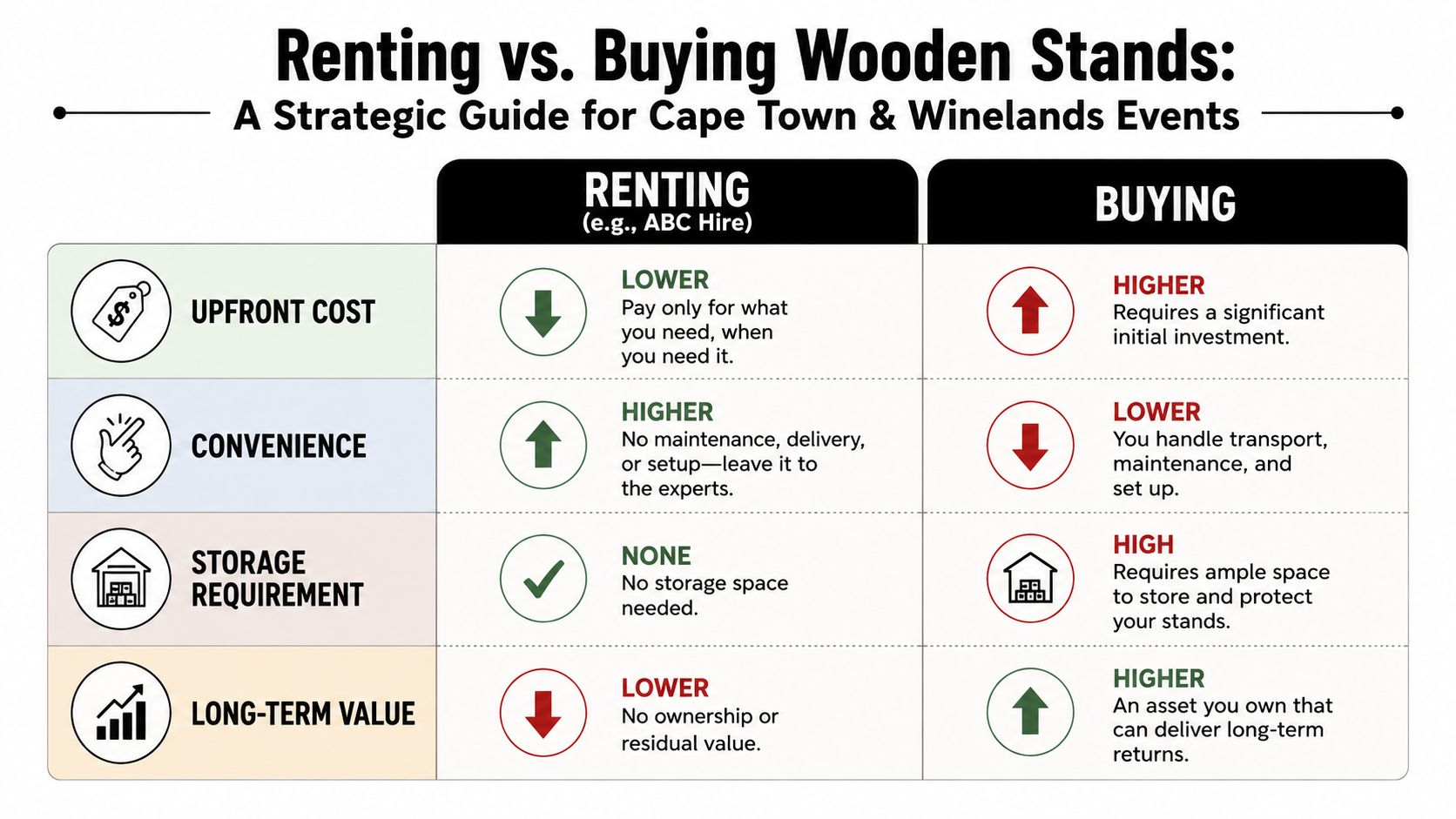
Should You Rent or Buy Your Smoke Machine

Buying sounds sensible at first. If a machine is available online, why not own it and use it whenever you need it?

For one-off events, that logic usually falls apart quite fast. Global pricing gives a useful baseline. According to global smoke machine market pricing and projections, entry-level smoke machines generally cost $100 to $200, professional models sit around $300 to $800, and specialised models can go above $1,000. The same source notes that the global market is projected to reach $511.99 million by 2026. That's useful context, but it doesn't tell a Cape Town client whether owning one makes sense for a wedding weekend or year-end function.

An infographic comparing the pros and cons of renting versus buying a smoke machine for events.

Renting vs buying in practical terms

A smoke machine isn't a decorative item you unpack and forget about. It needs the right fluid, regular cleaning, correct storage, and testing before the event. If it clogs, spits fluid, or underperforms, you've still got guests arriving on time.

For event planners, venues, and private hosts, renting usually makes more sense because it removes those responsibilities. You're not buying a machine, then trying to work out whether it's strong enough for a marquee, whether it needs a separate controller, or whether anyone on site knows how to run it.

Consideration Renting from ABC Hire Buying Your Own
Upfront cost Lower once-off event spend Higher initial outlay
Machine quality Access to event-grade equipment for the booking period Depends on what you can afford to buy
Maintenance Supplier handles cleaning and prep You handle cleaning, storage, and servicing
Reliability on the day Usually tested and event-ready Your responsibility to test and troubleshoot
Storage No storage after the event Needs safe storage between uses
Best fit Weddings, launches, parties, matric dances Repeated use by production teams or venues

When buying does make sense

Buying can work if you're a venue, production supplier, or organiser who uses smoke effects regularly and already has staff who understand event equipment. In that case, ownership gives you control and availability.

For most private clients, it doesn't.

Practical rule: If you need a smoke effect for one event, rent. If you need it often and know how to maintain it, then buying becomes worth discussing.

If you're comparing atmosphere effects more broadly, not just smoke, it's worth looking at how other event experiences are costed too. PSW Events' simulator solutions are a good example of how specialist event equipment is often rented because setup, transport, and support matter as much as the item itself.

For local planning, ABC Hire's guide to smoke machines hire is useful because it frames smoke effects as part of the event setup rather than as a stand-alone gadget purchase.

What Really Drives Smoke Machine Prices

Price follows performance. That's the simplest way to understand the smoke machine price question.

A small house party machine and a professional event machine may both produce visible smoke, but they won't deliver the same result in a ballroom, under stage lighting, or in an open vineyard. Clients often compare them as if they're interchangeable. They aren't.

A close-up view of the internal mechanism of a professional smoke machine featuring brass gears and controls.

The machine itself is only part of the bill

For Cape Town and Winelands events, the final price isn't just about the hardware. This discussion of rental economics and event logistics highlights an issue many planners already run into locally: delivery to places like Stellenbosch or Paarl, seasonal demand, and on-site support all shape what you pay.

That matches what happens on real jobs. A venue in town with easy access and a simple setup window is one thing. A farm venue with load-in restrictions, uneven surfaces, limited power points, and a tight supplier schedule is another.

Five things that push the price up or down

Power and output

Large venues need more output. So do spaces with high ceilings, long entrances, or broad dance floors. A compact unit can be enough for a small indoor celebration, but it won't carry a dramatic effect across a larger room.

For outdoor events, low power is usually where disappointment starts.

Type of effect

Clients often use “smoke”, “fog”, and “haze” as if they mean the same thing.

They don't:

  • Standard foggers create bursts of visible smoke for parties and entrances.
  • Hazers produce a finer atmosphere that makes lighting beams stand out.
  • Low-lying fog machines create the cloud effect used for first dances and styled reveals.

If you book the wrong type, the effect won't match the brief no matter how affordable it seemed.

Reliability and controls

Professional machines usually justify their price through consistency. Better pumps, cleaner output, stronger heat systems, and more predictable controls matter when your cue has to happen at the exact right moment.

Wireless remotes, timer functions, and DMX compatibility also affect pricing because they make the effect easier to manage in a live event environment.

A machine that works perfectly in a garage test can still be the wrong machine for a wedding reception or brand launch.

Consumables and cleanup

Fluid is part of the overall operating cost. So is post-event cleaning. Some machines are fussier than others, and some effects require more careful handling to keep the machine running properly.

Clients comparing prices often skip this. Event suppliers can't.

Delivery and labour

Local pricing becomes more realistic. If a machine needs delivery, placement, testing, collection, and possibly standby support, that changes the quote. The machine may be one line item, but the service around it is often what determines whether the effect works at all.

For a useful comparison, event planners can look outside the smoke category too. This piece on photobooth hire cost in Australia 2026 shows the same pattern seen in rentals generally. The base item matters, but transport, staffing, timing, and extras often shape the final cost more than people expect.

For another local angle on event effect pricing, this fog machine price guide helps distinguish between machine categories and use cases.

Choosing the Right Machine for Your Cape Town Event

The right machine depends on what the moment is supposed to feel like.

If the goal is romance, you choose differently than if the goal is drama. If the goal is dance floor energy, you choose differently again. That sounds obvious, but many disappointing bookings come from picking a machine by price alone instead of by event purpose.

Weddings

For weddings, the most requested effect is low-lying fog for the first dance. That effect only works when the machine, fluid, floor area, and venue conditions all line up. In a still indoor space, it can look elegant and clean. In a breezy outdoor setting, it can disappear before the photographer gets the shot.

Couples often don't need a machine that runs all night. They need one machine that delivers one moment properly.

Corporate events and launches

Corporate work usually calls for control rather than excess. A hazer can add texture to stage lighting without dominating the room. A stronger fog effect can work for a reveal or entrance, but it has to be timed well and used carefully so it doesn't distract from the programme.

For this kind of event, clean output and predictable triggering matter more than novelty.

Parties, matric dances, and milestone celebrations

A standard fogger is often enough to lift a dance floor. It gives lighting more impact and makes the room feel active. For private parties, this is often the most cost-effective choice because it delivers atmosphere without needing the more specialised setup that low fog requires.

Outdoor Winelands venues change the brief

Many online guides fall short in these circumstances. Outdoor Winelands events deal with wind and humidity, and guidance on outdoor fogger limitations notes that budget foggers can be unpredictable in open-air settings, often making a more capable professional machine the better option for a reliable atmospheric effect.

That's exactly the issue at vineyard venues. Even when the weather feels calm at setup, air movement across open lawns and terraces can scatter the effect immediately. Humidity can also change how the smoke sits and disperses.

For open-air events in Stellenbosch or Franschhoek, “good enough” equipment usually isn't good enough.

A practical way to choose is this:

  • Indoor first dance: Low-lying fog
  • Stage lighting enhancement: Hazer
  • Party dance floor: Standard fogger
  • Open-air vineyard setup: Professional-grade machine selected for outdoor conditions

The machine should fit the venue first, then the budget.

Smart Tips for an Affordable Wow Factor

The easiest way to overspend on smoke effects is to book them as an isolated afterthought. The easiest way to keep the cost sensible is to plan them as part of the broader event setup.

That's especially true in Cape Town, where transport, timing, and venue access often matter more than people expect.

A large, dense cloud of yellow and white smoke billowing against a dark, dramatic background with bold text.

Where clients usually save money

  • Bundle related rentals: If you're already hiring lighting, furniture, sound, or climate equipment, adding a smoke machine to the same delivery is often more efficient than arranging it separately.
  • Book early for peak season: Summer dates, weddings, and year-end functions create pressure on equipment availability. Early booking gives you better choice and less scrambling.
  • Use smoke for one key moment: A single well-timed effect often has more impact than running the machine continuously.
  • Match the machine to the venue: Overbooking wastes money. Underbooking wastes the effect.
  • Check your power setup: Don't leave cabling to the last minute. If your machine placement is far from power, plan for safe extensions in advance. This guide to choosing a 20 m extension cord is useful for avoiding messy event-day workarounds.

What works best in practice

For weddings, pairing low fog with focused lighting usually gives a stronger result than trying to fill the whole room. For parties, one well-placed fogger near the dance area tends to work better than multiple weak units. For launches, subtle haze often looks more premium than heavy smoke.

The best value doesn't always come from the cheapest quote. It comes from a setup that is sized correctly, delivered on time, and simple enough to run without stress.

If your smoke effect needs a long explanation to justify itself, it's probably the wrong setup for the event.

Your Questions Answered by Event Experts

Clients usually ask the same practical questions once they move past the price.

Question Answer
Will my venue allow a smoke machine? Many do, but you should always confirm in advance. Some venues have restrictions because of alarms, airflow, or floor finish concerns.
Is a smoke machine safe for weddings and parties? Yes, when used correctly, with the right fluid, sensible placement, and proper supervision.
Can I use one outdoors? You can, but outdoor use is where machine choice matters most. Wind and open space can reduce the effect very quickly.
Do I need an operator? Not always. It depends on the event timing, the complexity of the effect, and whether cues need to be precise.
Will the smoke last all night? That depends on the effect type and venue conditions. Some events need a short burst. Others need a more sustained atmospheric effect.
What should I confirm before booking? Venue approval, power access, indoor or outdoor use, timing of the effect, and whether delivery and setup are included.

A smoke machine should make the event easier to stage, not harder to manage. Clear planning usually solves most problems before they start.


If you're planning a wedding, launch, matric dance, or private celebration and want a clear local quote without guesswork, ABC Hire can help you choose the right smoke effect for your venue, timing, and setup requirements.

Wooden Serving Board Hire: A Cape Town & Winelands Guide

Guests are due in under an hour. The florist is adjusting the final stems, the bar team is chilling bottles, and the food table still looks flat. Then the boards arrive, the cheeses come out of refrigeration, the charcuterie is layered properly, and the whole room changes. A well-chosen wooden serving board doesn't just hold food. It gives the table weight, warmth, and a sense that the event has been styled with intention.

That matters in Cape Town and the Winelands, where settings do a lot of visual work on their own. A vineyard lawn in late afternoon light doesn't need fussy styling. A city launch in an industrial venue doesn't want rustic clutter. The board you choose has to support the mood, the menu, and the movement of service.

It also has to survive the reality of local events. Outdoor heat, breeze, transport to remote venues, quick turnarounds, and food that sits beautifully for photos but still needs to be practical for guests. That's where many people get stuck. They know they want the premium grazing-table look. They're less sure about board size, timber tone, food safety, or whether buying a stack of boards is even sensible for one event.

Elevate Your Event with the Perfect Grazing Board

A grazing setup often becomes the place guests gather first. At a Winelands wedding, that usually happens before anyone has found their seat. Guests drift from the welcome drinks to the harvest table, and the boards become part of the atmosphere. They soften trestle tables, break up crisp linen, and make abundant food feel generous rather than over-styled.

The best setups don't look crowded with props. They look grounded. Wood does that naturally because it brings texture and contrast to glassware, ceramics, polished cutlery, and pale napery. If you're layering event décor, it helps to think about the board as part of the tabletop composition rather than an afterthought. A good reference point is how surface textures work together across the whole setting, especially when you're combining serving pieces with candles, florals, and place settings, much like the styling ideas in this guide to decor on table layouts.

Where the board changes the whole look

At vineyard weddings, long rectangular boards usually suit the setting because they echo banquet tables and create a relaxed, generous line. They work well with torn bread, fruit, hard cheeses, and shared-style service.

At a corporate launch, the brief is often cleaner. Guests are standing, circulating, and balancing a drink in one hand. In that setting, smaller boards placed in clusters across cocktail tables or presentation stations often work better than one oversized centrepiece.

Practical rule: If guests need to move while they eat, style several accessible boards instead of one hero board that causes a queue.

Ambition is easy. Practicality is the trick.

Most planners start with the visual goal. They want a table that feels premium, editorial, and generous in photographs. The substantive decisions come immediately after that.

  • Board scale: Too small and the food looks cramped. Too large and it can feel under-filled.
  • Board style: A chunky rustic slab suits a farm-style lunch, but it can look heavy at a modern product launch.
  • Venue conditions: Sun, wind, and moisture all change what works on the day.
  • Service flow: Staff need room to replenish, clear, and reset without destroying the styling.

Wooden boards have a long history in food preparation and serving. Wooden chopping boards are documented as early as 3000 BC in ancient Egypt, and by the Middle Ages wooden boards had become common in affluent European households, later evolving further in the early 1900s when hard maple block construction improved durability, as noted in this history of wooden board development. That heritage still matters because the appeal of wood hasn't changed. It feels useful, tactile, and welcoming.

For events, that same appeal needs to be managed with a stylist's eye and a production mindset. A beautiful board is only successful if it looks right in the room, holds up through service, and doesn't become one more fragile item to worry about.

Selecting the Ideal Wooden Serving Board for Your Event

Some boards are decorative. Others are event workhorses. You need to know the difference before you build a menu around them.

A board for a plated bread service isn't the same as a board for a full grazing spread. A board that looks lovely in a showroom can be awkward once caterers start placing soft cheese, cured meat, preserves, and warm canapés on it. Selection starts with appearance, but it should end with function.

A collection of various rustic wooden serving boards of different shapes and sizes displayed together.

Start with material

The use of wooden boards for serving has deep roots. By the Middle Ages, wooden cutting boards were common in affluent European homes, with durable hardwoods like maple and oak valued for their ability to withstand use while protecting knife blades, as described in this overview of historic wooden board use.

For modern events, material choice still affects performance.

Wooden Board Material Comparison Best For Aesthetic Care Level
Oak Hearty grazing tables, bread service, rustic weddings Classic, sturdy, grounded Moderate
Acacia Rich food displays, premium canapé stations, darker styling schemes Warm, varied grain, elegant Moderate
Bamboo Lighter casual setups, daytime events, clean modern styling Light, neat, contemporary Moderate to higher attention for presentation consistency

Oak reads solid and established. It works particularly well when your venue already has natural texture, such as wine barrels, timber tables, stone walls, or lawn settings.

Acacia has stronger colour variation. That can be beautiful with pale cheeses, figs, crackers, and brass-toned serving ware, but it's less predictable if you want every board to match exactly in photographs.

Bamboo gives a cleaner visual line. It often suits daytime corporate events, wellness launches, or contemporary catering where the food palette is bright and minimal.

If you like handled pieces for easier placement and movement, this feature on a wooden tray with handles is useful for thinking through grip, portability, and presentation.

Shape controls the way guests move

Rectangular boards create direction. They're the best choice when you want a strong visual runner down a long table or you're dividing a spread into sections like breads, charcuterie, cheeses, and fruit.

Round boards feel more social and self-contained. They suit smaller clusters, side stations, lounge setups, and any event where guests gather in pockets rather than one long line.

Long narrow boards are excellent for:

  • Table runners of food: especially on harvest tables
  • Passed visual impact: when staff carry them to stations before final placement
  • Linear styling: where repeated shapes create rhythm down the table

Round boards are better for:

  • Intimate stations: four to eight guests circling naturally
  • Cocktail environments: where traffic comes from all sides
  • Soft visual breaks: between florals, candles, or signage

A board should make service feel easier. If it forces guests into a bottleneck, it's the wrong shape even if it photographs well.

Size should match the menu, not just the guest count

People often ask for a formula, but event styling rarely rewards rigid maths. A canapé-led event needs less board space per person than a grazing meal where the board is doing the work of a starter or shared main moment.

Use this decision guide instead:

  1. For light nibbles, choose smaller boards spread across multiple points so guests can reach them quickly.
  2. For a feature grazing table, use larger boards with space left between food groupings. Empty negative space is part of the premium look.
  3. For full grazing service, think in zones rather than one giant board. Bread on one, charcuterie on another, cheese on another, condiments in bowls between them.

The mistake I see most often is overcommitting to one oversized board. It sounds dramatic, but it's harder to transport, heavier to style on site, and awkward to replenish cleanly. Several coordinated boards nearly always look better and work better.

Artful Styling and Presentation with Cape Flair

A strong board starts with placement, not food. Put it in the wrong spot and even beautiful produce looks accidental. Put it in the right spot and the whole table feels intentional before a single olive lands.

At Cape events, local ingredients do a lot of the visual heavy lifting. You don't need imported excess to make a board feel luxurious. Biltong, droëwors, local cheeses, fresh figs, stone fruit, preserves, nuts, olives, crusty bread, and seasonal greenery already give you colour, texture, and a strong sense of place.

A wooden serving board featuring blue cocktails, cheese, cured meat, olives, pickles, and sliced radishes.

Build the board like a stylist

Start with anchor points. These are the visual stops that make the arrangement feel stable. Small bowls of olives, ramekins of preserves, and little dishes for honey or chutney work well because they hold wet ingredients and break up the flatter elements.

Then create a line through the board. On many event boards, that line is a folded charcuterie run through the centre. Some stylists call it a salami river. Whether you use salami, bresaola, or neatly layered cured meat, the principle is the same. It gives the eye somewhere to travel.

After that, place your larger pieces.

  • Cheese first: hard wedges and soft rounds shape the composition
  • Meat next: folded or rolled for height
  • Carbs around the edges: crackers and sliced bread frame the board
  • Fresh produce last: figs, grapes, radishes, and herbs fill gaps without looking forced

Make abundance look edited

The premium look isn't about packing every centimetre. It's about contrast. Dense clusters next to breathing room. Matte bread against glossy olives. Pale cheese against dark timber.

Three styling habits separate polished boards from messy ones:

  • Vary height: stack crackers loosely, fold cured meats, and let grapes spill slightly
  • Repeat colours: if you use fig, repeat that tone elsewhere with cured meat or preserves
  • Keep garnish relevant: rosemary, thyme, or subtle fynbos can work, but only if it suits the food and doesn't smell distracting

Leave some timber visible. Guests need to see the board itself for the display to feel premium rather than overfilled.

Cape ingredients that always earn their place

For Winelands weddings, I like boards that echo the local scenery and the season. That usually means local fruit, earthy tones, and ingredients that can hold their shape during service.

A few combinations work consistently well:

  • For a vineyard afternoon: brie, mature cheddar, fig preserve, green grapes, seeded crackers, walnuts, and torn sourdough
  • For a Cape heritage angle: biltong, droëwors, hard cheese, pickled onions, roosterkoek pieces, and chutney in small bowls
  • For a modern city launch: clean-cut cheeses, charcuterie ribbons, cornichons, radishes, olives, and crisp flatbreads with restrained greenery

Style for the event type, not your mood board

Rustic weddings can carry more texture. Boards can be broader, looser, and layered with fruit and bread in a more generous way.

Corporate boards need cleaner edges. Guests often grab quickly, so pieces should be easier to lift, less drippy, and arranged with more obvious access points. That means fewer sprawling garnishes and better spacing.

For private milestone celebrations, the sweet spot is usually somewhere in the middle. Guests want the warmth of abundance, but hosts still need food that's easy to refresh without pulling the whole display apart.

A board should look inviting from a distance and easy to eat from up close. If it only does one of those jobs, it needs refining.

Essential Food Safety and Board Care for Events

Wood still gets unfairly treated as the risky option by people who assume plastic is automatically more hygienic. In event work, that assumption can lead to bad habits, especially when plastic boards are heavily scored, poorly cleaned, or used far beyond their best condition.

A 2020 scientific study demonstrated that wood has inherent antimicrobial properties, with bacteria surviving for significantly less time on wooden surfaces than on stainless steel, polycarbonate, and aluminium, according to this summary of wood's antimicrobial performance. That matters because it shifts the conversation away from myth and back to proper handling.

A person wiping down a wooden serving board with a green cloth against a black background.

What smart event teams do on the day

The board itself isn't the whole food-safety story. Service conditions matter just as much. Outdoor heat, long setup windows, and repeated guest contact all affect how food should be managed.

These habits make the biggest difference:

  • Use barriers where needed: parchment paper under very oily, acidic, or strongly coloured items can protect the board finish and simplify cleanup
  • Clean spills fast: soft cheese, jam, chutney, and fruit juices shouldn't sit on the surface any longer than necessary
  • Dry properly after cleaning: boards should never be packed away damp
  • Separate prep from presentation: don't treat the styled board as an all-purpose kitchen chopping surface during service

What doesn't work

Leaving boards in the sun while the catering team handles something else is a common mistake. So is washing them quickly and stacking them flat while still damp. Both shorten the board's useful life and raise the risk of odour, staining, or warping.

Another bad habit is overloading one board with every wet ingredient on the menu. It might look lush for ten minutes, then the crackers soften, oils spread, and the board starts looking tired.

Professional-looking boards stay fresh because someone is managing them during service, not because they were styled beautifully once.

If your team is refining backstage cleaning routines, this article on preventing mold growth via WipesBlog.com is useful as a general reminder about moisture control, airflow, and why damp equipment should never be closed away before it has dried properly.

Why managed stock is often the safer option

For one-off hosts, board care tends to become an afterthought. The event ends, the leftovers are dealt with, and the boards are washed late, stored badly, or forgotten in a garage or scullery. That's where quality drops fast.

Professionally maintained stock usually performs better because the condition of the board is part of the service standard. Surfaces are checked, cleaned properly, dried correctly, and rotated before they become tired-looking. For events where presentation and hygiene both matter, that level of consistency is worth more than owning a pile of boards that only look good on day one.

The Smart Way to Source Boards in Cape Town and the Winelands

Buying boards sounds sensible until the logistics arrive. Then you're storing bulky items, transporting them to venues with narrow access, protecting them from damage, and hoping they still look polished after multiple uses.

That problem gets sharper in the Cape. Wooden boards used for events in South Africa face specific durability challenges, including high UV exposure at outdoor venues and coastal salt air in Cape Town, which means rental stock needs specialised maintenance and treatment protocols between uses, as noted in this overview of South African event board challenges.

A four-step infographic illustrating the smart sourcing of wooden serving boards for professional event planning.

Why hiring usually wins

For most weddings, launches, and private functions, hiring makes more sense than purchasing. Not because buying is wrong, but because events place unusual pressure on serving ware.

You're dealing with:

  • Transport risk: large boards knock against each other in transit
  • Storage issues: timber needs suitable conditions between events
  • Style variation: one event may need pale minimal boards, the next darker rustic pieces
  • Maintenance labour: proper cleaning, drying, and conditioning takes time

Hiring lets you match the board selection to the brief instead of forcing every event to work around what you own.

A practical sourcing process

The easiest sourcing process is usually the simplest one.

  1. Confirm the event style
    Rustic wedding, polished corporate launch, private birthday, or a formal school event. The brief shapes the board choice.

  2. Map the food format
    Shared grazing, bread service, canapé stations, or mixed displays. This tells you whether you need statement boards, clusters, or both.

  3. Check venue realities
    A Stellenbosch farm, a Franschhoek estate, and a Seapoint rooftop all ask different things of the setup team.

  4. Choose convenience over clutter
    If the boards need to arrive clean, consistent, and ready for service, professional hire reduces the variables.

For anyone balancing boards with the broader event setup, this guide to furniture for hire in Cape Town is a useful reminder that serving pieces never stand alone. They need to work with tables, seating, bars, and the service footprint around them.

The smartest event purchases are often the ones you don't make. If an item needs ongoing care, storage, and transport planning, hiring it can protect both your budget and your sanity.

Where rental is especially useful

Hiring is particularly practical for destination weddings in the Winelands, corporate teams hosting roadshow-style activations, and private clients who want a refined food display without building a permanent inventory.

It also helps when your brief changes late. A caterer may expand the grazing station. A planner may decide to split one table into three. A venue may shift service indoors because of wind. Flexible stock solves those problems more cleanly than trying to improvise with whatever boards happen to be in a cupboard.

Bringing Your Unforgettable Display to Life

A memorable grazing display isn't built by accident. It comes from matching the wooden serving board to the occasion, styling it with restraint, and treating food safety and board care as part of the design process rather than backstage admin.

That's why the best event tables feel effortless. The materials suit the venue. The food is arranged for both beauty and access. The practical side has already been handled before the first guest arrives.
If you're planning the broader guest setup at the same time, it can help to look at related event layout ideas such as Premier Marquee Hire's table and chair services, especially when you're thinking about how serving stations, seating, and circulation work together.

The strongest displays in Cape Town and the Winelands always strike the same balance. They feel generous, relaxed, and polished, but they're grounded in good choices. The right boards make that possible. Professional hire often makes it easy.


If you're planning an event in Cape Town, Stellenbosch, Franschhoek, Paarl, or the surrounding areas, ABC Hire can help you build a polished event setup with quality rental pieces that work beautifully in real venues and real service conditions.

Small Round Table Guide for Cape Town Events

You've probably had this brief before. The venue is beautiful, the client loves the look, and then the floorplan lands in your inbox and everything gets awkward. The farmstead dining room has thick walls and narrow pinch points. The courtyard is charming but uneven. The marquee has poles exactly where you don't want them. Or the city venue looks generous online, then feels tight the moment you start placing chairs.

That's where the small round table stops being a filler item and starts doing real work. In Cape Town and the Winelands, the right small table can rescue circulation, soften a rigid room, and make guests feel more comfortable without making the event look improvised. It's one of those pieces that planners tend to underestimate until a difficult venue reminds them why shape matters.

Why a Small Round Table is Your Secret Weapon

A small round table earns its keep in spaces that aren't perfectly square, perfectly flat, or perfectly forgiving. That describes a lot of Western Cape venues. Historic farm buildings often have awkward corners, old thresholds, and support elements that punish rigid layouts. A round table gives you more freedom to shift, rotate, and open up traffic lanes without the whole room looking off-balance.

It also changes the way people behave. Guests don't have to negotiate “head” positions, and conversation starts more naturally when everyone sits on an equal curve. At a wedding in Franschhoek, that matters. At a CBD brand launch where people are circulating between drinks, canapés, and short conversations, it matters just as much.

Why planners keep coming back to them

Its value isn't only visual. It's operational.

  • They fit difficult rooms better: Small rounds slide into alcoves, between poles, and beside dance floors with less visual heaviness than square or rectangular options.
  • They encourage interaction: Guests can make eye contact more easily, which helps at intimate dinners, networking events, and private celebrations.
  • They soften the room: In venues with lots of stone, glass, steel, or timber, a circular top breaks up hard lines and makes the setup feel less formal.
  • They adapt well: You can use them for two guests with drinks, for a three-person seated setting, or as part of a mixed-format event.

Practical rule: If the venue feels tighter in person than it did on the site visit photos, a small round table usually gives you more recovery options than a hard-cornered layout.

There's also a styling advantage. A small round table can look polished with very little on it. A cloth, a low arrangement, the right chair, and suddenly the setup feels deliberate instead of sparse. If you're comparing timber options and finishes, a good reference point is this guide to a wood round table for events.

For planners who work across weddings, matric dances, launches, and home functions, that versatility is the secret. One furniture choice solves layout, flow, and atmosphere at the same time.

Sizing and Spacing Your Tables Correctly

You feel spacing mistakes fastest at guest level. A chair clips the waiter carrying mains. Someone near the barn door has to stand to let the row behind them out. On a calm floorplan, everything looked fine. In a real Cape Town or Winelands venue, especially one with thick walls, uneven patios, or a breeze pushing people under cover, that layout can tighten up very quickly.

A measuring tape sits on a small round table in a room filled with identical tables.

The fix starts with footprint, not guest count. I plan small rounds by the space they occupy once chairs are pulled out and staff are moving, not by the maximum number a brochure says they can seat. That matters even more at older Stellenbosch and Franschhoek properties where door openings are narrow, verandas steal usable width, and one support pillar can ruin an otherwise tidy grid.

For Cape Town event rentals, a practical method comes down to three checks. Allow enough room for chair pull-out and proper walkways, as noted in this table and chair rental layout guide. Match the diameter to how guests will use the table. Then test the pressure points near doors, bars, buffet lines, and dance floors, because those are the first places a pretty plan fails.

Start with the working footprint

A small round table always needs more room than the top suggests. The timber or cloth edge is only the centre of the problem. Chairs, handbags, servers, camera operators, and guests standing to greet each other are what turn a compact setup into a congested one.

In practice, a 900mm round usually suits two to four guests, and three feels comfortable if there are proper place settings, glassware, and a centrepiece. A 1200mm round can take four to six, but it needs more breathing room around it and gets awkward quickly if the venue has tight circulation. I use 900mm rounds often for tasting rooms, courtyards, and side sections of larger receptions because they give more recovery options if the room starts feeling crowded.

Table Diameter Cocktail Standing Seated Guests (Comfortable) Required Floor Space (incl. clearance)
760mm 2 Not ideal for full dining Allow for standing circulation and service access
900mm 2 to 4 3 Allow for chair pull-out plus walkway space
1200mm Limited use for standing 5 Needs a wider operating footprint than 900mm

Plan the room in the right order

I pressure-test layouts in this sequence:

  1. Mark fixed obstacles first
    Doors, fireplaces, bars, service stations, stages, poles, DJ booths, heaters, and garden steps decide the layout before the tables do. Historic farm venues are notorious for this. The room may be charming, but alcoves and old wall thickness can steal usable metres.

  2. Draw guest and staff routes
    If staff and guests are forced into the same narrow path, service slows and the room feels busy. This gets worse in the Winelands during winter when everyone drifts indoors, and in summer when the Cape Doctor pushes outdoor guests toward sheltered edges.

  3. Place the smallest table that still fits the event
    A 900mm round usually buys cleaner movement than a larger top. That extra bit of clearance matters more than planners expect, especially near dance floors and on patios where chair legs can catch on grout lines or lawn edges.

  4. Check edge cases by hand
    Open the chair positions properly. Stand where a server would stand. Test the route to the bathroom and bar. A plan can pass on paper and still fail once real bodies start moving through it.

Tight layouts usually break down at the edges. Corners, thresholds, buffet approaches, and the first row beside the dance floor are where guests notice bad spacing first.

Match the size to the event format

Different functions need different tolerances. A seated dinner needs elbow room and service access. A brand launch or wine tasting can run a little tighter if guests are circulating. A wedding in a cellar or farmhouse dining room often needs a mixed approach, with some fully seated tables and some lighter satellite rounds near the perimeter.

Use 900mm rounds where conversation matters and the room is doing you no favours. Use 1200mm rounds only if the venue can carry the extra chair movement without pinching walkways. For mixed-format events, small rounds work best as pockets of seating, not a dense field of identical tables.

That is usually the difference between a room that feels intimate and one that feels cramped.

Choosing Your Table Style for Cape Town Events

The table that looked perfect in a showroom can fail badly at a Cape Town venue. I see it most often at sea-facing properties, courtyard receptions, and old Winelands farmsteads where the setting is beautiful but the conditions are hard on furniture. Salt in the air, damp morning setup windows, hot afternoon sun, and the Cape Doctor all expose weak finishes and light bases very quickly.
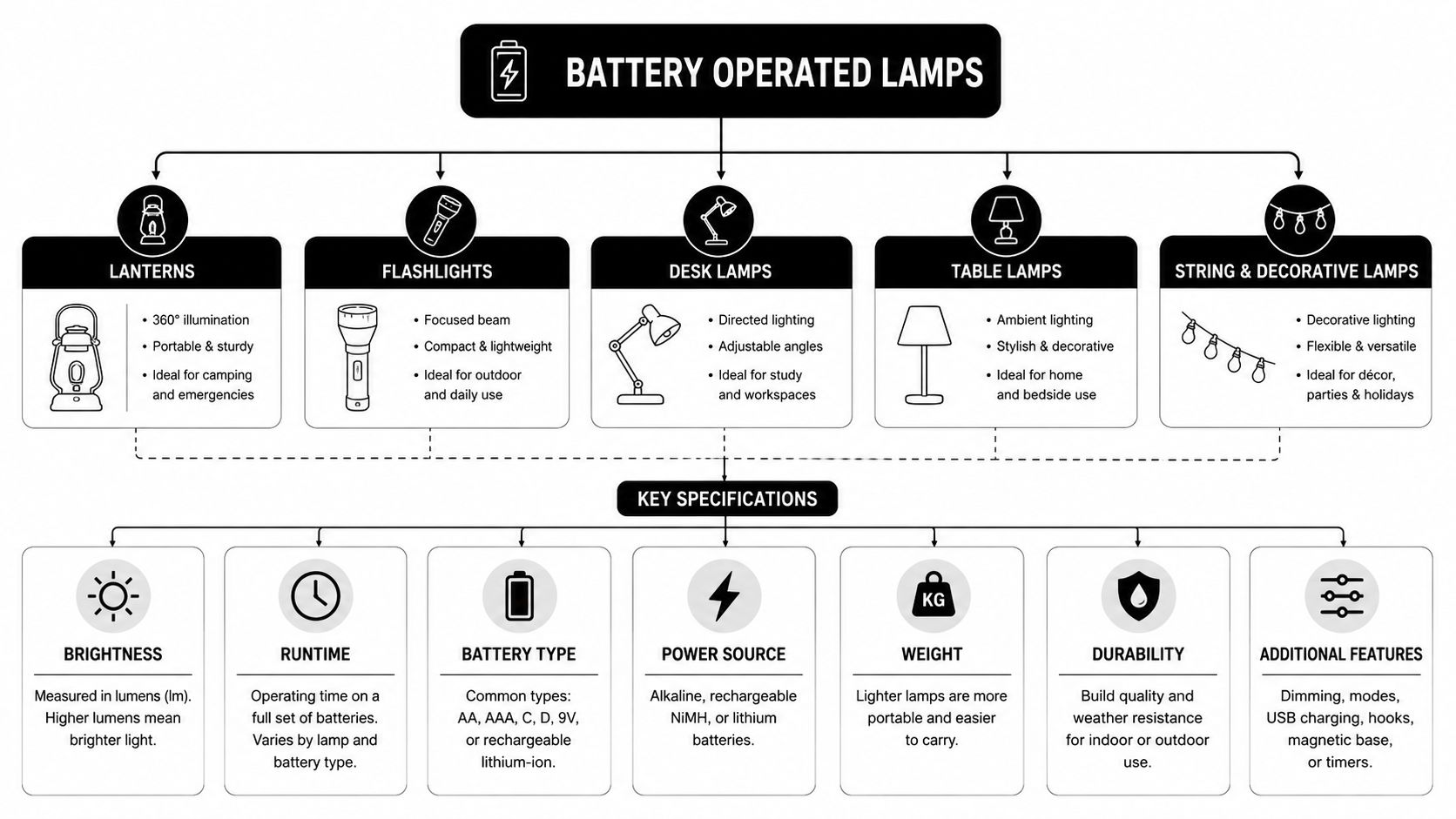
Three distinct small round tables with drinks placed on a stone patio overlooking the blue ocean.

Style choice starts with the venue, not the mood board. At an old Stellenbosch manor with narrow doorways and uneven stone, I would rather use a simpler table that carries safely and stands firm than a prettier piece that arrives scratched and wobbles by canapés. In my experience, a surprising amount of rental stock looks good in photos but struggles once it has to be loaded in, set on imperfect surfaces, and left outdoors for six hours.

Timber tops for warmth and character

Timber works well in the Winelands. It suits cellar doors, barns, garden lunches, and farmhouse courtyards where you want texture without heavy linen. A good timber small round table can also carry a table setting with less decoration, which helps if the room already has enough character.

The trade-off is condition control. Poorly sealed timber marks easily from chilled glasses, shifts with temperature swings, and can pick up wear fast during summer season. At venues in Franschhoek or Paarl, that matters even more if the tables are set the night before or exposed during a long build.

Ask what finish is on the top. Ask how often the stock is refinished. Ask whether the rental company uses protective pads during transport. Those details tell you more than the product photo.

Metal and mixed-material tables for harder-working setups

For corporate functions, gallery spaces, and brand events, metal-base tables usually make service easier. They read cleaner, sit comfortably with monochrome or branded palettes, and generally cope better with frequent handling. I also prefer them for venues in the CBD where load-in often involves lifts, ramps, and tight turnaround times.

But metal is only as good as its coating and hardware. Cheap powder coating chips. Base plates rust around the bolts. Adjustable feet seize up if they are neglected, which is a real problem on old paving or sloped terraces. A heavier base is usually worth the extra handling time if the event is outdoors or exposed to wind.

Style Best fit Strength Watch for
Timber small round table Weddings, private dining, farm venues Warmth, texture, softer visual feel Surface movement and marking if the finish is poor
Metal-base round table Corporate events, city venues, activations Clean lines, dependable rental performance Rust, chipped finishes, weak hardware
Acrylic or LED feature table Night events, parties, branded moments Strong visual impact Weather exposure, visible scratches, power planning

A premium look means very little if the table rocks during speeches or shifts every time a guest rests an elbow on it.

When feature tables make sense

Feature tables work best in controlled doses. One or two can define a lounge pocket, a VIP area, or a branded drinks zone without making the whole floor feel busy. That approach suits Cape Town venues especially well because many of them already have strong architectural character, from rough plaster walls to old oak beams to mountain-facing terraces.

Contrast usually does the heavy lifting. A crisp modern top can sharpen an old farm venue. A warmer textured top can soften a contemporary space in Woodstock or on the Atlantic Seaboard. The right call depends on what the room already gives you, and what the weather is likely to do on the day.
For exposed sites, practical performance comes first. If the event sits near the coast, on gravel, or on heritage paving, choose the table that stays stable, carries cleanly, and still looks good after setup. That is usually the better style choice in the Western Cape.

Creative Layouts for Intimate Conversations

A small round table earns its keep when guests can settle into a real conversation without feeling stranded from the rest of the room. In Cape Town and the Winelands, that usually means working around awkward old walls, deep verandas, uneven courtyards, and wind that shifts guest behaviour by the hour. A layout that looks balanced on paper can feel tight, exposed, or underused once the South Easter starts pushing people off the terrace and back inside.

A modern restaurant interior featuring small round tables with green velvet chairs and refreshing citrus drinks.

For short-stay seating, keep the scale honest. A 760mm cocktail table suits 2 people for a close conversation. A 900mm round works for 3 to 4 guests if they are standing or sitting briefly between speeches, tastings, or networking loops. On old farm paving, quarry tile, or cobbles, choose tables with adjustable levellers. That is not a luxury extra in the Western Cape. It is the difference between a table that stays planted and one that rocks every time someone puts down a wine glass.

The constellation layout for weddings

This layout works well in long barns, courtyards, and werf-style spaces where a rigid grid makes the room feel too formal. Instead of lining up every table perfectly, place small rounds in loose clusters with slight offsets between them. The room immediately feels softer, and conversations happen in smaller, more natural pockets.

It also helps with sightlines. Guests still catch the couple's table, the dance floor, or the mountain view, but they do not feel parked in rows.

I usually leave more open centre space than the planner first expects. At Boschendal, Cavalli, or an older Stellenbosch farmstead, that buffer gets used fast by photographers, servers, and guests drifting toward the action. If you close it up too early, the room feels blocked long before dinner starts.

Clustered rounds for launches and networking

For launches, tastings, and mixed-format corporate events, clustered rounds usually outperform fully seated plans. Guests need a place to stop, put down a drink, and speak without committing to one spot for the whole event. The trick is to create pockets, not obstacles.

A practical setup looks like this:

  • Use 760mm tables near bars, tasting stations, or activation points for quick two-person chats.
  • Set 900mm rounds just off the main traffic line so groups can gather without clogging service routes.
  • Build pause zones near branding moments or view lines but keep entrances and venue pinch points clear.
  • Use weighted bases or sheltered positions outdoors if the Cape Doctor is likely to hit the terrace.

Guests do not read a floorplan the way planners do. They notice whether a space lets them stop comfortably, rejoin the flow easily, and avoid standing in the wind with a full glass.

If the event includes linen, table spacing needs even more discipline. Full-drop cloths can visually bulk up a layout and tighten walkways faster than many planners expect. This guide to choosing a round table cloth for event use is useful if you are balancing look against clearance.

Cabaret curves for presentations

In venues with a speaker, panel, or tasting host, small rounds work well in a cabaret-style curve. Turn each grouping so the open side faces the presentation point. That keeps guests engaged with the front of the room while still allowing side conversation before and after the formal segment.

This is especially effective in city venues with broad open floors, and in Winelands halls where one end naturally becomes the stage wall. It gives guests somewhere to set notebooks, tasting glasses, or coffee without forcing the room into a classroom feel.

For evening functions, feature tables can help mark the bar edge, lounge pocket, or entrance zone, but use them sparingly. A few lit rounds can pull people through a dark room. Too many make the space feel busy, and outdoors they add one more weather and power check to the setup list. For Cape summer conditions, look for an IP54 rating or higher if those tables may sit near open sides, terraces, or courtyard edges.

Styling and Decorating Your Tables

A small round table looks best when the styling respects its scale. Too many planners treat it like a reduced version of a large banquet table and then wonder why it feels cramped. The table is smaller, the guest circle is tighter, and every object on top competes directly with glasses, plates, elbows, handbags, and sightlines.

The first rule is simple. Leave breathing room. If guests have to move florals just to reach water glasses, the styling has gone too far.

Get the linen right

Linen changes the whole read of a small round table. It can make a basic hire item feel formal, romantic, modern, or casual depending on fabric, fall, and finish. It can also make the table look underdressed or clumsy if the drop is wrong.

For a clean event look, use cloths that suit the table diameter and the function of the event. You want enough drop to feel intentional, but not so much fabric that it pools into chair legs or catches on shoes in tight layouts. If you're comparing options, this guide to a round table cloth for event use is a useful starting point.

A few practical rules help:

  • For exposed timber tops: Skip the cloth if the table surface is attractive and the event style is relaxed or rustic.
  • For formal settings: Use a full drop or near-full drop that gives the table presence without feeling bulky.
  • For cocktail use: Keep linen neat and secure, especially outdoors where wind can turn loose fabric into a nuisance.
  • For mixed layouts: Repeat one cloth style across the room so the smaller tables still feel connected to larger feature tables.

Keep centrepieces low and honest

Small rounds reward restraint. A low floral bowl, compact bud vase grouping, candle cluster, or simple lamp often works better than one tall arrangement. Guests don't want to peer around a structure to speak to the person opposite them.

If the event needs height, create it elsewhere. Put drama on the bar, the entrance, the ceremony backdrop, or suspended installations. Let the table stay useful.

A good centrepiece on a small round table should finish the setting, not dominate it.

Choose details that support conversation

The most successful tablescapes usually solve two jobs at once. They look polished, and they make guests comfortable. That means thinking about what sits on the table during the event.

Consider these combinations:

Event style Best table styling direction What to avoid
Winelands wedding Soft linen, low florals, warm candlelight Tall arrangements that interrupt sightlines
Corporate dinner Crisp cloth, clean stationery, minimal centrepiece Overdecorating that crowds plates and branded items
Birthday or private party Textured layers, coloured glassware, playful lighting Too many props competing for surface space

Candles can work beautifully indoors, especially in cellar venues or evening receptions, but outdoors they need protection. If the weather is uncertain, enclosed lighting or stable LED alternatives are often easier to manage. The table should still look complete even if the wind picks up.

A small round table is one of the few pieces that can look expensive with very little added. Good linen, one scaled arrangement, and disciplined editing usually beat a table loaded with “extras”.

The Ultimate Cape Town Rental and Logistics Checklist

The trouble usually starts at load-in. The tables fit the floorplan, but the truck can't get close to the courtyard, the crew is carrying folded furniture over gravel, and the afternoon south-easter has started pushing through the oaks. That is a normal Cape Town setup problem, especially at older Winelands properties and compact city venues.

A checklist for renting furniture for events in Cape Town featuring small round tables and logistical planning.

Small round tables work well in these spaces because they are easier to place in narrow rooms, around pillars, and through awkward access points. They also give a crew more flexibility on site if the final layout changes after the coordinator sees the room dressed. From a hire side, that flexibility matters as much as the look.

I have seen the same issue repeat at farm venues near Stellenbosch and Franschhoek. A table can be perfect on paper and still be the wrong choice if it has to go through a kitchen passage, over uneven brick, or into a courtyard that catches the Cape Doctor by mid-afternoon. The checklist needs to cover the route, the surface, and the reset plan, not just the guest count.

Before you book

Start with the room and the access route, then look at price.

  • Measure the usable space, not just the venue size: Exclude bars, dance floors, DJ positions, fireplaces, pillars, and service paths.
  • Ask for entry measurements: Door widths, passage turns, lifts, stairs, and side gates decide what can be delivered without delays.
  • Confirm the table height and chair pairing: Slight mismatches look untidy and feel awkward once guests are seated for a full meal.
  • Ask how the tables fold and stack: Our internal hire experience shows that stack-friendly designs save time on loading, unloading, and multi-stop deliveries.
  • Check whether the setup is indoors, under cover, or fully exposed: Wind changes what works for courtyards, lawns, and terrace dining.

If the venue is a historic farmstead, ask where the crew may trolley and where they must hand-carry. That one answer often tells you more than the brochure.

Before delivery day

A floorplan helps. A proper access brief saves the day.

Older Cape Town and Winelands venues often have details that do not show up on the first venue visit. Gravel that shifts under load. Steps near the cellar entrance. A gate that is wide enough for guests but awkward for stacked furniture. If the event is outdoors, add weather timing to the plan. Morning deliveries can be calm, then the wind picks up by lunch.

Use this pre-delivery checklist:

  1. Confirm the delivery window with the venue and planner
  2. Check the exact drop-off point for the truck or bakkie
  3. Flag gravel, lawn, cobbles, stairs, and narrow passages
  4. Set aside a holding area for stacked furniture during setup
  5. Match chairs to tables before dispatch
  6. Note any outdoor sections that may need levelling wedges or a layout adjustment
  7. Confirm who is on site to sign off quantities at delivery

The best setups usually look over-prepared on paper. That is what keeps the install calm when access is tight and three suppliers arrive at once.

On-site setup and post-event collection

Test every table before linen goes on. A cloth hides a wobble. Guests find it later when they lean in for speeches, coffee, or a crowded plated service.

This matters even more outside. Courtyards at Paarl and Franschhoek venues can look level from a distance and still shift from one table position to the next. Check each leg. Recheck after placement. If wind is expected, keep centrepieces contained and avoid leaving folded linens or lightweight tabletop items unattended during setup.

For breakdown, make collection easy on the crew and kind to the venue:

  • Clear florals, candles, and stationery early: Decorative items slow stacking and increase breakage risk in low light.
  • Group furniture by type: Keep tables, chairs, and linen in separate collection points.
  • Keep access routes open after dinner service: Wet lawns, muddy paths, and dark passages slow the strike.
  • Leave space for collection vehicles and other suppliers: This is a common pressure point at shared venue exits.
  • Check for damage before the truck leaves: It is easier to resolve on site than the next morning.

Good event logistics are quiet. The tables arrive, sit flat, survive the weather, and leave without scraping a heritage doorway or blocking a midnight strike.

If you're planning a wedding, launch, matric dance, or private event in Cape Town or the Winelands, ABC Hire can help you match the right small round table to your venue, style, and setup logistics. Their range covers practical event furniture for city venues, farm settings, and after-dark functions, with local delivery experience across Cape Town, Stellenbosch, Franschhoek, and Paarl.