
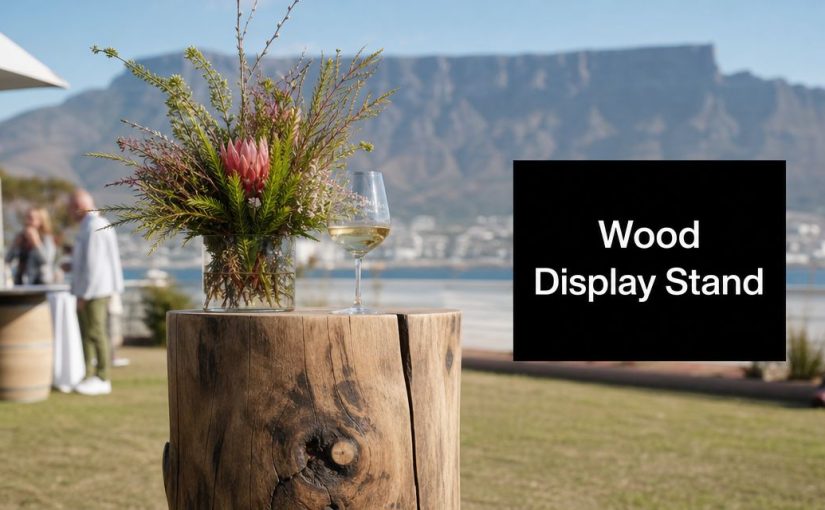
You've chosen the flowers, signed off the menu, and finally have a venue that feels right. Then you look at the actual guest touchpoints. The welcome area feels flat, the tasting table has no height, the favours need structure, and the signage is leaning against whatever surface is available. That's usually the moment a wood display stand stops being a decorative extra and starts solving real event problems.
In Cape Town and the Winelands, that decision carries more weight than it does in a generic styling guide. Venues range from modern CBD rooftops to wine estates, courtyards, farm sheds, marquees, school halls, and coastal lawns. A stand that looks beautiful in a showroom can fail badly on gravel, absorb moisture on a damp morning, or feel too flimsy once guests start interacting with it. Good event styling here isn't only about the look. It's about choosing pieces that work under local conditions and still photograph well.
Why Wood Display Stands Are Essential for Modern Events
A wood display stand earns its place because it gives an event structure. It creates a focal point, lifts products or décor off a flat table, and helps guests understand where to look first. That matters whether you're setting a ceremony welcome area, a canapé station, a gifting table, or a branded product moment at a launch.
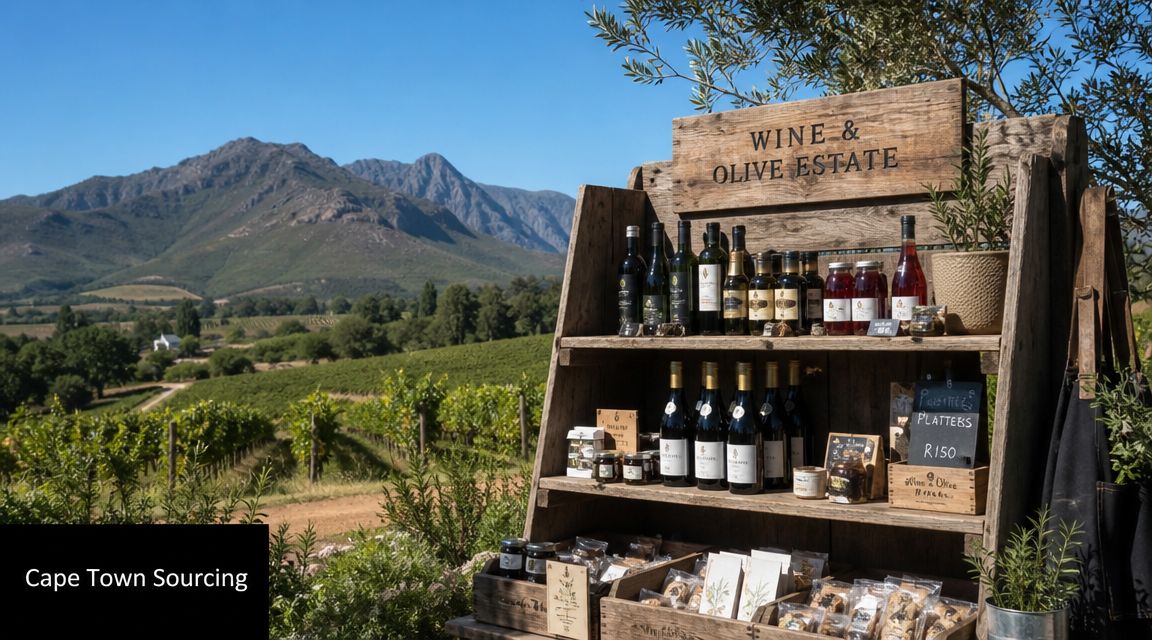
In practical event use, wood has become far more than a retail fixture. Wood display stands have evolved from purely functional retail fixtures into branded presentation tools, especially in hospitality and experiential settings, with use cases that include signage, tasting notes, menus, and branded presentation in places like Cape Town and the Winelands, as reflected in wooden advertising displays. That shift is easy to see on the ground. Wedding planners use them for seating charts and cake moments. Wine farms use them for tasting notes and product storytelling. Corporate teams use them to soften a branded setup that would otherwise feel too hard or generic.
Where they make the biggest difference
Some event items need elevation to read properly in a room.
- Welcome areas: A sign on its own rarely feels finished. Add a wood stand and it becomes an arrival feature.
- Food and beverage styling: Menus, tasting cards, packaged treats, and small-batch products all sit better with height and separation.
- Retail-style event moments: Pop-ups, activation counters, and favour displays benefit from shelving and clear product zoning.
- Ceremony and reception crossover: One piece can move from entrance signage to gift table duty later in the day.
That versatility is one reason event teams keep coming back to timber-based display pieces instead of one-use props.
Practical rule: If a guest needs to notice it, read it, photograph it, or reach for it, it usually needs more than a flat tabletop.
Wood also works because it bridges styles well. It can read rustic, polished, minimal, modern-country, or editorial depending on the finish and surrounding décor. That's why it pairs naturally with plinths, easels, and layered presentation furniture. If you're building out a fuller styling story, this plinth for hire guide is a useful companion for mixing heights without making the layout feel cluttered.
Why event planners keep choosing them
Acrylic can feel sharp and contemporary. Metal can feel clean and architectural. But wood usually wins when the brief needs warmth. It softens a venue, especially one with stone, concrete, glass, or exposed industrial finishes. It also helps tie together floral work, linen, stationery, and food presentation.
Just as important, a wood display stand can be reused across multiple moments in one event. That makes it less of a styling indulgence and more of a working piece of infrastructure.
Choosing the Right Wood and Finish for Your Stand
Cape Town conditions punish poor material choices. A stand that looks perfect in a catalogue can swell, mark, wobble, or lose its finish once it hits sea air, patio service, or damp grass. For local events, material choice matters as much as styling, particularly because the Western Cape's winter rainfall makes temporary outdoor use more demanding than many people expect, as noted in this discussion of temporary outdoor display use in variable weather.
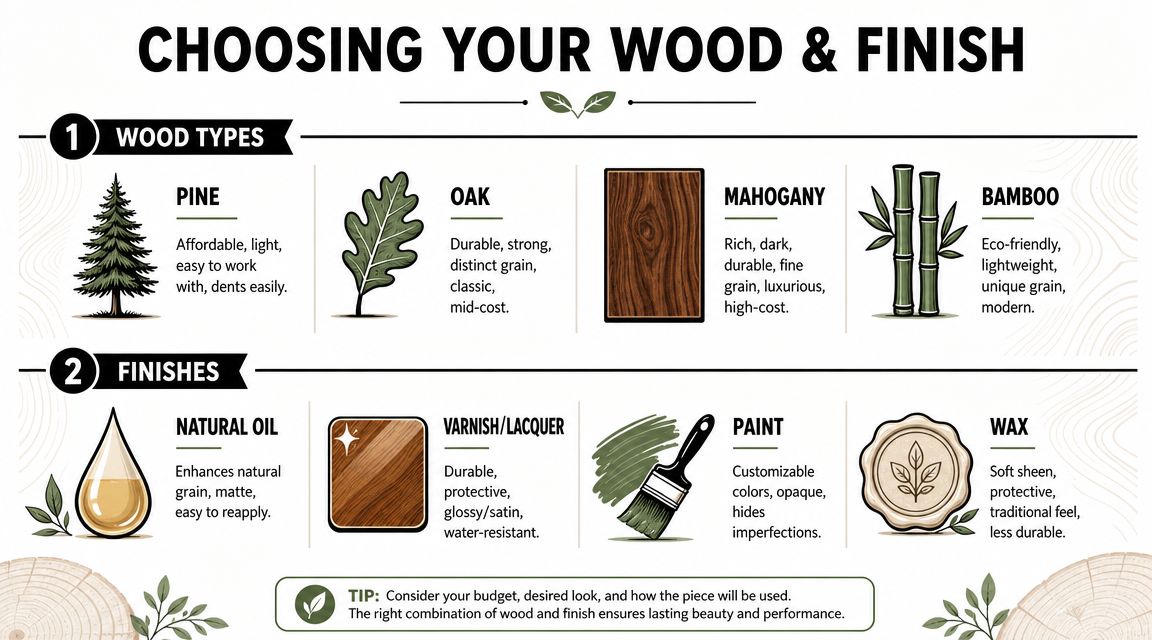
Comparing common wood options
Here's the useful way to think about timber for events. Not every stand needs to be made from premium hardwood. It needs to be right for the job.
| Wood type | How it looks | Where it works well | Main trade-off |
|---|---|---|---|
| Pine | Light in colour, softer grain, easy to stain or paint | Indoor weddings, lighter welcome displays, short-term styled moments | Marks and dents more easily |
| Oak | Strong grain, classic tone, feels substantial | Premium hospitality, tasting setups, heavier visual anchors | Heavier to move and usually pricier |
| Plywood or engineered board | Clean, practical, can look refined when well edged and sealed | Rental stock, modular shelving, branded activations | Less romantic if left too raw |
| Mahogany-style dark timber | Rich, formal, high-end look | Luxury dinner service, old-world venues, premium bottle display | Can feel too heavy visually in bright daytime setups |
| Bamboo-style options | Lighter, contemporary, natural texture | Eco-conscious brands, modern cafés, casual outdoor events | Doesn't suit every venue style |
The finish often matters more than the species
At events, the finish is what guests touch, what photographs pick up, and what determines whether a stand survives service.
- Sealed clear coat: A dependable choice for rentals. It protects against light moisture and makes wipe-downs easier.
- Stained timber: Good when you need warmth and visible grain, especially in wine estate venues.
- Painted finish: Useful for corporate branding, monochrome weddings, and school formals where colour matching matters.
- Natural oil or wax look: Attractive, but better for controlled indoor use than damp or high-traffic settings.
A raw or barely treated stand often sounds appealing because it feels organic. In practice, it's the option most likely to show water rings, fingerprints, and transport scuffs.
What works in Cape Town and the Winelands
Coastal humidity and inland heat don't affect every event in the same way. A morning setup in Constantia has different demands from a dry summer reception in Paarl.
For local rentals, these pairings usually work well:
- Garden wedding: Sealed timber with stable footing.
- Wine estate tasting station: Mid-tone stain with a satin protective coat.
- Corporate activation: Painted or neatly sealed plywood for a cleaner branded look.
- School or community event: Durable engineered wood that can handle transport and quick setup.
If you're balancing timber styling with your wider furniture plan, this wooden tables and chairs guide helps line up finishes so the display stand doesn't feel like a disconnected add-on.
Selecting the Perfect Size and Weight Capacity
The quickest way to make a wood display stand look wrong is to choose the right style in the wrong scale. A beautiful stand that's too small feels apologetic. One that's too large eats floor space and disrupts traffic flow. Beyond these concerns, poor sizing creates stability problems once guests start leaning in, reaching across, or placing items back unevenly.
In South African event rentals, timber stands should be chosen with a conservative safety factor in mind. A well-braced design with a widened base and back-splayed supports resists tipping more effectively, which matters at weddings and expos where uneven paving, temporary flooring, or outdoor wind can introduce lateral forces beyond the display's nominal static load, as described in this overview of stable timber stand design.
Match the stand to the job
A stand for a sign and a stand for products are not the same thing.
Use this simple framework:
Welcome sign or seating chart
These pieces need visual height more than heavy load capacity. The primary requirement is base stability, especially near entrances where people brush past them.Cake, desserts, or bottled products
For such products, many planners under-specify. Concentrated weight creates more pressure than people expect, particularly on narrow-top stands.Favours, brochures, or menus
The weight may be light, but guest interaction is constant. That means the stand must handle repetitive touch without rocking.Brand activation displays
Products get picked up, moved around, and replaced badly. The stand should tolerate that without looking untidy by the second hour.
What to check before you confirm
A rental photo won't tell you enough. Ask for practical details.
- Top surface size: Is there enough usable space once styling props are added?
- Base width: A slim upright can look elegant but become risky on grass, decking, or temporary flooring.
- Bracing: Shelves and legs need more than visual neatness. They need structural support.
- Transport footprint: If it must fit through cellar doors, marquees, or narrow service passages, proportions matter.
- Setup location: Indoor polished flooring, gravel, lawn, and paving all affect stability differently.
A dessert display needs more support than a welcome sign, even when the furniture looks similar at first glance.
A quick decision guide
| Use case | Best stand profile | Main risk if underspecified |
|---|---|---|
| Welcome board | Taller, lighter, broad base | Tipping in a breeze or at busy entrances |
| Cake stand | Lower centre of gravity, strong top, firm legs | Bowing, wobble, collapse under concentrated load |
| Gift display | Shelving or broad tabletop | Crowding and uneven weight distribution |
| Product sampling | Modular shelves, easy reach zones | Constant movement causing shift or lean |
As a rule, if guests will touch the items on the stand, choose one level sturdier than you think you need. The event won't be static, and your stand shouldn't be designed as if it is.
Styling Your Wood Display Stand for Any Occasion
The best-styled wood display stand doesn't look decorated. It looks intentional. Guests should feel that every element belongs there, from the florals to the cards to the objects being displayed. That's what separates a pretty setup from a polished event moment.
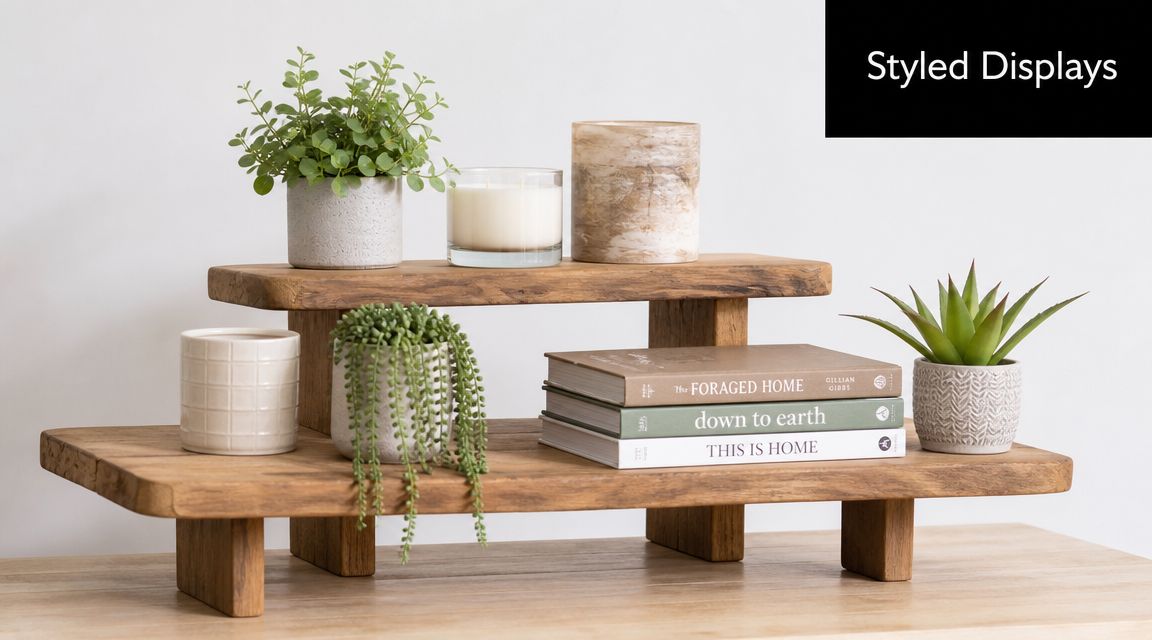
Wedding styling that feels layered, not overloaded
At a Winelands wedding, a timber stand often works hardest in the welcome area. Start with a board or framed sign, then add one soft floral gesture rather than wrapping the whole stand in flowers. A linen runner, candle cluster, or one low arrangement is usually enough. Too much décor hides the shape of the piece and makes the display feel heavy.
For cake and dessert moments, work in layers. Use the wood stand as the anchor, then vary the surrounding heights with small dishes, votives, and menu cards. If every item sits at one level, the setup reads flat in photographs.
Good wedding styling often follows this order:
- Anchor first: Choose the main item, such as the cake, sign, or gifting table centrepiece.
- Add one textural layer: Linen, draping ribbon, or foliage is enough.
- Control the palette: Timber already adds warmth, so don't force too many competing tones.
- Leave breathing room: Negative space makes expensive elements look more considered.
Corporate launches and product activations
Corporate teams sometimes avoid wood because they think it will look too rustic. That only happens when the styling leans too hard into country décor. In a city venue, a clean-lined wood display stand with simple branding, neat lighting, and disciplined product spacing can feel sharp and premium.
For launches, don't crowd the shelves. Feature fewer products with better spacing. Add branded cards, a tasting note, or a message panel, but keep typography crisp and surfaces clear. If your event includes exhibition or activation elements, this guide for effective trade show booths is useful for thinking about sightlines, messaging, and how people move through a display area.
Designer's note: A stand looks more expensive when not every shelf is full.
Private parties, matric functions, and milestone events
These events give you more freedom. A birthday or engagement celebration can carry stronger colour, playful signage, sweets, mini florals, balloons, or themed props without losing the elegance of wood. The key is to let the stand organise the fun, not disappear under it.
For school formals and family celebrations, use the stand to create one obvious focal point. That could be cupcakes, a memory table, favours, or a photo guestbook station. Guests engage better when they understand the purpose of the setup immediately.
Three combinations tend to work well:
- Natural wood with white and green for classic celebrations
- Dark timber with black, cream, and metallic accents for formal evening functions
- Painted or pale wood with bold stationery and sweets for younger, more playful events
Your Essential Checklist for Renting Wood Displays
A wood display stand can look perfect in a showroom and fail badly at a Cape Town venue. I've seen stands rock on old wine cellar floors, absorb moisture during a Franschhoek morning setup, or arrive too wide for a guesthouse staircase. Good rental decisions come from checking venue conditions, access, and setup responsibility before anything is loaded onto a van.
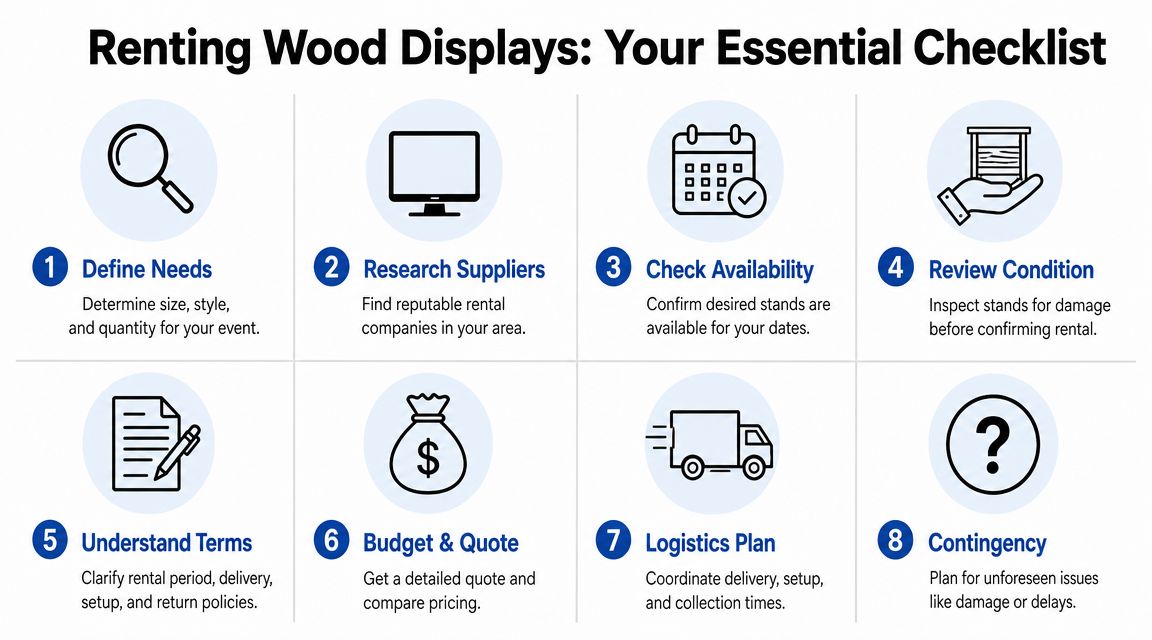
Questions to ask before you book
Start with operating details.
- What is included in the hire fee? Confirm whether the quote covers delivery, on-site placement, setup, breakdown, and collection.
- What condition is the stand in right now? Ask for current photos, especially if the stand will sit at the entrance, bar, gift table, or any other high-visibility position.
- Does it arrive assembled or in parts? Flat-pack units can work, but only if your crew has time, tools, and clear instructions.
- What surface can it stand on safely? Lawn, gravel, uneven stone, timber decking, and cellar floors each affect stability.
- Can it handle outdoor use for part of the event? In the Winelands, wind and damp air matter. Ask whether the timber is sealed and whether the base needs extra weighting.
Venue compliance should be checked early, especially for hotels, estates, and formal function venues with strict setup rules. Ask your provider about sealed timber and low-VOC coatings, and confirm whether the venue requires documentation for decorative structures or finishes. For a useful reference on venue and event compliance expectations, see this guide to event rental agreements and venue logistics.
The logistics planners often miss
Transport and access usually cause actual problems.
Get these points confirmed in writing:
| Checklist item | Why it matters |
|---|---|
| Delivery window | Cape Town venues often have tight access slots, especially on shared wedding weekends |
| Collection timing | Late breakdowns can trigger overtime charges or clash with venue lock-up times |
| Damage terms | You need a clear distinction between normal wear and billable damage |
| Placement responsibility | Some suppliers drop at the loading bay. Others carry in and position on site |
| Access limits | Staircases, narrow doors, gravel paths, and lift restrictions affect what can actually be used |
| Backup options | If a stand is unstable or unsuitable on arrival, you need a replacement plan fast |
If the wood stand forms part of a larger exhibition, launch, or branded activation, review it in the wider build plan. These strategies for high-impact trade show displays are useful for mapping traffic flow, sightlines, and the practical relationship between display furniture and the rest of the setup.
What a good rental choice looks like
A good rental stand arrives event-ready. It is stable, clean, properly finished, and realistic for the venue's access conditions. It should not need last-minute packing wedges, touch-up products, or improvised styling to hide wear.
Local rental stock often works better for Cape Town and Winelands events than a once-off custom build. Hire inventory is usually selected with transport, repeated setup, and venue variation in mind, which matters when one week's event is in a Constantia estate hall and the next is on a Stellenbosch lawn.
ABC Hire is one local option for event furniture and stand-related items in the Cape Town area, including display-oriented pieces used for signs and presentation setups. For short-term events, that rental route is often the practical choice. It avoids storage, reduces transport headaches, and gives planners more flexibility when the brief or venue shifts close to event day.
Keeping Your Wood Display Stand in Perfect Condition
A rented wood display stand doesn't need complicated maintenance. It needs careful handling at the points where damage usually happens. That means loading, setup, service, and breakdown.
During the event
The finish takes the first hit, not the structure. Drinks sweat, candles drip, product labels stick, and florists place wet stems where they shouldn't.
Use a few basic protections:
- Place a barrier under anything damp: Coasters, trays, acrylic risers, or discreet mats help protect the surface.
- Avoid dragging décor across the top: Lift and place. Don't slide.
- Keep heat sources controlled: Candles should sit in holders that contain wax and protect the timber below.
- Wipe spills quickly: Use a soft dry or slightly damp cloth, then dry the area fully.
Most rental damage happens during rushed setup and rushed breakdown, not during the event itself.
During transport and breakdown
Corners and edges are the first areas to chip. If a stand is being moved between ceremony and reception spaces, carry it properly rather than shuffling it across floors or loading it with décor still attached.
For protection in vans or storerooms, padded wraps make a difference. If you need a good reference for basic transit protection, this overview of removal blankets shows the kind of covering that helps prevent knocks and surface scuffs.
If you own rather than rent
Owned stands need a little more discipline after the event.
Store them in a dry interior space, not a damp garage or an outdoor shed. Don't stack heavy items on top of shelves or tabletops. If the finish starts looking tired, refresh it with the right product for that surface rather than layering random cleaners or polish over marks.
A well-kept timber piece ages nicely. A neglected one starts looking worn surprisingly fast.
Finding Wood Display Stands in Cape Town and the Winelands
A display stand that works perfectly in a city showroom can become awkward fast at a wine estate with gravel paths, wind off the valley, and a tight venue access window. In Cape Town and the Winelands, sourcing the right wood display stand is as much a logistics decision as a styling one.
For short-term events, renting usually makes better sense than buying. A purchased stand has to suit more than one venue, survive storage between uses, and justify the cost over time. That can work for tasting rooms, retail spaces, and brands running the same activation format all season. For weddings, launches, and once-off corporate functions, rental is usually the more practical call.
Why local rental often makes more sense
Cape Town events rarely happen under one set of conditions. One week the stand is going into a hotel ballroom in the CBD. The next, it is heading to Franschhoek or Stellenbosch where load-in means stairs, uneven ground, or a long push from the parking area. Local hire stock is useful because it is selected for actual event use, not just for looking good in a catalogue.
That matters even more outdoors. Timber stands for Winelands venues need stable footing, sensible proportions, and finishes that still look presentable if the weather turns or the morning setup starts damp. A supplier used to local venues will usually flag those points early, which saves a lot of trouble on event day.
What to look for in a supplier
Choose a company that understands function first. Good sourcing starts with practical questions about the venue, the items being displayed, and how long the piece will be in use.
Look for:
- Clear information on finish, wear, and overall condition
- Delivery experience across Cape Town, Stellenbosch, Paarl, and Franschhoek
- Advice on where a timber stand should and should not be placed outdoors
- Stock that suits different event types, from weddings to brand activations
- Related rental items that help complete the setup without mixing styles
It helps if the supplier can provide more than the stand itself. A display area often needs side tables, plinths, bars, easels, or seating nearby to look resolved rather than improvised. If you are comparing options, this guide to furniture for hire in Cape Town gives a useful sense of how display furniture fits into a full event setup.
Rent for flexibility. Buy for repeated fixed use
That rule holds up well in this region.
Renting gives you the freedom to match the stand to the venue instead of forcing one owned piece into every brief. It also removes the admin that catches many clients off guard, especially transport, storage space, touch-ups, and replacement if a finish gets knocked during a busy season.
Buying makes sense when the stand has a permanent job. A cellar door, venue entrance, product showroom, or long-running promotional setup can justify a custom piece because it stays in one environment and gets used often enough to earn its keep.
For Cape Town and Winelands events, the right wood display stand is the one that arrives on time, suits the venue conditions, carries the load safely, and leaves without creating more work after the event.
If you need event-ready display furniture, welcome board stands, tables, chairs, or related hire items for a Cape Town or Winelands function, ABC Hire offers rental options for weddings, corporate events, private parties, and venue setups across the region.