
Guests are due in under an hour. The florist is adjusting the final stems, the bar team is chilling bottles, and the food table still looks flat. Then the boards arrive, the cheeses come out of refrigeration, the charcuterie is layered properly, and the whole room changes. A well-chosen wooden serving board doesn't just hold food. It gives the table weight, warmth, and a sense that the event has been styled with intention.
That matters in Cape Town and the Winelands, where settings do a lot of visual work on their own. A vineyard lawn in late afternoon light doesn't need fussy styling. A city launch in an industrial venue doesn't want rustic clutter. The board you choose has to support the mood, the menu, and the movement of service.
It also has to survive the reality of local events. Outdoor heat, breeze, transport to remote venues, quick turnarounds, and food that sits beautifully for photos but still needs to be practical for guests. That's where many people get stuck. They know they want the premium grazing-table look. They're less sure about board size, timber tone, food safety, or whether buying a stack of boards is even sensible for one event.
Elevate Your Event with the Perfect Grazing Board
A grazing setup often becomes the place guests gather first. At a Winelands wedding, that usually happens before anyone has found their seat. Guests drift from the welcome drinks to the harvest table, and the boards become part of the atmosphere. They soften trestle tables, break up crisp linen, and make abundant food feel generous rather than over-styled.
The best setups don't look crowded with props. They look grounded. Wood does that naturally because it brings texture and contrast to glassware, ceramics, polished cutlery, and pale napery. If you're layering event décor, it helps to think about the board as part of the tabletop composition rather than an afterthought. A good reference point is how surface textures work together across the whole setting, especially when you're combining serving pieces with candles, florals, and place settings, much like the styling ideas in this guide to decor on table layouts.
Where the board changes the whole look
At vineyard weddings, long rectangular boards usually suit the setting because they echo banquet tables and create a relaxed, generous line. They work well with torn bread, fruit, hard cheeses, and shared-style service.
At a corporate launch, the brief is often cleaner. Guests are standing, circulating, and balancing a drink in one hand. In that setting, smaller boards placed in clusters across cocktail tables or presentation stations often work better than one oversized centrepiece.
Practical rule: If guests need to move while they eat, style several accessible boards instead of one hero board that causes a queue.
Ambition is easy. Practicality is the trick.
Most planners start with the visual goal. They want a table that feels premium, editorial, and generous in photographs. The substantive decisions come immediately after that.
- Board scale: Too small and the food looks cramped. Too large and it can feel under-filled.
- Board style: A chunky rustic slab suits a farm-style lunch, but it can look heavy at a modern product launch.
- Venue conditions: Sun, wind, and moisture all change what works on the day.
- Service flow: Staff need room to replenish, clear, and reset without destroying the styling.
Wooden boards have a long history in food preparation and serving. Wooden chopping boards are documented as early as 3000 BC in ancient Egypt, and by the Middle Ages wooden boards had become common in affluent European households, later evolving further in the early 1900s when hard maple block construction improved durability, as noted in this history of wooden board development. That heritage still matters because the appeal of wood hasn't changed. It feels useful, tactile, and welcoming.
For events, that same appeal needs to be managed with a stylist's eye and a production mindset. A beautiful board is only successful if it looks right in the room, holds up through service, and doesn't become one more fragile item to worry about.
Selecting the Ideal Wooden Serving Board for Your Event
Some boards are decorative. Others are event workhorses. You need to know the difference before you build a menu around them.
A board for a plated bread service isn't the same as a board for a full grazing spread. A board that looks lovely in a showroom can be awkward once caterers start placing soft cheese, cured meat, preserves, and warm canapés on it. Selection starts with appearance, but it should end with function.
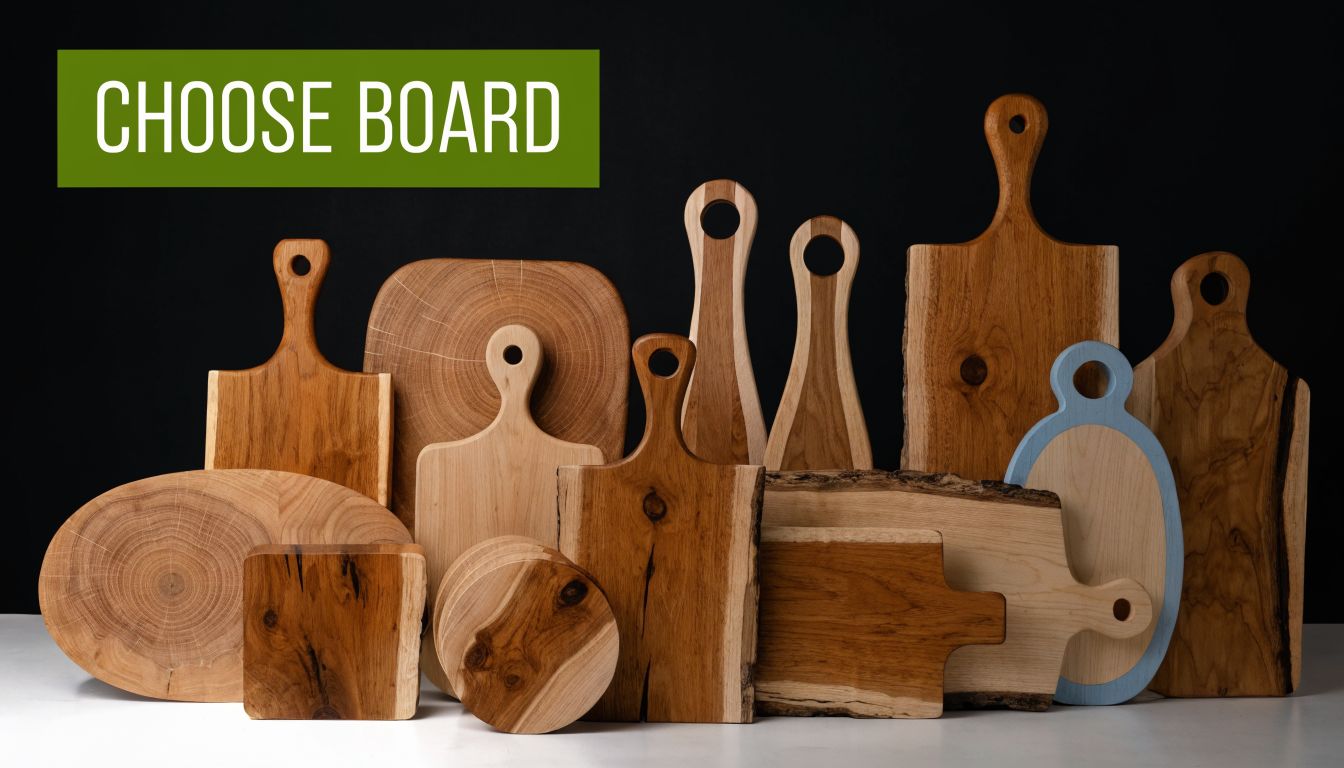
Start with material
The use of wooden boards for serving has deep roots. By the Middle Ages, wooden cutting boards were common in affluent European homes, with durable hardwoods like maple and oak valued for their ability to withstand use while protecting knife blades, as described in this overview of historic wooden board use.
For modern events, material choice still affects performance.
| Wooden Board Material Comparison | Best For | Aesthetic | Care Level |
|---|---|---|---|
| Oak | Hearty grazing tables, bread service, rustic weddings | Classic, sturdy, grounded | Moderate |
| Acacia | Rich food displays, premium canapé stations, darker styling schemes | Warm, varied grain, elegant | Moderate |
| Bamboo | Lighter casual setups, daytime events, clean modern styling | Light, neat, contemporary | Moderate to higher attention for presentation consistency |
Oak reads solid and established. It works particularly well when your venue already has natural texture, such as wine barrels, timber tables, stone walls, or lawn settings.
Acacia has stronger colour variation. That can be beautiful with pale cheeses, figs, crackers, and brass-toned serving ware, but it's less predictable if you want every board to match exactly in photographs.
Bamboo gives a cleaner visual line. It often suits daytime corporate events, wellness launches, or contemporary catering where the food palette is bright and minimal.
If you like handled pieces for easier placement and movement, this feature on a wooden tray with handles is useful for thinking through grip, portability, and presentation.
Shape controls the way guests move
Rectangular boards create direction. They're the best choice when you want a strong visual runner down a long table or you're dividing a spread into sections like breads, charcuterie, cheeses, and fruit.
Round boards feel more social and self-contained. They suit smaller clusters, side stations, lounge setups, and any event where guests gather in pockets rather than one long line.
Long narrow boards are excellent for:
- Table runners of food: especially on harvest tables
- Passed visual impact: when staff carry them to stations before final placement
- Linear styling: where repeated shapes create rhythm down the table
Round boards are better for:
- Intimate stations: four to eight guests circling naturally
- Cocktail environments: where traffic comes from all sides
- Soft visual breaks: between florals, candles, or signage
A board should make service feel easier. If it forces guests into a bottleneck, it's the wrong shape even if it photographs well.
Size should match the menu, not just the guest count
People often ask for a formula, but event styling rarely rewards rigid maths. A canapé-led event needs less board space per person than a grazing meal where the board is doing the work of a starter or shared main moment.
Use this decision guide instead:
- For light nibbles, choose smaller boards spread across multiple points so guests can reach them quickly.
- For a feature grazing table, use larger boards with space left between food groupings. Empty negative space is part of the premium look.
- For full grazing service, think in zones rather than one giant board. Bread on one, charcuterie on another, cheese on another, condiments in bowls between them.
The mistake I see most often is overcommitting to one oversized board. It sounds dramatic, but it's harder to transport, heavier to style on site, and awkward to replenish cleanly. Several coordinated boards nearly always look better and work better.
Artful Styling and Presentation with Cape Flair
A strong board starts with placement, not food. Put it in the wrong spot and even beautiful produce looks accidental. Put it in the right spot and the whole table feels intentional before a single olive lands.
At Cape events, local ingredients do a lot of the visual heavy lifting. You don't need imported excess to make a board feel luxurious. Biltong, droëwors, local cheeses, fresh figs, stone fruit, preserves, nuts, olives, crusty bread, and seasonal greenery already give you colour, texture, and a strong sense of place.
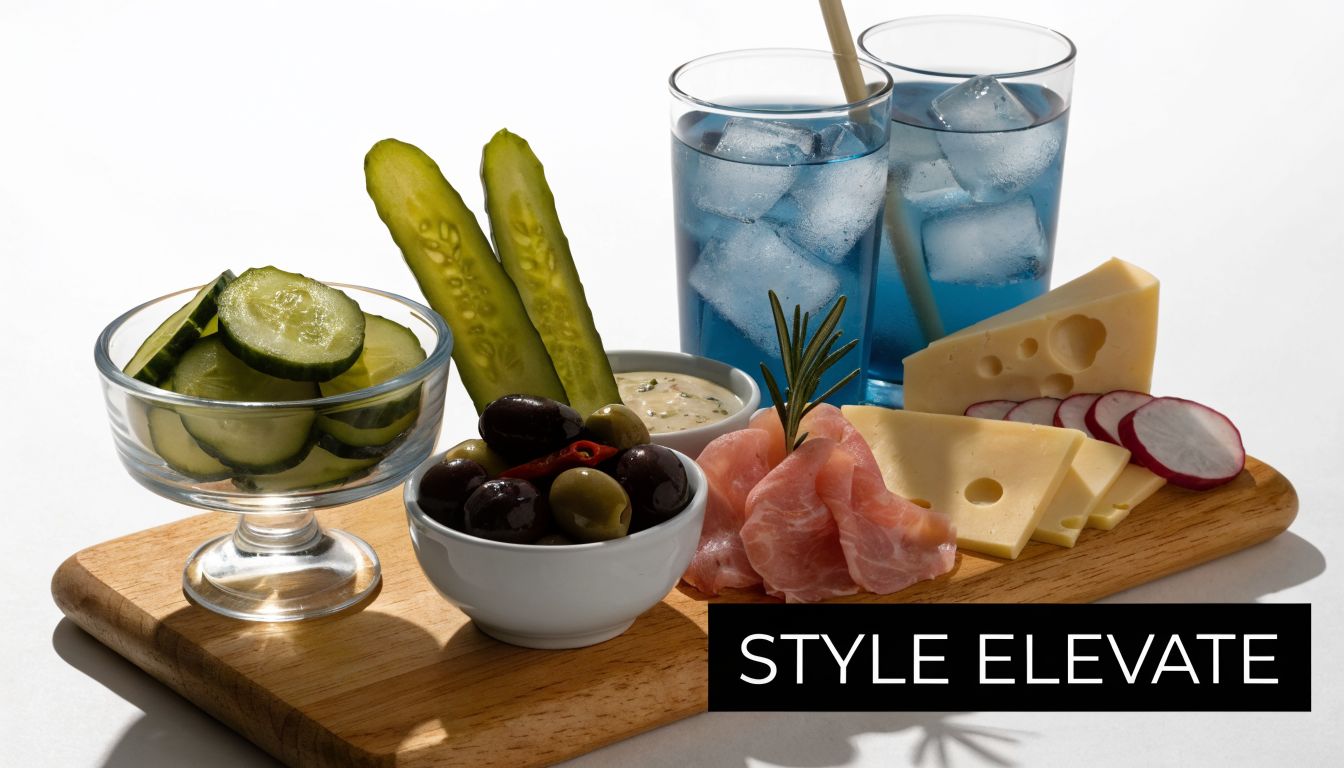
Build the board like a stylist
Start with anchor points. These are the visual stops that make the arrangement feel stable. Small bowls of olives, ramekins of preserves, and little dishes for honey or chutney work well because they hold wet ingredients and break up the flatter elements.
Then create a line through the board. On many event boards, that line is a folded charcuterie run through the centre. Some stylists call it a salami river. Whether you use salami, bresaola, or neatly layered cured meat, the principle is the same. It gives the eye somewhere to travel.
After that, place your larger pieces.
- Cheese first: hard wedges and soft rounds shape the composition
- Meat next: folded or rolled for height
- Carbs around the edges: crackers and sliced bread frame the board
- Fresh produce last: figs, grapes, radishes, and herbs fill gaps without looking forced
Make abundance look edited
The premium look isn't about packing every centimetre. It's about contrast. Dense clusters next to breathing room. Matte bread against glossy olives. Pale cheese against dark timber.
Three styling habits separate polished boards from messy ones:
- Vary height: stack crackers loosely, fold cured meats, and let grapes spill slightly
- Repeat colours: if you use fig, repeat that tone elsewhere with cured meat or preserves
- Keep garnish relevant: rosemary, thyme, or subtle fynbos can work, but only if it suits the food and doesn't smell distracting
Leave some timber visible. Guests need to see the board itself for the display to feel premium rather than overfilled.
Cape ingredients that always earn their place
For Winelands weddings, I like boards that echo the local scenery and the season. That usually means local fruit, earthy tones, and ingredients that can hold their shape during service.
A few combinations work consistently well:
- For a vineyard afternoon: brie, mature cheddar, fig preserve, green grapes, seeded crackers, walnuts, and torn sourdough
- For a Cape heritage angle: biltong, droëwors, hard cheese, pickled onions, roosterkoek pieces, and chutney in small bowls
- For a modern city launch: clean-cut cheeses, charcuterie ribbons, cornichons, radishes, olives, and crisp flatbreads with restrained greenery
Style for the event type, not your mood board
Rustic weddings can carry more texture. Boards can be broader, looser, and layered with fruit and bread in a more generous way.
Corporate boards need cleaner edges. Guests often grab quickly, so pieces should be easier to lift, less drippy, and arranged with more obvious access points. That means fewer sprawling garnishes and better spacing.
For private milestone celebrations, the sweet spot is usually somewhere in the middle. Guests want the warmth of abundance, but hosts still need food that's easy to refresh without pulling the whole display apart.
A board should look inviting from a distance and easy to eat from up close. If it only does one of those jobs, it needs refining.
Essential Food Safety and Board Care for Events
Wood still gets unfairly treated as the risky option by people who assume plastic is automatically more hygienic. In event work, that assumption can lead to bad habits, especially when plastic boards are heavily scored, poorly cleaned, or used far beyond their best condition.
A 2020 scientific study demonstrated that wood has inherent antimicrobial properties, with bacteria surviving for significantly less time on wooden surfaces than on stainless steel, polycarbonate, and aluminium, according to this summary of wood's antimicrobial performance. That matters because it shifts the conversation away from myth and back to proper handling.
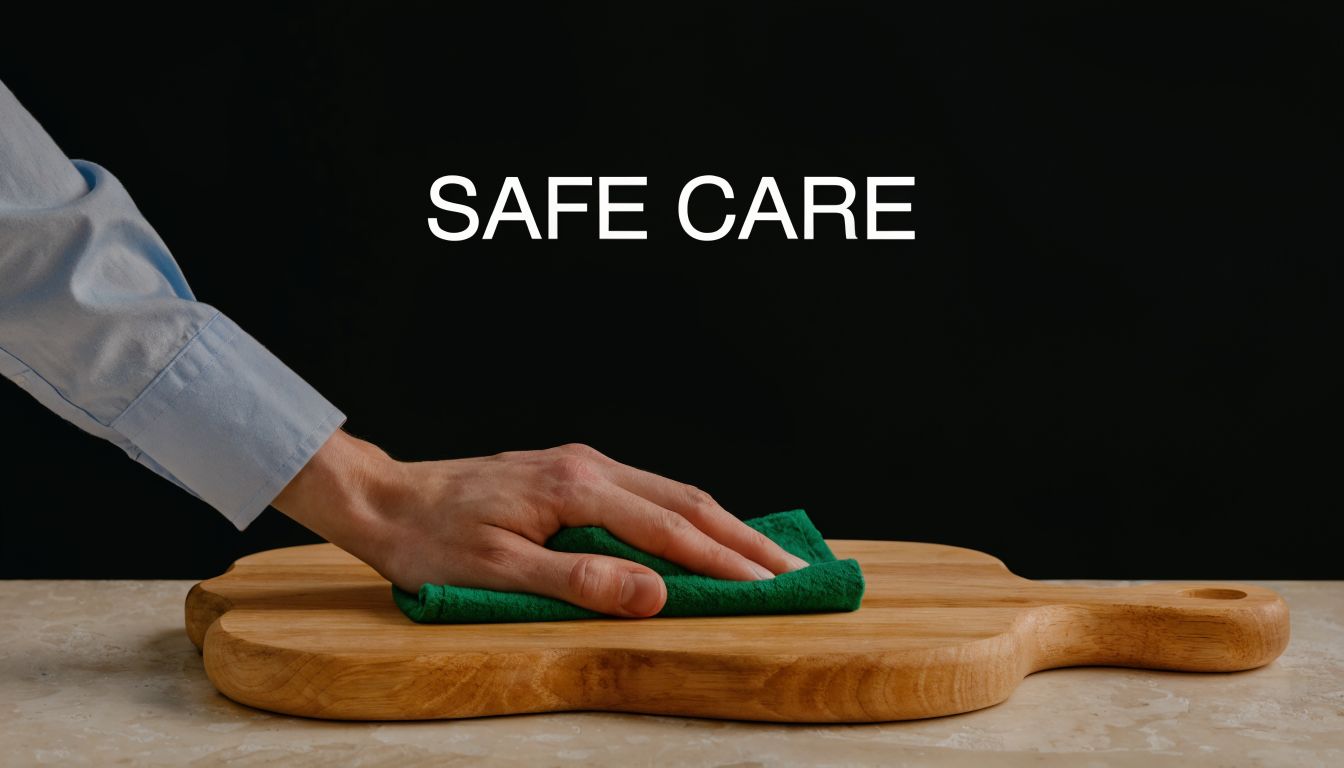
What smart event teams do on the day
The board itself isn't the whole food-safety story. Service conditions matter just as much. Outdoor heat, long setup windows, and repeated guest contact all affect how food should be managed.
These habits make the biggest difference:
- Use barriers where needed: parchment paper under very oily, acidic, or strongly coloured items can protect the board finish and simplify cleanup
- Clean spills fast: soft cheese, jam, chutney, and fruit juices shouldn't sit on the surface any longer than necessary
- Dry properly after cleaning: boards should never be packed away damp
- Separate prep from presentation: don't treat the styled board as an all-purpose kitchen chopping surface during service
What doesn't work
Leaving boards in the sun while the catering team handles something else is a common mistake. So is washing them quickly and stacking them flat while still damp. Both shorten the board's useful life and raise the risk of odour, staining, or warping.
Another bad habit is overloading one board with every wet ingredient on the menu. It might look lush for ten minutes, then the crackers soften, oils spread, and the board starts looking tired.
Professional-looking boards stay fresh because someone is managing them during service, not because they were styled beautifully once.
If your team is refining backstage cleaning routines, this article on preventing mold growth via WipesBlog.com is useful as a general reminder about moisture control, airflow, and why damp equipment should never be closed away before it has dried properly.
Why managed stock is often the safer option
For one-off hosts, board care tends to become an afterthought. The event ends, the leftovers are dealt with, and the boards are washed late, stored badly, or forgotten in a garage or scullery. That's where quality drops fast.
Professionally maintained stock usually performs better because the condition of the board is part of the service standard. Surfaces are checked, cleaned properly, dried correctly, and rotated before they become tired-looking. For events where presentation and hygiene both matter, that level of consistency is worth more than owning a pile of boards that only look good on day one.
The Smart Way to Source Boards in Cape Town and the Winelands
Buying boards sounds sensible until the logistics arrive. Then you're storing bulky items, transporting them to venues with narrow access, protecting them from damage, and hoping they still look polished after multiple uses.
That problem gets sharper in the Cape. Wooden boards used for events in South Africa face specific durability challenges, including high UV exposure at outdoor venues and coastal salt air in Cape Town, which means rental stock needs specialised maintenance and treatment protocols between uses, as noted in this overview of South African event board challenges.
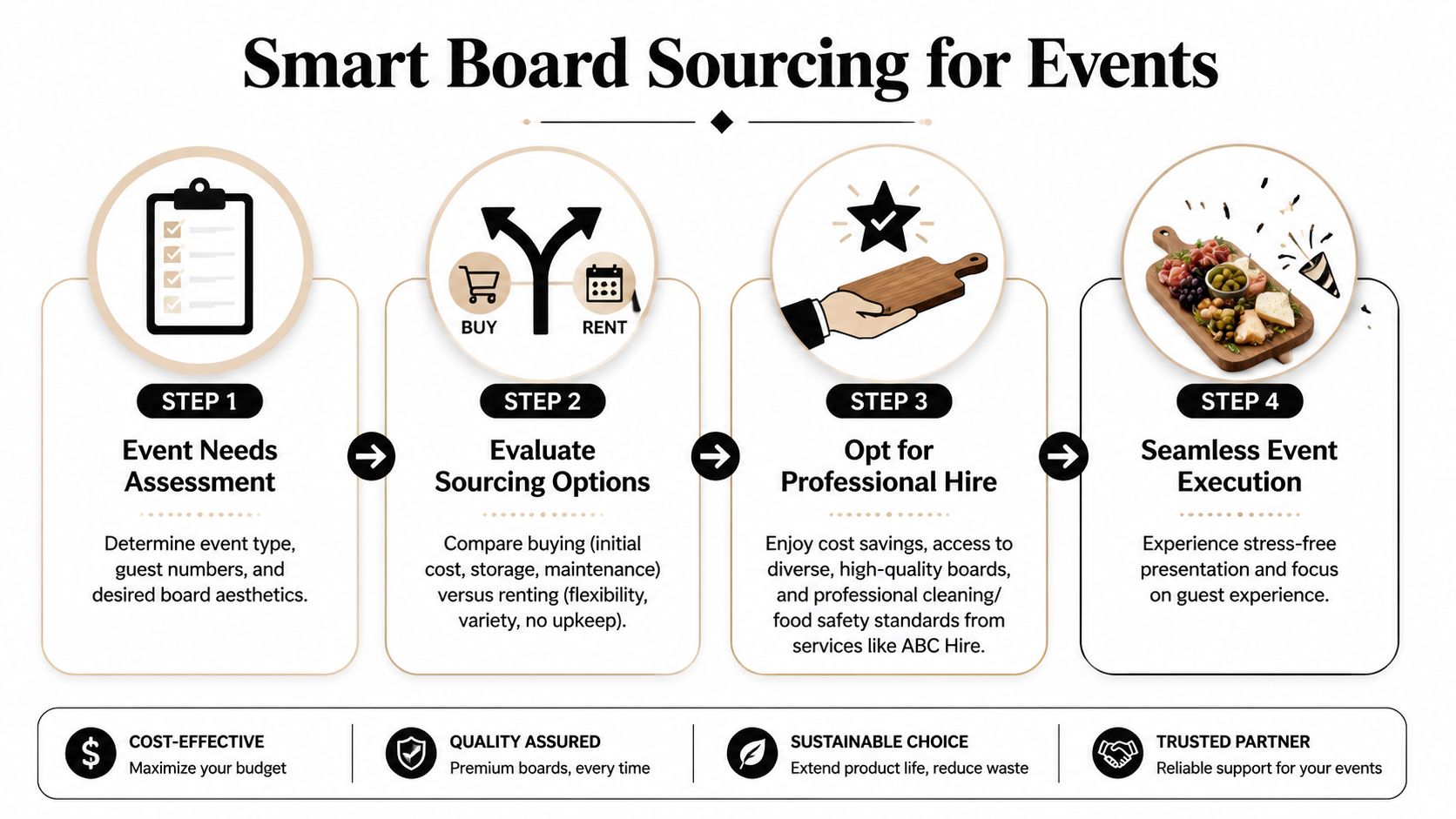
Why hiring usually wins
For most weddings, launches, and private functions, hiring makes more sense than purchasing. Not because buying is wrong, but because events place unusual pressure on serving ware.
You're dealing with:
- Transport risk: large boards knock against each other in transit
- Storage issues: timber needs suitable conditions between events
- Style variation: one event may need pale minimal boards, the next darker rustic pieces
- Maintenance labour: proper cleaning, drying, and conditioning takes time
Hiring lets you match the board selection to the brief instead of forcing every event to work around what you own.
A practical sourcing process
The easiest sourcing process is usually the simplest one.
Confirm the event style
Rustic wedding, polished corporate launch, private birthday, or a formal school event. The brief shapes the board choice.Map the food format
Shared grazing, bread service, canapé stations, or mixed displays. This tells you whether you need statement boards, clusters, or both.Check venue realities
A Stellenbosch farm, a Franschhoek estate, and a Seapoint rooftop all ask different things of the setup team.Choose convenience over clutter
If the boards need to arrive clean, consistent, and ready for service, professional hire reduces the variables.
For anyone balancing boards with the broader event setup, this guide to furniture for hire in Cape Town is a useful reminder that serving pieces never stand alone. They need to work with tables, seating, bars, and the service footprint around them.
The smartest event purchases are often the ones you don't make. If an item needs ongoing care, storage, and transport planning, hiring it can protect both your budget and your sanity.
Where rental is especially useful
Hiring is particularly practical for destination weddings in the Winelands, corporate teams hosting roadshow-style activations, and private clients who want a refined food display without building a permanent inventory.
It also helps when your brief changes late. A caterer may expand the grazing station. A planner may decide to split one table into three. A venue may shift service indoors because of wind. Flexible stock solves those problems more cleanly than trying to improvise with whatever boards happen to be in a cupboard.
Bringing Your Unforgettable Display to Life
A memorable grazing display isn't built by accident. It comes from matching the wooden serving board to the occasion, styling it with restraint, and treating food safety and board care as part of the design process rather than backstage admin.
That's why the best event tables feel effortless. The materials suit the venue. The food is arranged for both beauty and access. The practical side has already been handled before the first guest arrives.
If you're planning the broader guest setup at the same time, it can help to look at related event layout ideas such as Premier Marquee Hire's table and chair services, especially when you're thinking about how serving stations, seating, and circulation work together.
The strongest displays in Cape Town and the Winelands always strike the same balance. They feel generous, relaxed, and polished, but they're grounded in good choices. The right boards make that possible. Professional hire often makes it easy.
If you're planning an event in Cape Town, Stellenbosch, Franschhoek, Paarl, or the surrounding areas, ABC Hire can help you build a polished event setup with quality rental pieces that work beautifully in real venues and real service conditions.