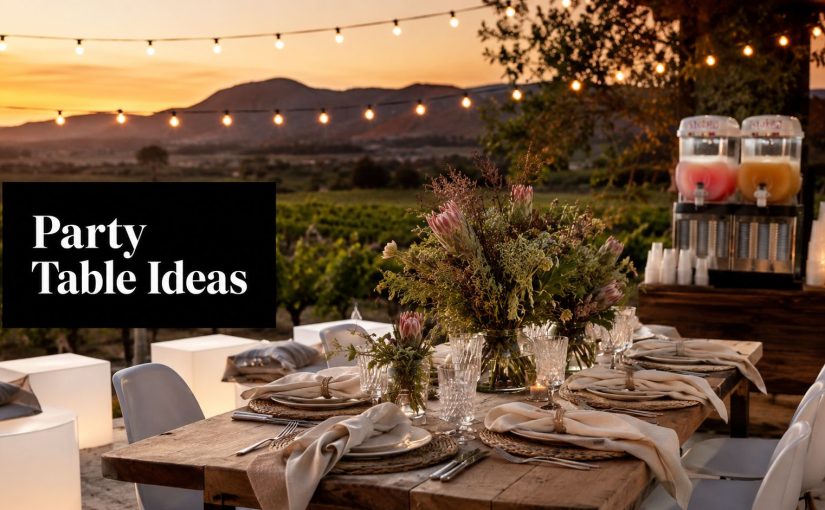
10 Unforgettable Xmas Party Ideas for Cape Town 2026

Planning the perfect Cape Town Christmas party starts here. The year is drawing to a close, and the task has probably landed on your desk at the same time as budgets, guest lists, venue emails, and a dozen “quick questions” from stakeholders. Whether you're pulling together a corporate year-end function, a family celebration in the Winelands, or a polished client event, the pressure is the same. It has to feel festive, look considered, and run smoothly on the night.

Generic tinsel and a Bluetooth speaker won't carry a December event in the Western Cape. Cape Town and the Winelands have their own rhythm. December bookings bunch tightly into the final weeks of the year, and that's when venues, caterers, and rental suppliers feel the most pressure. Holiday planning also sits inside a broader year-end spending cycle, with demand concentrated in the final 6 to 8 weeks of the year, which is exactly why late decisions tend to hurt availability and flexibility (Drive Research on Christmas spending seasonality).

The good news is that strong Xmas party ideas don't need to be complicated. They need to be right for the venue, realistic for the weather, and supported by the right rental equipment.

Below are 10 practical ideas that work in Cape Town, Stellenbosch, Franschhoek, Paarl, and the surrounding Winelands. Each one is designed to be executable, stylish, and flexible enough to handle real event conditions.

1. Festive Garden Party with LED Furniture

A garden party is still one of the strongest Xmas party ideas in the Western Cape, but only when it's designed for the way guests use outdoor space. People don't stand in one neat cluster under a tree. They break into smaller groups, drift toward the bar, and settle where the lighting feels flattering and the seating feels easy.

That's where LED furniture earns its keep. Instead of adding separate decorative pieces and then solving lighting afterwards, use illuminated cocktail tables, LED cubes, loungers, and bar units as part of the functional layout. You get seating, atmosphere, and visual impact in the same footprint.

A group of people enjoying an elegant evening garden party with modern glowing furniture at sunset.

How to make it work

For a Winelands estate gala, place LED loungers in conversation pockets rather than in one large line. At a corporate year-end event in Cape Town, use glowing high tables near the drinks area and softer lounge seating on the perimeter. At a private Franschhoek villa, fewer pieces placed with intention usually look better than trying to fill every corner.

Warm white usually lands better than colour-changing effects for Christmas. If the brief is more modern, use colour in one area only, such as the bar or entrance moment, and keep the rest clean.

Practical rule: Let the LED furniture do part of the decorating job. If you overload the garden with extra décor, the space starts to feel busy instead of premium.

A curtain of fairy lights behind the bar or photo area adds depth without making the whole setup feel gimmicky. This is one of those details that works especially well when paired with glowing furniture, and fairy light curtain styling ideas can help you keep it elegant.

What doesn't work is treating LED pieces as random novelties. If they're scattered without a seating plan, guests admire them for five minutes and then ignore them.

2. Winter Wonderland Lounge Setup

The phrase “winter wonderland” sounds imported, but the format works beautifully in Cape Town when you interpret it as a cool, layered lounge rather than fake snow and theatrical props. Think texture, intimate seating, soft pools of light, and a layout that invites conversation.

This is ideal for hotel terraces, covered courtyards, cellar venues, and semi-indoor spaces in the Winelands. It's also one of the safest Xmas party ideas for teams who want atmosphere without going full theme party.

A cozy lounge area featuring comfortable bean bag chairs arranged around a fireplace for holiday atmosphere.

The layout matters more than the theme

For larger guest counts, create multiple lounge zones instead of one oversized seating island. A single dense setup looks good in a photo and fails on the night because guests on the outer edge disengage from the room. Smaller clusters with low tables hold drinks, canapés, and gift items better.

Use bean bags selectively. They're brilliant in relaxed corners, youth-focused events, and informal staff functions, but they shouldn't dominate a corporate room where guests are dressed formally. Mix them with standard lounge chairs, ottomans, and coffee tables so the setup still feels polished.

A few details make the difference:

  • Layered seating: Combine soft seating with upright chairs so guests can choose comfort or posture depending on the moment.
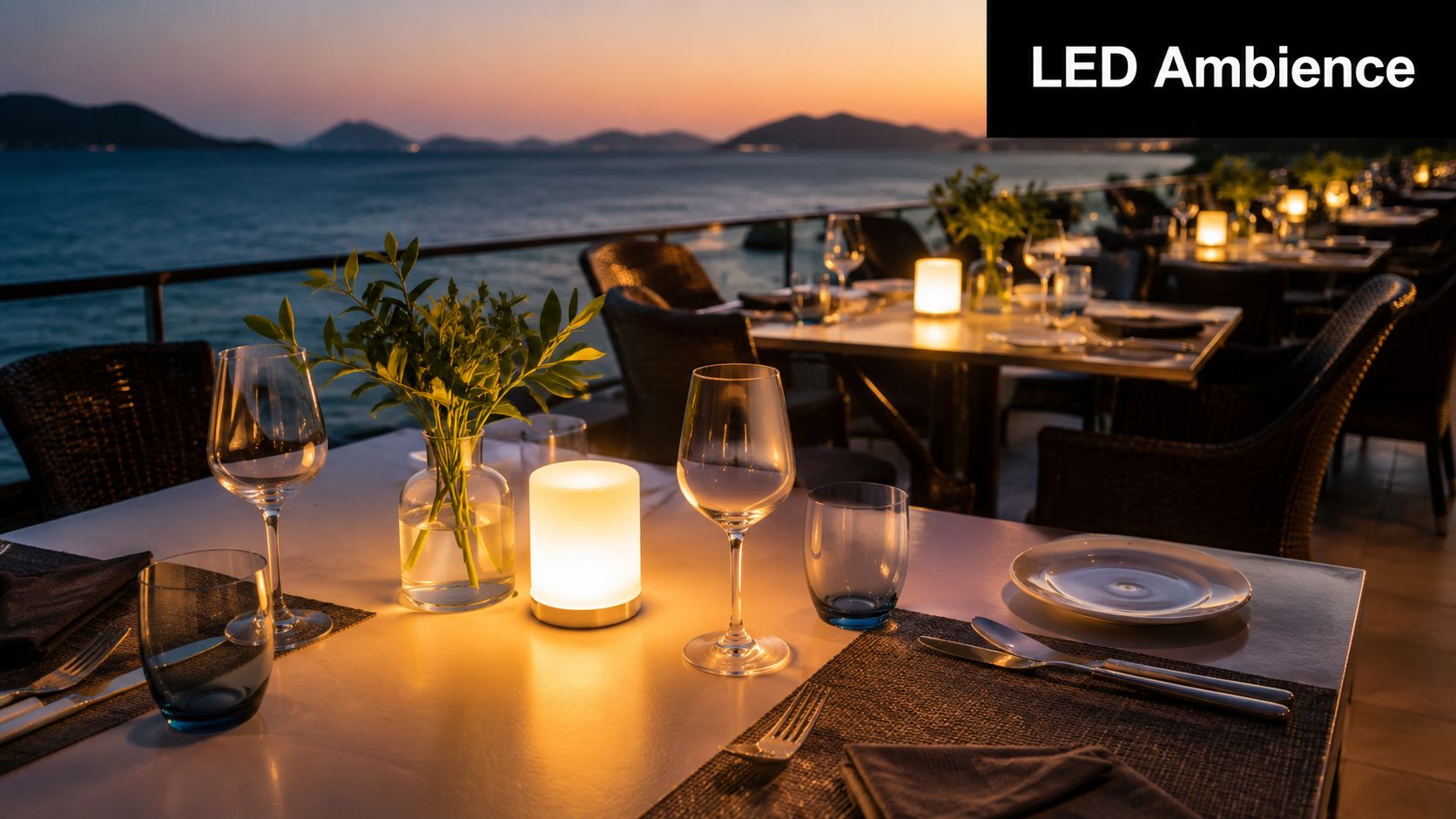
  • Warm light: Lamps, LED accents, and candle-style lighting create a better mood than harsh overhead venue lighting.
  • Useful tables: Every lounge cluster needs somewhere to put a drink. If you skip that, people stand instead of settling.

What doesn't work is over-styling the space with too many winter clichés. In South Africa, guests respond better to comfort than to forced seasonal references.

3. Outdoor Festive Market-Style Event

If your guest list includes mixed age groups, multiple departments, or clients who don't all know each other, a market-style event usually outperforms a formal dinner. Guests can move, browse, snack, and socialise without the pressure of assigned seating.

This format suits courtyards, estate lawns, urban rooftops, and venue forecourts. It also works well for brand activations because people naturally circulate between food points, beverage stations, and product moments.

Why movement improves the atmosphere

Static events go flat quickly. A market-style setup keeps the room alive because there's always somewhere else to move next. High tables near food stations, shared standing tables in the centre, and a few relaxed seating pockets around the edges create a natural rhythm.

If you're planning one of these for a Cape Town corporate crowd, give the event a clear anchor. That might be a festive food lane, a dessert station, or a signature drink point with slush machines in seasonal colours. The event feels curated when there's one memorable focal point instead of many equal ones competing for attention.

Use a mix of:

  • Bar-height tables: Best near drinks and quick networking areas.
  • Lower seating pockets: Useful for older guests, family groups, and anyone staying longer.
  • Clear pathways: Leave enough room for catering staff and guests carrying plates.

Guests stay longer when they can choose their own pace. That's the real strength of this format.

What doesn't work is going all-standing with nowhere to sit. Even energetic events need relief points. If guests can't perch, pause, or set something down, they leave earlier than planned.

4. Climate-Controlled Marquee Christmas Celebration

Some of the best Cape Town Xmas party ideas happen outdoors. Some of the worst mistakes happen when organisers assume outdoor means simple. December in the Western Cape can be glorious, windy, hot, or unexpectedly cool after sunset, sometimes all in the same event window.

A marquee solves the exposure issue, but only if you treat it as a real venue with power, airflow, access, and zoning. A bare tent with fairy lights is not a plan. A properly dressed marquee with cooling, lighting, flooring, furniture, and backup thinking is.

Build for comfort first

Start with thermal comfort, not décor. Guests notice heat immediately, and they remember it long after they've forgotten the centrepieces. South African festive planning is increasingly shaped by climate and electricity resilience, so shade, airflow, backup power awareness, and timing all matter more than many imported Christmas guides admit (Event Solutions on alternatives and planning realities).

Inside the marquee, combine lounge areas with standing zones so the room doesn't feel like a wedding reception unless that's the brief. Clear-sided structures work especially well on estates because you keep the vineyard views and evening glow.

Portable climate equipment and LED pieces are a smart pairing. Low-draw LED furniture helps maintain atmosphere without loading the power plan with unnecessary decorative strain.

If you're using a tented setup for a gala or a large private celebration, marquee and tent hire guidance for parties is worth reviewing early, before you confirm entertainment and catering positions.

What doesn't work is adding cooling as an afterthought. By then, table plans, cables, bars, and service routes are already fixed, and every solution becomes messy.

5. Interactive Beverage Station Party

A beverage station can carry an entire event if it's handled properly. It gives guests something to do, somewhere to gather, and a visual moment that photographs well without forcing a theme.

For Cape Town corporates, this is one of the easiest Xmas party ideas to tailor to the audience. You can keep it polished with premium glassware and restrained styling, or make it playful with frozen drinks, colour-led garnishes, and festive naming.

A friendly bartender serves a festive pink cocktail to a woman in a green dress at a bar.

Keep the menu focused

Too many choices slow service and dilute the idea. A better approach is a small menu done well. One frozen option, one signature non-alcoholic option, and one or two fast bar classics usually beat an overbuilt list.

This is also where inclusive planning matters. South African festive events increasingly need alcohol-free options, dietary awareness, and formats that don't exclude guests who don't drink. That's one of the most overlooked practical gaps in holiday party planning content, and planners who solve it well immediately create a stronger event experience (PowerToFly on more inclusive holiday parties).

A good beverage station setup should include:

  • A clear front counter: Guests must understand where to order and where to collect.
  • A non-alcoholic hero drink: Not an afterthought. It should feel as considered as the cocktail option.
  • Separate garnish space: This keeps the bar from clogging during peak arrivals.

Don't hide the alcohol-free station at the back. If it looks second-rate, guests read that message immediately.

What doesn't work is turning the drinks area into a bottleneck. Position the bar away from venue pinch points and keep surrounding furniture loose enough for queue spillover.

6. Elegant Seated Dinner with Statement Furniture

Some events still need the discipline and ceremony of a seated dinner. Executive teams, milestone family celebrations, and premium client evenings often land better when guests are hosted properly at the table.

The mistake is assuming “formal” has to mean stiff. The strongest seated Christmas dinners in the Winelands feel structured but relaxed, with statement chairs, generous spacing, and lighting that flatters both the tablescape and the room.

Where to spend your effort

Start with the chair selection. Guests sit on it for most of the evening, and it's one of the largest visual elements in the room. If the chairs look cheap or don't suit the venue architecture, no floral arrangement will rescue the overall feel.

Then focus on proportion. At estate venues in Stellenbosch or Franschhoek, long tables can look spectacular, but only when service access has been considered. Round tables are often easier for conversation, but they need enough space between them to avoid the room feeling cramped.

The wider Christmas décor market remained substantial, at over USD 7 billion in 2023, which tells you appetite for festive spectacle is still very much alive (Statista on the global Christmas decorations market). In local execution, though, spectacle works best when translated into efficient lighting and furniture choices rather than high-draw decorative clutter.

Use:

  • Uniform premium chairs: They instantly sharpen the room.
  • Intentional lighting: Uplighting, table lighting, and soft ambient wash beat a bright general flood.
  • A restrained centre line: Let guests see one another across the table.

What doesn't work is squeezing in extra tables to increase numbers. That decision nearly always damages service, comfort, and the premium feel.

7. Festive Kids' Zone with Activity Seating

When children are part of the guest mix, they need their own environment. Not a token craft table in the corner. A properly planned zone with age-appropriate seating, activity surfaces, shade, and supervision changes the entire mood of a family event.

Corporate family days, school celebrations, and Winelands lunches all benefit from this. Adults relax more when children are engaged, and the event stops feeling like a compromise between two audiences.

Design it for use, not just for looks

Bean bags, low tables, and washable seating work well because children move constantly between sitting, kneeling, colouring, snacking, and chatting. The area should feel festive, but practicality matters more than perfection. If it's precious, it won't survive the first half hour.

Set it slightly apart from the main adult area but still within sightlines. Parents don't want the kids' zone on another side of the property, and entertainers don't want it directly inside the bar traffic.

Useful add-ons include:

  • Craft tables: Best for colouring, card-making, and quieter activities.
  • Soft seating corners: Ideal for younger children who need downtime.
  • Snack points: Keep simple food and water nearby so children aren't constantly moving back into the main event.

If you want to round out the food offering visually, even a simple display inspired by Italian party food from IFM can spark ideas for a brighter, family-friendly station.

What doesn't work is borrowing adult furniture and hoping children will adapt. They won't. Their zone needs to be built for their size and energy.

8. Networking Christmas Cocktail Reception

Not every Christmas function should feel like a party first. Some need to support introductions, client hospitality, and internal relationship-building without losing the festive layer. That's where a cocktail reception format wins.

This is especially strong for agencies, property groups, professional services firms, and business associations in Cape Town. Done right, it feels social without drifting into chaos.

Use furniture to guide behaviour

Networking doesn't happen because you tell people to mingle. It happens because the room gives them easy places to pause, join a conversation, and leave it gracefully. Bar tables are one of the best tools for that because they create low-commitment gathering points.

Scatter them evenly, but don't make the room too symmetrical. A perfect grid feels rigid. A more natural spread, anchored by the bar and a few food touchpoints, gives the space a better social flow. If you need inspiration for styles and practical placement, Cape Town bar tables and chairs for events offers a useful starting point.

A few small additions can soften the corporate edge. One interactive station, one festive photo corner, or a family-friendly side activity can help if the audience mix is broader. Even browsing creative holiday activities for children can spark ideas for a lighter breakout area at more inclusive receptions.

A networking event fails when everyone ends up standing in one dense knot near the bar.

What doesn't work is over-seating the room. Too much lounge furniture encourages guests to settle into closed groups and stay there.

9. Bohemian Garden Christmas Celebration

For creative teams, younger hosts, and clients who hate anything that feels corporate, a bohemian garden format can be the right answer. It keeps the celebration festive without relying on obvious Christmas tropes.

This style works well in gardens, courtyards, olive groves, and laid-back Winelands spaces. Mixed seating, rugs, textured cushions, low tables, lanterns, and layered lighting all help create depth. The effect should feel assembled, not manufactured.

Controlled looseness is the trick

The room must look relaxed, but the planning behind it can't be. If you mix too many furniture styles without a unifying palette, the setup reads as random. Use one colour family across cushions, florals, and table details so the space still feels curated.

This is also where rentals are smarter than buying. The broader party supplies category was valued at USD 15.80 billion in 2024 and is projected to reach USD 33.04 billion by 2033 at an 8.54% CAGR, a sign that experiential spend continues to grow and that modular, reusable event assets fit the direction of the market (Straits Research on the party supplies market). For Cape Town planners, that supports using rental lounge sets, lighting, and climate gear rather than buying one-off décor that won't scale or store well.

A strong boho Christmas setup usually includes:

  • Mixed-height seating: Low lounges with a few upright chairs for comfort balance.
  • Layered lighting: Lanterns, festoon, LED accents, and candles at different levels.
  • Natural materials: Timber, woven textures, and greenery stop the room from feeling synthetic.

What doesn't work is leaning so hard into “boho” that guests have nowhere practical to eat, drink, or sit properly.

10. Alfresco Winelands Estate Christmas Dinner

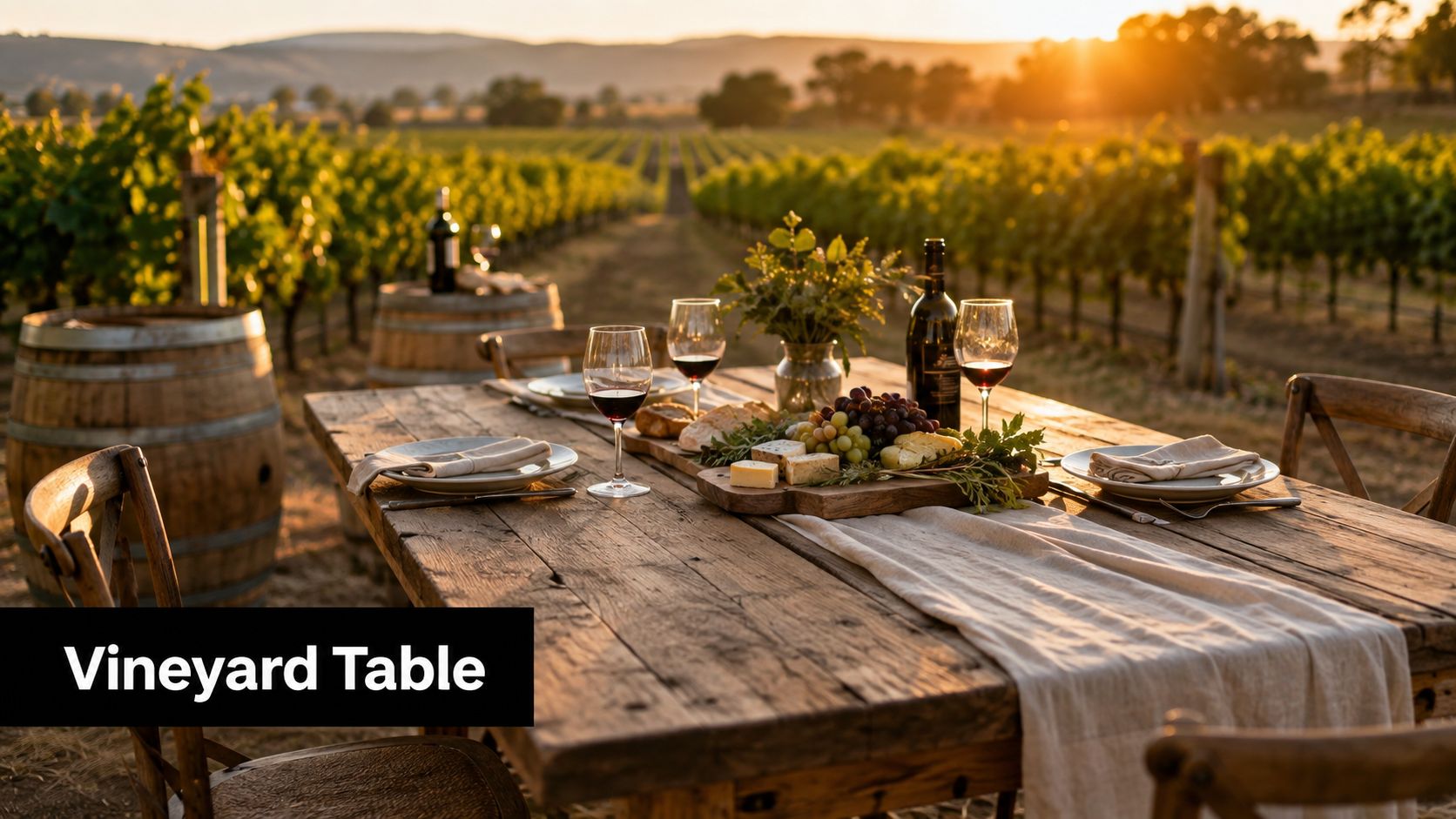
If the brief is premium, and the venue has the views to match, an alfresco estate dinner is hard to beat. Long tables on a terrace, vineyard rows catching late light, a calm service style, and a layout that lets the natural setting contribute to the ambiance. It's one of the most memorable Xmas party ideas available in the Western Cape.

It's also one of the easiest to get wrong. Outdoor dinners look effortless only when logistics have been handled thoroughly.

Respect the venue and the sunset

At a Stellenbosch or Franschhoek estate, furniture should complement the architecture rather than compete with it. Clean lines, good linens, and elegant dining chairs usually outperform fussy décor. Let the wine, setting, and food carry the mood.

Time matters here. Guests should arrive while there's still enough daylight to appreciate the property, then move naturally into dinner as the light softens. Once darkness lands, layered table lighting and discreet ambient lighting keep the atmosphere intact without flattening the environment.

Think carefully about backup planning. Even when the weather looks stable, an estate dinner still needs a contingency path for wind, temperature shifts, and power-sensitive equipment. Cooling earlier, warmth later, and a service route that still works after dark are part of the complete plan.

A premium alfresco dinner works best when:

  • The table plan respects the view: Don't turn guests away from the scenery if that's the venue's main asset.
  • Service access is protected: Staff need clean movement paths from kitchen to table.
  • Rental quality matches the venue: Budget furniture inside a luxury setting is immediately visible.

What doesn't work is trying to “out-decorate” the Winelands. If the estate is beautiful, support it. Don't fight it.

Comparison of 10 Christmas Party Ideas

Concept Implementation Complexity 🔄 Resource Requirements ⚡ Expected Outcomes 📊⭐ Ideal Use Cases 💡 Key Advantages ⭐
Festive Garden Party with LED Furniture Medium, power planning and weather checks required 🔄 LED furniture inventory, power access, booking lead time ⚡ High visual impact; strong evening ambiance and photo appeal 📊⭐ Evening outdoor gatherings at Winelands estates and twilight events 💡 Dual-purpose furniture + lighting; energy-efficient; Instagrammable ⭐
Winter Wonderland Lounge Low–Medium, modular setup, fabric care needed 🔄 Large quantity of soft seating, lighting layers, climate control if semi-outdoor ⚡ Warm, comfortable atmosphere that encourages long conversations 📊⭐ Indoor or covered corporate/private lounges; intimate gatherings 💡 Highly comfortable and flexible layout; cozy guest experience ⭐
Outdoor Festive Market-Style Event Medium, layout and flow planning; weather contingency 🔄 Many high-top tables and bar stations, staff for stations, possible covers ⚡ Energetic, high-mingling attendance with efficient guest throughput 📊⭐ Large open-air corporate parties, brand activations, markets 💡 Maximizes mingling and capacity; scalable for large crowds ⭐
Climate-Controlled Marquee Christmas Celebration High, marquee installation, HVAC and power coordination 🔄 Tent/marquee, climate systems, power infrastructure, specialist installers ⚡ Weather-independent comfort; consistent guest experience and protected assets 📊⭐ Large corporate galas and premium estate events needing reliability 💡 Ensures comfort in Cape Town summer; protects high-value setups ⭐
Interactive Beverage Station Party Medium, station placement and staffing logistics 🔄 Slush machines, bar setups, trained staff, power and spill mitigation ⚡ High engagement and social media shareability; interactive guest experiences 📊⭐ Corporate receptions, brand activations, experiential private events 💡 Creates memorable focal points; reduces full-service catering need ⭐
Elegant Seated Dinner with Statement Furniture High, precise coordination with catering and seating plans 🔄 Premium dining furniture, tableware, lighting and staffing ⚡ Formal, impressive atmosphere that promotes focused conversation 📊⭐ Executive dinners, premium Winelands celebrations, milestone events 💡 Timeless elegance; supports premium pricing and guest experience ⭐
Festive Kids' Zone with Activity Seating Low–Medium, supervision and safety planning 🔄 Child-height furniture, washable fabrics, activity materials and staff ⚡ Increased family satisfaction; safer, engaged children during events 📊⭐ Family-friendly corporate or private events, estate family days 💡 Keeps families relaxed; inclusive and engaging for children ⭐
Networking Christmas Cocktail Reception Medium, strategic furniture layout for circulation 🔄 High-top tables, bar stations, minimal seating, efficient catering ⚡ Optimizes networking; flexible capacity with cost efficiency 📊⭐ Professional networking events and industry receptions 💡 Maximizes connections; more affordable than seated dinners ⭐
Bohemian Garden Christmas Celebration Medium, curated styling to avoid clutter 🔄 Mixed vintage/contemporary pieces, layered textiles, varied lighting ⚡ Trendy, Instagram-worthy vibe appealing to creative audiences 📊⭐ Creative-industry events, young-professional gatherings, styled estate parties 💡 Highly distinctive aesthetic; encourages creative styling and photos ⭐
Alfresco Winelands Estate Christmas Dinner High, logistics, weather planning, venue coordination 🔄 Estate-appropriate premium furniture, contingency plans, coordination teams ⚡ Luxury, memorable experiences leveraging scenic backdrops 📊⭐ Premium client entertaining, milestone celebrations at Winelands estates 💡 Unforgettable setting; justifies premium pricing and bespoke service ⭐

Your Christmas Party Checklist Bringing It All Together

Choosing the theme is the easy part. Success for a Christmas event in Cape Town or the Winelands comes down to timing, layout, comfort, and supplier coordination. If you leave those decisions too late, even the best Xmas party ideas start collapsing under practical pressure.

The biggest planning mistake I see is treating furniture and equipment as the final decorative layer. In reality, they shape the event from the start. LED furniture affects power planning. Bar tables affect guest movement. Lounge seating affects how long people stay. Climate-control equipment affects whether an outdoor venue feels premium or punishing.

Book early if your event falls in December. That's when year-end functions stack up, and the best venues, caterers, and rental stock are under the most pressure. Once your date is fixed, lock in the essentials first. Venue, rental partner, catering direction, and core event format should come before menu flourishes and decorative extras.

Keep your planning anchored around a few practical questions:

  • What does the venue need to do well? Networking, dining, family hosting, or celebration all require different furniture plans.
  • How will guests move through the space? Arrival, drinks, food service, seating, and departure should feel natural.
  • What happens if the weather turns? Shade, cooling, cover, and backup positioning must be thought through in advance.
  • Is the event inclusive in practice? That means seating variety, alcohol-free options, comfortable access, and formats that don't exclude quieter guests.
  • Can the power plan support the concept? Shared venue power across catering, sound, and lighting is a real issue, especially for summer events. Good execution in South Africa depends on load awareness, thermal comfort, and flexible layouts rather than adding more decorative elements.

One good rule is to build the event around guest comfort first and visual impact second. The two aren't in conflict. In fact, the best-looking events usually feel easy because the practical decisions were handled properly. When seating is comfortable, the lighting is flattering, the drinks flow well, and the room has breathing space, guests experience the party as polished even if the décor is relatively restrained.

Cape Town and the Winelands offer some of the best festive event settings anywhere. Gardens, terraces, barns, courtyards, hotel decks, wine estates, and private homes can all become exceptional Christmas venues with the right rental strategy behind them. Even ideas from outside the local market, such as Modern Yard Landscapes' Austin light services, can be a useful reminder that lighting works best when it supports architecture and atmosphere rather than overwhelming the space.

The short version is simple. Pick a format that suits your audience. Plan for weather and power. Use rental equipment as part of the event strategy, not as a last-minute add-on. Do that well, and your 2026 Christmas party won't just look festive. It will be effective.


If you're planning a Christmas function in Cape Town, Stellenbosch, Franschhoek, Paarl, or the surrounding Winelands, ABC Hire can help you turn the concept into a smooth, stylish event. From LED furniture and lounge setups to bar tables, slush machines, seating, and climate-control equipment, their team understands what local events need to run well in the busiest part of the year.

Cooler Box Table: Your Guide for Cape Town Events

You're often closest to a cooler box table when an event starts going slightly wrong.

Guests drift toward the one staffed bar. A terrace drinks station runs dry because nobody wants to carry refills across gravel. The ice chest tucked behind a hedge does its job, but it looks like equipment rather than part of the event. In Cape Town and the Winelands, that problem shows up fast because venues are beautiful, spread out, and often designed for movement rather than centralised service.

A cooler box table fixes more than temperature. Used properly, it changes how people circulate, where they pause, and how much pressure lands on your main bar team. That's why event pros keep coming back to it for weddings, school functions, brand activations, birthdays, and informal corporate gatherings.

The Secret to Effortless Event Refreshments

A Paarl vineyard wedding usually looks effortless from the guest side. Sunset, soft lighting, a lawn full of conversation, and glasses constantly in hand. From the planning side, it's a different story. Drinks service has to keep moving across a site that was never built like a hotel bar.

That's where a cooler box table earns its place. Instead of one hard-working bar and a few unattractive ice chests hidden out of sight, you create smaller refreshment points that feel intentional. Guests don't need to abandon a conversation to fetch water, tonic, beer, or soft drinks. They reach for it where they're already standing.

A sophisticated group of people socializing with wine at an elegant vineyard sunset event.

Why this object works so well outdoors

The strength of the category is portability. The modern version traces back to 1951, when Richard Laramy created a recorded “portable ice chest”, a milestone in the shift away from heavy metal coolers and toward insulated consumer products, as noted in this history of the portable ice chest and cooler box evolution.

That background matters because Cape venues still present the same core challenge. You need cold drinks away from fixed refrigeration. On a lawn, by a ceremony site, next to a dance floor, or on a terrace with limited power, a portable insulated unit still beats a solution that depends on a plug point.

Practical rule: If guests must walk away from the social moment to find refreshments, your service layout is working against the event.

Why it feels smarter than a loose cooler

A standard cooler solves storage. A cooler box table solves service design.

It gives guests a surface to rest a glass, place a small plate, or gather around. That changes behaviour. People cluster naturally around a point that offers both refreshment and a place to stand. For planners, that means fewer dead corners and better use of in-between spaces such as terrace edges, lawn pockets, pre-reception zones, and informal lounge areas.

What doesn't work is using it like a hidden backup container. Once it disappears behind furniture, it loses half its value. The best results come when the unit is visible, styled, and positioned as part of the guest journey rather than an afterthought.

What Is a Cooler Box Table

At its simplest, a cooler box table is the Swiss Army knife of party furniture. It stores ice and drinks like a cooler, then converts into a usable table surface for guests. That dual role is what makes it so useful on event day.

A normal cooler chest asks you to choose function over appearance. A normal cocktail table asks you to solve drinks storage somewhere else. A cooler box table combines both, which is why it works so well in elegant but practical event setups.

A diagram illustrating a dual-purpose cooler box that transforms into a stylish cocktail table for events.

How the mechanism usually works

Most units follow the same basic logic:

  1. Insulated base that holds ice and beverages.
  2. Lift-up or telescoping lid that rises and locks into position.
  3. Stable top surface that acts like a side table or cocktail table.
  4. Easy access so guests can help themselves without unpacking the whole setup.

That matters because it removes clutter. You don't need a separate side table for glasses and a separate tub for cold drinks if one item can cover both jobs.

What problem it solves on real events

The value isn't just that it's clever. It's that it reduces friction.

A few examples make this clear:

  • At a wedding welcome area, it becomes a self-serve water and tonic station while still reading as furniture.
  • At a braai or private party, it works as a drinks point without adding another table to an already tight patio.
  • At a corporate activation, it creates a compact branded touchpoint that doesn't look like back-of-house equipment.

Guests treat a cooler box table differently from a loose cooler. They approach it, gather around it, and use it as part of the room.

What it is not

It's not a replacement for every bar format. If you're serving full cocktails, wine service, or high-volume spirits, you still need staffed bar infrastructure. It's also not ideal when the planner expects one unit to carry an entire event's beverage load from start to finish.

Where it struggles:

  • Formal plated service: It helps with support drinks, not table-by-table service.
  • Huge single-point demand: It's better distributed across a venue than overloaded in one location.
  • Poor styling choices: If it's overfilled, dripping, or ringed with empty bottles, it starts looking utilitarian.

The winning approach is to treat the cooler box table as a guest-facing service point. Not a substitute for planning, but a compact tool that makes planning look effortless.

Sizing and Technical Specifications for Planners

On site, the wrong size shows up fast. A unit that looks compact on a product page can block a path on a terrace, sit awkwardly on uneven lawn, or leave guests stooping for every refill. Good planning starts with how people will move around it, not with litres alone.

A useful benchmark is the Keter Cool Bar, which has a 49.5 × 49.5 cm footprint and a lid that extends 27 cm, according to the Keter Cool Bar product specification. For Cape Town and Winelands events, that compact base matters because it gives you another guest-facing refreshment point without asking the venue for a full bar footprint.

A descriptive infographic showing five key technical specifications and features for a multifunctional cooler box table.

Footprint and layout reality

A 49.5 × 49.5 cm base fits into the kind of spaces planners often need to activate. Patio edges, pool decks, ceremony exit routes, tasting room courtyards, and lounge pockets all benefit from a drinks point that does not dominate the floor plan.

That small footprint solves a service design problem. Guests get refreshments closer to where they are already standing, which reduces unnecessary trips back to a central bar and helps keep mingling zones alive. At dispersed venues, that matters more than raw storage volume.

For planners working through spacing and guest flow, the principles used in mastering wedding table design apply here as well. A cooler box table becomes part of the room plan, so you still need enough clearance for approach, opening height, and people gathering around it without pinching circulation.

Height and guest comfort

The 27 cm lid extension changes how the unit performs in use. Closed, it reads as a compact table. Opened, it becomes a practical standing-height service point for drinks, water, or mixers.

That is a strong fit for cocktail hours, outdoor ceremonies, and pre-reception lawns where guests are moving in short bursts and need somewhere convenient to set down a glass. It is a weaker fit beside low lounge seating or in narrow passages where the raised lid starts competing with people's shoulders and sightlines.

Ground conditions matter too. I treat lawn, gravel, cobbles, and timber decks differently because a cooler table only feels polished when the top surface stays stable once loaded with ice and bottles.

Capacity in service terms

Capacity should be read as service reach, not just storage. One patio-style cooler table in this category holds enough drinks for a small guest cluster, which makes it useful as a local support station rather than the main event bar.

That distinction saves planners from a common mistake. If one unit is expected to carry a whole function, guests queue, lids stay open too long, ice burns off faster, and the station starts looking picked over. If the same unit is assigned to a defined zone, such as a lawn game area, shuttle drop-off point, or welcome court, it works hard and still looks tidy.

A simple planning read looks like this:

Spec What it means on event day
Compact square footprint Easier to place near guest clusters without crowding the venue
Rising lid Better standing access and a more usable surface for quick drink service
Mid-size cooler cavity Best for satellite refreshments, water, mixers, or canned beverages

If you're weighing portable cooling against powered equipment, this guide to bar refrigerator sizes for event setups is useful for deciding when to use chilled back-up stock and when a cooler box table can handle guest-facing service on its own.

The sizing mistake planners make most often

Planners sometimes size the unit for how much stock they want on hand, instead of how the station will behave once guests arrive.

A cooler box table works best as a distributed service tool. Use it to shorten walking distance, support informal mingling, and relieve pressure on the main bar. For Cape Town events with terraces, lawns, and split-level venue areas, several well-placed units usually serve guests better than one oversized drinks point at the centre.

Styling a Cooler Box Table for Weddings and Corporate Events

Guests step off the shuttle in Franschhoek or drift out onto a Constantia lawn, and the first five minutes decide the mood. If the refreshment point feels awkward, people hover, wait, or head straight for the main bar. If it feels considered, they settle quickly, pick up a drink without friction, and start talking.

Function gets a cooler box table onto the floor plan. Styling makes it feel intentional, and that matters because this piece often sits in the exact zones where guest experience can either loosen up or stall.

A YETI cooler repurposed as a stylish table with a champagne bucket, flowers, and glasses in a vineyard.

For a Stellenbosch or Franschhoek wedding

At a wedding, the cooler box table works best as a small hospitality moment. Guests should read it in seconds. Water here. Spritz there. Garnish within reach. No hunting, no clutter, no uncertainty about whether they're allowed to use it.

The strongest setups keep the top surface disciplined. One low floral detail that matches the palette, one drinks direction, and glassware that belongs together is usually enough. Once couples start loading the surface with signage, mixed bottles, scattered fruit, and extra décor, the table stops helping service and starts looking like overflow.

A wedding-ready version often suits welcome drinks, post-ceremony mingling, or a late-night soft drink pocket away from the dance floor. In Cape Town and the Winelands, that distributed approach helps because guests rarely stay in one neat cluster for long. They spread across lawns, terraces, courtyards, and firepit areas.

Good choices for wedding styling include:

  • A single drink story: G and T, spritz, canned cocktails, still and sparkling water, or soft drinks
  • Restrained garnish: Citrus, rosemary, cucumber, or edible florals in small, tidy quantities
  • Matching glassware: One style reads better than a mix of leftovers
  • Clear social support: If the station needs a stronger mingling zone, pair it with nearby bar tables and chairs for events

I usually advise couples to style for guest behaviour, not for a photo alone. If 40 people are likely to pass through that area in 20 minutes, every decorative choice has to leave enough working room for lids, ice, bottles, and hands.

For a Cape Town corporate function

Corporate events need a cleaner read. The cooler box table should support movement and conversation, especially at launches, terrace networking sessions, and split-room functions where the main bar cannot carry every interaction.

Branding works best when it is controlled. Use one brand colour, one concise message, and products that make sense together. Branded water, premium soft drinks, or canned mixers usually perform better than a mixed assortment that feels like leftover stock from three suppliers.

What works well:

  • Brand colour blocking
  • Neat, repeated product facings
  • Minimal top styling
  • A station purpose guests understand immediately

What tends to fail:

  • Too much branding, which makes the setup feel promotional instead of hospitable
  • Stock that does not match the tone of the event
  • Styling that ignores service flow and leaves no room for guests to serve themselves comfortably

There is also a planning benefit here. A well-styled cooler box table creates an informal refreshment node without the cost and footprint of a full secondary bar. For teams solving event planning challenges, that is often the difference between a room that bottlenecks and one that keeps moving.

A cooler box table should sharpen the service idea of the space. If guests can tell what it is for, reach it easily, and feel comfortable lingering nearby, the styling is doing its job.

Smart Placement and Logistics for Cape Town Venues

Placement decides whether a cooler box table feels well-integrated or pointless.

On Cape Town events, the best use is rarely “put it somewhere with drinks.” The better question is where guests naturally slow down, gather, or break away from the main crowd. That's where the unit starts working for you. It should intercept movement, not compete with the main bar.

Use it as a hydration station, not a backup bin

In event supply discussions, the cooler box table is increasingly framed as a hydration station that can “relieve the need for additional staff” at self-serve functions, a practical angle noted in this roofed cooler-box station reference. That's especially useful for Cape Town and Winelands events where labour budgets, long walking distances, and queue management all matter.

That doesn't mean replacing your bar team. It means protecting them from low-value interruptions such as repeated water requests, canned soft drinks, or basic self-serve refreshments.

The placements that work best

A cooler box table performs well in these zones:

  • Ceremony-to-cocktail transition areas: Guests arrive thirsty and don't want to join a queue immediately.
  • Dance floor edges: A quick grab point keeps people in the energy of the room.
  • Outdoor lounges and terraces: These spaces often feel detached from the main service point.
  • School function foyers or courtyards: Students and parents move constantly, so decentralised drinks access helps.
  • Brand activation pockets: One central bar often creates a dead queue rather than conversation.

For planners wrestling with broader movement, timing, and setup issues, this article on solving event planning challenges through logistics thinking is a useful companion because it looks at flow as a systems problem, not just a checklist.

Local venue realities that change the setup

Cape venues are rarely neutral boxes. Wine farms have gravel, lawns, and uneven transitions. Heritage buildings have tight doorways and awkward corners. Coastal properties bring wind and salt into every practical decision.

That means the cooler box table should be placed with a few essential considerations in mind:

Placement check Why it matters
Level surface A raised lid needs a stable base
Clear access around the unit Guests shouldn't crowd a narrow passage
Shade where possible Better for guest comfort and easier service management
Visible but not central It should support the room, not hijack it

A common mistake is placing one right beside the main bar. That usually adds clutter without reducing pressure. Move it to the outer ring of activity and it starts doing real work.

Your Cooler Box Table Rental Checklist and FAQs

Hiring a cooler box table is straightforward when you ask the right questions. Most problems don't come from the concept. They come from poor fit, tired units, or vague delivery planning.

For outdoor Cape events, material durability matters more than many clients realise. Finishes, fasteners, trim, and cladding need to cope with sun, transport, and coastal air. The material discussion around a practical build using stainless steel fittings and an aluminium top in this outdoor cooler box build example points to the core issue. Longevity depends on what the unit is made from, not just how it looks on day one.

Cooler Box Table Rental Checklist

Checklist Item Why It Matters
Ask how the units are cleaned between hires Guest-facing drink stations need to arrive hygienic and presentation-ready.
Confirm whether the lid locks securely in table mode A table surface that feels loose creates risk in busy mingling areas.
Check the material finish for outdoor use Sun, transport, and moisture expose weak finishes quickly.
Ask about metal fittings and fasteners Coastal air is hard on poor-quality hardware.
Confirm delivery access at the venue Farms, stairs, gravel paths, and narrow passages can complicate setup.
Ask whether drainage and emptying are simple Breakdown should be fast, especially on short turnaround events.
Clarify whether it's best used for self-serve or staffed support The answer affects placement, stock, and guest flow.
Plan backup cooling if the event has long service hours Portable cooling supports service well, but it still needs refill logic.

If your event includes multiple beverage zones, it also helps to understand how portable cooling fits alongside larger cold-storage options such as mobile fridge hire for events.

FAQs planners actually ask

How long does the ice last

That depends on weather, stock rotation, lid use, and how often guests open the unit. There isn't one fixed answer that suits every event. In practice, planners should treat a cooler box table as a service point that needs replenishment planning, especially on warm outdoor functions.

Can it be used for food

It's best thought of as a beverage and hydration solution unless the hire company specifically confirms suitable food-safe use for your application. On most events, drinks are the cleaner and more reliable role.

Is it formal enough for a wedding

Yes, if it's styled properly and placed with intent. It looks elegant when it forms part of a drinks experience. It looks temporary when it's treated like hidden storage.

Is it worth using if there's already a main bar

Usually, yes. Its value is in reducing unnecessary trips and queues, especially for water, canned drinks, mixers, and informal grab-and-go service.

The smartest hires are the ones guests barely notice as equipment. They just experience the event as smoother.

A cooler box table does exactly that when the planner uses it to shape movement, reduce bar congestion, and create natural social pockets.


If you're planning an outdoor wedding, corporate function, school event, or private celebration in the Cape, ABC Hire can help you choose the right furniture and service pieces for a cleaner, smoother setup. Ask for a quote based on your venue layout, guest flow, and beverage plan, not just a product list.

Living Room Cocktail Tables: A Cape Town Event Guide 2026

Guests are due in a few hours. The florist has finished. The bar is stocked. The dance floor lighting is ready. Then the room still feels unfinished because the lounge area has nowhere for a drink to land, nowhere for a shared platter, and no visual centre to pull the seating together.

That's usually the moment hosts and planners realise the small pieces aren't small at all.

In Cape Town and across the Winelands, I've seen the same pattern at weddings, launches, private birthdays, and campus formals. Sofas and occasional chairs can make a venue look dressed, but living room cocktail tables are what make a lounge usable. They turn scattered seating into a social zone. They help guests settle. They also stop the awkward balancing act of glasses on chair arms and handbags on the floor.

Crafting the Perfect Event Lounge Starts Here

A good event lounge rarely happens by accident. Someone has usually worked through the practical questions behind the scenes. Where will guests sit when they want a proper conversation? How will drinks service move through the room? Which corners should feel energetic, and which should feel calmer?

That's where the cocktail table earns its place. In event work, it isn't just décor. It's the anchor around which a lounge pod starts to make sense.

What planners often get wrong

The most common mistake is treating the lounge table as a filler item. A planner books sofas first, then adds whichever low tables are left in stock. The result is often familiar. A table that's too small looks stranded. One that's too large blocks knees, bags, and service access. A beautiful table with the wrong finish can fight the entire look of the room.

A stronger approach is to choose the table as part of the seating plan, not after it.

For a Winelands wedding, that might mean round timber tables softening a formal seating layout under a marquee. For a product launch in the city, it might mean darker, cleaner-lined tables that support branded styling and evening lighting. For hosts building out a full lounge concept, this overview of modern lounge furniture ideas is a useful place to compare mood, shape, and event fit.

Practical rule: If guests are expected to sit for more than a brief drink, they need a surface within easy reach.

Why this matters in Cape Town venues

Local venues make the decision even more important. Cape Town loft spaces often have tighter footprints and stricter loading schedules. Wine farms can offer generous room, but they also need furniture that won't get lost visually in a large hall, lawn marquee, or cellar venue. At private homes, lounge areas usually need to work around existing architecture, patio doors, or pool edges.
The table helps solve all of that. It creates a centre point, controls spacing, and gives your event lounge a purpose beyond “extra seating”.

That's what this piece focuses on. Not generic decorating advice. Real rental decisions, local layout judgement, and the small trade-offs that separate a lounge that only photographs well from one that works for guests.

Understanding the Role of the Cocktail Table

Understanding the Role of the Cocktail Table

A living room cocktail table in an event setting is a low central surface designed for seated use. That sounds obvious, but the distinction matters. It doesn't do the job of a café table, dining table, or poseur table. It supports a different kind of guest behaviour.

When you place one inside a lounge grouping, you're signalling that people can pause there, put something down, and stay for a while.

It changes how people use the room

Tall cocktail tables encourage standing, short conversations, and constant movement. Low cocktail tables do the opposite. They invite guests to sink into a sofa, turn toward one another, and use the area as a real social base.

That's why they're so useful at events with mixed energy levels. A corporate function may need a standing networking zone near the bar and a calmer seated zone for longer conversations. A wedding might need a stylish escape from the dance floor for older relatives, parents with young children, or guests who want to hear each other speak.

The table is what makes that seated zone functional.

The idea has old roots and a very current purpose

The format didn't appear out of nowhere. The modern living room cocktail table evolved from a low-table tradition established in Victorian England in the 19th century, when small tea tables held cups, books, candles, and other lounge items. One documented milestone came in 1867, when E.W. Godwin created a piece he called a “coffee table,” an early known use of the term that helped shape the format still recognised today, as noted in this history of the coffee table.

That history matters because the purpose hasn't really changed. It is still a low, shared surface for relaxed social spaces.

Guests don't think about furniture categories. They just feel whether a lounge lets them relax or keeps them unsettled.

How to use the table strategically

A cocktail table works best when you assign it a role inside the floor plan:

  • Conversation anchor. It gives each lounge pod a clear centre.
  • Service surface. It holds drinks, canapés, napkins, and small styling items.
  • Visual organiser. It stops a loose cluster of seating from looking random.
  • Traffic guide. It subtly tells guests where to sit and where not to walk.

Shape matters too. If you're comparing curved and elongated layouts, these examples of oval cocktail tables for event lounges are especially useful when you need softer movement through tighter spaces.

A room with no low central surfaces often feels under-planned. A room with the right ones feels settled within minutes of guests arriving.

How to Choose the Right Table Size and Quantity

How to Choose the Right Table Size and Quantity

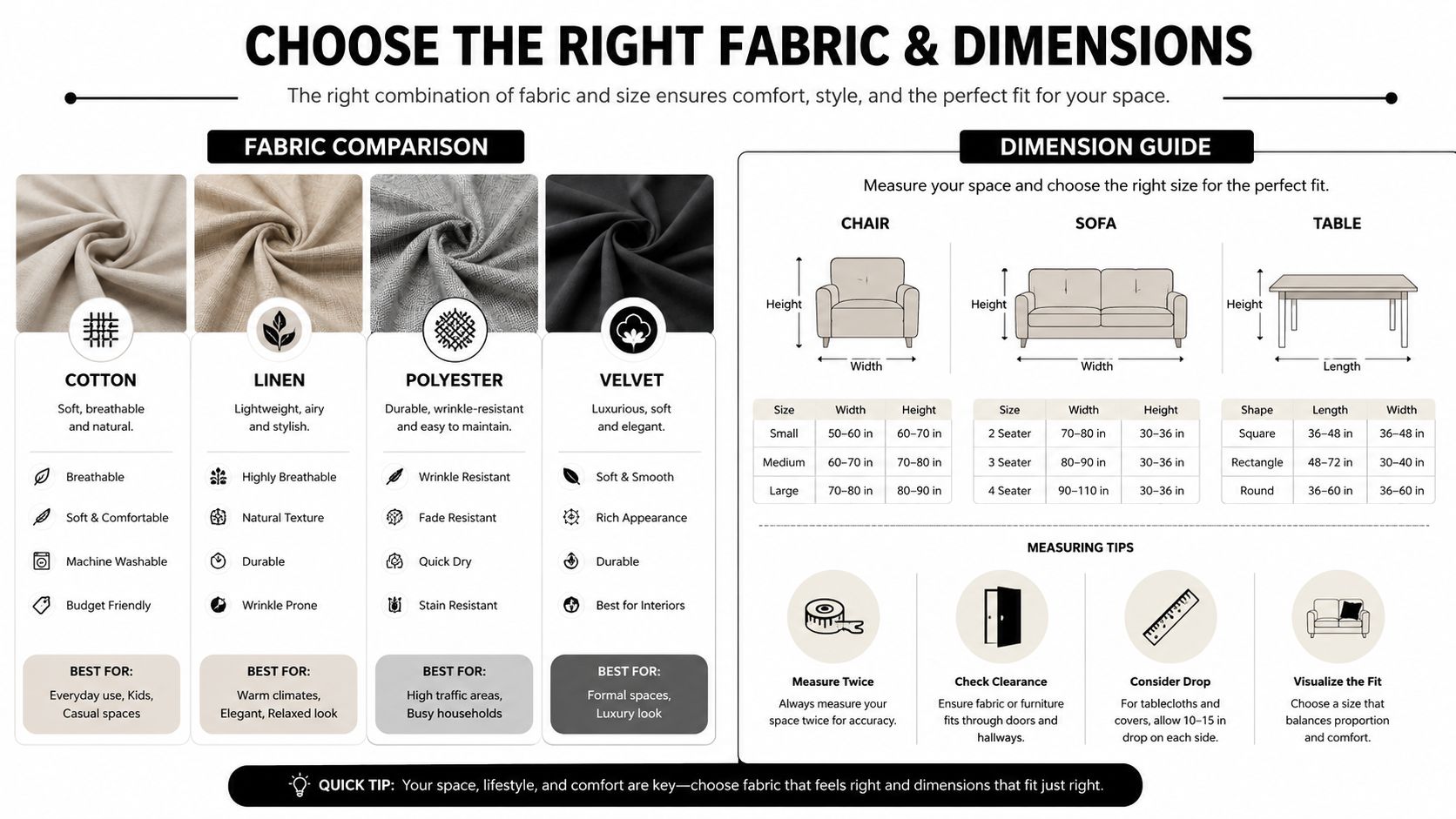
The fastest way to spoil a lounge layout is to choose a table by appearance alone. Scale comes first. A beautiful finish won't rescue a table that forces guests to stretch too far for a glass or squeeze their legs around the corners.

Start with sofa proportion

The most useful sizing benchmark is the sofa. Design guidance commonly recommends a cocktail table length of about two-thirds of the sofa length, with the table height matched to the seat cushions or slightly lower. In practice, many cocktail tables fall in the 16 to 21 inch height band, according to this coffee table sizing guide.

For event planners, that translates into a simple test. When guests sit down, the table should feel close enough for easy reach and low enough that it doesn't dominate the seating.

What usually works and what usually fails

Here's the practical version used on event floors:

  • Too long and the table starts to pinch the lounge, especially when guests cross their legs or place handbags nearby.
  • Too short and it looks decorative rather than useful.
  • Too high and the whole pod feels stiff.
  • Too low and guests lean awkwardly every time they set down a drink.

If you're hiring timber pieces, these examples of a round wood cocktail table show the sort of shape that can solve access issues in tighter or more organic seating plans.

The right size table disappears into the experience. Guests use it without thinking about it.

Work out quantity by lounge behaviour

Quantity depends less on a universal formula and more on how many true seated conversation areas you want. At a wedding, guests tend to rotate through lounge pods. At a launch or VIP event, the same groups often hold a spot for longer. That means you should plan for enough central surfaces in each intended seated cluster, not just enough furniture to fill the room.

A useful rule in practice is this: if a seating grouping reads as its own social pod, it usually needs its own cocktail table.

Guests in Lounge Area Recommended Lounge 'Pods' Minimum Cocktail Tables
Small lounge area 1 to 2 pods 1 to 2 tables
Medium lounge area 2 to 4 pods 2 to 4 tables
Large lounge area 4 or more pods Match at least one table to each main pod

Adjust for event type

Different events put different pressure on the surface:

  1. Wedding lounges need room for drinks, clutch bags, and occasional plated snacks.
  2. Corporate lounges often need space for notebooks, branded items, and coffee service.
  3. Private parties usually need forgiving layouts because guests move furniture more casually.
  4. Matric dances and formals benefit from cleaner, sturdier surfaces that can handle fast turnover and photo traffic.

If there's any doubt, add another table before adding another chair. An extra seat without a reachable surface often creates more frustration than value.

Matching Table Style to Your Event Theme

Matching Table Style to Your Event Theme

Style choices on low tables do more than fill visual space. They tell guests how formal, relaxed, contemporary, or playful the lounge is supposed to feel. Material, shape, finish, and even edge detail all influence that first impression.

Why modern event tables look the way they do

After 1945, cocktail-table and coffee-table designs became wider and larger to suit modern living spaces and practical entertaining. Sources describe a move toward simple, functional centre tables that could hold drinks, décor, and magazines while fitting around sofas, as outlined in this discussion of cocktail table and coffee table design changes.

That shift still shows up in event furniture hire. The tables that perform best are usually the ones that combine a clean silhouette with enough usable top surface.

Four common event directions

Event feel Table choices that fit Where they work well Watch-outs
Modern and minimal Glass-look, acrylic, metal, black or white finishes Product launches, gallery events, city venues Smudges and scratches show quickly under lighting
Rustic and warm Wood tones, rounded edges, textured surfaces Winelands weddings, farm venues, garden marquees Wrong stain tone can clash with flooring or harvest tables
Classic and polished Gold accents, marble-look tops, oval shapes Formal dinners, engagement parties, hotel lounges Too many glossy finishes can look over-styled
Night-time statement LED tables, illuminated cubes, glowing accents Birthdays, matric after-parties, brand activations Needs restraint so the lounge doesn't compete with the dance floor

LED versus traditional finishes

LED cocktail tables work best when the event already has a contemporary lighting language. They suit parties, launches, and younger crowds, especially when the lounge forms part of the entertainment rather than a quiet retreat. They don't suit every wedding. In a heritage venue or vineyard setting, they can look disconnected unless the rest of the design also leans modern.

Traditional timber or metallic finishes are usually easier to blend across mixed-use events. They also photograph more softly during the daytime.

For hosts considering multi-use furniture at home or at hybrid events, these styling tips for lift coffee tables offer useful thinking around flexibility, especially when a surface may need to handle more than one task.

Match the shape to the mood

A square or rectangular table tends to feel structured. It suits cleaner layouts and formal lounge groupings. Round and oval tables feel easier and more social. They soften conversation zones and reduce visual clutter.

That's the trade-off. Sharp geometry brings order. Softer shapes improve movement and usually make a lounge feel more welcoming.

Professional Styling for Cocktail Tables

An empty cocktail table makes a lounge look unfinished. An over-styled one makes guests nervous to use it. The sweet spot is a table that looks considered but still leaves obvious room for drinks, plates, and personal items.

Build around function first

At events, function has to lead styling. A home décor approach often adds books, sculptures, candles, and layered objects that look good in a photograph but collapse once guests start interacting with the table.

Start with the practical questions. Will waiters pass canapés through the space? Will guests set down wine glasses, coffee cups, or dessert bowls? Is the lounge meant for quick pauses or longer conversations?

Use these as your base rules:

  • Keep the centre low so guests can see each other across the table.
  • Leave landing space on at least part of the tabletop for active use.
  • Contain loose décor in a tray so items don't drift across the surface.
  • Choose sturdy pieces that won't topple if someone brushes the table getting up.

A styled table should still look usable from two metres away. If it looks precious, guests avoid it.

Use layers without crowding the surface

A reliable event styling formula is one structured base, one softer element, and one functional detail. For example, a tray, a small floral arrangement, and branded coasters. Or a runner, a candle cluster, and a small bowl for wrapped sweets.

That mix gives the table shape without turning it into a display stand.

Styling elements that tend to work well

  • Trays keep candles, votives, or small branded items contained.
  • Low florals add freshness without blocking conversation.
  • Coasters look thoughtful and protect the finish.
  • Small lamps or soft LED accents can help in dim evening lounges.
  • A single textural object such as beads, moss, or ceramic can stop the surface from feeling flat.

Items that often cause trouble

  • Tall centrepieces interrupt sightlines.
  • Loose petals or confetti migrate into drinks and handbags.
  • Overhanging fabrics catch glasses and sleeves.
  • Heavy scent candles can fight with plated food and wine service.

Adapt styling to the rental piece

Not every hire item arrives in the exact finish you'd choose for a permanent interior. Sometimes the answer is smart surface treatment rather than replacing the furniture type entirely. If you're planning a custom look for a photoshoot, activation, or one-off branded event, this guide to applying adhesive film to furniture is useful for understanding what temporary finish changes involve and where they make sense.

That said, most event lounges need fast, reliable styling. The simpler route is often the better one.

A good cocktail table styling scheme should survive guests leaning in, staff clearing glasses, and the room looking slightly different at the end of the night than it did at the start. If the table still looks intentional after real use, the styling has done its job.

Rental Logistics in Cape Town and The Winelands

Rental Logistics in Cape Town and The Winelands

A lounge can look perfect on a floor plan and still fail on install day. The usual reasons are simple. The truck cannot get close to the venue, the setup window is shorter than expected, or the tables chosen for the look are awkward for the site conditions.

That happens often in Cape Town and the Winelands.

City venues regularly work with strict loading times, shared service corridors, basement parking, and passenger lifts that are too small for bulky items. Out in Stellenbosch, Franschhoek, and Paarl, the challenge shifts. Gravel approaches, lawns, cellar courtyards, and longer push distances all affect what can be delivered quickly and placed safely.

That is why table choice is partly a logistics decision. A heavier feature piece may suit the concept, but it is not always the practical option for a venue with stairs, uneven ground, or a fast room reset between ceremony and reception. For many events, a lighter, stable cocktail table that crews can position quickly is the better call.

The rental process tends to run well when these steps are clear from the start:

  1. Consultation and item selection based on the guest count, service style, and venue access.
  2. Booking confirmation so stock is held for your date, especially in peak wedding and year-end periods.
  3. Pre-dispatch checks to confirm quantities, finishes, and condition.
  4. Timed delivery that matches the venue access window.
  5. On-site placement using the agreed layout, rather than leaving pieces stacked for later decisions.
  6. Post-event collection once the venue allows breakdown access.

ABC Hire supplies event furniture for Cape Town and surrounding Winelands areas, including Stellenbosch, Franschhoek, and Paarl.

One practical tip saves a lot of stress. Confirm delivery time and collection time at the same moment you sign off the furniture list. If those two points stay vague, the problems usually show up at venue level, not on the quote.

Before delivery day, settle these details with your rental partner and venue coordinator:

  • Access route. Loading bay, staircase, service lift, grass path, or cellar entrance.
  • Placement responsibility. Rental crew placement or later styling by your production team.
  • Ground surface. Decking, lawn, carpet, concrete, cobbles, or mixed surfaces.
  • Protection needs. Weather cover, indoor holding area, or delayed load-in if rain is expected.
  • Collection window. Immediate strike after the event or next-morning pickup.

For Cape Town planners, these checks are what keep an elegant lounge from turning into a rushed install. The cocktail table may be a small line item on the inventory, but getting it to the right spot, at the right time, in the right condition is what makes the whole lounge work.

Frequently Asked Questions for Event Planners

Some of the most useful questions come up late in planning, when the mood board is approved and the practical compromises begin.

The questions that matter on real event floors

Question Answer
What shape works best in a compact lounge area? Round and oval tables are often easier in tight spaces because they soften movement and reduce hard corners around busy walkways. Rectangular tables work well when the seating layout is linear and the room is narrow.
Can one cocktail table serve two sofas? Sometimes, but only if the seating reads as one shared pod. If guests on one side have to lean forward or twist to reach it, split the grouping and use two tables.
Should every lounge pod match exactly? No. Symmetry can look polished, but slight variation often feels more natural. Keep one common thread such as finish, height family, or shape language.
How much styling should stay on the table during service? Less than you think. Leave clear usable space. If catering is substantial, reduce décor further so guests don't start moving items onto the floor.
What matters most for hybrid entertaining and occasional work use? Surface stability, easy-clean finishes, and enough top area for a drink plus a laptop or plate matter more than decorative detail. Multi-use tables need to look good and handle changing tasks without fuss.
Are low tables worth it for short events? Yes, if you're creating any seated lounge at all. Even brief events feel more complete when seated guests have a central surface for drinks and personal items.

Final planning note

The best rental choice usually isn't the boldest table in the catalogue. It's the one that fits the seating, suits the venue, and still works once guests arrive. That's the standard worth planning for.


If you're planning an event lounge and want furniture that suits the venue, guest flow, and overall look, speak to ABC Hire about cocktail tables, lounge seating, delivery, setup, and collection across Cape Town and the Winelands.

Speakers for Rent: Your Cape Town Event Sound Guide

You've got the venue, the guest list is moving, and one question keeps sitting in the background. Will people hear what matters?

That pressure is real. At a wedding, it's the vows and speeches. At a corporate launch, it's the presenter, the video playback, and the timing. At a birthday or school function, it's the difference between music that fills the room cleanly and a system that sounds harsh, uneven, or too weak. In Cape Town and the Winelands, that gets more complicated because venues vary wildly. One event is in a compact city space with reflective walls. The next is in a marquee in Stellenbosch, or on a wine estate where wind, power, and access all change the job.

That's why speakers for rent are usually the right starting point. Not because buying is impossible, but because event audio works best when the system matches the venue, the guest count, and the programme for that specific day.

Why Renting Speakers is Your Smartest First Step

Most first-time planners underestimate how specialised event sound becomes once real guests arrive. A system that seems fine in a lounge or office can fail fast in a hall, courtyard, or outdoor ceremony space. Speech gets lost. Music sounds thin. Guests at the back hear less than guests at the front.

Renting avoids that trap and keeps your budget focused on the event rather than the hardware. The South African events industry was estimated at USD 6.04 billion in 2024, with audio-visual rental as a core service, which tells you this isn't a fringe option but part of normal event operations in a large market (South African speaker rental market context). The same source notes that a small PA package can start around R1,500 per day, while buying a similar system could cost over R20,000.

What renting actually solves

A rental isn't just a pair of boxes on stands. It solves several practical problems at once:

  • Equipment matching: The system can be sized to the guest count and venue instead of forcing one fixed setup onto every event.
  • No storage burden: You don't need to keep bulky gear after a once-off wedding or annual function.
  • No maintenance stress: Cables fail, batteries die, settings get changed. Rental stock is meant to be checked and turned around for events.
  • Less transport hassle: Speakers, stands, subwoofers, and mixers take up more vehicle space than many people expect.

Practical rule: If you're planning a one-off event or a seasonal run of events, renting is usually the safer decision because you're paying for fit-for-purpose sound, not ownership.

For planners who want a broader view of how portable systems are typically hired and packaged, this expert guide to portable PA hire is a useful comparison point.

If your event includes furniture, layout, and party equipment alongside sound, it also helps to think in packages rather than isolated items. A practical example is this guide on how to rent for a party, because audio usually works best when it's planned with the rest of the event footprint.

Matching Speakers to Your Event

The simplest way to size speakers for rent is to answer three questions in order. How many people are coming? What kind of space are you using? What does the sound need to do?

That sequence matters. Many people jump straight to wattage, but wattage on its own doesn't tell you whether guests at the side, rear, or dance floor will hear properly.

A five-step infographic guide on how to choose the right audio speakers for your specific event.

Start with guest count

A useful sizing guide recommends approximately 1,000 to 2,000W RMS for events up to 100 people and 3,000 to 4,000W RMS for up to 300 people (sound system sizing guide). That same guidance makes an important point. Wattage alone is misleading, because speaker placement and dispersion affect whether the room has loud hot spots or quiet dead areas.

For a small ceremony, dinner, or speech-driven event, that lower range can be enough when the speakers are positioned well. For a larger function, the extra power helps, but only if the coverage pattern suits the room or outdoor footprint.

Then look at the space

A 100-person function in a low-ceilinged room in Cape Town isn't the same job as a 100-person ceremony in an open-sided Winelands marquee.

Hard walls, glass, and stone can make speech reflections worse. Open air does the opposite. Sound escapes, wind interferes, and the back rows lose clarity faster. That's why two smaller speakers placed correctly often work better than one larger speaker trying to cover everything from a single point.

Don't ask only, “How loud is it?” Ask, “How evenly will it cover the room?”

Finally decide the audio focus

Speech, background music, dancing, and live performance all pull the system in different directions.

  • Speech-first events need clarity, microphone stability, and even coverage.
  • Background music needs gentle fill without overwhelming conversation.
  • Dance floors and DJs need stronger low-end support and usually a more deliberate front-of-house layout.
  • Mixed-format events need flexibility, because the same system may handle speeches at one point and music later.

Speaker sizing guide by guest count and venue

Guest Count Venue Type / Audio Focus Recommended Speaker Setup
Up to 50 Indoor room, ceremony, speeches, presentation Compact powered PA with speaker stands and at least one microphone
Up to 100 Small hall, restaurant, courtyard, wedding ceremony plus light music Two powered speakers for balanced left-right coverage
Up to 100 Outdoor ceremony, beach setup, open-sided marquee Two powered speakers on stands, placed for speech coverage rather than maximum volume
Up to 300 Banquet hall, school function, corporate event Medium PA with multiple microphones and mixer support
Up to 300 Marquee, estate lawn, activation space with music focus Medium PA plus subwoofer support if dancing or fuller music playback is important
Larger-format event Large outdoor or complex programme Full PA design with placement plan, mixer, multiple microphones, and more setup time

The sizing mistakes that cause problems

Three mistakes show up repeatedly:

  1. Choosing by wattage alone
    A bigger number doesn't fix bad placement.

  2. Ignoring venue shape
    Long narrow spaces, L-shaped rooms, and outdoor lawns need different layouts.

  3. Booking for music when the primary priority is speech
    Wedding vows and keynote audio need clarity first. Bass can be added. Lost speech can't be recovered in the moment.

When you speak to a rental company, give them the guest count, venue type, and programme order. That gets you closer to the right answer than asking for “a speaker loud enough for 150 people”.

Choosing the Right Speaker Technology

Once you know the rough size of the system, the next decision is the speaker type. For most event rentals, the practical choice is powered speakers, also called active speakers.

A side-by-side comparison of three different types of audio speakers on a white table.

Powered versus passive

Powered speakers have the amplifier built into the cabinet. Passive speakers need a separate external amplifier.

That sounds like a small detail, but on event day it changes a lot.

  • Powered speakers reduce cabling complexity and speed up setup.
  • Passive speakers can work well in larger or more specialised systems, but they add more hardware, more routing, and more room for setup mistakes.
  • Many powered rental speakers also include DSP, which helps optimise sound and suppress feedback for non-technical users (powered speakers and DSP overview).

For first-time planners, schools, private hosts, and many wedding applications, powered speakers are usually the safer route. Fewer separate components means fewer points of failure.

When a subwoofer helps

Not every event needs a subwoofer. Some absolutely do.

A subwoofer is worth adding when:

  • the event includes a DJ or dance floor
  • you want fuller music playback
  • the room is larger and needs more low-end support
  • the event shifts from speeches into a party format later in the evening

A subwoofer is often unnecessary when the job is mainly:

  • ceremony audio
  • speeches and toasts
  • conferences
  • panel discussions
  • school prizegivings

More bass doesn't automatically mean better sound. For speech-led events, too much low-end can make the system less intelligible.

Connectivity matters more than people expect

Most audio issues on the day aren't caused by the speaker itself. They start at the input.

Before booking, confirm how your audio will connect:

  • Bluetooth is convenient for simple playback, but it isn't always ideal where reliability matters.
  • AUX or direct cable from a device is often more stable for playlists and presentation audio.
  • XLR connections are standard for microphones and professional audio gear.
  • Mixer-fed input is the right approach if multiple sound sources need to be managed.

If you're running a wedding ceremony playlist from a phone, that's one thing. If you're combining a lectern mic, handheld mic, laptop audio, and background music, the system should be planned like a proper PA, not treated like a home speaker.

Microphones and Mixers Explained

The speaker gets most of the attention, but the input side is where many event problems begin. A poor microphone choice or a missing mixer can make a good speaker system sound average very quickly.

A professional audio interface unit next to a gold studio microphone with a green foam windscreen.

Pick the microphone for the job

The easiest way to choose is by movement and speaking style.

  • Handheld microphone
    Best for speeches, toasts, MC work, and announcements. It's simple, visible, and easy to pass between speakers.

  • Lapel microphone
    Useful when a presenter needs both hands free. Good for ceremonies, presentations, and some corporate speaking formats.

  • Lectern microphone
    Best when the speaker stays fixed in one place and the event has a podium or lectern setup.

  • Wired versus wireless
    Wired mics are straightforward and dependable when the speaker stays localised. Wireless mics are cleaner visually and allow movement, but they need proper battery management and testing.

When you need a mixer

If you have only one microphone and one music source, a simple setup may work without much adjustment. Once the event has several inputs, a mixer becomes important.

A mixer lets the operator:

  • balance multiple microphones
  • control presentation audio from a laptop
  • lower music under speeches
  • manage sudden level changes without touching the speaker itself

This matters at weddings where one moment is a quiet welcome speech and the next is walk-in music. It matters at conferences where panel mics, video playback, and Q&A all need different levels.

A mixer doesn't make the system more complicated for the planner. It makes the event easier to control when the programme changes.

Music choice matters too. If you're planning the listening experience carefully, this visual on curating the perfect party soundtrack is a useful reminder that song selection and sound delivery work together. A well-built playlist still needs the right microphone and playback structure around it.

The safe question to ask your rental provider

Don't ask only for “a microphone”. Ask this instead:

  • Will there be speeches, and from where?
  • Does the speaker need hands free?
  • Are there multiple presenters?
  • Will music and microphones run at the same time?
  • Who will mute, unmute, and balance levels during the event?

Those answers usually reveal whether you need one mic, two mics, or a full small mixer setup.

Booking and Logistics The Smart Way

The rental quote can look simple at first. Then event-day details become apparent. Access times, delivery distance, stairs, power points, technician hours, and late-night collection all affect whether the hire stays smooth or becomes stressful.

A person using a tablet to plan an event on a digital interface at a wooden table.

A key point for Western Cape events is that the speaker price is only one part of the total. Beyond the daily rental fee, renters should budget for transport, technician support, deposits, and possible insurance, and technician support can add R1,000 to R5,000 depending on complexity (Western Cape sound rental cost factors). The same guidance notes that distance is a major cost driver, which matters when your event is in central Cape Town one week and Franschhoek the next.

What usually changes the final cost

The biggest variables are operational, not cosmetic.

  • Distance to venue
    Cape Town CBD, Paarl, Stellenbosch, and Franschhoek don't carry the same transport implications.

  • Setup complexity
    A simple drop-off is one thing. A full install with microphones, mixer, testing, and strike later that night is another.

  • Technician attendance
    If someone needs to stay on-site for cues, speeches, and troubleshooting, labour needs to be built in.

  • Venue access
    Narrow loading zones, stairs, long carry distances, or strict setup windows can add time and cost.

Questions that prevent surprises

Use this list before you approve any quote:

  1. What is included in the package?
    Confirm speakers, stands, microphones, cables, mixer, and playback connections.

  2. Is delivery included?
    If not, ask how transport is calculated for your area.

  3. Who handles setup and collection?
    Drop-off only and full setup are not the same service.

  4. What power is needed on site?
    Confirm socket locations, extension needs, and whether the venue has reliable supply.

  5. What happens if the programme runs late?
    Late collections and after-hours labour should be clarified before event day.

  6. Is there a deposit or damage policy?
    You want that in writing.

If the venue is large, spread out, or has limited plug points, plan power distribution early. Something as basic as extension planning gets overlooked often, and this guide to a 20 metre extension cord for event setups is a useful reminder that cable reach can shape your speaker placement options.

Booking earlier than feels necessary

In peak wedding and function periods, the best speaker packages are often committed early, especially once the event also needs microphones, staging support, or delivery to the Winelands. The later you leave it, the more likely you are to compromise on timing or configuration.

The smartest booking isn't the fastest quote. It's the quote that clearly states what arrives, who installs it, when it's tested, and how it leaves the venue.
Your Cape Town & Winelands Event Checklist

Generic speaker advice misses what catches people out locally. Cape Town and the Winelands bring beautiful venues, but they also bring specific risks that should shape your rental decisions.

Check the venue against local realities

Run through this before you confirm speakers for rent:

  • Wind exposure
    Outdoor ceremonies, lawns, beach-facing spaces, and open marquees need speaker placement that protects speech clarity. Wind can thin out coverage and make microphones harder to manage.

  • Room acoustics
    Historic venues, wine cellars, and stone-heavy interiors can bounce speech around. Cleaner placement matters more than an increase in volume.

  • Noise restrictions
    Some estates and residential-adjacent venues are strict about sound levels and finish times. Confirm those limits before choosing a music-focused setup.

Plan for power properly

In South Africa, frequent power interruptions from load shedding have made backup power a real event-planning concern, and that has increased demand for battery-powered PA options or systems that are compatible with on-site generators, especially in more remote Winelands settings (backup power and event audio planning).

That means you should ask:

  • Is battery operation available for this event format?
  • If the venue has a generator, is the audio system suitable for it?
  • Will the sound provider test the setup with the available power source?

If the venue is remote, don't treat backup power as a bonus. Treat it as part of the audio plan.

Think beyond the speaker itself

Local event success usually depends on coordination. Speaker placement affects guest seating. Power routes affect décor and walkways. Setup windows affect caterers, florists, and venue staff.

A broader planning tool helps. This event planning checklist template is useful because sound shouldn't be handled in isolation from power, floorplan, timing, and weather backup.

The planners who avoid last-minute problems usually do one thing well. They ask venue-specific questions early instead of assuming every space behaves the same.

Frequently Asked Questions About Speaker Rentals

Can I play music from my phone?

Usually yes, but don't assume every system is meant for casual plug-and-play use. Ask in advance what connection is best for your playlist and whether the package supports phone or laptop playback cleanly.

What if it rains at an outdoor event?

You need a weather backup plan before setup starts. That might mean moving the sound system under cover, repositioning speakers, or having a secondary indoor plan with the venue. Electronics and sudden rain don't mix well.
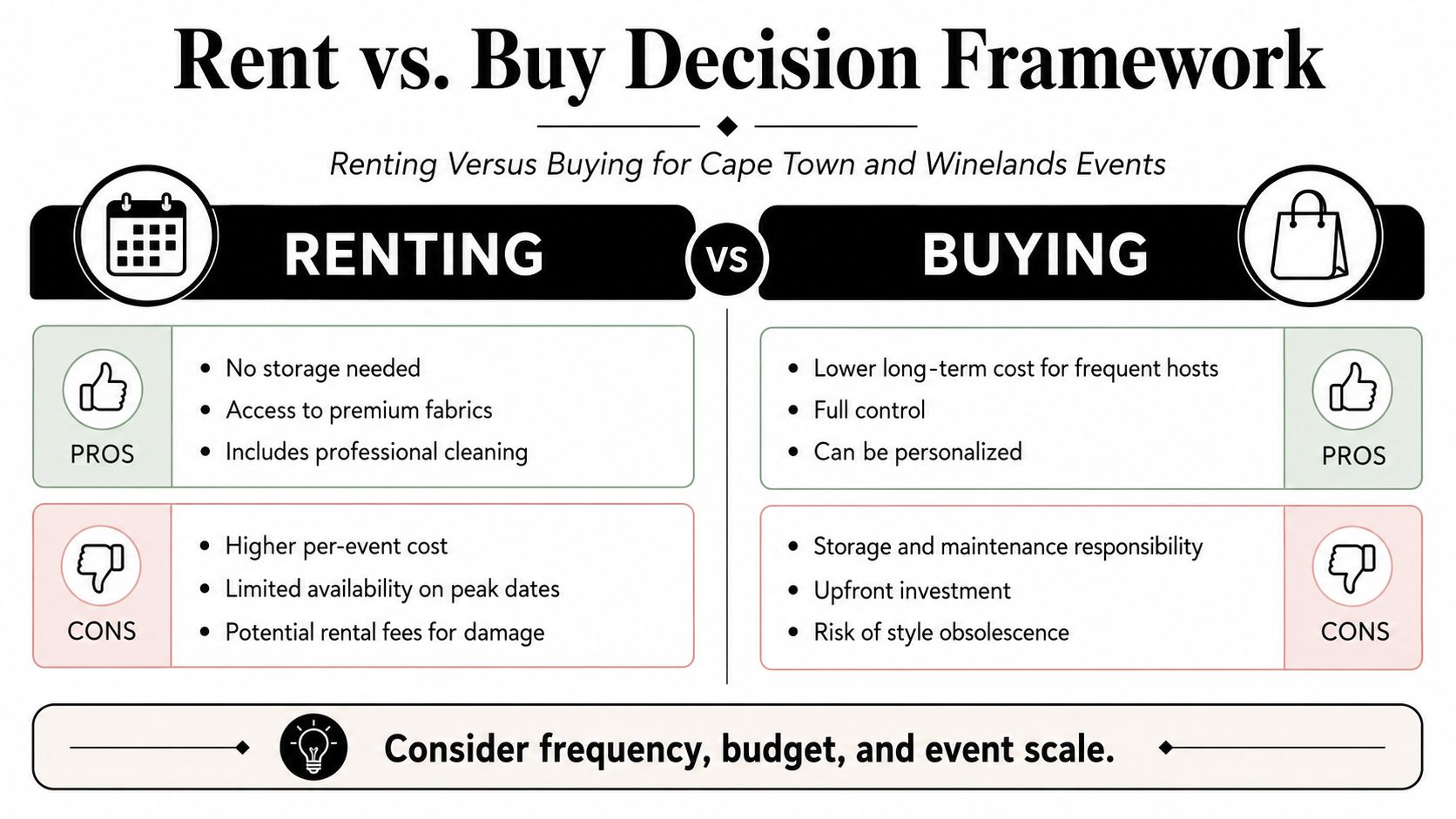
Is speaker rental equipment insured?

Policies differ, so ask what the renter is responsible for in cases of theft, accidental damage, or weather exposure. Get that in writing rather than relying on verbal assumptions.

How much time should I allow for setup and soundcheck?

Allow more time than you think you need. Small systems are quicker, but larger systems and events with microphones, multiple inputs, or outdoor placement need proper testing before guests arrive. Rushed soundchecks are where feedback, dead cables, and weak coverage get missed.

Do I need one speaker or two?

For most events, two well-placed speakers give better coverage than one speaker trying to throw sound across the whole space. That's especially true for ceremonies, halls, and long seating layouts.

Should I get a technician on site?

If the event includes live speeches, multiple microphones, presentation cues, or a busy run sheet, a technician is often worth it. Someone needs to manage levels when real people start using the system.


If you're planning an event in Cape Town, Stellenbosch, Franschhoek, Paarl, or the surrounding Winelands, ABC Hire can help you coordinate the event essentials around a smoother setup day. From furniture and layout items to practical event hire support, the team works with planners, venues, and private hosts who want fewer surprises and a more organised event from the start.

Small Round Table Guide for Cape Town Events

You've probably had this brief before. The venue is beautiful, the client loves the look, and then the floorplan lands in your inbox and everything gets awkward. The farmstead dining room has thick walls and narrow pinch points. The courtyard is charming but uneven. The marquee has poles exactly where you don't want them. Or the city venue looks generous online, then feels tight the moment you start placing chairs.

That's where the small round table stops being a filler item and starts doing real work. In Cape Town and the Winelands, the right small table can rescue circulation, soften a rigid room, and make guests feel more comfortable without making the event look improvised. It's one of those pieces that planners tend to underestimate until a difficult venue reminds them why shape matters.

Why a Small Round Table is Your Secret Weapon

A small round table earns its keep in spaces that aren't perfectly square, perfectly flat, or perfectly forgiving. That describes a lot of Western Cape venues. Historic farm buildings often have awkward corners, old thresholds, and support elements that punish rigid layouts. A round table gives you more freedom to shift, rotate, and open up traffic lanes without the whole room looking off-balance.

It also changes the way people behave. Guests don't have to negotiate “head” positions, and conversation starts more naturally when everyone sits on an equal curve. At a wedding in Franschhoek, that matters. At a CBD brand launch where people are circulating between drinks, canapés, and short conversations, it matters just as much.

Why planners keep coming back to them

Its value isn't only visual. It's operational.

  • They fit difficult rooms better: Small rounds slide into alcoves, between poles, and beside dance floors with less visual heaviness than square or rectangular options.
  • They encourage interaction: Guests can make eye contact more easily, which helps at intimate dinners, networking events, and private celebrations.
  • They soften the room: In venues with lots of stone, glass, steel, or timber, a circular top breaks up hard lines and makes the setup feel less formal.
  • They adapt well: You can use them for two guests with drinks, for a three-person seated setting, or as part of a mixed-format event.

Practical rule: If the venue feels tighter in person than it did on the site visit photos, a small round table usually gives you more recovery options than a hard-cornered layout.

There's also a styling advantage. A small round table can look polished with very little on it. A cloth, a low arrangement, the right chair, and suddenly the setup feels deliberate instead of sparse. If you're comparing timber options and finishes, a good reference point is this guide to a wood round table for events.

For planners who work across weddings, matric dances, launches, and home functions, that versatility is the secret. One furniture choice solves layout, flow, and atmosphere at the same time.

Sizing and Spacing Your Tables Correctly

You feel spacing mistakes fastest at guest level. A chair clips the waiter carrying mains. Someone near the barn door has to stand to let the row behind them out. On a calm floorplan, everything looked fine. In a real Cape Town or Winelands venue, especially one with thick walls, uneven patios, or a breeze pushing people under cover, that layout can tighten up very quickly.

A measuring tape sits on a small round table in a room filled with identical tables.

The fix starts with footprint, not guest count. I plan small rounds by the space they occupy once chairs are pulled out and staff are moving, not by the maximum number a brochure says they can seat. That matters even more at older Stellenbosch and Franschhoek properties where door openings are narrow, verandas steal usable width, and one support pillar can ruin an otherwise tidy grid.

For Cape Town event rentals, a practical method comes down to three checks. Allow enough room for chair pull-out and proper walkways, as noted in this table and chair rental layout guide. Match the diameter to how guests will use the table. Then test the pressure points near doors, bars, buffet lines, and dance floors, because those are the first places a pretty plan fails.

Start with the working footprint

A small round table always needs more room than the top suggests. The timber or cloth edge is only the centre of the problem. Chairs, handbags, servers, camera operators, and guests standing to greet each other are what turn a compact setup into a congested one.

In practice, a 900mm round usually suits two to four guests, and three feels comfortable if there are proper place settings, glassware, and a centrepiece. A 1200mm round can take four to six, but it needs more breathing room around it and gets awkward quickly if the venue has tight circulation. I use 900mm rounds often for tasting rooms, courtyards, and side sections of larger receptions because they give more recovery options if the room starts feeling crowded.

Table Diameter Cocktail Standing Seated Guests (Comfortable) Required Floor Space (incl. clearance)
760mm 2 Not ideal for full dining Allow for standing circulation and service access
900mm 2 to 4 3 Allow for chair pull-out plus walkway space
1200mm Limited use for standing 5 Needs a wider operating footprint than 900mm

Plan the room in the right order

I pressure-test layouts in this sequence:

  1. Mark fixed obstacles first
    Doors, fireplaces, bars, service stations, stages, poles, DJ booths, heaters, and garden steps decide the layout before the tables do. Historic farm venues are notorious for this. The room may be charming, but alcoves and old wall thickness can steal usable metres.

  2. Draw guest and staff routes
    If staff and guests are forced into the same narrow path, service slows and the room feels busy. This gets worse in the Winelands during winter when everyone drifts indoors, and in summer when the Cape Doctor pushes outdoor guests toward sheltered edges.

  3. Place the smallest table that still fits the event
    A 900mm round usually buys cleaner movement than a larger top. That extra bit of clearance matters more than planners expect, especially near dance floors and on patios where chair legs can catch on grout lines or lawn edges.

  4. Check edge cases by hand
    Open the chair positions properly. Stand where a server would stand. Test the route to the bathroom and bar. A plan can pass on paper and still fail once real bodies start moving through it.

Tight layouts usually break down at the edges. Corners, thresholds, buffet approaches, and the first row beside the dance floor are where guests notice bad spacing first.

Match the size to the event format

Different functions need different tolerances. A seated dinner needs elbow room and service access. A brand launch or wine tasting can run a little tighter if guests are circulating. A wedding in a cellar or farmhouse dining room often needs a mixed approach, with some fully seated tables and some lighter satellite rounds near the perimeter.

Use 900mm rounds where conversation matters and the room is doing you no favours. Use 1200mm rounds only if the venue can carry the extra chair movement without pinching walkways. For mixed-format events, small rounds work best as pockets of seating, not a dense field of identical tables.

That is usually the difference between a room that feels intimate and one that feels cramped.

Choosing Your Table Style for Cape Town Events

The table that looked perfect in a showroom can fail badly at a Cape Town venue. I see it most often at sea-facing properties, courtyard receptions, and old Winelands farmsteads where the setting is beautiful but the conditions are hard on furniture. Salt in the air, damp morning setup windows, hot afternoon sun, and the Cape Doctor all expose weak finishes and light bases very quickly.
Three distinct small round tables with drinks placed on a stone patio overlooking the blue ocean.

Style choice starts with the venue, not the mood board. At an old Stellenbosch manor with narrow doorways and uneven stone, I would rather use a simpler table that carries safely and stands firm than a prettier piece that arrives scratched and wobbles by canapés. In my experience, a surprising amount of rental stock looks good in photos but struggles once it has to be loaded in, set on imperfect surfaces, and left outdoors for six hours.

Timber tops for warmth and character

Timber works well in the Winelands. It suits cellar doors, barns, garden lunches, and farmhouse courtyards where you want texture without heavy linen. A good timber small round table can also carry a table setting with less decoration, which helps if the room already has enough character.

The trade-off is condition control. Poorly sealed timber marks easily from chilled glasses, shifts with temperature swings, and can pick up wear fast during summer season. At venues in Franschhoek or Paarl, that matters even more if the tables are set the night before or exposed during a long build.

Ask what finish is on the top. Ask how often the stock is refinished. Ask whether the rental company uses protective pads during transport. Those details tell you more than the product photo.

Metal and mixed-material tables for harder-working setups

For corporate functions, gallery spaces, and brand events, metal-base tables usually make service easier. They read cleaner, sit comfortably with monochrome or branded palettes, and generally cope better with frequent handling. I also prefer them for venues in the CBD where load-in often involves lifts, ramps, and tight turnaround times.

But metal is only as good as its coating and hardware. Cheap powder coating chips. Base plates rust around the bolts. Adjustable feet seize up if they are neglected, which is a real problem on old paving or sloped terraces. A heavier base is usually worth the extra handling time if the event is outdoors or exposed to wind.

Style Best fit Strength Watch for
Timber small round table Weddings, private dining, farm venues Warmth, texture, softer visual feel Surface movement and marking if the finish is poor
Metal-base round table Corporate events, city venues, activations Clean lines, dependable rental performance Rust, chipped finishes, weak hardware
Acrylic or LED feature table Night events, parties, branded moments Strong visual impact Weather exposure, visible scratches, power planning

A premium look means very little if the table rocks during speeches or shifts every time a guest rests an elbow on it.

When feature tables make sense

Feature tables work best in controlled doses. One or two can define a lounge pocket, a VIP area, or a branded drinks zone without making the whole floor feel busy. That approach suits Cape Town venues especially well because many of them already have strong architectural character, from rough plaster walls to old oak beams to mountain-facing terraces.

Contrast usually does the heavy lifting. A crisp modern top can sharpen an old farm venue. A warmer textured top can soften a contemporary space in Woodstock or on the Atlantic Seaboard. The right call depends on what the room already gives you, and what the weather is likely to do on the day.
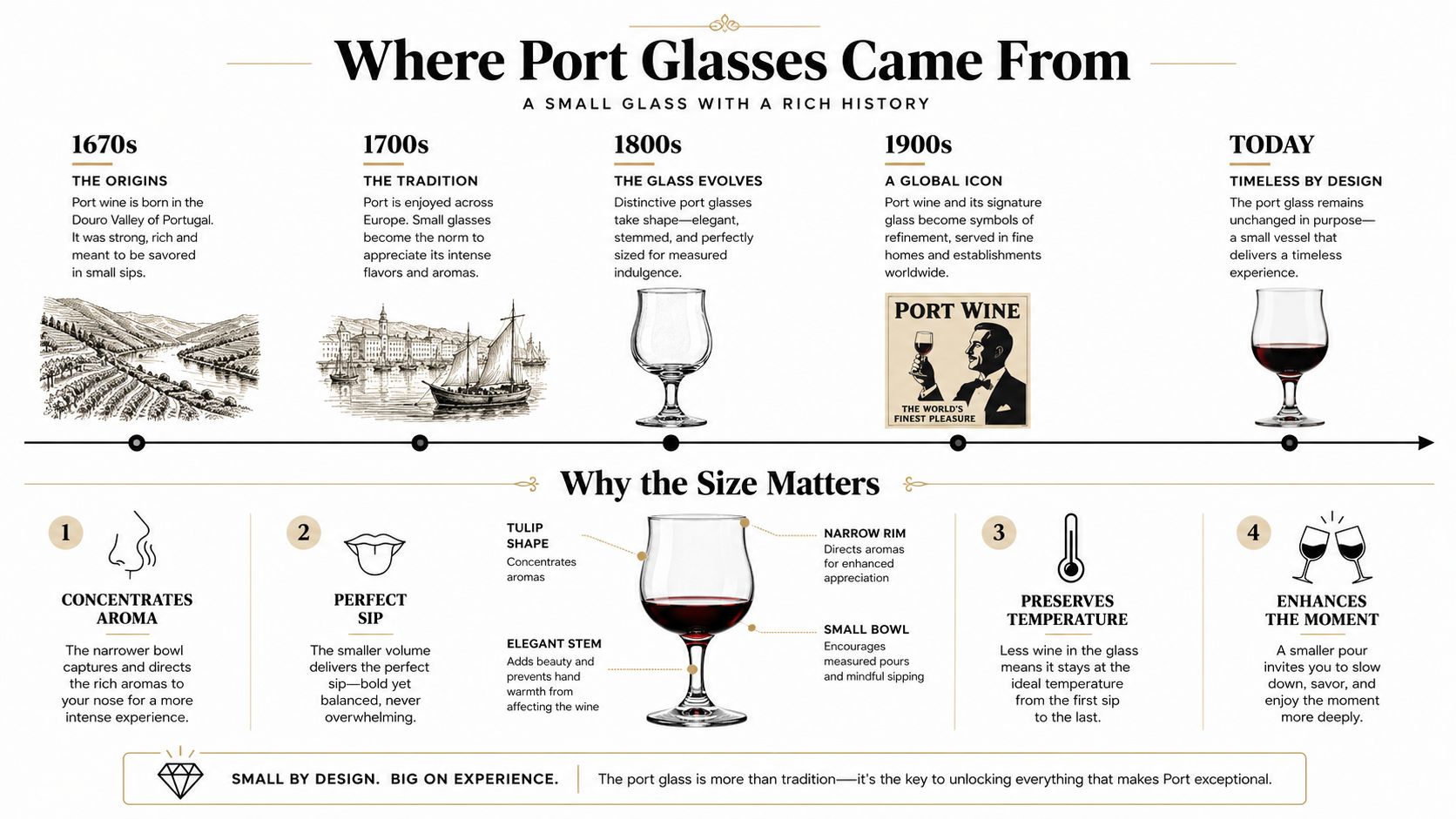
For exposed sites, practical performance comes first. If the event sits near the coast, on gravel, or on heritage paving, choose the table that stays stable, carries cleanly, and still looks good after setup. That is usually the better style choice in the Western Cape.

Creative Layouts for Intimate Conversations

A small round table earns its keep when guests can settle into a real conversation without feeling stranded from the rest of the room. In Cape Town and the Winelands, that usually means working around awkward old walls, deep verandas, uneven courtyards, and wind that shifts guest behaviour by the hour. A layout that looks balanced on paper can feel tight, exposed, or underused once the South Easter starts pushing people off the terrace and back inside.

A modern restaurant interior featuring small round tables with green velvet chairs and refreshing citrus drinks.

For short-stay seating, keep the scale honest. A 760mm cocktail table suits 2 people for a close conversation. A 900mm round works for 3 to 4 guests if they are standing or sitting briefly between speeches, tastings, or networking loops. On old farm paving, quarry tile, or cobbles, choose tables with adjustable levellers. That is not a luxury extra in the Western Cape. It is the difference between a table that stays planted and one that rocks every time someone puts down a wine glass.

The constellation layout for weddings

This layout works well in long barns, courtyards, and werf-style spaces where a rigid grid makes the room feel too formal. Instead of lining up every table perfectly, place small rounds in loose clusters with slight offsets between them. The room immediately feels softer, and conversations happen in smaller, more natural pockets.

It also helps with sightlines. Guests still catch the couple's table, the dance floor, or the mountain view, but they do not feel parked in rows.

I usually leave more open centre space than the planner first expects. At Boschendal, Cavalli, or an older Stellenbosch farmstead, that buffer gets used fast by photographers, servers, and guests drifting toward the action. If you close it up too early, the room feels blocked long before dinner starts.

Clustered rounds for launches and networking

For launches, tastings, and mixed-format corporate events, clustered rounds usually outperform fully seated plans. Guests need a place to stop, put down a drink, and speak without committing to one spot for the whole event. The trick is to create pockets, not obstacles.

A practical setup looks like this:

  • Use 760mm tables near bars, tasting stations, or activation points for quick two-person chats.
  • Set 900mm rounds just off the main traffic line so groups can gather without clogging service routes.
  • Build pause zones near branding moments or view lines but keep entrances and venue pinch points clear.
  • Use weighted bases or sheltered positions outdoors if the Cape Doctor is likely to hit the terrace.

Guests do not read a floorplan the way planners do. They notice whether a space lets them stop comfortably, rejoin the flow easily, and avoid standing in the wind with a full glass.

If the event includes linen, table spacing needs even more discipline. Full-drop cloths can visually bulk up a layout and tighten walkways faster than many planners expect. This guide to choosing a round table cloth for event use is useful if you are balancing look against clearance.

Cabaret curves for presentations

In venues with a speaker, panel, or tasting host, small rounds work well in a cabaret-style curve. Turn each grouping so the open side faces the presentation point. That keeps guests engaged with the front of the room while still allowing side conversation before and after the formal segment.

This is especially effective in city venues with broad open floors, and in Winelands halls where one end naturally becomes the stage wall. It gives guests somewhere to set notebooks, tasting glasses, or coffee without forcing the room into a classroom feel.

For evening functions, feature tables can help mark the bar edge, lounge pocket, or entrance zone, but use them sparingly. A few lit rounds can pull people through a dark room. Too many make the space feel busy, and outdoors they add one more weather and power check to the setup list. For Cape summer conditions, look for an IP54 rating or higher if those tables may sit near open sides, terraces, or courtyard edges.

Styling and Decorating Your Tables

A small round table looks best when the styling respects its scale. Too many planners treat it like a reduced version of a large banquet table and then wonder why it feels cramped. The table is smaller, the guest circle is tighter, and every object on top competes directly with glasses, plates, elbows, handbags, and sightlines.

The first rule is simple. Leave breathing room. If guests have to move florals just to reach water glasses, the styling has gone too far.

Get the linen right

Linen changes the whole read of a small round table. It can make a basic hire item feel formal, romantic, modern, or casual depending on fabric, fall, and finish. It can also make the table look underdressed or clumsy if the drop is wrong.

For a clean event look, use cloths that suit the table diameter and the function of the event. You want enough drop to feel intentional, but not so much fabric that it pools into chair legs or catches on shoes in tight layouts. If you're comparing options, this guide to a round table cloth for event use is a useful starting point.

A few practical rules help:

  • For exposed timber tops: Skip the cloth if the table surface is attractive and the event style is relaxed or rustic.
  • For formal settings: Use a full drop or near-full drop that gives the table presence without feeling bulky.
  • For cocktail use: Keep linen neat and secure, especially outdoors where wind can turn loose fabric into a nuisance.
  • For mixed layouts: Repeat one cloth style across the room so the smaller tables still feel connected to larger feature tables.

Keep centrepieces low and honest

Small rounds reward restraint. A low floral bowl, compact bud vase grouping, candle cluster, or simple lamp often works better than one tall arrangement. Guests don't want to peer around a structure to speak to the person opposite them.

If the event needs height, create it elsewhere. Put drama on the bar, the entrance, the ceremony backdrop, or suspended installations. Let the table stay useful.

A good centrepiece on a small round table should finish the setting, not dominate it.

Choose details that support conversation

The most successful tablescapes usually solve two jobs at once. They look polished, and they make guests comfortable. That means thinking about what sits on the table during the event.

Consider these combinations:

Event style Best table styling direction What to avoid
Winelands wedding Soft linen, low florals, warm candlelight Tall arrangements that interrupt sightlines
Corporate dinner Crisp cloth, clean stationery, minimal centrepiece Overdecorating that crowds plates and branded items
Birthday or private party Textured layers, coloured glassware, playful lighting Too many props competing for surface space

Candles can work beautifully indoors, especially in cellar venues or evening receptions, but outdoors they need protection. If the weather is uncertain, enclosed lighting or stable LED alternatives are often easier to manage. The table should still look complete even if the wind picks up.

A small round table is one of the few pieces that can look expensive with very little added. Good linen, one scaled arrangement, and disciplined editing usually beat a table loaded with “extras”.

The Ultimate Cape Town Rental and Logistics Checklist

The trouble usually starts at load-in. The tables fit the floorplan, but the truck can't get close to the courtyard, the crew is carrying folded furniture over gravel, and the afternoon south-easter has started pushing through the oaks. That is a normal Cape Town setup problem, especially at older Winelands properties and compact city venues.

A checklist for renting furniture for events in Cape Town featuring small round tables and logistical planning.

Small round tables work well in these spaces because they are easier to place in narrow rooms, around pillars, and through awkward access points. They also give a crew more flexibility on site if the final layout changes after the coordinator sees the room dressed. From a hire side, that flexibility matters as much as the look.

I have seen the same issue repeat at farm venues near Stellenbosch and Franschhoek. A table can be perfect on paper and still be the wrong choice if it has to go through a kitchen passage, over uneven brick, or into a courtyard that catches the Cape Doctor by mid-afternoon. The checklist needs to cover the route, the surface, and the reset plan, not just the guest count.

Before you book

Start with the room and the access route, then look at price.

  • Measure the usable space, not just the venue size: Exclude bars, dance floors, DJ positions, fireplaces, pillars, and service paths.
  • Ask for entry measurements: Door widths, passage turns, lifts, stairs, and side gates decide what can be delivered without delays.
  • Confirm the table height and chair pairing: Slight mismatches look untidy and feel awkward once guests are seated for a full meal.
  • Ask how the tables fold and stack: Our internal hire experience shows that stack-friendly designs save time on loading, unloading, and multi-stop deliveries.
  • Check whether the setup is indoors, under cover, or fully exposed: Wind changes what works for courtyards, lawns, and terrace dining.

If the venue is a historic farmstead, ask where the crew may trolley and where they must hand-carry. That one answer often tells you more than the brochure.

Before delivery day

A floorplan helps. A proper access brief saves the day.

Older Cape Town and Winelands venues often have details that do not show up on the first venue visit. Gravel that shifts under load. Steps near the cellar entrance. A gate that is wide enough for guests but awkward for stacked furniture. If the event is outdoors, add weather timing to the plan. Morning deliveries can be calm, then the wind picks up by lunch.

Use this pre-delivery checklist:

  1. Confirm the delivery window with the venue and planner
  2. Check the exact drop-off point for the truck or bakkie
  3. Flag gravel, lawn, cobbles, stairs, and narrow passages
  4. Set aside a holding area for stacked furniture during setup
  5. Match chairs to tables before dispatch
  6. Note any outdoor sections that may need levelling wedges or a layout adjustment
  7. Confirm who is on site to sign off quantities at delivery

The best setups usually look over-prepared on paper. That is what keeps the install calm when access is tight and three suppliers arrive at once.

On-site setup and post-event collection

Test every table before linen goes on. A cloth hides a wobble. Guests find it later when they lean in for speeches, coffee, or a crowded plated service.

This matters even more outside. Courtyards at Paarl and Franschhoek venues can look level from a distance and still shift from one table position to the next. Check each leg. Recheck after placement. If wind is expected, keep centrepieces contained and avoid leaving folded linens or lightweight tabletop items unattended during setup.

For breakdown, make collection easy on the crew and kind to the venue:

  • Clear florals, candles, and stationery early: Decorative items slow stacking and increase breakage risk in low light.
  • Group furniture by type: Keep tables, chairs, and linen in separate collection points.
  • Keep access routes open after dinner service: Wet lawns, muddy paths, and dark passages slow the strike.
  • Leave space for collection vehicles and other suppliers: This is a common pressure point at shared venue exits.
  • Check for damage before the truck leaves: It is easier to resolve on site than the next morning.

Good event logistics are quiet. The tables arrive, sit flat, survive the weather, and leave without scraping a heritage doorway or blocking a midnight strike.

If you're planning a wedding, launch, matric dance, or private event in Cape Town or the Winelands, ABC Hire can help you match the right small round table to your venue, style, and setup logistics. Their range covers practical event furniture for city venues, farm settings, and after-dark functions, with local delivery experience across Cape Town, Stellenbosch, Franschhoek, and Paarl.

Large Bean Bags: An Event Planner’s Cape Town Guide

You've booked the venue, sorted the bar, and finalised the guest list. Then you look at the floor plan and realise the room still feels too formal. Standard seating does the job, but it doesn't create the kind of atmosphere people remember.

That's where large bean bags earn their place. In Cape Town and the Winelands, they work best when you use them with purpose. They can soften a corporate networking zone, turn a lawn into a sundowner lounge, or give a matric dance a social area that feels current instead of stiff. The difference is rarely the bean bags alone. It's the sizing, the fabric, the layout, and the hire logistics behind them.

Planners often make the same mistake. They choose oversized soft seating for the look, then only later ask whether it can handle weather, guest traffic, cleaning, and delivery access. Event-grade bean bags need to do all of those things well. If they don't, they stop being a design feature and start becoming a problem.

Creating Memorable Spaces with Large Bean Bags

Large bean bags change how guests use a space. People don't perch on them for two minutes and move on. They settle in, lean toward each other, and stay longer. That's why they work so well for wedding lounges, rooftop functions, brand activations, and private celebrations that need a relaxed but polished feel.

A group of people sitting on large bean bags on a terrace overlooking the ocean at sunset.

The strongest setups use them to define a zone, not to fill leftover corners. A cluster near a bar creates a social spill-out area. A semi-circle on a lawn gives guests a place to land during cocktail hour. At a conference, a softer seating pocket can break the stiffness of rows of chairs and banquet furniture.

Where they work best

Large bean bags are especially effective when the event needs a mood shift:

  • Wedding sundowner areas: Guests can move out of the formal reception flow and relax between key moments.
  • Corporate breakout zones: Teams talk more naturally in informal seating than they do around a boardroom-style setup.
  • Private parties: A lounge cluster makes the room feel hosted, not just furnished.
  • School formals and matric dances: They give students a place to regroup, chat, and take photos without crowding the dance floor edges.

Practical rule: Use large bean bags where you want people to pause, not where you need fast turnover.

Why the atmosphere changes

Traditional event seating tells guests to sit upright and stay put. Large bean bags do the opposite. They signal comfort, flexibility, and a more modern event style. That matters in Cape Town settings where indoor and outdoor areas often blend together, and where the view, sunset, or vineyard setting is part of the experience.

They also photograph well. That sounds secondary, but it isn't. A well-styled bean bag lounge creates a distinct scene within the event, and guests notice those visual moments immediately.

Choosing the Right Large Bean Bag for Hire

The right hire choice starts with how the seating will be used on site. A bean bag for a Constantia wedding lawn, a Stellenbosch wine estate launch, and a city conference breakout zone should not all be the same spec. For rentals, I look at three things first. Fill, fabric, and how quickly the unit can be reset between guests.

A green and beige checkered bean bag chair sits on a black and white tiled floor.

Start with the fill

Fill affects posture, turnaround, and the overall look of the lounge once guests have been using it for an hour or two.

High-density EPS bead fill is usually the safer rental option for busy events. It keeps a cleaner shape, is easier for crew to plump back into position, and suits spaces where guests sit down and get up regularly. Size guidance from Big Bertha Original's bean bag size guide is useful here because it shows how larger formats suit adult use better than undersized home models.

Shredded foam gives a softer, deeper sit. That works well for premium lounges, longer dwell times, and events where comfort matters more than quick turnover. The trade-off is practical. Foam-filled units are heavier to move and can look a bit too relaxed if the event calls for a sharper, more structured setup.

Compare the two main fill types

Fill type Best use What works well Trade-off
High-density EPS beads High-traffic events, mixed-age gatherings, faster guest rotation Holds shape better, easier to reset, neater visual line Firmer feel
Shredded foam Extended lounging, premium chill zones, longer seated conversations Softer sit, more cushioned feel Heavier handling and a looser profile

Fabric is part of the logistics

In Cape Town and the Winelands, outdoor use can mean dry heat in the afternoon, wind at sunset, and damp grass by evening. Fabric has to handle all three.

For event hire, ask about:

  • Water-resistant covers: Better for lawns, pool decks, and coastal venues
  • Wipe-clean finishes: Better after red wine spills, canapés, dust, and makeup transfer
  • Reinforced seams: Better for repeated handling during load-in, setup, and strike
  • Removable covers: Better for cleaning between hires and keeping stock presentable

A good-looking cover in a catalogue is not enough. If it marks easily, absorbs moisture, or stretches out after one event, it will look tired long before the evening ends.

What separates rental-grade from decorative stock

Construction tells you whether the bean bag is built for events or built for a spare room. Strong paneling helps it keep its shape. Decent stitching matters when units are dragged across decking, moved from ceremony lawn to cocktail area, or shared by more than one guest.

This is also where local supplier experience matters. Teams that regularly build exhibition lounges and branded visitor areas already understand guest flow, reset time, and presentation standards. The same thinking used by Exhibition company Australia applies here. Informal seating still needs structure behind it.

Before you confirm a hire, ask direct questions:

  • What fill is inside?
  • Is the fabric suitable for indoor and outdoor use?
  • How many adults can sit comfortably without the unit collapsing flat?
  • Will the bag still present well after several hours of use?
  • Can the supplier replace covers or swap units quickly if weather or damage becomes an issue?

Those answers usually matter more than colour alone. For planners working with a local team such as ABC Hire, that practical detail is often the difference between a lounge that photographs well at setup and one that still looks good once the event is in full swing.

The Pros and Cons for Your Event

Large bean bags can improve guest experience quickly, but they're not a universal answer. They work best when you understand what they do better than conventional seating, and where they need support from the rest of the layout.

Where they outperform standard seating

Comfort is the obvious advantage, but the type of comfort matters. High-end rentals often use shredded polyurethane foam, which has a 15-20% lower interface pressure than standard beads. That helps prevent hot-spot fatigue during long wedding lounges or extended activations, as described on the Ultimate Sack product page.

That comfort changes behaviour. Guests don't just sit. They gather. They stay in conversation longer. They use the lounge area as a destination instead of a waiting spot.

They're also flexible from a styling point of view. You can build a relaxed cluster, an informal audience area, or a branded chill zone without committing to a rigid furniture plan. Exhibition and event teams often use that same thinking when designing visitor flow, and firms such as Exhibition company Australia show how informal seating can support interaction rather than serving only to fill floor space.

The trade-offs planners need to manage

The biggest drawback is footprint. Large bean bags need room around them. If you cram them into an already tight floor plan, the event feels cluttered. Guests also need enough circulation space to get in and out comfortably, especially when drinks, handbags, or décor are involved.

Their low seating height can also be a limitation. Some guests love it. Others avoid it completely. That doesn't make large bean bags a poor choice. It means they should sit within a mixed seating plan that includes chairs, benches, or stools.

Here's the practical comparison:

  • They win on atmosphere: Great for relaxed, current, social spaces.
  • They lose on density: You won't seat as many people per square metre as you would with chairs.
  • They win on versatility: Easy to style into breakout areas, lounges, and photo moments.
  • They lose on universal accessibility: Not every guest will want low, sink-in seating.

Use them as a layer in the room, not as the entire seating strategy.

Best fit events

They tend to shine in events with natural pauses and social drift. Weddings, private milestone parties, after-parties, launches, and student functions all benefit from seating that feels less formal. For seated dinners, conferences with note-taking, or older guest-heavy functions, they work better as an add-on zone than as a main seat.

Styling and Layout Ideas for Cape Town Events

The most successful large bean bag setups don't look randomly dropped into a venue. They look anchored. The seating relates to the view, the lighting, the guest journey, and the event tone.
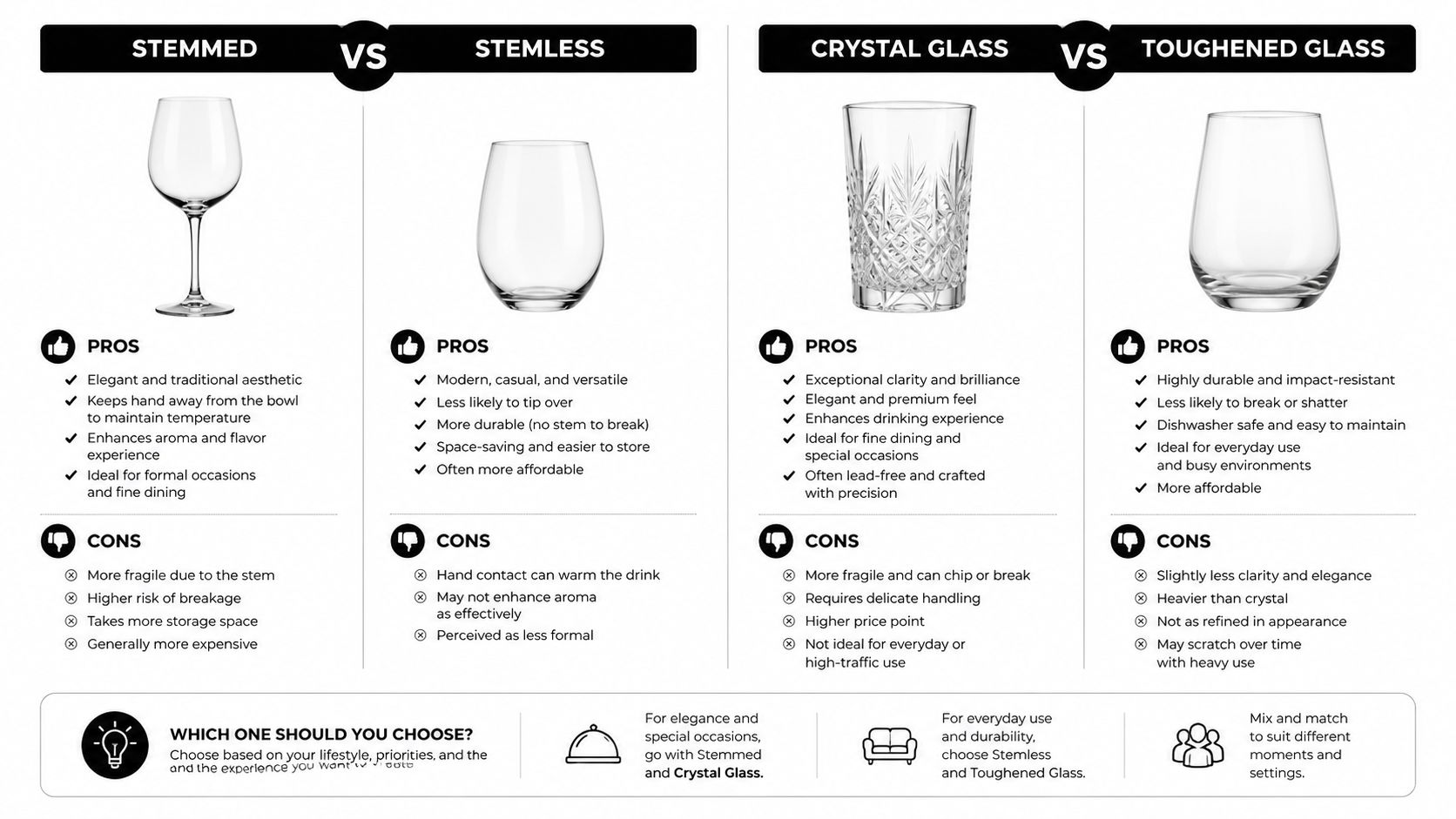
A styling guide showing five different ways to arrange large bean bags for various Cape Town events.
Winelands wedding lounge

On a vineyard lawn, large bean bags work best in a curved or semi-circular arrangement rather than straight rows. The shape feels softer and gives everyone a shared focal point, whether that's the view, a fire feature, or the sunset.

Keep the palette restrained. Neutrals, muted tones, or whites usually sit better against natural scenery than bright colour blocking. Add low side tables so guests have somewhere to place glasses, and leave enough space behind the lounge for service staff and photographers to move cleanly.

A good wedding lounge does three jobs at once:

  • It catches guests after the ceremony
  • It creates a second social area away from the dance floor
  • It gives the event a strong visual layer without overdecorating

Corporate networking and activation zones

In city venues and conference environments, brighter large bean bags can work well if they tie into a brand palette. Instead of one big pile of soft seating, create smaller pods. Groups of three to five units often feel more intentional and make conversation easier.

For activation spaces, use bean bags to lower the formality of the interaction. Guests are more likely to pause, watch a demo, or chat with staff if the seating doesn't feel stiff. If you're designing a broader contemporary lounge concept, this guide to modern lounge furniture ideas is useful for pairing bean bags with complementary pieces rather than treating them as stand-alone décor.

The best event lounges always have a reason to exist. They give guests comfort, but they also shape movement and encourage people to stay in the space longer.

Private parties and home events

At home celebrations, the mistake is usually scale. Hosts order large bean bags, then place them against walls as if they were spare chairs. That wastes their visual impact. Pull them inward. Build a social island around a low table, a drinks station, or a central rug.

A few styling combinations work especially well:

Event setting Layout approach Styling note
Rooftop party Loose cluster around low tables Add warm lighting for a lounge feel
Garden birthday Organic arrangement under trees or near water features Use tones that blend with greenery
Beach-facing terrace Smaller conversational groups Leave sightlines open to the view

If the event runs from afternoon into evening, think about how the bean bags will look after sunset. Soft lighting nearby makes a bigger difference than extra décor.

A Practical Guide to Renting Large Bean Bags

Buying can look tempting when you first compare options online. Then the practical questions start. Where will you store them after the event? Who cleans them? How do you transport bulky soft seating without crushing it into a hatchback? For most one-off functions, hiring makes more sense.

For a typical one-off event in Cape Town, renting a large bean bag offers 85-93% cost savings compared to buying. Rental prices start at around R350 per weekend, while similar quality models can cost R2,500-R5,000 to purchase, according to this reference on bean bag buying costs.

Why renting works better than purchasing

The financial case is clear, but logistics matter just as much.

When you hire, you avoid:

  • Storage problems: Large bean bags take up real space between events.
  • Cleaning admin: Soft seating always needs attention after guest use.
  • Transport headaches: Bulk matters more than weight with these items.
  • Maintenance guesswork: Refluffing, cover care, and condition checks are part of professional turnaround.

If you're planning a local function and want a sense of what's available for event use, this overview of Cape Town bean bag hire options gives a useful starting point.

Questions to settle before requesting a quote

Don't ask only for price. Ask for the practical details that affect the day.

  1. How many lounge seats do you need?
    Think about how many guests will use the chill area at one time, not total attendance.

  2. Where is the setup point?
    A city venue with lift access is different from a farm venue with gravel paths or long carrying distances.

  3. How long is the hire period?
    Weekend weddings, overnight functions, and multi-day activations may need different handling.

  4. Who places the furniture on-site?
    Placement matters with bean bags because they can make a room feel either curated or chaotic.

Hiring isn't just about receiving the product. It's about reducing the number of moving parts you need to manage on event day.

What good rental logistics look like

Strong hire service should include clean stock, reliable delivery timing, sensible placement, and post-event collection without you having to chase. This matters even more at venues in Stellenbosch, Paarl, or Franschhoek, where timing windows and access can be tighter than expected.

A smooth rental process protects the overall event. You're not left fluffing seating, finding storage corners, or figuring out stain removal while guests are arriving.

Safety and Care for Outdoor Winelands Events

Outdoor soft seating looks effortless when it's done well. It only stays that way if you plan for weather, ground conditions, and guest use from the start.

The Cape Town and Winelands area faces 28% higher UV exposure and 15% more sudden rains than other regions, which can degrade standard bean bags in under six months outdoors. For outdoor events, it's important to hire UV50+-rated, waterproof XL bean bags, which have shown a near-zero failure rate in local field tests, as noted in this article about outdoor bean bag design considerations.

Placement rules that prevent problems

Start with the ground. Large bean bags should sit on level, stable surfaces whenever possible. On lawns, avoid low spots where evening moisture collects. On gravel, use a stable underlayer if the setup needs to look polished and stay comfortable.

Keep them clear of:

  • Open flames and fire pits
  • Catering spill zones
  • Walkways with heavy foot traffic
  • Areas exposed to direct wind funnels

If the event runs into the evening, pairing your lounge with suitable heating helps guests keep using the area after sunset. For planners comparing options, this guide to a gas patio heater for events is useful when building an outdoor comfort plan.

Cleanliness during the event

Even water-resistant covers need quick attention when something spills. Blot first, then wipe. Don't rub liquids deeper into the fabric. For wine, sauces, or oily food, event staff should deal with marks immediately instead of leaving them until breakdown.

For broader care principles, the advice in this piece on cleaning delicate home upholstery is a useful reminder that soft surfaces last longer when stains and residue are treated properly rather than aggressively scrubbed.

Outdoor bean bag care is less about deep cleaning on-site and more about fast response, sensible placement, and using the right covers in the first place.

Wind, dew, and late-night reality

Cape Town weather changes quickly. A lounge that looks perfect at 16:00 can be damp, windswept, or half-empty by 20:00 if you haven't planned for comfort. Keep bean bag zones close enough to shelter, heating, or indoor fallback areas that guests can shift naturally if conditions change.

That's the difference between an outdoor lounge that gets admired and one that gets used.

Your Cape Town Event Planner Checklist

A week before an event is usually when bean bag decisions stop being about style and start being about execution. The lounge might look sorted on the mood board, but on site the actual questions are simpler. Will the units fit through the access route, sit properly on the surface, and still make sense if the South Easter picks up or the evening runs colder than expected?

A laptop displaying a planner checklist on a desk overlooking a beautiful ocean view and mountains.

In Cape Town and the Winelands, that final check matters more than planners sometimes expect. A setup that works perfectly at an indoor launch in the CBD may need a different quantity, fabric, and layout for a lawn wedding in Franschhoek or a cellar function in Stellenbosch. Hiring locally helps because the supplier already understands those venue conditions, delivery windows, and setup limitations.

Before you book

Run through these points before you confirm the order:

  • Match the bean bags to the event type: A wedding sundowner lounge needs a softer, more polished look than a branded activation or student event.
  • Check the venue surface: Grass, decking, paving, gravel, and indoor flooring all affect stability, comfort, and how clean the setup stays.
  • Confirm outdoor suitability: Ask what cover fabric is being supplied and whether it is appropriate for sun, dust, and light moisture.
  • Plan for mixed seating: Bean bags work best as part of the seating mix, not as the only answer for every guest.
  • Review access carefully: Gates, stairs, lifts, loading zones, and carrying distance affect labour time and setup speed.

Before the event day

This is the point where good planning saves time on site.

Checkpoint Why it matters
Final quantity confirmed Keeps the lounge full enough to feel intentional without crowding the venue
Layout marked on floor plan Gives the crew a clear install plan and reduces repositioning
Colour selection approved Prevents last-minute styling clashes with linens, branding, or florals
Placement away from service routes Reduces congestion near bars, wait stations, and high-traffic walkways
Wet-weather fallback agreed Gives the team a fast backup plan if conditions shift

Final quality checks

Before sign-off, ask the hire company direct questions about intended use, cleaning standard, and whether the units are supplied for single-seat lounging or shared casual seating. For event work, clear answers matter. Vague answers usually point to stock that was not selected with commercial use in mind.

I also check how the supplier talks about setup. An experienced Cape Town team will usually ask about the venue, the surface, the guest profile, and the time of day. That tells you they are planning for real use, not just dropping furniture and leaving.

Good bean bag hire feels easy on the day because the practical problems were solved before the truck arrived.

The planner's quick yes or no test

Say yes if the bean bags suit the crowd, the venue has space for a proper lounge zone, access is workable, and the weather plan is clear.

Say no if they are being added as filler, if guests need more formal seating, or if nobody has thought through placement, delivery, and backup options.

For stylish, event-ready seating across Cape Town, Stellenbosch, Franschhoek, and Paarl, ABC Hire can help you create lounge spaces that feel relaxed, polished, and practical on the day. If you're planning a wedding, corporate event, matric dance, or private party, their range of hire furniture makes it easier to build a guest-friendly setup without the hassle of buying, storing, and maintaining bulky pieces yourself.

10 Unforgettable 40th Birthday Party Ideas

A 40th in Cape Town usually starts with a simple brief. Keep it special, keep it stylish, and please do not turn it into a wedding. Then the critical decisions show up. Are guests driving out to Stellenbosch or staying in town? Will the southeaster ruin a garden setup? Do you spend more on food, furniture, or transport? Those calls shape the night far more than the theme name on the invitation.

After years of planning milestone events across Cape Town and the Winelands, I can say this with confidence: the parties guests talk about later are the ones that feel well judged. The venue suits the format. The timing suits the season. The rental brief covers comfort, lighting, service flow, and a weather backup. On paper, a yacht party or wine estate dinner sounds easy. In practice, access times, glassware, power, wind, and the trip home need attention early.

Cape Town rewards good planning and exposes lazy planning. A beautiful setting carries the look, but not the guest experience. If the chairs are wrong for a three-hour dinner, the bar is under-equipped, or there is no soft lighting once the sun drops, the atmosphere falls flat fast. The same event with the right lounge seating, bar units, dining setup, and appropriate wine glass hire for the drinks service feels polished without becoming overdone.

The strongest 40th birthday party ideas usually have one clear direction and a realistic budget behind them. A formal dinner in Franschhoek. A retro party in the city with proper lighting and a dance floor. A garden celebration in Constantia with shade, heaters, and a rain plan. A boat event booked around sea conditions, not wishful thinking.

Even hosts who say they want something low-key usually want the evening to feel distinct from a normal weekend. If you’re also shopping for the guest of honour, this guide to unique men's birthday presents can help round out the occasion.

Below are ten practical options that work well in Cape Town, Stellenbosch, Franschhoek, Paarl, and nearby favourites, with the local venue logic and hire considerations that make them run smoothly.

1. Elegant Wine Estate Soirée

Two glasses of red wine set on a table in front of a vineyard at sunset.

At 5:30 in Stellenbosch, the light is perfect, the mountain backdrop is doing its job, and guests arrive thinking the hard part is over. It isn’t. A wine estate party only feels effortless when transport, table layout, heating, glassware, and the after-dark setup have been handled properly.

For a 40th in Cape Town and the Winelands, this format works because the setting already gives you occasion and atmosphere. Estates such as Grande Provence, Leopard’s Leap, and Rickety Bridge Manor suit milestone celebrations particularly well because they understand timed arrivals, drinks service, and how to move guests from tasting to dinner without the event feeling disjointed.

The best version is usually simple. Start with a welcome pour, add a short guided tasting or canapé round, then move into a seated dinner as the sun drops. Trying to force a full dance party, lawn games, speeches, and a six-course meal into one evening usually stretches the venue and the guests too far.

What to plan before you confirm the booking

The venue choice is only half the decision. The primary question is whether the estate can support the style of evening you want.

  • Sort transport first: If guests are travelling from Cape Town, Claremont, or the Atlantic Seaboard, book shuttles early or designate collection points. Wine farm parties fall apart at 11 pm when everyone starts solving their trip home at once.
  • Design for two phases: The estate will carry the first hour on looks alone. After sunset, the mood depends on your hire plan. Use proper dining chairs, bar tables, soft lounge seating, and lighting that warms the space without turning it into a corporate function.
  • Check the practicals on site: Ask where power is available, how far the kitchen is from the dining area, whether the lawn is level enough for tables, and what happens if wind picks up. These points affect layout, staffing, and rental quantities.

Glassware deserves more attention here than it does at most birthday formats. If the host cares about the wine, hire the right stock for the varietals and the service style. ABC Hire’s guide to wine glasses and crystal for events is a useful reference when you’re planning a tasting table, paired courses, or a polished pre-dinner drinks service.

The local trade-off

Wine estates give you beauty and built-in occasion. They also bring exposure to weather, stricter access windows, and longer turnaround times for suppliers coming from Cape Town.

That trade-off is manageable if you plan for comfort, not just appearance. In Franschhoek and Paarl especially, warm afternoons often turn into chilly evenings. If dinner is outdoors, book heaters or move dessert and late drinks into a covered space. If the venue has a beautiful courtyard but limited shade at arrival, use umbrellas or a sheltered reception point so guests are not standing in direct sun with their first glass in hand.

A good wine estate soirée should feel calm, generous, and well paced. Rentals help get you there. Add a defined bar area, enough seating for older relatives who won’t stand all evening, and subtle lighting for pathways, dining tables, and the lounge zone after dinner. Guests remember the setting first, but they remember comfort for longer.

2. Black Tie Gala Dinner

A black tie dinner suits a fortieth because it gives the milestone weight without becoming cheesy. It tells guests this isn’t a casual supper. It’s an occasion. In Cape Town, venues such as Greenhouse at The Cellars-Hohenort, The Palazzo at The Pearl, or a formal Constantia restaurant space can carry that tone beautifully.

This format works best for hosts who want speeches, a seated meal, and polished photographs. It’s less about novelty and more about quality. The room, the table setting, and the service all have to feel considered.

Where formal dinners go wrong

Too many hosts spend heavily on the menu and leave the room itself underdone. A formal dinner doesn’t work if the chairs are ordinary, the lighting is flat, or guests have nowhere to place a handbag, jacket, or pre-dinner drink.

Use rentals to tighten the room. Crisp linen, correctly scaled tables, quality dining chairs, a dedicated bar area, and subtle lighting make the whole event feel intentional. Add a reception zone for arrivals so people aren’t hovering awkwardly around set tables while staff are still plating.

A black tie evening also benefits from structure:

  • Arrival drink first: Give guests a proper cocktail or sparkling wine moment before dinner.
  • Keep speeches controlled: A few strong tributes beat an open-mic situation every time.
  • Separate dining from dancing: Even a modest dance floor feels more elegant when it doesn’t compete with the main table layout.

Formal events need more than nice décor. They need enough surfaces, enough circulation space, and enough staff support to let guests move without friction.

Best for a milestone crowd

This idea suits a mixed guest list. Family, long-time friends, work colleagues, and older guests all understand the format. Nobody needs an explanation. They arrive dressed for the part and settle in quickly.

One practical advantage is that formal dining gives you control. You can assign seating, manage timing, and keep the party from drifting. If the guest of honour likes order and hates chaos, this is often the smartest route.

The downside is energy. A black tie dinner can become stiff if there’s no release after the main meal. Build in a transition. That might be a jazz trio, a comedian, or a move into cocktails and dancing after dessert. The room should evolve through the night, not stay frozen in “corporate awards dinner” mode.

3. Adventure & Outdoor Experience Day

Three people walking on a rocky mountain ridge enjoying their hike during a beautiful sunny day.

By 10am, one group is standing on a windy ridge above the city, another is already asking where lunch is, and the birthday person is wondering whether the day will feel like a celebration or a badly planned team outing. That is the challenge with outdoor fortieths in Cape Town. The activity must be good, but the recovery setup matters just as much.

This format works well for people who would rather spend money on an experience than a formal room. Cape Town gives you range. A guided Table Mountain walk, a gentler Constantia Greenbelt or Nek route, a peninsula e-bike outing, a kayaking session, or a Winelands cycle-and-lunch plan can all suit a 40th. The right choice depends on the guest list, transport time, and how much energy you want left for the second half of the day.

Fitness mismatches ruin this idea fast.

Choose the route for the least confident guests, not the two strongest people in the WhatsApp group. A shorter hike with a proper brunch booking usually lands better than an ambitious route that pushes lunch late and leaves everyone dusty, hungry, and spread across different cars. If you want a more active crowd, make that clear on the invitation and keep numbers tighter.

A few local combinations tend to work well:

  • Early hike, late brunch: Good for Constantia, Newlands Forest, or Signal Hill groups who want movement without losing the whole day.
  • Boat or kayak session, then harbour lunch: Works for smaller groups who want a social activity with less physical strain.
  • Cycle in the Winelands, then private lunch setup: Best for guests who enjoy structured activity and are happy with a full-day plan.

The payoff needs planning. After any outdoor session, guests want shade, a seat, water, and somewhere to put a bag down before they think about speeches or another drink. That is where rentals stop being an extra and start solving problems. Lounge seating, café tables, umbrellas, mobile bar units, and a clear food service point help the group settle quickly instead of hovering around a car boot or waiting on a delayed restaurant table.

I usually advise clients to treat the day as two linked events. The first is the activity. The second is the landing zone. If the second half is weak, the whole birthday feels undercooked.

For Cape Town hosts comparing venue styles and setups, these local birthday party ideas in Cape Town are a useful reference point before you lock in the route.

The strongest version of this idea has a clear schedule, realistic transport, a backup weather call, and a finish that feels generous. Cold drinks, enough seating, decent loos nearby, and one good long-table meal or picnic setup will do more for the atmosphere than trying to make everybody summit something dramatic.

4. Retro Decade Theme Party

A retro party is one of the most reliable 40th birthday party ideas because it gives people permission to be playful. It also solves the “what should the mood be?” question instantly. If you’re leaning into the 80s, 90s, disco, or arcade nostalgia, the dress code, music, props, and lighting all make sense.

This format works especially well in Cape Town venues that don’t need to feel naturally luxurious. An industrial room, private bar area, or hall can become far more exciting once the lighting and furniture plan are right. Theme execution matters more than the architecture.

Nostalgia needs control

The best retro parties aren’t packed with random novelty items. They choose a lane and commit to it. An 80s neon setup with lit bar units, black furnishings, coloured glow accents, and a proper dance area beats a messy mash-up of every decade.

ABC Hire has some useful inspiration if you want to compare moods and venue styles in the city through these Cape Town birthday party ideas. It helps to start with the venue type before you start buying props.

The format suits a range of spaces:

  • Private venue room: Best if you want a DJ, dance floor, and flexible timing.
  • Boutique bar takeover: Good for smaller guest lists and less setup.
  • Bowling or arcade venue: Ideal if you want nostalgia built into the activity.

Use lighting as the theme engine

This is one area where lighting and rentals do more than décor. They create the identity of the event. A plain room becomes a decade party only when the colour palette, lounge areas, and visual rhythm all line up.

Projected in SAERA’s Western Cape event data, LED furniture adoption has reached 68% among premium event setups in the region, driven by how well it performs in low-light milestone events, according to the SAERA Western Cape Event Trends Report 2026. For a retro bash, that’s exactly why it works. It turns dead corners into usable hangout zones and keeps the room visually alive after dark.

Don’t theme every inch of the room. Theme the focal points. Entrance, bar, dance floor, and photo area. Guests fill in the rest.

What doesn’t work is relying on costumes alone. If the room itself feels flat, the party feels underplanned. Start with the music, then build the furniture and lighting around where people will dance, sit, queue for drinks, and take photos.

5. Destination Weekend Getaway

Some fortieth birthdays deserve more than one night. A weekend away works when the guest of honour wants time with people, not just a few high-energy hours. Hermanus, Langebaan, Franschhoek, or a private lodge outside the city all give you room to stretch the celebration.

This format is less about one centrepiece party and more about a series of moments. Arrival drinks. A dinner on the main night. A late breakfast the next day. Maybe a spa booking, tasting, walk, or beach session depending on the place and the group.

Why this format can be brilliant

The best part of a getaway is that guests spend time together. They don’t arrive late, hug at the bar, and vanish after cake. They settle in. That creates a very different atmosphere, especially for milestone birthdays.

A smart structure is simple. Keep one anchor event and let the rest be flexible. Usually that anchor is the Saturday dinner. That’s where rentals can transform a basic guesthouse lawn, villa dining room, or lodge deck into a proper celebration space with dining furniture, lounge pockets, bar service areas, and evening lighting.

The planning pressure is real

Weekend birthdays fail when the host tries to control every hour. Adults need breathing room. If you overprogramme the trip, people get tired and the event starts to feel like work.

Instead, lock in the essentials:

  • Book accommodation early: The best houses and boutique stays disappear quickly around popular weekends.
  • Share the budget clearly: Guests are much more likely to commit when they know what’s included.
  • Plan one serious meal: Make that the moment where the birthday feels marked.

This is also where practical rental thinking helps. Many getaway properties look beautiful online but aren’t fully set up for entertaining. Dining stock may be limited, outdoor seating can be mismatched, and weather backup is often weak. Bringing in furniture, extra service equipment, and climate-control support turns a scenic house into a functional event venue.

The trade-off is attendance. Not everyone can commit to a full weekend. If the guest of honour would be hurt by key people declining, a one-night format may be more inclusive. But if the priority is depth over numbers, a destination celebration is hard to beat.

6. Formal Cocktail Reception

Guests arrive from Constantia, the City Bowl, Somerset West, and a few from the office are meeting family for the first time. A formal cocktail reception handles that mix better than a long seated dinner. People can circulate, settle into the room at their own pace, and have proper conversations without being fixed to one table all night.

In Cape Town, this format works best in venues that already have some polish but still leave room to shape the layout. Rooftops, private restaurant rooms, hotel terraces, and design-led bars all suit it. I usually look at three things first. Bar position, acoustic control, and how many guests can sit for at least part of the evening. A beautiful room with nowhere to place leaners or lounge seating gets frustrating fast.

Build movement into the event

A good cocktail reception needs flow. Guests should be able to collect a drink, find a surface for a glass and canapé plate, and move between groups without bottlenecks. That sounds basic, but it is where many 40th celebrations fall apart.

For a mixed-age crowd, plan a room with layers:

  • High cocktail tables: Keep people circulating and give standing guests a place to settle briefly.
  • Bar leaners near, not at, the bar: This reduces clustering at service points.
  • A few lounge pockets: Older relatives and guests in heels will use them immediately.
  • One clear speech moment: Keep it short and place it after the first drink, before the room gets too noisy.

If you want the space to feel finished rather than borrowed, event decoration hire in Cape Town gives a useful starting point for styling choices that match the venue instead of fighting it.

Comfort matters more here than at dinner

At a seated event, guests forgive a lot because they are anchored. At a cocktail reception, they are constantly interacting with the room. If the bar queue is too tight, if there are not enough resting points for plates and handbags, or if the venue runs hot, people leave early.

That is why rentals need to solve practical problems first. Use enough high tables for the guest count. Add lounge furniture where conversation can happen. Bring in bar units if the venue’s built-in service area is too small. For summer events in Cape Town, fans and shade on a terrace can save the mood. In winter, heaters at entry points and outdoor smoking areas make a bigger difference than extra décor.

This format also gives you stronger budget control than a plated gala. You can spend on a sharp venue, a serious drinks list, and good canapés without paying for full table settings and a multi-course service team. The trade-off is that timing has to be tighter. Four well-run hours usually feels polished. Stretch it too long without a clear change in energy, and the room starts to flatten.

For a 40th, that balance works well. It feels dressed-up, social, and memorable without the rigidity of a formal dinner.

7. Glamorous Garden Party

A glamorous garden party makes sense in Cape Town because outdoor entertaining is part of how many people want to celebrate. The challenge is getting elegance without drifting into a wedding imitation or a flimsy picnic. The sweet spot is somewhere between polished and relaxed.

Venues such as Vergelegen, Babylonstoren, or a private garden in Constantia can all work. Mature trees, usable lawn, proper access, and enough flat ground for furniture matter more than grand scale. A beautiful garden that’s difficult to set up in is usually not worth the trouble.

Build the room outdoors

A strong garden party doesn’t scatter furniture randomly across a lawn. It creates outdoor rooms. Dining under one zone. Drinks under another. Lounge pockets tucked into edges with enough lighting to stay useful after sunset.

If you want visual ideas for styling these spaces, ABC Hire’s guide to event decoration hire in Cape Town is a practical starting point. It helps translate a broad mood board into actual hire decisions.

A few details matter a lot outside:

  • Shade first: Midday sun ruins even the prettiest setup if guests can’t sit comfortably.
  • Ground conditions: Check whether chair legs, bars, and décor can stand properly on grass or gravel.
  • Lighting layers: Garden events need more than fairy lights. Paths, service areas, and seating zones all need usable light.

Plan for local weather, not fantasy weather

Often, generic party guides fall short. They show beautiful outdoor scenes but ignore local conditions. In the Winelands, winter temperatures can drop to 8 to 12°C, and summer heat can push beyond 35°C, which affects what you need to rent for comfort, according to the local planning gap highlighted by Peerspace’s 40th birthday ideas page.

That means a garden party in our region needs a season-specific plan. In winter, think heated marquee, sheltered lounge areas, and furniture fabrics that can handle moisture. In summer, think shade, misting, airflow, and cold drink service that doesn’t bottleneck.

A garden venue isn’t the plan. It’s the canvas. The party still needs structure, comfort, and weather backup.

When this format works, it feels effortlessly refined. When it doesn’t, guests are either too hot, too cold, or balancing drinks with nowhere sensible to sit.

8. Luxury Yacht or Boat Celebration

A group of friends enjoying a scenic sunset cruise on a boat while drinking champagne together.

If the guest of honour wants something memorable and distinctly Cape Town, a boat celebration delivers drama immediately. You’ve got the city skyline, mountain backdrop, ocean light, and the built-in sense that this is not an ordinary birthday. For the right group, it’s excellent.

Charters from the V&A Waterfront or private vessel bookings for Table Bay work well for milestone celebrations. Sunset timing is usually the strongest choice because the light does half your styling for you, and guests get both daytime views and evening atmosphere.

Keep the guest list selective

This is not the best idea for a huge crowd or a heavily mixed group. Boats work best with a tighter list of people who are comfortable with close quarters and sea movement. If you invite too broadly, you’ll spend half the time managing seasickness concerns, late arrivals, and people who never wanted to be on the water in the first place.

Catering also needs to fit the environment. Keep the food easy to handle and the drinks service stable. A moving vessel is not the place for overcomplicated plating or fragile table styling. Simpler, elegant service wins.

You can also borrow ideas from destinations that specialise in private water experiences. This piece on personalized Hawaii boat trips is useful for thinking about charter flow, guest experience, and why a private vessel often works better than a generic shared cruise.

Know the limitations before you book

Boat events are premium by nature, but they aren’t automatically luxurious. The vessel size, route, weather, and onboard layout decide whether the experience feels polished or cramped. Ask where people will sit, where food is served, and whether there’s enough room for everyone to move comfortably.

This idea also has less room for rental transformation than a land venue. You’re working mainly with catering, styling details, and perhaps a few soft additions rather than a full furniture scheme. That’s fine. The draw is the setting itself.

What doesn’t work is treating the charter as the entire plan. You still need a clear invitation time, check-in point, weather communication, and a fallback if conditions are poor. The strongest version often includes an after-party drink or dinner back on land so the night doesn’t end abruptly at the dock.

9. Farm-to-Table Dinner Experience

For food-focused hosts, a farm-to-table dinner feels warm, grown-up, and anchored in place. In the Winelands, it’s one of the best ways to celebrate forty without drifting into either generic fine dining or a casual braai that feels too everyday.

Babylonstoren, Delaire Graff, Grande Provence, or another estate with a seasonal menu gives you a built-in sense of occasion. Guests arrive expecting quality. That means you can spend less effort on gimmicks and more on atmosphere, timing, and table experience.

Let the menu lead the evening

This format works because it gives the celebration a centre of gravity. The food is the event. You can add a cellar stop, a short producer talk, or paired wines, but dinner remains the main act.

That makes your rental choices easier too. Focus on the dining environment. Strong tables, comfortable chairs, quality glassware, warm lighting, and enough side service space for staff. Rustic doesn’t mean rough. If guests are sitting for a long meal, comfort matters.

A useful way to approach it:

  • Keep décor low and textural: Linen, candlelight, and natural tones fit the setting better than flashy centrepieces.
  • Ask about menu seasonality early: The room plan should support the service style.
  • Build in one conversational moment: A toast, a short speech, or a wine introduction gives the evening shape.

This beats trend-chasing

There’s a reason this idea ages well. It doesn’t rely on novelty. It relies on hospitality. For a fortieth, that often feels more appropriate than trying to imitate a younger party style that doesn’t suit the guest of honour anymore.

The risk is making it too quiet. If the host wants more energy, create a second phase after dinner. A dessert lounge, nightcaps around a lit outdoor area, or a move to a separate bar section can give the event a lift without undermining the dining experience.

The strongest farm-to-table birthdays feel abundant but not fussy. Guests leave saying the meal was excellent, the setting was beautiful, and the whole evening felt like the birthday person. That’s usually the brief.

10. Surprise Weekend Spa Retreat

A surprise spa retreat is the opposite of a loud milestone bash, and that’s exactly why it works for some people. If the guest of honour is overloaded, private by nature, or not interested in a big public celebration, a wellness weekend can feel far more generous than a crowded party.

Franschhoek, Hermanus, and Constantia all offer good spa-led options within easy reach of Cape Town. You can keep it intimate with a few close friends, or build a fuller weekend that includes treatments, long lunches, and one elegant dinner.

Keep the surprise manageable

Surprises are only fun when logistics are under control. Don’t make the reveal so elaborate that the guest of honour arrives underdressed, rushed, or confused. A clean handover works best. Pack for them if you know their tastes well, or coordinate with a partner or friend who does.

This format needs balance. Too much “wellness programming” can feel forced. One treatment block, one group meal, and one optional activity is usually enough. The rest should feel unpressured.

You can also borrow destination-thinking from travel-first spa guides. This overview of Lake Bled spa travel ideas is useful for understanding how retreats mix relaxation, scenery, and light activity without turning the whole trip into a rigid itinerary.

Why this suits forty

At this stage, many people value time, rest, and comfort more than spectacle. A spa retreat acknowledges that directly. It still marks the milestone, but in a way that feels restorative rather than demanding.

This isn’t the right choice if the guest of honour loves a crowd or wants all their people around them. But for someone who’d rather reconnect with a few favourites and come home feeling better than they left, it’s hard to beat.

Finish it properly. Even a wellness weekend needs one celebratory focal point. That might be a private dinner, a terrace lunch with styled tables, or a beautiful welcome setup in the suite. Quiet doesn’t mean underdone. It just means the luxury comes through calm, detail, and ease.

Top 10 40th Birthday Party Ideas Comparison

Event 🔄 Implementation Complexity ⚡ Resource Requirements ⭐ Expected Outcomes 📊 Ideal Use Cases 💡 Key Advantages
Elegant Wine Estate Soirée Moderate–High: venue coordination, seasonal booking High: venue fees, premium wine, catering, transport High prestige and striking photos; refined guest experience Winelands milestone for wine-loving groups (50–200+) Natural backdrop, built-in wine experiences, sunset ambiance
Black Tie Gala Dinner High: formal logistics, seating, program timing High: plated catering, formal rentals, entertainment Very high elegance and formality; suited to speeches/tributes Professional networks, corporate or formal milestone events Timeless sophistication, clear dress code, photo-worthy setting
Adventure & Outdoor Experience Day Moderate: activity planning, guides, safety logistics Medium: guides, safety gear, transport, site permits High memorability, active bonding and scenic photography Active celebrants, small–medium groups seeking experiential days Unique, health-focused, excellent group bonding
Retro/Decade Theme Party Low–Moderate: themed decor and entertainment sourcing Low–Medium: costumes, props, DJ/band, themed decor High engagement and social-media-friendly moments Casual mixed-age gatherings, playful social parties Interactive, budget-flexible, encourages guest participation
Destination Weekend Getaway Very High: multi-day logistics, accommodation blocks Very High: lodging, transport, multi-activity coordination Very high immersion and lasting memories across days Close circles willing to travel for an extended celebration Immersive experience, variety of curated activities
Formal Cocktail Reception Moderate: service flow, staffing and timing Medium: bartenders, passed canapés, high-top rentals High networking and mingling; flexible guest flow Large professional guest lists, networking-focused events Cost-effective vs sit-down, encourages social interaction
Glamorous Garden Party Moderate: outdoor setup, weather backups, tenting Medium–High: marquee, floral, ambient lighting, heating High visual appeal with relaxed elegance and photos Daytime/afternoon mixed-age events in favorable weather Combines outdoor charm with refined styling and flexibility
Luxury Yacht or Boat Celebration High: charter logistics, safety briefings, sea timing Very High: charter fees, catering aboard, crew Ultra-exclusive, intimate and scenic; strong visual wow Small high-net-worth groups seeking unique coastal experience Unique ocean backdrop, turnkey onboard service
Farm-to-Table Dinner Experience Moderate: chef coordination, seasonal menu planning Medium–High: quality local ingredients, chef, estate venue High culinary quality and educational guest experience Food-focused guests, sustainable-minded celebrants Supports local producers; chef-led, distinctive menus
Surprise Weekend Spa Retreat High: multi-day bookings, treatment scheduling High: accommodation, spa treatments, wellness staff High relaxation and wellbeing; restorative group bonding Wellness-oriented celebrants, small intimate groups Low-stress, rejuvenating, professionally curated experiences

Your Perfect 40th Birthday Awaits

The best 40th birthday party ideas aren’t the loudest ones or the most expensive ones. They’re the ones that fit the person and the setting. That sounds obvious, but it’s where most planning decisions should start. A wine estate dinner for someone who loves long conversations and good food will land better than a yacht party they never asked for. A retro bash with great music and lighting will beat a formal dinner if the guest of honour wants energy, dancing, and a room full of old friends.

Cape Town and the Winelands give you an unusual advantage here. You can build around mountains, vineyards, gardens, coastline, or city spaces without having to force the mood. The region already offers atmosphere. Your job is to shape it. That means choosing a format that works in the season, in the venue, and for the actual guest list, not the fantasy version of it.

If you’re planning for a mixed crowd, lean toward formats with flexibility. Cocktail receptions, glamorous garden parties, and polished weekend getaways usually let different age groups and personalities find their own rhythm. If the guest of honour wants a defined moment, a black tie dinner or farm-to-table celebration gives the evening more structure. If they want personality and fun, a retro theme or an outdoor experience often feels more memorable than another standard restaurant booking.

Budget decisions usually become easier once the format is right. That’s because you can see where the money should go. A yacht event needs careful guest selection and strong catering choices. A garden party needs weather backup and comfort planning. A wine estate evening needs transport and lighting after sunset. A cocktail reception needs enough furniture and service surfaces to keep people mingling well. The mistake is spreading the budget thinly across too many decorative extras while skipping the practical rentals that make the event comfortable and usable.

That’s also where professional hire makes a real difference. Rental furniture isn’t just there to fill a space. It controls flow, comfort, and mood. The right chairs make a long dinner feel elegant instead of tiring. Lounge seating turns awkward corners into social areas. LED furniture can lift an evening event once natural light drops. Climate-control equipment matters far more than many hosts expect, especially in Cape Town’s wind, summer heat, or chilly Winelands evenings. Slush machines, bar setups, and support equipment can also help shape the kind of celebration you’re trying to host, instead of leaving the venue to carry all the work on its own.

A fortieth should feel intentional. Not overproduced. Not generic. Not like a rushed booking made two weeks before the date because nobody wanted to decide. Whether you go intimate or grand, active or elegant, the party should reflect what this milestone means to the guest of honour right now.

If you’re somewhere between a few ideas, narrow it down by asking three questions. Where will guests feel most comfortable? What part of the event should people remember most? And what needs to be rented to make that memory happen smoothly? Answer those truthfully and the right format usually becomes clear.


If you’re planning a 40th in Cape Town, Stellenbosch, Franschhoek, or Paarl, ABC Hire can help you turn a good idea into a well-executed event with the right furniture, LED pieces, bean bags, slush machines, and climate-control rentals for your venue and season.

Gold Side Tables: Your Ultimate Event Styling Guide

You’ve finalised the florals, the candles are on brief, the linen works, and the room still feels a little unfinished. That usually happens in the last layer of styling. The large items are doing their job, but the guest experience between those hero elements still needs shape, shine, and somewhere practical to rest a drink, a clutch, or a small arrangement.

That’s where gold side tables earn their place. In a Cape Town wedding lounge, they can lift a soft neutral palette without making it feel heavy. In a Stellenbosch corporate launch, they give a seating cluster a polished edge and make the room feel considered rather than merely furnished. They’re small pieces, but they read like jewellery in a venue.

The Midas Touch That Elevates Every Event

A planner will often walk into a venue and know immediately that the layout is correct but the mood isn’t landing yet. The sofas are in place. The bar is built. The lighting is working. What’s missing is a reflective accent that catches candlelight, LED glow, or late afternoon sun and ties the styling together without adding clutter.

Gold side tables offer unobtrusive support. They don’t fight with a statement floral install or a dramatic dancefloor. They support it. Place one beside a velvet occasional chair, or between two lounge seats with a low arrangement and glassware, and the whole area feels more intentional. That’s why they work so well as event pieces rather than just furniture.

South Africa’s connection to gold gives that finish extra resonance. The Witwatersrand Gold Rush of 1886 helped shape a long cultural familiarity with gold as a marker of celebration, craft, and status, and the country historically produced over 50% of the world’s gold supply according to this background on gold history. In the Western Cape event world, that affinity still shows up in how clients respond to gold-accented décor.

Gold works best when it’s used as punctuation, not as noise.

For planners building out a coordinated look, it helps to think of these tables as companions to other warm metallic seating details. If your event already includes gold Tiffany chairs, a side table in a matching or complementary finish can stop the room from feeling visually disconnected.

The effect is strongest when the table is doing two jobs at once. It needs to look elegant from across the room and still be useful at arm’s reach.

A Spectrum of Gold Exploring Styles and Finishes

Not every gold side table says the same thing. Some read clean and architectural. Others feel romantic, decorative, or overtly glamorous. Choosing well starts with understanding both style and finish, because clients often ask for “gold” when what they really mean is a specific mood.

A collection of various gold side tables with unique designs arranged against a dark wall background.

Modern gold side tables

Modern gold side tables suit venues where the architecture is already doing some of the work. Think clean-lined wine estate interiors, glass-heavy reception spaces, or corporate lounges where branding needs to remain the focal point. These tables usually rely on slim frames, geometric bases, and restrained tops.

They’re useful when you want metal detail without visual heaviness. A round top with a simple gold frame can sit next to a boucle chair, hold a drink and a candle, and still leave the setup feeling airy.

A modern shape also plays well with black, stone, white, taupe, and smoked glass. If the event palette includes contemporary materials, browsing pieces similar in spirit to marble top end tables can help clarify whether you want the gold to feel warm and decorative or structured and architectural.

Vintage and decorative styles

Vintage-inspired gold side tables bring more personality. You’ll see curved legs, patterned metalwork, Art Deco references, mirrored shelves, or detailing that feels softer and more ornamental. These are often the right choice for weddings, milestone birthdays, or any event where romance matters more than restraint.

They work especially well with:

  • Textured seating: Velvet, tufted ottomans, and upholstered benches.
  • Layered tabletops: Bud vases, votives, champagne coupes, and folded napkins.
  • Warm lighting: Candles, festoon lighting, and amber-toned LEDs.

Use them carefully, though. If the venue already has highly decorative chandeliers, patterned carpeting, and ornate tableware, an overworked side table can push the room into visual clutter.

Practical rule: The more detailed the venue and floral styling are, the simpler the side table should be.

Mirrored and high-glam options

Mirrored gold side tables are the statement-makers. They bounce light, photograph beautifully, and can make a smaller lounge area feel brighter at night. They’re ideal near dancefloors, champagne stations, or entrance moments where reflection adds energy.

The trade-off is maintenance during service. Fingerprints, condensation rings, and cake crumbs show quickly on mirrored surfaces. For formal events with attentive staff, that’s manageable. For high-traffic parties, a less fussy surface is usually easier.

Understanding finishes properly

Clients often use “gold”, “brass”, and “metallic” interchangeably, but the finish changes the feel of the room. The easiest way to think about it is to compare tables to jewellery.

Finish How it reads in a venue Where it works best
Brushed brass Softer, muted, less reflective Romantic weddings, earthy palettes, textured lounges
Polished brass High-shine, formal, more noticeable Black-tie events, glamorous receptions, evening bars
Gold lacquer Smooth and even in colour Modern styling where consistency matters
Gold-plated metal look Richer and more jewellery-like Feature pieces, premium lounge moments

A matte gold finish behaves like brushed jewellery. It adds warmth without shouting. A polished finish behaves like a dress piece. It catches every light source in the room.

That matters when pairing side tables with larger rentals. If your lounge also includes metallic statement surfaces, it’s worth reviewing related styling examples such as gold coffee tables so the metallic elements feel related rather than mismatched.

What usually works and what doesn’t

A few patterns come up repeatedly on real event floors:

  • Works well: One clear metal story across the lounge cluster. Warm gold with warm glassware and cream florals feels coherent.
  • Often fails: Mixing yellow gold, rose gold, chrome, and copper in the same small area without a deliberate reason.
  • Works well: Letting one finish dominate and using other materials to soften it.
  • Often fails: Choosing the table from a product photo without considering what the venue lighting will do to the finish.

The best choice isn’t the most ornate table. It’s the one that keeps the room balanced.

Function Meets Form Selecting the Right Table for Your Occasion

A beautiful table that’s too low, too narrow, or too unstable becomes a nuisance within the first hour of service. Selection should start with use, not with colour. Ask what guests will place on the table, how long they’ll occupy the area, and whether staff need to move around it carrying trays, coffee service, or branded materials.

In Cape Town’s event market, gold-finished side tables account for 12% of premium furniture rentals for night-time events, and a 2024 industry report noted more than 2,500 units rented annually across over 1,200 weddings, which tells you two things at once: they’re popular, and planners need to choose them deliberately rather than treat them as filler pieces. That market context was noted in the earlier gold heritage discussion and is part of the same source base already referenced there.

Start with height and reach

A side table should be easy to use without guests leaning awkwardly forward or twisting in their seat. In lounge clusters, the top should sit comfortably near the arm height of the seating around it. If it’s noticeably lower, glasses end up on chair arms. If it’s too tall, the setup feels stiff and slightly commercial.

For practical selection, use this decision lens:

  • Beside a single chair: Choose a compact top for one drink, one phone, and one small accent item.
  • Between two seats: Allow enough surface area for shared use. Two glasses and a candle arrangement fill space faster than people expect.
  • At a welcome drink point: Prioritise top stability and easy access over decorative base detail.

Event type changes the brief

The right table for a wedding is not always the right table for a product launch or matric dance. The styling may overlap, but the pressure on the furniture doesn’t.

Weddings

Wedding lounges usually ask the table to do three jobs at once. It has to photograph well, support drinks, and leave room for a small floral or candle element. Round tops often work best because guests move around them easily and they soften the look of a seating cluster.

Corporate events

Corporate events need cleaner functionality. If attendees are networking with a drink in one hand and a phone or notebook in the other, the table needs a clear usable surface. Intricate decorative edges can look good in photos but reduce practical space.

Parties and formal dances

High-energy events are where stability matters most. If the floor is busy and guests are circulating constantly, a delicate-looking table with a narrow base can become a headache. In these settings, a sturdier build and simpler top are usually the smarter call.

If guests have to think about using the table, the table is wrong for the event.

Don’t ignore traffic and flooring

Venue flooring changes how a table performs. A polished indoor floor is forgiving. Lawn, gravel, paving joints, and slightly uneven heritage venue surfaces are not. For Winelands events, this becomes a genuine styling decision because the prettiest placement spot isn’t always the most stable one.

Check these before confirming your quantity:

  1. Surface condition: Flat indoor floor, decking, lawn, gravel, or mixed terrain.
  2. Guest density: Quiet lounge corner or high-traffic circulation zone.
  3. Service style: Passed canapés, plated dining, self-pour stations, or coffee service.

A side table succeeds when nobody comments on it. Guests use it, and the room feels finished.

The Art of Arrangement Styling and Grouping Gold Side Tables

One gold side table can be elegant. A well-grouped set can define a whole area of the event. Placement is what turns these tables from isolated accents into layout tools that shape movement, conversation, and photo opportunities.

An infographic titled The Art of Arrangement showing six tips for styling gold side tables.

When planning visual zones, product stylists often talk about background control, reflection, and visual hierarchy. Those same principles apply to events, and the thinking behind crafting the right background for your product is surprisingly useful when deciding how metallic furniture will sit against draping, walls, branding panels, or floral installs.

The Conversation Pod

This is the most reliable arrangement for lounge areas. Use three small tables with slight variation in height or visual weight around a sofa-and-chair grouping. The cluster shouldn’t feel perfectly symmetrical. A little irregularity makes the setup feel lived-in and softer.

Use this when the seating area is meant to keep guests there for a while. One table can take florals, another drinks, and the third can remain open for practical use.

  • Best for: Cocktail lounges, bridal lounges, VIP seating.
  • Avoid if: The footprint is tight and service staff need a direct through-route.
  • Styling note: Keep at least one tabletop mostly clear.

The Elegant Welcome

A single gold side table near an entry point can do far more than fill space. It gives arriving guests a visual cue that they’ve entered a curated event environment. Add a candle, a welcome sign detail, a single arrangement, or pre-poured drinks if staffing and timing allow.

This setup works because it’s restrained. Don’t overcrowd the tabletop. A side table at an entrance should read instantly.

A good arrival moment tells guests what kind of evening they’re walking into.

The Cake Annex

Cake displays often look beautiful in isolation but become awkward in use. Guests need somewhere for flutes, forks, napkins, or small dessert accompaniments, and those practical items can ruin the central display if they’re placed on the main cake table itself.

Two flanking gold side tables solve that neatly. They frame the hero piece and absorb the useful items without diluting the photograph.

The Lounge Bridge

This arrangement is useful in larger venues where separate seating pockets can start to feel disconnected. Place gold side tables between adjacent lounge zones to visually “stitch” them together. The tables don’t need heavy styling. Their repeated finish creates continuity.

This approach works particularly well when the room has multiple conversational clusters and you want a coherent metallic thread running through the floor.

The Photographic Corner

Create a small feature area with one statement chair, one gold side table, and a controlled décor item such as a vase, lamp, or champagne bucket. This gives guests a natural spot for portraits and candids without needing a full photo booth structure.

A few simple rules make these arrangements stronger:

  • Vary heights: Flat lines look static in photos.
  • Use odd numbers: Groupings of three usually feel easier on the eye than pairs.
  • Mind clearance: Guests still need to move naturally around the space.
  • Edit accessories: If the table itself is striking, reduce tabletop clutter.

The strongest styling plans don’t use more pieces. They place the right pieces with intent.

The Smart Choice Renting vs Buying for Cape Town Events

For one-off events, buying gold side tables is usually the expensive answer to a short-term problem. Purchase can make sense for a permanent venue with consistent styling needs and available storage. For planners, private hosts, schools, and most corporate teams, it usually creates extra cost and extra admin.

The local market gap makes that even clearer. For one-off events, renting gold side tables can deliver over 40% cost savings compared with buying, and the same source context notes that no major ZA rental platforms list these items for local hire, while 62% of Cape Town schools report challenges with furniture reuse after events like matric dances according to the source set tied to gold side table purchase listings. That combination matters. If reuse is difficult and storage is inconsistent, ownership becomes wasteful very quickly.

What buying really adds to the job

Buying sounds simple when you’re looking at a product page. The hidden work starts afterwards. Someone has to receive the tables, inspect them, store them, transport them, protect them during loading, wipe them down, and deal with wear across multiple events.

That’s manageable if furniture management is part of your operation. It isn’t manageable if your team is already occupied with guest lists, technical suppliers, catering deadlines, and venue access windows.

Where renting makes more sense

Renting is usually the better route when the event brief changes from one job to the next. A romantic Winelands wedding might need brushed gold with soft edges. A city launch might need something cleaner and more structured. Hiring lets the furniture follow the brief instead of forcing the brief to fit what you already own.

For planners who need broader event inventory as well, a local option such as furniture for hire in Cape Town is one way to keep lounge pieces, seating, and support items aligned within the same logistics plan.

Rental vs purchase comparison for gold side tables

Consideration Renting (with ABC Hire) Buying
Upfront spend Lower commitment for the event period Higher initial outlay
Storage after the event Not your problem once collected You need secure, clean storage
Style flexibility Choose a look that suits each brief You’re tied to what you own
Transport Usually coordinated as part of rental logistics You arrange vehicles, loading, and returns
Maintenance Event-level care during use Ongoing cleaning, repairs, and wear management
Quantity changes Easier to scale up or down per event Difficult if demand changes suddenly
Use case Best for weddings, launches, formal dances, private functions Better suited to permanent venues with repeated use

Buying works for stock rooms. Renting works for events.

The less obvious trade-off

Ownership can also narrow your creative options. Once a venue or planner has spent money on one style, there’s pressure to use it repeatedly whether or not it’s the best fit. That’s how rooms start to look recycled instead of perfectly suited.

With rented gold side tables, the decision can stay where it belongs. On the event concept, the venue conditions, and what guests will do in the space.

Logistics and Care for Hired Tables in the Cape

A gold side table can leave the warehouse spotless and still arrive at a venue facing three local realities: narrow access times, mixed terrain, and weather that changes faster than the running order. Good logistics matter as much as good styling, especially across Cape Town, Stellenbosch, Franschhoek, and Paarl.

A person crouching down while carefully positioning a polished gold side table on a paved outdoor surface.

The outdoor side of the market has become harder to ignore. Source data notes a 22% increase in outdoor corporate events in the Winelands and an 18% rise in rainfall, with 35% of event cancellations avoided by using appropriate rental furniture over owned pieces that are more vulnerable to coastal humidity or UV exposure, as summarised in the source context linked to gold side table category listings. That tells planners something practical. Outdoor furniture selection isn’t decorative fussiness. It’s risk control.

Getting placement right on site

The first step is always surface assessment. A polished table on a flat indoor floor behaves very differently from the same table on paving joints, timber decking, or compacted lawn. Before styling starts, test each placement point for wobble and adjust the plan if the ground isn’t fully true.

A few habits prevent most problems:

  • Check before dressing: Confirm stability before adding glassware, candles, or florals.
  • Keep weight centred: Don’t place heavy objects on one edge of a narrow top.
  • Allow breathing room: Avoid squeezing tables into pathways where guests or staff will clip them.

Caring for the finish during service

Gold finishes look refined when they stay clean and dry. During the event, the biggest threats are condensation, abrasive cloths, sticky spills, and improvised cleaning. If a table gets marked, gentle handling matters more than aggressive wiping.

Use soft cloths only. Avoid harsh cleaners, rough scrubbers, or anything that can dull the finish. If drinks service is heavy, ask staff to keep an eye on condensation rings and wipe them promptly with appropriate materials.

Outdoor use in Cape weather

Outdoor setups need a stricter eye. Even when a table is suitable for event use outside, that doesn’t mean it should sit fully exposed for hours if rain threatens or sea air is particularly sharp. Positioning under a stretch tent, marquee edge, verandah, or covered lounge zone is usually the safer call.

For Winelands events, keep these in mind:

  1. Morning setup is not the whole forecast: Conditions can shift by late afternoon.
  2. Metal reflects heat and light differently outdoors: What looked subtle in a showroom may read brighter in direct sun.
  3. Collection condition matters: Clearing standing water and obvious residue before pickup helps avoid unnecessary issues.

The planners who have the smoothest event days usually treat hired furniture as part of operations, not just décor. That’s what keeps the room looking sharp from guest arrival to final pack-down.

Your Questions Answered

Do gold side tables only suit formal events?

No. They suit styled events. That includes formal weddings and black-tie dinners, but it also includes contemporary brand launches, birthdays, engagement parties, and polished matric farewells. The key is choosing the right shape and finish. A sleek, restrained gold table can feel modern rather than traditional.

How many gold side tables do I need?

Start with function, not symmetry. A lounge area usually needs enough tables so guests don’t have to balance drinks on chair arms or window ledges. If there’s a cake zone, welcome point, or portrait corner, count those separately. It’s better to place fewer tables well than scatter too many without purpose.

Can gold side tables work with silver cutlery or black décor?

Yes, if one finish clearly leads and the others support it. Gold side tables pair well with black, white, stone, glass, and many neutral linen colours. Mixed metals can work too, but only when the contrast feels intentional. If every metallic tone is competing for attention, the room starts to look unresolved.

The safest way to mix finishes is to choose one hero metal and let the rest stay quieter.

Are they practical for drinks and canapés?

They are, provided the top size suits the setting. In cocktail lounges, guests need enough room for glassware and a small styling element. For packed standing events, they should be placed where people can approach them comfortably rather than in circulation bottlenecks.

What if my event is outdoors?

Outdoor use is possible, but placement matters. Covered positions are usually preferable, especially in the Cape where weather can shift during the course of an event. Stability, moisture exposure, and guest traffic all need to be considered before final placement.

Do I need matching gold pieces everywhere?

Not at all. Matching everything can flatten the room. A better result usually comes from repeating gold with restraint. You might use gold side tables in the lounge, a separate metallic detail at the bar, and keep dining tables more neutral.

What causes the most styling mistakes with gold side tables?

Usually one of three things:

  • Choosing by photo alone: The venue lighting changes how the gold reads.
  • Over-accessorising: Too many candles, flowers, menus, and props can hide the table itself.
  • Ignoring scale: A tiny table beside a large sofa looks decorative but not useful.

When the finish suits the room and the proportions suit the guest experience, gold side tables rarely feel like a risky choice.

Add a Touch of Gold to Your Next Event

Gold side tables do more than fill corners. They sharpen lounge layouts, support service, catch light beautifully, and help an event feel finished. In Cape Town and the Winelands, they’re especially effective because the venues often ask furniture to do double duty. It must look refined in photographs and still perform well through setup, guest flow, and pack-down.

The strongest results come from making a few grounded decisions. Choose the right finish for the room. Match the size to how guests will use it. Place each table with purpose. And for one-off events, avoid turning a styling need into a storage problem.

If you’re planning a wedding, activation, formal dance, or private function, hiring is usually the cleaner route. It gives you flexibility, removes the burden of long-term ownership, and lets the furniture fit the event rather than the other way around.


If you’re planning an event and want to use ABC Hire for gold side tables and related event furniture, the simplest next step is to review the available style direction, request a quote, and confirm delivery details for your venue in Cape Town or the Winelands. That gives you clarity on quantities, finishes, and logistics before the styling plan is locked.

Folding Wooden Chairs: Rent Perfection for Your Event

You’re probably choosing between looks, budget, and logistics at the same time. The venue wants something elegant. The client wants the photographs to feel warm, not clinical. The operations side wants quick load-in, quick strike, and no last-minute wobble when guests sit down.

That’s exactly where folding wooden chairs earn their place. In Cape Town and the Winelands, they solve a design problem and an event management problem at once. They suit vineyards, city venues, church halls, private estates, matric dances, and polished corporate functions. But only when the chairs are well built, correctly specified, and handled properly for local conditions.

A lot of generic chair advice falls apart the moment you apply it to a Stellenbosch lawn, a Franschhoek cellar door, or a CBD venue with a tight delivery window. Local planners need sharper guidance than “wood looks nice” or “store them dry”. They need to know what holds up, what photographs well, what moves efficiently, and what fails under pressure.

Why Wooden Folding Chairs Elevate Cape Town Events

A planner standing on a Winelands site visit usually sees the problem straight away. The setting is beautiful, but empty space can feel flat until the furniture gives it structure. Chairs do more than seat guests. They define the aisle, frame the ceremony, shape the dinner layout, and influence how formal or relaxed the event feels.

That’s why folding wooden chairs remain such a strong choice in the Western Cape. They bring warmth, texture, and visual discipline without making a venue feel overdesigned. A beach ceremony, a mountain-facing lawn, and a polished warehouse launch all ask for different styling, but timber adapts well across those settings.

Guests seated on folding wooden chairs at an outdoor wedding ceremony in a scenic vineyard landscape.

Why the style works so often

Wooden folding chairs sit in a useful middle ground. They’re more refined than basic utility seating, but they don’t demand the formality of a banqueting chair with a cover. That makes them effective for planners who need one seating solution to carry a full event from ceremony to canapés to dinner.

They also have real local history. The history of folding chairs in South Africa notes that wooden folding chairs became staples in churches and community halls by the early 20th century, and by 1980 they made up 35% of rented event furniture in Cape Town and the Winelands, with over 50,000 units circulated annually.

Wooden folding chairs don’t just fill a venue. They give the event a visual rhythm that cheaper seating often misses.

Where they outperform other options

They’re especially effective when the brief calls for any of the following:

  • A natural finish in the photographs that softens stone, steel, glass, or vineyard backdrops
  • Fast transitions between ceremony and reception layouts
  • A chair that can stand alone without needing a cover, sash, or heavy dressing
  • Mixed-use events where one chair style needs to serve formal and informal moments

The mistake is treating all folding wooden chairs as equal. They aren’t. Some are built for repeated commercial use. Some are built for occasional light duty and start showing weakness quickly. That distinction matters far more than many new planners realise.

Understanding Wooden Chair Construction and Types

When you inspect folding wooden chairs properly, stop looking at the silhouette first and look under the bonnet. A chair can look polished on delivery and still be the wrong product for heavy event use. The key questions are about wood, joints, hardware, and finish.

A diagram outlining the construction of wooden folding chairs, including materials, elements, types, and durability factors.

Start with the frame, not the stain

A dark stain can make a weak chair look expensive. Don’t let colour distract you from build quality. In event work, the frame has to survive repeated loading, unloading, setup, strike, and storage.

The most important construction point is the joint. According to the wooden folding chair specification sheet from Forever Redwood, structural integrity depends heavily on joint construction methodology and wood thickness specifications. Premium versions use 2-inch thick boards with notched cross-piece connections rather than simple screw fastening, and the combination of wood glue and mechanical fastening can extend chair lifespan from an estimated 3 to 4 years for screw-only builds to 6 to 8 years for reinforced builds.

That matters because the first failure point in cheaper chairs is rarely the seat surface. It’s movement in the frame. You’ll hear it before you see it. A slight creak. A little side flex. Then one chair in a row becomes the chair nobody wants to sit on.

What to look for during inspection

Use this quick physical check when assessing stock:

  • Check the joints first. If the frame relies only on visible screws without stronger joinery, treat that as a warning sign for high-frequency use.
  • Test for lateral movement. Hold the backrest and seat and apply light pressure side to side. Excessive flex means trouble later.
  • Inspect the finish closely. Chips, exposed edges, and rough touchpoints tend to worsen quickly during transport cycles.
  • Look at the folding action. It should open and close smoothly without catching or forcing the frame out of line.

Practical rule: If a chair looks good but feels nervous when you handle it, it won’t improve on event day.

Common types and when they suit the brief

Planners often shop by look first, which is understandable. But style should follow use.

Chair style Best fit Watch for
Classic slatted wooden folding chair Weddings, formal dinners, school events Finish quality and joint strength
Padded-seat wooden folding chair Long ceremonies, conferences, dinners Cleanliness and seat condition
Outdoor-focused timber look Garden events, estate functions Protective finish and moisture handling

If you’re comparing timber seating with complementary furniture, it helps to see how the whole event palette works together. A useful reference is this guide to wooden tables and chairs for events, especially when you’re balancing chair finish against table style and venue mood.

The best planners don’t ask only “Does this match the mood board?” They ask, “Will this still be stable, clean, and presentable at the end of a long event day?”

Sizing Dimensions and Guest Comfort Factors

Guest comfort starts with the specifications. If the chair is too low, dining posture feels awkward. If the frame feels light but unstable, guests notice it immediately. If the folded profile is bulky, the logistics team pays for that problem all day.

A reliable benchmark comes from the commercial beechwood folding chair specification sheet. It lists a 300 lbs weight capacity, a 17.5 inch seat height, and folded dimensions of 17.5"W x 2.5"D x 35"H. It also notes that this compact profile allows approximately 40 chairs to fit on a standard storage shelf, reducing warehouse footprint by up to 60%.

The numbers that matter on site

The 17.5 inch seat height matters because it sits comfortably with formal dining tables and works well for ceremonies where guests may be seated for a while. A chair that’s too low looks stylish in isolation and becomes irritating during dinner service.

The 300 lbs weight capacity is the spec that separates decorative furniture from proper event stock. It signals that the chair is built for broad guest use, not just for lightweight occasional seating. New planners sometimes focus on colour and forget to confirm load rating. That’s backwards. Capacity should be confirmed before finish options are even discussed.

Comfort isn’t only about the frame

Padded seats aren’t always necessary, but they do change the guest experience in the right setting.

Use them when the schedule includes:

  • Long ceremonies where guests won’t move for an extended stretch
  • Corporate presentations that require people to stay focused and seated
  • Multi-course meals where comfort affects how relaxed the room feels

Skip them when the event leans more casual, the seated portion is short, or the bare timber look is part of the design language.

There’s also a planning connection between chair comfort and room layout. Even a good chair feels cramped if the rows are too tight or the table spacing is off. If you’re refining flow and spacing, this guide on how to place furniture is a useful visual reference for thinking through circulation, focal points, and guest movement.

A comfortable chair in a bad layout still feels like a bad seating choice.

Why folded dimensions matter more than most planners think

Transport crews notice folded depth immediately. A slim folded profile speeds loading, reduces clutter in holding areas, and helps when venues offer limited back-of-house space. That’s particularly useful when ceremony chairs need to be cleared quickly before the reception reveal.

For planners, the lesson is simple. Ask for the exact chair spec, not just the finish name. “Wooden folding chair” is a category, not a standard.

Styling Wooden Chairs for Weddings and Corporate Functions

The reason folding wooden chairs stay relevant isn’t nostalgia. It’s range. They can blend into a minimalist setup or become part of the visual story when you dress them well.

For weddings, they create softness without fuss. For corporate events, they remove the coldness that standard conference seating often brings. The same chair can feel romantic, restrained, modern, or grounded depending on layout and styling choices.

A rustic wooden folding chair decorated with a soft sage green fabric sash and floral bouquet.

Wedding setups that feel intentional

On a lawn ceremony, folding wooden chairs work best when the rows are crisp and the aisle is clearly defined. Don’t rely on the surroundings alone to do the visual work. The chair lines should create structure, especially in open venues where the eye needs an anchor.

A few styling approaches work consistently well:

  • Leave the chairs mostly bare when the venue already offers strong scenery such as vineyards, mountains, mature trees, or stone buildings
  • Add a small floral tie or fabric accent to selected aisle chairs rather than decorating every chair in the same way
  • Use signage sparingly on the first row or selected reserved seats so the chair remains elegant rather than cluttered

For reception dining, wood pairs well with textured linen, tapered candles, and natural florals. If the planner starts layering too many decorative treatments onto the chair itself, the look can become busy very quickly.

Corporate use that doesn’t feel makeshift

Corporate teams often assume wooden folding chairs are only for weddings. That’s too narrow. In the right venue, they help a brand event feel considered and human rather than temporary.

They work particularly well for:

  • Product launches in design-led spaces
  • Panel discussions where standard conference seating would feel flat
  • Team gatherings in the Winelands where polished but relaxed styling suits the setting

The trick is discipline. Straight rows. Consistent spacing. Clear sightlines. Enough legroom. Minimal branding on the chair itself.

A corporate event doesn’t need sterile seating to feel professional. It needs order, comfort, and a setup that matches the venue.

If you’re building a ceremony or reception look and want to compare seating styles more broadly, this guide to chairs for wedding events is a useful planning reference.

When not to overstyle them

Some chairs should be left alone. If the timber finish is attractive and the venue has character, extra décor can dilute the effect.

Avoid heavy chair dressing when:

  • the aisle already has floral structures,
  • the tablescape carries most of the detail,
  • or the event leans modern and clean rather than romantic and layered.

The chair should support the room, not compete with it.

Rental Versus Purchase A Practical Cost Analysis

A planner booking 120 chairs for a Franschhoek wedding and a venue manager setting 120 chairs every weekend are solving two different problems. That is why the rent-versus-buy decision needs to start with usage pattern, not sticker price.

For many Cape Town planners, rental is the better financial decision because it keeps costs tied to confirmed events. Cash stays available for items that change from brief to brief, such as styling, transport, weather cover, and staffing. If you need a broader benchmark for local chair hire options for events, compare the quote against your expected annual usage, not against a single purchase invoice.

Why rental fits the Western Cape event market

The Western Cape has treated chair hire as a standard part of event operations for decades. As noted earlier in the article’s historical source, folding chairs have long been circulated through the Cape Town and Winelands rental market for weddings, community events, and venue setups.

That local pattern makes sense. Event formats here change fast. A planner can move from a beachside ceremony to a cellar dinner to a school function in the same month. Hiring lets you match chair quantity, timber finish, and seat style to the venue instead of forcing every event into one stockholding decision.

It also reduces exposure when guest numbers move late.

Understanding ownership costs

Buying starts to make sense when chairs are used often enough to justify storage, maintenance, and transport systems. That usually suits venues with regular in-house functions, estates with dedicated staff, and businesses running repeated setups from one base.

For everyone else, ownership tends to cost more than expected because the hidden work sits outside the purchase invoice:

  • Storage space that stays dry, secure, and organised
  • Cleaning between events, especially after dust, mud, wine spills, or coastal moisture exposure
  • Maintenance checks for loose screws, worn feet, finish damage, and wobble
  • Transport planning with suitable vehicles, loading protection, and labour on both ends
  • Stock replacement when damaged chairs leave you with a mismatched set

In Cape Town and the Winelands, those costs show up quickly. A chair that lives in a damp storeroom near the coast ages differently from one kept in a dry, controlled venue store inland. A set used on gravel farm roads, lawn ceremonies, and frequent load-ins will need more touch-ups than many first-time buyers allow for in their budget.

When purchase does work

Purchase can be the right move for a venue with steady demand and a fixed event profile. If the same style is used week after week, the numbers can work. Control also improves. Your team knows the condition of the stock, the stacking method, and the setup standard.

But planners should be honest about volume. If you run occasional events, changing formats, or client-led styling, rental usually protects cash flow and avoids being locked into last year’s buying decision.

Choice has value. So does flexibility. In this region, both often matter more than ownership.

Managing Logistics and Care for Cape Town and Winelands Venues

A ceremony can start under clear skies in Franschhoek and end with chairs being rushed under cover twenty minutes later. On the Atlantic Seaboard, salt air settles on timber faster than many planners expect. In Cape Town, chair logistics are never only about quantity and style. Site conditions decide whether your setup stays clean, stable, and presentable through the event.

A row of wooden folding chairs with light beige fabric seats stacked neatly in a room.

Handle the venue before you handle the chairs

The biggest mistakes usually happen before unloading starts. A planner approves a layout from photos, then the crew arrives to find a sloped lawn, loose gravel, a narrow gate, or a ceremony area far from the nearest vehicle access.

Check the route in practical terms. Where does the truck stop? Is the path firm enough for trolleys, or will every chair need to be carried by hand? Is there a shaded or covered holding area if the room is still being turned or the weather changes?

That matters even more in the Winelands. Many estates look easy on a site visit, but long farm roads, cellar entrances, and split-level lawns can slow setup and increase handling damage.

What actually protects wooden folding chairs on local sites

Bring chairs out as late as the run sheet allows. Early setup sounds organised, but hours of sun, wind, dust, or damp air create extra cleaning and a higher risk of finish wear before guests even sit down.

Use a simple event-day routine:

  • Inspect the exact seating footprint before unloading the full batch
  • Test a few chairs on the actual surface, especially on lawn edges and gravel
  • Keep covers or moving blankets nearby if weather exposure is possible
  • Assign one crew member to check row spacing and wobble by hand, not by eye alone
  • Wipe down seats and top rails just before guest arrival

I advise planners to leave labour room for one reset. In this region, that buffer saves events.

Weather plans need a real fallback area

A weather plan is only useful if the fallback space is ready and reachable. "We can move inside if needed" is not enough if the inside room still has supplier cases stacked in it, or if staff need twenty minutes to clear it.

Choose the backup position in advance. Mark the route. Confirm who gives the move instruction. If wind picks up in Camps Bay or mist rolls in over a Stellenbosch lawn, hesitation causes more damage than the weather itself.

For planners comparing suppliers, this guide to chair hire for Cape Town events gives helpful context on matching stock and service levels to different venue types. Wedding teams juggling the wider reception schedule can also pair chair planning with this ultimate wedding reception planning checklist.

Post-event care decides how the next setup looks

Good-looking chairs are often lost at strike, not during service. Wet chairs get folded too soon. Chairs are stacked with grit between frames. Hardware gets forced by tired crew trying to load quickly at the end of a long day.

Dry each chair before stacking or returning it. Check for mud on the feet, moisture on the seat, and new scratches around hinges and top rails. Stack evenly, avoid over-tight load packing, and keep timber out of damp storerooms after coastal or rainy events.

That discipline is what keeps a wooden folding chair set presentable across a full Cape Town season.

Your Actionable Chair Hire and Staging Checklists

Good chair decisions rarely come from taste alone. They come from asking the right questions before booking, then running a clean setup on event day. These two checklists do exactly that.

Chair hire checklist for planners

Use this when speaking to any rental company.

  • Confirm the build quality. Ask how the joints are constructed and whether the chairs are intended for commercial event use.
  • Request exact specifications. Get the seat height, folded size, weight capacity, and whether the seat is padded.
  • Ask about finish condition. Find out how the supplier checks for scratches, chips, wobble, and loose hardware before dispatch.
  • Discuss venue conditions openly. Tell them if the event is on grass, gravel, paving, or indoors, and whether weather exposure is likely.
  • Clarify delivery and collection timing. Tight venue windows need planning long before event week.
  • Check contingency handling. Ask what happens if weather forces a timing or layout change.

For wedding clients managing a bigger planning workload, this ultimate wedding reception planning checklist is a useful companion resource because seating decisions are easier when they’re tied to the rest of the reception plan.

Event day staging checklist for your team

Run this on site before guests arrive.

  1. Walk the seating area first
    Check slope, soft ground, drainage risk, and wind exposure before placing a single row.

  2. Set the first row carefully
    If the first line is crooked or unstable, every row behind it becomes harder to fix.

  3. Open and test sample chairs as you go
    Don’t assume every chair in the batch is identical. Catch issues early.

  4. Keep spacing consistent
    Guests notice uneven gaps immediately, especially in ceremony layouts and theatre-style setups.

  5. Do a final wipe and visual sweep
    Remove dust, marks, leaves, and any chair that looks out of line with the rest.

The last ten minutes before guest arrival matter more than the first hour of setup.

  1. Break down with care
    Fold properly, keep damp chairs separate if needed, and avoid dragging or stacking carelessly during strike.

If you need reliable event seating across Cape Town, Stellenbosch, Franschhoek, Paarl, and surrounding areas, ABC Hire can help you match the right chair style to the venue, layout, and occasion. Reach out for practical guidance on hiring furniture that looks right, handles well, and arrives ready for service.

Your Guide to Renting Bistro Table Chairs in Cape Town

Picture a sunset wedding in the Stellenbosch Winelands or a chic corporate launch party looking out over the Cape Town city bowl. What's the secret ingredient? Intimate, stylish seating that draws people together. Bistro table chairs are often the unsung heroes of these events, doing far more than just providing a place to sit—they shape the atmosphere and spark connection.

The Essential Role of Bistro Chairs in Cape Town Events

When it comes to planning an event, furniture isn't just about filling a space; it's about setting the stage for memories. Bistro table chairs, with their classic look and small footprint, are masters at creating those perfect little pockets for conversation. It's best to think of them not just as seats, but as complete "conversation nooks" for two or three guests to relax and connect. For anyone hosting an event in the Western Cape, that makes them an incredibly valuable tool.

A scenic patio with a wicker bistro table and two chairs overlooking a beautiful mountainous landscape.

This guide is your go-to resource for hiring these iconic pieces from ABC Hire. We’ll walk you through everything, from picking the right style for your venue to getting your layout just right. Our goal is to show you exactly how these simple sets can turn any spot—from a huge wine estate to a sleek city terrace—into an unforgettable setting.

Why Bistro Sets Are a Top Choice

So, what makes bistro sets such a popular choice for events in our area? It all comes down to a perfect mix of practicality and good looks. Their small size means you can place them almost anywhere, letting you make the most of your space without it feeling cluttered. You can easily line them up along a balcony, group them in a garden, or create a relaxed, café-style zone.

The real magic of a bistro set is its ability to create intimacy. Unlike big, formal dining tables, they naturally bring people closer, making them ideal for networking at corporate events or for offering a quiet moment at a busy wedding.

Transforming Spaces with Style and Function

At the end of the day, your seating is a cornerstone of great event design. It directly impacts how your guests move, how comfortable they are, and the overall vibe of the day. For a bigger picture on making your event a hit, check out guides on how to plan a successful event that cover all the moving parts.

As we dive in, you’ll see how choosing the right bistro table chairs is a huge part of that puzzle. For even more seating inspiration, you can explore our comprehensive guide to hiring chairs for any occasion.

Matching Chair Styles to Your Cape Town Venue

Choosing the right bistro table chairs is about so much more than just giving guests a place to sit. It's the detail that pulls your entire event's look together, setting the mood and defining the space. The right chair sends a message, creating an atmosphere that feels effortless and intentional.

For anyone planning an event in Cape Town, this is a crucial step. A romantic wedding tucked away in the Franschhoek vineyards demands a completely different feel than a slick corporate party at a modern V&A Waterfront venue. Your chairs are the bridge between your theme and the location itself.

Classic Elegance for Winelands Romance

When your backdrop is the rolling hills and historic Cape Dutch estates of the Winelands, you need chairs that whisper timeless sophistication.

  • Wrought Iron Chairs: These are the quintessential choice for a garden party or vineyard wedding. Their elegant scrollwork and solid frame bring to mind a classic European bistro, feeling right at home among the oaks and vines of Stellenbosch or Paarl.
  • Bentwood Chairs: With their graceful, steam-bent curves, these chairs offer a look that is both rustic and incredibly refined. They're perfect for bringing a vintage or bohemian vibe to life, especially when set alongside natural wood tables.

What's great about these styles is that their open designs don't feel heavy or block the view. They complement the stunning scenery, rather than competing with it, letting the natural beauty of the Winelands remain the star.

One thing every Cape Town planner knows is that you have to be ready for the weather. Your furniture needs to stand up to our brilliant sun and the sudden arrival of a coastal breeze, so durable materials are a must.

Modern Lines for Urban Chic Events

Hosting your event in a contemporary city space—a sleek art gallery, a rooftop bar, or a minimalist conference centre? Your chairs need to match that sharp, modern energy. This is where clean lines and industrial-inspired materials really shine.

For these settings, aluminium or powder-coated steel bistro table chairs are a fantastic choice. Their minimalist design feels crisp and professional, making them perfect for corporate functions, product launches, or sophisticated cocktail parties. They come in a range of colours, from classic black and white to bolder shades, so you can easily match them to your brand or event palette.

These materials are also incredibly practical. Aluminium is surprisingly lightweight, which makes setup and last-minute layout changes a breeze. Powder-coated steel, on the other hand, is exceptionally tough, resisting scratches and chips to keep looking flawless all night long. If you're looking for more ideas on creating a unified look, see how we approach pairing wooden tables and chairs.

Weathering the Cape Climate with Smart Material Choices

The Western Cape's unique climate means your furniture has to be as tough as it is beautiful. From the salty sea air on the Atlantic Seaboard to the intense UV rays beating down in the Winelands, choosing weather-resistant materials for an outdoor event isn't just a good idea—it's essential.

Always look for bistro table chairs that are built to handle the outdoors.

  1. Powder-Coated Finishes: This process seals metal chairs with a tough protective layer, guarding them against rust and corrosion from that salty sea spray.
  2. Weather-Treated Wood: If you love the look of wood, make sure the chairs are properly sealed to resist moisture and prevent fading or cracking in the sun.
  3. Durable Synthetics: High-quality resin or plastic chairs can be a brilliant, low-maintenance solution that delivers on style without the weather worries.

By thinking through both the style and the substance of your chairs, you can be confident they won't just look incredible, but will also perform perfectly. It's that peace of mind that lets you focus on your guests and enjoy the day.

Designing Your Event Layout with Bistro Sets

Great event design is all about flow. It’s not just about filling a space with furniture; it's about choreographing how your guests move, connect, and experience the day. Think of your floor plan as a map for a great time, and bistro table chairs are one of your best tools for creating memorable spaces.

Getting the layout right is what separates a good event from a truly fantastic one. It’s about creating an atmosphere that feels effortless and inviting. Here’s our guide to planning your space with bistro sets, turning that blank venue floor into a vibrant, functional setting your guests will love.

Creating Flow and Function with Your Floor Plan

First things first: what is each area for? Are you picturing a buzzing cocktail zone, quiet nooks for conversation, or a scenic spot for guests to simply catch their breath? Bistro sets are incredibly adaptable and can work wonders in all these scenarios.

For a big wedding reception, you could use bistro sets to create small, intimate clusters away from the main dining area. This gives guests a comfortable place to chat without having to shout over the DJ. Or, on a narrow hotel balcony, a few sets lined up can create a VIP feel, making the most of a space that might otherwise be overlooked.

The real secret is to avoid bottlenecks and create clear, intuitive pathways. A good layout guides guests naturally through your event, encouraging them to explore different areas and mingle. As a rule of thumb, always make sure your main walkways are at least 1.2 to 1.5 metres wide.

This visual guide shows how different chair styles can complement various Cape Town event settings, helping you picture the perfect fit.

An infographic showing three styles of chairs suitable for outdoor venues in Cape Town, South Africa.

As the infographic shows, your venue and theme really point the way. Romantic wrought iron feels right at home in the Winelands, while sleek, modern aluminium is perfect for a chic city function, highlighting how important material choice is for handling the Cape’s unique weather.

Calculating Guest Capacity and Spacing

Once you have your zones mapped out, it's time to think about the numbers. Nothing kills the vibe faster than an overcrowded room where guests feel trapped.

A simple way to plan is to think about 'guest density'. For a standing cocktail-style event with some seating, you should aim for about 1 to 1.5 square metres of floor space per person.

When placing your bistro sets, spacing is everything—for both comfort and looks.

  • Between Sets: Leave at least 1.5 metres between the edges of your tables. This gives guests enough room to pull out their chairs and allows people to walk between tables without bumping into anyone.
  • For Pathways: In main traffic areas, like the path to the bar or restrooms, open that gap up to 2 metres. This creates a clear, wide lane and prevents frustrating logjams.
  • Against Walls: Always leave a minimum of 1 metre between a pulled-out chair and any wall or barrier. This gives people plenty of room to get in and out of their seats comfortably.

To make planning even easier, here’s a quick calculator to help you figure out how many sets you might need and how to arrange them.

Bistro Set Spacing and Capacity Calculator

This table gives you some handy estimates for planning different types of events. Use it as a starting point to make sure your layout feels spacious and works for your specific needs.

Event Type Recommended Space Per Set (sq. metres) Guests Per Set Layout Tip
Cocktail Reception ~4 sq. m 2 Scatter sets to create mingling zones and prevent crowding near the bar.
Casual Dining ~5 sq. m 2 Arrange in neat rows or small clusters for a relaxed café feel.
Lounge/Breakout Area ~6 sq. m 2 Space sets out generously to create private, comfortable conversation nooks.

Remember, these are just guidelines. The key is to visualise your guests moving through the space and adjust accordingly for maximum comfort. For a broader look at all your options, check out our complete guide to table and chair rentals.

Layout Ideas for Cape Town Venues

Let’s bring this to life with a few classic Cape Town scenarios. These examples show how a little strategic placement of bistro table chairs can totally transform a venue.

1. The Winelands Wedding Reception
Picture a gorgeous Stellenbosch wine farm. You could scatter bistro sets under the old oak trees or along a veranda overlooking the vineyards. This creates perfect little informal spots for guests to relax with a drink during cocktail hour, away from the more formal dining setup. The spacing can be generous here, adding to the feeling of serene, open luxury.

2. The Corporate Rooftop Party
For a swanky networking event on a city rooftop with those killer Table Mountain views, use bistro sets to break up the open space. Arranging them in small groups encourages conversation. We love placing them along the edge so guests can take in the view, just making sure the paths to the bar and food stations stay wide and clear.

3. The Intimate Courtyard Celebration
In a sheltered courtyard in the City Bowl, a handful of bistro sets can create an incredibly charming, European café vibe. It’s a layout that’s perfect for a milestone birthday or an engagement party. Here, you can group the sets a little closer to build a cosy, intimate atmosphere while still leaving enough room for everyone to move around comfortably.

Styling Bistro Chairs: From Sunny Daytime Charm to Evening Glamour

One of the best things about bistro table chairs is just how versatile they are. Think of them as the perfect starting point, a foundation you can dress up or down to suit any theme, whether it’s a relaxed daytime affair or a chic evening soiree. With a few creative touches, you can transform these simple seats from purely functional items into statement pieces that your guests will definitely notice.

A row of outdoor bistro chairs adorned with blue and white fabric draped over green cushions.

Good styling is about more than just making things look pretty; it's about creating a whole vibe. It’s those little details—a soft cushion, a sprig of fynbos, the glow of a lantern—that all work together to tell your event's story. Let’s walk through how you can take your bistro sets from a fresh, daytime look to a truly glamorous evening setting.

Mastering Daytime Décor with Linens and Florals

For daytime events, the aim is usually to create a fresh, inviting atmosphere where guests feel comfortable. This is where fabrics and a few natural touches can really work their magic, adding colour and personality to your bistro tables.

It’s just like how a great accessory can completely change an outfit; the same idea applies here.

  • Cushions and Seat Pads: A non-negotiable for both looks and comfort. Pick colours that match your event's palette—think crisp white for a classic wedding or bright floral patterns for a garden party. They instantly make metal or wooden chairs much more comfortable for those long, lazy chats.
  • Fabric Draping: For a bit of soft romance, try draping light, flowing fabric over the backs of the chairs. A sheer organza or natural linen will catch the Cape breeze beautifully, adding a touch of gentle movement.
  • Table Linens: While bistro tables look great left bare, a simple table runner or a small circular cloth can add another layer of sophistication and colour.
  • Minimalist Floral Touches: You don’t need much. A single protea stem in a bud vase or a small posy of fynbos on each table is often all it takes to connect your space to the gorgeous natural scenery of the Cape.

All these small elements pull together to create a welcoming daytime vibe that feels thoughtful and personal, encouraging your guests to sit back, relax, and soak it all in.

The Magic of Lighting for Evening Ambiance

As the sun dips below the horizon, lighting becomes your secret weapon. It has the power to completely shift the mood, turning your functional seating areas into something truly enchanting. The right lighting doesn’t just help people see; it creates an atmosphere.

For instance, stringing fairy lights above a cluster of bistro sets creates a magical canopy that’s perfect for a romantic evening. The soft, warm glow is incredibly flattering and makes the space feel intimate. Placing lanterns on or around the tables adds another layer of warmth, with gentle, flickering light that invites guests to linger longer.

That moment when day turns to night is a key part of any event. By cleverly using lighting, you basically give your space a ‘second reveal,’ wowing your guests all over again as the evening's personality comes to life.

Creating a 'Wow' Factor with LED Furniture

If you really want to make a statement, try mixing classic bistro chairs with modern tech. This blend of old and new is where you can create that unforgettable 'wow' factor. Here at ABC Hire, we’re seeing more and more planners combine our traditional furniture with our innovative LED pieces.

The trend is clear right here in Cape Town. In 2026, bistro table chairs made up 32% of all furniture hires, thanks to a 55% jump in demand for private parties. And for evening events, ABC Hire's LED-enhanced options are now used to light up 70% of night-time receptions, adding a modern twist to a timeless look. You can get more insights on why this classic café style is so enduring from Metropolis Magazine.

Just imagine pairing rustic, industrial-style metal bistro chairs with our glowing LED cocktail tables. The contrast is fantastic. The raw charm of the chairs gets a boost from the futuristic glow of the tables, creating a look that’s both edgy and sophisticated. It’s a brilliant move for brand launches, 21st birthdays, or modern weddings that want to break the mould.

You can set the LED furniture to a single colour that matches your theme or let it cycle through different hues, adding a dynamic, interactive feel to your party. This combination makes sure your event space looks incredible and stays exciting long after the sun goes down.

The ABC Hire Process: What to Expect When You Rent with Us

Planning an event means you have a million things to worry about. Your furniture rental shouldn't be one of them. Think of us as an extension of your team—the people who handle the tables and chairs so you can focus on creating an unforgettable experience for your guests.

This is our straightforward guide to hiring bistro table chairs from us for your event in Cape Town or the Winelands. From your first call to the final pickup, we make sure the entire process is simple, clear, and reliable.

Your Step-by-Step Rental Journey

We’ve refined our process to be as efficient as possible. It’s all about getting you the right gear for your event, without any fuss.

Here’s how it works when you partner with ABC Hire:

  1. Getting Your Quote: It all starts with a chat. Tell us your event date, your venue, and how many guests you're expecting. We'll help you pin down the perfect style and number of bistro chairs, then send over a clear, itemised quote.

  2. Clear Pricing: No surprises here. Your quote will break everything down: the hire fee for each item, delivery costs based on your location (whether you're in the city bowl or a remote wine farm), and the details of our damage waiver.

  3. Locking It In: Once you give us the green light, your order is confirmed. Our logistics crew then gets in touch with you or your venue manager to lock in the best times for delivery and setup, working around your event schedule.

Delivery, Setup, and Collection Made Easy

This is where a great rental partner proves their worth. Our team knows the Western Cape like the back of their hand, from navigating the narrow streets of Bo-Kaap to accessing the grandest wine estates in Franschhoek. We do the heavy lifting so you don’t have to.

Our crew will deliver and place your bistro table chairs exactly where you want them, following your floor plan. After the party's over, we'll be back at the agreed-upon time for a quick, quiet collection, leaving your venue just as we found it. It’s a complete service designed to give you total peace of mind.

And it's a popular choice for a reason. Bistro table chairs made up 41% of all furniture we rented for weddings in Franschhoek and Paarl between 2025 and 2026. With a 98% on-time delivery record to venues in these key areas, you can trust them to be there when you need them. You can learn more about the history of these classic sets from Lazy Susan Furniture.

Pro Tip: Always send us your floor plan or layout diagram beforehand. It helps our delivery team get everything set up quickly and accurately, saving you precious time on the day of your event.

Key Questions to Ask Your Rental Company

To make sure you're working with the right people, it helps to have a few questions ready. This checklist covers the important details and shows you the kind of transparency you should expect from any professional supplier.

  • Do you have a minimum order for delivery?
  • How are your delivery and collection fees calculated?
  • What does your damage waiver cover if something gets broken?
  • Do you offer a full setup service, or is it just a drop-off?
  • What is your cancellation policy?

At ABC Hire, we're always ready with clear, honest answers to these questions. We're here to build a partnership you can rely on, ensuring your event in Cape Town or the Winelands is a huge success.

Common Questions About Renting Bistro Chairs

When you're in the thick of planning an event, the questions can start piling up. From finalising guest numbers to figuring out a plan B for Cape Town's fickle weather, it's natural to want clear answers. We get it. We're not just a supplier; think of us as part of your event team, ready to share our experience.

We've pulled together the most common questions we hear from clients about hiring bistro table chairs. Our aim is to tackle these head-on, so you can feel confident in your decisions and get back to the more exciting parts of planning.

How Many Bistro Sets Do I Need for a Standing Cocktail Event?

This is easily the most important question we get asked. For a cocktail-style event where you want guests to mingle, you definitely don't need a chair for every person. In fact, too much seating can kill the social buzz you're going for. The trick is to find that perfect sweet spot between encouraging people to move around and offering them a comfy place to land.

As a rule of thumb, we suggest providing seating for about 30% to 40% of your guest count.

For a cocktail party with 100 guests, that means having enough seats for 30 to 40 people. Since our classic bistro sets seat two, you'd be looking at hiring around 15 to 20 bistro table and chair sets. This ensures there are always a few inviting spots for guests to take a break, set down their drinks, and have a proper chat.

This approach keeps the energy of the party up while making sure everyone stays comfortable. It's the ideal recipe for a successful, social event that feels lively but never disorganised.

What Is the Plan if It Rains During My Outdoor Event?

Ah, the classic Cape Town question! Our weather loves to keep us on our toes, and planning for "four seasons in one day" is just smart thinking around here. While many of our bistro chairs are built from tough, weather-resistant materials like powder-coated steel, your guests' comfort always comes first.

We always, always recommend having a solid backup plan. This could be:

  • A marquee or stretch tent ready to go.
  • An indoor area at your venue that can be set up quickly.
  • Plenty of large, sturdy umbrellas to cover the bistro sets.

Our crew has plenty of experience with last-minute changes. If the weather turns, we can work with you or your venue manager to get everything moved and rearranged in your backup spot. Sorting out this Plan B from the beginning takes a huge amount of stress off your shoulders on the day.

Can I Mix and Match Different Chair Styles?

Absolutely! We actually love it when clients do this. Mixing and matching different chair styles is one of the best ways to create a space that feels unique, interesting, and full of personality. It’s a great trick to avoid that uniform, "rented" look.

The secret to pulling it off is to have one thing that ties it all together. For example, you could pair our rustic bentwood chairs with some of our more industrial metal ones, but use the same style of table throughout. Another idea is to stick to a strict colour scheme—like black, white, and natural wood—while playing with chairs of different materials and shapes.

Our team is always happy to help you brainstorm. We can act as your styling consultants to help you pick a combination that looks deliberate, chic, and fits the vibe of your event perfectly.

Are There Budget-Friendly Options That Still Look Chic?

Definitely. You don't need a massive budget to create a stylish, memorable event. We have some fantastic options that give you a high-end look for a really accessible price. Our powder-coated steel bistro table chairs, for instance, are hugely popular because they have such clean, modern lines.

Think of them as a blank canvas. They look sleek and sophisticated all on their own, but you can also dress them up easily. A simple colourful cushion, a bit of fabric draped over the back, or a single flower on the table can completely change the look.

In Cape Town's buzzing event scene, this mix of style and smarts has become a major trend. We've seen rental demand for bistro table chairs jump by 45% since 2022 alone. In fact, 68% of local wedding planners now favour bistro sets for intimate setups, and their stackable design can save up to 30% more space during transport and on-site. You can read more about the rise of classic bistro furniture from BistroPatio.com. By picking a versatile, wallet-friendly chair, you free up more of your budget for the other details that make a huge impact.


Ready to create an unforgettable atmosphere for your next event? The team at ABC Hire is here to provide the perfect seating solutions tailored to your vision. Explore our extensive range of bistro table chairs and other event essentials on our website. Visit abchire.co.za to get your free quote today!