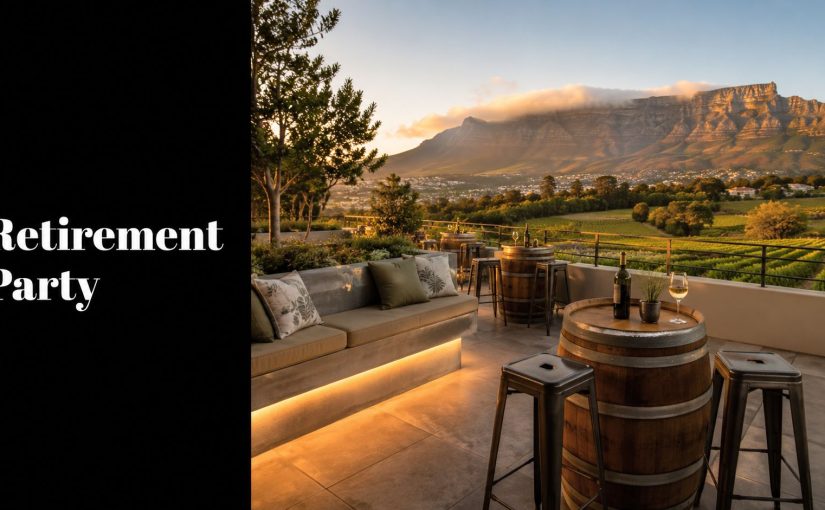
A retirement party at a Constantia wine estate, a Sea Point hotel terrace, or a family home in Paarl asks for more than speeches and a cake table. The room needs to carry history. It also needs to work for real guest flow, Cape Town weather shifts, parking constraints, and a mix of colleagues, family, and old friends who may not know one another.
That's why the best retirement celebrations feel personal and well-built at the same time. In practice, the strongest events usually combine one clear theme with practical infrastructure: comfortable seating, lighting that flatters people in photos, a drinks setup that keeps queues short, and display pieces that tell the retiree's story without turning the evening into a museum exhibit.
Cape Town and the Winelands give you unusual range. You can host a polished dinner in Stellenbosch, a sunset cocktail farewell in Camps Bay, or a garden lunch in Bishopscourt and still keep the event refined. The trick is choosing ideas that suit the venue instead of fighting it.
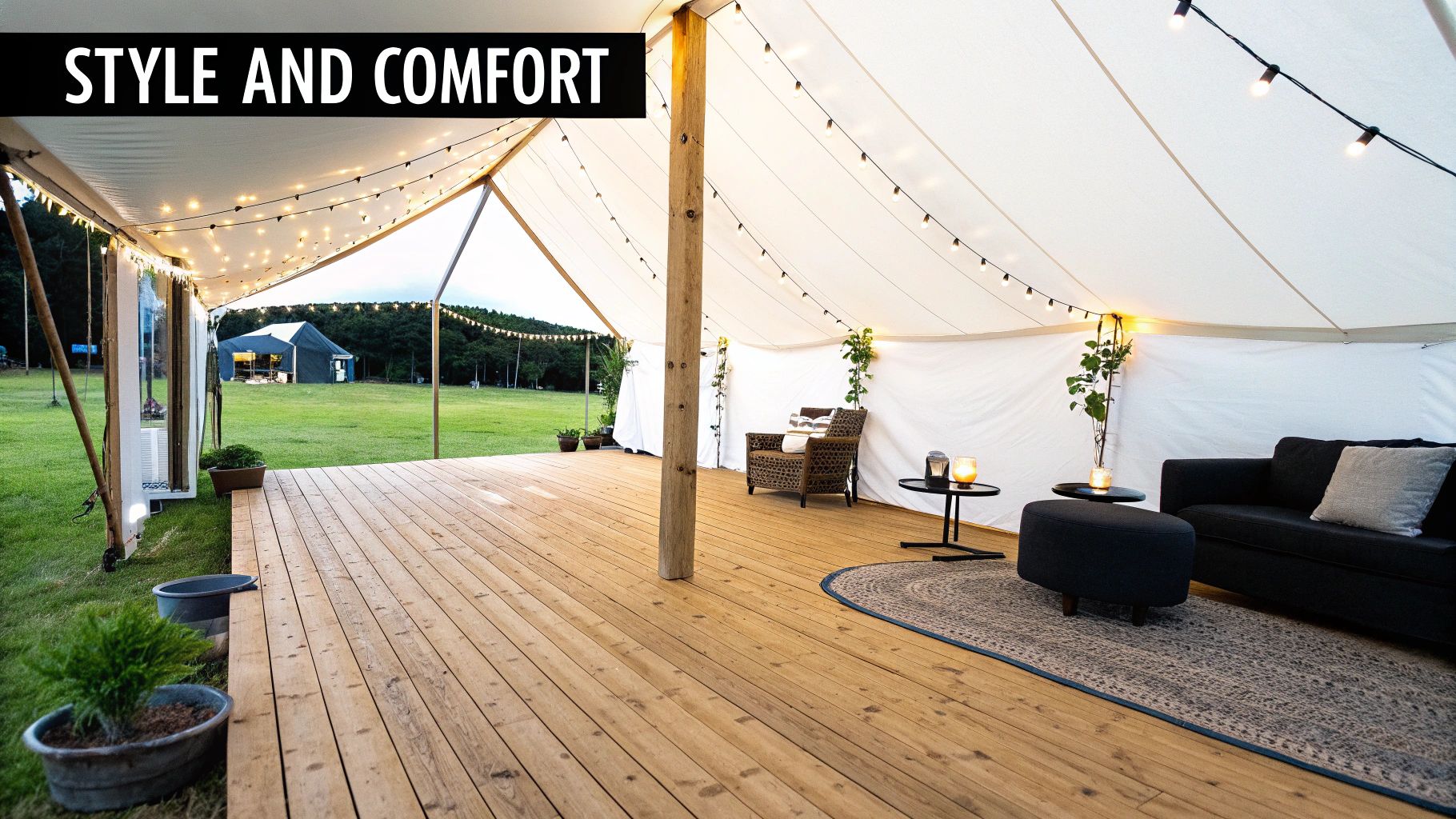
Rental choices make that easier. A private home may need extra cocktail tables, lounge seating, glassware, and a proper serving plan. A winery venue often needs softer furniture and structured décor so it feels like a celebration, not a tasting room with name tags. For planners shaping the visual side first, these modern lounge furniture ideas from ABC Hire are a useful starting point because they show how furniture can define zones and set the tone without overfilling the space.
The ten ideas below are built for local conditions and high-touch celebrations. Each one can be adapted for corporate farewells, family-hosted retirement parties, and elegant mixed guest lists across Cape Town and the Winelands.
1. LED Furniture Lounge Setup
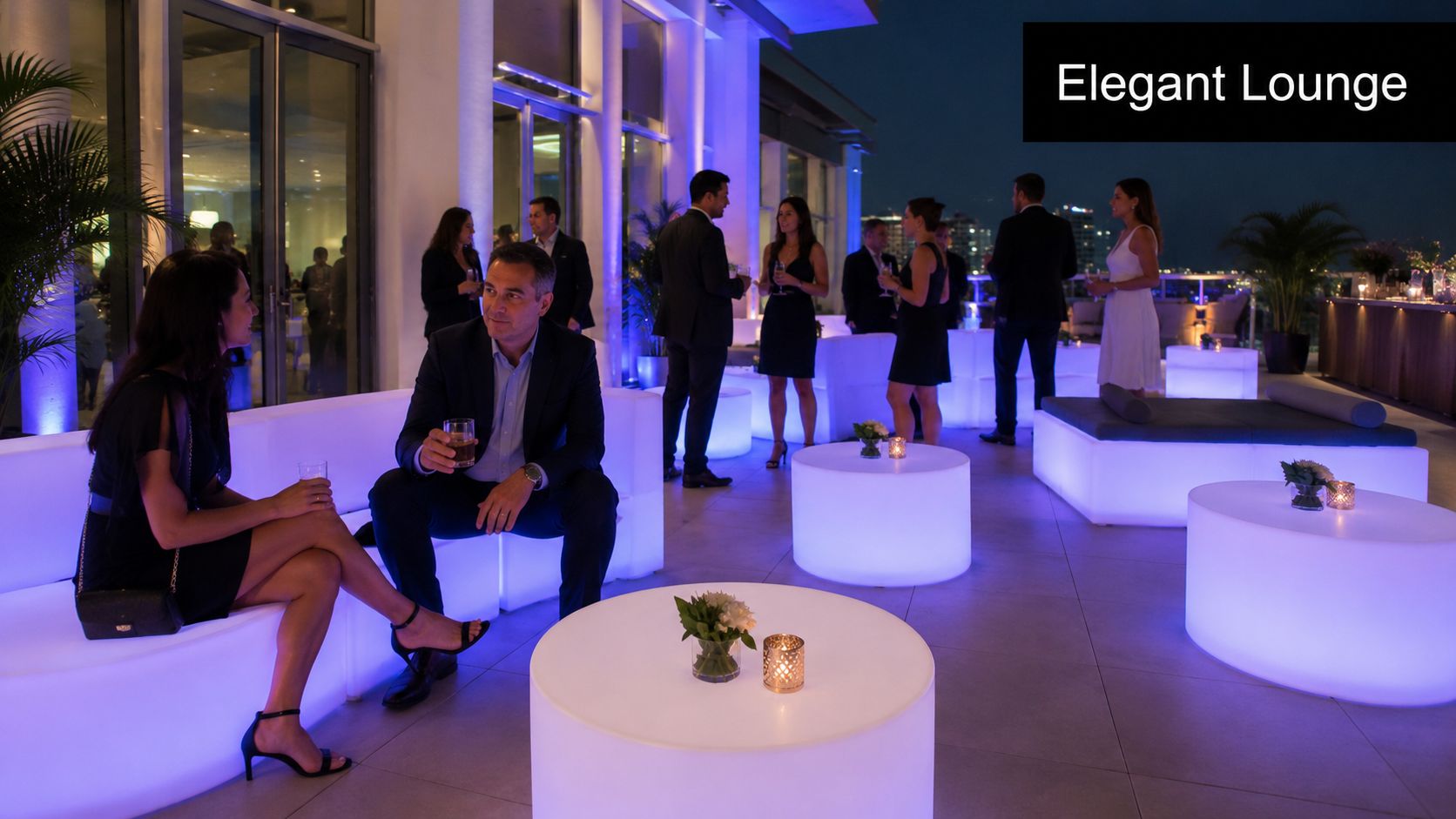
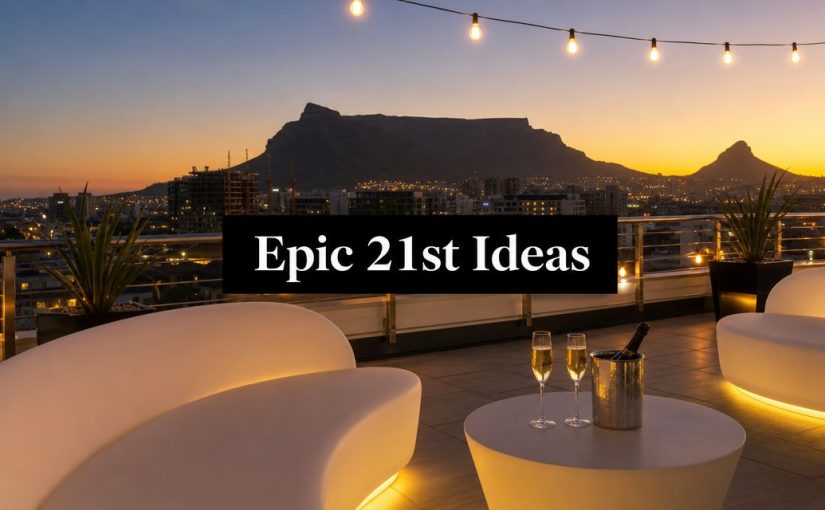
The lift doors open onto a Cape Town rooftop at sunset. Table Mountain is doing half the visual work, the wind is picking up, and guests are arriving in mixed groups: former colleagues, adult children, golf friends, and executives from head office. In that setting, an LED furniture lounge can make the event feel polished fast, provided the lighting is controlled and the layout is doing a job.
This setup works best for evening retirements in the city, on hotel terraces, and in Winelands courtyards where you need atmosphere after dark without building a heavy decor scheme. Illuminated cocktail tables, cubes, and bar units give the room shape. They also help guests read the space immediately, which matters at parties where not everyone knows each other.
Restraint is what makes the look work. Warm white, soft amber, muted blue, or a single brand-aligned colour usually carries the room well. Fast colour changes and bright party tones pull the event away from elegant farewell and into nightclub territory, which is rarely the brief for a senior professional retirement.
Set it up in zones that support the evening
LED pieces should define purpose, not just fill gaps. Place taller cocktail tables near the bar for arrival drinks, then create one softer seating cluster where older guests can talk without shouting over the music. Keep the tribute or speech area separate from the main lounge so sightlines stay clear once the formal part starts.
I usually pair glow furniture with conventional sofas or upholstered chairs because an all-LED setup can feel cold after the first half hour. The visual balance matters as much as the furniture count. These modern lounge furniture ideas from ABC Hire are useful if you want to see how mixed seating can define zones without making the venue feel overdesigned.
Practical rule: If the furniture becomes the talking point, the styling has gone too far.
A reliable version of this theme includes:
- LED cocktail tables for the first hour, especially if the guest list includes colleagues who will mingle before family speeches start
- Low lounge seating for comfort, particularly at longer events or venues with hard surfaces and little built-in furniture
- An LED bar or illuminated service point so guests can find drinks quickly without clustering at one dark corner
- A clearly framed tribute area for speeches, a slideshow screen, or a memory display
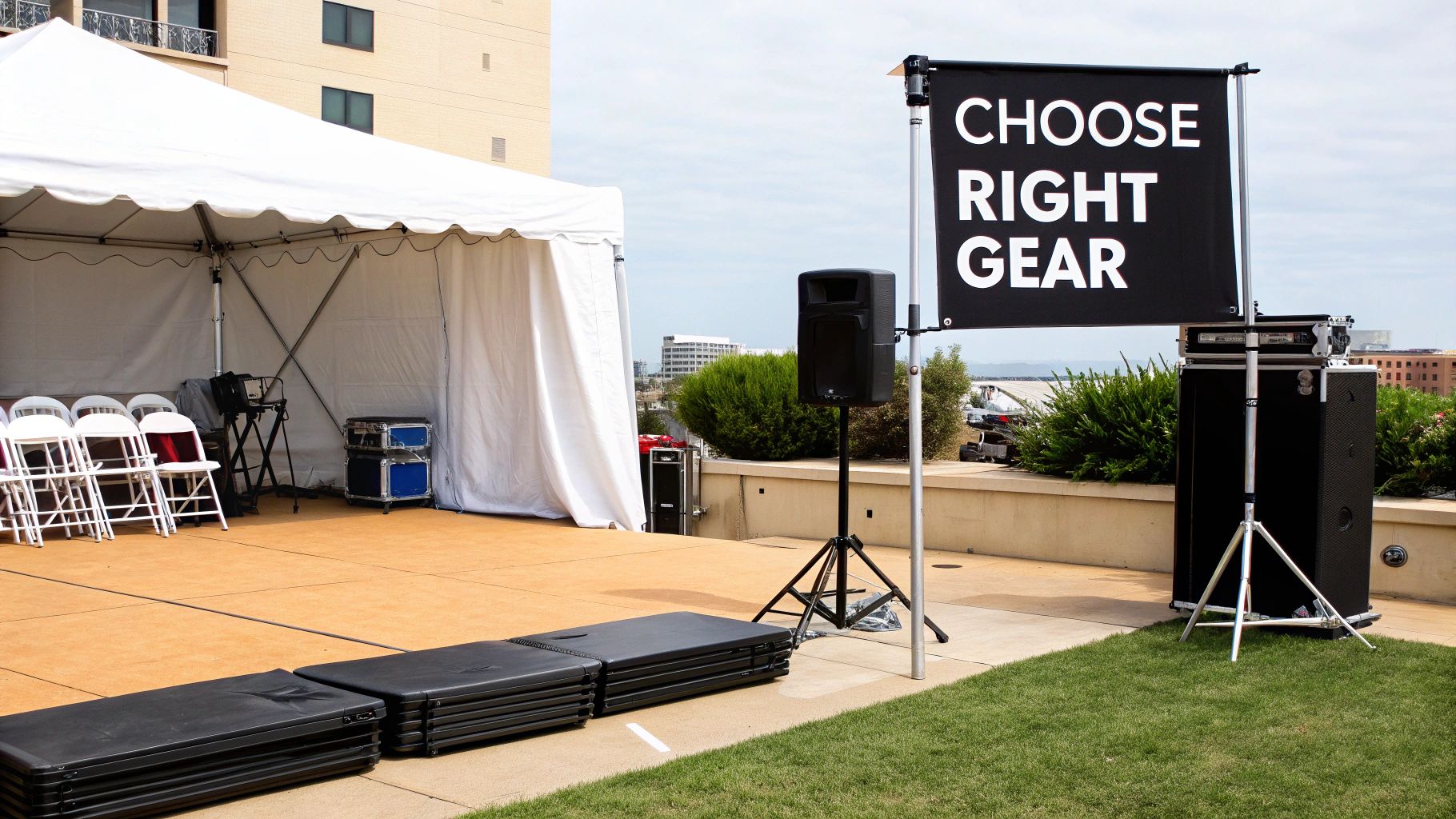
- Proper AV support because beautiful lighting does not fix weak sound
There are trade-offs. LED furniture reads beautifully in photos, but it can expose a weak floorplan. Too many glowing pieces in a small venue make the room feel busy. Too few, and the effect looks accidental. In Cape Town, weather also affects the decision. Rooftops and open courtyards often need a backup plan for wind and temperature drops, so confirm where power points sit, whether cables can be hidden safely, and which lounge pieces can shift indoors if the forecast turns.
For the right retiree, though, this format lands well. It suits a modern corporate farewell, a stylish private party in Clifton or Constantia, or a Franschhoek wine estate event that needs a contemporary layer after sunset. The result feels current, social, and easy to use, which is exactly what a mixed guest list needs.
2. Memory Lane Timeline Display
Guests arrive at a retirement party in Newlands or Stellenbosch and head straight for the story first. If the timeline is built properly, it gives them a reason to talk before the formal programme starts, and it connects work colleagues, family, and old friends without forcing conversation.
This idea works because it is personal, not generic. A strong timeline follows the retiree's actual path. Early training years, first big promotion, long-service moments, team photos, awards, community work, then the chapters that point to life after work. For a teacher, that might mean class photos, school magazines, and handwritten notes from former pupils. For a doctor, nurse, or clinic manager, it could be name badges, older uniforms, certificates, and photos from different hospitals or practices across the Cape.
The difference between moving and messy usually comes down to presentation.
Set it up like a small exhibition, with clear sections, readable captions, and enough surface space for guests to stop without blocking the room. In practical terms, that often means trestle tables with fitted linen, framed prints at different heights, and focused lighting so older guests can read the text. If the venue is a wine estate private room or a marquee in the Winelands, lighting matters even more once the sun drops.
ABC Hire stock that helps this concept work in real venues, not just in mood boards. Use trestle tables for the timeline itself, linen to keep the display polished, and easels for oversized photos, welcome signage, or a retirement-year collage near the entrance. If you want the story to carry into the whole room, add a screen and projector setup for a looping slideshow while guests eat or wait for speeches.
Physical displays and digital slideshows do different jobs. The timeline rewards close attention. The slideshow creates atmosphere across the room and helps late arrivals catch up on the retiree's story without needing someone to explain every photo.
A few planning decisions make this easier to pull off:
- Add context to every chapter. Dates, job titles, branch names, and one-line captions help guests outside the immediate work circle follow the story.
- Edit hard. Twenty to thirty strong images with meaning will hold attention better than a table crowded with every photo the family could find.
- Request material early. Printed photos, old certificates, and company memorabilia often sit in drawers, storage boxes, or office archives. Collecting them usually takes longer than hosts expect.
- Protect originals. Use copies for public display where possible, especially at larger functions where guests will handle items after a few glasses of wine.
- Check the floorplan. A timeline needs browsing space. If it sits in a passage or right beside the bar, guests will rush past it instead of engaging with it.
I also recommend ending the display with a forward-looking panel. Travel plans, grandchildren, hobbies, charity work, or the long-postponed move to the coast give the story a proper finish. Retirement parties should mark achievement, but they should also show momentum.
This format suits Cape Town boardrooms, Constantia restaurants, Winelands venues, and private homes because it scales well. Keep it intimate for 20 guests, or stretch it into a full-length visual feature for 120. Either way, guests leave knowing more about the person, not just the job title.
3. Wine and Wanderlust Celebration
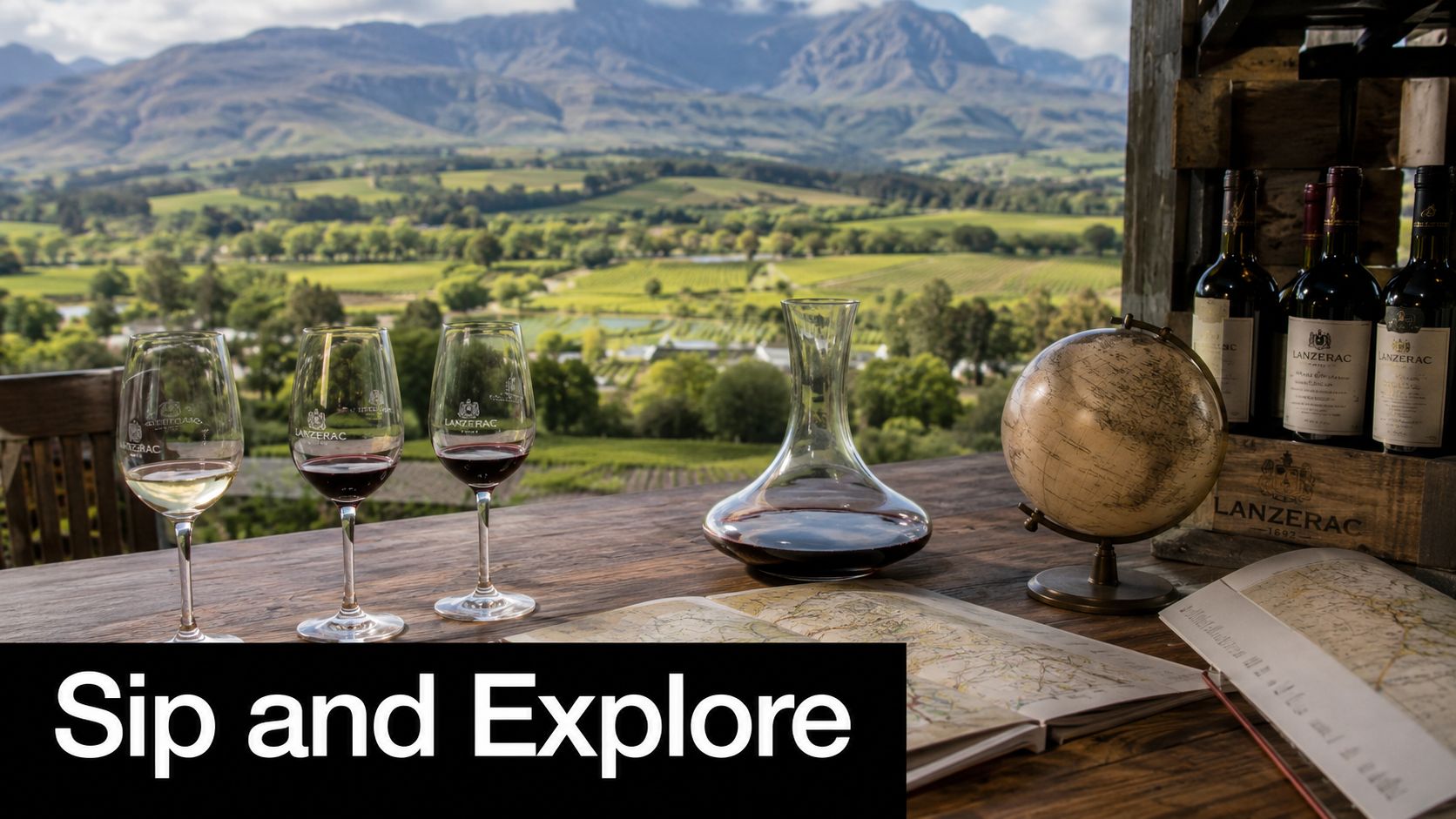
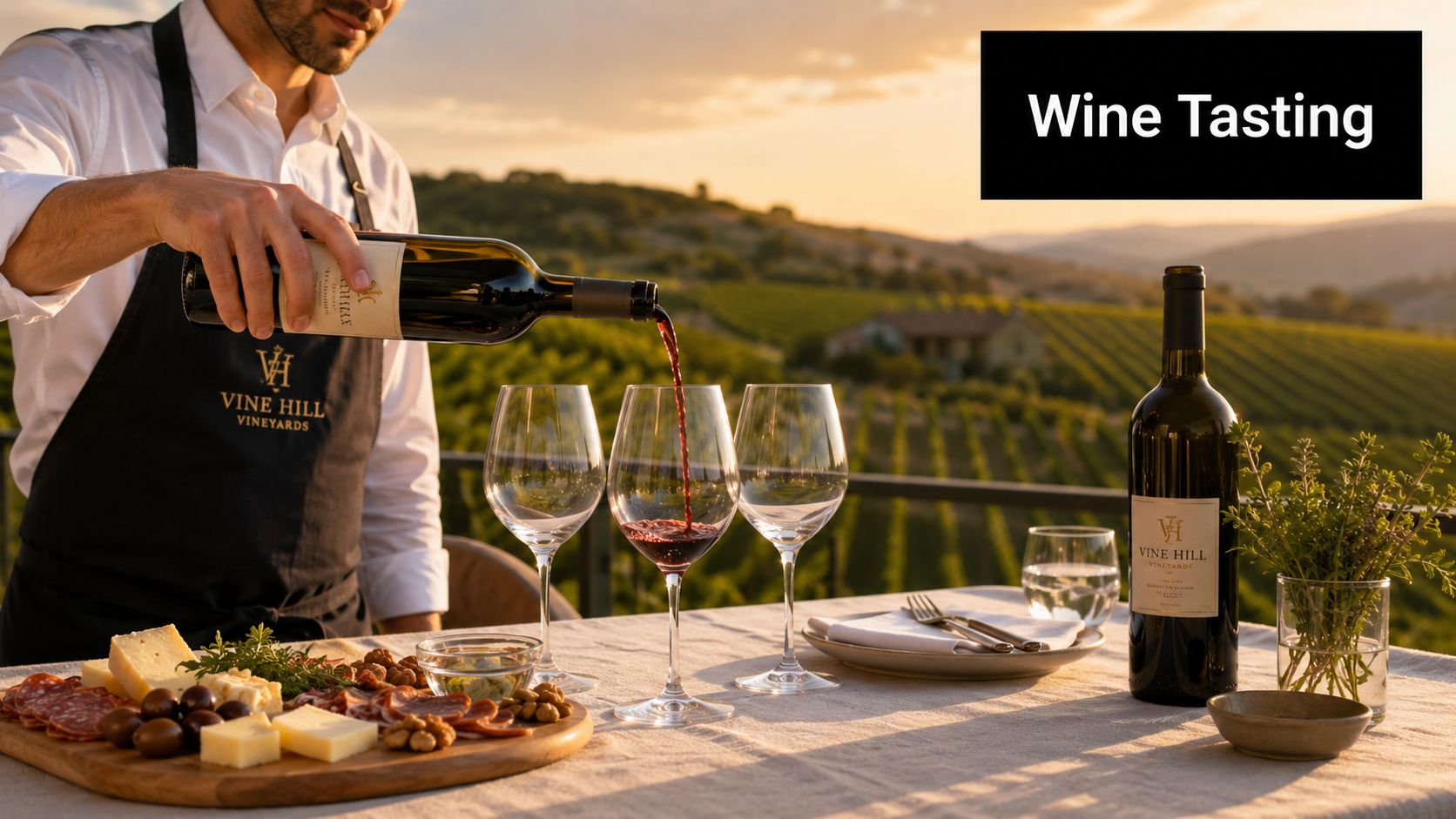
A late afternoon in Stellenbosch or Franschhoek gives this theme most of its atmosphere before you add a single décor piece. Guests arrive to vineyard views, a good Chenin is being poured, and the conversation already feels more relaxed than it would in a hotel function room. For retirees who love travel, food, and long lunches, this format feels natural in the Cape.
The strongest version keeps the travel element personal. Use destination-table names, luggage-tag place cards, a menu built around places the retiree loves, or a guest book that asks for one recommended destination and one reason to go. That is enough. Once the room starts looking like an airport lounge set, the idea loses its grip.
Venue choice does a lot of the work here. Private dining rooms at Winelands estates, boutique wine farms, and smaller restaurants in Constantia or Paarl already bring texture, views, and service. That lets the host spend the budget on better food, better wine, and thoughtful details instead of trying to manufacture atmosphere from scratch.
Layout matters more than hosts expect. I would avoid one long banquet table unless the group is small and knows each other well. Tasting stations, small round tables, or a mix of seated dining with a few standing conversation points usually works better. Guests can move, the retiree can circulate, and the event feels social instead of fixed. If the venue needs extra casual seating or an outdoor tasting area, picnic tables with benches from ABC Hire can help create a more relaxed wine-country setup without making the event feel informal.
A few details consistently improve this theme:
- Pair wine with proper non-alcoholic options. Sparkling water and juice are not enough for a polished event. Offer grown-up alternatives that feel considered.
- Build the menu around the region. Cape cheeses, seasonal fruit, estate breads, harvest tables, and plated Winelands fare all suit the concept.
- Use travel prompts sparingly. One card at each place setting is engaging. Five themed props per guest becomes clutter.
- Plan for weather and transport. Sunset is beautiful in the Winelands, but evening chill, wind, and the drive home need handling in advance.
- End with a forward-looking toast. Retirement lands better when the message is freedom, curiosity, and time well earned.
This idea works best when the wine service and the storytelling carry equal weight. Too much focus on the venue, and it becomes a pleasant lunch. Too much focus on theme props, and it starts to feel forced. Get the balance right, and you have a Cape Town retirement celebration that feels generous, local, and ready for the next chapter.
4. Outdoor Garden Picnic Party
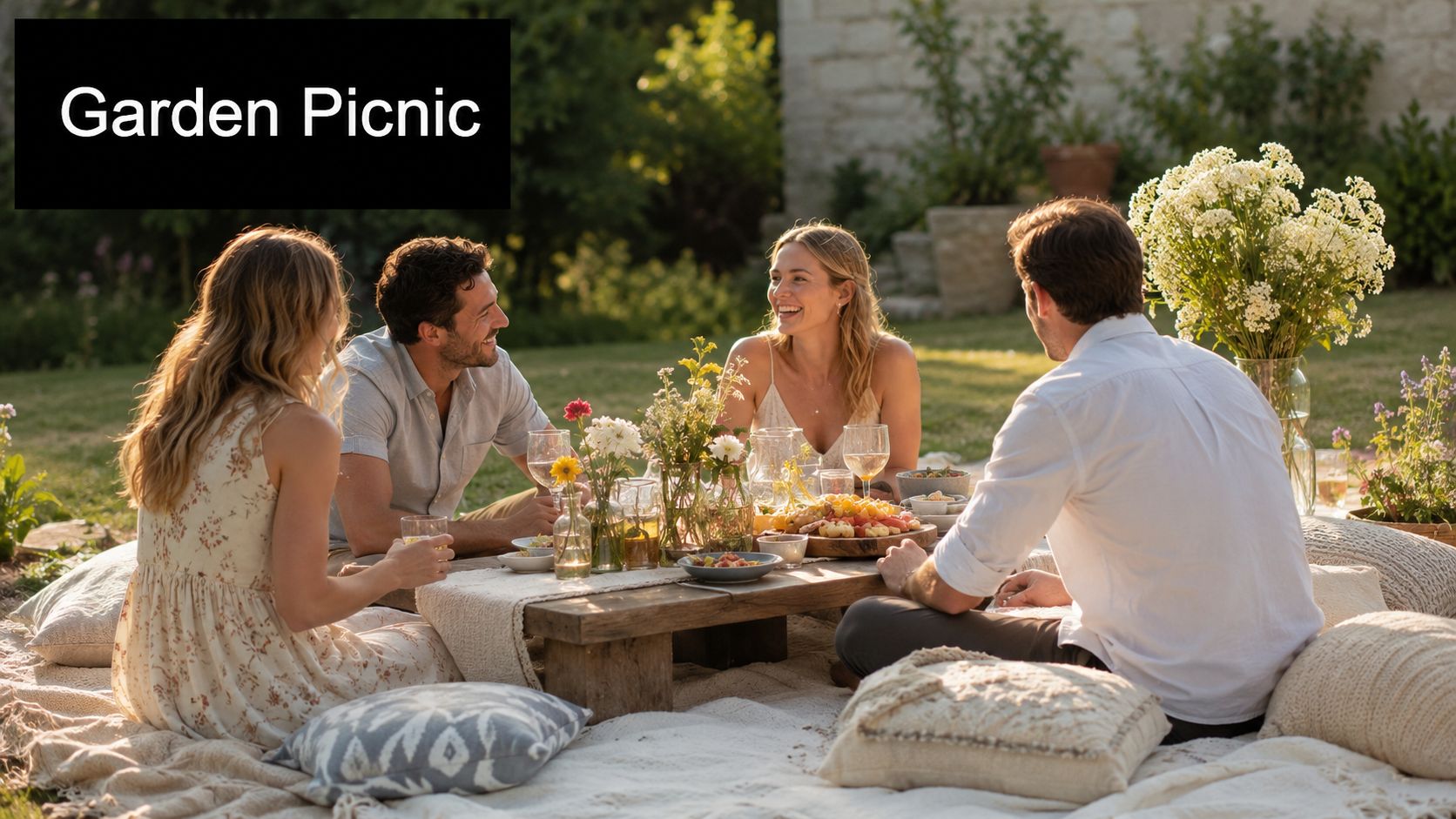
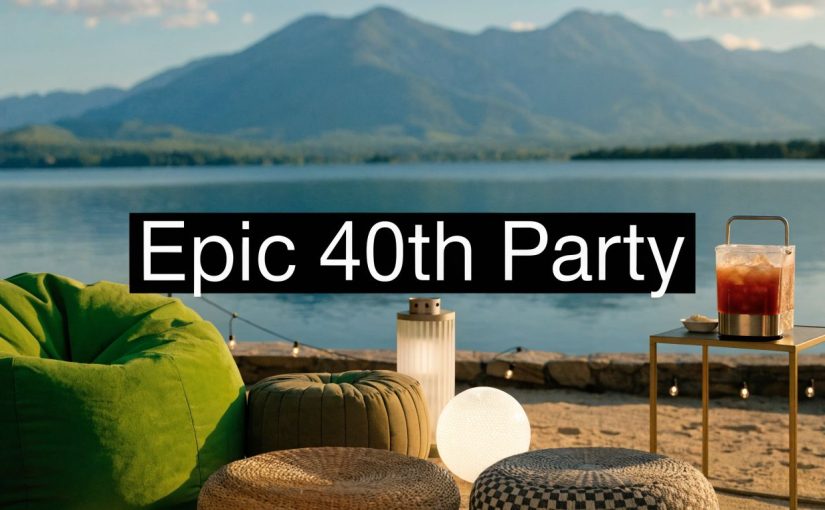
It is 3pm in Constantia. The sun is still high, the grandparents want proper chairs, the younger cousins are already barefoot on the lawn, and the retiree wants the day to feel relaxed without looking thrown together. That is exactly where a garden picnic works in Cape Town, provided the setup is built for comfort first and photos second.
This idea suits home gardens in the southern suburbs, estate lawns in the Winelands, and boutique venues with mountain views where guests can settle in over a long afternoon. It is one of the easiest formats for mixed age groups because people are free to move, chat, eat, and rejoin the group without the stop-start feeling of a formal programme.
Build the picnic around access and shade
The biggest planning mistake is copying a Pinterest floor picnic and assuming everyone will enjoy it. Many retirement guests will not want to sit low, balance a plate on their knees, or get up from cushions all afternoon. A better layout mixes upright seating with a few softer pockets for younger guests and close family. If you need a practical base for that layout, picnic tables with benches for outdoor gatherings make the space feel grounded and usable from the first drink through dessert.
Shade comes next. In Cape Town, a garden can feel perfect at setup and harsh an hour later. Trees help, but they are rarely enough on their own. Plan umbrella coverage, a wind-aware table layout, and a backup option if the weather turns. In the Winelands especially, late afternoon can shift quickly from warm to chilly.
Food is where this theme earns its place. A picnic retirement party gives you room to serve generous, local menus without the formality of a plated lunch. I usually recommend grazing boards, seasonal fruit, estate breads, good salads, and one or two hot items that can hold well. For family-hosted events, a few dishes tied to the retiree's life or heritage often add more meaning than branded décor ever will.
A few additions improve this format fast:
- Proper drinks stations: Put water, soft drinks, and glassware in more than one spot so guests are not queuing at a single table.
- Stable side tables: People need somewhere to put a wine glass, coffee cup, or handbag. This small detail changes how comfortable the event feels.
- Light lawn games: Boules, croquet, or ring toss work better than anything too physical.
- Soft afternoon-to-evening lighting: Lanterns, festoon lights, or cordless lamps help the party keep its shape after sunset.
- A clear route for older guests: Avoid forcing anyone across uneven grass in heels or with a walking aid.
Keep the styling restrained. Use linen, baskets, florals, and colour in a way that suits the setting, but do not let décor crowd the function of the party. The best garden picnics in Cape Town feel generous, shaded, and easy to enjoy. Guests remember the comfort, the view, and the conversation.
5. Decades Dance Party Retrospective
The best version of this party starts with a familiar Cape Town scene. Dinner has wrapped, the first track from the retiree's early working years comes on, and guests who swore they would not dance are suddenly at the edge of the floor. That shift only happens when the room is planned around the retiree's timeline, not a generic retro theme.
A decades dance party works well for someone with a long career, strong musical taste, and a guest list that spans family, colleagues, and old friends. In practice, I keep the decade references selective. One or two eras usually carry the strongest emotional weight. Trying to style every decade at once often turns the room into a costume exercise and weakens the story.
Build the room around key chapters
In Cape Town and the Winelands, this format suits hotel venues, converted warehouses, wine estates with indoor reception space, and private halls where lighting and sound can be controlled properly. Start by mapping the retiree's life into two or three chapters. Early career. Peak professional years. The next chapter after retirement. Those chapters give you a cleaner structure for music, visuals, and guest interaction than a strict decade-by-decade layout.
Use each zone with purpose. A 70s or 80s corner might carry bold colour, a lit poseur table cluster, and framed photos from first-job years. A later-career zone can hold speeches, awards, or newspaper clippings. The final area should feel current and social, with a proper lounge setup for guests who want to talk between tracks.
ABC Hire's inventory is useful here because you can shape the floor without overdecorating it. LED cubes or bar units help define a lounge edge. Cocktail tables keep drinks off the dance floor. A black-and-white dance floor gives the room a clear focal point, and practical seating matters more than novelty props once the event is two hours in.
A few choices make this theme work harder:
- Keep the dance floor near the bar and main seating: Guests join in sooner when the energy sits in the middle of the room.
- Use a playlist with a clear arc: Start with recognisable classics during arrivals, build into fuller dance sets after the first toast, then finish with songs people will sing together.
- Give non-dancers a strong vantage point: Banquette seating, lounges, or café-style table clusters let older guests stay part of the action without standing all evening.
- Limit each era to one strong visual cue: Lighting colour, signage, or furniture style is enough.
- Add one interactive memory piece: “Guess the year” photo cards, old ID badges, career milestones, or handwritten predictions about retirement keep guests engaged between songs.
One caution. Sound can ruin this format faster than weak décor. If the music is too loud from the start, older guests leave the room mentally even if they stay in their seats. I usually ask for a gentler first hour, then raise the energy after the key welcome and tribute are done.
This theme also benefits from local flavour. In the Winelands, pair the dance set with a late-evening coffee station and Cape dessert bites. In the city, a sharper cocktail-led version suits rooftop and hotel venues. The idea is the same in both cases. Give guests a room that feels like the retiree's life in motion, then let the music do the rest.
6. Elegant Sit-Down Dinner Gala
The chairperson has colleagues from Sandton flying in, family driving through from Paarl, and a few close friends who know nothing about the industry. In that mix, a formal dinner works well because it gives the evening shape and gives every guest a clear role in the room.
This format suits senior executives, founders, doctors, academics, and long-serving professionals who deserve proper ceremony. In Cape Town, I usually reserve it for hotel ballrooms, private dining rooms, heritage venues in the City Bowl, or wine estate function spaces in Stellenbosch and Franschhoek where the service standard can carry the tone of the evening.
The success point is pacing.
A strong gala runs on a tight sequence. Guests arrive to drinks and light background music. They move to their tables on time. Entrées land before the first formal tribute. The main speech happens before attention drops. Dessert, coffee, and a final toast close the room cleanly. If any part drifts, the evening starts to feel corporate instead of generous.
Table planning does a lot of the heavy lifting here. Mix family, old colleagues, current leadership, and close friends with care so conversation feels natural. One table of only executives and another of only cousins usually creates two separate events in the same room. The retiree should also have easy access to the people who matter most, without being pinned to one stiff head-table dynamic for three hours.
For a polished setup, keep the design restrained and get the basics right:
- Quality dining furniture and linens: Crisp tablecloths, comfortable seating, and proper place settings do more than flashy centrepieces.
- Warm, practical lighting: Candles alone are not enough. Guests still need to read menus and see the speaker.
- A measured AV plan: One lectern mic, one handheld backup, and speakers set for speech clarity beat an overbuilt sound system every time.
- Disciplined run sheets: Every speaker should know their time limit, running order, and who introduces them.
- Service equipment that matches the venue style: Glassware, crockery, cutlery, buffet support pieces, and bar units should feel consistent across the room.
Rental choices make the idea easy to execute. For a Cape Town or Winelands gala, I would typically build the room around banquet tables, conference and banqueting chairs, formal crockery, polished cutlery, and clean glassware, then add understated bar counters or coffee service pieces where the venue needs support. ABC Hire's range is useful for this kind of event because you can source the practical backbone of the dinner from one place rather than patching it together across multiple suppliers.
The trade-off is simple. Formality raises expectations. Guests will forgive simple décor if the meal is hot, the speeches are sharp, and the room is comfortable. They will not forgive a beautiful setup with slow service, weak acoustics, or a programme that runs 45 minutes late.
I also keep entertainment light in this format. A short string set, jazz trio, or solo pianist works in most Cape venues. A full production element can pull focus away from the retiree unless public profile is part of the brief. In the Winelands, a wine-paired menu and one well-produced tribute film often gives you enough occasion without overcrowding the night.
The best gala dinners feel calm, generous, and well judged. Good food, polished rentals, disciplined timing, and a few sincere tributes are usually enough to give a retirement the weight it deserves.
7. Interactive Hobby and Passion Station Celebration
Guests arrive at a Constantia wine estate or a family home in Durbanville and immediately see what retirement is opening up next. One corner is set for herb planting. Another holds a travel map covered in pins and handwritten recommendations. A third has sketch paper, paints, or a putting strip, depending on what the retiree loves. The room gives people something to do, talk about, and remember.
This format works because it shifts the focus from farewell speeches to shared experience. It is especially effective for retirees who are known for strong interests outside work, or who have been talking for years about the hobbies they finally plan to spend time on. In Cape Town and the Winelands, where guests are used to beautiful settings and relaxed movement between spaces, these stations feel natural rather than forced.
Keep the curation tight. Three stations are usually enough.
The mistake I see most often is trying to cover every hobby in one event. That spreads the budget too thin and leaves each activity looking half-finished. Pick the interests that guests already associate with the retiree, then build each one properly with clear signage, enough surface area, and someone nearby who can guide participation without turning it into a workshop.
A few formats work particularly well:
- Gardening station: small herb potting with message tags or seed packets for guests to take home
- Art station: a collaborative canvas, postcard sketch table, or framed illustration board for written notes
- Golf station: a compact putting challenge with a simple leaderboard
- Travel station: maps, destination cards, and a bucket-list wall guests can add to
- Wine or food station: guided tastings, recipe cards, or pairings linked to favourite regions and trips
Rental planning matters here because activity tables can get cluttered fast. I usually anchor the room with trestle tables, then add cocktail tables nearby for guests who want to stand, watch, and chat between activities. If the venue has uneven flow, bar counters or grouped seating help break the room into clear zones without building expensive custom sets. ABC Hire is useful for this style of event because the practical pieces are easy to match across stations, so the party still feels polished even when each corner has its own theme.
There is a trade-off. The more interactive the party becomes, the more carefully structured it needs to be. Guests need instructions that can be understood in seconds. Materials need replenishment. Messy activities need a place that can handle spills, wind, or grass underfoot, especially at outdoor venues in the Winelands.
I also recommend adding seating close to each station. Some guests will participate. Others will enjoy the conversation around it more than the activity itself, particularly older relatives or former colleagues who would rather observe than join in.
The best hobby and passion station celebrations feel personal, generous, and easy to read. Guests should come away feeling they spent time in the retiree's world, not at a themed expo. Done well, this is one of the strongest retirement party ideas for a Cape Town crowd because it combines personality, movement, and atmosphere without losing control of the event.
8. Charitable Giving and Legacy Impact Party
Some retirements are best marked through contribution rather than consumption. If the retiree has spent years mentoring, volunteering, teaching, caring, or leading in the community, a charity-focused celebration can feel more authentic than a purely social party.
This doesn't mean guests arrive to a fundraiser instead of a celebration. It means the event carries a layer of purpose. You might invite guests to support a cause the retiree loves, bring in-kind contributions, or leave pledges linked to a local organisation. The giving element sits alongside the food, speeches, music, and storytelling.
Keep the cause clear and the tone warm
Pick one cause, not five. Explain why it matters to the retiree. Show guests how to contribute in a straightforward way. If you overcomplicate the ask, people disengage. If you make it personal and well organised, they respond generously.
This format also benefits from a clear visual focal point. Use a dedicated legacy table with photos, printed information, and a message from the retiree about the cause. Add a quiet tribute wall where guests can write not only memories, but also the values they associate with the person being honoured.
What works in practice:
- A trusted local charity partner: Credibility matters.
- Simple donation routes: Cashless options, wish-list items, or post-event volunteer signups.
- A celebration-first atmosphere: Guests should still feel hosted, fed, and welcomed.
- Follow-up after the event: Let guests know what was collected or supported, in qualitative terms if exact amounts aren't being shared.
This format is excellent for teachers, healthcare staff, faith leaders, non-profit professionals, and community organisers. It can also soften the tone of highly corporate events by reminding everyone that a career's value isn't measured only in titles and years served.
9. Cocktail Hour and Networking Soirée
A cocktail-style retirement event makes sense when the guest list includes senior colleagues, clients, partners, and friends from different circles who all need space to mingle. It's less rigid than a gala and more polished than a casual braai-style send-off.
The layout matters more than the menu here. Standing events can become tiring and awkward if there aren't enough leaning points, lounge pockets, and surfaces for glasses and plates. Guests won't say “the floor plan was wrong,” but they'll feel it within twenty minutes.
Design for movement and conversation
Start with high-top tables spread evenly through the space, then anchor the perimeter with lounge seating. That gives guests options. Some will move constantly. Others will settle into one area and receive visitors. A room with only bar tables feels transactional. A room with only couches loses momentum.
For styling and spacing, the proportions shown in ABC Hire's gold cocktail table guide are useful because they show how cocktail furniture can look refined rather than corporate bland.
A few details separate a good soirée from a frustrating one:
- Multiple service points: One bar creates queues and noise.
- A timed toast: Keep formal remarks short and place them before guests disperse too much.
- Face-friendly lighting: Guests need to see one another clearly for real conversation.
- Substantial canapés or grazing options: Light drinks without enough food can flatten the room early.
This format works especially well for law firms, finance teams, agency leaders, medical practices, and any retirement where the retiree has built a wide professional network. It doesn't need a huge programme. It needs flow, good hospitality, and just enough tribute to keep the event anchored.
10. Photo and Video Story Celebration
A photo and video-led celebration is one of the most effective retirement party ideas when the guest list includes people from different cities, generations, and stages of the retiree's life. The event becomes both a live gathering and a memory-capture exercise.
This isn't the same as hiring a photographer and hoping for the best. You need a plan for what gets captured, where it happens, and how guests participate. A structured visual story gives the retiree something to revisit long after the room is packed down.
Capture reactions, not only portraits
Set up one area for posed photos and another for informal video messages. The best testimonial clips are short and direct. A former colleague recalling one lesson. A grandchild sharing excitement about the retiree having more time. A friend telling one story that everyone else has forgotten.
This format also aligns with the way many local retirement celebrations are already evolving. The SAEC found that interactive elements and personalised storytelling have become standard across a large share of milestone events in Cape Town and the Winelands, while the SAHRI survey also showed strong use of digital slideshows and career-based storytelling in retirement settings. Those patterns support a simple truth. People want retirement parties that preserve memory, not just host a meal.
You can also make guest participation easier with a digital collection method. If friends and family are sharing event images from their phones, tools that help collect wedding guest images can inspire a similar setup for a retirement celebration.
A strong setup usually includes:
- A briefing for the photographer and videographer: They should know key relationships and expected moments.
- A tribute montage shown once at the right time: During dinner or just before speeches often works best.
- Elegant backdrop styling: Keep it timeless so the photos age well.
- A follow-up deliverable: A highlight reel, digital gallery, or memory package after the event.
The mistake here is overscripting everything. If every image is staged, the event loses heart. Give professionals a structure, then leave room for real reactions.
Top 10 Retirement Party Ideas Comparison
Choosing between these formats usually comes down to three local realities. Venue fit, weather exposure, and how formal the retiree wants the send-off to feel. In Cape Town and the Winelands, a strong idea on paper can fall flat fast if it needs too much power on a farm venue, too much styling for a tight setup window, or too much formality for a crowd that really wants to mingle with a glass of wine in hand.
I use comparison tables like this to stop clients from chasing a theme that looks great online but fights the venue, budget, or guest mix. If you can match the party style to the room, service model, and rental plan early, the event is easier to cost, easier to build, and far more enjoyable on the day.
| Theme | Implementation 🔄 (Complexity) | Resources ⚡ (Requirements) | Expected outcomes 📊 (Impact) | Ideal use cases | Key advantages ⭐ |
|---|---|---|---|---|---|
| LED Furniture Lounge Setup | Medium. Power planning, cable routing, and colour testing matter | LED furniture rentals, reliable power, lighting control, sound | Polished, photo-ready evening atmosphere with strong visual cohesion | Evening corporate retirements, rooftops, hotel terraces, mixed indoor-outdoor venues | Strong visual effect, lower floral spend, easy brand or favourite-colour customisation |
| Memory Lane Timeline Display | High. Collecting, printing, and styling takes time | Photo collection, display tables or shelving, accent lighting, signage | Emotional connection, natural conversation starters, keepsake value | Family retirements, long-career farewells, multi-generational guest lists | Personal story arc, high guest engagement, works well in entrance areas |
| Wine and Wanderlust Celebration | Medium. Tasting flow and supplier timing need control | Local wines, tasting stations, trained serving staff, travel décor | Refined, experience-led gathering with longer guest dwell time | Stellenbosch, Franschhoek, Paarl venues, travel-loving retirees | Strong fit for Winelands venues, easy pairing with canapés and scenic settings |
| Outdoor Garden Picnic Party | Medium. Weather backup is part of the base plan | Outdoor furniture, shade or marquees, catering, lawn games, lighting | Relaxed social atmosphere with good movement and wide age appeal | Summer retirements, private gardens, estate lawns, daytime celebrations | Flexible layout, family-friendly feel, handles larger groups comfortably |
| Decades Dance Party Retrospective | High. Sound, dance floor space, and timing need proper coordination | DJ or curated playlists, professional sound and lighting, dance floor | High-energy participation with strong nostalgia across age groups | Big guest lists, music-focused retirees, venues with good acoustics | Lively room energy, easy guest participation, memorable late-evening peak |
| Elegant Sit-Down Dinner Gala | High. Service timing and floor planning must be tight | Catering, tableware, linens, service staff, staging, sound | Formal recognition, controlled speeches, strong table conversation | Executive retirements, club venues, banquet halls, black-tie style events | Clear programme structure, strong presentation, ideal for tributes and awards |
| Interactive Hobby & Passion Stations | High. Each station needs its own setup logic | Specialist facilitators, modular furniture, activity equipment | Personal, hands-on guest involvement with strong recall after the event | Retirees with clear hobbies such as golf, gardening, art, travel, or cooking | Highly tailored format, active participation, easy conversation around shared interests |
| Charitable Giving & Legacy Impact Party | Medium. Partner communication must be clear and credible | Donation tools, charity materials, display tables, signage | Purpose-driven event with meaningful guest contribution | Community leaders, service-driven retirees, NGO-linked circles | Strong values alignment, positive legacy focus, gives guests a clear role |
| Cocktail Hour & Networking Soirée | Low to Medium. Success depends on bar speed and room flow | Full bar, high-top tables, canapés service, lounge seating | Mobile, social event with easy mingling and low programme pressure | Professional retirements, after-work functions, large mixed business networks | Flexible timing, easy guest movement, works well in compact venues |
| Photo & Video Story Celebration | Medium to High. AV checks and editing turnaround affect quality | Photo and video team, backdrops, screens, connectivity, editing | Strong visual record, shareable content, lasting family and team memories | Large retirements, media-friendly families, companies wanting a polished archive | Long-term value after the event, broad guest appeal, captures moments others miss |
| Practical tips 💡 | Check power access, weather backup, delivery times, and venue rules early | Book rentals first, then lock catering and entertainment around the layout | Match the format to the retiree's personality, not just the venue's prestige | Best results come from using the venue's natural strengths | Keep the concept focused. One clear theme with the right rentals lands better than five competing ideas |
For Cape Town planners, the rental layer often decides whether a concept stays practical. An LED lounge works best when the venue has stable power and a late finish. A garden picnic needs shade, backup cover, and furniture that can handle uneven ground. A dinner gala needs enough tables, service space, and sound support to keep speeches audible without turning the room into a conference.
That is why the strongest option is rarely the flashiest one. It is the one you can execute cleanly with the venue, the season, and the rentals available from suppliers such as ABC Hire.
Your Partner in Planning the Perfect Farewell
The calls usually come late in the process. The venue is booked, the guest list keeps growing, and somebody suddenly realises the room still needs seating, serving space, cooling, lighting, and a layout that can carry speeches without stalling the atmosphere. That is the point where a retirement party stops being a nice idea and becomes an event plan.
In Cape Town and the Winelands, good planning starts with local realities. Wind affects outdoor setups. Heat changes drink service and guest comfort. Older family members need easier access, proper seating, and clear circulation routes. Corporate guests want a function that feels warm, not stiff. The best farewell events balance all of that without losing the retiree's personality.
That balance usually comes from getting the practical pieces right first. Furniture decides how people gather. Lighting changes whether the room feels flat or inviting. Climate control matters far more in January in Paarl or on a cooler evening in Franschhoek than many hosts expect. A strong bar setup, enough tables, and sensible service flow often do more for the guest experience than another decorative extra.
Cultural fit matters too. Retirement parties in this region often mix work colleagues, family, old friends, and several generations in one room. Food, music, and styling need to feel right for the actual group attending. A Winelands dinner with long banquet tables calls for a different setup from a relaxed Cape Town garden event with cocktail furniture and casual lounge pockets. Good planning respects the retiree's story and the guests in front of you.
ABC Hire fits into that process on the ground. If the concept is a modern LED lounge, hire pieces need to look sharp in photos and still function during service. If the event is outdoors, the furniture must suit the surface and weather conditions. If the party runs into the evening, heating or cooling equipment may be part of basic guest care, not an upgrade. Those are the decisions that keep an event comfortable and easy to run.
Small details matter because they affect how polished the whole room feels. Table naming, place settings, and signage can help tie the setup together. Even something as simple as level up party name labels can support that finishing layer if the core layout is already working.
The strongest retirement celebrations feel considered from the minute guests arrive. People know where to sit, where to get a drink, where speeches will happen, and where conversations can continue afterwards. That kind of event does not happen by luck. It comes from matching the theme to the venue, the season, and the rental list early.
If you're planning a retirement party in Cape Town, Stellenbosch, Franschhoek, Paarl, or the wider Winelands, ABC Hire can help turn the concept into a room that works. From LED furniture and cocktail tables to picnic seating, bean bags, slush machines, and climate control equipment, their hire range gives planners and private hosts practical options for polished, memorable events. Reach out to ABC Hire to map out your venue, guest flow, and rental list before the small details become last-minute problems.