Wing Back Chairs for Cape Town Events

A wing back chair isn't just a place to sit; it's a statement. It brings a certain kind of elegance, intimacy, and sense of occasion to an event that few other pieces can. With that distinctive high back and those iconic sheltering 'wings', a wing back chair provides both comfort and a powerful visual anchor, instantly lifting a space from ordinary to something quite special. It’s a classic for a reason.

The Enduring Allure of Wing Back Chairs in Modern Events

A pair of stylish grey wing back chairs arranged in a modern event space.

So, why do these chairs keep showing up at the most stylish events, from Winelands weddings to corporate galas in Cape Town? The secret is in their unique blend of beautiful form and practical function. They don't just fill a space; they create an experience for your guests. Think of them less as furniture and more as tools for crafting atmosphere.

The high backrest is fantastic for support, making them a smart choice for events where guests will be seated for a while, like conferences or long, celebratory dinners. But it’s the 'wings' that really work their magic. Originally designed to keep draughts away in old English manor houses, today they serve a brilliant modern purpose.

Creating Intimacy and Focus

In a busy, bustling event, those wings create a private little nook for guests. They subtly muffle the ambient noise and minimise distractions, making real conversation possible. If you want to create an instant conversational hub, just place two wing back chairs facing each other. It’s a perfect setup for a lounge pocket or a VIP zone.

For an event planner, a wing back chair is a strategic asset. It directs attention, frames important moments, and communicates a standard of luxury and care to every guest who sits in one.

A Growing Market for Statement Seating

We're seeing a huge demand for sophisticated pieces like these. The South African furniture market, currently valued at around USD 2.47 billion, is set for some serious growth. Within that market, wing back chairs make up a solid 12-15% of all accent chair sales, especially in design-savvy hubs like Cape Town where people value both heritage and comfort. You can explore more about this growing market and what's driving it.

This trend points to a bigger shift in event design. Planners and their clients are moving past purely functional seating. They want pieces that add to the overall look and feel of the day.

A well-chosen wing back chair offers so much:

  • A Stunning Visual Focal Point: They are perfect for sweetheart tables, photo booths, or on-stage settings.
  • An Instant Touch of Sophistication: They immediately make an event feel more polished and high-end.
  • Versatile Styling Potential: They can slip into any theme, from classic romance to sleek modern minimalism.

Ultimately, using these chairs sends a clear message. It shows you’re committed to the details, you care about guest comfort, and you’re dedicated to creating a memorable, luxurious atmosphere that people will be talking about long after they've gone home.

Exploring Wing Back Chair Styles for Every Theme

Picking the right wing back chair is really about matching its personality to your event's story. It’s definitely not a one-size-fits-all deal; the silhouette, fabric, and little details all play a huge role in the atmosphere you’re trying to create. Think of it like casting the perfect actor for a key role in your event.

A chair isn't just there to fill a space; it has the power to elevate your entire theme. Let's walk through some of the most popular styles you can hire, connecting each design to the specific mood it helps to build. This should help you pinpoint your vision and choose a chair that truly tells your event's unique story.

The Classic Queen Anne

The Queen Anne is what most people picture when they think "wing back chair." It’s instantly recognisable by its elegant, curved lines and graceful silhouette. You'll spot it by its softer, more fluid shapes, its signature cabriole legs (those are the curved ones with a little decorative foot), and often a shell or fan carving at the very top.

This style just screams classic romance and refined grace. Its regal but welcoming vibe makes it a fantastic choice for:

  • Traditional Weddings: Perfect as the star seating at a sweetheart table or for giving parents and grandparents a distinguished spot.
  • High Teas and Bridal Showers: It adds that perfect touch of classic femininity and charm.
  • Elegant Galas: Use them to craft sophisticated lounge pockets that invite guests to have a quiet chat.

The Queen Anne’s design has stood the test of time, bringing a sense of heritage and class without ever feeling stuffy. It’s a surprisingly versatile option for any event aiming for a polished, upscale feel.

The Stately Chesterfield

If the Queen Anne is all about graceful curves, the Chesterfield wing back is its bold, confident cousin. What gives it away? The deep button-tufting, the rolled arms that often sit as high as the back, and its solid, grounded feel. Usually upholstered in a rich leather, it feels substantial and incredibly luxurious.

This chair brings a sense of gravitas and old-school comfort, making it a powerhouse for certain themes. For a deeper dive into choosing statement pieces like this, our guide on decorative chairs for weddings has some great insights for nailing the perfect aesthetic.

A Chesterfield wing back doesn't just ask guests to sit; it offers them a place of distinction. Its classic, club-like feel is perfect for creating exclusive, comfortable spaces within a larger event.

Think about bringing in a Chesterfield for:

  • Sophisticated Corporate Lounges: A natural fit for VIP areas, speaker green rooms, or quiet networking zones at conferences.
  • Whisky or Gin Bars: It's the perfect companion for a masculine, speakeasy, or library-themed setup.
  • Winter Weddings: Just imagine a pair of these beside a crackling fireplace in a historic Winelands venue—it creates such a warm, inviting scene.

Modern and Contemporary Interpretations

Stepping away from the historical designs, modern wing backs offer a fresh, clean-lined alternative. These styles often take the classic silhouette and strip it back, simplifying it for a more contemporary feel. They might have straighter lines, more angular wings, and sleek, unadorned legs.

Where these chairs really get to have fun is the upholstery. You’ll find them in vibrant velvets, bold geometric prints, and chic, neutral fabrics. This adaptability makes them a fantastic tool for events with a modern edge.

These contemporary wing backs are brilliant for:

  • Product Launches and Brand Activations: You can easily find colours that match corporate branding for a seamless, professional look.
  • Chic Cocktail Parties: They act as stylish statement pieces, adding a pop of colour and personality to the room.
  • Art Gallery Openings or Fashion Events: Their sculptural quality fits right in with creative, forward-thinking environments.

Ultimately, the style you go for sets the whole tone. Whether you need the romantic elegance of a Queen Anne, the commanding comfort of a Chesterfield, or the sleek flair of a modern design, the right wing back chair is out there, ready to help you tell your event's story.

How to Choose the Right Upholstery and Fabric

The fabric on a wing back chair is its soul. It sets the tone, the feel, and the practicality of the chair within your event space. Picking the right upholstery is all about striking a balance between your aesthetic vision and the real-world demands of the occasion. After all, you need those chairs to look flawless from the moment the first guest arrives until the last one leaves.

Think of it like dressing your chairs for the specific role they have to play. You wouldn't wear a delicate silk gown to an outdoor garden party, right? In the same way, you shouldn't choose a plush velvet for a high-traffic area where spills are a real possibility. The material has to match the event's vibe and its logistical realities.

This infographic breaks down the distinct personalities of classic, lounge-style, and modern wing back chairs.

Infographic about wing back chairs

You can see how each style's silhouette—from the regal curves of a Queen Anne to the sleek lines of a contemporary piece—sets a completely different tone for an event.

Comparing Popular Fabric Choices

Choosing the right fabric really boils down to three things: durability, aesthetic, and texture.

For a glamorous indoor wedding reception, a velvet wing back is simply unmatched. Its rich texture catches the light beautifully, creating a sense of opulence and depth. Of course, it’s best suited for a controlled environment where the risk of spills is low.

If you're styling a sophisticated corporate lounge or a VIP area, leather is a serious power player. It has a premium look, is incredibly durable, and can be wiped clean in a second, which makes it a practical choice for longer events. A quality leather wing back communicates professionalism and comfort all at once.

Then you have versatile options like linen and high-performance fabrics. Linen brings a relaxed, organic feel, which is perfect for a Winelands wedding with a rustic-chic theme. On the other hand, modern performance fabrics give you the best of both worlds—they come in a massive range of colours and textures while offering superior resistance to stains and wear.

A quick tip from experience: always consider the lighting. A fabric's colour and texture can look entirely different under the soft glow of fairy lights compared to the bright lights of a conference hall. Asking your supplier for a fabric swatch can be a total game-changer.

To help you decide, here's a quick-reference guide comparing common wing back chair fabrics and their best uses for events.

Upholstery Comparison for Event Planners

Material Best For (Event Type) Aesthetic/Vibe Durability & Maintenance
Velvet Indoor weddings, galas, formal parties Luxurious, opulent, rich Lower durability; needs careful handling. Prone to staining.
Leather Corporate events, VIP lounges, upscale bars Sophisticated, professional, classic Very durable; easy to wipe clean.
Linen Outdoor weddings, rustic themes, garden parties Relaxed, natural, chic Prone to wrinkling and staining unless treated.
Performance Fabric High-traffic areas, family-friendly events, outdoor use Versatile (can mimic other fabrics) Excellent durability; highly resistant to stains and fading.

This table should make it easier to match the right material to your specific event needs, ensuring your chairs are both beautiful and practical.

Understanding the Local Supply

The quality of materials is often tied to where they come from. Globally, the market for wing back chairs includes about 65 importers and 76 manufacturers. Here in South Africa, a good portion of the high-end options are imported. Roughly 20-30% of the supply features premium materials from heritage design hubs like the UK and Italy, which aligns perfectly with the tastes of our upscale clients and the discerning local event industry. You can learn more about these global trade dynamics to see the full picture.

This access to international designs means that as an event planner in Cape Town, you have a fantastic variety of authentic, high-quality upholstery choices right at your fingertips.

Key Upholstery Considerations for Events

To nail your decision, just ask yourself a few practical questions:

  • What kind of event is it? An elegant gala needs a very different fabric from a casual outdoor cocktail party.
  • Who are the guests? If children are on the guest list, a stain-resistant fabric is an absolute must.
  • What’s the venue like? Outdoor settings call for fabrics that can handle humidity and changing temperatures.
  • What’s the mood? Do you want the chairs to feel luxurious, comfortable, professional, or relaxed?

By thinking through these points, you can choose an upholstery that not only fits your colour scheme but also stands up to the demands of your event. That way, your wing back chairs will look just as stunning at the end of the night as they did at the beginning.

Strategic Placement for Maximum Impact

Two elegant wing back chairs creating an intimate seating area at a stylish event.

It’s one thing to choose a gorgeous wing back chair. It’s another thing entirely to know where to place it. That’s where the real magic happens, unlocking its power to completely transform your event space.

Think of these chairs as more than just somewhere to sit. They’re design tools that can guide how your guests move, frame those all-important moments, and create an atmosphere that people remember. The right placement turns a functional item into a true focal point.

The goal is to use the chair’s natural presence to draw the eye and define a space. A poorly placed wing back can feel awkward or get in the way, but a thoughtfully positioned one elevates the whole room. It’s all about creating intentional little scenes—vignettes that feel both luxurious and welcoming, making sure every corner of your venue is working for you.

Creating Memorable Wedding Moments

For weddings, wing back chairs are a brilliant way to dial up the romance and sophistication. They create picture-perfect scenes that couples and their guests will absolutely adore. That elegant silhouette is a natural attention-grabber, making them perfect for highlighting the most important people and moments.

Here are a few high-impact ideas for any wedding:

  • The Sweetheart Table: Frame the happy couple with a pair of stunning wing back chairs. This not only makes them feel like royalty but also creates a beautiful focal point for all those photos during the speeches and toasts.
  • A Photo Booth Lounge: Forget the basic backdrop. Why not design a chic lounge for your photo booth? Two wing backs, a stylish rug, and a small side table create a sophisticated and interactive photo op that guests will queue up for.
  • Ceremony Seating for Honoured Guests: Reserve beautifully styled wing backs for parents or grandparents in the front row. It’s a simple, thoughtful gesture that honours their role on the day.

Designing Corporate and Private Event Layouts

At a corporate function or private party, wing back chairs are your secret weapon for creating zones of comfort and exclusivity. Their very structure lends a sense of privacy and importance, making them ideal for layouts that need to serve different purposes within the same event.

The high back is a huge plus here. It offers fantastic ergonomic support, which is a big deal for guests sitting through long presentations or panel discussions. Focusing on comfort like this sends a clear message of care and professionalism.

By placing wing back chairs strategically, you can subtly guide the social dynamics of an event. You can encourage quiet conversations in one corner while creating a clear focal point for a speaker in another—all with the same versatile piece of furniture.

Here are a few effective layouts for corporate and milestone events:

  1. The Speaker's Stage: A single, commanding wing back chair on stage works wonders for a moderator or keynote speaker. It adds a sense of authority and gives them a comfortable spot during Q&A sessions.
  2. Exclusive VIP Lounges: Arrange clusters of four wing back chairs around a coffee table to create semi-private networking pods. The 'wings' help to muffle background noise, making it easier to have focused conversations.
  3. The Seat of Honour: Celebrating a milestone birthday or anniversary? Designate a special wing back chair for the guest of honour. It instantly becomes a celebratory throne, making them the clear centre of attention for gifts and well-wishes.
  4. Intimate Conversation Nooks: During a cocktail hour, place pairs of wing back chairs in quieter corners of the venue. This invites guests to step away from the main crowd for deeper, one-on-one chats, which can make all the difference for networking.

Ultimately, where you put your wing back chairs should be a deliberate design choice. When you think strategically about how and where to use them, you move beyond just decorating a room and start actively shaping your guests' experience, creating a seamless flow and an impact that lasts.

How to Style Your Wing Back Chairs

A stylishly decorated wing back chair paired with a small side table and a lamp.

A wing back chair is a powerful design anchor on its own, but its true magic comes alive when you treat it as the star of a carefully curated scene. Styling isn’t just about tossing a cushion on the seat; it’s about creating a complete vignette that tells a story and amplifies your event’s atmosphere.

Think of the chair as your main character. The surrounding décor is its supporting cast, and your job is to direct them. By building a small, self-contained world around each chair or pair, you transform a simple seating area into an intentional design moment. From an elegant side table to the soft glow of a lamp, every element works together to make guests feel special.

Building Cohesive Vignettes

Creating a stylish setting is all about layering. You need a mix of textures, shapes, and lighting to make it work. Start by pairing your wing back chairs with other furniture that balances their scale and form. A heavy, substantial chair, for example, looks fantastic next to a delicate, slim-legged side table. The contrast is what makes it interesting.

Pay attention to the visual weight of each piece. If your chair has solid, upholstered sides that go right to the floor, pair it with a table that has slender legs. This allows light and space to flow underneath, preventing the whole setup from feeling too blocky or heavy.

A modern, low-pile rug is a brilliant way to define the space, anchoring the chairs and table to create an intimate "room within a room." This trick is especially useful in large, open-plan venues where you want to carve out distinct zones for conversation or a quiet escape.

Using Textiles for Colour and Texture

This is where you can have some fun. Accent cushions and throws are the easiest and most effective way to tie your chairs into the event’s colour scheme. They’re your chance to be playful while keeping things sophisticated.

For a classic wedding, picture a cream linen wing back with a soft, blush velvet cushion. Or for a bold corporate event, a charcoal grey chair could be energised with a throw in the company's signature brand colour. It’s amazing how these small touches can make such a huge impact.

Don’t be afraid to mix patterns and textures. A smooth leather chair can be softened with a chunky knit throw, or a plain velvet chair can be brought to life with a geometric-print cushion. The key is to maintain a consistent colour story.

Comfort is also becoming a huge deal in modern event design. Recent trends in South Africa show that about 30% of furniture buyers now prioritise ergonomic comfort right alongside style. This is spilling over into the event world, as planners look for seating that not only looks incredible but also keeps guests happy. This makes well-designed wing back chairs an obvious choice. You can discover more about these evolving furniture trends and what they mean for the industry.

The Crucial Role of Lighting

Lighting is what brings your whole vignette to life. It highlights the chair’s dramatic shape and creates that warm, inviting ambiance that guests remember. The right light can completely change the mood.

Consider these lighting options to really show off your chairs:

  • A Slim Floor Lamp: Placed just behind the chair, it casts a soft, downward glow that’s perfect for an intimate reading or conversation nook.
  • A Dramatic Uplighter: Positioned on the floor and aimed up at the chair, an uplighter accentuates its tall silhouette for a theatrical, high-impact look.
  • Table Lamps: A small, elegant lamp on an adjacent side table adds a layer of warm, localised light that makes the space feel extra cosy and welcoming.

Here are a few ideas to get you started on creating those perfect pairings for different event themes.

Styling Combinations for Wing Back Chairs

Event Theme Chair Style/Colour Suggested Pairings Styling Tip
Romantic Wedding Cream or blush velvet Gold-rimmed side table, antique mirror, floral arrangement Drape a delicate, sheer fabric over one wing for a touch of ethereal softness.
Modern Corporate Charcoal grey or navy fabric Sleek chrome side table, geometric-print cushion, branded coasters Use a throw in a bold, contrasting brand colour to make the chair pop.
Winelands Rustic Natural linen or distressed leather Reclaimed wood crate table, chunky knit throw, lantern Keep the lighting warm and low to enhance the cosy, rustic feel.
Glamorous Gala Black leather or jewel-toned velvet Mirrored side table, metallic floor lamp, faux fur throw Go for high-contrast pairings. A black chair with a white fur throw is pure drama.

By combining furniture, textiles, and lighting, your wing back chairs become so much more than just seats. They become key players in your design vision, creating memorable, beautiful, and functional spaces that your guests will love.

Navigating Rentals in the Western Cape

Finding the perfect wing back chairs for your event in Cape Town or the Winelands goes way beyond just picking a gorgeous style. You've got to think about the real-world logistics—from getting them delivered to your venue in Stellenbosch to understanding what happens if a glass of red wine takes a tumble.

Think of your rental company as a key partner in your event's success. A good supplier will be upfront about their process and help you spot potential problems before they happen. This is especially true for outdoor or marquee events, where your beautiful furniture might have to contend with unpredictable weather or uneven ground. The first thing you should do is have a proper chat about the nitty-gritty of your event.

Your Essential Rental Checklist

Before you sign on the dotted line, you need to be crystal clear on what you're getting. A quick conversation can sort out expectations and save you from any nasty last-minute surprises. Getting these details ironed out early is a cornerstone of smart event planning, a topic we dive into deeper in our guide to renting furniture for events.

Go into that conversation armed with these key questions:

  • Delivery and Collection: What are the fees for delivery to venues out in Paarl or Franschhoek? Do those costs go up for weekend or after-hours collections?
  • Setup and Placement: Is setting up the chairs included in the price? Will the delivery team place them according to my floor plan, or is that left to my team?
  • Damage Policy: What’s the plan if a chair gets damaged? Is there a damage waiver I can pay, and what exactly does it cover? This is a must-ask, especially for outdoor functions.
  • Weather Contingency: What happens if the heavens open? What are your policies for protecting delicate pieces, like velvet wing backs, from a sudden downpour?
  • Lead Times: How far ahead do I need to book? This is crucial for popular styles, especially during the mad wedding season in the Winelands.

Having these answers upfront means you can build a realistic budget and plan your day with confidence. No guesswork, no panic.

Demystifying Rental Pricing

The hire price for wing back chairs can vary quite a bit, so it helps to know what’s driving the cost. It’s not just a simple daily rate; it's a mix of the chair's value, the delivery logistics, and how long you need it for.

Here are the main factors that will shape your final quote:

  1. Material Rarity and Quality: It makes sense that a genuine leather Chesterfield or a plush silk-velvet chair will cost more to hire than one in a standard fabric. They are more valuable and need more specialised care.
  2. Design and Exclusivity: An iconic, classic design or a rare vintage find will have a higher price tag than a more common style. You're paying for the "wow" factor it brings to your event.
  3. Delivery Distance: Logistics are a big part of the cost. A delivery to a remote wine farm will naturally cost more in time and fuel than a drop-off at a central Cape Town hotel.
  4. Hire Duration: Most suppliers work on a standard 1-3 day hire rate. If you need the chairs for a full week, ask about a long-term rate—it can often be more budget-friendly.

Here's a pro tip: sometimes spending a bit more on a standout chair that needs less styling can actually save you money on other décor. It's all about creating a balanced and effective budget.

By approaching the rental process with a solid checklist and a clear picture of the pricing, you can confidently book the perfect wing back chairs for your event. This ensures your chosen pieces not only look incredible but also fit neatly into your budget and logistics, setting the stage for a flawless day.

Common Questions About Using Wing Back Chairs

Even the most organised event planner has questions pop up. We get it. To make sure you feel completely confident using wing back chairs at your next function, we’ve put together answers to the queries we hear most often.

Think of this as your practical cheat sheet. From booking timelines to guest comfort, these insights will help you sidestep potential headaches and ensure your event is a roaring success.

How Far in Advance Should I Book?

If you’re planning for the peak wedding season in the Cape Winelands (which is usually September to April), you’ll want to book your specialty furniture, including wing back chairs, at least six to nine months ahead. The really beautiful, unique styles get snapped up fast, especially for weekend dates at popular venues in Stellenbosch and Franschhoek.

Booking early doesn’t just secure your chairs; it gives you a better selection and often a better price. For corporate functions or off-season events, three to four months is typically enough lead time. Still, it never hurts to lock in your favourites as soon as you’ve settled on a theme. Finding the right supplier is the first step, and you can learn more in our guide to hiring chairs near me.

Are Wing Back Chairs Comfortable for Long Events?

Absolutely. In fact, their very design is what makes them so comfortable. That high back provides brilliant support for the upper back, neck, and shoulders. This is a huge plus for guests sitting through long corporate presentations, awards dinners, or a multi-course wedding feast.

The ergonomic shape of a wing back actually encourages better posture than many other accent chairs. This means your guests are far less likely to get fidgety or tired, keeping them comfortable and engaged for the entire event.

Can They Be Used in Accessible Seating Plans?

Yes, and they can be a fantastic, dignified choice for an accessible seating plan when you place them thoughtfully. The sturdy arms on most wing back models give guests excellent support if they need a little help sitting down or standing back up.

The key is to leave plenty of space around the chair for easy movement. Avoid tucking them into tight corners or crowded spots. By placing them in a spacious, clearly marked accessible zone, you’re offering an option that’s both stylish and genuinely practical.

How Can I Protect Delicate Chairs Outdoors?

Using a lush velvet or linen wing back for an outdoor cocktail hour looks incredible, but you need a plan. Your best bet is to place them on a solid, level surface – think a patio, a deck, or a proper temporary floor inside a marquee.

And always have a plan B for the weather. If there’s even a hint of rain, make sure the chairs are under cover. For delicate fabrics, ask your rental company if they offer protective treatments. Another great idea is to have elegant throws ready to drape over the chairs to protect them from direct sun or minor spills.


Ready to find the perfect statement seating for your next event? ABC Hire has a handpicked collection of beautiful wing back chairs for any theme. Take a look at our inventory and let’s create something unforgettable together. https://abchire.co.za

Your Complete Guide to Cross Back Chairs for Events

You’ve probably seen them everywhere, from rustic barn weddings to elegant garden parties. Cross back chairs, sometimes called X-back chairs, are a true classic in the event world, and for good reason. They have this incredible knack for blending in while still making a statement.

So, Why Does Everyone Love Cross Back Chairs for Events?

When you're putting an event together, every little detail matters. Seating isn't just about giving people a place to park themselves; it’s a huge part of your overall look and feel. Cross back chairs have become a go-to for weddings, corporate events, and private parties because they nail that perfect mix of style, comfort, and practicality.

Think of them like the perfect pair of jeans – you can dress them up for a black-tie affair or keep it casual for a relaxed country vibe. Their design has its roots in the charming cafes of early 20th-century France, which gives them a warm, historic feel. It's this blend of rustic soul and elegant design that keeps them so popular.

More Than Just a Pretty Chair

The most noticeable feature is, of course, the 'X' on the back. But it’s not just for looks! That design actually provides great back support, keeping your guests comfortable whether they’re sitting through a long ceremony or a multi-course dinner. Unlike a lot of event chairs that sacrifice comfort for style, the cross back gets it right on both fronts.

And people have definitely noticed. Here in South Africa, they're a massive hit. A 2022 market report showed that cross back chairs accounted for a huge 18% of all dining chair sales in the country. What’s more, 62% of buyers said they chose them for their durability and classic look. It just goes to show they’re a trusted choice for homes and professional venues alike. You can read more about the history of the crossback chair and its market presence if you're curious.

The real magic of the cross back chair is how it adapts. It doesn’t scream for attention but quietly elevates the whole room, adding a layer of charm without taking over your theme.

A Chair for Any Occasion

Honestly, the best thing about cross back chairs is how versatile they are. They’re like chameleons, fitting into almost any event style you can dream up.

Here’s what we mean:

  • Rustic & Barn Weddings: Picture them lined up next to long wooden tables. They instantly create a warm, inviting, and totally authentic atmosphere.
  • Elegant & Formal Events: Get them in a black, white, or even a gold finish, and suddenly they're adding a touch of modern class to a very polished setting.
  • Outdoor & Garden Parties: They’re built tough. This makes them perfect for setting up on grass or slightly uneven ground where other, flimsier chairs might wobble.

At the end of the day, choosing cross back chairs is an investment in a look that’s both timeless and on-trend. They give you a beautiful, reliable foundation to build your event’s style on, making sure your venue looks incredible and your guests are comfortable.

Choosing Your Perfect Chair Material and Finish

The material and finish of a cross back chair are so much more than just minor details. They're the heart and soul of the chair, defining its entire personality and how it will feel in your event space. Think of it like choosing the fabric for a bespoke suit; the material dictates everything from the texture and strength to the overall vibe it gives off.

It all starts with the wood. For a classic cross back, wood is the only way to go, celebrated for its natural warmth and rugged durability. The type of wood you choose sets the foundation for the chair's final look and feel.

The Heart of the Chair: Wood Options

When it comes to high-quality cross back chairs, the two most popular choices you'll come across are oak and beech.

You can think of oak as the strong, dependable character in the story. It's known for its prominent, textured grain that brings a real depth and rustic feel to the table. This makes it an absolute winner for barn weddings or traditional, country-style themes. Its natural strength also means it can easily handle the energy of a bustling event.

Beechwood, on the other hand, is a bit more refined. It has a much finer, smoother grain, giving it a more uniform and polished appearance. This makes it a fantastic canvas for all sorts of finishes, from light, airy washes to bold, solid paint colours. While it’s still incredibly durable, it lends a slightly sleeker, more contemporary feel compared to the earthy charm of oak.

This infographic really gets to the core of what makes the cross back chair such a timeless favourite.

Infographic about cross back chairs

The image shows how the chair’s French countryside roots, rustic elegance, and amazing versatility make it a go-to for just about any event. Getting the chair right is one thing, but pairing it with the right table is just as important. You can dive deeper into that in our guide on choosing wooden tables and chairs.

Finding the Perfect Finish

Once you've picked your wood, the finish is what brings your vision to life. This is your chance to perfectly match the chairs to your event's colour scheme and theme. The finish doesn't just protect the wood; it sets the mood for the whole room.

Let's look at the most popular finishes and what they're best for:

  • Natural or Oak Finish: This is all about letting the wood's natural beauty shine through. It creates a warm, organic, and incredibly inviting atmosphere, making it a go-to for barn weddings, vineyard receptions, and bohemian-inspired gatherings.
  • Limewash Finish: A limewash or whitewash finish gives you a light, airy, and subtly rustic feel. It’s a huge favourite for garden parties, coastal events, and French provincial themes where you want a touch of weathered elegance.
  • White or Black Finish: For something more formal or modern, a solid painted finish is a fantastic choice. White cross back chairs are clean, crisp, and romantic—perfect for a classic wedding. Black, by contrast, brings a bit of drama and sophistication, ideal for modern galas or industrial-chic venues.
  • Distressed Finish: Here, the paint is intentionally weathered to let hints of the wood show through. This technique adds a layer of vintage character and authenticity, making the chairs feel like they have a story to tell.

To make the choice a bit clearer, here’s a quick breakdown of how these materials and finishes stack up for different event styles.

Comparing Cross Back Chair Materials and Finishes

Material/Finish Best For (Event Style) Key Characteristics Durability Rating
Oak (Natural) Rustic, Barn, Vineyard, Bohemian Prominent grain, warm tones, heavy and sturdy feel. Excellent
Beech (Natural) Scandinavian, Modern, Minimalist Fine, subtle grain, lighter wood tone, smooth surface. Very Good
Limewash/Whitewash French Provincial, Coastal, Garden Party Light, airy, weathered look with a soft texture. Good
Solid White Classic Wedding, Formal, Elegant Clean, crisp, and bright. Highly versatile. Good
Solid Black Modern, Industrial-Chic, Gala Sophisticated, dramatic, and contemporary. Good
Distressed Vintage, Shabby-Chic, Eclectic Aged, antique appearance with unique character. Good

Ultimately, choosing the right material and finish is about striking a balance between the look you want, the practical needs of your event, and the overall atmosphere you're trying to create. When you understand how these elements work together, you can select cross back chairs that aren't just places to sit, but key pieces of your event's design.

Weighing Up the Pros and Cons

To make the right choice for your event, it helps to see the full picture. Cross back chairs are undeniably beautiful, but like any piece of hire furniture, they come with their own set of upsides and downsides. Getting to grips with these points will help you pick seating that not only looks incredible but also works perfectly for your venue, budget, and logistical plan.

Let’s start with the good stuff. The look of these chairs is, without a doubt, their biggest selling point. They bring an instant feeling of warmth, class, and rustic charm that can single-handedly set the tone for an entire event. Plus, they look absolutely fantastic in photos, guaranteeing your event pictures will be stunning.

But they're not just a pretty face. These chairs are well known for being comfortable. That curved 'X' on the back isn't just for show; it gives excellent ergonomic support. This is a huge deal for any event where guests will be sitting for a long time, like a wedding reception or a corporate conference.

The Clear Advantages of Cross Back Chairs

Most of the benefits of choosing cross back chairs come down to guest experience and visual impact. Their solid construction means they feel sturdy and secure, even on slightly uneven ground like a lawn or a vineyard. That kind of reliability gives both you and your guests peace of mind.

Their versatility is another massive plus. It doesn't matter if your theme is a relaxed bohemian gathering or a formal black-tie affair; there’s a material and finish combination that will fit right in. This adaptability makes them a safe and stylish bet for almost any occasion you can think of.

To sum up the key benefits:

  • Aesthetic Versatility: They seamlessly fit into countless themes, from rustic to modern.
  • Superior Comfort: The ergonomic design keeps guests comfortable during long events.
  • Photogenic Quality: Their timeless look enhances the visual appeal of your event photos.
  • Sturdy and Stable: Their solid wood construction makes them reliable, especially for outdoor use.

Practical Considerations and Potential Downsides

Now, for the practical side of things. While that solid wood build is a pro for stability, it can be a con when it comes to logistics. Cross back chairs are heavier and bulkier than other options like plastic folding chairs or even Chiavari chairs. This just means they can be a bit more challenging and time-consuming to transport and set up.

Their physical footprint is also larger. They don't stack as neatly or tightly as other types of chairs, which can be a real issue if your storage space is tight or if you need to move them around efficiently during the event. This larger size might also affect your seating layout, possibly cutting down the number of guests you can fit comfortably into a smaller venue.

A key takeaway here is that while cross back chairs are winners in style and comfort, they do require more planning on the logistics front. It’s a trade-off between the beautiful result and the practical effort.

Finally, there’s the cost. Because of their high-quality materials and craftsmanship, cross back chairs usually have a higher hire price compared to more basic options. While they certainly deliver incredible value in looks and comfort, you’ll need to make sure the cost fits within your overall event budget. Weighing these practical factors against their undeniable charm is the best way to make a confident and informed decision for your special day.

Matching Cross Back Chairs to Your Event Theme

This is where the magic really happens. Choosing the right cross back chair isn't just about finding a place for guests to sit; it’s about selecting a centrepiece that pulls your entire event vision together. The perfect chair works in harmony with your venue, your tables, and the overall vibe you’re creating, turning a practical item into a powerful statement.

Think of it as casting the perfect actor for a leading role. A sun-drenched limewash chair at a vineyard wedding feels effortlessly romantic. A classic dark oak chair, on the other hand, brings an authentic, cosy warmth to a rustic barn reception. Each choice tells a slightly different story and sets a distinct mood for your guests from the moment they walk in.

Cross back chairs set up for an outdoor wedding reception

For the Rustic and Romantic Wedding

The rustic theme is where cross back chairs first made their name, and it’s easy to see why. This style is all about celebrating warmth, texture, and a genuine connection to nature—and these chairs fit right in.

For a setting like this, you can’t go wrong with natural wood finishes. A classic oak or walnut finish is absolutely perfect for a barn wedding, beautifully complementing exposed beams and long, wooden trestle tables. If you’re leaning towards a lighter, more provincial feel—think garden parties or coastal ceremonies—a limewash finish is an unbeatable choice. Its soft, weathered look adds a touch of elegance without ever feeling too formal. The trick is to let the wood's natural beauty enhance the organic feel of your venue.

For the Modern and Sophisticated Gala

Don't be mistaken, though—cross back chairs are far from a one-trick pony. With the right finish, they bring a surprising level of sophistication to modern and formal events, from corporate galas to black-tie fundraisers.

In this scenario, bold and clean finishes are your best friends. Black cross back chairs create a dramatic, contemporary look that pairs stunningly with crisp white linens and metallic accents. They offer a sleek silhouette that feels both modern and timeless. Alternatively, white cross back chairs provide a clean, elegant canvas, perfect for a chic and polished wedding reception. These solid colours completely transform the chair's rustic origins into something sharp and refined, proving just how versatile this design truly is.

Their widespread appeal is no industry secret. A 2023 report from the South African Wedding Planners Association (SAWPA) found that cross back chairs were used in a staggering 65% of all weddings and events nationwide. The report also highlighted that 72% of event planners in South Africa prefer them for their durability and transport-friendly design. You can explore more about these trends in event seating on Global Event Supply.

Aligning Chairs with Venue and Decor

Once you’ve settled on a general theme, it’s time to zoom in on the specific details of your venue and decor. The aim is to create a cohesive look where every single element feels deliberate and connected.

Think of your chairs as the visual thread that ties your entire event design together. They should complement, not compete with, the other elements in the room.

To really nail this, pay close attention to:

  • Venue Architecture: Does your venue feature dark wood panelling or stone walls? A darker oak or walnut chair will feel right at home. For a bright, airy space with huge windows, a limewash or white chair will enhance all that beautiful natural light.
  • Table Settings: Make sure the chair's formality matches your tablescapes. A rustic oak chair is a perfect partner for linen runners and wildflower centrepieces. A sleek black chair, however, calls for elegant china, polished cutlery, and more minimalist floral arrangements.
  • Colour Palette: Your chairs should feel like a natural part of your event's colour scheme. Use them to either complement your main colours or provide a grounding neutral base that allows brighter decor elements to really pop.

By thinking through these details, you elevate the process from just choosing a chair to thoughtfully curating an experience. It’s this careful selection that ensures your cross back chairs become an integral part of your event's beautiful and memorable story.

How to Style Your Chairs with Cushions and Decor

Cross back chairs are stunning all on their own, but let's be honest—this is where the real fun starts. Styling is your chance to take a beautiful chair and weave it right into the story of your event. With a few smart touches, your seating goes from just being functional to being a genuine showpiece.

Think of the chair as your starting point. The first, and maybe most important, detail is the cushion. This single choice can completely change the chair's personality, taking it from casual and rustic to polished and formal. Plus, it adds that all-important layer of comfort for your guests.

Woman decorating a cross back chair with a flower arrangement

Finding the Perfect Cushion Style

For cross back chairs, you’ll generally find two main cushion styles, and each one creates a totally different look and feel. What you choose really depends on the atmosphere you’re trying to build.

A tie-on cushion, usually made from a natural fabric like linen, gives off a relaxed, effortlessly chic vibe. Those visible ties add a lovely bit of rustic charm, which is perfect for outdoor weddings, garden parties, or bohemian-style events. They just feel organic and welcoming.

On the other hand, a fitted cushion offers a much cleaner, more streamlined look. These are tailored to fit the seat perfectly, creating a seamless and polished finish. This is the go-to for more formal occasions like a corporate gala or an elegant wedding reception where you want everything to look crisp and uniform.

Pro Tip: Always double-check with your hire company that the cushions you want actually fit the chairs you've booked. Not all cushions work with all chair models, so make sure they're the right size and style.

Beyond the Cushion: Creative Decor Ideas

Cushions are a great start, but that iconic 'X' on the back is practically begging for a little creative flair. These small details are what tie your whole theme together and make each guest's spot feel special.

Here are a few ideas to get you thinking:

  • Weave in Greenery: For a natural, earthy feel, try weaving thin strands of eucalyptus or ivy through the cross back. It’s a simple touch that brings a bit of the outdoors in and adds a beautiful, organic texture.
  • Drape Soft Fabrics: Let a piece of soft chiffon or organza flow down the back of the chair. You can tie it in a simple knot or let it hang freely for a really romantic, dreamy effect.
  • Add Floral Accents: A small posy of fresh or dried flowers, attached to the corner of the 'X' with a ribbon in your colour scheme, is a classic. It’s a perfect way to add a pop of colour and elegance.
  • Personalised Name Cards: Instead of putting name cards on the table, why not tie them to the back of the chair with a beautiful ribbon? It’s a lovely, personal touch that welcomes guests as they find their seats.

You can use these ideas on their own or mix them for a more layered look. Imagine pairing delicate greenery with soft, draped fabric—it creates a stunning visual, especially when the lighting is just right. In fact, good lighting can make all the difference, as we explore in our guide on using a fairy light curtain for enchanting event decor. At the end of the day, it's these little decorative choices that make your event feel uniquely yours.

Getting the Logistics Right for a Flawless Event

You’ve picked the perfect cross back chairs, but the job isn't done yet. The real secret to a stress-free event day lies in the practical side of things: delivery, setup, and collection. Nailing these logistics is what separates a good event from a truly seamless one. It all comes down to thinking ahead.

First things first, let's talk numbers. Once you have your final guest list, it’s always a smart move to add a small buffer. We recommend about 5-10% extra chairs. This little bit of wiggle room is a lifesaver, covering any last-minute plus-ones or unexpected needs without causing a scramble for seats.

Planning Your Delivery and Setup

Clear and early communication with your hire company is your best friend here. You'll need to lock in precise delivery and collection times that work with your venue's rules and your event’s flow. A delivery that shows up too early can create chaos in your setup space, but one that's late can throw your entire schedule off track.

To make life easier for everyone on the day, draw up a simple floor plan. Knowing exactly where every chair needs to go saves an incredible amount of time and muscle. Remember, beautiful wooden cross back chairs have more heft than their plastic counterparts, so having a clear placement plan for your setup team is essential.

Before you sign on the dotted line, have a few questions ready for your supplier. If you want a more complete checklist, our guide on hiring chairs near you has some fantastic pointers.

But for now, here are the absolute must-asks:

  • What happens in case of weather damage? This is crucial for any outdoor event where a surprise shower could be a real problem.
  • How are the chairs delivered? Will they arrive stacked? Does the delivery team help with placing them?
  • What are the exact delivery and collection windows? Make sure these line up perfectly with your venue's access times.
  • Are there extra fees for tricky access? If your venue has flights of stairs or a long walk from the truck, it’s best to know about potential costs upfront.

On-Site Coordination and Breakdown

The logistical planning doesn't stop once the chairs have arrived. Think about the flow of your event. Will you need to move chairs from the ceremony area to the reception? If so, you’ll need a dedicated team and a slick plan to get it done without a hitch.

The same goes for the end of the night. Designating a specific spot for stacking the chairs makes the collection process far quicker and smoother for the hire company. Cross back chairs can typically be stacked 6 to 8 high, which is useful to know when you're figuring out how much space you'll need for collection.

When you give your rental logistics the same attention to detail as your decor, you’re paving the way for a perfectly executed event where everything just falls into place.

At the end of the day, it all comes down to proactive planning. Confirming all the small details with your hire company, creating a solid floor plan, and thinking through the chair's entire journey—from drop-off to pickup—ensures your event’s execution is as elegant as its seating.

Your Cross Back Chair Questions, Answered

You've got the vision, you've seen the styles, but a few practical questions might still be lingering. That's completely normal. To make sure you feel 100% confident about your choice, we’ve tackled the most common questions we get from clients planning their big day.

How Much Does It Cost to Rent Cross Back Chairs?

Generally, you can expect to pay between R35 and R60 per chair, per day for cross back chair hire. The exact price tag will shift based on a few things: the material and finish you've fallen for, the number of chairs you need, and how long you'll need them for.

Just keep in mind that delivery and collection fees are usually quoted separately. It's always a good idea to ask for a fully detailed quote so there are no surprises and you can see exactly how it fits into your event budget.

Are Cross Back Chairs Actually Comfortable for a Long Event?

Yes, they really are. In fact, many in the events industry consider them one of the most comfortable options out there. That classic 'X' design isn't just for looks; it’s shaped to give your back proper support. This is a game-changer for events where guests are seated for a while, like a wedding reception or a full-day conference.

For that extra touch of luxury, especially if your event runs for a few hours, we always suggest adding a padded cushion. It's a small detail that makes a massive difference, keeping your guests happy and comfortable instead of fidgeting in their seats.

The secret to the cross back chair's success is that perfect blend of an ergonomic back with a cushioned seat. It's where style meets a genuinely comfortable seating experience.

How Do Cross Back Chairs Compare to Chiavari Chairs?

Ah, the classic debate! Both are stunning choices for events, but they bring a completely different vibe. Think of the Chiavari chair as your go-to for traditional, formal elegance. Its slender, upright spindles create a very classic and refined look.

The cross back chair, on the other hand, gives you a vibe that's more relaxed but still incredibly sophisticated. Its solid, rustic-inspired design adds a real sense of warmth and personality to any venue. When it comes down to pure comfort, the cross back usually wins, thanks to its more supportive back and slightly wider seat.

Can I Use Cross Back Chairs for an Outdoor Event?

Absolutely. Their solid wood construction makes them a fantastic and sturdy choice for outdoor settings. They handle uneven ground like grass or gravel much better than chairs with skinny legs, so you won't have to worry about wobbling.

One important thing to check, though, is your hire company's policy on weather. You should always have a backup plan—like a marquee or a tent—ready to go in case the weather turns. It protects both your guests and the beautiful chairs you’ve hired.


Ready to bring that timeless elegance and comfort to your next event? The team at ABC Hire is here to help you pick out the perfect cross back chairs from our collection right here in Cape Town.

Explore Our Chair Hire Options and Get a Quote Today

Your Ultimate Guide to Tent Hire for Parties

Hiring a tent for your party is one of the most flexible and creative ways to host an outdoor event. It literally transforms any space you choose into the perfect venue, giving you total control over the location, size, and atmosphere of your celebration. Rain or shine, you can create a truly unique and memorable experience.

Why Tent Hire Elevates Your Party Planning

A beautifully decorated tent set up for an elegant evening party

When you start planning a party, the first big question is always: where? Finding the right venue can feel impossible. The location is perfect but the room is too small, or the space is right but the décor just doesn’t fit your theme. This is where tent hire for parties completely changes the game.

Think of a hired tent as more than just a temporary shelter—it’s your very own blank canvas. You get a solid, architectural-grade structure that you can set up almost anywhere, giving you ultimate control. Suddenly, your beautiful back garden, a scenic piece of land, or even a chic urban courtyard can become the backdrop for the event you’ve been dreaming of.

Complete Creative Freedom

A traditional venue has its own fixed walls, carpets, and lighting that you have to work around. A tent, on the other hand, is a completely neutral and adaptable space. This freedom means you can build your party’s atmosphere from the ground up, making sure every single detail reflects your personal style or corporate brand.

The key benefits of this flexibility are huge:

  • Location Independence: You can host your event somewhere meaningful or stunning that would otherwise be off-limits.
  • Customisable Layouts: Want a big dance floor, a cosy lounge area, and a separate space for the buffet? No problem. You design the floor plan that works for you.
  • Thematic Control: Go wild with decorations! Match the lighting, flooring, and draping to your exact vision without any restrictions.

The demand for these kinds of personalised experiences is skyrocketing. The Middle East and Africa region has actually become the most dominant zone in the global tent rental service market, and South Africa is a massive part of that growth. Our thriving events industry—from weddings to huge corporate functions—has created a serious need for these impressive temporary structures. You see it everywhere, especially with the rise of outdoor weddings where couples use tent rentals to turn picturesque settings into truly elegant venues. If you’re interested, you can read the full research on the tent rental market to see just how much it’s booming.

A hired tent is more than just cover; it’s a strategic choice that hands you the creative reins. It allows you to design an experience, not just book a room, making your celebration truly one-of-a-kind.

Ultimately, choosing a tent for your next party is about embracing possibility. It’s a practical and stylish solution that adapts to your needs, protects your event from our unpredictable weather, and gives your guests a stunning setting to enjoy themselves in.

Finding the Perfect Tent for Your Event Style

Choosing the right tent is about so much more than just shelter—it’s about setting the entire tone for your party. Think of the tent as the canvas for your event. The style you pick can transform a simple get-together into an elegant gala or a relaxed festival.

Not all tents are created equal, and knowing the key differences will help you make a choice you’re happy with. Let’s break down the big three in the world of tent hire for parties: Frame Tents, Peg and Pole Tents, and Stretch Tents. Each one has its own personality and purpose.

The Self-Supporting Hall: Frame Tents

A Frame Tent, often called a marquee, is the ultimate problem-solver. Its biggest advantage is its clever design—a rigid aluminium frame holds up the roof, which means there are absolutely no interior poles to get in your way.

This wide-open interior gives you total freedom. You can set up your tables, create a dance floor, or position a stage anywhere you want without having to plan around annoying poles. Because they support themselves, frame tents are incredibly versatile and can be set up on almost any surface, including:

  • Grass and soft ground
  • Pavement and tar
  • Patios and decks
  • Even tennis courts!

On hard surfaces, they’re secured with heavy weights, making them a super reliable choice whether you’re in a city centre or a backyard where you can’t use pegs.

The Classic Peak: Peg and Pole Tents

If you’re picturing a classic, romantic wedding or a fancy garden party, the Peg and Pole Tent is probably what you have in mind. These tents are all about those gorgeous, high peaks, created by centre poles pushing up the sweeping canopy. The silhouette is just beautiful and looks amazing in photos.

But that classic elegance comes with two things to remember. First, those centre poles are part of the structure, so you’ll need to work them into your floor plan. Second, to get that lovely tensioned look, the tent has to be staked securely into soft ground like grass or soil. That means they won’t work on hard surfaces like concrete, but for a traditional outdoor celebration, their timeless look is hard to beat.

The Modern and Flexible: Stretch Tents

The Stretch Tent (sometimes called a Bedouin tent) is the cool, creative option. It’s made from a special waterproof fabric that’s incredibly flexible, allowing it to be rigged in all sorts of interesting shapes. You can set it up as a traditional canopy, attach it to a building, or even shape it around trees and garden features.

Stretch tents have a unique way of blending in with their surroundings. Their fluid shape feels more organic and integrated, making the tent seem like a natural part of the space rather than just a structure you’ve put up.

This makes them perfect for modern parties, cocktail events, or any celebration where you want a stylish, less formal vibe. While they look incredible, they offer a bit less protection from heavy wind and rain compared to a fully walled frame tent. If you’re planning something smaller and more casual, it’s also worth checking out other options; our guide on finding a gazebo for hire has some great tips for more intimate events.

Party Tent Styles at a Glance

Still weighing your options? This quick comparison should help you pinpoint the best fit for your party’s needs, location, and overall style.

Tent Type Best For Surface Requirement Key Advantage
Frame Tent (Marquee) Corporate events, weddings, parties needing an open floor plan. Any surface (grass, pavement, decks). Maximum layout flexibility with no interior poles.
Peg and Pole Tent Traditional weddings, classic garden parties, elegant galas. Soft ground only (grass, soil). Stunning aesthetic with high, swooping peaks.
Stretch Tent Modern cocktail parties, stylish brand activations, unique spaces. Versatile, can anchor to ground or buildings. Unmatched adaptability and contemporary style.

Ultimately, the best tent is the one that not only fits your guest list but also complements the atmosphere you want to create for your special day.

Calculating How Much Space You Really Need

Nailing the right tent size is easily one of the most important parts of hiring a tent for a party. If you go too small, your guests will be squashed and uncomfortable. But go too big, and the space can feel cold and empty, not to mention you’ll be paying for area you don’t even use. The secret is to think beyond a simple headcount and start visualising the entire event layout, mapping out every single thing that needs to fit inside.

The journey to finding your perfect tent starts with the style, the surface you’re setting it up on, and, of course, the total space you’ll need. This visual guide is a great starting point to walk you through those initial decisions.

Infographic about tent hire for parties

As you can see, once you’ve picked a tent style that fits your party’s vibe, you have to make sure it works on your surface (like grass or paving) before you can get down to the final space calculations.

Start With Your Guest Count

First things first, let’s get a rough estimate based on how your guests will be socialising. This gives you a baseline number to build on before you start adding all the other fun stuff into the mix.

A good rule of thumb is to use these simple guidelines:

  • Standing Cocktail Party: Set aside about 0.5 to 0.75 square metres per guest. This gives everyone enough room to mingle and move around without constantly bumping into each other.
  • Seated Dinner (Round Tables): You’ll need to plan for roughly 1.2 to 1.4 square metres per guest. This bigger space allows for the chairs and the room people need to pull them out without a fuss.

Let’s put that into perspective. For a standing cocktail party with 80 guests, you’re starting with a baseline of 40-60 square metres. But if you’re planning a seated dinner for those same 80 guests, you’re already looking at 96-112 square metres. That quick calculation shows you just how much the format of your event changes your space requirements.

Build Out Your Complete Floor Plan

Now for the really important bit: making room for everything else. Your guests aren’t just going to be standing or sitting. They’ll want a dance floor, a bar, and probably a spot for the DJ. Forgetting to account for these is the number one mistake people make.

The biggest oversight in party tent planning is calculating space for people but not for activities. A successful event layout accounts for the flow of movement, entertainment, and service areas—not just seating.

To make sure you don’t miss anything, use a checklist. Every single one of these elements needs its own dedicated footprint inside the tent. This is where you really see the scale of the party supply rental market. Globally, this market was valued at USD 15,225.4 million in 2023, with tables and chairs alone making up nearly 30% of that revenue. It just goes to show how much space furniture and other functional areas take up. You can learn more about the party rental market growth to get the full picture.

To help you out, here’s a quick cheat sheet with estimates for how much space you’ll need for various party elements.

Party Element Required Space (Approx. Square Metres)
Guest Seating (Round Tables) 1.2 to 1.4 sq. m per person
Guest Standing (Cocktail Style) 0.5 to 0.75 sq. m per person
Dance Floor 0.3 sq. m per guest (assuming half are dancing)
DJ Booth or Small Stage 5-10 sq. m
Bar Area 10-15 sq. m (for the bar and queuing space)
Buffet Tables (2.5m long) 3 sq. m per table (plus room for the queue)

Remember to add these figures to your baseline guest calculation to get a true picture of the total square metres you’ll need.

Let’s walk through a real-world example to see how it all comes together.

Example: An 80-Guest Party with Dinner and Dancing

  1. Guest Seating: 80 guests at 1.2 sq. metres each = 96 sq. metres
  2. Dance Floor: 80 guests x 0.3 sq. metres = 24 sq. metres
  3. DJ Booth: A decent-sized setup = 10 sq. metres
  4. Bar Area: A standard bar with space for guests = 10 sq. metres
  5. Buffet Tables: Two tables with plenty of access room = 10 sq. metres

Total Estimated Space: 96 + 24 + 10 + 10 + 10 = 150 square metres.

Following this simple process takes you from a wild guess to a realistic and functional floor plan. It’s the best way to make sure your event feels perfectly spacious and well-organised.

Accessorising Your Tent for a Flawless Event

A party tent decorated with elegant flooring, lighting, and comfortable seating

A great tent gives you the structure for your party, but it’s the accessories that really bring it to life and make it your space. Think of the tent as a blank canvas; the flooring, lighting, and climate control are the brushstrokes that turn it into a masterpiece. These aren’t just decorative extras—they’re essential for your guests’ comfort and for transforming a simple shelter into a properly luxurious venue.

The right add-ons are at the heart of modern tent hire for parties. We’re seeing a clear shift in the South African market towards more polished, personalised events. In fact, around 45% of high-end event planners are now asking for luxury tents with custom options, and 40% are demanding unique lighting and décor. It just goes to show that accessories are now seen as a must-have for creating an event that stands out. You can even discover more insights about these market trends to see how the pros are doing it.

Setting the Stage with Flooring

Don’t underestimate the power of good flooring. It does so much more than just cover up the grass; it creates a stable, clean, and safe surface for everyone. More than that, it completely elevates the feel of the interior, making it feel less like a tent and more like a real event hall.

You’ve got a few popular options to choose from:

  • Wooden Flooring: This is your top-tier choice for a solid, level base, especially if the ground underneath is a bit uneven. It gives off a seriously elegant and sophisticated vibe.
  • Dance Floors: If you expect people to be dancing, a dedicated dance floor is non-negotiable. They’re made of interlocking panels that create the perfect, smooth surface for a good party.
  • Matting or Coir: For a more rustic or casual feel, natural fibre matting is a great, cost-effective way to cover the ground and stop shoes from getting muddy.

Choosing the right floor turns your tent from an outdoor structure into a defined and comfortable indoor space—a critical step for any well-designed event.

Creating the Perfect Atmosphere with Lighting

Lighting is probably your most powerful tool for setting the mood. The right setup can make a space feel warm and intimate, vibrant and energetic, or totally dramatic. Just sticking a single light overhead will leave your tent feeling stark and unwelcoming.

Great lighting design doesn’t just illuminate a space; it directs attention, creates warmth, and crafts an emotional experience for your guests from the moment they walk in.

For a truly professional effect, think about layering different types of light:

  1. Ambient Lighting: This is your foundation. Think fairy lights or string lights draped across the ceiling to create that magical, warm glow that makes the whole space feel inviting. Our guide on using a fairy light curtain has some brilliant ideas for a stunning look.
  2. Task Lighting: This is the practical stuff. You need decent lighting over the bar, buffet tables, and at the entrance to make sure people can see what they’re doing and move around safely.
  3. Accent Lighting: Use uplighters to highlight key features like floral arrangements, decor, or the architectural peaks of the tent. It adds real depth and a touch of drama.

Ensuring Guest Comfort with Climate Control

Finally, never, ever forget the South African climate. A beautiful sunny day can quickly turn into a chilly evening, and a summer afternoon can get uncomfortably hot inside a marquee.

Climate control isn’t a luxury; it’s essential for keeping your guests happy.

  • Heaters: For evening parties or winter events, a few strategically placed patio heaters or proper tent heaters are an absolute must.
  • Fans or Air Conditioners: In the warmer months, fans keep the air circulating and provide a welcome breeze, making sure the tent stays comfortable for everyone.
  • Sidewalls: These are your best friend when it comes to weather protection. You can choose solid walls for privacy and blocking wind, or go for clear panoramic walls to keep those beautiful views while shielding guests from the elements.

Your Essential Tent Hire Process Checklist

Hiring a party tent can feel a bit daunting, but honestly, it’s not so bad when you break it down into simple, manageable steps. Think of it as a roadmap for your event setup. Following a clear process helps you sidestep common pitfalls, like getting hit with unexpected fees or not having your site ready on installation day.

This checklist will walk you through everything, from your very first phone call to the final pack-down, making sure you feel confident and in control the whole way through.

Before You Sign Anything

First things first: you need to ask the right questions before you put your name on any dotted line. A good hire company expects this and will be happy to give you clear answers. This is your chance to get a complete picture of the agreement, so don’t hold back.

Here’s what you absolutely need to cover:

  • A Detailed Quote: Insist on an itemised quote. You want to see the cost for the tent, delivery, setup, takedown, and any extras listed separately. No one likes vague numbers.
  • Insurance Coverage: Get clarity on what their insurance covers. What happens if the tent gets damaged while it’s on your property? Are you covered for wild weather?
  • Cancellation Policy: Life is unpredictable. Make sure you understand their policy on postponing or cancelling. Ask about any fees and the deadlines for making changes.
  • Payment Schedule: Confirm how much the deposit is to lock in your booking and find out when the final payment is due.

Getting all this in writing is non-negotiable. It protects you and the hire company and means no nasty surprises down the line. To get a handle on all your other event tasks, our event planning checklist template is a lifesaver.

Preparing Your Event Site

Once the booking is sorted, it’s time to get your location ready. Proper site prep is the secret to a fast, safe, and stress-free installation. The delivery crew will thank you for giving them a clear and accessible space to work their magic.

A well-prepared site is the foundation of a successful tent installation. Taking the time to measure, clear, and check the area beforehand saves significant time and prevents costly delays on event day.

Follow these simple steps to get your site ready:

  1. Measure and Mark: Use a few stakes or flags to mark out exactly where the tent will go. Crucially, remember to add at least 1.5 metres of extra space on all sides for the pegs and for the crew to move around.
  2. Check for Utilities: This is a big one. Before a single peg goes into the ground, you must know what’s underneath. Check for underground water pipes, electrical lines, or irrigation systems. If you’re not sure, it’s best to contact your local authority.
  3. Ensure Clear Access: The delivery truck needs a clear path to the setup spot. That means trimming back any low-hanging tree branches and moving any obstacles that could get in their way.
  4. Communicate with the Crew: Give the installation team a heads-up about any quirks of your site, like a sloping lawn or a tricky access point. The more they know in advance, the better.

What to Expect on Installation and Takedown Day

Knowing the schedule for setup and removal helps you plan the rest of your day. For a medium-sized tent, say a 6m x 12m marquee, a team of 3-4 people will typically need about 2-3 hours for the full installation.

The crew will show up, double-check the placement with you, and then get straight to it. Your main job is just to make sure the area is ready and they can get in and out easily. After the party’s over, the takedown is usually a quicker affair. The team will dismantle everything efficiently, leaving your garden just as they found it.

Breaking Down the Costs of Hiring a Party Tent

Figuring out the budget for your party tent can feel a bit like putting a puzzle together. You see one price, but the final quote often has a few other crucial pieces. Getting your head around this from the start will save you headaches later and help you see the real value you’re getting from a professional hire service.

It’s a bit like ordering a fantastic meal at a restaurant. The main course has its price, but you’ll also have side dishes, drinks, and a service fee. In the same way, the total cost for your tent is a mix of the tent itself, plus all the services and extras needed to make your event a roaring success.

What’s in Your Rental Quote?

Your final bill will usually be split into three main parts. Knowing what these are helps you see exactly where your money is going, and it gives you the power to tweak things to fit your budget.

  • The Base Rental Fee: This is the straightforward cost for the tent’s canopy and frame. The price tag here depends on the size and style you pick—a big, elegant frame tent is naturally going to cost more than a smaller, simpler one.
  • Labour and Delivery Charges: This covers the skilled crew who bring the tent to you, put it up, and take it down again. Things like how far they have to travel to your venue and how tricky the site is can nudge this cost up or down.
  • Essential Add-Ons: This is everything else you need to turn the tent into a proper venue. Think flooring, lighting, sidewalls for weather protection, and even climate control like heaters or fans.

This way of pricing is pretty standard across the events industry. The tent rental market has boomed in South Africa because it’s such a smart, cost-effective alternative to a permanent venue. Hiring almost always works out cheaper than building something from scratch, making it perfect for one-off events and seasonal parties. You can read more about these market trends to see the full economic picture.

What Else Can Affect the Final Price?

Beyond the big three, a few other things can shift your quote. Being aware of them means you can manage your budget better and avoid any last-minute surprises.

The most common budget surprise I see is underestimating the complexity of the site. A perfectly flat, easy-to-reach lawn will always be cheaper to work with than a sloped garden with a narrow entrance.

Here are a few things that can add to the labour costs:

  • Difficult Site Access: If the team has to lug heavy equipment a long way from their truck to where the tent needs to go, it’s going to take more time and people power.
  • Site Complexity: Putting a tent up on an uneven surface, a raised deck, or anywhere that needs special anchoring will bump up the installation fee.
  • After-Hours Service: If you need the tent set up or taken down outside of normal business hours, like late at night, you can expect to pay a bit extra for that convenience.

The best thing you can do is chat about all these details with your rental company right from the start. That way, you’ll get a clear, accurate quote that lines up perfectly with your event plans.

Common Questions About Party Tent Hire

Even after all the planning, a few nagging questions can pop up when you’re hiring a tent. We get it. To put your mind at ease, we’ve put together some quick, straightforward answers to the queries we hear most often from our clients.

How Far in Advance Should I Book a Party Tent?

Timing is absolutely crucial, especially if you want the best pick of the bunch. To be safe and avoid any last-minute panic, we always recommend booking your tent 3 to 6 months in advance. This is doubly important during South Africa’s peak seasons, like the sunny summer months and over the December holidays when demand just goes through the roof.

Got a bigger, more detailed event on the cards, like a wedding? Give yourself even more breathing room and aim for 9 to 12 months ahead. Booking early is the best way to guarantee you get the exact style and size you’ve got your heart set on.

Can a Tent Be Set Up on Pavement or Concrete?

Yes, it can! But this is where your choice of tent really matters. A Frame Tent (or marquee) is your go-to for hard surfaces. Because these structures are freestanding, they don’t need to be staked into the ground. Instead, we anchor them securely on pavement, patios, or decking using heavy-duty weights or water barrels.

Your traditional Peg and Pole Tent, however, needs soft ground like a lawn to work. It gets its stability from the tension of stakes driven deep into the earth. So, always let your hire company know what surface you’re working with – it’s one of the first things they’ll need to know.

The surface of your event site is one of the first and most critical details to share with your rental provider. It directly influences the type of tent you can safely and effectively use, making it a foundational piece of your event plan.

What’s the Plan for Bad Weather?

This is one of the best things about hiring a professional tent – you get instant peace of mind, no matter what the weather report says. These aren’t your average camping tents; they are tough, commercial-grade structures built to handle rain and moderate wind, keeping your party and your guests perfectly dry.

If the forecast looks a bit wild, adding sidewalls is a brilliant move. They offer extra protection against driving rain or a gusty breeze. You can go for solid walls for a complete shield or choose clear panoramic walls so you don’t lose that beautiful view. Just make sure to chat with your provider about the tent’s specific wind rating and their contingency plan for severe weather before you book.

Will I Need a Permit for a Tent in My Garden?

For most private parties on your own property here in South Africa, you generally won’t need a permit for a temporary tent. The rules are pretty relaxed for personal events held at home.

That said, local municipal rules can differ, especially for a really large structure or a massive guest list. If you’re unsure, it’s always smart to have a quick chat with your local council just to be 100% certain. A good, experienced hire company will usually know the local requirements and can give you solid advice.


Ready to create the perfect setting for your next celebration? The team at ABC Hire is here to help you choose the ideal tent and accessories for a flawless event. Explore our range and get a quote today at abchire.co.za

Pallet Outdoor Furniture: DIY Guides & Ideas

Looking to create a stylish, custom seating area for your patio or braai area without breaking the bank? Pallet outdoor furniture is your answer. It’s a brilliant way to repurpose wooden shipping pallets into functional, beautiful pieces like sofas, tables, and even planters. You get a unique blend of rustic charm and modern design that’s just perfect for the South African lifestyle.

Why Pallet Furniture Is Perfect for South African Patios

A stylish outdoor patio set made from wooden pallets, complete with comfortable cushions and decorative plants, showcasing a cosy and inviting atmosphere.

There’s a good reason you see pallet projects popping up in gardens and on patios across South Africa. It’s gone way beyond a passing trend to become a real staple. This isn’t just about saving a few rands; it’s about embracing a lifestyle that values creativity, sustainability, and making the most of our incredible climate.

When you build your own furniture, you get to design pieces that fit your space perfectly, whether you’ve got a small balcony in Cape Town or a sprawling lapa up in Gauteng.

Embracing Affordability and Style

The biggest draw? The cost, of course. With a bit of elbow grease, you can put together a complete lounge set for a tiny fraction of what you’d pay for something from a store. This opens up the dream of an inviting outdoor oasis for just about everyone.

This trend fits right in with our growing desire for personalised, comfy outdoor living spaces. The local demand is really taking off—the South African outdoor furniture market is projected to hit US$70.74 million in 2025. That number, highlighted in Statista’s market analysis, shows just how much we’re all investing in our homes’ outdoor areas.

Plus, it’s an eco-conscious choice. By upcycling pallets, you’re saving wood from the landfill and giving it a new, much more attractive life. That sustainable mindset really clicks with anyone who appreciates our country’s natural beauty.

The real beauty of pallet outdoor furniture lies in its versatility. It’s a blank canvas for your creativity, allowing you to build something that is not only functional but also a true reflection of your personal style.

A Rewarding DIY Journey

Building with pallets is a fantastic way to get into the world of DIY. The projects can be as simple or as complex as you like, making it a satisfying experience whether you’re a total beginner or a seasoned woodworker. Honestly, there’s nothing quite like the feeling of kicking back on a sofa you built with your own two hands.

For those who love creating comfortable spaces, you can find even more ideas in our guide to designing beautiful outdoor lounge sets. This journey doesn’t just transform your patio—it builds your confidence, one plank at a time.

Finding the Right Pallets: Safety and Sourcing

Several stacked wooden pallets in a workshop, ready to be repurposed.

Before you can even think about designs, you need the right raw materials. Getting your hands on pallets is usually pretty easy; finding the right pallets, however—the ones that are safe and strong enough for your pallet outdoor furniture—takes a little more care.

Trust me, not all pallets are created equal. Some are perfectly fine, while others can be genuinely hazardous.

It all comes down to a small, often overlooked stamp on the side of the wood. This little code tells you everything you need to know about how the pallet was treated to handle pests during its shipping life. For any DIY project that involves your family and home, learning to read these markings is non-negotiable.

How to Decode Pallet Stamps

The absolute best-case scenario is finding a pallet stamped with “HT”. This simply means it was Heat Treated. The wood was baked at a high temperature to kill off any bugs or larvae, making it completely safe to bring into your home and garden. This is the gold standard for any pallet furniture project.

On the flip side, if you see “MB” stamped anywhere, walk away. This stands for Methyl Bromide, a very toxic fumigant that you definitely don’t want anywhere near you, your kids, or your pets. These are a hard pass for furniture, planters, or any other project.

My Two Cents: If a pallet has no stamp at all? It’s best to play it safe and leave it. You have no way of knowing its history or what chemicals it might have soaked up along the way. Better to be safe than sorry.

To make things easier, here’s a quick guide to the most common pallet stamps you’ll encounter.

Pallet Safety Stamp Quick Reference Guide

Pallet Stamp Meaning Safe for Furniture? Comments
HT Heat Treated Yes This is your best and safest option. No chemicals used.
DB Debarked Yes The bark was removed. Often seen with the “HT” stamp.
KD Kiln-Dried Yes Dried in a kiln to reduce moisture. This is also a safe choice.
MB Methyl Bromide No Treated with a highly toxic pesticide. Avoid at all costs.
EUR/EPAL European Pallet Usually Yes These are typically heat-treated, but always look for the “HT” stamp to be sure.

Always double-check for the “HT” mark, as it’s the clearest indicator of a safe, chemical-free pallet.

Where to Find Pallets in South Africa

Sourcing pallets for free or very cheap is surprisingly simple once you know where to look. Many local businesses are more than happy for you to take them off their hands.

  • Hardware and Building Supply Shops: These places get massive deliveries and almost always have a stack of unwanted pallets out back. Just pop in and ask a manager if they’re up for grabs.
  • Garden Centres and Small Businesses: Think nurseries, pet shops, and independent retailers. They’re great spots, and their pallets are less likely to have been around harsh industrial chemicals.
  • Online Marketplaces: A quick search on Gumtree or Facebook Marketplace usually brings up plenty of listings for free pallets. It saves you the trouble of driving around hunting for them.

A Quick Checklist Before You Load Up

Once you’ve spotted a potential winner, give it a quick once-over. A bit of dirt is fine, but look out for these red flags.

  1. Strange Stains or Spills: Any weird discolouration or oily patches are a bad sign. You don’t know what was spilt on it.
  2. Strong Smells: The pallet shouldn’t have a noticeable chemical smell or any other strong, strange odour.
  3. Rot or Major Damage: Check for crumbly wood, heavy splintering, or any signs of mould.
  4. Brightly Coloured Pallets: Pallets painted in bright colours (usually blue or red) are often part of a rental pool, like those from CHEP. These technically aren’t yours to take.

Choosing quality, safe wood is the foundation of any great project, and it reflects a much bigger trend in outdoor living. Wood’s timeless appeal and durability made it the star, accounting for 66.45% of revenue. This just shows how much we love quality timber in our outdoor spaces. You can see the full breakdown of these market trends on Grand View Research.

For an even deeper dive into this world, check out our comprehensive article on everything you need to know about pallet wood furniture.

Right, so you’ve managed to get your hands on some safe, “HT” stamped pallets. The next part is where the real magic happens. This is the bit where we turn that rough, industrial timber into the beautiful, smooth foundation for your pallet outdoor furniture.

So many people rush this prep work, and honestly, that’s what separates an amateur-looking job from a truly stunning, professional one. Taking the time to properly dismantle, clean, and sand your pallets is the secret sauce. It makes the final piece look a thousand times better and ensures it’s safe, splinter-free, and ready for whatever the weather throws at it.

Getting the Planks Off Without a Fight

Trying to break down a pallet can be seriously frustrating if you don’t have a game plan. Just going at it with a hammer often ends with cracked planks and a pile of wasted wood. A bit of technique makes all the difference here.

One of the slickest ways to do it is with a reciprocating saw fitted with a metal-cutting blade. You can just slice straight through the nails holding the planks to the support blocks. It’s quick, clean, and keeps your boards perfectly intact, saving you a world of pain.

Don’t have a reciprocating saw? No problem. A trusty pry bar and a hammer will get the job done.

  • The Pry Bar Method: Gently wedge the pry bar under the edge of a plank and work it back and forth to loosen up the nails.
  • Work Both Ends: Whatever you do, don’t just pry from one side. Alternate between the ends of the plank to lift it nice and evenly. This is key to stopping the wood from splitting under pressure.
  • Yank Out Old Nails: Once a board is free, use the claw of your hammer to pull out any bits of nail left behind.

Here’s a little tip from my own experience: if a nail is putting up a real fight, don’t force it. Sometimes it’s easier to hammer the nail through the plank from the back and then pull it out. This trick can save the best side of your timber from getting damaged.

Getting That Smooth, Splinter-Free Finish

With your planks finally free, it’s time to clean and sand. Pallets pick up all sorts of dirt on their travels, so a good scrub is a must. A stiff brush with a bit of a bleach-and-water mix works wonders to sanitise the wood and get rid of any grime. Just be sure to let it dry completely in the sun before you start sanding.

Sanding is what really takes your project from just “rustic” to properly “refined”. It gets rid of that rough texture, nixes the risk of splinters, and gets the wood ready to soak up paint or sealant like a dream.

Your Sanding Toolkit

Tool Best For Pro Tip
Power Sander Quickly smoothing out the big, flat surfaces of your planks. Kick off with a coarse sandpaper (like 80-grit) to knock back the initial roughness, then move to a finer grit (120 or higher) for a silky-smooth finish.
Sanding Block Perfect for getting into edges, corners, and other detailed spots by hand. Always sand with the grain of the wood. Going against it will just scratch up the surface.
Sandpaper Sheet Handy for tight spots or for wrapping around curved edges. Fold the sheet to make a firm edge. It gives you more precision for those tricky corners.

Start by hitting all the main surfaces with your power sander. You don’t need to press down hard—let the tool do the heavy lifting. Once the large areas are looking good, grab a sanding block to carefully work on the edges and ends. It’s this attention to detail that gives your finished pallet outdoor furniture that top-quality, handcrafted feel.

The aim here is a surface that’s smooth to the touch all over. Run your hand over every plank to feel for any rough patches you might have missed. This final check is what makes sure your new sofa or table will be comfortable and safe for everyone to enjoy.

Right, you’ve done the hard graft of prepping your timber. Now for the fun part—turning those humble planks into killer pieces for your patio or next event. This is where your vision starts to take shape.

We’ll run through three classic projects. They’re perfect for getting started but still deliver that high-end, rustic look everyone’s after. Think of them as foundational builds. Once you’ve got these down, you’ll have the confidence and the skills to tackle just about any design you can dream up.

The Classic Pallet Sofa

A comfy outdoor sofa is pretty much the heart of any patio setup. This design is simple, solid, and you can easily tweak the size to fit your space.

For a standard two-seater, you’ll probably need:

  • Three pallets of the same size for your base and backrest.
  • Some heavy-duty wood screws (go for at least 75mm) to make sure everything is held together tightly.
  • A few metal L-brackets to give that backrest connection extra strength.
  • Your drill, a measuring tape, and a saw if you need to make any cuts.

Get started by stacking two pallets right on top of each other. This creates the base and gives you a decent seating height. Drive screws through the blocks of the top pallet into the one below to lock them together.

Next, stand the third pallet up behind the base—that’s your backrest. Fix it securely to the base using a combination of screws and L-brackets.

Quick tip from experience: Pop a few extra L-brackets on the bottom corners where the backrest meets the base. That spot takes a lot of strain, and that little bit of reinforcement makes a huge difference. No one wants a wobbly sofa!

The Rustic Coffee Table on Castors

A coffee table on wheels is a game-changer for any outdoor area. You can roll it around to make space for guests, clear a spot for a dance floor, or just rearrange your setup whenever you feel like it.

This project couldn’t be simpler. All you need is one good pallet, four castor wheels (make sure two have brakes!), and the screws to attach them.

Just get your pallet cleaned, sanded, and finished how you like it. Flip it over and screw a castor wheel onto each of the four corner blocks. Make sure you put the two locking castors on the same side. This lets you easily brake the table to keep it from rolling away.

The Space-Saving Vertical Planter

If you’re tight on floor space, a vertical planter is an amazing way to bring some green onto a small balcony or patio wall. It’s a super quick build that adds a massive pop of visual interest.

You’ll start with a single pallet stood on its end. The idea is to create little pockets for your soil and plants. Grab some spare planks (from another dismantled pallet or just scrap wood) and use them to close off the bottom of the open sections on the front of your planter.

Now you just need to make the pouches for planting:

  1. Measure the inside of each pocket you’ve just created.
  2. Cut up some landscape fabric so it’s big enough to form a pouch inside each section.
  3. Grab a staple gun and securely fasten the fabric along the inside edges. Boom—you’ve got your soil pockets.

This project is brilliant because it not only repurposes wood but also injects a bit of life and colour into your setting. The whole idea of versatile, sustainable furniture is a big deal in South Africa right now. The market is buzzing with innovation, and forecasts show it’s set for some serious growth, with rates expected to hit a peak of 5.58% in 2027. It just shows how much people are loving creative, eco-friendly outdoor solutions.

You can get the full scoop on these market trends in the complete 6Wresearch report.

Right, you’ve done the hard graft and built your furniture. Now for the fun part – bringing your pallet outdoor furniture to life and making sure it lasts. This final stage is where the magic happens, defining the look of your pieces and, crucially, protecting them from our harsh South African sun and rain.

Your choice of finish really comes down to balancing style with practicality. Are you after a rustic, natural vibe that lets the wood’s character shine through? Or do you want a pop of bold colour to liven up your event space? What you decide here will guide the products you buy and the overall feel you create.

This flow chart gives a great overview of the basic steps for some of the most popular pallet projects you might be tackling.

Infographic showing the process flow for building pallet outdoor furniture, with steps for a sofa, table, and planter.

It’s a simple visual guide that takes you from a raw pallet to a finished piece, showing just how achievable these builds are.

Choosing Your Protective Coat

When it comes to outdoor furniture, protection is everything. The relentless sun will bleach the wood, and winter rains can quickly lead to rot. A top-quality sealant is your first line of defence.

  • Varnish and Sealants: I always recommend looking for a marine-grade or an outdoor-specific polyurethane varnish. These are packed with UV inhibitors that work like sunscreen for the wood, stopping it from fading and cracking. They form a tough, waterproof shield.
  • Stains: An outdoor wood stain is a brilliant two-in-one option, colouring and sealing at the same time. Stains soak into the wood rather than sitting on the surface like paint, so they’re far less likely to chip or peel. Perfect for getting that classic, rustic look.
  • Paints: If you’re set on a solid, vibrant colour, a good quality outdoor acrylic or enamel paint is the way to go. Just be sure to start with an outdoor wood primer – this helps the paint stick properly and gives you a much more durable finish.

A little tip from my own experience: always apply at least two to three thin coats of your chosen finish. Let each one dry, give it a light sand, and then apply the next. This builds a much stronger protective layer than one thick, gloopy coat and gives you a far more professional result.

Styling Your Pallet Creations

With your furniture built and protected, it’s time to dial up the comfort and add your own personal touch. This is where you pull everything together to create that inviting outdoor oasis everyone will want to relax in.

Finding the right accessories is key. You’ll need weather-resistant cushions that can handle both the sun and an unexpected downpour. Look for fabrics specifically designed for outdoor use that resist mildew and fading. Plenty of local fabric shops and upholsterers in South Africa can even make custom-sized cushions to fit your pallet sofa perfectly.

Don’t forget the details! A few scatter cushions in complementary colours, a durable outdoor rug, and some pot plants can completely transform the space. For those long, sunny Cape afternoons, proper shade is a must. We’ve got some great advice on finding the perfect cover in our guide to choosing large outdoor umbrellas for your space.

Combine solid protection with thoughtful styling, and your new pallet furniture is guaranteed to be the star of any event.

Answering Your Top Pallet Furniture Questions

Even with the best guide in hand, a few questions always seem to crop up when you’re getting your hands dirty with a new project. Building with pallets is generally a breeze, but our unique South African climate can throw a few curveballs. Let’s get into the nitty-gritty of the most common queries we see.

How Do I Keep Termites Away?

This is a big one, especially for anyone near the coast. Pallets are typically made from untreated pine, which can look like an all-you-can-eat buffet to termites. Your first line of defence is a solid wood treatment that has an insecticide mixed in. Don’t just grab any old sealant; look specifically for products labelled as a wood borer or termite protector. Make sure you give the wood a thorough coating before you even think about painting or varnishing.

What’s the Best Way to Weatherproof My Furniture?

This question usually follows right after the termite one. How do you stop your beautiful new pallet couch from rotting away in the rainy season? The trick is to create a barrier that water just can’t penetrate.

Once you’ve treated the wood for pests, your best move is to use a high-quality, marine-grade varnish or a sealant made specifically for outdoor use. These aren’t just any old coatings; they’re formulated to actively repel water.

For truly bulletproof protection, here’s what I’ve learned:

  • Always apply at least three coats of your chosen sealant. One coat is never enough.
  • Get right into the end grains of the wood. These spots are like a sponge for moisture, so give them extra attention.
  • It’s also a smart idea to raise your furniture just slightly off the ground. A few small blocks or feet can stop it from sitting in puddles after a downpour.

Honestly, the most common mistake people make is skimping on the sealant. To make your furniture survive a Cape Town winter or a humid Durban summer, multiple layers are non-negotiable. It’s the only way to create that tough, waterproof shield.

Where Can I Find Cushions That Actually Fit?

Finding cushions for non-standard pallet furniture without breaking the bank can feel like a real challenge. But you have options. Before you give up, get a quote from a few local upholsterers or even fabric shops. Many of them offer custom cushion services that are surprisingly affordable.

If you’re on a tight budget, the DIY route is fantastic. Buying some high-density foam and a roll of durable outdoor fabric lets you create your own simple, no-sew cushion covers. It’s a great weekend project and saves you a ton of cash.


Planning an event and need more than just pallet furniture? ABC Hire offers a premier selection of stylish and durable event furniture rentals in Cape Town and surrounding areas. From elegant seating to eye-catching LED bars, we have everything you need to make your gathering unforgettable. Explore our collection at https://abchire.co.za today.

Events Hiring Cape Town: Guide to Flawless Events

Putting on an event in the Mother City can feel like trying to get a hundred different things to happen at once, but getting the hiring right is what makes everything fall into place. This guide is your inside look at events hiring in Cape Town, designed to cut through the complexity and give you a clear, manageable plan. We'll show you how to take that vision in your head and make it real, one piece of hired furniture at a time.

Your Blueprint for Events Hiring in Cape Town

A stylish outdoor event setup in Cape Town with elegant furniture and decor.

Cape Town isn't just a stunning backdrop; it’s a world-class destination for events of every kind. From massive corporate summits at the Cape Town International Convention Centre (CTICC) to beautiful, intimate weddings out in the Winelands, the city is geared up for incredible occasions. It’s all thanks to a seriously dynamic and growing hospitality sector that makes planning an event here both exciting and surprisingly straightforward.

The local industry is absolutely pumping. In fact, Cape Town's events and hospitality scene has exploded, adding 86,000 jobs in the last year alone. The CTICC hosts over 1,000 events annually, which in turn creates thousands of jobs and keeps the city’s economy buzzing. You can dig into more of this data over on InvestCapeTown.com. For anyone planning an event, this vibrant ecosystem means you have an incredible pool of resources right at your fingertips.

Building Your Event From the Ground Up

Think of your event as something you build, piece by piece. Every single item—from the furniture and decor to the tech and even the staff—is a building block you can hire. The real magic happens when you get all those pieces to fit together perfectly.

This guide is your strategic roadmap. It's here to help you:

  • Figure out the core things you need to hire to make your event run smoothly.
  • Develop a smart approach to finding everything, whether it’s tables and chairs or sound systems and marquees.
  • Understand why teaming up with a professional hire company is such a game-changer.

Working with the right events hire company is so much more than just a transaction. It's a strategic move that saves you time, kills the logistical stress, and guarantees a level of quality that lifts your whole event.

Why Strategic Hiring Matters

Choosing to hire gear instead of buying it is one of the smartest moves in modern event planning. It gives you flexibility, access to amazing-quality inventory, and it’s much easier on the budget. Just imagine needing fifty matching chairs, a top-of-the-line sound system, and elegant lighting for a one-day conference. Buying all of that is simply impractical and incredibly expensive.

This is where the power of events hiring in Cape Town really shines. You get to tap into a huge catalogue of items without worrying about owning, storing, or maintaining any of it. A great hire partner doesn't just drop off boxes; they bring expertise, handle all the logistics, and give you the peace of mind that every little detail is sorted. You get to focus on your guests and the experience, while the foundations are expertly taken care of for you.

Assembling the Key Pieces for Your Event

Think of planning an event like an artist getting ready to paint. You wouldn't just grab any brush or colour, would you? The world of events hiring in Cape Town is your palette, filled with an incredible variety of elements you can choose from to bring your unique vision to life. Getting these foundational pieces right is what separates a pretty good gathering from a truly unforgettable experience.

Every choice you make, from the chairs your guests sit on to the lighting that sets the mood, adds to the overall atmosphere. The goal isn't just to fill a space; it's to curate an environment that tells a story and makes your guests feel welcome from the moment they walk in.

The Foundation: Furniture and Seating

Furniture is the functional skeleton of your event. It dictates the flow of the room, ensures comfort, and cements your style. It creates distinct zones for socialising, dining, or just kicking back and relaxing. The options for hire in Cape Town are massive, covering every theme you can dream up, from a sleek corporate launch to a rustic Winelands wedding. You can get some fantastic ideas by checking out this inspiration for furniture for hire in Cape town.

Think about the different roles your furniture will play:

  • Lounge Pods: These create stylish, intimate seating areas where guests can chat in a relaxed setting. They're perfect for cocktail hours or as breakout zones at conferences.
  • Banquet Tables and Chairs: The classic choice for a sit-down meal. These come in all sorts of shapes and styles, from elegant round tables to long, dramatic rectangular setups.
  • Cocktail Tables and Stools: Absolutely essential for standing receptions. They give guests a convenient spot to pop their drinks down while they network.
  • Rustic Benches and Tables: If you're going for an outdoor or bohemian vibe, these add a warm, natural, and communal feel to your event.

Creating Atmosphere: Decor, Lighting and Tableware

Once your furniture layout is sorted, it’s time for the next layer – the details that create a truly immersive atmosphere. This is where you get to inject personality and flair into your event. These smaller elements all work together to transform a plain venue into a bespoke experience that reflects your theme and delights your guests.

Lighting, especially, is one of the most powerful tools you have. It can completely change the mood of a space, highlight key features, and guide everyone's attention. A good hire company will offer everything from dramatic uplighting and string lights to sophisticated stage lighting, basically letting you paint the room with light.

The right combination of decor, lighting, and tableware elevates an event from a simple function to a memorable occasion. These details are not just accessories; they are crucial components that shape the guest experience and bring your creative vision to life.

The Technical Necessities: Sound and Staffing

Finally, no event is complete without the tech and the team to make sure it all runs smoothly. Forgetting these critical parts is a common mistake that can really disrupt the whole experience. High-quality audio-visual (AV) equipment is simply non-negotiable for any event with speakers, presentations, or entertainment.

Hiring professional staff is just as important. A skilled team makes sure your guests are looked after and that all the logistics are handled seamlessly behind the scenes.

Here are the key technical and staffing hires to consider:

  • Sound Systems: This covers microphones, speakers, and mixers, all tailored to your venue size and what's happening at your event.
  • Visual Equipment: Projectors, screens, and LED walls are essential for corporate presentations or creating stunning visual backdrops.
  • Skilled Bartenders and Waitstaff: Professional service staff seriously upgrade the guest experience and let you focus on being a host.
  • Technicians: Having an AV technician on-site can prevent and solve any technical glitches, ensuring your programme runs without a hitch.

A Step-by-Step Guide to Flawless Event Planning

Pulling off a memorable event is all about the groundwork. Think of it like building a house – you’d never start laying bricks without a solid blueprint. This guide is your blueprint for navigating events hiring in Cape Town, making sure every last detail is nailed down.

It all starts with the big idea. Before you even think about hiring a single chair or string of lights, you need a crystal-clear vision. What’s the vibe you're going for? A slick corporate gala? A relaxed, toes-in-the-sand beach wedding? Or maybe a high-energy product launch? This vision is your north star for every decision that follows.

Once you’ve got the vision, it’s time to turn that feeling into a practical shopping list. This is where your plan moves from a dream into something you can actually execute.

Defining Your Event Vision and Needs

First, ask yourself the big questions about the event's purpose and atmosphere. A formal awards ceremony is going to need a totally different set of gear compared to a chilled outdoor festival.

Get granular and create a detailed list of every single thing you'll need. To keep it all straight, break it down into categories:

  • Furniture: Think seating for guests (banquet chairs, comfy lounge pods), various tables (dining, cocktail, serving), and any special items like a stage or podium.
  • Decor and Atmosphere: This is where the magic happens. We're talking linens, centrepieces, lighting (uplighting, fairy lights), and any props that really sell your theme.
  • Technical Gear: Don't forget the sound systems, microphones, projectors, and screens for speeches, presentations, or the DJ.
  • Catering Support: You'll likely need serving stations, bar counters, and maybe even some extra kitchen equipment if the venue doesn't cover it all.

This first draft doesn't need to be set in stone, but it gives you a solid foundation to build on. To make things even easier, we've put together a comprehensive event planning checklist template to guide you.

Budgeting and Supplier Research

With your list in hand, you can put together a realistic budget. This isn’t just about plucking numbers out of the air; it’s about thinking through every possible cost. Factor in the item prices, but also delivery, setup, and potential after-hours collection fees. A proper budget saves you from those heart-stopping financial surprises later on.

Now the fun part begins: researching suppliers around Cape Town. Look for companies with a great reputation, glowing online reviews, and a portfolio that matches your style. Don't be shy about asking your top two or three choices for detailed quotes. This lets you compare not just the price tags, but also the quality of their gear and the services they offer.

A great supplier is more than just a vendor; they are a partner. They should be willing to offer advice, provide creative solutions, and work with you to ensure every element fits perfectly within your vision and budget.

This infographic gives you a good idea of a typical hiring timeline, from locking in the big-ticket items down to finalising the smaller details.

Infographic about events hiring cape town

As you can see, it’s smart to book foundational items like furniture well in advance, then follow up with decor, lighting, and tech closer to the date.

To give you a clearer picture, here's a sample timeline to help you stay on track.

Event Planning Checklist and Timeline

This timeline maps out the key hiring tasks for a medium-sized event in Cape Town, helping you manage your deadlines without the last-minute panic.

Timeframe Before Event Key Hiring Task Pro Tip
6-12 Months Book venue & secure key furniture (tables, chairs). High-demand items, especially for popular dates, get booked up fast. Lock these in as soon as you have your venue.
3-5 Months Finalise decor, linens, and speciality furniture. Now you can focus on the aesthetic. This is the time to hire lounge pods, unique bar counters, and choose your colour schemes.
1-2 Months Arrange technical equipment (sound, lighting, AV). Confirm speakers, projectors, and any special lighting effects with your tech supplier. Do a site visit if possible.
2-4 Weeks Confirm final guest numbers and adjust quantities. Touch base with your hire company to tweak your final counts for tables, chairs, and glassware.
1 Week Confirm delivery/collection times and logistics. Create a detailed schedule for load-in and load-out and share it with your venue and all suppliers to ensure a smooth flow.

Following a timeline like this helps break the process down into manageable chunks.

Finalising Logistics and Coordination

The final stretch is all about logistics. This is where you confirm delivery windows, map out a detailed setup schedule, and plan for the breakdown once the party’s over. Clear communication with your venue and your hire company is absolutely critical here to make sure everyone is on the same page. A well-communicated plan for load-in and load-out times prevents chaos on the day.

By following a structured approach—from vision to logistics—you build a rock-solid plan. It minimises stress and makes sure your event goes off without a hitch, so you can focus on what really matters: creating an unforgettable experience for your guests.

How to Budget for Your Cape Town Event Hire

Let's be honest, smart budgeting is what holds any great event together. It's the bridge between your brilliant idea and a real-life, stress-free celebration. When it comes to events hiring in Cape Town, thinking about the numbers isn't about restricting your creativity—it's about giving it a solid foundation to build on. Think of it as your event's roadmap; knowing the financial route helps you make the best decisions without any last-minute panic.

A solid budget means you can put your money where it matters most, creating those 'wow' moments for your guests. It’s the difference between cutting corners on quality and making clever choices that everyone will remember. From the bar to the beanbags, everything has a price tag, and getting a handle on these costs early is the secret to a smooth-running event.

Breaking Down Typical Hire Costs

First things first, you need to know what you're actually paying for. Hire costs in Cape Town generally fall into a few main buckets. I always suggest popping these into a simple spreadsheet to get a clear picture and make sure nothing gets missed.

Start with the big-ticket items and then drill down into the finer details:

  • Furniture: This is your foundation—tables, chairs, lounge sets, and bars. The style and quantity you choose will have the biggest impact on the price.
  • Decor and Linens: This is where you bring the personality in. Think centrepieces, tablecloths, and even things like draping to transform the space.
  • Technical Equipment: Don't forget the tech! You'll likely need a sound system, microphones, projectors, or special lighting rigs.
  • Staffing: Budget for the people who make it happen, like technicians to run the AV, a setup crew, or professional bartenders if your caterer doesn't cover it.

Uncovering Hidden Fees and Charges

One of the easiest traps to fall into is forgetting the costs beyond the per-item rental price. They aren’t usually “hidden” on purpose, but they live in the fine print of the quote. The trick is to be proactive and ask the right questions from the get-go.

Always ask for a fully itemised quote. It should clearly list the rental prices, but also delivery, setup, collection, and any potential charges for after-hours or weekend work. This kind of transparency is the sign of a hire company you can trust.

Double-check that your quote clearly spells out:

  • Delivery and Collection Fees: These often change based on how far the venue is, how easy it is to access, and the size of your order.
  • Labour Costs: Does the delivery fee just mean they'll drop everything at the door, or does it include placing furniture according to your floor plan? Setup and breakdown can be a significant extra cost.
  • Damage Waiver or Security Deposit: Get clear on the policy for any accidental spills or breakages.
  • VAT: Always, always confirm if the prices are inclusive or exclusive of VAT. You don't want a 15% surprise on your final bill!

Smart Strategies to Maximise Your Budget

Working with a tight budget doesn't mean you have to compromise on the look and feel of your event. With a few clever moves, you can make every rand work harder and still pull off a high-end experience.

One of the best ways to do this is by bundling services. When you hire multiple things—like your furniture, decor, and lighting—from one supplier like ABC Hire, you can often get a package deal or a single, reduced delivery fee. It’s a win-win: you save money and have fewer moving parts to manage.

Another great tip is to pick items that can do double duty. For example, a few stylish lounge pods can create a sophisticated welcome area for a cocktail reception and then become a chilled-out seating zone later in the night. This simple trick means you hire fewer items overall, which cuts costs without your guests ever noticing. It’s all about making smart financial choices so your event looks amazing without breaking the bank.

Finding The Right Event Hire Partner In Cape Town

A well-organised event warehouse in Cape Town with neatly stacked chairs and tables ready for hiring.

Choosing your supplier for events hiring in Cape Town is a make-or-break decision. This isn’t just about ticking chairs and tables off a list; it’s about finding a partner who can help turn your event from good to genuinely unforgettable. The right company becomes an extension of your own team, bringing reliability and experience right when you need it most.

Think of it this way: a basic supplier drops off the items you ordered. A true partner, on the other hand, gets your vision. They ask the smart questions, suggest creative ideas you hadn't even thought of, and work with you to make sure everything runs like clockwork. That's the difference between a stressful planning process and a smooth, enjoyable one.

Evaluating Inventory And Reputation

First things first, take a hard look at the quality and variety of their stock. A top-tier hire company will have a well-looked-after, diverse range of items that are in line with current trends. Browse their website gallery—does the equipment look clean, modern, and cared for? Or is it starting to look a bit tired and dated?

Just as important is what people are saying about them. What’s their reputation like among local planners, venues, and past clients? Online reviews are a decent start, but nothing beats a word-of-mouth recommendation in Cape Town’s tight-knit events community. A solid reputation is earned through consistent, excellent service.

Understanding Logistics And Service Policies

The most beautiful furniture in the world is useless if the logistics are a mess. A professional partner will be upfront and clear about their policies for delivery, setup, and collection. This is absolutely critical for venues with tight turnaround times or tricky access, like those in the busy CBD or down a winding road in the Winelands.

Don't be shy about asking detailed questions:

  • Delivery Windows: How flexible can they be with drop-off and pickup times? Can they handle an early morning setup or a late-night collection?
  • Setup Services: Does the delivery fee include placing the items, or is that an extra labour cost? You need to know if they’ll just leave everything at the door or arrange it all according to your floor plan.
  • Contingency Plans: What’s the plan if something gets damaged in transit or you realise you need an extra table at the last minute? A reliable company will have procedures ready to go.

A great event hire company operates like a silent partner on the day. Their team should be professional, efficient, and almost invisible, making sure everything is perfectly in place so you can focus on your guests.

Getting these details right is a massive part of successful event management. You can dive deeper into this with our guide to event management in Cape Town.

Finding A Partner, Not Just A Supplier

At the end of the day, you're looking for a company that's invested in your success. A true partner offers more than just equipment rental; they give you peace of mind. They’re the ones who think ahead, spot potential problems, and come to you with solutions—whether that’s suggesting the right marquee for Cape Town's unpredictable weather or finding a clever lighting fix for an awkward corner of the room.

By focusing on inventory quality, industry reputation, and clear logistics, you can find a company that doesn’t just meet your needs but exceeds them, ensuring your event is one for the books.

Common Event Hire Mistakes to Avoid

Pulling off a great event is a fantastic feeling, but even the pros can hit a few snags along the way. When it comes to events hiring in Cape Town, a few common tripwires can turn a smooth plan into a last-minute scramble. Knowing what they are is half the battle won.

Think of it like this: you've planned a perfect dinner party, but you forgot to buy enough plates. A small oversight, right? But it can cause a real headache. One of the most common mistakes is getting the numbers wrong. It's easy to underestimate, leaving you short on glassware when the bar gets busy or without enough chairs for every guest. Always build in a small safety net—about 5-10% extra—to cover surprise guests or the odd breakage.

Overlooking the Venue Inspection

Another classic blunder is not doing a proper site visit with your hire company. Pictures can be deceiving. That beautiful lawn might look perfect for a marquee, but is the ground level? Is there a clear path for the delivery truck?

Skipping this step is asking for trouble. Imagine hiring gorgeous lighting for your Winelands wedding, only to find out on the day that the nearest power point is 50 metres away. A quick walkthrough with your supplier lets you spot these issues ahead of time. It means you can plan for a generator or figure out the best delivery route together.

A site visit isn't just about taking measurements. It's about turning your supplier into a partner who understands the ground you're working on and can help you solve problems before they even happen.

Ignoring Cape Town’s Four Seasons in One Day

Ah, Cape Town weather. Sunny one minute, gale-force winds the next. For any outdoor event, ignoring the weather is a massive gamble. You absolutely must have a backup plan.

Here’s what your Plan B should include:

  • Marquees or Tents: Even if the forecast is perfect, have a stylish tent on standby. You’ll be glad you did if the weather turns.
  • Heating and Cooling: For those crisp winter evenings, outdoor heaters are a must. In the heat of summer, a few well-placed fans can make all the difference.
  • Secure Fastenings: That notorious Cape Doctor wind is no joke. Make sure any gazebos, backdrops, or outdoor structures are properly weighed down and secured.

And finally, a mistake that’s so easy to make: not reading the contract properly. That rental agreement is your friend. It spells out everything from delivery times and damage policies to after-hours collection fees. Skimming it could lead to surprise costs or misunderstandings. Take five minutes to read the fine print—it protects both you and your supplier and sets the stage for a great, stress-free event.

Got Questions About Event Hire? We've Got Answers

Stepping into the world of event hire in Cape Town often brings up a few questions once you start getting into the nitty-gritty. Getting simple, straight answers is the key to finalising your plans with confidence and avoiding any last-minute headaches. Here are some of the most common queries we get from our clients.

Think of this as the final checklist before your event kicks off. The big vision is there, but now it’s all about the practical details that make sure everything runs like clockwork on the day.

How Far in Advance Should I Book?

For popular pieces and during the peak season (that’s typically November to March), our best advice is to book as early as you possibly can. If you're planning a large-scale event like a wedding or corporate gala, you'll want to lock in your hires 6 to 12 months ahead of time. This doesn't just secure your favourite furniture; it gives you much more breathing room for planning the logistics.

For smaller functions or more casual get-togethers, a lead time of 2 to 3 months is usually fine. Just keep in mind that leaving it too late can really narrow down your options, especially for those trendy or unique items that always get booked up fast.

What Does the Standard Delivery Fee Actually Cover?

Your standard delivery fee typically covers one round trip: getting your hired items from our warehouse to your venue's ground-floor loading zone, and then picking them up again after the event. This is all handled during normal business hours.

It's really important to know that setup and placement are almost always a separate charge. If you need our team to arrange furniture according to a specific floor plan, or if collection needs to happen outside of working hours, there will be extra labour costs. Always ask about this upfront so you can budget properly.

What Happens if Something Gets Damaged?

Accidents happen, and every hire company has a policy for them. Most will ask for either a refundable security deposit or a non-refundable damage waiver fee when you sign the contract. You'll find this laid out clearly in your rental agreement.

Generally, you are responsible for the full replacement cost of anything that is lost, stolen, or damaged beyond repair. Before you sign anything, make sure you've had a good read of these terms. Understanding what you're liable for from the start helps protect you from any nasty surprises after your event is over.


Ready to create an unforgettable atmosphere for your next event? ABC Hire offers a premium selection of furniture, lighting, and accessories to bring your vision to life. Explore our extensive catalogue and get a quote today at https://abchire.co.za.

Chair Table Rental An Event Planning Guide

Before you even start dreaming about specific chair styles or elegant table linens, there are a few fundamentals you absolutely have to nail down. Getting this groundwork right is what separates a smooth, successful event from a last-minute scramble.

It all boils down to three things: finalising your guest count, properly evaluating your venue, and setting a realistic budget. Master these, and trust me, the rest of your planning will feel like a walk in the park.

Defining Your Event Rental Needs

A beautifully arranged outdoor event with elegant wooden tables and chairs set up on a lawn.

This is where your vision starts to become a concrete plan. It’s about more than just numbers; it’s about picturing the flow of your event, how your guests will interact with the space, and ensuring every piece of hired furniture has a clear purpose.

Spending a little extra time here is the single best way to sidestep those common event-planning headaches later on.

Finalise Your Guest Count

Your guest list is the anchor for all your furniture decisions. But it’s not just about a simple headcount of attendees. To get it right, you need to think a bit broader.

I always tell my clients to consider these often-missed details:

  • Vendor Needs: Don’t forget your crew! Will the DJ, photographer, or catering team need a small table and a few chairs? It’s a small courtesy that makes a big difference to their day.
  • The Plus-Ones: Life happens, and sometimes unexpected guests show up. Factoring in a small buffer is just smart planning. A 5% contingency is a solid rule of thumb.
  • Breathing Room: This is a big one. Don’t just meet the number; plan for comfort. Squeezing ten people onto a table designed for eight is a recipe for a bad experience. Give your guests space to relax and enjoy themselves.

A thoughtful guest count isn’t just about making sure everyone has a seat. It’s about creating an atmosphere where people feel welcomed and comfortable, not like they’re crammed into a tin of sardines.

Assess Your Venue and Budget

Once you have a realistic guest number, it’s time to get practical about your venue and your budget. The physical space you’re working with will ultimately dictate what’s possible. Get out the measuring tape and map out the usable area, taking note of any pesky obstructions like pillars, support beams, or permanent fixtures. You also need to think about logistics—are there narrow doorways or flights of stairs that could make delivery a nightmare?

At the same time, you need to set a firm budget. The rental price you see online is just the starting point. Your budget must account for potential delivery fees, setup and breakdown costs, and maybe even a damage waiver. Having a clear financial roadmap from the start helps you narrow down your options and avoids any nasty surprises down the line. To keep everything on track, a detailed guide like our event planning checklist template can be a lifesaver.

It’s a great time to be hiring, too. The furniture rental market in South Africa has grown massively, thanks to urbanisation and a growing demand for flexible event solutions. The market in the Middle East & Africa was valued at around USD 5 billion in 2025 and is set to keep growing. This trend means there are more professional, high-quality rental services available than ever before.

Matching Furniture Styles to Your Event Theme

Let’s be honest, your furniture choices do so much more than just give people a place to sit. They’re the unsung heroes of your event’s atmosphere. The right chairs and tables can take a simple space and turn it into a chic wedding reception, a polished corporate seminar, or a chilled-out garden party. It’s all about matching the style to your theme and the vibe you want to create.

Think of your furniture as the canvas for your decor. A rustic wooden table instantly creates a warm, inviting feel, while sleek, modern chairs signal a more formal, sophisticated affair. This is where you get to bring your event’s personality to life.

Choosing Chairs for Comfort and Style

Never underestimate the power of a good chair. It has a huge impact on how your guests feel and how the whole event looks. An uncomfortable guest is a distracted one, so this choice really does matter more than you might think.

Here are a few popular options you’ll come across when looking at chair and table hire:

  • Tiffany Chairs: You might know them as Chiavari chairs, and they are the absolute gold standard for weddings and elegant events. Their classic, refined design adds a touch of class to any setting.
  • Wimbledon Chairs: With their clean lines and slatted backs, these are a go-to for garden parties, outdoor ceremonies, and gatherings that are stylish but a bit more casual.
  • Ghost Chairs: Made from clear acrylic, these are a brilliant choice for modern or minimalist themes. They barely take up any visual space, which can make a room feel bigger and lets your other decor really pop.
  • Conference Chairs: For corporate events, comfort and professionalism are everything. Padded, stackable conference chairs are a practical solution that keeps attendees comfortable through long sessions.

Selecting the Right Table Shapes

The shape of your tables has a massive say in how your guests interact and how the room flows. Each shape has its own purpose, and getting this right is key to a great layout.

Round tables are fantastic for getting people talking, since everyone can easily see and chat with one another. They create that classic, intimate dining experience, which is why they’re such a favourite for weddings. On the flip side, rectangular tables are incredibly versatile and space-efficient. You can use them to create dramatic, long feasting tables or simply to fit as many people as possible into a tighter venue.

To help you visualise how these pieces come together, here’s a quick guide to pairing styles for different types of events.

Chair and Table Style Pairing Guide

Event Type Recommended Chair Style Best Table Shape Key Consideration
Elegant Wedding Tiffany Chairs Round Creates an intimate and classic dining atmosphere.
Outdoor Garden Party Wimbledon Chairs Rectangular or Square Casual yet chic, works well on grass or uneven surfaces.
Modern Corporate Gala Ghost Chairs Rectangular Sleek and minimalist, makes the space feel open and airy.
Professional Conference Padded Conference Chairs Rectangular (Classroom-style) Prioritises attendee comfort for long periods of focus.
Rustic/Boho Celebration Cross-Back or Wooden Benches Long Rectangular (Feasting) Enhances the natural, communal, and warm aesthetic.

Ultimately, the goal is to choose a combination that not only looks good but feels right for the occasion and your guests.

The right furniture combination does more than just fill a room; it guides conversation, supports your theme, and ensures every guest feels considered. It’s the subtle difference between an event that looks good and one that feels good.

The event and party furniture hire industry is a massive part of the South African events scene. It’s a slice of a global market that hit around USD 5.9 billion in 2024. For local hosts, renting just makes sense—the cost of buying and storing everything is huge, a fact that’s become even clearer as event sizes continue to change.

If you’re planning a rustic or natural-themed event, you absolutely have to explore the beauty of wooden furniture. You can learn more about how to incorporate stunning wooden tables and chairs into your decor to create a truly warm and memorable atmosphere. This style is a perfect match for many of Cape Town’s incredible outdoor and vineyard venues.

Designing a Functional Event Layout

You know you’ve nailed the event layout when nobody notices it. Guests glide around the room, conversations spark up effortlessly, and there are no awkward logjams. A bad layout, on the other hand, is impossible to miss. It’s the difference between a seamless experience and a frustrating shuffle, and it all comes down to smart spatial planning before your chair and table rentals arrive.

This is about more than just plonking down furniture; it’s about choreographing movement. The goal is to create an intuitive space where your guests feel comfortable, not cramped. That means thinking about clear pathways, easy-to-reach amenities, and designated zones for all the different parts of your event.

This infographic breaks down the basic flow of matching your event’s theme to the right furniture style.

Infographic about chair table rental

As you can see, picking the right furniture is a vital middle step that bridges the gap between defining your event’s style and finalising that all-important layout.

Creating Space for Movement

If there’s one golden rule for event layouts, it’s this: give people more space than you think they need. A crowded room can kill the vibe in a heartbeat, making guests feel agitated and ready to head for the door. To get it right, lean on professional event planning standards.

A few key measurements to keep in your back pocket:

  • Between Tables: Always aim for at least 1.2 metres between round tables. For rectangular tables, you’ll want 1.5 metres between the backs of chairs at adjacent tables. This gives guests room to push their chairs out without bumping into their neighbours and lets serving staff move through easily.
  • Main Walkways: Any major pathway, like the route to the restrooms or the exit, should be at least 1.5 to 1.8 metres wide. This is non-negotiable for preventing traffic jams, especially during peak moments.
  • Room Perimeter: Don’t push your tables right up against the walls. Leaving a buffer of at least 1 metre around the edge of the room creates a crucial service corridor for staff and makes the space feel more open.

Strategic Placement of Key Areas

Once you’ve got your spacing down, start thinking about the event’s focal points. Where you decide to place the dance floor, buffet, bar, and stage will dictate the entire flow of the evening. The trick is to position these high-traffic spots to encourage movement without accidentally creating chaos.

For example, a classic mistake is putting the bar right next to the main entrance. This creates an instant bottleneck as arriving guests stop for a drink, blocking the way for everyone else. Instead, tuck it further into the room to draw people in and help the crowd disperse naturally. The same logic applies to the buffet—make sure it has a clear entry and exit point to avoid a disorganised queue.

Your floor plan is more than just a diagram; it’s a strategic tool for managing your guests’ experience. By thinking ahead about how people will move, you can prevent logistical headaches and create an environment that feels both organised and welcoming.

Finally, accessibility should always be top of mind. Make sure all your main pathways are wide enough for wheelchair access and that there are clear, unobstructed routes to every key area and all emergency exits. A truly functional layout is one that considers the comfort and safety of every single guest.

How to Navigate the Rental Process

Booking your tables and chairs should be one of the easier parts of your event plan, not a source of stress. With a bit of prep work, you can sort through your options, find the right supplier, and lock in the perfect pieces for your day. It all comes down to asking the right questions and knowing what to look for before you sign anything.

First things first, start by researching and shortlisting local companies. A quick Google search is a great starting point, but don’t just stop at the homepage. Dig into their online reviews across different platforms, scroll through their gallery of past events, and get a feel for their style. A professional, updated website is usually a good sign that you’re dealing with a well-run business.

Vetting Your Rental Supplier

Once you’ve got a handful of potential suppliers, it’s time to look a little closer. A truly great rental company is more than just a place to get furniture; they become a partner in making your event a success. Before you make a decision, get in touch and ask some direct questions.

  • What are your delivery and collection fees? These can vary wildly between companies, so make sure you get a clear, all-inclusive quote.
  • Do you offer setup and breakdown services? Some suppliers include this in their standard fee, while others charge extra. It’s a classic case of ‘don’t assume’.
  • What’s your cancellation policy? Life happens. Knowing their policy on date changes or cancellations gives you crucial peace of mind.
  • Can I see the items in person? If you’re close by, popping into their showroom is the best way to see the quality and condition of the furniture for yourself.

This is also the perfect time to get clarity on the damage waiver. You need to understand exactly what it covers and what you’d be responsible for if something gets damaged during your event. For a deeper look into the nitty-gritty, our guide on renting furniture for events walks you through all the essential contract details.

Securing Your Booking and Logistics

Here’s a piece of advice I can’t stress enough: book well in advance. This is especially true during the busy event seasons (think spring and late summer). The most popular items get snapped up months, sometimes even a year, ahead of time. Waiting too long means you’ll be left with limited choices or, worse, none at all.

Your rental contract isn’t just another document to sign—it’s the blueprint for a huge part of your event. A thorough review protects you from surprise costs and makes sure you and your supplier are on the same page.

Finally, get your logistics ironed out with both your venue and your rental company. Confirm the earliest possible delivery time and the latest pickup time the venue will allow. Make sure you have a clear point of contact for the delivery team on the day to keep everything running like clockwork.

It’s no surprise that the demand for quality rentals is on the rise. In South Africa, even the residential furniture rental market is growing as more young professionals and students move between cities. Market surveys actually show that 35-40% of residential furniture rental enquiries are specifically for tables and chairs, showing just how essential they are. You can read more about this growing market on reportsandinsights.com. This trend just highlights the value of having a dependable, high-quality rental service you can count on for any need.

Managing Event Day Delivery and Setup

A team of event staff carefully setting up tables and chairs in a large venue.

This is the moment all that planning and those carefully drawn floor plans come to life. The day your chair and table hire items arrive is when the vision for your event finally starts to take shape. A smooth setup isn’t about luck; it’s the result of clear communication and solid prep work.

Your role now switches from planner to on-site manager. The aim? To get everything from the delivery truck to a fully set, event-ready space without any of that last-minute chaos we all dread.

Prepare Your Venue for Arrival

Before the delivery team even pulls up, a bit of prep work at the venue can save a massive amount of time and prevent some serious headaches. Don’t wait until you hear the truck reversing to start clearing a path.

Here are a few simple things you can do to get ready:

  • Clear All Access Routes: Make sure the path from where the truck will unload to your event space is completely clear of obstacles. This means checking hallways, doorways, and any outdoor paths.
  • Designate a Staging Area: Set aside a specific spot, out of the way, where the crew can temporarily stack chairs and tables as they unload. This keeps your main event area clear for organised placement.
  • Protect Venue Surfaces: If your venue has delicate flooring, like polished wood or old tiles, have protective coverings ready. It’s a small detail that venue managers will be incredibly grateful for.

Having the space prepped and ready shows professionalism and helps the delivery crew work much faster. In fact, a professional setup can save you 6-8 hours of manual labour compared to doing it all yourself.

A designated on-site contact is your single most important asset on delivery day. This person is the bridge between your plan and the rental company’s crew, ensuring every piece of furniture ends up exactly where it belongs.

Oversee the Setup and Handle Any Hiccups

Even with the best plan in the world, issues can pop up on the day. That’s why having a single, empowered person on-site to manage the process is non-negotiable. This individual needs to have the floor plan, the final order confirmation, and the authority to make small on-the-spot decisions.

Their first job is to count and inspect every single item as it comes off the truck. They must check that the numbers match your order and that everything is in good condition. If you realise you’re short five chairs or they’ve delivered the wrong table size, this is the time to raise it with the delivery team leader—immediately.

Most rental companies are prepared for minor issues and can often sort out a quick solution. The trick is to catch any problems early, not hours after the delivery team has driven off.

Finally, think about the breakdown. At the end of your event, make sure all the furniture is wiped down and stacked according to the rental company’s instructions. This simple bit of courtesy helps you avoid potential cleaning fees and ensures a smooth pickup, ending your event on a positive and professional note.

Got Questions About Your Chair and Table Hire? We’ve Got Answers

Stepping into the world of event rentals can feel a bit overwhelming, especially if it’s your first time. You’ve got the vision, but the logistics? That’s where the questions pop up. Don’t worry, we’ve heard them all before and we’re here to clear things up so you can plan with total confidence.

Think of this as your final sanity check before you lock in that order. We’ll cover the big three: timing, damages, and cleanup.

How Far in Advance Should I Book?

This is the big one, and the honest answer is: as soon as you possibly can. If you’re planning a wedding or a large function during peak season (which for us in South Africa is roughly September through April), you should be looking to book your chair and table hire a good six to nine months out.

Why so early? The most popular items—think elegant Tiffany chairs or those gorgeous rustic wooden tables—get snapped up fast. For smaller get-togethers or events in the quieter months, you can probably get away with a three to four-month lead time. But leaving it too late is a gamble that could mean settling for your second choice or, worse, finding everything booked out.

What Happens If a Chair Breaks or a Table Gets Scratched?

It’s an event, things happen! A guest gets a bit too enthusiastic, a glass gets knocked over—rental companies get it. This is where a damage waiver comes in. Most reputable suppliers will either require or offer one with your booking. It’s a small, non-refundable fee (usually a percentage of your total hire cost) that acts as a bit of insurance, covering you for minor accidental damage like dings, scratches, or small breakages.

Make sure you ask exactly what the waiver covers. For anything more serious, like a completely broken or lost item, you’ll likely be on the hook for the full replacement cost. It’s crucial to get this clarified before you sign on the dotted line.

Knowing the damage policy isn’t just about covering your back financially. It’s a sign you’re working with a professional outfit that has fair and transparent processes for whatever might happen on the day.
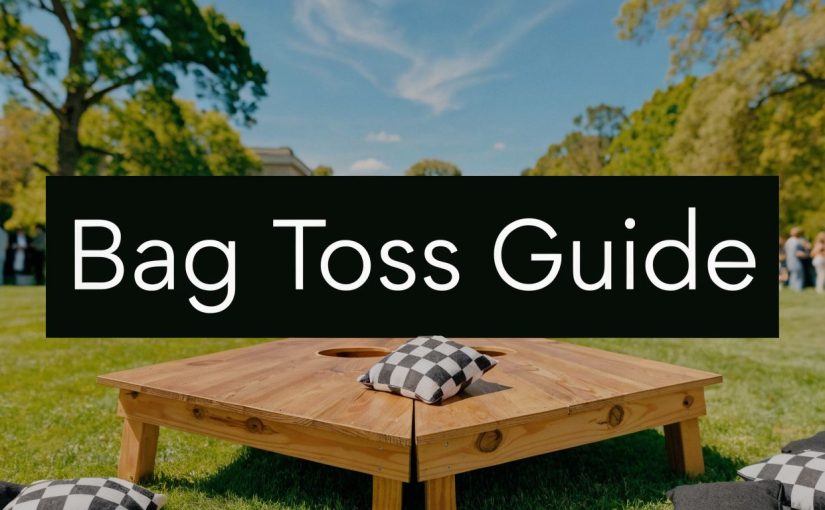
Do We Need to Clean Everything Before It’s Collected?

This is a great question, and the policy can vary between companies, so always ask. The general rule of thumb? No, you’re not expected to perform a deep clean. However, most companies will expect you to wipe down tables to get rid of any food spills or crumbs.

For chairs, just make sure they’re free of any obvious dirt. A quick once-over is all it takes. Ticking these little boxes ensures a smooth and speedy pickup and helps you dodge any unexpected cleaning fees after the party’s over. It’s a small courtesy that goes a long way.


Ready to create a stunning and seamless event? ABC Hire offers a premium selection of furniture to bring your vision to life in Cape Town and beyond. Explore our inventory and get a quote today at https://abchire.co.za.

Rent a Party A Complete Event Planning Guide

When you decide to rent a party, you’re doing more than just hiring a few things. You’re actually building an entire experience from scratch. The real secret? It’s all in the prep work. Nailing down your vision before you even glance at a marquee or chair is what separates a smooth, memorable event from a last-minute scramble.

Your Party Rental Blueprint: From Vision to Plan

Every fantastic party starts with a clear idea. Before you can pick out the right gear, you need to pin down the what, who, and how much of your event. This isn’t just about jotting down lists; it’s about creating a solid framework that will guide every single decision you make with us at ABC Hire.

Think of it like building a house. You wouldn’t order the windows and doors before you’ve got the architectural plans sorted, right? Your party is no different. It needs a solid plan to make sure everything comes together perfectly.

Defining Your Event’s Vision and Theme

First things first, what’s the vibe? What feeling do you want to create for your guests? Are we talking about a laid-back backyard braai for a 30th birthday, or are we planning a swanky, sophisticated corporate gala? The atmosphere you’re after will completely shape your rental needs.

A casual braai might just need some extra seating, a few big tables for all the food, and maybe a slush machine for a bit of fun. A formal event, on the other hand, is a whole different ball game. You’ll be looking at things like:

  • An elegant frame marquee to create a defined, stylish space.
  • Round tables with beautiful linens to get the conversation flowing.
  • Comfortable, chic chairs that complement the decor.
  • Atmospheric lighting and a proper sound system for speeches.

Your theme is your North Star. A “Tropical Luau” will have you looking at bamboo-style furniture and vibrant decor, while a “Vintage Garden Party” points you towards rustic wooden tables and classic seating. Getting this sorted early on saves you from getting bogged down in endless choices later.

Nailing Your Guest Count and Budget

Once your vision is clear, it’s time for the practical stuff: your guest count and budget. These two go hand-in-hand and will have a massive impact on your rental choices. Getting a realistic guest count is crucial. If you get it wrong, you could end up with people having nowhere to sit, or you might pay for gear you don’t even use.

Here’s a pro tip I always share: once you have your final guest list, add a 10-15% buffer for seating and tableware. It’s a small contingency that covers those unexpected plus-ones or last-minute RSVPs. Trust me, it’s a tiny cost for total peace of mind.

This simple flow chart really breaks down the core steps of building your party plan.

Infographic about rent a party

Starting with a clear vision, followed by a realistic guest count and a firm budget, sets you on a straight path to a brilliant event.

Your budget acts as the practical guardrails for your creative ideas. But it needs to cover more than just the big-ticket items. I suggest breaking it down into key categories: shelter (marquees), seating, dining (tables, linen, cutlery), and atmosphere (lighting, sound). Having this detailed breakdown helps you decide where to invest and where you can be a bit more savvy with your spending.

A well-planned budget isn’t about holding you back. It’s about empowering you to make smart choices that deliver the biggest impact without causing any financial stress.

Creating Your Master Checklist

With your vision, guest count, and budget locked in, the final piece of the puzzle is your master checklist. This document will become your go-to guide, making sure no little detail gets missed. It should list every single item you plan to rent, from the biggest marquee right down to the very last teaspoon.

If you’re not sure where to start, our comprehensive event planning checklist template is a fantastic resource to get you going.

This checklist is more than just an inventory list; it’s a vital communication tool. When you get in touch with us at ABC Hire, having this list ready helps us understand exactly what you need, which means a faster, more accurate quote and a much smoother rental experience for you. It’s the final step in turning your vision into a concrete, actionable plan.

Choosing the Right Gear for Your Celebration

Stylish outdoor party setup with tables, chairs, and lighting available for rent.

This is the fun part. It’s where your party blueprint starts to come to life, and you get to pick the specific pieces that will shape your entire event. Choosing the right equipment isn’t just about filling a space—it’s about creating an atmosphere and making sure every single guest is comfortable from start to finish.

Let’s look beyond just the tables and chairs. We’ll get into how different pieces of gear can completely transform your day, helping you make smart choices that bring your vision to life without blowing the budget.

Structuring Your Space with Marquees and Shelters

For most outdoor events here in the Western Cape, a marquee is the first big piece of the puzzle. It’s so much more than a tent; it’s a blank canvas that defines your event’s entire footprint. The style you choose has a massive impact on the look and feel of the whole celebration.

You’ll generally come across two main options:

  • Frame Marquees: These are unbelievably versatile because they have no internal poles, which gives you a totally open, unobstructed space inside. You can set them up on almost any surface, from grass to paving, making them a brilliant choice for backyard parties or venues with tricky layouts.
  • Pole Marquees: You’ll recognise these by their elegant, swooping peaks held up by central poles. They have a classic, romantic vibe but they do need to be staked into soft ground (like a lawn) and require a bit more room for guy-ropes.

Picture a wedding reception. A frame marquee gives you total freedom to place a dance floor, a stage, and tables wherever you want. A pole marquee, on the other hand, has internal poles that can be beautifully wrapped in fairy lights or flowers, adding to the look but requiring a bit more thought when you draw up your floor plan.

Seating Arrangements and Table Choices

Once your shelter is sorted, it’s time to think about how your guests will gather and socialise. The choice between round and rectangular tables is about more than just aesthetics; it genuinely influences the social dynamic of your event.

Round tables are fantastic for getting conversations going. Guests can easily see and chat with everyone at their table, which creates a really warm, communal atmosphere. It’s why they’re such a popular choice for weddings and social dinners where you want everyone mingling.

Rectangular tables give off a more structured, modern feel. They’re also incredibly efficient for seating lots of guests and can be arranged in long, dramatic rows for a family-style feast or a grand, formal banquet. For a deeper dive, you can learn more about renting furniture for events in our dedicated guide.

Here’s the key takeaway: The goal is to encourage the exact kind of interaction you’ve envisioned. Are you after lively group chats or an elegant, orderly dining experience? Your table choice is one of the main tools to get you there.

Essential Rental Checklist by Event Type

Figuring out exactly what you need can feel a bit overwhelming. A backyard braai has very different requirements to a formal wedding! To make it easier, we’ve put together a quick checklist comparing the essentials for a few common events.

Item Category Backyard Braai Formal Wedding Kids Birthday Party Corporate Event
Shelter Optional (Gazebo) Essential (Marquee) Optional (Pop-up tent) Essential (Frame Marquee)
Tables Rectangular trestle Round or rectangular Kids’ sized tables Round & Cocktail tables
Seating Plastic chairs/benches Tiffany or Wimbledon Kids’ chairs/Beanbags Padded banquet chairs
Lighting String lights Essential (Fairy lights, uplighters) Fun, colourful lights Functional & Accent lighting
Sound System Small Bluetooth speaker Essential (PA, Mic, DJ setup) Portable speaker Essential (PA system, Lectern)
Dance Floor Not usually needed Essential Optional Optional
Climate Control Optional (Fan) Essential (Heaters/Aircon) Optional (Fan) Essential (Heaters/Aircon)

This table should give you a solid starting point. Remember to think about your specific venue and guest list, and always feel free to chat with us about what will work best for your unique celebration.

Creating Atmosphere with Lighting and Sound

Never, ever underestimate the power of good lighting. The right illumination can turn a simple marquee into a magical space. It sets the mood, highlights key features like the cake table, and makes sure the party keeps going long after the sun goes down.

Try to think in layers:

  • Ambient Lighting: This is your base glow. Think fairy lights, string lights, or uplighters to create a warm, inviting feel.
  • Task Lighting: This is more focused light for specific areas. You need to make sure the buffet, bar, and entrance are well-lit for both guests and staff.
  • Accent Lighting: Use this to draw attention to special decor. Our LED furniture, for example, can add a vibrant, modern pop of colour that really wows your guests.

Sound is just as crucial. A small speaker might do the trick for a relaxed garden party, but you can’t get by without a professional sound system and microphones for a wedding or corporate event. You need to make sure everyone can hear the heartfelt toasts and your carefully chosen playlist. It’s these finer details that make all the difference.

Essential Extras and Climate Control

Finally, let’s talk about practical comforts. A proper dance floor is a non-negotiable for any lively 21st or wedding reception. It not only gives guests a dedicated space to let loose, but it also protects the venue’s lawn (and your deposit!).

And let’s be realistic about Cape Town weather—it does what it wants! Climate control is essential. For a summer event, powerful fans or an air-con unit can be an absolute lifesaver. In the cooler months, a few well-placed heaters will ensure your guests are cosy and comfortable, not shivering in a corner. These practical additions are what take a good party and make it truly great.

Sorting Out Your Booking and Delivery

A delivery truck with rental equipment being unloaded for a party.

You’ve mapped out your party vision and picked the perfect gear to make it happen. Brilliant! Now it’s time to get down to the nitty-gritty of logistics—booking your items, understanding the costs, and getting delivery locked in. It might feel like a bit of admin, but getting these details ironed out now is the secret to a properly stress-free event day.

Think of it like confirming your flight details before a big holiday. You wouldn’t just rock up to the airport and hope for the best, right? Same principle applies here. A quick, careful review now saves you from any nasty surprises later on.

Let’s walk through exactly what you need to do to secure your rentals and make sure everything shows up exactly when and where you need it.

What to Look for in Your Rental Quote

After you send your master list over to us, we’ll fire back a detailed quote. It’s so tempting to just skip to the final number at the bottom, but I really encourage you to take five minutes and read through every single line. This is your moment to catch any little errors and see exactly what you’re paying for.

A proper quote from any reputable hire company should break everything down clearly. Keep an eye out for these bits:

  • Itemised Equipment List: Make sure everything you asked for is on there—right down to the exact number of wine glasses or side plates.
  • Rental Period: Double-check the hire dates and times. Is it for 24 hours, or is it for the whole weekend?
  • Delivery & Collection Fees: These are almost always separate charges and are usually calculated based on how far we have to travel and the size of your order.
  • Setup or Installation Fees: Big-ticket items like stretch tents or dance floors need a professional touch to set up, and that will be listed as its own fee.
  • Damage Waiver: This is an optional fee, but honestly, it’s one I always recommend. It gives you peace of mind by covering any accidental bumps or breaks.

Your quote will also spell out the deposit needed to secure the booking and when the final payment is due. Knowing this upfront helps you manage your budget and avoids any last-minute scramble for cash.

Deposits and Cancellations: The Fine Print

Every rental agreement will have terms covering deposits and cancellations, and it’s super important you get your head around them. The deposit, which is usually a percentage of your total bill, is what officially reserves the equipment for your date. Once that’s paid, we pull those items from our inventory, guaranteeing they are all yours and won’t get booked by someone else.

But life happens, and sometimes plans change. What then? Cancellation policies can differ, so always read that part of the agreement. As a rule of thumb, the closer you cancel to the event date, the less of your deposit you’re likely to get back. This isn’t to be difficult—it’s just to protect us from the loss of income, as it’s almost impossible to re-hire equipment at short notice.

Your rental quote and agreement are your best friends in the planning process. A thorough review ensures that both you and your rental partner are perfectly aligned, eliminating the risk of miscommunication and setting the stage for a flawless event.

Nailing the Delivery and Collection Logistics

When it comes to delivery, clear communication is everything. Don’t leave it until the day before your party to figure out the plan. As soon as you book, we need to work together to sort out a solid drop-off and collection schedule.

The single most important thing you can do is confirm delivery and collection times well in advance. Let’s find a delivery window that gives you plenty of time to set up, without having gear turn up too early and just get in the way. For a Saturday wedding, for example, a Thursday or Friday delivery is usually perfect.

To make the whole process a breeze for our delivery crew, we’ll need a few key details from you. Getting this info to us early can prevent some serious headaches on the day.

Here’s what our drivers need to know:

  • A Designated Contact Person: Who will be on-site to meet our team? We need their name and mobile number.
  • Clear Site Access Info: Got any narrow gates, a ridiculously steep driveway, or a flight of stairs? Giving our crew a heads-up about any obstacles is a massive help.
  • Specific Placement Instructions: Tell us exactly where to put everything. If it’s a marquee, mark out the spot. If it’s tables and chairs, maybe point to a specific corner of the lawn.

A bit of coordination with your venue and a master timeline will make the whole thing run like clockwork. For instance, knowing the best routes and off-peak delivery times for busy areas can make a world of difference. If you want to see how we handle logistics in a specific area, our guide on party hire in the Bellville area of Cape Town might give you some useful insight. A smooth, organised delivery really sets a positive tone for the rest of your event.

Managing Your Hired Gear on the Big Day

The truck has rolled out, and suddenly your venue is filled with all the tables, chairs, and décor you’ve been dreaming about for months. This is it—the moment your vision starts coming to life. But before the magic happens, there are a few practical steps to take. Managing your hired items properly on the day is the secret to a seamless setup and a party that goes off without a hitch.

This isn’t just about ticking boxes; it’s about taking a moment to get organised before the whirlwind of guest arrivals begins. A calm, methodical check now can prevent any little hiccups from turning into bigger headaches later on.

First Things First: The Delivery Check

Right after our crew has offloaded everything, and before they head off, it’s time for a quick but crucial inspection. Pull out your rental agreement—that’s your master list. Now, walk through the delivery and physically count and check every single item against it.

Don’t just give it a quick scan. Did you order 50 Wimbledon chairs? Count them. Are all five round tables there and the right size? Give the crockery a once-over for any chips and check the furniture for any scuffs from the journey. It’s rare for issues to pop up, but it’s always better to be safe than sorry.

If you spot something amiss—maybe you’re a few wine glasses short or a tablecloth has a tiny mark—let our delivery team know immediately. They can make a note right there on the paperwork, and we can sort out a replacement. This simple check protects you and ensures your event has everything it needs to be perfect.

Setting Up and Protecting the Goods

Once you’ve confirmed your inventory, the fun part begins: setting up! Just remember to handle everything with care, as you’re responsible for all the items until we collect them. If you’re putting up a marquee, make sure it’s securely anchored. You never know when a notorious Highveld thunderstorm or a feisty Cape Southeaster might decide to make an appearance.

A little bit of weather-proofing goes a long way, especially for outdoor events.

  • Wind: Use clips to keep your linens from flying away and place something solid on any lightweight décor.
  • Rain: Have a backup plan to quickly move smaller items like cocktail tables or cushions under cover.
  • Sun: Try to position seating in the shade or use umbrellas. The harsh sun isn’t just uncomfortable for guests; it can damage furniture finishes too.

Guest safety should always be top of mind. Ensure walkways are clear, tape down any electrical cords for lights or speakers, and place heaters well away from flammable materials like linens or the marquee walls.

A Quick Tip: Think of the hire equipment as borrowed from a friend. Your job is simply to look after it, use it safely, and make sure it’s returned in the same condition you received it.

Your Responsibilities While the Party’s On

With the music playing and guests mingling, your main job is to ensure the hired items are used as intended. For example, chairs are for sitting on, not standing on, and heavy tables shouldn’t be dragged across a floor. A gentle, friendly word is usually all it takes if you see something that could cause damage.

Interestingly, the idea of everyone chipping in has deep roots. “Rent parties” were social gatherings where guests paid a small entry fee to help the host pay their rent. This bit of history from the original rent party on Britannica.com captures a great community spirit—everyone looking out for one another and the space they share. It’s a fantastic mindset to have for looking after the items that make your event possible.

After the last song has played, a little bit of prep is needed before collection. Your rental agreement will have the specifics, but here are the general guidelines:

  • Catering Gear: Scrape any leftover food off plates and give them a quick rinse. No need for a full wash—just getting the gunk off helps us out a ton.
  • Linens: Shake out tablecloths to get rid of crumbs and confetti. If a big spill happened, blot it gently, but please don’t use any harsh chemicals on the fabric.

Taking care of these small details makes the collection process quick and easy, and helps you avoid any unexpected cleaning or damage fees. It’s the final step to wrapping up a successful, stress-free event.

The Smooth Pack Up and Return Process

Party rental equipment stacked and ready for collection after an event.

The music has faded, the last guest has said their goodbyes, and your event was a hit. Now for the final task: getting all the hired items packed up and returned without a hitch. A little organisation here goes a long way, ensuring a stress-free wrap-up and keeping the door open for your next celebration.

This final step is just as crucial as the initial planning. Prepping everything for collection properly helps you dodge any potential extra charges for cleaning or damages and, most importantly, gets your security deposit back into your account that much faster.

Preparing Your Items for Collection

Before our collection team arrives on site, it’s a massive help to have everything gathered and organised. This doesn’t mean you need to scrub every item until it shines, but a bit of tidying up makes the whole process so much quicker for everyone. Your rental agreement will have the specifics, but here’s the general idea.

Start by stacking chairs into manageable piles, usually ten high. Fold up the tables so they’re ready to be loaded straight onto the truck. Linens just need a good shake to get rid of crumbs and confetti before being placed in the bags we provided. For cutlery and crockery, just scrape off any leftover food and give them a quick rinse. This stops food from hardening and makes the deep clean back at our warehouse much easier.

Remember, the goal isn’t perfection. It’s about returning the items in a reasonably tidy state, which helps us maintain our equipment and keeps costs down for everyone.

This simple act of pre-packing means our crew can work efficiently when they arrive, respecting your time and the venue’s schedule.

Conducting the Final Inventory Check

Just before our truck pulls up, take a few minutes to do one last walkthrough with your rental agreement in hand. This is your final chance to make sure everything is accounted for. Check that every single item—from the big marquee parts down to the very last teaspoon—is present and grouped together.

If you spot something missing, have a quick look around. It’s amazing how often a stray side plate or a few glasses turn up under a table or behind a pot plant! Finding these lost items before our team arrives can save you from a replacement fee.

Once you’re happy that everything’s there, group all the items in a single, accessible spot. Ideally, this should be the same place where we dropped everything off, as it really streamlines the collection and sign-off.

The Collection and Final Sign-Off

When our collection team gets there, they’ll do their own inventory check against the delivery note. It’s a great idea for you or a designated contact to be there for this. It allows you to confirm everything together and sort out any discrepancies right there on the spot.

Once the count is complete and everything is loaded, you’ll be asked for a final sign-off, which is simply a document confirming that we’ve collected all the items.

The party rental industry in South Africa is a key player in a booming global market. South Africa’s buzzing event scene and focus on sustainable, budget-friendly solutions are a big part of this growth. You can dive deeper into these global party rental market trends to see how the industry is evolving.

After collection, our team inspects everything back at the warehouse for any damage beyond normal wear and tear. As long as it all looks good, your security deposit is processed for return, marking the successful end to your event hire.

Your Party Rental Questions, Answered

Planning an event is a big job, and it’s only natural to have a few questions pop up along the way. We get it! To put your mind at ease, we’ve put together a few of the most common queries we hear from clients. Think of this as your go-to guide for a smooth, stress-free rental experience.

What’s a Damage Waiver and Do I Really Need It?

Think of the damage waiver as your event’s safety net. It’s a small, optional fee you can add to your order that covers you for accidental wear and tear. A guest accidentally chips a glass, or a chair gets a scuff mark during the festivities – it happens!

While it isn’t compulsory, we highly recommend it. For a tiny fraction of the cost, you get complete peace of mind, knowing that a minor mishap won’t turn into a hefty bill for a full replacement. It lets you and your guests relax and focus on what matters: celebrating.

How Far in Advance Should I Book Everything?

The moment you’ve locked in your date and venue, it’s time to book your rentals. That’s the golden rule, especially if your event falls during a popular time like the summer holidays or a long weekend here in South Africa.

Believe me, our most sought-after items – like stretch tents and certain styles of chairs – can be booked out months in advance.

For smaller parties, giving us a call 2-4 weeks beforehand is usually fine. But if you’re planning something bigger, like a wedding or a corporate function, we’d suggest booking 3-6 months ahead. This way, you’re guaranteed to get exactly what you want.

Booking early isn’t just about availability. It gives you the breathing room to tweak your order as your plans take shape.

Can I Change My Order After I’ve Booked?

Absolutely! Plans change, and guest lists have a life of their own – we completely understand. You can add items or increase your numbers right up until a few days before delivery, as long as we have the stock available.

Need to reduce your numbers? We can usually sort that out for you up to a certain point before the event. Just have a quick look at your rental agreement for the specifics, as major reductions very close to the date might impact your deposit. The best thing to do is just give us a shout as soon as you know, and we’ll work it out together.

What Happens if the Weather Turns Nasty?

Ah, the classic Cape Town weather question! If you’ve hired one of our marquees, you’re already in a good spot. They’re built to handle wind and rain, keeping everyone cosy and dry. Adding side walls is also a brilliant move for extra protection against a pesky downpour.

For all other equipment, it’s up to you to keep it safe from the elements. If a storm suddenly rolls in, things like upholstered couches, cushions, and any electrical gear need to be moved undercover immediately. A solid “Plan B” for weather is a non-negotiable for any outdoor event.

Here’s a quick mental checklist for a gloomy forecast:

  • Secure the small stuff: Make sure tablecloths are clipped down and any light decorations are weighed.
  • Have a shelter spot: Know where you can quickly move smaller items if the heavens open.
  • Think about climate control: Heaters are a lifesaver on chilly days, and fans can make all the difference when it gets humid.

A bit of planning means that even our unpredictable weather won’t spoil your celebration. Chat with your venue and our team, and we’ll help you build a backup plan that keeps the party going strong.


Ready to create an unforgettable event without the stress? Let ABC Hire provide the perfect furniture and equipment to bring your vision to life. Explore our extensive range and get a quote today at https://abchire.co.za.

How to manage wedding decor hiring Cape Town: Tips & vendors

Planning a wedding in Cape Town is an unforgettable journey. But the real magic lies in turning a stunning venue into a space that feels uniquely yours. That’s where wedding decor hiring in Cape Town comes in—it’s the secret to creating your dreamscape without the stress, expense, and logistical chaos of buying everything yourself.

This guide is your practical roadmap, helping you pull off a gorgeous celebration with total confidence.

Why Hiring Wedding Decor Is a Smart Choice

Deciding to hire your wedding decor instead of buying is easily one of the smartest calls you’ll make. The most obvious win is for your wallet. When you start adding up the cost of high-quality linens, gorgeous centrepieces, furniture, and speciality lighting for just one day, the numbers can be staggering. Hiring gives you access to a premium, beautifully curated inventory for a fraction of what it would cost to own.

But it’s about so much more than just saving money. Hiring opens up a world of variety and creative freedom. Cape Town’s best decor suppliers are treasure troves of inspiration, packed with collections that capture every style imaginable, from rustic Winelands chic to sleek, modern coastal elegance. You’re no longer limited to what you can find in retail stores; you can bring any vision to life.

The Practical Advantages

Let’s be honest, the logistics of sourcing, buying, storing, and transporting hundreds of decor items are a nightmare. And that’s before you even think about setup and breakdown. When you hire, the rental company takes all of that off your plate.

  • Convenience: Everything you’ve chosen gets delivered straight to your venue and is collected when the party’s over. Simple.
  • Expertise: Many suppliers also offer styling and setup services. This is a game-changer for ensuring everything looks polished and professional.
  • Sustainability: It’s also a much more eco-friendly choice. Hiring reduces waste, which is a wonderful way to start your married life on a more conscious note.
Image

The true value of wedding decor hiring in Cape Town isn’t just about the beautiful things. It’s about the peace of mind. You’re not just renting chairs and tables; you’re investing in a seamless, stress-free experience handled by people who do this every single day.

Ultimately, handing over the decor details to the experts lets you focus on what really matters: celebrating your love with your favourite people. You can relax and be fully present, knowing that every little detail is being perfectly executed. It’s the practical, stylish, and stress-free way to a beautiful wedding.

Creating Your Vision and Decor Budget

A beautifully decorated wedding table with elegant floral arrangements and tableware in Cape Town

Before you fall down the rabbit hole of Pinterest boards and endless decor catalogues, let’s talk about the two most important things: your vision and your budget. Getting these two nailed down first is the secret to a stress-free process. It stops the overwhelm before it starts and makes sure every decision from here on out is intentional.

Start by dreaming a little. Create a mood board that captures the feeling you want on your wedding day. Are you picturing a laid-back, rustic vibe, or something more sleek and modern? We’re so lucky here in Cape Town to be surrounded by incredible natural beauty, so let that be your guide.

Think about the soft, muted colours of a West Coast sunset, the earthy textures of a Stellenbosch wine farm, or the vibrant, electric energy of the Bo-Kaap. Your mood board becomes your North Star, keeping you and all your suppliers on the same page.

From Mood Board to Must-Haves

Okay, with your vision bubbling away, it’s time to get practical. The next move is to break down that beautiful mood board into a real-world checklist of things you actually need to hire. This is where the dream meets reality and becomes a shopping list you can work with.

Walk yourself through every part of the day, from the “I do’s” to the last dance.

  • Tables & Linens: What are your guests sitting at? Think tablecloths, runners, napkins, and even charger plates. Are we talking raw wooden tables or crisp white linen?
  • Centrepieces & Decor: You’ll likely have a florist, but what will the flowers sit in? Consider hiring vases, candle holders, lanterns, or maybe something totally unique that isn’t floral at all.
  • Furniture: This is a big one. It includes chairs for the ceremony and reception, but also think about creating comfy lounge areas for cocktail hour or a special sweetheart table just for the two of you.
  • Lighting: Never, ever underestimate the power of good lighting. A few strands of fairy lights, some elegant chandeliers, or a cool neon sign can completely change the feel of a venue.
  • Structures & Backdrops: Think about a beautiful arch for the ceremony, some dramatic draping, or a custom backdrop for your main table. These pieces make a huge impact in photos.

This list isn’t just for organisation; it’s your first line of defence against overspending. It makes you really think about what’s a priority.

Nailing Down Your Decor Budget

Now for the money talk. A good rule of thumb is to set aside 10-15% of your total wedding budget for decor and rentals. Of course, this can swing up or down depending on how much of a statement you want your decor to make. The key is to be realistic from the get-go.

It’s no secret that the Western Cape has become a world-class wedding destination. That popularity has a real effect on trends and availability. Between 2022 and 2025, online searches for coastal African wedding spots, including Cape Town, shot up by a massive 73%. This has driven a love for vintage touches, coastal themes, and rich colour palettes like emerald green and deep burgundy. For more on what’s trending, check out the latest insights on 2025 wedding trends from Accio.

To give you a clearer idea of where the money goes, here’s a sample breakdown. Use it as a starting point and adjust it to fit your own priorities.

Sample Wedding Decor Rental Budget

Use this percentage-based breakdown as a starting point for allocating your decor rental budget.

Decor Category Suggested Budget Allocation Key Items and Considerations
Furniture 35-40% Chairs, tables, lounge sets, bar. Can be a major expense, but foundational to the guest experience.
Tabletop Items 20-25% Linens (tablecloths, napkins), charger plates, cutlery, glassware, centrepiece vessels.
Lighting 15-20% Fairy lights, chandeliers, uplighting, custom installations. Creates the atmosphere.
Large-Scale Decor 10-15% Ceremony arch, backdrops, draping. These are your “wow” moments.
Contingency 5-10% Buffer for last-minute additions, damage waivers, or unexpected fees. Never skip this!

Remember, this is just a guide! If a spectacular lighting installation is your number one dream, you might pull some funds from the tabletop budget. It’s all about what matters most to you.

One last bit of hard-won advice: Always ask about the “hidden” costs. Things like delivery, setup, breakdown, and damage waiver fees are almost never in the per-item price. Get a fully itemised quote so there are no surprises.

By taking the time to define your vision, build a list, and set a smart budget, you’re putting yourself in the driver’s seat. You’ll be ready to chat with wedding decor hiring Cape Town companies with confidence, knowing exactly what you want and what you can afford.

How to Find the Best Cape Town Decor Suppliers

Right, you’ve got your vision and you know your numbers. Now for the fun part: the hunt for the perfect supplier to bring it all to life.

Finding the right partner for your wedding decor hiring in Cape Town isn’t just about ticking items off a list. You’re looking for a creative collaborator, someone who just gets your style and is as excited about your day as you are. The best suppliers I’ve worked with do more than just drop off beautiful things; they bring their own expertise to the table, helping you pull everything together flawlessly.

Where to Start Your Search

So, where do you find these magical people? Start right where you’re already gathering inspiration.

Instagram is an absolute goldmine. Try searching hashtags like #CapeTownWeddingDecor or #WeddingHireCapeTown. This is where you’ll see real weddings and styled shoots in action. Even better, follow local wedding planners, photographers, and venues. Pay close attention to who they tag in their decor posts – that’s the insider track right there. It shows you exactly who the pros in the industry trust to deliver.

Don’t stop at social media. Dive into local wedding blogs and directories. They often have curated lists and feature real wedding galleries, which is a fantastic way to see how a supplier’s work looks in different venues across the Western Cape.

And never, ever underestimate a good old-fashioned recommendation. Ask your venue coordinator or wedding planner for their go-to list. They’ve seen it all and will only point you toward reliable partners they have firsthand experience with.

Making First Contact

Once you’ve got a shortlist of suppliers who look promising, it’s time to reach out. Your first email or enquiry form sets the tone, so make it count.

A clear, concise message will get you a much faster and more accurate response. Make sure you include:

  • Your wedding date and venue. This is the big one. It immediately tells them if they’re even available.
  • Your estimated guest count. This gives them a sense of the scale of your event.
  • A quick line about your style. Even better, attach that mood board! It’s the quickest way to get your vision across.
  • A rough idea of what you need. A preliminary list (e.g., chairs for 100, 10 dinner tables, lounge furniture, fairy lights) is a massive help.

This simple, organised approach shows them you’re serious and helps them put together a relevant initial quote. It’s the first step in building a great working relationship.

How to Vet Your Potential Decor Partner

Getting a friendly reply is great, but that’s just the start. Now you need to dig a little deeper to make sure they’re the right fit for you and your day. Asking smart questions at this stage is absolutely crucial.
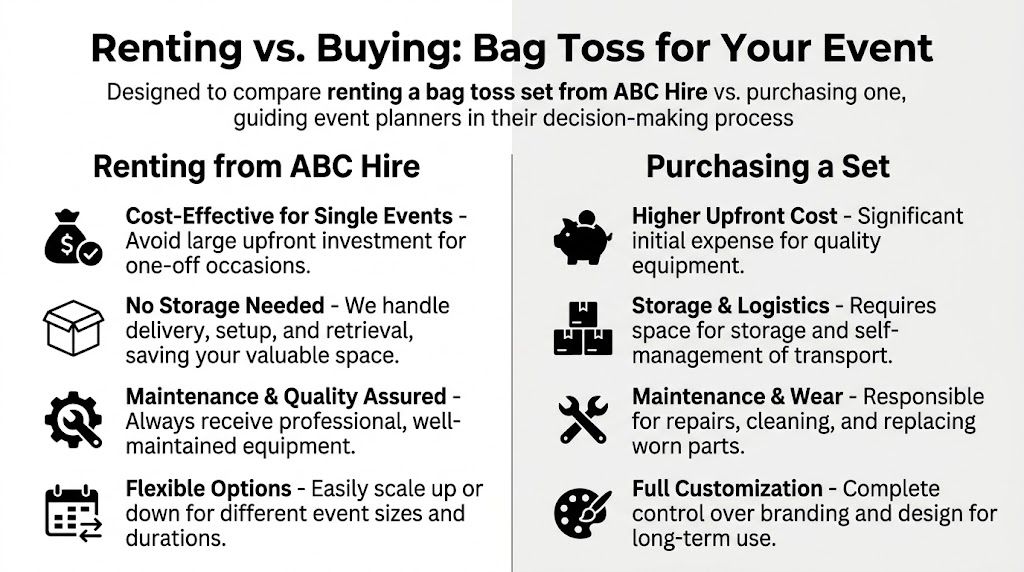
Cape Town has a world-class reputation as a wedding destination, and that means our local event industry is seriously sophisticated. As Africa’s top convention city, the standards are incredibly high. If you want to get a better sense of this professional landscape, you can get some great insights on event management in Cape Town. This professional environment means you should expect amazing service, but you still need to do your homework.

A supplier’s willingness to answer all your questions, big or small, speaks volumes about their professionalism. If they seem vague or dismissive, that’s a pretty clear red flag.

Try to arrange a consultation, either in their showroom or over a video call. A showroom visit is ideal because you can actually see and touch the items, checking their quality and condition for yourself.

Use this meeting to ask the nitty-gritty logistical questions that will affect your budget and the flow of the wedding day.

Here are a few must-ask questions:

  1. Do you have a minimum spend or booking fee?
  2. Can I get a detailed, itemised quote that includes all fees like delivery, setup, breakdown, and collection?
  3. What’s your policy for damaged or lost items? Is there a damage waiver I can opt into?
  4. Can we tweak our order after booking? What’s the final date to confirm numbers?
  5. Who will be my point of contact on the actual wedding day?

Getting clear answers to these questions will help you compare suppliers on more than just price. You’ll be looking at service, policies, and overall reliability. This careful vetting process ensures you end up with a team that’s a dream to work with, making your planning journey that much smoother. The South African event industry is constantly evolving to meet sophisticated demands, and finding a supplier who is part of that quality wave is key. For more on this, check out the full industry report on Businesswire.

Navigating Contracts And Day-Of Coordination

You’ve found the perfect supplier for your wedding décor hiring in Cape Town. Their style is spot on, their inventory is gorgeous, and you’re ready to make it official. Now comes the part that’s less about dreamy centrepieces and more about dotting the i’s and crossing the t’s: locking in the details and making sure your wedding day runs like clockwork.

Getting the contract and coordination right is your secret weapon for a stress-free experience.

Getting The Paperwork Right

Think of the rental contract as your safety net. It’s a formal agreement that protects both you and the supplier, ensuring everyone is on the same page. Before you even think about signing, ask for a final, itemised quote. This document should list every single candle holder, napkin, and chair you’re hiring, along with all the associated fees.

A solid contract leaves no room for confusion. It’s so important to read it properly, not just skim the fine print. I’ve seen couples get caught out by surprises they could have easily avoided.

Here’s what you absolutely must look for:

  • Payment Schedule: When is the money due? Most companies will ask for a deposit (usually 50%) to secure your booking. The final balance is typically due a few weeks before the wedding.
  • Cancellation Policy: Life can be unpredictable. You need to know the financial implications if you have to cancel or postpone. A good contract will clearly outline what is refundable and when.
  • Damage Waiver/Security Deposit: This part explains what happens if an item gets damaged, broken, or goes missing. Many suppliers offer a non-refundable damage waiver to cover minor wear and tear. Honestly, it’s often a worthwhile investment for peace of mind.
  • Delivery and Collection Times: The contract must specify the exact windows for delivery, setup, and collection after the party has wrapped up.

Your rental contract is more than just a formality; it’s a roadmap for execution. A clear, detailed contract is the hallmark of a professional and reliable supplier. If anything feels vague, don’t be shy—ask for clarification before you sign.

This visual timeline gives you a good idea of the typical process for finding, vetting, and booking your décor supplier.

Infographic about wedding decor hiring cape town

As you can see, vetting your supplier and understanding their terms is a critical step before you commit to anything.

Syncing Your Suppliers For A Flawless Day

Once the contract is signed, it’s all about logistics. Your décor hire company doesn’t work in isolation. They’re a key player in a team that includes your venue coordinator, wedding planner, florist, and caterer. Getting them all to communicate seamlessly is non-negotiable.

A simple email introduction connecting your décor supplier and your venue coordinator early on can work wonders. This lets them coordinate directly on the nitty-gritty details, like loading bay access, setup times, and where to find power sources for that beautiful lighting installation you’ve planned. Your venue might have specific rules, and sorting this out well in advance prevents any last-minute chaos. To get a handle on all these moving parts, using a comprehensive guide like this event planning checklist template can be a real lifesaver.

Try to finalise your décor details and quantities about four to six weeks before your wedding day. This gives your supplier plenty of time to prepare your order and schedule their deliveries. One last check-in a week before the event is always a good idea, just to confirm that everyone is aligned and ready to bring your vision to life.

Styling Your Hired Decor for Maximum Impact

A beautifully arranged lounge area at a Cape Town wedding, featuring hired decor.

This is where the real fun begins and your vision truly comes alive. You’ve hand-picked all these beautiful items, and now it’s time to weave them together into a scene that feels completely, breathtakingly you. The secret to a high-end look isn’t just about what you hire, but how you combine it all to create moments that feel intentional and deeply personal.

True styling magic is all in the layering. Picture a soft, luxurious velvet runner laid across a rustic, raw wooden table. That contrast creates immediate visual interest and a sophisticated feel. This principle works everywhere—from the textures of your scatter cushions in a cosy lounge nook to the mix of different glassware styles on your guest tables.

Pinpoint Your High-Impact Rentals

Let’s be honest, not all hired items are created equal when it comes to visual punch. To get the most from your budget, it’s smart to focus on a few key pieces that deliver a serious “wow” factor. These are the elements your guests will notice first and remember long after the last dance.

Think about creating a dedicated, beautifully styled space away from the dinner tables. A comfortable lounge area with plush sofas, elegant side tables, and atmospheric lighting is an absolute game-changer. It invites guests to relax and mingle, and it’s a relatively simple addition that massively elevates the whole experience.

Another powerful choice is a unique ceremony backdrop. Whether it’s a modern geometric arch draped in florals or an elegant wall of light, this single element frames your most important moments and will feature in almost all your photos. For more ideas on crafting that perfect scene, check out our guide on using a fairy light curtain for unforgettable atmosphere.

Embrace Sustainable and Local Styling

Choosing wedding decor hiring in Cape Town is already a fantastic sustainable decision. By renting instead of buying, you’re part of a circular economy that cuts down on waste. You can take this a step further by weaving local Cape Town elements into your styling.

By focusing on texture, lighting, and a few high-impact statement pieces, you can transform standard rentals into a design that feels entirely bespoke and luxurious.

Consider incorporating indigenous fynbos into your centrepieces or naming your tables after local landmarks like Table Mountain or Kirstenbosch. This not only personalises your day but also celebrates the incredible beauty of your chosen destination.

This preference for local, eco-conscious choices is part of a bigger picture. The global wedding service market, valued at USD 185.22 billion in 2023, is seeing huge growth driven by the demand for sustainable and personalised experiences. This is especially true in stunning locations like Cape Town, where decor that complements the natural environment is always in high demand.

Your Top Wedding Décor Hire Questions, Answered

Diving into the world of wedding décor hire in Cape Town can feel like a whole new language. You’ve probably got a running list of questions, and trust me, you’re not alone. Getting those nagging queries answered early on is the key to planning with a clear head and avoiding any oh-no moments down the line.

We hear the same worries and wonderings from couples all the time, so we’ve put together some straight-talking answers to the big ones. Think of this as your cheat sheet for a smoother, happier planning experience.

How Far in Advance Should I Book Décor?

The golden rule? Aim to lock in your key décor items 8 to 12 months before your wedding day. That might sound like ages away, but Cape Town is a global wedding hotspot. The most beautiful and sought-after pieces get snapped up fast, especially for dates during the peak season from November to April.

Booking well ahead of time means you get your first choice, not what’s left over. It’s the difference between securing that perfect velvet lounge set you’ve been dreaming of and having to settle for something that doesn’t quite capture your vision.

What Happens If a Rented Item Is Damaged?

It’s a totally valid worry—what if a guest knocks over a table or a glass gets broken? Don’t stress, this is something every professional hire company has a plan for. Your rental contract is your best friend here, and it will spell out the policy on damages. Make sure you read it carefully.

Most suppliers include a small, non-refundable damage waiver in the total cost. This usually covers minor wear and tear, like a light scuff on a chair leg. For more significant damage, or if an item goes missing entirely, you’ll likely be responsible for the replacement cost.

It’s all very standard, but it pays to know exactly what you’re signing up for before the big day.

Can I See the Décor Items Before I Book Them?

Yes, and you absolutely should! Any reputable wedding décor supplier in Cape Town will have a showroom or warehouse you can visit. We can’t recommend this enough—schedule an appointment before you pay that deposit.

There’s just no substitute for seeing things in person. It’s the only way to get a true feel for the quality, the exact shade of a colour, and the real-life scale of the furniture. Photos can be deceiving! A showroom visit also lets you play around with combinations, seeing how your chosen charger plates look with different linens. It’s your chance to perfect the details and make sure everything comes together beautifully.


Planning your dream wedding should be exciting, not stressful. Let ABC Hire provide the stunning, high-quality furniture and décor that will bring your vision to life. Explore our extensive collection and get a quote for your Cape Town wedding.

Your arch for Wedding: Guide to the perfect backdrop

Of all the decorative pieces you’ll choose for your wedding, the arch is arguably the most important. Think about it – it’s more than just a pretty frame. It’s the heart of your ceremony, the exact spot where you’ll exchange vows, and the backdrop for some of the most emotional and cherished photos of your life. A great arch can completely transform a space, turning it into a sacred, personalised setting that anchors your entire wedding theme.

Why Your Wedding Arch Is the Heart of Your Ceremony

Let’s be real, the wedding arch is the main character of your ceremony decor. It’s where you’ll say your “I dos,” share that first kiss as a married couple, and create memories that will literally last a lifetime. An arch does so much more than just look good; it sets the entire mood and tells a story about your unique style as a couple. This one piece has the power to completely define your ceremony space.

Whether you’re picturing rustic charm in the Winelands or chic, modern elegance in a city venue, the right arch solidifies your vision. It’s a non-negotiable for any couple wanting a truly memorable and visually stunning ceremony.

More Than Just a Pretty Frame

A wedding arch plays several crucial roles, making it an essential part of your big day:

  • It creates a focal point. An arch naturally draws everyone’s eyes to the most important spot—the two of you.
  • It anchors your theme. From boho pampas grass to classic roses, the arch instantly communicates your wedding’s aesthetic.
  • It symbolises a new beginning. Traditionally, walking through an arch represents crossing the threshold into a new life together, adding a beautiful layer of symbolism to your vows.

This is especially true here in South Africa, where outdoor ceremonies are incredibly popular. With around 26% of South African couples choosing garden-style venues, the wedding arch has become a central feature. Couples often set aside between ZAR 16,000 to ZAR 30,000 for florals, which usually includes a breathtaking arch installation filled with gorgeous, locally sourced flowers. You can find more details like this in these wedding industry statistics on saradoesseo.com.

Your arch is the silent witness to your vows and the frame for your future. It’s the visual anchor that ties every other element of your ceremony together, ensuring your photos are as magical as the moment itself.

Choosing the right arch comes down to a few key decisions around style, budget, and logistics. It’s just one piece of the puzzle, of course, and our guide on how to plan a wedding can help you see how everything fits together. Let’s walk through everything you need to know.

Choosing Your Ideal Arch Shape and Material

Before you even think about adding a single flower, the actual structure of your wedding arch sets the entire mood for your ceremony. It’s the skeleton of your backdrop. Feeling a bit lost in all the options? Let’s break down how to find the perfect frame for your vision by looking at how shape and material come together to create a specific feeling.

The shape of your ceremony arch is a huge visual statement. It’s not just about what looks pretty; different forms create completely different emotions. A classic rounded arch, for instance, is timeless and romantic. Its gentle curve frames a couple perfectly, suggesting continuity and forever – no wonder it’s a go-to for traditional celebrations.

On the other hand, a square or rectangular arch gives you clean, modern lines. This shape feels more grounded and structured, creating a bold and contemporary frame. It’s a fantastic choice for industrial-chic venues or against a dramatic natural backdrop where its sharp angles create a beautiful contrast.

Matching Shape to Your Wedding Style

To get it right, think about your venue and the overall theme you’re going for. A rustic wooden arch, for example, feels completely at home at a winelands wedding, blending in with the vineyards and countryside charm. A sleek gold moongate (a full circle arch), however, could be the perfect glamorous touch for a sophisticated city wedding.

Here are a few popular shapes to consider:

  • Triangle or A-Frame: This edgy shape brings a bohemian or rustic feel. It symbolises strength and stability, making it a brilliant choice for an outdoor or forest ceremony.
  • Hexagon: A modern favourite, the hexagon adds a unique geometric element that feels contemporary and stylish without being too harsh.
  • Asymmetrical: Perfect for creative and unconventional couples. An asymmetrical arch breaks from tradition, creating dynamic visual interest and a sense of organic, flowing movement.

This quick diagram shows just how much the arch’s structure influences the mood, memories, and style of your ceremony.

Infographic about arch for wedding

As you can see, the arch is a central piece that ties together your decor choices, photographic style, and your personal aesthetic.

Selecting the Right Material

The material of the arch is just as important as its shape. A heavy, dark wood arch feels earthy and grounded, while a minimalist copper or gold metal frame feels light, airy, and modern. Metal arches are also incredibly versatile—they can be styled up for a glamorous affair or left bare for a more industrial look.

Consider these options:

  • Wood: Perfect for rustic, bohemian, or beach weddings. Its natural texture adds so much warmth.
  • Metal: Ideal for modern, classic, or industrial themes. Gold, copper, and black are popular finishes that really pop.
  • Acrylic: For a truly contemporary and almost invisible look, a clear acrylic arch makes your flowers and decor look like they’re floating in mid-air.

Need a hand matching your dream arch to your venue? This quick guide should help.

Wedding Arch Style and Venue Pairing Guide

Arch Style Best Suited Venue Material Aesthetic Feel
Classic Round Garden, Ballroom, Chapel Metal or Wood Timeless, Romantic, Soft
Modern Square Industrial Loft, City Rooftop Metal (Black/Gold) Bold, Structured, Contemporary
Rustic Triangle Forest, Winelands, Farm Natural Wood Earthy, Bohemian, Grounded
Glam Moongate Modern Hotel, Beach Resort Metal (Gold/Copper) Chic, Luxurious, Statement
Boho Hexagon Botanical Garden, Barn Light Wood or Metal Unique, Stylish, Geometric

Ultimately, your choice should feel like a natural fit for the space you’ve chosen.

Your choice of arch is more than just a decor decision; it’s an extension of your personality. It should feel authentic to you as a couple and enhance the natural character of your chosen venue.

Think about the story you want your wedding to tell. Do you see a fairytale romance framed by a floral-draped circle, or is your modern love story better defined by a bold, geometric shape? By aligning the shape and material with your personal style and venue, you create a ceremony backdrop that isn’t just beautiful, but deeply meaningful too.

Renting, Buying, or DIY-ing Your Wedding Arch?

This is the big question every couple bumps into: do we rent, buy, or just build the thing ourselves? Honestly, there’s no magic answer. The best choice really comes down to your budget, your timeline, and just how much you want to get your hands dirty.

Let’s unpack each option so you can figure out what feels right for you.

The Sheer Convenience of Renting

For most couples, renting an arch is easily the most convenient and stress-free route. Think about it: a professional hire company handles absolutely everything. They deliver it, set it up perfectly, and then whisk it away after the last guest has gone home.

This leaves you free to actually enjoy your wedding day, knowing the main feature of your ceremony is sturdy, beautiful, and in expert hands. You also get access to a huge range of professionally built structures that would be far too complicated or expensive to buy outright.

If you’re planning a wedding in a popular spot, your options are endless. A quick look at services for decor hire in Cape Town, for instance, shows you everything from rustic wooden frames to sleek, modern metal hoops.

Here’s why it’s such a popular choice:

  • Zero logistical headaches: Delivery, setup, and removal are all part of the service.
  • Professional quality: You know the arch will be stable, safe, and look incredible in your photos.
  • So much choice: You can browse a whole catalogue of styles without having to commit to owning one.

Buying an Arch as a Forever Keepsake

Buying your wedding arch turns it from a one-day prop into a beautiful, lasting memento. Just picture that gorgeous wooden frame from your “I do’s” standing in your garden a few years from now, covered in climbing roses. It’s a wonderfully romantic reminder of where it all began.

Of course, this path comes with a few practicalities. You’ll need to figure out how to transport it and where to store it before the wedding (and after!). You’ll also be the one in charge of setting it up on the day. While you can always sell it later, that takes time and effort you might not have post-honeymoon.

Here’s a thought: If you love the idea of having a piece of your wedding day as a permanent fixture in your home, buying could be the perfect sentimental choice. But if you see it becoming just another thing to deal with later, hiring is probably a smarter move.

The Personal Touch of a DIY Project

Going the DIY route gives you complete creative control and can be a great way to save a bit of cash. For a fairly simple wooden arch, the materials might only set you back around ZAR 1,000 to ZAR 1,500. It’s a fantastic opportunity to build something that is one-hundred-percent you.

But—and this is a big but—you have to be realistic. A DIY wedding arch demands time, the right tools (think mitre saws and drills), and a decent level of skill to make sure it’s safe. Before you dive in, have an honest chat with your partner. Do you really have a spare weekend in the crazy run-up to the wedding to build, sand, and paint an arch? A wobbly arch is a safety hazard you definitely don’t need on your big day.

Bringing Your Arch to Life with Flowers and Decor

Lush floral arch for wedding ceremony

Okay, so you’ve picked the perfect arch structure. Now for the fun part—making it yours. This is where a simple frame transforms into a breathtaking centrepiece for your ceremony, packed with your unique style and personality.

Styling an arch for those once-in-a-lifetime photos is about so much more than just adding a few flowers. It’s a chance to play with texture, create depth, and set the emotional tone for your vows. This is the final touch that brings your whole vision together.

The Art of Floral Design

Flowers are nearly always the star of the show, but how you use them is what truly makes a difference. You absolutely don’t need to cover every square inch of the frame to make a powerful statement. In my experience, strategic placement often has a far bigger impact and is a lot kinder to your budget.

Here are a few popular approaches I’ve seen work beautifully:

  • Asymmetrical Clusters: This is a very modern and dynamic look. A large, lush floral arrangement is fixed to one corner or side of the arch, with a smaller, delicate cluster on the opposite side to create balance. It feels wonderfully organic and really draws the eye.
  • The Full Lush Look: For that timeless, romantic feel, you can’t go wrong with covering the entire arch in greenery and blooms. It creates an enchanting garden gateway that’s incredibly impactful, especially for an outdoor ceremony.
  • The Grounded Arch: This is such a stunning and unique approach. Instead of attaching flowers to the arch itself, they are arranged at the base, creating an effect that looks like they are growing up around you. It perfectly frames the couple as if you’re standing in a wildflower meadow.

Your floral design doesn’t have to be symmetrical to be balanced. An asymmetrical arrangement can create incredible visual interest and movement, guiding your guests’ eyes exactly where you want them to be—on you.

For a distinctly South African touch, why not incorporate our beautiful local flora? A King Protea makes a bold, magnificent statement, while delicate fynbos adds incredible texture and a real sense of the Cape landscape.

Beyond the Blooms: Adding Texture and Light

While flowers are often the main event, other decorative elements can elevate your arch from beautiful to truly unforgettable. Mixing in different textures and materials is what adds that extra layer of personality.

Think about how different materials can weave your wedding theme into the arch itself. Flowing fabrics like chiffon or organza are perfect for softening the hard lines of a wooden or metal frame, adding a touch of romance as they catch the breeze. This works especially well for beach or garden weddings.

If you’re leaning towards a bohemian or rustic aesthetic, pampas grass is a fantastic choice. Its feathery plumes add amazing texture and a free-spirited vibe. Dried elements like preserved eucalyptus, bunny tails, and palm spears also introduce different shapes and tones that are just gorgeous.

Creating an Evening Ambiance

Is your ceremony taking place later in the day? If so, lighting becomes a non-negotiable part of your decor. The right lighting can transform your arch into a magical, glowing backdrop as the sun goes down.

  • Fairy Lights: Twinkling fairy lights woven through flowers or draped with fabric create instant romance and wonder. They cast a soft, ambient glow that looks incredible in photos.
  • Edison Bulbs: For a more industrial or modern-rustic vibe, hanging Edison bulbs at different heights creates a stylish, warm, and inviting atmosphere.
  • Candles: There’s nothing more romantic than candlelight. Placing pillar candles inside lanterns at the base of the arch adds a classic, intimate glow.

The key is to combine these elements thoughtfully. You could pair a lush floral cluster with draped chiffon for a classic look, or mix pampas grass with the warm glow of fairy lights for a boho-chic vibe. Getting creative with lighting can be a real game-changer; our guide on using a fairy light curtain for events has some brilliant ideas you can adapt for your arch.

By layering florals, fabrics, and light, you create a multi-dimensional backdrop that truly brings your ceremony space to life.

Working with Your Vendors for a Flawless Setup

Wedding vendors coordinating the setup of an arch for wedding

Getting that stunning wedding arch from a mood board into reality is all about teamwork. You can have the most beautiful design in mind, but if your vendors aren’t communicating, things can get messy. This is where a little bit of coordination becomes your best friend for a stress-free day.

Think of it like a relay race. The rental company brings the arch frame, passing the baton to the florist, who then has to work within the venue’s rules. If one person stumbles, the whole setup can be delayed.

Good coordination just means everyone knows exactly what they need to do—from placing the last flower to packing it all away at the end of the night. It’s how you avoid those last-minute surprises and can actually focus on, you know, getting married.

Questions for Your Venue Manager

The first person to speak to is your venue manager. They are the gatekeeper of the space and know all the dos and don’ts. Before your florist or rental company even show up, you need to get the lowdown from them. A quick chat can save you from major headaches later.

Make sure to ask these crucial questions:

  • Placement Rules: Are there any off-limits areas? Some venues are very particular about their lawns or floors.
  • Attachment Rules: How can we hang things? Are nails, staples, or heavy-duty tape a no-go? Your florist absolutely needs to know this.
  • Timings: What time can vendors get in to start setting up, and when does everything need to be gone? Nail down those delivery and collection windows.

Getting these details sorted first gives your other vendors a clear brief to work with, ensuring your arch for wedding is both beautiful and rule-abiding.

Aligning with Your Florist and Rental Company

Once you know the venue’s rules, it’s time to get your creative team in sync. Your florist and rental company need to be on the same page about delivery, assembly, and breakdown. It’s a mistake to assume they’ll just figure it out between themselves.

The smoothest wedding days I’ve seen are always the ones with meticulous behind-the-scenes planning. Clearly defining who does what for the arch setup and breakdown isn’t just a nice-to-have—it’s essential.

Here’s a quick checklist to run through with them:

  1. Who builds it? Will the rental company assemble the arch structure and leave it ready for flowers, or does the florist’s team handle the entire thing from start to finish?
  2. Who breaks it down? Clarify who takes the flowers off and who collects the actual arch. This is especially important if it needs to be collected late at night.
  3. What’s the rain plan? If you have to move the ceremony inside, are your vendors ready to pivot and set up the arch in the backup spot?

By leading these conversations, you become the glue that holds it all together. This little bit of proactive planning is your ticket to a seamless setup, letting you relax and enjoy the moment.

Your Common Wedding Arch Questions Answered

When you’re deep in the wedding planning trenches, it’s only natural for a few questions to pop up, especially about something as central as your ceremony arch. From budgeting concerns to the dreaded “what if it rains?” panic, let’s tackle some of the most common queries we hear from couples. Getting these answers sorted will help you move forward with confidence.

You want every single detail to be just right, and that means understanding the costs upfront. It’s usually one of the first things couples ask when they start exploring their options.

How Much Does It Cost to Rent a Wedding Arch in South Africa?

The cost to hire a wedding arch in South Africa can really vary, depending on the style, what it’s made of, and how you want it decorated. To give you a general idea:

  • Basic Frame Hire: For a simple, unadorned wooden or metal arch frame, you can expect to pay anywhere from ZAR 800 to ZAR 1,500.
  • Fully Decorated Arch: If you’re dreaming of an arch styled with lush, fresh flowers and beautiful fabrics by a professional, the price typically ranges from ZAR 4,000 to ZAR 15,000, and sometimes more if you have your heart set on rare flowers or a very complex design.

Our best advice? Always ask for a detailed quote that breaks down delivery, setup, and collection fees so there are no surprises later on.

What Is Our Plan B if It Rains on Our Wedding Day?

This is a must-have conversation with both your venue and your decor hire company, and you should have it early on. Many arches, especially wooden ones or those draped in delicate fabrics, don’t hold up well in the rain. Your Plan B should be a dedicated indoor ceremony spot where the arch can be easily moved to.

Make sure you confirm with your florist or rental company if they’re able to handle a last-minute location change on the day. Some of the more modern metal or acrylic arches are more weather-resistant, which might be a smarter choice if you’re getting married in a season known for unpredictable weather.

Can We Repurpose the Ceremony Arch for the Reception?

Absolutely! And you totally should. Repurposing your arch is a brilliant way to make your decor budget stretch further and get more enjoyment out of such a beautiful statement piece. It means your investment gets to shine throughout the entire celebration, not just for the half-hour ceremony.

A popular move is to place the arch behind the main bridal table, which creates a stunning backdrop for all the speeches and photos. You could also use it to frame your wedding cake display or position it as a grand entrance feature for your reception area. Just be sure to chat through the logistics of moving it with your wedding coordinator or florist to make sure it happens smoothly and safely between the ceremony and reception.


Ready to find the perfect arch for your wedding? At ABC Hire, we offer a stunning selection of high-quality arches and event furniture to bring your vision to life. Explore our collection and let us help you create an unforgettable ceremony backdrop at https://abchire.co.za.

Cape Town Tables and Chair Rentals Guide

When you’re planning an event, the first thing you need to get right is the foundation. And by foundation, I mean where your guests will sit, eat, and mingle. For anyone organising a wedding, a corporate function, or a party here in Cape Town, table and chair rentals are hands-down the most practical, stylish, and wallet-friendly way to go. It completely removes the massive headache of buying, and then somehow storing, a mountain of bulky furniture.

Why Renting Furniture Is Your Smartest First Step

Think of your event as a masterpiece you’re about to create. Your tables and chairs? That’s the canvas. Choosing to rent them is the smartest first brushstroke you can make, setting the scene for everything that follows.

This isn’t just about giving people a place to sit. It’s about crafting an atmosphere, making sure everyone is comfortable, and being smart with your budget. Let’s be honest, buying furniture for a single event is almost always a bad idea—it’s expensive, you’re stuck with it afterwards, and it locks you into one specific theme. Renting, on the other hand, gives you complete creative freedom.

It’s a move that more and more organisers are making. People rely on rentals because it’s convenient and delivers quality. You can discover more insights about this expanding market and see why it’s becoming the standard.

The Core Benefits of Renting

Jumping on the rental train gives you a few key advantages that honestly just make the whole planning process smoother and your event better. It’s a strategic choice that positively impacts your budget, your stress levels, and the final look.

  • Cost-Effectiveness: Renting is a fraction of the cost of buying, especially when you want those high-quality or unique pieces. You get a premium look without the eye-watering price tag.
  • Ultimate Convenience: Forget the logistics. Rental companies handle all the heavy lifting. They’ll deliver pristine furniture straight to your venue and pick it all up when the party’s over.
  • Endless Variety: You get access to a massive inventory of styles. Dreaming of rustic wooden tables for a winelands wedding? Or maybe sleek cocktail chairs for a modern corporate do? You can find the perfect match for any theme.

“Renting furniture gives you the flexibility to design your event from the ground up. You’re not limited by what you own, but only by your imagination.”

When you choose to rent, you’re not just getting furniture. You’re investing in a seamless, stress-free experience that lets you focus on what really matters—making sure your guests have an incredible time.

Finding the Perfect Tables for Your Event Theme

The tables you choose are far more than just surfaces to hold plates and glasses; they’re the heart of your guest experience. They set the stage for conversations to spark, meals to be shared, and connections to be made. Picking the right tables is a foundational step in bringing your vision to life, whether you’re planning a swanky corporate gala or a relaxed wedding in the winelands.

Think of it this way: your tables dictate the entire flow and feeling of the room. It’s like setting the stage for a play—the furniture guides how your guests will interact with each other and the space. Getting this right is a huge part of successful tables and chair rentals, as the right choices can turn a simple venue into a completely immersive environment.

The demand for quality event furniture in South Africa has grown massively, which just goes to show how crucial these elements are.

Round Tables: The Social Hubs

Round tables are the undisputed champions of social interaction. Their circular shape means everyone can see and chat with each other easily, creating a wonderful sense of community. This makes them a fantastic choice for weddings and formal dinners where you really want your guests to mingle and connect.

The only catch? They do take up more floor space per person than their rectangular cousins. A standard 1.8-metre round table will comfortably seat 8-10 people, but you need to budget enough room around it for chairs and for people to move about.

As a rule of thumb, always aim for at least 1.2 to 1.5 metres of space between tables. This gives guests and waiters enough room to navigate comfortably without causing a traffic jam.

Rectangular Tables: The Versatile Performers

Rectangular tables, often called trestle tables, are the real workhorses of the event world. They’re incredibly space-efficient, which means you can fit more guests into a tighter venue. This makes them a lifesaver for events with massive guest lists or in venues where every square metre counts.

They’re also perfect for creating those long, dramatic feasting-style layouts that look so modern and communal. This setup is a huge hit for rustic-themed events and family-style meals. If that’s the vibe you’re after, our guide on hiring wooden tables and chairs has some brilliant tips to help you nail that look.

Speciality Tables for Function and Flair

Beyond your main dining tables, don’t forget the supporting cast! Overlooking these functional tables can lead to last-minute chaos and a disorganised feel.

  • Cocktail Tables: Also known as poseur tables, these tall, small-topped tables are non-negotiable for mingling areas. They give guests a spot to pop their drink down and chat while standing, making them perfect for pre-dinner receptions or near the bar.
  • Gift and Cake Tables: You’ll want a dedicated, beautiful spot for these key features. A nicely decorated table shows off your wedding cake and gives guests a clear, organised place to leave their gifts.
  • Buffet and Service Tables: If you’re doing a buffet or need drink stations, rectangular tables are essential. They offer a long, accessible surface that keeps the food display looking great and the guest queue moving smoothly.

Thinking about these speciality tables from the get-go is the mark of a well-planned event. It ensures every part of your day runs seamlessly, creating a polished and stress-free experience for everyone.

Choosing Chairs That Balance Style and Comfort

While tables give your event its layout and structure, it’s the chairs where your guests will spend most of their time. They have two very important jobs to do at once: keeping everyone comfortable and elevating your event’s overall look. When you’re looking at tables and chair rentals, the goal is to find that sweet spot between practical comfort and visual style.

Think of your chairs as the final touch that ties your whole theme together. Much like the right pair of shoes completes an outfit, the perfect chairs can turn a functional space into something truly memorable. Getting this choice right means your guests aren’t just seated—they’re settled in and enjoying every moment, from the first hello to the last dance.

Elegant white chairs set up for an outdoor event ceremony

Popular Chair Styles and Their Ideal Settings

The style of chair you pick says a lot about your event’s vibe. Whether you’re going for black-tie elegance or a relaxed winelands charm, there’s a chair out there designed to fit your vision. Let’s walk through some of the most popular options you’ll find here in Cape Town.

  • Tiffany and Chiavari Chairs: These are the undisputed champions of formal events. With their elegant, bamboo-like frames and delicate spindles, they bring a classic sophistication that’s perfect for weddings, galas, and high-end corporate functions. They nearly always come with a comfy cushion, which you can customise to match your colour scheme.
  • Wimbledon Chairs: With their clean lines and slatted backs, Wimbledon chairs (sometimes called folding slatted chairs) offer a look that’s more relaxed but still polished. They are incredibly versatile and look right at home at garden parties, outdoor ceremonies, and semi-formal get-togethers. Because they fold, they’re also a practical pick for venues where storage space is tight.
  • Cross-Back Chairs: If you’re planning a rustic or provincial-themed event, the cross-back chair is your perfect match. Usually made from wood, their distinctive “X” back design adds a real sense of warmth and character. They’re a huge favourite for winelands weddings and farm-style celebrations, looking absolutely fantastic alongside long trestle tables.

It’s been shown that events with comfortable, padded seating see a 15% increase in the time guests spend at their tables during formal dinners. It just goes to show how a small investment in comfort can lead to a much more engaging and enjoyable experience for everyone.

Practical Considerations for Chair Rentals

Beyond just looks, there are a few practical things to think about when you’re choosing your chairs. The right choice doesn’t just depend on your theme, but also on your venue’s environment and how long your event will last. Sorting these details out beforehand can save you from any logistical headaches on the day.

Stability on Different Surfaces
Not every chair can handle every surface.

  • For Grassy Areas: Chairs with thin, stiletto-like legs (like some Tiffany styles) can sink straight into soft ground, which makes for wobbly and uncomfortable seating. It’s much better to go for chairs with wider, flatter feet, like Wimbledon or sturdy cross-back chairs, for any event on a lawn.
  • For Solid Flooring: On surfaces like wood, tile, or concrete, pretty much any chair style will do the job. Just double-check that the chair feet have protectors to avoid scratching the venue’s floors.

Comfort and Cushions
How long your event is plays a big part in how much comfort matters. For a short ceremony, a simple chair might be perfectly fine. But for a multi-course dinner and a reception that goes late into the night, comfort is absolutely essential.

Most formal chairs like the Tiffany and Chiavari models come with optional padded cushions, and we highly recommend them. This small detail makes a massive difference over several hours. When you’re looking into hiring chairs near you, always ask about the cushion options to make sure your guests will be comfortable from start to finish.

By carefully weighing up the visual impact of each style with its practical benefits, you can choose chairs that not only look incredible but also give every single guest a comfortable and welcoming seat.

Designing a Flawless Event Layout

A great event layout should feel completely natural. Guests glide from the entrance to the bar, find their seats without a fuss, and mingle effortlessly. But that seamless experience doesn’t just happen by magic—it’s the result of some serious behind-the-scenes planning.

When you’re looking at tables and chair rentals, just ordering enough for your guest list is only the first step. The real art is in arranging everything to create a space that breathes, encourages conversation, and just plain works. It’s about turning an empty venue into a dynamic, welcoming environment.

A well-planned event layout with tables and chairs arranged for optimal flow.

Calculating Your Space Per Guest

First things first: let’s figure out how much room you actually have to play with. Nothing kills the vibe faster than an overcrowded room where guests are bumping elbows all night. Luckily, there are some handy industry rules of thumb to make sure everyone has enough breathing room.

Think of it as giving each guest their own personal bubble. The size of that bubble just depends on what kind of party you’re throwing.

  • Seated Dinners: For a formal dinner with round tables, you’ll want to plan for 1.1 to 1.4 square metres per guest. This sounds like a lot, but it factors in the table, the chair, and crucial space for guests and waiters to move around without tripping over each other.
  • Cocktail or Standing Receptions: If it’s more of a standing, mingling affair, you can tighten things up a bit. Aim for about 0.5 to 0.75 square metres per guest. This keeps the energy up and the atmosphere lively while still letting people move about comfortably.
  • Theatre-Style Seating: Setting up rows of chairs for a ceremony or a presentation? You can budget for around 0.6 square metres per person.

These numbers are your starting point. Use them with your venue’s dimensions to get a solid estimate of how many people you can comfortably host before you even think about sending out invitations.

The Power of Negative Space

In event design, what you don’t fill is just as important as what you do. This “negative space” isn’t wasted—it’s the secret sauce that makes your event functional. It’s the pathways, the dance floor, and the service areas that keep everything flowing smoothly.

Events with well-planned layouts, including clear pathways and dedicated functional zones, are perceived as 90% more professional and thoughtfully organised by guests. This perception directly contributes to overall guest satisfaction and the success of the event.

You have to be intentional about carving out these empty zones. They are the essential, non-seating areas that every great event needs.

Key Functional Zones to Plan For

  1. Guest Pathways: Think of these as the highways of your event. You need clear, wide paths for guests to move between the entrance, bar, restrooms, and tables. A minimum width of 1.2 metres is a good target for main walkways.
  2. The Dance Floor: This is often the heart of the party. Even if you think only a few people will get up and dance, giving them a dedicated spot prevents that awkward moment where guests start pushing tables out of the way themselves.
  3. Buffet and Bar Areas: These are guaranteed high-traffic spots. Make sure there’s plenty of room for a queue to form without blocking a major pathway or another guest’s table.
  4. Service Corridors: Don’t forget about the catering team! They need their own “backstage” routes to deliver food and clear plates efficiently without weaving through your guests.

Creating a Basic Floor Plan

You don’t need to be an architect to map out your event. A simple sketch on a piece of paper can do wonders for visualising the space and, just as importantly, for communicating your vision to your venue manager and rental company.

Start by drawing the fixed elements in the room—things like pillars, doors, and windows. Next, block out your big functional zones, like the dance floor or the bar area. Only then should you start placing your tables, always keeping those guest and service pathways in mind.

This little exercise is a lifesaver. It immediately shows you potential problems—like a table blocking a fire exit or a traffic jam waiting to happen near the bar. It lets you solve these issues on paper, long before a single chair is delivered, ensuring your layout isn’t just pretty, but perfectly practical.

Getting to Grips with Rental Costs and Logistics in Cape Town

Let’s talk about the money and the muscle. Getting the financial and logistical side of your tables and chair rentals sorted is what separates a smooth-sailing event from a stressful scramble. In a place as busy as Cape Town, you want a rental company that’s upfront about everything. A clear, itemised quote is your best friend—it stops the budget from spiralling and makes sure there are no nasty surprises on the day.

Think of your rental quote as the blueprint for your event’s setup. It should lay out every single cost, from the price of the chairs themselves to the services that get them to your venue and back home again. Let’s break down what you should be looking for.

Understanding Your Rental Quote

A proper quote isn’t just a final number at the bottom of a page; it’s a detailed breakdown. Every line item tells you a piece of the story, showing you exactly where your money is going. This transparency gives you the power to make smart choices and properly compare what different suppliers are offering.

Here’s what you’ll typically see:

  • Per-Item Fees: This is the most straightforward part. It’s simply the base price to hire each table and chair for a set period, which is usually 24 hours.
  • Delivery and Collection Charges: This fee covers the transport. It’s almost always calculated based on how far your venue is from the rental company’s warehouse and how much gear you’ve ordered. A venue in the Cape Town CBD will naturally cost less for delivery than one out in Stellenbosch or Franschhoek.
  • Setup and Breakdown Services: Standard delivery just means the furniture gets dropped off at one convenient spot. If you want the team to place every single table and chair according to your floor plan (which we highly recommend!), that will be an extra service fee.
  • Damage Waiver or Deposit: Most companies will add a small, non-refundable damage waiver—often around 10% of the total rental cost—to cover minor wear and tear or accidental breakages. The alternative is a refundable security deposit, which you get back after the items have been collected and checked for any damage.

Here’s a pro tip: to get the most accurate quote right from the start, give your rental company all the details. We’re talking final guest count, venue address, event date, and the specific times you need for delivery and collection. Vague info will only get you a vague price.

Nailing the Delivery and Pickup Logistics

The moment the truck rolls up with your furniture is a make-or-break point in your event timeline. A seamless delivery is all about clear communication and knowing what’s expected of you. It’s a team effort between you, your venue, and the rental crew.

When you know the process, you can manage your day without breaking a sweat. Chatting through the specific needs for your furniture for hire in Cape Town with your supplier will ensure every little detail is covered.

Your Role on Delivery Day

When the delivery team arrives, you become the on-site director. Getting this right is crucial for a quick and efficient drop-off. Keep in mind, a professional setup can save you, on average, 6-8 hours of hard labour compared to doing it all yourself, but it needs your input to work.

  1. Have a Point Person Ready: Designate one person who knows the floor plan inside and out to direct the delivery crew. This prevents any confusion and gets everything in the right spot from the get-go.
  2. Clear the Way: Make sure the path from the delivery truck to your setup area is completely clear of any obstacles. This is especially vital for venues with narrow entrances, stairs, or long walkways.
  3. Check the Order: As the items are being unloaded, do a quick count to make sure everything on your order has arrived. It’s so much easier to sort out a missing item right there and then than hours later when you’re trying to set up.

By getting a handle on these financial and logistical details, you’re not just a client—you’re an event manager in control. You’ll be able to budget with confidence, coordinate like a pro, and cut out the stress of last-minute problems.

Your Step-by-Step Guide to Booking Rentals

Getting your furniture sorted should be one of the easiest ticks on your event checklist. When you know the ropes, booking tables and chair rentals is a breeze. It all starts with a simple enquiry, but a little bit of prep work on your end will save a ton of back-and-forth and get you an accurate quote right from the start.

Think of that first email or phone call as setting the stage. The more detail you can give your rental company, the better they can help you pull off your vision.

Making the Initial Enquiry

Before you even think about hitting ‘send’ on that email, get your ducks in a row. A bit of planning makes the whole process smoother and shows the rental company you mean business. Trust me, a well-prepared enquiry always gets a faster, more helpful response.

To get the ball rolling, make sure you have these details handy:

  • Event Date and Times: This is non-negotiable. Pin down the exact date and your start and end times.
  • Venue Name and Address: The location is essential for working out delivery costs and any potential logistical headaches.
  • Guest Count: Give them your best guess, even if you know it might wobble a bit closer to the time.
  • Specific Items Needed: Have a list of the styles and numbers of tables and chairs you’re after.

Pro Tip: Planning an event in Cape Town during the busy season (September to April)? You’ll want to book your furniture 3-6 months in advance. The most popular items, especially for weekend events, get snapped up fast. Booking early means you get the best pick of the bunch.

Reviewing the Quote and Contract

When the quote lands in your inbox, take a moment to actually read it. It’s more than just a price list; it’s the complete breakdown of every cost and service. A good, transparent quote will itemise everything so there are no nasty surprises down the line. Look for clear line items for delivery, collection, setup, and any damage waivers.

Next up is the rental contract. This is the document that protects both you and the rental company, so pay close attention. Here are the key things to look for:

  • Payment Schedule: Make sure you know exactly when the deposit and the final payment are due.
  • Cancellation Policy: Life happens. Understand the terms for cancelling your order without forfeiting your deposit.
  • Order Adjustment Deadline: Most companies will let you tweak your final numbers up to a certain point, usually about 7 to 14 days before the event. Find that date so you can finalise your guest list without any last-minute panic.

Finalising Your Booking

Once you’ve gone through the contract and you’re happy with everything, it’s time to sign on the dotted line and pay the deposit. That’s it! Your items are officially reserved for your big day. But you’re not quite finished yet.

About a week before your event, give the rental company a quick call or send a final confirmation email. Just double-check the delivery and collection times, the final list of items, and who the on-site contact will be. It’s a small step, but it gives you total peace of mind and ensures everyone is on the same page for a flawless setup.

Right, let’s get those last-minute questions sorted. Even the most meticulous event plan has a few loose ends when it comes to hiring furniture. Answering these common queries now will give you the peace of mind to lock everything in and focus on what really matters—creating a memorable day.

Here’s the straightforward advice we give our clients on the most frequent questions we hear.

How Far in Advance Should I Book Rentals in Cape Town?

If your event falls within Cape Town’s bustling peak season (think September through to April), you’ll want to get your furniture booked three to six months ahead. This is especially critical for weekend weddings and big corporate events when the most popular styles get snapped up fast. Booking early doesn’t just guarantee you get what you want; it secures your first choice.

For smaller functions or if you’re planning something in the quieter winter months, one to two months is usually plenty of time. But honestly, the golden rule is always the same: book as soon as you can. It’s the easiest way to avoid any “what-if” stress later on.

What Happens if Something Gets Damaged?

Look, accidents happen. A guest gets a bit too enthusiastic, a table leg gets scuffed during setup—it’s all part of hosting an event. Rental companies know this and have clear policies to handle it. You’ll find the specifics laid out in your rental contract.

A great little tip is to ask about a damage waiver. Many suppliers offer one for a small fee, usually around 10% of your total rental cost. It covers you for those minor, accidental bumps and scrapes and is absolutely worth it for the peace of mind.

If you decide to skip the waiver, you’ll likely be on the hook for the full replacement cost if an item is broken or goes missing. It’s always best to have a clear chat about this before you sign on the dotted line.

Can I Change My Order After I’ve Booked?

Yes, absolutely! Guest lists have a life of their own, and any good rental company gets that. Most are flexible enough to let you adjust your numbers up to a certain point, typically somewhere between 7 to 14 days before your event.

Just make sure you ask for that final cut-off date when you book. Adding more items is usually easy, as long as they have stock. Drastically reducing your order, however, might come with different terms or a fee, so it’s always good to know where you stand.

Do You Guys Help with the Setup?

Standard delivery gets your order to one accessible spot at your venue. Our team will neatly stack the tables and chairs for you, but from there, the placement is up to you or your event coordinator.

However, if you’d rather not spend your morning arranging furniture, most companies offer a full setup and breakdown service for an extra charge. If you want us to lay out every chair and table exactly to your floor plan, just ask for it. We’ll add it as a line item to your quote so there are no surprises on the day.


Planning the perfect event in Cape Town is so much easier when you have a reliable partner. ABC Hire offers a stunning selection of high-quality furniture to bring your vision to life. Explore our collection and get a quote today at https://abchire.co.za.

📍 Cape Town + Winelands