Chairs for Cafe: How to Choose the Perfect Seating

Choosing the right chairs for your café is one of those decisions that quietly makes a huge impact. It's about so much more than just giving people a place to sit. Think of your chairs as a silent host; they're the very first physical touchpoint a customer has with your brand, and they set the stage for everything that follows.

How the Right Chairs Shape Your Cafe Experience

The perfect chair can turn a quick coffee stop into a long, comfortable stay, which is fantastic for your bottom line and for building a loyal following. Your seating is essentially the handshake of your establishment—it’s a powerful first impression that defines the customer's journey before they’ve even tasted your coffee.

Picture the difference between hard, upright wooden chairs and deep, upholstered armchairs. The first type is perfect for a bustling city-centre spot focused on quick turnover and takeaway orders. The second, however, invites guests to get comfortable, order another round, and maybe even indulge in a slice of cake. This isn't an accident; it's a strategic choice that directly shapes customer behaviour and, ultimately, your revenue.

More Than Just a Place to Sit

The chairs in your café are a core part of its identity and operational flow. They have to work seamlessly with your decor, lighting, and menu to create a single, cohesive vibe. A mismatched or uncomfortable chair can throw off the whole atmosphere, no matter how amazing your brew is.

Here’s what your seating is really doing:

  • Defining Ambiance: Chairs are a massive visual cue. Sleek metal chairs scream industrial and modern, while warm wooden ones give off a rustic, cosy feel.
  • Influencing Dwell Time: Comfort is everything. It's simple: when people are comfortable, they're far more likely to stay longer and spend more. Discomfort is one of the top reasons a customer won't come back.
  • Optimising Space: The size and style of your chairs have a direct say in your seating capacity and floor plan. The right choice helps you make the most of your space without making it feel cramped or tricky for staff and customers to move around.

At the end of the day, café chairs aren't just an expense; they're an investment in the customer experience. They're a functional piece of your brand's story, silently encouraging guests to stay, enjoy, and return.

Finding Your Cafe's Perfect Style and Material

Your café chairs are talking to your customers long before you do. Even before they get a whiff of that freshly ground coffee, the chairs have already set the scene, making a visual promise about the experience they’re about to have.

Think of it like the opening track of a great album. An upbeat, industrial tune signals energy and urban grit, while a soft acoustic melody suggests a place to relax and unwind. Your chairs are the soundtrack to your café; they're not just places to sit, they're key players in your brand's story.

This is especially true in South Africa's buzzing hospitality scene. The local furniture market for hotels, restaurants, and cafés was valued at around USD 10.11 billion in 2022 and is expected to hit USD 12.45 billion by 2029. That growth is driven by new spots opening up in hubs like Cape Town and Johannesburg, all fighting to create a standout vibe. And with chairs making up about 35% of those furniture sales, getting them right is a huge piece of the puzzle.

Matching Chair Styles to Your Cafe Vibe

Choosing a style isn’t just about picking what looks good on its own. It’s about finding a design that cranks up the volume on your cafe's unique personality. Each style brings its own energy to the room.

  • Industrial: This look is all about raw, honest materials like dark metal and rugged, distressed wood. Think Tolix-style steel chairs or simple wooden seats with visible bolts and welds. It creates a rustic, urban, and slightly edgy atmosphere that feels right at home in a converted warehouse or a modern city joint.

  • Scandinavian (Scandi): Defined by its minimalist "less is more" approach, Scandi design loves light-coloured woods like beech or ash, clean lines, and simple shapes. These chairs for cafe settings help cultivate a bright, airy, and uncluttered feeling, perfect for spaces that want to feel calm and simple.

  • Mid-Century Modern: With its signature organic curves, slender tapered legs, and iconic designs (like the Eames-style shell chair), this style adds a sprinkle of retro cool. It’s a great fit for cafés aiming for a classic yet trendy look that feels both nostalgic and totally current.

  • Bohemian (Boho): This is an eclectic, free-spirited style that loves natural textures. We’re talking rattan, cane, and wicker, often paired with colourful cushions and textiles. Boho chairs create a relaxed, artistic vibe that makes customers feel like they've stumbled into a cosy, personal hideaway.

This diagram shows how your chair choice is a balancing act between the atmosphere you want, the layout you have, and the comfort your guests need.

Diagram showing cafe chairs influenced by atmosphere, layout, comfort, and coffee service factors

As you can see, all these elements are linked. A decision you make about style will directly affect everything else.

The Practicality Behind the Prettiness: Material Matters

While style sets the mood, the material is what determines how your chairs will hold up to the daily grind. The right choice has to look good, but it also has to be tough, easy to clean, and fit your budget. It’s a practical decision with long-term consequences.

Choosing a chair material is like picking a team member. You need someone who fits the company culture (your style), but they also have to be reliable, tough, and not need constant supervision (low maintenance).

Let's break down the most common options and see what they bring to the table.

Cafe Chair Material Comparison

Material Pros Cons Ideal Cafe Setting
Wood Warm, classic look; very versatile; durable hardwoods (oak, beech) Can scratch or dent; may require refinishing; heavier Cosy, traditional, or rustic cafes aiming for a timeless feel.
Metal Extremely durable; easy to clean; often stackable; lightweight options (aluminium) Can feel cold or hard without cushions; may dent or rust if not treated High-traffic, industrial, or modern cafes; great for outdoor patios.
Plastic (Polypropylene) Affordable; lightweight; huge range of colours & styles; weather-resistant Can feel less premium; susceptible to scratching; may fade in direct sun Casual, modern, or family-friendly cafes; excellent for indoor/outdoor use.
Upholstered Superior comfort; adds a touch of luxury; good for noise absorption Prone to stains & spills; requires regular cleaning; fabric can wear out Lounges, upscale cafes, or spots where you want guests to linger.

Ultimately, the best material is one that supports your vision without creating a maintenance nightmare for your team.

Here's a closer look at what each material offers:

  • Wood: Wood is a timeless classic, bringing a natural warmth that's hard to beat. Hardwoods like beech and oak are incredibly tough and can handle the busiest of services. For a closer look at their charm, check out our guide on the appeal of wooden tables and chairs. While they can be stained or painted to match any decor, they might need a bit of TLC to prevent scratches over time.

  • Metal: When it comes to pure durability, steel and powder-coated aluminium are the undisputed champions. They’re a breeze to wipe down, incredibly sturdy, and often stackable, which is a lifesaver for storage and cleaning. Metal chairs are the backbone of the industrial aesthetic but can also be designed to feel incredibly sleek and modern.

  • Plastic (Polypropylene): Don't write off plastic! High-quality moulded plastic is a fantastic option. It's lightweight, easy on the wallet, surprisingly resilient, and comes in a rainbow of colours and modern shapes. Many are also UV-resistant, making them a brilliant, flexible choice for both your indoor and outdoor seating areas.

  • Upholstered: For pure, sink-in comfort, nothing beats an upholstered chair. Soft seats covered in fabric or leather are an open invitation for customers to stay for another coffee. The trade-off? They require more upkeep, as spills are just a part of café life. Always opt for commercial-grade, easy-clean fabrics to save yourself future headaches.

Why Comfortable Seating Means Better Business

Sure, style sets the mood and gets people through the door. But it's comfort that convinces them to stay.

Think of it this way: a beautiful chair is an invitation, but a comfortable one is a reason to order that second flat white, add a slice of cake, or lose track of time catching up with a friend. This is where ergonomics—the science of designing for human efficiency and comfort—becomes one of your most powerful business tools.

An uncomfortable chair is a silent profit killer. If your customers are constantly fidgeting or shifting to find a good position, their mind isn't on your delicious menu or the great atmosphere you've created. It's on their aching back. This has a direct knock-on effect on their "dwell time", which is just a fancy way of saying how long they stick around. And the longer they stay, the more they're likely to spend.

Two people sitting in comfortable modern office chairs working on laptop and phone

The Direct Link Between Comfort and Profit

Ergonomics isn't about throwing a few plush cushions around. It’s about the fundamental design of your chairs and how they support the human body. Getting a few key dimensions right reduces physical strain and creates a sense of ease that translates directly into a healthier bottom line.

Pay close attention to these crucial factors:

  • Seat Height: The sweet spot allows someone to sit with their feet flat on the floor and their knees bent at a comfortable 90-degree angle. The standard to aim for is around 45-48 cm. Too high, and their feet will dangle; too low, and their knees will be pushed up awkwardly.

  • Seat Depth: This measures from the front edge of the seat to the backrest. A good depth of about 40-45 cm supports the thighs properly without digging into the back of the knees. A seat that’s too deep is a classic culprit for slouching and poor circulation.

  • Back Support: A well-designed backrest should support the natural curve of the lower spine (the lumbar region). Even a slight, thoughtful curve can make a world of difference over 20 minutes, preventing fatigue and encouraging your guests to truly relax.

Big-name coffee chains have done the research: bringing back cosier, more supportive seating is a core strategy for increasing customer dwell time. When people are comfortable, they visit more often, stay longer, and leave glowing reviews. Your seating can become your best, unspoken marketing asset.

Using Different Chairs to Guide Different Behaviours

Not all comfort is the same. The kind of comfort you provide should match the behaviour you want to see in different parts of your café. You can use various chairs for your cafe as a subtle way to guide the customer experience.

Let's break it down with two common customer types.

The Laptop Worker

This person is here to be productive for an hour or two.

  • Chair Type: An upright chair, perhaps with decent lumbar support.
  • Ergonomics: A slightly firmer seat and a backrest that encourages an alert posture.
  • Goal: You're providing functional comfort that helps them focus. It’s a task-oriented setup.

The Social Catch-Up

This group wants to unwind, chat, and linger.

  • Chair Type: Think lower, wider armchairs or a deeply cushioned booth.
  • Ergonomics: Softer materials, maybe a gentle recline, and armrests for that extra touch of relaxation.
  • Goal: You're creating a cosy, welcoming bubble that says, "it's okay to settle in for a while." This is a leisure-oriented setup.

When you start thinking this way, you're no longer just filling a space with furniture—you're curating an experience. You can create dedicated zones: a few upright chairs near the power outlets for the workers, and comfy nooks tucked away for the socialisers. This clever approach makes sure every customer finds their perfect spot, maximising their satisfaction and, in turn, your revenue. The right seating is an investment that pays for itself, every single day.

Here is the rewritten section, crafted to sound like an experienced human expert in a natural, engaging tone.


Optimizing Your Floor Plan with Smart Seating

Ever walked into a café and just felt… awkward? Maybe you had to squeeze past other tables, or the staff kept bumping your chair. That’s a floor plan problem, and it’s one of the quickest ways to ruin the customer experience. Your layout isn't just about where things go; it's the invisible script that guides how people move, feel, and interact in your space.

The right chairs are your secret weapon here. They dictate the flow, the vibe, and ultimately, how many happy customers you can serve. It’s a classic balancing act: you need enough seats to make money, but not so many that people feel like they’re sharing a table with strangers. A guest who feels cramped is a guest who won't linger for that extra slice of cake. The goal is to create a space that feels buzzy and alive, not just busy and cluttered.

Mapping Your Space for Maximum Flow

Before you even think about placing a chair, grab a piece of paper and sketch out your floor plan. The first thing to map isn't the tables, but the pathways. Think of these as the main roads through your café – from the door to the counter, to the tables, and to the loo.

You need to keep these arteries clear. A good rule of thumb is to leave at least 90 cm for your main walkways. This gives enough room for two people to pass without doing that awkward side-shuffle and allows your staff to move quickly with trays full of coffee. Once you’ve marked out these non-negotiable routes and any fixed objects like support pillars, you'll see the natural zones where your seating can go.

The real measure of a great floor plan isn't how many chairs you can cram in. It's about how comfortably you can seat your guests. A layout that gives people a bit of breathing room will always win, encouraging customers to stay longer and spend more.

Choosing Chairs That Fit Your Floor Plan

The actual size of your chairs is a massive factor. A chair that’s just 5 cm wider might not seem like a big deal, but multiply that by 20 or 30 chairs, and you’ve suddenly lost a whole table or created a frustrating bottleneck.

Luckily, different chair styles are built to solve different space puzzles.

  • Armless Chairs: These are the MVP of space-saving. With no arms, they tuck right under the table and let you place settings a little closer together. They’re brilliant for small two-seater tables where you want to maximise your floor space.
  • Stacking Chairs: If your café doubles as an event space or you like to switch things up, stacking chairs are a game-changer. You can clear a whole section in minutes, giving you incredible flexibility.
  • Slim Profile Chairs: Think of those sleek, minimalist chairs with thin legs. They take up less physical and visual space, which can make a small café feel much bigger and more open.

Creating Diverse Seating Arrangements

One size rarely fits all in a café. A great space offers different seating 'zones' for different types of customers – the laptop-tapper, the couple on a date, the group of friends catching up. Your chairs for your cafe are what define these zones.

Here are a few ideas to get you started:

  1. Intimate Two-Tops: Small tables paired with compact, armless chairs are perfect for couples or one-on-one meetings. They feel private and make the most of your square meterage.
  2. Communal Tables: A long, shared table is fantastic for solo customers who don't want to take up a whole table and for big, bustling groups. Pairing a bench on one side with individual chairs on the other offers great flexibility.
  3. Window Seats: Don't waste that prime real estate! A counter along the window with a row of smart bar stools creates the perfect spot for people-watchers and solo visitors.
  4. Cosy Nooks: Got an awkward corner? Turn it into a feature. Pop in a couple of comfy, soft armchairs and a low coffee table. You’ve just created a premium lounge spot that encourages people to settle in and stay a while.

Selecting Durable Chairs for Indoor and Outdoor Use

Think of a café chair not just as a place for someone to sit, but as one of the hardest-working pieces of equipment you own. It has to endure constant use, day in and day out. Choosing chairs that are built to last isn't just about avoiding a wobbly leg here and there—it's a savvy financial move that protects your investment and keeps your space looking sharp, whether it's a cosy indoor corner or a sun-drenched patio.

Of course, durability means different things in different settings. An indoor chair has to stand up to a relentless cycle of shuffling, spills, and wipe-downs. An outdoor chair, on the other hand, is in a constant battle with the sun, rain, and fluctuating temperatures. The trick is to match the materials and construction to the specific challenges each chair will face.

The South African furniture market is booming, expected to pull in US$1.51 billion in 2025, thanks in large part to our vibrant hospitality scene. This growth means more local cafés are looking for chairs that not only follow international design trends but also have the grit to handle our unique climate. Durability has become a top priority.

Durable black outdoor patio chairs and wooden table on balcony with built to last text overlay

Fortifying Your Outdoor Seating Area

Outdoor seating can be a massive drawcard for any café, but it demands chairs that can brave the elements without fading, rusting, or simply falling apart. Mother Nature is the ultimate stress test, so you'll want to look for a few non-negotiable features.

  • UV-Resistant Materials: The sun's rays can be brutal, bleaching colours and making plastics brittle over time. Look for materials like high-quality polypropylene or resin that have been specifically treated for UV resistance to keep them looking vibrant.
  • Weatherproof Metals: Not all metals are up to the task. You'll want to go for powder-coated aluminium or galvanised steel. That powder coating acts like a tough, protective shield against moisture, which is your best defence against rust and corrosion.
  • Treated Hardwoods: If you love the natural look of wood, choose species like teak or balau, which are naturally resistant to moisture and insects. Just make sure they're finished with a quality outdoor sealant to protect them from the harsh South African sun.

When you're dealing with larger patio areas, thoughtful planning is key. You can find some great ideas for creating welcoming exterior spaces in our guide to choosing outdoor lounge sets.

A classic mistake is using indoor chairs for "occasional" outdoor use. It only takes one unexpected downpour or a few weeks of intense sun to permanently damage a chair that wasn't built for it, forcing you into a costly and premature replacement.

Ensuring Longevity for Indoor Chairs

Indoors, your chairs face a different kind of battle—one of constant, high-frequency use. Here, the focus shifts from weather resistance to solid structural integrity and finishes that can handle the daily grind.

For indoor chairs for cafe settings, strong construction is everything. Check for reinforced joints, especially where the legs and backrest connect, as these are the most common points of failure. Joints that are glued, screwed, and dowelled are in a different league of strength compared to those just held together with staples.

The finish is just as crucial. A scratch-resistant lacquer on wooden chairs or a durable powder coat on a metal frame will keep them looking fresh for much longer. And if you're going for upholstered seats, always choose commercial-grade fabrics. They are specifically rated for high traffic and are a breeze to clean, a small detail that will save you countless hours of maintenance down the line.

To make the decision a bit easier, here’s a quick checklist to compare your priorities for indoor versus outdoor chairs.

Indoor vs. Outdoor Cafe Chair Checklist

Feature Indoor Chair Priority Outdoor Chair Priority
Material Resilience Focus on scratch and stain resistance. Must be UV-resistant, waterproof, and rust-proof.
Construction Look for reinforced joints to handle constant movement. Joints must withstand temperature fluctuations without warping.
Weight & Portability Lighter for easy cleaning and rearranging. Heavier to prevent being blown over by wind.
Finish Durable lacquer or powder coat for high-touch areas. Sealants and coatings must protect against sun and rain.
Upholstery Commercial-grade, easy-to-clean fabrics. Quick-drying, fade-resistant, and mould-proof fabrics.
Maintenance Easy to wipe down and clean daily spills. Requires periodic deep cleaning and potential re-sealing.

This checklist helps highlight that while both need to be tough, the type of toughness required is fundamentally different. Choosing correctly from the start saves a lot of headaches later on.

Your Guide to Sourcing and Budgeting Cafe Chairs

Alright, you’ve got a handle on the crucial roles style, comfort, and durability play in picking the perfect chairs for a cafe. Now it’s time to get down to brass tacks: sourcing and budgeting. This is where your vision meets the real world, and making smart financial decisions is key.

It’s easy to get fixated on the price of a single chair, but that’s a common mistake. A sustainable budget looks at the bigger picture, factoring in the chair's lifespan and any potential maintenance costs. Getting this right means your seating becomes a lasting asset, not a nagging, recurring expense.

Exploring Your Sourcing Options

There’s more than one way to furnish your space, and each path comes with its own pros and cons. The right choice for you will boil down to your brand, your budget, and your long-term plan. Let’s break down the most common routes.

  • Buying New: This is the most direct approach. You get brand-new, untouched chairs, usually with a warranty, and you can order the exact style and quantity you need. It's the perfect way to lock in a consistent aesthetic, especially if you’re launching a new brand and want to make a strong statement from day one.

  • Sourcing Second-Hand: Going for used chairs can be incredibly cost-effective, letting you snag higher-quality pieces for a fraction of what they’d cost new. This is also a brilliant way to cultivate a unique, eclectic vibe. It does take a bit more legwork to find matching sets, and you’ll need to give each chair a thorough inspection for wear and tear, as warranties are rarely part of the deal.

  • Hiring or Leasing: If you're running a pop-up, a one-off event, or just want to test a concept before going all-in, hiring chairs offers fantastic flexibility. It drastically cuts down your initial investment and usually includes delivery and collection. For anyone thinking along these lines, looking into hiring chairs near me is a great way to find a flexible and budget-friendly solution to get started.

Your sourcing strategy really says a lot about your business priorities. A sleek, brand-new cafe might invest in custom chairs to cement its identity, while a quirky, independent spot could build its entire character around unique second-hand finds.

Crafting a Realistic Seating Budget

Building a smart budget is more than just simple multiplication. You need to think about the Total Cost of Ownership (TCO), which gives you a much truer sense of what your chairs will really cost you over their lifetime.

A cheap chair that falls apart in two years is far more expensive in the long run than a sturdier, pricier one that lasts a decade. In fact, studies on cafe chair lifespans show that well-built chairs can last nearly ten years with proper care, even with heavy use. In contrast, poorly assembled ones often fail much sooner, not because of a bad design, but because of shortcuts in how they were put together. It just goes to show that initial build quality is everything.

To figure out your TCO, you need to look at these factors:

  1. Initial Purchase Price: This is the straightforward cost per chair multiplied by how many you need.
  2. Delivery and Assembly Fees: Don’t forget to factor in shipping and whether you’ll need to pay someone to put the chairs together.
  3. Maintenance and Repair Costs: Think about future expenses. Will they need reupholstering, refinishing, or will you be fixing wobbly legs? Higher quality materials usually mean lower maintenance costs down the line.
  4. Expected Lifespan and Replacement: Estimate how long the chairs will actually last. A R1,000 chair that lasts two years costs R500 per year. A R3,000 chair that lasts ten years? That’s only R300 per year.

When you start thinking in terms of annual cost, you shift from just spending money to making a strategic investment in your cafe’s future. This approach makes sure your seating works just as hard for your business as you do.

Your Top Questions About Choosing Cafe Chairs, Answered

Picking out the right chairs for your cafe is a careful balancing act between aesthetics, durability, and customer comfort. It’s easy to feel a bit overwhelmed by the choices, so we’ve gathered the most common questions we hear from cafe owners and answered them in a clear, practical way to guide your decisions.

These insights will help you cut through the noise and select seating that’s a perfect fit for your space, your brand, and your budget.

How Many Chairs Should I Plan for My Cafe Space?

A really solid rule of thumb is to allocate between 1.5 to 1.8 square metres per person. This calculation isn't just about fitting people in; it's about making sure there’s enough room for the table, the chair itself, and clear, comfortable pathways for both customers and staff to move around without constantly bumping into each other.

To put that into perspective, a 100-square-metre dining area could comfortably host between 55 and 65 guests. It’s always, always better to prioritise a smooth, uncluttered flow over squeezing in a few extra seats. Do yourself a favour and map your layout on paper first—it’s a crucial step to visualise the space and avoid creating those frustrating bottlenecks.

What Is the Most Durable Material for a Busy Cafe?

For a high-traffic spot where chairs will be used constantly, you can't go wrong with fully welded metal frames made from steel or aluminium. Their robust construction and sheer strength mean they can withstand the daily grind of a busy cafe without breaking a sweat.

If you love the warm, inviting look of wood, be sure to opt for dense hardwoods like beech or oak, and pay very close attention to how the joints are put together. Another top contender is high-quality moulded polypropylene; it’s incredibly durable, a breeze to clean, and versatile enough for both your indoor and outdoor seating areas.

A crucial takeaway from industry studies is that chair failure often stems from poor assembly, not poor design. Even the best materials can fail if the joints are not properly glued and secured, reinforcing the importance of inspecting a sample before buying in bulk.

Should My Cafe Chairs Have Arms or Be Armless?

The best choice here depends entirely on your space and the kind of vibe you want to create for your customers. Each style serves a very different purpose.

  • Armless Chairs are fantastic space-savers. They tuck neatly under tables and allow you to fit more seating into a compact area, making them perfect for smaller two-seater tables and those quick-turnover zones.
  • Chairs with Arms offer a lot more comfort, sending a clear signal to guests that it’s okay to settle in, relax, and stay a while. This makes them ideal for your cosy lounge areas or more spacious dining spots where you want to encourage a leisurely pace.

Many of the most successful cafes use a smart mix of both, placing armless chairs in bustling areas and tucking armchairs into quiet corners.

How Do I Test a Chair's Quality Before Buying in Bulk?

Whatever you do, never place a large order without getting your hands on a sample first. Ask the supplier to send you a single chair and then put it through a few simple but essential quality checks. First, sit in it for at least 15 minutes to properly get a feel for its comfort and ergonomics.

Next, check its stability by rocking it gently—it should feel completely solid with absolutely no wobbling. Carefully inspect the welds, joints, and finish for any tell-tale signs of poor workmanship. A great cafe chair should feel sturdy and well-built, yet be light enough for your staff to move easily for cleaning. This simple test can save you from a very expensive mistake down the line.


Ready to create an unforgettable atmosphere for your next event without the commitment of purchasing? Explore the stylish and durable seating options at ABC Hire. Find the perfect chairs for your needs at https://abchire.co.za.

Your Guide to Hire of Dance Floor in Cape Town

When you hire a dance floor, you’re not just renting a surface for people to move on. You’re creating the heart of your event, the central point where all the energy gathers. The right material and style can completely transform the atmosphere, guiding how your guests feel and act. It’s a core design element, and getting it right is crucial.

Matching Your Dance Floor to Your Cape Town Event

Picking a dance floor is a creative choice that has to click with your event’s theme, your venue, and the exact mood you’re going for. Here in the Western Cape, with its incredible variety of backdrops, the floor you choose can either melt into the scenery or stand out and make a real statement.

Think about a classic wood parquet floor. It brings a sense of warmth and tradition that feels right at home in a historic Stellenbosch wine estate, perfectly matching that rustic charm.

On the other hand, a modern, high-gloss white seamless floor offers a kind of timeless elegance that’s perfect for a sophisticated wedding in Franschhoek. It does a brilliant job of reflecting light, which makes any space feel bigger and brighter. It also gives you a clean slate for creating dramatic lighting effects, which is why seamless floors are so popular for both classic and contemporary events.

The Impact of Colour and Finish

Don’t underestimate the power of colour and finish. These are your tools for shaping the vibe of the event. A standard black floor, for instance, can ground a really large space and has a formal feel that works well for corporate events. Want something a bit more fun? A checkered black-and-white floor instantly brings a cool, retro energy that’s perfect for themed parties.

And if you really want to make an impression, an LED dance floor can turn a corporate gala at a venue like the CTICC into a totally immersive experience. You can program these floors with amazing colours and patterns that sync up with the music, creating an electric atmosphere that will keep your guests on their feet all night long.

Your dance floor isn’t just a passive piece of equipment; it’s an active participant in your event’s design. Treat it as a foundational element that supports your vision, not as an afterthought.

A great starting point is to look at the different options available and see what sparks your imagination.

Popular Cape Town Dance Floor Options

Here’s a quick look at some of the most popular dance floor hire options around Cape Town to help you decide what might work best for your event.

Floor Type Best For (Event Type) Aesthetic Key Consideration
Wood Parquet Weddings, anniversaries, traditional functions Classic, warm, traditional Excellent for rustic or vintage themes, especially in winelands venues.
White Seamless Modern weddings, corporate events, high-end parties Sleek, elegant, minimalist Creates a bright, open feel. Perfect for custom decals or monograms.
Black & White Chequered Themed parties (50s, retro), birthdays Fun, vibrant, high-contrast Instantly adds a playful, nostalgic vibe to the celebration.
LED/Starlit Floor Corporate galas, milestone birthdays, club-style events Dynamic, high-tech, immersive The ultimate statement piece for creating a party atmosphere.

Each of these options brings something different to the table, and the best choice is the one that aligns perfectly with your event’s unique personality.

Aligning with Venue Aesthetics

The real key is to work with your venue’s existing decor and architecture, not against it. For a marquee wedding looking out over the Paarl mountains, a simple, elegant floor makes sure that the incredible view stays the star of the show. But an edgy, industrial-chic venue in Woodstock might call for a sleek, dark floor to complete its aesthetic.

The event industry in South Africa has certainly seen this need for flexibility, with a noticeable 10-15% increase in the use of portable dance floors since 2020. Around 65% of this market is for indoor rentals, which shows a clear preference for controlled environments. You can dig deeper into these trends over at DataHorizzon Research.

Ultimately, the best choice is one that elevates your decor without stealing the spotlight. A great dance floor hire feels deliberate and perfectly integrated, sending a clear invitation to your guests to come and celebrate. This kind of strategic thinking is what great planning is all about. For more expert tips on putting together a flawless event, check out our detailed guide to event management in Cape Town.

Calculating the Right Dance Floor Size for Your Guests

One of the biggest mistakes we see when people plan an event is getting the dance floor size wrong. If it’s too small, it feels cramped and no one wants to get up. But a dance floor that’s too big can make the room feel empty and completely kill the party vibe. When it comes to the hire of a dance floor, getting the dimensions just right is everything.

The secret isn’t just your total guest count; it’s figuring out how many people will actually be on the dance floor at any one time. From our experience, a good rule of thumb is that only 30% to 40% of your guests will be dancing at the peak of the party. Use this as your starting point to create a space that feels buzzing with energy, but not restrictive.

This simple visual helps break down the main things you need to think about.

Three pastel colored icons representing home, sunshine, and group of people on white background

As you can see, your venue, the overall vibe, and your guest numbers all work together to point you towards the perfect dance floor.

Adjusting for Vibe and Entertainment

That 30-40% rule is just a baseline. You really need to think about the unique energy of your event. The music and entertainment you choose will have a huge impact on how many people hit the floor.

  • Live Band Energy: A fantastic, high-energy live band—a popular choice for weddings at Stellenbosch wine farms—will almost always pull a bigger crowd. You might want to bump your estimate up to 50% of guests dancing.
  • DJ and Genre: A great DJ spinning popular dance tracks will keep the floor full all night. On the other hand, a more chilled-out jazz trio at a corporate event in Paarl will likely see fewer people dancing, probably closer to 20-30%.
  • Event Type: It goes without saying that weddings and 21st birthday parties have a much bigger dance culture than a formal corporate gala. Always consider the main reason people are gathering.

Don’t just plan for the number of guests; plan for their energy. A lively crowd needs more room to celebrate, and giving them that space is one of the keys to a truly successful event.

By thinking beyond a simple headcount and considering these factors, you can make sure your dance floor hire becomes the vibrant heart of your event—perfectly sized to create an incredible atmosphere for everyone.

Why a Site Survey Before Setup Is Essential

You’ve found the perfect dance floor—maybe a classic parquet or a show-stopping seamless white—but what’s underneath it is just as important. The success of your event, and the safety of your guests, literally rests on the foundation. This is where a professional site survey becomes a non-negotiable part of the hiring process, especially for events in Cape Town’s unique and varied venues.

Think about a gorgeous marquee wedding on a lush lawn in Constantia, or a cocktail party on the historic cobblestones of a Franschhoek wine estate. As beautiful as these settings are, the ground is almost never perfectly flat. A quick site visit lets your supplier spot any potential problems before they turn into a day-of disaster.

Professional surveyor conducting site survey with laser level equipment for patio installation project

Assessing Ground Level and Surface Compatibility

The main reason for a site visit is to measure how level the ground is. Even a gentle slope that you might not notice while walking can create a wobbly, unstable, and downright dangerous dance floor. A professional team will assess the surface to figure out exactly what’s needed to build a solid base for the party.

This is a huge deal for outdoor events, particularly those under a gazebo or marquee. Getting the entire setup right from the ground up is key. If you’re planning an outdoor celebration, you can find some great advice in our guide on gazebo hire in Cape Town to make sure your whole structure is secure.

For dance floors on tricky surfaces, the answer is often a subfloor. This is a purpose-built, interlocking system that goes down first, creating a perfectly flat and stable platform. It smooths over any dips, bumps, or slopes in the ground below, protecting your guests from tripping and preventing any damage to the venue’s lawn or paving.

A site survey isn’t just a box-ticking exercise; it’s a vital risk assessment. It ensures the supplier arrives with the right gear—like an adjustable subfloor—to guarantee a flawless installation on any surface, from pristine grass to rustic gravel.

Beyond the Surface: Logistics and Access

A thorough site survey isn’t just about looking at the ground. It also covers all the practical details that can make or break your event day schedule. Your supplier needs to plan exactly how they’re going to get the heavy floor panels from their truck to your venue space.

During the visit, they’ll check for:

  • Delivery Access: Are there any narrow gates, steep driveways, or flights of stairs that will make carrying equipment a challenge?
  • Loading Zones: Where can the delivery truck park without blocking guest access or disrupting the venue’s daily operations?
  • Power Availability: If you’ve chosen an LED or starlit floor, is there a reliable power source close by?

Sorting these details out ahead of time means no last-minute delays or unexpected labour costs on the day. By investing a little bit of time in a site visit, you’re ensuring the hire of your dance floor is a smooth, stress-free part of your event planning.

Understanding the True Cost of Dance Floor Hire

When you start budgeting for a dance floor, the quote you first see is really just the starting point. To get a real handle on the final cost, you have to look past the basic rental fee and dig into all the little things that can shift the price. Thinking about these factors upfront is the best way to compare quotes properly and dodge any last-minute budget surprises.

The biggest driver of cost? The material you choose, hands down. A classic wood parquet floor is often the most wallet-friendly choice, giving you that timeless look without breaking the bank. But if you’ve got your heart set on something more dramatic, like a gleaming seamless white floor or even one with custom-printed vinyl, the price will naturally go up to reflect the premium materials and the specialised skills needed to install it.

Professional examining wood finish samples with calculator while understanding renovation costs and material pricing

Beyond the Base Price

There are a few other elements that add to the total cost. It’s so important to chat through these with your supplier to make sure your quote is the full picture.

  • Customisation: Want to add a personal touch? A custom vinyl monogram, your company logo, or even a full-floor wrap will bump up the cost. It’s a fantastic way to make a statement, but it comes with extra fees for the design, printing, and application.
  • Subflooring: If your venue is a marquee on a lawn or has an uneven surface like old cobblestones, a subfloor isn’t just a nice-to-have—it’s essential for safety. This extra layer adds to the rental cost, but for a stable, secure setup, it’s non-negotiable.
  • LED and High-Tech Floors: Those incredible starlit or interactive LED floors sit at the top end of the price range. They need specialised technicians and dedicated power, all of which is factored into the hire fee.

Your final quote is a combination of the floor itself and the labour required to make it perfect. Always ask for a detailed breakdown so you know exactly what you are paying for, from the panels themselves to the team that builds them.

Uncovering Logistical and Hidden Costs

Logistics can really move the needle on your budget, especially for events happening across the Western Cape. These are the expenses that often get overlooked, but they can creep up if you don’t plan for them.

A huge factor is delivery distance. It makes sense that a wedding in central Cape Town will have a lower delivery fee than one tucked away in a Paarl valley or at a stunning Franschhoek wine estate. Always check if delivery is included in the quote and what the specific charges are for your venue’s location.

Then there’s the timing of setup and pack-down. Many venues have strict rules, meaning your crew might have to install late at night or pack down in the wee hours of the morning. These after-hours labour charges can add a fair bit to your final bill. The same goes for venues with tricky access—think stairs, narrow hallways, or a long haul from the loading bay. You might see an extra fee to cover the extra time and manpower needed.

In South Africa, you can expect rental rates for a quality modular dance floor to range from ZAR 10,000 to ZAR 50,000 per event, depending on the size, material, and tech involved. You can dive deeper into these market trends in this research on event infrastructure.

Your Essential Booking and Logistics Checklist

Getting the perfect dance floor for your event isn’t just a one-off decision; it’s a process that starts months before the first song plays. A solid timeline and a good checklist are your secret weapons for a smooth hire, saving you from last-minute panic and making sure every little detail is nailed down.

To get your head in the game, start by getting organised. Our own event planning checklist template is a brilliant starting point to structure your entire event.

When should you book? Well, that really depends on your event date. If you’re planning a wedding during the peak Western Cape season (that’s roughly October to April), you need to get moving six to nine months in advance. The best suppliers get snapped up fast, especially for popular items like those gorgeous seamless white floors. For corporate functions or off-season parties, you’ve got a bit more breathing room—a three-to-four-month lead time usually does the trick.

Your Hire Checklist: From Quote to Pack-Down

Once you’ve got a few potential suppliers in your sights, it’s time to dig into the details. This checklist breaks down the process, so nothing important slips through the cracks.

First Moves: Quotes & Comparisons (6-9 Months Out)

  • Get in touch with at least three different suppliers for detailed quotes.
  • Make sure every quote is comprehensive. Does it cover the dance floor hire, subflooring (if you need it), delivery, installation, and collection fees?
  • Always compare the total, all-in cost, not just the attractive base rental price.

Locking It In: Contract & Booking (5-7 Months Out)

  • Read the fine print. Go through the terms and conditions with a fine-tooth comb, paying special attention to the cancellation policy, payment deadlines, and liability clauses.
  • Once you’re happy, pay the deposit to officially confirm your booking.

Getting Practical: Logistics & Layout (1-2 Months Out)

  • If your venue or floor choice needs it, get that site survey scheduled.
  • Finalise the delivery and installation times with both your supplier and the venue manager.
  • Give your supplier a clear floor plan showing exactly where the dance floor needs to go.

Final Touches: Last Checks (1-2 Weeks Out)

  • Settle the final payment according to your contract.
  • Double-check the setup and pack-down times one last time to prevent any clashes.
  • Make sure your on-the-day coordinator has your supplier’s contact details handy.

The Make-or-Break Questions for Your Supplier

Before you sign anything, asking a few smart questions can save you a world of pain later. How a supplier answers these will tell you a lot about their professionalism and experience.

Don’t be afraid to ask the tough questions. A reliable supplier will have clear, confident answers about their safety protocols, insurance, and what they’ll do if things go wrong. It’s a sure sign they’re as invested in your event’s success as you are.

Here’s what you need to find out:

  • “What’s your public liability insurance coverage?” You’ll want to get a copy of their certificate for your own records and for the venue.
  • “What’s your plan B?” What happens if their delivery truck breaks down or a crucial piece of the floor is damaged on the way?
  • “What are your safety procedures during installation?” This covers everything from taping down cables to making sure every single panel is flush, level, and securely locked in place.

By ticking off this checklist and asking the right questions, you can book your dance floor with total confidence, knowing every logistical detail is sorted for a flawless event.

Got a Few More Questions About Your Dance Floor?

As you get closer to your event date, a few final questions always seem to pop up. Making sure you have the right answers is key to a stress-free setup. Here are some of the most common queries we get from event planners and couples planning their big day across the Western Cape.

What Happens if it Rains?

This is a big one, especially for those beautiful marquee weddings in Stellenbosch or a garden party in Franschhoek. What’s the plan if the weather turns?

Our professional outdoor dance floors are built to be weather-resistant. When we install them with a proper subfloor, they can handle a bit of dampness and still provide a solid, safe surface for your guests.

But the real MVP here is your marquee or stretch tent. Your primary cover needs to be totally secure and waterproof. No dance floor, no matter how tough, is meant to sit in a direct downpour—it would quickly become a serious slipping hazard.

Does an LED Dance Floor Need Special Power?

Another great question we hear all the time. The short answer? Yes, absolutely. An LED or starlit floor needs its own dedicated, stable power source to light up your night safely and without any flickering.

When we do a site survey or chat during the booking process, we’ll need to confirm there’s a suitable power outlet close to where you want the dance floor. It’s super important that this circuit isn’t shared with other power-hungry equipment, like the DJ’s speakers or the caterer’s warming trays. The last thing you want is a power trip right in the middle of the first dance!

Top Tip: Get your venue manager and your dance floor supplier on a quick call or email chain to chat about power. Sorting this out early saves a massive headache and a last-minute scramble for generators later on.

Are There Any Venue Restrictions I Should Know About?

Sometimes, yes. Many of the stunning historic wine estates and venues with delicate original floors have rules to protect their property. They might insist on protective matting or even say no to certain types of dance floors to avoid scuffs, scratches, or damage.

It’s always a good idea to clarify these points with your venue:

  • Surface Protection: Do they require any specific underlayment or protective covers to go under the dance floor?
  • Weight Limits: Some older buildings, decks, or raised platforms might have weight restrictions. It’s good to know this upfront.
  • Access Times: When can our team get on-site to set up? And when do they need to be out by? Confirming the exact times avoids any clashes with other suppliers.

Ticking these practical questions off your list early on makes the whole process smooth and simple. It gets everyone on the same page and leaves you free to enjoy the party.


Ready to create an unforgettable event with the perfect centrepiece? ABC Hire offers a premium selection of dance floors and event furniture for hire in Cape Town and the Winelands. Explore our options and get a quote today at https://abchire.co.za.

A Guide to Fog Machine Hire in Cape Town

Finding the right fog machine hire is all about matching the gear to the vibe you’re trying to create. It’s not just about pumping out smoke; it’s about crafting an experience, whether that’s a dreamy first dance at a wedding or a high-energy product launch. The right machine can completely transform a room, make your lighting rig look incredible, and create visual moments that people won’t forget.

Choosing the Right Fog Machine for Your Event

When you’re looking at hiring a fog machine, the first question isn’t about the technical specs—it’s about the effect you’re after. The machine that creates a spooky graveyard for a Halloween party is definitely not the one you want for an elegant wedding reception. The trick is to match the fog’s behaviour—how dense it is, how high it floats, and how long it sticks around—to what your event actually needs.

Think about a wedding. For the first dance, everyone wants that magical “dancing on clouds” moment. This is a job for a low-lying fog machine. It works by chilling the fog, making it heavier than the surrounding air so it hugs the floor. You get a beautiful, thick blanket of fog around the couple’s feet without their faces being lost in a cloud of smoke.

Now, flip the script to a high-energy concert or a corporate launch party. The goal there is totally different. You want to make the light beams and lasers slice through the air, creating a dynamic, immersive atmosphere. That’s where a haze machine comes in. It produces a very fine, almost invisible mist that lingers in the air for a long time, perfectly catching every beam of light to add texture and depth to the room.

Bride and groom dancing in dramatic fog effect at elegant wedding reception venue

Fog Fluids and Their Impact

The liquid you put in the machine is just as important as the machine itself. Any professional hire company in Cape Town, including us, will use high-quality, water-based fluids. Why? Because they’re non-toxic, don’t leave a sticky residue on everything, and are perfectly safe for indoor use (as long as there’s decent ventilation). They create a clean, odourless fog that disappears naturally.

You might hear about oil-based fluids, but they’re less common for event hire. They create a much thicker, longer-lasting haze, but they can leave an oily film and are really only suitable for massive theatrical shows or outdoor events where residue isn’t a problem. Always double-check with your supplier that you’re getting a top-notch, water-based fluid for your guests’ safety and comfort.

This isn’t just a niche effect anymore. The South African fogging machine market is set to grow by over 10.37% a year between 2024 and 2029, thanks to the booming event and entertainment industries. This growth means professional-grade fog machine hire is easier to find and more affordable than ever. You can read more about the South African fogging machine market trends for the full picture.

Fog Machine Type Comparison for Events

Knowing your options helps you ask the right questions and pick the perfect machine. Here’s a quick comparison to help you choose the right fog or haze machine based on what you need.

Machine Type Best For Effect Description Typical Fluid Type
Low-Lying Fogger Weddings, Theatre Dense fog that hugs the floor Water-based (Chilled)
Haze Machine Concerts, Clubs, Launches Fine, even mist to enhance lighting Water- or Mineral Oil-based
Standard Fogger Parties, Outdoor Events Bursts of thick, billowing clouds Water-based
CO₂ Jet High-Energy Events Quick, dramatic plumes of cold fog CO₂ Gas (No fluid)

By thinking about the effect you want, the size of your venue, and the type of event you’re planning, you can confidently choose a fog machine hire that will take the atmosphere to the next level and leave a lasting impression.

Getting the Green Light: Venue Rules and Safety Protocols

Two staff members using fog machine at venue entrance with safety check sign displayed

Before you even think about finalising your fog machine hire, the most critical call you need to make is to your venue manager. An atmospheric effect can completely transform a space, but it can also create a massive headache if you haven’t done your homework. Trust me, a surprise fog machine is the quickest way to land on a venue’s bad side.

Your first question is simple: “What’s your policy on atmospheric effects like fog or haze?” You’ll find that many historic venues, especially in places like Stellenbosch or Franschhoek, have very strict rules to protect their interiors and highly sensitive fire systems. Don’t be shocked if they have a blanket ban—it’s far better to know this upfront before you get your heart set on a specific look.

Clearing the Air on Smoke Alarms

If the venue gives you a tentative yes, your very next conversation has to be about their fire alarm system. The particles from a standard water-based fogger are often dense enough to trigger modern smoke detectors, leading to a very unwanted and embarrassing evacuation.

Get on the phone and ask the venue manager these specific questions:

  • What kind of smoke detectors do you have in the event space? Optical or ionisation alarms are almost guaranteed to be triggered by fog. Heat-based detectors, on the other hand, are usually fine.
  • Can the smoke alarms in our specific area be isolated? This is a job strictly for the venue’s fire safety provider. Never, under any circumstances, try to cover or disable a detector yourself.
  • Have other events used fog machines here successfully? Learning from their past experiences can give you a valuable roadmap for your own setup.

A false alarm doesn’t just kill the vibe; it can also land you with a hefty call-out fee from the fire brigade. A ten-minute chat with the venue is a small price to pay to avoid a major disaster.

Proper planning is the cornerstone of any successful event, and it goes way beyond just the special effects. For a deeper dive into coordinating all the moving parts of your big day, our guide on event management in Cape Town offers tons of practical advice for a seamless experience.

Guest Safety and Smart Placement

Beyond the fire alarms, your guests’ safety has to be your top priority. While high-quality fog fluid is non-toxic, good ventilation is still absolutely essential. You don’t want the air to become so thick that it becomes uncomfortable, especially for anyone with respiratory sensitivities.

Chat with both your venue manager and your hire company about where to place the machine. The unit itself can get quite hot, so it needs to be positioned well away from high-traffic areas to prevent any accidental burns or trips over cables. A discreet corner, tucked behind the staging, or near the DJ booth is usually a safe bet. This kind of strategic placement ensures the fog disperses beautifully across the room without becoming a hazard, letting you create that magical atmosphere safely and professionally.

What to Ask Before You Hire a Fog Machine

Getting your fog machine hire sorted should be a simple, transparent part of your event planning. To make sure you’re getting exactly what you need and avoid any nasty surprises on the day, you’ve got to ask the right questions upfront. It’s about more than just the price; it’s about partnering with a reliable Cape Town supplier who actually gets what your event is all about.

First Things First: The Hire Package Itself

A great price doesn’t mean much if it leaves out the essentials. Getting clarity on the little details helps you properly compare quotes and see the real cost.

Before you even think about signing anything, get clear answers on these basics:

  • How much fog fluid is included? Most hires come with a full tank, which sounds great. But is that really enough for a four-hour event with a continuous haze? Always ask what extra fluid costs.
  • How long are the power cables? This is a classic rookie mistake. You need to know if the cables will comfortably reach your power source without becoming a dangerous tripping hazard snaking across the floor.
  • Is delivery, setup, and collection part of the deal? Some companies add these on as extra charges, which can be a real budget-killer. It’s always best to confirm.

Don’t Skip the Fine Print

Once you’ve got the equipment details down, it’s time to look at the hire agreement. This is the stuff that protects both you and the hire company, and glossing over it can lead to unexpected costs if something goes wrong.

A professional company will have no problem walking you through their policies on deposits and potential damages. Having that conversation shows they’re legit and builds trust.

Pro Tip: Always, always ask about their support policy. What’s the plan if the machine packs up mid-event? Knowing their emergency contact number and how quickly they can respond is crucial for your peace of mind.

Thinking About Newer, Modern Options?

It’s also a good idea to ask what kinds of machines they stock, especially if you’re after something a bit more modern. Cordless fog machines, for example, have become incredibly popular for outdoor events or in massive venues where power points are few and far between.

This is a global trend reflected right here in South Africa, as planners look for more flexible and portable solutions. You can actually read more about the expanding fogging machine market and see what’s new.

Finally, just before you book, lock in all the agreement details. Ask about the deposit needed, the damage waiver or policy, and what happens if you need to cancel. Armed with this checklist, you can confidently choose a fog machine hire partner in Cape Town who gives you more than just a machine—they give you a complete, reliable service for your event.

How to Set Up and Operate Your Hired Machine

Alright, the fog machine has arrived, and this is where the fun starts. Getting the setup right is absolutely crucial for creating that amazing atmosphere you’ve pictured for your event. Doing it properly means you’ll get the exact effect you want – whether that’s a moody haze or a big, dramatic cloud of smoke – all while keeping everyone safe.

First up, let’s talk placement. This isn’t just about finding a spot to plug it in; it’s a strategic move that affects both safety and how the fog spreads. These machines, especially the nozzle, can get seriously hot, so you need to put it well out of the way of foot traffic. No one wants an accidental burn. Tucking it into a corner or near the DJ booth usually works a treat, as long as it’s on a solid, flat surface.

You’re aiming for the fog to billow out and fill the space naturally. If your event is in a marquee, placement is even more critical to get right. We’ve actually got some great tips on laying out equipment in our guide on tent hire for parties that you might find useful.

The Initial Setup Process

Before you even think about plugging it in, the first job is to fill the fluid tank. And a word of warning from experience: only use the fog fluid your hire company gave you. Pouring in the wrong stuff can kill the machine for good. You’ll see a fill line on the tank – don’t go past it. Overfilling is a surefire way to make it spit and leak hot liquid everywhere.

With the fluid in, you can connect the power cord and the remote. Most remotes are simple, but take a second to get familiar with the buttons. You’ll likely have options for manual blasts, continuous fog, and maybe even a timer. Once that’s sorted, go ahead and switch the machine on.

Critical Step: The Warm-Up Period
Every single fog machine needs to heat up. It’s non-negotiable. This warm-up time can be anything from 5 to 15 minutes, depending on the model. Be patient. Trying to fire it up too early will just give you a weak puff of smoke or, worse, a sputter of unheated liquid.

You’ll know it’s ready to go when an indicator light (either on the machine or the remote) clicks on. That’s your green light – the heater is at the right temperature, and it’s showtime.

Three step process diagram showing water droplet, electrical plug, and headset icons connected by arrows

This little diagram sums it up nicely: it’s all about managing the fluid, the power, and having the support from us if you need it.

Mastering the Fog Output

Now you get to play the artist. Start with a few short, controlled bursts. This is your test run to see how the fog behaves in the room. You’ll get a feel for how fast it clears and how it plays with your lighting setup. For a big moment like a grand entrance or a drop in a song, a short, powerful blast is perfect.

If you’re aiming for a constant, atmospheric haze (something a dedicated haze machine is built for), you can still get a great effect from a standard fogger by using timed bursts. Many remotes let you set how long the bursts are and how often they happen.

  • For a subtle haze: Try setting it for a quick 2-3 second burst every couple of minutes.
  • For high drama: Hit the manual button for a solid 10-15 second blast to match a key moment in your event.

Just keep an eye on the room’s visibility. Your goal is to add to the vibe, not to blind your guests in a thick whiteout. The difference between a professional-looking effect and an amateur mess is all in the control.

Troubleshooting Common Fog Machine Problems

Even with the best planning in the world, hired equipment can sometimes hit a snag. The key is not to panic. Honestly, most fog machine issues are surprisingly simple to fix right there on the spot, ensuring your event’s atmosphere doesn’t miss a beat.

One of the most common calls we get is for a machine that just won’t produce any fog. Before you do anything else, check the absolute basics. Is the machine plugged into a working power socket and is it actually switched on? It sounds ridiculously obvious, but you’d be surprised how often that’s the culprit. Also, double-check that the remote control is securely connected to the unit.

Next up, have a look at the fog fluid level. If the tank is empty or running on fumes, the machine’s pump can’t draw any liquid, which means zero output. You should always make sure you have more than enough fluid for your event’s duration.

Weak or Sputtering Fog Output

What if your machine is producing a weak, thin mist or seems to be sputtering and coughing? This issue is often related to heat or a blockage. Just give the machine a moment; it might not have fully reached its optimal operating temperature yet. The little indicator light on the remote or the unit itself should be on, which is your signal that it’s ready to go.

A sputtering effect can also point to a partially clogged nozzle. Now, you should never poke anything into the nozzle yourself, but you can try running the machine in a few short, powerful bursts to see if it clears the blockage. If the problem hangs around, it’s best to call your hire company.

A well-maintained fog machine is a reliable one. When you book a fog machine hire, you’re not just renting the equipment; you’re also getting the assurance that it has been professionally cleaned and tested, which drastically reduces the chances of on-site failures.

When to Call for Backup

So, you’ve checked the power, the fluid, and given it plenty of time to warm up, but it’s still playing dead. Now is the time to get your supplier on the phone.

Here are a few scenarios where you need immediate professional support:

  • The machine refuses to heat up at all after 15-20 minutes.
  • It’s continuously leaking fluid from the base, not just the occasional drip from the nozzle.
  • You notice any unusual smells or smoke coming from the unit itself (and not the fog it’s supposed to make).

Being prepared for minor glitches is just part of smart event planning. Knowing these quick checks can save the day, much like having the right tools for other parts of your event. For more insights on event essentials, check out our guide on hiring catering equipment for hire.

Your Fog Machine Hire Questions Answered

When you’re deep in event planning mode, questions always come up, especially when you’re dealing with something cool like a fog machine. Getting straight answers helps you get on with things and plan with confidence. Let’s tackle some of the most common queries we get about fog machine hire right here in Cape Town.

How Much Does a Fog Machine Hire Cost in Cape Town?

You can expect the cost of a fog machine hire in Cape Town to be anywhere from R350 to R800 per day. What you end up paying really comes down to the kind of machine you need and how powerful it is.

A simple, compact fogger, which is perfect for a house party or a small get-together, will sit comfortably at the lower end of that price range. On the other hand, if you’re after a professional-grade haze machine or a low-lying fogger for that dreamy “dancing on clouds” effect at a wedding, you’ll be looking at the higher end.

A Pro Tip: Always double-check what’s actually included in the hire price. A full tank of fog fluid should be standard, but it’s always smart to confirm. Don’t forget to ask about delivery and collection fees – you don’t want any last-minute surprises on your invoice!

Will a Fog Machine Set Off the Smoke Alarms?

This is a big one, and the short answer is yes, it’s a very real possibility. The particles pumped out by a standard fog machine are often dense enough to trigger the optical or ionisation smoke detectors you find in most modern venues.

This is exactly why you must have a chat with your venue manager before you even think about booking a machine. You need their green light. They’ll know if the fire alarm system in your specific event space can be professionally and safely isolated for the time you need it. Whatever you do, never try to cover or mess with a smoke alarm yourself.

If switching off the system isn’t an option, a haze machine might be the way to go since it creates a much finer mist. But even then, you’ll still need the venue’s explicit permission.

How Much Fog Fluid Am I Going to Need?

Working out how much fluid you’ll get through boils down to three things: the machine’s power, how thick you want the fog, and how long the party’s going. As a rule of thumb, a standard one-litre tank of fluid can last between two and four hours if you’re just using it in short bursts for key moments.

But, if you want a constant, thick blanket of fog for the whole night, you could burn through that same tank in just an hour. The best thing to do is give your supplier all the details. Tell them about your venue size, how long the event is, and the kind of vibe you’re aiming for. An experienced hire company will be able to give you a solid estimate and make sure you have extra fluid on hand, just in case.

Is the Fog from a Hired Machine Safe?

Absolutely, as long as you’re hiring from a reputable company. Professional event suppliers only use high-quality, water-based fog fluids that are non-toxic and perfectly safe to breathe for most people.

Having said that, good ventilation is still important. You want to create an amazing atmosphere, not make the air so thick that it’s uncomfortable. While the fog is safe, people with asthma or other respiratory conditions can sometimes be more sensitive. Just stick to the supplier’s safety guidelines, and you’ll ensure a great, comfortable experience for all your guests.


Ready to create an unforgettable atmosphere at your next event? ABC Hire offers a wide range of professional fog machines and special effects equipment to bring your vision to life. Explore our options and get a quote today at https://abchire.co.za.

Candy Floss Machine Hire Cape Town Guide

Thinking of adding a touch of magic to your next event? A candy floss machine hire is one of the easiest and most affordable ways to bring nostalgic fun to any occasion, from elegant weddings to buzzing corporate functions. It’s not just about the sweet treat—it’s about creating an experience, a real talking point that gets everyone smiling.

Why Candy Floss Is Your Event's Secret Weapon

Picture this: guests gathering around, watching fluffy clouds of sugar being spun right before their eyes. Hiring a candy floss machine instantly injects a dose of pure joy into your event. It brings back childhood memories, breaks the ice, and gives people something fun to chat about. And no, it’s not just for kids' parties anymore; it's become a surprisingly sophisticated and whimsical addition to all kinds of gatherings.

We've seen it transform weddings, corporate launches, and festivals all over Cape Town. It turns a simple dessert into an interactive moment. Forget the usual canapés for a second. Experiential entertainment like this gives you a high-impact, low-stress way to delight your guests. The sweet smell and visual theatre of fresh candy floss create an atmosphere that standard catering just can't match.

The Rise of Experiential Entertainment

These days, events are all about creating memorable experiences, and a candy floss stand fits the bill perfectly. The demand for candy floss machine hire in South Africa has been climbing steadily. Between 2015 and 2020, we saw events using them grow by around 25%, largely driven by themed parties and corporate clients looking for something more interactive. You can learn more about these kinds of trends in party hire services.

This move towards more engaging activities really highlights what makes it work so well:

  • It creates lasting memories. People love watching their treat being made from scratch.
  • It gets people talking. The machine naturally becomes a hub where guests can mingle.
  • It’s perfect for photos. That brightly coloured fluff looks brilliant on Instagram and other social media feeds.

Here's the thing: the real value in hiring a candy floss machine isn't just the candy floss itself; it's the performance. It turns a simple sweet into a centrepiece of entertainment, sparking conversations and delighting everyone with a little bit of carnival magic.

This guide will walk you through everything you need to know, from picking the right machine to making sure everything runs smoothly on the day. By the end, you'll see just how simple it is to make your Cape Town event truly unforgettable.

Choosing the Right Candy Floss Hire Package

When you're looking into a candy floss machine hire, it's about more than just the machine itself. You're really choosing a package that needs to click with your event's size, style, and budget. Here in Cape Town, the options vary wildly, and knowing the difference is what gets you the best bang for your buck.

A simple tabletop machine could be the perfect fit for a chilled-out birthday party in the backyard. It’s small, easy to use, and does one thing well: churn out delicious candy floss without any fuss. On the other hand, if you're planning a swanky corporate gala or an elegant wedding, you might want to look at a vintage-style cart. This does double duty, acting as both a serving station and a brilliant, eye-catching centrepiece. Sometimes, the look of the setup is just as crucial as the treat.

The right choice can make a huge impact, turning a simple sweet into a memorable, interactive, and surprisingly low-stress feature for your guests.

Event impact infographic showing three key benefits: memorable, interactive, and low-stress with icons

As you can see, hiring a candy floss machine isn't just about handing out sugar; it's a clever way to boost the entire guest experience.

Standard Inclusions Versus Paid Add-ons

Most basic hire packages are built to be straightforward and affordable. In Cape Town, a standard hire usually gets you the machine and enough supplies for roughly 100 servings. This typically includes classic pink sugar (often a bubblegum or raspberry flavour) and all the sticks or cones you'll need.

But the real fun starts with the add-ons. This is where you can get creative and make the experience a perfect match for your event’s theme.

Some of the most popular extras include:

  • An On-Site Operator: Honestly, this is a game-changer. Hiring a pro removes all the hassle. They manage the setup, spin the floss, serve guests with a smile, and handle the cleanup, leaving you free to actually enjoy your event.
  • Gourmet Flavours: Why stick to just pink? You can often get blue raspberry, green apple, or other unique flavours that will have guests coming back for more.
  • Custom-Branded Cones: A brilliant touch for corporate functions or weddings. Adding your company logo or wedding monogram to the cones is a simple but effective branding opportunity that looks incredibly polished.

The biggest decision you’ll make isn’t about the machine, but whether to get an operator. For a massive event like a school fete, a seasoned operator is non-negotiable for keeping queues moving and the floss consistent. For a small home party, going the DIY route is a great way to keep costs down.

Comparing Candy Floss Machine Hire Packages

Navigating the different hire packages available in Cape Town can feel a bit overwhelming. To make it easier, we've broken down the typical options to help you see at a glance what might work best for your event. This table compares everything from budget-friendly DIY kits to all-inclusive packages with vintage carts and operators.

Package Type Best For Typical Inclusions Common Add-ons
DIY Tabletop Hire Small private parties, kids' birthdays, low-budget events. Tabletop machine, supplies for 50-100 servings (sugar & cones). Extra supplies, different sugar flavours/colours.
Standard Package with Operator School fetes, community events, medium-sized corporate functions. Commercial-grade machine, operator for 2-3 hours, supplies for 100-200 servings. Additional hours, extra servings, custom flavours.
All-Inclusive Cart Package Weddings, high-end corporate events, product launches. Vintage-style cart, professional operator, unlimited servings for a set time, premium flavours. Branded cones, custom cart decor, extended service time.

Ultimately, the right package balances your budget with the experience you want to create. Think about your priorities—is it about feeding a crowd quickly, or creating a beautiful photo opportunity? Your answer will point you to the perfect hire.

Matching the Package to Your Event

Let’s walk through a couple of real-world scenarios.

Imagine you're organising a school fete for 300 kids. Your main goal is speed and volume. In this case, you’d want a robust, no-frills machine with an experienced operator and enough supplies for at least 300-400 servings. The look of the machine is far less important than its ability to churn out floss quickly.

Now, picture a chic wedding reception for 150 guests. Here, aesthetics are everything. A beautiful vintage cart, floss custom-coloured to match the wedding palette, and maybe even those branded cones would create a truly unforgettable moment. Yes, it costs more, but the value is in how the machine becomes a core part of the entertainment and decor.

Always think about your event’s primary goal—is it speed, style, or staying on budget?—before you book your candy floss machine hire.

Your Pre-Booking Logistics Checklist

Booking checklist on clipboard next to laptop for planning candy floss machine hire event

Before you lock in that candy floss machine hire, let’s talk about the practical side of things. It’s easy to get caught up in the excitement of fun flavours, but getting the logistics sorted from the get-go is what really saves you from last-minute stress on the day.

Think of it like a pre-flight check for your event. A few key questions now will make sure everything runs smoothly later. This is all about ensuring the machine doesn't just show up, but can actually be used safely and efficiently, giving your guests that seamless experience you're aiming for.

Power and Placement Requirements

First up: power. A commercial candy floss machine needs a surprising amount of juice to run its motor and heater. These machines often require a dedicated power circuit to avoid tripping the venue’s breakers, which is the last thing you want when the sound system and lights are also running.

Always check with your supplier on the specific power needs. You'll have to make sure your venue has a suitable plug point nearby. Trying to solve the problem with long extension cords is a bit risky, as they can cause a voltage drop and affect the machine's performance.

The physical space is just as crucial. Here’s what to keep in mind:

  • Operating Area: You’ll need a solid, level table and at least a 2×2 metre space for the operator to move around without being cramped.
  • Ventilation: The machine kicks out a fair bit of heat, so a well-ventilated spot is a must, especially if you’re indoors.
  • Queue Management: Think about where your guests will line up. You want to avoid creating a bottleneck or a safety hazard in a busy area.

Pro Tip: Do a quick site visit. Snap a photo of where you plan to put the machine and the closest power outlet, then send it to your hire company. This little step can prevent a mountain of problems on event day.

Deciding on an Operator

Next, you need to figure out who's going to be spinning the sugar. You can either hire a trained operator or give it a go yourself. While the DIY route might seem like a good way to save a bit of cash, it’s not always the right call.

Bringing in a professional operator means you can just relax and enjoy the event. They'll handle everything—setup, serving, troubleshooting, and cleanup—leaving you free to mingle with your guests. Plus, they’re experts at serving quickly, which is a lifesaver when you have a big crowd.

If you do decide to operate it yourself, make sure the hire company gives you a proper demo when they deliver the machine. You’ll need to know how to load the sugar, manage the temperature, and spin the floss properly to avoid a sticky disaster.

For more on organising these kinds of details, our guide on creating a comprehensive event planning checklist template is an invaluable resource. It’s a must-read for anyone juggling multiple suppliers and tasks, helping you make sure nothing falls through the cracks.

Decoding Hire Costs and Budgeting Smartly

Let's talk money. Figuring out the costs for a candy floss machine hire in Cape Town is the key to keeping your budget on track. You might see a base daily hire rate advertised, but it’s often the little extras that add up. Thinking beyond just the machine itself will save you from any nasty surprises down the line.

The final price really comes down to the size and style of your event. A small backyard party for 50 guests probably just needs a simple tabletop machine with the classic pink sugar. But a corporate conference for 300 attendees? That’s going to require a more serious setup, likely with a professional operator and a whole menu of different flavours.

Breaking Down the Budget

Your typical hire fee gets you the machine for a set time, but you need to get clear on what else is included. Does that price cover delivery and collection, or is that an extra fee based on your venue's location? Most suppliers will throw in enough sugar and cones for about 100 servings, but if you've got a bigger guest list, you'll need to budget for more.

The candy floss hire industry in South Africa is a pretty lively business, generating an estimated R9.6 million in direct annual revenue. While you can expect the average daily rental price to be around R500, adding on extra sugars and sticks can bump up the total cost by as much as 30%. It’s a smart model that keeps the initial hire affordable for planners while supporting local suppliers.

Smart Ways to Maximise Value

Getting the best value isn't just about finding the cheapest price; it's about making your money work hard to create the biggest impact. One of the easiest ways to save is to get your serving estimates right. Over-ordering on supplies, especially those fancy premium sugar flavours, is a common mistake that's simple to avoid.

Here's an insider tip: Always ask hire companies about package deals. Many will give you a discount if you bundle the candy floss machine with a popcorn maker or a slush machine. It’s a simple negotiation that can really stretch your budget.

Booking on a weekday can sometimes land you a lower rate, as weekends are always prime time for events. Also, think about the big picture. If you're renting a few different things, finding a one-stop-shop for all your catering equipment for hire can lead to better pricing and much simpler logistics. After all, one delivery fee is always better than paying three separate ones.

Getting It Right on the Day

Worker operating cotton candy machine at outdoor venue with pink candy floss

The big day is here! All the planning for your candy floss machine hire comes down to making sure everything runs like a dream. A little bit of coordination now is all it takes to guarantee a sweet, stress-free experience for everyone involved.

It really just starts with a quick chat with your venue and the hire company.

Give them a call a day or two beforehand to lock in the delivery and collection times. This is your chance to loop in the venue manager so they know exactly when to expect our team and where the machine is going. Trust me, this one simple phone call prevents any last-minute chaos.

If you’ve gone the DIY route, make sure you’re paying full attention when the machine is handed over. Our crew will give you a clear rundown on how to operate it safely, how much sugar to load, and the little trick to spinning that perfect, fluffy cone. Don’t be afraid to ask questions until you feel 100% ready to go.

Setup and Staying Safe

Getting the setup right is absolutely essential, both for performance and for safety. Find a solid, level spot that’s well away from any main walkways to avoid anyone accidentally bumping into it. And don't forget about the power – plugging into a dedicated circuit is always the smartest move to prevent tripping the lights fantastic at the venue.

Safety is everything, especially with excited kids around. That spinning part in the middle, the spinner head, gets incredibly hot.

  • Create a Safe Zone: A simple rope or some decorative ribbon is all you need to create a clear boundary. It’s a gentle way to keep little hands at a safe distance.
  • Keep an Eye on the Kids: Never, ever leave the machine running on its own. An adult needs to be there at all times to manage the queue and keep things in order.
  • Thinking About the Outdoors? If your party is outside, where you put the machine is key. A gust of wind can send sticky floss flying everywhere, creating a mess you don’t want to deal with. Try to find a sheltered spot. For more great ideas on creating a protected station, check out our guide on gazebo hire in Cape Town.

Look, the whole point is for everyone to have effortless fun. A few smart safety steps at the start mean you can relax, knowing the sweet treats can be enjoyed without any worries. It’s all about being proactive so you don’t have to be reactive.

Quick Fixes for Common Hiccups

Even the best-laid plans can hit a tiny snag. Knowing how to sort out minor issues on the spot will keep the floss spinning and the smiles on your guests' faces.

If the machine isn't producing much floss, it's usually down to humidity or the sugar-to-heat ratio. That humid Cape Town air can sometimes make the sugar clump up. The fix is simple: turn the machine off, let it cool down, and then carefully wipe any crystallised sugar off the spinner head with a damp cloth before starting again.

Seeing smoke or smelling burnt sugar? The heat is probably just a bit too high. Turn the temperature down a notch and give it a moment to adjust before you add more sugar. A little patience is usually all you need to solve these common little issues.

Your Candy Floss Hire Questions, Answered

Planning an event involves juggling a lot of details. To help you tick one more thing off your list, I've put together answers to the most common questions we get from event planners here in Cape Town. We’ll cover everything from how much candy floss you’ll actually need to dealing with our city’s famously fickle weather.

How Many Servings of Candy Floss Do I Really Need?

This is the big one! You want enough for everyone without having mountains of sugar left over. For kids' parties, my advice is simple: plan for one serving per child. The excitement is just too high to risk running out.

For events with more adults, like weddings or corporate functions, you can safely aim for about 70-80% of your guest count. Not everyone will grab one, but you'll have more than enough for those who do.

Most standard candy floss machine hire packages in Cape Town will get you started with supplies for roughly 100 servings. A good industrial machine can churn out 60 to 80 fluffy servings an hour, which is perfect for keeping a crowd of 200-300 guests happy over a 4-hour event. It's also worth noting that offering variety is a huge hit—over 70% of our clients now pick at least two different flavours.

Here's a pro tip from years of experience: always have a small buffer. It’s far better to have a few extra cones and a bit of sugar left than to see disappointed faces when you run out mid-celebration. Have a quick chat with your hire company about your guest numbers, and they’ll help you get it just right.

Can I Use a Candy Floss Machine Outdoors in Cape Town?

Yes, you absolutely can! But you need to be smart about it, especially with Cape Town’s famous wind and humidity. A strong Southeaster can turn your candy floss spinning into a chaotic, stringy mess. High humidity is just as bad, making your perfect fluff collapse into a sticky clump in minutes.

The solution is all about finding a sheltered spot.

  • Tuck the machine under a tent, marquee, or even just a covered patio.
  • Make sure it’s protected from direct wind and any chance of rain.
  • Don't forget to check you have a safe, dry power source nearby.

A little bit of planning here goes a long way. It keeps the machine safe and ensures you can serve up perfect candy floss, no matter what the Cape Town weather throws at you.

What Sugar Flavours and Custom Options Are Available?

The days of only having plain old pink candy floss are long gone! Most suppliers in Cape Town will have the classics on hand—pink (usually a bubblegum or raspberry flavour) and blue (blueberry). These are usually part of the standard package.

But if you want to get more creative, many companies now offer a whole menu of premium flavours as an add-on. Think green apple, yellow banana, or even grape.

For corporate events or weddings with a specific theme, you can often get custom colouring to match your brand or décor. This might need a bit of a heads-up and could cost a little extra, but it's a fantastic way to tie everything together. My best advice? Ask for their full flavour list when you book to see what fun options are on the table.


Ready to add a touch of sweet, nostalgic fun to your next event? ABC Hire offers reliable and high-quality candy floss machine hire in Cape Town, complete with everything you need for a flawless experience. https://abchire.co.za

Trestle Tables Hire Cape Town Event Guide

When you’re pulling together an event in Cape Town, hiring trestle tables is one of the smartest, most stylish, and budget-friendly moves you can make. It doesn’t matter if it’s a wedding, a corporate function, or a big family get-together; trestle tables are the ultimate blank canvas. They provide a practical, versatile foundation for creating an experience your guests won’t forget. Let’s get into why these tables are an event planner’s best-kept secret.

Why Trestle Tables Are Your Event’s Secret Weapon

Rustic wooden trestle table with X-frame legs on concrete floor in event venue space

Think of a trestle table as the starting point for your event’s whole design—a sturdy, adaptable surface that holds up your entire creative vision. Unlike your standard round tables, their long, rectangular shape naturally gets people talking and dining together. This makes them absolutely perfect for creating that warm, inclusive vibe everyone loves.

Their simple, clean lines mean they fit in just about anywhere. Picture them draped in elegant, flowing linens for a sophisticated wedding in Stellenbosch. Or imagine them left completely bare, showing off their rustic wooden charm at a wine farm in Franschhoek. You could even line them up for a sleek, modern corporate gala right in the heart of Cape Town. This adaptability is their real superpower.

The Smart Choice for Any Occasion

Choosing to hire trestle tables isn’t just about looks; it’s a strategic move that helps your budget and simplifies your logistics. Their shape is incredibly efficient for seating a lot of guests, letting you get the most out of your venue’s space without it feeling cramped. They’re also a breeze to transport, set up, and arrange into different layouts—from long, flowing banquet-style rows to more intimate U-shaped setups.

Trestle tables offer that perfect marriage of form and function. They give you the practical framework you need for a successful event while also acting as a beautiful canvas for your unique styling and decor.

Here in South Africa, trestle tables have become a staple in the event rental world because they just work so well and look so good. They typically range from 1.8m to 2.4m long and can comfortably seat between 8 to 12 guests, making them a great choice for gatherings of any size. Rental companies across the country offer these at really competitive daily rates, often somewhere between R100 to R150 per table, which proves just how affordable they are.

If you’re looking for great local options, check out Cherri Hire to get a feel for what’s available. This guide will walk you through everything else you need to know, from picking the right style to absolutely nailing your seating plan.

Choosing the Perfect Trestle Table for Your Theme

Think of your trestle table as the canvas for your event’s masterpiece. The right choice sets the entire mood and brings your theme to life. It’s one of those foundational decisions that can make or break the atmosphere you’re trying to create. A raw, unfinished wooden trestle table, for instance, just feels right at a rustic vineyard wedding, while a dark, polished wood finish adds that touch of class needed for a corporate gala.

The table you choose sends a signal to your guests. Are we going for relaxed and informal, or is this a more structured, elegant affair? The real magic of trestle tables is how well they adapt to either vibe, all depending on the style you pick.

Matching Material to Your Mood

The material is probably the most defining feature of a trestle table. It’s the first thing people notice, and it does the heavy lifting in establishing your event’s personality. A table isn’t just a place to put plates and glasses; it’s a major piece of your decor that anchors the whole room.

To help you decide, let’s look at the most popular options available for hire.

Comparing Trestle Table Styles for Your Event

This table breaks down the common trestle table types you’ll find, helping you match the right style to your event’s theme and practical needs.

Table Type Best For (Event Theme) Material Pros Cons
Rustic Pine/Oak Farm-style, bohemian, rustic, outdoor weddings Natural Wood (Pine, Oak) Warm, authentic feel. Shows beautiful wood grain. Very sturdy. Can be heavy. May show marks more easily if not protected.
Sleek Dark Wood Corporate functions, gala dinners, formal celebrations Stained/Polished Wood Elegant and sophisticated. Hides minor spills well. Versatile for many themes. Can feel too formal for casual events. Scratches can be noticeable.
Industrial Metal & Wood Urban, modern, contemporary parties, brand activations Wood Top, Metal Legs Stylish and on-trend. Lightweight and often easy to move. Metal legs might not suit very traditional or soft themes.
Basic Plastic/Resin Budget-friendly events, kids’ parties, community fairs High-Density Polyethylene Lightweight, durable, and easy to clean. Most affordable option. Lacks aesthetic appeal; almost always requires a tablecloth.

Choosing the right material is all about aligning the table’s character with your event’s story. Whether you need the down-to-earth charm of rustic pine or the sleek confidence of dark wood, getting this detail right makes all the difference. For more ideas on how to pair these tables perfectly, have a look at our guide on wooden tables and chairs.

The trestle table’s simple design—a top resting on two supports—has its roots in medieval Europe, but it has found a special place in South Africa’s vibrant event scene. Its construction makes it incredibly easy to transport and store, which is a massive win for event planners juggling tight schedules and different venues.

This classic design isn’t just practical; it’s also incredibly efficient. The lack of fixed corner legs means you can seat more people along the sides, boosting your guest capacity by up to 15% compared to standard tables. When you’re trying to maximise your venue space, that’s a huge advantage.

Ultimately, you want a table that doesn’t just fill a space but actively tells your event’s story. By thinking carefully about the material and finish, you turn your trestle table hire into a deliberate design choice that elevates the entire experience for your guests.

Getting Your Event Layout and Seating Plan Just Right

This is where a talented event planner truly makes their mark—transforming an empty venue map into a space that feels both functional and absolutely stunning. When you hire trestle tables, their long, clean lines give you incredible creative freedom, but the real secret to success is mastering the layout. This isn’t just about cramming tables into a room; it’s about crafting an experience for your guests from the moment they walk in.

The first, most practical step is figuring out your seating capacity. A standard 1.8m trestle table is perfect for six to eight guests – that’s usually three on each side, with the option of one at each end if your floor plan allows. For a bit more room, a longer 2.4m table comfortably fits eight to ten guests. Getting this basic math right is the bedrock of your entire event design.

From Numbers to Atmosphere

Once you know how many people each table holds, you can start to play with the flow of the room. A great layout feels deliberate, guiding guests and staff smoothly through the space. Imagine long, dramatic banquet-style rows of trestle tables; they create an incredible sense of community and grandeur, making them ideal for weddings or big celebratory dinners.

On the other hand, a U-shaped arrangement is a brilliant choice for presentations or speeches, as it naturally draws everyone’s focus to a central point. For corporate events, this setup is a winner because it boosts engagement and gives the head table or speaker maximum impact.

The style of the table itself also plays a huge part in telling your event’s story, whether you’re going for rustic charm, modern minimalism, or classic elegance.

Three trestle table style options showing rustic wood plank, modern light wood, and classic dark wood designs

Dodging Common Layout Pitfalls

One of the biggest blunders we see is overcrowding. It’s so important to leave enough space for people to move around. As a rule of thumb, aim for at least 1.2 to 1.5 metres for your main walkways. This gives guests and catering staff plenty of room to navigate without bumping into chairs or each other.

Remember, a successful layout isn’t just about where people sit; it’s about how they experience the space. Good flow prevents bottlenecks, makes service smoother, and contributes to a relaxed, comfortable atmosphere for everyone.

Think about the natural paths guests will take—from the entrance to the bar, to the restrooms, and eventually to the dance floor. Your table plan should support this movement, not block it. A well-designed layout just feels right.

If you need a little more inspiration on how different furniture can work together, have a look at our complete guide to chair and table rental. By focusing on both your seating numbers and how the space feels, your trestle tables will become the foundation of a perfectly executed event.

Styling Trestle Tables to Create an Atmosphere

Elegant outdoor table styling with white plates, wine glasses, blue napkins and fresh greenery garland

This is where the real fun begins. A bare trestle table is a blank canvas, and its true potential shines through when you start to layer on your own unique style. With a few smart choices, you can turn a simple wooden surface into the heart and soul of your event, creating a vibe that your guests will feel the moment they take their seats.

Think of it this way: your first decision is whether the table itself is part of the décor. A beautiful, rustic wooden table left completely bare can be stunning, perfect for a relaxed Winelands wedding. On the other hand, a crisp white tablecloth creates an instant sense of classic formality.

This is your foundational choice. Are you going for naked and natural, or dressed and elegant? Everything else flows from here.

Building Your Tablescape Layer by Layer

Once you’ve set your base, it’s time to build up the texture and colour that will tie everything together with your event’s theme. Every single element you add from this point on should feel deliberate and contribute to the overall look.

A table runner is a fantastic tool. It can add a slash of colour or a specific texture down the centre of the table without hiding it completely. Imagine a flowing silk runner for a touch of luxury, or a simple hessian one to lean into a rustic, farm-style feel. It’s a simple trick that draws the eye down the entire length of the table, creating that wonderful banquet effect.

Next up, the place settings. This is where you can really inject personality.

  • Placemats: These can introduce new materials, like woven seagrass for a beachy, bohemian look or even sleek slate for something more modern and edgy.
  • Charger Plates: Nothing says “special occasion” quite like a charger plate. A touch of metallic gold or silver instantly makes a place setting feel more luxurious.
  • Napkins: Don’t overlook the humble napkin! The choice of fabric and even the way it’s folded can make a huge impact. A simple fold with a sprig of rosemary tucked in is just as beautiful as an elaborate knot.

And if you’re aiming for a truly dramatic, high-fashion look, don’t be afraid to go dark. Exploring options like black table cloths can create a seriously chic and modern atmosphere where glassware and metallic cutlery really pop.

The Finishing Touch: Centrepieces and Lighting

The centrepiece is the star of the show, but it has to play nicely with your guests. It needs to be beautiful without blocking conversation. This is where long trestle tables give you a massive creative advantage, allowing for a design that flows down the table.

A classic mistake is using centrepieces that are too tall. They look great in photos, but they create a wall right down the middle of the table, killing conversation. Low, sprawling arrangements like greenery garlands or a collection of small bud vases are perfect for trestles because they encourage that communal, chatty atmosphere.

Think beyond just flowers, too. A line of candles in varying heights creates a romantic, flickering glow that is hard to beat. For a more modern party vibe, weaving subtle LED fairy lights through a garland can add a touch of magic as the sun goes down.

Ultimately, your goal is to create a focal point that brings people together, not one that keeps them apart. The way you choose to style your trestle tables hire can completely transform the feeling in the room.

Right, so you’ve picked out your tables. Now comes the part that can feel a bit daunting: the money and the logistics. But don’t worry, getting this sorted is actually pretty straightforward and key to a stress-free event. Knowing what to expect with costs and the whole rental process—from booking to collection—will give you the confidence to plan everything perfectly.

The final price on your quote isn’t just a random number; a few key things will influence it. The size and type of table are the big ones. A big, beautiful wooden table will naturally cost a bit more to hire than a smaller, standard plastic one. The number of tables you need and how long you need them for will also shape the final cost. A weekend wedding hire is a different beast to a single-day corporate function, and the price will reflect that.

How the Rental Process Usually Unfolds

Once you know what you need, the booking part is easy, but it pays to be on the ball. Any decent hire company in Cape Town will have a clear, simple process to get your furniture locked in.

Here’s what that typically looks like:

  1. Enquiry & Quote: You’ll send over your event date, where it’s happening, and a rough idea of the table styles and numbers you’re after. They’ll come back with a detailed quote.
  2. Confirmation & Deposit: To lock in your booking, you’ll usually need to pay a deposit, which is often around 50% of the total hire cost.
  3. Final Payment: The rest of the balance is typically due a week or two before the big day.
  4. Sorting Out Logistics: The hire company will then chat with you or your venue manager to sort out delivery times and any specific setup needs.
  5. Delivery & Setup: On the day, their crew will deliver and, if you’ve arranged it, set up the tables exactly where you want them.
  6. Collection: After the party’s over, the team will come back at a pre-arranged time to pack up and collect everything.

A Few Key Things to Keep in Mind

Beyond those basic steps, a couple of details can really make or break the experience. Delivery fees, for instance, are almost always worked out based on how far your venue is from their warehouse. An event in Paarl or Franschhoek will have a different delivery charge compared to one in the Cape Town CBD.

It’s also super important to get your head around the company’s damage policy. Accidents happen! Make sure you’re clear on what happens—and what it might cost—if a table gets a bad stain or a scratch. Always give the rental agreement a good read before you sign anything.

We see a massive surge in demand for trestle tables—often by 40-50%—between September and December. This is peak season, thanks to all the weddings and year-end functions, and it definitely affects availability.

This seasonal rush means booking well ahead is a must, especially if you have your heart set on those popular rustic wooden tables. The good news? Trestle tables are built tough. They have a very low damage rate, usually under 5% for each rental, which helps keep the hire prices down for everyone. If you want to dive deeper into these industry trends, you can check out more insights on local rental statistics. A little bit of forward planning goes a long way in making sure you get the perfect tables without any last-minute drama.

Tips for Cape Town and Winelands Venue Planning

Planning an event in the Western Cape is a dream. You’ve got everything from the buzz of the Cape Town CBD to the quiet, rolling hills of Stellenbosch and Franschhoek. But these stunningly different locations come with their own unique logistical puzzles, especially when it comes to your trestle table hire. A city delivery might be a straight shot, but a remote wine farm needs a bit more forward-thinking.

The secret to a smooth setup is understanding the specific challenges of your chosen venue. For example, many of the historic Winelands estates have beautiful but narrow, winding farm roads. It’s absolutely essential to check with your rental company that their delivery trucks can actually get to the property. The last thing you want is a massive truck stuck on a tight corner, throwing your entire schedule into chaos.

Navigating Venue-Specific Rules

Before you lock in your trestle table order, have a proper chat with your venue manager. They know the space inside and out and can give you invaluable local advice.

Here are a few key things to ask your venue:

  • Access Times: When can suppliers deliver and collect? Some venues have very strict windows to avoid disrupting their own operations or other guests.
  • Furniture Restrictions: Are there any rules about the type of furniture allowed? This is especially important for historic wooden floors or delicate lawn areas.
  • Supplier Coordination: How do they like to work with outside suppliers? Clear communication between your venue and your rental company is the key to a stress-free day.

Think of it as a partnership. Your venue wants your event to be a success just as much as you do. By asking about potential hurdles upfront, you can make sure there are no nasty surprises on the day.

Matching Your Tables to the Scenery

One of the best parts of a Cape Town or Winelands event is the incredible backdrop. You want your trestle tables to complement the scenery, not clash with it. A rustic, raw wood table looks absolutely breathtaking against vineyard hills, while a sleeker, darker wood finish might be the perfect fit for a chic city venue with skyline views.

Don’t forget the practical side of an outdoor setup, either. If you’re setting up on a lawn, you need to be sure the table legs will be stable on the uneven ground. Chatting about these details with your supplier ensures your trestle tables hire not only looks beautiful but is perfectly suited to its unique Cape setting. That’s how you guarantee a seamless and memorable experience for you and your guests.

Here are the answers to a few questions we often get about hiring trestle tables. Getting these sorted out will give you complete peace of mind as you put the final touches on your plans.

How Far in Advance Should I Book?

If your event is in Cape Town or the Winelands during the busy season (that’s usually September to December), we strongly suggest booking your trestle tables at least three to six months ahead. The really popular styles, like our rustic wooden tables, get snapped up quickly. Booking early means you get exactly what you want without any last-minute stress.

Planning something in the off-season or a smaller get-together? You can often get away with booking one to two months in advance. Still, it never hurts to lock things in as soon as you’ve confirmed your date and venue.

Can Trestle Tables Be Used Outdoors?

Absolutely! Many of our trestle tables, especially the solid wood and durable plastic options, are perfect for outdoor events. Just give us a heads-up that you’re planning an outdoor setup when you book.

We can then recommend the best materials to handle potentially uneven ground and let you know if there are any specific care instructions, especially if the weather turns. This helps make sure your outdoor event is both stunning and stable.

Always take a moment to check your hire agreement for the company’s policy on weather-related damage. It’s a simple step that can save you from unexpected costs if the famous Cape weather decides to throw a surprise your way.

What Happens If a Table Is Damaged?

From a spilled glass of red wine to an accidental scratch, we know that things can happen. Most rental companies have a clear damage policy in their agreement, which usually involves a damage waiver or a security deposit.

A little bit of wear and tear is generally expected, but significant damage might lead to a fee for repair or replacement. It’s a good practice to inspect the tables when they arrive and let us know about any pre-existing issues right away. This kind of open communication is the key to a smooth trestle tables hire experience.


Ready to bring your event to life with the perfect tables? At ABC Hire, we offer a stunning range of high-quality trestle tables and event furniture to make your vision a reality. Check out our collection and get a quote today at https://abchire.co.za.

Backdrop to Hire: Cape Town Event Backdrops Guide

Think of a backdrop as the visual anchor for your entire event. It’s the single element that can transform an ordinary space into something truly memorable. Whether you're planning a wedding, a corporate function, or a big party, the right backdrop sets the tone, elevates your theme, and gives your guests the perfect spot for those all-important photos.

Finding the Perfect Event Backdrop

An elegant wedding backdrop with white draping and floral arrangements.

Choosing a backdrop is so much more than just filling an empty wall. It’s a major design decision that pulls the whole atmosphere of your event together. The material, style, and sheer scale all play a part, so it’s worth getting to know your options before you commit. The good news is, from soft and romantic to bold and corporate, the choices are endless.

Classic Fabric Backdrops

You can never go wrong with fabric. Timeless choices like velvet, chiffon, and sequin drapes are staples for weddings and elegant galas for a reason. Velvet brings a rich, luxurious texture that absorbs light beautifully, instantly creating a dramatic and sophisticated mood.
Chiffon is its lighter, airier cousin—perfect for softer, more romantic settings, especially when you weave in some fairy lights. And for a pop of pure glamour? A sequin or shimmer wall is a must for birthday parties, awards nights, and festive celebrations.

Modern Printed and Custom Backdrops

When it comes to corporate events, product launches, or themed parties, a custom-printed vinyl backdrop is a game-changer. These allow for high-resolution graphics, company logos, or any pattern you can dream of to align perfectly with your branding. A well-designed printed backdrop does double duty: it’s a professional background for stage presentations and a "step-and-repeat" wall for guest photos, which is fantastic for brand visibility.

Key Takeaway: Don't underestimate the power of a backdrop. It's not just a background; it’s an interactive element that defines a space, guides guests, and becomes a central feature of your event's story.

Trending Statement Backdrops

Lately, we’ve seen a big move towards more immersive and three-dimensional designs. If you’re looking to create an unforgettable focal point that gets people talking, these are the way to go.

  • Floral and Greenery Walls: These bring the outside in, creating a fresh, vibrant atmosphere that’s full of life. They are incredibly popular for weddings, bridal showers, and spring events, adding a beautiful, organic texture to any space.
  • Wooden Arches and Structures: A rustic wooden arch is just a beautiful centrepiece for a winelands wedding ceremony in Stellenbosch or Franschhoek. These structures are a blank canvas—you can adorn them with flowers, drapery, or lighting to match your theme. If this is your style, it’s worth exploring different options for wedding arch hire to get some inspiration.
  • LED Video Walls: For the ultimate modern impact, nothing beats an LED video wall. It opens up a world of dynamic content possibilities. You can display moving graphics, videos, or changing colours, making it a powerful tool for concerts, tech conferences, and high-energy corporate events.

Ultimately, the best backdrop is one that feels like it truly belongs in your venue and fits your theme. Try to visualise the event from your guests' perspective. An elegant drape behind the main table at a Cape Town wedding creates a real sense of occasion, while a branded wall at a corporate event in the city centre reinforces professionalism and brand pride.

Getting Backdrop Sizing and Placement Right

A beautifully sized and placed floral backdrop at an outdoor event.

You can pick the most incredible backdrop, but if it's too small for the room or shoved in a weird corner, it’s just not going to work. Getting the scale and positioning spot-on is what separates an amateur look from a professional, high-impact one. This is about more than just looking good—it affects your guests' experience, the quality of your photos, and even safety.

Before you even think about looking at a backdrop to hire, get out a measuring tape. You need the exact dimensions of the space you have in mind. Make a note of the ceiling height, the available floor area, and anything that might get in the way, like pillars, fire exits, or any permanent fixtures.

If you’re planning an outdoor event somewhere in the Cape Winelands, you also need to think about things like uneven ground and wind. Your supplier will need to know this to make sure the backdrop can be secured properly and safely.

Matching Size to Purpose

The right dimensions really come down to what you’re using the backdrop for. The most common mistake I see is people choosing a backdrop that’s too small, and then every photo has distracting bits of wall or random background clutter creeping in around the edges. Any good supplier will help you figure this out, but it’s always smart to have a general idea of the standards.

  • Photo Booths: For a photo booth, you’ll want a backdrop that’s at least 2.4 metres wide. This gives a small group of three or four people enough room to pose without feeling squashed. If you expect bigger group shots, go for 3 metres or even wider.
  • Ceremony Arches: A standard wedding arch is typically around 2.2 metres tall and 1.8 metres wide. This creates a beautiful frame for the couple without completely dwarfing them.
  • Stage Backgrounds: When it comes to a stage or the main table, you need to think big. The backdrop should be wide enough to cover the area behind all the key speakers or the entire length of the top table. You're often looking at something around 3 metres wide by 2.4 metres high, if not larger.

Pro Tip: Grab some painter's tape and mark out the backdrop's dimensions on the floor and wall of your venue. It’s a super simple trick that helps you actually see the scale in the room and make sure it won’t block a key walkway or feel out of place.

Strategic Placement for Maximum Impact

Once you’ve got the size sorted, the next big decision is where to put it. You want your backdrop to be a focal point, not a clumsy obstacle. Think about the natural flow of traffic at your event and where your guests are likely to gather.

Placing a backdrop in a busy, high-traffic spot—like right by the main entrance or next to the bar—is just asking for a bottleneck. It’s a classic mistake.

Instead, find a dedicated space with plenty of room in front of it. This gives photographers enough distance to get the perfect shot and lets guests interact with it comfortably without causing a traffic jam. A well-placed backdrop should feel like a natural invitation, not something people have to squeeze past.

Styling Your Backdrop to Fit Your Theme

A stylishly decorated event backdrop featuring balloons, drapery, and a neon sign.

So, you’ve picked out a backdrop. Great start! But that’s just the beginning—think of it as the canvas for your event's masterpiece. The real magic happens when you start styling it.

The details you add—the textures, lighting, and accessories—are what bring your theme to life. It’s how you transform a simple background into a show-stopping focal point that gets everyone talking and snapping photos.

When we move beyond a basic colour or material, the right add-ons are what truly tie the backdrop into your event's look and feel. A simple black drape might feel a bit plain on its own, but add some dramatic uplighting, and suddenly it's a sophisticated, high-end feature perfect for a corporate gala. It’s all about the layers.

Creating Mood with Lighting and Drapery

Lighting is, without a doubt, one of the most powerful tools in any event stylist’s kit. It can completely change the vibe of a backdrop without you having to touch the backdrop itself. It’s our best-kept secret for creating an incredible atmosphere, even on a tight budget.

A few lighting techniques we love:

  • Uplighting: Placing lights at the base of the backdrop and pointing them upwards creates gorgeous shadows and highlights, adding depth and a real sense of grandeur.
  • Fairy Lights: You just can’t beat the gentle sparkle of fairy lights for a soft, romantic atmosphere. Draping them over fabric or weaving them into a floral wall adds an instant touch of whimsy. For a deeper dive, check out some fantastic ideas for using a fairy light curtain for your event.
  • Gobo Projections: A gobo is essentially a stencil that goes over a light source. You can project custom patterns, logos, or monograms directly onto the backdrop for a truly unique and personalised touch.

Drapery is another game-changer. Adding flowing swathes of chiffon or organza to a solid backdrop or a wooden arch instantly softens the look, creating movement and a much more luxurious finish.

Personalising with Signs and Accessories

This is where you get to make the backdrop completely your own. Custom elements are what make it feel special, whether it's for a wedding, a birthday bash, or a brand launch.

Custom neon signs are huge right now, and for good reason—they create an instant "wow" factor with a couple's name, a fun quote, or a company logo.

For a rustic theme, you can't go wrong pairing a lush greenery wall with a custom-cut wooden sign. Planning a birthday? Add balloon garlands in your chosen colour scheme to a shimmer wall for a fun, celebratory vibe. Don’t be afraid to mix and match to create something that’s all you.

To help spark some ideas, here's a quick guide matching popular themes with add-ons that work beautifully together.

Backdrop Styling and Add-On Ideas

Event Theme Recommended Backdrop Add-Ons Desired Atmosphere
Modern & Minimalist Clean lines, single-colour fabric, subtle uplighting, acrylic signage Chic, sophisticated, elegant
Rustic & Romantic Greenery or floral wall, wooden signage, draped fairy lights, soft chiffon Whimsical, warm, natural
Glamorous & Bold Sequin or shimmer wall, neon sign, balloon garland, dramatic drapery Fun, celebratory, high-energy
Boho Chic Macrame hanging, dried florals (pampas grass), Persian rugs, peacock chair Relaxed, earthy, artistic
Corporate & Branded Printed backdrop with logo, gobo projection, sleek uplighting in brand colours Professional, polished, impactful

These are just starting points, of course. The best designs often come from mixing and matching elements to create something totally unique to your event.

Expert Tip: When choosing your accessories, try to think in threes. A combination of three elements—like a neon sign, a balloon garland, and some drapery—often creates a more balanced and visually interesting design than just one or two.

When you're looking for a backdrop to hire, it’s a huge help if you come with a mood board or a clear idea of your theme. That way, we can recommend the perfect base and the best accessories to bring your vision to life. A well-styled backdrop doesn’t just look good—it tells the story of your celebration.

How Backdrop Hire Pricing Works in the Western Cape

Figuring out the cost of a backdrop to hire is key to keeping your event budget on track and avoiding any last-minute surprises. The final number on your invoice is never just one thing; it’s a mix of the backdrop itself, the labour to set it up, and the logistics of getting it to your venue. Let's unpack what you can expect when hiring a backdrop in Cape Town, Stellenbosch, Franschhoek, or Paarl.

The first price you’ll usually see is the base hire fee. This is for the backdrop panel or fabric and its essential support frame for a standard period, which is typically 24 hours. Think of it as the starting point.

But that base fee is just part of the story. A few other services are crucial for a smooth setup, and these are usually itemised separately on your quote. Knowing about these from the get-go helps you properly compare suppliers.

What’s Usually Included and What Costs Extra

When a quote lands in your inbox, it's really important to read it carefully. While every company has its own way of doing things, any professional service will usually separate the product from the logistics.

Here’s a common breakdown of what to look for:

  • Included in the Base Fee:

    • The backdrop itself (like shimmer wall panels, a fabric drape, or a printed vinyl sheet).
    • The standard frame or stand needed to put it all together safely.
  • Common Additional Costs:

    • Delivery and Collection: This fee is all about distance. A wedding on a Franschhoek wine farm will naturally have a higher delivery cost than a party in Cape Town's CBD.
    • Setup and Takedown: This covers the team's time and skill to professionally install the backdrop and then come back after the party to dismantle it. For safety and a flawless look, this is non-negotiable.
    • After-Hours Service: If your event wraps up late and the backdrop needs to be collected outside of normal business hours (say, after 11 PM), you can expect an after-hours collection surcharge.
    • Customisation: Need your company logo or a personalised message on a printed backdrop? That will be an extra design and production cost.
    • Add-Ons: Fun extras like balloon garlands, neon signs, or special lighting are always priced separately.

A good, transparent quote will always list these costs clearly. If you just see a single total, don't be shy—ask for a detailed breakdown so you know exactly what you’re paying for.

Navigating Local Logistics in the Cape

Getting a large backdrop delivered and installed in the Western Cape has its own unique challenges. Whether it's navigating the narrow streets of the Bo-Kaap or getting to a remote wine farm in the Paarl valley, logistics play a huge part in the final cost.

Suppliers have to factor in fuel, vehicle costs, and their team's time on the road. Hitting city traffic for a CBD event or dealing with strict access times at certain venues can add a layer of complexity—and cost. Always give your supplier the exact venue address and any specific instructions, like if there's a service elevator or loading bay restrictions. This helps them give you an accurate quote and plan a seamless installation.

Your Quote Checklist: Questions to Avoid Hidden Fees

To make sure you’re totally clear on the costs and avoid any nasty surprises later on, it's a great idea to ask your potential supplier these specific questions before signing anything. Getting the answers in writing is the best way to protect yourself and your budget.

  1. Is the price you've quoted inclusive of VAT?
  2. What’s the standard hire duration, and what are your fees if I need it for longer?
  3. Are delivery, setup, and collection all itemised separately on the quote?
  4. Do you have an after-hours or Sunday collection surcharge? If so, how much is it?
  5. What’s the cost for a site inspection if my venue needs one?
  6. What does the damage waiver or security deposit cover, and when will it be refunded?
  7. Are there any extra travel costs for venues outside your normal service area?

Asking these direct questions means you can make a smart, informed decision when choosing a backdrop to hire, making sure the whole process is as stress-free as your beautifully styled event.

Your Essential Backdrop Booking Checklist

Nailing your backdrop hire is all about good, solid planning. When you have a clear timeline and a checklist to work from, what could be a headache becomes a simple, straightforward process. This ensures every little detail is locked down long before your first guests even think about arriving. Think of this as your game plan, from the moment you first enquire to the post-event pack-down.

It helps to treat your backdrop booking just like any other key event supplier. Here in the Western Cape, wedding season (September to April) gets incredibly busy. Popular items, like our floral walls, can get booked out 6-9 months in advance. If you're planning a corporate function or an event in the quieter months, you can probably get away with a 2-3 month lead time.

The golden rule? As soon as you have your date and venue locked in, get in touch. It's the best way to make sure you get your first choice.

The Booking Process, Step by Step

Once you've found a backdrop supplier you love, the process is usually quite straightforward. Knowing the steps helps you stay organised and on top of your to-do list. To make life even easier, you can slot these points into a bigger plan, like the one in this handy event planning checklist template.

  • First Contact: Drop them a line with your event date, the venue, and which backdrop you've got your eye on. This is your chance to check availability and get a feel for the price.
  • Sign on the Dotted Line: Any professional hire company will send you a proper rental agreement. Take a moment to read it through properly. It should clearly spell out the total cost, the hire period, and exactly what’s included.
  • Pay the Deposit: To officially reserve the backdrop for your date, most suppliers will ask for a 50% non-refundable deposit. Remember, your booking isn't secure until that payment has been made.
  • Finalise the Logistics: About a month out from your event, it's time to confirm the delivery window, setup time, and collection details. You'll need to coordinate this with both your venue and the hire company, so communication is key.
  • Settle the Balance: The remaining payment is usually due 7-14 days before the event kicks off.

Crucial Reminder: Always, always read the fine print. Pay special attention to the cancellation policy and the terms around the damage deposit. You need to be crystal clear on what happens if your plans change or if something gets accidentally damaged on the night.

Key Questions to Ask Before You Sign

Before you commit, it's smart to get clear, written answers to a few important questions. This protects you and makes sure there are no last-minute surprises or misunderstandings.

  • What are your specific insurance requirements? Does my venue need a copy of this?
  • What is your cancellation policy, and what are the important deadlines I need to know?
  • How much is the refundable damage deposit, and what exactly does it cover?
  • When can I expect the damage deposit to be returned to me after the event?

Getting this information locked down upfront gives you total peace of mind. It frees you up to focus on the fun stuff, confident that every detail of your backdrop to hire is completely sorted.

Common Questions About Backdrop Hire

Pulling together all the final details for your event can feel like you're piecing together a massive puzzle. Getting straight answers to your questions is what makes everything click into place. We’ve rounded up some of the most common queries we get about hiring a backdrop to help you plan with complete confidence.

How Far in Advance Should I Book?

My advice? Book early, especially if you have your heart set on something specific.

For popular items like our flower walls or if you're planning a wedding during the peak season here in the Cape (that’s roughly September to April), you’ll want to book 6-9 months in advance. This pretty much guarantees you get your first choice and avoids that last-minute panic.

For standard backdrops or events in the quieter months, 2-3 months is usually fine. But honestly, it never hurts to get in touch early. A quick email can secure your date and give you peace of mind.

Can I Customise a Hired Backdrop?

Absolutely! This is where you can get really creative. Most hire companies, including us, offer a bunch of customisation options.

This could be as simple as adding custom decals, a company logo, or a cool neon sign to one of our standard backdrops. Or, we can go all out and create a fully custom-printed design from scratch, which is a big hit for corporate events and brand activations.

Just be sure to chat through your ideas with your supplier. Keep in mind that custom work usually comes with extra costs for the design and production, and it'll need a bit more lead time to get it just right.

The infographic below gives you a quick visual of the booking journey.

Infographic about backdrop to hire

It’s a handy guide that takes you from your first enquiry right through to sorting out the final logistics with your venue.

What If the Backdrop Gets Damaged?

It happens! That's why most rental companies will ask for a refundable damage deposit. It’s standard practice and covers any little mishaps. The terms for what counts as damage will be laid out clearly in your rental agreement.

For minor, fixable things, you might see a small deduction from your deposit. More serious damage, however, could mean forfeiting the full amount to cover a costly repair or a full replacement.

Top Tip: Always, always read your hire agreement carefully. It outlines your responsibilities and protects both you and the supplier. It just makes sure everyone is on the same page about the damage policy, so there are no awkward conversations later.

Does the Price Include Setup and Takedown?

In most cases, yes. Any professional backdrop hire service will almost always include delivery, setup by their team, and takedown in the final quote. We do this to make sure the backdrop is installed safely, looks absolutely perfect for your event, and is removed without any fuss afterwards.

Always double-check that this is clearly stated in your quote, just to avoid any surprise fees on the day.


Ready to find the perfect backdrop for your Cape Town event? At ABC Hire, we offer a stunning selection of backdrops and accessories to bring your vision to life. Explore our collection and get a quote today!

Gas Outdoor Heater Event Planning Guide

If you're planning an outdoor event in Cape Town, you already know you have to be ready for its famously unpredictable weather. A gas outdoor heater is your secret weapon for making sure guests are comfortable, turning what could be a chilly evening into a warm, memorable atmosphere. This guide is built specifically for event planners, walking you through everything from picking the right heater to mastering placement and safety.

Keeping Your Cape Town Event Warm And Inviting

Part of Cape Town’s charm is its incredible outdoor venues, but we all know the weather can turn on a dime. As an event planner, guest comfort is everything. A sudden drop in temperature can kill the mood faster than anything else.

That's where a strategically placed gas outdoor heater comes in. It’s more than just an appliance; it's a tool for creating a consistently welcoming vibe. It allows you to stretch the usable hours of a venue, making sure your event continues seamlessly long after the sun goes down.

A gas outdoor heater warming up an elegant outdoor event space at night

The real goal here is to turn a potential problem—a cold evening—into a feature of comfort and luxury. By creating pockets of warmth, you encourage guests to mingle, relax, and actually enjoy the experience you’ve worked so hard to create. Think of these heaters as functional decor that radiates pure hospitality.

Why Gas Heaters Are an Event Staple

Their popularity isn't just a local trend. It reflects a global preference for reliable outdoor comfort. In fact, the worldwide market for outdoor heating, where gas heaters are a massive component, was valued at around $6.0 billion and is expected to hit $8.86 billion by 2032. That kind of growth shows a real, sustained confidence in this technology's ability to deliver.

This guide is your complete playbook, focusing on the practical knowledge you actually need as an event planner. We'll cover:

  • How They Work: Get a simple breakdown of how a gas outdoor heater creates instant, targeted warmth.
  • Choosing the Right Model: Figure out which heater styles will best suit your event's look and layout.
  • Calculating Coverage: Master the art of knowing exactly how many units you need for perfect comfort.
  • Safety and Placement: Learn the essential protocols to ensure a secure and smooth experience for everyone.

By mastering the use of a gas outdoor heater, you're not just fighting the cold; you're actively designing a more inviting and enjoyable guest experience from start to finish.

Whether you're planning a wedding under a clear marquee or a corporate function on an open-air terrace, this is crucial info. Often, these setups are paired with other hired structures, and knowing how to integrate heating is key. For more tips on creating covered spaces, have a look at our guide on gazebo hire in Cape Town to see how all the pieces can work together.

From selecting the perfect heater to ensuring it runs flawlessly on the day, we’re here to help you succeed.

How a Gas Outdoor Heater Actually Works

Ever wondered what's going on inside one of those patio heaters? Think of it as a cleverly designed, controlled campfire, channelling warmth exactly where your guests need it most. Instead of wood, it runs on Liquefied Petroleum Gas (LPG)—the same gas you’d use for a braai—to create powerful, comforting radiant heat. The whole setup is a simple but brilliant bit of engineering that delivers instant cosiness.

When you fire it up, a valve releases a steady flow of LPG from the cylinder. The gas travels up a hose to the heart of the unit: the burner assembly. A simple push-button igniter creates a spark, igniting the gas, and that's when the magic really starts.

Close-up of a gas outdoor heater's glowing emitter screen

But the flame doesn't just burn openly. It heats up a crucial component called the emitter screen, which is a tough metal grid sitting right above the burner. As the screen gets hot, it glows a familiar, bright orange, just like the embers in a fire.

From Glowing Emitter to Radiant Warmth

That glowing screen is the real source of the warmth you feel. It sends out infrared radiation, a type of energy that travels through the air until it hits a person or an object. It’s the very same kind of heat you feel from the sun on a clear day.

This is what sets an outdoor heater apart from your typical indoor one. Most indoor heaters use convection, which means they warm up the air, and that warm air circulates around the room. An outdoor gas heater uses radiation to heat people and objects directly, not the air itself.

Why This Matters for Your Event: Radiant heat is a game-changer for outdoor events because it cuts straight through cool air and isn't easily carried off by a breeze. It delivers that instant feeling of warmth directly to your guests, keeping everyone comfortable even on a chilly Cape Town evening.

This direct approach is way more efficient for open spaces. You’re not wasting energy trying to heat an entire garden or patio; you’re focusing all that lovely warmth right where your guests are mingling.

The Key Components Directing the Heat

Three main parts work together to make this happen safely and effectively. Knowing what they do will give you the confidence to operate any rental heater like a pro.

  1. The Gas Regulator: This is the small but vital bit that connects the gas cylinder to the heater's hose. It’s the gatekeeper, making sure gas is delivered to the burner at a constant, safe pressure. Without it, the flame would be all over the place.
  2. The Burner and Emitter: As we mentioned, this is the engine room. The burner creates the flame, and the emitter turns that flame's energy into widespread infrared heat. A well-maintained burner gives you a clean, steady flame for maximum warmth.
  3. The Reflector Shield: You can't miss this part—it’s the large, umbrella-like metal disc at the very top of the heater. Its job is simple: to catch all the heat rising from the emitter and bounce it downwards in a wide cone. Without this shield, most of that valuable warmth would just float off into the sky.

Together, these parts create a reliable system that turns a simple cylinder of LPG into a comforting circle of warmth. It’s the science behind that cosy feeling that keeps a great outdoor party going long after the sun has set.

Choosing The Right Heater For Your Event's Style

Picking a gas outdoor heater isn't just about keeping guests warm – it's a design choice that adds to the whole vibe of your event. The right heater should blend in with your decor and layout, enhancing the look you've worked so hard to create. It’s all about striking that perfect balance between function and style.

The two most popular heaters you can hire each bring something different to the table. Your decision really comes down to whether you need quiet, widespread warmth or a dramatic, eye-catching centrepiece. Let's look at what makes each one unique.

The Workhorse Mushroom Heater

The classic freestanding mushroom heater is a crowd favourite for a good reason. Its famous umbrella-shaped reflector is built to push heat out efficiently, making it a reliable workhorse for pretty much any outdoor space. Think of it as the most dependable player on your event heating team.
This design is brilliant at radiating heat downwards and outwards in a big, even circle. It’s perfect for creating warm zones in open areas like gardens, patios, or around cocktail tables where people are standing and chatting. Because it has an understated look, it provides comfort without stealing the show from your main decor.

Thanks to its wide heat coverage, the mushroom heater is often the most budget-friendly choice for warming up larger areas, as you'll likely need fewer of them to keep everyone comfortable.

The Showstopping Pyramid Heater

When your event calls for a bit of drama and a high-end feel, the pyramid heater is a knockout. Its standout feature is a tall, quartz glass tube with a live flame dancing up the middle. It provides both heat and an incredible visual.

This type of heater is like a piece of functional art. It’s perfect for framing an entrance, marking out a VIP lounge, or just adding a touch of class to a chic cocktail party. While its heat is a bit more focused than a mushroom heater's, the beautiful glow and striking design create an atmosphere that people won't forget.

A pyramid heater takes something essential—warmth—and turns it into a design feature. Guests are naturally drawn to the light and movement, making it an elegant and natural spot for people to gather.

A Side-by-Side Comparison

To help you see the difference clearly, here’s a quick comparison of these two popular styles. This table lays out their strengths and where they shine, helping you match the right heater to your event’s specific needs.

Gas Outdoor Heater Comparison for Event Planners

Heater Type Best For Heat Coverage (Approx.) Aesthetic Appeal Key Consideration
Mushroom Heater Widespread, practical heating for open spaces, gardens, and marquees. 15-20 sq meters Functional and classic, designed to blend in rather than stand out. Maximum heat efficiency and coverage for your budget.
Pyramid Heater Creating a visual focal point, accentuating entrances, or high-end events. 10-15 sq meters Modern and dramatic, with a visible flame for high visual impact. Atmosphere and style are as important as the heat itself.

At the end of the day, your choice comes down to your main goal. Need to heat a large, open area for a seated dinner efficiently? The mushroom heater is your best bet. Trying to create a stylish, exclusive lounge for a product launch? The pyramid heater will deliver that "wow" factor.

Often, the best solution involves a mix of both. You can find out more about creating comfortable, stylish outdoor zones in our guide to Cape Town umbrella hire, which covers another key part of guest comfort.

How Many Heaters Do You Actually Need?

Getting the right number of heaters for your event is a bit of a balancing act. Too few, and your guests will be shivering and huddling together for warmth. Too many, and you'll end up with uncomfortable hot spots while burning through your rental budget. The real goal is to create a consistent, gentle warmth that feels completely natural and inviting.

A good starting point is the general rule of thumb. A standard mushroom-style gas outdoor heater will typically warm up a radius of about 20 square metres. But, and this is a big but, that’s just an estimate. Real-world conditions like a sudden gust of wind, the night's actual temperature, and whether your space has any partial shelter will massively affect how they perform.

This is especially true for events in Cape Town, where a sea breeze can roll in without any warning. A steady wind can easily shrink a heater's effective coverage by 25-30%, which means you might need to place them a bit closer together than you first thought.

Start by Mapping Your Event Zones

Before you can land on a final number, you need to get a clear picture of your venue's layout and, more importantly, how your guests will actually use the space. Don't just think in total square metres; break the area down into its different zones.

Put yourself in your guests' shoes. Where will people naturally gather? Pinpointing these social hubs is the secret to placing your heaters strategically.

  • Seated Dining Areas: These are your top priority. Guests aren't moving around, so they'll feel the cold much more. You need consistent, overlapping warmth here.
  • Cocktail and Standing Zones: Think high-top tables or areas near the bar—these are natural mingling spots. Heaters here can be spaced a little further apart.
  • Lounge Pockets: Those cosy seating areas with couches or beanbags need their own dedicated heat source to feel truly comfortable and inviting.
  • Entrances and Exits: Placing a heater near the main entrance creates an instant feeling of warmth and welcome the moment guests arrive.

This approach means you're not just wasting heat on empty space. You're focusing the warmth exactly where it will make the biggest difference to your guests' experience.

The infographic below gives you a quick visual guide to help you see the difference between heater types and where they work best as you map out your event.

Infographic about gas outdoor heater

As you can see, mushroom heaters are brilliant for wide coverage, while the pyramid-style ones add a real atmospheric touch to specific zones.

Putting it Into Practice: Scenarios and Calculations

Let’s run through a couple of common event setups. This should help you visualise how to calculate what you'll need.

Pro Tip: Always sketch out a simple floor plan of your venue. Use circles to represent the rough 20-square-metre coverage of each heater, then move them around on paper to cover your key zones without leaving any big cold spots.

Scenario 1: The Standing Cocktail Party
For an open-air cocktail do with 80 guests, the aim is to create pockets of warmth rather than heating the entire garden. People will be moving and mingling.

  • Calculation: Guests will naturally cluster in groups, so you can strategically place 4 to 5 heaters around high-traffic areas like the bar, food stations, and a few cocktail tables. This encourages flow while making sure no one is ever too far from a bit of warmth.

Scenario 2: The Seated Wedding Reception
Here we have a seated reception with 10 round tables, each seating 10 guests. The priority is consistent warmth for every single table, as people will be sitting down for a long time.

  • Calculation: A great setup is to place one heater in the gap between every two tables. This arrangement would call for 5 heaters to cover all ten tables perfectly. You might want to add a sixth one near the entrance or by the dance floor for good measure.

By mapping your zones and thinking about the flow of your specific event, you move from guesswork to a solid, actionable heating plan. It’s the best way to ensure every guest stays comfortable and your budget is used as efficiently as possible.

Mastering Heater Safety And Local Regulations

When you hire a gas outdoor heater, you're not just renting equipment; you're taking on the responsibility for your guests' safety. And while our heaters are designed to be incredibly safe and reliable, their sheer power demands a healthy dose of respect and careful handling. It's like being the captain of a ship—you need to know the rules of the sea to ensure a smooth, worry-free journey for everyone on board.

Getting safety right is the absolute cornerstone of a successful event. It’s non-negotiable, and it all boils down to understanding the core principles of placement, ventilation, and the heater's own safety mechanisms. These aren't just polite suggestions; they are essential steps to protect your guests, your venue, and your hard-earned reputation.

A gas heater placed safely on a stable patio surface away from flammable materials

Core Safety Protocols For Every Event

Your first job is to pick the right spot. A gas heater must always be placed on a completely flat, stable, and non-combustible surface. Grass can be uneven and poses a potential fire risk, making a paved patio, solid deck, or firm flooring the ideal foundation.

Next up is clearance. That radiant heat feels wonderful, but it’s intense. Keeping a safe distance from anything flammable is critical. This includes tent walls, hanging decorations, flowy tablecloths, and even dense bushes or trees.

As a golden rule, always maintain a minimum clearance of 1 metre on all sides of the heater and even more space overhead, especially if it’s under a marquee or a large umbrella. And a quick pro-tip: never, ever let guests use a heater as a coat rack or a place to hang their bags.

Understanding Built-In Safety Features

Professional hire companies like ABC Hire only stock units equipped with modern safety technology. One of the most important features to know about is the anti-tilt switch.

This clever little device is a real lifesaver. If a heater gets accidentally knocked or tilted beyond a safe angle, the switch automatically cuts the gas supply, instantly putting out the flame. It's an essential safeguard against fire hazards, particularly at lively events where guests are mingling and moving around.

Ventilation: The Silent Protector

Proper ventilation is arguably the most crucial safety aspect of all, especially if you’re using heaters in a semi-enclosed space like a marquee with one or two sides open. Gas outdoor heaters consume oxygen and release carbon monoxide (CO) as a byproduct. Out in the open air, this is no problem at all as the gas just dissipates harmlessly.

But in a poorly ventilated area, CO can build up to dangerous levels. That’s precisely why these heaters must never be used in fully enclosed tents, garages, or any indoor space. For any semi-enclosed setup, you have to ensure there is plenty of cross-flow ventilation to keep the air fresh and, most importantly, safe. The safety rules for heaters are closely linked to your venue choice, a topic we dive into in our guide on tent hire for parties.

Navigating Local Regulations And Environmental Impact

For most private events in Cape Town held on private property, you won’t need a specific permit just for using gas heaters. However, your event's overall safety plan must still comply with the City of Cape Town’s event by-laws, not to mention any specific rules set by your venue. The simplest way to tick this box is by using certified, professional equipment from a reputable hire company.

It’s also worth touching on the environmental conversation. While traditional gas patio heaters are effective, there is a growing awareness of their carbon footprint. A gas-powered patio heater can emit around 3 kilograms of CO2 within just a couple of hours. As environmental concerns rightly become more prominent, the industry is shifting towards solutions with better emission controls. By choosing well-maintained, efficient models for your event, you can do your part to minimise its impact.

Your Gas Heater Questions Answered

When you're in the thick of event planning, a few questions are bound to pop up, especially when dealing with equipment. For gas outdoor heaters, getting those answers sorted is key to a safe, warm, and brilliant event. We've pulled together the most common questions we get from event planners right here in Cape Town, with simple, no-nonsense answers.

Think of this as your personal cheat sheet for heater hire. From how long the gas lasts to safety and local rules, we'll cover what you need to know to handle things like a seasoned pro.

How Long Does a 9kg Gas Bottle Last In a Patio Heater?

This is the big one, and for good reason—it hits your budget and your logistics. That 9kg LPG cylinder is the fuel tank for your heater, and how long it lasts comes down to one thing: the heat setting.

Crank it up to the highest setting, and you can expect a single 9kg bottle to give you about 8 to 10 hours of solid warmth. If you're just looking for a bit of ambient heat on a lower setting, you can easily stretch that to around 12 hours.

Event Planning Takeaway: For most standard evening events running 5-6 hours, one 9kg gas cylinder for each heater is usually plenty. But if you're planning a longer celebration or expecting a proper Cape Town cold snap that needs high heat from the get-go, it’s a smart move to have a spare cylinder on standby for each unit.

Can I Use a Gas Outdoor Heater Inside a Marquee?

This is a critical safety question. The short answer is no, you absolutely cannot use a gas outdoor heater inside a fully enclosed marquee. It's incredibly dangerous. With no way for fumes to escape, you run a serious risk of fire and a hazardous build-up of carbon monoxide.

But, you can use them safely in a semi-enclosed setup. If your marquee has at least one side completely open, you’ll have the airflow needed to let heat and fumes dissipate safely.

Even then, placement is everything:

  • Give It Space: Keep the heater a minimum of 1 metre away from the marquee walls, ceiling, and any draping or décor.
  • Keep It Stable: The heater must be on a completely flat, solid surface to make sure there’s no chance of it tipping over.

If your event is in a fully sealed marquee, your only safe options are electric heaters or a ducted heating system where the unit stays outside.

What Happens If a Heater Is Knocked Over?

A great question, especially for lively events with guests moving around. Luckily, any professional rental heater worth its salt comes with a non-negotiable safety feature: an anti-tilt switch.

It’s a clever little mechanism. If the heater gets bumped and tilts too far, or gets knocked over completely, the switch instantly cuts the gas supply to the burner. The flame goes out immediately, stopping a potential fire before it can even start.

While the anti-tilt switch is a great backup, your best strategy is always smart placement. Position heaters away from busy walkways, the dance floor, or kids' play areas to minimise the risk from the start.

Do I Need a Special Permit For Gas Heaters At a Cape Town Event?

Navigating council regulations can feel like a headache, but for gas heaters, it’s usually quite straightforward. For most private events on private property in and around Cape Town, you won’t need a specific "heater permit."

That doesn't mean it's a free-for-all, though. Your event's overall safety plan still needs to line up with the City of Cape Town’s by-laws and any rules your venue might have.

The easiest way to tick all the boxes is to hire from a professional company.

  • Certified Gear: A reputable supplier makes sure their heaters are certified and maintained to meet national safety standards (like those from the LPGSA).
  • Compliance Made Easy: When you hire compliant equipment, you're showing you've done your due diligence, which makes getting your event plan signed off by a venue a whole lot smoother.

Working with a trusted partner like ABC Hire means you get equipment that’s not just effective, but also fully compliant—taking one more thing off your very full plate.


Ready to create a warm and inviting atmosphere for your next outdoor event? At ABC Hire, we provide top-quality, safe, and stylish gas outdoor heaters that are perfect for any occasion. Explore our heating solutions and get a quote today at https://abchire.co.za.

Mobile Fridge Hire Ultimate Event Cooler Guide

Renting a mobile fridge means having reliable cold storage delivered straight to your venue. It’s the easiest way to keep consistent temperatures for everything from fine cheeses to summer beverages. No more juggling ice blocks or worrying about warm spots in coolers.

Understanding The Key Benefits Of Mobile Fridge Hire

Switching from cooler boxes to a mobile unit can slash waste and free up precious setup hours. In Pretoria, a wedding I coordinated saw fresh canapés stay crisp from prep straight through to service. Meanwhile, a Johannesburg outdoor festival kept thousands of chilled drinks flowing without a hiccup.

Key Advantages At A Glance:

  • Precise Temperature Control for dairy, chocolate and delicate produce
  • Scheduling Flexibility – hire for a few hours or several days
  • Rapid Setup in under an hour once power’s in place
  • Reduced Waste cutting spoilage by up to 30%
  • Optimised Placement close to service points for faster guest support

Real World Scenarios With Mobile Fridges

At a boutique wedding in Stellenbosch, a 2 m³ unit slipped neatly into a courtyard, keeping petits fours perfect until the last bite.

Over a three-day music festival near Cape Town, organisers leaned on large cold rooms to store crates of beer and mixers. They never ran dry, even when temperatures soared.

This industry has grown steadily across South Africa since about 2008. Once a niche solution, it now underpins government functions, catering businesses and community fundraisers.

Discover more insights in Semela’s report.

Operational Flexibility And Waste Reduction

Modern fridge trailers plug into any standard 220 V outlet or run seamlessly off generators. You can reposition units mid-event or swap sizes if your guest list shifts at the last minute.

“Switching to mobile fridge hire cut my event waste by nearly a third,” says planner Sarah Nkosi.

Feature Cooler Box Mobile Fridge Hire
Temperature Range Variable -20 °C to 5 °C
Capacity Up to 100 L 2 – 10 m³
Setup Time 30+ minutes Under 1 hour
Waste Reduction Low Up to 30%

Check out our guide on essential catering equipment for hire in our catering equipment for hire article.

Benefits For Multiple Event Types

From intimate gatherings to large-scale launches, mobile fridges adapt on the fly. A corporate unveiling in Paarl cut spoilage by 25%, boosting profits simply by swapping out cooler boxes.

Integrating these units into your catering workflow means fewer manual checks and no service interruptions. In remote areas with patchy grid power, generator-ready fridges are a lifesaver.

Use Cases:

  • Boutique weddings: discreet 2 m³ units for desserts and charcuterie
  • Multi-day festivals: expansive cold rooms for hundreds of beverage crates
  • Remote pop-ups: generator-compatible models for off-grid reliability

Whether it’s a fundraiser, product launch or government function, mobile fridge hire elevates any event by keeping supplies safe and service smooth until the last guest departs.

Choosing the Right Mobile Fridge for Your Event

When you firm up guest numbers and nail down your menu, you’re halfway to choosing the perfect fridge. A 2 m³ trailer unit will often cover a 200-guest corporate brunch, but as headcounts climb—or if your event spans several days—you’ll want to look at 5 m³ or larger cold rooms.

Drinks, cheeses and fresh produce each need their own bit of space. Toss in a midday heatwave under a marquee, and insulation plus airflow suddenly become just as crucial as raw volume.

This quick framework pairs fridge size with guest count, menu requirements and venue limitations, so you stay cool under pressure.

Matching Fridge Type To Your Event

Capacity grabs the headlines, yet storage style shapes performance. Trailer fridges roll in fast and are up and running in under an hour—ideal when space is tight. Static cold rooms deliver serious volume for multi-day festivals, though you’ll need extra floor space and reliable power.

  • Trailer Fridges: Perfect for short-term setups and compact sites
  • Static Cold Rooms: Built for high volumes and extended events
  • Generator Backup: Non-negotiable if mains outlets sit metres away

Mobile Fridge Capacity Guide For Events

Use this table to eyeball the right fridge volume for your guest list and event type.

Event Size (Guests) Recommended Fridge Size (Cubic Metres) Typical Use Case
Up to 50 2 m³ Cocktail mixers
51 to 100 3 m³ Dessert tables
101 to 200 5 m³ Corporate brunch
201 to 500 8 m³ Sports tournaments

Keep a 20% buffer in mind for last-minute menu tweaks or surprise extras.

Real-World Examples In Cape Town

At a Stellenbosch corporate brunch, a 5 m³ trailer handled 120 wine crates and charcuterie platters with ease. Even when temperatures topped 30 °C, cheeses stayed under 4 °C thanks to thick insulation. Meanwhile, an 8 m³ cold room on a three-day sports event near Muizenberg sailed through constant restocks—with zero spoilage.

Pro Tip Always plan for 20% extra capacity. Menu changes sneak up on you faster than you think.

Infographic On Decision Factors

Infographic about mobile fridge hire

This decision tree highlights how temperature control, schedule flexibility and waste reduction guide your fridge selection.

Venue Constraints And Placement

A quick site check keeps delivery hassle-free. Measure gate clearances and assess floor-loading limits before the day arrives. Position units close to power but shielded from direct sunlight, and always set them on level ground for consistent cooling.

  • Verify gate widths and floor strength
  • Maintain at least 10 cm clearance around vents
  • Keep units off reflective surfaces

Temperature And Food Safety Considerations

Aim for 0 °C to 4 °C for perishables and –1 °C to 5 °C for beverages. Be mindful of loading patterns—crowding shelves leads to hotspots.

  • Log temperatures with calibrated probes every four hours
  • Separate high-risk items from walls and vents
  • Rotate stock so older items move to the front

Booking And Reservation Insights

Seventy-three per cent of planners say reserving three months ahead slashes stress levels. In Cape Town’s peak season (November–March), book trailers 4–6 months out to avoid disappointment.

  • Confirm delivery slots and on-site contact details
  • Compare daily, weekend and weekly rates
  • Ask about generator hire and emergency support

Final Checklist And Tips

  • Match guest count with your menu’s storage needs
  • Map mains outlets and generator locations
  • Factor in a 20% safety buffer
  • Inspect door seals and alarm functions before loading

Summary Of Selection Framework

First, pin down guest numbers, menu items and ambient conditions. Next, choose between trailer or static based on event duration and site constraints. Finally, build in buffers and carry out a thorough site survey.

  • 20% capacity buffer for unexpected demands
  • Site check covering power, access and ground level
  • Safety inspections on seals, alarms and temperature logs

This approach cuts waste by up to 30% and keeps everything at safe temperatures—so you can focus on running a flawless event.

Streamlining Delivery Setup And Placement

Mobile fridge setup

Getting a mobile fridge exactly where it needs to be makes the whole day smoother. Before anything else, map out access routes and check gate clearances.

Don’t let road restrictions become a showstopper.

  • Assess road width and surface quality to confirm truck clearance
  • Measure gate height and width for trailer access
  • Verify floor-loading capacity against fridge weight
  • Note nearby power outlets or generator drop points
  • Share site contact details and arrival time windows

Sharing Your Site Plan

A crystal-clear site plan is your best defence against last-minute hiccups. Highlight the fridge position with exact distances to electrical points. Don’t forget to mark hazards like low-hanging branches or overhead cables.

A precise map equals a smooth delivery.

  • Guides drivers straight to the spot, cutting delays
  • Keeps units away from risks like uneven ground
  • Confirms ventilation gaps are respected
  • Makes on-the-fly tweaks simple

Preparing The Ground And Ventilation

You need a level surface—anything else risks uneven cooling. Leave at least 10 centimetres around vents so air can circulate freely.

  • Shield the unit from direct sunlight to ease its workload
  • Keep space around the condenser for natural airflow
  • Avoid wind tunnels that blow hot air back in
  • Set up a temporary canopy if your fridge has no built-in shade

Managing Power And Cables

Neatly routed cables aren’t just tidier—they’re safer. A dedicated 220 V outlet is ideal, and a generator backup pays dividends at off-grid venues.

A handy example comes from our Gauteng team, who provide full delivery, setup and collection, so hosts can breathe easy. These cold rooms plug into standard 220 V outlets or run off electric-start generators when grid power isn’t an option.
Learn more about mobile cold room services in Gauteng

Plan generator capacity in advance. A 10 kVA unit will run two 5 m³ fridges at once. Always budget an extra 20 percent for lights or sound systems.

  • Keep a small UPS for critical alarms
  • Assign someone to monitor fuel levels
  • Test the automatic switch-over before guests arrive

Final Pre-Event Checklist

A quick run-through now saves hours on D-Day.

  • Confirm arrival window with your hire company
  • Verify gate clearance and truck turning radius
  • Inspect fridge door seals and alarm systems
  • Review the site plan against power and cable routes
  • Label all cable runs and safety zones

With these steps in place, mobile fridge hire almost sets itself up.

A clear site survey and precise placement cut setup time by up to 40 percent.

Pro Tips And Real Examples

At a farm wedding in Paarl, a narrow driveway meant we had to rethink placement. Coloured tape marked each cable run along the edge of hanging baskets.

  • Labelled cables by staff member for quick troubleshooting
  • Routed cords under rubber ramps to eliminate trip hazards
  • Stored generator fuel in an insulated box away from public areas

That simple strategy eliminated cable faults over two days.

Generator Capacity Fridge Units Supported Typical Run Time
5 kVA 1 × 2 m³ fridge 6 hours
10 kVA 2 × 5 m³ fridges 8 hours
15 kVA 3 × 5 m³ fridges 10 hours

Wrap Up Delivery Planning

Gather your team for a final walk-through of the site plan. Double-check measurements, contact numbers and any backup arrangements. Clear communication and detailed notes will turn mobile fridge hire into just another box ticked on your event checklist.

Preparation prevents chaos when every minute counts.

With delivery logistics locked down, you can move on to food-safety protocols and focus on what really matters—delivering an unforgettable event.

Ensuring Food Safety With Mobile Fridge Hire

Mobile fridge loaded with produce

When you’re juggling trays of canapés and chilled cocktails, there’s no room for second-guessing your cold storage. One temperature hiccup can ruin hundreds of plates—and your reputation.

Hiring a mobile fridge takes the burden off your team by delivering consistent temperatures and real‐time monitoring. But even the best equipment needs a solid plan: from loading techniques to sanitation routines, every detail counts.

Ideal Temperature Set Points

Different foods demand their own safe zone. After talking to event pros, most slashed food-safety issues by 95% simply by sticking to these benchmarks:

  • Raw Meat: 0 °C to 2 °C to keep salmonella at bay
  • Dairy Products: 1 °C to 4 °C for peak creaminess
  • Leafy Produce: 2 °C to 5 °C to hold that satisfying crunch
  • Ready-to-Serve Items: 3 °C to 4 °C for flavour and safety balance

Loading Plan To Prevent Hotspots

Air needs space to flow—crowding shelves or blocking vents invites warm pockets and uneven cooling. Keep things moving with this simple approach:

  • Place heavy items on bottom shelves
  • Maintain a 10 cm gap from back walls and vents
  • Alternate high- and low-risk products for even chill
  • Label each shelf so restocks happen in a flash

For instance, a Stellenbosch caterer stacked raw meats at the bottom and rotated stock daily. The result? Fewer temperature spikes during rush service.

Pre-Event Checklist For Food Safety Logging

A quick yet thorough checklist avoids last-minute scrambles. Tick these off before those doors swing open:

  • Verify that door seals close snugly
  • Test alarms and note their trigger points
  • Calibrate probes to ±0.5 °C accuracy
  • Log baseline temps every eight hours
  • Set limits on how long doors stay open

“Switching to a four-hour logging routine and enforcing door-open limits saved us hours of double‐checks and cut waste dramatically,” says head chef Thandi Mbele.

Sanitation Best Practices

A spotless fridge is as critical as the correct temperature. Overlooked corners or clogged drains can undo all your hard work. Follow these steps:

  • Use food-grade sanitisers that comply with SANS standards
  • Flush and inspect internal drains daily
  • Wipe up spills immediately to avoid drips
  • Swap out drip trays and gaskets after busy events

Organising Items By Risk Level

Risk Level Example Items Storage Notes
High Risk Poultry, Raw Meat Bottom shelves, separate bins
Medium Risk Dairy, Cooked Meats Mid-level shelves, sealed covers
Low Risk Fruits, Bottled Drinks Top shelves, keep vents clear

Risk Level Labelling And Zoning

Colour-coding shelves and crates makes training faster and cuts sorting time by 40%. Try this:

  • Red Tags: Raw proteins, tucked away from serving stations
  • Yellow Tags: Cooked dishes ready to plate
  • Green Tags: Prewashed produce and beverages

Print your labels before the fridge arrives so zones are clear from the start.

Pair chilled storage with heated stations by checking out our guide on catering food warmers. With these steps in place, your mobile fridge hire becomes a reliable partner, keeping every dish safe and your guests impressed.

Navigating Pricing Contracts And Hidden Costs

Booking a mobile fridge might feel straightforward, but those extra fees can stack up fast. A clear understanding of daily, weekend and multi-day rates will keep you on budget and out of surprises.

  • Daily Rates charge a flat fee per calendar day, based on fridge size and hire length.
  • Weekend Packages typically cover Friday afternoon through Monday morning at a discounted price.
  • Multi-Day Discounts kick in once you book longer than three days or opt for a weekly hire.
  • Minimum Hire Periods often apply during our peak season (November to March).

Even after you lock in the base rate, add-ons can sneak into your final invoice.

  • Delivery Distance Fees rise with each kilometre beyond your supplier’s standard zone.
  • Setup And Collection Charges cover the labour to position and remove the unit.
  • Cleaning Deposits hold onto cash until the fridge returns in good order.
  • Insurance Premiums start at R75 per day, protecting you against accidental damage.
  • Power And Generator Hire kicks in if mains power isn’t available on site.

Contract Clauses To Examine

Don’t let the small print shift unexpected costs onto you. Before you sign, zero in on these clauses:

  • Liability Limits: Who pays if the fridge needs repairs or replacement after an accident?
  • Force Majeure: How do loadshedding or extreme-weather events affect your hire?
  • Cancellation Terms: Sliding-scale penalties can balloon if you cancel too late.
  • Emergency Support: Confirm guaranteed response times and backup-unit options.

Always know your hire company’s response time before you commit.

Sample Cost Breakdown

Seeing a real-world example makes hidden fees obvious. Here’s a rough guide for a one-day 2 m³ fridge hire in Cape Town:

Item Cost (ZAR)
1-Day Hire (2 m³ Fridge) R1,200
Delivery Within Cape Town R350
Cleaning Deposit (Refundable) R500
Insurance Premium (Per Day) R75
Generator Hire (Per Day) R600

Negotiation Tips For Mobile Fridge Hire

You’ve got more bargaining power than you think. Here’s how to trim the final bill:

  • Bundle Rates by pairing fridge hire with a mobile bar setup to share delivery fees. For ideas, Check out mobile bar service tips.
  • Off-Peak Discounts if you hire on weekdays or outside public-holiday windows.
  • Flexible Return Windows can reduce late-return penalties.
  • Custom Insurance Options let you choose just the right coverage, often lowering daily premiums.

Savvy renters even make up to R6,000 a month sub-hiring their fridges. Dive deeper in Semela’s Industry Report.

Checklist For Hidden Fees

Before you sign off, run through this quick checklist to catch every extra cost:

  • Confirm whether fuel surcharges apply beyond a set radius.
  • Review penalties for short-duration or early-return bookings.
  • Understand cleaning and damage deposit refund timelines.
  • Verify insurance cover limits and excess amounts.

A transparent contract can save you thousands in unexpected surcharges.

When To Ask For Clarifications

Fee structures aren’t standardised across providers. Always get specifics in writing:

  • Ask about zones beyond 15 km to avoid surprise transport fees.
  • Challenge vague “handling” or “service” costs until you have exact figures.
  • Confirm overtime charges for pickups outside normal hours.

Clarify every fee before you commit—your budget will thank you.

Common Questions On Mobile Fridge Hire

Event planners constantly juggle countless details. One of the biggest stress points is ensuring reliable cold storage on demand—and that’s where mobile fridge hire steps in.

Below are the questions we hear most. They cover everything from booking timelines and power specs to emergency support and relocation rules. These answers reflect real client experiences around Cape Town and supplier policies tailored to ABC Hire’s service area.

  • Booking windows that secure fridge availability without rushed decisions
  • Protocols for fridge failure and guaranteed help
  • Power supply must-haves and safe cable management

Booking Timeframe

One trick is to secure your fridge months before the big day. During Cape Town’s peak season, aim for at least 4–6 months ahead. That way, you get better rates and a wider choice of units.

For smaller gatherings, a lead time of 4–6 weeks usually works. Waiting until the last minute? You might still get a fridge, but choices and flexibility could disappear fast.

  • Reserve 6 months in advance for large weddings or festivals
  • Book 4 weeks ahead for intimate celebrations
  • Confirm delivery slots early to avoid schedule clashes
  • Ask about seasonal peak surcharges and availability
  • Review cancellation policies for stress-free changes

At a Stellenbosch festival, one organiser booked a 5 m³ cold room trailer six months out. No rush fees, no equipment shortages—just smooth sailing.

“Booking early is the difference between choice and compromise,” says event manager Themba Sithole.

Emergency Support

When chilled goods are on the line, you need help at a moment’s notice. The best hire companies back you with 24/7 emergency assistance and clear response times.

Always get emergency contact numbers and repair protocols in writing. That way, you’re never left guessing if the fridge sputters or shuts down.

  • Keep your supplier’s emergency hotline close at hand
  • Verify response times and backup-unit options
  • Test the support line during site visits

“Emergency support guarantees ensure you never lose control of your cold chain.”

During a Durban product launch, a client sidestepped spoilage when a technician arrived within two hours to repair their unit—and they’re still raving about it.

Relocation Restrictions

Moving a heavy cooling unit sounds simple, but DIY transport is a recipe for disaster. Most hire contracts forbid customers from relocating the fridge themselves after delivery.

This protects both your event and the supplier’s insurance. If you need refrigeration in multiple spots, ask for extra units or a professional relocation service.

Allowed Actions Not Allowed Actions
Finalise placement before setup Moving unit after handover
Communicate preferred location DIY transport during hire
Confirm site plan with driver Relocating without support

At a Cape Town wedding, a narrow courtyard meant the fridge had to be professionally moved—adding an unexpected R500 to the bill. A quick site plan would have saved the extra charge.

Power Requirements

Most mobile fridges draw from a 220 V single-phase supply, running off a dedicated 15 A plug point. Confirm these specs well before the event day.

For remote venues, factor in a 10 kVA generator to handle two 5 m³ units plus extra equipment. Label and route cables carefully to avoid trip hazards.

  • Check for a 220 V 15 A outlet on site
  • Label and secure cables to prevent accidents
  • Verify generator capacity against total load
  • Test switch-over procedures and UPS systems before guests arrive

Keep spare extension leads and surge protectors on hand. They can mean the difference between smooth service and a fridge meltdown.

Final Thoughts

Getting these details nailed down early turns cold storage into a non-issue. With clear booking windows, power checks and relocation plans, you’ll sidestep last-minute headaches.

Share this checklist with your crew and ensure every item is confirmed in writing:

Task Checkpoint
Booking Time 4–6 months ahead
Power Setup 220 V outlet labelled and tested
Emergency Contacts Hotline and response times recorded
Relocation Plan Site plan confirmed with driver
Temperature Checks Log every four hours

Ready to lock in your mobile fridge hire with ABC Hire? Visit ABC Hire to reserve your unit and secure reliable cold storage for any event.

A Guide to Black Table Cloths for ZA Events

Black tablecloths aren't just there to cover a table; they're a strategic design choice that can anchor the entire look and feel of your event. Think of them as the perfect canvas. They create a bold, dramatic foundation that makes every other detail—from your vibrant floral arrangements to the gleaming cutlery—pop with an intensity you just don't get with other colours. It’s a single decision that can instantly elevate the atmosphere from ordinary to completely unforgettable.

Why Black Table Cloths Are an Event Designer's Secret Weapon

An elegant event setup featuring black table cloths with gold and white accents.

In the world of event design, colour is never just colour. It's an emotion, a statement, and a powerful tool. While crisp white linens are the traditional, safe option, black tablecloths are a deliberate, powerful move. They bring a level of sophistication and drama to a room that few other colours can touch, transforming a simple table into a deliberate focal point of design.

The Psychology of Sophistication

There's a reason black is universally associated with elegance, formality, and prestige. When you use it as the base for your event's decor, it immediately signals a high-end, carefully curated experience. This psychological impact is instant, setting a tone of importance for weddings, corporate galas, or milestone celebrations right across South Africa.

A black tablecloth doesn’t just absorb light; it absorbs attention. It forces the eye to focus on the carefully chosen details you've placed on top of it. It’s the ultimate supporting actor that makes your star elements—centerpieces, chargers, and glassware—truly shine.

Creating Visual Contrast and Depth

The real genius of using black linen is its incredible ability to create stunning visual contrast. Just picture a centrepiece of bright pink peonies or deep red roses against that dark background; the colours instantly appear richer, more vibrant, and more saturated.

This effect carries through to everything else on your table:

  • Metallics: Gold, silver, and rose gold cutlery and charger plates will gleam with an unparalleled brilliance.
  • Glassware: Your crystal and glass items sparkle more intensely, catching the light and adding a serious layer of glamour.
  • Crockery: Crisp white or patterned plates stand out beautifully, making the food presentation itself a work of art.

This contrast is what stops a tablescape from looking flat or one-dimensional. It adds a depth and layered richness that is both visually striking and incredibly memorable for your guests.

By mastering this one element, you can craft a stunning and cohesive look. For a broader view on creating a chic event atmosphere, explore our guide to elegant party rentals that can complement your theme. Black linens really do provide the perfect foundation for an unforgettable event.

Choosing the Right Fabric for Your Black Table Cloths

A close-up of different black table cloth fabrics, showcasing their unique textures and sheens.

The entire mood of your event can hinge on one simple thing: the fabric of your table cloths. Choosing the right material for a black table cloth is a bit like picking the right outfit for an occasion—it sets the tone and determines how everything looks, feels, and even performs.

Every fabric has its own personality. You've got different textures, sheens, levels of durability, and the way the material drapes over the table. Getting to know these differences is the secret to matching your linens to your event's theme, vibe, and practical needs. Whether you're after high-glamour sophistication or something sleek and modern, the fabric is where it all begins.

Polyester: The Reliable Workhorse

Think of polyester as the trusted bakkie of the event world. It’s the most common choice for black table cloths, and for good reason: it’s incredibly tough, fights off wrinkles, and won’t break the bank. This makes it a brilliant, practical option for everything from big corporate functions to busy family celebrations.

Polyester usually has a matte or low-sheen finish, which gives you a deep, true black colour that acts as the perfect canvas for any decor you throw at it. Its resilience means it can handle spills and repeated use, making it a firm favourite for rental companies and anyone who hosts events often.

The bottom line: If you need a dependable, cost-effective, and low-maintenance option that always looks polished, polyester is your go-to. It gives you a clean, professional look without any of the fuss.

Interestingly, the South African clothing and textiles industry, which supplies many of these materials, has been through some big shifts. The sector's contribution to total manufacturing was about 2% in late 2022. Our local industry has also seen a rise in imported goods, with 61% of clothing and 41% of textiles now coming from overseas. You can dig deeper into the local textile industry and its evolution to learn more.

Satin: The Touch of Glamour

When your event needs a bit of drama and luxury, satin is the answer. With its high-sheen, glossy surface, a black satin table cloth reflects light beautifully, creating a feeling of pure opulence. This lustrous quality makes it perfect for swanky evening events like weddings, galas, and milestone birthdays where you want to create a rich, glamorous atmosphere.

While it's undeniably gorgeous, satin is more delicate than polyester and can snag or wrinkle more easily. But when making a massive visual impact is the top priority, nothing beats the luxurious feel and radiant look of satin.

Damask and Jacquard: The Textured Elegance

For those who want to add a subtle layer of depth and pattern, damask and jacquard weaves are fantastic choices. These fabrics have intricate patterns woven right into the material, creating a stunning tone-on-tone effect.

  • Damask: Often features floral or ornate patterns that are reversible. The design is created by contrasting a satin weave with a duller background, giving it a subtle, textured shimmer.
  • Jacquard: This is a broader category that includes damask. Jacquard fabrics can have more complex patterns, from geometric shapes to detailed motifs.

These materials add a touch of classic sophistication without needing another colour. The texture catches the light in really interesting ways, giving your tables a visual appeal that's both refined and elegant.

Spandex: The Modern and Sleek Fit

For a completely different look, spandex (or Lycra) offers a contemporary, form-fitting solution. Often sold as fitted covers, spandex table cloths stretch tightly over a table, getting rid of every single wrinkle and creating a clean, almost sculptural silhouette.

This sleek look is ideal for:

  1. Modern Cocktail Parties: Perfect for highboy or poseur tables.
  2. Trade Shows and Exhibitions: Gives a professional and easily brandable look.
  3. Contemporary Events: Looks amazing with minimalist decor and LED furniture.

Spandex is incredibly durable and a breeze to care for, making it a practical and stylish choice for events that need a sharp, modern edge. It smooths over any scuffs or imperfections on the table itself, guaranteeing a flawless finish every time.

How to Master Table Cloth Sizing for a Polished Look

Nothing throws off a beautiful event setup faster than a badly fitting tablecloth. If it’s too short, it looks cheap and accidental. Too long, and it suddenly becomes a tripping hazard for your guests. Getting the sizing just right is the secret to making your black table cloths look polished, intentional, and utterly professional.

The key to all this is understanding one simple concept: the “drop”. This is just the length of fabric that hangs down from the tabletop. How long that drop is completely changes the feel of the event, defining the table's silhouette and shifting the whole atmosphere of the room.

Understanding the Different Tablecloth Drops

Choosing the right drop is a bit like picking the right hemline for an outfit—it sets the tone. There are three main lengths you'll work with, and each one creates a completely different effect.

  • Half-Drop (Casual and Practical): This drop hangs about halfway to the floor, usually 15 to 20 cm. It’s a clean, informal look that works brilliantly for casual get-togethers, garden parties, or corporate events where people are standing and mingling. It's practical, stays clear of chairs, and just looks neat.

  • Full-Drop (Elegant and Formal): This is the go-to for any formal event, like a wedding or a gala dinner. The tablecloth drops right to the floor, hiding the table legs completely. This creates a stunning, seamless column of colour that makes the whole room feel more luxurious.

  • Puddled Drop (Dramatic and Lavish): If you want to make a serious statement, this is it. The fabric extends past the floor and "puddles" in a lush pool around the base of the table. It’s a very stylised look, usually saved for high-impact spots like the cake table, gift table, or the main table at an opulent celebration.

A Quick Guide to Sizing Your Black Table Cloths

Want to get it right every time without the guesswork? You just need two measurements: your table's dimensions (length and width for a trestle, or diameter for a round table) and its height. The standard table height in South Africa is 76 cm.

Once you know what kind of drop you want, the maths is surprisingly simple.

For a round table: Table Diameter + (Drop Length x 2) = Your Tablecloth Diameter.

For a rectangular table:

  • Table Width + (Drop Length x 2) = Your Tablecloth Width.
  • Table Length + (Drop Length x 2) = Your Tablecloth Length.

That’s it! Following this little formula ensures you’ll choose the perfect size. A well-fitted cloth is the foundation of your table design, and getting this right is a game-changer. To make things even easier, our complete guide on tables and chair rentals can help you coordinate all your furniture needs perfectly.

Sizing Guide for Black Table Cloths on Standard ZA Tables

To make life even simpler, we've put together a quick cheat sheet for the most common table sizes you'll find here in South Africa. Use this chart to quickly find the right black tablecloth for the most popular drop lengths.

Table Shape & Size (cm) Guests Seated Half-Drop Cloth Size (cm) Full-Drop Cloth Size (cm)
Round 150 cm 6-8 Round 180 cm Round 305 cm
Round 180 cm 8-10 Round 210 cm Round 335 cm
Trestle 180 x 75 cm 6-8 Rectangular 210 x 105 cm Rectangular 335 x 230 cm
Trestle 240 x 75 cm 8-10 Rectangular 270 x 105 cm Rectangular 395 x 230 cm

With this guide, you can be confident your black table cloths will drape perfectly, giving you that flawless, high-end finish that takes your event from good to absolutely unforgettable.

Styling Ideas for Black Table Cloths

Right, you’ve picked the perfect fabric and you’ve got the sizing sorted. Now for the fun part – the creative magic! A black tablecloth isn’t just a piece of material to cover a table; it's a blank canvas. Think of it as the 'little black dress' of event design. It’s timeless on its own, but with the right accessories, it becomes absolutely spectacular.

The real strength of black is just how versatile it is. It can anchor almost any look you can dream up, from over-the-top glamour to sleek, understated modernism. By layering different colours, textures, and especially lighting, you can turn that simple black base into a breathtaking tablescape that tells the story of your event.

Let’s get into some practical ideas to bring your vision to life.

Creating Classic Elegance

For a look that simply never goes out of style, you can't go wrong pairing black tablecloths with crisp white and gleaming metallics. This high-contrast combination is the very definition of sophistication, making it perfect for formal weddings, awards dinners, and upscale galas.

  • White and Gold: Picture this: your black linen topped with brilliant white dinner plates, framed by gold charger plates and matching gold cutlery. It's a look that’s immediately luxurious and incredibly striking.
  • Monochromatic Grace: For something a touch softer, try pairing the black cloth with ivory or cream napkins. Add centrepieces filled with classic white flowers like roses, hydrangeas, or orchids to complete the elegant picture.

This timeless aesthetic is all about clean lines and a polished finish. It creates an atmosphere of pure, refined grace, and honestly, it’s a classic for a reason – it always looks impeccable.

Embracing Modern Minimalism

If your event is leaning more towards a chic and contemporary feel, black provides the perfect backdrop for a minimalist design. Here, the focus shifts to sleek silhouettes and uncluttered surfaces. It's a "less is more" philosophy where the deep, solid black of the cloth makes every simple, high-quality item pop.

Think about using slate or stone charger plates, matte black cutlery, and simple, elegant glassware. For a centrepiece, a single sculptural piece works beautifully – maybe a geometric candle holder or a minimalist floral arrangement in a clean, clear vase. The idea is to let the quality of each item speak for itself against that dark, uninterrupted background.

The power of a minimalist black tablescape lies in its confidence. It doesn't shout for attention; it commands it through deliberate simplicity and clean, impactful design choices.

Designing for Nighttime Events

Black tablecloths really come into their own at evening events. They have this amazing ability to merge with the ambient darkness, creating an immersive and dramatic atmosphere. The secret to getting this right, though, is strategic lighting. Without it, the space can feel a bit sombre instead of sophisticated.

This is where your lighting design becomes a crucial part of your tablescape. Weaving delicate strings of fairy lights down the centre of the table can create a magical, starry-night effect. You can get more inspiration for this by reading our guide on how to style a fairy light curtain, which has fantastic ideas you can adapt for your tables.

Using LED furniture and uplighting around the room is another game-changer. It casts a beautiful glow that the black linens will absorb and reflect in really interesting ways. That’s why pairing black with reflective elements is so important for night events.

  • Metallic Runners: A sequined gold or silver runner will catch the light beautifully.
  • Crystal and Glass: Don't be shy with glassware and crystal candle holders – they will sparkle and dance in the low light.
  • Bold Centrepieces: This is the time for vibrant, colourful florals that will pop dramatically against the dark canvas.

The infographic below shows the different drop lengths you can choose, which really sets the foundation for your tablescape's style.

Infographic showing half-drop, full-drop, and puddled tablecloth styles.

This visual guide helps make it clear how the length of the cloth—from a casual half-drop to a formal full-drop or a dramatic puddle—sets the initial tone for your whole design.

When you skillfully combine black tablecloths with thoughtful lighting and reflective decor, you can create a truly electrifying and unforgettable nighttime atmosphere.

Renting vs Buying Your Black Table Cloths

When you're planning an event, one of the first practical hurdles you'll hit is deciding whether to rent or buy your black table cloths. It sounds simple, but this choice goes way beyond just the price tag. You're really weighing up convenience, long-term value, storage, and the dreaded post-event clean-up.

Getting this right can save you a mountain of stress (and money!), so let’s get into the nitty-gritty of how this plays out in the South African event scene.

The whole decision really boils down to one question: how often will you actually use them? Think of renting as paying for a perfect, hassle-free experience for a single day. Buying, on the other hand, is an investment. You're buying an asset you'll use again and again.

The Case for Renting Black Table Cloths

For most people planning a once-off event – think a wedding, a 21st birthday, or a special corporate gala – renting is almost always the way to go. The biggest win here is pure convenience. Event hire companies are pros at this; they deliver professionally laundered, crisp linens and, best of all, they whisk them away for cleaning afterwards.

That means no worrying about red wine stains or figuring out where to store a dozen bulky cloths. It’s just not your problem.

On top of that, renting gives you:

  • A Lower Upfront Cost: You’re only paying a small fraction of the retail price, which frees up your budget for other things, like the food or entertainment.
  • Access to Top-Notch Quality: Rental companies stock professional-grade fabrics like heavy-duty polyester or elegant satin that would cost a fortune to buy outright.
  • Total Flexibility: You can pick the perfect size and fabric for this specific event without being stuck with one style forever.

When Buying Your Linens Makes Sense

Now, if you're a venue, a busy event planner, or a business that holds regular functions, buying your black table cloths starts looking much more attractive. Yes, the upfront cost is higher, but it pays for itself over time. Every time you use your own linens, you're chipping away at the cost-per-use, making it a smart long-term investment.

The main advantage here is long-term value. If you're hosting events every month, you could easily recoup the purchase cost within a year or two compared to what you'd spend on continuous rental fees.

Owning them also puts you in complete control. You can have the linens customised, hemmed to a specific length for your tables, or even monogrammed with your brand. Of course, this means you need a clean, dry place to store them and the ability to launder and press them properly to keep them looking sharp.

The market for buying household textiles is definitely there. In fact, recent data showed that in the second quarter of 2024, the household furniture, appliances, and equipment sector in South Africa recorded sales of R13,609 million. It's a sign that people are consistently investing in these kinds of goods. You can dive deeper into the South Africa's retail trade sales figures on Statssa.gov.za.

A Side-by-Side Comparison

To make it even clearer, here’s a straightforward breakdown to help you choose what’s right for you.

Key Takeaway: Let frequency be your guide. For a single event, the convenience of renting is unbeatable. For regular use, buying offers far better financial value in the long run, as long as you've got the space and resources to care for them.

Factor Renting Black Table Cloths Buying Black Table Cloths
Best For One-off events (weddings, parties) Venues, frequent hosts, caterers
Upfront Cost Low High
Long-Term Value Low (single use) High (multiple uses)
Maintenance None (handled by the company) Your responsibility (washing, storage)
Storage Not required Requires significant, clean space
Convenience Extremely high Low

When you've invested in beautiful, high-quality black tablecloths, you want them to stay that way. Rich, dark, and ready for every event. But dark fabrics can be tricky – they show up lint, stains can be surprisingly visible, and fading is always a risk.

A little bit of know-how goes a long way in keeping your linens looking as dramatic and sophisticated as the day you got them.

It's not just about looking good; it's smart business. In South Africa, spending on textiles for events and other uses hit a massive R12.5 billion by the end of 2022. This shows just how much we value quality materials, and proper care ensures you get the most out of your investment. You can dive deeper into these figures in the latest South African textile industry study.

Washing to Preserve That Deep, Rich Colour

The secret to stopping your black tablecloths from looking washed out is a gentle washing routine. Always, always use cold water. Hot water is the enemy of dark dyes, causing them to bleed out and lose their intensity over time.

Stick to a mild liquid detergent made for dark colours. These are much gentler and help lock the dye into the fabric. Steer clear of powdered detergents, as they can sometimes leave a chalky film on dark fabrics, and it goes without saying: never use bleach or any detergent that has chlorine in it.

Tackling Common Event Stains

Let's be honest, an event is a minefield of potential stains. But acting fast can save your linens from disaster. The golden rule is to pre-treat stains before they even see the inside of a washing machine. Once heat from a dryer hits a stain, it can set it for good.

Pro Tip: Whatever you do, don't rub a fresh spill! Grab a clean, damp cloth and blot the stain gently. Always work from the outside in to stop it from spreading. It's a simple trick that makes a world of difference.

Here’s your action plan for the usual suspects:

  • Red Wine: The classic party foul. Blot it immediately, then sprinkle salt over the area to draw out the liquid. A good wine stain remover used before washing is also a lifesaver.
  • Oily Food or Grease: Dab a small amount of dish soap right onto the spot and gently work it in with your fingers. Let it sit for a few minutes before you wash it.
  • Candle Wax: First, let the wax harden completely. Scrape off as much as you can with a dull knife. Then, place the stain between two paper towels and press it with a warm (not hot!) iron. The paper will soak up the melted wax like a charm.

Drying and Storing for a Flawless Finish

How you dry your black tablecloths is just as important as how you wash them. To keep them from fading and to cut down on wrinkles, tumble dry on a low heat setting.

The trick is to pull them out of the dryer while they're still just a little bit damp. This makes ironing so much easier.

When you do iron, turn them inside out and use a medium heat setting. The final step is storing them properly. You can fold them neatly, but hanging them in a cool, dry cupboard is even better. This prevents those stubborn, deep creases and makes sure your black tablecloths are ready to steal the show at a moment's notice.

Answering Your Top Questions About Black Table Cloths

Even when you have a clear vision, a few last-minute questions always seem to pop up, especially with a bold choice like black. It can feel like a big commitment, but trust me, with the right information, it's a decision you can make with total confidence. Let's run through the most common queries we get from event planners right here in South Africa.

Think of this as your final checklist. It’s here to iron out any lingering doubts and make sure your event design isn't just beautiful, but perfectly executed. We'll cover everything from wedding etiquette to making sure the room feels magical, not gloomy.

Are Black Table Cloths Okay for a Wedding?

Absolutely! In fact, they’re becoming a go-to choice for modern, chic, and sophisticated weddings. Black acts as a stunningly dramatic canvas that makes everything else pop. Your vibrant floral arrangements, gleaming metallic cutlery, and colourful glassware will stand out with an incredible intensity you just don't get with other colours.

This look works particularly well for:

  • Evening receptions where you're aiming for a touch of glamour.
  • Black-tie events that demand the ultimate in sophistication.
  • Art Deco, contemporary, or even moody romantic wedding themes.

How Do I Stop Black Linens From Looking Faded?

Keeping that rich, deep black colour is all about how you care for them. The secret is in the wash cycle. Always wash your black table cloths in cold water, and use a detergent made specifically for dark fabrics. It's crucial to stay away from bleach or any harsh chemicals that will strip the dye right out.

When it's time to dry, use a low heat setting on your tumble dryer. Even better, line dry them out of harsh, direct sunlight. Following this simple routine is the best way to prevent fading and keep your linens looking brand new.

What Colour Napkins Should I Use?

This is where the fun really begins, as you can completely define the style of your event. For a timeless, high-contrast look that just oozes elegance, you can't go wrong with crisp white or classic ivory napkins. If you want to dial up the glamour, metallic napkins in gold, silver, or rose gold will add a beautiful, luxurious shimmer.

Want to inject some personality? Go for deep jewel tones. Rich colours like emerald green, sapphire blue, or a deep ruby red look absolutely stunning against black and are a fantastic way to tie your whole colour scheme together.

Will the Venue Feel Too Dark?

This is a very common concern, but it's one that's easily managed with a bit of smart styling. The key is balance. First, make sure the venue has good lighting. Then, you need to deliberately bring in reflective elements to your tablescape to catch and bounce that light around the room.

Think about using glassware with interesting cuts, metallic charger plates, or even a sequined table runner. Bright, colourful floral centrepieces and napkins will also bring so much life and dimension to the setup, creating an atmosphere that feels dramatic and inviting, not dark and heavy.


Ready to create a stunning, sophisticated look for your next event? ABC Hire offers a premium selection of high-quality black table cloths and all the event essentials you need to bring your vision to life.

Explore Our Event Hire Collection and Get a Quote Today

Choosing Bar Table With Chairs For Your Event

Choosing the right bar table with chairs isn't just about giving people a place to sit; it's about choreographing the entire social vibe of your event. The furniture you pick is the silent director of your party, guiding everything from lively mingling to quiet, intimate chats.

The Strategic Role of Bar Tables in Event Design

Bar tables with chairs arranged for a stylish event

Imagine your venue is a blank canvas. A bar table and chair set isn't just a piece of furniture; it's your brushstroke for creating different zones, each with its own energy. We call this event zoning, and it’s the secret to smart space planning. It lets you subtly influence how your guests interact without having to say a single word.

The real magic lies in knowing when to use standing social hubs versus seated conversation nooks. Each one serves a completely different purpose, and getting the mix right is what creates a truly brilliant atmosphere.

Creating Social Hubs and Intimate Nooks

High cocktail tables, or "poseur tables" as they're often called, are natural centres of gravity for any event. Their height encourages guests to stand, move about, and chat with different people. This makes them absolute winners for:

  • Networking Events: They keep the energy flowing and stop people from getting stuck in one spot all night.
  • Welcome Receptions: Pop them near the entrance or bar to create an instant buzz as guests walk in.
  • High-Traffic Areas: They act as handy "perches" for someone to put down their drink while they have a quick chat.

On the other hand, a lower bar table with chairs or stools creates a much more relaxed, grounded feel. These setups are an open invitation for guests to settle in for longer, more meaningful conversations. They create cosy, intimate zones perfect for small groups who want to connect away from the main hustle. Think of that quiet corner at a wedding where family can properly catch up, or a dedicated lounge spot at a corporate do for deeper discussions.

By cleverly mixing both standing and seated options, you create a balanced space that works for every type of personality, making sure all your guests feel right at home.

The Influence of Materials and Lighting

The material of your bar tables and chairs is a huge part of telling your event's story. A rustic wooden table brings a wonderful warmth and charm to an outdoor wedding in the Cape Winelands. By contrast, a sleek metal or acrylic table gives a sharp, contemporary feel that's perfect for a product launch in the city.

Lighting then comes in to amplify that mood. Warm, ambient light will make the grain of a wooden table glow, creating a cosy, inviting atmosphere. But throw some dynamic coloured lighting on modern furniture, and you can transform a simple room into a vibrant, high-energy space. Understanding how these two elements work together is the key to a cohesive and unforgettable look.

To get more ideas on how furniture can define your event, check out our complete guide to selecting a bar table and chairs. When you think about these details, your furniture stops being just a prop and becomes a key player in crafting an amazing experience.

Exploring Bar Furniture Styles And Materials

When you start looking at bar furniture, you quickly realise it’s about more than just giving people a place to put their drinks. Every bar table with chairs tells a story and sets a tone. This isn't just a rental decision; it's a creative choice that will directly shape how your guests feel and interact.

The first big decision comes down to one simple question: do you want your guests standing and mingling, or sitting and settling in? It’s like choosing between creating a vibrant, bustling town square or a quiet, cosy café. Both are fantastic, but they encourage completely different social dynamics.

Standing Cocktail Tables For Dynamic Mingling

Often called poseur tables, these taller, slimmer tables are the secret ingredient for a high-energy, social event. They’re designed for guests to gather around while standing, creating fluid and informal social hubs. Their height naturally keeps people on their feet, making it easy to drift in and out of conversations without the commitment of finding a seat.

This makes them a brilliant choice for:

  • Networking Functions: They keep the energy up and stop guests from getting stuck in one spot, encouraging them to circulate and make new connections.
  • Pre-Event Receptions: Dotted around the space, they’re the perfect landing spots for drinks and canapés while guests arrive and get chatting.
  • Crowded Venues: Their small footprint is a lifesaver in tight spaces, letting you host more people without the room feeling cramped.

Think of them as the social butterflies of event furniture—they create little pockets of activity and keep the atmosphere buzzing.

Seated Bar Tables For Comfortable Connections

On the other hand, a classic bar table with chairs or stools sends a very different message: "Settle in, get comfortable." By adding seating, you’re creating dedicated zones for rest and deeper conversation. These setups are perfect for guests who want to have a proper chat, enjoy a more substantial bite to eat, or simply take a break.

Seated arrangements are fantastic for carving out relaxed lounge areas away from the main action. They offer a welcome retreat for anyone needing a rest from standing and are ideal for creating more intimate nooks within a larger event.

The real magic often happens when you use a mix of both. Use standing tables to build energy in high-traffic spots, and place seated tables in other areas to offer pockets of comfort and quiet conversation.

The Impact Of Different Materials

Once you've nailed the function, it's time to think about the feel. The material of your bar table and chairs is your best tool for setting the theme. Each one brings its own personality to the table, and can completely change the mood of your event.

Warm and Rustic Wood
You can't go wrong with wood. It's a timeless choice that brings a sense of warmth, authenticity, and natural charm. A beautiful wooden bar table can look right at home at a rustic farm wedding or add an earthy, organic touch to a slick corporate dinner. It’s this versatility that makes it so popular.

In fact, wood is a cornerstone of the South African furniture industry, accounting for around 70% of all materials used. There's a growing love for sustainable, locally sourced options like premium pine and indigenous hardwoods, which has cemented wood’s place as a go-to for creating inviting event spaces. You can read more about the South African furniture market on Fortune Business Insights.

Sleek and Modern Metal
For a sharper, more contemporary vibe, metal is the way to go. Tables made from materials like aluminium or steel have an industrial-chic feel that's perfect for product launches, modern art shows, or cool urban parties. Pair them with the right lighting, and you can create a seriously dramatic and sophisticated look. If you're curious about this style, have a look at our guide on the benefits of hiring metal cocktail tables.

Innovative Illuminated LED Furniture
If you really want to make an impression, especially after dark, illuminated LED tables are showstoppers. These aren't just tables; they're dynamic pieces of decor. They can glow in a single colour to match your theme or cycle through a whole spectrum of hues, instantly transforming the atmosphere. LED furniture is perfect for creating a futuristic lounge, lining a vibrant dance floor, or just adding that unforgettable "wow" factor as the sun goes down.

Mastering Dimensions For Flawless Space Planning

You’ve picked the perfect style for your bar furniture. Awesome. But now comes the part that truly separates a good event from a great one: getting the dimensions right. Planning the size and layout of your bar table with chairs isn’t just about making sure everything fits; it’s about creating a vibe, a flow, and an experience your guests will remember.

This is where the magic really happens. A thoughtful layout prevents those awkward human traffic jams, lets your service staff glide through the crowd, and makes every single guest feel like they have their own comfortable spot in the room.

Getting The Height Right

First things first, let's talk height. Bar tables generally come in two standard heights, and matching them with the right stool is non-negotiable for comfort. We’ve all been there—perched on a stool that’s too low or awkwardly high for the table. Let’s make sure that doesn’t happen at your event.

  • Counter-Height Tables: These are typically 90-95 cm high. You’ll want to pair these with counter stools that have a seat height around 60-70 cm.
  • Bar-Height Tables: Often called poseur tables, these stand taller at 105-110 cm. For these, you'll need proper bar stools with a seat height of 75-80 cm.

Getting this pairing spot-on means your guests can lean in, chat comfortably, and have enough legroom, whether they’re sipping a cocktail or having a more involved conversation.

Calculating Your Guest Capacity

Next up: how many people can you fit around each table? This really comes down to whether your guests will be perching or sitting. A standing-height cocktail table is fantastic for quick, flowing chats and can host more people. A seated table, on the other hand, creates a more intimate but fixed-capacity zone.

A standard round cocktail table with a 60-80 cm diameter is perfect for 3-4 guests to stand around. But if you add chairs to that same table, you’re realistically looking at seating for 2, maybe 3 guests at a push. For rectangular tables, a solid rule of thumb is to allow about 60 cm of table edge per person.
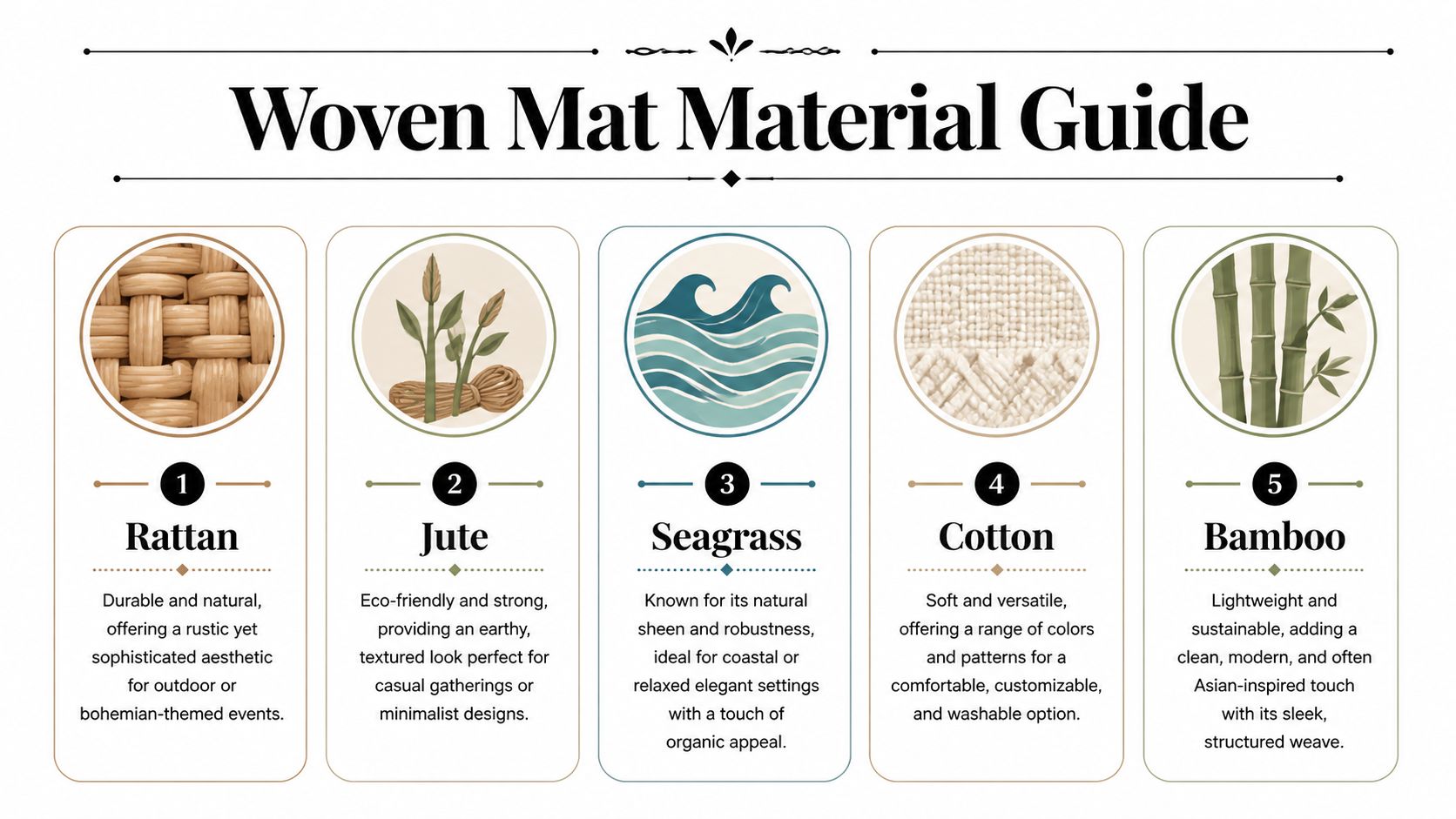
Here’s a pro tip we’ve learned over the years: don't order a chair for every guest at a cocktail-style event. You generally only need seating for about 30-40% of your attendees at any given time. This actually encourages people to move around and mingle, keeping the energy alive.

Designing Your Layout With Circulation Pathways

Okay, let's place these tables in your venue. I like to think of a layout as a collection of islands (your furniture clusters) and rivers (the pathways for people to move). Your job is to create wide, clear “rivers” so that everyone can flow through the space without a hitch. These are your circulation pathways.

These pathways are absolutely crucial, especially around hotspots like the bar, the entrance, or the restrooms. A poorly planned layout creates bottlenecks that kill the mood and make a venue feel cramped, no matter its actual size.

To get a feel for how different furniture styles can create different zones, check out this simple visual guide.

Infographic about bar table with chairs

It maps out the flow from high-energy standing tables to more relaxed seating areas and finally to high-impact LED furniture, helping you design distinct zones for your event.

To help you nail the spacing, here’s a quick reference chart we use all the time.

Quick Guide To Bar Table Dimensions And Spacing

Use this reference chart to select the right table sizes and ensure you allocate enough room for comfortable guest circulation.
Table Type Typical Height Typical Diameter/Width Guests (Standing) Guests (Seated) Recommended Space Per Table
Round Cocktail 105-110 cm 60-80 cm 3-4 2-3 2.5m x 2.5m
Square Cocktail 105-110 cm 60×60 cm 3-4 2 2.5m x 2.5m
Rectangular Bar 105-110 cm 180×60 cm 6-8 4-6 3.5m x 2.5m
LED Cube 40-50 cm 40×40 cm / 50×50 cm N/A 1 1.5m x 1.5m
LED Cocktail 110 cm 60 cm 3-4 2 2.5m x 2.5m

A few key measurements will save you a lot of headaches on the day:

  • Main Walkways: For those main arteries with heavy foot traffic, aim for a width of at least 1 to 1.5 metres.
  • Between Seated Tables: Leave a minimum of 1.2 metres between chairs that are back-to-back. This gives people enough space to pull their chairs out without bumping into anyone.
  • Around Individual Tables: Make sure there's at least 75 cm of clear space around each table so people can get in and out easily.

By taking a bit of extra time to plan your dimensions and pathways, you’re doing more than just filling a room—you’re designing an environment. It’s this attention to detail that ensures every bar table with chairs you hire helps create a flawless, fun, and memorable experience for all.

Matching Your Furniture To The Event And Venue

Choosing the right bar table with chairs is a lot like casting the perfect actor for a role. The furniture has to do more than just look the part; it needs to feel right for the scene and the setting. This is where we go beyond just picking individual pieces and start thinking about the complete picture, making sure every table and chair works in harmony with your event's theme, venue, and lighting.

That synergy is what transforms a space into an experience. A sleek, minimalist table that looks incredible at a tech product launch would feel completely jarring at a rustic garden wedding. The goal is to make your furniture choices feel intentional and seamless, as if they were designed specifically for that moment and that space.

Aligning Furniture With Your Event Theme

Think of your event theme as the script. Your furniture choices are the props that bring that script to life, reinforcing the story you want to tell your guests. Every style of bar furniture carries its own vibe and sets a certain expectation.
Let’s run through a few scenarios:

  • For a Corporate Product Launch: The theme is usually innovation, professionalism, and modern design. This calls for clean lines and sophisticated materials. Think minimalist metal tables, sleek acrylic poseur tables, or even our illuminated LED furniture that can be set to your brand's colours. The furniture needs to send a sharp, forward-thinking message.

  • For a Romantic Wedding: Here, you're aiming for warmth, intimacy, and celebration. Rustic wooden bar tables with chairs are a perfect fit, especially for a venue in the Cape Winelands. They add a natural, charming character that feels both elegant and relaxed. Paired with soft linens and floral centrepieces, they help create that enchanting atmosphere.

  • For a Milestone Birthday Party: The vibe is all about fun, celebration, and social energy. This is your chance to be more playful! Brightly coloured metal stools, quirky table designs, or a mix of high and low tables can create a dynamic space that gets guests mingling and having a great time.

Your furniture is a powerful visual cue. It's one of the first things guests notice, and it instantly sets their expectations for the experience ahead. Make sure it’s telling the right story.

Complementing The Venue's Unique Character

Your venue isn't just a backdrop; it has its own distinct personality. The best furniture choices don't fight against this character—they enhance it. Whether you're in a historic building or a modern blank-canvas space, your bar tables and chairs should feel like a natural extension of the environment.

A raw, industrial warehouse with exposed brick and ductwork, for example, is the perfect stage for sturdy metal or reclaimed wood furniture. These materials echo the venue's edgy aesthetic. On the flip side, in an elegant ballroom with chandeliers and ornate details, you’d want to choose more refined pieces—perhaps tables draped in luxurious fabrics or classic designs that complement the sophisticated surroundings. And for an outdoor marquee, weather-resistant materials are key, but you can still match the style to the event, from a relaxed beachy look to a formal garden party.

The Powerful Relationship Between Furniture And Lighting

Lighting is the final, crucial layer that pulls everything together. It has the power to completely transform the mood and highlight the best features of your chosen furniture. The interplay between light and material can create some truly magical effects.

Warm, ambient lighting, for instance, can make the grain of a wooden bar table with chairs practically glow, enriching its texture and creating a cosy, inviting feel. It’s perfect for crafting an intimate dinner setting or a relaxed lounge atmosphere.

On the other hand, dynamic, coloured lighting can turn simple acrylic or metal furniture into a stunning focal point. Imagine how vibrant uplighting can make a set of white poseur tables pop, or how a slow colour-fade effect on our LED furniture can bring a high-energy party zone to life. Always think about your lighting plan when selecting your furniture to ensure they work together to build the exact atmosphere you envision for your guests.

Styling Your Bar Tables For Maximum Impact

A beautifully styled bar table with chairs set up for an elegant outdoor event.

Once you’ve nailed down the practical side of your layout, the fun really starts. Styling your bar table with chairs is where you transform them from just places to sit into genuine design features that bring your event's theme to life. This is your chance to inject personality, sophistication, and visual flair that your guests will definitely notice.

Think of each table as a mini stage. It’s an opportunity to echo your colour scheme, subtly showcase your brand, or just create a beautiful, welcoming spot. Even the smallest, most thoughtful details can completely change the atmosphere, turning a functional area into a properly styled and memorable experience.

Choosing Centrepieces And Linens

The most obvious way to dress up a bar table is with a centrepiece. But with taller poseur tables, there’s one golden rule: keep it low. The whole point is to add a touch of style without getting in the way of a good chat. You don’t want your guests playing peek-a-boo around a massive floral display just to see who they’re talking to.

Here are a few practical but chic ideas:

  • Low Floral Arrangements: A few elegant stems in small bud vases or some low, compact posies add a pop of colour and life without blocking anyone’s view.
  • Candle Clusters: For evening events, a group of small candles or LED votives creates an instantly warm and intimate glow.
  • Minimalist Objects: Sometimes less is more. A simple, sculptural piece or a tastefully designed table number can add a clean, modern touch.

Linens are another game-changer. While many modern bar tables look fantastic on their own, a high-quality linen or a stylish runner can instantly connect the furniture to your event's colour palette. A crisp white linen gives off a classic, formal vibe, whereas a textured or coloured fabric can add real depth and character.

Creating Branded And Themed Vignettes

For corporate functions, styling is a fantastic chance for some clever, low-key branding. Forget about huge, in-your-face banners. Instead, you can weave your brand into the décor in a much more natural and sophisticated way. Think custom-printed coasters with your logo, small floral arrangements in your brand colours, or even branded napkins.

Beyond just decorating individual tables, try grouping them to create ‘vignettes’. This is all about arranging a small cluster of furniture and décor to create a distinct, picture-perfect zone within your event.

A vignette isn't just a random group of tables; it's a curated scene. Picture a cosy corner with two upholstered bar stools, a small wooden table, a soft rug, and a floor lamp. It creates an inviting 'moment' that stands apart from the main event space.

These curated zones work wonders. They break up a large room, give guests some fantastic photo opportunities, and make the whole venue feel more thoughtfully put together. You could set up a sleek, modern vignette with metal tables and minimalist décor in one area, and a more relaxed, rustic one with wooden furniture in another. It guides your guests through different moods as they move through the space, and that attention to detail is what makes an event truly stand out.

Making The Rental Process A Breeze

Hiring the perfect bar table with chairs for your event is about more than just picking a great-looking style. Getting a handle on the logistics is what turns a good plan into a seamless, stress-free reality. This is your inside guide to the whole journey, from that first quote right through to the final handshake when we come to collect everything.

Think of renting furniture as bringing a specialist partner onto your event team. When communication is clear and you know what to expect from the get-go, everyone is on the same page, working towards a flawless event. Let’s walk through the essential steps so you can feel completely confident and prepared.

From Quote To Confirmation

It all starts when you ask for a quote. To get the most accurate pricing, be ready with the key details: your event date, the venue’s address, exactly which items you have your eye on, and how many you’ll need. Don't hesitate to ask what the quote covers and what might be an extra cost.

Once you’re happy with the numbers and ready to move forward, we get to the confirmation stage. This is where you’ll check and sign the rental agreement. Honestly, this document is your best friend—it’s the roadmap for the entire hire.

Your rental agreement is there to protect both you and the hire company. It lays out all the responsibilities, clarifies costs, and sets clear expectations so there are no surprises later on.

Getting To Grips With The Rental Agreement

Taking a moment to read the fine print is always a smart move. A professional rental agreement will clearly detail a few key policies you need to know before you sign on the dotted line. Keep an eye out for:

  • Payment Schedule: This simply explains when your deposit is due and when the final balance needs to be settled.
  • Cancellation Policy: Life happens! It's important to know the deadlines for making changes or cancelling your order without facing a fee.
  • Damage Waiver: This is a big one. It's usually a small, optional fee that covers accidental damage to the furniture during your event. It protects you from potentially hefty replacement costs and offers serious peace of mind.

Understanding what's expected of you as the client is just as crucial. For a deeper look into the ins and outs of hiring event furniture, check out our complete guide on renting furniture for events.

The Logistics: Delivery, Setup, And Collection

This is where a professional hire company really proves its worth. Your agreement will lock in all the delivery and collection details. We’ll typically give you a delivery window and sort out access to the venue with you or your planner.

It’s always a good idea to ask if setup and placement are included. Some companies will just drop the items at a designated spot, but a full-service team like ABC Hire will help place the furniture exactly where you want it according to your floor plan. Trust us, this is a massive time-saver on a hectic event day.

Once the party’s over, the collection process works much like the delivery. Just make sure the bar table with chairs are clean, clear of any leftover decor, and gathered in the agreed-upon spot for a quick and easy pickup.

What Really Influences The Price?

A few different things play into the final cost of your furniture rental. Knowing what they are can help you manage your budget like a pro.

  1. Rental Duration: The standard hire is usually for a single event or a 24-hour period. If you need the items for longer, that’s totally possible, but the price will be adjusted.
  2. Quantity and Style: This one’s pretty straightforward—the number of items you hire and their design will affect the cost. A more elaborate, high-end bar table will naturally cost more than a simple, standard one.
  3. Delivery Location: The distance from our warehouse to your venue helps determine the delivery fee. Venues a bit further out, say in Stellenbosch or Franschhoek, might have different rates.
  4. Seasonal Demand: Just like with venues, there are peak seasons for furniture rental. Busy times of the year can affect both pricing and how far in advance you need to book.

Your Bar Table Rental Questions, Answered

Planning an event involves a lot of moving parts, and when it comes to furniture, a few questions always pop up. Let's walk through the common queries we get about hiring a bar table with chairs. Getting these details sorted will make your planning process a whole lot smoother.

How Many Bar Tables Do I Need For My Event?

This is the big one! For a cocktail-style event where you want guests to mix and mingle, a great rule of thumb is to have enough perching spots for 30-40% of your guests at any one time. You don't need a seat for everyone; the goal is to encourage flow and conversation.

So, for a party with 100 guests, you'd be looking at around 10-12 cocktail tables. If you're aiming for a more seated vibe, simply count one bar stool for each guest you want to accommodate and then choose tables that fit 2-4 chairs each. Just remember to check this against your venue's floor plan to make sure there's still plenty of room for people to move around comfortably.

What Is A Damage Waiver And Do I Really Need It?

A damage waiver is basically a bit of event insurance for your hired furniture. It's an optional fee, usually a small percentage of your total rental, that covers you for accidental damage—think a spilled glass of red wine or a chipped table leg. Without it, you could be on the hook for the full replacement cost if something gets broken.

Think of it as peace of mind. It protects your budget from those unexpected "oops" moments that can happen at even the best events.

We always recommend considering it. Just ask your rental company what their waiver covers specifically, so you know exactly what you're signing up for.

Can I Use Indoor Bar Tables For An Outdoor Event?

That really depends on the table itself and what the weather's up to. Many of our stunning wooden or upholstered tables are strictly for indoor use because direct sun or a sudden downpour can cause serious damage.

The most important thing is to let your rental company know your event is outdoors. That way, they can point you towards the right gear—weather-resistant options made from materials like treated wood, aluminium, or tough plastics. This ensures the bar table with chairs you hire will look fantastic from the first guest's arrival to the very last dance.


Ready to create a stunning and functional space for your next gathering? ABC Hire offers a wide range of stylish and high-quality bar tables and chairs perfect for any occasion in Cape Town. Explore our collection and get a quote today at https://abchire.co.za.

📍 Cape Town + Winelands