Your Guide to Renting Bistro Table Chairs in Cape Town

Picture a sunset wedding in the Stellenbosch Winelands or a chic corporate launch party looking out over the Cape Town city bowl. What's the secret ingredient? Intimate, stylish seating that draws people together. Bistro table chairs are often the unsung heroes of these events, doing far more than just providing a place to sit—they shape the atmosphere and spark connection.

The Essential Role of Bistro Chairs in Cape Town Events

When it comes to planning an event, furniture isn't just about filling a space; it's about setting the stage for memories. Bistro table chairs, with their classic look and small footprint, are masters at creating those perfect little pockets for conversation. It's best to think of them not just as seats, but as complete "conversation nooks" for two or three guests to relax and connect. For anyone hosting an event in the Western Cape, that makes them an incredibly valuable tool.

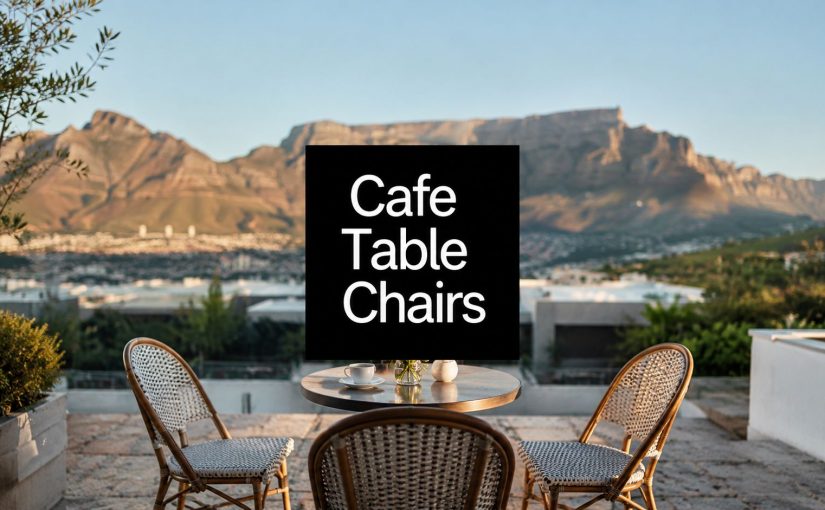
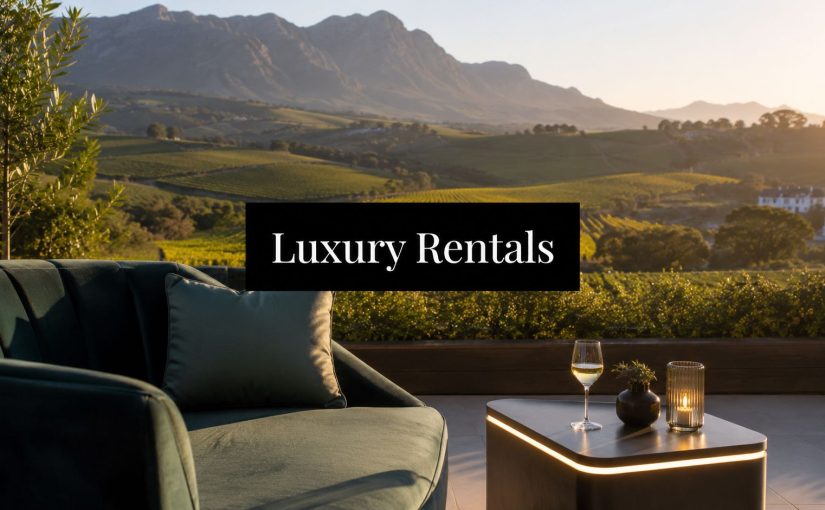
A scenic patio with a wicker bistro table and two chairs overlooking a beautiful mountainous landscape.

This guide is your go-to resource for hiring these iconic pieces from ABC Hire. We’ll walk you through everything, from picking the right style for your venue to getting your layout just right. Our goal is to show you exactly how these simple sets can turn any spot—from a huge wine estate to a sleek city terrace—into an unforgettable setting.

Why Bistro Sets Are a Top Choice

So, what makes bistro sets such a popular choice for events in our area? It all comes down to a perfect mix of practicality and good looks. Their small size means you can place them almost anywhere, letting you make the most of your space without it feeling cluttered. You can easily line them up along a balcony, group them in a garden, or create a relaxed, café-style zone.

The real magic of a bistro set is its ability to create intimacy. Unlike big, formal dining tables, they naturally bring people closer, making them ideal for networking at corporate events or for offering a quiet moment at a busy wedding.

Transforming Spaces with Style and Function

At the end of the day, your seating is a cornerstone of great event design. It directly impacts how your guests move, how comfortable they are, and the overall vibe of the day. For a bigger picture on making your event a hit, check out guides on how to plan a successful event that cover all the moving parts.
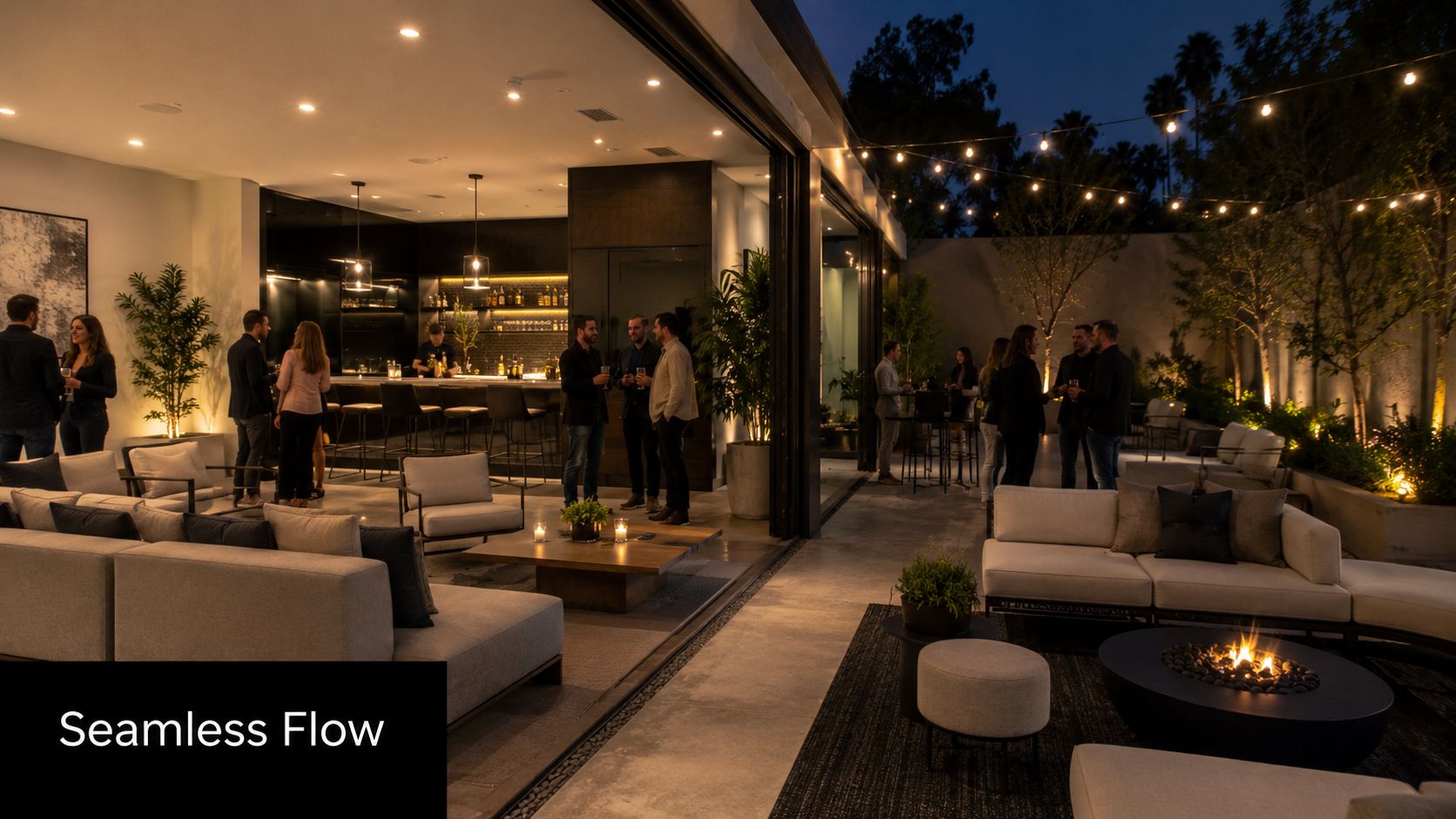
As we dive in, you’ll see how choosing the right bistro table chairs is a huge part of that puzzle. For even more seating inspiration, you can explore our comprehensive guide to hiring chairs for any occasion.

Matching Chair Styles to Your Cape Town Venue

Choosing the right bistro table chairs is about so much more than just giving guests a place to sit. It's the detail that pulls your entire event's look together, setting the mood and defining the space. The right chair sends a message, creating an atmosphere that feels effortless and intentional.

For anyone planning an event in Cape Town, this is a crucial step. A romantic wedding tucked away in the Franschhoek vineyards demands a completely different feel than a slick corporate party at a modern V&A Waterfront venue. Your chairs are the bridge between your theme and the location itself.

Classic Elegance for Winelands Romance

When your backdrop is the rolling hills and historic Cape Dutch estates of the Winelands, you need chairs that whisper timeless sophistication.

  • Wrought Iron Chairs: These are the quintessential choice for a garden party or vineyard wedding. Their elegant scrollwork and solid frame bring to mind a classic European bistro, feeling right at home among the oaks and vines of Stellenbosch or Paarl.
  • Bentwood Chairs: With their graceful, steam-bent curves, these chairs offer a look that is both rustic and incredibly refined. They're perfect for bringing a vintage or bohemian vibe to life, especially when set alongside natural wood tables.

What's great about these styles is that their open designs don't feel heavy or block the view. They complement the stunning scenery, rather than competing with it, letting the natural beauty of the Winelands remain the star.

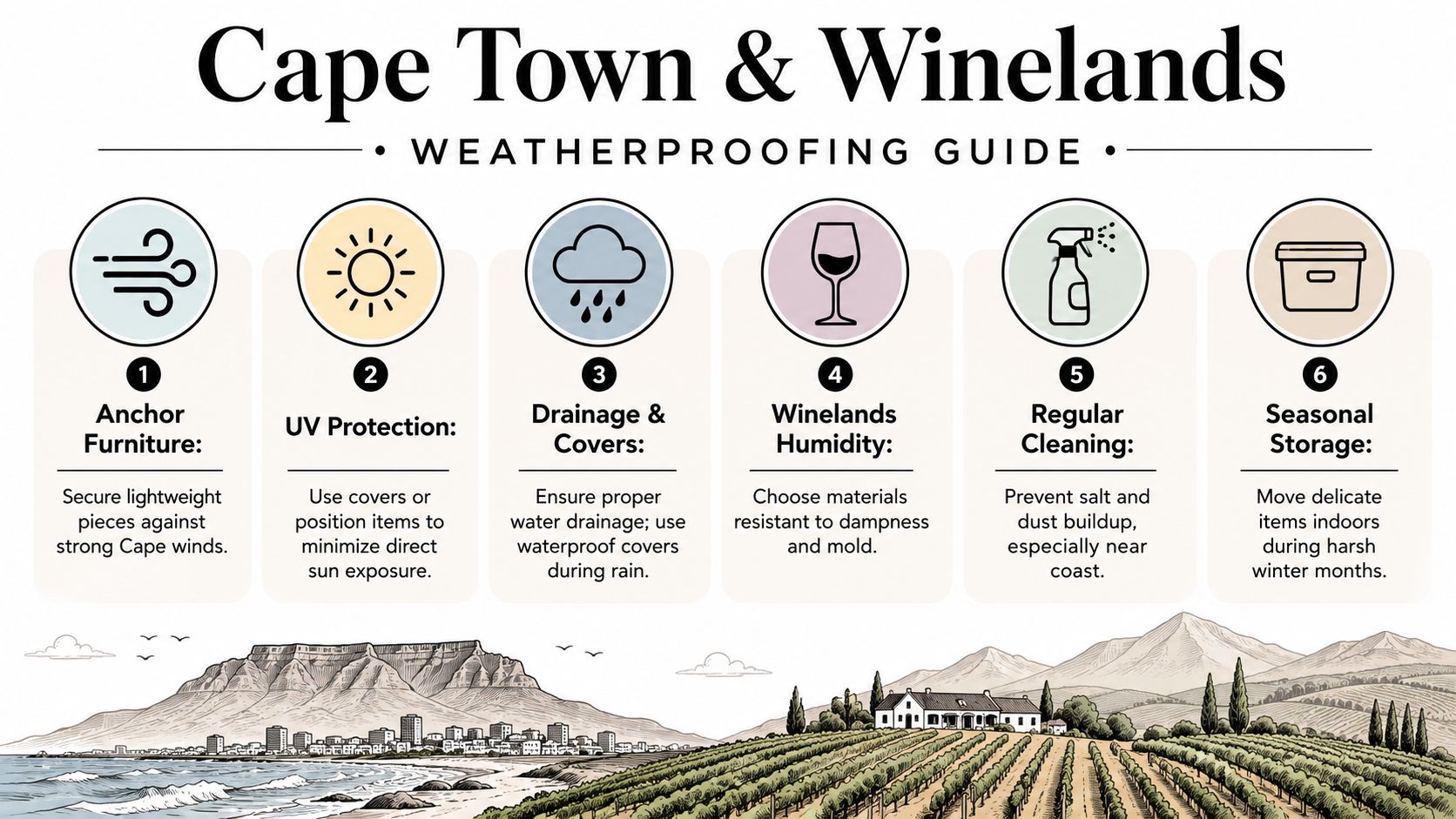
One thing every Cape Town planner knows is that you have to be ready for the weather. Your furniture needs to stand up to our brilliant sun and the sudden arrival of a coastal breeze, so durable materials are a must.

Modern Lines for Urban Chic Events

Hosting your event in a contemporary city space—a sleek art gallery, a rooftop bar, or a minimalist conference centre? Your chairs need to match that sharp, modern energy. This is where clean lines and industrial-inspired materials really shine.

For these settings, aluminium or powder-coated steel bistro table chairs are a fantastic choice. Their minimalist design feels crisp and professional, making them perfect for corporate functions, product launches, or sophisticated cocktail parties. They come in a range of colours, from classic black and white to bolder shades, so you can easily match them to your brand or event palette.

These materials are also incredibly practical. Aluminium is surprisingly lightweight, which makes setup and last-minute layout changes a breeze. Powder-coated steel, on the other hand, is exceptionally tough, resisting scratches and chips to keep looking flawless all night long. If you're looking for more ideas on creating a unified look, see how we approach pairing wooden tables and chairs.

Weathering the Cape Climate with Smart Material Choices

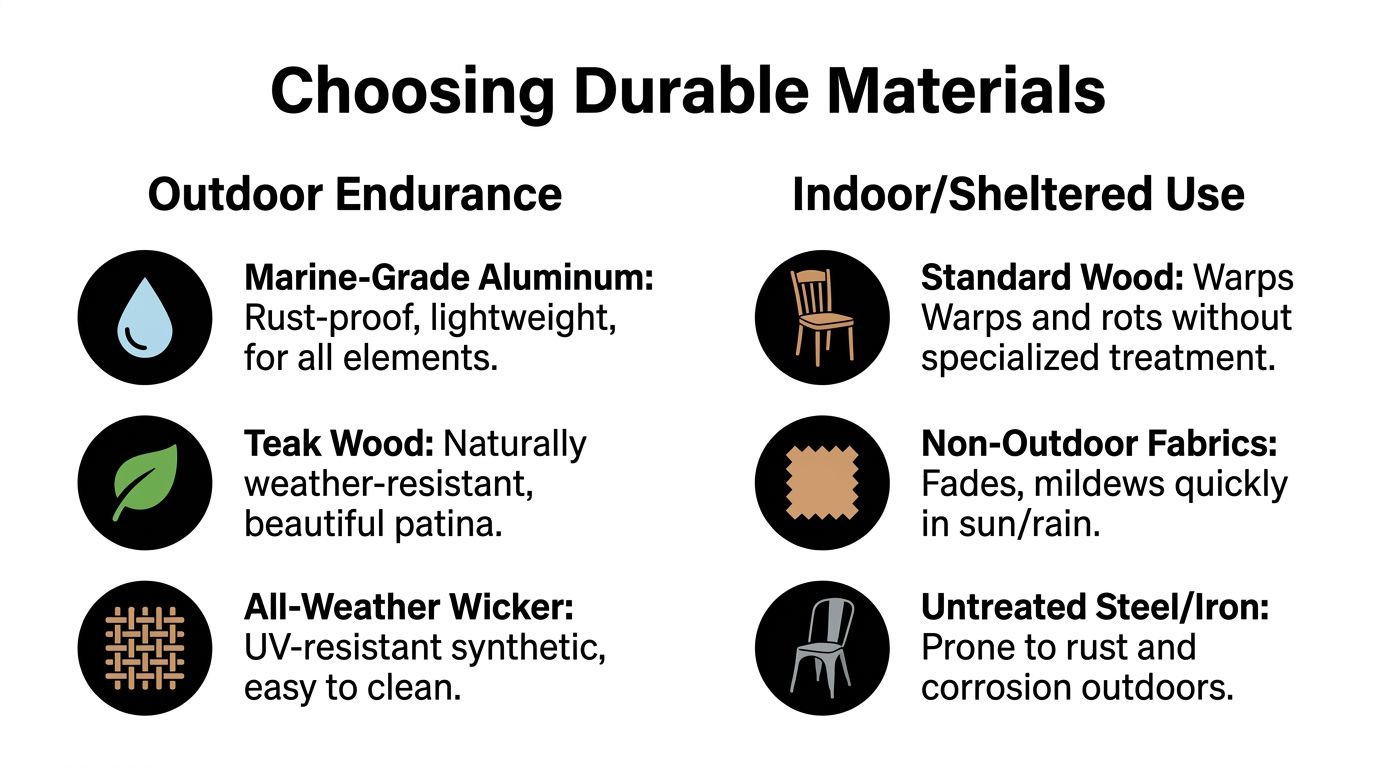
The Western Cape's unique climate means your furniture has to be as tough as it is beautiful. From the salty sea air on the Atlantic Seaboard to the intense UV rays beating down in the Winelands, choosing weather-resistant materials for an outdoor event isn't just a good idea—it's essential.

Always look for bistro table chairs that are built to handle the outdoors.

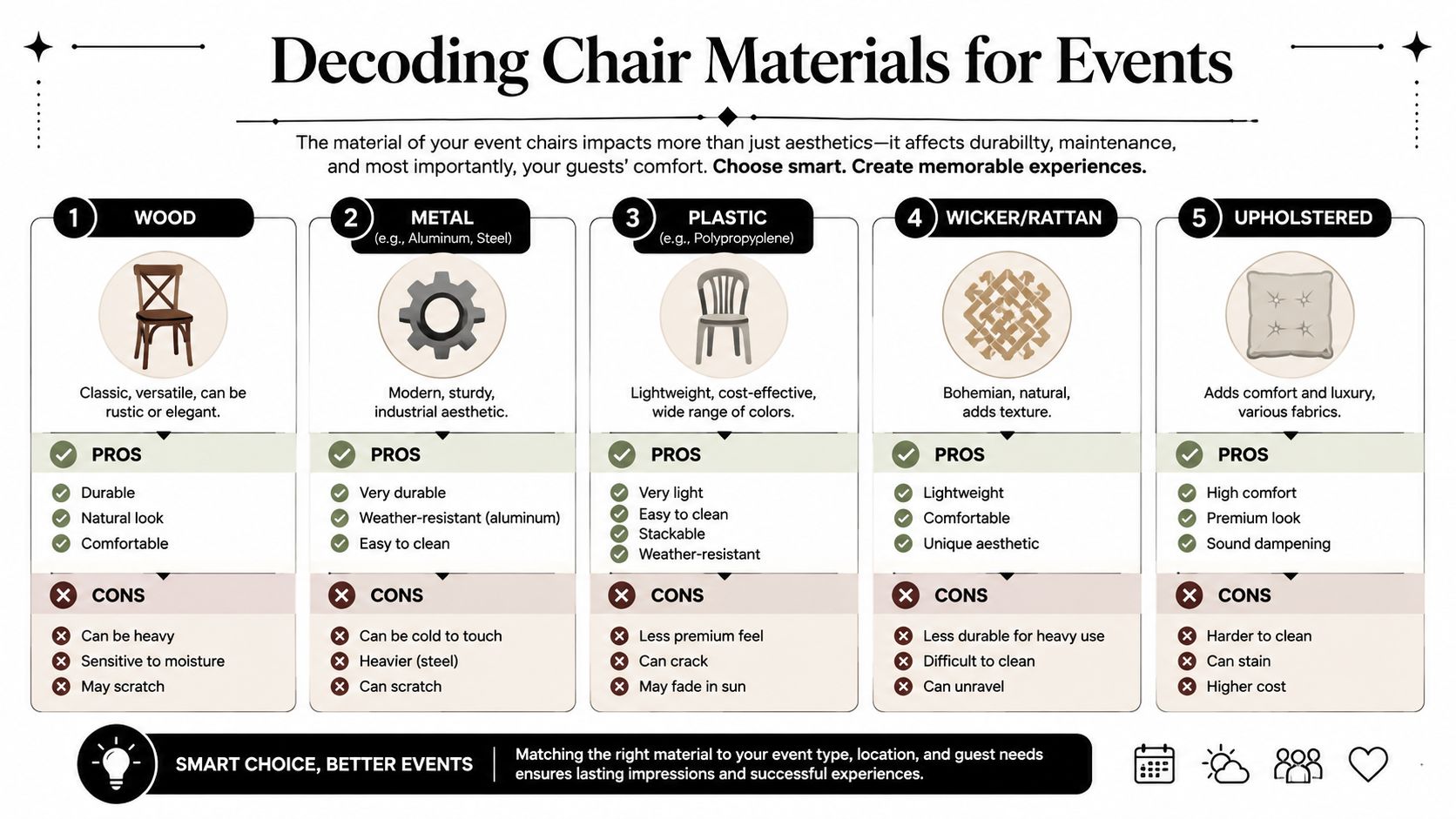
  1. Powder-Coated Finishes: This process seals metal chairs with a tough protective layer, guarding them against rust and corrosion from that salty sea spray.
  2. Weather-Treated Wood: If you love the look of wood, make sure the chairs are properly sealed to resist moisture and prevent fading or cracking in the sun.
  3. Durable Synthetics: High-quality resin or plastic chairs can be a brilliant, low-maintenance solution that delivers on style without the weather worries.

By thinking through both the style and the substance of your chairs, you can be confident they won't just look incredible, but will also perform perfectly. It's that peace of mind that lets you focus on your guests and enjoy the day.

Designing Your Event Layout with Bistro Sets

Great event design is all about flow. It’s not just about filling a space with furniture; it's about choreographing how your guests move, connect, and experience the day. Think of your floor plan as a map for a great time, and bistro table chairs are one of your best tools for creating memorable spaces.

Getting the layout right is what separates a good event from a truly fantastic one. It’s about creating an atmosphere that feels effortless and inviting. Here’s our guide to planning your space with bistro sets, turning that blank venue floor into a vibrant, functional setting your guests will love.

Creating Flow and Function with Your Floor Plan

First things first: what is each area for? Are you picturing a buzzing cocktail zone, quiet nooks for conversation, or a scenic spot for guests to simply catch their breath? Bistro sets are incredibly adaptable and can work wonders in all these scenarios.

For a big wedding reception, you could use bistro sets to create small, intimate clusters away from the main dining area. This gives guests a comfortable place to chat without having to shout over the DJ. Or, on a narrow hotel balcony, a few sets lined up can create a VIP feel, making the most of a space that might otherwise be overlooked.

The real secret is to avoid bottlenecks and create clear, intuitive pathways. A good layout guides guests naturally through your event, encouraging them to explore different areas and mingle. As a rule of thumb, always make sure your main walkways are at least 1.2 to 1.5 metres wide.

This visual guide shows how different chair styles can complement various Cape Town event settings, helping you picture the perfect fit.

An infographic showing three styles of chairs suitable for outdoor venues in Cape Town, South Africa.

As the infographic shows, your venue and theme really point the way. Romantic wrought iron feels right at home in the Winelands, while sleek, modern aluminium is perfect for a chic city function, highlighting how important material choice is for handling the Cape’s unique weather.

Calculating Guest Capacity and Spacing

Once you have your zones mapped out, it's time to think about the numbers. Nothing kills the vibe faster than an overcrowded room where guests feel trapped.

A simple way to plan is to think about 'guest density'. For a standing cocktail-style event with some seating, you should aim for about 1 to 1.5 square metres of floor space per person.

When placing your bistro sets, spacing is everything—for both comfort and looks.

  • Between Sets: Leave at least 1.5 metres between the edges of your tables. This gives guests enough room to pull out their chairs and allows people to walk between tables without bumping into anyone.
  • For Pathways: In main traffic areas, like the path to the bar or restrooms, open that gap up to 2 metres. This creates a clear, wide lane and prevents frustrating logjams.
  • Against Walls: Always leave a minimum of 1 metre between a pulled-out chair and any wall or barrier. This gives people plenty of room to get in and out of their seats comfortably.

To make planning even easier, here’s a quick calculator to help you figure out how many sets you might need and how to arrange them.

Bistro Set Spacing and Capacity Calculator

This table gives you some handy estimates for planning different types of events. Use it as a starting point to make sure your layout feels spacious and works for your specific needs.

Event Type Recommended Space Per Set (sq. metres) Guests Per Set Layout Tip
Cocktail Reception ~4 sq. m 2 Scatter sets to create mingling zones and prevent crowding near the bar.
Casual Dining ~5 sq. m 2 Arrange in neat rows or small clusters for a relaxed café feel.
Lounge/Breakout Area ~6 sq. m 2 Space sets out generously to create private, comfortable conversation nooks.

Remember, these are just guidelines. The key is to visualise your guests moving through the space and adjust accordingly for maximum comfort. For a broader look at all your options, check out our complete guide to table and chair rentals.

Layout Ideas for Cape Town Venues

Let’s bring this to life with a few classic Cape Town scenarios. These examples show how a little strategic placement of bistro table chairs can totally transform a venue.

1. The Winelands Wedding Reception
Picture a gorgeous Stellenbosch wine farm. You could scatter bistro sets under the old oak trees or along a veranda overlooking the vineyards. This creates perfect little informal spots for guests to relax with a drink during cocktail hour, away from the more formal dining setup. The spacing can be generous here, adding to the feeling of serene, open luxury.

2. The Corporate Rooftop Party
For a swanky networking event on a city rooftop with those killer Table Mountain views, use bistro sets to break up the open space. Arranging them in small groups encourages conversation. We love placing them along the edge so guests can take in the view, just making sure the paths to the bar and food stations stay wide and clear.

3. The Intimate Courtyard Celebration
In a sheltered courtyard in the City Bowl, a handful of bistro sets can create an incredibly charming, European café vibe. It’s a layout that’s perfect for a milestone birthday or an engagement party. Here, you can group the sets a little closer to build a cosy, intimate atmosphere while still leaving enough room for everyone to move around comfortably.

Styling Bistro Chairs: From Sunny Daytime Charm to Evening Glamour

One of the best things about bistro table chairs is just how versatile they are. Think of them as the perfect starting point, a foundation you can dress up or down to suit any theme, whether it’s a relaxed daytime affair or a chic evening soiree. With a few creative touches, you can transform these simple seats from purely functional items into statement pieces that your guests will definitely notice.

A row of outdoor bistro chairs adorned with blue and white fabric draped over green cushions.

Good styling is about more than just making things look pretty; it's about creating a whole vibe. It’s those little details—a soft cushion, a sprig of fynbos, the glow of a lantern—that all work together to tell your event's story. Let’s walk through how you can take your bistro sets from a fresh, daytime look to a truly glamorous evening setting.

Mastering Daytime Décor with Linens and Florals

For daytime events, the aim is usually to create a fresh, inviting atmosphere where guests feel comfortable. This is where fabrics and a few natural touches can really work their magic, adding colour and personality to your bistro tables.

It’s just like how a great accessory can completely change an outfit; the same idea applies here.

  • Cushions and Seat Pads: A non-negotiable for both looks and comfort. Pick colours that match your event's palette—think crisp white for a classic wedding or bright floral patterns for a garden party. They instantly make metal or wooden chairs much more comfortable for those long, lazy chats.
  • Fabric Draping: For a bit of soft romance, try draping light, flowing fabric over the backs of the chairs. A sheer organza or natural linen will catch the Cape breeze beautifully, adding a touch of gentle movement.
  • Table Linens: While bistro tables look great left bare, a simple table runner or a small circular cloth can add another layer of sophistication and colour.
  • Minimalist Floral Touches: You don’t need much. A single protea stem in a bud vase or a small posy of fynbos on each table is often all it takes to connect your space to the gorgeous natural scenery of the Cape.

All these small elements pull together to create a welcoming daytime vibe that feels thoughtful and personal, encouraging your guests to sit back, relax, and soak it all in.

The Magic of Lighting for Evening Ambiance

As the sun dips below the horizon, lighting becomes your secret weapon. It has the power to completely shift the mood, turning your functional seating areas into something truly enchanting. The right lighting doesn’t just help people see; it creates an atmosphere.

For instance, stringing fairy lights above a cluster of bistro sets creates a magical canopy that’s perfect for a romantic evening. The soft, warm glow is incredibly flattering and makes the space feel intimate. Placing lanterns on or around the tables adds another layer of warmth, with gentle, flickering light that invites guests to linger longer.

That moment when day turns to night is a key part of any event. By cleverly using lighting, you basically give your space a ‘second reveal,’ wowing your guests all over again as the evening's personality comes to life.

Creating a 'Wow' Factor with LED Furniture

If you really want to make a statement, try mixing classic bistro chairs with modern tech. This blend of old and new is where you can create that unforgettable 'wow' factor. Here at ABC Hire, we’re seeing more and more planners combine our traditional furniture with our innovative LED pieces.

The trend is clear right here in Cape Town. In 2026, bistro table chairs made up 32% of all furniture hires, thanks to a 55% jump in demand for private parties. And for evening events, ABC Hire's LED-enhanced options are now used to light up 70% of night-time receptions, adding a modern twist to a timeless look. You can get more insights on why this classic café style is so enduring from Metropolis Magazine.

Just imagine pairing rustic, industrial-style metal bistro chairs with our glowing LED cocktail tables. The contrast is fantastic. The raw charm of the chairs gets a boost from the futuristic glow of the tables, creating a look that’s both edgy and sophisticated. It’s a brilliant move for brand launches, 21st birthdays, or modern weddings that want to break the mould.

You can set the LED furniture to a single colour that matches your theme or let it cycle through different hues, adding a dynamic, interactive feel to your party. This combination makes sure your event space looks incredible and stays exciting long after the sun goes down.

The ABC Hire Process: What to Expect When You Rent with Us

Planning an event means you have a million things to worry about. Your furniture rental shouldn't be one of them. Think of us as an extension of your team—the people who handle the tables and chairs so you can focus on creating an unforgettable experience for your guests.

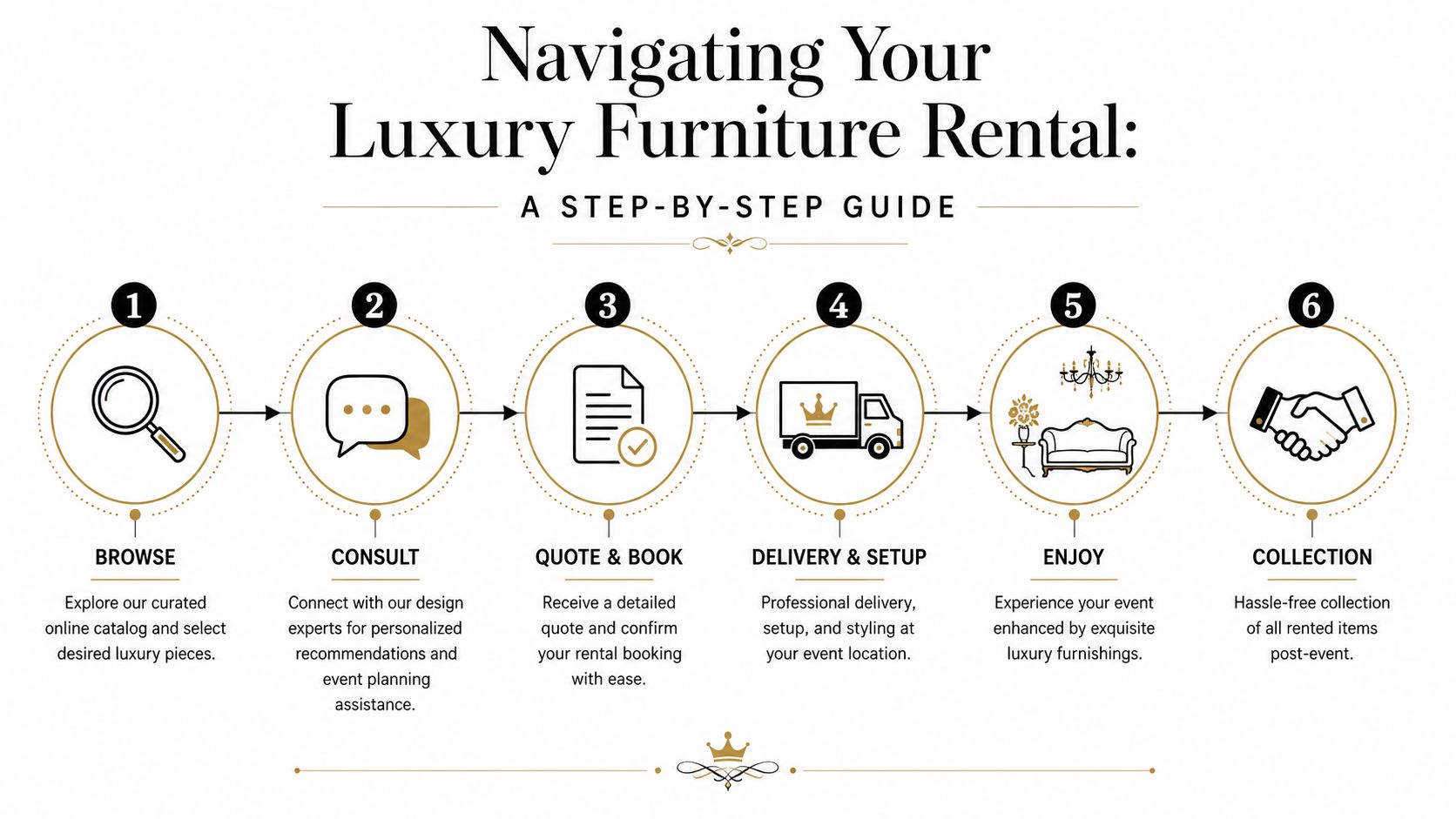
This is our straightforward guide to hiring bistro table chairs from us for your event in Cape Town or the Winelands. From your first call to the final pickup, we make sure the entire process is simple, clear, and reliable.

Your Step-by-Step Rental Journey

We’ve refined our process to be as efficient as possible. It’s all about getting you the right gear for your event, without any fuss.

Here’s how it works when you partner with ABC Hire:

  1. Getting Your Quote: It all starts with a chat. Tell us your event date, your venue, and how many guests you're expecting. We'll help you pin down the perfect style and number of bistro chairs, then send over a clear, itemised quote.

  2. Clear Pricing: No surprises here. Your quote will break everything down: the hire fee for each item, delivery costs based on your location (whether you're in the city bowl or a remote wine farm), and the details of our damage waiver.

  3. Locking It In: Once you give us the green light, your order is confirmed. Our logistics crew then gets in touch with you or your venue manager to lock in the best times for delivery and setup, working around your event schedule.

Delivery, Setup, and Collection Made Easy

This is where a great rental partner proves their worth. Our team knows the Western Cape like the back of their hand, from navigating the narrow streets of Bo-Kaap to accessing the grandest wine estates in Franschhoek. We do the heavy lifting so you don’t have to.

Our crew will deliver and place your bistro table chairs exactly where you want them, following your floor plan. After the party's over, we'll be back at the agreed-upon time for a quick, quiet collection, leaving your venue just as we found it. It’s a complete service designed to give you total peace of mind.

And it's a popular choice for a reason. Bistro table chairs made up 41% of all furniture we rented for weddings in Franschhoek and Paarl between 2025 and 2026. With a 98% on-time delivery record to venues in these key areas, you can trust them to be there when you need them. You can learn more about the history of these classic sets from Lazy Susan Furniture.

Pro Tip: Always send us your floor plan or layout diagram beforehand. It helps our delivery team get everything set up quickly and accurately, saving you precious time on the day of your event.

Key Questions to Ask Your Rental Company

To make sure you're working with the right people, it helps to have a few questions ready. This checklist covers the important details and shows you the kind of transparency you should expect from any professional supplier.

  • Do you have a minimum order for delivery?
  • How are your delivery and collection fees calculated?
  • What does your damage waiver cover if something gets broken?
  • Do you offer a full setup service, or is it just a drop-off?
  • What is your cancellation policy?

At ABC Hire, we're always ready with clear, honest answers to these questions. We're here to build a partnership you can rely on, ensuring your event in Cape Town or the Winelands is a huge success.

Common Questions About Renting Bistro Chairs

When you're in the thick of planning an event, the questions can start piling up. From finalising guest numbers to figuring out a plan B for Cape Town's fickle weather, it's natural to want clear answers. We get it. We're not just a supplier; think of us as part of your event team, ready to share our experience.

We've pulled together the most common questions we hear from clients about hiring bistro table chairs. Our aim is to tackle these head-on, so you can feel confident in your decisions and get back to the more exciting parts of planning.

How Many Bistro Sets Do I Need for a Standing Cocktail Event?

This is easily the most important question we get asked. For a cocktail-style event where you want guests to mingle, you definitely don't need a chair for every person. In fact, too much seating can kill the social buzz you're going for. The trick is to find that perfect sweet spot between encouraging people to move around and offering them a comfy place to land.

As a rule of thumb, we suggest providing seating for about 30% to 40% of your guest count.

For a cocktail party with 100 guests, that means having enough seats for 30 to 40 people. Since our classic bistro sets seat two, you'd be looking at hiring around 15 to 20 bistro table and chair sets. This ensures there are always a few inviting spots for guests to take a break, set down their drinks, and have a proper chat.

This approach keeps the energy of the party up while making sure everyone stays comfortable. It's the ideal recipe for a successful, social event that feels lively but never disorganised.

What Is the Plan if It Rains During My Outdoor Event?

Ah, the classic Cape Town question! Our weather loves to keep us on our toes, and planning for "four seasons in one day" is just smart thinking around here. While many of our bistro chairs are built from tough, weather-resistant materials like powder-coated steel, your guests' comfort always comes first.

We always, always recommend having a solid backup plan. This could be:

  • A marquee or stretch tent ready to go.
  • An indoor area at your venue that can be set up quickly.
  • Plenty of large, sturdy umbrellas to cover the bistro sets.

Our crew has plenty of experience with last-minute changes. If the weather turns, we can work with you or your venue manager to get everything moved and rearranged in your backup spot. Sorting out this Plan B from the beginning takes a huge amount of stress off your shoulders on the day.

Can I Mix and Match Different Chair Styles?

Absolutely! We actually love it when clients do this. Mixing and matching different chair styles is one of the best ways to create a space that feels unique, interesting, and full of personality. It’s a great trick to avoid that uniform, "rented" look.

The secret to pulling it off is to have one thing that ties it all together. For example, you could pair our rustic bentwood chairs with some of our more industrial metal ones, but use the same style of table throughout. Another idea is to stick to a strict colour scheme—like black, white, and natural wood—while playing with chairs of different materials and shapes.

Our team is always happy to help you brainstorm. We can act as your styling consultants to help you pick a combination that looks deliberate, chic, and fits the vibe of your event perfectly.

Are There Budget-Friendly Options That Still Look Chic?

Definitely. You don't need a massive budget to create a stylish, memorable event. We have some fantastic options that give you a high-end look for a really accessible price. Our powder-coated steel bistro table chairs, for instance, are hugely popular because they have such clean, modern lines.

Think of them as a blank canvas. They look sleek and sophisticated all on their own, but you can also dress them up easily. A simple colourful cushion, a bit of fabric draped over the back, or a single flower on the table can completely change the look.

In Cape Town's buzzing event scene, this mix of style and smarts has become a major trend. We've seen rental demand for bistro table chairs jump by 45% since 2022 alone. In fact, 68% of local wedding planners now favour bistro sets for intimate setups, and their stackable design can save up to 30% more space during transport and on-site. You can read more about the rise of classic bistro furniture from BistroPatio.com. By picking a versatile, wallet-friendly chair, you free up more of your budget for the other details that make a huge impact.


Ready to create an unforgettable atmosphere for your next event? The team at ABC Hire is here to provide the perfect seating solutions tailored to your vision. Explore our extensive range of bistro table chairs and other event essentials on our website. Visit abchire.co.za to get your free quote today!

Plinths for Sale & Rent: A Cape Town Event Guide

You’ve booked the venue. The menu is sorted. Lighting is on the brief. Then you walk the space and something still feels unfinished. The room looks flat. Your flowers disappear into the table line, your cake has no presence, or your product display blends into the background instead of stopping people in their tracks.

That’s usually the moment plinths enter the conversation.

In Cape Town and the Winelands, plinths aren’t just decorative extras anymore. They’ve become one of the fastest ways to give a wedding, launch, matric dance, or private function a clear focal point without rebuilding the whole layout. Demand reflects that shift. ABC Hire reported a 35% year-over-year increase in plinth rental demand from 2024 to 2025 among wedding planners and corporate event managers in Cape Town and the Winelands according to this event rental market report.

If you’re searching for plinths for sale, you’re probably not looking for a museum pedestal or a permanent architectural base. You’re looking for something event-ready. It must look sharp in photos, hold up through setup and service, and work in real Western Cape conditions, whether that means a city venue, a Stellenbosch estate, or a windy outdoor function in Paarl.

Elevating Your Event from Standard to Stunning

You see it most often during final setup. The venue is good, the brief is clear, the suppliers have delivered, and the room still lacks impact. In Cape Town and the Winelands, that usually happens in spaces that already have plenty of natural character, vineyard views, heritage architecture, mountain backdrops, polished interiors. If the styling all sits at one level, the room can read as flat in person and even flatter in photos.

Plinths fix that quickly because they introduce height with purpose.

Used properly, a plinth gives one element clear priority over everything around it. That could be a cake at a Franschhoek wedding, a floral arrangement at a Stellenbosch estate, or a product display at a city launch. Instead of asking guests to work out where to look, the room does that job for them.

I see the same problem across different event types. Wedding setups often need stronger focus at the ceremony entrance, signing table, cake area, or welcome moment. Corporate functions usually need cleaner presentation at registration, on-stage branding points, awards displays, and product reveal zones. The venues differ, but the requirement is the same. Certain items need presence.

A plinth also helps you use décor more efficiently. One good floral arrangement on the right plinth often has more effect than several smaller pieces spread thinly across tables. The same applies to branded items, candles, gifting details, and statement signage. You are not adding bulk. You are creating a focal point.

Why local planners keep using them

Cape Town events are highly visual and heavily photographed, so placement matters. Venues in the region also come with their own styling constraints. A modern white plinth can look sharp in a city venue but feel too stark at a rustic wine estate. An acrylic option can disappear beautifully in a clean indoor setup, then become a poor choice on uneven grass or in afternoon wind. Those are local decisions. Generic overseas guides rarely cover them well.

Three common uses come up repeatedly:

  • Wedding ceremonies: Lift florals, urns, or signing details so they do not get lost against open space or scenery.
  • Corporate launches: Give products and branded elements a clean, controlled display area.
  • Private celebrations: Build one strong photo moment instead of scattering décor across the room.

Practical rule: If guests should notice an item before the furniture around it, place it on a plinth or give it similar height.

Why “for sale” isn’t the whole question

Clients often start by searching for plinths for sale because buying feels simple. For event work, a better question is usually which plinth will suit the venue, the item on display, the setup window, and the weather risk.

That distinction matters in the Western Cape. A plinth for an indoor hotel ballroom is not always the right plinth for a lawn wedding in Paarl or a wind-exposed function in Somerset West. Material, finish, weight, transport, and stability all affect whether the setup looks polished or starts causing problems during install.

A good plinth should do three jobs well. It must present the item cleanly, hold it safely, and fit the visual language of the event. When those three line up, the room feels considered rather than merely furnished.

What Exactly Is An Event Plinth

An event plinth is a raised display base used to spotlight something important in the room. The simplest way to think about it is this. A spotlight uses light to direct attention. A plinth uses height and placement to do the same thing.

That’s why plinths matter even when they seem visually simple.

A plain white cube, a matte black column, or a clear acrylic stand can do more for a setup than a larger table dressed with linen. The plinth strips away clutter and gives one item a cleaner stage. Guests understand that instinctively. They read the height difference as significance.

More than a pedestal

In event work, a plinth isn’t the same as a permanent architectural base or a gallery pedestal designed for long-term installation. An event plinth is chosen for mobility, styling flexibility, clean lines, and setup practicality.

It helps with more than display:

  • It creates visual hierarchy so key elements don’t get lost.
  • It improves guest flow by marking entrances, focal zones, and transitions.
  • It adds professional polish because the room feels composed instead of improvised.

That last point matters. Guests might not say, “the visual hierarchy was excellent,” but they do feel when a space looks resolved.

What plinths do in a room

A room without height variation often feels unfinished. Everything sits on one plane. Tables, chairs, bars, and décor all compete at similar levels, which weakens the effect of even well-chosen styling.

Plinths break that pattern.

A ceremony aisle gains rhythm when florals sit at staggered heights. A product launch gains authority when the hero item stands alone instead of sharing a table with brochures and water glasses. A welcome area feels intentional when signage, candles, and florals are layered instead of lined up.

A plinth doesn’t need to be dramatic to be effective. It just needs to make the featured item feel deliberate.

Thinking like a designer

When choosing whether to use a plinth, ask three quick questions:

  1. What do guests need to notice first
  2. Does this item deserve its own visual space
  3. Is the current layout too flat

If the answer to any of those is yes, a plinth is usually worth testing.

There’s also a functional side. Plinths can separate delicate or high-value items from busy service surfaces. That’s useful for cakes, veils, awards, floral installations, premium beverages, or branded objects that shouldn’t be handled casually.

Here’s what doesn’t work. Using plinths as random filler. If they’re dropped into the room with no relationship to the layout, they can look awkward or obstructive. The strongest installs use plinths with purpose, either to frame a moment, support a practical use, or build a clean line of sight through the venue.

Choosing the Right Plinth Material and Finish

Material choice is where many event decisions go right or wrong. A plinth can look perfect in a product photo and still perform badly once it spends a day in bright sun, coastal humidity, or a busy install environment.

For Western Cape events, the material needs to suit the venue first and the style second.

A collection of cylindrical plinths made from various materials including wood, metal, glass, and stone.

MDF for controlled indoor setups

MDF is often the starting point because it’s familiar, clean-looking, and easy to finish in matte white, black, or custom colour. For indoor venues, it can be a sensible option when the brief is straightforward and the plinth won’t face harsh conditions.

MDF works well when you need:

  • A painted finish: It gives a smooth, uniform look for minimalist weddings and formal corporate rooms.
  • Short-term indoor use: Ballrooms, conference venues, and controlled interiors are the safest fit.
  • Simple branding applications: Vinyl and surface treatments tend to sit neatly on well-prepared MDF.

Where MDF struggles is outdoors, especially in Cape Town’s coastal and Winelands conditions. Moisture, repeated handling, and exposure all reduce its margin for error.

Acrylic and Perspex for outdoor and premium looks

For outdoor events in the region, acrylic usually outperforms MDF by a wide margin. For outdoor events in the Winelands, acrylic or Perspex is often superior to MDF, as it exhibits 92% UV resistance and can withstand 30kg impacts without cracking, according to this display plinth material guide.

That changes the recommendation for vineyard weddings, matric dances, and high-traffic activations.

Acrylic is a strong fit when you need:

  • Weather resistance: Sun exposure is less of a problem than with painted board materials.
  • A premium finish: Clear, frosted, smoked, or coloured acrylic can look sharper under event lighting.
  • Night-time effect: Acrylic pairs especially well with LED elements because it catches and carries light cleanly.

If the event includes LED lounges, glow furniture, or illuminated bars, acrylic plinths usually feel more integrated than heavy matte units. The whole scheme reads as one design language instead of a mix of separate rentals.

For readers comparing support hardware for other event surfaces, it’s also worth looking at engineered table bases that prioritise stability on uneven ground. The same principle applies to plinth selection. A good-looking top means very little if the base condition is poor.

Finish matters as much as the core material

Clients often ask for “white plinths” as if that settles the decision. It doesn’t. White can be matte, satin, high-gloss, textured, warm-toned, cool-toned, or translucent. Each one behaves differently in photos and under lighting.

A quick comparison helps:

Finish type Best use What to watch
Matte painted Clean weddings, formal corporate styling Shows marks from repeated handling
High gloss Modern launches, polished indoor venues Reflects light strongly and shows scratches
Clear acrylic Contemporary installs, LED styling, product display Needs clean handling to avoid fingerprints
Frosted acrylic Softer luxury look, evening events Can lose impact if lighting is too flat
Branded wrap or logo finish Activations and launches Must align neatly with edges and seams

On site insight: The finish that looks calm in daylight can become overly reflective at night. Always judge the plinth against the event lighting plan, not in isolation.

What usually works best

For a one-day indoor conference, painted MDF can be perfectly adequate if the install is careful and the room is controlled. For an outdoor Franschhoek celebration, acrylic gives a far safer result and usually a cleaner visual payoff. For luxury evening work, especially with LED furniture, transparent or frosted acrylic tends to feel current.

The wrong material creates problems that guests won’t name but will notice. Warping, surface scuffs, visible chips, and tired paint all reduce the standard of the room. A plinth should make the event look tighter, not introduce one more risk to manage.

Selecting the Perfect Plinth Size and Shape

A plinth can be made from the right material and still look wrong if the size is off. Most sizing mistakes come down to proportion. The plinth is too short, too narrow, too bulky, or too delicate for the item it’s meant to support.

For many Cape Town events, there’s a reason one format keeps coming up. The optimal display plinth dimension for many Cape Town events is 30x30x100cm, as it provides a stable base-to-height ratio for outdoor conditions and places items at an ergonomic viewing level for the average guest, according to this plinth dimension guide.

A collection of various marble and granite plinths in cylindrical and rectangular shapes on a floor.

Why that size works so often

A 30x30x100cm plinth hits a useful middle ground. It’s tall enough to lift arrangements, products, candles, or décor into clear view, but not so tall that it starts looking unstable or disconnected from the room.

That size often works because it gives you:

  • A balanced footprint: Wide enough for many floral bases and display objects.
  • Better guest viewing: Objects sit at a more natural visual level.
  • Cleaner floor use: It creates presence without taking up table-scale space.

That doesn’t mean every event needs the same size. It means this is the specification many planners can use as a reliable reference point.

Matching size to purpose

The item on top should always decide the plinth, not the other way around.

For example:

  • Cake displays: The plinth must feel substantial enough to support the cake visually, not just physically. A tiny top under a statement cake looks nervous.
  • Florals: Tall arrangements need enough base width to look planted rather than perched.
  • Product launches: Small premium items can sit on a narrower profile if the room is sleek and controlled.
  • Signage and welcome pieces: Slightly broader tops often help because styling elements rarely sit as neatly as product samples do.

A useful rule on site is to look at overhang. If the item appears to crowd the edges of the plinth, the top is too small. If the plinth overwhelms the item, the scale is too large and the object loses importance.

Choosing between square, rectangular, and round

Shape changes the mood of the install.

Square plinths

Square plinths are the workhorse option. They’re easy to place, simple to align, and suited to most wedding and corporate applications. They read as crisp and architectural, which is why they pair well with modern venues and symmetrical styling.

Rectangular plinths

Rectangular units work best when you want stronger horizontal presence. They suit welcome displays, grouped florals, product lines, or installations where one object isn’t the focus and the plinth becomes part of the composition.

Round or cylindrical plinths

Round plinths soften a room. They’re useful in wedding styling where straight lines already dominate through tables, bars, and staging. They also help break up rigid layouts in industrial or contemporary spaces.

Sizing shortcut: When the venue already has many square edges, a round plinth can add relief. When the room feels visually loose, square plinths usually restore order.

Grouping plinths well

Plinth clusters can look striking, but only when the height relationship is intentional. If every unit is near the same height, the display looks hesitant. If the difference is too dramatic, the grouping can feel gimmicky.

A stronger approach is:

  1. Pick one lead plinth for the hero item.
  2. Use supporting heights for secondary objects.
  3. Leave breathing space so the grouping reads as a composition, not a storage area.

This matters in ceremony backdrops, entrance moments, and brand activations where several plinths need to work together. The goal isn’t just variety. It’s hierarchy.

Creative Plinth Styling for Weddings and Corporate Events

The best plinth styling starts with function, then builds into visual effect. If a plinth has a job to do, the styling usually feels natural. If it’s only there to fill a corner, it often looks forced.

That’s why plinths work across so many event types. They aren’t limited to flowers or sculpture-style display. Beyond simple display, plinths are functionally versatile and can be used to create raised beverage stations, small stages for speakers, or to add significant height variation in flat venue spaces to improve sightlines, as noted in this product page discussing plinth applications.

Elegant display featuring a beige terrazzo plinth on a blue base decorated with fresh floral arrangements.

Wedding styling that feels intentional

In the Winelands, many venues already bring strong scenery. Mountains, vines, stone walls, and established gardens do a lot of visual work. That means the event décor doesn’t need to fight the venue. It needs to frame it.

Plinths are useful because they add structure without closing the space down.

For weddings, they often work best in these placements:

  • Ceremony aisle markers: Instead of low arrangements disappearing into the grass or pathway edge, raised florals define the aisle line and photograph more clearly.
  • Altar or vow area framing: A pair or cluster of plinths can shape the front of the ceremony without building a heavy backdrop.
  • Cake and champagne moments: A dedicated plinth gives the cake breathing room and keeps the surrounding area from becoming a catch-all service point.
  • Welcome displays: Signage, candles, flowers, and favours look more refined when layered on different heights.

If you’re developing the whole table story around the same event, a set of thoughtful center table decoration ideas can help keep the plinth styling and table styling in the same visual family.

Building feature zones instead of clutter

One mistake shows up often at weddings. Décor is spread evenly across the venue, which sounds balanced but usually weakens impact. Plinths let you put more energy into fewer zones.

That might mean:

  • a stronger welcome area,
  • a more sculpted ceremony front,
  • one hero corner for cake and champagne,
  • a focused photo backdrop.

For ceremony and reception installs that need height behind the couple or key feature areas, pairing plinths with hired backdrop elements creates a much cleaner result. A useful reference is this guide to backdrops to hire, especially when you want the plinths to support a layered focal area rather than stand alone.

A room looks expensive when the eye knows where to go. Plinths help create that certainty.

Corporate event and activation uses

Corporate clients often think of plinths as purely decorative until they see how practical they are in a live environment.

At launches and activations, plinths can serve as:

  • Product hero stands for one key item or a small premium range
  • Registration points where tablets, branding, or welcome packs need a cleaner footprint
  • Speaker support surfaces near small presentation zones
  • Beverage display points that separate featured drinks from the main bar
  • Merchandise islands that make samples easier to spot in crowded rooms

For brands, a plinth helps reduce visual noise. That matters when a product needs to stand apart from draping, guests, waiters, and ambient décor. A simple raised object often photographs better than a more elaborate display because the product reads immediately.

Height variation in flat venues

Some venues are excellent operationally but visually flat. Conference spaces, school halls, marquees, and large private properties often need help creating rhythm.

Plinths are one of the quickest solutions because they introduce vertical variation without requiring full scenic build.

A few ways to use them well:

  • Place staggered plinths near an entrance to create an arrival sequence.
  • Use them beside lounges so the furniture grouping feels anchored.
  • Break up long, uninterrupted wall lines with display moments.
  • Create mini stages for speeches, performers, or announcement points where a full platform would be excessive.

What tends not to work

Not every styling idea deserves a plinth.

Avoid these common errors:

  • Too many identical plinths: The effect becomes repetitive and starts to look like stock staging.
  • Overloaded tops: If the plinth surface becomes a dump zone for candles, florals, signage, and favours all at once, it loses definition.
  • Mismatched function: A plinth used as a drinks station must still be practical for guests to approach and use.
  • Ignoring sightlines: A beautiful feature placed too low or hidden behind seating won’t deliver.

The strongest plinth styling is restrained. One object, one zone, one purpose. If more is needed, build a composition with clear levels and spacing.

Buying vs Renting Plinths The Smart Decision for Event Professionals

If you searched for plinths for sale, you’re probably weighing ownership against convenience. That’s a fair question, especially if you plan events regularly. But in the Cape Town market, buying isn’t automatically the smarter move.

The practical issue is supply. Sourcing plinths in South Africa can be challenging due to supply chain gaps, making local rental from a provider like ABC Hire a more reliable and logistically simple option than purchasing and importing for event-specific needs, according to this market gap reference.

A comparison chart outlining the pros and cons of buying versus renting event plinths for businesses.

When buying makes sense

Owning can work well for a venue, production company, or stylist who uses the same format repeatedly and has proper storage, transport, and maintenance systems in place.

Buying is usually more defensible when:

  • Your event style is consistent: You need the same finish and dimensions often.
  • You have storage: Units can be kept clean, dry, and protected between jobs.
  • Your team handles transport carefully: Damage often happens in loading, unloading, and stacking, not during the event itself.
  • You want permanent branding control: Bespoke finishes and logos are easier when the units are yours.

The problem is that many event professionals don’t just need one plinth type. They need variety. Different sizes, shapes, colours, and materials suit different briefs. Ownership can lock you into a narrow look unless you build a large inventory.

Where ownership becomes expensive in practice

The visible cost of buying is only the start. The hidden costs are what catch people later.

Common ownership burdens include:

  • Storage pressure: Bulky items take up valuable space quickly.
  • Transport risk: Edges chip, acrylic scratches, and painted surfaces mark easily.
  • Maintenance time: Someone must clean, repair, touch up, and inspect them.
  • Style limitations: Your stock may not suit the next brief, even if it suited the last one.

A planner working across weddings, launches, school formals, and private functions rarely benefits from being stuck with one standard finish.

Why renting is often the stronger operational decision

Renting gives you access to the right item for the specific event instead of forcing the event to work around what you already own. That’s a major advantage in a region where venue styles vary so widely between city, coast, and Winelands properties.

A practical comparison looks like this:

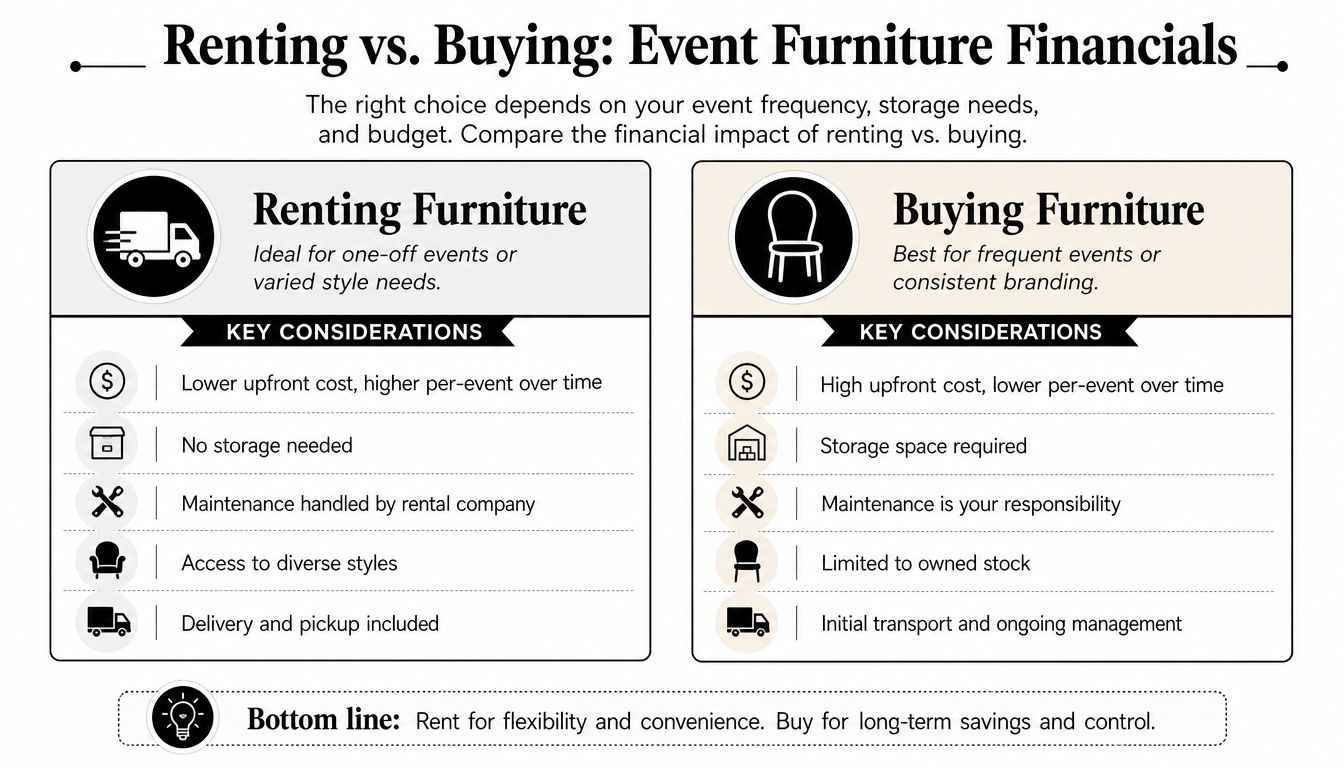
Decision factor Buying Renting
Variety across event styles Limited to owned stock Greater flexibility per event
Storage and upkeep Your responsibility Provider handles it
Upfront commitment Higher commitment Pay when needed
Last-minute design changes Restricted by inventory on hand Easier to adapt if stock is available

For planners reviewing wider event furniture strategy, this guide on renting furniture for events is useful because the same logic applies across more than plinths. Flexibility often beats ownership in event work.

Decision point: If your business needs adaptability more than repetition, renting usually wins.

The local advantage matters

Imported purchasing can look attractive online until you factor in lead times, finish mismatch, replacement difficulty, and the fact that one chipped or warped unit weakens the whole set. Local rental avoids much of that friction.

For most wedding planners, brand teams, schools, and private hosts, renting is the cleaner decision because it shifts the burden of sourcing, storing, maintaining, and moving the units off your team. You keep the design benefit without taking on the operational drag.

Buying can still be right in some cases. But for event professionals who need range, reliability, and less admin, renting is usually the more useful answer than owning a stack of plinths that only suit half the jobs.

Your Partner for Plinth Hire in Cape Town and The Winelands

A plinth looks simple until you choose the wrong one. Then every weakness shows up at once. The finish doesn’t suit the lighting, the size feels off in the venue, the top is too small for the arrangement, or the material struggles outdoors.

That’s why successful event plinth selection comes down to three things. Choose the right material for the conditions, choose the right size for the item and the room, and use the plinth for a clear purpose rather than as filler. Once those decisions are right, the venue starts to read differently. Key features stand out, guest sightlines improve, and the styling feels resolved.

In Cape Town and the Winelands, those decisions need local judgement. A city launch, a Stellenbosch wedding, a Paarl garden party, and a Franschhoek formal event don’t place the same demands on event furniture. Ground conditions, venue access, natural light, wind exposure, and the overall styling brief all shape what will work well on the day.

That’s where a specialist hire partner makes the process easier. Instead of trying to interpret generic international advice or sorting through plinths for sale that may not suit event use in the Western Cape, it helps to work with a team that already understands local venues, event formats, and setup realities.

If you’re planning an event and want a clearer sense of what style, material, or size will suit your brief, this overview of plinth for hire is a useful next step. It helps narrow the options before you commit to a layout.

The right plinth won’t carry the whole event. But it often changes the way the whole event is seen.


ABC Hire offers practical, event-ready plinth solutions for weddings, corporate functions, matric dances, private celebrations, and styled venue installs across Cape Town, Stellenbosch, Paarl, and Franschhoek. If you need guidance on the right plinth style, material, or setup for your event, speak to ABC Hire for expert local support and a hire solution that fits your brief.

Bag Toss Game Your Ultimate Event Entertainment Guide

Guests have arrived. The drinks are poured, the music is right, and the room or garden looks polished. Then the awkward gap appears. One group hovers near the bar, another checks phones, and the people who don’t already know each other stay in their own corners.

That’s usually the moment planners start looking for an activity that doesn’t feel forced.

A bag toss game solves that problem better than most entertainment add-ons because it gives guests something to do without demanding too much from them. It’s easy to understand, quick to join, and relaxed enough for weddings, corporate functions, birthdays, matric events, and venue open days. In the Cape Town and Winelands event scene, that matters. You need activities that work in polished settings, outdoors or indoors, and with mixed-age guest lists.

The value isn’t just the game itself. It’s what the game does to the space around it. It creates a natural gathering point. People stop, watch, laugh, offer advice, take a turn, and stay a little longer. That’s useful when you’re trying to fill the lull during wedding photos, keep a corporate breakout area active, or give guests at a private party a reason to mingle beyond their own table.

An Introduction to the Ultimate Social Game

The bag toss game is simple on purpose. Players stand opposite a raised board and throw square bean bags toward a hole in the board. Some guests will know it as cornhole, others as bean bag toss. Either way, the appeal is the same. The rules are light, the learning curve is short, and the game doesn’t intimidate first-timers.

A diverse group of friends smiling and laughing while playing a casual outdoor bag toss game.

At events, that simplicity is a strength. Guests don’t need specialist clothing, prior skill, or much confidence to join in. Someone can watch one round and understand enough to play the next. That’s why it works so well across formal and casual environments, especially when the brief is to keep people engaged without turning the event into a sports day.

Why it works so well at live events

A good event activity should do three things. It should be visible, easy to join, and flexible enough to suit different energy levels. The bag toss game ticks all three.

  • Visible from a distance because the raised boards and throwing action catch attention
  • Easy to join midway because there’s no complicated setup for a new player
  • Flexible in tone because it can be social and light, or structured into a mini-tournament

That mix is why planners often use it in cocktail spaces, networking zones, garden receptions, and casual lounge areas. It gives guests a low-pressure reason to interact.

Practical rule: If guests need an explanation longer than a minute, participation drops. Bag toss avoids that problem.

A game with real staying power

This isn’t a novelty that appeared out of nowhere. Cornhole, commonly called bag toss, gained documented traction in the US from the late 19th century. A 2022 Ipsos poll named cornhole America’s most played sport, surpassing bowling and swimming, and a 2017 championship broadcast on ESPN drew nearly 300,000 viewers according to the documented history of cornhole.

That matters for one reason. A game doesn’t reach that level of popularity unless it’s easy to replay, easy to watch, and easy to enjoy with a group.

For corporate planners, that social quality makes it a strong fit alongside broader team-building event ideas for corporate functions. For wedding coordinators, it gives guests something elegant but informal to do between formal moments. For private hosts, it fills dead air without needing an MC to drive the energy every minute.

Where it fits best in the Cape Town and Winelands market

In this region, the bag toss game works particularly well because so many events use indoor-outdoor flow. Guests move between lawns, terraces, courtyards, tasting areas, marquees, and reception spaces. A bag toss setup can sit comfortably inside that rhythm.

It doesn’t need a stage. It doesn’t need amplified sound. It doesn’t compete with the main event. It supports it.

That’s the difference between entertainment that looks good in a brochure and entertainment that helps a live event feel warm, active, and connected.

Mastering the Rules and Official Scoring

The best version of a bag toss game at an event is one that nobody needs to argue about. That starts with clear rules and visible scoring. When guests know exactly how to play, rounds move faster and the game keeps its casual energy.

The basic setup

A standard game uses two boards placed facing one another. Players throw from one side to the other, taking turns. You can play as singles, with one player on each side, or doubles, with partners standing opposite each other.

The official throwing distance is 27 feet. That’s the regulation spacing used for standard play. At events, some hosts shorten the distance slightly for children or for very relaxed social rounds, but if you want a proper competitive feel, keep the full setup.

How a round works

Each player throws all of their bags in turn toward the opposite board. Then the other player or team does the same from the other side. Once all bags have been thrown, you score the round.

The game feels intuitive once the first round starts, but a quick briefing helps. Keep it simple:

  1. Stand beside the board at your end.
  2. Throw underarm toward the opposite board.
  3. Alternate throws with the opposing player or team.
  4. Score after all bags land.
  5. Continue until one side reaches the agreed winning score.

For event use, a printed rules card beside the game helps a lot. It reduces staff interruptions and lets guests self-start.

The scoring system guests should know

Bag toss scoring is one reason the game stays engaging. A player can recover from a weak throw, block an opponent, or steal a round with a clean finish.

The standard points are:

  • Bag on the board earns 1 point
  • Bag through the hole earns 3 points
  • Bag that misses or hits the ground first does not score

Many groups use cancellation scoring. That means one side’s points cancel out the other side’s points in each round, and only the difference is added to the score.

Here’s a simple example:

Result in the round Team A Team B
Bags on board 2 points 1 point
Bags in hole 3 points 3 points
Total before cancellation 5 4
Score added after cancellation 1 0

This method keeps matches closer and gives spectators more reason to stay interested.

A guest doesn’t need perfect technique to enjoy bag toss. They just need one good throw to feel part of the action.

Common terms worth using at events

You don’t need heavy tournament language, but a few common terms help guests follow along.

  • Woody refers to a bag resting on the board for 1 point
  • Hole-in or cornhole refers to a bag going through the hole for 3 points
  • Blocker describes a bag that lands in a difficult spot and interferes with the opponent’s path
  • Airmail means a throw that goes directly into the hole without touching the board

These terms are useful if you’re running a corporate challenge or MC-led wedding tournament because they make the game sound lively without making it complicated.

What works best for first-time players

Most beginners try to throw too hard. That usually sends the bag flat into the board or off the back. A softer toss with a controlled arc works better, especially on a regulation board.

Give guests these quick coaching points:

  • Use a relaxed grip so the bag can leave the hand cleanly
  • Aim for a smooth arc instead of a dart-like throw
  • Release consistently rather than changing style every turn
  • Play the board first if the hole feels too ambitious

For mixed-ability groups, don’t over-coach. A bag toss game is at its best when players feel free to improve casually while still chatting, watching, and rotating in and out.

Event-friendly rule adjustments

At formal events, strict rules don’t always help. The right adjustment depends on the crowd.

For weddings, shorter social rounds keep momentum up. For team-building, paired doubles usually work better than singles because they create more conversation. For schools and family events, a shorter throwing line makes the game inclusive without changing the feel too much.

The key is consistency. Once you choose the format for your event, keep it the same for everyone. That keeps the game fair and avoids confusion later.

Deconstructing the Game Equipment

At a Cape Town wedding, guests will forgive a lot. They will not keep queueing for a lawn game that feels awkward after the first few throws. Equipment quality decides whether bag toss becomes a natural social magnet or a prop people try once and leave.

Three colorful bean bags with the Bag Toss logo resting on a circular green and black target board.

What regulation boards look like

A proper set follows standard dimensions for a reason. Regulation bag toss boards are 48 x 24 inches, with a 6-inch hole centred 9 inches from the top, and regulation bags are typically 6 x 6 inches and 14 to 16.5 oz, as shown in these regulation bag and board dimensions.

Those measurements affect play in practical ways. A full-size board gives beginners enough landing area to stay engaged, while the correct hole position makes scoring feel earned rather than random. Bag weight matters too. Bags that are too light tend to flutter in wind or die on contact. Bags that are too heavy can hit the board hard and bounce away.

For event work, consistency matters more than technical purity. If one board grips and the other slides, guests assume the game is unfair.

Why board build quality changes the experience

Board construction changes how the game feels from the first round. Good sets sit firmly on grass, paving, decking, or temporary flooring, and the incline stays consistent once the legs are opened. Poor sets wobble, shift, or develop a soft bounce that makes accurate throwing harder than it should be.

Some event-grade boards are built from sealed wood for a more polished look. Others use moulded weather-resistant materials that travel better and need less care between hires. The trade-off is simple. Wood usually looks better at weddings and winery functions. All-weather sets generally cope better with repeated transport and mixed venue conditions.

Transport also affects setup time. Some units fold to 3-3/8 inches thick for easier loading and venue movement, according to this product specification for a 48×24 bean bag toss game board.

That matters for planners because it affects:

  • Load-in efficiency at venues with limited access
  • Reliable setup when staff need to build quickly before guests arrive
  • Presentation quality in spaces where every visible detail counts

If you are comparing formats for family days or carnival-style zones, it also helps to look at games such as Kangaroo Toss. The visual style and target shape can change how quickly guests understand the game and decide to join.

Bags matter more than most hosts expect

The bags usually decide whether the game feels satisfying. A well-made bag should feel balanced in the hand, land with enough weight to hold its line, and react predictably on the board surface.

Cheap bags cause most of the frustration I see at private events. Loose stitching changes the shape. Inconsistent fill changes the flight. Slippery or rough fabric changes how the bag behaves once it lands. Guests do not describe those problems in technical terms. They just say the game feels off.

That is why matched sets matter. Four bags that feel one way and four that feel another way will slow down play and start unnecessary debates during a team challenge or wedding tournament.

Local conditions change equipment choices

Cape Town and the Winelands are harder on event gear than many generic guides admit. Afternoon wind in Stellenbosch, heat on a Franschhoek lawn, dust at a farm venue near Paarl, and damp morning setup conditions all affect how boards and bags perform over a full event day.

For local planners, the actual choices look like this:

Equipment choice Best use Trade-off
Sealed wooden boards Weddings, premium private parties, winery venues Heavier to transport and more prone to cosmetic wear
All-weather boards Corporate roadshows, schools, repeat hires, mixed indoor-outdoor use Less natural in rustic styling schemes
Corn-filled bags Traditional feel for short, dry events Less practical in moisture or repeated outdoor use
Synthetic-filled bags Reliable for varied weather and frequent handling Slightly different feel from classic bags

For a vineyard wedding, appearance and stable play usually matter more than shaving a few minutes off load-out. For a branded corporate activation, I would usually prioritise durability, easy cleaning, and a surface that can handle decals or logos cleanly. If guests will be seated nearby between rounds, adding picnic tables and benches for a relaxed game zone often improves dwell time and makes the area feel intentional instead of improvised.

The difference guests notice immediately

Guests may never ask about board dimensions or bag weight. They notice the result straight away. Solid boards, matched bags, and a surface suited to the venue make the game feel fair, inviting, and easy to join.

That is the standard worth hiring for. In live event conditions, better equipment reduces stoppages, keeps play moving, and gives the game a stronger return as a social feature.

Strategic Placement for Maximum Event Engagement

A bag toss game can be well chosen and still underperform if it’s placed badly. Location does most of the work. Put it in a dead corner and only the determined guests will find it. Put it in the middle of a tight walkway and you’ll create congestion instead of atmosphere.

The best placements invite people in without disrupting service, speeches, or circulation.

Weddings and cocktail-hour flow

At weddings, the strongest position is usually near the drinks reception or garden cocktail area, especially while the couple is in photographs or the room is being reset. Guests already have a drink in hand, they’re standing rather than seated, and they’re open to light interaction.

The game works best when it sits just outside the main catering path. It should be visible from the bar or canapé zone, but not so close that staff carrying trays need to weave around players. That balance turns the game into a social anchor rather than a traffic obstacle.

A nearby seating cluster helps too. Some guests want to play. Others want to watch, comment, and wait for a turn.

Corporate functions and networking zones

At corporate events, placement should support conversation. The bag toss game works well in breakout spaces, expo edges, terrace lounges, and activation zones where people naturally pause between sessions or presentations.

The game’s strength in South African event settings is its accessibility. Its simple rules and low physical barrier to entry let it fit into multi-generational, culturally diverse guest experiences, from formal weddings to casual team-building, as discussed in this article on mastering the art of cornhole.

That matters for networking because not everyone wants to begin a conversation face-to-face over a high table. A shared activity gives people something to do while they talk.

Placement rules that prevent common mistakes

A few practical checks make a big difference:

  • Keep a clear throwing lane so players don’t feel rushed by passing guests
  • Avoid direct alignment with entry points because bags and foot traffic don’t mix
  • Use level ground where possible so the board sits correctly
  • Leave spectator room because a game people can’t comfortably watch tends to stall

If you want the area to be self-explanatory, clear wayfinding helps. Good effective outdoor event signs can show where the game is, where to queue, or whether a branded challenge is in progress.

A bag toss game should sit where guests already slow down, not where you’re trying to force them to stop.

Private parties and milestone celebrations

For birthdays, anniversaries, engagement parties, and family celebrations, central visibility usually wins. Guests at private events are less likely to wander in search of activities, so the game should be placed where they’ll encounter it naturally.

Good locations include:

  • A patio edge beside lounge furniture
  • A lawn area visible from the main food and drinks setup
  • A courtyard corner with enough room for a small crowd
  • A side zone near relaxed seating for longer social rounds

If you’re building out a casual outdoor layout, pairing the game with nearby picnic tables and benches for event seating helps create a complete interaction zone instead of a standalone activity.

Local site realities in Cape Town and the Winelands

Regional venues often have beautiful but uneven outdoor spaces. Lawns slope. Gravel shifts. Wind picks up in open courtyards. Late afternoon sun can hit one player directly in the face. These are small details until gameplay starts.

Walk the throwing line before final placement. Check the sun direction, nearby glassware, service routes, and whether the surface stays stable under repeated foot traffic. If the game is close to a dance floor, consider noise carry and evening crowd movement as the event changes gear.

The best placement isn’t just about where the game fits. It’s about where the game helps the whole event feel more connected.

Brand Activation and Customisation Ideas

For corporate events, a bag toss game shouldn’t be treated as background entertainment only. Used properly, it becomes an interaction tool. It can draw people into a stand, create repeat engagement, and give your brand a physical presence that feels playful rather than pushy.

That’s especially useful when you need an activation to be approachable.

A diverse group of young adults playing a fun interactive bag toss game outdoors together.

What to customise first

If the goal is visual brand recognition, start with the obvious elements. The board face is your main canvas. A branded wrap, colour palette, campaign slogan, or event-specific artwork makes the game read as part of the activation rather than a borrowed lawn toy.

Custom bags can support that look, especially when colours align with the stand design or team identities. Keep readability in mind. Strong contrast is usually better than overdesigned graphics that disappear at a distance.

Three customisation choices usually work best:

  • Board graphics for the clearest visual impact
  • Branded scoring signage so guests understand the challenge quickly
  • Colour-coded bags for teams, departments, or campaign groups

Turn the game into a reason to engage

A branded game gets attention. A branded mechanic creates participation.

Instead of asking guests to “come chat”, give them a small challenge. Let them scan a QR code to join a throw-and-win moment. Use the game as a team station in a wider event trail. Reward participation with a branded item, leaderboard placement, or entry into a draw.

What works best depends on the audience:

Event type Useful activation idea
Expo stand One-turn challenge after a product demo or QR registration
Internal company event Department-versus-department doubles ladder
Product launch Branded target zones linked to campaign messaging
Client appreciation event Casual host-led mini matches with light prizes

The point is to make the game support a business objective without making it feel like admin.

Guests engage more freely when the branded activity feels social first and promotional second.

Team-building applications that feel less forced

A lot of team-building activities lose momentum because they demand too much energy too quickly. A bag toss game avoids that because people can join at different levels. Some will compete seriously. Others will contribute as partners, scorers, or spectators.

That flexibility makes it useful for:

  • Mixed-confidence groups where not everyone wants centre stage
  • Open networking sessions where guests arrive at different times
  • Short rotational formats where teams move between stations
  • Leadership events where the tone should stay polished and relaxed

The game also works well when you need a visible focal point in a breakout lounge but don’t want amplified entertainment dominating the room.

Presentation choices that improve the result

Branding only works when the setup still looks clean and playable. Don’t over-clutter the zone with too many stands, flags, plinths, and prize tables. Guests need a clear line of sight to the board and enough room to throw comfortably.

Use branded elements that support the action:

  • a simple rules board
  • a compact leaderboard
  • a defined waiting area
  • one host who can explain the challenge without over-talking it

For premium corporate events in Cape Town, the strongest activations usually feel integrated into the event design. The game doesn’t sit off to the side as an afterthought. It becomes part of the guest journey.

Renting vs Buying The Smart Choice for Your Event

A planner books a wine estate in Franschhoek, adds lawn games for the cocktail hour, and then discovers the set still needs collecting, storage after the event, and a backup plan if the weather turns. That is usually the moment the rent-versus-buy question becomes practical instead of theoretical.

Buying a bag toss game can work. For most event planners, it only makes sense if the game will be used often enough to justify the storage space, transport effort, cleaning, and upkeep that come with ownership. For weddings, once-off parties, and occasional corporate functions, renting is usually the better operational choice because it removes tasks from an already crowded event schedule.

A comparison chart outlining the pros and cons of renting versus purchasing a bag toss game set.

Local conditions matter more than planners expect

Cape Town and Winelands events put equipment under real pressure. Afternoon sun, dust on farm roads, damp morning air, and uneven outdoor surfaces all affect how a set looks and plays over the course of a season.

That is where ownership often gets misjudged. A retail set may look fine for casual home use, but repeated event use exposes weak stitching, faded graphics, chipped board edges, and bags that no longer feel consistent. For client-facing events, presentation matters as much as playability.

A side-by-side comparison

Here’s the practical comparison.

Consideration Renting from ABC Hire Buying Your Own
Upfront commitment Lower commitment for one-off and occasional events Full purchase required before the first use
Equipment quality Professional event-ready set selected for hire use Quality varies widely by retailer and budget
Storage No need to keep boards and bags between events You need dry, clean storage space
Transport Handled as part of event logistics You manage collection, loading, and unloading
Maintenance Wear, cleaning, and condition are managed for you You clean, repair, and replace damaged parts
Weather resilience Better suited to repeated outdoor use Consumer sets may struggle outdoors over time
Scalability Easier to add more sets for bigger events Expansion means more purchases and more storage
Long-term custom branding Less suitable if you need permanent ownership of branded stock Better if the same branded set will be used repeatedly

When buying makes sense

Buying suits a narrow but real set of cases. A venue that keeps games on site and has staff to maintain them can justify ownership. The same applies to an agency or brand that runs the same activation repeatedly and wants full control over colours, finish, and permanent branding.

In those cases, the numbers can work.

The trade-off is consistency. Owned equipment needs proper storage, routine checks, replacement bags, and transport protection. Without that, the set slowly drops below event standard even if it is still technically usable.

When renting is the practical choice

Renting suits planners who need the game to arrive ready, look polished, and leave without creating another admin stream after breakdown. That is why it tends to be the stronger option for wedding coordinators, corporate event teams, and private hosts managing multiple suppliers across one day.

Renting is usually the better fit when:

  • The event is a once-off
  • The layout changes from venue to venue
  • You need equipment that still looks presentable in a premium setting
  • Outdoor use is likely
  • You may need more than one set for guest flow
  • Your team does not want another item to transport and store

If you are comparing this decision against other event items, the same logic applies when you rent party equipment for an event. The useful question is whether ownership reduces work over time, or adds another asset to manage.

What planners often underestimate

Storage is the first issue. Boards are bulky, bags go missing, and branded extras such as scoreboards or signage rarely stay packed as neatly after the third or fourth use as they did on day one.

Condition is the second. A set that is "good enough" at home can look tired quickly at a wedding or corporate function, especially in the Cape Town and Winelands market where venues, décor, and guest expectations are often high.

For planners in Stellenbosch, Paarl, Franschhoek, and the broader Cape Town area, the smarter choice is usually the one that keeps the game easy to run on the day. Renting keeps bag toss in its proper role. A guest engagement tool, not another logistics problem.

Frequently Asked Questions

How much space does a bag toss game need at an event

For proper regulation play, the boards are set 27 feet apart. Beyond that, leave extra room around the throwing lane so players and spectators aren’t pressed into walkways or service routes. In practice, the game works best when it has a dedicated zone rather than being squeezed between furniture pieces.

Is the bag toss game suitable for children

Yes, as long as the setup matches the audience. Children usually enjoy it because the basic idea is easy to understand and each turn is short. For younger players, many hosts shorten the throwing distance and keep the atmosphere casual rather than score-heavy.

Can it be used indoors

Yes, provided the venue has enough clear space and the flooring is suitable. Indoor use often works well in halls, large reception rooms, covered terraces, and conference venues with breakout areas. The main checks are ceiling clearance, guest circulation, and whether nearby glassware or décor could be disturbed by off-target throws.

What happens if the weather turns

That depends on the venue and event plan, but the safest approach is to decide on a weather backup before the event begins. If you’re using the game outdoors in the Winelands, think about wind, strong sun, and the possibility of moving the activity under cover. A sheltered patio, marquee edge, or indoor backup zone usually solves the problem.

Does it work at formal weddings, or is it too casual

It works very well at formal weddings when placed and styled correctly. The bag toss game doesn’t need to dominate the look of the event. On elegant lawns, terraces, and cocktail areas, it can feel refined and inviting, especially when used during the transition between ceremony and reception.

Can multiple sets be used for larger events or tournaments

Yes. Multiple sets work well for corporate family days, school events, university socials, and large private functions. If you’re planning a tournament, keep the rules, spacing, and signage consistent across each lane so guests don’t get confused from one game area to the next.

What kind of surface is best

Level grass, paving, decking, and hard flooring can all work. The main issue is stability. If the board rocks, leans, or shifts during play, guests will notice immediately. Always test the final position before guests arrive.

Is the game only for competitive guests

Not at all. That’s one of the reasons it works so well. Some people will play to win, but many join because it gives them a reason to stand, chat, laugh, and take part without much pressure. It’s one of the few event games that supports both competition and conversation at the same time.


If you’re planning a wedding, corporate function, party, or activation in Cape Town or the Winelands, ABC Hire can help you add a polished bag toss game setup that fits your event flow. From practical rental guidance to the wider furniture and event equipment that supports the space around it, the team makes it easier to create an occasion that feels lively, organised, and guest-friendly.

Votives With Candles: Perfect Event Ambiance

You’re often making the candle decision late in the planning process. The venue layout is mostly set, florals are booked, and then someone asks the question that changes the whole mood of the room: are we doing real candlelight, LED, or no candles at all?

In Cape Town and the Winelands, that choice isn’t only about style. It affects venue approval, setup time, wind exposure, cleanup, staffing, and whether your reception feels soft and layered or flat under house lights. Votives with candles can transform a space beautifully, but they need to be chosen and used with local realities in mind.

The Enduring Allure of Candlelight at Events

The sun drops behind the mountain, the first course lands, and a Cape Town venue can change character in ten minutes. A dining room that felt plain at 6:30 suddenly feels intimate once the votives are lit. On a Winelands table, that low glow pulls the eye down to the glassware, softens the linen, and gives the whole setting a sense of occasion without adding visual noise.

A stone walkway in a vineyard illuminated by many glowing candles in glass votives at twilight.

That staying power is why votives with candles never disappear from event styling. They flatter faces in photographs, warm up stone and concrete, and make large venues feel less exposed after dark. I see this constantly at Cape Town properties with high ceilings, old cellar walls, or outdoor courtyards where overhead lighting alone can feel cold and a bit unforgiving.

They also suit the way many local venues are built and used. Historic manor houses, working wine farms, and city venues in converted industrial buildings already have strong textures. Candlelight works with those materials instead of fighting them. It adds atmosphere without asking for a full styling overhaul, which is often the better call when the budget is already carrying florals, furniture, and service staff.

There is also a familiarity to votives here that imported trend pieces often miss. In churches, private homes, memorial settings, and formal celebrations, candles have long been part of how people mark important moments in Cape Town. That cultural thread explains why votives rarely feel forced. They feel appropriate, whether the event is a Constantia wedding, a winter dinner in Stellenbosch, or a milestone birthday in the city bowl.

Why they still outperform trend pieces

Candlelight earns its place because it does several jobs at once.

  • It creates atmosphere without clutter. Even a simple table can feel layered and considered.
  • It supports florals instead of competing with them. Good arrangements read better beside a steady glow.
  • It works across venue styles. A glass box in town, a Franschhoek cellar, and a garden marquee all benefit from the same principle of low light at eye level.
  • It scales well. A few votives can sharpen an intimate dinner, while larger quantities can carry a 120-guest reception if they are grouped properly.

For planners comparing finishes and holder styles, this guide to glass candle holders for events is a useful reference point. If you want a decorative wax option for smaller-format styling, a Diva votive candle can work nicely in the right holder, though I still advise checking burn behaviour and venue rules before committing to a full table plan.

The mistake is rarely candlelight itself. It is weak distribution. Too few votives, badly spaced, can make a table look patchy and underplanned. Done properly, candlelight feels effortless, but it is never accidental.

Choosing Your Votives and Candles

Not every votive setup behaves the same way on a table. The holder shape, the glass finish, the wax type, and the burn profile all affect the final look. If you want a result that feels polished, start by choosing for the venue and service style, not only for Pinterest appeal.

A collection of various lit candles in glass, stone, and metal containers on a natural slate surface.

Holders that change the mood

Clear glass is the workhorse. It throws the most light, suits nearly any linen colour, and reads cleanly in modern venues. If you’re styling a white-marquee reception in Paarl or a minimal city dinner, it’s usually the safest choice.

Mercury glass gives a richer, more speckled glow. It’s useful when you want the light source itself to feel decorative, especially on winter tablescapes or more formal indoor functions. Coloured holders can work well too, but only when they tie into a wider palette. Random amber, green, and pink glass on one table often looks like leftovers, not styling.

For anyone weighing different glass options, this guide to glass candle holders for events is a practical place to compare styles and suitability.

Wax choice matters more than most people think

Beeswax tends to suit premium, intimate setups because it gives a softer, natural feel. Paraffin is often easier when you need consistency across a larger setup and don’t want variation in appearance from one candle to the next. Scent is another decision planners sometimes overlook. For dining events, unscented is usually the right call. Fragrance and plated food don’t always coexist well.

If you’re choosing candles for a smaller celebration or gift table and want to understand how a finished votive product looks in a styled context, a product like the Diva votive candle is a useful reference point for scale and presentation.

Match the candle to the event, not the other way around

A short cocktail event can handle a smaller flame profile. A full wedding reception with speeches, dinner, and dancing needs candles that still look intentional hours after sunset. That’s why professionals think in use-cases rather than categories.

Here’s the practical way to choose:

Setup need Best fit
Brightest visible glow Clear glass holder
Softer decorative shimmer Mercury glass holder
Strictly styled colour palette Tinted holder used sparingly
Premium natural feel Beeswax votive
Large-volume consistency Paraffin votive
Food-heavy event Unscented candle

Practical rule: If the holder is beautiful but doesn’t protect the flame properly, it’s not a good event holder. Looks come second to stable burning.

One more point that often gets missed. A votive should never feel oversized for the table. On smaller guest tables, bulky holders can crowd glassware and bread plates very quickly. Good candle styling leaves enough breathing room for service staff to pour, clear, and reset without knocking through the décor.

Strategic Placement and Styling for Maximum Impact

A beautiful candle plan can fall flat in a Cape Town venue for one simple reason. The planner treated votives as scattered décor instead of part of the room design.

Weak candle setups often fail because the planner thinks in singles. One candle near the menu, one at the bar, two on the signing table. Guests register those as isolated points of light. A strong setup uses repetition, density, and placement that supports how people move through the space.

A checklist infographic titled Strategic Votive Placement and Styling with five tips for using decorative votives.

Use clusters that read from across the room

Single votives disappear fast in big-volume venues, especially in white marquees, cellar spaces, and halls with high ceilings. Grouping fixes that. I usually place votives in odd-numbered clusters, then repeat that cluster logic across the room so the candlelight feels intentional rather than random.

For centrepieces, these layouts work well:

  • On round tables. Keep the candles close to the floral base or main vessel, with clear space left for wine service, bread plates, and shared items.
  • On long trestles. Run smaller repeated groupings down the full length. One heavy cluster in the middle leaves the ends looking forgotten.
  • At bars and lounge areas. Use tighter clusters with less spread, so the candlelight supports the setting instead of competing with glassware and stock.

Scale matters as much as style. If you’re balancing candles with florals, vessels, or hired décor pieces, this guide to centrepiece for table styling helps get the proportions right.

Place light where guests feel it

The best votive placement is not always on the dining table. At Winelands venues, I often get more atmosphere from entrance tables, cloakroom consoles, stair landings, bathroom counters, and the route from pre-drinks to dinner. Those are the places where guests notice a glow and remember it.

Some local surfaces and settings respond particularly well:

  • Stone passages and cellar entrances reflect low candlelight beautifully.
  • Raw timber tables suit clear or smoked holders because the material already adds warmth.
  • White tented spaces need more repetition than planners expect, otherwise the candles get visually swallowed.
  • Outdoor lawns and gravel areas need disciplined placement in contained runs or anchored clusters, or the whole look starts to drift once service begins.

One practical rule from events around Constantia, Stellenbosch, and Franschhoek. Style for the guest journey, not just the hero table.

Mix finishes with restraint

Votives work best as part of a layered table, not as the only decorative move. Glass, linen, polished cutlery, greenery, and a few reflective surfaces help the light travel. Too many shiny elements under venue lighting can look restless, though, particularly in modern city venues with pin spots or uplighting already in play.

A cleaner approach is to choose one dominant finish and one supporting texture.

Venue style Votive approach Why it works
Historic Cape Dutch venue Clear and mercury glass mix Adds warmth without looking overly formal
Modern industrial space Mostly clear glass Keeps the look sharp and architectural
Garden reception Low holders tucked into greenery Brings in glow while keeping sightlines open
Corporate dinner Uniform holders in repeated lines Feels ordered and polished

Styling mistakes that show up on event day

These problems are common, and they usually come from styling in photos rather than styling for service:

  • Candles spread too thinly across the room. The setup never builds enough glow to change the atmosphere.
  • Everything at one height. The table reads flat, especially in photographs.
  • Votives pushed too close to menus, napkins, or favour boxes. Staff have no room to clear and reset properly.
  • Candles added to every possible surface. The room loses focus and starts to feel cluttered.
  • Outdoor candles placed without considering wind channels. Courtyards and farm venues can extinguish half the setup before starters land.

I also recommend checking who on the venue or planning side is responsible for extinguishers and service-access points before finalising your floor plan. A quick review with a venue manager, plus a practical guide to fire extinguisher inspections, helps avoid styling choices that look good at setup and create problems once guests are seated.

The strongest candle styling is disciplined. Choose fewer surfaces, place candles with intent, and repeat the pattern properly. That is what gives a Cape Town or Winelands event real atmosphere.

Ensuring Safety and Navigating Local Fire Codes

The room can look perfect at 16:00. Then the south-easter starts pushing through a vineyard-facing deck, napkins lift, dried stems shift, and the candle plan that looked fine during setup becomes the biggest risk on site. That is why candle safety in Cape Town and the Winelands needs a venue-specific check, not generic advice pulled from an overseas wedding blog.

A hand carefully touches a green candle holder surrounded by several vibrant, lit glass votive candles.

Fire rules also vary more than clients expect. Some venues allow real flame only in enclosed glass. Some ban it on timber decks, near thatch, or in outdoor areas during dry periods. Others are happy with candles indoors but want service staff, extinguishers, and access routes confirmed before sign-off. In the Western Cape, especially near fynbos and farm properties, those restrictions are practical, not fussy.

Start with three direct questions for the venue manager or coordinator:

  1. Is open flame allowed in this exact area? Ask by space, not by venue. A cellar, courtyard, terrace, and marquee may all have different rules.
  2. What holder standard do they require? “Enclosed” can mean different things from one property to the next.
  3. Who monitors candles during service and who has final authority to remove them if conditions change?

If your team needs a compliance refresher before the event, this practical guide to fire extinguisher inspections is a useful reference.

Problems rarely come from the candle itself. They come from placement.

The trouble spots are predictable. Votives too close to menu cards. Flames beside dried florals. Holders set on uneven outdoor tables. Candles placed where waiters are reaching across to clear mains. I see more risk from rushed floor plans and last-minute styling additions than from the wax or wick.

A safer setup usually comes down to disciplined choices:

  • Use enclosed, weighty holders that are difficult to tip and that protect the flame from passing movement.
  • Keep clear distance from paper, fabric, and preserved botanicals, especially on smaller guest tables where everything sits close together.
  • Avoid open flame on exposed edges, including steps, bar counters, bathroom counters, and narrow passage areas.
  • Assign one person to check candles during the event, relight only where permitted, and remove any unit that starts burning unevenly.
  • Have a backup lighting plan ready. At some venues, a switch to rechargeable table lamps for events is faster and safer than trying to rescue a real-flame setup in worsening wind.

Outdoor Winelands events need the strictest judgement. Fynbos conditions, dry summer evenings, and gusty farm weather can change fast after sunset. In those spaces, I usually keep real flame to sheltered interiors or protected courtyards and treat pathways, deck perimeters, and lawn edges as no-go zones for exposed candles.

That approach protects the atmosphere as much as the venue. A controlled candle scheme looks polished. A table of struggling flames, scorched menus, and staff rushing in with snuffers never does.

The Smart Alternative LED Votives

A planner can spend hours building a candlelit mood, then lose it in one venue meeting when the coordinator says no open flame on the deck, no naked candles near the draping, and nothing burning outdoors if the south-easter picks up. In Cape Town and the Winelands, that happens often enough that LED votives should be treated as a working option from the start, not a last-minute substitute.

The newer units are far better than the harsh, blue-toned versions many people still picture. Good LED votives give a warmer glow, and once they sit inside smoked, amber, or frosted holders on a set table, guests read the atmosphere first. They are not identical to real flame at close range. They are convincing enough in the spaces where real candles cause the most admin, the most objections, or the most risk.

Where LED makes the job easier

LED votives earn their place in venues with strict house rules, in breezy courtyards, and anywhere staff cannot keep a constant eye on the setup. I use them regularly for pathways, bar surrounds, restroom counters, pool zones, shuttle drop-off points, and outdoor lounge pockets where wind can turn a beautiful styling plan into a maintenance problem within minutes.

They also save effort after the event.

No wax on linen. No half-melted tealights to clear. No relighting round after round once speeches run long. For planners working a fast strike in Stellenbosch, Franschhoek, or a city venue with a hard load-out time, that difference is practical, not cosmetic.

LEDs also sit well with other low-level lighting. If the brief calls for a safer layered glow rather than a traditional candle-only look, rechargeable table lamps for events pair cleanly with LED votives and keep the visual warmth without adding another fire approval issue.

Where real flame still earns its keep

There are settings where wax candlelight has more character. Quiet indoor dinners, chapel-adjacent ceremony spaces, and winter receptions in sheltered halls still benefit from the movement and softness of a real flame. On those tables, especially in enclosed holders, the difference is noticeable.

The decision is usually not LED versus candle across the whole event. The smarter call is zone by zone.

Event need Real votive LED votive
Natural flame movement Stronger Good with quality flicker units
Performance in wind Weak Strong
Approval at rule-heavy venues More limited Usually simpler
Reset and cleanup More labour Minimal
Use in unattended styling areas Poor fit Better fit

For many Cape Town events, a mixed setup works best. Keep real flame on protected guest tables or focal moments where it will be seen properly. Use LED votives for circulation areas, outdoor edges, and any venue zone where management has drawn a clear line. That gives you the atmosphere people want, while keeping the plan realistic for local weather, local rules, and the way local venues operate.

Making the Call Rental vs Purchase in Cape Town

By the time you’ve chosen your holder style, settled the flame question, and checked venue rules, one practical decision remains. Should you rent the votives with candles, or buy them outright?

For most one-off events, rental is the cleaner decision. Weddings, corporate dinners, formal functions, launch nights, and milestone birthdays need quantity, consistency, and fast turnaround. Buying means sourcing matching holders, transporting them, cleaning wax residue, replacing breakages, and then storing everything after one use. That’s a lot of admin for décor that may never be used again.

When rental usually makes more sense

Rental tends to suit:

  • Large guest counts, where visual consistency matters across many tables
  • Tight setup windows, where pre-selected stock saves decision time
  • Venue-restricted events, where you may need to pivot from real flame to LED quickly
  • Travelling planners, who don’t want to move fragile glass between Cape Town, Stellenbosch, Paarl, and Franschhoek

A supplier such as ABC Hire can provide votive and tealight holders as part of a broader event rental plan, which is useful when candles need to work with the furniture, lounge pieces, or lighting already booked for the same event.

When buying can still be sensible

Buying makes more sense for repeated use in a stable setting. Think restaurant tables, boutique accommodation, or a venue that uses the same candle holders every week and has proper storage and cleaning systems in place.

It can also work for very small private events where the quantities are modest and the host wants to keep the pieces afterward. Even then, I’d be careful. Cheap holders often become expensive once you factor in breakage, inconsistent appearance, and the time spent trying to make mixed batches look cohesive.

If you need quantity for one night, rent. If you need repeatability for ongoing service, buying becomes more defensible.

A quick decision checklist

Ask these questions before you commit:

  • How many separate surfaces need candles. Guest tables only, or also bars, bathrooms, pathways, and signing tables?
  • Is the venue exposed to wind or strict on flame. If yes, flexibility matters.
  • Who handles setup and post-event cleanup. If the answer is “the planner somehow”, rental often saves the day.
  • Will you use these exact pieces again. Not similar ones. These ones.
  • Do you have safe transport and storage for fragile glass and unused wax or batteries?

The best candle plan is the one that still looks good once the actual event starts. Guests sit down. Waiters move quickly. Wind picks up. Glasses clink. If your setup can handle that, you’ve chosen well.


If you’re planning an event in Cape Town, Stellenbosch, Paarl, or Franschhoek and need a candlelit look that fits the venue, the fire rules, and the mood you’re after, ABC Hire can help you work through the practical options. That includes choosing between real and LED votives, matching holders to your tablescape, and building a lighting setup that looks organised from first guest arrival to final pack-down.

Cape Town Chocolate Fountain Machine Guide

You’ve got the venue booked, the timeline is tight, and the brief sounds familiar. The event needs one feature that feels festive, photographs well, and gives guests something to do the moment they arrive. In Cape Town and the Winelands, a chocolate fountain machine often fills that role better than a static dessert table.

It works across very different events. A wedding in Franschhoek needs elegance. A matric dance needs movement and theatre. A corporate launch in the CBD needs a station that draws people in without slowing service. A good fountain does all three when it’s chosen and run properly.

Why a Chocolate Fountain is Your Event's Secret Weapon

A fountain earns its place because it does more than serve dessert. It creates a point of activity. Guests gather around it, compare dipping choices, take photos, and keep returning through the evening.

A luxurious chocolate fountain surrounded by various fresh fruits including watermelon, pineapple, strawberries, and blueberries.

In the Western Cape, that appeal isn’t new. Chocolate fountain machines became a cornerstone of Cape Town’s event scene in the mid-2000s, with adoption rising alongside a 150% surge in luxury event catering demand, and by 2015, 72% of high-end weddings in Stellenbosch and Franschhoek featured interactive chocolate stations according to local catering surveys cited at candy-buffets.co.uk.

It gives guests something to do

Some event features look good but don’t change the atmosphere. A fountain does. People interact with it.

That matters at:

  • Weddings where guests need a soft ice-breaker between formal moments
  • Corporate functions where people mingle in waves rather than sit for a full plated dessert
  • Private celebrations where a host wants a centrepiece without building an entire dessert room

It pairs well with other interactive details

The strongest events usually combine one edible talking point with one personal keepsake or participation element. If you’re already planning a guest experience beyond food, a thoughtful Guest book alternative can complement the same kind of interactive flow without feeling gimmicky.

For more playful dessert-station inspiration, this look at https://www.abchire.co.za/blog/candy-floss-machine-hire/ is useful when you’re deciding whether to build one hero station or combine two.

A fountain works best when it’s treated as part dessert, part entertainment, and part visual anchor.

Why planners still come back to it

The reason planners keep booking fountains is simple. They solve a common event problem. You need one feature that feels generous without overcomplicating service.

A well-run fountain station looks abundant, suits formal and informal events, and gives you flexibility with fruit, baked items, and sweets. That mix is hard to beat.

How a Chocolate Fountain Machine Actually Works

One might look at the falling chocolate and assume the machine is complicated. It isn’t. The core system is straightforward once you break it into parts.

Think of it as a warm chocolate loop. The basin holds melted chocolate, the motor drives an internal auger upward, and the chocolate spills over the top before returning to the base to repeat the cycle.

A diagram explaining how a chocolate fountain works through motor, auger, tiered tower, and collection basin components.

The four parts that matter

Heated base and basin

The chocolate sits and stays fluid. Without steady heat, the whole system fails because the chocolate thickens before it can circulate properly.

Motor

The motor turns the internal lifting mechanism. If the machine is underpowered for the amount of chocolate inside, flow becomes patchy and the unit strains.

Auger

The auger is the key mechanical piece. It’s a spiral shaft, based on the Archimedes screw concept, that carries melted chocolate from the base to the top of the tower.

Tiered tower

Once the chocolate reaches the top, gravity does the rest. It cascades over each tier and returns to the collection basin below.

The fountain doesn’t “pour” chocolate down. It lifts it first, then lets gravity create the curtain effect.

Why chocolate consistency matters

A chocolate fountain machine needs chocolate that stays fluid under heat. If it’s too thick, the auger still pushes it upward, but the curtain won’t form cleanly across the tiers.

That’s why operators pay attention to:

  • Heat stability
  • Chocolate viscosity
  • How quickly the machine was preheated
  • Whether the machine is level

Common machine sizes in event use

Different events need different machines. In practical hire use, you’ll usually see:

Machine style Best suited to Practical note
Small 3-tier units Intimate private parties Easier to place on compact buffet tables
4-tier professional units Weddings, matric dances, corporate events Better for steady service and stronger visual impact
5-tier commercial units Larger guest counts and formal setups More dramatic presence, but need careful placement and setup

Capacity and service style

Commercial units used in event hire often sit in the middle ground between dramatic enough to draw attention and practical enough to clean and transport. Some models are built for long service windows, while others are better for shorter dessert bursts.

The machine itself is only half the equation. The operator still needs to match the right amount of chocolate, the right temperature, and the right dippables. Get those aligned and the fountain looks effortless. Miss one of them and the machine gets blamed for a chocolate problem.

Renting vs Buying a Fountain for Your Event

This is one of the most common planning decisions, especially for venues, caterers, and private clients who host more than once. A chocolate fountain machine can be rented for a single event or bought outright, but those two choices suit very different needs.

A large and a small chocolate fountain machine side by side with the text Rent or Buy

Renting makes sense for most one-off events

For weddings, birthday parties, product launches, and matric functions, renting is usually the cleaner decision. You get a machine that suits the event, you don’t have to store it afterwards, and you avoid the less glamorous side of ownership.

That less glamorous side includes:

  • Transporting a food machine safely
  • Cleaning chocolate out of all removable parts straight after service
  • Storing the unit somewhere dust-free
  • Testing it before each use
  • Replacing worn parts over time

Buying only works when usage is regular

Ownership becomes reasonable when the same person or business uses the machine often enough to justify maintenance, storage, and staff training. That tends to be a better fit for permanent hospitality operations than occasional hosts.

Here’s the practical comparison:

Consideration Renting Buying
Upfront cost Lower immediate commitment Higher initial spend
Storage No storage after event You need secure, clean storage
Maintenance Usually handled by hire company You handle cleaning and upkeep
Flexibility Choose a different size for each event You’re locked into what you own
Risk on event day Lower if supplier tests equipment well Entire performance depends on your prep

If you’re hosting occasionally, buying often feels cheaper only until you factor in transport, setup errors, and cleaning time.

The hidden burden is cleanup

Chocolate fountains look polished during service and messy immediately after. That’s normal. The issue isn’t just wiping the outside. Proper cleanup means dismantling the tiers, auger, and other removable parts while the chocolate is still workable.

If someone waits too long, cleanup becomes a project instead of a quick reset.

Renting also gives you event-fit choice

Rentals offer planners a clear advantage over ownership. A small engagement party and a large corporate activation don’t need the same fountain. Renting lets you scale the machine to the room, the table layout, and the guest flow.

When renting is the practical move

  • You’re hosting once or only a few times a year
  • You don’t want staff worrying about operation
  • You need setup and collection handled professionally
  • You want flexibility on machine size

When buying can be justified

  • You run recurring events
  • You have staff who know food equipment
  • You can clean and store the unit properly
  • You accept responsibility for event-day troubleshooting

For most Cape Town event clients, renting removes more problems than buying solves.

Selecting the Right Machine for Your Guest List and Venue

A Paarl wedding with 120 guests needs a very different fountain setup from a 30-person birthday in Sea Point. The machine has to suit the pace of service, the table space available, and the venue’s power setup. In Cape Town, heat, wind, and load-shedding can turn a good-looking booking into a messy service point if the machine is chosen on appearance alone.

Start with guest flow, not just headcount.

Two events can have the same number of guests and need different machines. A plated wedding dessert service puts less pressure on the fountain than a corporate launch where people arrive in waves and queue at once. For heavier service, a taller commercial unit with a larger chocolate capacity holds temperature and flow more reliably over several hours. Smaller fountains work well for private homes, baby showers, and compact venues where the fountain is one dessert feature, not the main attraction.

Match size to service style

Ask these questions before confirming the unit:

  • Will guests serve themselves throughout the event, or during one short dessert window
  • Is the fountain a visual centrepiece or a secondary station
  • How long does the service need to run
  • Will children, large groups, or high table traffic increase dipping frequency

Those details matter more than a simple “small, medium, or large” choice.

Venue constraints decide more than people expect

I usually look at the table first. If the venue can only offer a narrow or slightly uneven surface, that limits the machine options immediately. A chocolate fountain needs a level, stable base or the curtain runs unevenly and the presentation suffers.

Cape Town and Winelands venues also bring local quirks. Outdoor setups in Stellenbosch or Franschhoek can be beautiful, but wind carries dust and cool evening air affects flow. Indoor venues near the coast often deal with humidity, which can affect surrounding dippables and the general neatness of the station. In tighter city venues, the issue is often access. If staff must carry equipment up stairs, through a service passage, or across a busy function room, a large fountain may be more trouble than value.

Power planning is part of machine selection

A fountain may fit the guest list and still be the wrong choice if the power supply is unstable. That is a real concern in Cape Town. Before confirming a machine, check whether the venue has a reliable plug point near the dessert station, whether extension leads are allowed, and whether the inverter or generator can handle catering equipment without tripping.

For Winelands venues and outer-route properties, I treat backup power as a planning item, not an afterthought. If the venue already runs key service areas on inverter support, choose a fountain that can work comfortably within that setup.

Ask the venue manager one direct question: “What happens at this table if mains power drops during service?”

A practical selection guide

Choose a smaller fountain when

You have a modest guest count, limited table space, or a mixed dessert table where the fountain is only one element.

Choose a larger commercial fountain when

You expect steady traffic, want stronger visual impact, or need the station to run for a long service window without struggling to maintain flow.

Prioritise easy transport and setup when

The venue has stairs, narrow access points, strict setup times, or uneven event flooring.

Prioritise backup power compatibility when

The venue is in a load-shedding-prone area or depends on inverter or generator support during functions.

One more practical point. The fountain should also suit the chocolate style you plan to serve. Visual planning helps here, especially if the station needs to match the rest of the dessert table or event palette. A quick comparison of dark and milk chocolate options can help when deciding how prominent the fountain should be in the room.

The best machine is the one that fits the venue, holds a steady curtain during peak service, and does not create extra work for staff halfway through the event. That is usually what separates a fountain people photograph from one people avoid.

Choosing the Best Chocolate and Dipping Items

The machine gets attention first. The chocolate decides whether guests come back for a second dip. Frequently, event setups misstep, focusing on the fountain hardware and treating the chocolate as a simple grocery item.

It isn’t.

Start with the right chocolate

For event use, couverture chocolate is usually the strongest choice because it’s made for better melt and flow characteristics. It gives you a smoother curtain and a cleaner mouthfeel.

Compound chocolate can work in some settings, but it often doesn’t deliver the same finish. If the event is premium, the difference shows.

A useful visual reference for comparing dark and milk chocolate options can help when you’re building a flavour profile for the station.

Dark, milk, or white

Each creates a different event feel.

Chocolate type Best for Watch out for
Milk chocolate Broad guest appeal, family events, corporate functions Can feel too sweet if all dippables are sugary
Dark chocolate Elegant weddings, adult audiences, richer fruit pairings Not every guest prefers the intensity
White chocolate Visually striking dessert tables Usually fussier in flow and heat handling

Dippables that work consistently

The best dipping items have structure. They should hold on a skewer, survive sitting out, and pair naturally with warm chocolate.

Classic crowd-pleasers

  • Strawberries for colour and instant recognition
  • Pineapple chunks because the acidity cuts sweetness
  • Marshmallows for easy dipping and broad appeal
  • Pretzels when you want a sweet-salty contrast

Strong buffet-table performers

  • Brownie bites if they’re cut small and kept firm
  • Mini doughnuts for a more indulgent station
  • Pound cake cubes because they’re neat and hold shape well

Items to use carefully

  • Very soft fruit can slip or break apart
  • Crumbly pastries make the basin messy quickly
  • Wet ingredients can interfere with the chocolate and the station hygiene

A fountain station improves when the dipping menu gets shorter and better, not longer and random.

Build around the event mood

For weddings in the Winelands, fruit-heavy selections usually look cleaner and more refined. For school formals and milestone birthdays, guests often expect marshmallows, brownies, and sweeter bakery items.

A practical mix usually includes:

  • something fresh
  • something soft
  • something crunchy
  • one indulgent baked option

Presentation matters more than variety overload

Too many bowls crowd the table and slow guest movement. A tighter, well-styled arrangement looks more generous than an oversized spread with poor organisation.

Keep skewers visible, napkins close, and the most popular items within easy reach. If guests can understand the station at a glance, they use it more confidently and the fountain feels more polished.

Expert Setup and Troubleshooting for a Flawless Flow

A chocolate fountain can look perfect in the prep area and start misbehaving 20 minutes into service. I see it most often at Cape Town weddings and Winelands functions where the setup looked fine, but the table was slightly uneven, the venue had a warm draft from an open door, or the power point was nowhere near the dessert station.

A person carefully assembling a three-tier green and gold decorative chocolate fountain machine on a tabletop.

Good flow starts before any chocolate goes into the basin.

Start with the table, power, and room conditions

Put the fountain on a firm, level table with enough space for platters, skewers, napkins, and guest movement. Avoid the edge of the dance floor, the main path to the bar, and any spot near an open window or venue entrance. Even a light breeze can cool the chocolate and disturb the curtain.

Power planning matters more than clients expect. If the venue layout forces a longer cable run, use a safe setup and plan it before decor goes in. This guide to a 20 m extension cord for event equipment is useful when the power point is not close to the dessert station.

Outdoor-adjacent venues in Stellenbosch, Paarl, and Franschhoek need extra care. Dust, afternoon heat, and damp coastal air can all affect performance.

Follow a proper setup order

Commercial fountains generally perform best when they are assembled fully, preheated, and only then filled with prepared chocolate. The heating element needs time to bring the basin up to working temperature. Starting the motor too early with thick chocolate puts unnecessary strain on the auger.

A reliable setup sequence looks like this:

  1. Assemble the fountain completely and make sure every tier is seated properly.
  2. Check level from more than one side. A table can look straight and still be slightly off.
  3. Preheat the machine first before adding chocolate.
  4. Add melted, ready-to-flow chocolate rather than solid pieces.
  5. Start the motor only after the basin is warm enough.
  6. Watch the first cycle closely and correct small issues before guests arrive.

That short testing window saves a lot of stress later.

Level affects everything

An uneven fountain rarely fixes itself once service starts. One side will run thin, the curtain will break, and the return to the base will become inconsistent. Staff often blame the chocolate first, but in practice the table level is one of the main causes.

This shows up often at heritage venues and wine estates where floors are not perfectly flat. A folding table on lawn, paving, or old timber can shift once the machine is filled. Check it again after loading the basin, not only during assembly.

In Cape Town and the Winelands, “bad chocolate” is often a setup problem in disguise.

Handle humidity, heat, and load-shedding properly

Local conditions change how a fountain behaves. Warm, humid weather can thicken the flow or make the finish look dull. At farm venues, dust can get into the basin during long setup periods. At private homes and smaller halls, load-shedding planning is part of the job.

Use a practical approach:

  • Keep the fountain away from doors and breezeways
  • Store chocolate out of direct sun before setup
  • Cover the unit if the room is being reset or cleaned around it
  • Run a short test shortly before guest arrival
  • Confirm the venue’s power plan in advance, especially if a generator will be used

If the event is scheduled during a risky power window, ask the venue exactly which circuits stay live and whether the dessert area is covered. A fountain is not the item to leave on an uncertain plug point.

Quick fixes for common problems

The chocolate curtain has gaps

Check the level first. Then check heat. If both are correct, the chocolate is probably too thick for the machine.

The flow is slow

The usual causes are underheating, chocolate that is too thick, or starting the motor before the unit was properly warmed. If thinning is necessary, do it cautiously and in small amounts. Too much added oil can hurt the taste and texture.

The machine sounds strained

Stop and inspect the load on the auger. Thick chocolate, poor preheating, or an uneven base are the common reasons. Continuing to run it usually makes the problem worse.

Chocolate is pooling badly in the base

Look for a tilt in the table or a blockage from partially set chocolate. This can happen fast in an air-conditioned room if the fountain sits in direct airflow.

Cleanup needs to happen quickly

Break the unit down while the chocolate is still warm. Stainless steel parts are much easier to clean immediately after service than once the residue has set hard. This is one reason professional crews stay close to the end of service instead of leaving the fountain standing until venue strike.

A fountain that runs well for three hours usually comes down to boring, disciplined prep. Position it properly, level it carefully, test it before doors open, and respect Cape Town conditions instead of treating it like an indoor mall display.

Understanding Rental Costs in Cape Town and the Winelands

Rental pricing confuses people because they compare one number without checking what’s included. A chocolate fountain package is rarely just the machine standing on its own.

What a professional rental usually includes

In practice, a proper package often bundles several elements together:

  • The fountain machine itself in a size suited to the event
  • Chocolate supply based on expected service needs
  • Basic service accessories such as skewers and napkins
  • Delivery and collection, depending on the location
  • Sometimes an attendant, especially for larger or more formal functions

That’s why two quotes can look far apart while offering completely different levels of support.

What pushes the price up or down

A CBD corporate function and a wedding in Franschhoek don’t carry the same logistics. Even if the machine is similar, the event context changes the cost structure.

The main variables are usually:

  • Guest count, because it affects chocolate volume and station pressure
  • Hire duration, especially for long-running functions
  • Travel distance, particularly for Paarl, Franschhoek, and outlying estates
  • Staffing requirements, if the station needs active management
  • Machine type, because larger or more heavy-duty units involve different handling

What clients should ask before approving a quote

Is chocolate included

Some providers include it. Others price the machine and chocolate separately.

Is setup part of the package

This matters more than many clients realise. A fountain that arrives without proper setup support can cost you time and stress on event day.

Who handles breakdown and cleaning

That changes the real value of the hire.

Is backup power compatibility available

For some venues, that question matters just as much as the dessert selection.

For a wider view of what tends to sit inside a professional food-service rental brief, this guide to https://www.abchire.co.za/blog/catering-equipment-for-hire/ helps frame the broader catering equipment side of event planning.

The cheapest fountain quote often leaves out the labour, delivery detail, or service support that actually makes the station run well.

Budgeting properly

The best way to budget is to treat the fountain as a managed feature, not a standalone object. If you only compare machine price, you miss the primary cost drivers. If you compare setup, staffing, travel, chocolate, and risk reduction, the quote becomes much easier to judge.

That’s how experienced planners assess value.

Frequently Asked Questions from Event Planners

Can I supply my own chocolate

Sometimes, yes. In practice, it’s often a bad idea unless the supplier confirms the chocolate is suitable for fountain use.

The issue isn’t taste alone. Flow, consistency, and heat behaviour matter just as much. A chocolate that tastes great in a slab can perform poorly in a fountain.

How early should I book for wedding season

Book as early as you can once the venue and date are confirmed. Peak Western Cape wedding periods compress supplier availability quickly, especially for feature items tied to catering and dessert service.

If your venue is in the Winelands, don’t leave it until the final weeks. Travel logistics and high-demand dates narrow your options.

What if my guest count changes late

Tell the rental partner immediately. A small increase might only affect chocolate quantity and service layout. A bigger increase can change the recommended machine and the amount of table space needed.

Late guest-count changes are manageable when they’re communicated early enough.

Does the fountain need an attendant

Not always, but larger events usually benefit from one. An attendant keeps the station tidy, monitors flow, tops up dippables, and catches small issues before guests notice them.

For formal events, that extra oversight often improves the whole presentation.

Can the fountain be used outdoors

Only with caution. Outdoor use adds wind, dust, uneven surfaces, and temperature swings. In the Cape Town area, even venues that feel semi-sheltered can expose the machine to air movement that affects flow and hygiene.

Indoor placement is usually the safer choice.

What’s the biggest mistake clients make

They focus on the visual and ignore the operating conditions. A fountain needs the right table, the right power access, the right chocolate, and enough room around it.

When those basics are sorted, the station feels easy. When they aren’t, even a good machine struggles.


If you’re planning a wedding, corporate function, matric dance, or private celebration in Cape Town or the Winelands, ABC Hire can help you choose the right chocolate fountain setup for your venue, guest flow, and power realities. The right machine, properly matched and properly run, turns a dessert station into one of the most memorable parts of the event.

House Party Rentals A Cape Town & Winelands Guide

You’ve picked a date, sent a few messages, and suddenly a simple gathering has turned into a proper event. The guest list has grown. Your patio now needs to work as a lounge. The dining room might become a drinks station. The garden looks perfect until you remember the South Easter, one overloaded plug point, and the fact that half your guests won’t want to stand all night.

That’s usually the moment people start searching for house party rentals.

In Cape Town and the Winelands, hiring for a house party isn’t just about adding extra chairs. Local homes vary wildly. A compact city courtyard behaves very differently from a Franschhoek lawn, a Stellenbosch wine estate cottage, or a split-level family home in the Southern Suburbs. Wind, heat, access gates, gravel driveways, load-shedding planning, and late-night noise management all affect what you should hire and how it should be set up.

I’ve seen the same pattern many times. Hosts start with the fun items first, often lighting, bar furniture, bean bags, a slush machine. Then the practical gaps appear. Not enough surfaces for drinks. No shaded area for older guests. Tight walkways around the braai. A beautiful layout on paper that blocks the kitchen door in real life.

Good house party rentals solve those problems before guests arrive. If you’re also thinking about access control, valuables, and entry points for a rented or shared property, this guide on Rental Property Security Standards is worth a read alongside your event planning.

Your House Party Vision Starts Here

The strongest house parties don’t start with a product list. They start with a clear picture of how the night should feel.

A birthday at home in Newlands often needs one thing. Easy flow between indoors and outdoors. A milestone dinner in Stellenbosch usually needs another. Comfortable seating that still looks polished in photos. A matric after-party in Paarl needs a different balance again, with more open space, fewer fragile styling pieces, and lighting that carries the energy after sunset.

Start with the mood, not the catalogue

Ask three practical questions first:

  • How do guests arrive and gather. Quiet dinner style, drop-in social style, or full evening celebration?
  • Where will people naturally stay. Around the kitchen island, under the patio, near the pool, or on the lawn?
  • What changes after dark. Temperature, lighting, wind exposure, and traffic flow all shift once the sun goes down.

Those answers shape every rental decision that follows.

A common mistake is trying to make every part of the house “event ready”. That rarely works. It’s better to choose two or three strong zones and make each one function properly. One social zone. One seating zone. One service zone for food or drinks.

Use rentals to direct behaviour. Guests follow light, seating, and surfaces more reliably than signs.

Think like a host, not a venue manager

Your home already has character. Don’t fight it.

If your best feature is a deep covered patio, build the party around it. If the lawn is level and open, use it for soft seating or cocktail furniture. If your indoor area is small, avoid bulky pieces that make the room feel cramped within the first hour.

In the Winelands, the backdrop does a lot of the heavy lifting. Mountain views, vineyards, old oaks, and whitewashed walls don’t need over-decorating. They need smart support. The right tables, comfortable seating, and controlled lighting usually beat overfilling the space with too many hire items.

That’s the difference between a party that feels effortless and one that feels assembled.

Building Your Rental Wishlist What and How Many

The shopping list matters, but quantity matters more. Most first-time hosts either under-hire seating and surfaces, or over-hire decorative items that don’t earn their space.

For a typical private party in South Africa, furniture and décor account for a significant portion of the rental budget, with a revenue share of nearly 30% for rental companies (party rental industry statistics). That’s why it pays to get the basics right before adding statement pieces.

Build the list in layers

Start with the essential requirements.

Layer 1 is seating and tables.
Guests need somewhere to sit, somewhere to place a drink, and enough room to move between both.

Layer 2 is service equipment.
This includes buffet tables, bar counters, ice bins, glassware support tables, and anything the caterer or bartender needs to work cleanly.

Layer 3 is atmosphere.
LED cubes, bean bags, bar stools, feature benches, and decorative extras belong here.

If you want a more detailed look at event furniture choices, this guide on renting furniture for events is a useful companion.

A practical way to estimate quantities

Don’t count only people. Count behaviours.

For a standing cocktail-style party, many guests will rotate. For a family birthday or engagement celebration, seating demand stays higher for longer. Older relatives, parents with children, and guests arriving early nearly always claim seats first and keep them.

Use this as a planning tool.

Item Category Guideline Per 20 Guests Pro Tip
Chairs 12 to 16 If it’s a mixed-age crowd, lean higher. If it’s a younger standing party, keep some room for movement.
Cocktail tables 3 to 4 Spread them out. One near food, one near the bar, one in the social centre.
Dining or buffet tables 1 to 2 One often becomes a catch-all. Keep one dedicated to food service only.
Lounge seating pieces 2 to 4 Group them in small clusters, not a single long line against a wall.
LED cubes or side tables 4 to 6 These work best when they double as both lighting and drink-resting space.
Bean bags 4 to 8 Better outdoors or in a relaxed after-party zone than near formal dining.
Bar unit or drinks station 1 Place it away from the kitchen entrance to avoid cross-traffic.
Slush machine or feature equipment table 1 support table per unit Leave elbow room for serving and refilling.

Match items to the type of party

A few examples make this easier.

  • Birthday at home: Prioritise mixed seating, easy-clean surfaces, and a defined drinks station.
  • Engagement party: Add more polished lounge pieces and fewer casual soft seats.
  • Matric or university party: Open floor area matters more than excess furniture.
  • Garden lunch in the Winelands: Shade and stable surfaces matter more than dramatic styling.

Practical rule: If an item doesn’t improve comfort, service, or atmosphere, it probably doesn’t need to be on the quote.

What hosts often forget

The missing pieces are usually small but important:

  • Side surfaces: Guests need places for phones, handbags, sunglasses, and drinks.
  • Service backs: Caterers and bartenders need hidden working space.
  • Queue room: Bar areas and food tables need breathing room around them.
  • Weather backup: A patio party can become an indoor party quickly.

A good rental wishlist feels slightly restrained on paper. On site, it feels organised, generous, and easy to use.

Designing the Vibe Layout and Lighting Secrets

A house party can have beautiful furniture and still feel awkward if the layout is wrong. Guests notice flow before they notice style. They feel it when they can’t reach the drinks table without brushing past a dining chair, or when a lounge setup looks good in photos but traps people in a dead corner.

A cozy, sunlit indoor lounge area featuring modern seating, colorful drinks, and fresh fruit for hosting.

Create zones that feel natural

The easiest way to design a home event is to think in movement lines.

Guests need to move from arrival to drinks, from drinks to seating, and from seating to food or the dance area without crossing every other activity. In Cape Town homes, the pressure points are usually doorways, kitchen access, patio steps, and narrow passages beside pools.

Use furniture to guide people, not to fill every available metre.

A simple structure works well:

  1. Welcome zone near the entrance with one clear drop point or greeting area.
  2. Social core where the bar, cocktail tables, or central standing area sits.
  3. Comfort zone with lounge seating, benches, or bean bags away from the busiest traffic.
  4. Service edge where catering, ice, refills, and clearing can happen without becoming part of the party.

If you’re adding decorative lighting indoors or on a covered patio, a fairy light curtain can soften blank walls and define a focal point without taking up floor space.

Light the party in layers

Lighting changes everything. It’s the fastest way to stop a house feeling like a regular home and start it feeling like an event.

The most useful approach is layered lighting:

  • Ambient light sets the overall mood. This should be soft enough to feel warm, but bright enough for guests to move safely.
  • Feature light draws attention. Use it at the bar, entrance, photo spot, or lounge cluster.
  • Functional light keeps food stations, bathrooms, paths, and steps usable.

High-quality photo galleries of layout and lighting ideas can make decision-making easier, and galleries have been linked to a 2.5x increase in conversions for rental services (party and event rental market report). The practical takeaway is simple. Don’t choose from a list alone. Ask to see full setup examples.

Good lighting isn’t about making everything brighter. It’s about deciding what should stand out and what should fade into the background.

Where LED furniture works best

LED furniture earns its keep when it does two jobs at once. It gives guests something useful, and it shapes the room visually.

It works especially well in these spots:

  • Bar fronts: A glowing bar creates an anchor point immediately.
  • Poolside edges: Low LED cubes or benches make the perimeter visible after dark.
  • Dance spill-out areas: Guests who leave the dance floor still stay within the energy of the party.
  • After-party lounges: Soft seating plus lit cubes creates a relaxed second phase for the evening.

What doesn’t work is scattering LED pieces everywhere. The result usually feels busy. Group them with intent. A pair of LED benches, a cube cluster, or a lit bar setup reads far better than isolated pieces with no relationship to each other.

In Winelands properties, where the setting is often already beautiful, restraint is usually what makes the look feel expensive.

The Unseen Essentials Power and Climate Control

Most rental problems at house parties don’t start with furniture. They start with infrastructure.

The setup looks perfect at 4 pm. By 7 pm the extension leads are overloaded, the slush machine is sharing a circuit with the sound system, and a closed tent has become too warm to use. These are planning issues, not bad luck.

Power planning before anything is delivered

Make a list of every powered item first. Sound, DJ equipment, fridges, slush machines, decorative lighting, catering warmers, coffee stations, and climate equipment all compete for the same supply.

Then map where each item will run.

In many homes, outdoor sockets are limited and indoor plugs get pulled into service through doors and windows. That’s manageable for a small setup, but once multiple equipment types are involved, cable routing becomes part of the event plan. The safest approach is to separate heavy-load items wherever possible and keep guest walkways clear of power runs.

Ask these questions before booking:

  • What needs constant power
  • What cycles on and off during service
  • Which items can share safely
  • Will rain, dew, or sprinkler systems affect cabling
  • Does the property have a realistic backup plan if supply drops

Climate control matters more than most hosts expect

Cape Town’s weather doesn’t behave politely for event planners. Summer evenings can stay hot well into the night, especially under tents, enclosed patios, and still-air garden corners. In the Winelands, daytime heat often lingers after sunset.

A practical benchmark helps here. A single 5kW evaporative cooler can cool a 100m² tent or enclosed patio space and achieve an ambient drop of up to 10°C. That’s from the same set of South African party rental figures already noted earlier in the article.

That doesn’t mean every event needs one. It means climate planning should be deliberate.

Match the solution to the site

Use the venue conditions to choose the equipment.

  • Covered patio with side exposure: Focus on air movement and shaded seating.
  • Tent on lawn in summer: Cooling becomes far more important.
  • Winter city party with outdoor mingling: Heating near the social edges works better than one heater in the centre.
  • Poolside event: Plan for temperature drop after dark, even if the day felt warm.

If guests are too hot or too cold, they won’t describe the party as beautiful. They’ll describe it as uncomfortable.

The same logic applies to wind. Open-sided structures, lightweight décor, candles, and loose linens all behave differently in Camps Bay, Somerset West, or on a valley-facing property near Franschhoek. Weighting, anchoring, and equipment placement should be settled before setup day, not improvised on arrival.

Comfort is one of the least glamorous parts of house party rentals. It’s also one of the biggest reasons a party either lasts comfortably into the evening or starts thinning out early.

Budgeting and Booking Your Rentals Like a Pro

Most rental stress comes from timing and unclear quotes. Not from the actual items.

Hosts often leave the enquiry too late, ask for a broad package without a proper brief, then compare quotes that aren’t built on the same assumptions. One includes setup. Another doesn’t. One includes delivery within a certain radius. Another adds transport later. The cheapest quote can become the most expensive once the practical extras appear.

A house party rental timeline infographic outlining key steps for budgeting and booking event equipment rentals.

Use a simple booking timeline

A straightforward timeline prevents most problems.

4 to 6 weeks out
Research suppliers, confirm your date, and send a proper brief with guest count, suburb, access notes, and party style.

3 to 4 weeks out
Lock in the core pieces. This matters most in peak periods when the best stock moves quickly.

1 to 2 weeks out
Refine quantities once RSVPs settle. This is the moment to adjust seating, tables, or lounge pieces.

1 day before
Confirm the delivery window, access instructions, and final payment details.

Party day
Be on site or have one responsible person present to receive and check the order.

Know your real budget range

The average spend for a private party in South Africa ranges from R8,000 to R12,000, and hidden delivery fees can push cart abandonment as high as 30% if they aren’t communicated clearly upfront. That’s why transport, setup, stairs, distance, and collection timing should be discussed early rather than assumed.

If you want a broader planning framework, this guide on budgeting an event is a useful reference for structuring costs before you start collecting supplier quotes.

What to ask before paying a deposit

Don’t stop at “What’s the price?” Ask what the quote covers.

Use a checklist like this:

  • Delivery details: Is transport included, and for what area?
  • Access conditions: Are stairs, narrow passages, gravel driveways, or long carrying distances relevant?
  • Setup and strike: Does the team place items, or only drop them?
  • Collection timing: Same night, next morning, or later?
  • Damage policy: What counts as wear and what counts as chargeable damage?
  • Change window: How late can quantities be adjusted?
  • Weather flexibility: What can be swapped if conditions change?

Save money in the right places

There are smart trims and false economies.

Good savings usually come from reducing duplicate seating areas, simplifying décor, or using multi-purpose items like LED cubes that work as both styling and function. Bad savings usually come from under-ordering tables, skipping climate control, or leaving setup support out of the quote and expecting the day to run smoothly anyway.

A strong booking process feels calm. You know what’s arriving, where it’s going, and what the final cost includes. That confidence is worth nearly as much as the furniture itself.

The Big Day Delivery Setup and Your Final Checklist

By party day, the job changes. Planning stops. Execution starts.

Small oversights quickly become apparent. A locked side gate. Cars parked in the delivery path. Wet grass where the lounge setup was meant to go. No one available to approve placement decisions. The smoother the handover, the calmer the rest of the day feels.

A professional bartender preparing a variety of cocktails behind a bar for a social gathering.

Get the site ready before the truck arrives

Do these checks first:

  • Clear access: Open gates, move vehicles, and mark the easiest route in.
  • Protect the setup area: Keep pets, sprinklers, garden tools, and loose clutter out of the work zone.
  • Confirm placement decisions: Know where the bar, main seating, and service tables must go.
  • Check power points: Make sure the required outlets are accessible and working.
  • Nominate one contact person: One decision-maker avoids confusion.

If you want a broader event-day prep list, this event planning checklist template is a practical tool to keep nearby.

Do a proper handover check

Modern rental companies can achieve 98% stock level accuracy by using cloud-based software and RFID tags, which helps ensure the booked items are the ones delivered on the day. Even so, the host should still do a quick physical check before the crew leaves.

Look at:

  1. Item count
  2. Colour or style match
  3. Visible condition
  4. Power-up test for electrical items
  5. Placement accuracy

This doesn’t need to take long. It just needs to happen while the team is still on site.

A two-minute check on delivery prevents a thirty-minute panic just before guests arrive.

Protect the hire items during the party

Once the event starts, the best protection is simple management.

  • Keep drinks stations stable and away from soft seating where possible.
  • Don’t drag furniture across rough paving.
  • Keep children away from equipment that isn’t meant for play.
  • Sort ashtrays, bins, and spill cloths before guests need them.
  • If weather turns, move vulnerable pieces early rather than after damage starts.

Collection goes fastest when obvious waste is cleared and access is open again. You don’t need to deep-clean event furniture unless the supplier requires it, but you should leave items reasonably ready for pickup and report any breakage.

That makes the close-out easy for everyone.

Frequently Asked Questions About House Party Rentals

Can I change my order after booking

Usually, yes. The practical limit is stock availability and timing. Final guest count changes are common, so update quantities as soon as you know them instead of waiting until the last minute.

What if something gets spilled on the furniture

Minor party wear is different from serious damage. Ask for the supplier’s damage policy before you pay. That avoids arguments later and helps you understand what care level is expected during the event.

How much space does a delivery team need

It depends on the items and the property access. A narrow side passage, steep driveway, stairs, or long walk from the gate all affect setup time. Mention those details early when requesting a quote.

Do I need to be home for delivery

It’s best if either you or one responsible person is present. Someone needs to approve placement, answer access questions, and check the order on arrival.

What if Cape Town weather changes suddenly

Have a fallback layout ready. Moveable lounge pieces, covered service areas, and a plan for wind or heat matter more than decorative extras when conditions turn.

Are house party rentals worth it for smaller gatherings

Yes, if the hired items solve a real hosting problem. Even a smaller event feels easier with proper seating, serving surfaces, and lighting that suits the space.


If you’re planning a celebration in Cape Town, Stellenbosch, Franschhoek, Paarl, or nearby, ABC Hire can help you put together the right mix of furniture, lighting, climate control, and event extras for a house party that feels polished and easy to host.

Your Fog Machine Price Guide for Cape Town 2026

You’ve found the venue. The lighting plan is taking shape. Someone says, “Let’s add fog for the entrance, the first dance, or the reveal,” and suddenly the simple question lands on your desk.

What does the fog machine price include?

In Cape Town and the Winelands, that question is harder than it should be. Most online results talk about buying a machine from an overseas retailer. They don’t tell you what matters on a real event brief in Stellenbosch, Paarl, Franschhoek, or the city. They don’t tell you whether fluid is included, whether the machine needs an operator, or whether the quote changes if the venue has strict setup windows.

That’s the gap. The cost isn’t just the box that produces fog. It’s the effect, the consumables, the transport, the setup, the timing, and whether the result looks elegant or cheap on the night.

Creating Atmosphere What is the Real Fog Machine Price

A fog effect usually starts as a creative idea, not a line item. A couple wants their first dance to feel softer. A brand team wants a dramatic product reveal. A school formal needs a stronger entrance moment without rebuilding the whole venue.

Then the search begins, and the pricing gets murky fast.

A group of diverse friends celebrating at an outdoor summer party while enjoying drinks and fresh watermelon.

Initial searches often yield purchase guides. They list machines, wattages, and foreign retail prices. That information has its place, but it doesn’t help much when you’re trying to cost a one-night event in the Winelands.

The bigger context matters too. The global fogging machines market was valued at USD 7.88 billion in 2023 and is projected to reach USD 13.13 billion by 2029, reflecting stronger demand across hospitality, entertainment, and private events, according to this global fogging machines market projection.

That growth makes sense from the event side. Atmosphere changes how a space feels. It works the same way good uplighting works. It shapes the room, controls attention, and gives photos more depth. If you’re already planning visual layers, it helps to think about fog alongside effects like PAR can lighting for mood and coverage.

What clients usually miss

The first quote often looks simple. The final cost rarely is.

A fog machine price can include several moving parts:

  • The machine itself for the effect you want
  • Fluid or consumables, which change by machine type
  • Delivery and collection, especially outside central Cape Town
  • Setup time, if the venue has access restrictions
  • An operator, if cues need to be timed properly

A cheap machine with the wrong output can cost more in the end if the effect disappears after ten seconds or triggers venue headaches.

What works in practice

For most events, the smart question isn’t “What does a fog machine cost?” It’s “What effect am I paying for, and what needs to be included so it works properly at my venue?”

That’s where the full budget becomes clear. A small birthday setup, a wedding dance-floor moment, and a corporate launch may all use “fog,” but they’re not priced the same because they don’t need the same machine, fluid, timing, or support.

Buying vs Hiring Which Makes Financial Sense

Buying sounds sensible until you price the whole responsibility, not just the machine.

For a venue, production company, or frequent event operator, ownership can make sense. For a wedding, annual function, matric dance, or milestone birthday, hiring is usually the cleaner financial decision. It’s the same logic as buying a bakkie for one moving day versus paying for a service that arrives ready to work.

A comparison chart showing the pros and cons of buying versus renting a fog machine for events.

What buying really means

Owning a fog machine gives you control, but it also gives you all the follow-on jobs.

You need to choose the correct type, store it properly, test it before the event, carry consumables, clean it, and keep it running well enough that it won’t fail in front of guests. If the machine underperforms, that’s your problem on the day.

Purchase-price articles also create a false sense of simplicity. They make the transaction look finished once the machine is bought. In reality, ownership starts there.

A bought machine also has to match your real event pattern. If you host one event every few months, the machine spends most of its life in storage while you still carry the maintenance burden.

What hiring changes

Hiring shifts the spend from ownership to use.

You pay for the event requirement rather than for a long-term asset. That matters because most private hosts and many planners don’t need a fog machine every weekend. They need it once, on time, in working order, with the correct output for the room.

The practical advantages are straightforward:

  • No storage problem if you live in a flat, work from a home office, or manage multiple suppliers
  • No maintenance learning curve because you’re not cleaning or troubleshooting the unit between events
  • Better fit for one-off briefs where the effect matters more than ownership
  • Easier upgrades when a standard fogger won’t suit a premium setup

The hidden costs buyers underestimate

A purchase decision often ignores the costs that sit around the machine.

Cost area Buying Hiring
Machine selection You choose and carry the risk Supplier matches it to the event
Consumables You source and monitor stock Often packaged into the hire scope
Faults on event day Your problem to solve Usually handled within the rental process
Post-event admin Cleaning, storage, transport Return and done

Practical rule: If the machine is for a single event or an occasional event, don’t buy equipment just to avoid asking detailed rental questions. Ask the questions and keep the flexibility.

Where hiring makes the most sense

Hiring suits:

  • Couples planning one wedding
  • Schools and universities running annual formals
  • Corporate teams that need polished effects without managing specialist gear
  • Private hosts who want atmosphere without adding technical stress

Buying suits people who will use the same machine often enough to justify maintenance, storage, and replacement risk. Most clients don’t fall into that category.

Key Factors That Determine Fog Machine Prices

If two suppliers give you very different fog machine prices, the gap usually comes from one of five things. The machine type, the output level, the fluid, the logistics, or the labour.

That’s why vague quotes are hard to compare. You need to know what’s being hired, not just that “fog” is included.

A collection of various mechanical components and industrial machine parts arranged against a plain white background.

Machine type changes the whole quote

Not every machine produces the same look.

Some units create a bursty, visible cloud. Others build a finer atmosphere that works better with lighting. More specialised machines produce low-lying effects that stay closer to the floor when conditions allow.

Product variety is expanding as manufacturers add more categories. According to this fogging machine market overview, technological development has created a wider spread of thermal and cold foggers, and cold fogging machines often produce a less thick fog for sensitive environments, which can affect pricing because of their specialised design and efficiency.

Output matters more than clients expect

A machine that works in a compact indoor venue may disappear in a large hall, under a marquee, or in a breezy semi-outdoor space.

Higher-output machines usually command a higher rental price because they need stronger internals, more fluid, and more careful placement. A supplier also has to match the output to the room so the effect reads well without overloading the space.

The wrong output creates two common problems:

  • Too weak, and guests barely notice the effect
  • Too aggressive, and the room feels heavy or the visuals become messy

Consumables affect the real cost

Fog fluid is where many “cheap” quotes start to unravel.

Some rental quotes include a starting quantity. Others treat fluid as separate. Premium effects can use different consumables entirely, and that changes the final number faster than many clients expect.

This is also why comparing one supplier’s machine fee to another supplier’s all-in event fee rarely helps. One might be quoting hardware only. The other might be quoting a usable show-ready package.

Good fog pricing is never just equipment pricing. It’s effect pricing.

Venue conditions push the price up or down

The same machine can be easy at one venue and awkward at another.

A straightforward ground-floor city venue with simple load-in is one thing. A farm venue with tight access times, stairs, distance from parking, or weather exposure is another. In the Winelands, travel and timing often shape the quote as much as the machine does.

Ask whether the venue has:

  • Strict setup windows
  • Smoke detector sensitivity
  • Outdoor exposure
  • Power limitations near the effect position
  • Rules about operator presence during service

Labour is sometimes optional and sometimes not

A basic party setup may only need delivery with quick operating guidance. A choreographed first dance, staged reveal, or repeated cue sequence usually needs someone to run the effect at the right moment.

That labour isn’t an upsell by default. Sometimes it’s what prevents wasted fluid, poor timing, and that awkward pause where the effect arrives after the key moment has already passed.

Brand and reliability still count

Clients sometimes focus on raw output and ignore reliability.

On event day, consistency is part of the price. Established equipment lines such as Antari, Chauvet DJ, pulsFOG, Vectorfog, IGEBA, and Curtis Dyna-Fog show how broad the market has become. In rental, dependable performance often matters more than owning the newest unit on paper.

The Premium Choice Understanding Low-Lying Fog Costs

Low-lying fog is the effect people usually mean when they say they want a room to feel cinematic.

It’s the “dancing on a cloud” look. The fog sits close to the floor instead of rising quickly through the air. When it’s done properly, it looks controlled and elegant. When it’s done badly, it breaks apart, lifts too early, or never settles convincingly.

A thick layer of low-lying ground fog rolls across a shiny wooden floor in a historic room.

Why this effect costs more

Low-lying fog is a premium option because it’s not just standard fog pointed at the floor.

The equipment is more specialised, and the result depends heavily on venue conditions, timing, and consumables. South African demand for this look is growing, but local pricing remains hard to compare. This low-lying fog market note points out that international purchase prices can be steep, with examples such as the Antari DNG-250 at over $10,000, while local planners are often really trying to understand rental cost, including fluid at R200 to R500 per litre.

What drives the rental quote

A low-lying setup usually costs more for four reasons:

  • Specialised hardware that’s built for ground-hugging output rather than general fog
  • More sensitive setup conditions, especially with airflow and room layout
  • Consumables that can add up quickly depending on duration and density
  • More precise operation for moments like entrances, reveals, and first dances

Some machines use advanced cooling systems. Others rely on different operating methods to keep the effect low. Either way, they’re less forgiving than a basic party fogger.

When it’s worth paying for

This option makes sense when the effect is a feature, not background texture.

Typical use cases include:

  • Wedding first dances
  • Luxury indoor receptions
  • Corporate brand activations
  • Stage entrances and reveal moments

If low-lying fog is central to the visual concept, budget for it properly. It’s one of the easiest effects to underquote and one of the fastest to disappoint when the wrong machine is used.

For casual birthday parties or events where guests only notice the effect in passing, a standard fogger often delivers better value.

Fog Machine Hire Pricing in Cape Town and the Winelands

Most clients get stuck at this point. They don’t need an international buying guide. They need to know what a realistic hire quote looks like in this region and why one event costs more than another.

That local confusion is real. According to this Winelands atmospheric effects pricing reference, 65% of events in the Winelands use atmospheric effects, 40% of planners say unclear rental costing is a planning barrier, and rental can offer up to 80% cost savings per event compared to purchasing.

A small private party in Cape Town

For a compact birthday, engagement party, or house event, the job is usually simple.

The client normally needs one machine, a practical amount of fluid, and basic guidance on timing and placement. In this setup, the main variables are indoor versus outdoor use, wind exposure, and whether the machine needs to run throughout the evening or only for a few moments.

The quote usually moves up if:

  • The event is outdoors
  • The machine must be delivered and collected within a tight same-day window
  • The host wants repeated dramatic bursts rather than light occasional use

This type of event rarely needs the most expensive equipment. What matters more is choosing a unit that suits the room and won’t flood the space or vanish immediately.

A wedding in Stellenbosch or Franschhoek

Weddings create a different pricing pattern because timing is less flexible.

There may be a first dance cue, a reception entrance, or a key photo moment where the effect has to happen cleanly. Venues in Stellenbosch, Paarl, and Franschhoek also introduce transport and setup realities. Distance, access roads, supplier loading routes, and strict venue schedules all affect the quote.

A wedding brief often includes more than the machine:

Wedding cost driver Why it changes pricing
Travel to the Winelands Longer route, fuel, driver time, collection planning
Precise cue timing More pressure on setup and testing
Venue rules Some spaces restrict when effects can be tested
Premium visual standard The effect must look polished in person and in photos

For couples comparing options, it helps to ask for a hire scope in plain language. If you’re looking at fog machine hire options in Cape Town and the Winelands, check whether the quote covers delivery, setup, consumables, and support on the night.

A larger corporate event or launch

Corporate work usually raises the standard for reliability and control.

A product launch, gala dinner, awards function, or activation may need cues tied to lighting, audio, or stage moments. That often means more setup coordination and sometimes an operator. The machine itself may not be the biggest cost driver. The precision around it is.

I’ve seen corporate clients save money by simplifying the brief early. If the objective is one strong reveal, you don’t always need continuous atmospheric output all night. If the objective is camera-friendly ambience across a whole room, then the equipment choice changes again.

How to read a quote sensibly

A useful local quote should answer these questions without making you chase details:

  • What machine is being supplied
  • What effect it’s intended to create
  • Whether fluid is included
  • Whether delivery and collection are separate
  • Whether an operator is required or optional

That level of clarity matters more than hunting for the lowest headline number. A cheaper quote with missing parts often becomes the expensive one after revisions.

How to Budget and Avoid Hidden Rental Fees

The easiest way to protect your budget is to ask better questions before you approve the booking.

Fog machine hire goes wrong when clients assume common items are included. Suppliers assume the opposite. Then the revised quote arrives, or worse, the machine arrives and the event brief still isn’t aligned.

Ask for an itemised quote

Don’t settle for a one-line total.

Ask the supplier to separate:

  • Machine hire so you know what unit you’re paying for
  • Consumables so there’s no confusion about fluid
  • Delivery and collection because travel charges can vary sharply by area
  • Setup or standby labour if someone must remain on site

That single step usually reveals whether two quotes are comparable.

Ask the questions that affect the final invoice

These are the questions that save the most trouble:

  • Is the first fill or first bottle included?
  • What happens if we need extra output on the night?
  • Is there a separate fee for setup, testing, or collection after hours?
  • Do venue access delays change the price?
  • Does this machine need an operator for safe or effective use?

The cleanest quote is the one that leaves the fewest assumptions for event day.

Match the machine to the event, not your wish list

A common budgeting mistake is hiring premium equipment for a brief that doesn’t need it.

If the fog is only for a dance-floor entrance, you may not need the most specialised setup. If the room already has strong lighting, décor, and staging, a lighter atmospheric effect can often do the job well. That broader thinking also applies to the rest of the event. If you’re building a realistic spend plan, this detailed guide to event equipment budgeting is useful for understanding how technical extras affect the overall event budget.

You should also look at the effect in context with décor and styling. A machine that suits the room, furniture, and lighting design will usually perform better than a larger one dropped into the wrong concept. If you’re planning the full visual setup, it helps to review event decoration hire ideas for Cape Town functions.

Ready to Create an Unforgettable Atmosphere

The right fog effect can make a room feel finished. It can sharpen an entrance, soften a first dance, and help lighting work harder without changing the entire venue build.

But the full fog machine price isn’t just the machine. It’s the outcome you need, the consumables required, the venue realities, and the support needed to get the effect right when guests are watching.

For most Cape Town and Winelands events, hiring is the sensible route. You avoid storage, maintenance, testing headaches, and the risk of buying the wrong unit for a one-off brief. You also get the flexibility to choose a standard fogger for a casual event or step up to low-lying fog when the moment justifies the extra spend.

If you’re shaping the event experience more broadly, inspiration matters too. Music, styling, and atmosphere all work together. This visual idea of legendary events captures the bigger point well. Memorable events aren’t built from one feature. They come from the right features working together.

A clear quote and a realistic brief will always beat guesswork.

Frequently Asked Questions About Fog Machine Hire

Will a fog machine set off smoke alarms indoors

It can, depending on the venue system and the machine output.

That’s why indoor use should always be cleared with the venue first. A supplier needs to know whether the room has sensitive detectors, restricted rigging points, or rules about testing before guests arrive. Never assume a machine that worked at one venue will be fine at another.

What’s the difference between fog and haze

They create different visual results.

Fog is usually more visible and dramatic. It works for entrances, dance-floor moments, and short bursts of effect. Haze is finer and usually used to help lighting beams show more clearly through the room without the same dense cloud look. If a client says they want “fog,” but they really want visible light beams all evening, haze may be the better fit.

Do I need an operator with the machine

Sometimes yes, sometimes no.

A basic private event can often run without a dedicated operator if the machine is simple and the timing isn’t critical. A wedding first dance, staged entrance, or corporate reveal is different. In those cases, a mistimed cue can ruin the moment, waste consumables, or create the wrong look in photos and video.

A good rule is simple. If the effect must happen at exactly the right time, ask for operated service or at least confirm whether the machine is easy for your team to run confidently.


If you want a clear, no-obligation quote for your event, contact ABC Hire. Share your venue, event type, and the effect you want, and ask for an itemised fog machine hire price that includes the practical details, not just the machine.

Salton Hot Tray: Cape Town Event Catering Guide

The buffet is ready. The venue looks perfect. Then the schedule slips.

In Cape Town and the Winelands, that’s rarely a small issue. Speeches run long, photos move into golden hour, guests linger over welcome drinks, and plated timing turns into buffet holding time. That’s where a salton hot tray earns its keep. It doesn’t rescue poor planning, but it does protect good food from the usual event delays that catch hosts and caterers off guard.

A lot of advice online treats a hot tray like a kitchen gadget. Event use is different. You’re dealing with transport, uneven venue power, temporary layouts, humidity, staff handovers, and guests serving themselves. A salton hot tray works well in those conditions if you choose the right unit, place it properly, power it safely, and clean it like rental equipment instead of homeware.

The Secret to Flawless Hot Food at Any Event

A Winelands wedding buffet can look calm from the front and tense from the back. The lamb is rested, the vegetables are plated, and the kitchen team knows that every extra minute before service changes texture, not just temperature. A salton hot tray solves that holding gap better than many people expect, especially when the menu is already cooked and needs to stay service-ready.

A scenic table setting with red wine, bread, meat, and cheese overlooking a vineyard during daytime.

The reason it still shows up at functions decades after its heyday is simple. It was designed around a significant problem. The Salton Hotray was invented in the early 1950s by engineer Lewis Salton after he got tired of his own suppers going cold. In an early department store demonstration, a quick on-floor showing led to an order for 60 units, which tells you how quickly people understood the appliance’s value in practice, not just in theory (Funding Universe on Salton history).

Why it still works for events

At events, the salton hot tray is strongest when the job is holding and presenting, not reheating from cold. That distinction matters.

It handles:

  • Buffet pauses well when guests are delayed
  • Service gaps between kitchen exit and guest pickup
  • Secondary holding for sauces, sides, pastries, and plated extras
  • Venue unpredictability where the room is far from the prep area

It struggles when people expect it to:

  • bring chilled food up to serving temperature
  • replace proper kitchen production
  • compensate for poor menu sequencing
  • sit overloaded under heavy cookware

A hot tray is a timing tool. Treat it like a cooker and you’ll be disappointed.

The old reputation matters for a reason

The Hotray became a household staple because it solved a universal service problem. That same logic still applies at weddings, corporate lunches, school functions, and milestone birthdays. In event work, reliability matters more than novelty. If a piece of equipment effectively keeps food ready while the rest of the programme changes, it stays in circulation.

That’s why experienced coordinators still ask for one when the running order has any risk of drift.

Choosing the Right Hot Tray for Your Guest List

The wrong hot tray creates two problems at once. You either don’t have enough surface area for the dishes you need, or you rent more tray than your layout and power setup can comfortably support.

A smaller unit suits intimate service. A larger buffet-style unit suits a broader spread where several dishes need to remain warm at once. Vintage buffet options still stand out in rentals for exactly that reason. The H-169 Hotable Buffet cart is notable for its 16” x 28” radiant glass heating surface, which gives you meaningful room for multiple dishes at service time (Salton brand history and product heritage).

Think in dishes first, not guests

Guest count matters, but dish count matters more.

If you’re serving:

  • one main and one side for a small birthday lunch, a compact tray is often enough
  • a wedding buffet with multiple proteins and sides, one tray rarely covers the full line
  • a corporate event with staggered serving, larger surface area gives the team more flexibility

A useful rule in practice is to map the actual serving vessels first. Measure the casserole dishes, gravy pots, platters, or bain-style inserts you plan to use. Then check whether the tray supports them without crowding.

ABC Hire Salton Hot Tray Rental Options

Model Type Heating Surface Power Draw Ideal For
Compact tempered glass tray Smaller single-tray format Lower draw than buffet cart models Home dinners, small birthdays, top-up holding
Standard salton hot tray Medium flat warming surface Check unit label before booking Buffet sides, canapés landing area, school functions
H-169 Hotable buffet cart 16” x 28” radiant glass heating surface Higher than compact units. Confirm circuit availability Weddings, corporates, larger self-serve buffets

What determines the right choice

Some planners focus only on hire cost. That’s understandable, but equipment value sits in how well it fits the service plan. The same logic applies across event rentals. If you’re comparing line items across a broader event budget, this guide to hire price deals for events is useful because it shows how package pricing can look sensible upfront but become inefficient when the item isn’t matched to the brief.

For food service equipment, ask:

  • How many hot dishes need to be held at once
  • What serving vessels will sit on the surface
  • Where the tray will physically stand
  • Whether the venue has stable power near the buffet
  • Whether guests will self-serve or staff will plate

If you’re comparing hot holding options more broadly, this overview of catering food warmers is worth reviewing: https://www.abchire.co.za/blog/catering-food-warmers/

Selection rule: Rent for the menu you’re serving at peak pressure, not the menu as it looks on paper.

A tray that’s slightly larger than you think you need is usually easier to manage than one packed edge to edge.

Smooth Setup for Event Safety and Flow

Most hot tray problems start before the food arrives. They start with placement, cable routing, and a rushed power decision.

In the Western Cape, that problem has become harder to ignore. Stage 4-6 load shedding affected 45% of days in Q1 2026, and 72% of event planners reported disruptions, which is why planning off-grid support for an 800W hot tray has moved from nice-to-have to operational necessity (Western Cape event disruption and load shedding context).

A five-step guide on how to safely set up a Salton hot tray for food service.

Place it where service can breathe

A salton hot tray shouldn’t sit at the narrowest point of the buffet. It needs a stable, level surface with enough side clearance for hands, utensils, and dish changes.

Good placement usually means:

  1. near service, but not at the guest pinch point
  2. close to a grounded outlet
  3. away from draping, paper menus, florals, and loose napkins
  4. positioned so staff can replace dishes without reaching across guests

If people need to queue tightly around it, move it. The tray should support flow, not create a traffic knot.

Handle power like event infrastructure

At a venue, “there’s a plug there” isn’t a power plan. It’s a guess.

For reliable use:

  • Use a grounded outlet: Don’t share it casually with urns, fridges, DJ gear, or decorative lighting if you can avoid it.
  • Keep cable runs short: Long temporary runs increase clutter and risk.
  • Avoid cheap extension leads: If an extension is unavoidable, it must suit the appliance load and be routed safely.
  • Plan backup power in advance: Generator and inverter compatibility should be discussed before the event day, not during setup.

A long lead across a venue floor is one of the fastest ways to turn a neat buffet into a hazard. If you need to think through cable runs properly, this guide on extension lead planning is useful: https://www.abchire.co.za/blog/20-m-extension-cord/

Practical rule: If staff can’t explain which plug powers the tray and what backup exists if that plug dies, the setup isn’t finished.

Build setup into your event risk plan

Food equipment placement belongs inside the broader venue safety conversation. That includes walkways, trip risks, crowd direction, and staff access. A good reference point for that mindset is this article on event safety management, even though it discusses a different event setting. The principle carries over cleanly. Safe events are designed, not improvised.

For Cape Town venues, especially older wine farms and temporary marquees, test the setup early if you can. The earlier you discover a weak circuit or awkward table position, the less likely it is to affect service.

Operating Your Hot Tray Like a Pro

Once the tray is in place, the work shifts from setup to discipline. Most service issues come from small mistakes. Staff add food too early, skip preheating, crowd the surface, or use the wrong dishes.

The salton hot tray has always been valued for convenience. That reputation hardened in the 1950s after a Ladies' Home Journal feature helped triple sales, and one user said she’d “rather be without her front door than her Hotray.” That level of loyalty came from dependable, low-fuss use, which is still exactly what event teams want from it today.

A professional chef carefully garnishes a variety of elegant gourmet dishes displayed on a sleek hot tray.

The service habits that make the difference

Start with a proper preheat. If the tray hasn’t stabilised before dishes go on, the first stretch of service is always weaker.

Then pay attention to vessel choice.

Use:

  • Ceramic dishes
  • Pyrex or similar oven-safe glass
  • Metal serving vessels that sit flat and stable

Avoid:

  • Melamine
  • thin, fragile glassware
  • warped containers with uneven bases
  • oversized pots that overhang too far and trap access

Heat evenly, don’t pile blindly

The best operators don’t cover every centimetre of the tray just because they can. They leave enough room to manoeuvre and enough breathing space for heat to distribute more consistently.

Three habits help immediately:

  • Put heavier dishes where the surface performs most steadily.
  • Keep sauces and moist dishes covered when possible.
  • Rotate or stir suitable items during longer holds so the top layer doesn’t tell a different story from the base.

Use speciality areas intentionally

On buffet-cart style models, dedicated warmer zones or “hot spot” areas are most useful for gravy, sauces, or beverage service accessories, not for random overflow. That’s where a lot of users go wrong. They treat every warm area the same, then wonder why one item thickens too much while another lags.

Keep the tray for maintaining service temperature. Keep the food fully cooked and properly hot before it ever lands there.

A well-run hot tray station looks quiet. That’s usually the sign that the team has done the basics right.

Post-Event Cleaning and Rental Return Protocol

“Easy clean” is one of the most misleading phrases in catering equipment. Easy to wipe isn’t the same as hygienic for rental circulation.

That matters more in local event conditions than many hosts realise. The SA National Health Laboratory Service reported a 15% higher incidence of foodborne illness at summer events, and Cape Town’s humidity makes rushed wipe-downs a poor standard for gear that has held warm food during service (summer event hygiene concern and cleaning gap).

Why a quick wipe isn’t enough

Warm surfaces, food splashes, condensed steam, sauces, and transport dust create a film you can’t always see under event lighting. On return, that residue becomes baked-on staining, odour retention, or a hygiene problem for the next booking.

A proper post-event routine should include:

  • Switch off and cool fully: Cleaning a warm tray too early can smear residue and stress the surface.
  • Lift off food debris first: Don’t grind it into the finish with a cloth.
  • Use a soft cloth or sponge: Abrasive pads shorten the life of glass and stainless surfaces.
  • Dry thoroughly before packing: Moisture left under covers or in cable storage becomes tomorrow’s problem.

Glass and stainless don’t behave the same way

Tempered glass surfaces usually show grease and fingerprints faster. Stainless styles tend to hide residue better, which is why people often clean them less thoroughly than they should.

For glass surfaces:

  • use a mild cleaner approved for food-adjacent equipment
  • avoid scraping with metal tools
  • check edges carefully for sticky build-up

For stainless surfaces:

  • wipe with the grain where relevant
  • pay attention to corners and seams
  • don’t leave sanitising product pooled on the surface

Clean for the next user, not for the handover table.

What rental teams look for on return

Rental returns are smoother when the unit comes back dry, cool, packed properly, and free from hardened residue. What causes most disputes isn’t normal use. It’s preventable damage from harsh chemicals, soaked electrics, scratched surfaces, or cords wrapped badly around hot equipment.

If you’re hiring several service items together, this broader guide to catering gear is a useful companion: https://www.abchire.co.za/blog/catering-equipment-for-hire/

Before return, do a final check:

  • Is the cord clean and untwisted?
  • Is the plug dry?
  • Are there any chips, cracks, or surface marks?
  • Has all tape, foil, or décor residue been removed?
  • Is the tray packed so it won’t shift in transit?

That last step matters. A tray can survive the event and still be damaged in the boot on the way back.

Troubleshooting Common Hot Tray Hiccups

A salton hot tray is straightforward equipment, which is good news when something feels off during service. Most hiccups are simple. The key is not to panic and not to start guessing with unsafe fixes.

If the light is on but the tray feels weak

Start with the basic checks:

  • confirm the plug is seated properly
  • test the outlet with another approved appliance
  • make sure the tray isn’t overloaded with cold or very heavy dishes
  • check whether the unit was preheated before service started

Sometimes the tray is working, but the food vessel is the primary issue. Thick-bottomed cookware, poorly fitting dishes, or containers with very little contact on the warming surface can make heating feel patchy.

If heat seems uneven

Uneven warming is often a placement problem, not a unit failure.

Try this:

  1. Re-space the dishes so they’re not packed tightly.
  2. Move the heaviest item off the most crowded section.
  3. Cover foods that are drying on top and cooling underneath.
  4. Rotate suitable dishes during service.

One overloaded tray usually performs worse than two sensibly managed holding points.

If the unit trips power or cuts out

Treat that as a setup issue first.

Remove the load, switch the tray off, and inspect the power source. Shared circuits, weak temporary leads, and venue plug points that already carry lighting or bar equipment are common culprits. Don’t keep resetting and hoping for the best. Find the source of the strain.

If you spot visible damage

A cracked glass surface, exposed wiring, or a plug that feels loose is a stop-use issue. Don’t tape it, cover it, or move forward because guests are already arriving.

If the tray looks compromised, take it out of service immediately and shift to your backup food holding plan.

That’s the professional move. Not forcing damaged equipment through one more function.

Frequently Asked Questions About Salton Hot Trays

Can a salton hot tray cook food from cold

No. It’s best used to hold already-cooked hot food at service. If you place chilled food on it and expect full reheating, service quality drops and timing gets messy fast.

Can I use it outdoors

It can work in a sheltered setup, but open outdoor use is risky. Wind cools dishes, moisture complicates electrics, and uneven flooring makes buffet service clumsy. Under cover is one thing. Fully exposed lawn service is another.

What dishes work best on the tray

Flat-based ceramic, oven-safe glass, and suitable metal serving dishes usually perform best. Containers that rock, bow, or sit on tiny contact points don’t hold evenly.

Is one tray enough for a wedding buffet

Sometimes, but often not. It depends on the menu design and whether the tray is supporting one section of service or carrying the whole hot line. For weddings, planners usually get better results by assigning each tray a clear role rather than expecting one unit to do everything.

How should I transport it

Transport it upright and cushioned. Keep hard décor items, crates, and metal stands from shifting against the surface. Don’t wrap the cord tightly around the body while the unit is still warm.

What should I ask before booking

Ask about:

  • the tray surface type
  • the unit’s power draw
  • whether your venue has suitable nearby power
  • whether you need backup supply for load shedding
  • how the item must be cleaned before return
  • how it should be packed for transport

Is a vintage model always better

Not always. Vintage units can offer excellent service area and solid presence on a buffet, but they need to be judged on condition, not nostalgia. A well-maintained newer unit is often the smarter choice if transport, handling, and quick setup are the main priorities.


If you need reliable event equipment from a team that understands Cape Town venues, Winelands logistics, and the practical realities of food service under pressure, ABC Hire is a strong place to start. They can help you choose the right rental setup for weddings, corporate functions, matric events, and private celebrations without overcomplicating the brief.

Cylinder Glass Vases: A Cape Town Event Pro’s Guide

You make the same decision under pressure. The florist is asking for final vessel sizes, the venue has sent table plans late, and the client wants something that looks polished without tipping into overdone. In Cape Town and the Winelands, that decision gets harder because the setting does half the work for you. A vineyard, a mountain backdrop, or a stripped-back industrial venue can either make your décor sing or expose every weak choice.

That’s why cylinder glass vases stay in rotation. They’re clean, adaptable, and far more useful than trend-led containers that only suit one look. They work at weddings in Stellenbosch, brand dinners in the city, and matric dances where the room needs height and glow but not visual clutter.

Used properly, they solve real event problems. They hold florals without fighting the room. They take candles well. They can be dressed up, stripped back, clustered, or left almost bare. Used badly, though, they create other problems. Wrong proportions block guest sightlines. Lightweight pieces wobble outdoors. Poor glass quality shows every flaw once the afternoon light hits it.

Elevating Your Event with Cylinder Glass Vases

By late afternoon in Stellenbosch, the light shifts, the wind usually picks up, and every glass surface on the table starts showing its true quality. That is often the moment a cylinder vase proves its value. Good ones catch candlelight cleanly, hold their line in a refined setup, and add polish without pulling attention away from the venue.

Lit floating candles in tall cylinder glass vases on rustic wooden tables amidst a lush vineyard.

That matters in Cape Town and the Winelands because the room is often already doing a lot of visual work. A Franschhoek estate has stone, vines, and long views. A city venue near the Waterfront has glass, steel, and sharper lines. Cylinder vases fit both because they bring structure without adding visual noise.

Why the shape keeps working

The shape has lasted for a reason. It is simple, readable, and easy to style well. Guests understand it immediately, which helps a table feel settled and intentional even when the rest of the décor is restrained.

It also gives suppliers room to work. Florists can keep stems upright without fighting an awkward opening. Stylists can use candles, water, branches, fruit, stones, or nothing more than clear glass in repetition. On event day, that flexibility saves time.

Where it earns its place in Cape Town

Cylinder glass vases do their best work at venues where you want to support the setting, not compete with it. That is a common brief here. At a Winelands wedding, the backdrop usually carries enough romance on its own. At a corporate dinner in town, the table often needs discipline more than decoration.

They are especially useful for:

  • Adding height cleanly without the width of heavier urns or compotes
  • Keeping a consistent look across mixed table sizes and changing guest counts
  • Switching easily between candles and florals if the brief changes late
  • Photographing well in natural light, candlelight, and indoor evening service

A simple rule works at most Western Cape venues. If the view, ceiling, or architecture is already strong, clear glass usually performs better than an ornate vessel.

From my side, the best table designs I see in the Cape use cylinder vases as structure. Not as the star of the show. Repetition, scale, and spacing do more for a room than a table full of unrelated containers. That approach also makes life easier during setup, especially when stock is being split between Cape Town, Paarl, and Stellenbosch on the same day.

Choosing the Right Cylinder Vase for Your Theme and Venue

Most problems with centrepieces start before styling. They start with proportion. A vase can be beautiful on a shelf and still be wrong for the room, the table shape, or the drive out to the venue.

In Cape Town, selection has to do three jobs at once. It must suit the look, survive transport, and behave on site. If one of those fails, the whole centrepiece plan becomes labour-heavy very quickly.

Start with venue reality

Tall cylinders look elegant, but they aren't the right call. On a round banquet table in a ballroom, height can create presence without taking over. On a narrow harvest table under low festoon lighting, the same vase can feel awkward and top-heavy.

Use this as a practical guide.

Cylinder Vase Size Guide for Cape Town Events

Vase Dimensions (Height x Diameter) Best For (Table Type) Typical Use Pro Tip for Winelands Venues
20cm x 10cm Small round tables, café-style setups Low floral clusters, pebbles, tea lights, compact greenery Good where wind is a concern because the lower profile stays settled
30cm x 10cm Long rectangular tables Floating candles, single-stem styling, layered fillers Use in groups rather than as stand-alone pieces for a fuller table line
40cm x 12cm Standard guest tables Submerged florals, fuller candle styling, mixed natural fillers Check table width before committing, especially at narrower estate tables
50cm x 15cm Large round tables, statement entrance styling Tall branches, dramatic candle designs, sculptural arrangements Better indoors or in sheltered courtyards where gusts won’t catch the height
75cm or taller, slender profile High-ceiling venues and formal gala tables Vertical impact without wide arrangements Only use if the base feels stable enough for transport and setup conditions

What to prioritise when inspecting quality

For premium event rentals, quality isn’t guesswork. Local production checks can include ultrasonic thickness gauging for 3 to 5mm walls with a tolerance of ±0.2mm, plus thermal shock testing where vases survive a 200°C temperature change more than 95% of the time, which matters when cold water meets a hot Cape afternoon, according to this overview of glass manufacturing and quality control.

That’s the technical side. On the ground, you’ll notice quality faster by eye and by hand.

Look for these signs:

  • Clean rims: Chips show immediately under candlelight and look careless in close-up photos.
  • Useful weight: A vase shouldn’t feel flimsy, especially if it’s going outdoors.
  • Clear glass: Distortion can ruin the look of submerged stems or floating candles.
  • Even walls: Uneven thickness often shows up once water is added.

Don’t choose height first. Choose stability first, then choose the height that still fits the brief.

Matching vase choice to event style

Different Cape venues pull styling in different directions.

For wine estates and garden venues, shorter or medium cylinders often work better because they feel anchored against stone, timber, and open natural settings. For city venues with clean architecture, taller cylinders can reinforce a modern line without adding clutter.

A quick decision framework helps:

  1. Check sightlines. Seated guests should still be able to talk across the table.
  2. Check wind exposure. Outdoor lawns and terraces need broader, steadier forms.
  3. Check the road to venue. The further and bumpier the route, the less forgiving delicate pieces become.
  4. Check labour time. More intricate shapes slow packing, washing, and on-site assembly.

The best choice is rarely the most dramatic vase in the storeroom. It’s the one that still looks composed after the van trip, setup rush, and first breeze.

Styling Cylinder Vases Beyond Basic Florals

A cylinder vase is best treated as a framework. Once you stop thinking of it as a flower holder, more options open up. That matters in Cape Town because venue styles change fast from one job to the next. One week it’s a vineyard lunch. Next it’s a black-tie dinner in town.

Floating candles done properly

Floating candles are the first thing many planners reach for, and for good reason. They create height, reflection, and movement without needing a dense floral budget. But they only look expensive when the water is clean and the proportions are right.

Use distilled or very clear water if you want the vase to stay crisp-looking through service. Keep the waterline intentional. Half-filled often looks accidental. Very full usually reads cleaner.

A few practical rules make the difference:

  • Keep wick height controlled: If the candle sits too close to the rim, breezes catch it faster.
  • Clean fingerprints after filling: Water magnifies marks on the outside.
  • Avoid overcrowding: One floating candle in one vase often looks better than trying to force more in.

Outdoor candle styling works best in sheltered spots. If the venue catches late afternoon wind, shift to enclosed lighting or LEDs before setup becomes a firefight.

Submerged stems and restrained botanical looks

Submerged florals suit modern Cape venues well. Single orchid stems, calla lilies, or foliage with a strong line can look refined because the glass does part of the visual work. You’re not relying on mass. You’re relying on clarity and silhouette.

To keep stems in place, use clear glass beads or another unobtrusive anchor at the base. Cut stems with enough length to hold shape once submerged. Short cuts tend to float up and ruin the line.

This style works especially well when you want:

  • A cooler, cleaner look for corporate dinners
  • Minimal colour noise against branded table settings
  • High impact with fewer stems, which helps when the budget needs discipline

If you’re using orchids, maintenance matters. A solid reference for handling them without bruising the look is this glass vase care guide, especially for planners who need arrangements to hold through setup and service.

For broader centrepiece planning, this roundup on a centrepiece for table is also useful when you’re pairing vase styling with the rest of the tabletop.

Lights, layers, and non-floral fillers

Evening events often need something florists alone won’t solve. That’s where lights and structured fillers come in. Cylinder glass vases take LED fairy lights well because the glass amplifies the glow without adding heat risk.

Other fillers can work too, if they match the event language:

  • Pebbles or sand: Good for earthy, coastal, or neutral schemes
  • Coffee beans: Strong for winter events, food-led functions, or rich brown palettes
  • Citrus slices in water: Fresh and sharp-looking for daytime lunches
  • Layered natural textures: Useful where the vase itself needs to carry the design

What tends not to work

Some ideas look better on Pinterest than in Paarl after a warm setup window.

Avoid these common mistakes:

  1. Too many filler types in one vase. It starts to look busy, not curated.
  2. Murky water with floral debris. Clear glass is unforgiving.
  3. Oversized inserts in narrow cylinders. They press against the glass and look cramped.
  4. Unstable top-heavy designs outdoors. If wind is part of the brief, design for it from the start.

Plain cylinders reward discipline. If the contents are clean, scaled well, and repeated consistently, they read as premium. If every table is doing something different, the room loses cohesion fast.

Transport Setup and Breakdown Logistics

Most vase failures don’t happen on the table. They happen in transit, during unpacking, or at strike when everyone’s tired and rushing. That’s why logistics deserve as much attention as styling.

A vase can leave the depot looking perfect and arrive at a Franschhoek venue with a hairline crack you only notice once water goes in. By then, your setup clock is already running.

A gloved hand loading brown paper-wrapped cylinder glass vases into the back of a delivery van.

Why handling matters more than people think

High-quality vases are built to handle repeated use, but only when the production is sound. A key part of that is annealing, which relieves internal stress and reaches 92 to 95% success rates in controlled facilities. Poor annealing is a major reason glass cracks during transport or when filled with water at a different temperature, as explained in this glassblowing process video.

That doesn’t mean the vase is indestructible. It means your packing and handling still matter.

A setup system that saves time

The fastest teams don’t improvise on site. They build a simple workflow and keep handling to a minimum.

A practical event setup line looks like this:

  • Unpack and inspect: Open crates first, then check rims and bases before any styling starts.
  • Polish dry: Remove transit dust and marks before water or fillers go in.
  • Fill in batches: Keep water, candles, beads, or stems standardised table by table.
  • Place last: Move finished vases onto tables only once the tablecloth, cutlery, and other décor are locked in.

The more often a glass vase changes hands, the higher the chance of chips, fingerprints, and avoidable breakage.

Foam-divided crates are worth insisting on. Brown paper wrapping alone won’t stop glass from knocking together on uneven roads. Cape routes out to wine farms aren’t always forgiving, especially when vehicles are loaded with mixed rental stock.

If you’re managing broader event logistics at the same time, this guide to renting furniture for events is useful because vase transport usually has to fit into a much larger loading plan.

Breakdown is where costs creep in

Post-event handling catches teams out because the job feels finished. It isn’t. Breakdown is where replacement fees and stock losses often start.

Use a proper strike routine:

  1. Extinguish or remove candles first.
  2. Empty water on site where permitted.
  3. Separate debris from reusable fillers.
  4. Wrap and crate immediately, not later in a pile.

What doesn’t work is stacking loose glass at the end of the night and assuming someone will sort it back at the warehouse. That’s how chips spread through a set.

For Cape Town planners, the hidden win in good logistics is consistency. When every vase arrives intact, sets up cleanly, and returns safely, the final room looks deliberate instead of assembled under pressure.

The Smart Financial Choice Renting vs Buying Vases

Buying feels sensible at first. A vase is a physical object, so it seems like something you’ll own and reuse. In practice, most single-event clients underestimate what comes with ownership.

Storage is the first problem. Glass doesn’t store like linen or signage. It needs protection, space, and careful stacking. Then there’s washing, polishing, transport, replacement, and the inevitable issue of mismatched stock after a few breakages.

What the local market tells you

For the Western Cape, the rental question isn’t abstract. A source discussing the local market states that the event industry saw a 28% surge in 2025, that searches for glass vase rental Stellenbosch often go unanswered, and that renting through an established supplier is typically around R50 to R150 per day, compared with a purchase price of R200+ per vase in the same market context, according to this overview of glass cylinders and local rental demand.

That gap matters because many planners only compare hire price with shelf price. They don’t compare the full event cost.

Comparing Rental and Purchase

Renting usually makes more sense when:

  • You need event-ready stock: Clean, matching vases save prep time.
  • You don’t want post-event storage: Glass takes up more room than many expect.
  • You want lower risk: Breakage during delivery and return is easier to manage within a rental system.
  • You need flexibility: Different events need different sizes and looks.

Buying can make sense for venues or stylists who use the same format constantly and already have protected storage and trained handling staff. For most private hosts, one-off weddings, matric committees, and corporate teams, that’s not the setup.

A useful broader reference point is how the Events Rentals industry frames rental operations around repeat use, asset handling, and service coordination. Those operational realities explain why renting often wins financially even before you factor in labour.

If you’re comparing décor options across a whole event, this guide to decor hire in Cape Town helps put vases into the wider budget picture.

Where buying usually goes wrong

The common trap is overbuying a style that only suits one event. Then half the stock sits boxed up, a few pieces chip, and replacements don’t match perfectly. Glass is only an asset when you can keep it in circulation without creating admin and storage headaches.

For most Cape Town event clients, renting cylinder glass vases is the cleaner financial decision because it shifts the burden of maintenance, stock consistency, and transport off your plate.

Common Questions About Using Cylinder Vases

A planner signs off a beautiful layout for a Franschhoek wedding, then the forecast shifts and the dinner moves onto an exposed terrace. Suddenly the questions get practical. Will the candles stay lit, will the glass travel safely from Cape Town, and will the tables still look polished once guests sit down? That is usually the point where cylinder vases either prove their value or create extra work.

FAQ

Question Answer
Are cylinder glass vases still in style for weddings and formal events? Yes. Their appeal is timeless because the shape is simple, clean, and easy to adapt across different décor styles. A clear cylinder can read formal in a ballroom, relaxed at a wine farm, or modern at a corporate dinner without looking dated.
What works best in windy outdoor venues? Lower, broader cylinders are usually the safer choice at exposed Cape Town and Winelands venues. On lawns in Stellenbosch or terraces in Constantia, I would rather use a stable vase with a compact arrangement than a tall narrow piece that catches wind and shifts once service starts.
Should every table use the same height? No. The table shape should decide that. Long harvest tables usually look better with a controlled mix of heights, while round guest tables tend to feel cleaner with one repeated height or two carefully matched sizes.
Are floating candles better than florals? They solve different problems. Floating candles build atmosphere fast and work well for evening receptions, especially where the venue already has strong architecture. Florals add softness and colour, but they need tighter execution in heat and wind.
How do you stop clear glass from looking messy? Use clean water, wipe each vase after filling, and keep stems, sand, stones, or candles consistent from table to table. The simplicity of the vase means small mistakes show up clearly.
Do cylinder vases suit corporate events as well as weddings? Yes. They are one of the easiest vessels to restyle. Change the fill, spacing, and scale, and the same vase can suit a product launch in the city, a year-end function in Paarl, or a formal awards dinner.
Is it worth using them for matric dances and school formals? Yes, especially when the brief calls for impact without complicated installation. Repetition works well here. A row of matching cylinders with candles or simple florals can make a hall feel finished quickly, provided the setup team keeps everything uniform.

Final practical checks before event day

Keep this list close during final sign-off, especially if the event is outside Cape Town and the stock is travelling in:

  • Confirm the actual table dimensions: A vase that works on a supplier mock-up can look oversized once linen, cutlery, and platters are on the table.
  • Ask where the wind hits hardest: Courtyards, cellar doors, lawns, and decks all behave differently, even at the same venue.
  • Decide who fills the vases on site: Transporting glass pre-filled with water adds weight, increases breakage risk, and slows setup.
  • Plan the strike before the event starts: Late-night breakdown on a farm venue is harder when staff are packing wet glass into crates in poor light.

Cylinder vases reward tidy work.

Get the basics right and they give you a polished result without fighting the venue. In Cape Town and the Winelands, where the setting often does half the visual work for you, that restraint is usually an advantage.

If you need reliable, event-ready options for weddings, corporate functions, matric dances, and private celebrations, ABC Hire can help with practical rental support across Cape Town, Stellenbosch, Franschhoek, Paarl, and surrounding areas. Their range of event furniture and accessories makes it easier to build a cohesive setup without juggling multiple suppliers.

Perfect 3 Burner Gas Braai Rental for Cape Town Events

You don't typically shop for a 3 burner gas braai in isolation. You’re trying to solve an event problem.

A couple is hosting a wedding on a Stellenbosch estate. A corporate team is planning a launch on a rooftop in Cape Town. A school is organising a matric dance with food service outdoors. In each case, the brief sounds simple until the catering details land on your desk. You need steady heat, fast service, less mess, and a setup the venue will allow.

That’s where a 3 burner gas braai earns its place. It gives you proper cooking control without the sprawl of a larger commercial unit. It’s fast enough for live service, clean enough for premium venues, and practical enough for teams that don’t want to manage ash, sparks, or inconsistent heat during guest service.

For planners working across Cape Town and the Winelands, that balance matters. Wind, venue rules, delivery access, and turnaround times all affect whether food service feels polished or chaotic. If you’re hiring across multiple categories, it also helps to look at your broader catering equipment for hire so the braai fits the rest of the service plan instead of becoming an isolated decision.

The Event Planner’s Secret Weapon for Outdoor Catering

A 3 burner gas braai works best when the event needs to feel relaxed, but the execution can’t be left to chance.

At weddings, guests love the theatre of food being cooked fresh outdoors. They don’t love waiting while someone battles with charcoal that won’t settle, smoke that drifts into the seating area, or a temperature swing that ruins the first batch of steaks. Gas fixes that. You open, ignite, preheat, and start working.

Why planners lean on it

Its main value isn’t only the cooking. It’s the predictability.

With a good 3 burner setup, the catering team can run different heat zones at the same time. One side handles searing. Another keeps a gentler grilling temperature. The third can hold cooked items briefly while the next batch goes on. That matters when your menu includes boerewors, burgers, chicken, and vegetarian items that can’t all be treated the same way.

Practical rule: At events, control beats romance. Guests remember hot food served on time more than they remember the fuel source.

Where it fits best

A 3 burner gas braai is particularly useful for:

  • Wedding receptions: Outdoor service without the ash and smoke issues that premium venues often dislike.
  • Corporate events: Faster setup and easier shutdown when access windows are tight.
  • Private celebrations: Enough cooking flexibility for mixed menus without hiring oversized equipment.
  • School and campus functions: Simpler supervision and less mess after service.

It isn’t the answer for every event. If you’re feeding a large crowd in a short service window, one unit may not be enough. But for many Cape Town and Winelands functions, it sits in the sweet spot between too small and unnecessarily bulky.

What Makes a 3 Burner Gas Braai Ideal for Events

A good event braai needs three things. Useful capacity, controllable heat, and a layout that supports service instead of slowing it down.

A modern three-burner gas braai grill stands on a patio with a stone wall in the background.

The reason the 3 burner format works so well is simple. It behaves more like a chef’s stovetop than a basic backyard grill. Each burner gives you a separate zone, so you’re not forced to cook everything over one blanket of heat.

The spec range that matters

One useful benchmark in the local market is the Megamaster Crusade Series 3 Burner Patio Gas Braai, which offers 2,763 cm² of primary braaiing space and 40,500 BTUs of total heat output across three stainless steel burners. It’s priced at R5,999.00 including 15% VAT, and that 40,500 BTU level has become a recognised benchmark for 3-burner units in South Africa (The Installer SA product listing).

Those numbers matter because they tell you what a mid-range event-friendly braai can realistically do. It’s enough surface area for proper batch cooking, and enough heat to avoid the sluggish recovery you get when a weak unit loses temperature every time the lid opens.

How the three burners help in service

Use the burners like this:

  • High-heat zone: For steaks, burger patties, or anything that needs colour fast.
  • Medium zone: For chicken, sosaties, or boerewors that need more controlled cooking.
  • Holding zone: For resting cooked food briefly or finishing delicate items.

That setup prevents one of the most common event mistakes. Overcrowding a single hot surface and hoping for the best.

What works and what doesn’t

What works

  • Separate heat zones for mixed menus
  • Faster response when the guest count rises suddenly
  • Cleaner operation on patios, lawns, and estate venues

What doesn’t

  • Treating all three burners as permanently full blast
  • Loading the grill edge to edge
  • Using the braai without assigning one person to manage flow

A 3 burner gas braai performs well when someone is actively running it. It performs badly when it’s left as a self-serve afterthought.

For most event planners, that’s a key appeal. It offers enough capability to cook professionally, without moving into oversized equipment that costs more to transport, place, and supervise.

Gauging Capacity How Many Guests Can You Feed

You feel the pressure on this decision when a wedding planner asks a simple question. Will one braai carry canapes, mains, or late-night food without creating a queue that irritates guests and stretches staff.

A group of friends enjoy an outdoor garden barbecue dinner around a wooden table in the sunshine.

The honest answer is that a 3 burner gas braai is a service tool, not a guest-count promise. Output depends on the menu, the serving window, and who is running the grill. A focused menu can move fast on one unit. A mixed menu with steaks, chicken, vegetarian items, and last-minute requests can overwhelm it quickly.

A useful benchmark comes from Weber’s gas grill capacity guidance, which explains cooking space in terms of how many steaks or burgers fit on the grill at once rather than treating grill dimensions as enough on their own (Weber grill size guide). That is the right way to plan an event braai as well. Batch output matters more than the brochure dimensions.

Plan by service window, not by total headcount

For Cape Town and Winelands events, I size a single 3 burner unit around the busiest 30 to 45 minutes of service.

If 60 wedding guests all expect hot food in one short main-course window, one braai can be tight even if the total event is only moderately sized. If 80 corporate guests are eating over a longer lunch period, one braai may be enough because the demand is spread out.

That is the trade-off planners often miss. The problem is rarely the final guest count on the seating plan. The problem is how many plates need to leave the grill at the same time.

A practical way to judge one unit

Event scenario One 3 burner gas braai usually works Add a second unit or another cooking point
Boerewors rolls or burgers Yes, if service is staggered and buns, condiments, and sides are handled off the braai Yes, if the whole group will queue at once
Steak or chicken mains Yes, for smaller groups or plated service with a controlled pass Yes, for larger tables served in a short window
Mixed menu with vegetarian items Sometimes, if the menu is tightly managed Usually, to avoid cross-traffic and delays
Late-night wedding food Often a good fit Add capacity if guests are released from the dance floor all at once

When one braai is enough

One unit is usually the economical choice when:

  • the menu is narrow
  • the venue has a separate prep or plating table
  • one staff member is dedicated to the braai for the full service period
  • guests are served in waves, not in a single rush

This is often the sweet spot for casual wedding meals, staff lunches, and smaller corporate functions.

When one braai starts costing you money

Hiring only one unit can look cheaper on paper, then fail during service.

If the braai becomes the bottleneck, staff overtime rises, guests wait, and the host notices the delay before they notice the rental saving. For premium events, I would rather add controlled capacity than gamble on a single grill running flat out for the whole peak. That is also why planners comparing fuel options often end up reviewing guides like Charcoal vs Gas Grill before deciding how much speed and control they need from the cooking station.

For larger outdoor layouts, some planners also compare a gas unit with more traditional setups such as drum braai stands for event service, especially when they want a dedicated second station for volume rather than theatre.

The simplest rule

Use one 3 burner gas braai for controlled service. Use two when the menu is broad, the service window is short, or the client will judge the event by how fast guests get fed.

Gas vs Charcoal vs Electric Braais for Events

At private homes, fuel choice is often personal. At events, it’s operational.

The best option is the one that gives the team dependable service, keeps the venue comfortable, and doesn’t create avoidable risk. For most outdoor event work in Cape Town and the Winelands, a 3 burner gas braai wins because it gives you speed and control without tying you to power or the mess of ash.

A comparison chart outlining the pros and cons of gas, charcoal, and electric braais for event cooking.

The practical differences

South African 3-burner gas braais are commonly built around 9kg LP gas cylinders and consume about 0.85 kg/hour on high, which gives about 10-12 hours of cooking from a full cylinder. The same source notes that stainless steel flame tamers can reduce grease flare-ups by 40% compared to charcoal, while gas remains usable during load-shedding because it doesn’t depend on electrical supply (Origin Series 3-Burner Patio Gas Braai PDF).

That’s why gas is the working choice for event teams. It keeps service moving and removes two common points of failure. Unstable fire management and power dependency.

Event Braai Comparison Gas vs Charcoal vs Electric

Factor Gas Braai Charcoal Braai Electric Braai
Setup speed Fast ignition and faster service start Slower to get cooking-ready Quick if power access is close and stable
Heat control Strong control through separate burners More manual adjustment Generally simple but less efficient for event throughput
Venue mess Cleaner, with less ash and soot Ash, smoke, and more cleanup pressure Cleanest surface impact
Flavour profile Good braai flavour with practical consistency Strong traditional smoky flavour Mildest flavour profile
Event resilience Works during load-shedding Works without power, but slower and messier Fully dependent on electricity

Where each option still makes sense

Choose gas when the event needs reliable flow, a polished setup, and quick recovery between batches.

Choose charcoal when the venue allows it, the service pace is slower, and the flavour theatre is central to the experience.

Choose electric when open flame isn’t allowed and the menu is modest enough that lower-output cooking won’t become a bottleneck.

If you want a consumer-friendly outside perspective on the broader trade-offs, this breakdown of Charcoal vs Gas Grill is useful. For event planners specifically, the decision usually becomes less emotional once timelines and venue rules enter the room.

For some venue styles, planners also compare alternative braai formats before locking in the final setup. That’s where looking at options such as drum braai stands can help clarify whether you need atmosphere, throughput, or cleaner operational control.

Safe Setup and Placement at Your Venue

At a Cape Town wedding, the braai station often looks fine at 10 a.m. Its true challenge arises at 6 p.m. when the wind picks up, servers start crossing the area, and a guest drags a lounge chair too close to the heat.

That is why placement needs to be planned with service in mind, not decided after the tables are in.

Placement rules that prevent avoidable problems

Start with clearance. Keep the braai well away from draping, floral installations, umbrellas, dry planting, timber screening, and stacked rental stock. Manufacturer guidance for gas grills commonly calls for roughly 91 cm clearance from combustible materials, and practical site work supports that margin because decor shifts during an event and staff need room to work safely (Weber gas grill safety tips).

The ground matters just as much. A 3 burner gas braai should stand on paving, concrete, or another firm level surface. Lawns are risky at wine farms and private estates, especially after irrigation or late-afternoon setup. Wheels sink, the frame tilts, and hot cooking surfaces stop being predictable.

Wind is the other factor planners in the Western Cape cannot ignore. Place the braai so the operator is not taking direct heat and flare-up risk into the body, and so smoke is not pushed into guest seating or the drinks station. If the only available spot is exposed, adjust the layout early instead of forcing the caterer to work in a bad position.

Check the gas connection before anyone tries to light it

I insist on the same routine every time:

  1. Confirm the cylinder is upright and stable.
  2. Check that the hose runs cleanly with no kinks, stretching, or rubbing points.
  3. Open the cylinder slowly.
  4. Test the connection with soapy water.
  5. If bubbles appear, close the gas and fix the connection before ignition.

That leak test takes a minute and prevents the sort of last-minute panic that delays service.

Light only after the connection has been checked properly.

Build the braai station into the venue plan

The braai should sit inside a controlled working zone, not in a spare corner. Leave enough room for the cook, prep trays, plated output, and one clear service path in and out. Keep guests out of that lane. Children, photographers, and roaming waiters all drift toward the action if the boundary is vague.

Also check what else is being installed nearby. If the evening setup includes heating, apply the same spacing discipline used for outdoor gas patio heater hire at events. Open-flame equipment needs separation, stable footing, and a layout that still works once the venue fills up.

A safe setup is usually the simplest one on site. Clear access, firm ground, sensible spacing, and no combustible decor close enough to become a problem halfway through service.

Renting a 3 Burner Gas Braai in Cape Town and the Winelands

For many events, renting makes more sense than owning. Not because a 3 burner gas braai is hard to buy, but because event work includes transport, storage, timing, and responsibility after the last guest leaves.

A stainless steel three burner gas braai grill sitting on a large rock overlooking Table Mountain.

The rental market gives planners flexibility, and that matters in the Western Cape where one week might involve a Franschhoek wedding and the next a short-format corporate activation in the city.

What the numbers say

A useful market snapshot is that the South African event rental market is projected to grow significantly, while 3-burner gas braai rental in Cape Town typically ranges from R500-R800 per day. The same source places purchase cost at about R5,000-R10,000, which makes renting a cost-effective option for one-off weddings and corporate functions, especially once transport and storage for venues in Stellenbosch and Franschhoek are considered (Onlyfire guide to 3-burner gas grills).

That’s the first filter. If you’re not going to use the unit often, ownership usually creates more admin than value.

What to confirm before you book

Ask these questions before paying a deposit:

  • What’s included in the day rate? Confirm whether the braai arrives with the regulator, hose, and a gas cylinder or whether gas is billed separately.
  • Who handles delivery and collection? Winelands venues can be simple or awkward depending on access hours, stairs, gravel paths, and estate rules.
  • What condition must the unit be returned in? Some suppliers expect a scraped grill and shut-down unit. Others handle deeper cleaning themselves.
  • What happens if service runs late? Weddings often drift. Make sure pickup timing won’t clash with breakdown.
  • Is setup support available? This matters for teams without an experienced braai operator on site.

Rental works best when logistics are the primary issue

Owning sounds economical until you factor in where the braai lives between events, who cleans it properly, and who moves it safely. Rental removes those headaches.

It also lets planners match the equipment to the event. One function might need a compact gas braai for a courtyard. Another might need multiple cooking stations across a larger outdoor footprint.

For occasional event use, the smart question isn’t “Can we buy one?” It’s “Who’s going to transport, store, clean, and check it every time?”

That’s usually where the rental decision gets easy.

Post-Event Essentials for a Smooth Rental Return

The event may be finished, but sloppy shutdown creates the last problem of the day.
A rental braai should go back in a condition that shows the team handled it properly. That doesn’t mean performing a full workshop-level clean on site. It means doing the basics correctly and not handing over a greasy, half-cooled unit with the cylinder still open.
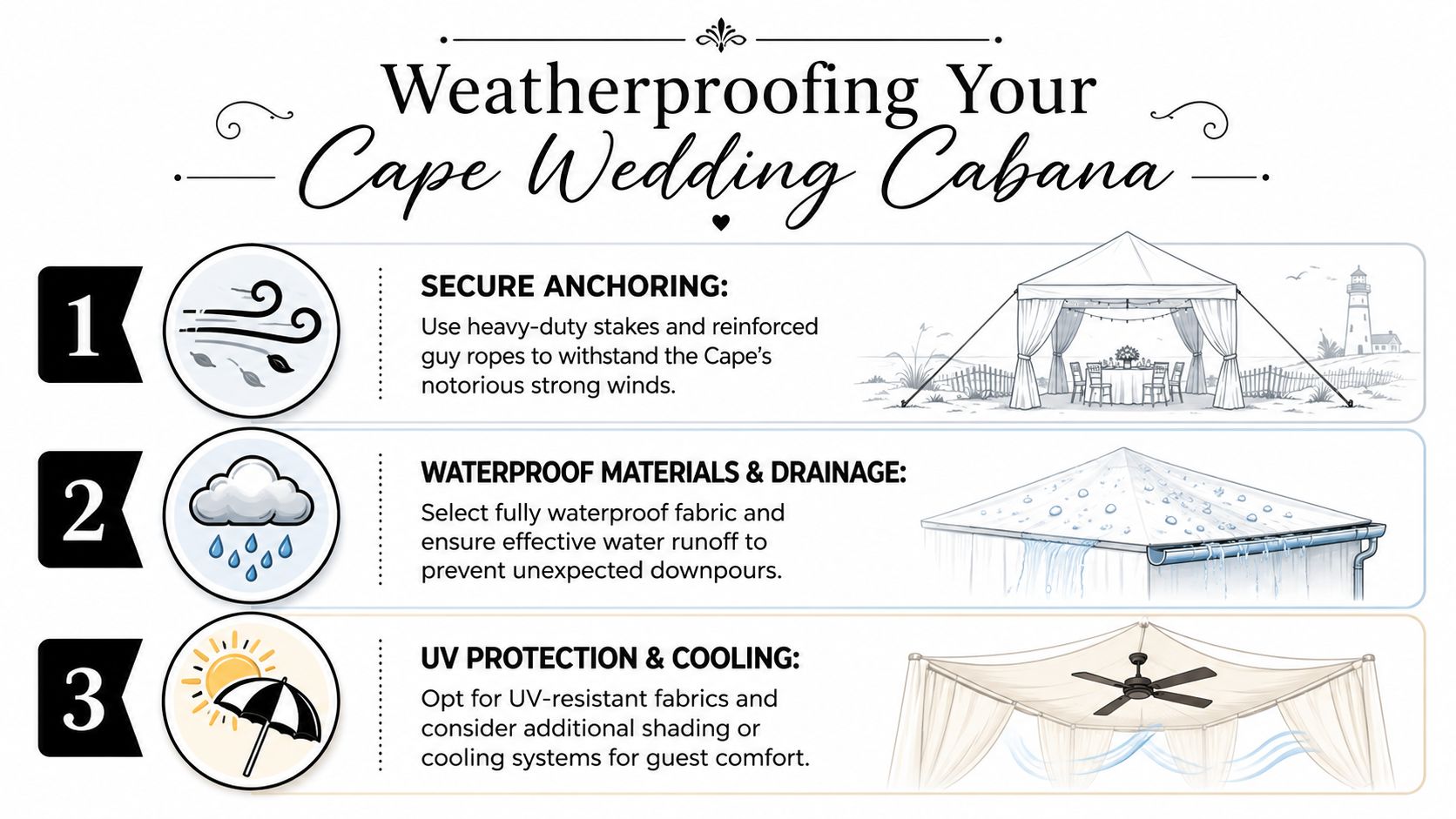
Shut down in the right order

Use a consistent sequence:

  1. Turn the burners off.
  2. Close the gas supply.
  3. Allow the braai to cool properly before moving it.
  4. Check that no utensils, foil, or food trays are left on warming racks or side shelves.

That sequence reduces confusion during breakdown, especially when multiple suppliers are packing out at the same time.

Do the cleaning that matters

On-site cleaning should be simple and useful.

  • Scrape the grids: Remove food residue while the surfaces are still manageable.
  • Empty loose debris: Don’t leave scraps and burnt bits inside the firebox area.
  • Wipe external surfaces: Grease smears on lids and shelves make a unit look worse than it is.
  • Check the drip area: If runoff has collected, don’t send it back untouched.

If your team needs a general refresher on the basics, this guide on how to clean a BBQ grill is a practical reference.

Prepare it for collection

Before pickup, make sure the braai is accessible. Don’t box it in behind stacked tables, décor crates, or furniture waiting for collection.

A smooth return usually comes down to three things:

  • Clear shutdown
  • Basic cleaning
  • Easy access for the driver

Rental suppliers notice the difference. So do planners who want fast repeat bookings and fewer disputes after the event.

Frequently Asked Questions for Event Planners

Can I use a 3 burner gas braai during load-shedding

Yes, gas is often the practical choice when you can’t rely on power. It keeps outdoor catering moving without depending on the venue’s electrical supply, which is one reason many planners prefer it for event service.

How long will a standard gas cylinder last

Most 3-burner gas braais in South Africa are built around a 9kg gas cylinder, which is the common local benchmark. In the local market, that standard is widely used across 3-burner models, including units associated with LPGSA-approved positioning such as the Sizzler 3-burner reference noted on the Pinnacle page (Megamaster Pinnacle Series 3 Burner Patio Gas Braai).

For planning purposes, use the supplier’s fuel guidance for the actual unit hired and build in a margin if the event includes extended service.

What surface should the braai stand on

A level, stable, non-fragile surface is best. Paving and solid patios are easiest. Firm ground can work if the unit won’t shift. Avoid unstable placement near décor, draping, or guest circulation.

Is one 3 burner gas braai enough for a wedding

Sometimes yes, sometimes no. It depends on menu complexity, service timing, and whether food is plated in waves or served all at once. Focus on service flow, not just the presence of a single braai.

Should I rent or buy for a once-off function

For one-off weddings, private events, and occasional corporate functions, renting is usually simpler. It removes storage, transport, and maintenance from your job list.

What should I check when the unit arrives

Look at the hose, regulator, grill condition, wheel stability, and general cleanliness. Confirm what’s included, where it will stand, and who is responsible for operation during service.


If you’re planning an outdoor event in Cape Town, Stellenbosch, Franschhoek, Paarl, or the surrounding areas, ABC Hire can help you pull the full setup together. From event furniture and LED pieces to practical hire items that support smooth service, they’re a reliable local partner for weddings, corporate functions, and private celebrations.