You’ve picked a date, sent a few messages, and suddenly a simple gathering has turned into a proper event. The guest list has grown. Your patio now needs to work as a lounge. The dining room might become a drinks station. The garden looks perfect until you remember the South Easter, one overloaded plug point, and the fact that half your guests won’t want to stand all night.
That’s usually the moment people start searching for house party rentals.
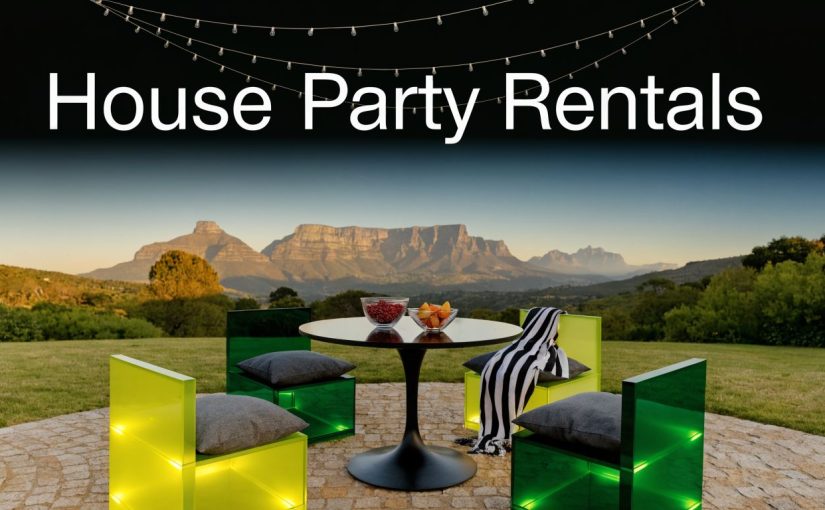
In Cape Town and the Winelands, hiring for a house party isn’t just about adding extra chairs. Local homes vary wildly. A compact city courtyard behaves very differently from a Franschhoek lawn, a Stellenbosch wine estate cottage, or a split-level family home in the Southern Suburbs. Wind, heat, access gates, gravel driveways, load-shedding planning, and late-night noise management all affect what you should hire and how it should be set up.
I’ve seen the same pattern many times. Hosts start with the fun items first, often lighting, bar furniture, bean bags, a slush machine. Then the practical gaps appear. Not enough surfaces for drinks. No shaded area for older guests. Tight walkways around the braai. A beautiful layout on paper that blocks the kitchen door in real life.
Good house party rentals solve those problems before guests arrive. If you’re also thinking about access control, valuables, and entry points for a rented or shared property, this guide on Rental Property Security Standards is worth a read alongside your event planning.
Your House Party Vision Starts Here
The strongest house parties don’t start with a product list. They start with a clear picture of how the night should feel.
A birthday at home in Newlands often needs one thing. Easy flow between indoors and outdoors. A milestone dinner in Stellenbosch usually needs another. Comfortable seating that still looks polished in photos. A matric after-party in Paarl needs a different balance again, with more open space, fewer fragile styling pieces, and lighting that carries the energy after sunset.
Start with the mood, not the catalogue
Ask three practical questions first:
- How do guests arrive and gather. Quiet dinner style, drop-in social style, or full evening celebration?
- Where will people naturally stay. Around the kitchen island, under the patio, near the pool, or on the lawn?
- What changes after dark. Temperature, lighting, wind exposure, and traffic flow all shift once the sun goes down.
Those answers shape every rental decision that follows.
A common mistake is trying to make every part of the house “event ready”. That rarely works. It’s better to choose two or three strong zones and make each one function properly. One social zone. One seating zone. One service zone for food or drinks.
Use rentals to direct behaviour. Guests follow light, seating, and surfaces more reliably than signs.
Think like a host, not a venue manager
Your home already has character. Don’t fight it.
If your best feature is a deep covered patio, build the party around it. If the lawn is level and open, use it for soft seating or cocktail furniture. If your indoor area is small, avoid bulky pieces that make the room feel cramped within the first hour.
In the Winelands, the backdrop does a lot of the heavy lifting. Mountain views, vineyards, old oaks, and whitewashed walls don’t need over-decorating. They need smart support. The right tables, comfortable seating, and controlled lighting usually beat overfilling the space with too many hire items.
That’s the difference between a party that feels effortless and one that feels assembled.
Building Your Rental Wishlist What and How Many
The shopping list matters, but quantity matters more. Most first-time hosts either under-hire seating and surfaces, or over-hire decorative items that don’t earn their space.
For a typical private party in South Africa, furniture and décor account for a significant portion of the rental budget, with a revenue share of nearly 30% for rental companies (party rental industry statistics). That’s why it pays to get the basics right before adding statement pieces.
Build the list in layers
Start with the essential requirements.
Layer 1 is seating and tables.
Guests need somewhere to sit, somewhere to place a drink, and enough room to move between both.
Layer 2 is service equipment.
This includes buffet tables, bar counters, ice bins, glassware support tables, and anything the caterer or bartender needs to work cleanly.
Layer 3 is atmosphere.
LED cubes, bean bags, bar stools, feature benches, and decorative extras belong here.
If you want a more detailed look at event furniture choices, this guide on renting furniture for events is a useful companion.
A practical way to estimate quantities
Don’t count only people. Count behaviours.
For a standing cocktail-style party, many guests will rotate. For a family birthday or engagement celebration, seating demand stays higher for longer. Older relatives, parents with children, and guests arriving early nearly always claim seats first and keep them.
Use this as a planning tool.
| Item Category | Guideline Per 20 Guests | Pro Tip |
|---|---|---|
| Chairs | 12 to 16 | If it’s a mixed-age crowd, lean higher. If it’s a younger standing party, keep some room for movement. |
| Cocktail tables | 3 to 4 | Spread them out. One near food, one near the bar, one in the social centre. |
| Dining or buffet tables | 1 to 2 | One often becomes a catch-all. Keep one dedicated to food service only. |
| Lounge seating pieces | 2 to 4 | Group them in small clusters, not a single long line against a wall. |
| LED cubes or side tables | 4 to 6 | These work best when they double as both lighting and drink-resting space. |
| Bean bags | 4 to 8 | Better outdoors or in a relaxed after-party zone than near formal dining. |
| Bar unit or drinks station | 1 | Place it away from the kitchen entrance to avoid cross-traffic. |
| Slush machine or feature equipment table | 1 support table per unit | Leave elbow room for serving and refilling. |
Match items to the type of party
A few examples make this easier.
- Birthday at home: Prioritise mixed seating, easy-clean surfaces, and a defined drinks station.
- Engagement party: Add more polished lounge pieces and fewer casual soft seats.
- Matric or university party: Open floor area matters more than excess furniture.
- Garden lunch in the Winelands: Shade and stable surfaces matter more than dramatic styling.
Practical rule: If an item doesn’t improve comfort, service, or atmosphere, it probably doesn’t need to be on the quote.
What hosts often forget
The missing pieces are usually small but important:
- Side surfaces: Guests need places for phones, handbags, sunglasses, and drinks.
- Service backs: Caterers and bartenders need hidden working space.
- Queue room: Bar areas and food tables need breathing room around them.
- Weather backup: A patio party can become an indoor party quickly.
A good rental wishlist feels slightly restrained on paper. On site, it feels organised, generous, and easy to use.
Designing the Vibe Layout and Lighting Secrets
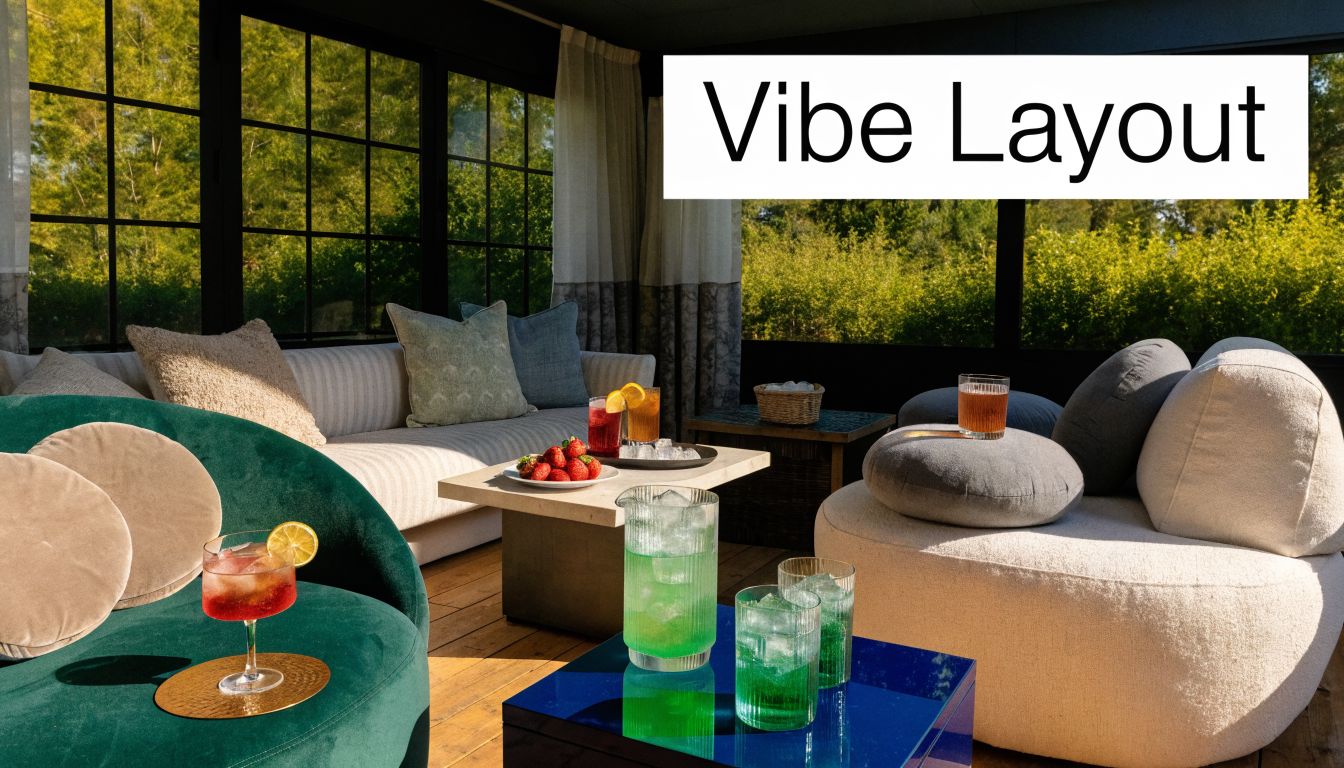
A house party can have beautiful furniture and still feel awkward if the layout is wrong. Guests notice flow before they notice style. They feel it when they can’t reach the drinks table without brushing past a dining chair, or when a lounge setup looks good in photos but traps people in a dead corner.
Create zones that feel natural
The easiest way to design a home event is to think in movement lines.
Guests need to move from arrival to drinks, from drinks to seating, and from seating to food or the dance area without crossing every other activity. In Cape Town homes, the pressure points are usually doorways, kitchen access, patio steps, and narrow passages beside pools.
Use furniture to guide people, not to fill every available metre.
A simple structure works well:
- Welcome zone near the entrance with one clear drop point or greeting area.
- Social core where the bar, cocktail tables, or central standing area sits.
- Comfort zone with lounge seating, benches, or bean bags away from the busiest traffic.
- Service edge where catering, ice, refills, and clearing can happen without becoming part of the party.
If you’re adding decorative lighting indoors or on a covered patio, a fairy light curtain can soften blank walls and define a focal point without taking up floor space.
Light the party in layers
Lighting changes everything. It’s the fastest way to stop a house feeling like a regular home and start it feeling like an event.
The most useful approach is layered lighting:
- Ambient light sets the overall mood. This should be soft enough to feel warm, but bright enough for guests to move safely.
- Feature light draws attention. Use it at the bar, entrance, photo spot, or lounge cluster.
- Functional light keeps food stations, bathrooms, paths, and steps usable.
High-quality photo galleries of layout and lighting ideas can make decision-making easier, and galleries have been linked to a 2.5x increase in conversions for rental services (party and event rental market report). The practical takeaway is simple. Don’t choose from a list alone. Ask to see full setup examples.
Good lighting isn’t about making everything brighter. It’s about deciding what should stand out and what should fade into the background.
Where LED furniture works best
LED furniture earns its keep when it does two jobs at once. It gives guests something useful, and it shapes the room visually.
It works especially well in these spots:
- Bar fronts: A glowing bar creates an anchor point immediately.
- Poolside edges: Low LED cubes or benches make the perimeter visible after dark.
- Dance spill-out areas: Guests who leave the dance floor still stay within the energy of the party.
- After-party lounges: Soft seating plus lit cubes creates a relaxed second phase for the evening.
What doesn’t work is scattering LED pieces everywhere. The result usually feels busy. Group them with intent. A pair of LED benches, a cube cluster, or a lit bar setup reads far better than isolated pieces with no relationship to each other.
In Winelands properties, where the setting is often already beautiful, restraint is usually what makes the look feel expensive.
The Unseen Essentials Power and Climate Control
Most rental problems at house parties don’t start with furniture. They start with infrastructure.
The setup looks perfect at 4 pm. By 7 pm the extension leads are overloaded, the slush machine is sharing a circuit with the sound system, and a closed tent has become too warm to use. These are planning issues, not bad luck.
Power planning before anything is delivered
Make a list of every powered item first. Sound, DJ equipment, fridges, slush machines, decorative lighting, catering warmers, coffee stations, and climate equipment all compete for the same supply.
Then map where each item will run.
In many homes, outdoor sockets are limited and indoor plugs get pulled into service through doors and windows. That’s manageable for a small setup, but once multiple equipment types are involved, cable routing becomes part of the event plan. The safest approach is to separate heavy-load items wherever possible and keep guest walkways clear of power runs.
Ask these questions before booking:
- What needs constant power
- What cycles on and off during service
- Which items can share safely
- Will rain, dew, or sprinkler systems affect cabling
- Does the property have a realistic backup plan if supply drops
Climate control matters more than most hosts expect
Cape Town’s weather doesn’t behave politely for event planners. Summer evenings can stay hot well into the night, especially under tents, enclosed patios, and still-air garden corners. In the Winelands, daytime heat often lingers after sunset.
A practical benchmark helps here. A single 5kW evaporative cooler can cool a 100m² tent or enclosed patio space and achieve an ambient drop of up to 10°C. That’s from the same set of South African party rental figures already noted earlier in the article.
That doesn’t mean every event needs one. It means climate planning should be deliberate.
Match the solution to the site
Use the venue conditions to choose the equipment.
- Covered patio with side exposure: Focus on air movement and shaded seating.
- Tent on lawn in summer: Cooling becomes far more important.
- Winter city party with outdoor mingling: Heating near the social edges works better than one heater in the centre.
- Poolside event: Plan for temperature drop after dark, even if the day felt warm.
If guests are too hot or too cold, they won’t describe the party as beautiful. They’ll describe it as uncomfortable.
The same logic applies to wind. Open-sided structures, lightweight décor, candles, and loose linens all behave differently in Camps Bay, Somerset West, or on a valley-facing property near Franschhoek. Weighting, anchoring, and equipment placement should be settled before setup day, not improvised on arrival.
Comfort is one of the least glamorous parts of house party rentals. It’s also one of the biggest reasons a party either lasts comfortably into the evening or starts thinning out early.
Budgeting and Booking Your Rentals Like a Pro
Most rental stress comes from timing and unclear quotes. Not from the actual items.
Hosts often leave the enquiry too late, ask for a broad package without a proper brief, then compare quotes that aren’t built on the same assumptions. One includes setup. Another doesn’t. One includes delivery within a certain radius. Another adds transport later. The cheapest quote can become the most expensive once the practical extras appear.
Use a simple booking timeline
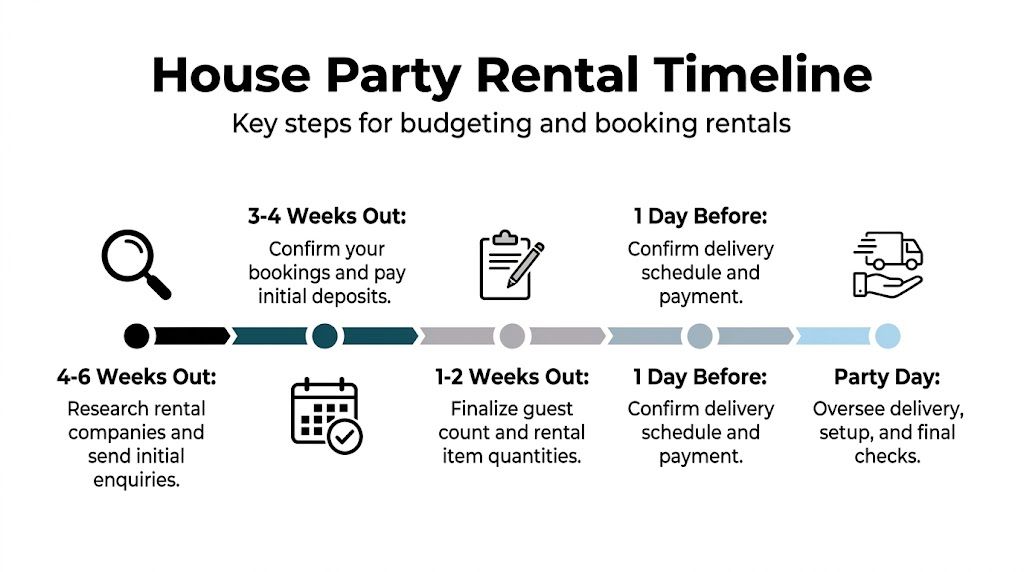
A straightforward timeline prevents most problems.
4 to 6 weeks out
Research suppliers, confirm your date, and send a proper brief with guest count, suburb, access notes, and party style.
3 to 4 weeks out
Lock in the core pieces. This matters most in peak periods when the best stock moves quickly.
1 to 2 weeks out
Refine quantities once RSVPs settle. This is the moment to adjust seating, tables, or lounge pieces.
1 day before
Confirm the delivery window, access instructions, and final payment details.
Party day
Be on site or have one responsible person present to receive and check the order.
Know your real budget range
The average spend for a private party in South Africa ranges from R8,000 to R12,000, and hidden delivery fees can push cart abandonment as high as 30% if they aren’t communicated clearly upfront. That’s why transport, setup, stairs, distance, and collection timing should be discussed early rather than assumed.
If you want a broader planning framework, this guide on budgeting an event is a useful reference for structuring costs before you start collecting supplier quotes.
What to ask before paying a deposit
Don’t stop at “What’s the price?” Ask what the quote covers.
Use a checklist like this:
- Delivery details: Is transport included, and for what area?
- Access conditions: Are stairs, narrow passages, gravel driveways, or long carrying distances relevant?
- Setup and strike: Does the team place items, or only drop them?
- Collection timing: Same night, next morning, or later?
- Damage policy: What counts as wear and what counts as chargeable damage?
- Change window: How late can quantities be adjusted?
- Weather flexibility: What can be swapped if conditions change?
Save money in the right places
There are smart trims and false economies.
Good savings usually come from reducing duplicate seating areas, simplifying décor, or using multi-purpose items like LED cubes that work as both styling and function. Bad savings usually come from under-ordering tables, skipping climate control, or leaving setup support out of the quote and expecting the day to run smoothly anyway.
A strong booking process feels calm. You know what’s arriving, where it’s going, and what the final cost includes. That confidence is worth nearly as much as the furniture itself.
The Big Day Delivery Setup and Your Final Checklist
By party day, the job changes. Planning stops. Execution starts.
Small oversights quickly become apparent. A locked side gate. Cars parked in the delivery path. Wet grass where the lounge setup was meant to go. No one available to approve placement decisions. The smoother the handover, the calmer the rest of the day feels.
Get the site ready before the truck arrives
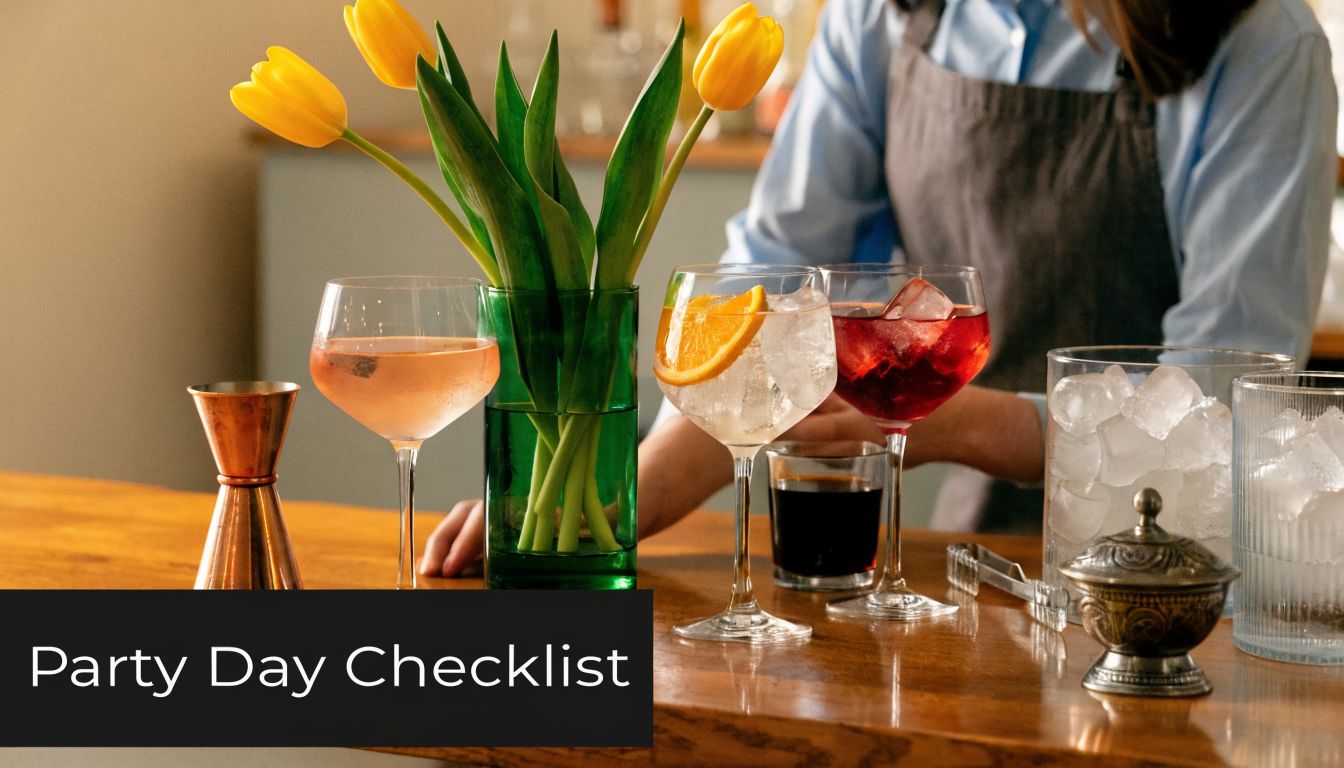
Do these checks first:
- Clear access: Open gates, move vehicles, and mark the easiest route in.
- Protect the setup area: Keep pets, sprinklers, garden tools, and loose clutter out of the work zone.
- Confirm placement decisions: Know where the bar, main seating, and service tables must go.
- Check power points: Make sure the required outlets are accessible and working.
- Nominate one contact person: One decision-maker avoids confusion.
If you want a broader event-day prep list, this event planning checklist template is a practical tool to keep nearby.
Do a proper handover check
Modern rental companies can achieve 98% stock level accuracy by using cloud-based software and RFID tags, which helps ensure the booked items are the ones delivered on the day. Even so, the host should still do a quick physical check before the crew leaves.
Look at:
- Item count
- Colour or style match
- Visible condition
- Power-up test for electrical items
- Placement accuracy
This doesn’t need to take long. It just needs to happen while the team is still on site.
A two-minute check on delivery prevents a thirty-minute panic just before guests arrive.
Protect the hire items during the party
Once the event starts, the best protection is simple management.
- Keep drinks stations stable and away from soft seating where possible.
- Don’t drag furniture across rough paving.
- Keep children away from equipment that isn’t meant for play.
- Sort ashtrays, bins, and spill cloths before guests need them.
- If weather turns, move vulnerable pieces early rather than after damage starts.
Collection goes fastest when obvious waste is cleared and access is open again. You don’t need to deep-clean event furniture unless the supplier requires it, but you should leave items reasonably ready for pickup and report any breakage.
That makes the close-out easy for everyone.
Frequently Asked Questions About House Party Rentals
Can I change my order after booking
Usually, yes. The practical limit is stock availability and timing. Final guest count changes are common, so update quantities as soon as you know them instead of waiting until the last minute.
What if something gets spilled on the furniture
Minor party wear is different from serious damage. Ask for the supplier’s damage policy before you pay. That avoids arguments later and helps you understand what care level is expected during the event.
How much space does a delivery team need
It depends on the items and the property access. A narrow side passage, steep driveway, stairs, or long walk from the gate all affect setup time. Mention those details early when requesting a quote.
Do I need to be home for delivery
It’s best if either you or one responsible person is present. Someone needs to approve placement, answer access questions, and check the order on arrival.
What if Cape Town weather changes suddenly
Have a fallback layout ready. Moveable lounge pieces, covered service areas, and a plan for wind or heat matter more than decorative extras when conditions turn.
Are house party rentals worth it for smaller gatherings
Yes, if the hired items solve a real hosting problem. Even a smaller event feels easier with proper seating, serving surfaces, and lighting that suits the space.
If you’re planning a celebration in Cape Town, Stellenbosch, Franschhoek, Paarl, or nearby, ABC Hire can help you put together the right mix of furniture, lighting, climate control, and event extras for a house party that feels polished and easy to host.