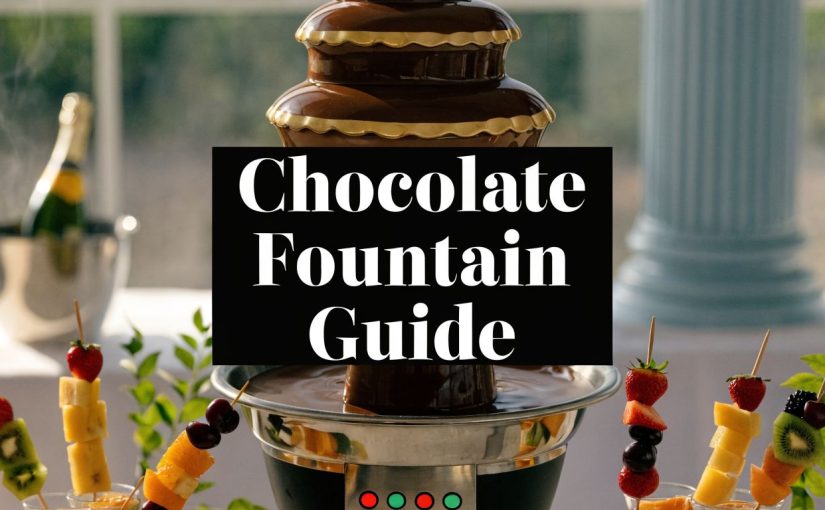
Cape Town Chocolate Fountain Machine Guide

You’ve got the venue booked, the timeline is tight, and the brief sounds familiar. The event needs one feature that feels festive, photographs well, and gives guests something to do the moment they arrive. In Cape Town and the Winelands, a chocolate fountain machine often fills that role better than a static dessert table.

It works across very different events. A wedding in Franschhoek needs elegance. A matric dance needs movement and theatre. A corporate launch in the CBD needs a station that draws people in without slowing service. A good fountain does all three when it’s chosen and run properly.

Why a Chocolate Fountain is Your Event's Secret Weapon

A fountain earns its place because it does more than serve dessert. It creates a point of activity. Guests gather around it, compare dipping choices, take photos, and keep returning through the evening.

A luxurious chocolate fountain surrounded by various fresh fruits including watermelon, pineapple, strawberries, and blueberries.

In the Western Cape, that appeal isn’t new. Chocolate fountain machines became a cornerstone of Cape Town’s event scene in the mid-2000s, with adoption rising alongside a 150% surge in luxury event catering demand, and by 2015, 72% of high-end weddings in Stellenbosch and Franschhoek featured interactive chocolate stations according to local catering surveys cited at candy-buffets.co.uk.

It gives guests something to do

Some event features look good but don’t change the atmosphere. A fountain does. People interact with it.

That matters at:

  • Weddings where guests need a soft ice-breaker between formal moments
  • Corporate functions where people mingle in waves rather than sit for a full plated dessert
  • Private celebrations where a host wants a centrepiece without building an entire dessert room

It pairs well with other interactive details

The strongest events usually combine one edible talking point with one personal keepsake or participation element. If you’re already planning a guest experience beyond food, a thoughtful Guest book alternative can complement the same kind of interactive flow without feeling gimmicky.

For more playful dessert-station inspiration, this look at https://www.abchire.co.za/blog/candy-floss-machine-hire/ is useful when you’re deciding whether to build one hero station or combine two.

A fountain works best when it’s treated as part dessert, part entertainment, and part visual anchor.

Why planners still come back to it

The reason planners keep booking fountains is simple. They solve a common event problem. You need one feature that feels generous without overcomplicating service.

A well-run fountain station looks abundant, suits formal and informal events, and gives you flexibility with fruit, baked items, and sweets. That mix is hard to beat.

How a Chocolate Fountain Machine Actually Works

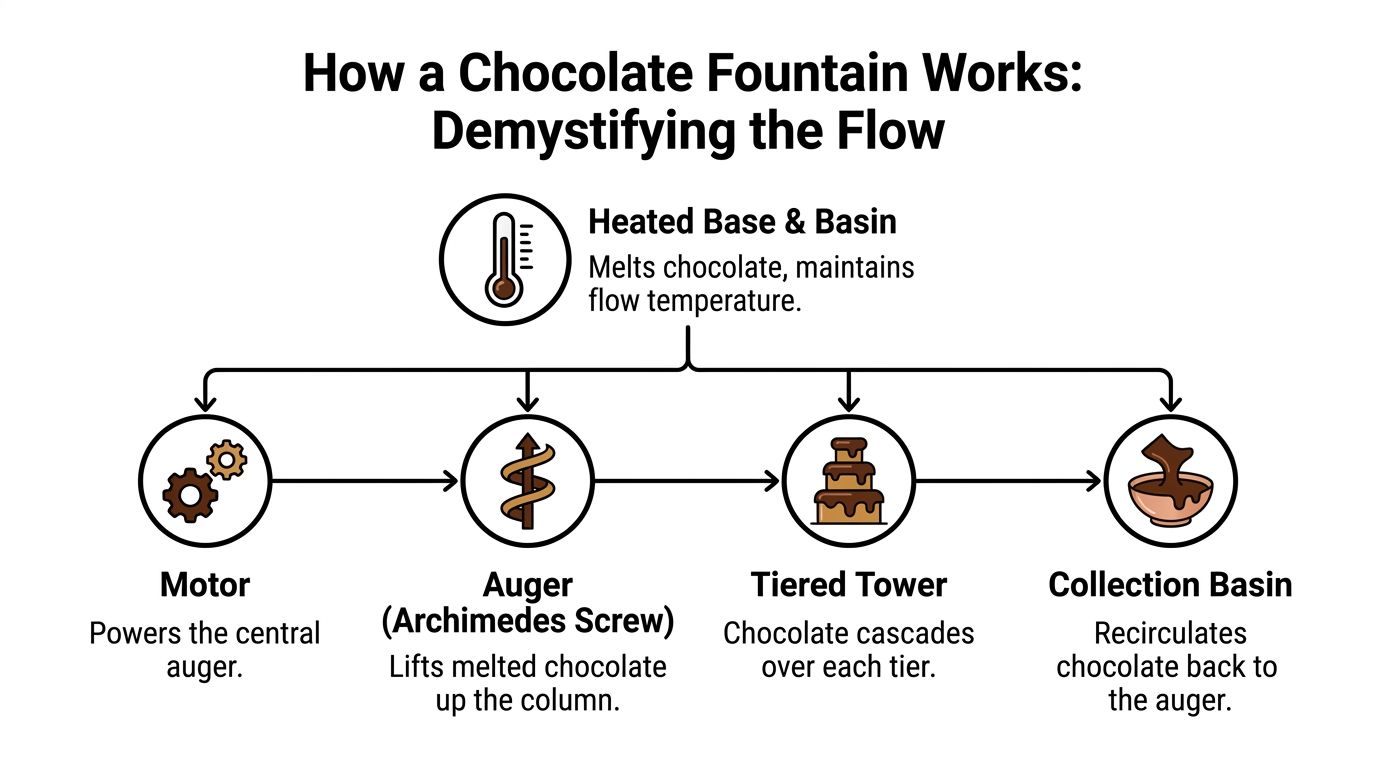
One might look at the falling chocolate and assume the machine is complicated. It isn’t. The core system is straightforward once you break it into parts.

Think of it as a warm chocolate loop. The basin holds melted chocolate, the motor drives an internal auger upward, and the chocolate spills over the top before returning to the base to repeat the cycle.

A diagram explaining how a chocolate fountain works through motor, auger, tiered tower, and collection basin components.

The four parts that matter

Heated base and basin

The chocolate sits and stays fluid. Without steady heat, the whole system fails because the chocolate thickens before it can circulate properly.

Motor

The motor turns the internal lifting mechanism. If the machine is underpowered for the amount of chocolate inside, flow becomes patchy and the unit strains.

Auger

The auger is the key mechanical piece. It’s a spiral shaft, based on the Archimedes screw concept, that carries melted chocolate from the base to the top of the tower.

Tiered tower

Once the chocolate reaches the top, gravity does the rest. It cascades over each tier and returns to the collection basin below.

The fountain doesn’t “pour” chocolate down. It lifts it first, then lets gravity create the curtain effect.

Why chocolate consistency matters

A chocolate fountain machine needs chocolate that stays fluid under heat. If it’s too thick, the auger still pushes it upward, but the curtain won’t form cleanly across the tiers.

That’s why operators pay attention to:

  • Heat stability
  • Chocolate viscosity
  • How quickly the machine was preheated
  • Whether the machine is level

Common machine sizes in event use

Different events need different machines. In practical hire use, you’ll usually see:

Machine style Best suited to Practical note
Small 3-tier units Intimate private parties Easier to place on compact buffet tables
4-tier professional units Weddings, matric dances, corporate events Better for steady service and stronger visual impact
5-tier commercial units Larger guest counts and formal setups More dramatic presence, but need careful placement and setup

Capacity and service style

Commercial units used in event hire often sit in the middle ground between dramatic enough to draw attention and practical enough to clean and transport. Some models are built for long service windows, while others are better for shorter dessert bursts.

The machine itself is only half the equation. The operator still needs to match the right amount of chocolate, the right temperature, and the right dippables. Get those aligned and the fountain looks effortless. Miss one of them and the machine gets blamed for a chocolate problem.

Renting vs Buying a Fountain for Your Event

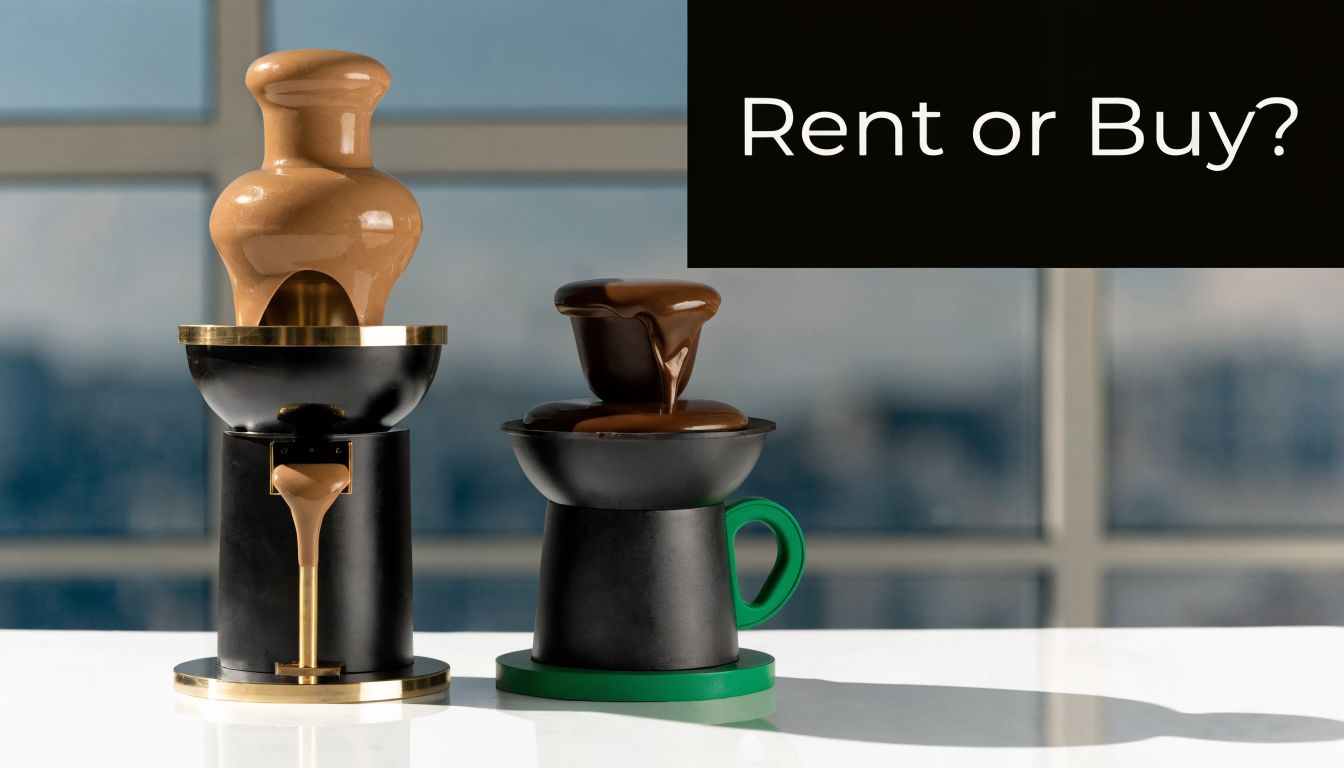
This is one of the most common planning decisions, especially for venues, caterers, and private clients who host more than once. A chocolate fountain machine can be rented for a single event or bought outright, but those two choices suit very different needs.

A large and a small chocolate fountain machine side by side with the text Rent or Buy

Renting makes sense for most one-off events

For weddings, birthday parties, product launches, and matric functions, renting is usually the cleaner decision. You get a machine that suits the event, you don’t have to store it afterwards, and you avoid the less glamorous side of ownership.

That less glamorous side includes:

  • Transporting a food machine safely
  • Cleaning chocolate out of all removable parts straight after service
  • Storing the unit somewhere dust-free
  • Testing it before each use
  • Replacing worn parts over time

Buying only works when usage is regular

Ownership becomes reasonable when the same person or business uses the machine often enough to justify maintenance, storage, and staff training. That tends to be a better fit for permanent hospitality operations than occasional hosts.

Here’s the practical comparison:

Consideration Renting Buying
Upfront cost Lower immediate commitment Higher initial spend
Storage No storage after event You need secure, clean storage
Maintenance Usually handled by hire company You handle cleaning and upkeep
Flexibility Choose a different size for each event You’re locked into what you own
Risk on event day Lower if supplier tests equipment well Entire performance depends on your prep

If you’re hosting occasionally, buying often feels cheaper only until you factor in transport, setup errors, and cleaning time.

The hidden burden is cleanup

Chocolate fountains look polished during service and messy immediately after. That’s normal. The issue isn’t just wiping the outside. Proper cleanup means dismantling the tiers, auger, and other removable parts while the chocolate is still workable.

If someone waits too long, cleanup becomes a project instead of a quick reset.

Renting also gives you event-fit choice

Rentals offer planners a clear advantage over ownership. A small engagement party and a large corporate activation don’t need the same fountain. Renting lets you scale the machine to the room, the table layout, and the guest flow.

When renting is the practical move

  • You’re hosting once or only a few times a year
  • You don’t want staff worrying about operation
  • You need setup and collection handled professionally
  • You want flexibility on machine size

When buying can be justified

  • You run recurring events
  • You have staff who know food equipment
  • You can clean and store the unit properly
  • You accept responsibility for event-day troubleshooting

For most Cape Town event clients, renting removes more problems than buying solves.

Selecting the Right Machine for Your Guest List and Venue

A Paarl wedding with 120 guests needs a very different fountain setup from a 30-person birthday in Sea Point. The machine has to suit the pace of service, the table space available, and the venue’s power setup. In Cape Town, heat, wind, and load-shedding can turn a good-looking booking into a messy service point if the machine is chosen on appearance alone.

Start with guest flow, not just headcount.

Two events can have the same number of guests and need different machines. A plated wedding dessert service puts less pressure on the fountain than a corporate launch where people arrive in waves and queue at once. For heavier service, a taller commercial unit with a larger chocolate capacity holds temperature and flow more reliably over several hours. Smaller fountains work well for private homes, baby showers, and compact venues where the fountain is one dessert feature, not the main attraction.

Match size to service style

Ask these questions before confirming the unit:

  • Will guests serve themselves throughout the event, or during one short dessert window
  • Is the fountain a visual centrepiece or a secondary station
  • How long does the service need to run
  • Will children, large groups, or high table traffic increase dipping frequency

Those details matter more than a simple “small, medium, or large” choice.

Venue constraints decide more than people expect

I usually look at the table first. If the venue can only offer a narrow or slightly uneven surface, that limits the machine options immediately. A chocolate fountain needs a level, stable base or the curtain runs unevenly and the presentation suffers.

Cape Town and Winelands venues also bring local quirks. Outdoor setups in Stellenbosch or Franschhoek can be beautiful, but wind carries dust and cool evening air affects flow. Indoor venues near the coast often deal with humidity, which can affect surrounding dippables and the general neatness of the station. In tighter city venues, the issue is often access. If staff must carry equipment up stairs, through a service passage, or across a busy function room, a large fountain may be more trouble than value.

Power planning is part of machine selection

A fountain may fit the guest list and still be the wrong choice if the power supply is unstable. That is a real concern in Cape Town. Before confirming a machine, check whether the venue has a reliable plug point near the dessert station, whether extension leads are allowed, and whether the inverter or generator can handle catering equipment without tripping.

For Winelands venues and outer-route properties, I treat backup power as a planning item, not an afterthought. If the venue already runs key service areas on inverter support, choose a fountain that can work comfortably within that setup.

Ask the venue manager one direct question: “What happens at this table if mains power drops during service?”

A practical selection guide

Choose a smaller fountain when

You have a modest guest count, limited table space, or a mixed dessert table where the fountain is only one element.

Choose a larger commercial fountain when

You expect steady traffic, want stronger visual impact, or need the station to run for a long service window without struggling to maintain flow.

Prioritise easy transport and setup when

The venue has stairs, narrow access points, strict setup times, or uneven event flooring.

Prioritise backup power compatibility when

The venue is in a load-shedding-prone area or depends on inverter or generator support during functions.

One more practical point. The fountain should also suit the chocolate style you plan to serve. Visual planning helps here, especially if the station needs to match the rest of the dessert table or event palette. A quick comparison of dark and milk chocolate options can help when deciding how prominent the fountain should be in the room.

The best machine is the one that fits the venue, holds a steady curtain during peak service, and does not create extra work for staff halfway through the event. That is usually what separates a fountain people photograph from one people avoid.

Choosing the Best Chocolate and Dipping Items

The machine gets attention first. The chocolate decides whether guests come back for a second dip. Frequently, event setups misstep, focusing on the fountain hardware and treating the chocolate as a simple grocery item.

It isn’t.

Start with the right chocolate

For event use, couverture chocolate is usually the strongest choice because it’s made for better melt and flow characteristics. It gives you a smoother curtain and a cleaner mouthfeel.

Compound chocolate can work in some settings, but it often doesn’t deliver the same finish. If the event is premium, the difference shows.

A useful visual reference for comparing dark and milk chocolate options can help when you’re building a flavour profile for the station.

Dark, milk, or white

Each creates a different event feel.

Chocolate type Best for Watch out for
Milk chocolate Broad guest appeal, family events, corporate functions Can feel too sweet if all dippables are sugary
Dark chocolate Elegant weddings, adult audiences, richer fruit pairings Not every guest prefers the intensity
White chocolate Visually striking dessert tables Usually fussier in flow and heat handling

Dippables that work consistently

The best dipping items have structure. They should hold on a skewer, survive sitting out, and pair naturally with warm chocolate.

Classic crowd-pleasers

  • Strawberries for colour and instant recognition
  • Pineapple chunks because the acidity cuts sweetness
  • Marshmallows for easy dipping and broad appeal
  • Pretzels when you want a sweet-salty contrast

Strong buffet-table performers

  • Brownie bites if they’re cut small and kept firm
  • Mini doughnuts for a more indulgent station
  • Pound cake cubes because they’re neat and hold shape well

Items to use carefully

  • Very soft fruit can slip or break apart
  • Crumbly pastries make the basin messy quickly
  • Wet ingredients can interfere with the chocolate and the station hygiene

A fountain station improves when the dipping menu gets shorter and better, not longer and random.

Build around the event mood

For weddings in the Winelands, fruit-heavy selections usually look cleaner and more refined. For school formals and milestone birthdays, guests often expect marshmallows, brownies, and sweeter bakery items.

A practical mix usually includes:

  • something fresh
  • something soft
  • something crunchy
  • one indulgent baked option

Presentation matters more than variety overload

Too many bowls crowd the table and slow guest movement. A tighter, well-styled arrangement looks more generous than an oversized spread with poor organisation.

Keep skewers visible, napkins close, and the most popular items within easy reach. If guests can understand the station at a glance, they use it more confidently and the fountain feels more polished.

Expert Setup and Troubleshooting for a Flawless Flow

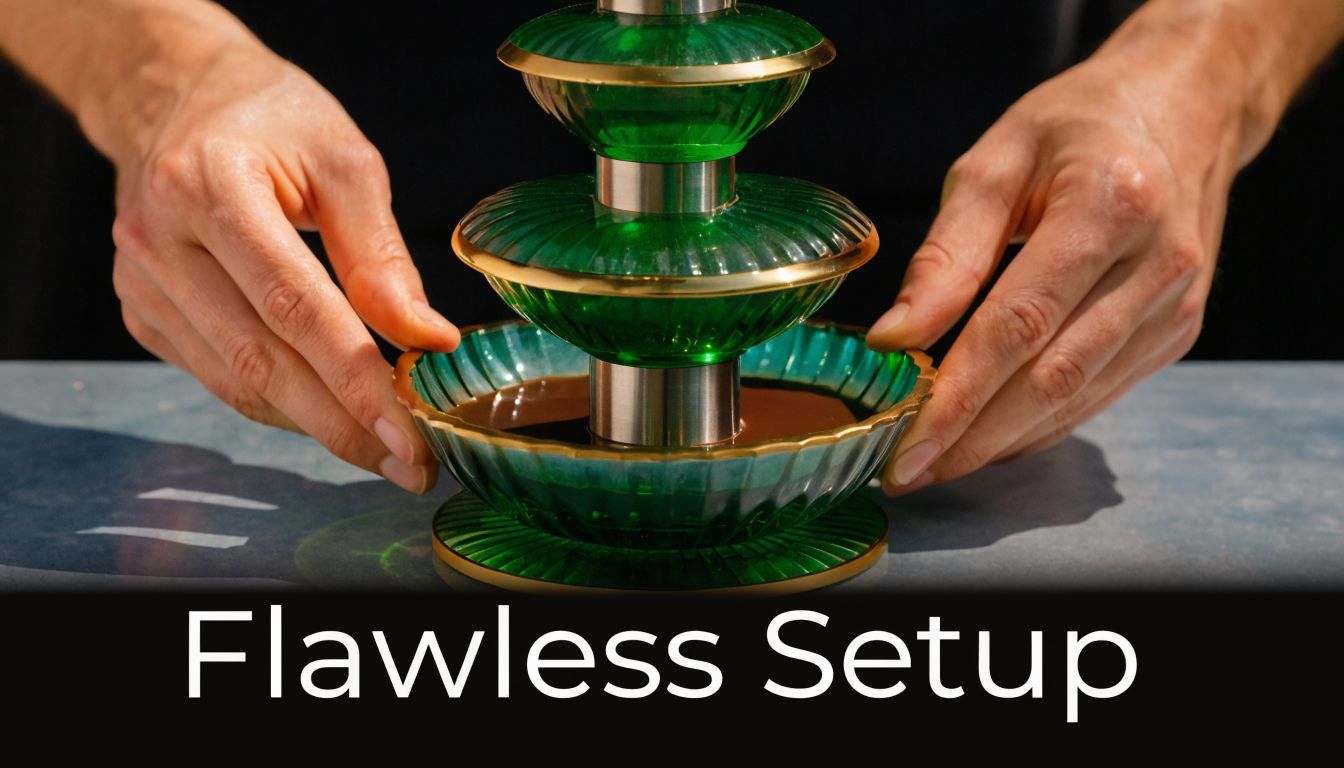
A chocolate fountain can look perfect in the prep area and start misbehaving 20 minutes into service. I see it most often at Cape Town weddings and Winelands functions where the setup looked fine, but the table was slightly uneven, the venue had a warm draft from an open door, or the power point was nowhere near the dessert station.

A person carefully assembling a three-tier green and gold decorative chocolate fountain machine on a tabletop.

Good flow starts before any chocolate goes into the basin.

Start with the table, power, and room conditions

Put the fountain on a firm, level table with enough space for platters, skewers, napkins, and guest movement. Avoid the edge of the dance floor, the main path to the bar, and any spot near an open window or venue entrance. Even a light breeze can cool the chocolate and disturb the curtain.

Power planning matters more than clients expect. If the venue layout forces a longer cable run, use a safe setup and plan it before decor goes in. This guide to a 20 m extension cord for event equipment is useful when the power point is not close to the dessert station.

Outdoor-adjacent venues in Stellenbosch, Paarl, and Franschhoek need extra care. Dust, afternoon heat, and damp coastal air can all affect performance.

Follow a proper setup order

Commercial fountains generally perform best when they are assembled fully, preheated, and only then filled with prepared chocolate. The heating element needs time to bring the basin up to working temperature. Starting the motor too early with thick chocolate puts unnecessary strain on the auger.

A reliable setup sequence looks like this:

  1. Assemble the fountain completely and make sure every tier is seated properly.
  2. Check level from more than one side. A table can look straight and still be slightly off.
  3. Preheat the machine first before adding chocolate.
  4. Add melted, ready-to-flow chocolate rather than solid pieces.
  5. Start the motor only after the basin is warm enough.
  6. Watch the first cycle closely and correct small issues before guests arrive.

That short testing window saves a lot of stress later.

Level affects everything

An uneven fountain rarely fixes itself once service starts. One side will run thin, the curtain will break, and the return to the base will become inconsistent. Staff often blame the chocolate first, but in practice the table level is one of the main causes.

This shows up often at heritage venues and wine estates where floors are not perfectly flat. A folding table on lawn, paving, or old timber can shift once the machine is filled. Check it again after loading the basin, not only during assembly.

In Cape Town and the Winelands, “bad chocolate” is often a setup problem in disguise.

Handle humidity, heat, and load-shedding properly

Local conditions change how a fountain behaves. Warm, humid weather can thicken the flow or make the finish look dull. At farm venues, dust can get into the basin during long setup periods. At private homes and smaller halls, load-shedding planning is part of the job.

Use a practical approach:

  • Keep the fountain away from doors and breezeways
  • Store chocolate out of direct sun before setup
  • Cover the unit if the room is being reset or cleaned around it
  • Run a short test shortly before guest arrival
  • Confirm the venue’s power plan in advance, especially if a generator will be used

If the event is scheduled during a risky power window, ask the venue exactly which circuits stay live and whether the dessert area is covered. A fountain is not the item to leave on an uncertain plug point.

Quick fixes for common problems

The chocolate curtain has gaps

Check the level first. Then check heat. If both are correct, the chocolate is probably too thick for the machine.

The flow is slow

The usual causes are underheating, chocolate that is too thick, or starting the motor before the unit was properly warmed. If thinning is necessary, do it cautiously and in small amounts. Too much added oil can hurt the taste and texture.

The machine sounds strained

Stop and inspect the load on the auger. Thick chocolate, poor preheating, or an uneven base are the common reasons. Continuing to run it usually makes the problem worse.

Chocolate is pooling badly in the base

Look for a tilt in the table or a blockage from partially set chocolate. This can happen fast in an air-conditioned room if the fountain sits in direct airflow.

Cleanup needs to happen quickly

Break the unit down while the chocolate is still warm. Stainless steel parts are much easier to clean immediately after service than once the residue has set hard. This is one reason professional crews stay close to the end of service instead of leaving the fountain standing until venue strike.

A fountain that runs well for three hours usually comes down to boring, disciplined prep. Position it properly, level it carefully, test it before doors open, and respect Cape Town conditions instead of treating it like an indoor mall display.

Understanding Rental Costs in Cape Town and the Winelands

Rental pricing confuses people because they compare one number without checking what’s included. A chocolate fountain package is rarely just the machine standing on its own.

What a professional rental usually includes

In practice, a proper package often bundles several elements together:

  • The fountain machine itself in a size suited to the event
  • Chocolate supply based on expected service needs
  • Basic service accessories such as skewers and napkins
  • Delivery and collection, depending on the location
  • Sometimes an attendant, especially for larger or more formal functions

That’s why two quotes can look far apart while offering completely different levels of support.

What pushes the price up or down

A CBD corporate function and a wedding in Franschhoek don’t carry the same logistics. Even if the machine is similar, the event context changes the cost structure.

The main variables are usually:

  • Guest count, because it affects chocolate volume and station pressure
  • Hire duration, especially for long-running functions
  • Travel distance, particularly for Paarl, Franschhoek, and outlying estates
  • Staffing requirements, if the station needs active management
  • Machine type, because larger or more heavy-duty units involve different handling

What clients should ask before approving a quote

Is chocolate included

Some providers include it. Others price the machine and chocolate separately.

Is setup part of the package

This matters more than many clients realise. A fountain that arrives without proper setup support can cost you time and stress on event day.

Who handles breakdown and cleaning

That changes the real value of the hire.

Is backup power compatibility available

For some venues, that question matters just as much as the dessert selection.

For a wider view of what tends to sit inside a professional food-service rental brief, this guide to https://www.abchire.co.za/blog/catering-equipment-for-hire/ helps frame the broader catering equipment side of event planning.

The cheapest fountain quote often leaves out the labour, delivery detail, or service support that actually makes the station run well.

Budgeting properly

The best way to budget is to treat the fountain as a managed feature, not a standalone object. If you only compare machine price, you miss the primary cost drivers. If you compare setup, staffing, travel, chocolate, and risk reduction, the quote becomes much easier to judge.

That’s how experienced planners assess value.

Frequently Asked Questions from Event Planners

Can I supply my own chocolate

Sometimes, yes. In practice, it’s often a bad idea unless the supplier confirms the chocolate is suitable for fountain use.

The issue isn’t taste alone. Flow, consistency, and heat behaviour matter just as much. A chocolate that tastes great in a slab can perform poorly in a fountain.

How early should I book for wedding season

Book as early as you can once the venue and date are confirmed. Peak Western Cape wedding periods compress supplier availability quickly, especially for feature items tied to catering and dessert service.

If your venue is in the Winelands, don’t leave it until the final weeks. Travel logistics and high-demand dates narrow your options.

What if my guest count changes late

Tell the rental partner immediately. A small increase might only affect chocolate quantity and service layout. A bigger increase can change the recommended machine and the amount of table space needed.

Late guest-count changes are manageable when they’re communicated early enough.

Does the fountain need an attendant

Not always, but larger events usually benefit from one. An attendant keeps the station tidy, monitors flow, tops up dippables, and catches small issues before guests notice them.

For formal events, that extra oversight often improves the whole presentation.

Can the fountain be used outdoors

Only with caution. Outdoor use adds wind, dust, uneven surfaces, and temperature swings. In the Cape Town area, even venues that feel semi-sheltered can expose the machine to air movement that affects flow and hygiene.

Indoor placement is usually the safer choice.

What’s the biggest mistake clients make

They focus on the visual and ignore the operating conditions. A fountain needs the right table, the right power access, the right chocolate, and enough room around it.

When those basics are sorted, the station feels easy. When they aren’t, even a good machine struggles.


If you’re planning a wedding, corporate function, matric dance, or private celebration in Cape Town or the Winelands, ABC Hire can help you choose the right chocolate fountain setup for your venue, guest flow, and power realities. The right machine, properly matched and properly run, turns a dessert station into one of the most memorable parts of the event.

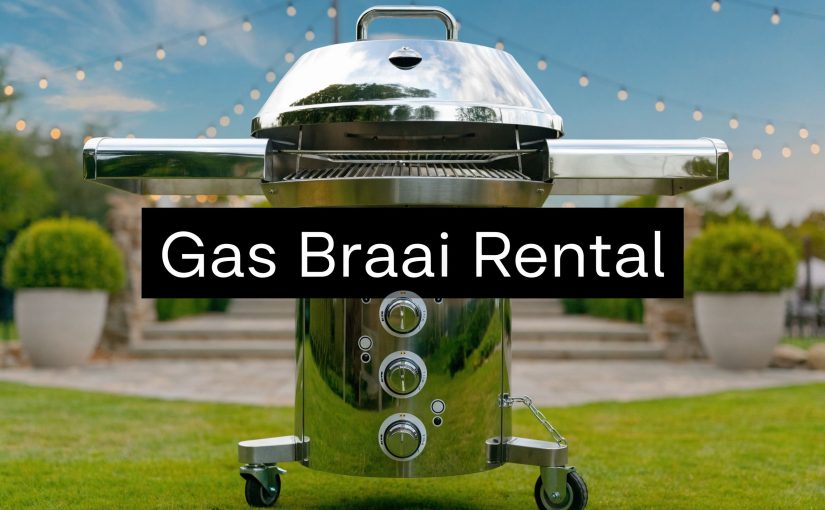
Perfect 3 Burner Gas Braai Rental for Cape Town Events

You don't typically shop for a 3 burner gas braai in isolation. You’re trying to solve an event problem.

A couple is hosting a wedding on a Stellenbosch estate. A corporate team is planning a launch on a rooftop in Cape Town. A school is organising a matric dance with food service outdoors. In each case, the brief sounds simple until the catering details land on your desk. You need steady heat, fast service, less mess, and a setup the venue will allow.

That’s where a 3 burner gas braai earns its place. It gives you proper cooking control without the sprawl of a larger commercial unit. It’s fast enough for live service, clean enough for premium venues, and practical enough for teams that don’t want to manage ash, sparks, or inconsistent heat during guest service.

For planners working across Cape Town and the Winelands, that balance matters. Wind, venue rules, delivery access, and turnaround times all affect whether food service feels polished or chaotic. If you’re hiring across multiple categories, it also helps to look at your broader catering equipment for hire so the braai fits the rest of the service plan instead of becoming an isolated decision.

The Event Planner’s Secret Weapon for Outdoor Catering

A 3 burner gas braai works best when the event needs to feel relaxed, but the execution can’t be left to chance.

At weddings, guests love the theatre of food being cooked fresh outdoors. They don’t love waiting while someone battles with charcoal that won’t settle, smoke that drifts into the seating area, or a temperature swing that ruins the first batch of steaks. Gas fixes that. You open, ignite, preheat, and start working.

Why planners lean on it

Its main value isn’t only the cooking. It’s the predictability.

With a good 3 burner setup, the catering team can run different heat zones at the same time. One side handles searing. Another keeps a gentler grilling temperature. The third can hold cooked items briefly while the next batch goes on. That matters when your menu includes boerewors, burgers, chicken, and vegetarian items that can’t all be treated the same way.

Practical rule: At events, control beats romance. Guests remember hot food served on time more than they remember the fuel source.

Where it fits best

A 3 burner gas braai is particularly useful for:

  • Wedding receptions: Outdoor service without the ash and smoke issues that premium venues often dislike.
  • Corporate events: Faster setup and easier shutdown when access windows are tight.
  • Private celebrations: Enough cooking flexibility for mixed menus without hiring oversized equipment.
  • School and campus functions: Simpler supervision and less mess after service.

It isn’t the answer for every event. If you’re feeding a large crowd in a short service window, one unit may not be enough. But for many Cape Town and Winelands functions, it sits in the sweet spot between too small and unnecessarily bulky.

What Makes a 3 Burner Gas Braai Ideal for Events

A good event braai needs three things. Useful capacity, controllable heat, and a layout that supports service instead of slowing it down.

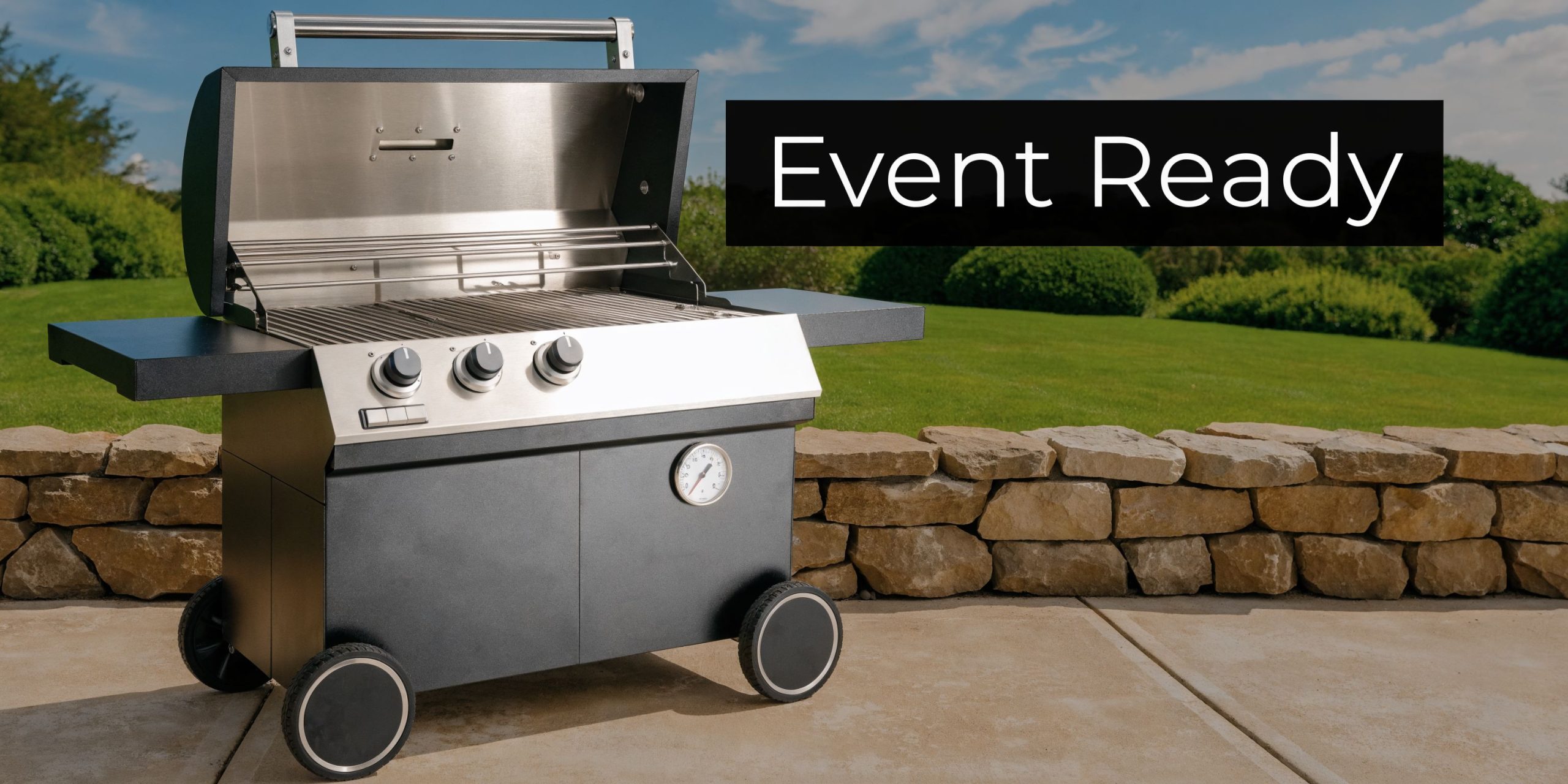
A modern three-burner gas braai grill stands on a patio with a stone wall in the background.

The reason the 3 burner format works so well is simple. It behaves more like a chef’s stovetop than a basic backyard grill. Each burner gives you a separate zone, so you’re not forced to cook everything over one blanket of heat.

The spec range that matters

One useful benchmark in the local market is the Megamaster Crusade Series 3 Burner Patio Gas Braai, which offers 2,763 cm² of primary braaiing space and 40,500 BTUs of total heat output across three stainless steel burners. It’s priced at R5,999.00 including 15% VAT, and that 40,500 BTU level has become a recognised benchmark for 3-burner units in South Africa (The Installer SA product listing).

Those numbers matter because they tell you what a mid-range event-friendly braai can realistically do. It’s enough surface area for proper batch cooking, and enough heat to avoid the sluggish recovery you get when a weak unit loses temperature every time the lid opens.

How the three burners help in service

Use the burners like this:

  • High-heat zone: For steaks, burger patties, or anything that needs colour fast.
  • Medium zone: For chicken, sosaties, or boerewors that need more controlled cooking.
  • Holding zone: For resting cooked food briefly or finishing delicate items.

That setup prevents one of the most common event mistakes. Overcrowding a single hot surface and hoping for the best.

What works and what doesn’t

What works

  • Separate heat zones for mixed menus
  • Faster response when the guest count rises suddenly
  • Cleaner operation on patios, lawns, and estate venues

What doesn’t

  • Treating all three burners as permanently full blast
  • Loading the grill edge to edge
  • Using the braai without assigning one person to manage flow

A 3 burner gas braai performs well when someone is actively running it. It performs badly when it’s left as a self-serve afterthought.

For most event planners, that’s a key appeal. It offers enough capability to cook professionally, without moving into oversized equipment that costs more to transport, place, and supervise.

Gauging Capacity How Many Guests Can You Feed

You feel the pressure on this decision when a wedding planner asks a simple question. Will one braai carry canapes, mains, or late-night food without creating a queue that irritates guests and stretches staff.

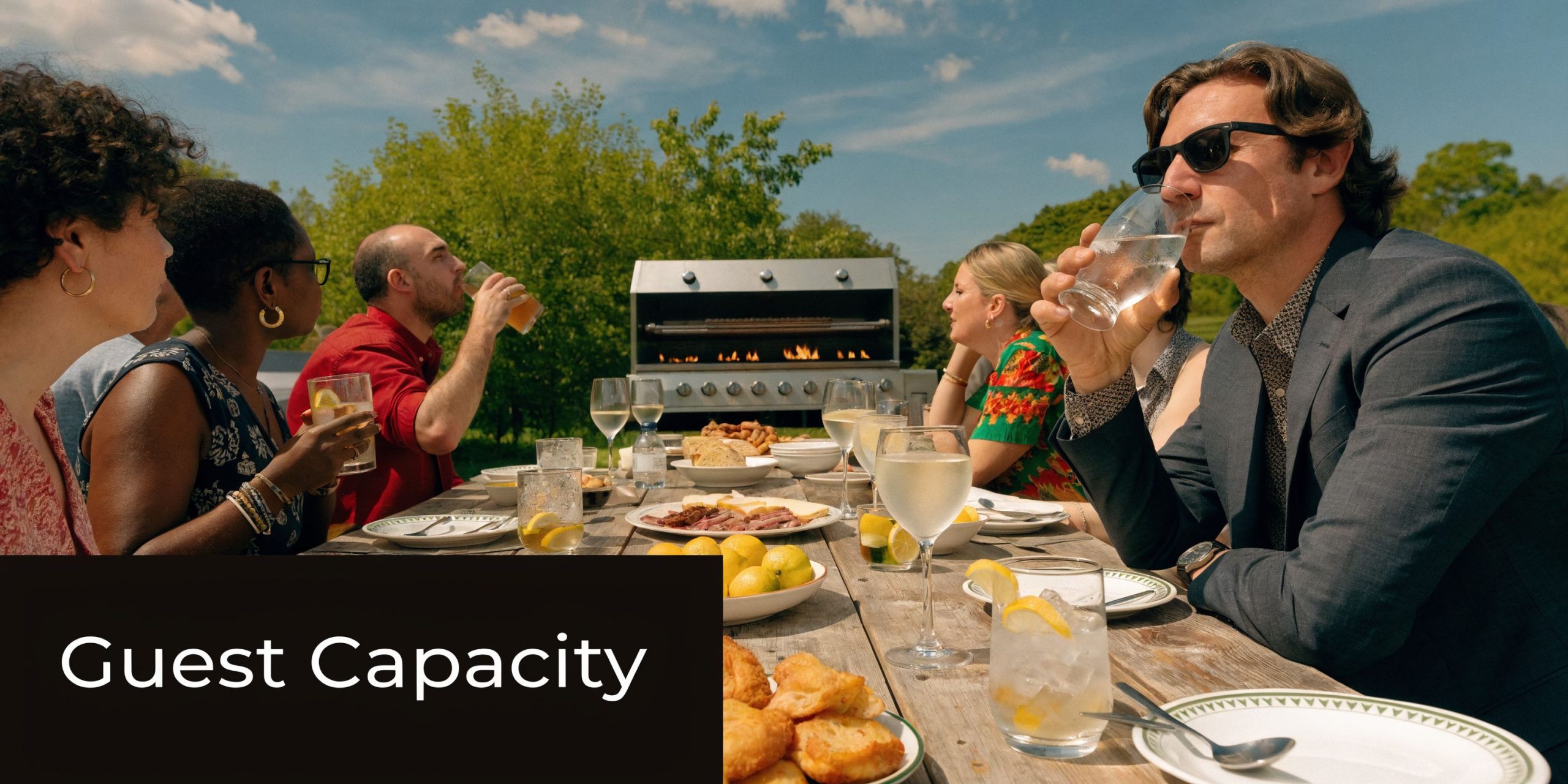
A group of friends enjoy an outdoor garden barbecue dinner around a wooden table in the sunshine.

The honest answer is that a 3 burner gas braai is a service tool, not a guest-count promise. Output depends on the menu, the serving window, and who is running the grill. A focused menu can move fast on one unit. A mixed menu with steaks, chicken, vegetarian items, and last-minute requests can overwhelm it quickly.

A useful benchmark comes from Weber’s gas grill capacity guidance, which explains cooking space in terms of how many steaks or burgers fit on the grill at once rather than treating grill dimensions as enough on their own (Weber grill size guide). That is the right way to plan an event braai as well. Batch output matters more than the brochure dimensions.

Plan by service window, not by total headcount

For Cape Town and Winelands events, I size a single 3 burner unit around the busiest 30 to 45 minutes of service.

If 60 wedding guests all expect hot food in one short main-course window, one braai can be tight even if the total event is only moderately sized. If 80 corporate guests are eating over a longer lunch period, one braai may be enough because the demand is spread out.

That is the trade-off planners often miss. The problem is rarely the final guest count on the seating plan. The problem is how many plates need to leave the grill at the same time.

A practical way to judge one unit

Event scenario One 3 burner gas braai usually works Add a second unit or another cooking point
Boerewors rolls or burgers Yes, if service is staggered and buns, condiments, and sides are handled off the braai Yes, if the whole group will queue at once
Steak or chicken mains Yes, for smaller groups or plated service with a controlled pass Yes, for larger tables served in a short window
Mixed menu with vegetarian items Sometimes, if the menu is tightly managed Usually, to avoid cross-traffic and delays
Late-night wedding food Often a good fit Add capacity if guests are released from the dance floor all at once

When one braai is enough

One unit is usually the economical choice when:

  • the menu is narrow
  • the venue has a separate prep or plating table
  • one staff member is dedicated to the braai for the full service period
  • guests are served in waves, not in a single rush

This is often the sweet spot for casual wedding meals, staff lunches, and smaller corporate functions.

When one braai starts costing you money

Hiring only one unit can look cheaper on paper, then fail during service.

If the braai becomes the bottleneck, staff overtime rises, guests wait, and the host notices the delay before they notice the rental saving. For premium events, I would rather add controlled capacity than gamble on a single grill running flat out for the whole peak. That is also why planners comparing fuel options often end up reviewing guides like Charcoal vs Gas Grill before deciding how much speed and control they need from the cooking station.

For larger outdoor layouts, some planners also compare a gas unit with more traditional setups such as drum braai stands for event service, especially when they want a dedicated second station for volume rather than theatre.

The simplest rule

Use one 3 burner gas braai for controlled service. Use two when the menu is broad, the service window is short, or the client will judge the event by how fast guests get fed.

Gas vs Charcoal vs Electric Braais for Events

At private homes, fuel choice is often personal. At events, it’s operational.

The best option is the one that gives the team dependable service, keeps the venue comfortable, and doesn’t create avoidable risk. For most outdoor event work in Cape Town and the Winelands, a 3 burner gas braai wins because it gives you speed and control without tying you to power or the mess of ash.

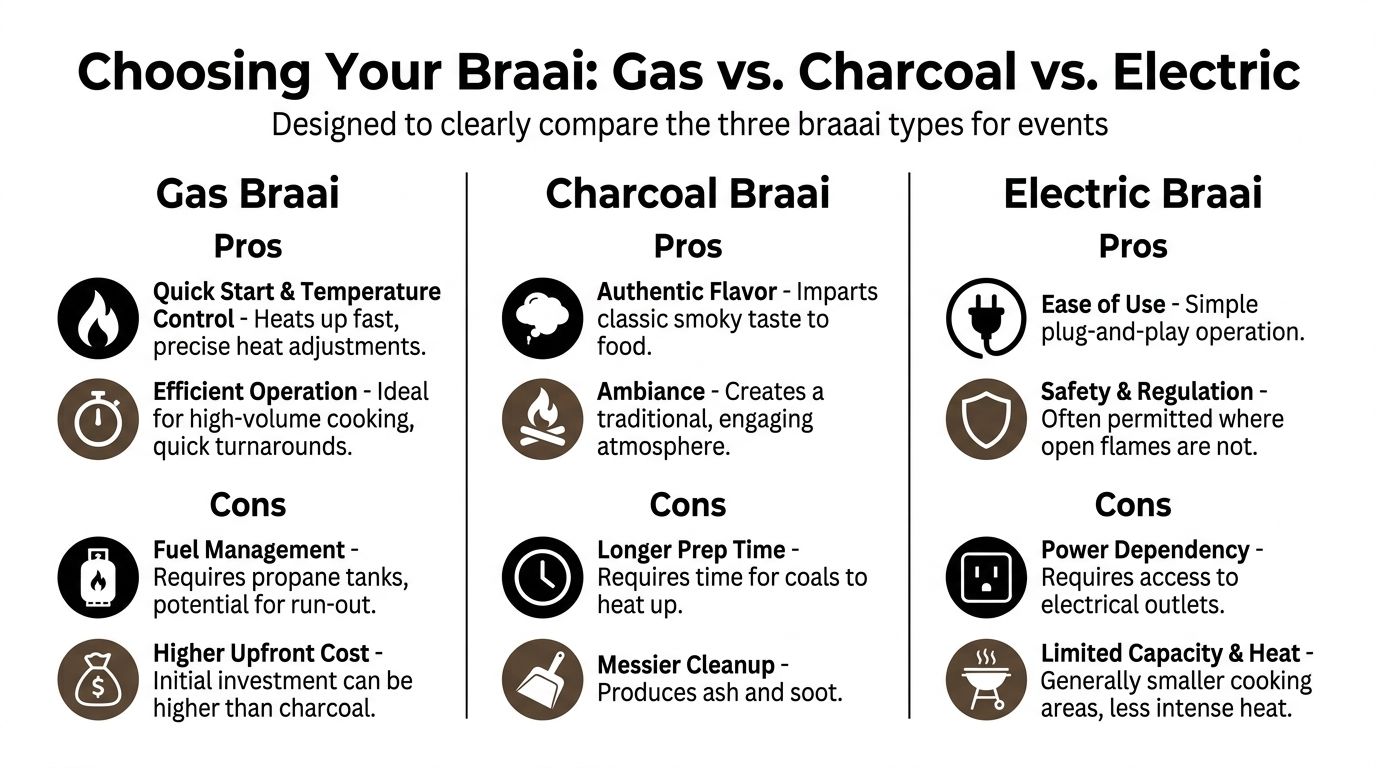
A comparison chart outlining the pros and cons of gas, charcoal, and electric braais for event cooking.

The practical differences

South African 3-burner gas braais are commonly built around 9kg LP gas cylinders and consume about 0.85 kg/hour on high, which gives about 10-12 hours of cooking from a full cylinder. The same source notes that stainless steel flame tamers can reduce grease flare-ups by 40% compared to charcoal, while gas remains usable during load-shedding because it doesn’t depend on electrical supply (Origin Series 3-Burner Patio Gas Braai PDF).

That’s why gas is the working choice for event teams. It keeps service moving and removes two common points of failure. Unstable fire management and power dependency.

Event Braai Comparison Gas vs Charcoal vs Electric

Factor Gas Braai Charcoal Braai Electric Braai
Setup speed Fast ignition and faster service start Slower to get cooking-ready Quick if power access is close and stable
Heat control Strong control through separate burners More manual adjustment Generally simple but less efficient for event throughput
Venue mess Cleaner, with less ash and soot Ash, smoke, and more cleanup pressure Cleanest surface impact
Flavour profile Good braai flavour with practical consistency Strong traditional smoky flavour Mildest flavour profile
Event resilience Works during load-shedding Works without power, but slower and messier Fully dependent on electricity

Where each option still makes sense

Choose gas when the event needs reliable flow, a polished setup, and quick recovery between batches.

Choose charcoal when the venue allows it, the service pace is slower, and the flavour theatre is central to the experience.

Choose electric when open flame isn’t allowed and the menu is modest enough that lower-output cooking won’t become a bottleneck.

If you want a consumer-friendly outside perspective on the broader trade-offs, this breakdown of Charcoal vs Gas Grill is useful. For event planners specifically, the decision usually becomes less emotional once timelines and venue rules enter the room.

For some venue styles, planners also compare alternative braai formats before locking in the final setup. That’s where looking at options such as drum braai stands can help clarify whether you need atmosphere, throughput, or cleaner operational control.

Safe Setup and Placement at Your Venue

At a Cape Town wedding, the braai station often looks fine at 10 a.m. Its true challenge arises at 6 p.m. when the wind picks up, servers start crossing the area, and a guest drags a lounge chair too close to the heat.

That is why placement needs to be planned with service in mind, not decided after the tables are in.

Placement rules that prevent avoidable problems

Start with clearance. Keep the braai well away from draping, floral installations, umbrellas, dry planting, timber screening, and stacked rental stock. Manufacturer guidance for gas grills commonly calls for roughly 91 cm clearance from combustible materials, and practical site work supports that margin because decor shifts during an event and staff need room to work safely (Weber gas grill safety tips).

The ground matters just as much. A 3 burner gas braai should stand on paving, concrete, or another firm level surface. Lawns are risky at wine farms and private estates, especially after irrigation or late-afternoon setup. Wheels sink, the frame tilts, and hot cooking surfaces stop being predictable.

Wind is the other factor planners in the Western Cape cannot ignore. Place the braai so the operator is not taking direct heat and flare-up risk into the body, and so smoke is not pushed into guest seating or the drinks station. If the only available spot is exposed, adjust the layout early instead of forcing the caterer to work in a bad position.

Check the gas connection before anyone tries to light it

I insist on the same routine every time:

  1. Confirm the cylinder is upright and stable.
  2. Check that the hose runs cleanly with no kinks, stretching, or rubbing points.
  3. Open the cylinder slowly.
  4. Test the connection with soapy water.
  5. If bubbles appear, close the gas and fix the connection before ignition.

That leak test takes a minute and prevents the sort of last-minute panic that delays service.

Light only after the connection has been checked properly.

Build the braai station into the venue plan

The braai should sit inside a controlled working zone, not in a spare corner. Leave enough room for the cook, prep trays, plated output, and one clear service path in and out. Keep guests out of that lane. Children, photographers, and roaming waiters all drift toward the action if the boundary is vague.

Also check what else is being installed nearby. If the evening setup includes heating, apply the same spacing discipline used for outdoor gas patio heater hire at events. Open-flame equipment needs separation, stable footing, and a layout that still works once the venue fills up.

A safe setup is usually the simplest one on site. Clear access, firm ground, sensible spacing, and no combustible decor close enough to become a problem halfway through service.

Renting a 3 Burner Gas Braai in Cape Town and the Winelands

For many events, renting makes more sense than owning. Not because a 3 burner gas braai is hard to buy, but because event work includes transport, storage, timing, and responsibility after the last guest leaves.

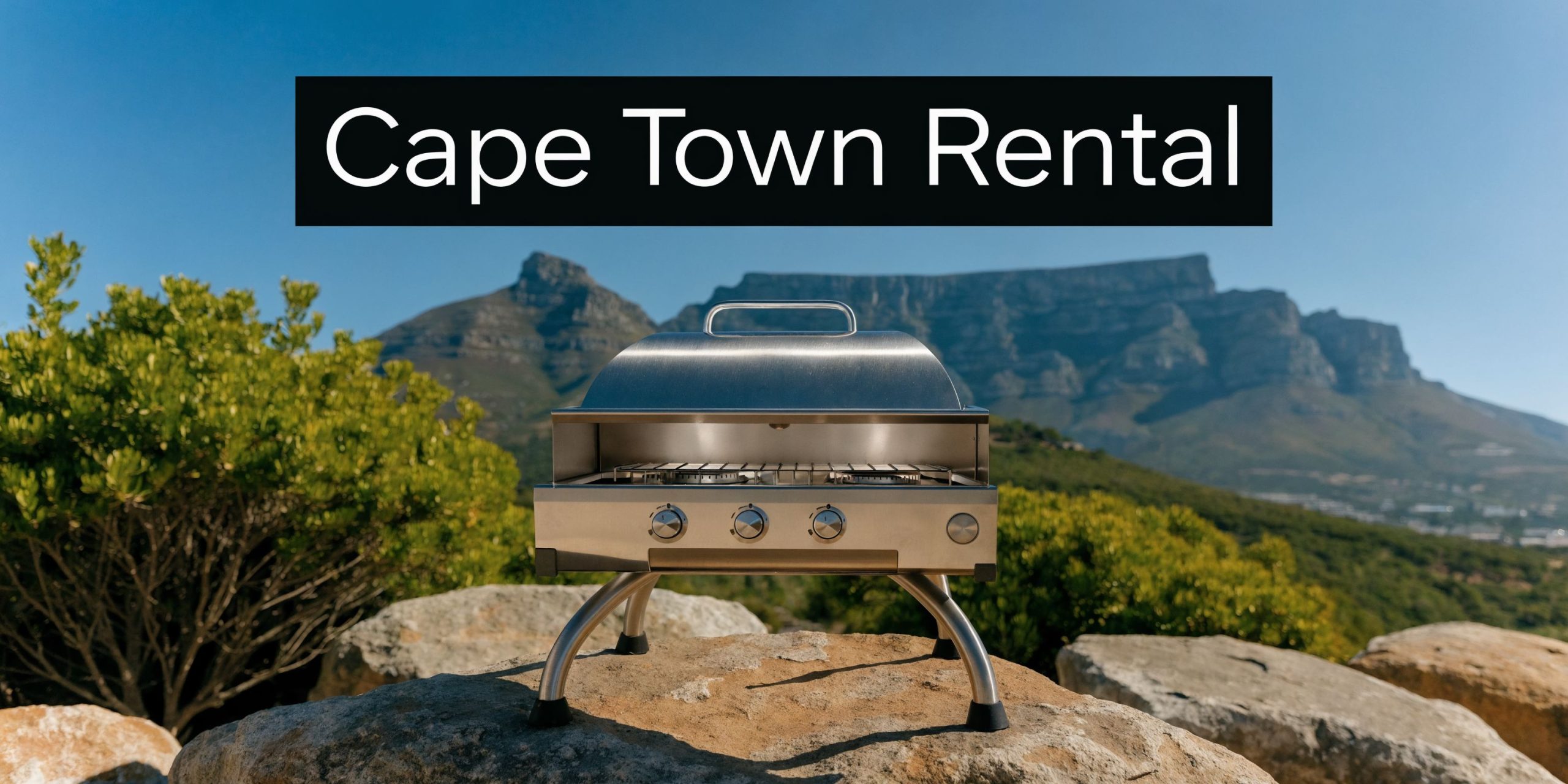
A stainless steel three burner gas braai grill sitting on a large rock overlooking Table Mountain.

The rental market gives planners flexibility, and that matters in the Western Cape where one week might involve a Franschhoek wedding and the next a short-format corporate activation in the city.

What the numbers say

A useful market snapshot is that the South African event rental market is projected to grow significantly, while 3-burner gas braai rental in Cape Town typically ranges from R500-R800 per day. The same source places purchase cost at about R5,000-R10,000, which makes renting a cost-effective option for one-off weddings and corporate functions, especially once transport and storage for venues in Stellenbosch and Franschhoek are considered (Onlyfire guide to 3-burner gas grills).

That’s the first filter. If you’re not going to use the unit often, ownership usually creates more admin than value.

What to confirm before you book

Ask these questions before paying a deposit:

  • What’s included in the day rate? Confirm whether the braai arrives with the regulator, hose, and a gas cylinder or whether gas is billed separately.
  • Who handles delivery and collection? Winelands venues can be simple or awkward depending on access hours, stairs, gravel paths, and estate rules.
  • What condition must the unit be returned in? Some suppliers expect a scraped grill and shut-down unit. Others handle deeper cleaning themselves.
  • What happens if service runs late? Weddings often drift. Make sure pickup timing won’t clash with breakdown.
  • Is setup support available? This matters for teams without an experienced braai operator on site.

Rental works best when logistics are the primary issue

Owning sounds economical until you factor in where the braai lives between events, who cleans it properly, and who moves it safely. Rental removes those headaches.

It also lets planners match the equipment to the event. One function might need a compact gas braai for a courtyard. Another might need multiple cooking stations across a larger outdoor footprint.

For occasional event use, the smart question isn’t “Can we buy one?” It’s “Who’s going to transport, store, clean, and check it every time?”

That’s usually where the rental decision gets easy.

Post-Event Essentials for a Smooth Rental Return

The event may be finished, but sloppy shutdown creates the last problem of the day.

A rental braai should go back in a condition that shows the team handled it properly. That doesn’t mean performing a full workshop-level clean on site. It means doing the basics correctly and not handing over a greasy, half-cooled unit with the cylinder still open.

Shut down in the right order

Use a consistent sequence:

  1. Turn the burners off.
  2. Close the gas supply.
  3. Allow the braai to cool properly before moving it.
  4. Check that no utensils, foil, or food trays are left on warming racks or side shelves.

That sequence reduces confusion during breakdown, especially when multiple suppliers are packing out at the same time.

Do the cleaning that matters

On-site cleaning should be simple and useful.

  • Scrape the grids: Remove food residue while the surfaces are still manageable.
  • Empty loose debris: Don’t leave scraps and burnt bits inside the firebox area.
  • Wipe external surfaces: Grease smears on lids and shelves make a unit look worse than it is.
  • Check the drip area: If runoff has collected, don’t send it back untouched.

If your team needs a general refresher on the basics, this guide on how to clean a BBQ grill is a practical reference.

Prepare it for collection

Before pickup, make sure the braai is accessible. Don’t box it in behind stacked tables, décor crates, or furniture waiting for collection.

A smooth return usually comes down to three things:

  • Clear shutdown
  • Basic cleaning
  • Easy access for the driver

Rental suppliers notice the difference. So do planners who want fast repeat bookings and fewer disputes after the event.

Frequently Asked Questions for Event Planners

Can I use a 3 burner gas braai during load-shedding

Yes, gas is often the practical choice when you can’t rely on power. It keeps outdoor catering moving without depending on the venue’s electrical supply, which is one reason many planners prefer it for event service.

How long will a standard gas cylinder last

Most 3-burner gas braais in South Africa are built around a 9kg gas cylinder, which is the common local benchmark. In the local market, that standard is widely used across 3-burner models, including units associated with LPGSA-approved positioning such as the Sizzler 3-burner reference noted on the Pinnacle page (Megamaster Pinnacle Series 3 Burner Patio Gas Braai).

For planning purposes, use the supplier’s fuel guidance for the actual unit hired and build in a margin if the event includes extended service.

What surface should the braai stand on

A level, stable, non-fragile surface is best. Paving and solid patios are easiest. Firm ground can work if the unit won’t shift. Avoid unstable placement near décor, draping, or guest circulation.

Is one 3 burner gas braai enough for a wedding

Sometimes yes, sometimes no. It depends on menu complexity, service timing, and whether food is plated in waves or served all at once. Focus on service flow, not just the presence of a single braai.

Should I rent or buy for a once-off function

For one-off weddings, private events, and occasional corporate functions, renting is usually simpler. It removes storage, transport, and maintenance from your job list.

What should I check when the unit arrives

Look at the hose, regulator, grill condition, wheel stability, and general cleanliness. Confirm what’s included, where it will stand, and who is responsible for operation during service.


If you’re planning an outdoor event in Cape Town, Stellenbosch, Franschhoek, Paarl, or the surrounding areas, ABC Hire can help you pull the full setup together. From event furniture and LED pieces to practical hire items that support smooth service, they’re a reliable local partner for weddings, corporate functions, and private celebrations.

Your Ultimate Guide to Backdrops to Hire in Cape Town

Imagine taking a standard room in Cape Town and, in an instant, transforming it into a jaw-dropping, immersive space. That's the real magic of a professional backdrop hire. This one element can completely set the mood, lock in your event's theme, and create those perfect photo moments every guest will be scrambling to capture.

How a Backdrop Instantly Transforms Your Event Space

A backdrop is so much more than a pretty wall—it's the visual anchor for your entire event. Think of it like a stage set. Without it, you’ve just got an empty platform. But add the right scenery, and suddenly you’re in a whole new world, pulling the audience right into the story. A backdrop does the exact same thing for a generic venue, turning it into a truly personal experience.

This single decision can completely shift the vibe of your venue, whether it’s a wedding out in the Winelands, a corporate launch in the CBD, or a big birthday bash. For anyone planning an event, it’s one of the most powerful choices you can make.

The Power of Visual Transformation

The right backdrop commands attention, cleverly hides any bland or unsightly venue features, and cements your theme the second guests walk in. It’s the difference between an event that just happens in a room, and one that feels curated and memorable.

Here’s what a great backdrop really does:

  • Creates Atmosphere: A lush greenery wall brings an earthy, organic feel indoors. A shimmering sequin backdrop? Instant glam and excitement.
  • Reinforces Your Theme: It’s the thread that ties all your other décor together, from the flowers to the table settings, making everything look deliberate and cohesive.
  • Sparks Photo Ops: In a world run by social media, a stunning backdrop becomes a natural magnet for photos. It gets people snapping and sharing, creating organic buzz for your event long after it’s over.

A well-chosen backdrop is an investment in your event’s atmosphere. It’s the visual foundation that makes everything else—from lighting to furniture—look even better, ensuring your special occasion is truly unforgettable.

To get a broader sense of how physical setups impact an event's look and feel, it can be interesting to see how these principles apply elsewhere. For example, comparing the hands-on approach of event décor with digital alternatives can offer some perspective, like in this discussion on Traditional Staging vs. Virtual Staging. This guide will walk you through choosing, renting, and styling the perfect backdrop for your Cape Town event.

A Visual Guide to Popular Backdrop Styles for Hire

Trying to choose the right backdrop for your event can feel a bit overwhelming with so many options out there. But don't worry, it's simpler than it looks. Each style brings its own personality to the table, turning a boring wall into a stunning focal point. Let's walk through the most popular choices so you can find the perfect match for your event's vision.

Think of it like this: a backdrop is to an event what a soundtrack is to a film. It sets the mood in an instant. A sleek, custom-printed wall at a corporate launch screams professionalism, while soft, flowing drapery at a wedding whispers romance. It's all about the feeling you want to create.

The right backdrop is a central piece of your decor puzzle—it shapes the atmosphere, reinforces your theme, and makes your photos look a whole lot better.

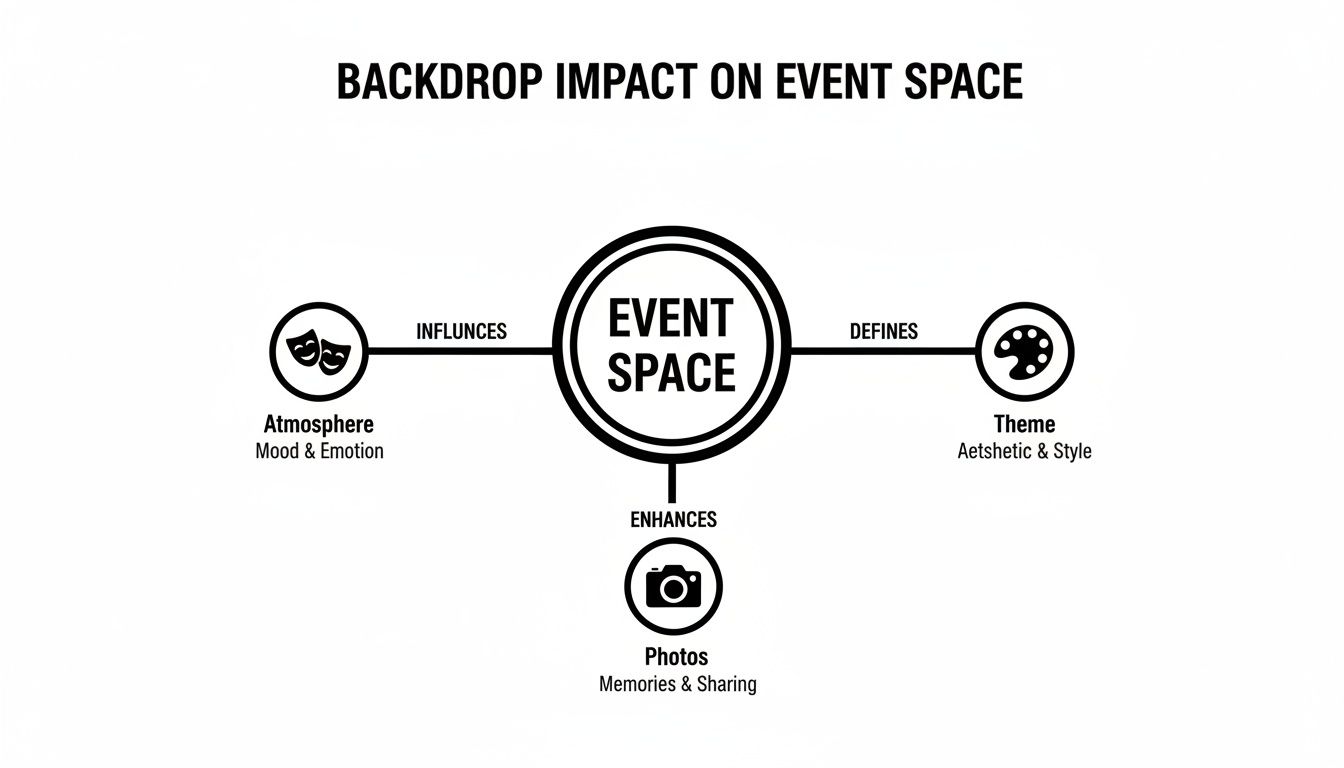
Infographic showing the impact of backdrops on event atmosphere, theme, and photos.

As you can see, a backdrop isn't just a pretty background. It's a strategic tool that directly shapes how your guests experience the entire event.

To make things easier, here’s a quick-glance table to help you compare the different styles.

Backdrop Styles at a Glance

Backdrop Type Best For Common Materials Vibe/Aesthetic
Fabric & Drapery Weddings, elegant functions, stage backgrounds Chiffon, satin, velvet, voiles Romantic, classic, soft, elegant
Floral & Greenery Weddings, baby showers, garden parties, brand launches Silk flowers, real foliage, boxwood panels Natural, lush, romantic, fresh
Sequin & Shimmer Parties, photo booths, matric dances, New Year's Eve Small metallic or plastic discs on fabric Glamorous, fun, high-energy, celebratory
Custom Printed Corporate events, brand activations, red carpets Vinyl, tension fabric Branded, professional, bespoke, modern

This table gives you a starting point, but let’s dive a little deeper into what makes each one special.

Fabric and Drapery Backdrops

Fabric backdrops are the versatile chameleons of the event world. Made from materials like chiffon, satin, or velvet, they can be elegantly draped, swagged, or hung flat to create anything from a soft, romantic feel to a bold, dramatic statement.

Their real strength is in their simplicity and elegance. They’re perfect for framing a wedding ceremony, softening the harsh walls of a corporate venue, or creating a timeless photo booth background. For a little extra magic, you can find out how to elevate simple fabric with a fairy light curtain for a truly enchanting look.

Floral and Greenery Walls

If you want an instant injection of life and natural beauty, nothing beats a floral or greenery wall. These backdrops are built using a mix of real, high-quality silk, or dried botanicals to create a lush, textured feature that guests can't resist taking photos in front of.

  • Greenery Walls: Often using boxwood, ivy, or eucalyptus, these bring a fresh, organic vibe to any space. They’re a fantastic fit for rustic Winelands weddings, garden parties, or eco-conscious brand activations.
  • Floral Walls: Bursting with colour, these are the definition of romance and luxury. They create absolutely breathtaking photo opportunities at weddings, baby showers, and milestone birthdays.

Sequin and Shimmer Walls

When you need to dial up the energy and make a bold statement, a sequin backdrop is your best friend. These walls are covered in small, reflective discs that catch the light with every movement, creating a dynamic, shimmering effect. They are pure, unadulterated fun.

A sequin wall is basically the life of the party. It adds a dose of glamour and energy that gets guests excited to strike a pose, making it an unbeatable choice for photo booths, matric dances, and New Year's Eve parties.

Custom Printed and Step-and-Repeat Backdrops

For corporate events and brand activations, controlling the visual message is everything. Custom printed backdrops give you that power. Using high-resolution printing on materials like vinyl or tension fabric, you can display any design, logo, or pattern you can dream up.

The most popular type is the step-and-repeat backdrop, which features a repeating pattern of company logos. It's the industry standard for red-carpet events, media launches, and conferences for a reason. It ensures your brand is front and centre in every single photograph, turning guest snapshots into valuable marketing assets.

Creating Unforgettable Cape Town Weddings and Parties

When it comes to private celebrations, the right backdrop is so much more than just a piece of décor—it's a memory maker. In a place as beautiful as Cape Town, a thoughtfully chosen backdrop adds that personal touch, turning a special moment into a picture-perfect memory that will last a lifetime.

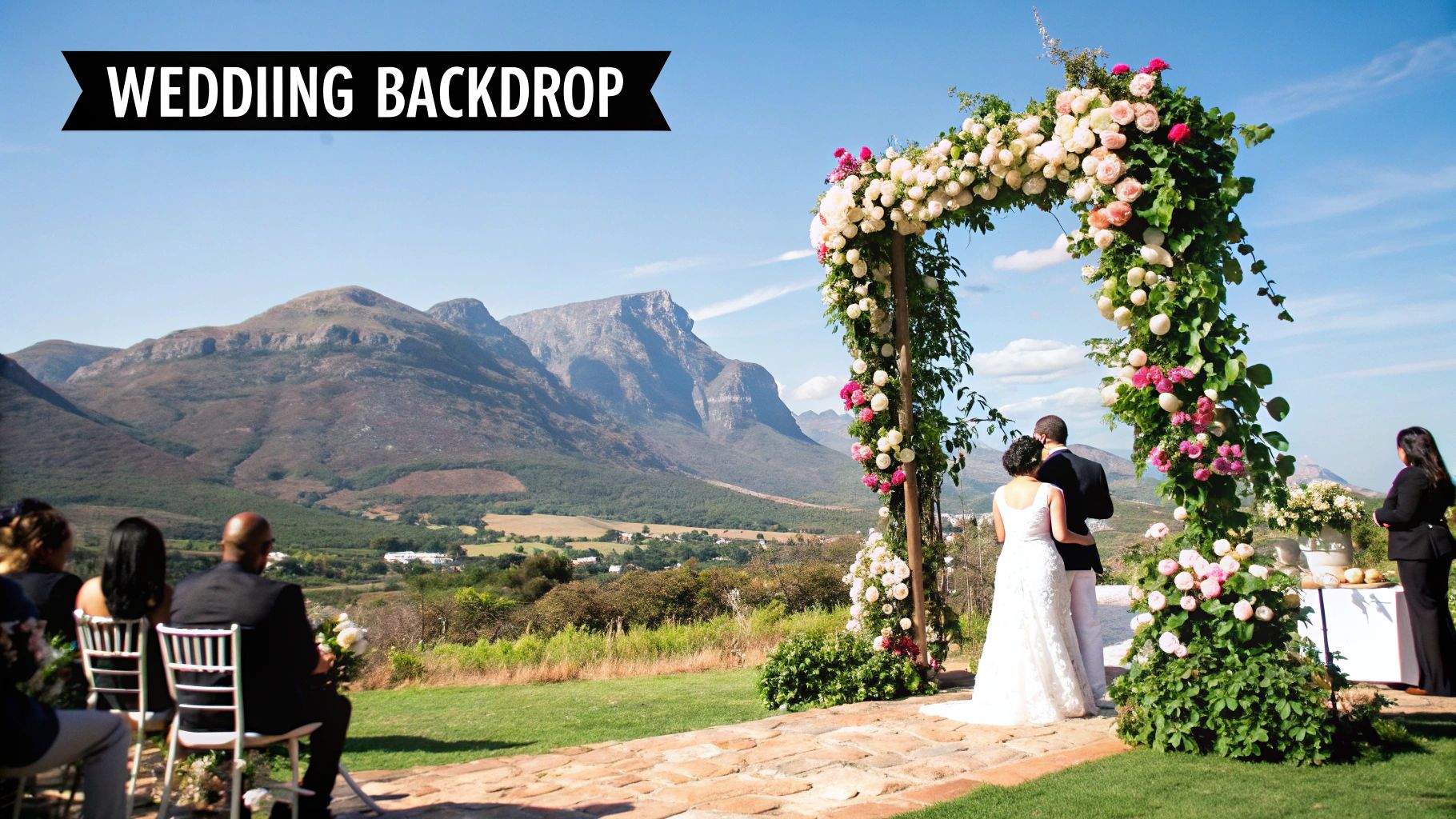
Beautiful outdoor wedding backdrop with a couple, floral arch, and scenic mountains under a blue sky.

Just imagine a lush floral wall creating a breathtaking ceremony altar, perfectly framing your vows with Table Mountain in the distance. Or picture the sheer delight on your guests' faces at a 21st birthday when they find a shimmering sequin backdrop, adding instant glam and fun to every photo. These are the details that make a celebration truly unforgettable.

Matching Your Backdrop to Your Celebration

Finding the right style is all about reflecting the unique personality of your event. From the Winelands to the city, Cape Town hosts an incredible variety of celebrations, and the perfect backdrop will tie your whole theme together.

Here are a few popular ideas to get you started:

  • Rustic Winelands Elegance: Planning a wedding in Stellenbosch or Franschhoek? A greenery wall made of olive branches and eucalyptus brings a sophisticated, organic feel that pairs beautifully with wooden textures and natural light.
  • Chic City Glamour: An engagement party or birthday bash in a modern city venue calls for something bold. A gold or silver sequin wall delivers all the sparkle you need for an unforgettable night.
  • Bohemian Beach Vibe: Hosting a relaxed celebration along the coast? A soft, flowing drapery backdrop in neutral tones can mimic the gentle ocean breeze, creating a serene and romantic atmosphere.

The perfect backdrop for a private event doesn't just look good; it feels right. It becomes the heart of your most cherished photographs, from formal wedding portraits to candid party snapshots.

The Smart Way to Achieve a Luxurious Look

Here in the vibrant Cape Town event scene, weddings are a massive part of what we do. With over 25,000 weddings happening each year across South Africa, many of them right here in the Western Cape, budgets are always a key consideration. For wedding planners juggling rising costs, hiring backdrops is a total game-changer. It can slash ownership expenses by 60-80%, freeing up money for other priorities like florals or catering.

This cost-effective approach lets you achieve a high-end, polished look without the hefty price tag of buying a large decorative piece you might only use once. Ultimately, hiring is both a practical and stylish decision. A stunning backdrop can also be flawlessly paired with other key features—get inspired by checking out our comprehensive guide on wedding arch hire in Cape Town.

Powering Corporate Events and Brand Activations

In the world of corporate events, the old saying holds true: perception is reality. A hireable backdrop isn't just a pretty background; it's a powerful branding tool that sets the entire tone for your conference, product launch, or gala dinner. It's the first thing people see, and it speaks volumes about your professionalism before a single word is spoken.

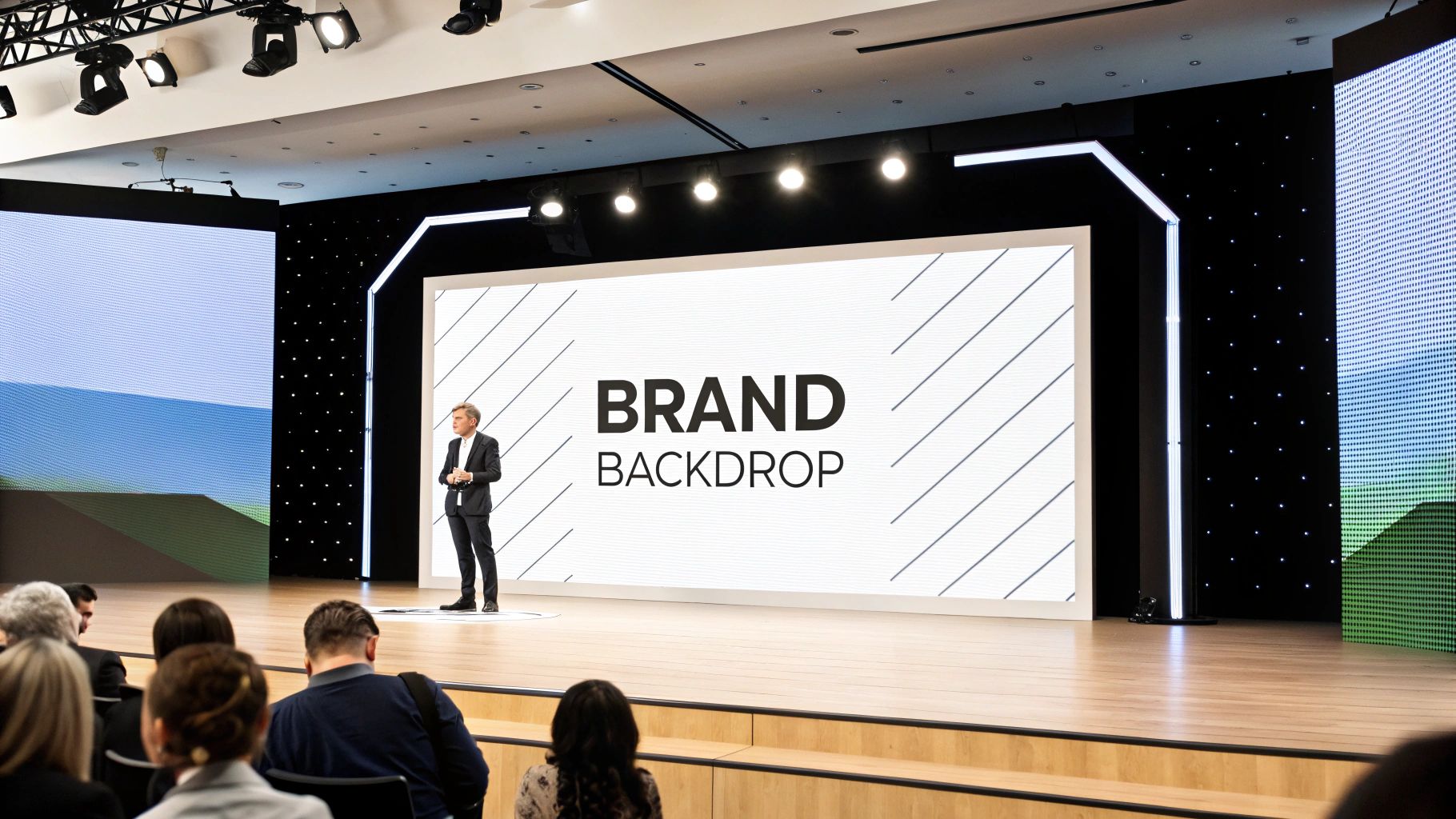
A speaker presents on a well-lit stage with a large screen displaying 'BRAND BACKDROP' to an audience.

Think about it. From a custom step-and-repeat wall at a media day to a slick LED display for a launch in Stellenbosch, the right backdrop turns a generic venue into your space. It creates a polished, immersive environment that feels intentional and impressive, making sure your company always puts its best foot forward.

Crafting a Professional Image

For any corporate function, you want to project authority, innovation, and stability. Your choice of backdrop is absolutely key to making that happen. A flimsy, poorly chosen background can completely undermine your message, but a professional one makes it sing.

Here’s a quick look at how different backdrops fit specific corporate needs:

  • Step-and-Repeat Walls: An absolute must-have for any event with photographers or media. These backdrops guarantee your logo appears in every single photo, turning your guests' pictures into free marketing.
  • Custom Printed Backdrops: Perfect for stage presentations, seminars, or trade show booths. You can feature key messages, event themes, or sharp, high-resolution graphics that grab everyone's attention.
  • LED Video Walls: The ultimate choice for a high-impact product reveal or a dynamic presentation. They give you the flexibility to show moving graphics, live social media feeds, or stunning brand visuals that truly pop.

You can think of a corporate backdrop as a silent ambassador for your brand. It works tirelessly behind the scenes to make sure your visual identity is consistent, powerful, and sticks in the mind of every single person there.

Adapting to the Modern Hybrid Event

The corporate event scene has changed for good, with hybrid events becoming the new norm. This makes a professional backdrop more important than ever. It ensures your brand looks just as sharp to someone watching online as it does to the people physically in the room. A crisp, well-lit background for your speakers guarantees a high-quality, professional broadcast.

Event managers across Cape Town are getting on board, fuelling a 25% increase in backdrop rentals to create that seamless blend of virtual and in-person experience. We're seeing brand teams hire customisable LED backdrops for product launches in Paarl vineyards, making sure their glowing logos look incredible on Zoom streams watched by thousands. In fact, data shows 60% of Cape Town corporates are now prioritising tech-integrated rentals for their events.

Of course, for large-scale corporate events like trade shows, the overall look goes beyond just the backdrop. When planning these bigger activations, you should also think about the branding opportunities that come with other event structures, like specialised trade show tents. By hiring the right mix of elements, you create a brand presence that’s impossible to ignore.

Your Step-by-Step Rental and Planning Guide

Ready to lock in the perfect backdrop for your event? Hiring one is pretty straightforward, but a little bit of planning beforehand makes all the difference in ensuring things run smoothly. Think of this as your go-to checklist, designed to take the guesswork out of the logistics and help you manage your décor with total confidence.

First things first: measurement. Before you even start browsing for backdrops to hire, grab a tape measure and get the dimensions of the space you have in mind. Note down the width, but pay extra attention to the ceiling height – it’s a common constraint that can quickly narrow down your options.

You’ll also want to think about the location. Is the backdrop going up against a flat wall, or will it need to be freestanding? Is it a high-traffic area where people will be walking past constantly? Answering these questions early on helps you and your hire company choose the right support structure and placement for the biggest impact and, of course, for safety.

Finalising the Logistics

Once you have your measurements sorted and a few style ideas in mind, it’s time to chat about the details with your hire provider. Any professional company will guide you through the process, but it’s always a good idea to have your questions ready. This way, there are no last-minute surprises on the day.
Here are the essential points you’ll want to cover:

  • Delivery and Collection: Confirm the exact times for drop-off and pickup. Make sure these line up with your venue’s access hours.
  • Setup and Takedown: Ask if installation and breakdown services are included in the hire price. For the more complex backdrops, like big floral or LED walls, professional setup is a must.
  • Power Requirements: For anything that lights up, like an LED wall, you'll need to know what kind of power access is required and double-check your venue can provide it.
  • Damage Policy: Get a clear understanding of the terms and conditions around any potential damage. A clear policy is there to protect both you and the hire company.

Your hire company is your partner in creating a brilliant event. Open communication about logistics, venue rules, and what you expect is the secret to a stress-free experience from start to finish.

Budgeting for Your Backdrop Hire

So, what should you expect to pay? Prices for backdrops to hire in Cape Town can vary quite a bit depending on the style, size, and how complex it is. A simple fabric or sequin backdrop is a great budget-friendly option, starting from around R800, and can still make a massive statement.

For the larger, more intricate options, you'll be looking at a higher investment. A lush, full-coverage floral or greenery wall could be anywhere from R2,500 to R6,000 or more, depending on the size and the types of flowers or foliage used. Custom-printed and large-scale LED walls usually sit at the higher end, as they involve bespoke design and tech. Always ask for a detailed quote that includes delivery, setup, and collection so you know exactly what you’re paying for.

How to Create a Cohesive Look with Decor Pairings

A showstopping backdrop sets the stage, but the real magic happens when it all works together. Think of your backdrop as the main feature wall in a room—it’s the anchor, but the furniture and accessories are what truly bring the space to life. Pairing your backdrop with the right rental items is how you go from a few nice pieces to a genuinely immersive atmosphere.

This is how you turn individual rentals into a complete design story. You're not just hiring a backdrop; you're curating an entire experience. When you thoughtfully combine textures, colours, and styles, every element feels intentional and contributes to a polished, unified look.

Creating Memorable Event Themes

To get that powerful visual impact, focus on pairing items that really play up your backdrop’s style. It’s a strategy that not only looks fantastic but also gets the most value out of everything you hire by creating a complete package.

Need some ideas? Here are a few popular combinations we see all the time:

  • Glamorous Matric Dance: A shimmering gold sequin wall is the star, no doubt. But pair it with some sleek, glowing LED cocktail tables, and you’ve suddenly got a chic, modern lounge area that’s perfect for photos.
  • Rustic Vineyard Wedding: That lush greenery wall feels even more romantic when you bring in natural wooden furniture, soft drapery, and warm, ambient lighting.
  • Sleek Corporate Launch: A custom-printed brand wall looks sharp and professional on its own, but it becomes a real statement when flanked by minimalist high-top tables and branded plinths.

The key is to think beyond a single item and envision the entire scene. A well-paired backdrop and furniture combination tells a stronger story and creates more dynamic, engaging spaces for your guests to enjoy.

Demand for this kind of curated look is soaring, especially for school formals. With over 150,000 matriculants graduating every year in South Africa, the pressure is on to create an unforgettable night. As families look for smarter ways to celebrate, renting backdrops and décor saves around 70% compared to custom builds, making it an easy choice.

To explore a full range of complementary items and get more ideas, check out our complete guide to decor hire in Cape Town.

Right, let's get those common questions answered so you can get on with planning the fun stuff. The world of backdrop hire can feel a bit overwhelming at first, but we're here to make it simple and clear.

Think of this as your go-to guide for all the practical bits and pieces.

How Much Does It Cost to Hire a Backdrop in Cape Town?

This is usually the first question on everyone's mind! The honest answer is: it depends. Pricing can shift quite a bit based on the size, the style you choose, and any custom work you need.

To give you a ballpark, a simple fabric backdrop might start from around R800. If you're looking at something more elaborate, like a massive custom-printed floral wall or one of our snazzy LED backdrops, the cost can go upwards of R5000. We always put together a detailed, easy-to-understand quote that covers everything – delivery, the setup, and collection afterwards. No hidden surprises.

Can I Customise a Backdrop with My Own Branding?

Absolutely! This is where you can really make an event your own, especially for corporate gigs or milestone celebrations. Our printed and step-and-repeat backdrops are perfect for this. We can pop your company logo, a wedding monogram, or any design you’ve dreamed up right onto the backdrop, making sure it ties in perfectly with your theme.

Our all-inclusive hire is a complete, hands-off service for you. It includes the backdrop, its support frame, professional delivery to your venue, full setup by our team, and collection after your event. We handle all the logistics from start to finish.

This way, you can focus on your guests and enjoy the event, knowing that all the heavy lifting and technical details are sorted. It’s a seamless, stress-free experience.


Ready to bring your event space to life with the perfect backdrop? ABC Hire has a fantastic range of stylish, high-quality options for any occasion. Take a look at our collection and get a quote today at https://abchire.co.za.

A Guide to Par Can Lighting for Events

Think of a painter’s brush. Now, instead of paint, imagine it uses light. That’s the simplest way to look at par can lighting—it’s a powerful tool used to wash walls with vibrant colour, put a speaker in the spotlight, or add dramatic highlights that completely change the feel of a space. This single light fixture is the backbone of modern event atmosphere.

Your Guide to Creating Atmosphere with Light

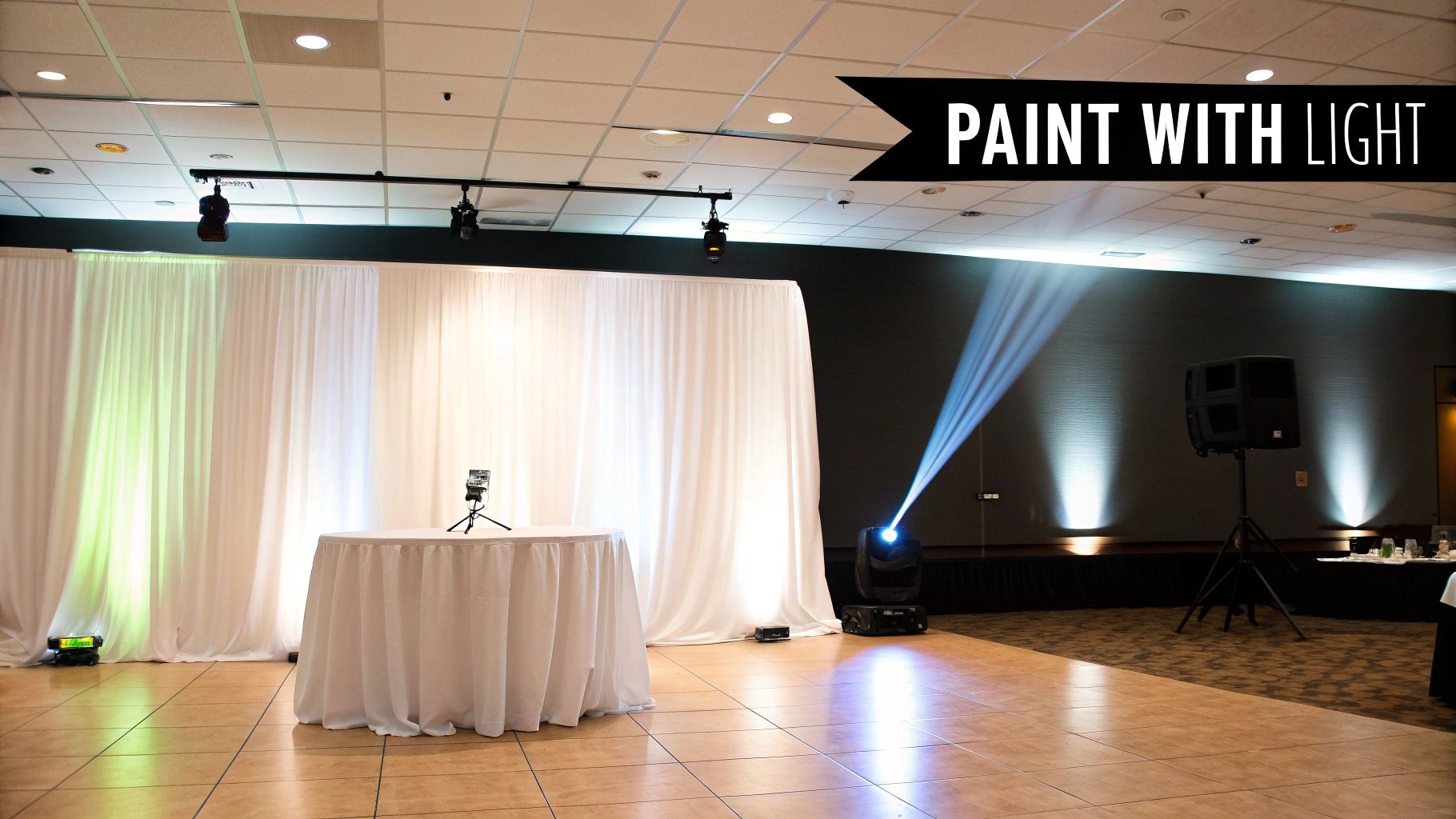
An indoor event space featuring white drapes, uplighting, a spotlight, and sound equipment.

An empty venue is just a blank canvas. Par can lighting gives you the entire colour palette to turn that canvas into a masterpiece. These lights are the real workhorses of the event industry, loved for their versatility, simplicity, and the massive impact they deliver. Whether you’re planning a chic Cape Town wedding or a slick corporate function, knowing how to use them is a game-changer.

This guide will get you up to speed on everything you need to know regarding par can lighting rentals and uses. We’ll start with the basics of what a par can is and why it’s a must-have for creating a specific mood. You’ll learn how to use light to tell a story, draw your guests’ attention, and transform a plain room into an experience they won’t forget.

What Makes Par Cans Essential

The real magic of a par can is its focused, directional beam of light. The name “PAR” actually stands for Parabolic Aluminized Reflector, which is just the fancy term for the tech inside that shapes the light. This design creates a strong, defined beam that you can aim with precision, making it perfect for all sorts of jobs.

Here’s why they are so vital for event design:

  • Atmosphere Creation: They can flip the mood of a room from cool and corporate to warm and romantic just by changing the colour.
  • Focus and Direction: Use them to highlight the important stuff—a wedding cake, a company banner, or a speaker at a podium. It tells your guests exactly where to look.
  • Architectural Enhancement: They are brilliant for uplighting columns, trees, or textured walls, bringing out the venue’s best features and adding a real sense of depth and drama.

A well-placed par can does more than just light something up; it sculpts the entire visual environment. It can make a small room feel grand or a massive hall feel cosy and intimate, all through the smart use of light and shadow.

From Simple Beams to Creative Effects

Back in the day, par can lighting was simple, single-colour units. But today, modern LED technology has completely changed the game. A single LED par can is now capable of producing millions of colours on demand. This opens up a world of creative options without ever having to fiddle with physical colour gels.

Think of this as your foundation for mastering event lighting. Once you get the hang of how par cans work, you’ll be able to make much better decisions when hiring equipment for your next event in the Cape Winelands or anywhere else. This knowledge helps ensure your vision comes to life exactly as you imagined it.

The Technology Driving the Light

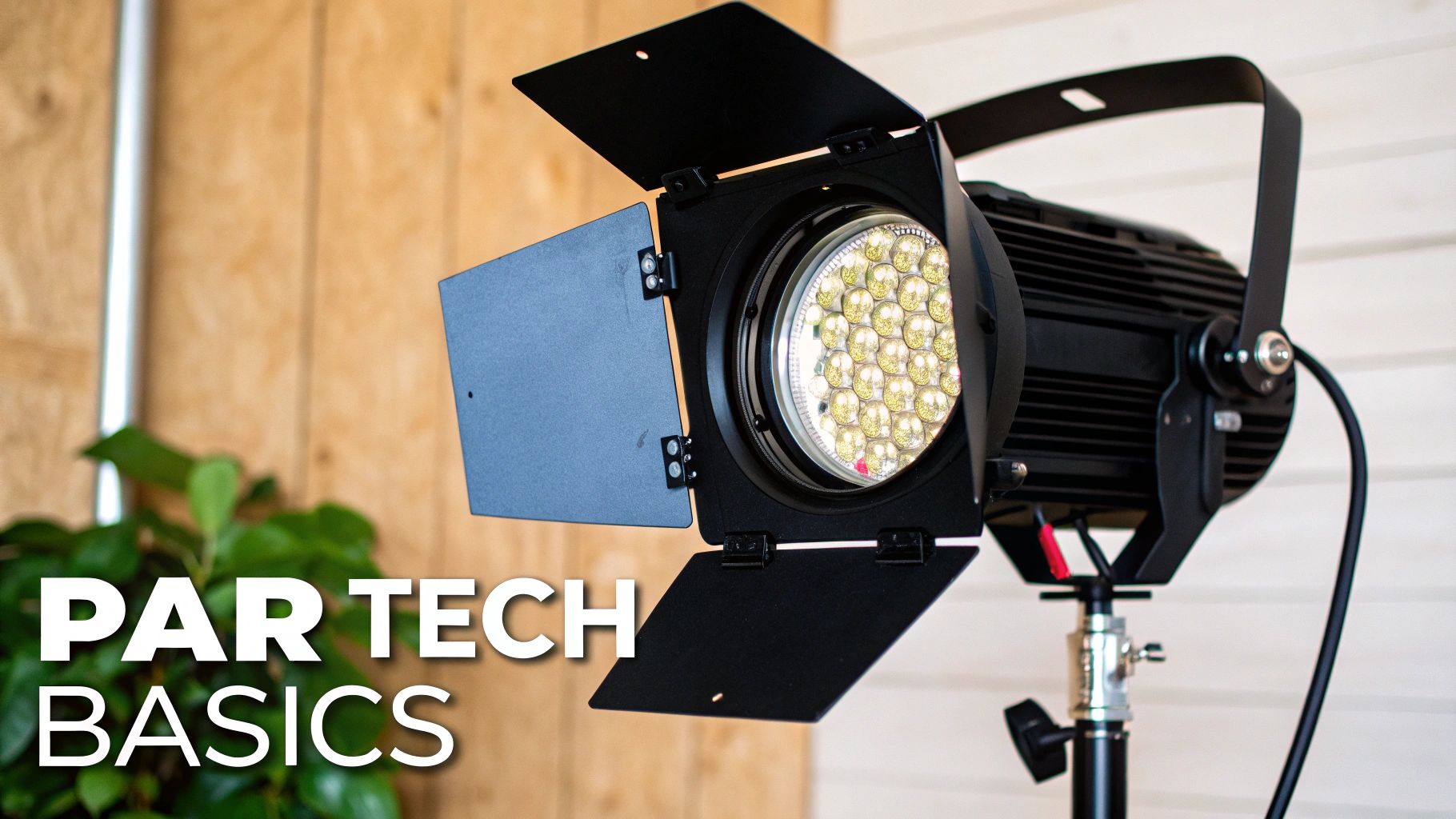
A professional black LED PAR studio light with barn doors open, mounted on a stand.

To really get the most out of event lighting, it helps to know a little about what’s going on inside the fixture. The name itself, PAR Can, gives the game away. ‘PAR’ is short for Parabolic Aluminized Reflector, which is a fancy way of describing the polished, bowl-shaped mirror inside the light.

Think of it like the reflector in a high-powered torch. That curved, reflective surface is designed to catch every bit of light from the bulb and blast it forward in a concentrated, controlled beam. Without it, you’d just have a weak, messy glow. The PAR design is the secret sauce for creating those crisp, punchy beams of light that make uplighting and spotlights so effective.

While the basic par can lighting design hasn’t changed much, the light source itself has gone through a massive evolution, moving from old-school halogen bulbs to far more versatile LED technology.

Traditional vs LED: It’s No Contest

For years, the only real choice for PAR cans was a hot, power-hungry halogen bulb. They were the workhorse of the industry, but they came with a lot of baggage. Today, Light Emitting Diodes (LEDs) have taken over, offering event planners a whole new level of flexibility and efficiency.

Knowing the difference between the two is crucial when you’re deciding what to hire.

To put it plainly, the old halogen technology just can’t compete with modern LEDs. Here’s a quick breakdown of why the switch has been so complete:

Comparing Traditional Halogen and Modern LED Par Cans

Feature Traditional Halogen Par Can Modern LED Par Can
Heat Output Runs extremely hot. Can be a burn risk and uncomfortable for guests. Cool to the touch, making it safe to place anywhere.
Power Use Very high. Can easily trip a venue’s circuit breakers. Highly efficient. Uses up to 80% less power, so you can run more lights.
Colour Mixing Single colour per light. Requires physical plastic sheets (‘gels’) to change. Can create millions of colours from one fixture by mixing red, green, and blue diodes.
Lifespan Short. Around 2,000 hours on average. Extremely long. Typically 25,000 to 50,000 hours.
Flexibility Limited to one colour and brightness level. Clunky and slow to change. Colours and effects can be changed instantly and controlled electronically.

The move to LEDs isn’t just a trend; it’s a smart, practical choice. They run cooler, use a fraction of the power, and give you an entire rainbow of colours from a single light.

This shift mirrors what’s happening across South Africa, which is leading the continent in adopting LED lighting. For event professionals, this means access to reliable, energy-efficient fixtures that won’t let you down. You can learn more about the growth of the LED market in South Africa to see just how big this change has been.

Speaking the Language of Lighting

When you’re chatting with a lighting technician, knowing a few key terms will help you get your vision across perfectly.

The most important one is beam angle. This is just the measurement, in degrees, of how wide or narrow the cone of light is. A narrow beam angle, like 15 degrees, creates a tight, intense spotlight—perfect for hitting a wedding cake or floral centrepiece. A wider angle, like 45 degrees, produces a broad wash of colour that’s ideal for covering an entire wall.

Think of it like a garden hose nozzle. Twist it one way for a powerful, focused jet stream; twist it the other for a wide, gentle spray. The beam angle on a PAR can works exactly the same way.

You might also hear someone mention a PAR64 or a PAR56. These numbers originally referred to the diameter of the bulb in eighths of an inch (so a PAR64 was 8 inches across). While the terms are a bit old-fashioned now that LED lights are integrated units, they’re still used as shorthand for the fixture’s general size and brightness. A PAR64 is almost always bigger and punchier than a PAR38.

With just those few terms in your back pocket, you can walk into any planning meeting and discuss your lighting needs like a pro.

Creative Lighting Techniques for Stunning Events

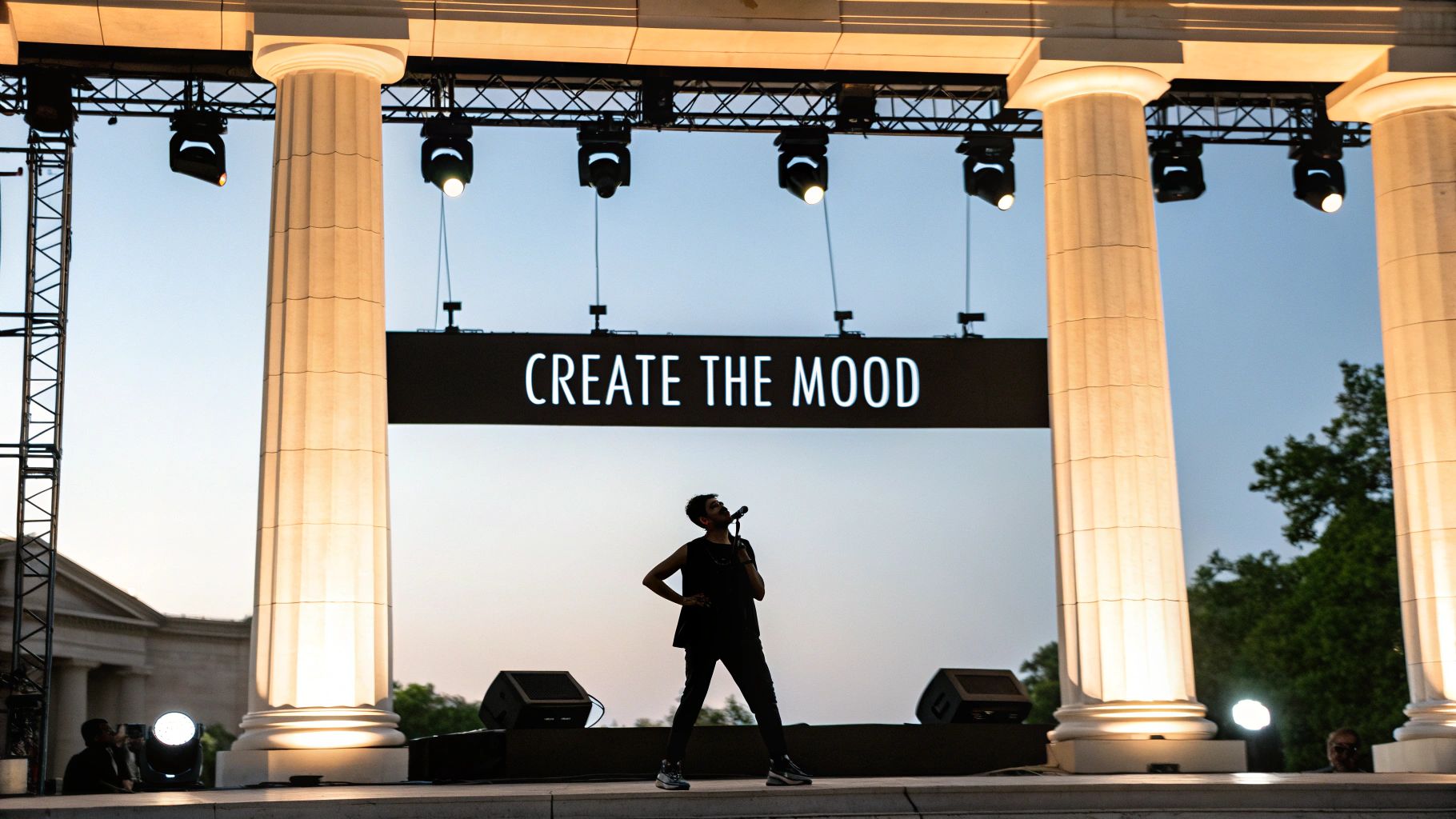
A silhouetted performer sings on an outdoor stage with 'CREATE THE MOOD' banner and illuminated columns.

Alright, now that we’ve covered the technical side of things, let’s get into the fun stuff: the art of using par can lighting. Think of these lights as your paintbrush. With a few core techniques, you can completely transform a venue from just a room into an experience. It’s not about just making things brighter; it’s about shaping the space to create a very specific mood.

These are the exact building blocks that professional lighting designers use to craft those unforgettable moments. Once you get your head around them, you can take your event design to the next level and explain your vision with total confidence.

The Art of Uplighting

Uplighting is easily one of the most popular and high-impact techniques you’ll see at events. The idea is simple: you place par cans on the floor and aim them straight up a wall, a pillar, or even some draping. The effect, however, is dramatic.

This simple trick instantly adds height, elegance, and a touch of theatre to any space. It naturally draws your guests’ eyes upward, which makes ceilings feel higher and rooms feel so much grander. It’s also a brilliant way to wash a room in colour, turning a boring plain wall into a dynamic feature.

Picture a wedding at a Cape Winelands estate. Using amber or warm white uplighting against the old stone walls creates an incredibly romantic, intimate feel. On the other hand, for a corporate launch, a crisp, bold blue wash can reinforce the brand’s colour and give off a vibe of cool professionalism.

Uplighting is the single most effective way to change the perceived architecture of a room. It adds depth, hides imperfections, and creates a luxurious atmosphere with minimal effort and equipment.

Creating Drama with Backlighting

While uplighting is about enhancing surfaces, backlighting is all about creating silhouettes and making your subject pop. This technique means placing a light source behind whatever you want to highlight—a performer, a speaker, or a beautiful floral arrangement—and pointing it back towards the audience.

The result is a striking halo of light that outlines the subject, separating them from the background. It adds a powerful, almost theatrical quality that’s perfect for stages, main tables, or any key focal point. Backlighting is what gives you that iconic, dramatic outline you see at concerts. It guarantees the star of your event doesn’t just blend into the scenery but truly commands attention.

Ensuring a Flawless Stage Wash

A stage wash is a must-have for providing smooth, even light across a whole area, like a stage, dance floor, or presentation spot. Unlike a spotlight that follows one person, a wash covers the entire space in consistent, flattering light. This is so important for making sure everyone on stage is clearly visible, without any weird shadows or dark patches.

To get it right, we mount several par cans (usually with wider beam angles) overhead and overlap their beams just slightly. The goal is a seamless field of light. A good stage wash makes sure your speakers look great and that all the photos and videos from the event look polished and professional.

Painting with Colour and Mood

Colour is your most powerful tool. Different colours trigger different emotions, and you can absolutely use this to guide how your guests feel throughout an event.

  • Warm Tones (Amber, Gold, Soft Pink): These create a feeling of warmth, romance, and intimacy. They’re perfect for wedding receptions, special dinners, and any relaxed social event. They pair beautifully with other elements, too; you can learn more about creating a magical atmosphere by exploring ideas for a fairy light curtain.
  • Cool Tones (Blue, Magenta, Cyan): These shades give off energy, professionalism, and a modern, high-tech vibe. They are ideal for corporate functions, product launches, and parties where you want to create a bit of a buzz.
  • Vibrant Tones (Red, Green, Purple): Bold colours can either dial up the energy or create a sense of sophisticated elegance. Red is passionate and demands attention, while a deep purple can add a touch of regal luxury to a gala dinner.

When you start combining these techniques—using uplighting to set the room’s colour, a stage wash to light the action, and backlighting to make key people stand out—you create a layered, professional, and visually stunning design for any event.

A Practical Guide to Setup and Placement

Great lighting design is one thing on paper, but making it happen on the day is where the real magic lies. Now that we’ve covered the creative side, let’s get into the nuts and bolts of setting up your par can lighting safely and effectively. A little bit of planning here goes a long way, preventing those technical hiccups that can derail an otherwise perfect event.

It all starts with power. The absolute last thing you want is for the lights to cut out mid-speech at a wedding or during a keynote presentation. This means you need a basic handle on how much electricity your lights will draw so you don’t overload the venue’s circuits. One simple miscalculation can trip a breaker, plunging your beautifully lit space into complete darkness.

Mastering Power Management

The trick is to calculate your total power load. Every light fixture has a wattage rating that tells you exactly how much power it needs to run. The good news? Modern LED par cans are incredibly efficient, which is a massive relief compared to the old, power-guzzling halogen units.

To keep things running smoothly, just follow these simple steps:

  1. Check the Wattage: Look for the power rating on each par can you plan to use (a typical LED par might only be 72W).
  2. Add It All Up: Tally up the total wattage of all the lights you want to plug into a single power circuit.
  3. Know the Circuit Limit: In South Africa, a standard wall outlet is usually on a circuit rated for 16 amps, which can handle about 3,680 watts (16A x 230V). As a rule of thumb, always leave a buffer of around 20%, meaning you shouldn’t load a single circuit with more than roughly 2,900 watts.

Think of a power circuit like a single lane on a highway. If you try to jam too many cars (watts) onto it at once, you’ll cause a traffic jam—or in this case, a tripped breaker. By spreading your lights across different circuits, you keep the power flowing without any drama.

This focus on energy efficiency is a big deal in our local market. The South African LED lighting market, which includes event fixtures like par cans, pulled in revenue of about USD 1.03 billion and is expected to grow to USD 1.7 billion by 2030. You can get more insights on this expanding market and its regulations on Mordor Intelligence.

Rigging and Placement Options

Where you put your lights is just as important as the colours you choose. The right placement strategy is what truly brings your creative vision to life.

  • Floor Placement for Uplighting: This is the easiest and often most dramatic method. Simply placing par cans on the floor and aiming them up walls, pillars, or trees creates that classic, elegant uplighting effect. It’s quick, simple, and always looks incredible.
  • Tripod Stands: For a bit more flexibility, lighting stands (or tripods) get your lights off the ground. This is perfect for creating a wash of light over a stage, highlighting a specific feature like a cake table, or cross-lighting a dance floor.
  • Truss Mounting: For bigger events, lights are often clamped onto a metal truss structure hanging from the ceiling. This is the professional standard for lighting stages and entire rooms from above, giving you maximum control and coverage.

Prioritising Safety at Every Step

Safety should always be your top priority. A clean, secure setup doesn’t just look more professional; it prevents accidents that could completely ruin an event.

Cable management is absolutely critical. Run all your power and data cables neatly along walls or behind fixtures. Use gaffer tape to secure them flat to the floor, especially in areas where guests will be walking. This one simple step gets rid of the most common trip hazard at any event.

Finally, make sure every fixture is secure. If you’re mounting lights on a stand or a truss, double-check that every clamp and safety cable is fastened properly. This is even more important when you’re combining lights with other gear for extra atmospheric effects. If you’re looking to add another layer of visual appeal, have a look at our guide on how fog machine hire can complement your lighting setup. A stable, well-managed setup is the true hallmark of a pro.

How Many Par Cans Does Your Event Need?

Trying to figure out exactly how many lights you need can feel a bit like guessing, but it doesn’t have to be a shot in the dark. While there isn’t a single magic number that fits every event, you can get incredibly close by looking at three simple things: the size of your venue, the type of event, and the specific vibe you’re going for.

Think about it. A cosy, intimate wedding reception at a Stellenbosch wine estate has completely different needs from a massive corporate gala at the Cape Town International Convention Centre. One might just need a few lights to create a warm, inviting glow, while the other needs a serious setup to light a stage, highlight branding, and wash the whole venue in colour.

The first step is always to decide what you want the lights to do. Are you looking for subtle uplighting along the walls, a full-on stage wash for a band, or dramatic spotlights on architectural features? Each goal requires a different approach.

Rules of Thumb for Common Scenarios

To get you started, here are a few practical guidelines. For basic wall uplighting—the most popular use for par can lighting—a great rule of thumb is to place one light every 2 to 3 metres along the walls. This spacing is usually perfect for creating a beautiful, continuous wash of colour without leaving awkward dark patches or creating harsh, overly bright “hot spots.”

Let’s see how this plays out in a few real-world scenarios:

  • Intimate Wedding (50-80 guests): For a smaller venue, your focus is likely on creating warmth and romance. 10-12 LED par cans would be ideal for uplighting key walls, the main table, and maybe the entrance to tie everything together.
  • Medium Corporate Event (100-150 guests): Here, you need a bit more punch. You’ll probably be looking at 18-24 par cans to uplight the room’s perimeter, provide a simple wash for a speaker on stage, and highlight company banners or displays.
  • Large Gala or Awards Night (200+ guests): For a big, glamorous event, the numbers jump. You could easily need 30 or more fixtures to handle extensive uplighting, a full stage wash, backlighting for performers, and spotlighting key moments or centrepieces.

Think of it like painting a room. You wouldn’t try to paint an entire house with one tiny sample pot. The bigger your “canvas” (the venue) and the richer you want the “colour” (the atmosphere), the more “paint” (lights) you’re going to need.

The diagram below breaks down the key decisions you’ll make when setting up par cans, from placement and power right through to safety checks.

Diagram illustrating the Par Can Setup process, covering placement, power, and safety considerations.

This simple flow helps you remember to think through where the lights will go, how they’ll get power, and what you need to do to make sure the installation is safe and professional.

Estimating Your Par Can Needs

To make planning even simpler, here’s a quick reference table. Use it as a starting point to gauge how many par cans your event might require.

Event Type & Size Example Scenario Recommended Par Cans Primary Use
Small Gathering (Under 80 guests) A birthday party or intimate wedding reception in a restaurant. 8 – 12 Basic wall uplighting, highlighting a feature wall or main table.
Medium Event (80-150 guests) A corporate function or wedding in a medium-sized hall. 16 – 24 Perimeter uplighting, a small stage wash, and highlighting decor.
Large Event (150-300+ guests) A gala dinner, awards night, or large wedding in a ballroom. 24 – 40+ Full room wash, stage lighting, dance floor lighting, architectural highlights.
Outdoor/Marquee (Any size) A marquee wedding or outdoor festival-style event. Varies greatly Creating boundaries, lighting pathways, uplighting trees or tent structure.

Remember, this is a guide! Factors like ceiling height and wall colour will influence your final number.

Adjusting for Desired Effect and Venue

The numbers above are just a starting point. Your creative vision is what really matters. If you’re dreaming of a deep, super-saturated colour wash, you’ll want to place the lights closer together, maybe every 1.5 metres. This tight spacing makes the light beams overlap more, creating that rich, intense colour you’re after.

The venue itself is a huge factor, too. A room with dark wood-panelled walls is going to soak up light like a sponge, whereas a white marquee will reflect it beautifully. For that dark-walled venue, you might need to increase your light count by 20-30% to get the same brightness you’d achieve in a lighter space.

High ceilings also demand more powerful lights or a tighter beam angle to make sure the effect isn’t lost way up high. It’s always a good idea to chat with your rental provider. With their experience lighting up different venues all over Cape Town, they can give you expert advice tailored to your specific space.

Bringing Your Vision to Life with Light

We’ve covered a lot of ground, from the nuts and bolts of par can lighting to the creative magic that turns a simple room into a truly special place. You’ve seen how one light fixture can wash a space in emotion, pull focus with a sharp beam, and build a professional, layered atmosphere from scratch. Lighting is so much more than just a utility; it’s your most powerful tool for shaping how your guests feel the moment they walk in.

The main takeaway here is that you’re now set up to think like a lighting designer. You get the difference between a wash and a spotlight, you understand the massive impact of colour, and you know why safe, clever placement is non-negotiable. This isn’t just theory—it’s practical knowledge that gives you the power to plan with confidence and explain your vision clearly.

From Knowledge to Flawless Execution

With this new understanding, you can start turning those ideas into reality. You know what’s possible, whether you’re dreaming of a warm, romantic glow for your wedding or a slick, branded environment for a corporate launch. The next step is translating that vision into a seamless production. Remember, combining great lighting with other key elements, like a perfectly placed dance floor, is what creates that cohesive, engaging atmosphere. For more on that, check out our guide on how to hire a dance floor—it’s a perfect partner to your lighting plan.

Your event’s atmosphere is the sum of its parts. Great lighting doesn’t just illuminate the space; it enhances every other element within it, from the decor to the dance floor, creating a single, memorable experience for everyone.

This confidence is your new starting point. You can now walk into a conversation with a lighting pro, not with a vague idea, but with a clear, informed direction.

Partnering with Professionals

To make sure your event looks every bit as stunning as you’ve imagined, teaming up with an experienced crew is the way to go. They bring the technical know-how, the high-quality gear, and the on-the-ground problem-solving skills to pull off your plan without a hitch. Let them worry about the power, rigging, and programming while you focus on the big picture.

When you combine what you’ve learned here with their professional execution, you’re guaranteeing an atmosphere that isn’t just seen, but is truly felt by every single one of your guests.

Par Can Lighting: Your Questions Answered

When you’re getting into the nitty-gritty of event planning, a few practical questions about lighting are bound to pop up. We get it. Moving from the big idea to the actual setup brings up all sorts of details. Here are answers to the most common queries we get from clients planning events right here in the Cape.

Getting these specifics sorted is the key to a smooth, safe, and visually stunning event.

Can I Use Par Cans Outside?

Yes, you can—but you have to use the right gear. This is non-negotiable. For any outdoor event, from a sunset wedding on a wine farm to a garden party, you must use lights with an official IP65 rating.

An IP65 rating is your guarantee that the fixture is properly sealed against dust and can handle jets of water, which means a bit of classic Cape Town rain won’t cause a disaster. Trying to use indoor-only par cans outside is a serious electrical risk if they get wet. We also strongly recommend LED par cans for outdoor setups, as they sip power, making them much kinder to the generators you’ll likely be relying on.

What’s the Difference Between Uplighting and Downlighting?

It’s all about direction. The names really do say it all.

  • Uplighting is when we place par cans on the floor and aim them up. Think of washing a wall in a vibrant colour, making majestic old trees glow, or highlighting columns and draping. It’s the secret sauce for adding drama and texture, and it’s a massive favourite for weddings and gala dinners.
  • Downlighting is simply the opposite. We mount the lights overhead on a truss or from the ceiling and point them down. This is how we create a beautiful, even “wash” of light over a stage, dance floor, or dining area, making sure the important spots are perfectly lit.

A simple way to think about it: uplighting paints the ‘canvas’ of your venue—the walls, the trees, the architecture. Downlighting illuminates the action and the people within that canvas.

Most truly professional lighting designs use both. It creates a layered, dynamic look that’s both atmospheric and completely functional.

Do I Need to Hire a Lighting Technician?

This really boils down to how complex your lighting plan is.

If you’re just after some simple, static uplighting—say, setting the lights to a gorgeous amber and leaving them on all night—you probably don’t need a dedicated technician. A good rental company can deliver and set this up for you without any fuss.

However, the second you want the lights to do something, a professional technician becomes absolutely essential.

You’ll need a technician on-site if you want to:

  • Change colours during the event (e.g., a soft, warm glow for dinner that transforms into a vibrant party mode for dancing).
  • Sync your lights to music, a DJ set, or a video presentation.
  • Use spotlights to follow a speaker on stage or highlight the wedding couple during their first dance.
  • Run any kind of complex sequence of lighting cues for an awards ceremony or stage show.

A technician uses a special mixing desk (a DMX controller) to program and operate all the lights live. Their skill is what turns a static setup into a dynamic, breathtaking experience and ensures it all runs without a single hitch.


Ready to transform your Cape Town event with stunning, professional lighting? ABC Hire provides high-quality par can lighting and a full range of event furniture to create an unforgettable atmosphere. Explore our rental options and let us help you shine at https://abchire.co.za.

Furniture for Hire Cape Town | Affordable Event Rentals

When you start looking for furniture for hire cape town, the first real step isn't just making a list. It's about translating the vibe of your event and your guest count into a smart, practical furniture plan. This is where we move beyond simple checklists and start mapping out functional zones that make the whole experience seamless for your guests.

Defining Your Event’s Vision and Furniture Needs

A beautifully arranged event space with hired furniture in Cape Town.

Before you even think about booking a single chair, you need to nail down your vision. Seriously, this is the foundation. Get this right, and everything else falls into place. Ask yourself the big questions: what's the whole point of this event? What feeling do I want people to walk away with? The answers will guide every decision, from the style of seating to the entire layout of the room.

Let's say you're planning a corporate product launch for a new tech gadget. The venue is a sleek, modern space at the V&A Waterfront. Your main goal? Get people networking and create a modern, forward-thinking atmosphere. Right away, you know that traditional, stuffy banquet-style seating is completely wrong for this. Your focus immediately shifts to creating dynamic, interactive spaces where people can mingle.

From Vague Idea to Actionable List

It’s easy to start with a thought like, "I need seating for 100 people." But a far more effective approach is to think about the event's flow and map out distinct zones. Each zone has its own purpose and, therefore, its own unique furniture needs.

Think about it from a guest's perspective, from the moment they walk in:

  • Registration Zone: What’s the first thing they see? Sure, a plain trestle table works, but a high-gloss counter or a slick podium screams "premium tech brand." You'll need a couple of stylish but comfortable chairs for your staff, and maybe a small, branded backdrop.
  • Networking and Lounge Areas: This is the heart of a corporate launch. Forget uniform rows of chairs. You want to create intimate clusters of seating. Try mixing soft velvet couches with minimalist coffee tables and a few high-top cocktail tables to encourage people to move around and chat.
  • Presentation Space: If there’s a keynote speech, you’ll need theatre-style seating. But even this can fit the theme. Are we talking classic conference chairs, or something more contemporary like transparent ghost chairs to keep the space feeling open?
  • Catering and Bar Area: This zone is all about practicality. You'll need bar counters, bar stools, and plenty of cocktail tables for guests to pop down their drinks and canapés. The furniture here has to be tough and easy for the catering staff to navigate.

By breaking down your venue into these zones, that vague "seating for 100" suddenly becomes a specific, actionable list.

A Real-World Scenario: The V&A Tech Launch

Let’s flesh out that V&A Waterfront example. The brand’s colours are navy blue and brushed gold. Your furniture hire list needs to echo this aesthetic without being too on-the-nose.

Pro Tip: Your furniture doesn't have to be an exact match to your brand colours. Think of it as creating a complementary palette. For a navy and gold brand, you could hire furniture in sophisticated neutrals like charcoal grey, white, or black. Then, bring in the specific brand colours with décor—cushions, throws, and beautiful floral arrangements.

For this launch, your final furniture list might look something like this:

  1. Welcome Area (1)
    • 1x White high-gloss reception counter
    • 2x Gold-framed bar stools with black leather seats
  2. Main Lounge (Seating for ~40)
    • 3x Charcoal grey velvet three-seater sofas
    • 4x Navy blue velvet armchairs
    • 5x Brushed gold or marble-top coffee tables
    • 8x Small gold side tables
  3. Networking Zone (Standing & Seating for ~30)
    • 10x Black cocktail tables
    • 20x Gold-framed bar stools
  4. Presentation Area (Seating for 100)
    • 100x Black or ghost-style conference chairs
  5. Bar Area (1)
    • 1x 4-metre modular black bar
    • 2x Bar-back shelving units

This detailed list, born from a clear vision and thoughtful zonal planning, is now ready to be sent to furniture for hire cape town suppliers. It ensures every single piece has a purpose, perfectly balancing aesthetics with function, and hitting all your event's core objectives. This strategic approach is what takes an event from being merely furnished to being thoughtfully designed.

Pairing Furniture Styles with Cape Town Venues

Choosing the right furniture isn’t just about filling a space. It’s about starting a conversation between your event and its surroundings. Cape Town gives you a spectacular canvas to work with, from sun-drenched Stellenbosch wine farms to edgy Woodstock warehouses, and your furniture hire should feel like a natural part of the venue’s personality. This is the harmony that takes an event from good to unforgettable.

Picture a wedding at a historic Paarl wine estate. The venue itself—with its classic Cape Dutch architecture and rolling vineyards—already tells a story of rustic elegance. Bringing in sleek, minimalist acrylic chairs would just feel… off. It would create a jarring disconnect.

Instead, imagine long, reclaimed wooden tables surrounded by classic cross-back chairs. This choice does more than just provide seating; it amplifies the authentic, warm atmosphere the venue was built on.

This simple flow—understanding the venue’s soul, matching its style, and adding an authentic local touch—is the secret to making great choices.

Matching Aesthetics to Iconic Locations

The real art of pairing furniture with a venue is about respecting its character while still weaving in your own event's theme. Let's walk through a few classic Cape Town scenarios to see how this plays out.

  • The Industrial Chic Warehouse (Woodstock or Salt River): These spaces are all about raw textures—think exposed brick, polished concrete floors, and soaring ceilings. You have a great opportunity to play with contrasts here. Pair raw wooden tables with modern metallic chairs (copper or black steel work beautifully) for a look that's both edgy and sophisticated. For lounge pockets, you can’t go wrong with leather couches and minimalist coffee tables.
  • The Coastal Beachfront Venue (Camps Bay or Blouberg): When you’ve got an ocean view, the last thing you want to do is compete with it. The furniture should complement the natural beauty. I always suggest a light and airy colour palette. White-washed wooden furniture, rattan or wicker seating, and low-slung, comfy bean bags create a relaxed, almost Hamptons-style vibe. You can easily bring in pops of coastal colour like navy or coral with cushions and throws.
  • The Elegant City Centre Gallery (CBD): Modern art galleries and contemporary event spaces are basically blank canvases, which means they call for clean lines and sophisticated designs. Minimalist furniture is your best friend here. Think ghost chairs that don't block sightlines, sleek high-gloss bar counters, and modular lounge furniture in neutral tones like charcoal or white. You can find some fantastic inspiration for creating sophisticated social hubs by checking out options for bar tables and chairs.

Embracing Local and Sustainable Trends

There’s a definite shift happening in Cape Town towards authenticity and sustainability, and it’s showing up in event furniture trends. Planners and their clients are increasingly asking for pieces that tell a local story. This means we're seeing a huge demand for furniture made from reclaimed timber, alien clearing wood like blue gum, and other locally sourced materials.

This isn't happening in a vacuum. The South African furniture market, valued at $2.47 billion, is growing fast, partly because people want modular and sustainable options. This shift is directly influencing the furniture for hire Cape Town scene, with rental companies like us expanding our collections to include eco-conscious and locally crafted pieces to meet this demand.

By bringing in locally made or sustainable furniture, you're doing more than just making an eco-friendly choice. You're adding a layer of authenticity that really connects with the spirit of Cape Town. It shows you’ve put real thought into supporting the local environment and economy.

When you choose furniture that truly aligns with your venue’s soul, a simple rental decision becomes a powerful design statement. It’s the cohesive thread that pulls your whole event together, making sure every single element feels intentional, harmonious, and perfectly in place.

Getting Your Furniture Hire Budget Right

A stylish event setup in Cape Town with hired furniture, illustrating budget planning.

Let’s talk numbers. Crafting a budget for furniture for hire in Cape Town goes way beyond just looking at the price-per-chair in a catalogue. A savvy event planner knows that a good budget anticipates all the little costs that pop up along the way, so there are no nasty surprises once the event is over.

Think of it this way: the rental fee for the furniture is just the starting point. I’ve seen so many planners get caught out because they forgot to account for the logistics—the very things that bring the whole vision to life. These "hidden" costs are standard in the industry, but they can easily blow your budget if you haven't planned for them.

What’s Really in a Furniture Hire Quote?

When you start getting quotes, you'll notice they all look a bit different, which can make comparing them feel like you’re not looking at the same thing. Your mission is to dig deeper than the item costs and find the total price to get everything on-site and set up.

Here are the usual suspects you need to look out for:

  • Delivery and Collection Fees: This is almost always a separate line item. The cost depends on how far your venue is from the supplier's warehouse and the size of your order.
  • Labour and Setup Costs: Some companies roll basic setup into their delivery fee, but others will charge it separately. If you’ve got a tricky floor plan, expect this cost to go up.
  • After-Hours Surcharges: Venues have tight schedules. If your furniture needs to be delivered or, more commonly, collected late at night or on a Sunday, you’ll definitely see a surcharge for that.
  • Damage Waiver: This is usually a small percentage of your total hire cost. It's an optional fee that covers small, accidental scuffs or spills. Honestly, it’s worth it for the peace of mind.

Getting a handle on these costs is non-negotiable. For a bit more on why renting is often the smarter move, have a look at our guide on renting furniture for events, where we unpack more of the process.

How to Save Money Without Looking Cheap

A tight budget doesn't mean your event has to look bland. The real secret is being clever about where you spend your money. Instead of just picking the cheapest options for everything, think about where you can create the most impact.

Pro Tip: Try the "hero piece" strategy. Splurge on one or two knockout items—like a gorgeous velvet couch for a chill-out corner or a really unique bar—and then use more budget-friendly tables and chairs for the rest. It creates a focal point that makes the entire space feel more luxurious.

Mixing and matching is another great trick. Pairing sleek metal chairs with rustic wooden tables can create a really cool, curated vibe that looks far more intentional than a completely uniform setup. It adds personality and can be a lot friendlier on your wallet.

Pulling Your Budget Together

To keep everything straight, a simple spreadsheet is your best friend. It lets you lay out quotes side-by-side and see the true cost from each supplier.

Below is an example budget breakdown that accounts for more than just the per-item rental prices.

Sample Furniture Hire Budget Breakdown for a 100-Guest Event

Expense Category Description Estimated Cost Range (ZAR)
Furniture Rental Base cost for tables, chairs, lounge furniture, bar, etc. 20,000 – 45,000+
Delivery & Collection Transport to and from the venue. Varies by distance & order size. 2,500 – 6,000
Labour/Setup Cost for the team to place furniture according to your floor plan. 1,000 – 4,000
After-Hours Surcharge Fee for collection outside of 9-5 business hours (e.g., post-event). 1,500 – 3,500
Damage Waiver Optional insurance, typically 5-10% of the hire subtotal. 1,000 – 4,500
VAT (15%) Always confirm if quotes are VAT-inclusive or exclusive. Added to the subtotal

This kind of detailed view shows you that the supplier with the cheapest chairs isn't always the most affordable option overall. A solid, realistic budget is the tool that frees you up to focus on what really matters: creating an amazing experience for your guests.

Right, you've got your vision and you know your numbers. Now for the fun part: finding the right people to supply your furniture for hire in Cape Town.

Think of this as less of a transaction and more like casting a key role for your event. The right supplier is a partner. They get what you're trying to do, and they have the gear and the professionalism to make it happen without a hitch. A great supplier is like an extension of your own team, making sure every single piece lands on time, in pristine condition, and looking exactly how you pictured it.

Finding and Vetting Your Supplier

Your first stop will probably be online, and a company's website tells you a lot. You're looking for a clean, professional online catalogue with great photos. If a supplier takes the time to present their stock beautifully online, chances are they look after the actual furniture just as well. Blurry pictures or vague descriptions? That’s an immediate red flag for me.

Beyond the pretty pictures, you need to see some proof that they can deliver. Hunt for testimonials, check out their Google reviews, and scroll through their social media feeds for galleries of past events. Seeing their furniture in action at real Cape Town venues—whether it's a classy Constantia wine farm or a slick city centre rooftop—builds huge confidence.

Asking the Right Questions

Once you have a shortlist of a few companies that look promising, it’s time to dig in. You want to get a feel for how they operate, how good their stuff really is, and how they treat their clients. Don't just hide behind emails; pick up the phone. A quick chat can reveal volumes about their customer service.

Before you even think about signing anything, you need to ask some direct questions. A true professional will be happy to answer.

Here’s a quick checklist of what to ask:

  • Stock & Quality: How big is your inventory? Is it all yours, or do you sub-hire from other companies? (Sub-hiring can sometimes get messy with availability).
  • Seeing is Believing: Can I come to your showroom or warehouse to see the furniture for myself? This is non-negotiable. A chair might look amazing online, but you need to see it in person to check for comfort and any sneaky signs of wear and tear.
  • Plan B: What happens if something I’ve booked suddenly becomes unavailable? A solid supplier will have a clear policy on this, usually offering an equal or better replacement at no extra cost.

My Two Cents: Never, ever book a large amount of furniture without seeing it first. A trip to the supplier’s showroom is the best way to know for sure that you're getting the quality you're paying for. It takes all the guesswork out of the equation and ensures no nasty surprises on the day.

Don't Skip the Fine Print

That rental agreement is your safety net, so read it properly. Make sure you understand every single clause, especially around payment deadlines, cancellation terms, and what happens if something gets damaged. Cape Town's event season can be a whirlwind, so you absolutely need to know your options if plans have to change.

The damage waiver is another big one. Ask exactly what it covers (usually it’s for minor scuffs and spills) and what it doesn't (like a complete breakage or a lost item). Getting this clear from the start saves a world of stress and potential arguments later.

Choosing a reliable partner is becoming more important than ever. The global furniture rental market is booming and expected to hit over USD 106 billion by 2032, and you can feel that growth right here in Cape Town. This trend, partly fuelled by things like hybrid work and flexible living, means more choice for planners like us. You can read more about this growing market on polarismarketresearch.com. More options are great, but it also means you have to be extra careful to pick an established, reputable company.

When you finally make that booking, it should feel like the right, confident choice—not a gamble. By doing your homework, asking sharp questions, and really understanding the contract, you’re not just hiring chairs and tables. You're bringing on a partner who is just as invested in your event's success as you are.

Nailing the Event Day Delivery and Logistics

Logistics team setting up hired furniture for an event in Cape Town.

Let's be honest, even the most incredible furniture won't matter if it doesn't get to the venue smoothly and on time. Flawless execution on the day is what separates the pros from the amateurs. It’s the behind-the-scenes dance of delivery, setup, and collection that makes an event feel effortless, and it's where a good event planner truly shines.

This is all about clear communication and obsessive planning. It starts way before a single truck pulls up, with a detailed conversation between you, the venue manager, and your furniture hire company. One missed detail here can kick off a domino effect of delays and stress you just don't need.

The Pre-Event Logistics Checklist

Before the big day, you need to get all your key players on the same page. The goal is simple: give your supplier a crystal-clear picture of the venue's landscape so there's zero room for guesswork. A quick call or a thorough email covering these points is a non-negotiable for any event involving furniture for hire cape town.

Think through these absolute must-knows:

  • Venue Access Points: Where exactly is the loading bay? Are there any sneaky height or weight restrictions for their trucks? If it’s a sprawling venue like a wine estate, a simple map marking the correct entrance can be a lifesaver.
  • Delivery and Collection Windows: Venues are notoriously strict with their timings. Get the exact hours the loading bay is open and pass this on. Be totally upfront if you need an after-hours collection – don’t leave it as a surprise.
  • On-Site Navigation: Is the team going to be met with a flight of stairs, a narrow corridor, or a tiny service lift? Telling them the ballroom is on the third floor with only a small goods lift is mission-critical information.
  • Venue Contact Person: Who is the go-to person on-site for the delivery crew? Give them a name and a mobile number for the venue manager or coordinator who will be there to meet them.

Key Takeaway: Never, ever assume your supplier knows the venue, even if it's a popular Cape Town spot. Every single event has its own quirks, and clear communication is your best weapon against day-of disasters.

Your Floor Plan is the Blueprint for Success

A detailed floor plan isn't just a nice-to-have; it's the single most important document you can give the setup crew. It’s the blueprint that turns your vision into a physical reality. A good plan means every table, chair, and lounge pod gets placed exactly where you want it, cutting out the guesswork and saving an enormous amount of time.

Your floor plan needs to be more than just a quick sketch on a napkin. It should be clear, drawn to scale, and meticulously labelled.

Elements of a Perfect Floor Plan

  • Label Everything: Clearly mark out each zone (e.g., "Lounge Pocket 1," "Main Dining Area," "Bar Zone").
  • Indicate Furniture Types: Use simple icons to show what's what. A basic legend like "Circle = Cocktail Table, Rectangle = Sofa" is perfect.
  • Show Placement and Orientation: Don't just show where a sofa goes; show which way it should face. This is so important for creating those intimate, conversational lounge areas.
  • Note Key Venue Features: Make sure to mark things like pillars, power outlets, doorways, and fire exits. This ensures your layout isn't just beautiful, but practical and safe too.

This level of detail allows the setup team to get on with the job confidently and efficiently, which frees you up to handle the million other things that need your attention. For a deeper look at orchestrating all these moving parts, our guide on effective event management in Cape Town has loads of practical strategies that tie in perfectly here.

Managing Post-Event Breakdown and Inventory

The party isn't over until the last chair has been collected. A smooth breakdown is just as critical as a perfect setup. Your main job here is to make sure everything is accounted for to avoid any awkward conversations about missing or damaged items later.

As the event wraps up, do a quick but thorough inventory check. Grab your rental agreement and walk the space.

  1. Count All Items: Make sure the number of chairs, tables, and everything else matches the delivery note. It’s amazing how easily a single bar stool can go missing in a big venue.
  2. Inspect for Damage: Do a quick scan for any obvious damage that happened during the event – a snapped chair leg or a serious red wine stain on a light-coloured sofa.
  3. Consolidate for Collection: If you can, get your team to group all the hired items together near the loading zone. This makes the collection process incredibly efficient for the hire company’s crew, especially if it’s a late-night pickup.

Snapping a few photos of any existing scuffs when the items are delivered, and then again of any significant new damage after the event, creates a clear and undisputed record. It's a proactive step that protects you and helps build a great, professional relationship with your supplier for future events.

A Few Common Questions About Furniture Hire in Cape Town

Diving into furniture hire can throw up a few questions, especially when you're trying to juggle all the other moving parts of a big event. Getting things cleared up from the start makes everything run smoother and stops any last-minute panics. Here are some of the questions we get asked all the time by planners looking for furniture for hire Cape Town suppliers.

How Far in Advance Should I Book Furniture?

This is a big one. If you’re planning a large event or it’s happening during Cape Town's peak season (that’s usually November to March), you really want to lock in your furniture 4-6 months ahead. Trust me on this.

The most popular pieces—we're talking those elegant dining chairs, chic lounge pods, and unique mobile bars—get snapped up fast, especially for weekend weddings and corporate year-end parties. Booking early means you get your first choice, not the leftovers. For smaller get-togethers or a cosy winter event, you can probably get away with 1-2 months' notice, but playing it safe is always a good idea.

What Happens If Something Gets Damaged?

It happens, but it’s vital to know where you stand before you sign on the dotted line. Any good hire company will have a straightforward damage policy. Most will offer you a damage waiver for a small fee, which is usually a percentage of your total hire cost. This normally covers the small stuff, like minor scuffs or a small drink spill.

A Quick Heads-Up: That damage waiver isn’t a get-out-of-jail-free card. For more serious damage—think a snapped chair leg, a big rip in the upholstery, or an item that just goes missing—you'll almost definitely be on the hook for the full repair or replacement cost. Always, always check the items when they arrive and flag any existing dings or scratches immediately.

Can I Use Hired Furniture for an Outdoor Event in Cape Town?

Of course! Lots of suppliers have fantastic outdoor ranges. But, as we all know, Cape Town weather can turn on a dime, and the responsibility for keeping the furniture safe from the elements falls on you.

Your rental agreement will spell this out, but you’ll need a solid backup plan. This typically means:

  • Having a marquee or covered stretch tent on standby.
  • An indoor space you can quickly move everything into if the wind picks up or the heavens open.
  • Making sure nothing is left outside overnight to get damp from dew or unexpected rain.

Always chat with your supplier about your outdoor setup. They’ll know which materials and pieces are best suited for the job.

Do You Guys Help with Layout and Design?

It really depends on the company. Many of the bigger furniture for hire Cape Town suppliers have stylists on their team who can help you pull a look together and figure out the best layout. This might be an add-on service, while others might offer some basic advice as part of the package.

It never hurts to ask what they offer. For a really big or complicated event, you’re often better off bringing in a dedicated event designer. They can create a detailed floor plan that the rental company can then follow to the letter.

It's interesting to see how much the home rental market in Cape Town shapes what’s available for events. With more people renting their homes and wanting flexible, stylish living, furniture companies have had to up their game. This focus on high-quality, on-trend furniture has been great for the events industry, giving us all more choice. You can actually find some interesting data on these furniture rental market trends if you want to dig deeper.


Ready to create an unforgettable event with stylish, high-quality furniture? ABC Hire offers an extensive inventory to bring your vision to life. From elegant lounge sets to functional tables and chairs, we are your trusted partner for event rentals in Cape Town and the Winelands.

Visit us now at https://abchire.co.za to explore our collection and get a quote.

Your Guide to Mobile Bar Service in South Africa

Ever wondered how to bring a top-tier bar experience to your event, wherever it might be? Picture this: a fully stocked, professionally staffed bar magically appearing at your chosen venue. That’s the magic of a mobile bar service. It’s not just about serving drinks; it’s about crafting a complete pop-up beverage experience that’s designed around your event.

What Exactly Is a Mobile Bar Service?

Think of it like hiring a private chef, but for the drinks. You’re not just getting a few bottles of wine and someone to pour them. Instead, you’re getting an all-in-one solution that brings the entire bar setup—and the atmosphere that comes with it—right to your doorstep. It could be a garden wedding, a corporate launch, or even a birthday bash in your own backyard.

Image

This kind of pop-up experience has become incredibly popular, and for good reason. Here in South Africa, the mobile bar industry has been growing fast, thanks to our vibrant event culture. In fact, the market has expanded by an average of 10-15% annually over the last five years, all driven by the demand for unique and hassle-free drink solutions. You can dive deeper into the mobile bar hire market and see how it’s changing the game for all sorts of events.

What Is Typically Included?

A professional mobile bar service takes care of absolutely everything, so you can actually enjoy your own party. It’s a complete package deal.

Here’s what you can generally expect:

  • The Physical Bar: A stylish, functional bar counter that can often be customised to fit the look and feel of your event.
  • Professional Staff: You get skilled mixologists and bartenders who know their way around everything from a classic G&T to a custom-designed cocktail menu.
  • Complete Glassware and Equipment: No need to worry about a thing. All the right glasses, shakers, ice buckets, and other tools are part of the service.
  • Premium Stock: They’ll bring a curated selection of spirits, wines, beers, and non-alcoholic drinks, all based on what you and your guests will love.
  • Licensing and Insurance: A reputable company handles all the necessary liquor licensing, making sure your event is fully compliant and completely stress-free.

By managing everything from the first pour to the final clean-up, a mobile bar ensures every guest feels catered to, transforming a standard gathering into a truly memorable occasion. It’s an investment in the overall guest experience.

Why a Mobile Bar Elevates Your Event

When you’re planning the drinks for your event, you generally have three choices: use the venue’s built-in bar, try to set one up yourself, or bring in the professionals with a mobile bar service. While the first two options might seem like the easiest path, a mobile bar brings some serious advantages that can completely transform your event’s atmosphere. It’s more than just a place to get a drink; it becomes a centrepiece for the whole celebration.

Image

The biggest draw is pure convenience. A mobile service takes care of everything from A to Z—the physical bar structure, all the glassware, ice, fancy garnishes, and most importantly, the professional staff. This all-in-one package lifts a massive weight off your shoulders, letting you actually enjoy your party instead of stressing about running out of ice or lemons.

This convenience has a direct impact on your guests’ experience. They’re not just stuck with a basic beer and wine selection. Instead, they get to enjoy perfectly made cocktails crafted by people who really know what they’re doing. Suddenly, grabbing a drink becomes an interactive and memorable moment.

Predictable Costs and Zero Surprises

Let’s be honest, one of the trickiest parts of planning any event is sticking to a budget. A DIY bar can easily get out of hand with last-minute trips to the bottle store and buying way more supplies than you actually need. On the other hand, venue bars can hit you with high markups and minimum spend requirements that lead to a nasty surprise on the final bill.

A mobile bar service changes the game with clear, upfront package pricing. You know exactly what you’re paying for from the start, whether it’s a per-head rate or a flat fee for a certain number of hours. That kind of financial clarity makes budgeting a breeze, with no fear of hidden costs popping up after the party is over.

With a mobile bar, you are investing in a controlled, predictable expense that delivers a high-value experience, eliminating the guesswork and potential overspending associated with other options.

Unmatched Customisation and Branding

This is where a mobile bar really gets to show off. Think of it as a blank canvas you can paint to perfectly match your event’s theme and style. You just can’t get that level of personalisation from a standard venue bar.

You get to create a bespoke experience that truly reflects the vibe of your gathering.

  • Weddings: How about “his and hers” signature cocktails that tell a little story about the two of you?
  • Corporate Events: You can brand the front of the bar with your company logo, adding a sleek, professional touch to a product launch or client function.
  • Themed Parties: Go all out with a drink menu that fits your theme, whether it’s tropical tiki cocktails for a summer bash or sophisticated martinis for a glamorous affair.

In the end, hiring a mobile bar is so much more than just outsourcing the drinks. It’s an investment in creating a polished, engaging, and totally stress-free event. It elevates the whole occasion, providing a professional and customised focal point that will leave a great impression on every single one of your guests.

Choosing the Right Mobile Bar for Your Occasion

Not all events are created equal, and your bar setup should reflect that. Picking the right mobile bar service is about so much more than just the drinks on offer—it’s about matching the entire service style to the atmosphere you want to create.

Think of it like choosing music for a party. You wouldn’t blast a heavy metal playlist at a sophisticated corporate dinner, would you? In the same way, the bar for a black-tie wedding should probably focus on classic cocktails and elegant champagne toasts, creating an air of class and celebration. The whole experience needs to be refined and seamless.

Matching the Bar to the Event Vibe

For a professional corporate gathering, the focus shifts slightly. Sure, cocktails are great, but premium non-alcoholic options become just as important. The bar itself can be a fantastic networking hub, maybe subtly branded with your company logo, rather than being the main event. Here, the service should feel discreet, polished, and efficient.

Then you have a casual backyard birthday party or a buzzing festival. That calls for a completely different approach! The priority is speed, accessibility, and a fun, engaging atmosphere. The menu would lean towards popular beers, ciders, and simple mixed drinks that can be served quickly to keep queues short and the good times rolling.

As you can see, a mobile bar doesn’t just add flair; it often makes more financial sense and leaves guests much happier.

To help you decide, here’s a quick guide on what kind of mobile bar service works best for different types of events.

Mobile Bar Service Suitability by Event Type

Event Type Primary Focus Suggested Menu Key Feature
Weddings Elegance & Celebration Signature Cocktails, Champagne, Premium Wines A beautiful bar setup that complements the décor.
Corporate Events Professionalism & Networking Premium Spirits, Mocktails, Branded Options Discreet, efficient service and subtle branding opportunities.
Private Parties Fun & Casual Atmosphere Beer, Cider, Easy Mixed Drinks A relaxed vibe with a flexible and compact setup.
Festivals Speed & High Volume Popular Beers, Ciders, Pre-Batched Cocktails A durable, fast setup designed to handle large crowds.

This table should give you a starting point, but the best mobile bar providers will always work with you to customise their offering.

Key Questions for Your Event Type

To make sure you’re booking the perfect fit, run through these questions:

  • Weddings: Does the service specialise in elegant presentation? Can they create signature cocktails for the couple and handle a champagne toast for the speeches?
  • Corporate Events: Can the bar be customised with our company branding? Do they have a sophisticated range of non-alcoholic mocktails for all guests?
  • Private Parties: Is their setup flexible enough for a smaller, more intimate space like a garden or living room? Do they have packages suited for a relaxed, casual get-together?
  • Festivals: Can their team handle high-volume service without a hitch? Is their setup durable and quick to assemble for outdoor conditions?

By thinking about your event’s specific goals—whether that’s pure elegance, professional networking, or high-energy fun—you can choose a mobile bar service that does more than just pour drinks. It will actively enhance the entire guest experience, feeling like a natural, integral part of your event, not just an add-on.

How to Design Your Perfect Drinks Menu

Alright, let’s get to the fun part: creating the drinks menu. This is your chance to really stamp your event’s personality onto every single glass. But before we start dreaming up signature cocktails, we need to sort out the service style. Getting the financial setup right is the foundation for all your creative choices.

Image

It’s tempting to jump straight into flavour combinations, but picking the right package comes first. Each option shapes a totally different guest experience and, just as importantly, affects your budget in different ways. Nail this decision, and everything else will fall into place.

Understanding Your Service Options

Most mobile bar services, including ours, offer a few standard packages that we can then tweak to fit your event perfectly. The best way to choose is to think about how you want your guests to feel and interact with the bar.

  • Open Bar: This is the go-to for weddings and corporate functions for a reason. You pay a set price per guest, and they can enjoy unlimited drinks for an agreed-upon time. It’s seamless, generous, and lets everyone relax without worrying about their wallets.
  • Cash Bar: Just like your favourite local spot, guests simply pay for their own drinks. This is a brilliant budget-friendly choice for the host and works especially well for public events, festivals, or more casual get-togethers.
  • Limited Tab: This is the perfect middle ground. You put a pre-determined amount of money behind the bar (the “tab”) to treat your guests. Once that limit is hit, the bar can easily switch over to a cash bar for the rest of the night.

Sorting out your service style first gives you a clear budget to work with. That means you can let your creativity run wild on the menu itself, knowing you won’t get any nasty surprises down the line.

Crafting a Balanced and Exciting Menu

Once the nuts and bolts are sorted, we can dive into selecting the drinks. A truly great menu has something for everyone. It’s a balancing act between comfortable classics and a few special touches that make the day unforgettable.

You’ll want to include a good mix of drinks to cater to all the different tastes in your crowd. A well-rounded menu is a sign of a great host—it shows you’ve thought about every single guest’s enjoyment.

Here’s how to build a menu that’s guaranteed to be a hit:

  1. Start with the Classics: You simply can’t go wrong here. Make sure you have a quality selection of wines (a good red, a crisp white, and a rosé), some popular local craft beers, and a solid range of spirits like vodka, gin, and whiskey.
  2. Add Signature Cocktails: This is where you really get to shine. Work with your mobile bar service to dream up one or two signature cocktails that tie into your event’s theme. A refreshing gin and elderflower spritz for a summer wedding? Perfect. A sophisticated espresso martini for a corporate launch? Absolutely.
  3. Don’t Forget Non-Alcoholic Options: The days of just offering a sad-looking jug of juice are long gone. A modern menu needs exciting and delicious non-alcoholic choices. Think artisanal mocktails made with fresh herbs, premium iced teas, or sparkling fruit infusions. It’s all about making sure every guest feels included.

At the end of the day, designing the perfect menu is a team effort between your vision and your provider’s expertise. By getting the practical service style right first, you free yourself up to create a drinks selection that will leave a fantastic impression on all your guests.

Getting the Logistics and Legal Stuff Sorted

Pulling off a flawless event is all about nailing the behind-the-scenes details. When you hire a mobile bar, a little bit of practical planning makes sure everything runs like clockwork, from the first drink poured to the last call. Getting your head around these key logistics and legal bits is the secret to a stress-free party.

First up, a simple site check. Your mobile bar needs a dedicated spot to work its magic. Think about the physical space – is there enough flat, stable ground for the bar to be set up? Most services need a clear area of about 3×3 metres, but this can change depending on the bar’s design and how many guests you’re expecting.

Then there are the practical needs, like electricity and water. While many modern mobile bars are pretty self-sufficient, access to a standard power outlet is usually a must for things like cool lighting, blenders, and keeping the drinks ice-cold. A nearby water source is also super helpful for rinsing equipment and general clean-up, keeping the service area looking professional all night long.

Navigating Liquor Licences in South Africa

Beyond the physical setup, the most important piece of the puzzle is the legal side of things, specifically the liquor licence. In South Africa, serving alcohol is a regulated business, and getting it wrong can land you, the host, in hot water. This is exactly why choosing a fully licensed and insured mobile bar service is non-negotiable.

A professional mobile bar will have all the necessary liquor licences that allow them to legally sell and serve alcohol at different venues. This takes the entire legal headache off your plate.

Hiring a licensed provider is your guarantee of legal compliance and total peace of mind. They handle all the regulations, making sure your event isn’t just fun, but also 100% above board.

Honestly, this legal protection is probably the most valuable part of the service. It means you can relax and enjoy the party with your guests without a single worry about the complexities of provincial liquor laws.

Essential Questions to Ask Your Bar Service

To make sure you’ve covered all your bases, it’s a great idea to have a checklist of questions ready when you’re chatting with a potential mobile bar service. Getting clarity upfront prevents any last-minute surprises and makes sure you and your provider are on the same page. Don’t forget to plan for the weather, either; for outdoor events, you could look at something like a gazebo for hire to keep the bar area and your guests protected from the elements.

Here are a few crucial questions to pop on your list:

  • Setup and Breakdown: How much time do you need to set up before the event starts and to pack down afterwards?
  • Staffing: How many bartenders will you provide for my number of guests? We want to avoid long queues!
  • Hidden Costs: Does your quote include everything, like travel, ice, and glassware, or are there any extra charges I should know about?
  • Insurance: Can you show me proof of your public liability insurance?

Asking these questions from the get-go helps you make a smart choice, picking a partner who is transparent, professional, and totally ready to make your event a massive success.

How to Book Your Mobile Bar with ABC Hire

Ready to bring an unforgettable bar experience to your next event? Getting your mobile bar service sorted with ABC Hire is a simple, friendly process designed to bring your vision to life, completely stress-free. We’ve fine-tuned our approach to make sure we’re on the same page from the very first chat.

It all kicks off with a quick enquiry. Just get in touch with our team and let us know your event date, a rough guest count, and what kind of party you’re planning. This gives us the basics we need to get the ball rolling.

Your Personalised Consultation

After you reach out, we’ll set up a proper consultation. This is where we get into the good stuff and really figure out what you’re imagining. We’ll chat about themes, what your guests might like to drink, and different menu ideas to make sure the bar is a perfect fit for your event. This chat is what really sets our service apart—we’re not just another supplier; we’re your creative partners.

This isn’t just about hiring a bar; it’s a partnership. Our main goal is to sync up with your event’s vibe and deliver a seamless, memorable experience for you and your guests. We take care of all the little details so you can relax and enjoy the celebration.

Clear Quoting and Locking in Your Date

Once we’ve hashed out the details, we’ll send you a clear, customised quote. There are absolutely no hidden fees. Our proposals break everything down for you—from the staff and the drinks to the glassware and setup—so you know exactly what you’re paying for.

When you’re happy with the plan, the last step is to secure your date. A deposit locks in your booking, and our team officially becomes part of your event crew. From that moment on, we’re working behind the scenes to get every detail organised, proving why we’re the go-to choice for an incredible mobile bar service in South Africa.

Still Have a Few Questions About Mobile Bars?

It’s completely normal to have a few questions floating around, even after seeing all the benefits. We get it. To help you feel 100% confident, we’ve put together answers to some of the most common things people ask us.

One of the first things on everyone’s mind is cost. You’ll be happy to know that hiring a mobile bar is often much more budget-friendly than you might think, especially when you compare it to the high markups you find at most venue bars. Our packages are straightforward and transparent – you only pay for what you actually need, with no nasty surprises or hidden fees.

Then there’s the legal stuff, like licensing. With ABC Hire, you can relax completely. We are fully licensed and insured, which means we handle all the paperwork and legal requirements for serving alcohol at your event. You’re completely covered, so you can just focus on your guests and have a good time.

Can You Customise the Bar Appearance?

Of course! This is one of the best parts. We can absolutely tailor the look of the bar to fit your event’s theme perfectly. Whether you’re planning a rustic farm wedding or a polished corporate function, we’ll work with you to make sure the bar adds to your decor instead of just being a place to get drinks.

A lot of people think mobile bars are just for huge, outdoor events. But the truth is, our setups are incredibly flexible. We can adapt them for indoor venues, small garden parties, and just about anything in between.

What If My Guests Don’t Drink Alcohol?

We believe everyone at the party deserves a fantastic drink in their hand. That’s why we always include a brilliant selection of non-alcoholic options. We go way beyond just a few soft drinks and create genuinely delicious, handcrafted mocktails. This way, all your guests feel included, and your designated drivers will be just as impressed with their drinks as everyone else.


Ready to give your guests a drinks experience they won’t forget? ABC Hire provides a professional, fully customisable mobile bar service that takes care of every last detail. Contact us today to get a personalised quote and secure your date!

📍 Cape Town + Winelands