A Guide To Wedding Tent Hire In Cape Town

Picture this: You’re saying “I do” with the iconic silhouette of Table Mountain watching over you, or maybe you're nestled among the lush, rolling hills of the Winelands. The secret to bringing these incredible visions to life is finding the perfect wedding tent hire. A tent gives you the ultimate freedom, letting you build your dream venue from scratch almost anywhere you can imagine.

Crafting Your Perfect Cape Town Outdoor Wedding

An outdoor wedding here in the Western Cape is a blank canvas like no other. Forget being stuck within four walls; you get to design your entire space from the ground up. It’s a chance to let your personality shine, whether you’re dreaming of a glamorous, high-end affair on a private Franschhoek wine estate or a chilled, barefoot celebration on a secluded West Coast beach.

The beauty of a tented wedding is that you’re in complete control of every single detail. From the floor plan and the lighting to the overall vibe, you get to create a space that tells your unique story as a couple. Of course, all this creative freedom means that getting the initial planning right is absolutely essential for a smooth, stress-free day.

Starting Your Planning Journey

The first few decisions you make are easily the most important. Before you even start looking at tent styles or sizes, you need to lock down the fundamentals of your wedding day.

  • Guest Count: This is the big one. Your number of guests will have the single biggest impact on the size of your tent and, of course, your budget.
  • Wedding Style: Are you thinking of a formal, sit-down dinner? Or is a more casual, cocktail-style reception more your vibe? The answer will completely change your layout and how much space you’ll need.
  • Location, Location, Location: The venue itself is a huge piece of the puzzle. A critical part of crafting your perfect day is choosing the right spot. For some great tips on this, check out this comprehensive guide on how to choose a wedding venue.

A well-chosen tent does so much more than just provide shelter. It becomes the architectural heart of your celebration, framing the incredible landscape and creating a wonderfully intimate atmosphere for you and your guests.

By thinking through these core details first, you're building a solid foundation for everything that follows. For a much deeper dive into getting these elements organised, take a look at our complete guide on how to plan a wedding. A little prep work now makes the search for your ideal wedding tent hire focused and successful, setting the stage for a day you’ll never forget.

How To Choose The Right Tent Size And Layout

Choosing the right tent for your wedding isn’t just a numbers game. Yes, your guest count is the starting point, but the real magic happens when you start thinking about the experience you want to create. It’s about designing a space that flows beautifully and works perfectly for your celebration. Let's get beyond simple square metres and start crafting an intentional layout.

Every single element, from the bar to the band, needs its own dedicated space. You have to think about the dance floor, the DJ booth, buffet tables, and maybe even a cosy lounge area for guests to relax. A formal seated dinner for 150 guests, for example, needs a completely different footprint than a cocktail-style reception for the same number of people. One needs room for big round tables and service aisles, while the other is all about creating space for people to mingle and move around.

Mapping Out Your Space

A classic mistake I see all the time is underestimating how much room the 'other stuff' takes up. That amazing dance floor you’re picturing? It can easily gobble up the same amount of space as three or four guest tables. And if you're dreaming of a live band, they'll need a much bigger stage area than a solo DJ.

My biggest piece of advice: Always go slightly bigger than you think you need. A tent with a little extra room feels grand and luxurious. A tent that's even a fraction too small feels cramped and stuffy for everyone. You're aiming for intimacy, not a squeeze.

Try to imagine your guests' journey through the night. Where do they walk in? How far is the bar from the dance floor? Is there a clear path to the loos? A well-planned layout guides everyone effortlessly through the event, creating distinct zones for dining, dancing, and chatting. This is how you turn a simple tent hire into a custom-designed venue.

This flowchart can help you visualise those first big decisions based on your guest list.

Flowchart illustrating wedding tent selection recommendations based on the number of guests.

As you can see, it all starts with your guest count and wedding style. From there, you can really start to drill down into the specifics of size and layout.

Finding The Right Fit In Cape Town

Once you've got a rough idea of what you need, you can start looking at actual sizes. Here in South Africa, local companies have a fantastic range of marquee tents perfect for weddings. You'll find everything from modular structures starting at 5x10m right up to huge 15x20m setups that can host a massive party. For a deeper dive into the regional market, this Grand View Research report has some interesting insights.

To make things a bit easier, I've put together a quick guide to help you estimate what you might need.

Wedding Tent Size and Capacity Guide

This table is a great starting point for figuring out what size tent you'll need. Just remember, these are estimates—things like the shape of your tables or adding a large lounge area will change the final numbers.

Guest Count Seated Dinner (Round Tables) Cocktail Style (Standing) Seated Dinner + Dance Floor
50-70 ~ 9m x 15m (135m²) ~ 9m x 9m (81m²) ~ 9m x 21m (189m²)
80-100 ~ 10m x 20m (200m²) ~ 10m x 15m (150m²) ~ 10m x 25m (250m²)
120-150 ~ 12m x 25m (300m²) ~ 12m x 20m (240m²) ~ 12m x 30m (360m²)
180-200 ~ 15m x 30m (450m²) ~ 15m x 25m (375m²) ~ 15m x 35m (525m²)

Use this table when you start chatting with your chosen wedding tent hire company. They’re the experts and can help refine these numbers based on your unique plans, whether that includes a grand entrance, a dedicated dessert station, or anything else you've dreamt up. They’ll make sure your final choice is the absolute perfect fit.

Finding Your Perfect Wedding Tent Style

Let's be honest, the tent you choose does so much more than just provide cover. It’s the architectural heart of your wedding day, the first thing guests see, and it sets the entire mood. Think of it as the main character in your venue's story. Nailing the style is absolutely crucial because it shapes everything from the overall vibe to how your guests take in those incredible Cape Town views.

A great place to start is your wedding theme. A glamorous, formal affair at a Constantia wine estate just calls for a different structure than a chilled-out, bohemian party on a windswept Kommetjie beach. Each tent brings its own personality and practical perks to the table.

Two different tent styles, a large white marquee and a cream teepee, on a green lawn with a historic building.

Classic Frame Marquees and Clear-Span Tents

For that timeless, elegant look, you really can’t beat a classic frame marquee. These are the versatile workhorses of the wedding world, known for their clean lines and completely open interiors. With zero central poles getting in the way, you have total freedom to design your layout and put the dance floor, tables, and decor exactly where you envision them.

The modern twist on this is the clear-span tent, which often comes with transparent PVC walls or even a clear roof. This style is a massive hit in the Winelands for an obvious reason: it lets you bring the breathtaking vineyard and mountain scenery right into your reception, no matter what the weather decides to do. Popular models can comfortably seat up to 190 guests, making them perfect for those lavish celebrations we see on Stellenbosch estates.

A clear-span marquee gives you the best of both worlds—full protection from the elements without sacrificing the incredible views that make a Cape Town wedding so special. It’s like having an indoor wedding with an outdoor feel.

Romantic Sailcloth and Stretch Tents

If you're dreaming of something more romantic and whimsical, a sailcloth tent is just beautiful. They’re known for their soaring peaks and a translucent fabric that creates a soft, ethereal glow during the day. Come nightfall, they look absolutely magical all lit up. That sculpted silhouette adds a real touch of fairytale charm to any setting.

For a more modern and relaxed vibe, the stretch tent (often called a Bedouin tent) is a fantastic choice. Its organic, flowing shape means it can be set up in countless ways, which is ideal for unconventional spaces or for creating a less formal atmosphere. They are a brilliant option for beach weddings or garden parties where you want things to feel a bit less structured. If you're planning a smaller, more intimate get-together, you might find our guide on gazebo hire in Cape Town helpful for comparing options.

Unique and Unforgettable Tipis

For couples who want to make a real statement, tipis (or teepees) are an enchanting and unforgettable alternative. They are often linked together to create one large, interconnected space, bringing an incredible sense of warmth and intimacy to the celebration.

  • Atmosphere: Tipis create a magical, almost mystical vibe, especially in the evening with fairy lights and open fires (where the venue permits, of course).
  • Best For: Rustic, bohemian, or festival-themed weddings.
  • Considerations: They do have internal poles, which means you need to be a bit more creative with your floor plan. But this can also be a plus, helping to create cosier, more defined zones within the larger space.

Ultimately, the wedding tent you hire should be a true reflection of your personal style. When you match the tent's character to your wedding's theme, you create a seamless and immersive experience that you and your guests will never forget.

Beyond The Tent: Essential Add-Ons And Finishes

A bare tent is just a shelter; the right details transform it into a breathtaking venue. Think of these elements as the finishing touches that infuse the space with comfort, ambience, and personality, turning a simple structure into an unforgettable experience.

The foundation of your tented venue starts from the ground up—literally. Flooring is one of the most critical, yet often overlooked, parts of a successful wedding tent hire. It gives your guests a stable, clean surface to walk on and completely elevates the look and feel of the space.

Interior of a large white wedding tent with a polished wooden dance floor, elegant string lights, a chandelier, and speakers.

Creating Ambiance With Lighting And Comfort

Lighting is where the real magic happens. It dictates the mood of your entire reception, shifting the atmosphere from bright and celebratory during dinner to romantic and intimate for the first dance. The options are wonderfully diverse and can be layered for maximum impact.

  • Fairy Light Canopies: Draped across the ceiling, these create a dreamy, starry-night effect that is pure romance. For more inspiration, you can learn all about creating stunning backdrops with curtain fairy lights in our detailed guide.
  • Chandeliers: For a touch of classic elegance or rustic charm, a central chandelier acts as a stunning focal point.
  • Uplighting: Placed around the tent's perimeter, these lights can wash the walls in your wedding colours, adding drama and dimension.

Next, you have to plan for Cape Town’s famously unpredictable weather. Even on a warm summer day, the evening can bring a chill, especially in the Winelands.

Professional wedding tents are designed to handle the elements, but ensuring guest comfort is your responsibility. Climate control isn't a luxury; it’s an essential part of creating a welcoming environment.

Discreetly placed heaters can keep the tent cosy after sunset, while powerful air-coolers or fans are non-negotiable for a summer afternoon wedding. A comfortable guest is a happy guest who will stay on the dance floor longer.

Essential Finishes And Unique Touches

Beyond the major elements, smaller details complete the picture. A dedicated dance floor, for instance, isn't just practical—it’s an invitation to celebrate. A beautiful wooden dance floor defines the party space and feels much better underfoot than interlocking plastic or, worse, damp grass.

Modern weddings are also about creating unique experiences. For those looking to integrate modern technology and capture unique memories, you might consider exploring the concept of a digital wedding guest book using a virtual photo booth. It's a fun, interactive alternative to the traditional book that gets everyone involved.

To ensure nothing gets missed, use a checklist when discussing options with your wedding tent hire company. This includes everything from the flooring and lighting right down to the power source (like a generator) and luxury portable toilets if the venue doesn't provide them. These well-planned additions guarantee a seamless, comfortable, and beautiful celebration for everyone.

Navigating The Booking Process And Key Timelines

Securing the perfect tent for your big day, especially in a sought-after spot like Cape Town, really comes down to timing. The wedding season here is in full swing from October through to April, which means demand for high-quality wedding tent hire goes through the roof. If you want to avoid that sinking feeling of discovering your dream tent is already booked, you need to get ahead of the game.

My advice? Start doing your research and sending out initial enquiries 9 to 12 months before your wedding date. This gives you plenty of breathing room to browse different suppliers, compare quotes without feeling rushed, and find a company whose style just clicks with your vision. It also puts you at the front of the line for those super popular dates, like long weekends and festive season holidays.

Making It Official And Locking It In

Once you’ve found a supplier you love and you’re set on the style and size of your tent, it's time to make it official. You should be aiming to sign the contract and pay the deposit no later than 6 to 8 months out. This is what locks in your booking and stops another couple from snapping up the tent you've got your heart set on.

Before you put pen to paper, please, please read the rental agreement properly. Don't just skim it – make sure you understand every single clause.

  • Payment Schedule: Know exactly when the deposit and the final balance are due.
  • Cancellation Policy: Life happens. Understand the financial side of things if your plans have to change.
  • Liability Insurance: Get clarity on who is responsible for what. The hire company will have their own insurance, but it’s worth checking if you need any extra cover from your side.
  • Damage Waiver: This clause explains how any potential damages to the tent or equipment are handled.

A detailed, thorough contract isn't just paperwork; it's the sign of a professional and organised company. It’s there to protect both of you and ensures there are no nasty surprises or hidden costs later on.

The Site Inspection: A Step You Cannot Skip

This is probably one of the most critical steps in the whole process: the site inspection. Your tent hire company absolutely must visit the venue with you, usually a few months before the wedding. Trust me, this isn't just an optional extra; it's a non-negotiable part of making sure everything runs smoothly.

During this visit, the team assesses a few key things. They’ll check the ground conditions to figure out the best way to anchor the tent – are we working with soft grass or hard paving? They'll also map out the delivery route to make sure their trucks can actually get to the site without any drama. Finally, they’ll look for power sources and chat through the logistics for generators if they're needed.

This simple meeting can sidestep so many last-minute headaches. For instance, the supplier might spot potential issues that need special permits, especially if you're on public land or in a nature reserve. They can also make sure their setup plan works with any specific rules your wine estate venue might have. Taking this step guarantees that when setup day arrives, everything runs like a well-oiled machine.

Understanding Wedding Tent Hire Costs In Cape Town

Let's talk money. Budgeting for your wedding can feel like you're trying to hit a moving target, but figuring out the cost of your tent hire doesn't have to be a shot in the dark. I'm going to break down the typical expenses so you can plan with a clear head, making sure there are no nasty surprises down the line.

The final price tag isn't just one number; it’s a combination of the tent itself, all the beautiful extras, and the hands-on labour needed to bring your dream venue to life.

The base hire fee for the tent is your starting point, and this can swing wildly depending on the style and size you need. A simple stretch tent for a chilled cocktail party will obviously be lighter on the wallet than a massive clear-span marquee built to host 200 guests for a formal sit-down dinner.

To give you a rough idea, a standard 10x10m marquee might rent for somewhere between ZAR 15,000 and ZAR 25,000 for the event. On the other hand, a premium wedding setup, complete with elegant chandeliers and solid wood flooring, can easily push past the ZAR 200,000 mark. If you're a numbers person, you can dive deeper into the tent rental service market here.

Key Factors Influencing Your Quote

Beyond the tent itself, a few other things can nudge your quote up or down. Getting a handle on these variables is the key to understanding your quote and knowing exactly where every rand is going.

  • Location and Access: Getting a tent out to a remote farm in the Winelands will naturally cost more than setting one up in the Cape Town suburbs. Think about access, too. If the site has steep slopes, is miles away from where the truck can park, or has any other tricky terrain, it’s going to take more crew and more time, and that will be reflected in the final cost.
  • Installation Complexity: A straightforward setup on a perfectly flat lawn is the dream scenario. But life isn't always that simple. If you need a tent installed on a slope, over a swimming pool, or on a hard surface like paving, it requires specialised gear and anchoring systems, which bumps up the labour costs.
  • Duration of Hire: Most quotes cover a standard 2-3 day period. This gives the team enough time to set everything up before the big day and take it all down afterwards. If you’re planning a multi-day celebration and need the tent for longer, the price will adjust accordingly.

A quick piece of advice: a quote is more than just a number. It's a reflection of the service, quality, and expertise you're investing in. The cheapest option isn't always the best value, especially when you’re talking about the roof over your guests' heads.

Budgeting For The All-Important Add-Ons

The initial tent hire fee is just part one. All those beautiful finishing touches and practical must-haves are priced separately, which is great because it means you can completely customise your space.

These extras are usually quoted per square metre or as individual items. Flooring is a big one, but it's an expense that’s totally worth it for the stability and elegance it adds. Lighting can be anything from simple, charming string lights to dramatic, high-end installations. And please, don't forget climate control! Heaters for a chilly evening or fans for a hot day are non-negotiable for keeping your guests comfortable.

When you get a quote, check that it breaks all these costs down clearly. This way, you can see exactly how the total is calculated and make smart decisions based on what’s most important to you.

Your Wedding Tent Questions, Answered

Planning a tented wedding in Cape Town brings up a few common questions. We get it. You want everything to be perfect. Let's tackle the big ones so you can plan with complete confidence.

What if it rains or gets windy?

This is probably the number one concern for any Cape Town wedding! The good news is that professional wedding tents are built to handle our notoriously unpredictable weather.

Any reputable company will use a frame or clear-span marquee, both of which are fully waterproof and have wind-resistance ratings. Don't be shy to ask for the specs! Side walls are also a standard inclusion, ready to be rolled down if the wind picks up or the heavens open.

Do we need power and toilets?

For most "blank canvas" venues like a wine farm field or a private estate garden, the answer is a definite yes. You'll need to arrange for your own power source and guest facilities.

This usually means hiring a generator (make sure it's a quiet "inverter" type so it doesn't drone over your speeches!) and a set of luxury portable toilets. Your tent hire company has seen it all before and can almost always recommend trusted suppliers for these or even bundle them into your package, which simplifies things immensely.

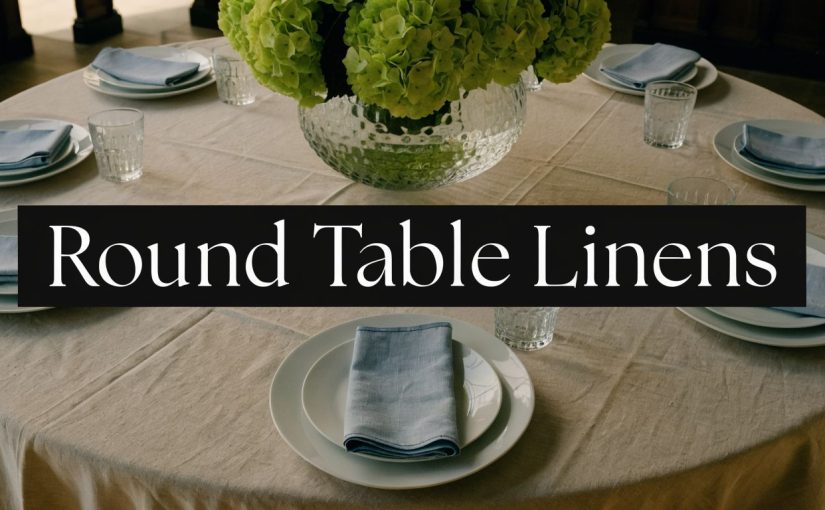
The Essential Guide to Tablecloths for Round Tables

Choosing the right tablecloth isn't just about covering a table. It’s about laying the groundwork for your entire event's look and feel. This guide is here to take the guesswork out of picking the perfect tablecloths for your round tables, making a tricky decision feel simple. We’ll walk through everything from measuring for that perfect drape to picking fabrics that create just the right mood.

Your Foundation for Flawless Event Design

Whether you're planning a lavish wedding, a sharp corporate gala, or a cosy get-together, the linens you choose really set the scene. The right tablecloth makes your centrepieces shine, pulls your colour scheme together, and creates that polished, intentional look guests always notice. Think of it as the canvas for your entire tablescape.

This guide will give you the confidence and know-how to select linens that don't just fit perfectly but truly elevate your event from start to finish.

We'll cover the essentials:

  • Getting the Measurements Right: Learn the simple maths for calculating the correct size, whether you’re after a dramatic floor-length look or a more casual half-drop.
  • Choosing Your Fabric: We’ll explore which materials work best for your theme, from ever-reliable polyester to glamorous satin.
  • Styling Tips and Tricks: Get inspired with ideas for layering and coordinating your linens for a stunning, cohesive design.

And for anyone curious about the actual craft behind great linens, you can dive into a designer's guide on how to make a tablecloth for a deeper look. Once you get these core details right, you can turn any round table from just okay to completely unforgettable.

Getting the Perfect Fit: How to Measure for Round Tables

Let's be honest, the one thing that can instantly make a beautifully planned event look a bit… off? It’s a badly fitting tablecloth. Too short and it looks like a mistake; too long and it becomes a trip hazard. Getting the size right is the single most important detail for a polished, professional look, and thankfully, it’s easier than you think.

First things first, you need two simple measurements: the diameter of your tabletop (that’s the distance straight across the middle) and its height (from the floor up). Most of our standard event tables here in South Africa stand 76 cm tall. Jot those two numbers down, as they're the starting point for everything else.

This simple flow chart breaks it down perfectly: measure first, then think about fabric and style.

A three-step process flowchart for tablecloth selection showing measure, fabric, and style.

As you can see, getting that measurement right from the start is absolutely crucial. It dictates all your other creative choices down the line.

Understanding the Tablecloth Drop

You'll hear the term "drop" a lot in the events world. It’s simply the industry term for how far the fabric hangs down from the edge of the table. This is where you get to decide on the mood and formality of your setup.

  • Half Drop: This is your go-to for a more casual, relaxed vibe. The cloth hangs about halfway to the floor (roughly 38 cm), making it perfect for daytime functions or informal get-togethers.
  • Full Drop: The gold standard for elegance. For weddings, awards dinners, or any formal occasion, you’ll want a full drop. The fabric just kisses the floor, creating a clean, seamless look that hides table legs completely.
  • Puddle Drop: Want maximum drama? The puddle drop is for you. Here, the fabric drapes extravagantly onto the floor, creating a luxurious "puddle" of material. It's a bold, high-fashion statement for the most opulent events.

The Simple Formula for a Perfect Fit

Once you know your table’s diameter and the kind of drop you want, the maths is dead simple.

Table Diameter + (2 x Desired Drop) = Required Tablecloth Diameter

Let’s run through a quick example. Say you’re using one of our popular 1.8-metre round tables and you want that classic, floor-length look. The drop would be 76 cm (the height of the table).

So, the calculation is: 180 cm + (2 x 76 cm) = 332 cm. You'd be looking for a 3.3m round tablecloth to get that perfect, elegant drape. It's a fundamental step that works for any table style, and you can see more inspiration in our guide on styling a round wooden table.

Getting this right matters. South Africans invest heavily in quality textiles for their homes and events—spending reached R12.5 billion by late 2022. This tells us that quality and appearance are priorities, and having the right size tablecloth is a huge part of that.


Round Tablecloth Sizing Cheat Sheet

To make things even easier, we've put together this quick cheat sheet. Just find your table size and see exactly what you need for a half or full drop.

Table Diameter (cm) Tablecloth for Half Drop (cm) Tablecloth for Full Drop (cm) Seats
90 180 240 2-4
120 210 270 4-6
150 240 300 6-8
180 270 330 8-10

Keep this handy, and you'll never have to guess again. It's our little secret to ensuring your event looks flawless every single time.

Choosing Your Fabric: A Guide to Materials and Textures

Once you’ve nailed down the perfect size, the next big decision is the fabric. This is where the personality of your event really starts to shine through. The material you choose does so much more than just cover the table; it sets the entire mood.

Think of it as dressing your tables. A sleek, high-sheen satin instantly says “glamorous evening affair,” making it a no-brainer for a wedding reception or gala dinner. On the other hand, a textured linen or cotton blend gives off a more organic, relaxed vibe, perfect for a daytime celebration or a rustic-themed wedding. The texture, weight, and finish of the fabric truly bring your theme to life.

Various colorful satin fabric swatches, including black, gold, and blue, draped over a white round tablecloth.

The Most Popular Fabric Choices

In the world of event rentals, some materials have become firm favourites for being both good-looking and practical. Let’s walk through the most common options we see for round tables so you can match the fabric to your function.

  • Polyester: This is the undisputed workhorse of the events industry. Why? It's incredibly durable, handles spills like a champ, and is a breeze to wash. Best of all, it's famous for being wrinkle-resistant, which is a massive win for any event planner. Polyester has a smooth, clean finish and comes in a huge range of colours, making it a versatile and budget-friendly choice for just about any occasion.

  • Satin: If you’re looking to dial up the luxury, satin is your go-to. Its glossy, high-sheen surface catches the light beautifully, creating a rich, elegant atmosphere that feels special. It's an obvious choice for weddings, anniversaries, and high-end corporate events. While it looks absolutely stunning, it can be a bit more prone to snagging or wrinkling than polyester, so it needs a gentle touch.

  • Spandex (Scuba): For a crisp, modern, and totally form-fitting look, spandex is an excellent choice. It stretches tightly over the table, creating a sleek silhouette with zero wrinkles or draping. This material is brilliant for cocktail tables, registration desks, or trade show booths where you want a clean, professional look.

When choosing a fabric for your event, it's always smart to think about both the look and the practical side of things. Below is a quick comparison to help you decide which material is the best fit for your specific needs.

Tablecloth Fabric Comparison for Events

Fabric Type Best For Feel & Appearance Care & Durability
Polyester All-purpose events, corporate functions, family gatherings Smooth, matte finish. Clean and professional. Very High: Stain-resistant, wrinkle-resistant, machine-washable.
Satin Weddings, galas, milestone birthdays, elegant dinners Silky, high-sheen, and luxurious. Reflects light beautifully. Medium: Prone to snags and wrinkles. Requires careful handling.
Spandex Modern events, cocktail parties, trade shows, exhibitions Stretchy, form-fitting, and sleek. Creates a smooth surface. High: Wrinkle-free by design. Easy to clean.

Ultimately, each fabric has its moment to shine. Polyester is your reliable all-rounder, satin brings the glamour, and spandex delivers that sharp, modern edge.

Balancing Aesthetics With Practicality

While it’s easy to fall in love with a fabric's appearance, you have to consider the practical side, especially for a big event. That gorgeous but delicate silk might not be the wisest choice for a lively party with plenty of food and red wine flowing.

The best fabric choice is one that not only complements your event's theme but can also withstand the realities of the occasion. It's a balance between style and sensibility.

Think about the specifics of your event. Is it happening outdoors where wind could be an issue? A lightweight fabric might spend more time flying away than on the table. Is it a formal dinner where spills are practically guaranteed? A stain-resistant material like polyester would be a very smart move.

For more inspiration on creating a specific mood, our guide on using black tablecloths for a sophisticated look has some great ideas. At the end of the day, picking the right material ensures your tables look fantastic from the moment the first guest arrives until the very last one leaves.

Styling Round Tables to Impress Your Guests

You’ve sorted the right size and picked the perfect fabric – now for the fun part. Styling your tablecloths for round tables is where your event theme really springs to life. A beautifully dressed table isn't just a place for plates; it becomes the heart of your guest's experience, tying all your decor elements together into one stunning, cohesive picture.

The goal here is to graduate from just covering a table to actually designing a tablescape. Think in layers, textures, and colours that all work in harmony to set a specific mood. This is your opportunity to turn a simple piece of furniture into a major player in your event's design story.

A round table with white tablecloth, brown runner, place settings, greenery, and a 'Table Styling' screen.

Styling for Weddings

For weddings, it’s all about romance, elegance, and those personal touches that make the day uniquely yours. Layering is your secret weapon here, adding a wonderful depth and sophistication to your round tables.

Start with a classic, floor-length tablecloth in a neutral shade like white, ivory, or soft champagne. This gives you a clean canvas. From there, you can add a pop of personality on top.

  • Sheer Overlays: A delicate organza or chiffon overlay can introduce a soft, dreamy quality without making the table look too busy.
  • Sequin Runners: If you’re after a touch of glam, a sparkling sequin runner down the centre is a showstopper. This is especially effective on the head table or cake table to really draw the eye.
  • Colour Coordination: To create that seamless, professionally-styled look, match your linen colours to your floral arrangements, invitations, or even the bridesmaid dresses. It creates a beautiful consistency that looks incredible in photos.

A well-styled table does more than just look pretty; it makes guests feel special and considered from the moment they take their seats. It’s a subtle but powerful way to show your attention to detail.

Styling for Corporate Events

When styling for a corporate function, the brief changes. The focus shifts to professionalism, sophistication, and reinforcing the brand. The look should be clean, intentional, and a direct reflection of the company's image. Clutter is the enemy here; elegant simplicity is your best friend.

Your tablecloths should look sharp and polished. A high-quality polyester in a classic black, navy, or crisp white usually works best, providing a refined backdrop for the rest of the setting.

From that solid foundation, you can weave in branding elements tastefully.

  1. Incorporate Company Colours: Use the brand’s primary or secondary colours subtly. A coloured napkin or a simple, elegant runner can introduce branding without being overwhelming.
  2. Use Custom-Branded Runners: For a more direct approach, a custom-printed runner featuring the company logo can look incredibly professional, particularly for conferences or product launches.
  3. Choose Professional Fabrics: Stick to materials that communicate quality. A smooth, wrinkle-free polyester tablecloth always projects competence and attention to detail, making sure your brand is presented in the best possible light.

Whether it’s a wedding or a corporate gala, styling your tablecloths is really about creating an atmosphere. By thinking about layers, colours, and the overall message you want to send, you can transform any round table into a stunning focal point that impresses every single guest.

On-Site Setup and Care for Your Rental Linens

A flawless look on the day of your event really comes down to how you handle the linens. Those final touches are what separate an average setup from a truly professional one, ensuring your round tablecloths look just as stunning in person as they did in your plans.

Your rental linens will almost always arrive clean, pressed, and on hangers to keep creasing to a minimum. The first thing you'll want to do is lay them out carefully. Unfolding them on a clean, dry surface is a simple step that prevents any last-minute dirt or snags and makes the whole setup process much smoother.

Nailing the Perfect Drape

Getting a tablecloth to hang evenly on a round table is key. If the drop is lopsided, the entire setting can look off-balance. Luckily, there's a simple professional trick to get it right every time.

  1. Find the Centre: Hold the tablecloth up by its very centre.
  2. Align with the Table: Position the centre of the cloth directly over the centre of the table.
  3. Let it Fall and Smooth: Gently release the tablecloth, letting it fall naturally. Smooth it out from the middle towards the edges, allowing the fabric to drape evenly all the way around.

It’s worth taking a moment to walk around the table just to double-check that the drop is consistent. It's a small detail, but it makes a huge difference to the overall polish of your event.

The Secret to a Crisp, Wrinkle-Free Finish

Even when your linens are delivered on hangers, a few minor creases from transport are pretty much unavoidable. The secret to getting that crisp, smooth finish—a step many people forget—is a handheld garment steamer.

Gently run the steamer over any wrinkles you see, holding it a few centimetres away from the fabric. The steam relaxes the fibres, and you'll see the creases literally fall out. This works like a charm on fabrics like polyester and satin, giving your tables a sharp, pristine look that's immaculate in photos and to the naked eye.

Pro Tip: Always steam your tablecloths after you’ve placed them on the table. This way, you avoid creating new wrinkles while moving them and you can see exactly where any touch-ups are needed for a flawless finish.

How to Handle Spills and Stains

Accidents happen. But a quick response can stop a small spill from becoming a permanent stain and save you from potential damage fees. We always recommend having a little "stain kit" handy with a few clean cloths, some soda water, and a gentle stain remover.

If something like red wine or a sauce gets spilled, immediately blot the area with a dry, clean cloth. Whatever you do, don't rub! Rubbing just pushes the stain deeper into the fabric. A gentle dab with a cloth dampened with soda water can often lift the stain right out.

After the event, all you need to do is shake the linens to get rid of any loose crumbs and pop them into the laundry bags we provide. Please resist the urge to wash them yourself; rental companies use highly specialised cleaning processes. Understanding the ins and outs of professional linen dry cleaning services shows just how specific the requirements can be. Following these steps ensures a smooth, hassle-free return and a perfect presentation every time.

Finding the Right Linen Supplier in Cape Town

The Cape Town event scene is buzzing with options, but choosing the right linen hire partner is what separates a good event from a great one. A reliable supplier does more than just drop off a stack of tablecloths; they’re a key part of your team, making sure everything looks perfect without adding to your stress.

Finding that perfect fit boils down to asking the right questions. Don’t be shy! Get into the nitty-gritty of their stock levels for big weddings, their exact delivery and collection process, and what happens if a little red wine gets spilt. A transparent, professional company will have all these answers ready for you.

Key Questions for Your Potential Supplier

Before you sign on the dotted line, you need total clarity. A supplier worth their salt will appreciate your detailed questions—it shows you’re a pro who cares about the details.

Here are a few non-negotiables to run through with them:

  • What are your delivery and collection procedures? You need to know their timelines and whether they offer a setup service.
  • Can I see fabric swatches in person? This is a big one. What you see on a screen can be worlds away from the real thing. You have to feel the texture and see the colour with your own eyes to know it’s right.
  • What is your policy on damaged or stained linens? It’s always best to know the potential costs upfront. No one needs that kind of surprise after a successful event.

The local market here is strong for a reason—people value quality. In fact, South African household spending on textiles hit a massive R12.5 billion by the end of 2022, a number that really shows how much we all appreciate good-quality fabrics for our homes and events. You can dive deeper into these trends in the latest report from Statistics South Africa.

A great supplier is more than just a vendor; they are a partner invested in your event's success. Their reliability, communication, and the quality of their stock are just as important as the price.

Choosing a local expert with a solid reputation is always a smart move. For a bit more on sourcing the best event items locally, our guide on finding quality decor hire in Cape Town has some extra tips. Do your homework, vet your suppliers properly, and you’ll find a partner who delivers amazing quality, every single time.

Frequently Asked Questions About Round Tablecloths

It's completely normal to have a few questions when you're getting into the finer details of event planning. When it comes to round tablecloths, getting the right answers can be the difference between a setup that’s just okay and one that looks absolutely spectacular. We've put together some of the most common questions we get, with practical, no-fuss answers.

This should help you make those final decisions with confidence, making sure every table looks flawless.

What Is the Most Popular Size for Round Tablecloths?

For most formal events in South Africa, like weddings or corporate galas, the goal is always that elegant, floor-length drop. The undisputed industry favourite is the 3.3m (132-inch) tablecloth. It’s the perfect match for a standard 1.8m (72-inch) round table, which is what you'd typically use for 10-12 guests.

This size gives you that beautiful, seamless look by hiding the table legs completely. If you're using a slightly smaller 1.5m (60-inch) table, a 3m (120-inch) cloth will give you that same stunning floor-length finish.

Can I Use an Overlay on a Round Tablecloth?

Of course! Using an overlay is one of our favourite styling tricks. It’s a brilliant way to add a pop of colour, a different texture, or just a bit more dimension to your tables. You can easily bring in your event's theme colours or add a touch of sparkle without having to use a fully patterned cloth for the base.

A really popular and effective look is to place a smaller square overlay diagonally over a full-length round tablecloth. This creates gorgeous, cascading points of fabric that add real visual interest to the whole setting.

Imagine a rich satin overlay in your wedding colour over a crisp white base – so chic. Or, for a big birthday bash or New Year's Eve party, a sequin overlay can instantly take the glam factor up a notch.

How Do I Get Wrinkles Out of Rented Tablecloths?

While we deliver all our linens on hangers to keep creasing to a minimum, a few wrinkles from transport are pretty much unavoidable. The quickest and safest way to get a perfectly smooth, crisp finish on-site is with a handheld garment steamer.

Steam is gentle enough for most fabrics, like polyester and satin, and it works wonders at relaxing the fibres so the creases just fall away. If you don’t have a steamer, you can sometimes tumble the linen in a dryer on a low heat setting with a damp cloth for about 15 minutes. Just be sure to check with us or your rental provider first to make sure you’re following the specific care instructions for the fabric.


Ready to create a stunning look for your next event? ABC Hire offers a premium selection of tablecloths for round tables and all the event essentials you need in Cape Town. Explore our collection and get a quote today at https://abchire.co.za.

Tent Hire Cape Town: Your Guide to Tent Hire Cape Town Marquees

Hiring a tent can take any spot in Cape Town and turn it into the perfect venue, but figuring out where to start can feel like a mission. It really just comes down to three things: working out your space, nailing down your event's theme, and picking a tent style that brings it all together.

Get these fundamentals right, and your tent hire in Cape Town will be a breeze.

Starting Your Tent Hire Journey in Cape Town

Choosing a tent is your first real step toward creating a truly unique event, whether it's a dream wedding on a wine farm or a slick corporate function with views of Table Mountain. Unlike a brick-and-mortar venue, a tent is a completely blank canvas. But with that freedom comes the need for a bit of smart planning upfront to dodge any potential hiccups.

The journey doesn't actually start with the tent. It starts with your guests and the kind of experience you want to give them. Before you even think about different tent styles, you need to get a solid handle on your numbers and what will be happening inside.

Calculate Your Space and Capacity

First things first: you need to figure out exactly how much room you'll need. This is about more than just getting enough chairs in; you have to think about every single part of your event. A good rule of thumb is to work out the space per guest, but this can change quite a bit depending on your setup.

Think about these key points:

  • Seating Arrangement: Are you picturing long, banquet-style tables or intimate round ones? Round tables almost always take up more floor space per person.
  • Functional Areas: Have you made room for a dance floor, a bar, a catering station, a DJ booth, or maybe even a stage? Each one of these needs its own dedicated patch of real estate.
  • Guest Comfort: You've got to leave enough space for people to move around easily, pull out their chairs, and mingle without feeling like they're in a sardine can.

This initial planning part is so important. As you get started, it helps to see the bigger picture. For a great rundown on the whole process, check out this guide on how to plan a successful event.

Define Your Theme and Select a Style

Once you know how much space you're working with, you can get to the fun part—the look and feel. The style of the tent you choose sets the entire mood for the event.

A beautiful, flowing stretch tent, for example, gives off a modern and relaxed vibe—perfect for a sunset cocktail party in Camps Bay. A classic, structured frame marquee, on the other hand, brings a more formal elegance that's just right for a sophisticated wedding in the Winelands. Let your theme be your guide.

This simple infographic breaks down how your space, theme, and style choices should line up.

Infographic outlining three key steps for successful tent hire planning: space, theme, and style.

As you can see, the practical stuff (space) and your creative vision (theme) have to come together before you settle on the perfect tent. If you need some expert advice on pulling all these elements together, have a look at our insights on event management in Cape Town.

Choosing the Right Tent for Your Cape Town Venue

Two different white event tents are set up on a green lawn with a brick pathway.

The tent you pick does more than just keep your guests dry; it’s the heart and soul of your event, setting the whole mood. It dictates the flow, the style, and the experience. For any successful tent hire in Cape Town, getting to know the main options is the first step to making your vision a reality.

In Cape Town, you’ll mostly come across two popular styles. You’ve got the modern, flowing lines of stretch (or Bedouin) tents, and then there’s the classic, structured elegance of frame marquees for a more traditional feel.

Stretch Tents Modern and Versatile

Stretch tents, often called Bedouin tents, are a massive hit across the Western Cape. You can see why. Their organic, flowing shapes can adapt to just about any landscape, creating stunning, sculptural silhouettes. The flexible fabric is stretched and anchored to poles, which can be set at different heights.

This makes them a fantastic choice for tricky venues with uneven ground or things you can’t move, like trees or flowerbeds. The setup can be customised to work around them. They give off a contemporary, relaxed vibe that’s perfect for cocktail parties, beach weddings, and festivals.

One of the biggest wins for a stretch tent is how it handles the wind. That aerodynamic shape holds up against the infamous Cape Southeaster way better than a boxy, traditional tent.

The only real catch is the internal poles needed to create those beautiful shapes. They can get in the way of sightlines and floor plans. You can get creative and use them to mark out different zones, but it’s something to keep in mind if you need a completely open, clear space inside.

Frame Marquees Classic Elegance and Open Space

For more formal events like gala dinners or big weddings, the aluminium frame marquee is usually the go-to. These are solid, self-supporting structures without any pesky internal poles. This gives you a completely clear-span interior and total freedom with your layout.

Having that unobstructed space is a game-changer when you’re planning for big stages, a proper dance floor, or complicated seating charts. They have a clean, polished look with high ceilings, basically giving you a blank canvas to go wild with lighting and décor.

Frame marquees can be set up on almost any surface, from grass to paving, using heavy weights instead of stakes. For smaller get-togethers, you might not need something so grand; our guide on heavy duty gazebos can point you towards more compact alternatives like a 10×10 screened canopy.

While they are incredibly sturdy, their high, straight sides can act like a sail in a serious gust, so expert installation is non-negotiable. They also have a more traditional look, which might not click with a more modern party theme.

Tent Type Comparison for Cape Town Events

Choosing between these styles often comes down to your event's specific needs, your venue's quirks, and the famous Cape Town weather. Here’s a quick breakdown to help you compare the most common options at a glance.

Tent Type Best For Space Profile Wind Resistance Estimated Cost Guide (per sqm)
Stretch (Bedouin) Tent Weddings, festivals, cocktail events, venues with uneven ground. Flexible layout with some internal poles interrupting the space. Excellent – aerodynamic shape handles wind well. R55 – R90
Frame Marquee Corporate events, large formal weddings, exhibitions, long-term hires. 100% open clear-span interior with no obstructions. Good to Very Good – needs professional securing in high winds. R70 – R120
Peg & Pole Marquee Classic garden parties, country-style weddings on soft ground. Traditional look with centre poles and guy ropes. Moderate – not ideal for extremely windy coastal sites. R50 – R85

This table should give you a solid starting point. Remember to chat with your potential supplier about your venue—their hands-on experience is invaluable for making the final call.

Getting to Grips with Site Logistics and City Permits

A person in a high-visibility vest and cap inspecting an outdoor site, writing on a clipboard.

You’ve found the perfect tent—great! But the real work starts now: making sure you can actually put it up safely and legally at your venue. This is where so many event plans hit a snag. Getting the logistics and permits sorted is one of those unglamorous but absolutely critical steps for any successful tent hire in Cape Town.

Before you even think about paying a deposit, a proper site inspection is a must. This isn’t a quick glance; it's a deep dive to spot any issues that could derail your setup. Your tent company should handle this, but you need to know what they're looking for so you can ask the right questions.

The All-Important Site Inspection

In a perfect world, every venue would be a flat, wide-open field with easy access. But let’s be honest, that’s rarely the case here in Cape Town, where our most stunning venues often come with their own unique challenges. A professional site check is crucial to avoid expensive, last-minute surprises.

Here’s what a proper inspection should cover:

  • Ground Surface and Slope: Is the area actually level? A minor slope can sometimes be managed, but anything more significant will likely require proper sub-flooring to create a safe, stable base. That’s an extra cost you need to know about upfront.
  • What Lies Beneath: You can’t see what’s underground. Are there irrigation pipes for the beautiful gardens? Hidden electrical cables? Septic tanks? The last thing you want is a tent stake going through a water main. It happens.
  • Overhead Clearance: Look up! Low-hanging branches, power lines, or building overhangs can make it impossible to raise the tent to its full height safely.
  • Getting In and Out: How will the delivery truck access the site? If it can't get close, the crew will have to carry everything by hand. That means more time and higher labour costs, which will definitely find their way onto your final bill.

Don't fall in love with a beautiful spot and just assume it'll work. A thorough site visit is your best protection against unexpected problems and ensures the quote you get is the price you'll actually pay.

Untangling City of Cape Town Permits

Okay, the site is physically perfect. Now for the red tape. Putting up a temporary structure, especially for a larger or public event, almost always requires a nod from the City of Cape Town.

You'll probably need a permit if your tent:

  • Is bigger than a certain size (the magic number is often around 100 square metres).
  • Will be standing for more than a few days.
  • Is going up in a public area like a beach, park, or municipal field.

The application usually requires site plans, safety certificates from your tent supplier, and sometimes even an engineer's report to sign off on the structure. Any reputable company offering tent hire in Cape Town will know this process inside-out and should be able to guide you, or even handle the entire application for you.

Ask them about their experience with city permits—it’s a great way to gauge their professionalism and local knowledge. And whatever you do, start this early. Approvals can take weeks, and it’s not something you want to be chasing the week before your event.

Decoding Quotes and Rental Contracts

Getting that first quote for your tent hire is always an exciting moment, but it's vital to look past the big number at the bottom. A good quote is more than just the price of the tent; it's a full breakdown of every single service and item that makes up your final cost. Knowing how to read it properly is the secret to keeping your budget on track and avoiding any nasty surprises down the line.

The best suppliers in Cape Town will give you a fully itemised list, making it dead simple to see exactly what you're paying for. This also lets you compare quotes from different companies fairly—like for like. If a quote looks a bit vague or lumps everything into one fee, don't be shy about asking for more detail.

What to Look For in Your Quote

A professional quote will always separate the core tent rental from all the other services and potential add-ons. Remember, you’re not just hiring a piece of canvas; you're hiring a complete service that covers logistics, labour, and all the necessary equipment.

Make sure you can spot these specific line items:

  • Tent Rental Fee: This is the base cost for the tent structure itself.
  • Labour Costs: This should cover both the setup (installation) and the takedown (strike) of the tent.
  • Delivery and Collection: A fee that’s usually calculated based on how far your venue is from their warehouse.
  • Damage Waiver: Think of this as insurance. It’s a small, non-refundable fee that covers minor, accidental bumps and scrapes.
  • Value Added Tax (VAT): Always check if the price is inclusive or exclusive of VAT. In South Africa, it’s currently 15%, and that can make a big difference to your final bill.

A transparent quote is the hallmark of a professional company. Hidden fees often sneak in when things like labour or transport are bundled into a vague "service charge," so if anything isn't crystal clear, ask for clarification.

Reading the Fine Print in Contracts

Once you’ve settled on a quote you're happy with, the rental contract is the next step. This is a legal document designed to protect both you and the supplier. It’s so tempting to just skim and sign, but taking the time to read it carefully is non-negotiable.

Pay special attention to clauses about cancellation policies, what happens if there’s significant damage, and any terms related to extreme weather conditions. For example, the big industry players like GL Events handle everything from intimate weddings to massive corporate events, and they operate under incredibly strict safety protocols. This level of professionalism, which has become standard since updated regulations came in back in 2015, has massively improved safety across the board. You can get a feel for their standards by reading about their approach to hiring top-quality marquee tents in Cape Town.

Understanding these terms from the get-go means you know exactly where you stand, which gives you complete peace of mind.

Essential Add-Ons to Complete Your Venue

A tent gives you the structure, but it's the right accessories that truly transform that space into a breathtaking and functional venue. These are the details that create atmosphere, guarantee comfort, and make your event run like a dream. For any top-tier tent hire in Cape Town, thinking beyond the canvas is what sets a good event apart from a great one.

Let’s start from the ground up. The surface your tent sits on can make or break the guest experience, especially if the ground is uneven, a bit muddy, or damp. Flooring isn't just about practicality; it sets the entire tone for your event.

A simple yet brilliant option is coir matting. This natural, coconut-fibre carpeting is perfect for nailing that rustic, relaxed vibe. It's fantastic for a country-style wedding or a casual garden party, giving you a firm and clean surface over grass.

Creating the Perfect Foundation and Atmosphere

For a more polished and formal affair, a solid wood floor is the ultimate choice. It creates a completely level, stable surface—which is essential if you're planning a proper dance floor or setting up elegant dining furniture. A solid floor instantly elevates the whole event, turning your marquee into a genuine pop-up ballroom.

With your foundation sorted, you need to think about Cape Town's famously unpredictable weather. A beautiful summer day can easily turn into a cool, windy evening, especially if you're out in the Winelands or near the coast.

Don't let your guests get cold. Planning for a drop in temperature is one of the smartest moves you can make. A comfortable guest is a happy guest who will stay and enjoy the party for longer.

This is where climate control becomes an absolute must-have. For those chilly evenings, a few well-placed outdoor heaters can make all the difference. To figure out what you'll need, you can learn more about choosing the right gas outdoor heater for your event. On the flip side, for a scorching summer afternoon, strategically placed air-coolers will keep the air moving and ensure everyone stays comfortable.

Lighting and Powering Your Event

Lighting is where your creative vision really comes to life. It’s about so much more than just being able to see; it’s about crafting an unforgettable mood. Your lighting plan should be layered to create depth and warmth.

Here are a few key elements to consider:

  • Ambient Lighting: This is your general, overall illumination. Think simple string lights or elegant chandeliers to cast a warm, inviting glow.
  • Task Lighting: This is focused light for specific zones, like the bar, catering stations, or the entrance, making sure these functional areas are well-lit.
  • Decorative Lighting: This is where the magic happens! Uplighters can throw dramatic colours up the tent walls, while fairy lights woven through the ceiling can create a stunning starry-night effect.

Of course, all these amazing add-ons need power. Unless your venue has plenty of dedicated outdoor power points, you will almost certainly need to hire a generator. Chat with your supplier about your total power needs—covering everything from lighting and sound systems to catering equipment—to make sure you have a reliable source that won’t quit on you.

Finally, don't forget the other crucial rentals. High-quality furniture sets the stage for comfort and style, while luxury portable restrooms offer a level of convenience your guests will definitely appreciate. It's the thoughtful combination of all these elements that turns a simple tent hire into a complete, memorable venue experience.

Got Questions About Hiring a Tent in Cape Town?

Once you start digging into the details of your event, a few questions always pop up. To help you plan with total confidence, we’ve put together answers to the most common queries we get about hiring a tent in and around Cape Town. This should clear up any last-minute worries.

One of the biggest concerns for event planners is timing. You don't want to book too late and find everything is taken, but booking too early can feel like a shot in the dark.

How Far in Advance Should I Book My Tent?

For any event planned during Cape Town's peak season (that’s roughly October to April), you’ll want to lock in your tent six to nine months in advance. Weekend dates during this period are gold dust, especially for sought-after wedding spots in the Winelands.

If you’re planning something in the quieter off-season, three to four months is usually plenty of time. But, a word of advice: if you have your heart set on a very specific style, like a unique colour of stretch tent, book it as soon as you can. It’s the only way to guarantee you get the exact look you're going for.

What Happens if the Weather Turns on My Event Day?

Ah, the infamous Cape Town weather—four seasons in one day is a real thing here! Not to worry. Professional tent suppliers use structures engineered to handle pretty much anything the Cape Doctor can throw at them. A correctly installed stretch tent is surprisingly aerodynamic, and a solid frame marquee is built for serious stability.

Always ask your potential supplier about their bad-weather plan. They should be able to show you that their tents are fully waterproof and explain how they secure them with extra weights or specialised pegs if the wind starts pumping.

Here's a pro tip that's easy to miss: flooring. Investing in a solid floor or quality matting is your absolute best defence against a muddy mess if the heavens decide to open.

Can a Tent Be Set Up on Any Surface?

Almost any surface, but there are a few things to keep in mind. Grass is the easiest and most ideal, as it allows for traditional staking—the most secure anchoring method. For hard surfaces like paving, concrete, or even a tennis court, a frame marquee is your best bet. It can be safely anchored with heavy water barrels or concrete blocks instead of pegs.

It's absolutely critical to tell your supplier about the setup surface when you first ask for a quote. This directly impacts the equipment they'll need and, naturally, the final cost. The biggest challenge is very uneven or steeply sloped ground, which might require a custom-built sub-floor to create a level and safe foundation.

Will I Need to Hire a Generator?

It’s very likely, yes. If your event involves professional lighting, a sound system for a DJ or band, catering gear like food warmers, or any kind of heating or cooling, you will almost certainly need more power than a standard wall socket can provide.

The best way to figure it out is to add up the power needs from all your suppliers—tent, catering, and entertainment. Hiring a dedicated, silenced generator is the most reliable way to make sure everything runs smoothly, preventing any awkward power trips from killing the vibe.


Ready to create an unforgettable atmosphere for your next event? ABC Hire offers a premier selection of tents, LED furniture, and all the essential add-ons to bring your vision to life.

Explore our full range of event rentals and get a quote today at https://abchire.co.za.

Curtain Fairy Lights: Curtain Fairy Lights for Cape Town Events

Choosing the right curtain fairy lights is about so much more than just picking a pretty sparkle. It's about matching the light's technical details to the unique vibe and logistical needs of your event.

A soft, intimate glow from warm white lights can transform a Stellenbosch wedding, while crisp, cool white lights bring a sharp, modern edge to a corporate gala at the CTICC. Getting this right from the start is the secret to creating a lighting design that not only looks stunning but actually works flawlessly on the day.
Choosing the Right Curtain Fairy Lights for Your Venue

The magic of a breathtaking lighting design begins long before you plug anything in. For those of us planning events in and around Cape Town, this means thinking about everything from the exact shade of white to whether the lights can handle a surprise southeaster shower. The small details you focus on now make all the difference.

And it’s a choice more and more people are making. The demand for curtain fairy lights in South Africa is absolutely booming, driven by the festive and wedding markets. With festive spending recently jumping by 25% year-on-year, curtain lights snatched a huge 18% of all holiday lighting sales. Just look at social media—hashtags like #FairyLightsZA are flooded with tens of thousands of posts. This isn't just a local trend; it reflects a massive global market expansion. You can dive deeper into the numbers with this market trend analysis from DataHorizzon Research.

Matching Light Colour to Event Mood

The colour temperature of your lights is your most powerful tool for setting the mood. It's measured in Kelvin (K), and even a slight shift can completely change the feel of a space.

  • Warm White (2700K-3000K): This is the classic choice for a reason. It gives off a soft, golden, almost candle-like glow that feels incredibly romantic and welcoming. Think of it draped behind the main table at a rustic winelands wedding—it's pure magic.
  • Cool White (4000K-5000K): With its clean, bright, and almost blueish hue, cool white is perfect for corporate functions, modern-themed parties, or brand activations. It screams energy and sophistication, making it an ideal fit for a sleek event at a contemporary venue like the Zeitz MOCAA.

Getting the Size and Density Right

The physical size of your fairy light curtain is just as important as its colour. One of the most common mistakes we see is choosing a set that’s too small for the wall or window, leaving it looking a bit sparse and lost.

First things first: measure the height and width of the area you want to cover. For a show-stopping backdrop behind a stage or bridal table, you'll need a curtain with a decent vertical drop—say, 3 metres. If you're creating a starry canopy overhead, the horizontal width becomes your most critical measurement.

Next, think about density—how close together are the vertical strands of light? For that full, shimmering "wall of light" effect, look for curtains where the strands are spaced just 10-15 cm apart. You can get away with wider spacing for a more subtle twinkle, but for that signature wow-factor, denser is always better.

Pro Tip: If you're ever in doubt, go slightly larger than you think you need. It's so much easier to bunch up or drape extra length for a fuller, more luxurious look than it is to try and stretch a small curtain to its absolute limits.

Power Source and Weatherproofing

Let's talk practicalities. Between Cape Town’s famously unpredictable weather and the reality of loadshedding, you have to plan for everything.

  • Plug-In vs. Battery: Plug-in models are brilliant for consistent, bright light at indoor events where you have plenty of wall sockets. For outdoor setups, marquee weddings, or venues where power points are few and far between, high-quality battery-operated lights are a lifesaver. They get rid of messy extension cords (a major trip hazard!) and give you a much cleaner look.
  • IP Rating: This is non-negotiable for any outdoor event, whether it's a garden party in Constantia or a beachfront ceremony in Llandudno. Always check the IP (Ingress Protection) rating. The absolute minimum you should look for is IP44, which means it’s protected against splashes of water. This gives you peace of mind that your lights won't fail you if a classic Cape Town drizzle decides to make an appearance.

To make the decision a little easier, here’s a quick-glance checklist tailored for event planners working in the Cape.

Curtain Fairy Light Selection Checklist for Event Planners

This table breaks down the key considerations to help you quickly choose the perfect curtain lights based on your event type, venue, and logistical needs here in Cape Town.

Consideration Wedding/Romantic Event Corporate/Modern Event Key Tip for Cape Town Venues
Colour Temp Warm White (2700K-3000K) for a soft, candle-lit glow. Cool White (4000K-5000K) for a crisp, energetic look. Match the tone to the venue—warm for rustic wine farms, cool for city-centre galleries.
Size & Density Go for a long drop (3m) and dense spacing (10-15cm) for lush backdrops. Width is often key for stage backdrops or entrance features. Always measure the space first. Don't guess! An extra metre is better than being short.
Power Source Battery-operated is great for outdoor ceremonies or marquee receptions. Plug-in ensures consistent brightness for long evening functions. Have a loadshedding plan! Battery backups or generators are essential.
Weatherproofing Minimum IP44 rating is a must for garden or beach weddings. IP44 is still vital for any outdoor welcome areas or terrace setups. The Southeaster can bring unexpected rain. Never risk using indoor-only lights outside.

Choosing the right lights comes down to balancing the creative vision with these practical realities. Thinking through these points beforehand ensures your event lighting will be both beautiful and reliable, no matter what the day throws at you.

How to Measure and Plan Your Installation Like a Pro

A stunning curtain light display is all about the prep work. Honestly, the difference between a professional-looking installation and a messy one comes down to planning, not just hanging. Before you do anything else, grab your measuring tape and get the exact dimensions of your space. It's a simple step, but it's what stops you from running short of lights or having weird, empty gaps on the day.

Start with the basics: measure the vertical drop for backdrops and the horizontal span for canopies. If you’re creating a dramatic backdrop behind the main table in a Winelands marquee, you need the precise height from where you'll hang the lights right down to the floor. For an overhead canopy in a city venue, get the length and width of the ceiling area you want to cover.

Calculating the Right Number of Light Sets

Once you have your measurements, you can figure out how many sets you'll need. But don't just match the length exactly—that's a rookie mistake! You always want to factor in a bit extra for styling. If you're aiming for soft swags or a draped effect, you're going to need more length than a straight, tight hang.

A solid rule of thumb is to add 1.5 times the measured length for a gentle drape. If you want a more dramatic, billowy look, go for up to 2 times the length. This gives you enough slack to play with, creating that luxurious, full effect instead of a taut, stretched-out one.

Insider Tip: Always, always order at least one extra set of lights beyond what you've calculated. This single backup can be a total lifesaver if a set turns out to be faulty on-site or if a last-minute design change calls for more coverage.

Mapping Out Power Sources and Cable Runs

Knowing your dimensions is only half the battle; you also need to know where your power is coming from. Before the event, do a proper site visit specifically to find all the available plug points. Sketch them out on a simple floor plan to get a clear picture of your power grid.

This bit of forward-thinking lets you plan the most discreet routes for extension cords, so you can hide them along walls, under rugs, or behind decor. A clean setup doesn't just look more professional—it’s absolutely essential for keeping guests safe and eliminating tripping hazards.

This quick infographic breaks down the core decisions in your planning process, from colour to power.

A flowchart titled 'Choosing the Perfect Lights' detailing steps for ideal lighting: 1 Color (Warmth, Kelvin), 2 Size (Fixture & Room), and 3 Power (Wattage, Lumens).

It's a great little reminder that successful planning involves a series of technical choices, not just what looks pretty.

Planning for Energy Efficiency

Here in South Africa, being smart about power usage is a massive consideration for any event. The good news is that modern LED curtain lights are incredibly energy-efficient. A standard 3m x 3m curtain setup typically uses only 10-15 watts. That's up to 80% less energy than those old-school incandescent strings!

This efficiency is a game-changer, especially with the constant reality of loadshedding. The industry's move towards LED solutions has been huge, with LEDs now capturing over 40% of the market share as electricity costs climb. You can get a better sense of how LED efficiency helps event setups in this insightful article on lighting trends.

Mastering Safe and Secure Installation Techniques

Man in a high-vis vest carefully installing illuminated string lights onto a stone wall.

Once your lights are chosen and the space is measured, the real work begins. Getting the installation right is non-negotiable—it's about protecting the venue, your guests, and your professional reputation. How you hang the lights will vary wildly depending on the surface, from the delicate walls of a historic Cape Town manor to the open expanse of a large event hall.

The key is to always use the right tool for the job. For many indoor applications, especially in venues where you can't just drill holes, temporary mounting solutions are your best friends. They let you create those stunning effects without leaving a single trace.

Damage-Free Hanging on Delicate Surfaces

Historic venues, like those you find in Constantia or Stellenbosch, often have very strict rules about what you can attach to their walls. This is where damage-free hanging becomes an art form.

  • Command Hooks and Strips: These are the industry standard for a reason. They stick firmly but peel off cleanly. The trick is to use multiple hooks to distribute the weight evenly, especially for larger sets of curtain fairy lights.
  • Specialty Tapes: Gaffer tape is an event pro's secret weapon. Unlike duct tape, it has a serious hold but leaves almost no residue behind. It’s perfect for taping cables to floors but can also work on certain durable surfaces for hanging lightweight items.
  • Clamps and Clips: If you're lucky enough to have a venue with exposed beams, pipes, or ledges, small, rubber-tipped clamps offer a secure grip without scratching or denting the surface.

If you’re ever unsure about a wall's finish, always test your chosen adhesive in a small, out-of-the-way spot first. A quick test can save you from a very costly mistake.

Remember, the goal is to make the installation look effortless. A visible mess of tape or sagging hooks can instantly cheapen an otherwise elegant design. Plan your attachment points to be as discreet as possible.

Rigging for Overhead Canopies and Large Spaces

Creating a breathtaking overhead canopy of curtain fairy lights requires a more structural approach. You’ll need to move beyond simple hooks and start thinking about proper rigging.

Rigging wire or even heavy-duty fishing line is ideal for creating a support grid. Stretch the wires tautly across the ceiling, securing them to existing structural points like beams or support columns. Once your grid is in place, you can easily attach the main horizontal wire of your curtain lights to it using cable ties or S-hooks. This method not only keeps the lights secure but also lets you achieve perfectly straight lines or elegant swags.

Electrical Safety and Weatherproofing

Electrical safety is paramount, particularly when you're connecting multiple light sets or working outdoors. The first rule is simple: never overload a circuit. Check the power rating of each light set and add them up. You need to make sure the total wattage doesn’t exceed the circuit's capacity, which in South Africa is typically around 2,400 watts for a standard 15-amp circuit.

When you're setting up outside, protecting your connections from the elements is critical. The infamous Cape South-Easter can bring unexpected moisture and put a real strain on your setup.

  • Use Weatherproof Connectors: Invest in waterproof connector boxes or use high-quality electrical tape to thoroughly seal every connection point between light sets and extension cords.
  • Secure All Cables: Don't leave any cords hanging loose where they can be whipped around by the wind. Secure them firmly to your structure to prevent them from getting unplugged or damaged.

For a more comprehensive look at managing power for different event lights, our guide on using PAR can lighting has some great tips that apply here, too.

Navigating Loadshedding with Confidence

For any event in Cape Town, having a loadshedding plan isn't just a good idea—it's essential. The last thing you want is for your beautiful light display to suddenly plunge into darkness.

Integrating a backup power solution is the only way to guarantee a seamless event. An Uninterruptible Power Supply (UPS) is perfect for smaller setups, giving you enough power to ride out a short outage. For larger events, hiring a generator is your best bet. Just make sure the generator has enough capacity for your lights, the sound system, and any other critical equipment to keep the party going, no matter what the loadshedding schedule says.

Creative Styling Ideas That Wow Your Guests

A dreamy photo backdrop with white sheer curtains, fairy lights, a floral wooden arch, and a 'DREAMY STYLING' sign.

Once your lights are securely installed, the real magic can happen. A simple wall of lights is lovely, but creative styling is what takes a space from pretty to truly breathtaking. This is where you get to play with texture, depth, and ambiance to create a completely unique atmosphere that your guests will be talking about long after the event.

The secret is to think beyond the lights themselves. Consider how they interact with other materials and elements in your venue. By layering and combining different textures, you can transform a standard set of curtain fairy lights into a bespoke design feature that defines the entire event.

Layering Lights with Fabrics

One of the most effective tricks in the book for creating a soft, ethereal atmosphere is to layer your curtain fairy lights with sheer fabrics. This simple addition diffuses the light, producing a gentle, dreamy glow that’s absolutely perfect for weddings and romantic celebrations in the Cape Winelands.

Imagine draping materials like tulle, organza, or voile in front of your light curtain. The fabric catches the light, softening the individual points into one continuous, shimmering surface. This method is incredibly versatile; a single layer creates a subtle haze, while bunching multiple layers of fabric can build a cloud-like effect with incredible depth. It’s a fantastic way to hide an unappealing wall and create a magical focal point.

Integrating with Natural Elements

For events held in a garden, on a wine farm, or any venue with natural beauty, weaving curtain fairy lights into the environment creates an enchanted forest feel. This approach blends your lighting design seamlessly with the surroundings, making it feel organic and completely intentional.

Here are a few ideas we've seen work beautifully:

  • Floral Arches: Weave the vertical strands of light through a floral or greenery arch. It creates a sparkling entrance or a stunning ceremony backdrop that comes alive as the sun sets.
  • Tree Wraps: Instead of hanging them flat, drape the light curtains around tree trunks or let the strands hang down from large branches. The effect at dusk is just spectacular.
  • Greenery Walls: If you're using a boxwood hedge or a living wall, hanging lights behind it can make the foliage appear to glow from within.

This technique is so effective because it adds an element of surprise, with light appearing from unexpected places and highlighting natural textures.

Expert Insight: Don't be afraid to mix different light modes. A static, warm glow is classic, but combining it with a second layer of lights on a slow "twinkle" or "fade" mode adds dynamic movement and visual interest that really captivates guests.

Defining Spaces with Light

Beyond just being decorative, curtain fairy lights are a powerful tool for styling a space. You can use them to define different zones within a large, open-plan venue, guiding guests and creating distinct areas without needing physical walls.

A brilliant example is creating a grand entrance tunnel. By setting up two parallel rows of curtain lights, you can craft a shimmering walkway that leads guests into the main event space. It immediately sets a magical tone and provides a fantastic photo opportunity right from the start.

Another popular application is creating a dedicated photo booth backdrop. A dense wall of twinkling lights guarantees stunning photos that guests will love sharing. For event planners looking to offer more comprehensive solutions, exploring a range of options is a great move. Our guide on selecting the perfect backdrop to hire offers more ideas for creating picture-perfect settings.

Finally, think about using lights to highlight key features. Drape them behind the main table, frame the dance floor, or wrap them around columns to draw the eye and add sparkle where it matters most.


The right styling can completely transform a venue, and curtain lights are one of the most versatile tools for the job. Here are a few specific ideas tailored to popular event themes we often see around Cape Town.

Styling Concepts for Different Cape Town Event Themes

Event Theme Styling Concept Recommended Fabric/Element Best Suited Venue Type
Boho-Chic Wedding Hang lights behind a macrame wall hanging. Weave in pampas grass and dried florals. Macrame, dried pampas grass, linen Wine farms (e.g., Stellenbosch), rustic barns, outdoor forest settings
Modern Corporate Gala Create a sleek light wall behind the main stage or bar. Use a single, dense curtain of cool white lights. None – let the lights be the clean focus Conference centres, contemporary art galleries, city hotels (e.g., V&A Waterfront)
Romantic Garden Party Drape lights loosely from tree branches over dining tables, mingling with hanging greenery. Trailing ivy, jasmine vines, sheer organza Botanical gardens (e.g., Kirstenbosch), private estates, historic manor houses
Beachside Celebration Form a canopy of lights over the deck or stretch tent, mimicking a starry sky. Lightweight white cotton, driftwood accents Beach clubs (e.g., Camps Bay), coastal restaurants, venues with sea views

These are just starting points, of course. The best designs come from mixing these ideas with your own creative vision to craft something truly unique for your clients.

Thinking About Post-Event Care and Rentals

Once the last guest has left and the music fades, the real work begins. The breakdown is just as critical as the setup, especially with delicate items like curtain fairy lights. Getting this part right not only protects your gear but saves you a massive headache on the next job.

First things first: dismantle with care. It’s tempting to just pull everything down in a rush, but don't. Work methodically. Unplug every power source before you even think about touching the lights, then gently remove them from their hanging points. This simple habit prevents a world of pain from damaged bulbs and wiring.

The Art of Detangling and Storage

Let's be honest, the number one enemy of any fairy light is the dreaded tangle. A knotted mess can burn hours of your time and almost always leads to broken wires. The secret to avoiding this nightmare is all in how you pack them away.

Whatever you do, don't just coil the lights into a loose ball. Find a solid piece of cardboard or a purpose-made plastic winder. Secure one end of the main horizontal wire and wrap the curtain neatly around it, making sure the vertical strands lie flat as you go. It might feel a bit tedious, but this one step will save you so much time and frustration later.

Store your neatly wrapped lights in a proper plastic container, not just a bag. This protects them from getting crushed in transit and keeps them dry and dust-free until you need them again.

A Quick Tip: Before packing them away, give the lights a quick wipe with a dry microfibre cloth. This gets rid of any dust or grime they picked up at the event, keeping them looking bright and new for longer.

Navigating the Cape Town Rental Market

For a lot of event planners, buying and storing a massive inventory of lights just isn't practical. This is where hiring comes in as a brilliant alternative. It gives you flexibility and access to pro-grade equipment without the big upfront cost and storage headaches.

The demand for decorative lighting hire is booming. In fact, some South African event companies have seen a 30% year-on-year increase in bookings for fairy light backdrops, especially in hotspots like Cape Town and Gauteng. This trend shows just how popular and convenient rental services have become. You can read more on these event rental market statistics.

When you’re choosing a supplier, you need to ask the right questions. Don’t just look at the price tag.

  • What’s included in the fee? Does it cover delivery, professional installation, and collection? You need to know the full picture.
  • What condition are the lights in? Always ask to see them switched on before you commit. Look for consistent brightness across all the strands and check for any dead bulbs.
  • What’s their damages policy? Make sure you read the rental agreement carefully so you understand what you’re liable for.

A good, reputable company will be upfront and transparent about all its terms. For a more detailed look at what to watch out for, our guide on decor hire in Cape Town offers some great local insights for picking the right partners.

Buying Versus Hiring: A Financial Breakdown

Deciding whether to buy your own curtain fairy lights or hire them for each event is a big call. Both have their pros and cons, and the best choice really depends on how often you're running events.

Buying gives you total control. The lights are yours, ready to go whenever you need them, and you can build an inventory that perfectly matches your brand's style. If you use them a lot, the cost-per-use can drop to almost nothing over time. The trade-off? You’re on the hook for storage, maintenance, testing, and eventually, replacement.

Hiring, on the other hand, is all about flexibility. You can pick different styles, sizes, and colours for every event without shelling out a fortune. It also means you don’t have to worry about storage or repairs. The downside is that rental fees add up, and you’re always dependent on your supplier's availability and the quality of their stock.

For many event businesses, a hybrid approach works best. Owning a core collection of versatile, go-to fairy lights while hiring speciality items for unique themes often gives you the perfect balance of control and flexibility.

Your Top Questions About Curtain Fairy Lights, Answered

Even the most experienced event pros run into questions on the day. When you're on-site and the pressure is on, you need quick, practical answers. We get it.
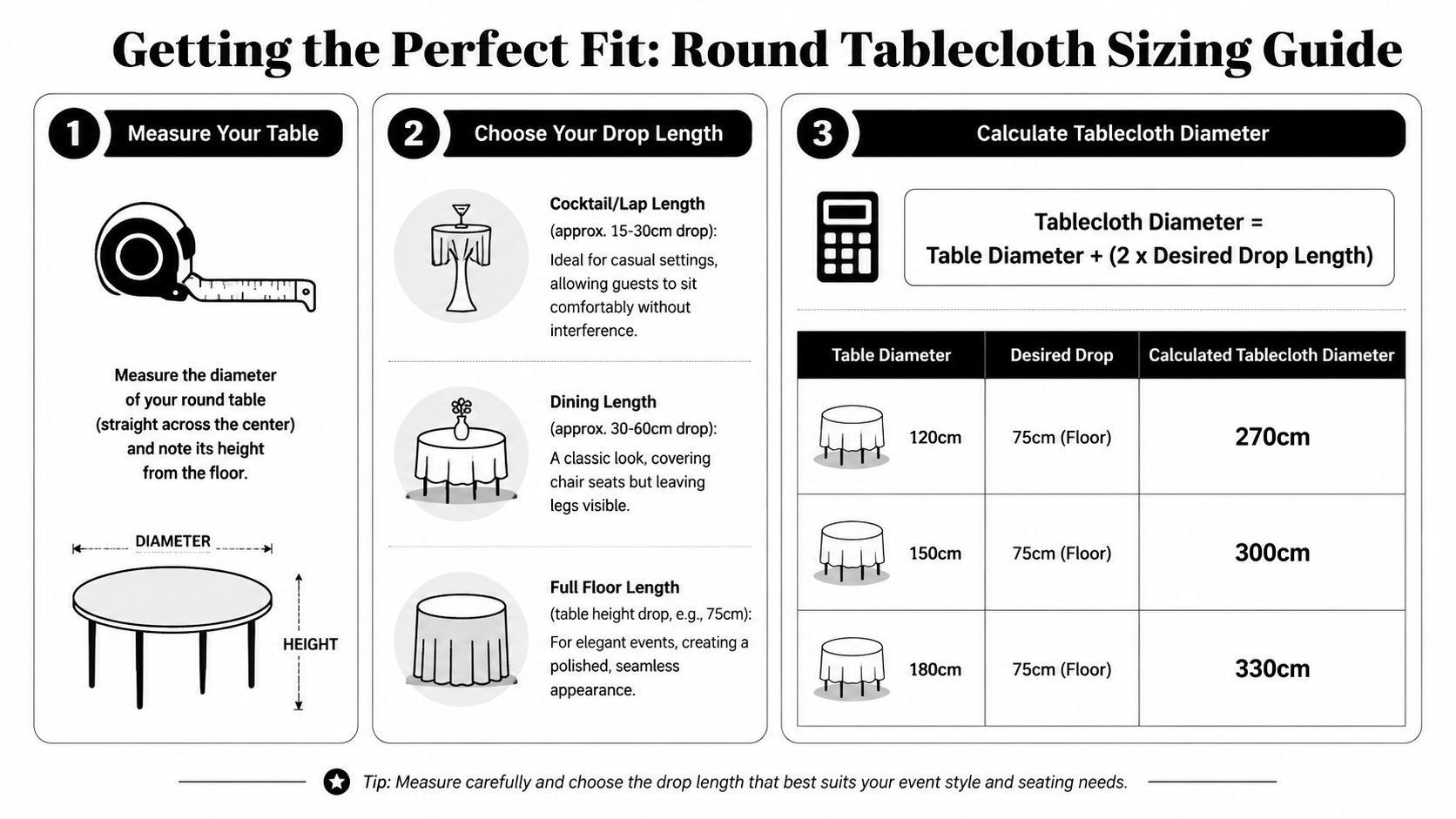
Here are the most common queries we hear from planners around Cape Town. Think of this as your field guide for sorting out those last-minute lighting hiccups with zero stress.

Can You Connect Multiple Sets Together?

Yes, absolutely. For those big, impressive backdrops, you’ll almost always need to link several sets. Professional-grade fairy light curtains are designed for this, letting you create a massive, seamless wall of light from just one plug point.

But—and this is a big one—there’s always a safety limit. You have to check the manufacturer’s instructions for the maximum number of sets you can connect. Pushing it too far can overload the circuit, which might just make the lights dim or flicker, but could also create a serious fire risk. A good rule of thumb for standard LED sets is no more than three or four linked together, but always, always read the label first.

How Do You Hide the Wires and Power Packs?

A flawless setup is all about making the mechanics disappear. Nothing kills the magic faster than a mess of visible wires, extension cords, and bulky power packs. Hiding them properly just takes a little forward-thinking.

Here are a few tricks we use all the time:

  • Work with the venue. Tuck wires along skirting boards, hide them behind pillars, or run them neatly over door frames. Gaffer tape that matches the wall or floor colour is your best friend for making cables almost invisible.
  • Use your décor. Fabric backdrops, floral installations, and greenery are perfect for concealment. Weave cables behind drapes or through foliage, and no one will ever know they’re there.
  • Get creative with planters. A strategically placed pot plant or a decorative urn at the base of your light curtain is the ideal hiding spot for a chunky power adapter or an extension cord connection.

The aim is simple: guests should only see the glow, not the grid.

Pro Tip: Before you even start setting up, find your nearest power socket. This lets you map out the cleanest, most direct cable route from the get-go, saving you from having to hide a long, messy extension cord later on.

Are Curtain Fairy Lights Safe to Use Outdoors?

This is a huge question for events in Cape Town, and the answer is critical: it all comes down to the specific lights you choose. You can’t just hang any set of fairy lights outside and hope for the best. With the risk of a sudden downpour, morning dew, or the salty sea breeze, you must use lights rated for outdoor use.

Check the packaging for an IP rating. For any outdoor event, IP44 is the bare minimum you should be looking for. This certifies that the lights are protected against water splashing from all directions. If your event is in a more exposed spot or happening during the rainy season, it’s much safer to go for a higher rating like IP65, which offers better protection against dust and even jets of water. Using indoor lights outside isn't just a bad idea—it's a serious safety hazard.

What Do I Do if a Section of Lights Goes Out?

It’s that heart-stopping moment: you plug everything in, and one vertical strand—or a whole panel—stays dark. First, don't panic. This is usually a really simple fix.

Modern LED curtain lights are wired in parallel, which is fantastic because it means one dead bulb won't kill the entire string. If a single strand is out, it's almost always a loose connection where it plugs into the main horizontal wire. Just find that connection point and make sure it’s pushed in securely.

If a whole set in a connected chain is dark, the problem is likely the connection between that set and the one before it. Unplug them and reconnect them firmly. If that doesn’t solve it, swap in your backup set (you always bring a backup, right?). This will instantly tell you if the fault is with the lights or the power source.

Can the Brightness Be Adjusted?

Yes, and this feature is a game-changer for controlling the atmosphere of an event. Many higher-quality fairy light sets are dimmable, allowing you to fine-tune the mood as the evening progresses.

You could have a bright, welcoming sparkle as guests arrive, then dim the lights down for a soft, romantic glow during dinner. Later on, you can crank the brightness back up for speeches or to get the dance floor going. This is usually controlled with a small remote or a controller box on the power cord. When you’re hiring or buying lights, make sure to ask for dimmable models—it gives you so much creative flexibility.


Ready to create a truly unforgettable atmosphere at your next event? At ABC Hire, we provide a wide range of high-quality lighting and event furniture to bring your vision to life.

Explore our event rental solutions at abchire.co.za

The Ultimate Guide to Room Screen Dividers for Event Design

Room screen dividers are basically clever, temporary walls you can use to slice and dice a large room into smaller, more intimate zones. For any event, they’re more than just functional; they’re like functional art. They let you sculpt the space, direct the flow of your guests, and create a specific vibe without needing to call in the builders. Think of them as your secret weapon for flexible event design.

How Room Screen Dividers Can Completely Change an Event Space

Picture this: you’ve booked a venue, and it’s a huge, open, cavernous hall. It’s a blank canvas, which is great, but also a bit daunting. This is a situation many event planners in Cape Town face, whether it’s a sprawling wine estate in Stellenbosch or a sleek corporate venue in the CBD. The real challenge is turning that big, empty area into a series of cosy, practical, and inviting spaces. This is exactly where room screen dividers come in to save the day.
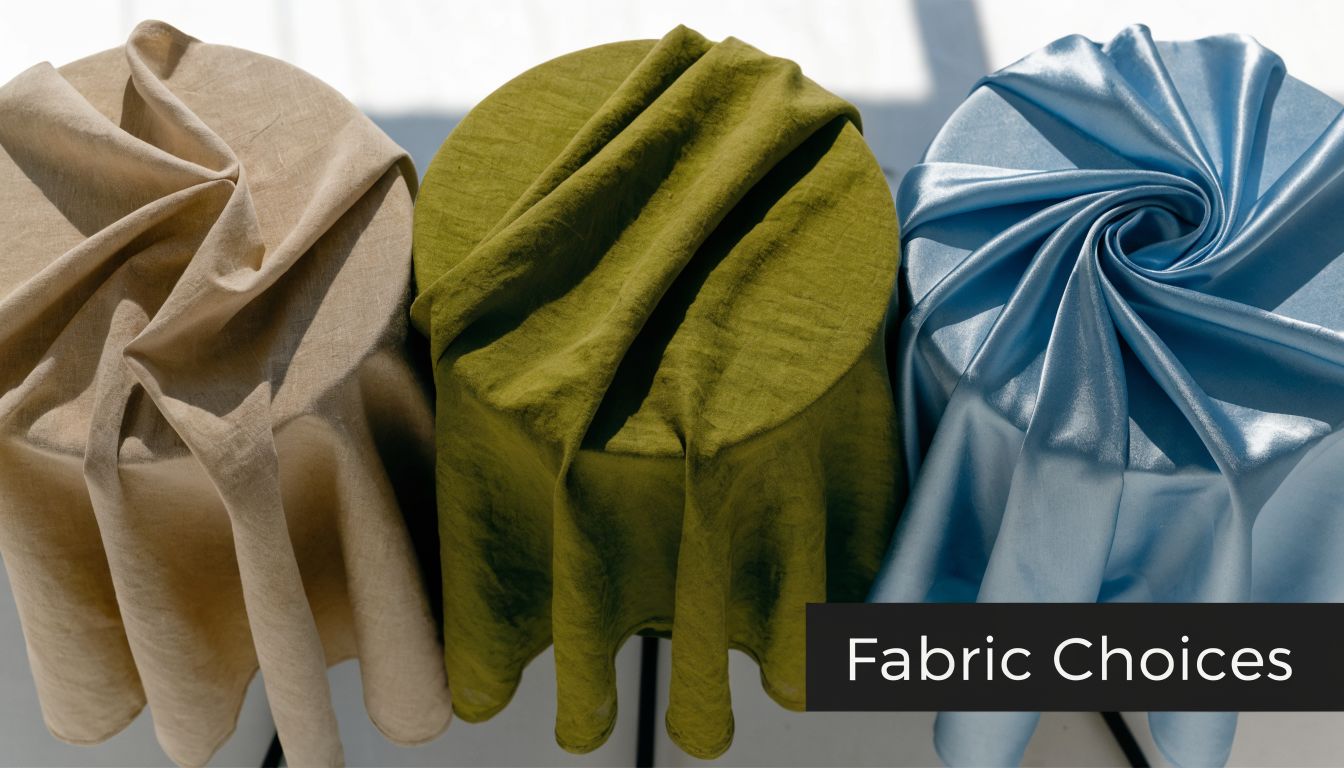
They’re so much more than just simple partitions. They’re genuinely transformative pieces that solve common event headaches with a bit of style and a lot of practicality. At their core, their job is to bring structure and purpose to an otherwise wide-open floor plan.

Creating Function and Flow

First and foremost, room screen dividers are all about managing your space. They give you the power to build an event experience from scratch, mapping out dedicated zones for different activities. Getting this strategic separation right is a huge part of a successful event.

  • Defining an Entrance: You can easily create a welcoming entryway or a corridor that guides guests from the front door into the main event, setting the mood right from the get-go.
  • Separating Activities: Got a big ballroom? No problem. Section it off into a cocktail reception area, a formal dining space, and a dance floor. Each part of the evening gets its own special, contained feel.
  • Concealing Operations: Let’s be honest, nobody wants to see the catering prep stations or stacks of extra chairs. You can cleverly use dividers to hide all the back-of-house action, keeping everything looking polished and professional.

Enhancing Aesthetics and Privacy

Beyond just being practical, these dividers play a massive role in the overall look and feel of your event. The idea of using screens to create privacy and control an environment isn’t new; it’s a concept that’s been around for ages. In fact, archival research on South African interior artefacts shows that local communities were using traditional dividers made from woven grasses and reeds as far back as the mid-19th century. You can discover more insights about the historical use of room dividers from this research.

We’ve just refined that classic idea for modern events, where dividers now add layers of visual interest and create exclusive little pockets within a larger space.

Once you add a physical boundary, you instantly change the feel of a space. A simple screen can turn an open corner into a private VIP lounge or a quiet nook for conversation, making guests feel far more comfortable and looked after.

Ultimately, room screen dividers give you total control over the story your event space tells, turning it from something ordinary into something truly extraordinary.

Choosing the Right Divider for Your Event Theme

Picking the perfect room screen divider is a bit like choosing a statement piece of furniture for a room. It has to work, of course, but it also has to reflect the event’s personality. Get it right, and it elevates your theme. Get it wrong, and it just feels… off. It’s not simply about putting up a barrier; it’s about weaving in another layer of texture, colour, and style that ties into your whole vision.

Let’s put it this way: you wouldn’t use a sleek, minimalist metal divider for a rustic farm-style wedding in the Cape Winelands. It would clash horribly with the natural, earthy vibe. A warm wooden or woven screen, on the other hand, would feel like it belongs there. The goal is to make your dividers feel like a seamless part of the story you’re telling.

This diagram nails the core idea—room dividers are all about transforming a space. They create privacy, guide the flow of people, and hide things you don’t want guests to see.

A diagram illustrating space transformation benefits, including creating privacy, improving flow, allowing for visibility, and providing concealment.

The real takeaway here is that dividers do more than just divide. They actively shape how your guests experience the event by controlling what they see and where they go.

Matching Divider Types to Event Styles

The world of room dividers isn’t one-size-fits-all. There are a few key types, and knowing the difference is the first step to making a smart choice for your event.

  • Folding Screens: These are the classic, go-to option for a reason. Usually made of three or more hinged panels, they are incredibly easy to set up, shift around, and pack away. Their flexibility makes them perfect for creating a quick photo backdrop, sectioning off a cosy lounge area, or hiding the DJ booth from view.
  • Hanging Dividers: If you’re after a modern, airy feel, hanging dividers are a brilliant choice. They suspend from the ceiling, creating a sense of separation without completely boxing a space in. These are great for contemporary corporate events or chic private parties where you want to keep that open-plan atmosphere.
  • Modular Systems: For big events where you need proper, configurable walls, modular systems are your answer. These are interlocking panels that can be built into all sorts of shapes and sizes. They offer a much more solid, permanent-feeling division, which is ideal for trade show booths or breaking up a large conference hall.

Your choice of divider type directly shapes the flow and feel of your venue. Folding screens give you adaptability for dynamic events, while modular systems bring solid structure to more formal, large-scale functions.

Selecting Materials to Create Atmosphere

Once you’ve settled on a type, the material is what really brings your theme to life. It dictates the look, the texture, and the overall vibe the divider adds to the room.

Comparing Divider Materials for Event Planners

To make things easier, here’s a quick breakdown of the most common materials. Think of this as your cheat sheet for matching the material to the mood you’re trying to create.

Material Primary Aesthetic Best For Considerations
Wood Warm, classic, sophisticated Weddings, upscale corporate retreats, intimate dinners Can be heavy. Style ranges from rustic to modern carved.
Wicker/Rattan Natural, rustic, bohemian Garden parties, beach weddings, relaxed brand activations Lightweight and allows light through, but less private.
Metal Sleek, industrial, modern Art gallery openings, minimalist events, product launches Durable and strong but can feel cold without soft styling.
Fabric Soft, versatile, elegant Galas (velvet), conferences (sound absorption), brand events (colour matching) Huge variety of colours/textures. Can help dampen sound.
Acrylic/Polycarbonate Contemporary, clean, open Trade shows, modern parties, high-traffic areas Allows light through, maintaining an open feel. Lightweight.

Ultimately, the material you choose should be a natural extension of your event’s decor, not an afterthought.

A Closer Look at the Materials

Natural and Rustic Vibes

For events that need a warm, organic, or bohemian feel, you really can’t beat natural materials.

  • Wood: Wooden dividers just have a timeless warmth and elegance. Whether it’s solid, slatted, or intricately carved, wood provides a sturdy and sophisticated barrier that’s perfect for weddings, intimate dinners, and high-end corporate retreats.
  • Wicker or Rattan: These lightweight, woven materials add a wonderfully relaxed and rustic texture. They’re ideal for creating a laid-back atmosphere at garden parties, beach weddings, or boho-themed celebrations, as they let a bit of light filter through.

Sleek and Modern Aesthetics

If your event is all about a clean, sharp, and contemporary look, these materials will deliver that polished finish.

  • Metal: For a sleek, industrial edge, metal dividers are strong and durable. They fit right in with minimalist themes, art gallery openings, and modern corporate functions where clean lines are a must.
  • Fabric: Soft, versatile, and available in endless colours and patterns, fabric dividers are amazing for adding a pop of colour or a touch of elegance. They are also great for absorbing sound, which helps in creating quieter zones at a bustling reception. Think luxurious velvet for a gala or simple linen for a daytime event—the creative options are limitless.
  • Acrylic or Polycarbonate: These are a fantastic lightweight and shatter-resistant alternative to glass. They create separation while still letting light pass through, which is perfect for maintaining a sense of openness. They’re also easy to clean, making them a practical choice for high-traffic areas at trade shows or product launches.

Strategic Placement to Create Flow and Function

Great event design is about more than just what things look like; it’s about psychology. It’s about guiding your guests through an experience you’ve carefully planned out. When you place room screen dividers, you’re not just breaking up a space—you’re sculpting it to create natural pathways, distinct zones, and even a bit of discovery. The right placement turns a simple screen into a powerful tool for directing foot traffic and shaping the entire mood of the event.

Think of a big, open venue like an open field. Without any paths, people just wander. Room dividers are those gentle, guiding pathways. They create “soft boundaries” that subtly suggest where to go next, preventing that lost feeling and making the journey through your event seamless. It feels intuitive and welcoming, not restrictive.

A spacious event room with wooden and carpeted floors, featuring white room dividers and a black 'CREATE FLOW' banner.

This is the secret that separates a good layout from a great one. It’s the subtle art of making a large, potentially intimidating space feel manageable, intimate, and a breeze to navigate.

Creating Zones for a Seamless Event Journey

One of the best ways to use room screen dividers is for zoning—carving a large venue into smaller, purpose-driven areas. When you do this, you can guide guests through the different parts of your event without any confusion.

Let’s take a typical wedding reception in a big ballroom. You could use some elegant fabric screens to:

  • Form an Entry Corridor: Create a grand entrance that leads guests away from the main door and steers them towards the welcome drinks. This simple funnel builds anticipation right from the start.
  • Define a Cocktail Zone: Section off a dedicated space just for pre-dinner drinks and canapés. This contains the initial buzz and stops guests from wandering into the dining area before it’s time.
  • Reveal the Dining Area: Arrange dividers to hide the main dining setup at first. Then, they can be moved aside for a dramatic reveal when dinner is announced.

The same idea works perfectly for corporate events. You can easily create separate zones for registration, networking, a keynote presentation, and breakout sessions, all within the same hall.

Guiding Movement with Strategic Angles

How you angle your dividers makes a huge difference to how people move. Straight, rigid lines can feel like hard walls, but angled screens can subtly nudge people in a specific direction.

Imagine creating a gentle, curved path with several folding screens. This naturally encourages guests to meander along it, slowing their pace and giving them a chance to take in the decor or chat with others along the way.

On the other hand, a sharp 45-degree angle can effectively steer traffic away from a service entrance or a back-of-house area you’d rather keep private. It’s all about using visual cues to guide behaviour without a single “No Entry” sign in sight. Of course, for any of this to work, pairing your dividers with the right furniture is key. Our guide to choosing the perfect tables and chair rentals can help you finish off the look and function of each zone you create.

Practical Placement Scenarios

Okay, let’s get practical. Here are a couple of common event challenges and how to solve them with smart divider placement:

Scenario 1: The Overlooked Catering Station

  • The Problem: The catering prep area or buffet station is right in the line of sight, creating visual clutter and noise that distracts from the main event.
  • The Solution: Use a series of tall, solid room screen dividers to create a complete visual barrier. Place them a few metres in front of the station—this also gives staff plenty of room to work comfortably behind the scenes. Instantly, the whole room looks cleaner and more professional.

Scenario 2: The Empty Corner

  • The Problem: A large venue has an awkward, empty corner that feels forgotten and just sucks the energy out of the room.
  • The Solution: Use some decorative wooden or rattan screens to section off that corner and turn it into a feature. Add a couple of comfy chairs, a small table, and some soft lighting, and you’ve created an inviting photo booth backdrop or a quiet lounge nook for conversation.

By taking a moment to really look at your venue’s layout, you can spot these opportunities to make big improvements. Running through a mental checklist—identifying high-traffic routes, unsightly spots, and underused spaces—will help you place every single screen with purpose, ensuring it adds both beauty and logic to your event design.

Of course. Here is the rewritten section, crafted to sound completely human-written and natural, following the style and tone of the provided examples.


Essential Technical and Safety Considerations

Getting the look right is one thing, but making sure your event design is practical and safe is a whole different ball game. The last thing you want is a wobbly screen or a speaker that no one can hear. Overlooking these technical details can turn a great-looking divider into a genuine liability.

Think of it as the backstage work that lets the main event shine. Getting the acoustics, privacy, and stability right protects your clients, your guests, and ultimately, your reputation. These are the non-negotiables every planner in Cape Town needs to get right.

Managing Acoustics and Ensuring Privacy

One of the most underrated perks of using room screen dividers is how well they can control sound. Picture a big reception hall with high ceilings and tiled floors – sound just bounces everywhere, making it impossible to hold a conversation. This is where upholstered or fabric-covered dividers become your best friend, acting like sponges that soak up echoes and dial down the background noise.

It just makes the whole space feel more comfortable. In fact, this is a huge trend in office design right now. A 2023 report on the South African market found that 35% of new commercial office fit-outs used modular dividers with sound-insulation to create quieter, more private work areas. The same logic applies perfectly to events. You can read more about these commercial room divider market findings to see how the pros are using them.

For creating genuine visual privacy, keep these points in mind:

  • Height: You’ll want a divider that’s at least 1.8 metres (around 6 feet) tall. Anything shorter, and standing guests will be able to see right over the top.
  • Opacity: Go for solid materials. Wood, thick fabric, or opaque acrylic will get the job done. Things like rattan or slatted screens look great, but they only create a sense of separation, not total privacy.
  • Placement: Make sure you close any gaps. A small opening between panels or against a wall can completely ruin that feeling of a private, secluded space.

A great room screen divider doesn’t just block sight—it manages sound. Using acoustically absorbent panels is the key to creating quiet VIP lounges or ensuring a keynote speaker can be heard clearly over the clinking of glasses.

Prioritising Stability and Safety Protocols

This is the big one: safety. A divider tipping over is a serious hazard, so stability has to be your number one priority, especially when you’ve got guests walking around or kids at the event.

For indoor venues with smooth floors like polished concrete or wood, look for dividers with wide, heavy bases or T-shaped legs. If you’re setting up on thick carpet, check that the feet can sit flat without wobbling. For any outdoor event on grass, don’t even think about skipping the weighted sandbags at the base of each panel. A sudden gust of wind from the Cape Doctor could easily send them flying.

Finally, you have to play by the rules of the venue and public safety. Always remember to:

  1. Never Obstruct Exits: Your layout must keep all fire exits, extinguishers, and emergency routes completely clear. No exceptions.
  2. Check Fire Retardancy: Many venues require all decorative elements to be made from flame-retardant materials. Double-check this with your rental supplier to avoid any last-minute drama with the venue manager on the day.
  3. Secure Tall Dividers: If you’re using a divider taller than 2 metres, it’s always a good idea to secure it to a wall or pillar if you can. It adds that extra layer of stability and peace of mind.

Styling Dividers to Elevate Your Event Decor

Once you’ve figured out the practical side of things, it’s time for the fun part: making these functional items look absolutely stunning. Styling your room screen dividers is how you turn a simple partition into a feature piece, weaving it into your event’s creative vision. This is where a divider stops being just a divider and becomes a memorable part of the décor that guests will be snapping photos of all night.

Think of a plain wooden screen as a blank canvas. For a romantic wedding, you could weave delicate floral arrangements and cascading ivy through its panels to create a lush, organic photo backdrop. At a corporate launch, that same screen can be completely transformed with a custom-branded vinyl wrap, giving it a polished, professional look that reinforces the company’s identity.

Elegant event stage decor featuring rattan screen dividers, white floral arrangements, and green plants.

The possibilities are endless. The trick is to see the divider not as a wall, but as an active, exciting part of your overall design.

The Transformative Power of Lighting

Lighting is your secret weapon when it comes to styling room dividers. Honestly, it’s probably the most powerful tool you have. The right lighting can completely change the mood and appearance of a simple screen, turning it from a background piece into a dynamic art installation. It’s a surprisingly cost-effective way to get a high-impact look.

Here are a few techniques we love to use:

  • Uplighting: This is a classic for a reason. Placing lights on the floor and aiming them up along the divider creates dramatic shadows and highlights its texture. It works beautifully with carved wooden screens or textured fabric, adding a real sense of depth and drama to the room.
  • Backlighting: This one is all about elegance. By placing a light source behind a semi-translucent screen (like one made of shoji paper or thin fabric), you create a sophisticated silhouette effect. The soft, diffused glow is perfect for a chic lounge area or an ethereal wedding backdrop.
  • Gobo Projections: A gobo is just a fancy name for a stencil you put over a light to project a pattern or image. You can project anything onto a plain divider—from abstract textures and company logos to delicate floral motifs. It instantly turns a boring screen into a captivating visual display.

By strategically lighting your dividers, you can paint with light and shadow to craft an atmosphere. A simple backlight can make a screen glow with ambient warmth, while a sharp uplight can turn it into a bold architectural feature.

Creative Styling Ideas for Every Event

Beyond lighting, there are countless ways to physically dress up your dividers to match your theme. The aim is to make them feel like a custom, intentional part of the event design. Whatever you choose, it should enhance the divider, not overwhelm it.

For Weddings and Romantic Occasions

For that soft, romantic feel, you can’t go wrong with natural and delicate touches.

  • Floral and Greenery: Weave garlands of eucalyptus, roses, or even some local fynbos through the panels of a wooden or rattan screen.
  • Draping Fabric: Cascade soft fabrics like chiffon or organza over the top and sides to soften the lines and add a touch of elegance.
  • Hanging Elements: Suspend delicate glass baubles with tea lights, strings of fairy lights, or even macrame hangings from the top for a whimsical, bohemian vibe.

For Corporate and Branded Events

Corporate events demand a look that’s polished, professional, and on-brand.

  • Custom Vinyl Decals: Apply non-damaging, removable vinyl logos, taglines, or event graphics directly onto any smooth-surfaced dividers.
  • Integrated Shelving: Some of the more modern, modular dividers have options for shelving. These are perfect for displaying products, awards, or branded materials.
  • Colour Coordination: Use fabric dividers in your company’s brand colours. It’s a simple way to create a cohesive and immersive brand experience for your guests.

No matter how you style it, the goal is always to enhance the overall theme. Even a simple, well-placed divider can serve as a powerful visual anchor for your space. For more inspiration on creating stunning focal points, check out our guide on finding the perfect backdrop to hire for your event. Many of these same techniques can be used on backdrops to create a truly unforgettable design.

Renting vs Buying Dividers in Cape Town

As any event planner in Cape Town knows, every decision is a balancing act between your budget, the logistics, and the final impact. When it comes to room screen dividers, you’ll face the classic question: is it better to rent or buy?

While owning a set of dividers might seem like a good investment at first, the practical side of things—storage, transport, and maintenance—can quickly become a headache for most event professionals.

Imagine you’ve just wrapped up a gorgeous wedding at a Stellenbosch wine farm. The last thing on your mind should be figuring out how to haul ten bulky wooden screens back to a storage unit. This is exactly why for the vast majority of events, renting is the clear winner. It takes all those logistical nightmares off your plate and gives you far more flexibility.

Why Renting Is the Smarter Choice

Renting gives you access to a massive variety of styles without the long-term commitment or cost. One month you might need sleek, modern acrylic panels for a corporate launch in the CBD. The next, you might want rustic rattan screens for a bohemian beach wedding in Llandudno. A good rental company can provide all of this on demand.

Beyond the sheer variety, the practical benefits are huge:

  • No Storage Costs: You use the dividers for your event, and then they’re gone. No need to sacrifice precious office or warehouse space to store them.
  • Effortless Transportation: Reputable rental companies handle all the delivery and collection. This saves you from the stress of organising a big enough vehicle and the staff to move heavy, awkward items.
  • Zero Maintenance: Scratches, scuffs, and general wear-and-tear? That’s the rental company’s problem, not yours. The dividers simply arrive looking great every single time.

In a city like Cape Town, where making the most of your space is key, these benefits really add up. In fact, reports on the South African market show that demand for space-saving solutions like these has grown a lot. Roughly 23% of urban households now use some form of room divider, which just goes to show how practical they are. You can read more about how room dividers are used in the South African market.

Vetting Cape Town Rental Companies

Once you’ve decided renting is the way to go, the next step is finding the right local partner. And trust us, not all rental companies are created equal. To make sure everything goes off without a hitch, you need to ask the right questions before you sign anything.

Think of it as a job interview. You’re trusting a key part of your event’s design and logistics to this company, so it pays to be thorough.

Make sure you cover these essential points:

  • Inventory and Condition: Ask to see their catalogue or, even better, visit their showroom. Do they have a good selection of room screen dividers? Are the items well-looked-after, clean, and free from obvious damage?
  • Delivery and Setup Services: Get clear on whether their service includes delivery, setup, and breakdown. A full-service option can be a massive time and stress saver on event day.
  • Insurance and Damage Policy: What happens if a divider gets accidentally damaged by a guest? You need to understand their insurance coverage and what you might be liable for. A transparent, clear policy is the sign of a professional company.

The right rental partner is more than just a supplier; they are an extension of your event team. Their reliability, professionalism, and quality of inventory directly reflect on your final product.

Ultimately, choosing to rent frees you up to focus on what you do best: designing incredible experiences. By partnering with a reliable supplier, you get access to a world of decorative possibilities without the burden of ownership. For more ideas on sourcing the best items, our guide on finding top-quality decor hire in Cape Town offers some great additional tips.

Of course. Here is the rewritten section, crafted to sound completely human-written and match the requested style.


Common Questions About Using Room Screen Dividers

Even the most organised event can throw up a few surprises on the day. When you’re on-site and juggling a dozen things at once, you need quick, no-nonsense answers. We’ve put together a few of the most common questions we get from planners about using our room screen dividers, along with practical solutions to help you handle any challenge that comes your way.

Think of this as your back-pocket guide for those last-minute hiccups.

How Do I Make Sure the Dividers Are Stable on Uneven Ground?

This is a big one, and rightly so. We see it all the time with marquee weddings on beautiful lawns or events in older venues with charming, but not-so-level, floors. Safety comes first, so stability is key.

If you’re setting up outdoors on grass or an uneven surface, you’ll want dividers with a nice, wide base. To keep them securely in place, weighted sandbags are the go-to solution. Tucked neatly at the bottom of each panel, they’re fantastic for standing up to a sudden gust of the Cape Doctor. If the ground permits, stakes are another option, but always get the green light from your venue first.

For indoor events on old wooden floors or tiles, dividers with adjustable feet are a game-changer. You can level out each panel individually, so there’s absolutely no wobble.

Pro Tip: When you book your dividers, let your rental company know what kind of surface you’re working with. A good supplier can point you to the right type of room screen divider and provide all the necessary gear to keep it secure, taking one more thing off your plate.

Can I Brand or Customise Rented Room Screen Dividers?

Yes, you absolutely can! It’s a great way to make a rented piece feel like it was made just for your event and tie it into your corporate branding. Most rental companies in Cape Town are more than happy to help with this.

The easiest and most popular option is to use temporary vinyl decals. They can be applied to any smooth-surfaced divider to show off company logos, event hashtags, or branded messages. The best part? They peel off without leaving any sticky residue or damaging the panel.

Some suppliers, like us, also offer custom-printed fabric panels that fit onto the screen frames for a really polished, professional look. Just be sure to always check with your rental company about their approved customisation methods before you start, so you can avoid any unexpected damage fees.

How Far Ahead Should I Book Divider Rentals?

A little bit of planning goes a long way, especially during Cape Town’s peak event season from November to March. For a standard order, booking 4-6 weeks in advance is usually a safe bet. That gives you plenty of time to get what you need without any stress.

But, if you have more specific needs, you’ll want to book a bit earlier:

  • Large Orders: If you’re partitioning a huge space, it’s best to book at least 2-3 months ahead of time.
  • Speciality Styles: Our more unique or popular designs get snapped up fast, so reserve those as early as you can.
  • Custom Jobs: For custom-printed panels, we recommend getting in touch at least 3 months in advance. This gives us enough time for the design, printing, and production process.

Ready to find the perfect room screen dividers for your next event? ABC Hire offers a wide range of high-quality, stylish options to suit any theme or function. Explore our collection and let us handle the logistics, so you can focus on creating an unforgettable experience. Visit us online at abchire.co.za to get a quote today.

Outdoor Shade Solutions: outdoor umbrella with stand for every patio

When you're planning an outdoor event, you're really in the business of managing the elements. Your best friend in this fight? A solid outdoor umbrella with stand. We're going to move past the pretty pictures and get into what actually matters for a professional setup: safety, stability, and making sure it all looks seamless.

Choosing the Right Outdoor Umbrella for Your Event

A beige outdoor umbrella shades a small round table and two chairs on a sunny patio overlooking the ocean.

An outdoor umbrella isn't just a bit of shade. It's a crucial piece of your event's infrastructure. It carves out spaces, keeps your guests comfortable, and holds the whole atmosphere together.

As an event planner, picking the right one is a strategic move. You have to weigh up your venue, how many people are coming, and what the weather is likely to do—especially here in Cape Town, where things can change in a heartbeat.

The real goal is to find a unit that not only looks the part but is also built to last and do its job properly. Make the wrong choice, and you're looking at flapping canopies, wobbly bases, or worse, a real safety hazard when the wind picks up. But get it right, and that perfect outdoor umbrella with stand becomes a silent hero, giving guests pockets of cool shade or shelter from a passing shower.

A Framework for Your Decision

Before we get bogged down in the nitty-gritty of canopy fabrics and base weights, it helps to have a simple framework. Every choice you make should tick these four boxes:

  • Guest Comfort: First and foremost, are people protected from the sun and a bit of rain?
  • Event Flow: Are the umbrellas going to get in the way of people moving around or block important sightlines?
  • Operational Practicality: How easy is this for my team to set up, take down, and lug around?
  • Uncompromising Safety: This is the big one. The umbrella and its base have to be stable and wind-resistant. No exceptions.

Think of this guide as your roadmap to making these calls with confidence. We’ll start by breaking down the core decisions, from the type of umbrella and its size to the science of what makes a base stable enough for our Cape Town winds.

To get us started, here’s a quick overview of the key things you’ll need to consider.

Core Umbrella Decision Framework

This table breaks down the essentials you need to think about when choosing an umbrella for a professional event.

Factor Key Considerations
Umbrella Type Decide between centre-pole for individual tables and cantilever for open, unobstructed spaces.
Size & Coverage Calculate the required shade area based on your furniture layout and guest count.
Materials Evaluate canopy fabric for UV protection and frame material for durability and wind resistance.
Stand & Stability Match the base weight to the canopy size and consider anchoring methods for your specific venue surface.

Keep these four points in mind, and you're already on the right track to making a smart, safe choice for your event.

Understanding Umbrella Types and Sizes

Two outdoor patio umbrellas, a center pole and a cantilever, over dining sets with an ocean view.

When you're looking for an outdoor umbrella with stand, your first big decision comes down to two very different designs. This isn't just a style choice; it will directly shape your event's flow, how you use your space, and the overall atmosphere you're trying to create.

Let's get into the two main styles you'll be choosing between.

The Classic Centre-Pole Umbrella

This is the design everyone pictures when they think of an umbrella. The mast runs straight down from the middle of the canopy into the base. It’s a classic for a reason and works brilliantly in certain situations.

Think of it as the perfect tool for creating neat, defined zones. It’s the go-to for shading individual café tables or small bistro setups, especially when the pole can slide through a purpose-built hole in the table. This adds a ton of stability and gives you that clean, orderly look for a seated dining or cocktail area.

The trade-off, of course, is that the central mast is an obstruction. While it's great for tables, it’s not so practical for open areas like lounge seating or a kids' play zone where you need an uninterrupted floor plan for people to move around freely.

The Versatile Cantilever Umbrella

The cantilever, or offset, umbrella is an event planner's best friend when it comes to maximising usable space. The pole is positioned off to the side, with a sturdy arm extending out to hold the canopy exactly where you need it.

This design is the secret to creating those beautiful, wide-open shaded areas. Picture a stylish lounge with sofas and coffee tables, or a long banquet table, all sitting comfortably under a single canopy without a single pole getting in the way. That’s what a cantilever umbrella brings to the party.

Cantilever umbrellas offer incredible flexibility. Many models can tilt and rotate a full 360 degrees, which lets you adjust the shade as the sun moves across the sky—an absolute lifesaver for all-day events.

This adaptability makes them unbelievably useful. You can shade a seating area in the afternoon, then simply swing the canopy over to cover the bar as evening sets in, all without having to drag a heavy base around.

Centre-Pole vs Cantilever Umbrella Comparison for Events

To make the choice a bit easier, here’s a straightforward comparison of how each type stacks up in a real-world event setting.

Feature Centre-Pole Umbrella Cantilever (Offset) Umbrella
Best For Shading individual dining tables, creating uniform rows of coverage, bistro-style seating. Large lounge areas, long banquet tables, poolside seating, covering irregular spaces.
Space Usage Creates a central obstruction; you have to plan furniture around the pole. Provides a completely clear, open space under the canopy for maximum flexibility.
Adjustability Limited; some models offer a tilt function but can't rotate to follow the sun. Highly adjustable; most can tilt and rotate to provide targeted shade all day long.
Footprint Requires a smaller, less obtrusive base. Needs a larger, heavier base to counterbalance the offset weight, taking up more floor space.

Ultimately, the right choice depends entirely on your floor plan and what you want your guests to experience.

Choosing the Right Umbrella Size

Once you’ve settled on a style, the next question is size. The goal is to provide plenty of shade without the canopy feeling like it’s swallowing your event space. A simple rule of thumb is that your umbrella’s diameter should be at least 1.5 metres wider than the table or area it’s covering.

For example, a standard 1.2-metre round table that seats four to six guests needs an umbrella that's at least 2.7 metres across. This ensures that as the sun moves, your guests aren't left scrambling for the shady spot.

Here in South Africa, we've seen a clear trend towards larger sizes, and for good reason. Umbrellas over 3.2 metres have become popular for their generous coverage, making them ideal for commercial venues and bigger events. You can actually explore more about these market trends and how they affect event planning.

Sizing is about more than just measurements; it's about the guest experience. For more detailed advice, our guide to using large outdoor umbrellas for events can help you calculate the perfect shade footprint for any layout. Getting the size right shows thoughtful planning and a real commitment to keeping everyone comfortable.

Right, let's talk about what holds your umbrella together and keeps your guests comfortable. Beyond just the size and style, the materials you choose for the canopy and frame are what separate a one-season wonder from a long-term investment. This isn't just about looks; it's a practical decision that directly affects durability, safety, and ultimately, your bottom line.

Think of the canopy as the umbrella's skin. Its job is to fend off the harsh African sun, shrug off an unexpected downpour, and keep its colour without fading. The frame, meanwhile, is the skeleton. It’s the backbone providing all the strength needed to stand up to a gusty Cape Town afternoon.

What to Look for in Canopy Fabrics

When you start looking at canopy options, you'll come across a few key players. Each offers a different mix of performance and price, so it helps to know what you're paying for.

  • Polyester: This is a very common, budget-friendly choice. While it does a decent job of repelling water, basic polyester can fade over time with constant sun exposure. It’s a solid option for events where the umbrellas won't be out in the blazing sun day after day.
  • Olefin: A definite step up from polyester, olefin is a synthetic fabric that’s fantastic at resisting stains, mildew, and fading. It’s a great middle-ground option, giving you much better durability and colour-fastness without the top-tier price tag.

  • Solution-Dyed Acrylics: Honestly, this is the gold standard for outdoor fabrics. Brands like Sunbrella® are famous for a reason. With these fabrics, the colour pigment is mixed into the fibre before it’s even spun into yarn. This means the colour goes all the way through, making it incredibly resistant to fading. They also offer top-notch UV protection and water resistance.

What Are UPF Ratings?
The Ultraviolet Protection Factor (UPF) tells you how much UV radiation a fabric lets through. A canopy with a UPF of 50+ is excellent, blocking at least 98% of the sun's rays. It's a crucial feature for keeping your guests safe and comfortable.

Choosing the Best Frame Material

The frame is the unsung hero of a good outdoor umbrella. It needs to be tough enough to handle a breeze but manageable for your crew to set up and take down. The material makes all the difference.

Aluminium
Lightweight, completely rustproof, and easy on the wallet, aluminium is the go-to for most commercial-grade event umbrellas. Its natural resistance to corrosion makes it perfect for our coastal climate here in Cape Town. Look for a powder-coated finish for an extra layer of protection against scrapes and scuffs.

Steel
Steel frames are the heavyweights. They're stronger than aluminium and offer better stability when the wind picks up. The catch is that steel can rust if the protective coating gets chipped. Stainless steel is an option that won't rust, but it does come with a higher price tag.

Wood
There's no denying the classic, upmarket look of a wooden frame, often made from teak or eucalyptus. They are heavy and sturdy, which is great for stability. The downside is the upkeep; wood needs to be sealed or oiled regularly to stop it from weathering, rotting, or getting damaged by insects.

Here in South Africa, there’s a growing demand for umbrellas that can handle our diverse weather, offering serious UV protection and wind resistance. It’s no longer just a nice-to-have; a quality outdoor umbrella is becoming essential for ensuring comfort and safety at any outdoor venue. You can read more about this growing market demand on MarketGrowthReports.com.

Mastering Stability with the Right Umbrella Stand

Let's be blunt: an unsecured umbrella at an event isn't just a nuisance, it's a massive liability. When it comes to an outdoor umbrella with stand, the science of keeping it grounded starts and ends with the base. A stunning canopy is completely useless if it decides to take flight with the first gust of that famous Cape Town wind.

Think of your umbrella stand as an anchor. It’s not just a lump of dead weight; it’s a calculated counterbalance against some pretty powerful forces. The wind doesn't just push an umbrella sideways—it gets under the canopy, creating lift and trying to turn it into a giant, expensive kite. Your stand's one and only job is to be heavier than that upward force.

Calculating Your Base Weight

There's a simple rule of thumb that we event pros live by to keep everyone safe. The wider the umbrella canopy, the heavier its base needs to be. This isn’t a friendly suggestion; it’s a non-negotiable principle of physics that keeps your guests safe and your equipment where it belongs.

For every 30cm of canopy diameter, you need about 4.5kg of base weight. So, for a standard 3-metre umbrella, you’re looking at a minimum base weight of 45kg. If you’re in a notoriously windy spot, always play it safe and go heavier.

This quick calculation is your starting point. It takes the guesswork out of the equation and helps you make a solid, informed decision based on your specific umbrella size, ensuring your outdoor umbrella with stand setup is secure from the get-go.

This diagram helps simplify the material choices you'll face for the frame and canopy.

A simple diagram categorizing materials: frame and steel on the left, polyester and acrylic on the right.

As you can see, it breaks down the core components, showing how a frame material like aluminium gives you portability, while a canopy fabric like acrylic offers top-tier durability against the elements.

Choosing the Right Type of Umbrella Stand

Not all stands are created equal, and the right one really depends on your event's location, how long it's running, and what your team can realistically handle logistically.

Fillable Bases (Water or Sand)
These are often the go-to for temporary events. They’re light and a breeze to transport when they’re empty, and you simply fill them up with water or sand once you’re on-site.

  • Pros: Super portable, budget-friendly, and easy to pack away.
  • Cons: Can sometimes leak (water-filled) or be a real mission to empty (sand-filled). They might not pack enough punch for the really big cantilever umbrellas.

Solid Bases (Concrete, Granite, or Cast Iron)
For rock-solid security, especially in places you know get a bit of wind, you can't beat a solid base. These stands bring some serious, unmoving weight to the party, offering the best stability you can get.

  • Pros: Incredibly stable and built to last, plus they have a more premium, professional look.
  • Cons: They are seriously heavy and a pain to move around, requiring some muscle to transport and set up.

Think of it this way: a polished granite base is perfect for that high-end winelands wedding, while a simple, heavy concrete base provides the brute strength you need for a big outdoor festival. It’s all about matching the stand to the gig.

Anchoring Strategies for Tricky Surfaces

Your stability plan doesn’t stop once you've picked a heavy base. The ground you’re setting up on throws its own challenges into the mix. A smart anchoring strategy is your final line of defence.

  • On Grass or Soft Ground: Never, ever rely on just the base weight. You need to use heavy-duty ground stakes hammered through the base and deep into the soil. This gives you fantastic resistance against both sliding and tipping.
  • On Paving or Decks: Since you can't stake into these surfaces, extra weight is your best mate. Grab some dedicated, heavy-duty weight bags (at least 20kg each) and drape them over the stand. They wrap snugly around the pole and add a ton of low-profile stability without creating a new tripping hazard.
  • Coastal and Windy Conditions: For any event around Cape Town, you need to double down. Use the heaviest base you can, and add the weight bags on top. It is always, always better to be over-prepared.

At the end of the day, mastering stability comes down to a simple philosophy: respect the wind, understand the forces you're up against, and never, ever cut corners on weight. The right outdoor umbrella with stand, properly anchored, is a sign of a true professional who's committed to safety.

Renting Versus Purchasing Your Event Umbrellas

For any event planner, the big question eventually comes up: do you rent or buy your outdoor umbrellas with a stand? This isn't just about the initial hit to your wallet; it's a strategic decision that affects your storage, maintenance, and how nimble you can be. Getting this right means your equipment strategy actually supports your business goals and keeps your clients happy.

At first glance, renting seems like the easy way out. There's no big upfront investment, and you don't have to figure out where to stash a dozen bulky umbrellas between gigs. Plus, you can pick and choose different styles for different events. If you only do a few outdoor functions a year or are just getting your feet wet in the industry, renting is usually the smartest move.

But here's the catch: those rental fees start to add up, fast. This is where a little bit of maths can save you a lot of money.

Finding Your Financial Break-Even Point

Think of buying an umbrella as a long-term investment. To see if it's worth it, you just need to compare the full purchase price (don't forget the base!) to what you'd pay for a single rental.

Let's say a good commercial-grade outdoor umbrella with a stand costs you R5,000. To rent a similar one for an event costs R500. A quick calculation shows your break-even point is 10 events. Once you hit that tenth event, the umbrella has paid for itself. Every event after that is pure savings.

By owning your own gear, you're turning a constant expense into a real business asset. It not only saves you money down the line but gives you far more control over your inventory and last-minute event needs.

This simple exercise takes the guesswork out of the equation and lets you make a decision based on how many events you realistically have lined up.

The Hidden Factors in the Rent or Buy Debate

Of course, the decision isn't just about the numbers. There are a few other things to chew on that can swing you one way or the other.

Why Renting Might Be Right for You:

  • Variety without the Commitment: Need ten elegant cantilever umbrellas for a wedding this weekend, and twenty little bistro umbrellas for a market next month? Renting gives you that amazing flexibility.
  • No Maintenance Headaches: You can forget about scrubbing canopies, checking for rust, or fixing a wobbly stand. The rental company takes care of all that.
  • Zero Storage Costs: Storing big, heavy umbrellas and their bases takes up a surprising amount of secure space. Renting means that's not your problem.

Why Buying Could Be the Better Bet:

  • Always Available: When you own them, they're yours. This is a lifesaver for those last-minute bookings or when a client suddenly adds to their guest list.
  • Long-Term Value: A quality umbrella is an asset that pays for itself over and over, especially as rental prices creep up over the years.
  • Brand Consistency: Owning your inventory means you can even customise it. More importantly, it ensures a consistent look and quality across all your events, which clients will notice.

The event industry is definitely seeing more planners invest in their own durable, stylish gear to guarantee guest comfort. Online suppliers have made it easier than ever to buy a quality outdoor umbrella with a stand, often with features like better durability and UV protection. You can see how this plays out in the wider market with these umbrella market trends and consumer preferences on VerifiedMarketResearch.com.

So, what's the verdict? It really comes down to your business model. If you've got the storage space and a steady calendar of events, buying is a smart investment. But if your needs change all the time or you're short on space, renting is a practical, flexible solution. For anyone planning events in our beautiful but often gusty city, our guide on Cape Town umbrella hire has some specific advice to help you weigh your options.

Enhancing Ambiance with Accessories and Lighting

A quality outdoor umbrella with stand is a brilliant starting point, but the real magic happens when you start treating it like a piece of décor. It’s more than just shade; it’s a canvas. With the right extras, you can transform a simple umbrella from a practical necessity into a centrepiece that shapes the entire mood of your event, especially as the sun goes down.

Think about it: as evening arrives, your umbrellas shouldn't just fade into the darkness. They should become beacons of warm, inviting light. A little thoughtful illumination doesn't just help guests see their drinks; it adds a layer of sophistication and wonder to the whole affair.

Illuminating Your Event Space

Lighting is hands-down one of the best ways to lift the atmosphere under your umbrellas. And thankfully, we're long past the days of clunky, awkward lighting rigs. Today’s options are slick, simple to set up, and made specifically to work with umbrellas.

  • Rechargeable LED Lights: These are a planner's best friend. They’re just so convenient. Many are designed to clip straight onto the umbrella pole or its ribs, casting a lovely downlight over your tables without any trailing cables to worry about.
  • Solar-Powered Lights: A smart and green choice. These lights soak up the sun all day and then pop on by themselves as dusk settles in. They're perfect for events that run from afternoon into the evening, giving you seamless light without the cost.
  • String and Fairy Lights: For that truly dreamy, enchanting vibe, you just can't beat the charm of string lights. Weaving tiny fairy lights through the umbrella’s canopy creates a stunning, starry effect that makes any space feel more intimate and special. For some great ideas on pulling this off, have a look at our guide on using a fairy light curtain for events.

By simply adding light, you're massively extending the useable hours of your outdoor area. A beautifully lit umbrella space encourages people to stick around, chat, and enjoy themselves long after the sun has set.

Practical Accessories for Enhanced Comfort

Lighting is fantastic, but other accessories can seriously upgrade your guests' comfort and add a whole new level of function to your setup. These are the little details that show you've thought of everything and can be a real lifesaver when the weather decides to be unpredictable.

Side Walls for Added Protection
Attachable side walls or panels are an incredibly clever addition. They’re perfect for blocking that low, late-afternoon sun that always seems to get in everyone's eyes, or for shielding guests from a nagging, chilly breeze. This one simple accessory can keep a whole area comfortable when it would otherwise be a write-off.

Umbrella-Mounted Heaters
For those cooler evenings, especially in places like the Cape Winelands, you can get discreet electric heaters that mount right onto the umbrella pole. These are a game-changer. They send a gentle warmth downwards, keeping everyone at the table perfectly comfortable without the need for those bulky, freestanding heaters that eat up precious floor space. It’s a touch that shows you genuinely care about your guests' comfort, and they'll definitely remember it.

Here are the answers to the questions we get asked most often by event planners on the ground. When you're in the middle of a setup, you need quick, practical answers to get the job done right.

How Many Umbrellas Do I Need for My Event?

Figuring out the right number of umbrellas is a bit of an art. As a rule of thumb, plan for one large umbrella for every 6-8 person table if you're doing a dining setup. For more casual lounge areas, try spacing them about 1.5 metres apart. This creates a nice, continuous shaded zone where guests can mingle comfortably.

Honestly, the best way to do it is to sketch out your furniture layout on a floor plan. Work out the total square metres you need to cover, then divide that by the shade area of the umbrella model you've chosen. Pro tip: using a few medium-sized umbrellas often gives you more flexibility to chase the sun as it moves through the day, compared to relying on one or two giant ones.

What's the Safest Way to Secure an Umbrella in the Wind?

When it comes to safety, there are no shortcuts. Always, and I mean always, use a base that meets or exceeds the manufacturer’s minimum weight for your umbrella size. If you're not sure, go heavier. This is especially true here in Cape Town, where the wind can pick up out of nowhere.

Your securing strategy needs to change based on the surface:

  • On grass or other soft ground, you absolutely have to use heavy-duty ground stakes to supplement the base.
  • On paving or other hard surfaces, use hefty sandbags (at least 20kg each) and place them right over the stand.

It's crucial to have a clear wind policy in place before the event starts. Assign someone on your crew to keep an eye on the weather. Decide on a firm wind speed, say 30 km/h, where all umbrellas get closed and secured immediately. No exceptions.

How Should I Clean Commercial Umbrellas Between Events?

Looking after your gear is what keeps it looking professional and protects your investment. Once an event is over, a quick wipe-down of the frame with a damp cloth will get rid of any dust or spills.

For the canopy, start by brushing off loose dirt with a soft brush. You can tackle any stubborn spots with a simple solution of mild soap and lukewarm water. Make sure to rinse the fabric thoroughly with clean water afterwards and let it air dry completely while it's still open. This is key to preventing mildew. Never, ever store a damp umbrella – it's a surefire way to ruin it.

Can I Use a Table to Help Secure an Umbrella?

Look, a heavy patio table with a built-in umbrella hole does add a bit of stability, but it should never be your main line of defence. The table adds some weight and lowers the umbrella's centre of gravity, which is helpful, but it's no replacement for a proper, heavy base.

Even when you're putting an umbrella through a table, you still need to use a standalone base that meets the minimum weight requirements. Just relying on the table, especially with a big canopy, is a major safety risk in even a light breeze. Think of the table as an extra layer of support, not the foundation of your setup.


Ready to create perfectly shaded, stylish, and safe outdoor spaces for your next gathering? ABC Hire offers a premium selection of event furniture, including a wide range of outdoor umbrellas with stands, perfect for any occasion in Cape Town and the Winelands. Explore our inventory and get a quote today at https://abchire.co.za.

Your Guide to Renting a Round Wooden Table

A round wooden table is so much more than just a piece of furniture; it’s the heart of your event's atmosphere. Whether you’re planning a rustic celebration in the Cape Winelands or a polished corporate function in the city, the right table is what brings people together and elevates your entire design. The circular shape is fantastic for encouraging conversation, making sure every single guest feels included in the moment.

Choosing the Right Round Wooden Table for Your Event

Overhead view of an event hall with a server walking past round tables set with place settings.

First things first, let's match the table style to your event's theme and venue. A table isn't just a place to put a plate; it's a huge part of your overall aesthetic. The wood's grain, its colour, and the finish can completely change the mood, so it’s worth paying close attention to these details.

Think about it this way: a rustic, reclaimed pine table with all its beautiful knots and a natural finish is absolutely perfect for a relaxed outdoor wedding at a Stellenbosch wine farm. It just works with those earthy tones, simple linen runners, and wild floral arrangements, creating a warm, organic feel that feels right at home in the Winelands.

On the other hand, if you’re hosting a formal corporate gala in a chic Cape Town venue, a sleek, dark oak or rich mahogany table with a polished finish projects pure elegance. It sets a sophisticated tone, ready for crisp white linens, fine china, and dramatic, tall centrepieces.

Matching Wood Style to Venue Type

Getting the synergy right between your tables and the venue is key. You want the furniture to feel like it belongs there, not like it was just dropped in as an afterthought.

Here are a few pairings that we see work beautifully in and around Cape Town:

  • Vineyard Estates: Go for lighter-coloured woods like pine or ash. Their softer tones blend seamlessly with the sun-drenched landscapes and rustic charm of the Winelands.
  • Modern City Lofts: A dark, ebonised wood or a table with super clean lines and a smooth finish can create a stunning contrast against industrial backdrops like exposed brick or concrete.
  • Historic Manor Houses: You can’t go wrong with classic woods like walnut or cherry. Their deep, rich hues and refined grain patterns complement traditional architecture and a more formal atmosphere.

The goal is to create a cohesive design story where every element works together, starting with your tables. The wood you choose shouldn't just match your theme; it should enhance the unique character of your venue.

Considering Finish and Texture

Beyond the type of wood, the finish itself plays a massive role. A matte or oiled finish gives you a more natural, tactile experience, letting the wood's texture become a feature in its own right. This is brilliant for events aiming for an authentic, grounded vibe.

A high-gloss or lacquered finish, however, adds a layer of formality. It reflects light beautifully, contributing to a more glamorous and polished look. Before making your final decision, it's always a good idea to explore different pairings of wooden tables and chairs to make sure your entire vision comes together perfectly.

Creating a Flawless Floor Plan and Guest Flow

There's a reason we love round wooden tables – they are brilliant for creating a warm, social atmosphere. But their footprint demands some smart floor planning. If you get the spacing wrong, even a beautiful venue can feel chaotic, making it a nightmare for guests and service staff to move around. The real goal is to design a layout that feels both intimate and comfortably spacious, ensuring everything flows smoothly from the moment guests arrive.

This is about more than just placing tables on a diagram; you're essentially choreographing the entire guest experience. Think about creating clear, intuitive pathways. You want to guide people naturally from the entrance to their seats, to the bar, and to key spots like the dance floor or stage. A well-designed floor plan prevents those awkward bottlenecks and lets everyone, including your caterers, navigate the room with absolute ease.

Mastering Table Spacing

The golden rule for placing your tables is to leave enough room for both seated guests and foot traffic. A classic rookie mistake is underestimating just how much space you need once chairs are pulled out and people are actually mingling.

Here are the industry-standard measurements we always stick to:

  • Between Tables: You need a minimum of 1.5 metres between the edges of adjacent tables. This gives guests enough room to push their chairs back without bumping into the person behind them and allows staff to serve without a fuss.
  • Main Walkways: For any main artery – think paths to the exits, restrooms, or the bar – widen that gap to at least 1.8 metres. This is crucial for handling a higher volume of traffic safely and comfortably.
  • Wall Clearance: Always keep your tables at least 1.2 metres away from any walls or other obstructions. No one wants to be the person trapped against the wall, unable to get up without asking the whole table to shift.

A diagram with three icons and labels: leaf for Style, building for Venue, ruler for Size, connected by arrows.

This simple process of thinking through style, venue, and size is the absolute foundation of a great event layout. As you can see, the table choice has a direct knock-on effect on your floor plan, with each element influencing the next.

Strategic Placement for the Best Experience

Once your spacing is sorted, it's time to think strategically about where each round wooden table goes. Take a look at your Western Cape venue. Are you at a stunning wine estate with panoramic mountain views? Then orient the layout so as many guests as possible can soak in that scenery.

A great floor plan does more than just fit everyone in; it enhances the venue's best features and directs attention where you want it. It's the unseen architecture of a memorable event.

For a corporate event, you'll want to ensure everyone has a clear line of sight to the stage or presentation screen. At a wedding, the head table needs a prime position, and the dance floor should feel like an inviting, central hub, not an afterthought. This is the kind of careful planning that elevates the guest experience from just "functional" to truly exceptional. Thinking about your overall setup early is key, and it's always worth exploring comprehensive guides on tables and chair rentals to make sure all your furniture pieces work together perfectly.

Designing Your Tablescape from Linens to Centrepieces

A microphone and lit candles sit on a round wooden table, with event speakers and dark curtains in the background.

A beautiful round wooden table isn't just a place for guests to sit; it's the creative canvas for your entire event's aesthetic. The first big design choice you'll face is whether to let that natural wood shine or to dress it up with linens. Each path creates a completely different atmosphere, and the right decision really just boils down to the mood you want to set.

Leaving the wood bare is a fantastic choice, especially for events with a rustic, bohemian, or minimalist vibe. Picture a wedding at a Franschhoek wine farm, where the rich grain of the oak tables beautifully complements the surrounding vineyards. This approach is all about celebrating texture and authenticity, making the round wooden table itself a core part of the design.

On the other hand, dressing your tables in linens can instantly dial up the formality and create a more cohesive look. A crisp white tablecloth can transform a simple table for a classic, elegant wedding. For a corporate gala, a deep velvet cloth can create a moody, luxurious atmosphere. Linens are your secret weapon for injecting bold colour and tying your whole design palette together.

The Great Debate: Linens or Bare Wood?

Honestly, there’s no right or wrong answer here—only what’s right for your event. It’s like choosing between showcasing a beautiful picture frame or the painting inside it. A bare table draws the eye to the quality of the furniture, while a draped table shifts the focus to what you place on top.

Here are a few scenarios to get you thinking:

  • Bare Wood Wins: Perfect for a relaxed, daytime corporate retreat in Stellenbosch. The natural wood feels grounded and approachable. Pair it with simple ceramic dinnerware and arrangements of indigenous fynbos.
  • Linens Shine: A sophisticated 50th birthday party in a Constantia venue is the ideal setting for linens. A full-length cloth in a deep jewel tone adds drama and provides a clean backdrop for polished silverware and sparkling crystal.
  • The Hybrid Approach: Never underestimate the power of a runner! A simple linen or textured fabric runner adds a pop of colour and softness while still letting that gorgeous wood frame the tablescape.

Crafting the Perfect Centrepiece

The shape of a round table is a gift when it comes to centrepiece design. Unlike long, rectangular tables that work well with linear arrangements, a round table demands a central focal point that looks great from every single angle. The number one rule is to keep sightlines clear. Guests need to be able to see and chat with everyone at their table without having to peer through a jungle of flowers.

A common mistake we see is a centrepiece that's too tall or too wide. It effectively builds a wall between guests. As a rule of thumb, aim for arrangements that are either below eye level (under 30 cm) or tall and skinny enough to see through, like a single orchid stem in a slim vase.

Low, lush arrangements of flowers, candles, and greenery are almost always a winner. Clustering items of different heights in the middle creates visual interest without blocking anyone. For example, a group of pillar candles on a wooden tray, surrounded by eucalyptus and succulents, gives off a warm, inviting glow that really encourages conversation.

Ultimately, the centrepiece for your round wooden table should enhance that communal, social feel, not get in the way of it.

Getting Your Tables On-Site: Nailing the Logistics in Cape Town

Choosing the perfect round wooden table is just the start. The real make-or-break part of the hire process? The logistics. Getting those tables delivered, set up, and collected without a hitch is absolutely critical, especially when you're juggling timelines with busy Cape Town venues. The secret weapon here is simple: asking the right questions before you sign anything.

Before you even think about confirming the booking, you need to get crystal clear on their delivery and collection windows. Are we talking a specific, one-hour slot, or a vague "sometime between 9 am and 1 pm"? That one detail can make a world of difference for your venue manager, who needs to plan for access and staff. Smooth handovers are all about communication.

Must-Ask Questions for Your Hire Company

Never assume anything is standard practice. Every company has its own way of doing things, so run through this checklist to make sure you've covered all the bases.

  • Setup and Breakdown: Does the delivery fee just cover a kerbside drop-off, or will their team actually place the tables according to your floor plan? Knowing this upfront helps you budget for extra hands if you need them.
  • Weather Contingencies: This is Cape Town, after all. If you're planning an outdoor event, what's their plan B if the weather turns? Can they quickly pivot to an indoor setup, and what are the cost implications?
  • Condition on Arrival: What happens if a table shows up with a wobble or a big scratch? A professional company will have a solid process for a quick replacement, no questions asked.

Here’s a pro tip: The moment your hired furniture arrives, do a thorough inspection. Check every leg, run your hand over the tabletops, and look for any damage. It’s so much easier to flag an issue on the spot than to scramble for a solution an hour before your guests walk in.

This bit of proactive planning ensures you get the quality you’re paying for and saves you from any nasty day-of surprises. Taking care of these details is a huge part of the puzzle, and getting a feel for the bigger picture of furniture for hire in Cape Town can really put you ahead of the game.

A Word on Supply and Quality

The beautiful finish on a quality wooden table comes down to one thing: the wood itself. But for local manufacturers, getting their hands on high-quality timber isn't always easy.

The production of roundwood in South Africa has had its ups and downs, which has a direct knock-on effect on what's available for making great furniture. In fact, by 2018, total roundwood production had dropped to around 18.7 million cubic metres. There are even projections of potential shortfalls down the line. You can read more about the supply of industrial roundwood in South Africa and how it shapes the industry.

This is exactly why it's so important to book those beautiful wooden pieces well in advance, especially if you have your heart set on a specific style.

Tech, Lighting, and Natural Wood: A Perfect Match

In today's events, that beautiful, rustic look needs to play nicely with modern tech. Nobody wants to sacrifice charging points or stunning lighting just for a wooden table. The trick is to blend them seamlessly, so your tech supports the vibe instead of clashing with it.

One of the biggest headaches, especially at corporate gigs, is the mess of cables from laptops, sound gear, or projectors. Keeping things looking clean is non-negotiable. A simple but effective trick is to run cables neatly down a central table leg, securing them with black gaffer tape so they just disappear into the shadows. For cords running across the table itself, a well-placed decorative runner can hide a flat extension cable perfectly.

Let There Be Light: Highlighting the Wood Grain

The right lighting can take a wooden table from just a piece of furniture to a genuine showstopper. Forget about blasting the room with harsh overhead lights; that just washes everything out. The real magic happens when you get specific and use light to bring out the wood's natural character.

Here are a couple of techniques we use all the time:

  • Pin-spotting: This is a fantastic way to make your centrepieces the hero. A tight beam of light is focused directly onto your floral arrangements or decor, making them pop with colour and detail. It creates a stunning focal point on every single table.
  • Uplighting: We love this one. Small lights placed on the floor at the base of the table cast a gentle, warm glow upwards. This beautifully highlights the texture and rich tones of the wood grain, adding a wonderful sense of depth and warmth to the space.

By focusing your light, you guide your guests' eyes exactly where you want them to go—to the beautiful details you've so carefully planned. It creates a far more intimate and high-end feel than general room lighting ever could.

Fusing Styles for a Unique Look

The beauty of a round wooden table is just how versatile it is. You can pair it with almost anything, which is where you can get really creative and design a look that’s completely your own. Don’t be shy about mixing different styles; that’s often where the most memorable designs come from.

For a really striking effect, try pairing a rustic wooden table with sleek, modern ghost chairs. The contrast between the earthy, organic wood and the clean, contemporary lines of the transparent chairs is incredible. Because the chairs are see-through, the table remains the star.

Another idea we love is hanging industrial-style pendant lights or minimalist geometric fixtures above the tables. This frames the setting beautifully and adds a chic, edgy element to an otherwise classic setup. It’s this kind of fusion that creates a sophisticated and unforgettable look for any Cape Town wedding or corporate function.

Your Top Questions About Renting Wooden Tables

When you’re planning an event in Cape Town, especially a wedding or a corporate function, a few key questions always come up about the furniture. Getting the details right on your wooden tables from the start is a game-changer for a smooth, stress-free process.

We’ve pulled together the most common queries we get from wedding planners, event coordinators, and private hosts. Here are the clear, practical answers you need to make confident choices that perfectly match your vision.

How Far in Advance Should I Book My Tables?

If your event falls within Cape Town’s peak season (that’s typically October to April), you need to be thinking about booking your round wooden tables six to nine months ahead. Seriously.

High-quality wooden furniture is a hot ticket item for Winelands weddings and year-end functions, so the best stock gets snapped up fast. If you leave it too late, you’ll likely face a limited selection and might have to compromise on the style you really wanted.

Planning for the quieter off-season? You can probably get away with a shorter lead time, maybe three to four months. But honestly, booking early always guarantees you get your first choice and gives you one less thing to worry about.

What’s the Most Popular Table Size?

Hands down, the 1.8-metre diameter round table is the industry workhorse. There's a good reason it's the most popular choice by a mile. It comfortably seats eight to ten guests, hitting that sweet spot between creating an intimate, chatty vibe and still having enough room for place settings, glassware, and a gorgeous centrepiece.

For smaller, more intimate gatherings or venues where space is tight, the 1.5-metre (seating six to eight) or the 1.2-metre (seating four to six) tables are also fantastic options. The real trick is to match the table size to your seating plan to avoid guests feeling either squashed or miles apart.

You want to encourage easy conversation. A table that’s too big can make guests feel disconnected, while one that’s too small just feels cluttered. The 1.8-metre size really is the magic number for most events.

Can I Use Wooden Tables for an Outdoor Winelands Event?

Absolutely! In fact, round wooden tables are a perfect fit for the rustic, natural beauty of the Cape Winelands. Their warm, organic feel looks incredible set against a backdrop of vineyards and mountains.

The golden rule for any outdoor event in the Western Cape, though, is having a solid plan B for the weather. Always have a marquee or an indoor space ready to go. It’s also crucial that the tables are placed on flat, stable ground—no one wants a wobbly table. A reputable rental company will supply durable, weather-treated tables designed specifically to handle the outdoors.


Planning the perfect event starts with the right foundation. At ABC Hire, we provide an extensive range of high-quality round wooden tables and other event essentials to bring your vision to life in Cape Town and beyond.

Explore our collection and get a quote today at https://abchire.co.za

A Guide to Par Can Lighting for Events

Think of a painter’s brush. Now, instead of paint, imagine it uses light. That’s the simplest way to look at par can lighting—it’s a powerful tool used to wash walls with vibrant colour, put a speaker in the spotlight, or add dramatic highlights that completely change the feel of a space. This single light fixture is the backbone of modern event atmosphere.

Your Guide to Creating Atmosphere with Light

An indoor event space featuring white drapes, uplighting, a spotlight, and sound equipment.

An empty venue is just a blank canvas. Par can lighting gives you the entire colour palette to turn that canvas into a masterpiece. These lights are the real workhorses of the event industry, loved for their versatility, simplicity, and the massive impact they deliver. Whether you’re planning a chic Cape Town wedding or a slick corporate function, knowing how to use them is a game-changer.

This guide will get you up to speed on everything you need to know regarding par can lighting rentals and uses. We’ll start with the basics of what a par can is and why it’s a must-have for creating a specific mood. You’ll learn how to use light to tell a story, draw your guests’ attention, and transform a plain room into an experience they won’t forget.

What Makes Par Cans Essential

The real magic of a par can is its focused, directional beam of light. The name “PAR” actually stands for Parabolic Aluminized Reflector, which is just the fancy term for the tech inside that shapes the light. This design creates a strong, defined beam that you can aim with precision, making it perfect for all sorts of jobs.

Here’s why they are so vital for event design:

  • Atmosphere Creation: They can flip the mood of a room from cool and corporate to warm and romantic just by changing the colour.
  • Focus and Direction: Use them to highlight the important stuff—a wedding cake, a company banner, or a speaker at a podium. It tells your guests exactly where to look.
  • Architectural Enhancement: They are brilliant for uplighting columns, trees, or textured walls, bringing out the venue’s best features and adding a real sense of depth and drama.

A well-placed par can does more than just light something up; it sculpts the entire visual environment. It can make a small room feel grand or a massive hall feel cosy and intimate, all through the smart use of light and shadow.

From Simple Beams to Creative Effects

Back in the day, par can lighting was simple, single-colour units. But today, modern LED technology has completely changed the game. A single LED par can is now capable of producing millions of colours on demand. This opens up a world of creative options without ever having to fiddle with physical colour gels.

Think of this as your foundation for mastering event lighting. Once you get the hang of how par cans work, you’ll be able to make much better decisions when hiring equipment for your next event in the Cape Winelands or anywhere else. This knowledge helps ensure your vision comes to life exactly as you imagined it.

The Technology Driving the Light

A professional black LED PAR studio light with barn doors open, mounted on a stand.

To really get the most out of event lighting, it helps to know a little about what’s going on inside the fixture. The name itself, PAR Can, gives the game away. ‘PAR’ is short for Parabolic Aluminized Reflector, which is a fancy way of describing the polished, bowl-shaped mirror inside the light.

Think of it like the reflector in a high-powered torch. That curved, reflective surface is designed to catch every bit of light from the bulb and blast it forward in a concentrated, controlled beam. Without it, you’d just have a weak, messy glow. The PAR design is the secret sauce for creating those crisp, punchy beams of light that make uplighting and spotlights so effective.

While the basic par can lighting design hasn’t changed much, the light source itself has gone through a massive evolution, moving from old-school halogen bulbs to far more versatile LED technology.

Traditional vs LED: It’s No Contest

For years, the only real choice for PAR cans was a hot, power-hungry halogen bulb. They were the workhorse of the industry, but they came with a lot of baggage. Today, Light Emitting Diodes (LEDs) have taken over, offering event planners a whole new level of flexibility and efficiency.

Knowing the difference between the two is crucial when you’re deciding what to hire.

To put it plainly, the old halogen technology just can’t compete with modern LEDs. Here’s a quick breakdown of why the switch has been so complete:

Comparing Traditional Halogen and Modern LED Par Cans

Feature Traditional Halogen Par Can Modern LED Par Can
Heat Output Runs extremely hot. Can be a burn risk and uncomfortable for guests. Cool to the touch, making it safe to place anywhere.
Power Use Very high. Can easily trip a venue’s circuit breakers. Highly efficient. Uses up to 80% less power, so you can run more lights.
Colour Mixing Single colour per light. Requires physical plastic sheets (‘gels’) to change. Can create millions of colours from one fixture by mixing red, green, and blue diodes.
Lifespan Short. Around 2,000 hours on average. Extremely long. Typically 25,000 to 50,000 hours.
Flexibility Limited to one colour and brightness level. Clunky and slow to change. Colours and effects can be changed instantly and controlled electronically.

The move to LEDs isn’t just a trend; it’s a smart, practical choice. They run cooler, use a fraction of the power, and give you an entire rainbow of colours from a single light.

This shift mirrors what’s happening across South Africa, which is leading the continent in adopting LED lighting. For event professionals, this means access to reliable, energy-efficient fixtures that won’t let you down. You can learn more about the growth of the LED market in South Africa to see just how big this change has been.

Speaking the Language of Lighting

When you’re chatting with a lighting technician, knowing a few key terms will help you get your vision across perfectly.

The most important one is beam angle. This is just the measurement, in degrees, of how wide or narrow the cone of light is. A narrow beam angle, like 15 degrees, creates a tight, intense spotlight—perfect for hitting a wedding cake or floral centrepiece. A wider angle, like 45 degrees, produces a broad wash of colour that’s ideal for covering an entire wall.

Think of it like a garden hose nozzle. Twist it one way for a powerful, focused jet stream; twist it the other for a wide, gentle spray. The beam angle on a PAR can works exactly the same way.

You might also hear someone mention a PAR64 or a PAR56. These numbers originally referred to the diameter of the bulb in eighths of an inch (so a PAR64 was 8 inches across). While the terms are a bit old-fashioned now that LED lights are integrated units, they’re still used as shorthand for the fixture’s general size and brightness. A PAR64 is almost always bigger and punchier than a PAR38.

With just those few terms in your back pocket, you can walk into any planning meeting and discuss your lighting needs like a pro.

Creative Lighting Techniques for Stunning Events

A silhouetted performer sings on an outdoor stage with 'CREATE THE MOOD' banner and illuminated columns.

Alright, now that we’ve covered the technical side of things, let’s get into the fun stuff: the art of using par can lighting. Think of these lights as your paintbrush. With a few core techniques, you can completely transform a venue from just a room into an experience. It’s not about just making things brighter; it’s about shaping the space to create a very specific mood.

These are the exact building blocks that professional lighting designers use to craft those unforgettable moments. Once you get your head around them, you can take your event design to the next level and explain your vision with total confidence.

The Art of Uplighting

Uplighting is easily one of the most popular and high-impact techniques you’ll see at events. The idea is simple: you place par cans on the floor and aim them straight up a wall, a pillar, or even some draping. The effect, however, is dramatic.

This simple trick instantly adds height, elegance, and a touch of theatre to any space. It naturally draws your guests’ eyes upward, which makes ceilings feel higher and rooms feel so much grander. It’s also a brilliant way to wash a room in colour, turning a boring plain wall into a dynamic feature.

Picture a wedding at a Cape Winelands estate. Using amber or warm white uplighting against the old stone walls creates an incredibly romantic, intimate feel. On the other hand, for a corporate launch, a crisp, bold blue wash can reinforce the brand’s colour and give off a vibe of cool professionalism.

Uplighting is the single most effective way to change the perceived architecture of a room. It adds depth, hides imperfections, and creates a luxurious atmosphere with minimal effort and equipment.

Creating Drama with Backlighting

While uplighting is about enhancing surfaces, backlighting is all about creating silhouettes and making your subject pop. This technique means placing a light source behind whatever you want to highlight—a performer, a speaker, or a beautiful floral arrangement—and pointing it back towards the audience.

The result is a striking halo of light that outlines the subject, separating them from the background. It adds a powerful, almost theatrical quality that’s perfect for stages, main tables, or any key focal point. Backlighting is what gives you that iconic, dramatic outline you see at concerts. It guarantees the star of your event doesn’t just blend into the scenery but truly commands attention.

Ensuring a Flawless Stage Wash

A stage wash is a must-have for providing smooth, even light across a whole area, like a stage, dance floor, or presentation spot. Unlike a spotlight that follows one person, a wash covers the entire space in consistent, flattering light. This is so important for making sure everyone on stage is clearly visible, without any weird shadows or dark patches.

To get it right, we mount several par cans (usually with wider beam angles) overhead and overlap their beams just slightly. The goal is a seamless field of light. A good stage wash makes sure your speakers look great and that all the photos and videos from the event look polished and professional.

Painting with Colour and Mood

Colour is your most powerful tool. Different colours trigger different emotions, and you can absolutely use this to guide how your guests feel throughout an event.

  • Warm Tones (Amber, Gold, Soft Pink): These create a feeling of warmth, romance, and intimacy. They’re perfect for wedding receptions, special dinners, and any relaxed social event. They pair beautifully with other elements, too; you can learn more about creating a magical atmosphere by exploring ideas for a fairy light curtain.
  • Cool Tones (Blue, Magenta, Cyan): These shades give off energy, professionalism, and a modern, high-tech vibe. They are ideal for corporate functions, product launches, and parties where you want to create a bit of a buzz.
  • Vibrant Tones (Red, Green, Purple): Bold colours can either dial up the energy or create a sense of sophisticated elegance. Red is passionate and demands attention, while a deep purple can add a touch of regal luxury to a gala dinner.

When you start combining these techniques—using uplighting to set the room’s colour, a stage wash to light the action, and backlighting to make key people stand out—you create a layered, professional, and visually stunning design for any event.

A Practical Guide to Setup and Placement

Great lighting design is one thing on paper, but making it happen on the day is where the real magic lies. Now that we’ve covered the creative side, let’s get into the nuts and bolts of setting up your par can lighting safely and effectively. A little bit of planning here goes a long way, preventing those technical hiccups that can derail an otherwise perfect event.

It all starts with power. The absolute last thing you want is for the lights to cut out mid-speech at a wedding or during a keynote presentation. This means you need a basic handle on how much electricity your lights will draw so you don’t overload the venue’s circuits. One simple miscalculation can trip a breaker, plunging your beautifully lit space into complete darkness.

Mastering Power Management

The trick is to calculate your total power load. Every light fixture has a wattage rating that tells you exactly how much power it needs to run. The good news? Modern LED par cans are incredibly efficient, which is a massive relief compared to the old, power-guzzling halogen units.

To keep things running smoothly, just follow these simple steps:

  1. Check the Wattage: Look for the power rating on each par can you plan to use (a typical LED par might only be 72W).
  2. Add It All Up: Tally up the total wattage of all the lights you want to plug into a single power circuit.
  3. Know the Circuit Limit: In South Africa, a standard wall outlet is usually on a circuit rated for 16 amps, which can handle about 3,680 watts (16A x 230V). As a rule of thumb, always leave a buffer of around 20%, meaning you shouldn’t load a single circuit with more than roughly 2,900 watts.

Think of a power circuit like a single lane on a highway. If you try to jam too many cars (watts) onto it at once, you’ll cause a traffic jam—or in this case, a tripped breaker. By spreading your lights across different circuits, you keep the power flowing without any drama.

This focus on energy efficiency is a big deal in our local market. The South African LED lighting market, which includes event fixtures like par cans, pulled in revenue of about USD 1.03 billion and is expected to grow to USD 1.7 billion by 2030. You can get more insights on this expanding market and its regulations on Mordor Intelligence.

Rigging and Placement Options

Where you put your lights is just as important as the colours you choose. The right placement strategy is what truly brings your creative vision to life.

  • Floor Placement for Uplighting: This is the easiest and often most dramatic method. Simply placing par cans on the floor and aiming them up walls, pillars, or trees creates that classic, elegant uplighting effect. It’s quick, simple, and always looks incredible.
  • Tripod Stands: For a bit more flexibility, lighting stands (or tripods) get your lights off the ground. This is perfect for creating a wash of light over a stage, highlighting a specific feature like a cake table, or cross-lighting a dance floor.
  • Truss Mounting: For bigger events, lights are often clamped onto a metal truss structure hanging from the ceiling. This is the professional standard for lighting stages and entire rooms from above, giving you maximum control and coverage.

Prioritising Safety at Every Step

Safety should always be your top priority. A clean, secure setup doesn’t just look more professional; it prevents accidents that could completely ruin an event.

Cable management is absolutely critical. Run all your power and data cables neatly along walls or behind fixtures. Use gaffer tape to secure them flat to the floor, especially in areas where guests will be walking. This one simple step gets rid of the most common trip hazard at any event.

Finally, make sure every fixture is secure. If you’re mounting lights on a stand or a truss, double-check that every clamp and safety cable is fastened properly. This is even more important when you’re combining lights with other gear for extra atmospheric effects. If you’re looking to add another layer of visual appeal, have a look at our guide on how fog machine hire can complement your lighting setup. A stable, well-managed setup is the true hallmark of a pro.

How Many Par Cans Does Your Event Need?

Trying to figure out exactly how many lights you need can feel a bit like guessing, but it doesn’t have to be a shot in the dark. While there isn’t a single magic number that fits every event, you can get incredibly close by looking at three simple things: the size of your venue, the type of event, and the specific vibe you’re going for.

Think about it. A cosy, intimate wedding reception at a Stellenbosch wine estate has completely different needs from a massive corporate gala at the Cape Town International Convention Centre. One might just need a few lights to create a warm, inviting glow, while the other needs a serious setup to light a stage, highlight branding, and wash the whole venue in colour.

The first step is always to decide what you want the lights to do. Are you looking for subtle uplighting along the walls, a full-on stage wash for a band, or dramatic spotlights on architectural features? Each goal requires a different approach.

Rules of Thumb for Common Scenarios

To get you started, here are a few practical guidelines. For basic wall uplighting—the most popular use for par can lighting—a great rule of thumb is to place one light every 2 to 3 metres along the walls. This spacing is usually perfect for creating a beautiful, continuous wash of colour without leaving awkward dark patches or creating harsh, overly bright “hot spots.”

Let’s see how this plays out in a few real-world scenarios:

  • Intimate Wedding (50-80 guests): For a smaller venue, your focus is likely on creating warmth and romance. 10-12 LED par cans would be ideal for uplighting key walls, the main table, and maybe the entrance to tie everything together.
  • Medium Corporate Event (100-150 guests): Here, you need a bit more punch. You’ll probably be looking at 18-24 par cans to uplight the room’s perimeter, provide a simple wash for a speaker on stage, and highlight company banners or displays.
  • Large Gala or Awards Night (200+ guests): For a big, glamorous event, the numbers jump. You could easily need 30 or more fixtures to handle extensive uplighting, a full stage wash, backlighting for performers, and spotlighting key moments or centrepieces.

Think of it like painting a room. You wouldn’t try to paint an entire house with one tiny sample pot. The bigger your “canvas” (the venue) and the richer you want the “colour” (the atmosphere), the more “paint” (lights) you’re going to need.

The diagram below breaks down the key decisions you’ll make when setting up par cans, from placement and power right through to safety checks.

Diagram illustrating the Par Can Setup process, covering placement, power, and safety considerations.

This simple flow helps you remember to think through where the lights will go, how they’ll get power, and what you need to do to make sure the installation is safe and professional.

Estimating Your Par Can Needs

To make planning even simpler, here’s a quick reference table. Use it as a starting point to gauge how many par cans your event might require.

Event Type & Size Example Scenario Recommended Par Cans Primary Use
Small Gathering (Under 80 guests) A birthday party or intimate wedding reception in a restaurant. 8 – 12 Basic wall uplighting, highlighting a feature wall or main table.
Medium Event (80-150 guests) A corporate function or wedding in a medium-sized hall. 16 – 24 Perimeter uplighting, a small stage wash, and highlighting decor.
Large Event (150-300+ guests) A gala dinner, awards night, or large wedding in a ballroom. 24 – 40+ Full room wash, stage lighting, dance floor lighting, architectural highlights.
Outdoor/Marquee (Any size) A marquee wedding or outdoor festival-style event. Varies greatly Creating boundaries, lighting pathways, uplighting trees or tent structure.

Remember, this is a guide! Factors like ceiling height and wall colour will influence your final number.

Adjusting for Desired Effect and Venue

The numbers above are just a starting point. Your creative vision is what really matters. If you’re dreaming of a deep, super-saturated colour wash, you’ll want to place the lights closer together, maybe every 1.5 metres. This tight spacing makes the light beams overlap more, creating that rich, intense colour you’re after.

The venue itself is a huge factor, too. A room with dark wood-panelled walls is going to soak up light like a sponge, whereas a white marquee will reflect it beautifully. For that dark-walled venue, you might need to increase your light count by 20-30% to get the same brightness you’d achieve in a lighter space.

High ceilings also demand more powerful lights or a tighter beam angle to make sure the effect isn’t lost way up high. It’s always a good idea to chat with your rental provider. With their experience lighting up different venues all over Cape Town, they can give you expert advice tailored to your specific space.

Bringing Your Vision to Life with Light

We’ve covered a lot of ground, from the nuts and bolts of par can lighting to the creative magic that turns a simple room into a truly special place. You’ve seen how one light fixture can wash a space in emotion, pull focus with a sharp beam, and build a professional, layered atmosphere from scratch. Lighting is so much more than just a utility; it’s your most powerful tool for shaping how your guests feel the moment they walk in.

The main takeaway here is that you’re now set up to think like a lighting designer. You get the difference between a wash and a spotlight, you understand the massive impact of colour, and you know why safe, clever placement is non-negotiable. This isn’t just theory—it’s practical knowledge that gives you the power to plan with confidence and explain your vision clearly.

From Knowledge to Flawless Execution

With this new understanding, you can start turning those ideas into reality. You know what’s possible, whether you’re dreaming of a warm, romantic glow for your wedding or a slick, branded environment for a corporate launch. The next step is translating that vision into a seamless production. Remember, combining great lighting with other key elements, like a perfectly placed dance floor, is what creates that cohesive, engaging atmosphere. For more on that, check out our guide on how to hire a dance floor—it’s a perfect partner to your lighting plan.

Your event’s atmosphere is the sum of its parts. Great lighting doesn’t just illuminate the space; it enhances every other element within it, from the decor to the dance floor, creating a single, memorable experience for everyone.

This confidence is your new starting point. You can now walk into a conversation with a lighting pro, not with a vague idea, but with a clear, informed direction.

Partnering with Professionals

To make sure your event looks every bit as stunning as you’ve imagined, teaming up with an experienced crew is the way to go. They bring the technical know-how, the high-quality gear, and the on-the-ground problem-solving skills to pull off your plan without a hitch. Let them worry about the power, rigging, and programming while you focus on the big picture.

When you combine what you’ve learned here with their professional execution, you’re guaranteeing an atmosphere that isn’t just seen, but is truly felt by every single one of your guests.

Par Can Lighting: Your Questions Answered

When you’re getting into the nitty-gritty of event planning, a few practical questions about lighting are bound to pop up. We get it. Moving from the big idea to the actual setup brings up all sorts of details. Here are answers to the most common queries we get from clients planning events right here in the Cape.

Getting these specifics sorted is the key to a smooth, safe, and visually stunning event.

Can I Use Par Cans Outside?

Yes, you can—but you have to use the right gear. This is non-negotiable. For any outdoor event, from a sunset wedding on a wine farm to a garden party, you must use lights with an official IP65 rating.

An IP65 rating is your guarantee that the fixture is properly sealed against dust and can handle jets of water, which means a bit of classic Cape Town rain won’t cause a disaster. Trying to use indoor-only par cans outside is a serious electrical risk if they get wet. We also strongly recommend LED par cans for outdoor setups, as they sip power, making them much kinder to the generators you’ll likely be relying on.

What’s the Difference Between Uplighting and Downlighting?

It’s all about direction. The names really do say it all.

  • Uplighting is when we place par cans on the floor and aim them up. Think of washing a wall in a vibrant colour, making majestic old trees glow, or highlighting columns and draping. It’s the secret sauce for adding drama and texture, and it’s a massive favourite for weddings and gala dinners.
  • Downlighting is simply the opposite. We mount the lights overhead on a truss or from the ceiling and point them down. This is how we create a beautiful, even “wash” of light over a stage, dance floor, or dining area, making sure the important spots are perfectly lit.

A simple way to think about it: uplighting paints the ‘canvas’ of your venue—the walls, the trees, the architecture. Downlighting illuminates the action and the people within that canvas.

Most truly professional lighting designs use both. It creates a layered, dynamic look that’s both atmospheric and completely functional.

Do I Need to Hire a Lighting Technician?

This really boils down to how complex your lighting plan is.

If you’re just after some simple, static uplighting—say, setting the lights to a gorgeous amber and leaving them on all night—you probably don’t need a dedicated technician. A good rental company can deliver and set this up for you without any fuss.

However, the second you want the lights to do something, a professional technician becomes absolutely essential.

You’ll need a technician on-site if you want to:

  • Change colours during the event (e.g., a soft, warm glow for dinner that transforms into a vibrant party mode for dancing).
  • Sync your lights to music, a DJ set, or a video presentation.
  • Use spotlights to follow a speaker on stage or highlight the wedding couple during their first dance.
  • Run any kind of complex sequence of lighting cues for an awards ceremony or stage show.

A technician uses a special mixing desk (a DMX controller) to program and operate all the lights live. Their skill is what turns a static setup into a dynamic, breathtaking experience and ensures it all runs without a single hitch.


Ready to transform your Cape Town event with stunning, professional lighting? ABC Hire provides high-quality par can lighting and a full range of event furniture to create an unforgettable atmosphere. Explore our rental options and let us help you shine at https://abchire.co.za.

Bar Chairs White: The Ultimate Guide to White Bar Chairs

Of course. Here is the rewritten section, crafted to sound human-written by an experienced event professional, following all your specific instructions.


You might think a chair is just a chair, but when it comes to event design, some choices carry a lot more weight than others. White bar chairs, for instance, are far more than just a place for guests to sit; they're a strategic tool that brings a clean, modern, and sophisticated feel to any gathering. Their secret lies in their beautiful neutrality. They act as a blank canvas, making your colours pop, your flowers look lusher, and your lighting feel more dramatic.

From a chic wedding in Franschhoek to a corporate launch in the heart of Cape Town, this versatility is what makes them an event planner’s best friend.

Why White Bar Chairs Are an Event Designer’s Secret Weapon

A long, modern bar counter illuminated with white lights, featuring numerous white bar stools and elegant floral arrangements.

Think of your event space as the story you’re trying to tell. Every single element—the tablecloths, the centrepieces, the lighting—is a word in that story. In this context, white bar chairs are like the crisp, clean pages of the book. They don't shout for attention or distract from the main plot. Instead, they give every other design choice the space it needs to shine.

This quality makes them incredibly adaptable. A simple ribbon tied to the back or a colourful cushion can instantly link them to a corporate brand or a wedding colour scheme. Plus, their bright, airy profile has a wonderful way of making any space feel bigger and more open—a huge bonus whether you're working with an intimate venue or a grand marquee in Stellenbosch.

The Power of a Neutral Foundation

Imagine an artist standing before a canvas. A clean, white background is essential because it allows every brushstroke of colour to look its most vibrant and true. White bar chairs work in exactly the same way for event styling. Their neutrality isn't a weakness; it's their greatest strength. It provides a sophisticated foundation that supports your creative vision without ever overpowering it.

What does this mean for you? It means you get incredible flexibility.

  • For Weddings: They help create that dreamy, romantic backdrop that works so beautifully with soft pastels, lush greenery, and even bold metallic accents.
  • For Corporate Events: They project a sharp, professional image, which can be easily branded with company colours for product launches or networking events in Paarl.
  • For Private Parties: They can give a space a chic, gallery-like feel, allowing you to go wild with bold decorations and dramatic lighting that become the real stars of the show.

The true value of a white bar chair is that it can become whatever you need it to be. It's a design chameleon, effortlessly fitting in with everything from rustic charm and minimalist modernism to over-the-top glamour, making sure your event looks exactly how you pictured it.

Ultimately, choosing white seating is a deliberate move. It shows a real commitment to detail and style, setting a tone of effortless elegance from the moment your guests walk in.

Matching Chair Styles to Your Event Theme

Picking out the right white bar chair is a bit like casting an actor for a movie – the character has to fit the story. The chair you choose plays a huge part in telling your event's story, setting the mood and pulling the whole theme together. A sleek, minimalist chair would look completely lost at a rustic farm wedding, just like a classic wooden stool would clash with an ultra-modern corporate gala.

The goal here is to create a seamless look where every single element feels like it belongs. This means you need to think beyond just "a place to sit" and really consider the chair's shape, the material it's made from, and its overall design vibe. When you get this right, your seating doesn't just fill a space; it actively makes it better, giving your whole event a polished and thoughtfully designed feel.

Modern Minimalism for Corporate Sophistication

For corporate events, brand launches, or modern private parties in Cape Town, the look is usually all about clean lines and an uncluttered, sophisticated feel. This is where minimalist and Scandinavian-inspired white bar chairs really shine. Their whole design philosophy is "less is more," focusing on simple shapes, slim legs, and zero fussy details.

These chairs are absolutely perfect for creating an environment that feels professional and forward-thinking. Picture styles with sleek metal frames, maybe in chrome or matte black, paired with a simple white moulded seat. The result is sharp and clean, letting your branding or event décor be the star of the show without any competition.

The real magic of a minimalist white bar chair is its power to communicate professionalism and modernity without saying a word. It's a confident, understated choice that keeps the focus right where it should be: on networking, presentations, or the product you're launching.

This style works particularly well in venues with strong architectural features because the chairs complement the space instead of fighting with it.

To help you visualise the options, here's a quick comparison of some popular white bar chair styles we see at events across the Cape.

White Bar Chair Styles at a Glance

Style Best For (Event Type) Material Aesthetic Vibe
Scandinavian / Minimalist Corporate events, modern parties, brand launches Metal, Plastic, Wood Clean, sophisticated, professional
Cross-Back / Farmhouse Winelands weddings, rustic celebrations, garden parties Wood Warm, romantic, charming, relaxed
Acrylic / "Ghost" Cocktail parties, milestone birthdays, glamorous events Acrylic / Perspex Modern, fun, glamorous, futuristic
Industrial Urban-themed events, loft parties, trendy gatherings Metal, Wood Edgy, raw, chic, contemporary

Each style brings its own unique personality to the table (or bar, in this case!). Choosing the one that aligns with your event's overall atmosphere is key to creating a truly cohesive and memorable experience.

Rustic Charm for Winelands Weddings

When you're planning a wedding or a special celebration in the breathtaking surroundings of Stellenbosch, Franschhoek, or Paarl, the theme almost always leans towards rustic elegance. And for that, the classic cross-back or farmhouse-style white bar chair is an unbeatable choice. Typically made from wood and often finished with a soft or slightly distressed white paint, these chairs bring a sense of warmth, tradition, and pure romance.

Their timeless design, with that iconic 'X' on the backrest, adds a touch of country charm that feels both beautifully relaxed and incredibly refined.

  • Natural Materials: Wood brings in an organic, earthy element that effortlessly connects your indoor or marquee space with the natural beauty of the Winelands.
  • Comfort and Style: That supportive back means they are comfortable for guests to settle into for longer, perfect for lingering over a drink and a good chat.
  • Versatile Decoration: They are a stunning canvas. You can easily add floral arrangements, swags of greenery, or simple fabric sashes to tie in with your wedding colours.

Pairing these chairs with wooden bar tables creates a gorgeous, cohesive look that's effortlessly romantic and perfectly at home among the vineyards. For more inspiration on how different tables and chairs can complement each other, take a look at our complete guide to pairing bar tables and chairs.

Glamour and Fun with Unique Materials

For those milestone birthdays, chic cocktail parties, or any event designed to really dazzle, don't shy away from choosing bar chairs white that make a bold statement. Sleek acrylic or perspex chairs—sometimes called "ghost" chairs—are a fantastic way to do this. Their transparent or see-through quality adds a futuristic and glamorous touch, creating a feeling of light and space.

They are incredibly versatile, slotting in perfectly with a vibrant, colourful theme or a sophisticated, black-and-white one. These unique materials catch the light beautifully, especially under event lighting, adding a subtle sparkle that lifts the entire atmosphere. They send a clear signal that your event is modern, fun, and a little bit different—exactly what you want for creating an unforgettable experience.

Sizing Up Your Seating for Guest Comfort

Looks are one thing, but comfort is everything. This is where the practical details of your white bar chairs come into play, and it’s a step that can make or break your guests’ experience. A chair that’s too high, too low, or missing a footrest can quickly turn a gorgeous setup into an awkward one.

Honestly, getting the sizing right is one of the most important—and most often forgotten—parts of event planning. You want people to sit down and feel instantly at ease. Their knees shouldn't be bumping the underside of the table, and they shouldn't feel like they're towering over their drinks. The aim is a perfect, seamless fit that lets conversation flow as freely as the bubbly.

This little diagram shows how all the pieces fit together. You start with the big idea (your theme), which guides you to the right style of chair, ultimately creating the perfect vibe for your event.

A conceptual diagram showing the progression from Theme (lightbulb) to Style (chair) to Event (drink).

It’s all about making sure one decision logically follows the next, so the final result feels cohesive and intentional.

Bar Height vs. Counter Height: What's the Difference?

This is probably the most common mix-up we see. The easiest way to think about it is to picture a kitchen island versus a pub bar. Your home kitchen counter is almost always lower than a commercial bar, and the seating is made to match.

  • Counter Height: These tables are generally about 90cm high. For these, you’ll need a stool with a seat height of around 60-65cm. It’s the perfect setup for a more relaxed, intimate feel.
  • Bar Height: This is what you’ll find with standard poseur tables, which stand taller at 105-110cm. You'll need a proper bar-height chair to go with it, with a seat height of roughly 75cm.

The golden rule? Aim for 25-30cm of space between the top of the seat and the bottom of the tabletop. This is the sweet spot for legroom, making sure your guests can sit comfortably without feeling squashed. Always, always double-check the measurements of both your tables and chairs before you hire.

Don't Forget the Ergonomics

Real comfort is about more than just height. A few other details can make a massive difference, especially if your guests are going to be seated for a while.

Why a Footrest is a Must-Have
For any bar-height chair, a footrest isn't a luxury—it's essential. It gives guests a place to rest their feet, providing stability and stopping their legs from just dangling. It’s a small detail that dramatically improves comfort, takes the pressure off the lower back, and lets people truly settle in and relax.

To Back, or Not to Back?
Choosing between a backless stool and a chair with a backrest really comes down to the kind of vibe you're creating.

  • Backless Stools: These are brilliant for buzzy, social events where you want to encourage people to mix and mingle. They make it easy for guests to swivel around and chat, plus they tuck away neatly under the bar to open up the space.
  • Chairs with Backrests: If guests will be seated for a longer stretch—think a cocktail-style dinner or a presentation—a backrest is non-negotiable. It provides that much-needed back support so people can lean back and get comfortable.

This kind of flexible seating is becoming more and more popular. We're seeing a real trend in the South African events industry towards modular furniture that lets you create dynamic layouts. If you want to dive deeper, you can read more about the trends in the South African event furniture market.

Creative Layouts and Styling Ideas

Outdoor event setup with white bar chairs, a cocktail table, and a stage with a screen.

Just lining up your bar chairs white in a row is a massive missed opportunity. If you really want to elevate your event, you need to think like a designer. Use your seating to create intentional, functional, and beautiful spaces that feel completely natural.

It’s about moving beyond just giving people a place to sit. You’re crafting distinct zones that guide how your guests move, spark conversations, and build the exact atmosphere you’re aiming for. Think of your venue as a landscape and your bar chairs as the tools to sculpt it—whether you're building a sophisticated lounge for cocktails, a buzzing hub for networking, or a chic perimeter around the dance floor.

Designing Intentional Zones

By creating different "zones" within your venue, you encourage guests to move around and experience the space in unique ways. It’s an approach that adds depth and sophistication, making the whole event feel more curated and thoughtful.

1. The Cocktail Lounge Cluster
Don't just stick all the chairs at the bar. Pull a few away and group them in small, conversational clusters of three or four around a cocktail table. This instantly creates intimate pockets for guests to gather, chat, and relax. You’ve just turned a simple seating area into a stylish lounge, perfect for pre-dinner drinks or a quiet retreat from the main action.

2. The Networking Hub
For corporate functions in Cape Town, the layout needs to foster connection. Try arranging bar chairs white in outward-facing semi-circles or squares around tall tables. This setup naturally encourages guests to turn and engage with those next to them, making it a brilliant icebreaker for networking. It feels open and inviting, not rigid and closed off like traditional rows.

3. The Dance Floor Perimeter
Frame the dance floor with a scattered arrangement of bar tables and chairs. This gives guests a comfortable spot to rest between songs without making them feel cut off from the energy. It creates a soft boundary for the dance area and makes sure everyone feels part of the celebration, whether they’re dancing or just soaking it all in.

Styling Your White Bar Chairs

The beauty of white chairs is their versatility. They're a blank canvas just waiting for your personal touch. A few simple additions can completely transform their look to perfectly match your event’s theme and colour scheme, adding that final layer of polish.

Subtle styling can have a huge impact. It shows real attention to detail and ties your theme together.

  • Cushions and Throws: Adding cushions in your theme’s accent colour is the easiest way to inject personality. For a winter wedding in the Winelands, imagine a faux-fur throw draped over the back of a few chairs for a touch of cosy luxury.
  • Minimalist Floral Accents: A single, elegant stem or a small spray of greenery tied to the back of a chair with a ribbon can look incredibly chic. This works especially well for aisle chairs or those at a VIP table.
  • Ribbons and Sashes: For a more classic or romantic look, a simple satin or organza sash tied in a bow adds a soft, celebratory feel. It's a wonderfully effective technique that can be colour-matched to bridesmaid dresses or corporate branding.

The most effective styling enhances the chair’s clean lines without overwhelming them. Think of it as accessorising a classic white outfit—the right details make it pop, creating a look that is uniquely yours.

This same principle of subtle elegance works across all your seating. If you're creating a cohesive look throughout your venue, you might get some great ideas from our guide on styling the equally versatile White Tiffany Chairs for your event. Their classic design pairs beautifully with the modern appeal of white bar chairs.

Should You Hire or Buy Your Event Seating?

When you're planning an event, every item on your checklist comes with the same big question: do I hire it or buy it? When it comes to something like event seating, the answer is usually a no-brainer. Choosing to hire your white bar chairs isn't just the easy option; it’s the smartest, most practical move for almost any event planner, host, or coordinator out there.

Think of it this way: you wouldn't buy a brand-new limousine just for a wedding day. You rent it for the flair and convenience, then someone else worries about the petrol, insurance, and where to park it afterwards. Hiring event furniture works on the exact same principle. You get all the style and function you need, for a fraction of what it would cost to own, and none of the headaches.

The Clear-Cut Perks of Hiring

Opting to hire opens up a whole world of benefits that buying simply can't match for a one-off event. And trust me, the advantages go way beyond just the price tag.

  • Serious Cost Savings: The biggest win is financial. Buying a full set of quality white bar chairs is a massive expense. Hiring lets you get that same premium look for a tiny percentage of the cost, freeing up your budget for other things that make an event truly special.

  • Zero Storage and Upkeep Hassles: Let’s be realistic. What happens to thirty bar chairs after the party is over? They have to be stored somewhere clean and dry, which costs you money and space. You’re also on the hook for cleaning them, fixing any scuffs, and keeping them in mint condition—a hidden and ongoing cost people often forget.

  • Access to a Pro-Level Inventory: Event trends are always shifting, with a focus on pieces that are both gorgeous and durable. You can learn more about how the furniture market balances design and functionality on The Insight Partners. Hiring gives you a backstage pass to a professionally curated collection, where every single chair is guaranteed to be event-ready. No extra work for you.

Logistics, Sorted.

Maybe the best part about hiring is the sheer relief it brings. The whole process is designed to be completely seamless, taking a huge chunk of stress right off your plate. A professional hire company does all the heavy lifting—quite literally.

Hiring turns the messy logistics of sourcing furniture into a simple, hands-off service. It's the ultimate 'set it and forget it' solution, so you can focus on your guests and the experience, not on moving chairs around.

This all-in service includes scheduled delivery straight to your venue, whether it’s in Cape Town, Stellenbosch, or Franschhoek. The chairs show up spotless and ready to go. Once your event wraps up, the team comes back for collection, handling the entire breakdown. It’s a massive time-saver that lets you keep your focus where it belongs: on running a flawless event.

At the end of the day, deciding to hire is a strategic move. It's efficient, cost-effective, and gets rid of the stress, letting you create a beautiful, comfortable space for your guests. To dig a little deeper, check out our guide on the process of hiring chairs for your local event.

Tying It All Together

Ultimately, creating a standout event is all about the details. Choosing the right white bar chairs isn't just about giving people a place to sit; it’s a crucial part of the story you're telling. Every decision, from the style that echoes your theme to the height that ensures pure comfort, contributes to the final picture.

Think of it like putting the finishing touches on a masterpiece. You're now equipped to match sleek, minimalist chairs to a corporate launch in Cape Town or choose charming cross-backs for a rustic wedding in the Stellenbosch vineyards. You get the vital difference between bar and counter height and why a simple footrest can make all the difference to a guest's experience. This is the kind of insight that lets you design spaces that don't just look good, but feel right—encouraging guests to relax, connect, and enjoy every moment.

Your event seating is more than just furniture; it's the foundation of your guest experience. When you get it right, a simple get-together becomes a polished, memorable occasion that feels completely effortless.

Ready to Create Your Flawless Event?

Feeling inspired? The perfect seating for your wedding, party, or corporate function is just around the corner. Don't let the logistics get in the way of bringing your vision to life.

Here at ABC Hire, we make the entire process easy. We supply beautiful white bar chairs and a whole range of event furniture, with smooth delivery and collection across Cape Town, Stellenbosch, Franschhoek, and Paarl.

Ready to book the perfect pieces for your special day? Explore our collection and get a quote from ABC Hire today—let’s start planning together.

Your Event Seating Questions, Answered

Planning an event is all about the details, and getting the furniture and layout just right can feel like a puzzle. To make things a little easier, we've gathered the most common questions we get about hiring white bar chairs in Cape Town and the Winelands.

This is all about giving you clear, straightforward answers. We want to help you sidestep any last-minute stress and feel confident that every part of your seating plan is sorted. From "how many?" to "what if?", you'll find the practical advice you need right here.

How Many Bar Chairs Do I Actually Need?

This is probably the number one question we hear. For a cocktail-style event where you want guests to stand and mingle, a great rule of thumb is to have bar seating for about 30-40% of your guests. It’s the sweet spot.

So, if you're expecting 100 people, aim for 30 to 40 white bar chairs. This gives anyone who wants a break a comfortable spot to land, but it doesn't clutter the space or stop people from moving around and chatting. The whole point is to create a great, social vibe, and this ratio really helps.

Of course, that’s just a starting point. You might want to adjust the number based on a few things:

  • How long is the event? If it’s a longer affair, bumping the seating up towards 50% is a smart move to keep everyone comfortable.
  • Who are your guests? If you'll have older family members or guests who'd appreciate a guaranteed seat, it's always a thoughtful touch to provide more.
  • What's the venue like? A big, open space can handle more seating clusters, but in a smaller venue, you’ll want to be more strategic to avoid it feeling cramped.

What’s the Deal with Delivery and Collection?

Honestly, professional hire companies are here to make your life easier, and logistics are a massive part of that. The whole process is designed to be completely hands-off for you.

You'll schedule a delivery time that works perfectly with your venue's setup schedule. The chairs show up clean, checked over, and ready to go. The delivery team can either leave them in a designated spot for your planners to arrange, or for a small extra fee, they can often set them up for you according to your floor plan.

After the party's over, it's just as simple. The collection crew comes at the pre-arranged time to do all the heavy lifting and clearing out, making the pack-down process quick and painless. This service is a non-negotiable for a stress-free event.

What Happens If a Chair Gets Damaged?

Look, accidents happen. Any good hire company gets that. The rental agreements are set up to handle small mishaps in a way that's fair and totally transparent, so there are no nasty surprises.

Most agreements include a standard damage waiver or a small, refundable security deposit. This is there to cover the minor stuff that can happen at any event – think small scuffs, marks, or just general wear and tear. It gives both you and the hire company peace of mind.

If something major happens and a chair is badly damaged, the cost to fix or replace it would be charged as laid out in your rental contract. It’s always a good idea to read through these terms before you book. That way, you know exactly what to expect and can avoid any unexpected costs after the celebration is over.


Ready to lock in the perfect seating for your event? At ABC Hire, we have a stunning collection of white bar chairs and all your other event essentials. We offer seamless delivery and collection across Cape Town, Stellenbosch, Franschhoek, and Paarl. Explore our range and get your personalised quote today!

A Guide to Wicker Furniture Outdoor Settings

Before you even start thinking about colour schemes and cushion fabrics, the most important decision you'll make is choosing the right material for your wicker furniture outdoor setup. Get this wrong, and you could be looking at faded, cracked, or mouldy furniture in just one season.

The secret is knowing that "wicker" isn't a material itself—it's the weave. The actual fibres used in that weave are what make all the difference, and they generally fall into two camps: natural and synthetic.

Your local climate, especially here in South Africa, plays a massive role. A sun-drenched patio in Cape Town has totally different needs than a misty, sheltered veranda in Durban.

Natural Wicker: Beautiful, But Needs Protection

There’s a certain charm to natural wicker that you just can’t replicate. Made from organic materials like rattan, cane, or bamboo, it brings an unmatched warmth and classic texture to a space. It’s elegant and lightweight, perfect for creating that inviting, laid-back feel.

But here’s the catch: it's a plant-based fibre.

That means it’s vulnerable to moisture and harsh sunlight. In a humid coastal area, it can easily absorb moisture, which leads to mould, mildew, and eventually, rot. Leave it out in the intense Highveld sun, and the fibres will dry out, become brittle, and start to crack and unravel.

Because of this, I only ever recommend natural wicker for fully covered and protected outdoor areas—think deep, shady verandas or enclosed sunrooms where it's safe from direct rain and sun.

Synthetic Wicker: The All-Weather Workhorse

For any truly open-air wicker furniture outdoor setting, modern synthetic wicker is the undisputed champion. It’s almost always made from high-density polyethylene (HDPE), a tough resin engineered to handle whatever the South African climate can throw at it.

Here’s why it’s become the go-to choice for event planners and homeowners alike:

  • Built-in UV Resistance: Quality synthetic wicker has colour pigment running right through the strand, not just painted on top. This means it won't fade or become chalky, even after years of soaking up the African sun.
  • Completely Moisture-Proof: As a type of plastic, it simply doesn't absorb water. Rain just beads up and runs off, so you never have to worry about rot, mould, or warping.
  • Seriously Low Maintenance: Forget special treatments. A quick hose-down or a wipe with a bit of soapy water is all it takes to keep it looking new.

This diagram breaks down the choice perfectly. If your furniture will be exposed to the elements, synthetic is really your only practical option.

A diagram of a tree showing natural elements (leaves, gears) and synthetic elements (sun, leaves) linked to a covered porch.

This quick table can help you decide at a glance which wicker type is best suited for your event space.

Natural vs Synthetic Wicker: A Quick Comparison

Feature Natural Wicker (e.g., Rattan) Synthetic Wicker (e.g., HDPE Resin)
Best For Covered patios, sunrooms, verandas Open-air patios, pool decks, gardens
Weather Resistance Poor. Damaged by sun and moisture. Excellent. UV and moisture-resistant.
Durability Lower. Can become brittle and crack. High. Resists cracking, peeling, and fraying.
Maintenance High. Requires sealing and regular cleaning. Low. Easy to clean with soap and water.
Aesthetics Classic, warm, organic texture. Can mimic natural look; wide colour range.
Cost Varies, but can be expensive for high quality. Often more affordable and a better long-term value.

Ultimately, for any outdoor event hire, synthetic wicker gives you peace of mind and a far better return on your investment.

What’s Hiding Underneath Matters Most

The quality of outdoor wicker furniture goes deeper than the weave. The frame is the backbone of the entire piece, and a cheap frame will fail long before the wicker itself ever does.

Always, always look for a powder-coated aluminium frame. It’s the gold standard for a reason: it's light, incredibly strong, and completely rust-proof—a total non-negotiable for outdoor use in our climate.

A sturdy, rust-proof aluminium frame is the hidden hero of high-quality outdoor wicker furniture. While the weave gets all the attention for its looks, the frame is what ensures your investment will last for more than a few seasons.

It’s no surprise that the demand for durable outdoor furniture is booming. The regional market, including South Africa, was valued at USD 3,144.9 million in 2022 and is set to grow even more. This shows a clear shift towards investing in quality materials that can stand up to our diverse climates.

When planning your setup, remember that even the toughest furniture benefits from good protection. To learn more about pairing your seating with the right kind of shade, see our guide on how to choose large outdoor umbrellas.

Designing Your Outdoor Layout for Comfort and Flow

Great wicker furniture outdoor collections look fantastic on their own, but their real magic is revealed in how you arrange them. A smart layout can turn a simple patio into a welcoming, easy-to-use space that just begs guests to kick back and connect. It’s all about creating an experience, not just plonking down chairs.

The trick is to design a space that feels both spacious and intimate, guiding people naturally while offering comfy spots to settle in. It’s a delicate balance between looking good and being practical.

Outdoor wicker furniture set with a sofa, two chairs, and coffee table on a rug.

Establish Clear Zones and Pathways

Before you move a single piece, think about how people will actually move around. You need clear, obvious pathways from the house to the garden, over to the bar, or down to the pool. One of the biggest mistakes we see is furniture blocking these natural routes, forcing guests into an awkward shuffle.

Try to keep your main pathways at least 90cm to 120cm wide. This gives enough room for two people to pass each other without interrupting a seated conversation. This is non-negotiable for events where staff are carrying trays or guests are mingling with drinks. A wicker sectional sofa is brilliant for this; its L-shape can create a soft barrier that defines a lounge area while keeping a clear walkway open behind it.

Create Conversation Pods

Don't just line your chairs up against a wall. The goal is to group them in a way that encourages people to talk. We call these 'conversation pods'—small, dedicated seating arrangements that feel like their own little zones. They’re an open invitation to sit and chat.

For something like a cocktail party, you could set up a few different pods:

  • Two wicker armchairs with a small side table snuggled between them for a quiet, one-on-one chat.
  • A wicker loveseat facing two armchairs around a coffee table, perfect for a group of four.
  • A large circular wicker sofa arranged around a fire pit for bigger, more relaxed gatherings.

This strategy breaks a large, open space into more inviting sections, making the whole area feel cosier and much more organised.

The secret to a great outdoor layout isn't filling the space; it's defining it. Use your wicker furniture arrangements to create 'rooms without walls,' giving each area a clear purpose, whether it's for dining, lounging, or quiet conversation.

Use Rugs to Anchor Your Seating

An outdoor rug is your best friend when it comes to layout design. It works exactly like an indoor rug, visually grounding your furniture and carving out a specific zone. The moment you place a large wicker sectional and a couple of armchairs on a rug, you’ve instantly created a designated lounge area.

Just make sure the rug is big enough. A good rule of thumb is to have at least the front legs of all your main seating pieces on the rug. If the rug is too small, the whole setup feels cramped and disjointed. It's a simple touch, but it ties everything together and makes your wicker furniture outdoor setup look deliberate and polished.

Calculate Seating Without Overcrowding

It’s so tempting to try and squeeze in as much seating as possible, but this almost always backfires, making the space feel chaotic and uncomfortable. You’re much better off being realistic about how many people can fit comfortably.

As a guide, leave about 60cm of "elbow room" per person for comfortable seating. For getting around, make sure there’s at least 45cm of space between a coffee table and a sofa so people can get in and out without any hassle. When you prioritise comfort and flow over cramming people in, you create a far more enjoyable vibe for your guests. The right arrangement doesn’t just look good—it makes the entire outdoor experience one to remember.

Styling Outdoor Wicker Furniture Like a Professional

The real beauty of wicker furniture outdoor settings isn't just about the pieces themselves—it’s about how you bring them to life. Think of your wicker furniture as a beautiful, neutral canvas. The magic really starts when you layer on colours, textures, and lighting to create a specific mood.

This is your opportunity to turn a simple patio setup into a memorable experience for your guests. Whether you're aiming for a vibrant party atmosphere or a relaxed garden retreat, the right styling choices are what make all the difference.

A beautifully styled outdoor living space featuring wicker furniture, colorful pillows, and lush green plants.

Choose Your Colour Palette and Fabrics

The quickest way to inject personality into your wicker setup is with cushions and fabrics. Since most wicker comes in neutral tones like grey, brown, or white, it’s the perfect backdrop for almost any colour scheme you can dream up.

For a bold, energetic vibe that’s perfect for a daytime celebration, go for vibrant, UV-resistant textiles in shades like turquoise, coral, or sunny yellow. These colours pop beautifully against the wicker’s natural texture and create an instantly festive feel.

On the other hand, for a more sophisticated evening event, you might lean towards an elegant, muted palette. Think deep charcoals, soft creams, or even sage greens. These tones create a calm, luxurious mood that feels both timeless and incredibly inviting.

Whatever you choose, always put outdoor-friendly materials first. Performance fabrics are designed to resist sun-fading and dry quickly, which is an absolute must-have for our unpredictable Cape Town weather.

Layer with Textures and Accessories

Great styling is all about creating depth and visual interest. You can easily achieve this by layering different textures. Don't just stop at the seat cushions! Adding a few thoughtful accessories can make your outdoor space feel as comfortable and put-together as an indoor lounge.

Consider bringing in these layering elements:

  • Scatter Cushions: Mix and match cushions in different sizes, shapes, and patterns to add personality. Pairing a solid colour cushion with a patterned one in a complementary shade creates a stylish look without much effort.
  • Outdoor Throws: A lightweight throw casually draped over the arm of a wicker sofa adds a touch of colour and softness. It’s also practical for guests when the evening air gets a little chilly.
  • Outdoor Rugs: As we touched on earlier, a good rug anchors the whole seating area. Choose one with a pattern or texture that complements your cushions to tie the entire design together.

The most memorable outdoor spaces feel complete and intentional. Layering textiles like throws and varied cushions on your wicker furniture is the secret to moving beyond a basic setup and creating a truly inviting, 'lived-in' atmosphere for your guests.

Set the Mood with Creative Lighting

Lighting is one of the most powerful tools you have for transforming the atmosphere of an outdoor space. The right lighting can make your wicker furniture glow, creating an enchanting and intimate setting after the sun goes down.

Forget about relying on a single, harsh overhead light. The trick is to think in layers.

String lights or festoon lights draped overhead can instantly create a magical, café-like ambiance. Solar-powered lanterns placed around the seating area or on side tables add warm, individual pools of light without you having to worry about cords. For a touch of drama, you can even use uplighters to highlight nearby trees or garden features, adding depth to the whole scene.

This mix of ambient and accent lighting makes the space feel dynamic and ensures every corner is beautifully illuminated. For more inspiration, our guide to designing with outdoor lounge sets has plenty more ideas.

Bring Your Styling Theme to Life

Tying all these elements together with a clear theme is what really elevates your styling. Your wicker furniture outdoor set is versatile enough to fit into just about any aesthetic you can imagine.

Here are a couple of popular themes to get you started:

  1. Chic Coastal Vibe: Pair white or light grey wicker furniture with cushions in shades of navy blue and crisp white. Accessorise with driftwood-inspired decor, striped throws, and lanterns to get that relaxed, elegant seaside feeling.
  2. Bohemian Garden Retreat: Start with natural-toned wicker. Layer it with earthy-coloured cushions in terracotta, mustard, and deep green. Add macrame details, plenty of potted ferns and succulents, and patterned rugs for a free-spirited, eclectic look.

No matter your theme, bringing in natural elements like potted plants is always a winning move. Placing large ferns, palms, or flowering plants around your wicker furniture helps to seamlessly blend your styled area into the garden, creating a truly harmonious outdoor oasis.

Keeping Your Wicker Looking its Best: Cleaning & Maintenance

Your gorgeous wicker furniture outdoor setup is more than just seating; it's an investment in your event's atmosphere. A little regular care goes a long way, ensuring it looks incredible for years to come. Don't worry, it's not complicated, but it's the key to protecting your furniture from the elements and keeping it guest-ready.

The game plan changes slightly depending on whether you're working with natural or synthetic wicker. For both, though, the first step is always the easiest.

The Basics of Wicker Care

First things first: get those cushions off. Grab your vacuum with a soft brush attachment and give the furniture a good once-over. This is the quickest way to get rid of the loose dirt, dust, pollen, and cobwebs that love to hide in that beautiful weave. If you do this regularly, you'll stop that gritty buildup before it even starts.

For a deeper clean on synthetic wicker, all you need is a bucket of warm, soapy water – a mild, pH-neutral soap is perfect. Wipe everything down with a soft cloth. Got some stubborn dirt stuck in the weave? An old, soft-bristled toothbrush is your secret weapon here.

Once it's clean, give it a gentle rinse with a garden hose on a low-pressure setting. You want to wash the dirt off, not drive it deeper in. Then, just let it air dry completely in the sun before you even think about putting the cushions back on.

Tackling Specific Problems

Even the toughest outdoor furniture will face a few challenges, especially in our climate. From a surprise mildew outbreak after a wet week to the relentless sun, sometimes you need a more targeted approach.

Dealing with Mildew on Natural Wicker

Natural wicker can be a bit sensitive to dampness. If it gets wet and doesn't dry out fast enough, you might see some fuzzy grey or black spots. If you do, act quickly.

  1. Mix a solution of 50/50 white vinegar and water in a spray bottle.
  2. Lightly mist the mildew spots – don't soak the fibres.
  3. Gently scrub the mildew away with a soft brush. The vinegar will kill the spores.
  4. Wipe the area with a clean, damp cloth, then immediately dry it with a soft towel. Pop it in a sunny, breezy spot to dry out completely.

Protecting Against Sun Damage

High-quality synthetic wicker is built to be UV-resistant, but let's be honest, nothing is completely immune to the harsh African sun year after year.

  • Rotate Your Furniture: Every so often, just rearrange your layout. This ensures one side isn't always taking the full force of the sun, which helps keep the colour even.
  • Use Furniture Covers: When you're not using the furniture for a while, good-quality, breathable covers are your best friend. They shield against sun, rain, and dirt, and will seriously extend the life of your wicker.
  • Find Some Shade: If you can, position your setup under a large umbrella, a pergola, or on a covered patio. This not only protects the furniture but also makes the space much more comfortable for everyone.

A simple monthly routine is the secret here. Just 30 minutes of cleaning can stop grime from building up and fix tiny issues before they become big headaches. It’s all it takes to keep your outdoor wicker looking fantastic, season after season.

Your Seasonal Care Checklist

A little bit of prep work at the start and end of the season makes all the difference for your wicker furniture outdoor investment.

  • Start of Summer: Give every piece a thorough clean to get rid of any dust from storage. It's also the perfect time to check the frames and weave for any signs of wear and tear and see if the cushions need a deep clean before the season kicks off.
  • End of Summer: Clean everything again before you pack it away. Storing dirty furniture is an open invitation for pests and can let stains set permanently. Make absolutely sure every single piece is 100% dry before you cover it or move it into storage – this is crucial for preventing mould and mildew.
By following these simple tips, you’re making sure your wicker furniture stays beautiful, comfortable, and ready to be the centrepiece of your outdoor events for a long, long time.

Your Practical Checklist for Renting Outdoor Wicker

Renting outdoor wicker furniture is one of the smartest moves you can make for a wedding, corporate function, or any special event. It delivers that sophisticated, pulled-together look without the massive expense and hassle of buying. But to make sure it all goes off without a hitch, you need to know exactly what to look for and which questions to ask before you commit.

Think of this as your inside guide to getting it right. A few key checks can save you from hidden costs, last-minute panic, and the disappointment of furniture that doesn't live up to what you saw online.

Before You Sign Anything

That first chat with a rental company is where you lay the groundwork. Don't be shy about digging into the details—any decent company will welcome your questions and give you straight answers. This is your chance to get clarity on everything from the final bill to the logistics of drop-off and collection.

Here are the non-negotiable questions to ask:

  • What's the all-in cost? Get a fully itemised quote. It should clearly show the rental fee, delivery, setup, and collection charges. Crucially, ask if VAT is included so there are no nasty surprises later.
  • What’s your damage policy? You need to know what happens if accidents occur. Is there a damage waiver you can opt into, or are you on the hook for the full replacement cost if someone spills red wine?
  • What are the exact delivery and collection times? Lock in a specific delivery window and find out when they plan to collect. You have to make sure this lines up perfectly with your venue's access times to avoid being stung with extra fees.
  • Are cushions included and what's their condition? Double-check that the cushions in the photos are what you'll actually get. Ask if they're professionally cleaned after every event – it’s a huge indicator of a company’s quality standards.

Getting this right from the start is so important. To really get into the weeds, our complete guide on renting furniture for events has even more pro tips.

The Day of Delivery Inspection

When the delivery truck pulls up, don't just sign the paperwork and wave the team on. Take a few minutes to give every piece of wicker furniture outdoor a proper once-over. It’s far easier to flag an issue on the spot than to argue about it after the event.

Walk around each item and look specifically for:

  1. Structural Integrity: Check the frames and legs on every chair and sofa. Nothing should wobble. Give the arms and backs a gentle push to make sure they feel solid and secure.
  2. Weave Condition: Scan the wicker for any obvious unravelling, cracking, or fraying. A little bit of wear and tear is normal for rental stock, but you shouldn’t accept anything with significant damage.
  3. Cushion Quality: Inspect every cushion for stains, rips, or any musty smells. If you can, unzip them a little to check that the inner foam is in good shape.

Pull out your phone and take photos of every single piece as it comes off the truck. This gives you a time-stamped visual record of its condition on arrival and is your best protection against any disputes over pre-existing damage.

This quick, hands-on check ensures you’re getting the quality you’re paying for. South Africa has a thriving local furniture industry, accounting for 63.52% of all furniture exports from the continent. That means there are excellent, high-quality rental options out there, so there's no reason to settle for anything less than the best.

Final Checks and Regional Considerations

Lastly, think about your specific location. If your event is in a coastal city like Cape Town, you absolutely need to confirm the rental company is supplying synthetic wicker with rust-proof aluminium frames. Anything else will struggle with the salty, humid air. For an inland event, your main worry might be making sure the furniture arrives sparkling clean and free from dust.

By running through this checklist, you’re not just renting furniture; you’re buying peace of mind. You can finally relax and focus on hosting, confident that your outdoor wicker setup looks fantastic and is exactly what you planned.

Your Top Questions About Outdoor Wicker Furniture Answered

When you're looking at wicker furniture outdoor, a few key questions always pop up. It's only natural. Getting the right answers before you hire or buy is the difference between a picture-perfect event and a setup that doesn't quite hold up.

Let's walk through the most common queries I hear, so you can choose your wicker with total confidence.

Can Wicker Furniture Be Left Outside in the Rain?

This is the big one, and the honest answer is: it completely depends on what it's made of.

Your modern, synthetic wicker is built for the outdoors. It’s usually made from a high-quality resin like HDPE (high-density polyethylene), which is non-porous. Rain simply beads up and rolls right off. So if you're hiring for an event and a classic Cape Town southerly shower rolls in, synthetic wicker will be perfectly fine.

Natural wicker, though, is a different beast entirely. Because it's made from plant materials like rattan or cane, it will soak up water like a sponge. Leave it out in the rain, and you’re asking for trouble—think mould, mildew, and weakened fibres that will eventually rot and fall apart. Natural wicker belongs on a covered patio or veranda, full stop.

How Do I Protect My Wicker Furniture from Sun Damage?

That glorious South African sun can be brutal on outdoor furniture, and wicker is no different. Over time, those harsh UV rays will take their toll.

Natural wicker tends to dry out, becoming brittle and prone to cracking. The sun also bleaches its colour, leaving it looking faded and tired. You can give it a fighting chance with a good quality marine varnish that has UV protectors, but it's a constant battle.

Synthetic wicker is much tougher and more UV-resistant, but you still need to be smart. Cheaper PVC plastics will fade, get a chalky texture, and can crack after just a season or two. This is why we only stock high-grade synthetics.

The absolute best way to protect any wicker furniture outdoor is with shade. A simple furniture cover, a large umbrella, or placing the pieces under a pergola will do wonders for extending their life and keeping them looking sharp.

What Is the Difference Between Wicker and Rattan?

This one trips a lot of people up, but it's actually quite simple when you break it down.

  • Rattan is the material. It’s a specific type of climbing palm vine, known for being strong yet flexible.
  • Wicker is the method. It's the traditional crisscross weaving technique used to create the furniture.

So, you can have a chair made from rattan that has been woven in a wicker style. But you can also have wicker furniture woven from other materials, like bamboo, willow, or the modern synthetic resins we use for event hire. Just think of wicker as the craft, and rattan as one of the many materials a craftsman might use.

Is Outdoor Wicker Furniture Expensive?

The price tag on wicker can swing wildly, and it almost always comes down to the quality of the materials and the level of craftsmanship.

Genuine, hand-woven natural rattan furniture often commands a premium price. The raw material is costly, and the skilled labour required to weave it properly adds to the expense.

Synthetic wicker has a much wider price range. You'll find cheap options out there, but they're often made from PVC that just can't handle our sun. It becomes brittle and cracks, meaning you'll be replacing it before you know it.

Premium synthetic wicker, made from HDPE, is a bigger initial investment. But for that, you get something that looks fantastic, holds its colour, and is durable enough to last for years. For an event or a long-term home setup, it delivers far better value in the long run.


Ready to create a stunning outdoor setting for your next event? ABC Hire offers a premium selection of high-quality synthetic wicker furniture perfect for any occasion in Cape Town and the surrounding winelands. Explore our collection and let us help you design a memorable space. Find out more at https://abchire.co.za.

📍 Cape Town + Winelands