Living Room Cocktail Tables: A Cape Town Event Guide 2026

Guests are due in a few hours. The florist has finished. The bar is stocked. The dance floor lighting is ready. Then the room still feels unfinished because the lounge area has nowhere for a drink to land, nowhere for a shared platter, and no visual centre to pull the seating together.

That's usually the moment hosts and planners realise the small pieces aren't small at all.

In Cape Town and across the Winelands, I've seen the same pattern at weddings, launches, private birthdays, and campus formals. Sofas and occasional chairs can make a venue look dressed, but living room cocktail tables are what make a lounge usable. They turn scattered seating into a social zone. They help guests settle. They also stop the awkward balancing act of glasses on chair arms and handbags on the floor.

Crafting the Perfect Event Lounge Starts Here

A good event lounge rarely happens by accident. Someone has usually worked through the practical questions behind the scenes. Where will guests sit when they want a proper conversation? How will drinks service move through the room? Which corners should feel energetic, and which should feel calmer?

That's where the cocktail table earns its place. In event work, it isn't just décor. It's the anchor around which a lounge pod starts to make sense.

What planners often get wrong

The most common mistake is treating the lounge table as a filler item. A planner books sofas first, then adds whichever low tables are left in stock. The result is often familiar. A table that's too small looks stranded. One that's too large blocks knees, bags, and service access. A beautiful table with the wrong finish can fight the entire look of the room.

A stronger approach is to choose the table as part of the seating plan, not after it.

For a Winelands wedding, that might mean round timber tables softening a formal seating layout under a marquee. For a product launch in the city, it might mean darker, cleaner-lined tables that support branded styling and evening lighting. For hosts building out a full lounge concept, this overview of modern lounge furniture ideas is a useful place to compare mood, shape, and event fit.

Practical rule: If guests are expected to sit for more than a brief drink, they need a surface within easy reach.

Why this matters in Cape Town venues

Local venues make the decision even more important. Cape Town loft spaces often have tighter footprints and stricter loading schedules. Wine farms can offer generous room, but they also need furniture that won't get lost visually in a large hall, lawn marquee, or cellar venue. At private homes, lounge areas usually need to work around existing architecture, patio doors, or pool edges.

The table helps solve all of that. It creates a centre point, controls spacing, and gives your event lounge a purpose beyond “extra seating”.

That's what this piece focuses on. Not generic decorating advice. Real rental decisions, local layout judgement, and the small trade-offs that separate a lounge that only photographs well from one that works for guests.

Understanding the Role of the Cocktail Table

Understanding the Role of the Cocktail Table

A living room cocktail table in an event setting is a low central surface designed for seated use. That sounds obvious, but the distinction matters. It doesn't do the job of a café table, dining table, or poseur table. It supports a different kind of guest behaviour.

When you place one inside a lounge grouping, you're signalling that people can pause there, put something down, and stay for a while.

It changes how people use the room

Tall cocktail tables encourage standing, short conversations, and constant movement. Low cocktail tables do the opposite. They invite guests to sink into a sofa, turn toward one another, and use the area as a real social base.

That's why they're so useful at events with mixed energy levels. A corporate function may need a standing networking zone near the bar and a calmer seated zone for longer conversations. A wedding might need a stylish escape from the dance floor for older relatives, parents with young children, or guests who want to hear each other speak.

The table is what makes that seated zone functional.

The idea has old roots and a very current purpose

The format didn't appear out of nowhere. The modern living room cocktail table evolved from a low-table tradition established in Victorian England in the 19th century, when small tea tables held cups, books, candles, and other lounge items. One documented milestone came in 1867, when E.W. Godwin created a piece he called a “coffee table,” an early known use of the term that helped shape the format still recognised today, as noted in this history of the coffee table.

That history matters because the purpose hasn't really changed. It is still a low, shared surface for relaxed social spaces.

Guests don't think about furniture categories. They just feel whether a lounge lets them relax or keeps them unsettled.

How to use the table strategically

A cocktail table works best when you assign it a role inside the floor plan:

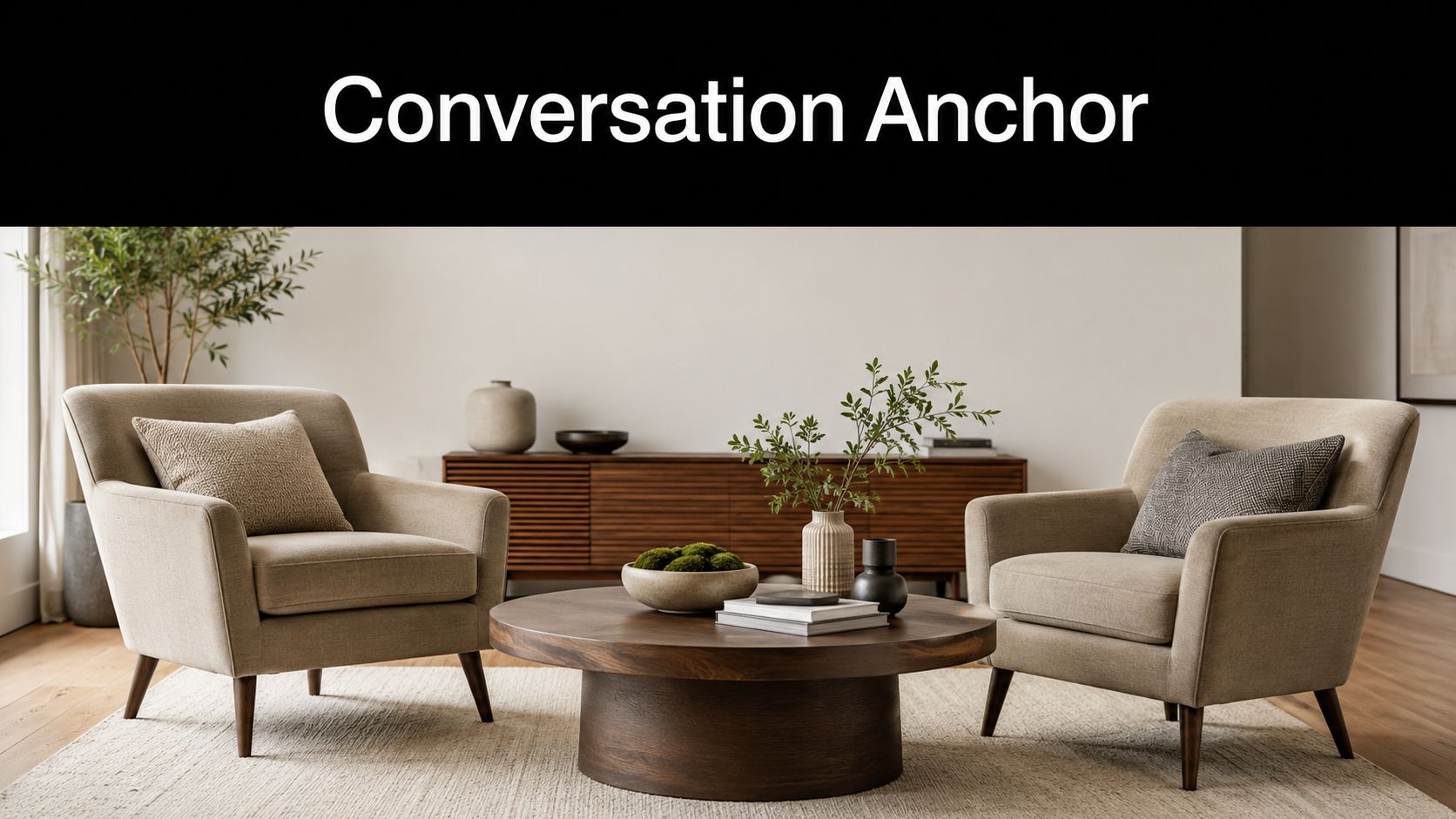
  • Conversation anchor. It gives each lounge pod a clear centre.
  • Service surface. It holds drinks, canapés, napkins, and small styling items.
  • Visual organiser. It stops a loose cluster of seating from looking random.
  • Traffic guide. It subtly tells guests where to sit and where not to walk.

Shape matters too. If you're comparing curved and elongated layouts, these examples of oval cocktail tables for event lounges are especially useful when you need softer movement through tighter spaces.

A room with no low central surfaces often feels under-planned. A room with the right ones feels settled within minutes of guests arriving.

How to Choose the Right Table Size and Quantity

How to Choose the Right Table Size and Quantity

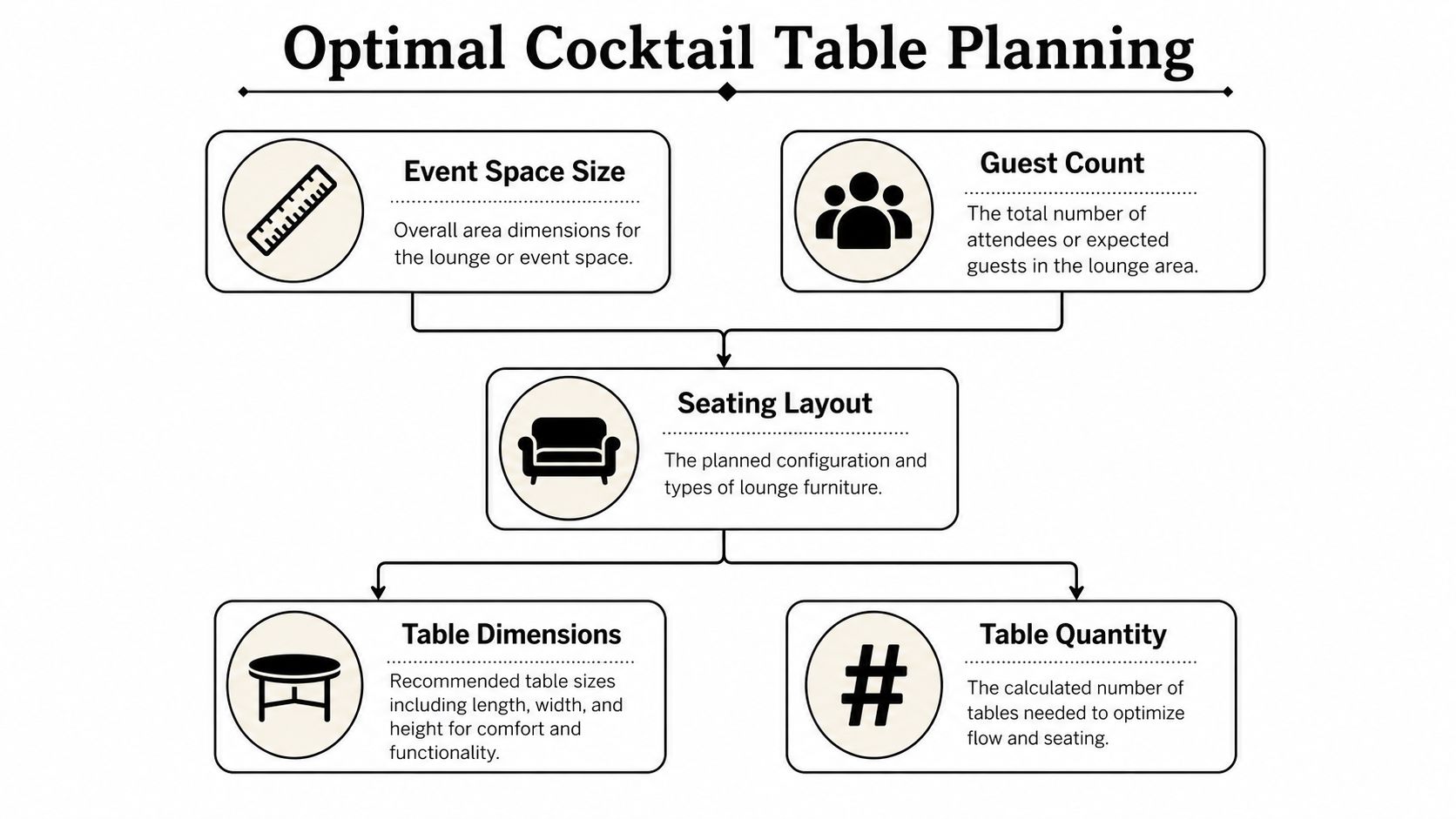
The fastest way to spoil a lounge layout is to choose a table by appearance alone. Scale comes first. A beautiful finish won't rescue a table that forces guests to stretch too far for a glass or squeeze their legs around the corners.

Start with sofa proportion

The most useful sizing benchmark is the sofa. Design guidance commonly recommends a cocktail table length of about two-thirds of the sofa length, with the table height matched to the seat cushions or slightly lower. In practice, many cocktail tables fall in the 16 to 21 inch height band, according to this coffee table sizing guide.

For event planners, that translates into a simple test. When guests sit down, the table should feel close enough for easy reach and low enough that it doesn't dominate the seating.

What usually works and what usually fails

Here's the practical version used on event floors:

  • Too long and the table starts to pinch the lounge, especially when guests cross their legs or place handbags nearby.
  • Too short and it looks decorative rather than useful.
  • Too high and the whole pod feels stiff.
  • Too low and guests lean awkwardly every time they set down a drink.

If you're hiring timber pieces, these examples of a round wood cocktail table show the sort of shape that can solve access issues in tighter or more organic seating plans.

The right size table disappears into the experience. Guests use it without thinking about it.

Work out quantity by lounge behaviour

Quantity depends less on a universal formula and more on how many true seated conversation areas you want. At a wedding, guests tend to rotate through lounge pods. At a launch or VIP event, the same groups often hold a spot for longer. That means you should plan for enough central surfaces in each intended seated cluster, not just enough furniture to fill the room.

A useful rule in practice is this: if a seating grouping reads as its own social pod, it usually needs its own cocktail table.

Guests in Lounge Area Recommended Lounge 'Pods' Minimum Cocktail Tables
Small lounge area 1 to 2 pods 1 to 2 tables
Medium lounge area 2 to 4 pods 2 to 4 tables
Large lounge area 4 or more pods Match at least one table to each main pod

Adjust for event type

Different events put different pressure on the surface:

  1. Wedding lounges need room for drinks, clutch bags, and occasional plated snacks.
  2. Corporate lounges often need space for notebooks, branded items, and coffee service.
  3. Private parties usually need forgiving layouts because guests move furniture more casually.
  4. Matric dances and formals benefit from cleaner, sturdier surfaces that can handle fast turnover and photo traffic.

If there's any doubt, add another table before adding another chair. An extra seat without a reachable surface often creates more frustration than value.

Matching Table Style to Your Event Theme

Matching Table Style to Your Event Theme

Style choices on low tables do more than fill visual space. They tell guests how formal, relaxed, contemporary, or playful the lounge is supposed to feel. Material, shape, finish, and even edge detail all influence that first impression.

Why modern event tables look the way they do

After 1945, cocktail-table and coffee-table designs became wider and larger to suit modern living spaces and practical entertaining. Sources describe a move toward simple, functional centre tables that could hold drinks, décor, and magazines while fitting around sofas, as outlined in this discussion of cocktail table and coffee table design changes.

That shift still shows up in event furniture hire. The tables that perform best are usually the ones that combine a clean silhouette with enough usable top surface.

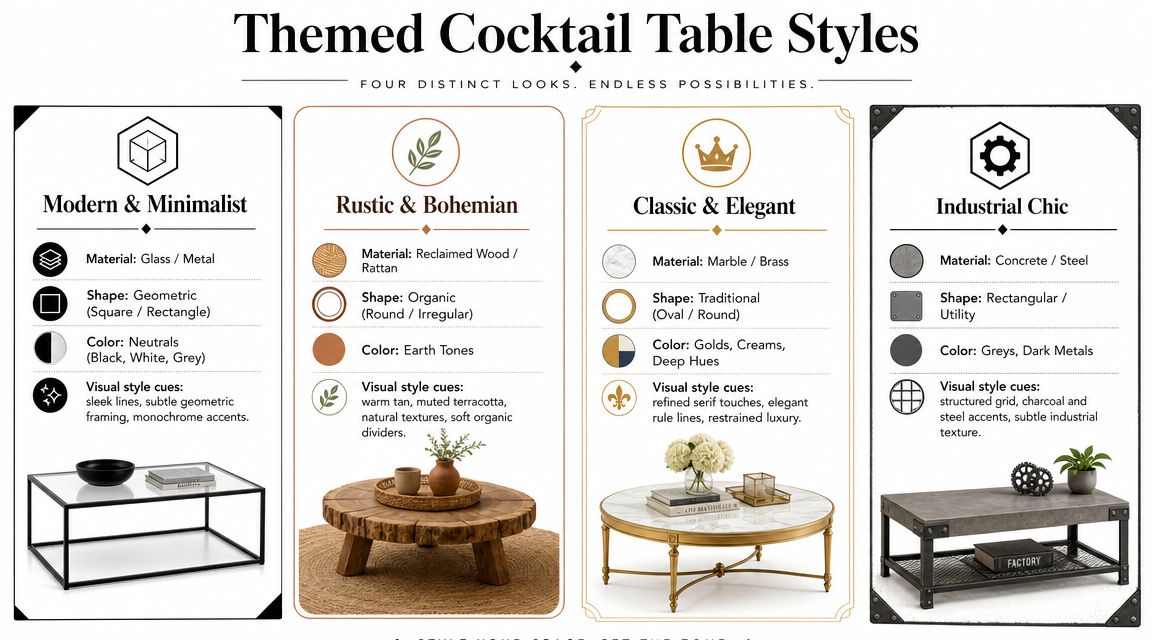
Four common event directions

Event feel Table choices that fit Where they work well Watch-outs
Modern and minimal Glass-look, acrylic, metal, black or white finishes Product launches, gallery events, city venues Smudges and scratches show quickly under lighting
Rustic and warm Wood tones, rounded edges, textured surfaces Winelands weddings, farm venues, garden marquees Wrong stain tone can clash with flooring or harvest tables
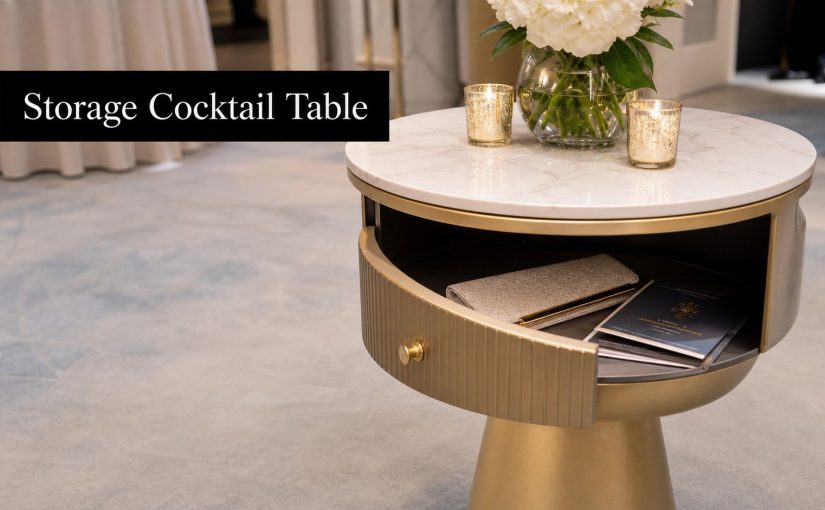
Classic and polished Gold accents, marble-look tops, oval shapes Formal dinners, engagement parties, hotel lounges Too many glossy finishes can look over-styled
Night-time statement LED tables, illuminated cubes, glowing accents Birthdays, matric after-parties, brand activations Needs restraint so the lounge doesn't compete with the dance floor

LED versus traditional finishes

LED cocktail tables work best when the event already has a contemporary lighting language. They suit parties, launches, and younger crowds, especially when the lounge forms part of the entertainment rather than a quiet retreat. They don't suit every wedding. In a heritage venue or vineyard setting, they can look disconnected unless the rest of the design also leans modern.

Traditional timber or metallic finishes are usually easier to blend across mixed-use events. They also photograph more softly during the daytime.

For hosts considering multi-use furniture at home or at hybrid events, these styling tips for lift coffee tables offer useful thinking around flexibility, especially when a surface may need to handle more than one task.

Match the shape to the mood

A square or rectangular table tends to feel structured. It suits cleaner layouts and formal lounge groupings. Round and oval tables feel easier and more social. They soften conversation zones and reduce visual clutter.

That's the trade-off. Sharp geometry brings order. Softer shapes improve movement and usually make a lounge feel more welcoming.

Professional Styling for Cocktail Tables

An empty cocktail table makes a lounge look unfinished. An over-styled one makes guests nervous to use it. The sweet spot is a table that looks considered but still leaves obvious room for drinks, plates, and personal items.

Build around function first

At events, function has to lead styling. A home décor approach often adds books, sculptures, candles, and layered objects that look good in a photograph but collapse once guests start interacting with the table.

Start with the practical questions. Will waiters pass canapés through the space? Will guests set down wine glasses, coffee cups, or dessert bowls? Is the lounge meant for quick pauses or longer conversations?

Use these as your base rules:

  • Keep the centre low so guests can see each other across the table.
  • Leave landing space on at least part of the tabletop for active use.
  • Contain loose décor in a tray so items don't drift across the surface.
  • Choose sturdy pieces that won't topple if someone brushes the table getting up.

A styled table should still look usable from two metres away. If it looks precious, guests avoid it.

Use layers without crowding the surface

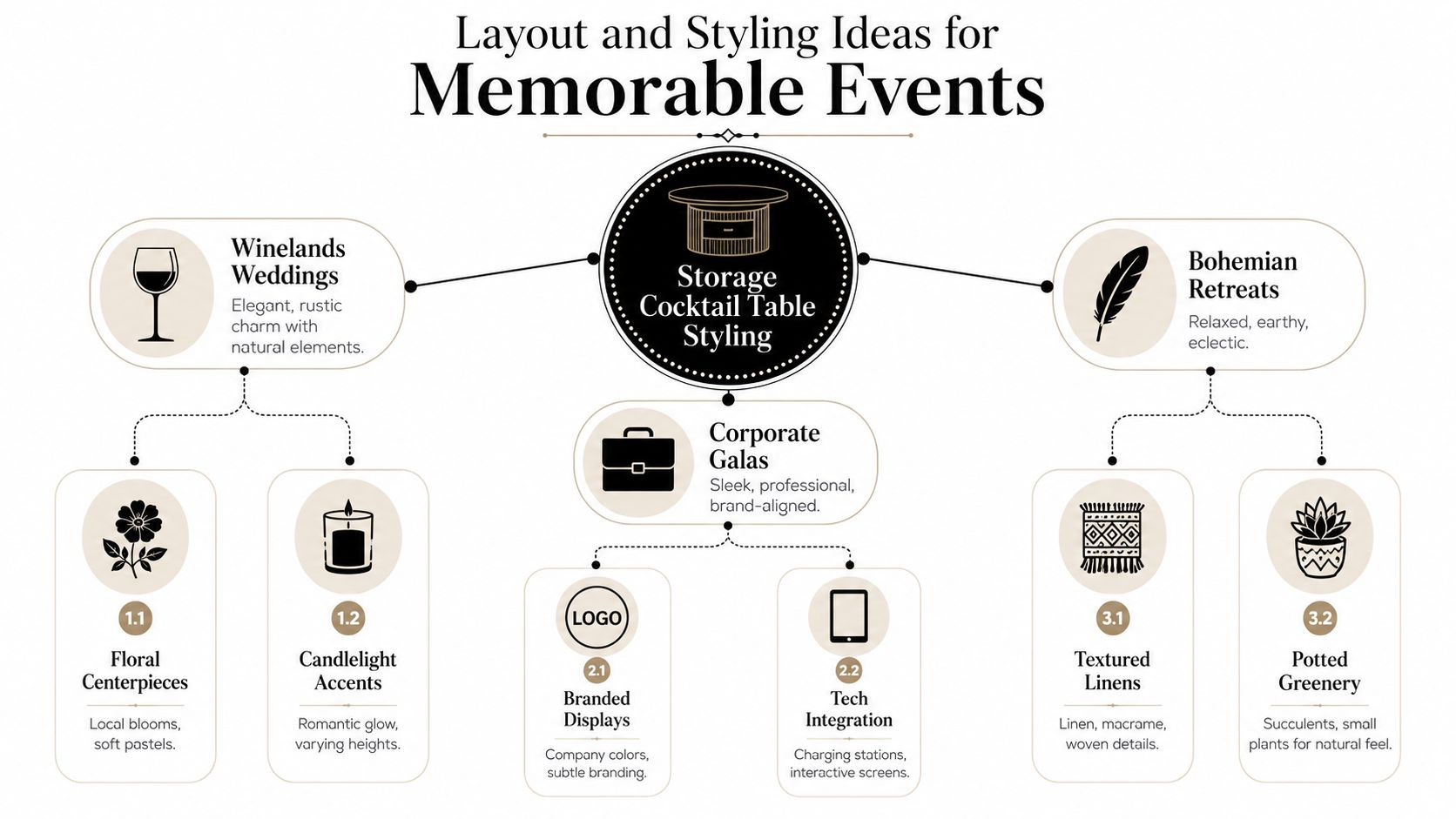
A reliable event styling formula is one structured base, one softer element, and one functional detail. For example, a tray, a small floral arrangement, and branded coasters. Or a runner, a candle cluster, and a small bowl for wrapped sweets.

That mix gives the table shape without turning it into a display stand.

Styling elements that tend to work well

  • Trays keep candles, votives, or small branded items contained.
  • Low florals add freshness without blocking conversation.
  • Coasters look thoughtful and protect the finish.
  • Small lamps or soft LED accents can help in dim evening lounges.
  • A single textural object such as beads, moss, or ceramic can stop the surface from feeling flat.

Items that often cause trouble

  • Tall centrepieces interrupt sightlines.
  • Loose petals or confetti migrate into drinks and handbags.
  • Overhanging fabrics catch glasses and sleeves.
  • Heavy scent candles can fight with plated food and wine service.

Adapt styling to the rental piece

Not every hire item arrives in the exact finish you'd choose for a permanent interior. Sometimes the answer is smart surface treatment rather than replacing the furniture type entirely. If you're planning a custom look for a photoshoot, activation, or one-off branded event, this guide to applying adhesive film to furniture is useful for understanding what temporary finish changes involve and where they make sense.

That said, most event lounges need fast, reliable styling. The simpler route is often the better one.

A good cocktail table styling scheme should survive guests leaning in, staff clearing glasses, and the room looking slightly different at the end of the night than it did at the start. If the table still looks intentional after real use, the styling has done its job.

Rental Logistics in Cape Town and The Winelands

Rental Logistics in Cape Town and The Winelands

A lounge can look perfect on a floor plan and still fail on install day. The usual reasons are simple. The truck cannot get close to the venue, the setup window is shorter than expected, or the tables chosen for the look are awkward for the site conditions.

That happens often in Cape Town and the Winelands.

City venues regularly work with strict loading times, shared service corridors, basement parking, and passenger lifts that are too small for bulky items. Out in Stellenbosch, Franschhoek, and Paarl, the challenge shifts. Gravel approaches, lawns, cellar courtyards, and longer push distances all affect what can be delivered quickly and placed safely.

That is why table choice is partly a logistics decision. A heavier feature piece may suit the concept, but it is not always the practical option for a venue with stairs, uneven ground, or a fast room reset between ceremony and reception. For many events, a lighter, stable cocktail table that crews can position quickly is the better call.

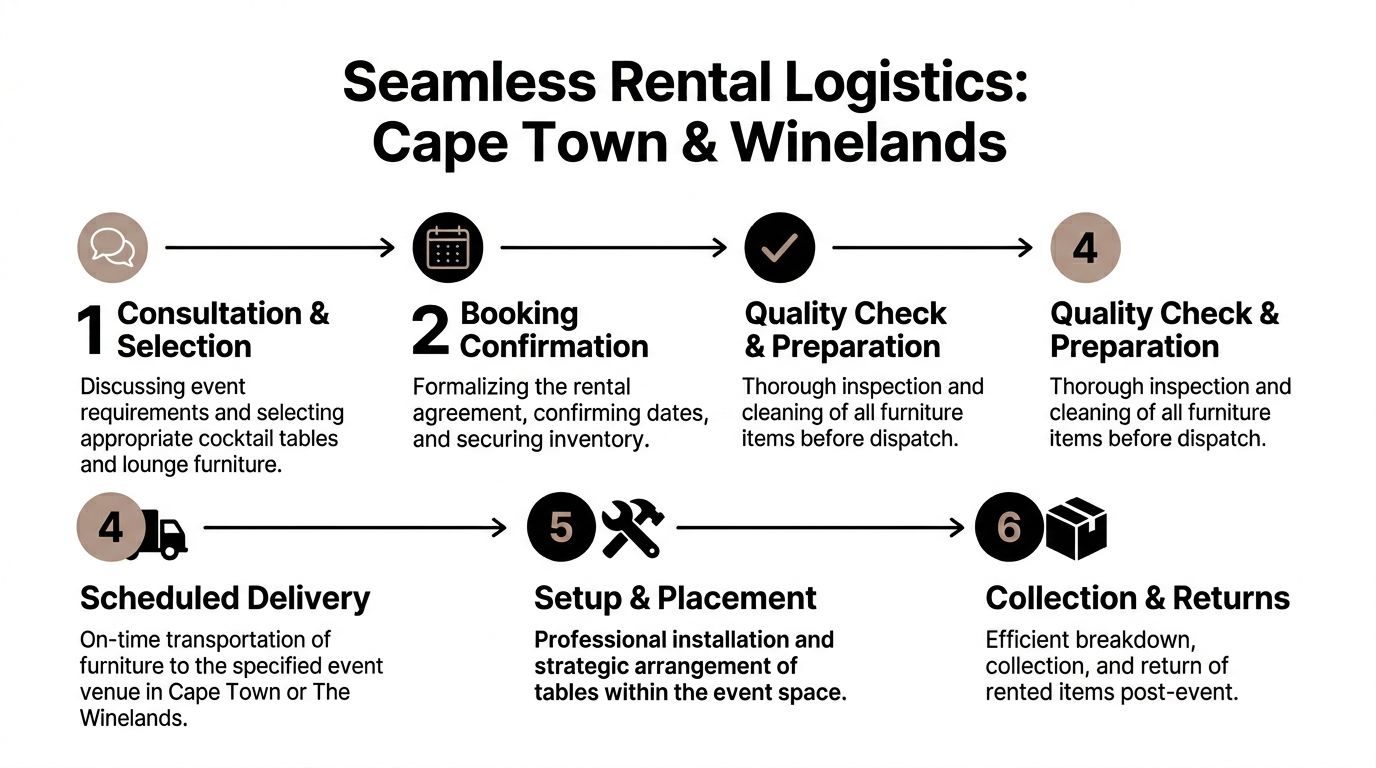
The rental process tends to run well when these steps are clear from the start:

  1. Consultation and item selection based on the guest count, service style, and venue access.
  2. Booking confirmation so stock is held for your date, especially in peak wedding and year-end periods.
  3. Pre-dispatch checks to confirm quantities, finishes, and condition.
  4. Timed delivery that matches the venue access window.
  5. On-site placement using the agreed layout, rather than leaving pieces stacked for later decisions.
  6. Post-event collection once the venue allows breakdown access.

ABC Hire supplies event furniture for Cape Town and surrounding Winelands areas, including Stellenbosch, Franschhoek, and Paarl.

One practical tip saves a lot of stress. Confirm delivery time and collection time at the same moment you sign off the furniture list. If those two points stay vague, the problems usually show up at venue level, not on the quote.

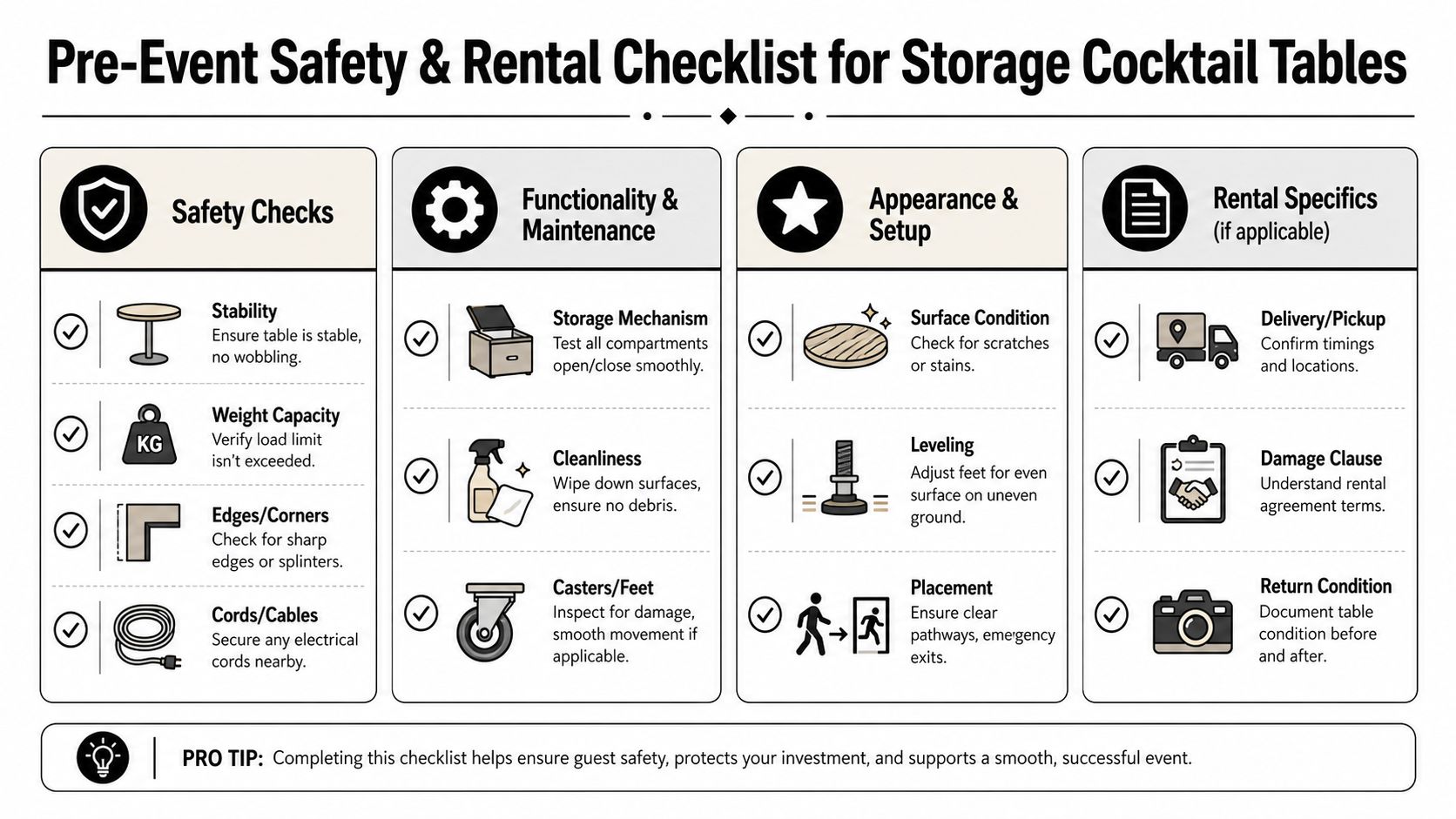
Before delivery day, settle these details with your rental partner and venue coordinator:

  • Access route. Loading bay, staircase, service lift, grass path, or cellar entrance.
  • Placement responsibility. Rental crew placement or later styling by your production team.
  • Ground surface. Decking, lawn, carpet, concrete, cobbles, or mixed surfaces.
  • Protection needs. Weather cover, indoor holding area, or delayed load-in if rain is expected.
  • Collection window. Immediate strike after the event or next-morning pickup.

For Cape Town planners, these checks are what keep an elegant lounge from turning into a rushed install. The cocktail table may be a small line item on the inventory, but getting it to the right spot, at the right time, in the right condition is what makes the whole lounge work.

Frequently Asked Questions for Event Planners

Some of the most useful questions come up late in planning, when the mood board is approved and the practical compromises begin.

The questions that matter on real event floors

Question Answer
What shape works best in a compact lounge area? Round and oval tables are often easier in tight spaces because they soften movement and reduce hard corners around busy walkways. Rectangular tables work well when the seating layout is linear and the room is narrow.
Can one cocktail table serve two sofas? Sometimes, but only if the seating reads as one shared pod. If guests on one side have to lean forward or twist to reach it, split the grouping and use two tables.
Should every lounge pod match exactly? No. Symmetry can look polished, but slight variation often feels more natural. Keep one common thread such as finish, height family, or shape language.
How much styling should stay on the table during service? Less than you think. Leave clear usable space. If catering is substantial, reduce décor further so guests don't start moving items onto the floor.
What matters most for hybrid entertaining and occasional work use? Surface stability, easy-clean finishes, and enough top area for a drink plus a laptop or plate matter more than decorative detail. Multi-use tables need to look good and handle changing tasks without fuss.
Are low tables worth it for short events? Yes, if you're creating any seated lounge at all. Even brief events feel more complete when seated guests have a central surface for drinks and personal items.

Final planning note

The best rental choice usually isn't the boldest table in the catalogue. It's the one that fits the seating, suits the venue, and still works once guests arrive. That's the standard worth planning for.


If you're planning an event lounge and want furniture that suits the venue, guest flow, and overall look, speak to ABC Hire about cocktail tables, lounge seating, delivery, setup, and collection across Cape Town and the Winelands.

Choosing Bar Table With Chairs For Your Event

Choosing the right bar table with chairs isn't just about giving people a place to sit; it's about choreographing the entire social vibe of your event. The furniture you pick is the silent director of your party, guiding everything from lively mingling to quiet, intimate chats.

The Strategic Role of Bar Tables in Event Design

Bar tables with chairs arranged for a stylish event

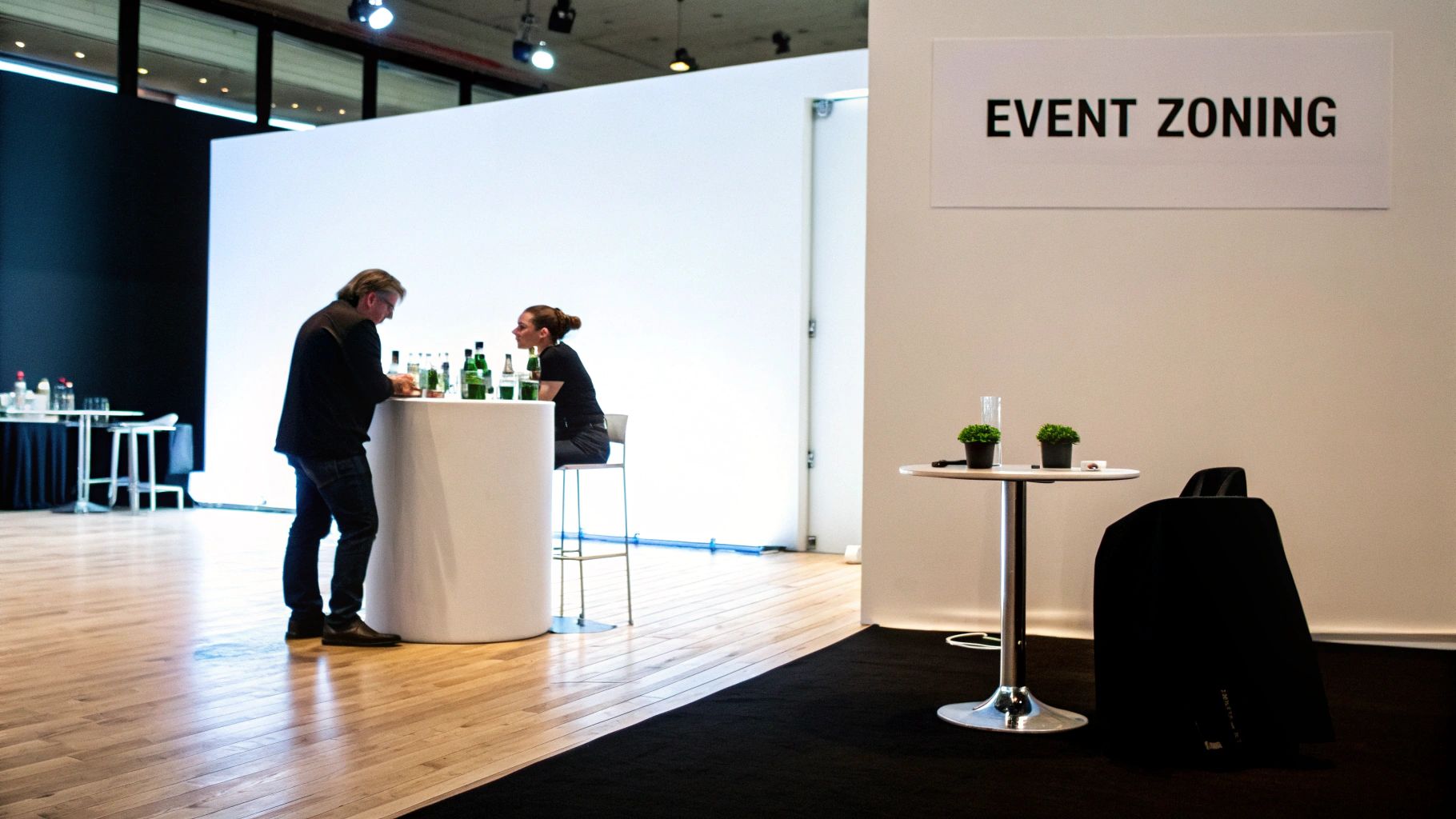
Imagine your venue is a blank canvas. A bar table and chair set isn't just a piece of furniture; it's your brushstroke for creating different zones, each with its own energy. We call this event zoning, and it’s the secret to smart space planning. It lets you subtly influence how your guests interact without having to say a single word.

The real magic lies in knowing when to use standing social hubs versus seated conversation nooks. Each one serves a completely different purpose, and getting the mix right is what creates a truly brilliant atmosphere.

Creating Social Hubs and Intimate Nooks

High cocktail tables, or "poseur tables" as they're often called, are natural centres of gravity for any event. Their height encourages guests to stand, move about, and chat with different people. This makes them absolute winners for:

  • Networking Events: They keep the energy flowing and stop people from getting stuck in one spot all night.
  • Welcome Receptions: Pop them near the entrance or bar to create an instant buzz as guests walk in.
  • High-Traffic Areas: They act as handy "perches" for someone to put down their drink while they have a quick chat.

On the other hand, a lower bar table with chairs or stools creates a much more relaxed, grounded feel. These setups are an open invitation for guests to settle in for longer, more meaningful conversations. They create cosy, intimate zones perfect for small groups who want to connect away from the main hustle. Think of that quiet corner at a wedding where family can properly catch up, or a dedicated lounge spot at a corporate do for deeper discussions.

By cleverly mixing both standing and seated options, you create a balanced space that works for every type of personality, making sure all your guests feel right at home.

The Influence of Materials and Lighting

The material of your bar tables and chairs is a huge part of telling your event's story. A rustic wooden table brings a wonderful warmth and charm to an outdoor wedding in the Cape Winelands. By contrast, a sleek metal or acrylic table gives a sharp, contemporary feel that's perfect for a product launch in the city.

Lighting then comes in to amplify that mood. Warm, ambient light will make the grain of a wooden table glow, creating a cosy, inviting atmosphere. But throw some dynamic coloured lighting on modern furniture, and you can transform a simple room into a vibrant, high-energy space. Understanding how these two elements work together is the key to a cohesive and unforgettable look.

To get more ideas on how furniture can define your event, check out our complete guide to selecting a bar table and chairs. When you think about these details, your furniture stops being just a prop and becomes a key player in crafting an amazing experience.

Exploring Bar Furniture Styles And Materials

When you start looking at bar furniture, you quickly realise it’s about more than just giving people a place to put their drinks. Every bar table with chairs tells a story and sets a tone. This isn't just a rental decision; it's a creative choice that will directly shape how your guests feel and interact.

The first big decision comes down to one simple question: do you want your guests standing and mingling, or sitting and settling in? It’s like choosing between creating a vibrant, bustling town square or a quiet, cosy café. Both are fantastic, but they encourage completely different social dynamics.

Standing Cocktail Tables For Dynamic Mingling

Often called poseur tables, these taller, slimmer tables are the secret ingredient for a high-energy, social event. They’re designed for guests to gather around while standing, creating fluid and informal social hubs. Their height naturally keeps people on their feet, making it easy to drift in and out of conversations without the commitment of finding a seat.

This makes them a brilliant choice for:

  • Networking Functions: They keep the energy up and stop guests from getting stuck in one spot, encouraging them to circulate and make new connections.
  • Pre-Event Receptions: Dotted around the space, they’re the perfect landing spots for drinks and canapés while guests arrive and get chatting.
  • Crowded Venues: Their small footprint is a lifesaver in tight spaces, letting you host more people without the room feeling cramped.

Think of them as the social butterflies of event furniture—they create little pockets of activity and keep the atmosphere buzzing.

Seated Bar Tables For Comfortable Connections

On the other hand, a classic bar table with chairs or stools sends a very different message: "Settle in, get comfortable." By adding seating, you’re creating dedicated zones for rest and deeper conversation. These setups are perfect for guests who want to have a proper chat, enjoy a more substantial bite to eat, or simply take a break.

Seated arrangements are fantastic for carving out relaxed lounge areas away from the main action. They offer a welcome retreat for anyone needing a rest from standing and are ideal for creating more intimate nooks within a larger event.

The real magic often happens when you use a mix of both. Use standing tables to build energy in high-traffic spots, and place seated tables in other areas to offer pockets of comfort and quiet conversation.

The Impact Of Different Materials

Once you've nailed the function, it's time to think about the feel. The material of your bar table and chairs is your best tool for setting the theme. Each one brings its own personality to the table, and can completely change the mood of your event.

Warm and Rustic Wood
You can't go wrong with wood. It's a timeless choice that brings a sense of warmth, authenticity, and natural charm. A beautiful wooden bar table can look right at home at a rustic farm wedding or add an earthy, organic touch to a slick corporate dinner. It’s this versatility that makes it so popular.

In fact, wood is a cornerstone of the South African furniture industry, accounting for around 70% of all materials used. There's a growing love for sustainable, locally sourced options like premium pine and indigenous hardwoods, which has cemented wood’s place as a go-to for creating inviting event spaces. You can read more about the South African furniture market on Fortune Business Insights.

Sleek and Modern Metal
For a sharper, more contemporary vibe, metal is the way to go. Tables made from materials like aluminium or steel have an industrial-chic feel that's perfect for product launches, modern art shows, or cool urban parties. Pair them with the right lighting, and you can create a seriously dramatic and sophisticated look. If you're curious about this style, have a look at our guide on the benefits of hiring metal cocktail tables.

Innovative Illuminated LED Furniture
If you really want to make an impression, especially after dark, illuminated LED tables are showstoppers. These aren't just tables; they're dynamic pieces of decor. They can glow in a single colour to match your theme or cycle through a whole spectrum of hues, instantly transforming the atmosphere. LED furniture is perfect for creating a futuristic lounge, lining a vibrant dance floor, or just adding that unforgettable "wow" factor as the sun goes down.

Mastering Dimensions For Flawless Space Planning

You’ve picked the perfect style for your bar furniture. Awesome. But now comes the part that truly separates a good event from a great one: getting the dimensions right. Planning the size and layout of your bar table with chairs isn’t just about making sure everything fits; it’s about creating a vibe, a flow, and an experience your guests will remember.

This is where the magic really happens. A thoughtful layout prevents those awkward human traffic jams, lets your service staff glide through the crowd, and makes every single guest feel like they have their own comfortable spot in the room.

Getting The Height Right

First things first, let's talk height. Bar tables generally come in two standard heights, and matching them with the right stool is non-negotiable for comfort. We’ve all been there—perched on a stool that’s too low or awkwardly high for the table. Let’s make sure that doesn’t happen at your event.

  • Counter-Height Tables: These are typically 90-95 cm high. You’ll want to pair these with counter stools that have a seat height around 60-70 cm.
  • Bar-Height Tables: Often called poseur tables, these stand taller at 105-110 cm. For these, you'll need proper bar stools with a seat height of 75-80 cm.

Getting this pairing spot-on means your guests can lean in, chat comfortably, and have enough legroom, whether they’re sipping a cocktail or having a more involved conversation.

Calculating Your Guest Capacity

Next up: how many people can you fit around each table? This really comes down to whether your guests will be perching or sitting. A standing-height cocktail table is fantastic for quick, flowing chats and can host more people. A seated table, on the other hand, creates a more intimate but fixed-capacity zone.

A standard round cocktail table with a 60-80 cm diameter is perfect for 3-4 guests to stand around. But if you add chairs to that same table, you’re realistically looking at seating for 2, maybe 3 guests at a push. For rectangular tables, a solid rule of thumb is to allow about 60 cm of table edge per person.

Here’s a pro tip we’ve learned over the years: don't order a chair for every guest at a cocktail-style event. You generally only need seating for about 30-40% of your attendees at any given time. This actually encourages people to move around and mingle, keeping the energy alive.

Designing Your Layout With Circulation Pathways

Okay, let's place these tables in your venue. I like to think of a layout as a collection of islands (your furniture clusters) and rivers (the pathways for people to move). Your job is to create wide, clear “rivers” so that everyone can flow through the space without a hitch. These are your circulation pathways.

These pathways are absolutely crucial, especially around hotspots like the bar, the entrance, or the restrooms. A poorly planned layout creates bottlenecks that kill the mood and make a venue feel cramped, no matter its actual size.

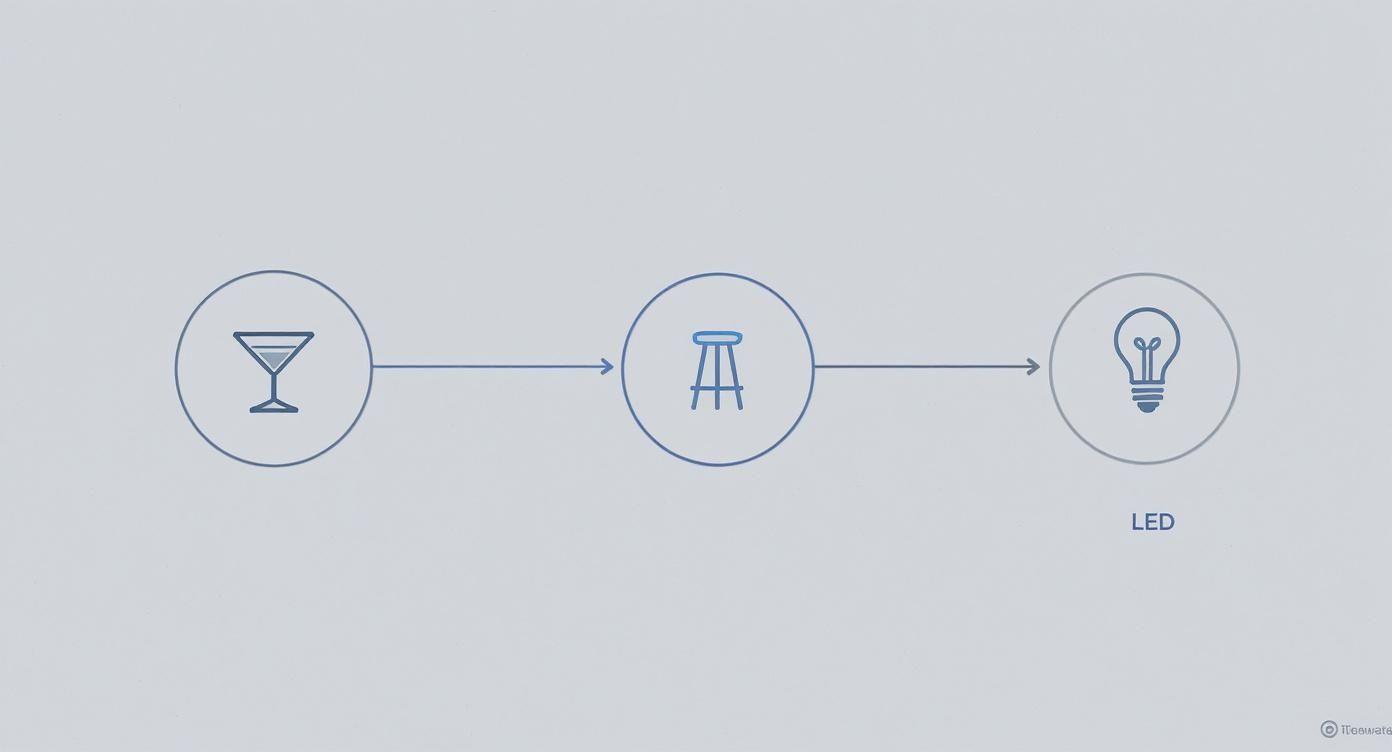
To get a feel for how different furniture styles can create different zones, check out this simple visual guide.

Infographic about bar table with chairs

It maps out the flow from high-energy standing tables to more relaxed seating areas and finally to high-impact LED furniture, helping you design distinct zones for your event.

To help you nail the spacing, here’s a quick reference chart we use all the time.

Quick Guide To Bar Table Dimensions And Spacing

Use this reference chart to select the right table sizes and ensure you allocate enough room for comfortable guest circulation.

Table Type Typical Height Typical Diameter/Width Guests (Standing) Guests (Seated) Recommended Space Per Table
Round Cocktail 105-110 cm 60-80 cm 3-4 2-3 2.5m x 2.5m
Square Cocktail 105-110 cm 60×60 cm 3-4 2 2.5m x 2.5m
Rectangular Bar 105-110 cm 180×60 cm 6-8 4-6 3.5m x 2.5m
LED Cube 40-50 cm 40×40 cm / 50×50 cm N/A 1 1.5m x 1.5m
LED Cocktail 110 cm 60 cm 3-4 2 2.5m x 2.5m

A few key measurements will save you a lot of headaches on the day:

  • Main Walkways: For those main arteries with heavy foot traffic, aim for a width of at least 1 to 1.5 metres.
  • Between Seated Tables: Leave a minimum of 1.2 metres between chairs that are back-to-back. This gives people enough space to pull their chairs out without bumping into anyone.
  • Around Individual Tables: Make sure there's at least 75 cm of clear space around each table so people can get in and out easily.

By taking a bit of extra time to plan your dimensions and pathways, you’re doing more than just filling a room—you’re designing an environment. It’s this attention to detail that ensures every bar table with chairs you hire helps create a flawless, fun, and memorable experience for all.

Matching Your Furniture To The Event And Venue

Choosing the right bar table with chairs is a lot like casting the perfect actor for a role. The furniture has to do more than just look the part; it needs to feel right for the scene and the setting. This is where we go beyond just picking individual pieces and start thinking about the complete picture, making sure every table and chair works in harmony with your event's theme, venue, and lighting.

That synergy is what transforms a space into an experience. A sleek, minimalist table that looks incredible at a tech product launch would feel completely jarring at a rustic garden wedding. The goal is to make your furniture choices feel intentional and seamless, as if they were designed specifically for that moment and that space.

Aligning Furniture With Your Event Theme

Think of your event theme as the script. Your furniture choices are the props that bring that script to life, reinforcing the story you want to tell your guests. Every style of bar furniture carries its own vibe and sets a certain expectation.

Let’s run through a few scenarios:

  • For a Corporate Product Launch: The theme is usually innovation, professionalism, and modern design. This calls for clean lines and sophisticated materials. Think minimalist metal tables, sleek acrylic poseur tables, or even our illuminated LED furniture that can be set to your brand's colours. The furniture needs to send a sharp, forward-thinking message.

  • For a Romantic Wedding: Here, you're aiming for warmth, intimacy, and celebration. Rustic wooden bar tables with chairs are a perfect fit, especially for a venue in the Cape Winelands. They add a natural, charming character that feels both elegant and relaxed. Paired with soft linens and floral centrepieces, they help create that enchanting atmosphere.

  • For a Milestone Birthday Party: The vibe is all about fun, celebration, and social energy. This is your chance to be more playful! Brightly coloured metal stools, quirky table designs, or a mix of high and low tables can create a dynamic space that gets guests mingling and having a great time.

Your furniture is a powerful visual cue. It's one of the first things guests notice, and it instantly sets their expectations for the experience ahead. Make sure it’s telling the right story.

Complementing The Venue's Unique Character

Your venue isn't just a backdrop; it has its own distinct personality. The best furniture choices don't fight against this character—they enhance it. Whether you're in a historic building or a modern blank-canvas space, your bar tables and chairs should feel like a natural extension of the environment.

A raw, industrial warehouse with exposed brick and ductwork, for example, is the perfect stage for sturdy metal or reclaimed wood furniture. These materials echo the venue's edgy aesthetic. On the flip side, in an elegant ballroom with chandeliers and ornate details, you’d want to choose more refined pieces—perhaps tables draped in luxurious fabrics or classic designs that complement the sophisticated surroundings. And for an outdoor marquee, weather-resistant materials are key, but you can still match the style to the event, from a relaxed beachy look to a formal garden party.

The Powerful Relationship Between Furniture And Lighting

Lighting is the final, crucial layer that pulls everything together. It has the power to completely transform the mood and highlight the best features of your chosen furniture. The interplay between light and material can create some truly magical effects.

Warm, ambient lighting, for instance, can make the grain of a wooden bar table with chairs practically glow, enriching its texture and creating a cosy, inviting feel. It’s perfect for crafting an intimate dinner setting or a relaxed lounge atmosphere.

On the other hand, dynamic, coloured lighting can turn simple acrylic or metal furniture into a stunning focal point. Imagine how vibrant uplighting can make a set of white poseur tables pop, or how a slow colour-fade effect on our LED furniture can bring a high-energy party zone to life. Always think about your lighting plan when selecting your furniture to ensure they work together to build the exact atmosphere you envision for your guests.

Styling Your Bar Tables For Maximum Impact

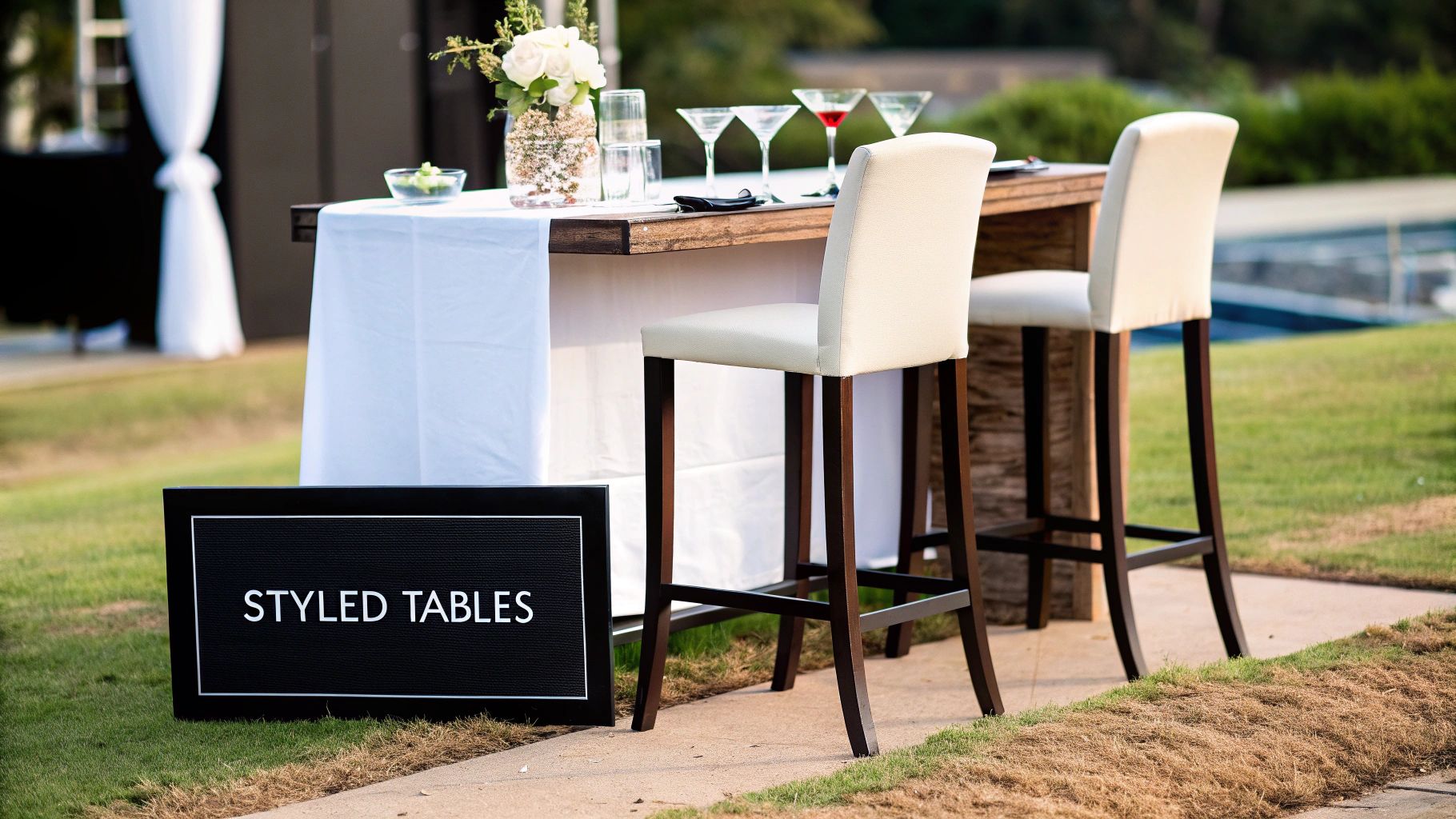
A beautifully styled bar table with chairs set up for an elegant outdoor event.

Once you’ve nailed down the practical side of your layout, the fun really starts. Styling your bar table with chairs is where you transform them from just places to sit into genuine design features that bring your event's theme to life. This is your chance to inject personality, sophistication, and visual flair that your guests will definitely notice.

Think of each table as a mini stage. It’s an opportunity to echo your colour scheme, subtly showcase your brand, or just create a beautiful, welcoming spot. Even the smallest, most thoughtful details can completely change the atmosphere, turning a functional area into a properly styled and memorable experience.

Choosing Centrepieces And Linens

The most obvious way to dress up a bar table is with a centrepiece. But with taller poseur tables, there’s one golden rule: keep it low. The whole point is to add a touch of style without getting in the way of a good chat. You don’t want your guests playing peek-a-boo around a massive floral display just to see who they’re talking to.

Here are a few practical but chic ideas:

  • Low Floral Arrangements: A few elegant stems in small bud vases or some low, compact posies add a pop of colour and life without blocking anyone’s view.
  • Candle Clusters: For evening events, a group of small candles or LED votives creates an instantly warm and intimate glow.
  • Minimalist Objects: Sometimes less is more. A simple, sculptural piece or a tastefully designed table number can add a clean, modern touch.

Linens are another game-changer. While many modern bar tables look fantastic on their own, a high-quality linen or a stylish runner can instantly connect the furniture to your event's colour palette. A crisp white linen gives off a classic, formal vibe, whereas a textured or coloured fabric can add real depth and character.

Creating Branded And Themed Vignettes

For corporate functions, styling is a fantastic chance for some clever, low-key branding. Forget about huge, in-your-face banners. Instead, you can weave your brand into the décor in a much more natural and sophisticated way. Think custom-printed coasters with your logo, small floral arrangements in your brand colours, or even branded napkins.

Beyond just decorating individual tables, try grouping them to create ‘vignettes’. This is all about arranging a small cluster of furniture and décor to create a distinct, picture-perfect zone within your event.

A vignette isn't just a random group of tables; it's a curated scene. Picture a cosy corner with two upholstered bar stools, a small wooden table, a soft rug, and a floor lamp. It creates an inviting 'moment' that stands apart from the main event space.

These curated zones work wonders. They break up a large room, give guests some fantastic photo opportunities, and make the whole venue feel more thoughtfully put together. You could set up a sleek, modern vignette with metal tables and minimalist décor in one area, and a more relaxed, rustic one with wooden furniture in another. It guides your guests through different moods as they move through the space, and that attention to detail is what makes an event truly stand out.

Making The Rental Process A Breeze

Hiring the perfect bar table with chairs for your event is about more than just picking a great-looking style. Getting a handle on the logistics is what turns a good plan into a seamless, stress-free reality. This is your inside guide to the whole journey, from that first quote right through to the final handshake when we come to collect everything.

Think of renting furniture as bringing a specialist partner onto your event team. When communication is clear and you know what to expect from the get-go, everyone is on the same page, working towards a flawless event. Let’s walk through the essential steps so you can feel completely confident and prepared.

From Quote To Confirmation

It all starts when you ask for a quote. To get the most accurate pricing, be ready with the key details: your event date, the venue’s address, exactly which items you have your eye on, and how many you’ll need. Don't hesitate to ask what the quote covers and what might be an extra cost.

Once you’re happy with the numbers and ready to move forward, we get to the confirmation stage. This is where you’ll check and sign the rental agreement. Honestly, this document is your best friend—it’s the roadmap for the entire hire.

Your rental agreement is there to protect both you and the hire company. It lays out all the responsibilities, clarifies costs, and sets clear expectations so there are no surprises later on.

Getting To Grips With The Rental Agreement

Taking a moment to read the fine print is always a smart move. A professional rental agreement will clearly detail a few key policies you need to know before you sign on the dotted line. Keep an eye out for:

  • Payment Schedule: This simply explains when your deposit is due and when the final balance needs to be settled.
  • Cancellation Policy: Life happens! It's important to know the deadlines for making changes or cancelling your order without facing a fee.
  • Damage Waiver: This is a big one. It's usually a small, optional fee that covers accidental damage to the furniture during your event. It protects you from potentially hefty replacement costs and offers serious peace of mind.

Understanding what's expected of you as the client is just as crucial. For a deeper look into the ins and outs of hiring event furniture, check out our complete guide on renting furniture for events.

The Logistics: Delivery, Setup, And Collection

This is where a professional hire company really proves its worth. Your agreement will lock in all the delivery and collection details. We’ll typically give you a delivery window and sort out access to the venue with you or your planner.

It’s always a good idea to ask if setup and placement are included. Some companies will just drop the items at a designated spot, but a full-service team like ABC Hire will help place the furniture exactly where you want it according to your floor plan. Trust us, this is a massive time-saver on a hectic event day.

Once the party’s over, the collection process works much like the delivery. Just make sure the bar table with chairs are clean, clear of any leftover decor, and gathered in the agreed-upon spot for a quick and easy pickup.

What Really Influences The Price?

A few different things play into the final cost of your furniture rental. Knowing what they are can help you manage your budget like a pro.

  1. Rental Duration: The standard hire is usually for a single event or a 24-hour period. If you need the items for longer, that’s totally possible, but the price will be adjusted.
  2. Quantity and Style: This one’s pretty straightforward—the number of items you hire and their design will affect the cost. A more elaborate, high-end bar table will naturally cost more than a simple, standard one.
  3. Delivery Location: The distance from our warehouse to your venue helps determine the delivery fee. Venues a bit further out, say in Stellenbosch or Franschhoek, might have different rates.
  4. Seasonal Demand: Just like with venues, there are peak seasons for furniture rental. Busy times of the year can affect both pricing and how far in advance you need to book.

Your Bar Table Rental Questions, Answered

Planning an event involves a lot of moving parts, and when it comes to furniture, a few questions always pop up. Let's walk through the common queries we get about hiring a bar table with chairs. Getting these details sorted will make your planning process a whole lot smoother.

How Many Bar Tables Do I Need For My Event?

This is the big one! For a cocktail-style event where you want guests to mix and mingle, a great rule of thumb is to have enough perching spots for 30-40% of your guests at any one time. You don't need a seat for everyone; the goal is to encourage flow and conversation.

So, for a party with 100 guests, you'd be looking at around 10-12 cocktail tables. If you're aiming for a more seated vibe, simply count one bar stool for each guest you want to accommodate and then choose tables that fit 2-4 chairs each. Just remember to check this against your venue's floor plan to make sure there's still plenty of room for people to move around comfortably.

What Is A Damage Waiver And Do I Really Need It?

A damage waiver is basically a bit of event insurance for your hired furniture. It's an optional fee, usually a small percentage of your total rental, that covers you for accidental damage—think a spilled glass of red wine or a chipped table leg. Without it, you could be on the hook for the full replacement cost if something gets broken.

Think of it as peace of mind. It protects your budget from those unexpected "oops" moments that can happen at even the best events.

We always recommend considering it. Just ask your rental company what their waiver covers specifically, so you know exactly what you're signing up for.

Can I Use Indoor Bar Tables For An Outdoor Event?

That really depends on the table itself and what the weather's up to. Many of our stunning wooden or upholstered tables are strictly for indoor use because direct sun or a sudden downpour can cause serious damage.

The most important thing is to let your rental company know your event is outdoors. That way, they can point you towards the right gear—weather-resistant options made from materials like treated wood, aluminium, or tough plastics. This ensures the bar table with chairs you hire will look fantastic from the first guest's arrival to the very last dance.


Ready to create a stunning and functional space for your next gathering? ABC Hire offers a wide range of stylish and high-quality bar tables and chairs perfect for any occasion in Cape Town. Explore our collection and get a quote today at https://abchire.co.za.