Your Guide to Pallet Wood Furniture

Ever wondered what happens to those simple wooden platforms used for shipping goods? Well, they’re getting a second chance at life, and a very stylish one at that. Pallet wood furniture is all about taking these discarded shipping pallets and upcycling them into beautiful, functional pieces for your home and events.

It’s a brilliant move towards decor that’s sustainable, affordable, and totally personalised. We’re talking about turning what was once industrial waste into unique, conversation-starting items.

The Rise of Pallet Wood Furniture

A stylish outdoor lounge area furnished with comfortable pallet wood sofas and a matching coffee table.

What used to be seen as nothing more than shipping material has found a celebrated new beginning in homes all across South Africa. The buzz around pallet wood furniture isn’t just some passing trend; it’s a full-blown movement. It’s driven by a love for rustic charm, a need for practical solutions, and a growing desire to be more environmentally conscious.

When you transform a humble pallet into a coffee table, a garden planter, or even a chic bed frame, you’re doing more than just decorating. You’re making a statement. It’s about choosing resourcefulness over mass production and celebrating your own unique style. This approach lets you create spaces that are truly you, without the hefty price tag that usually comes with custom furniture.

More Than Just a Style Choice

The magic of pallet wood furniture goes way beyond its rugged good looks. It taps into a bigger shift towards smarter consumerism, where the story behind an item is just as important as how it looks. Every piece of reclaimed pallet wood has a history—unique grains, little nicks, and markings that add character a factory-made piece could never replicate.

Embracing pallet wood furniture isn’t just about saving a few rands. It’s about taking part in the circular economy, cutting down on landfill waste and giving a new purpose to materials that would otherwise be thrown away.

At the end of the day, choosing or creating pallet wood furniture lines up with some of today’s most important values:

  • Sustainability: It gives a second life to industrial leftovers, keeping them out of our landfills.
  • Affordability: The raw material costs next to nothing, making it an accessible way to get beautiful, sturdy furniture.
  • Creative Expression: The DIY possibilities are endless, giving you complete freedom to customise your decor and let your personality shine.

Why Sustainable Decor Is Booming in South Africa

The appeal of pallet wood furniture runs much deeper than just its rustic good looks. It taps directly into a powerful and growing movement towards greener living right here in South Africa. We’re all becoming more conscious consumers, looking for home goods that do more than just fill a space – they need to reflect our commitment to the environment and to genuine, honest craftsmanship. This isn’t just about styling a home; it’s about making a real difference.

Choosing sustainable decor like pallet wood furniture is a brilliant, hands-on way to get involved in the circular economy. Instead of adding to our already strained landfills, this simple choice gives industrial materials a second, much more beautiful life. It’s a smart act of resourcefulness that cuts down on waste, reduces the demand for new raw materials, and ultimately supports a healthier cycle of consumption. This is the mindset that’s really starting to shake up the local decor scene.

A Conscious Consumer Choice

This shift is also being driven by a desire for authenticity and a passion for supporting local talent. Upcycled furniture is the territory of small-scale artisans and creative entrepreneurs who work magic, turning reclaimed materials into one-of-a-kind, handcrafted pieces. When you choose pallet furniture, you’re not just decorating your home; you’re investing in your local community and helping a culture of creativity thrive.

The growing taste for eco-friendly materials is making some serious economic waves, too. South Africa’s furniture market is valued at roughly $2.47 billion USD and is set to grow steadily, thanks in large part to urbanisation and this exact demand for sustainable options. It just goes to show that pallet wood furniture is a key player in a much larger, economically important move towards greener living. You can discover more insights about the South African furniture market and its future growth.

Choosing pallet furniture is a statement. It says you value sustainability, appreciate the story behind your decor, and believe in the power of creative reuse to build a better future.

At the end of the day, this boom in sustainable decor is about so much more than just furniture. It represents a collective step towards a more mindful and responsible way of living, where style and substance go hand in hand. Every piece of pallet wood furniture in a home is a small but meaningful victory for a greener planet.

How to Source and Prepare Pallet Wood Safely

Turning a rough industrial pallet into a piece of gorgeous furniture is a rewarding process, but it all starts with picking the right wood and prepping it properly. You see, not all pallets are created equal, and your safety has to come first. The real secret is learning to read the markings stamped onto the wood—these little codes tell you the pallet’s life story.

Think of the stamps as a passport for the wood. The one visa you’re looking for is the “HT” stamp. This little mark means the pallet was heat-treated to get rid of any pests, making it perfectly safe to bring into your home or use at your event. It’s the green light you need to get your creative project started.

On the flip side, if you spot a pallet marked with “MB”, walk away. This means it was treated with Methyl Bromide, a nasty, toxic fumigant you definitely don’t want anywhere near your furniture. It’s also smart to steer clear of pallets with big, mystery stains, spills, or weird smells. They could have been used to haul hazardous chemicals, and it’s just not worth the risk.

Before you start building, you need to know what you’re working with. Use this quick reference guide to check the pallet stamps and see if the wood is safe for your next masterpiece.

Pallet Markings You Need to Know

Pallet Stamp What It Means Is It Safe for Furniture?
HT Heat-Treated: Wood was heated to a minimum of 56°C for 30 minutes. Yes. This is the safest option, as no chemicals were used.
MB Methyl Bromide: Fumigated with a highly toxic pesticide. No. Avoid this wood at all costs. It’s not safe for handling.
DB Debarked: The outer layer of bark was removed. Yes. This doesn’t affect safety and just describes the wood’s state.
KD Kiln-Dried: Dried in a kiln to reduce moisture content. Yes. Often paired with HT, this is a great, stable wood to work with.
No Stamp Unmarked or unclear markings. Use with caution. If you can’t identify its origin, it’s best to leave it.

Always look for that HT stamp! It’s your best guarantee that you’re starting with safe, clean materials for your furniture.

Finding and Dismantling Your Pallets

You’d be surprised how easy it is to find good, safe pallets. Many local hardware stores, garden centres, and even grocery shops are often more than happy to give away their unwanted heat-treated pallets. Just have a friendly chat with the store manager—you might just walk away with a treasure trove of free materials.

Once you’ve got your HT-stamped pallet, the next challenge is taking it apart without splitting the very planks you want to use. You’ll need a pry bar, a hammer, and a bit of elbow grease. Work slowly, easing the boards away from the support blocks to keep as much of that lovely wood intact as possible.

The Final Preparation Steps

With your pallet now in pieces, it’s time to transform those rough planks into a smooth, clean canvas ready for whatever you have planned.

  1. Clean and Sanitise: First things first, give every board a good scrub with a stiff brush, warm water, and a bit of mild detergent. For a deeper clean, a mix of water and vinegar works wonders to sanitise the wood. Let everything dry completely in the sun.
  2. Remove Nails: Go over each piece carefully and pull out any leftover nails or staples. This is a crucial safety step before you even think about sanding.
  3. Sand to a Smooth Finish: This is where the magic happens. Sanding is what gives your project that polished, professional look. Start with a coarse sandpaper (around 80-grit) to knock down the splinters and rough spots. Then, move to a medium-grit (120-grit) and finish with a fine-grit (220-grit) for a surface that’s silky smooth to the touch.

For more inspiration on finishing touches, you can get great ideas on styling wooden tables and chairs in our detailed guide.

After these steps, your reclaimed wood is officially prepped and ready for assembly, staining, or painting. Now the real fun begins

Creative Pallet Furniture Ideas for Your Space

The real magic of pallet wood furniture is just how much you can do with it. Once you’ve got your hands on some wood and cleaned it up, a whole world of creativity opens up. You can craft one-of-a-kind pieces for any corner of your home or event space, and the journey from a rough shipping plank to a stylish feature is simpler than you’d imagine.

A simple weekend project is the perfect way to get started. Picture a rustic coffee table bringing a bit of warmth to your living room, or some chic wall shelves offering a clean, minimalist storage spot. For your outdoor area, a vertical garden planter made from just one pallet can breathe life into a small balcony or patio, creating an amazing green feature wall with very little fuss.

From Simple Builds to Ambitious Designs

As you get more comfortable working with the wood, the scale of your projects can grow too. Pallet wood is more than strong enough for bigger, more ambitious creations that really make a statement.

  • Outdoor Lounge Sets: Why not build your own sofas and benches? You’ll have a durable, comfy, and seriously budget-friendly patio setup, perfect for those long South African summers.
  • Sturdy Bed Frames: You could create a stunning bohemian or industrial-style bed frame, complete with handy built-in storage nooks underneath.
  • Functional Kitchen Islands: Build a custom kitchen island on wheels for extra counter space and a touch of rustic charm that fits right into your kitchen.

The infographic below gives you a clear idea of the simple process for getting your raw material ready.

Infographic about pallet wood furniture

This handy visual guide breaks down the main prep stages—checking, dismantling, and sanding—into easy-to-follow steps. What’s great is that each idea can be adapted to suit a different decor style. An unstained pallet coffee table, for example, is a perfect fit for a coastal or industrial theme, while a brightly painted vertical garden looks right at home in a bohemian space.

For event styling, a beautifully finished pallet cocktail table can be a real centrepiece. You can see some stunning examples in our dedicated post on the rustic cocktail table.

The key is to look past the raw wood and see its potential. Every single plank holds the promise of becoming something both beautiful and functional, adding a touch of personalised character that you just don’t get with mass-produced furniture.

Pallet Furniture and the Local Economy

A workshop where a local artisan is crafting pallet wood furniture, with tools and wood shavings around.

When you choose pallet wood furniture, you’re doing more than just picking out a cool piece for your home or event. You’re actually sending positive ripples right through the local economy.

This sustainable trend has become a real force for good, directly propping up South African artisans and small businesses. It allows entrepreneurs to turn what was once industrial waste into something beautiful and functional, all while building a livelihood with very little start-up capital.

This clever reuse breathes new life into materials that would otherwise clog up our landfills, which fits perfectly with national efforts to reduce waste. It’s sparked a vibrant micro-economy where local makers can really shine, giving us unique, handcrafted alternatives to all the mass-produced stuff out there. Your purchase becomes a direct investment in local skills and real craftsmanship.

Fuelling Economic Growth

The impact is probably bigger than you think. South Africa’s combined forestry, timber, and furniture sectors contribute a massive 57.7 billion ZAR to our national GDP. Within that huge industry, pallet wood furniture is a growing niche that champions waste recovery and gives a real boost to the circular economy. If you want to dive deeper, you can explore the full report on forestry-based industries.

This link between sustainability and economic health is so important. When you opt for upcycled pieces, you’re not just buying a table or a chair; you’re backing a greener, more prosperous future for the country.

Opting for pallet wood furniture is a conscious choice to back local artisans, reduce environmental impact, and celebrate the resourcefulness that defines South African creativity.

This approach also opens up some fantastic new options for event styling. Event organisers can create stunning, rustic atmospheres while championing local suppliers at the same time. If you’re busy planning an event, think about the unique appeal of furniture for hire in Cape Town to make a statement that’s both sustainable and seriously stylish.

Each piece tells a story of local ingenuity, making your furniture more than just functional—it becomes a conversation starter with a positive community impact.

Common Questions About Pallet Wood Furniture

Thinking about starting your own project or choosing a piece for your home? It’s completely normal to have a few questions swirling around. Getting to grips with the ins and outs of pallet wood furniture is the key to making a choice you’ll love for years to come. Let’s clear up some of the most common queries.

The journey from a simple shipping pallet to a beautiful piece of furniture involves a few crucial steps. Knowing the answers will give you the confidence to dive in, whether you’re building it yourself or buying from a local artisan.

Is It Safe to Use Any Pallet for Indoor Furniture?

Absolutely not. This is probably the most critical safety point to remember. Not all pallets are created equal, and some are a definite no-go for indoor use.

The only type you should ever consider for pallet wood furniture is one marked with an “HT” stamp. This simple code means it was heat-treated to get rid of pests, not fumigated with nasty chemicals. On the flip side, you must avoid any pallet stamped with “MB,” which stands for Methyl Bromide. This is a toxic fumigant that has no place in your home.

It’s also smart to reject any pallet with visible stains, chemical spills, or strange smells—it could have been used to haul hazardous materials. Always try to get your pallets from reliable spots like grocery or hardware stores that can give you a bit of history on them.

Your safety always comes first. Double-check for that ‘HT’ stamp before you even think about bringing pallet wood into your home. It’s a non-negotiable step that ensures your furniture is free from harmful chemicals.

How Can I Protect My Outdoor Pallet Furniture?

To keep your outdoor pallet furniture looking great and lasting through the seasons, a good seal is non-negotiable. The wood is naturally porous, so protecting it from moisture and the harsh South African sun is the secret to its longevity.

After you’ve sanded the wood down until it’s completely smooth, your next step is to apply a protective finish.

  • Choose the Right Sealant: Go for a high-quality outdoor wood sealant, varnish, or deck stain that offers both water resistance and UV protection.
  • Apply Thorough Coats: You’ll want to apply at least two to three generous coats. Pay extra attention to the cut ends of the planks, as this is where moisture loves to sneak in.
  • Plan for Maintenance: Depending on your local climate, plan to reapply a fresh coat every one to two years. Using waterproof covers during rainy seasons will also dramatically extend the life of your furniture.

What Is the Secret to a Really Smooth Finish?

Getting that beautifully smooth, professional finish is all about progressive sanding. It’s a bit of a process that takes the wood from rough and splintery to silky smooth, but trust me, it’s worth the effort for the final result. Don’t be tempted to skip a step!

The technique is simple: start with a coarse grit and gradually move to finer ones.

  1. Start Coarse: Begin with a coarse-grit sandpaper (around 60-80 grit). This first pass will power through the rough surface, knock down splinters, and erase any printed markings. An orbital sander will make this stage much faster.
  2. Move to Medium: Next, switch to a medium-grit paper (like 120 grit). This step smooths out the rough marks left by the first round of sanding and really starts to refine the surface.
  3. Finish Fine: For that final polish, use a fine-grit sandpaper (220 grit or higher). This will give the wood that polished feel that’s perfect for staining or painting.

A pro tip: remember to wipe the wood down with a tack cloth between each sanding stage to get rid of all the dust. This ensures your final finish is absolutely flawless.


Ready to bring the rustic charm and sustainable style of pallet wood furniture to your next event without the DIY hassle? ABC Hire offers a stunning collection of event furniture for hire in Cape Town and surrounding areas. Explore our range and get a quote today

Large Outdoor Umbrellas: Stylish Shade for SA Homes

Choosing the right large outdoor umbrellas can feel like a big decision, but it really just boils down to understanding your space and your needs.

The perfect umbrella does more than just throw shade; it defines your outdoor living area, gives you a break from the harsh South African sun, and adds a serious touch of style. Think of it as the functional centrepiece for your patio or garden.

How To Choose The Right Large Outdoor Umbrella

So, where do you start? The first step is to ask yourself one simple question: what area do you need to cover? Your answer will point you straight to the best style, size, and features for your home or event venue. Nailing this first step means you’ll end up with something that’s not just beautiful, but practical and safe for years to come.

Your choice pretty much comes down to two main types. For a classic dining setup, a centre-pole umbrella is usually the perfect fit, slotting neatly through the hole in your patio table. But if you’re trying to shade a lounge area, a poolside spot, or an open seating arrangement without a pole getting in the way, a cantilever (or side-post) umbrella is far more flexible.

This little infographic helps simplify the choice between a centre-pole and a cantilever umbrella, depending on your outdoor layout.

Infographic about large outdoor umbrellas

As you can see, what you plan to use it for is the most important factor. Centre-pole designs are great for fixed areas, while cantilevers give you that versatile, unobstructed coverage.

Quick Comparison of Large Umbrella Styles

To help you decide at a glance, here’s a quick breakdown of the main umbrella styles and what they’re best suited for. This table makes it easy to match an umbrella type to your specific needs.

Umbrella Type Best For Key Feature
Centre-Pole Umbrella Dining tables, smaller patios, symmetrical spaces. Classic design, stability, fits through table holes.
Cantilever Umbrella Lounge areas, poolsides, offset shading needs. Unobstructed view, 360-degree rotation, versatile.
Market Umbrella Café settings, decks, general-purpose shade. Often octagonal, vented top for wind resistance.
Tilting Umbrella All-day sun protection, following the sun's path. Adjustable canopy angle to block low-angle sun.

Each style has its own strengths, so think about how you'll be using the space most often.

Core Factors to Consider

Beyond the style, there are a few non-negotiables that will guarantee your umbrella performs well and lasts, especially under our strong African sun. Pay close attention to these things:

  • Canopy Size: Get the measuring tape out. For proper shade, the umbrella should extend at least 1.5 metres beyond your seating area on all sides.
  • Fabric Quality: Look for canopies with a high Ultraviolet Protection Factor (UPF) rating to block those harmful rays. Materials like acrylic canvas are a great investment—they're durable, don’t fade easily, and are much simpler to clean.
  • A Sturdy Base: Never, ever underestimate the importance of a properly weighted base. It's the anchor that keeps your umbrella stable and stops it from turning into a kite in windy conditions.

For bigger, more permanent shade solutions, you might also want to look at different kinds of structures. Our guide on heavy-duty gazebos offers some great insights into another popular option for creating comfy outdoor spaces.

Keeping these key points in mind will put you on the right track to picking a large outdoor umbrella that perfectly suits your needs, making sure it’s both safe and stylish.

Comparing Centre-Pole and Cantilever Umbrellas

Two large outdoor umbrellas set up in a garden, one centre-pole and one cantilever style.

When you’re looking at large outdoor umbrellas, the choice usually comes down to two main styles: the classic centre-pole and the modern cantilever. It's not really about which one is "better" but about finding the right fit for your event space and what you want to achieve. Each one tackles the job of creating shade in a completely different way, so getting to grips with their unique strengths is key.

You can think of a centre-pole umbrella like a classic floor lamp. It’s got a straight, central support that casts shade directly underneath it. A simple, time-tested design that has been a favourite in gardens for good reason—it’s incredibly stable and does its job beautifully.

On the other hand, a cantilever umbrella is more like one of those flexible architect's lamps. The pole is set off to the side, and a clever arm extends the canopy out over the space you want to cover. This frees up the entire area underneath, giving you amazing flexibility.

The Classic Centre-Pole Umbrella

The centre-pole is the umbrella everyone knows and loves. It's the one you often see slotted right through the middle of an outdoor dining table. Its straightforward design creates a neat, symmetrical circle of shade that’s absolutely perfect for more structured seating arrangements.

This style really shines when the pole itself isn’t getting in the way. For an alfresco lunch, that central pole actually helps to anchor the space, creating a focal point and ensuring everyone at the table gets even cover. Plus, their simple mechanics—usually just a pulley or a basic crank lift—make them a super reliable and easy-to-use option.

A few key benefits:

  • Excellent Stability: When you pair it with a heavy base and secure it through a table, it’s as sturdy as they come, holding its own even on a breezy day.
  • Symmetrical Shade: It gives you a predictable, even patch of shade, making it ideal for round or square dining setups.
  • Cost-Effective: Because their construction is simpler, centre-pole models are generally friendlier on the wallet than cantilever umbrellas.

The Modern Cantilever Umbrella

Cantilever umbrellas—sometimes called side-post or offset umbrellas—are the perfect solution when you don't want a pole right in the middle of your conversation. By moving the base and pole off to the side, they create a wonderfully open, unobstructed feel while still providing plenty of shade.

This makes them the go-to choice for spaces that don’t have a natural centre point, like a lounge area by the pool, a relaxed outdoor sofa set, or even a kids' play area. The best ones come with fantastic features like 360-degree rotation and tilting functions. This means you can follow the sun across the sky and adjust your shade without ever having to lug the heavy base around.

The real magic of a cantilever umbrella is its versatility. You can shade a dining table for lunch, then swing the canopy over to cover the lounge chairs for an afternoon nap, all from one fixed spot.

It's this adaptability that makes cantilever designs so popular for modern outdoor living in South Africa. They let you create different functional zones within a single area, boosting both comfort and how you can use the space. They do need a heavier, more substantial base to balance the offset canopy, but the freedom they offer is a trade-off many homeowners and event planners are happy to make.

Must-Have Features for Durability and Performance

A close-up of the durable fabric and sturdy frame of a large outdoor umbrella.

A truly great umbrella is so much more than just a big piece of fabric on a pole; it’s a carefully engineered system built to handle whatever the weather throws at it. The real difference between a quality umbrella and one that barely survives a single season often boils down to the materials and the moving parts. Getting these features right from the start means you're investing in something that's safe, easy to use, and built to last.

When you know what to look for, you can make a smart choice and find an umbrella that delivers on its promises. Let’s get into the most important features you should be checking for.

The Right Canopy Fabric

The canopy is your primary shield against the fierce South African sun, so the material it's made from is a big deal. Not all fabrics can handle the intense UV rays, hold their colour, and resist general wear and tear.

  • Acrylic Canvas: This is the gold standard for large outdoor umbrellas. It’s brilliant at keeping its colour, so you won't see it fading after a few months in the sun. It’s also fantastic at resisting mould and mildew, which is a massive plus in humid or coastal spots.
  • Olefin Fabric: Another excellent option, olefin is a tough synthetic fabric that’s known for being durable and stain-resistant. It offers great UV protection and holds its colour well, making it a reliable and slightly more budget-friendly choice than acrylic.

Always look for the UPF (Ultraviolet Protection Factor) rating on the fabric. A UPF 50+ rating is what you want—it blocks over 98% of harmful UV rays, creating a much safer, more comfortable space for your family or guests.

This demand for quality is pushing the local market forward. In fact, the South African patio umbrella market is expected to grow at a Compound Annual Growth Rate of 5.6% between 2025 and 2031. It’s a trend driven by great local companies offering innovative, top-notch products. You can read more about the South African patio umbrella market trends to see where things are headed.

A Strong and Stable Frame

Think of the frame as the skeleton of your umbrella. It provides all the strength needed to hold up the canopy and stand firm against the wind. The material used here makes a huge difference in how long it will last. While you might see options like wood or steel, one material really stands out from the rest.

Powder-coated aluminium is hands down the best choice for most situations. It’s light enough to make opening and moving the umbrella easy, but it’s more than strong enough to support even the biggest canopies. That powder-coating is the secret weapon, adding a tough protective layer that makes the frame incredibly resistant to rust and corrosion—an absolute must for any outdoor furniture here in South Africa.

User-Friendly Operating Systems

Let's be honest, how easy an umbrella is to open, close, and adjust will determine how much you actually use it. Thankfully, modern large outdoor umbrellas come with some clever (but simple) mechanisms built for pure convenience.

  • Crank Lift: This is the most popular system for a reason. You just turn a handle, and the canopy opens or closes smoothly with very little effort.
  • Pulley System: A more classic approach, this uses a rope and pulley to lift the canopy. It’s simple and very reliable, though it might require a bit more muscle than a crank.
  • 360-Degree Rotation: Found mostly on cantilever umbrellas, this feature is a total game-changer. It lets you swing the canopy around to follow the sun all day long, all without having to drag the heavy base around.
  • Tilt Function: This handy feature allows you to angle the canopy to block the sun when it’s low in the sky during the early morning or late afternoon, giving you perfect shade from sunrise to sunset.

Choosing an umbrella with a smooth, intuitive system just makes life easier and ensures you’ll get the most out of your shade.

Styling Your Outdoor Space Like a Pro

A large outdoor umbrella is so much more than just a source of shade; it’s a powerful design tool that can anchor your entire outdoor living area. The best way to think about it is as the ceiling of your outdoor room. Getting the style right can transform a simple patio into a chic, comfortable retreat for your guests or family.

The secret is to treat your umbrella like a central piece of furniture. It can either blend seamlessly with your existing decor or stand out as a bold statement piece. The colour and pattern you choose will set the tone for the whole space, completely shaping the mood and visual appeal.

Choosing Your Colour Palette

When it comes to colour, you really have two main approaches. For a harmonious and sophisticated look, pick a canopy that complements the colours already in your furniture, cushions, and planters. Neutral tones like beige, grey, or off-white create a timeless, elegant atmosphere that feels calm and beautifully coordinated.

On the other hand, if you want to inject some real personality, a brightly coloured or patterned umbrella can serve as a stunning focal point. A vibrant navy blue, a rich terracotta, or a deep green can create a dramatic contrast against neutral furniture, instantly drawing the eye and adding a splash of character to your garden or patio.

Design Tip: Don't be afraid to use your umbrella to define the mood. A classic striped pattern can evoke a coastal, resort-like feel, while a solid, bold colour often feels more modern and energetic.

This growing interest in creating beautiful and functional outdoor environments is a clear trend. As South Africans invest more in their homes, the demand for attractive and reliable patio accessories, like large outdoor umbrellas, continues to rise. This mirrors a global shift towards making our outdoor areas comfortable and inviting extensions of our living spaces. You can find more detail on how consumer trends are shaping the patio accessories market on WiseGuyReports.

Creating Functional Zones

One of the cleverest ways to use large outdoor umbrellas is to create distinct 'zones' within a bigger garden or event space. A well-placed cantilever umbrella can instantly mark out a cosy reading nook away from the main seating area. In the same way, a large centre-pole umbrella can define an alfresco dining spot, making it feel like its own dedicated outdoor room.

This zoning technique is fantastic for improving the flow and functionality of your outdoor layout. It helps guide guests naturally and makes the entire space feel more organised and purposeful. By pairing your umbrella with the right furniture, you can craft unique areas for different activities:

  • A shaded lounge corner: Combine a cantilever umbrella with comfy seating to create the perfect spot for relaxation. Learn how to select the ideal pieces with our guide to creating stunning outdoor lounge sets.
  • A poolside retreat: Position umbrellas to offer crucial sun protection for loungers, providing a cool escape from the midday heat.
  • An intimate dining space: Use a market umbrella over a small bistro set for a charming and private meal setting.

Simple Care to Make Your Umbrella Last

A person cleaning the canopy of a large outdoor umbrella with a soft brush.

A good quality umbrella is a real investment in your outdoor comfort and style. With just a little bit of routine care, you can easily protect that investment and make sure your large outdoor umbrellas keep providing reliable shade for years to come, staving off premature wear and tear from the elements.

Just think of it like any other piece of high-quality outdoor furniture. A simple, consistent maintenance plan is all it takes to keep the fabric looking vibrant, the frame sturdy, and the opening mechanism working like a charm. These easy habits will dramatically extend its life.

Regular Cleaning and Inspection

Keeping your umbrella canopy clean is your first line of defence against lasting damage. Grime and muck from the environment like bird droppings, sticky tree sap, and general dirt can really set in if you leave them for too long, leading to stubborn stains and even causing the fabric to break down.

A gentle clean every few months is usually all you need. Use a soft-bristled brush to sweep off any loose dirt, then give the canopy a wash with a simple mix of mild soap and lukewarm water. Stay away from harsh detergents, as they can strip the fabric of its protective coatings.

Always let the canopy air dry completely before you close it up. Trapping moisture is the number one cause of mould and mildew, which can permanently damage and discolour the fabric.

Protecting Your Umbrella from High Winds

Let’s be realistic – even the toughest large outdoor umbrellas aren't built to handle a gale. Wind is hands down the most common cause of damage, from bent ribs right through to snapped poles. The simplest and most effective rule? Close your umbrella when you’re not using it.

This tiny habit stops it from catching a sudden, powerful gust of wind that could turn it into a dangerous projectile. If you know a storm is brewing, it’s wise to take these extra precautions:

  • Secure it with a strap: Use a tie or a strap to wrap the closed canopy tightly against the pole.
  • Lower it if you can: If your model lets you, lower the umbrella completely.
  • Store it indoors: For really severe storms, the safest bet is always to take the umbrella out of its base and store it away in a garage or shed.

Properly securing your umbrella before bad weather hits is the best way to avoid expensive damage and ensure it remains a safe and reliable part of your outdoor space.

Renting Large Umbrellas for Events

Let's be honest, for a one-off event like a wedding, festival, or corporate get-together, buying a whole fleet of massive outdoor umbrellas just doesn't make sense. This is where renting comes in as a brilliant, budget-friendly solution. You get all the shade you need, exactly where you need it, without the hassle of long-term ownership and storage.

Hiring large outdoor umbrellas gives you access to professional-grade equipment that you might not be able to afford otherwise. A good supplier won't just drop them off; they'll offer a wide range of styles and sizes and handle the entire process—delivery, professional setup, and takedown. This frees you up to focus on what matters: your event and your guests' comfort.

The demand for quality outdoor shade is huge in South Africa, thanks to our love for outdoor events. It's a big market. In fact, exports of garden umbrellas hit an impressive ZAR48.7 million in 2024, which shows just how much our local industry contributes globally. You can actually dig into the numbers yourself and check out South Africa's garden umbrella trade statistics on OEC.World.

Choosing the Right Rental Supplier

When you're looking for a rental company, asking the right questions is key to making sure everything goes smoothly and safely. Any professional service should have confident answers ready for you.

Before you sign anything, get the details sorted. A good supplier will be upfront about things like wind safety, how they anchor the umbrellas on different surfaces, and exactly what’s included in their setup fee.

Use this quick checklist to vet any potential suppliers:

  • What are the wind ratings on your umbrellas? This is non-negotiable. It tells you exactly how much wind they can safely handle before they become a risk.
  • Do you provide secure anchoring options? Make sure they have a plan for both grass and hard surfaces like paving or concrete.
  • Is professional setup and takedown included in the price? You don't want any nasty surprises with hidden costs.
  • What is your policy for weather-related damage? It's important to know what you're responsible for if the weather turns.

Asking these questions upfront means you can hire with total confidence. For a few more tips tailored to specific locations, have a look at our guide on Cape Town umbrella hire for some local insights.

Your Outdoor Umbrella Questions, Answered

Even after getting all the details, you might still have a question or two. That’s completely normal. Here are a few straightforward answers to the most common things we get asked about choosing and using large outdoor umbrellas. Hopefully, this helps you feel totally confident in your decision.

What Size Umbrella Do I Need for My Patio Table?

Here’s a great rule of thumb we always share: make sure the umbrella canopy stretches at least 1.5 metres past your table on all sides.

This simple trick guarantees everyone sitting around the table gets a decent amount of shade, even as the sun shifts throughout the day. For a typical six-person table, you’ll find that a 3-metre to 3.5-metre umbrella is usually the perfect fit.

Are Large Outdoor Umbrellas Actually Waterproof?

This is a big one. Most high-quality outdoor umbrellas are what we’d call highly water-repellant, but not 100% waterproof.

The tough canvas fabric is brilliant at making light rain simply roll off, keeping you dry during a quick, passing shower. But, they aren't designed to be permanent shelters against a proper downpour.

It's good to remember that an umbrella's main job is sun protection. If you need guaranteed waterproof cover for heavy rain, you'd be better off looking at something more permanent, like a gazebo.

How Much Wind Can an Outdoor Umbrella Really Handle?

Honestly, this depends hugely on the umbrella itself—its design, the quality of the frame, and just as importantly, the weight of its base. A well-built umbrella paired with a heavy base can comfortably handle light to moderate breezes.

But, and this is crucial, you should always close your umbrella when the wind really starts to pick up. A strong gust can easily damage the ribs, pole, or fabric. Our best advice? Never leave it open and unattended.

How Do I Keep the Umbrella Canopy Clean?

A little regular cleaning goes a long way in keeping your canopy looking fresh and stopping stains from becoming permanent. It's actually quite simple.

Just follow these easy steps for general maintenance:

  1. Brush off any loose dirt: A soft-bristled brush is perfect for getting rid of dust or leaves.
  2. Wash it down: Mix a bit of mild soap with lukewarm water and give the fabric a gentle scrub.
  3. Rinse it well: Use a hose to get all the soap residue off.
  4. Let it air dry: Leave the umbrella open in the sun until it's completely dry. This is key to preventing any mildew from forming.

Proper care is the secret to making sure your umbrella stays a beautiful and useful part of your outdoor setup for years to come.


Planning an event and need reliable, stylish shade? The experts at ABC Hire offer a premium selection of large outdoor umbrellas and event furniture to make your gathering a success. Explore our rental options at abchire.co.za and let us help you create the perfect atmosphere.

A Guide to Decorative Chairs for Wedding Ceremonies

Let’s be honest, wedding chairs used to be an afterthought. A place for guests to sit, and that was about it. But those days are long gone. Today, the chairs you choose are a massive part of your wedding's look and feel, instantly setting the tone for the whole celebration. They’re a powerful way to tell your story visually.

Why Decorative Chairs Are a Wedding Must-Have

White decorative chairs arranged for a wedding ceremony in a garden setting

Think of your chairs as the foundation of your wedding's aesthetic. They take up a huge amount of visual real estate at both the ceremony and the reception, making them one of the most impactful design choices you can make. It’s the difference between a rustic Karoo farm wedding with classic wooden cross-back chairs and a sleek Johannesburg event featuring clear ghost chairs. The seating really does set the scene.

This shift from purely functional to beautifully fashionable is a pretty recent trend in South Africa. Back in the early 2000s, chairs were just… chairs. But with the explosion of social media and everyone wanting a more personalised wedding, they've become real statement pieces. In fact, one industry analysis showed that chairs and tables made up nearly 30% of all party supply rental revenue. That tells you just how important they've become in modern event design. You can read the full research on party supply rental trends to see the numbers for yourself.

Ultimately, putting a little extra thought into your chairs pays off in big ways:

  • It brings your theme to life. Chairs are one of the simplest ways to tie your whole wedding style together for a cohesive, polished look.
  • Your photos will thank you. Gorgeous seating creates a stunning backdrop for your photographer, adding texture and elegance to every single shot.
  • It elevates the whole experience. When you pay attention to details like seating, your guests notice. It makes them feel special and truly immersed in the beautiful world you’ve created for your big day.

How to Match Chair Styles to Your Wedding Theme

Decorative wedding chairs set up in an elegant outdoor ceremony space

Choosing your decorative chairs can feel like a huge task, but I've always found the secret is to let your wedding theme lead the way. The right chair does so much more than just give guests a place to sit; it pulls your entire design together and really sets the mood for the whole celebration. Think of your chairs as key supporting actors in your wedding day story.

Let's say you're planning a rustic-chic wedding at a gorgeous Stellenbosch wine farm. You'll want something that feels warm, organic, and natural. This is where wooden cross-back chairs are an absolute dream. Their simple elegance perfectly complements the vineyard views without stealing the show.

Now, imagine a completely different scene: a modern, minimalist wedding in a sleek Cape Town art gallery. You need a chair that matches that sophisticated, clean vibe. Translucent Ghost chairs are a fantastic choice here. Their barely-there look creates a sense of light and space, letting the venue's architecture and your decor be the heroes.

Aligning Chairs with Formal and Glamorous Themes

When you're planning a more opulent and formal affair, your seating needs to reflect that elevated style. A glamorous reception in a grand Sandton ballroom, for instance, is the perfect backdrop for classic, elegant chairs that whisper sophistication.

Some of my go-to choices for these kinds of themes include:

  • Tiffany Chairs: Often called Chiavari chairs, their timeless, delicate frame adds a touch of fairytale romance. We've actually put together a whole guide on how Tiffany chairs add a classic touch to any event if you want to dive deeper.
  • Wimbledon Chairs: These offer a crisp, white, and classic look but with a slightly more relaxed feel than their Tiffany cousins. They're perfect for upmarket garden-formal themes.
  • Phoenix Chairs: With that distinctive circular back, these chairs bring a modern twist to classic elegance. They really make a stylish statement.

Key Takeaway: Try not to see your venue and your chairs as two separate decisions. The most stunning results happen when you think of them together. Your chair choice should feel like it was always meant to be there, whether it's in a historic manor house or at a breezy coastal resort.

Ultimately, your chairs are a powerful design tool. By thoughtfully matching the material, colour, and style to your overall wedding theme, you create a seamless and beautiful experience for your guests from the moment they walk in. It's one of those details that truly makes all the difference.

Finding the Right Wedding Chair Rentals in South Africa

So, you’ve picked a chair style that perfectly matches your wedding theme. Brilliant! Now for the practical side of things – actually getting them to your venue. Renting decorative chairs in South Africa isn't complicated, but it does need a bit of forward planning, especially if your big day is in the middle of peak season.

You’re not alone in needing event rentals; weddings are a massive driver for the industry. In fact, weddings make up nearly 46% of all party equipment rental demand. That means popular items like decorative chairs can be seriously hot property. This demand can shoot up by as much as 35% during the spring and summer wedding season, which for us is typically October through to March. You can explore the full market analysis on globalgrowthinsights.com if you're curious about the numbers.

A word of advice from experience: If you’re getting married during these busy months, start looking for a rental company at least six to eight months out. I can't tell you how many times I've seen popular styles like Cross-back and Tiffany chairs get booked solid, incredibly quickly.

Key Questions for Your Rental Company

Before you put pen to paper on any contract, you need to get the logistics ironed out. Coming prepared with a few key questions will save you a world of stress down the line. Don't feel shy about asking – any reputable company will be happy to give you clear, straight answers.

Here’s what you absolutely need to cover:

  • Delivery and Collection: What are the fees? And crucially, do they change based on your venue's location? A drop-off in central Durban is very different from a remote farm out in the Midlands, and the price will reflect that.
  • Setup and Teardown: Is setting up and placing the chairs included in the hire fee, or is that an extra cost? This can catch people out.
  • Damage Policy: What happens if a chair gets damaged? You need to understand their policy on normal wear and tear versus something more significant.
  • Backup Plan: Do they keep extra stock on hand just in case of any last-minute surprises or issues? It’s always good to know there’s a plan B.

Getting these details sorted upfront means no nasty surprises later. For some more localised advice, our guide on hiring chairs near you has a few more useful tips. Once you've covered all your bases, you can confidently book the perfect chairs for your wedding day.

Creating a Smart Budget for Your Wedding Chairs

Let's talk money. Budgeting for your wedding chairs isn't as daunting as it sounds. It’s really about knowing the going rates and figuring out where you can be a bit clever with your selections to get the most impact for your spend. The final quote you receive isn’t just about the per-chair price; a few different factors all play a part.

In South Africa, renting decorative chairs is a massive part of the wedding and event industry. It just makes sense – you get access to absolutely stunning furniture without having to buy it all yourself. For popular choices like the classic Chiavari or Tiffany chairs, you can expect to pay anywhere from ZAR 80 to ZAR 150 per chair. Naturally, the more unique or designer options will nudge that price up. If you're curious about the bigger picture, you can discover more insights about the party supply rental market on grandviewresearch.com to see just how big this industry is.

The data below gives a great snapshot of how important weddings are to rental companies and when they're at their busiest.

Infographic about decorative chairs for wedding

What does this tell us? With weddings making up almost half of all rental demand, it's a reminder to book your chairs well in advance. This helps lock in the style you really want and often secures you better pricing before the peak season rush.

What Influences the Final Rental Price

So, what actually makes up that final number on your quotation? Understanding these moving parts is key to managing your budget and making sure there are no surprises later on.

Here’s a quick breakdown of the main cost factors:

  • Material and Style: This is the big one. A simple plastic chair will always be more budget-friendly than an ornate, cushioned Phoenix chair. The more detailed the design and the more premium the material (think wood vs. resin), the higher the rental price will be.
  • Quantity Needed: It's simple maths – the more guests, the more chairs, the higher the total. Most suppliers have a straight per-chair rate. It never hurts to ask if they offer a small discount for very large orders, though!
  • Delivery Distance: Don't forget about transport! A venue in the heart of Cape Town will likely have a much lower delivery fee than a farm out in the Franschhoek Winelands. Always ask for a delivery quote based on your specific venue's address.
  • Labour for Setup: Some rental companies roll the setup fee into their price, while others will charge it as a separate line item. This covers their team placing every chair exactly where it needs to go according to your floor plan.

Pro Tip: One of my favourite ways to get a high-end look without the huge price tag is to be strategic. Use your dream decorative chairs for the ceremony and perhaps just for the main bridal table at the reception. For the rest of the guest tables, you can use a more standard, affordable option. You still get those incredible photos and that 'wow' factor where it counts most!

To give you a clearer idea of what to expect, here's a look at the estimated costs for some of the most sought-after chair styles here in SA.

Estimated Rental Costs for Popular Wedding Chair Styles in SA

Chair Style Average Price Range (ZAR per chair) Best Suited For (Theme)
Tiffany/Chiavari R80 – R150 Classic, Elegant, Romantic
Ghost Chair R100 – R180 Modern, Minimalist, Glam
Cross-Back R90 – R160 Rustic, Vineyard, Farmhouse
Wimbledon (Folding) R40 – R80 Casual, Garden, Outdoor
Phoenix Chair R120 – R200 Whimsical, Luxe, Fairytale

These prices are a general guide, but they show how much the style can influence your budget. Always get a detailed quote that includes delivery and any other fees before you sign on the dotted line.

Creative Ways to Personalise Your Wedding Chairs

A decorated wedding chair with a floral arrangement and a 'bride' sign

Once you've picked the perfect decorative chairs for your wedding, the real fun begins! This is your chance to inject your own personality into the day, turning a simple rental into a beautiful piece of your décor story. It’s amazing how even the smallest touches can make a massive impact.

Thinking beyond just the chair itself is the secret. You can create an incredible atmosphere with something as simple as elegant fabric draping, a lush floral arrangement tied to the back, or a charming, personalised sign. These details don't just look stunning on the day; they also add a wonderful texture and depth to your wedding photos.

Simple Yet Stunning Personalisation Ideas

You really don’t need a massive budget to make your seating feel special. In my experience, some of the most effective ideas are the simplest, adding a heartfelt, customised touch without breaking the bank.

Here are a few popular options I’ve seen work beautifully:

  • Ribbons and Sashes: Tying ribbons in your wedding colours to the back of each chair is classic and effective. You can also use elegant sashes just on the ceremony aisle chairs to create a truly grand entrance.
  • Lush Greenery: A single sprig of eucalyptus or a delicate fern tied with a bit of twine adds a touch of organic, rustic elegance. This looks especially good on wooden cross-back chairs.
  • Custom Signage: Small, laser-cut wooden signs with "Bride" and "Groom" or "Mr" and "Mrs" are popular for a reason—they designate your special seats in a lovely, understated way.

Want to add a touch of romantic ambience? Consider weaving some subtle lighting into your chair décor. Our guide on how to use a fairy light curtain creatively has plenty of inspiration that you can easily adapt for your seating, adding a magical glow to your reception.

Whether you go all out with elaborate floral masterpieces or stick with simple, chic ribbons, personalising your chairs is the final step to ensuring your wedding aesthetic feels cohesive and uniquely yours.

Your Wedding Chair Questions, Answered

Planning a wedding means you're suddenly juggling a million tiny details, and chairs are a surprisingly big one! It's totally normal to have a few questions swirling around. Let's clear up some of the most common ones I hear from couples, so you can feel confident in your choices.

Can We Use Fancy Chairs Outdoors?

This is a big one, especially with so many beautiful garden and beach venues around. You've got your heart set on elegant Tiffany chairs or rustic wooden Cross-backs, but will they work on grass or sand?

Yes, they absolutely can! Most professional hire companies know exactly how to handle outdoor setups. The key is to chat with them first. They might suggest using a temporary floor or recommend specific chairs with a sturdier base to keep everything stable and safe for your guests. It’s a quick conversation that prevents any wobbles on the day.

Do We Really Need Cushions for Every Chair?

Honestly, this depends on two things: comfort and style. If you've chosen a beautiful wood or resin chair, a cushion is a very good idea, especially if your ceremony or reception will last a while. Nobody wants fidgety guests! Plus, cushions are a fantastic, subtle way to tie in your wedding colours.

Think about it like this:

  • How long will people be sitting? Anything over an hour, and I'd say cushions are a must-have for guest comfort.
  • What's the chair style? Some designs, like the classic Wimbledon chair, often come with a neat little padded seat already built-in.
  • What's the budget looking like? Cushions are an extra hire cost per chair, so you'll need to work that into your numbers.

How Many Chairs Should We Actually Order?

This one's simpler than you think. The golden rule is one chair per confirmed guest. Once your RSVPs are in, that's your magic number. It can be tempting to add "just a few extras," but sticking to your final headcount is the most accurate way to go.

A Little Tip from Experience: Don't forget to count yourselves! And if you're having key suppliers like your photographer or planner join you for the meal, make sure they have a seat too. It's such a small thing, but it's so often missed in the final count.


Ready to find the perfect seating to complete your wedding vision? ABC Hire has a stunning collection of decorative wedding chairs ready for your special day.

Take a look at our range and get a quote at https://abchire.co.za.

Rustic Cocktail Table: Stylish ideas for your home

A rustic cocktail table is so much more than a place to put your feet up. It's the heart of a room, a piece that brings a sense of warmth, character, and a bit of the outdoors, inside. What makes a table rustic is its focus on natural materials, honest craftsmanship, and a whole lot of texture. It just feels real and grounded, anchoring the entire space.

What Makes a Cocktail Table Truly Rustic

A stylish rustic cocktail table with a wooden top and dark metal legs, decorated with books and a vase.

The word "rustic" might make you think of a cosy cabin in the woods, but the style is surprisingly versatile. At its core, a rustic cocktail table is all about celebrating the imperfect, natural beauty of its materials. It's like letting the story of the wood, stone, or metal shine through.

Unlike a super sleek, mass-produced piece, a rustic table shows off where it came from. The grain of the wood isn’t a flaw; it’s the main feature. A knot here or a slightly uneven surface there adds character, telling a story of authenticity that you just can't fake. This focus on natural texture is what gives these tables their signature warmth and makes you want to gather around them.

The Core Elements of Rustic Design

So, what are the key ingredients that set a rustic cocktail table apart? Let’s break down the elements that work together to create a piece that’s both beautiful and built to last.

  • Natural Materials Take Centre Stage: Solid wood is the hero, especially reclaimed timber that shows its history. You'll also see materials like stone, slate, or wrought iron used to add a bit of textural contrast.
  • Craftsmanship is on Display: Think exposed joints, visible pegs, or hand-forged metal details. These features aren't hidden away; they're celebrated as a mark of quality.
  • Simple, Honest Shapes: The forms are usually straightforward and substantial. The focus is on sturdiness and function rather than fussy, delicate details.

A great rustic cocktail table doesn't try to be something it's not. It embraces the history and texture of its materials, making it a grounding element that brings a sense of calm and history into even the most modern home.

This love for authentic design is definitely catching on. In South Africa, which holds a massive 42.81% share of the African coffee table market, the industry is set to grow from around USD 91.31 million in 2025 to a whopping USD 128.81 million by 2033. A big part of this growth is people wanting furniture that mixes that classic, traditional feel with modern living – a sweet spot that rustic designs fill perfectly. You can dig into more of these market trends over at cognitivemarketresearch.com.

If you're planning an event, knowing how different furniture styles can shape the atmosphere is crucial. Find out more about how the right tables and chairs can define your space by checking out our guide on wooden furniture hire options.

Finding the Right Rustic Style for Your Home

The word "rustic" gets thrown around a lot, but it’s actually a huge umbrella covering all sorts of design aesthetics. Choosing a rustic cocktail table isn’t about picking just any wooden table; it’s about finding the specific dialect of rustic that speaks to your home's unique personality.

Think of it like music. A classical piece and a rock anthem are both music, but they create wildly different feelings. Each rustic style has its own mood and material language, and understanding these little differences is the secret to picking a table that doesn't just fill a space, but truly elevates it.

From the cosy, lived-in feel of Farmhouse to the raw edge of Industrial, let's break down the most popular styles to help you find your perfect match.

Classic Farmhouse Rustic

This is the style most people picture when they hear "rustic." Farmhouse is all about comfort, warmth, and a touch of nostalgia. It feels welcoming and completely unpretentious, often featuring distressed or painted finishes that hint at a long and well-loved history.

A classic Farmhouse rustic cocktail table is usually built from solid, chunky wood like pine or oak. You’ll often see details like turned legs, planked tops, and maybe a lower shelf perfect for storing blankets or baskets. The colour palette sticks to whites, creams, and soft greys, creating a light, airy vibe that looks fantastic with plush sofas and natural fibre rugs.

Industrial Rustic

If Farmhouse is a country cottage, then Industrial Rustic is a converted city loft. This style is defined by a bold mix of raw, natural materials with sleek, man-made elements. It’s a celebration of function and form, where the nuts and bolts of the design are often left on display.

Picture a thick, live-edge wood slab sitting on a sturdy, dark metal frame—that’s the heart of an Industrial rustic cocktail table. Key features usually include:

  • Mixed Materials: The go-to combination is wood and metal, often wrought iron or steel.
  • Raw Finishes: Wood is typically left looking more natural and unrefined, while the metal might have a matte black or burnished look.
  • Clean Lines: Despite the raw materials, the shapes are generally simple and geometric.

This style works brilliantly in modern or minimalist spaces, adding a layer of texture and character that stops the room from feeling too cold. It’s all about connecting the organic beauty of wood with a strong, architectural foundation.

Coastal Rustic

Coastal Rustic brings that relaxed, breezy feeling of a seaside holiday right into your living room. It’s much lighter and more weathered than other rustic styles, taking its cues from sun-bleached driftwood and the soothing colours of the ocean.

A Coastal rustic cocktail table isn't about heavy, dark woods. It’s about creating a sense of ease and openness, using materials and finishes that reflect the natural textures you’d find along the shoreline.

These tables are often made from light-toned woods like whitewashed pine or reclaimed timber that has a greyish, weathered patina. The overall look is casual and serene, pairing perfectly with linen upholstery, soft blue and sand-coloured decor, and heaps of natural light. It’s the ideal choice if you're trying to create a calm, restorative living space.


To make it even simpler, here’s a quick breakdown of how these popular rustic styles stack up against each other.

A Quick Guide to Rustic Cocktail Table Styles

Style Type Key Characteristics Common Materials Best For
Farmhouse Warm, inviting, comfortable, often distressed or painted. Pine, Oak, Reclaimed Wood Creating a cosy, family-friendly, and traditional atmosphere.
Industrial Raw, edgy, functional, with exposed construction. Wood (especially live-edge), Steel, Wrought Iron Modern or minimalist spaces needing a touch of warmth and texture.
Coastal Light, airy, weathered, and relaxed. Whitewashed Pine, Reclaimed Timber, Driftwood Bright, open-plan homes aiming for a calm and serene vibe.

Choosing the right style comes down to the feeling you want to create. Whether it’s the welcoming hug of Farmhouse or the cool confidence of Industrial, there’s a rustic table that will fit right in.

Selecting the Best Materials and Finishes

The real heart and soul of a rustic cocktail table comes from the materials it's built with. It’s the wood, the grain, and the finish that tell its story, turning it from just another piece of furniture into a true centrepiece for your living space.

Choosing the right material is all about striking a balance between looks and practicality. Here in South Africa, local hardwoods and reclaimed timbers are fantastic choices, and each one brings its own unique personality to the table. Think of it like picking out a fabric; some are tough and ready for anything, while others are a bit more delicate and need a gentle touch. Let your lifestyle be your guide.

Understanding Common Wood Choices

Not all woods are created equal, especially when you're going for that rustic charm. Each type has a different look, feel, and level of resilience.

  • Reclaimed Pine: Full of character with its knots, old nail holes, and aged patina. It’s a sustainable choice that brings a real sense of history and warmth into any room.
  • Acacia Wood: A dense, locally found hardwood that’s loved for its rich, varied grain patterns and natural durability. Its warm tones can swing from a light amber all the way to a deep mahogany.
  • Oak: An absolute classic. Oak is incredibly strong and stands up to daily wear and tear. Its strong grain gives it a textured, substantial look that feels both traditional and modern at the same time.

The infographic below shows how these core materials fit into the bigger picture of rustic styles, branching out from one central theme.

Infographic about rustic cocktail table

As you can see, the foundational rustic design splits off into distinct styles like Farmhouse, Industrial, and Coastal, with each one favouring different combinations of materials.

The Impact of Finishes

Once the wood is chosen, the finish is the final touch—it's both a shield and a style statement. The right finish can either bring out the wood's natural beauty or completely change its look to fit a specific vibe.

A natural oil finish, for example, sinks deep into the wood to highlight the grain and texture. It gives you a matte, organic look that’s easy to touch up. But for a busy home with lots of traffic, a protective lacquer might be a smarter bet. It creates a hard, sealed surface that guards against spills and scratches, although it can add a bit of a sheen. If you’re leaning towards the raw look of industrial design, you could also consider tables that mix wood with other materials. You can check out a variety of stylish options in our guide to metal cocktail tables for hire.

The finish on a rustic cocktail table does more than just protect it; it defines its final voice in the room. A glossy lacquer speaks a modern dialect, while a hand-rubbed oil finish whispers of age and authenticity.

This love for authentic, textured furniture is a growing trend. Around the world, about 28% of buyers are now choosing rustic or industrial finishes, and we’re definitely seeing that preference here in South Africa. It’s all part of a bigger move towards sustainability and unique pieces in home decor. Ultimately, your choice of material and finish should give you a rustic cocktail table that you don't just love looking at, but can also live with comfortably every single day.

Getting the Perfect Size and Shape for Your Space

Picking out a rustic cocktail table that feels right isn't just about finding a style you love. Getting the proportions spot on can be the difference between a living room that feels awkward and cramped, and one that's balanced, practical, and welcoming. A table that’s too big or too small can throw off the whole vibe of the room.

Think of your sofa and cocktail table as a team; they need to work together. To get this relationship just right, there are a few straightforward rules for size and placement. These guidelines make sure your beautiful new table isn't just a stunning centrepiece, but also a functional part of your everyday life.

Mastering the Right Proportions

Nailing the scale is your first job. A huge table will swallow a small room, while a tiny table will look completely lost next to a big sectional sofa.

Here are the key measurements to get right:

  • Height Matters: Aim for your cocktail table to be around the same height as your sofa's seat cushions, or just a little bit lower. A good rule of thumb is to stay within 5 to 10 centimetres of the seat height. This creates a clean visual line and makes it easy to reach for your drink.
  • Keep Your Distance: You'll want to leave about 40 to 45 centimetres of space between the edge of your sofa and the table. This is the sweet spot—enough legroom to be comfortable, but close enough to grab what you need without stretching.

Choosing a Shape for Your Seating

The shape of your cocktail table should really complement your seating arrangement. Different shapes just work better with certain layouts, helping everything flow better and feel more natural.

A rectangular table is the go-to classic for a standard long sofa, making sure everyone has a spot to put their feet up. But if you have an L-shaped sectional, a square or round table often fits more neatly into that corner, creating a really cosy, conversational feel.

If you’ve got young kids running around or it's a busy part of the house, an oval or round rustic cocktail table is a brilliant choice. No sharp corners means a softer, safer space, and it helps people move around the room more easily. An oval table gives you the length of a rectangle but with a gentler look, making it a great all-rounder that can soften up a room full of angular furniture. When you match the shape to your space, your table will feel like it was made for the room.

How to Style Your Rustic Cocktail Table

A rustic cocktail table styled with books, a small plant, and a candle in a bright living room.

A rustic cocktail table is already a showstopper on its own, but the right styling can turn it from a piece of furniture into the absolute heart of your living space. The secret isn't to cover it up, but to build on its natural character. Think of it like a conversation with the table itself—you're just adding a few things to complement its texture and warmth.

Styling isn't about creating clutter; it's about thoughtful curation. With a few simple design tricks, you can pull together a look that feels both effortless and deeply personal. It’s all about mixing textures, playing with height, and choosing items that tell your story.

Start with a Solid Foundation

Before you even think about placing a single item, consider your foundation. A beautiful tray is often the perfect place to start. It neatly contains your decor, creating an organised focal point and making it a breeze to clear everything away when you need the tabletop space.

  • For that classic rustic vibe: A wooden or woven rattan tray is a no-brainer, echoing the table's natural materials.
  • For a touch of industrial edge: Try a tray made from dark metal or slate to create a cool, modern contrast.
  • For a hint of glam: A mirrored or metallic tray introduces an unexpected texture. It's a fantastic way to blend styles, much like pairing rustic wood with the elegance of a gold cocktail table for a sophisticated event.

Once the tray is down, you’ve got a defined canvas to work with. This simple step instantly makes your arrangement look more intentional and polished.

Layering with Texture and Height

The real key to a display that catches the eye is variety. A flat, one-dimensional layout just feels a bit… boring. To avoid that, you need to bring in different heights and textures to create visual interest and depth.

It helps to think in terms of "high," "medium," and "low."

  1. Add Height: Start with your tallest piece. A vase filled with fresh greenery or some interesting dried branches immediately adds vertical lift. A stack of hardcover books or a unique sculpture works just as well.
  2. Incorporate Mid-Level Items: Next, add objects of a medium height. This could be anything from candles in holders to a small potted succulent or a decorative ceramic pot.
  3. Finish with Low Accents: Finally, fill in the gaps with smaller, low-profile items. Think of a beautiful bowl for keys, a stylish set of coasters, or a quirky paperweight to complete the look.

A little tip from the pros: use the "rule of three." Grouping objects in odd numbers creates a look that feels balanced but not boring. An arrangement of three or five items is almost always more appealing to the eye than an even-numbered group.

By mixing textures—like a smooth ceramic pot against the rough wood, or soft book covers next to a cool metal tray—you create a rich, tactile experience. This interplay of elements is what truly enhances the character of your rustic table, making it a focal point you can’t help but love.

Right, so you've fallen for the charm of a rustic cocktail table. But where do you actually find one that's the one? The hunt is half the fun, whether you're discovering a handcrafted gem from a local maker or scrolling through unique online collections.

Here in South Africa, we're blessed with incredible bespoke furniture makers and boutique stores that often showcase stunning pieces made from indigenous woods. Don't write off vintage shops or online marketplaces, either—they can be absolute treasure troves for finding a table with a real story baked into its grain.

When you think you've found it, it’s smart to have a little checklist handy. A quality rustic table is an investment, after all, and you want to look for the details that whisper "built to last."

Your Buying Checklist

  • Solid Wood Construction: Is it proper solid wood, or just a veneer glued onto particleboard? Solid wood is the real deal—it's far more durable and can be sanded down and refinished years from now if you ever want a change.
  • Sturdy Joinery: Take a peek at how the legs are attached to the top. Look for strong, traditional joints like mortise and tenon or dovetails. These are the hallmarks of quality craftsmanship.
  • Stable and Level: Give it a little nudge. It shouldn't wobble or feel flimsy. Make sure it sits perfectly flat on the floor without any annoying rocking.

It's no surprise that these tables are becoming more popular. A big part of that is South Africa's growing hospitality sector, which snaps up about 10-15% of all furniture. On top of that, the boom in online retail has pushed niche furniture sales up by as much as 25% each year, making it easier than ever to track down that perfect rustic piece. You can get a deeper look into the trends shaping the cocktail table market if you're curious.

Keeping Your Table in Top Shape

Okay, you've brought your beautiful new table home. Now what? A simple care routine is all it takes to keep it looking fantastic for donkey's years. Natural wood just needs a gentle touch to maintain its unique character.

Regular care for a rustic table isn't about making it look flawless and new; it's about preserving the story and character that made you fall in love with it in the first place.

For everyday cleaning, a soft, dry or slightly damp microfibre cloth is your best friend. Steer clear of harsh chemical cleaners—they can strip the natural oil finishes and wreck the wood's beautiful patina over time. Always, always use coasters and placemats to protect the surface from dreaded moisture rings and heat marks. If you get a minor scratch, a quick touch-up with a colour-matched wax stick can work wonders. That tiny bit of effort is all it takes to ensure your table stays a cherished centrepiece in your home.

Common Questions About Rustic Cocktail Tables

Making the final call on a piece of furniture as central as a rustic cocktail table usually brings up a few last-minute questions. To help you choose with total confidence, we’ve put together some of the most common queries we get, along with clear, straightforward answers.

Think of this as your final checklist before you commit. We want to make sure your new table not only looks perfect but fits right into your daily life. Let's get into the practical details that really matter.

How Durable Are Rustic Finishes?

This is a big one. The short answer is: very. A rustic cocktail table is designed to be lived with, and its finish is part of that charm. Finishes like natural oils or hard waxes are all about celebrating the wood's character, not wrapping it in a delicate, flawless shell.

What that means is that small dings or scratches often just blend in, becoming part of the table's unique story instead of an eyesore. They’re far more forgiving than high-gloss lacquers. If you’ve got a busy household, a table with a distressed or reclaimed finish is a fantastic choice, as everyday wear and tear will barely even register.

Can You Mix a Rustic Table with Modern Furniture?

Absolutely! In fact, this is one of the best ways to create a really dynamic and interesting space. Dropping a rustic cocktail table into a modern or contemporary room creates a powerful design contrast that feels intentional and incredibly stylish.

A rustic table acts as a grounding element. It adds a layer of warmth and texture that can stop a modern room from feeling too cold or sterile. The trick is to find a common thread—maybe a shared colour in the wood grain and a piece of art, or a similar line between the table's metal base and your sofa's legs.

What Is the Difference Between a Cocktail and Coffee Table?

While most of us use the terms interchangeably these days, there is a traditional difference. Historically, cocktail tables were rectangular or square and became popular alongside cocktail parties in the early 20th century. Coffee tables, on the other hand, were typically round or oval and lower to the ground, designed for more casual gatherings around a sofa.

In a modern home, though, there’s practically no difference in how they're used. Both serve as the central surface in a living area. The main thing is to choose the shape and size that best suits your seating arrangement and the flow of your room, no matter what it’s called.


Ready to bring the perfect rustic touch to your next event? ABC Hire offers a stunning selection of furniture to create an unforgettable atmosphere. Explore our collection and start planning today at abchire.co.za.

Wedding Arch Hire Guide for Your Big Day

A wedding arch is so much more than just a pretty backdrop for your vows. Think of it as the heart of your ceremony space—the one element that frames the most important moment of your day. It has this incredible ability to take any location and instantly turn it into a dedicated spot for you to say, "I do."

Why a Hired Arch Is a Total Game-Changer

Hiring a wedding arch completely transforms your ceremony. It’s not just a piece of décor; it’s an architectural feature that creates a powerful focal point, pulling everyone's attention right where it should be: on you and your partner. This is especially true if you've chosen an outdoor venue that doesn't have a natural altar.

Picture a beautiful, sprawling venue in the Cape Winelands. A simple, rustic wooden arch can instantly create an intimate, sacred space for your ceremony, making it feel personal and contained. Or imagine a chic Johannesburg rooftop wedding—a minimalist gold hoop arch adds a touch of modern elegance that contrasts stunningly against the city skyline.

It's Not Just About the Looks

While a beautiful arch is definitely a visual treat, the practical benefits are just as compelling.

  • Creates Structure and Focus: An arch gives your ceremony a clear centre. It guides your guests' attention and provides a beautifully defined space for you to exchange your vows.
  • Picture-Perfect Moments: Let's be honest, it's a photographer's dream. An arch creates a stunning frame for your wedding photos, ensuring every shot of that first kiss is perfectly composed.
  • Your Personal Canvas: A hired arch is essentially a blank slate. You can adorn it with flowers, drape it in fabrics, or string it with lights to bring your unique wedding theme and colour scheme to life.

We're seeing more and more couples in South Africa embrace wedding arches for these very reasons. It's a trend that's growing fast. A 2022 survey showed that a massive 37% of outdoor weddings featured an arch, which is a huge leap from just 22% a few years back. This really shows how much couples want to create personalised, picturesque settings. You can find out more about how South African wedding trends are shaping modern ceremonies.

For so many couples, the arch is what visually anchors the entire ceremony. It's the backdrop for their promises and the first thing guests see, setting the tone for the whole day. Hiring one lets you make a huge impact without the stress and expense of buying one yourself.

Finding The Perfect Arch Style For Your Venue

Your wedding arch shouldn't just be a pretty backdrop; it needs to feel like it truly belongs there. The best arches work in harmony with your venue, tying your whole theme together without looking out of place. It's all about complementing the space, not competing with it.

Think about it this way: a rustic wooden arch, maybe draped with some fynbos and proteas, looks right at home at a farm wedding in the Cape Winelands. It just makes sense. But put that same arch in a sleek, modern industrial venue in downtown Johannesburg, and it would feel completely wrong. For that kind of space, a minimalist circular metal hoop would be a much better fit, adding that perfect touch of contemporary chic.

Matching Materials to Your Wedding Theme

The shape of the arch is only half the story—the material is just as crucial. If you're planning a beach ceremony with a breeze coming off the ocean, you'll need something heavy and stable that won't budge during your vows. But for a sheltered garden wedding, a more delicate, flower-heavy structure can create that dreamy, fairytale vibe you're after.

To give you a better idea, here's a look at how different styles fit into common wedding venues and themes.

Wedding Arch Styles vs. Venue Compatibility

Arch Style Best Suited For Common Materials Theme Pairing
Rustic/Bohemian Farms, forests, vineyards, outdoor settings Raw wood, birch, macramé Natural, relaxed, boho-chic
Modern/Minimalist Urban lofts, art galleries, industrial spaces Metal (gold, copper, black), geometric frames Contemporary, chic, sophisticated
Classic/Romantic Gardens, estates, historic homes, ballrooms White-painted wood, wrought iron Timeless, elegant, fairytale
Beach/Coastal Beachfronts, coastal resorts, seaside venues Driftwood, bamboo, sturdy wood Breezy, natural, nautical

This table should help you narrow down the options and find a style that not only looks beautiful but also feels authentic to your chosen location.

The right arch provides structure, creates a stunning backdrop for photos, and gives your ceremony a clear focal point. It's a surprisingly functional piece of decor.

Infographic about wedding arch hire

As you can see, the arch really does anchor the entire ceremony space. For a closer look at all the different shapes and creative designs available, check out our complete guide on arches for weddings.

Ultimately, you want your arch to feel like a natural extension of your venue. It's there to frame your special moment perfectly, not to steal the show from the beautiful surroundings you've chosen.

Right, let's talk about the money side of things. Figuring out your budget for a wedding arch doesn't have to feel like you're just guessing. Once you get a handle on the typical costs and what might be hiding in the fine print, you can put your money where it matters and avoid any nasty surprises.

First thing to realise is that not all arches are created equal, especially when it comes to price. A simple, unadorned wooden or metal frame is always going to be lighter on the wallet than a massive, elaborate structure already dripping with high-end silk florals. Your style choice is the biggest factor, so having a clear picture of what you want before you start asking for quotes is a game-changer.

Understanding the Price Breakdown

When that quote lands in your inbox, it's probably going to have more on it than just the rental fee. Knowing what these extra line items are is key to building a realistic budget.

Image

Here's what you'll likely see:

  • Base Rental Fee: This is the cost for the arch itself, usually for a 24-hour period.
  • Delivery and Collection: The charge for getting the arch to your venue and picking it up afterwards. This is almost always based on how far they have to travel.
  • Setup and Teardown: Some suppliers roll this into the price, while others will add it on as a separate labour fee. Always, always ask about this upfront.
  • Damage Deposit: This is a refundable amount they hold onto just in case the arch gets damaged during your event.

A quick tip from experience: Location really matters. Choosing a supplier who is based close to your venue can slash those delivery costs, freeing up more of your budget for the fun stuff, like flowers!

Here in South Africa, you'll see a fair bit of variety in pricing. A basic metal or wooden arch can start from around R300 to R450. If you're after something more intricate or pre-styled, you could be looking at upwards of R900. Most of these prices will come with a refundable deposit, anything from R100 to R1000, to cover any potential dings or breakages.

Smart Ways to Save a Bit of Cash

Saving money on your arch doesn't mean you have to settle for something you don't love. A really clever move is to pick a frame that's beautiful on its own and doesn't need much dressing up.

Think about it: a stunning geometric copper arch looks absolutely incredible with just a few sprigs of eucalyptus. That’s a far more budget-friendly option than smothering a plain frame in hundreds of expensive roses. For more practical ideas on making your décor budget work harder, check out our guide on décor hire in Cape Town. It’s packed with useful tips.

Key Questions to Ask Before You Book

You've found an arch that looks like it was pulled straight from your Pinterest board. But before you get too excited and click “book,” hold on for a second. Asking a few smart questions now can save you a world of stress on your actual wedding day.

Think of this as your pre-booking checklist. It’s all about making sure the beautiful arch you see online translates into a flawless, stress-free reality at your venue. The last thing you want is a last-minute panic because of a detail you overlooked.

Logistics and Coordination

First things first, let's talk about the practical side of things. It's so important to understand exactly what you're paying for beyond just the arch itself. This is where unexpected costs and logistical nightmares often sneak in.

Get clear on these key details:

  • Is setup and teardown included in the price? Some companies charge an extra labour fee for this. You need to know if it's part of the package or an add-on you'll need to budget for.
  • Can you coordinate directly with my florist? This is a huge one. If your hire company and florist can chat directly about delivery times and decoration needs, it's one less thing for you to manage on a very busy day.
  • What is your inclement weather policy? Let's be real, a sudden Cape Town gale can pop up out of nowhere. What's the plan? Ask if they have heavier weights for windy conditions or a policy for last-minute ceremony location changes.

A reliable supplier has seen it all before. Their answers should give you total confidence that they have a solid plan, no matter what the weather decides to do.

The Fine Print

Alright, before you sign on the dotted line, you need to get crystal clear on the contract details. A classic situation to avoid is discovering your "all-day" hire actually means they’re collecting it at 9 p.m., right in the middle of your reception. Awkward.

Ask specifically about the rental period—is it a full 24 hours, or is it a set number of hours? You also need to clarify the damage deposit policy, including exactly how and when it will be returned. Getting these details sorted means you can sign that agreement feeling completely secure, knowing there will be no unwelcome surprises later on.

Coordinating Logistics for a Flawless Wedding Day

Wedding arch decorated with white flowers set up for a ceremony

Alright, you've picked the perfect arch. Now for the final piece of the puzzle: making sure it arrives and gets set up perfectly on the day. Trust me, smooth logistics are the secret weapon for a stress-free ceremony, turning your vision into reality without a single hitch.

It all boils down to a simple, shared timeline. Your arch supplier, venue coordinator, and florist need to be on the same page to avoid any last-minute chaos. A quick email connecting all three parties can solve potential headaches before they even begin.

This is especially true in South Africa’s main event hubs like Cape Town, Johannesburg, and Durban, where it's common for multiple vendors to be working on the same event. Thankfully, many suppliers have streamlined their booking and logistics processes, which makes things much easier on your end.

Creating a Simple Day-Of Timeline

Don't overcomplicate it. Your timeline just needs to outline the key moments so everything flows seamlessly for your wedding arch hire and other suppliers.

  • Delivery Window: Lock in a specific 1-2 hour window for the arch to arrive.
  • Florist Access: Confirm exactly when your florist can get their hands on the arch to start decorating.
  • Final Checks: Block out time for your coordinator (or a trusted friend) to give the final setup a once-over.
  • Collection Time: Clearly state when the supplier will return for collection, which is usually the next day.

Pro Tip: Send your supplier a photo of the exact setup location or leave a small marker at the venue. This completely removes any guesswork for the delivery team, especially if you can’t be there to point them in the right direction.

A solid contingency plan is also non-negotiable. Chat with your supplier about backup options for unexpected wind or rain. A good hire company will have solutions ready, like extra weights for stability. Having this sorted beforehand means you can focus on saying "I do," knowing your stunning backdrop is secure.

For a complete guide to managing all your vendors, check out our comprehensive event planning checklist template.

Common Questions About Wedding Arch Hire

Diving into the world of wedding arch hire can definitely bring up a few questions as you start to lock down the finer details. Getting some clear, straight-to-the-point answers helps you tick another thing off your list with confidence, making sure your ceremony backdrop is completely sorted.

One of the first things couples ask is about decorations. Can you add your own flowers or fabric to a hired arch? The answer is almost always a big 'yes', but you absolutely have to confirm this with your supplier. Most companies love seeing their arches personalised, but they’ll have guidelines on how to attach things—usually with simple cable ties or floral wire—to avoid any damage.

What Happens With Bad Weather

Another major concern, especially for anyone planning an outdoor ceremony here in the Western Cape, is the weather. What if it’s just too windy on the day? Any professional hire company worth their salt will have a solid plan B.

This usually involves:

  • Bringing extra weights or sandbags to make sure the arch is securely anchored.
  • Suggesting a safer spot at your venue that might be more sheltered from the wind.
  • Having a clear policy for last-minute changes if you have to move the whole ceremony indoors.

Always ask about their bad-weather plan before you book. How a supplier handles the possibility of wind or rain is a brilliant sign of their professionalism and experience.

Understanding the Rental Period

It's also common to wonder about the nitty-gritty of delivery and collection. A standard wedding arch hire is typically for a 24-hour period, but this can differ between companies. It’s so important to clarify the exact timings.

Double-check if the price includes delivery, setup, and collection the next day. Knowing these details means you can coordinate everything smoothly with your venue and avoid any last-minute logistical headaches. It ensures your beautiful arch is up exactly when it needs to be and disappears without any fuss, leaving you to just enjoy your day.


Ready to find the perfect arch to frame your special day? ABC Hire offers a stunning selection of wedding arches and event furniture in Cape Town and surrounding areas. Explore our collection and let us help you create an unforgettable ceremony. Visit us at abchire.co.za to learn more.

A Guide to Metal Cocktail Tables for Any Event

Metal cocktail tables are so much more than just a place to pop a drink down. They're seriously versatile design pieces, bringing together that tough, industrial durability with a sleek, modern elegance. Think of them as the stylish, sturdy foundation for socialising at any gathering, from a sophisticated corporate launch to a chic patio braai at home.

Why Metal Cocktail Tables Are an Essential Choice

A collection of sleek, tall metal cocktail tables set up for an outdoor event.

In the world of event planning and decor, some items just work. They have this knack for blending practicality with a really strong aesthetic punch. Metal cocktail tables have definitely earned their spot in this category, becoming a go-to for professionals all over South Africa. Their popularity isn't some happy accident; it’s a direct answer to the growing need for furniture that's both tough and tasteful.

Unlike heavy wooden tables or delicate glass options, metal gives you a unique mix of strength and visual lightness. Its slim profile can make a space feel bigger and more open, while its built-in sturdiness means it can easily handle the buzz of a busy event. This perfect marriage of form and function is exactly why you're seeing them everywhere.

The Growing Demand for Durable Style

The move towards metal furniture isn't just a local thing; it's part of a massive global shift. The international metal furniture market was recently valued at around USD 90.81 billion and is set to grow even more. What's driving this? A real desire for pieces that are low-maintenance, long-lasting, and look fantastic.

Here in our vibrant cities like Johannesburg and Cape Town, you can really see this trend taking hold. Both homeowners and businesses are looking for furniture that offers lasting value. You can dig into more data on the metal furniture market to see just how big this movement is.

This incredible adaptability makes metal cocktail tables a smart choice for just about any occasion. Their main benefits are hard to ignore:

  • Exceptional Durability: They stand up to spills, scratches, and heavy use, making them perfect for high-traffic areas.
  • Versatile Aesthetics: From a raw, industrial vibe to a polished, glam look, metal can be finished to match any decor theme you can dream of.
  • Easy Maintenance: A quick wipe-down is usually all it takes to keep them looking brand new.
  • Indoor and Outdoor Use: Many metals, like aluminium, are naturally rust-resistant, making them ideal for patio gatherings or poolside parties.

Choosing Your Metal: A Practical Materials Guide

A sleek stainless steel cocktail table with a polished finish.

Picking the right material for your metal cocktail tables is a bit like choosing the right wine for a meal—each one brings its own unique flavour and suits a different occasion. The metal you go for doesn't just dictate how the table looks; it also affects its durability, weight, and whether it’s happy indoors or out on a sunny patio.

This decision is a crucial one. It directly impacts how well the table performs, whether it’s for a single, high-energy party or as a long-term fixture for your venue. Think of it this way: you wouldn't use a delicate glass for a boisterous braai. By getting to know the core properties of each metal, you can confidently pick the perfect option that not only looks fantastic but also stands the test of time.

Understanding the Main Contenders

The most common metals each have their own personality. Let's get acquainted with the key players you'll come across when you're on the hunt for the perfect metal cocktail tables.

  • Stainless Steel: With its modern, clean gleam, stainless steel is a favourite for contemporary settings. It’s incredibly resistant to rust and corrosion, which makes it a solid choice for both indoor and outdoor use. The only real downside is its weight—it can be a bit of a mission to move around for frequent event setups.

  • Aluminium: This is the lightweight champion of the bunch. Aluminium is naturally rustproof and a breeze to move, making it the go-to for event planners who are constantly setting up and breaking down. It's absolutely perfect for outdoor functions, from garden parties in Stellenbosch to poolside cocktail hours in Durban.

  • Wrought Iron: For that classic, traditional feel, you just can't beat wrought iron. It’s seriously heavy and sturdy, giving you an ornate, timeless look. It does, however, need a bit more love and care to keep rust at bay, especially if you're in a coastal or humid spot.

Choosing the right metal isn't about finding the single "best" one, but about finding the best fit for you. It's a balancing act between your aesthetic vision and the practical stuff, like where you'll use it, how often, and how much maintenance you're prepared to do.

Comparing Your Options at a Glance

Before we jump into a quick comparison, let's not forget powder-coated steel. This is a brilliant alternative where a dry powder is applied to a steel frame and then baked on. This process creates a tough, protective finish that's highly resistant to scratches and chipping, and it comes in a massive range of colours. It's a fantastic way to get the strength of steel with extra durability and a custom look.

To help you make the final call, here's a simple breakdown of how these materials stack up against each other.

Metal Cocktail Table Material Comparison

Metal Type Key Benefit Best For Maintenance Level
Stainless Steel Sleek look & rust resistance Modern indoor/outdoor venues Low
Aluminium Lightweight & portable Frequent event setups, outdoor use Very Low
Wrought Iron Classic style & very sturdy Traditional, permanent installations High
Powder-Coated Steel Durable finish & colour variety Customised, high-traffic areas Low to Medium

Seeing it all laid out like this can make the decision feel much less daunting. You can quickly see which material ticks the right boxes for your specific needs, ensuring your tables are a perfect match for your next event.

Finding the Right Style for Your Space

Don't be fooled into thinking metal is just a sturdy, practical material. It's a design chameleon, capable of completely transforming a space. When you're choosing a metal cocktail table, you're not just picking furniture—you're defining the atmosphere for your entire event. The style you land on can either ground your décor or inject a dynamic, unexpected twist.

Take the Industrial style, for example. It's all about raw, unfinished textures. Picture a steel table with its welds proudly on display, perhaps paired with some reclaimed wood accents. This look is an absolute winner for a rustic-chic wedding or an edgy corporate launch. On the flip side, Modern Minimalist tables strip everything back to basics. They focus on clean lines and simple geometric shapes, using sleek metals like brushed aluminium or matte black steel to create a look that's uncluttered and effortlessly sophisticated.

Matching Metal to Your Aesthetic

If you're aiming for a touch of pure luxury, then the Glam style is your best friend. These tables often boast highly polished finishes, like gold or brass, and they instantly dial up the sense of occasion. For a deeper dive, check out our guide on how a gold cocktail table adds glamour to your event. This style is a showstopper at elegant celebrations and high-end functions where making a statement is part of the brief.

Of course, looks aren't everything. You also need to think about practicality. Will the tables be indoors or outdoors? Do they need to be moved around easily?

Infographic about metal cocktail tables

The decision often comes down to environment and portability. A lightweight aluminium table is a breeze to shift around, while a heavier steel one offers maximum stability. Getting this choice right from the start saves a lot of headaches later on.

The secret to great design is cohesion. Your metal cocktail table should feel like an intentional part of the story you're telling, whether that story is one of rugged industrialism, sleek modernism, or opulent glamour.

By understanding the core feel of each style, you can pick a table that doesn't just fit your space but elevates it. Look at your existing furniture, your colour scheme, and the overall mood you want to create. That’s how you’ll find the perfect match.

Getting the Size and Placement Just Right

Picking out a metal cocktail table isn't just about finding a style you love; it's about creating a space that feels right and works well for your guests. A beautiful table in the wrong spot can throw off the whole flow of a room, while getting the size perfect brings everything into balance.

The first thing to nail down is the height. Standard bar height tables are usually around 106 cm tall, which is perfect for guests who are standing or for pairing with tall bar stools. Then you have counter height tables, which are a bit lower at about 91 cm, making them a great fit for counter-height chairs. If you're planning a standing-only event where everyone will be mingling, bar-height tables are definitely the way to go.

Arranging Tables for Maximum Impact

For event planners, placement is everything. You can use metal cocktail tables to create little conversation hubs, naturally encouraging people to gather in small groups. They're also brilliant for guiding foot traffic, helping you define different zones in a big venue without putting up walls or barriers.

If you're choosing a table for your home, it's all about proportion. A good rule of thumb is to pick a table that's no taller than the arm of your sofa and about two-thirds of its length. This makes sure the table sits nicely with your other furniture instead of dominating the space. For a deeper dive, check out our complete guide to selecting the right bar tables and chairs for your needs.

The real goal is to make the space feel natural and effortless. Your table placement should be intuitive, making it easy for guests to move around, pop their drink down, and chat with others.

This focus on tough, practical furniture has really taken off, especially here in the South African hospitality scene. The commercial market is increasingly looking for products that can handle constant use and cleaning, and metal cocktail tables fit that bill perfectly. You can read more about the rise of the metal furniture market and what’s driving it.

Smart Rental Strategies for Event Planners

For any event planner, hiring metal cocktail tables should be a smooth, planned-out part of the process, not a last-minute panic. The secret to getting it right? Partnering with a rental company that you can trust. It’s not just about chasing the lowest quote; it’s about finding a reliable team that understands the pressures of bringing an event to life.

Before you commit, it’s worth asking a few sharp questions to avoid headaches down the line. What’s the condition of their stock like—are the tables in great shape, or are they showing their age with scuffs and wobbles? You also need to get crystal clear on what’s included. Does their price cover delivery, setup, breakdown, and collection, or are those going to show up as surprise extras on the final invoice?

Nailing the Logistics

Let’s be honest, booking well in advance is a must, especially during the busy season in hotspots like Cape Town or the Winelands. You should be looking to lock in your metal cocktail tables at least three to six months before your event. This gives you the best chance of securing what you want and saves you a world of stress.

A crucial tip: always do a thorough check of the furniture the moment it arrives at your venue. Look over every table for scratches, dents, or any instability. Taking a few photos of any pre-existing damage is your best protection against being held liable for it later.

Confirming all these details from the start allows you to build a budget you can actually stick to. Knowing the logistics and any potential extra costs is everything. For a more comprehensive look at this, our guide on the essentials of renting furniture for events in South Africa is a great resource.

Finally, make sure you agree on a clear schedule for delivery and pickup. Give your rental partner a detailed timeline, including when they can access the venue and the contact details for your on-site coordinator. It’s a simple step, but it ensures your tables arrive exactly when needed and are collected without getting in the way of your post-event pack-up.

Got Questions About Metal Cocktail Tables?

When you're choosing metal cocktail tables, a few questions always pop up. Whether you're buying them for a venue or hiring for a big event, getting the details right is key. We've put together answers to the most common queries to help you make the right call.

These quick tips will help you get the most out of your tables, both in style and lifespan.

Can They Handle the South African Weather?

One of the first things people ask is if our metal tables can stand up to the South African climate. The short answer is yes, absolutely—but it really depends on which metal you choose.

  • Your Best Bet: Go for aluminium or powder-coated steel. These guys are champions against rust and corrosion, making them perfect for everything from the humid Durban coast to a rainy Joburg afternoon.
  • A Solid Choice: Stainless steel is another great option. It holds its own against the elements and keeps that sleek, modern look.
  • Needs a Little Love: Wrought iron is gorgeous, but it's a bit more high-maintenance. It needs a good, regular seal to keep rust away, especially if you’re anywhere damp.

How Do I Keep Them Clean?

Keeping your metal tables looking sharp is easier than you might think. For most types, like aluminium or powder-coated steel, all you need is a soft cloth, some water, and a bit of mild soap to wipe away dust and spills.

The golden rule for long-lasting good looks? Stay away from harsh chemical cleaners and scratchy scouring pads. They’ll do more harm than good. If you've got stainless steel, a dedicated cleaner will help you avoid streaks and keep that beautiful shine.

What Stools Should I Pair Them With?

This is the fun part! Metal cocktail tables are incredibly versatile and can be styled to fit just about any vibe you're going for.

If you want a cool, industrial feel, pair them with raw wood or metal bar stools. For something a bit warmer and more inviting, try upholstered stools. They add a pop of colour and a whole lot of comfort. The most important thing is to get the height right—make sure there’s enough legroom for your guests to sit back and relax comfortably.


Ready to find the perfect tables for your next function? Explore our extensive collection at ABC Hire and let us help you create an unforgettable event experience. Find out more at https://abchire.co.za.

Gold Tiffany Chairs Elevate Any Event

Walk into any beautifully styled event, and you’ll almost certainly see them: the iconic gold Tiffany chairs. They’ve become the gold standard (pun intended!) for sophisticated celebrations, from weddings and galas to milestone birthdays. Why? Because their shimmering finish and classic design don’t just fill a space—they instantly create an atmosphere of luxury and occasion.

Think of them as the perfect piece of jewellery for your venue; they elevate the entire room’s look.

The Timeless Allure of Gold Tiffany Chairs

A room filled with elegantly set tables featuring gold Tiffany chairs.

There’s a very good reason why gold Tiffany chairs have been a favourite in the event industry for decades. Their appeal is about so much more than just giving guests a place to sit. They are a fundamental part of the event’s design, setting a glamorous and refined tone from the moment people arrive.

What makes them so special is their slender, elegant frame. It enhances a venue’s decor without ever feeling bulky or overwhelming.

This unique mix of delicacy and presence makes them incredibly versatile. The brilliant gold finish catches the light in the most beautiful way, adding a warm, celebratory sparkle to any setting. Whether they’re lined up in neat rows for a wedding ceremony or placed around exquisitely dressed tables at a reception, these chairs always make a powerful statement.

Why They Remain a Favourite

So, what is it that cements their status as a true event icon? It really comes down to a few key factors that event planners and hosts fall in love with time and time again.

  • Instant Elegance: Just seeing gold Tiffany chairs tells you this is a special occasion. Their design is inherently formal and celebratory.
  • Photogenic Quality: Let’s be honest, they look absolutely stunning in photos! They add a touch of fairytale magic to wedding albums and event galleries. The way they reflect light gives every shot extra depth and dimension.
  • Design Versatility: Despite looking so opulent, they are surprisingly easy to style. They pair beautifully with countless colour palettes, from soft, romantic pastels to rich, dramatic jewel tones.

A well-chosen chair does more than just provide seating; it helps tell the story of the event. Gold Tiffany chairs speak a language of timeless romance and sophisticated celebration, making them an enduring choice for life’s most memorable moments.

Ultimately, choosing these chairs is about creating an unforgettable experience for your guests. It’s an attention to detail that people notice and appreciate, and it plays a huge part in building an atmosphere of true luxury and style.

What Makes a Tiffany Chair a Tiffany Chair?

Ever wondered what gives a gold Tiffany chair that unmistakable look? It’s more than just the glamorous gold finish. The real secret is in its frame—a timeless design you might also hear called by its original Italian name, the Chiavari chair. It’s a beautiful piece of design where every curve and line works together to create something that looks delicate but is surprisingly tough.

The first thing you’ll probably notice is the backrest. Those thin, vertical spindles, often designed to look a bit like bamboo, are the chair’s signature feature. They’re not just for show; they provide excellent support while keeping the chair’s profile light and airy. It’s a clever design that adds elegance without making a space feel crowded.

This graceful frame is built to be lightweight, but don’t let that fool you. These chairs are workhorses, designed to handle the hustle and bustle of the events industry—being moved, stacked, and used again and again. That combination of beauty and brawn is what makes the gold Tiffany chair an absolute staple.

It’s All About the Materials

The material a Tiffany chair is made from makes a huge difference to its look, feel, and how long it will last. The originals were made from wood, which gives them a wonderfully classic and authentic feel. But today, modern materials have really opened up the options, offering better durability and more consistent finishes.

You’ll find that high-grade resin and super-durable plastics are now the go-to choices. These materials allow for that perfect, gleaming gold finish that won’t chip or fade after a few events. They’re also tough against scratches and a breeze to clean—all non-negotiables in the rental world. Here in South Africa, our local manufacturers are brilliant at producing high-quality plastic and resin chairs that are both gorgeous and built to last. You can find them in all sorts of finishes, from gold and silver to crystal-clear, which is perfect for the dynamic needs of our local events scene. To get a feel for how a different colour can completely change a room’s vibe, check out our guide to styling with white Tiffany chairs.

Designed for the Real World

Beyond just looking good, these chairs have some seriously practical features built right in. One of the best? They stack. Gold Tiffany chairs are designed to stack neatly on top of each other, often up to eight or ten chairs high. For any venue or rental company, that’s a game-changer for storage.

The real genius of the Tiffany chair is its balance. It’s delicate enough to look utterly elegant but strong enough to be a reliable industry favourite. It solves that age-old event problem: finding seating that is both beautiful and incredibly practical.

And that functionality is completely intentional. Every joint is engineered to handle weight properly while still being light enough to move around easily. This smart design means that whether you’re setting up for a massive wedding of 200 or a small, intimate dinner, the chairs will perform perfectly. It’s the ideal marriage of form and function.

How to Style Your Event with Gold Chairs

Think of gold Tiffany chairs as more than just a place for guests to sit; they’re a core part of your event’s design. Instead of just setting them out, see each chair as a building block for your entire theme. Their brilliant finish and classic shape can anchor the look of a room, setting the stage for your choice of colours, fabrics, and overall vibe.

Picture a dreamy wedding reception. The chairs are draped with soft, flowing chiffon that catches the afternoon light perfectly. Now, imagine a swanky corporate gala. Those same gold chairs add a sophisticated pop of warmth against a clean, modern backdrop. The real magic is just how versatile they are.

Creating Cohesive Colour Palettes

The secret to styling gold Tiffany chairs is picking a colour palette that lets them be the star. Gold is a wonderfully luxurious neutral, so it works beautifully with a huge range of shades. The colours you choose will set the entire mood for your event.

If you’re going for opulence and a bit of drama, pair the chairs with rich jewel tones. We’re talking deep emerald green tablecloths, sapphire blue flower arrangements, and stunning ruby red napkins. This combination creates a bold, regal feel that’s perfect for a formal evening affair.

On the other hand, for a softer, more romantic atmosphere, try mixing the chairs with pastels. Blush pinks, dusty blues, and gentle creams create an airy, whimsical quality that’s ideal for daytime weddings or garden parties. The gold adds just the right amount of warmth without overpowering those delicate colours.

This infographic breaks down the key design elements that make these chairs so iconic.

Infographic about gold tiffany chairs

As you can see, the combination of the frame’s design, the material, and the stackable feature results in a chair that is both stunningly beautiful and incredibly practical for any event.

Accessorising for Maximum Impact

Once your colour palette is sorted, it’s the accessories that add that personal touch and really complete the look. You’d be surprised how much of a difference even the smallest details can make.

  • Cushions: These add both comfort and a splash of colour. Classic white or ivory pads keep the look clean and elegant, while coloured cushions are a great way to tie the chairs into your wider theme.
  • Sashes and Drapes: Fabric is your best friend when it comes to styling these chairs. A simple organza or satin sash tied in a bow adds instant formality. For a more bohemian or rustic vibe, try draping chairs with raw silk or linen for a softer touch.
  • Floral Accents: Attaching small posies or even single stems of flowers to the back of the chairs is a gorgeous way to weave in your floral theme. This works especially well for the ceremony aisle or the head table.

Choosing the right accessories and colours can feel overwhelming, but breaking it down by theme makes it much easier.

Styling Gold Tiffany Chairs for Any Theme

Event Theme Complementary Colour Palette Accessory Ideas
Classic Romance Ivory, blush pink, soft cream Silk sashes, white cushions, single rose accents
Modern Glamour Black, white, deep navy Sleek, unadorned chairs or monochrome cushions
Bohemian Chic Terracotta, dusty rose, sage green Draped macrame, linen runners, pampas grass
Opulent Gala Emerald green, sapphire blue, ruby red Velvet cushions, metallic sashes, bold floral ties
Garden Party Pastel blues, lavender, mint green Chiffon drapes, watercolour-print cushions, fresh greenery

By matching the chair’s styling to your theme, you create a seamless and unforgettable visual experience for your guests.

Pro Tip: Don’t let the tables feel left out! Your chairs should complement the table settings, not clash with them. Make sure your chair accessories work in harmony with your centrepieces and linen for a polished, professionally styled look. For more ideas on getting everything just right, check out our guide on how to style a gold cocktail table to perfectly match your seating.

A Practical Guide to Renting Gold Tiffany Chairs

A close-up shot of gold Tiffany chairs set up for an elegant outdoor event.

Getting the perfect seating for your event should be one of the fun parts of planning, not a source of stress. Hiring gold Tiffany chairs is actually a surprisingly simple process once you know what to look for. It’s hands-down the smartest option for special, one-off events like weddings or big corporate functions, saving you the major cost and headache of buying and storing them yourself.

Most hiring companies keep things straightforward with a per-chair, per-day price. This makes budgeting a breeze, especially if you have a long guest list. But it’s wise to look a little deeper than that initial price to get the full picture.

Understanding Rental Costs and Contracts

The fee you see advertised is usually just the starting line. To make sure your budget stays on track, it’s always a good idea to ask about any other charges that might pop up.

These often include:

  • Delivery and Collection Fees: The cost here can change depending on how far your venue is from the warehouse and the time of day for drop-off and pickup.
  • Setup and Teardown Services: Some companies roll this into their service, but for others, it’s an optional extra. Getting clarity on this from the get-go saves any last-minute panic.
  • Peak Season Surcharges: For popular wedding months or over major holidays, you can probably expect to pay a bit more.
  • Damage Waivers or Deposits: This is completely standard. It’s there to cover any accidental scuffs, scratches, or breaks that might happen.

Before you sign on the dotted line, give the rental agreement a thorough read. This document will lay out everything from your responsibilities and the company’s cancellation policy to the condition the chairs need to be in when they’re returned. For a closer look at the hiring process, you can explore our guide on Tiffany chairs to hire.

Choosing the Right Rental Company

Here’s the thing: not all hiring services are the same. The supplier you choose has a huge impact on both the quality of the chairs you get and how smoothly everything runs on the day.

If you can, try to see the company’s gold Tiffany chairs in person before you book. You’ll want to check for any signs of wear and tear, like noticeable scratches or wobbly legs, that could take away from the elegant look you’re going for.

A top-notch company will have a beautiful, well-looked-after inventory and be upfront about their pricing. Here in South Africa, these chairs are a staple in the event hire world, with rental fees often sitting around R38 per chair per day. This pricing makes them an affordable luxury for anyone looking to create that high-end feel without blowing the budget.

When you hire, you’re not just paying for a chair. You’re investing in a supplier’s reliability and their service. A great rental partner makes sure your chairs arrive on time and in perfect condition, so you can focus on what really matters: your guests.

By asking the right questions and really understanding the rental agreement, you can confidently book beautiful, quality seating that brings your event vision to life.

Here is the rewritten section, crafted to sound completely human-written and natural, following the provided style guide.


Keeping the Chairs in Perfect Condition

Whether you own a whole fleet of gold Tiffany chairs or you’re just renting them for a day, their condition says a lot. If you’re a venue owner, looking after your chairs is a direct investment in their lifespan and appeal. If you’re hiring them, the state of the chairs is a dead giveaway about the supplier’s quality and professionalism.

Knowing a bit about maintenance helps everyone involved. As someone renting the chairs, it gives you the confidence to spot a top-tier rental company that genuinely cares for its stock. It’s like knowing the difference between a meticulously looked-after luxury car and one that’s been run ragged – you know which one you want for your big day.

A Quick Guide to Chair Care

Proper care is all about making sure every single gold Tiffany chair looks picture-perfect, every single time. Different materials need a slightly different touch to keep that signature shimmer looking its best.

  • Resin Chairs: These are the tough ones and the easiest to look after. A quick wipe with a soft, damp cloth and a gentle, non-abrasive cleaner will get rid of most smudges. Just steer clear of harsh chemicals or scouring pads, as they can scratch or dull the gold finish.
  • Wooden Chairs: Being a bit more traditional and elegant, wooden chairs need a softer approach. Give them a regular dusting and wipe up any spills straight away with a slightly damp cloth, then dry them completely. You never want to leave them wet, as the moisture can ruin both the wood and the paint job.
  • Metal Chairs: While not as common, metal-framed chairs should be cleaned with a soft cloth. Keep an eye out for any chips in the finish – if the metal underneath is exposed, it could start to rust if not sorted out.

The whole point of proper chair care is simple: to make sure that the 100th event a chair is used for looks just as flawless and elegant as the first. This commitment is what separates a good supplier from a great one.

Safe Storage to Prevent Damage

For all the venue owners out there, how you store your chairs is just as critical as how you clean them. Storing them the right way prevents the kind of scratches and scuffs that can completely ruin their look.

Always use chair covers or stack them with protective padding between each one. This one small step stops the frames from rubbing against each other, preserving that gorgeous gold lustre and making sure your investment keeps dazzling for years to come.

Your Gold Tiffany Chair Questions, Answered

Alright, let’s wrap up by tackling a few of the questions we hear all the time when people are planning their events. Getting these last few details sorted will help you feel completely confident in your choice, knowing every little thing is taken care of.

Practicalities and Capacities

One of the first things people wonder about is strength. You want every single guest, from your tiny flower girl to your great-uncle, to feel safe and comfortable all night long.

What is the weight capacity of a standard gold Tiffany chair?
You’d be surprised how sturdy these elegant chairs are! A high-quality gold Tiffany chair, especially one made from tough resin or solid wood, is built to last. Most can handle a static weight of about 150 kg. It’s always a smart move to double-check the exact rating with your rental company, as it can differ slightly depending on the material.

Are gold Tiffany chairs suitable for outdoor events?
Yes, they certainly are! The resin models are fantastic for outdoor functions because they stand up so well to the elements, bringing a gorgeous touch of class to garden weddings or patio parties. If your heart is set on the classic wooden chairs, just make sure they aren’t placed on damp ground or left out in the rain to keep that beautiful finish perfect.

Spacing and Terminology

Finally, let’s talk about floor plans and industry lingo. Nailing these two things makes for a smooth setup and helps you explain your vision perfectly.

How many Tiffany chairs fit around a standard round table?
This is where their slim design really shines. You can often fit more guests around a table compared to chunkier chair styles. For a standard 1.8-metre round table, you can comfortably seat 8 to 10 guests on gold Tiffany chairs. If you’re using a slightly smaller 1.5-metre table, plan for 6 to 8 chairs, which still leaves everyone with plenty of elbow room.

You might hear people in the event world using ‘Tiffany chair’ and ‘Chiavari chair’ as if they’re the same thing—and they are! The famous design first came from Chiavari, Italy, but ‘Tiffany’ has become the go-to name, especially here in South Africa. So, if you ask for one, you’re getting the timeless style of the other.


Planning an unforgettable event in Cape Town? Let ABC Hire provide the stunning gold Tiffany chairs that will bring your vision to life. Explore our extensive range of high-quality event furniture and accessories today at https://abchire.co.za.
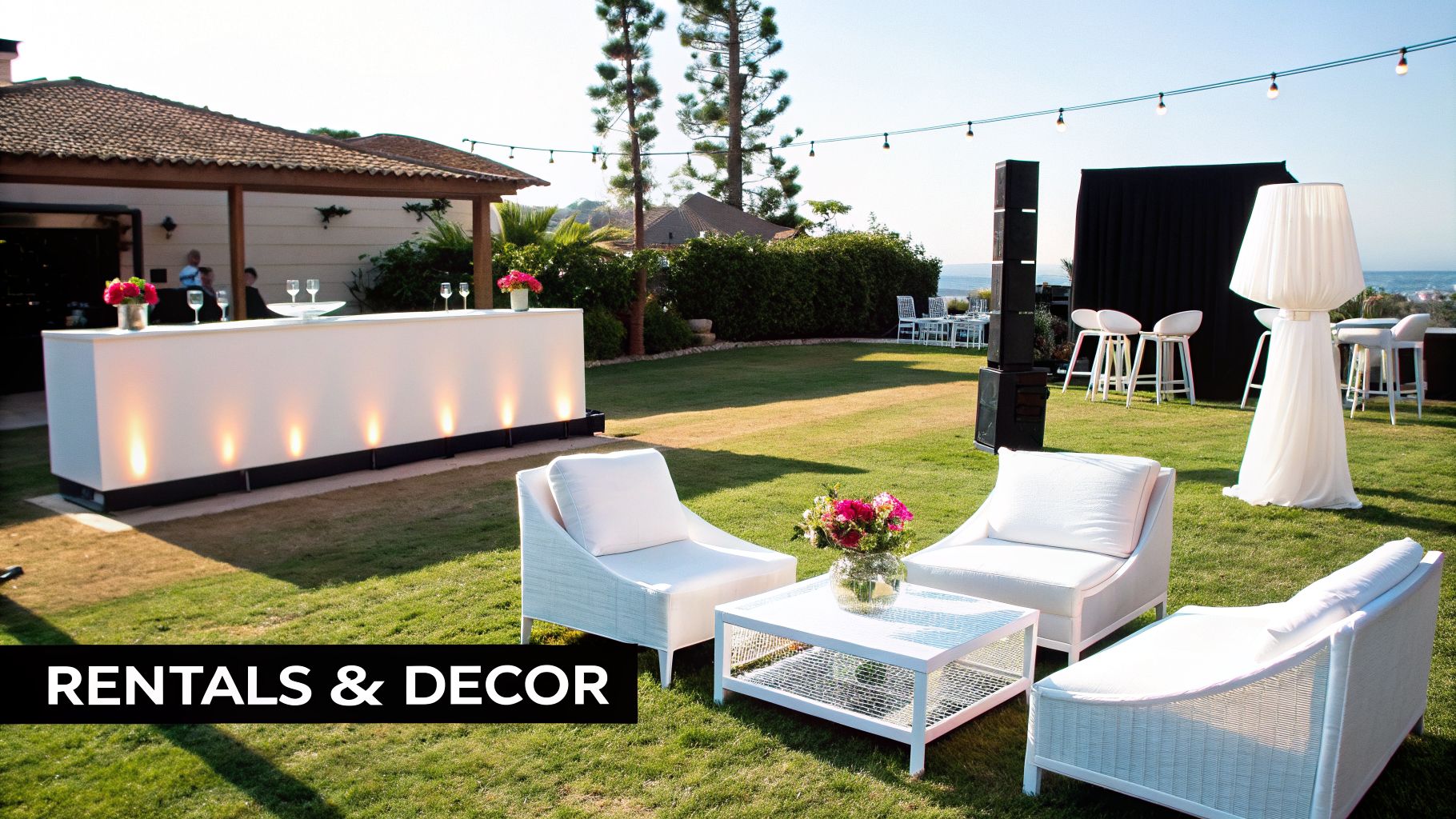
Your Guide to Bar Table and Chairs in Cape Town

The right bar table and chairs do so much more than just give your guests a place to sit; they set the entire social rhythm for your event. Think of them as catalysts for connection, encouraging people to stand, chat, and move around in a way that traditional seating just can't.

Why Bar Furniture Will Elevate Your Cape Town Event

Picture a typical event with standard round tables. What usually happens? Guests find a seat when they arrive and often stay put for the night, only talking to the people at their own table.

Now, imagine that same event, but with stylish, high-top tables placed strategically around the room. The whole vibe changes from static to fluid. A bar table and chair setup is the secret weapon for breaking the ice, creating natural hubs where conversations can spark up.

This isn't just about furniture; it's about engineering a social atmosphere. It lowers the barrier for people to join or leave a group, removing the formality of finding and pulling up a chair. This works wonders for corporate networking events, chic Winelands weddings, or any get-together where you want a lively, engaging feel.

The Power of Vertical Space

Using taller furniture immediately draws the eye upward, adding a sense of dimension and openness to any venue. It’s a simple trick to break up a room visually, avoiding that monotonous sea of low tables and creating distinct zones for different activities. This vertical element doesn't just look good—it also helps guide the flow of traffic, letting guests move through the space with ease.

This infographic shows just how central the right furniture choices are to crafting the perfect event atmosphere.

Infographic about bar table and chairs

As you can see, choosing high-top seating directly impacts how your guests interact and the overall feel of the party. This isn't just a hunch; it lines up with major shifts in the South African furniture market. People are leaning towards functional, stylish pieces that make socialising better. In fact, between 2020 and 2022, spending on home furnishings shot up, proving that we love items that make entertaining easier. You can dig into more South African furniture trends on Statista.com.

When you choose a bar table and chairs, you're not just picking out furniture—you're designing an experience. You're encouraging movement, sparking conversations, and setting a sophisticated, modern tone for the whole event.

How to Select the Right Bar Table and Chairs

Choosing the perfect bar tables and chairs for your event doesn't need to be a massive headache. It really just comes down to three things: your event's purpose, the venue itself, and the overall look you're going for.

Think of it like this: you wouldn't use a rustic wooden table for a sleek, modern corporate launch, right? And a high-end metal set might feel out of place at a relaxed Winelands wedding. It’s all about matching the furniture to the vibe.

First up, what’s the function? Are you trying to create high-energy spots where guests can mingle and network easily? Or do you want more intimate, cosy corners for conversation? For a dynamic, social atmosphere, taller bar tables with just a few stools are perfect—they invite people to stand, lean, or sit. If a chilled lounge feel is more your speed, you can mix them in with other seating options.

Matching Materials to Your Cape Town Venue

Cape Town's venues are incredibly diverse, from breezy beachfront spots to elegant indoor halls. This means you have to be smart about the materials you choose. The right choice ensures your furniture doesn't just look good, but actually holds up to the environment. A beautiful indoor set might not last long against the coastal air or an unexpected bit of rain.

Here’s a quick rundown of common materials:

  • Metals (Aluminium, Steel): These are your best bet for outdoor events, hands down. They're durable and weather-resistant. Look for powder-coated finishes to protect against rust from the sea salt and fading from the sun—a must for any coastal venue.
  • Wood (Pine, Oak): Nothing beats wood for creating a warm, classic, or rustic feel. It's best suited for indoor events or at least under a covered patio, as direct sun and rain can cause damage over time.
  • Plastic and Resin: A super versatile and often budget-friendly choice that comes in all sorts of colours and styles. These materials are lightweight and a breeze to clean, making them brilliant for casual parties, festivals, and family-friendly events.

The material you choose is about more than just looks; it's about practicality. Picking weather-appropriate furniture for an outdoor event in places like Stellenbosch or Franschhoek is non-negotiable for keeping your guests comfortable and safe.

To help you visualise the options, here's a quick comparison of popular styles we see at Cape Town events.

Bar Table and Chair Style Comparison for Cape Town Events

Style Best For (Event Type) Common Materials Key Feature
Industrial Metal Corporate launches, modern parties, urban-themed weddings Steel, Aluminium, Reclaimed Wood Sleek, minimalist, and very durable for indoor/outdoor use.
Rustic Wood Winelands weddings, farm-style celebrations, bohemian gatherings Pine, Oak, Raw Timber Creates a warm, natural, and inviting atmosphere. Best for covered areas.
Modern Plastic/Resin Festivals, birthday parties, casual get-togethers, kids' events High-grade Plastic, Polypropylene, Resin Lightweight, colourful, and easy to clean. Extremely versatile.
Classic Tolix Cafes, bistros, trendy parties, retro-themed events Powder-coated Steel Iconic, stackable design that adds a touch of vintage industrial flair.
LED Glow Furniture Night-time events, cocktail parties, brand activations Polyethylene (PE) Plastic Illuminated furniture that creates a futuristic and vibrant mood.

Ultimately, the right style ties your whole theme together, turning a simple furniture choice into a key part of your event's design.

Getting the Height and Stability Right

Now for the nitty-gritty details that make a huge difference: height and stability. Get these wrong, and your guests will feel it.

Standard bar-height tables are typically 104-110 cm tall. They’re designed to be comfortable for guests who are standing around them, as well as for those sitting on matching bar stools. The stools themselves usually have a seat height of around 75-80 cm, which gives everyone enough legroom and a natural, comfortable posture.

Stability is just as critical, especially if your event is outdoors on uneven ground like grass, cobblestones, or even sand. Always check that the furniture has a solid, well-balanced base. For grassy areas, tables with wider feet are less likely to sink in and wobble. On a patio, just make sure the legs are level to avoid that annoying rocking.

Of course, getting the right setup goes beyond just your bar area. For a complete overview, you can learn more by exploring our detailed guide on hiring chairs near me for any type of event. A stable, comfortable setup is absolutely key to a great guest experience.

Styling Your Furniture for Maximum Impact

Stylishly arranged bar table and chairs at a Cape Town event

Getting the right bar tables and chairs delivered is one thing, but making them look fantastic is where the real magic begins. This is your chance to turn standard rental items into a core part of your event's atmosphere, transforming a functional necessity into a style statement.

Think of each table as a tiny stage. With the right linens, centrepieces, and a bit of creative lighting, you can tell your event’s story in these small social hubs. A simple styling decision can completely shift the mood, making your furniture an intentional and memorable part of the guest experience.

Weaving Your Theme into Every Detail

It’s often the smallest touches that make the biggest impression. When you coordinate your styling with your overall theme, you create a cohesive, immersive environment that just feels right. The goal is to make every single bar table look like it was designed specifically for your event, not just dropped off as an afterthought.

Here are a few ideas to get you started:

  • For a Modern Vibe: Keep it clean and minimalist. Think crisp, neutral-coloured linens—or even better, no linens at all to show off a sleek table. A single, striking protea in a slender vase or a geometric candle holder is all you need for a touch of class without the clutter.
  • For a Festive Atmosphere: Go bold! This is the time for vibrant colours and interesting textures. Bright textiles inject energy and fun, while colourful glassware or even small, themed props can bring your event's purpose to life.
  • For a Rustic Winelands Feel: It’s all about natural elements. Burlap or hessian runners, small arrangements of local fynbos, and candlelight flickering in mason jars create that warm, inviting ambience perfect for a relaxed Cape Town gathering.

Styling isn't just about making things look pretty. It’s about creating an experience. When you style your bar furniture with intention, you're shaping how your guests feel and interact, making the whole event more engaging.

Strategic Placement for Better Guest Flow

How you arrange your furniture is just as important as how you decorate it. Thoughtful placement can make a massive difference to the flow of your event, preventing those awkward traffic jams and encouraging people to mix and mingle.

Try creating distinct social zones. Grouping a few high-top tables together creates a natural spot for conversation, away from busy areas like the main bar or entrance. This encourages guests to spread out and use the entire venue, making the space feel more dynamic and comfortable.

By designing with movement in mind, you ensure the energy stays high and the conversations keep flowing all night long.

Here is the rewritten section, crafted to sound human-written and natural, following all your instructions.


Hiring vs Buying Event Furniture in Cape Town

It’s one of the first big questions you’ll face when planning an event in Cape Town: should you hire or buy the furniture? There’s no single right answer, and the best choice really comes down to your specific needs—mostly how often you host events and whether you have anywhere to store everything afterwards. For most people, though, hiring is the clear winner.

Hiring a bar table and chairs is just so much easier. You can forget about the logistical nightmare of transport, setup, and teardown. Even better, you get to tap into a huge inventory of different styles, letting you find the perfect match for your event's theme without shelling out a fortune upfront.

This approach makes perfect sense for one-off or occasional events like weddings, big birthday bashes, or the annual company party. You get the exact look you want for a fraction of what it would cost to buy, and there are no strings attached once the party's over.

The Case for Hiring

Think of hiring as a "pay-as-you-go" plan for event styling. You get top-quality furniture delivered right to your venue and collected when you're done. This completely bypasses the need for storage space, which, let's be honest, is a massive plus in a city like Cape Town.

Let’s break down why it works so well:

  • Financial Sense: Hiring lets you avoid a huge initial expense. That cash can be put to much better use on other key parts of your event, like fantastic catering or live entertainment.
  • Style Flexibility: Event trends move fast. Hiring gives you the freedom to pick and choose from modern, rustic, or classic designs every single time, so your setup never feels stale or dated.
  • Zero Maintenance: You don't have to think about cleaning, repairs, or general wear and tear. The hire company handles all of that, making sure the furniture arrives looking flawless.

If you want to dig a bit deeper, our guide on renting furniture for events has even more useful insights. It really is the smart, stress-free choice for most event organisers.

When Buying Makes More Sense

Of course, there are times when buying is the right move. For venues, professional event planners, or businesses that are constantly hosting functions, buying furniture can become a smart long-term play. If you find yourself needing the same style of bar table and chairs week in and week out, the cost of purchasing will eventually be less than hiring them over and over again.

Buying is a long-term investment. It gives you instant access to your own inventory and the freedom to customise, but it also comes with the responsibilities of storage, upkeep, and knowing when to replace things.

This is especially true as the retail scene in South Africa continues to grow. While online shopping is definitely on the rise, many South Africans still prefer to see and feel furniture in person before buying. This has led to a great variety of options in physical stores and wholesalers. You can get more insights on the South African furniture market on fortunebusinessinsights.com.

In the end, it all boils down to a simple calculation. You have to weigh the one-time cost and ongoing hassles of buying against the incredible flexibility and convenience of hiring. For the vast majority of people planning an event, hiring is simply the most practical and budget-friendly way to go.

Matching Furniture to Indoor and Outdoor Venues

Stylish bar table and chairs set up for an outdoor event in Cape Town.

Cape Town gives us an incredible playground of venues, from sun-drenched beachfronts to sleek, sophisticated galleries. But here’s the thing: choosing the right bar table and chairs isn’t just a style decision. It’s about picking furniture that will actually work in its environment.

The gorgeous setup that looks perfect in a sheltered gallery might not last five minutes against a gust of wind at a coastal wedding. Think of your furniture as part of your event crew—it has to be up for the job. For anything outdoors, durability is king. You need materials that can handle bright sun, salty sea air, and uneven ground without turning into a headache for you or a hazard for your guests.

Selecting for the Great Outdoors

When your event has one of Cape Town’s magnificent natural backdrops, your furniture choices have to be smart. Weather-resistant materials are completely non-negotiable if you want everything to look just as good at the end of the night as it did when the first guest arrived.

Look for these kinds of rugged, stylish options:

  • Powder-Coated Metals: Materials like aluminium and steel with a powder-coated finish are the champions of outdoor events. They stand up to rust and fading, making them perfect for everything from a garden party to cocktail hour by the sea.
  • Treated Woods: The right kind of wood, properly sealed and treated, brings a warm, natural feel that stands up to the elements. It’s a great way to add a touch of rustic elegance to any outdoor celebration.

Choosing outdoor furniture is about more than just surviving the weather. It’s about making sure your guests are safe and comfortable. Unstable chairs or wobbly tables can quickly spoil an otherwise perfect day.

Beyond the materials, think about stability. If you’re setting up on grass or sand, go for tables and chairs with wider bases that won't sink or wobble. And on those bright, sunny Cape days, shade is a must. You'll want to integrate your furniture with the right coverings, and our guide to Cape Town umbrella hire has some great solutions to help you out.

Perfecting Your Indoor Setup

Once you move indoors, you can shift your focus from pure durability to refined style and comfort. With no wind or rain to contend with, you can play with a much wider range of materials and designs to create the exact mood you’re after.

This is your chance to bring in more delicate or luxurious finishes. For a corporate launch in a modern gallery, imagine sleek glass-top tables with minimalist metal stools for a sharp, professional vibe. For an elegant wedding reception, upholstered bar stools can add that extra layer of comfort and class.

There's a growing global trend towards social furniture that is both stylish and comfortable—the outdoor market alone is valued at around $2 billion, which just shows how much people value pieces that blend form and function. That trend is alive and well right here in South Africa’s vibrant event scene. You can see more on global outdoor furniture trends on archivemarketresearch.com.

Your Top Questions About Event Bar Furniture, Answered

Pulling together the final details for an event can feel like a massive job, but getting straight answers to those niggling questions makes a world of difference. When it comes to picking out your bar table and chairs, a few key queries always seem to pop up. We’ve gathered them all here to give you practical, straightforward answers so you can plan with confidence.

Think of this section as your cheat sheet for event furniture. From figuring out numbers to understanding standard sizes, the goal is to arm you with the knowledge you need to make the best possible choices for your Cape Town event.

How Many Bar Tables Do I Actually Need?

This is one of the first logistical hurdles everyone faces. How do you get the right number of tables and chairs? You're aiming for that sweet spot: a comfortable, social vibe without making the space feel either cavernous or cramped. It’s a bit of a balancing act, but a simple guideline will get you there.

For a typical cocktail-style event where you want people to mingle, you don't need a seat for every guest. In fact, having fewer seats actually encourages that natural flow and interaction you're after. A good rule of thumb is to provide seating for about 30-40% of your total guest count at any one time.

So, how does that look in reality?

  • For an event with 100 guests: Plan for around 10 to 12 bar tables.
  • Seating per table: Each table will comfortably fit 2 to 4 stools.

This ratio ensures there are always spots for guests who want to sit down for a moment, rest their drinks, or settle in for a good chat. Trust us, it’s always better to have a few extra seats than to see guests awkwardly looking for a place to relax.

Just remember to think about your venue's layout. The idea is to create inviting little social hubs with your bar table and chairs, not to block walkways or cause traffic jams near the bar or restrooms.

What’s the Standard Height for a Bar Table?

Getting the dimensions right is absolutely critical for guest comfort. A table that’s too low or a stool that’s too high just feels… off. Fortunately, event furniture is made to industry standards designed to feel ergonomic and natural for everyone.

A standard bar table, which you might hear called a "highboy" or "cocktail table," is typically between 104 cm and 110 cm tall. This height is perfect for guests who are standing and mingling, as it gives them a natural place to lean.

It's also the perfect partner for bar stools, which should have a seat height of around 75 cm to 80 cm. This difference gives just the right amount of legroom, so guests aren't squashed or uncomfortably reaching. Always double-check with your rental company that you’re getting a matched "bar height" set—it's a different measurement from the slightly shorter "counter height" furniture you might have at home.

Can I Mix and Match Different Furniture Styles?

Absolutely! In fact, mixing and matching different styles of bar tables and chairs can create a really dynamic and curated look for your event. The days of everything having to be perfectly uniform are long gone. A well-chosen mix adds personality and visual interest, making your setup feel intentional rather than just a standard rental package.

Of course, there's a fine line between a thoughtful, eclectic mix and something that just looks messy. The secret is to create a sense of cohesion, even when using different pieces.

Here are a few tips to get that polished, purposeful look:

  • Stick to a Consistent Colour Palette: You can unify different styles by choosing furniture all within the same colour family. For example, you could bring in various black metal stools, each with a slightly different design.
  • Use Similar Materials: Try pairing a rustic wood table with sleek, modern metal stools for a chic industrial vibe. The contrast works because the materials speak the same design language.
  • Connect Through a Theme: Hosting a vintage-themed party? Go ahead and mix different retro-style pieces. The shared era is what will tie everything together beautifully.

The goal is to make your design choices look deliberate. When you get it right, a smart mix of a bar table and chairs can seriously elevate your event décor and show off your unique style.


Ready to create a stylish and social atmosphere at your next gathering? ABC Hire offers an extensive range of high-quality bar tables and chairs perfect for any Cape Town event. Explore our collection and find the ideal furniture to bring your vision to life at https://abchire.co.za.

Furniture for Hire Cape Town | Affordable Event Rentals

When you start looking for furniture for hire cape town, the first real step isn't just making a list. It's about translating the vibe of your event and your guest count into a smart, practical furniture plan. This is where we move beyond simple checklists and start mapping out functional zones that make the whole experience seamless for your guests.

Defining Your Event’s Vision and Furniture Needs

A beautifully arranged event space with hired furniture in Cape Town.

Before you even think about booking a single chair, you need to nail down your vision. Seriously, this is the foundation. Get this right, and everything else falls into place. Ask yourself the big questions: what's the whole point of this event? What feeling do I want people to walk away with? The answers will guide every decision, from the style of seating to the entire layout of the room.

Let's say you're planning a corporate product launch for a new tech gadget. The venue is a sleek, modern space at the V&A Waterfront. Your main goal? Get people networking and create a modern, forward-thinking atmosphere. Right away, you know that traditional, stuffy banquet-style seating is completely wrong for this. Your focus immediately shifts to creating dynamic, interactive spaces where people can mingle.

From Vague Idea to Actionable List

It’s easy to start with a thought like, "I need seating for 100 people." But a far more effective approach is to think about the event's flow and map out distinct zones. Each zone has its own purpose and, therefore, its own unique furniture needs.

Think about it from a guest's perspective, from the moment they walk in:

  • Registration Zone: What’s the first thing they see? Sure, a plain trestle table works, but a high-gloss counter or a slick podium screams "premium tech brand." You'll need a couple of stylish but comfortable chairs for your staff, and maybe a small, branded backdrop.
  • Networking and Lounge Areas: This is the heart of a corporate launch. Forget uniform rows of chairs. You want to create intimate clusters of seating. Try mixing soft velvet couches with minimalist coffee tables and a few high-top cocktail tables to encourage people to move around and chat.
  • Presentation Space: If there’s a keynote speech, you’ll need theatre-style seating. But even this can fit the theme. Are we talking classic conference chairs, or something more contemporary like transparent ghost chairs to keep the space feeling open?
  • Catering and Bar Area: This zone is all about practicality. You'll need bar counters, bar stools, and plenty of cocktail tables for guests to pop down their drinks and canapés. The furniture here has to be tough and easy for the catering staff to navigate.

By breaking down your venue into these zones, that vague "seating for 100" suddenly becomes a specific, actionable list.

A Real-World Scenario: The V&A Tech Launch

Let’s flesh out that V&A Waterfront example. The brand’s colours are navy blue and brushed gold. Your furniture hire list needs to echo this aesthetic without being too on-the-nose.

Pro Tip: Your furniture doesn't have to be an exact match to your brand colours. Think of it as creating a complementary palette. For a navy and gold brand, you could hire furniture in sophisticated neutrals like charcoal grey, white, or black. Then, bring in the specific brand colours with décor—cushions, throws, and beautiful floral arrangements.

For this launch, your final furniture list might look something like this:

  1. Welcome Area (1)
    • 1x White high-gloss reception counter
    • 2x Gold-framed bar stools with black leather seats
  2. Main Lounge (Seating for ~40)
    • 3x Charcoal grey velvet three-seater sofas
    • 4x Navy blue velvet armchairs
    • 5x Brushed gold or marble-top coffee tables
    • 8x Small gold side tables
  3. Networking Zone (Standing & Seating for ~30)
    • 10x Black cocktail tables
    • 20x Gold-framed bar stools
  4. Presentation Area (Seating for 100)
    • 100x Black or ghost-style conference chairs
  5. Bar Area (1)
    • 1x 4-metre modular black bar
    • 2x Bar-back shelving units

This detailed list, born from a clear vision and thoughtful zonal planning, is now ready to be sent to furniture for hire cape town suppliers. It ensures every single piece has a purpose, perfectly balancing aesthetics with function, and hitting all your event's core objectives. This strategic approach is what takes an event from being merely furnished to being thoughtfully designed.

Pairing Furniture Styles with Cape Town Venues

Choosing the right furniture isn’t just about filling a space. It’s about starting a conversation between your event and its surroundings. Cape Town gives you a spectacular canvas to work with, from sun-drenched Stellenbosch wine farms to edgy Woodstock warehouses, and your furniture hire should feel like a natural part of the venue’s personality. This is the harmony that takes an event from good to unforgettable.

Picture a wedding at a historic Paarl wine estate. The venue itself—with its classic Cape Dutch architecture and rolling vineyards—already tells a story of rustic elegance. Bringing in sleek, minimalist acrylic chairs would just feel… off. It would create a jarring disconnect.

Instead, imagine long, reclaimed wooden tables surrounded by classic cross-back chairs. This choice does more than just provide seating; it amplifies the authentic, warm atmosphere the venue was built on.

This simple flow—understanding the venue’s soul, matching its style, and adding an authentic local touch—is the secret to making great choices.

Matching Aesthetics to Iconic Locations

The real art of pairing furniture with a venue is about respecting its character while still weaving in your own event's theme. Let's walk through a few classic Cape Town scenarios to see how this plays out.

  • The Industrial Chic Warehouse (Woodstock or Salt River): These spaces are all about raw textures—think exposed brick, polished concrete floors, and soaring ceilings. You have a great opportunity to play with contrasts here. Pair raw wooden tables with modern metallic chairs (copper or black steel work beautifully) for a look that's both edgy and sophisticated. For lounge pockets, you can’t go wrong with leather couches and minimalist coffee tables.
  • The Coastal Beachfront Venue (Camps Bay or Blouberg): When you’ve got an ocean view, the last thing you want to do is compete with it. The furniture should complement the natural beauty. I always suggest a light and airy colour palette. White-washed wooden furniture, rattan or wicker seating, and low-slung, comfy bean bags create a relaxed, almost Hamptons-style vibe. You can easily bring in pops of coastal colour like navy or coral with cushions and throws.
  • The Elegant City Centre Gallery (CBD): Modern art galleries and contemporary event spaces are basically blank canvases, which means they call for clean lines and sophisticated designs. Minimalist furniture is your best friend here. Think ghost chairs that don't block sightlines, sleek high-gloss bar counters, and modular lounge furniture in neutral tones like charcoal or white. You can find some fantastic inspiration for creating sophisticated social hubs by checking out options for bar tables and chairs.

Embracing Local and Sustainable Trends

There’s a definite shift happening in Cape Town towards authenticity and sustainability, and it’s showing up in event furniture trends. Planners and their clients are increasingly asking for pieces that tell a local story. This means we're seeing a huge demand for furniture made from reclaimed timber, alien clearing wood like blue gum, and other locally sourced materials.

This isn't happening in a vacuum. The South African furniture market, valued at $2.47 billion, is growing fast, partly because people want modular and sustainable options. This shift is directly influencing the furniture for hire Cape Town scene, with rental companies like us expanding our collections to include eco-conscious and locally crafted pieces to meet this demand.

By bringing in locally made or sustainable furniture, you're doing more than just making an eco-friendly choice. You're adding a layer of authenticity that really connects with the spirit of Cape Town. It shows you’ve put real thought into supporting the local environment and economy.

When you choose furniture that truly aligns with your venue’s soul, a simple rental decision becomes a powerful design statement. It’s the cohesive thread that pulls your whole event together, making sure every single element feels intentional, harmonious, and perfectly in place.

Getting Your Furniture Hire Budget Right

A stylish event setup in Cape Town with hired furniture, illustrating budget planning.

Let’s talk numbers. Crafting a budget for furniture for hire in Cape Town goes way beyond just looking at the price-per-chair in a catalogue. A savvy event planner knows that a good budget anticipates all the little costs that pop up along the way, so there are no nasty surprises once the event is over.

Think of it this way: the rental fee for the furniture is just the starting point. I’ve seen so many planners get caught out because they forgot to account for the logistics—the very things that bring the whole vision to life. These "hidden" costs are standard in the industry, but they can easily blow your budget if you haven't planned for them.

What’s Really in a Furniture Hire Quote?

When you start getting quotes, you'll notice they all look a bit different, which can make comparing them feel like you’re not looking at the same thing. Your mission is to dig deeper than the item costs and find the total price to get everything on-site and set up.

Here are the usual suspects you need to look out for:

  • Delivery and Collection Fees: This is almost always a separate line item. The cost depends on how far your venue is from the supplier's warehouse and the size of your order.
  • Labour and Setup Costs: Some companies roll basic setup into their delivery fee, but others will charge it separately. If you’ve got a tricky floor plan, expect this cost to go up.
  • After-Hours Surcharges: Venues have tight schedules. If your furniture needs to be delivered or, more commonly, collected late at night or on a Sunday, you’ll definitely see a surcharge for that.
  • Damage Waiver: This is usually a small percentage of your total hire cost. It's an optional fee that covers small, accidental scuffs or spills. Honestly, it’s worth it for the peace of mind.

Getting a handle on these costs is non-negotiable. For a bit more on why renting is often the smarter move, have a look at our guide on renting furniture for events, where we unpack more of the process.

How to Save Money Without Looking Cheap

A tight budget doesn't mean your event has to look bland. The real secret is being clever about where you spend your money. Instead of just picking the cheapest options for everything, think about where you can create the most impact.

Pro Tip: Try the "hero piece" strategy. Splurge on one or two knockout items—like a gorgeous velvet couch for a chill-out corner or a really unique bar—and then use more budget-friendly tables and chairs for the rest. It creates a focal point that makes the entire space feel more luxurious.

Mixing and matching is another great trick. Pairing sleek metal chairs with rustic wooden tables can create a really cool, curated vibe that looks far more intentional than a completely uniform setup. It adds personality and can be a lot friendlier on your wallet.

Pulling Your Budget Together

To keep everything straight, a simple spreadsheet is your best friend. It lets you lay out quotes side-by-side and see the true cost from each supplier.

Below is an example budget breakdown that accounts for more than just the per-item rental prices.

Sample Furniture Hire Budget Breakdown for a 100-Guest Event

Expense Category Description Estimated Cost Range (ZAR)
Furniture Rental Base cost for tables, chairs, lounge furniture, bar, etc. 20,000 – 45,000+
Delivery & Collection Transport to and from the venue. Varies by distance & order size. 2,500 – 6,000
Labour/Setup Cost for the team to place furniture according to your floor plan. 1,000 – 4,000
After-Hours Surcharge Fee for collection outside of 9-5 business hours (e.g., post-event). 1,500 – 3,500
Damage Waiver Optional insurance, typically 5-10% of the hire subtotal. 1,000 – 4,500
VAT (15%) Always confirm if quotes are VAT-inclusive or exclusive. Added to the subtotal

This kind of detailed view shows you that the supplier with the cheapest chairs isn't always the most affordable option overall. A solid, realistic budget is the tool that frees you up to focus on what really matters: creating an amazing experience for your guests.

Right, you've got your vision and you know your numbers. Now for the fun part: finding the right people to supply your furniture for hire in Cape Town.

Think of this as less of a transaction and more like casting a key role for your event. The right supplier is a partner. They get what you're trying to do, and they have the gear and the professionalism to make it happen without a hitch. A great supplier is like an extension of your own team, making sure every single piece lands on time, in pristine condition, and looking exactly how you pictured it.

Finding and Vetting Your Supplier

Your first stop will probably be online, and a company's website tells you a lot. You're looking for a clean, professional online catalogue with great photos. If a supplier takes the time to present their stock beautifully online, chances are they look after the actual furniture just as well. Blurry pictures or vague descriptions? That’s an immediate red flag for me.

Beyond the pretty pictures, you need to see some proof that they can deliver. Hunt for testimonials, check out their Google reviews, and scroll through their social media feeds for galleries of past events. Seeing their furniture in action at real Cape Town venues—whether it's a classy Constantia wine farm or a slick city centre rooftop—builds huge confidence.

Asking the Right Questions

Once you have a shortlist of a few companies that look promising, it’s time to dig in. You want to get a feel for how they operate, how good their stuff really is, and how they treat their clients. Don't just hide behind emails; pick up the phone. A quick chat can reveal volumes about their customer service.

Before you even think about signing anything, you need to ask some direct questions. A true professional will be happy to answer.

Here’s a quick checklist of what to ask:

  • Stock & Quality: How big is your inventory? Is it all yours, or do you sub-hire from other companies? (Sub-hiring can sometimes get messy with availability).
  • Seeing is Believing: Can I come to your showroom or warehouse to see the furniture for myself? This is non-negotiable. A chair might look amazing online, but you need to see it in person to check for comfort and any sneaky signs of wear and tear.
  • Plan B: What happens if something I’ve booked suddenly becomes unavailable? A solid supplier will have a clear policy on this, usually offering an equal or better replacement at no extra cost.

My Two Cents: Never, ever book a large amount of furniture without seeing it first. A trip to the supplier’s showroom is the best way to know for sure that you're getting the quality you're paying for. It takes all the guesswork out of the equation and ensures no nasty surprises on the day.

Don't Skip the Fine Print

That rental agreement is your safety net, so read it properly. Make sure you understand every single clause, especially around payment deadlines, cancellation terms, and what happens if something gets damaged. Cape Town's event season can be a whirlwind, so you absolutely need to know your options if plans have to change.

The damage waiver is another big one. Ask exactly what it covers (usually it’s for minor scuffs and spills) and what it doesn't (like a complete breakage or a lost item). Getting this clear from the start saves a world of stress and potential arguments later.

Choosing a reliable partner is becoming more important than ever. The global furniture rental market is booming and expected to hit over USD 106 billion by 2032, and you can feel that growth right here in Cape Town. This trend, partly fuelled by things like hybrid work and flexible living, means more choice for planners like us. You can read more about this growing market on polarismarketresearch.com. More options are great, but it also means you have to be extra careful to pick an established, reputable company.

When you finally make that booking, it should feel like the right, confident choice—not a gamble. By doing your homework, asking sharp questions, and really understanding the contract, you’re not just hiring chairs and tables. You're bringing on a partner who is just as invested in your event's success as you are.

Nailing the Event Day Delivery and Logistics

Logistics team setting up hired furniture for an event in Cape Town.

Let's be honest, even the most incredible furniture won't matter if it doesn't get to the venue smoothly and on time. Flawless execution on the day is what separates the pros from the amateurs. It’s the behind-the-scenes dance of delivery, setup, and collection that makes an event feel effortless, and it's where a good event planner truly shines.

This is all about clear communication and obsessive planning. It starts way before a single truck pulls up, with a detailed conversation between you, the venue manager, and your furniture hire company. One missed detail here can kick off a domino effect of delays and stress you just don't need.

The Pre-Event Logistics Checklist

Before the big day, you need to get all your key players on the same page. The goal is simple: give your supplier a crystal-clear picture of the venue's landscape so there's zero room for guesswork. A quick call or a thorough email covering these points is a non-negotiable for any event involving furniture for hire cape town.

Think through these absolute must-knows:

  • Venue Access Points: Where exactly is the loading bay? Are there any sneaky height or weight restrictions for their trucks? If it’s a sprawling venue like a wine estate, a simple map marking the correct entrance can be a lifesaver.
  • Delivery and Collection Windows: Venues are notoriously strict with their timings. Get the exact hours the loading bay is open and pass this on. Be totally upfront if you need an after-hours collection – don’t leave it as a surprise.
  • On-Site Navigation: Is the team going to be met with a flight of stairs, a narrow corridor, or a tiny service lift? Telling them the ballroom is on the third floor with only a small goods lift is mission-critical information.
  • Venue Contact Person: Who is the go-to person on-site for the delivery crew? Give them a name and a mobile number for the venue manager or coordinator who will be there to meet them.

Key Takeaway: Never, ever assume your supplier knows the venue, even if it's a popular Cape Town spot. Every single event has its own quirks, and clear communication is your best weapon against day-of disasters.

Your Floor Plan is the Blueprint for Success

A detailed floor plan isn't just a nice-to-have; it's the single most important document you can give the setup crew. It’s the blueprint that turns your vision into a physical reality. A good plan means every table, chair, and lounge pod gets placed exactly where you want it, cutting out the guesswork and saving an enormous amount of time.

Your floor plan needs to be more than just a quick sketch on a napkin. It should be clear, drawn to scale, and meticulously labelled.

Elements of a Perfect Floor Plan

  • Label Everything: Clearly mark out each zone (e.g., "Lounge Pocket 1," "Main Dining Area," "Bar Zone").
  • Indicate Furniture Types: Use simple icons to show what's what. A basic legend like "Circle = Cocktail Table, Rectangle = Sofa" is perfect.
  • Show Placement and Orientation: Don't just show where a sofa goes; show which way it should face. This is so important for creating those intimate, conversational lounge areas.
  • Note Key Venue Features: Make sure to mark things like pillars, power outlets, doorways, and fire exits. This ensures your layout isn't just beautiful, but practical and safe too.

This level of detail allows the setup team to get on with the job confidently and efficiently, which frees you up to handle the million other things that need your attention. For a deeper look at orchestrating all these moving parts, our guide on effective event management in Cape Town has loads of practical strategies that tie in perfectly here.

Managing Post-Event Breakdown and Inventory

The party isn't over until the last chair has been collected. A smooth breakdown is just as critical as a perfect setup. Your main job here is to make sure everything is accounted for to avoid any awkward conversations about missing or damaged items later.

As the event wraps up, do a quick but thorough inventory check. Grab your rental agreement and walk the space.

  1. Count All Items: Make sure the number of chairs, tables, and everything else matches the delivery note. It’s amazing how easily a single bar stool can go missing in a big venue.
  2. Inspect for Damage: Do a quick scan for any obvious damage that happened during the event – a snapped chair leg or a serious red wine stain on a light-coloured sofa.
  3. Consolidate for Collection: If you can, get your team to group all the hired items together near the loading zone. This makes the collection process incredibly efficient for the hire company’s crew, especially if it’s a late-night pickup.

Snapping a few photos of any existing scuffs when the items are delivered, and then again of any significant new damage after the event, creates a clear and undisputed record. It's a proactive step that protects you and helps build a great, professional relationship with your supplier for future events.

A Few Common Questions About Furniture Hire in Cape Town

Diving into furniture hire can throw up a few questions, especially when you're trying to juggle all the other moving parts of a big event. Getting things cleared up from the start makes everything run smoother and stops any last-minute panics. Here are some of the questions we get asked all the time by planners looking for furniture for hire Cape Town suppliers.

How Far in Advance Should I Book Furniture?

This is a big one. If you’re planning a large event or it’s happening during Cape Town's peak season (that’s usually November to March), you really want to lock in your furniture 4-6 months ahead. Trust me on this.

The most popular pieces—we're talking those elegant dining chairs, chic lounge pods, and unique mobile bars—get snapped up fast, especially for weekend weddings and corporate year-end parties. Booking early means you get your first choice, not the leftovers. For smaller get-togethers or a cosy winter event, you can probably get away with 1-2 months' notice, but playing it safe is always a good idea.

What Happens If Something Gets Damaged?

It happens, but it’s vital to know where you stand before you sign on the dotted line. Any good hire company will have a straightforward damage policy. Most will offer you a damage waiver for a small fee, which is usually a percentage of your total hire cost. This normally covers the small stuff, like minor scuffs or a small drink spill.

A Quick Heads-Up: That damage waiver isn’t a get-out-of-jail-free card. For more serious damage—think a snapped chair leg, a big rip in the upholstery, or an item that just goes missing—you'll almost definitely be on the hook for the full repair or replacement cost. Always, always check the items when they arrive and flag any existing dings or scratches immediately.

Can I Use Hired Furniture for an Outdoor Event in Cape Town?

Of course! Lots of suppliers have fantastic outdoor ranges. But, as we all know, Cape Town weather can turn on a dime, and the responsibility for keeping the furniture safe from the elements falls on you.

Your rental agreement will spell this out, but you’ll need a solid backup plan. This typically means:

  • Having a marquee or covered stretch tent on standby.
  • An indoor space you can quickly move everything into if the wind picks up or the heavens open.
  • Making sure nothing is left outside overnight to get damp from dew or unexpected rain.

Always chat with your supplier about your outdoor setup. They’ll know which materials and pieces are best suited for the job.

Do You Guys Help with Layout and Design?

It really depends on the company. Many of the bigger furniture for hire Cape Town suppliers have stylists on their team who can help you pull a look together and figure out the best layout. This might be an add-on service, while others might offer some basic advice as part of the package.

It never hurts to ask what they offer. For a really big or complicated event, you’re often better off bringing in a dedicated event designer. They can create a detailed floor plan that the rental company can then follow to the letter.

It's interesting to see how much the home rental market in Cape Town shapes what’s available for events. With more people renting their homes and wanting flexible, stylish living, furniture companies have had to up their game. This focus on high-quality, on-trend furniture has been great for the events industry, giving us all more choice. You can actually find some interesting data on these furniture rental market trends if you want to dig deeper.


Ready to create an unforgettable event with stylish, high-quality furniture? ABC Hire offers an extensive inventory to bring your vision to life. From elegant lounge sets to functional tables and chairs, we are your trusted partner for event rentals in Cape Town and the Winelands.

Visit us now at https://abchire.co.za to explore our collection and get a quote.

Your Guide to Outdoor Lounge Sets in South Africa

Picture this: your patio, transformed from a simple patch of paving into a chic, comfortable retreat. It’s the perfect spot for your morning coffee or for hosting friends on a lazy afternoon. Outdoor lounge sets are the key to making this happen. They’re not just furniture; they’re the building blocks for extending your living space right into your garden, giving you a cohesive and stylish area to enjoy for years.

Designing Your Ultimate Outdoor Oasis

Turning a garden or patio into a genuine outdoor living room is about more than just buying a few chairs. It’s a design process, and the lounge set you choose is the centrepiece that pulls it all together. A well-chosen set can take an overlooked corner of your property and make it the most inviting spot in your home. Let’s walk through how to create an outdoor space that’s a true reflection of your style and fits how you live.

First things first, take a good look at your space. Do you have a sprawling deck by the pool, or are you working with a cosy urban balcony? Understanding the layout, how much sun it gets, and what you actually want to do there is the starting point for everything.

Before you even think about styles, consider these practical points:

  • Function Over Form: What’s the primary use? Is it your quiet reading nook, the spot for big family braais, or where you’ll be serving sundowners?
  • Get the Scale Right: Whip out the measuring tape. You need to ensure the set fits comfortably, leaving plenty of room to walk around. There’s nothing worse than furniture that completely overwhelms a space.
  • Create Harmony: Your outdoor area should feel like a natural extension of your home. The furniture’s style should complement your home’s architecture and your interior décor to create a seamless flow.

This infographic gives you a great visual idea of how the right lounge set can anchor your perfect outdoor sanctuary.

Infographic about outdoor lounge sets

As you can see, clever arrangement and a minimalist approach can create an incredibly relaxing and stylish atmosphere. This isn’t just a design trend; it’s part of a bigger shift we’re seeing all over South Africa towards embracing outdoor living.

More and more, people want to maximise their living space, and that means a growing demand for durable, weather-resistant, and good-looking lounge furniture. This growth is really fuelled by increasing urbanisation and our collective desire for comfortable, stylish outdoor living. If you’re interested, you can learn more about the outdoor furniture market in South Africa and its impressive growth.

Choosing Materials That Survive the SA Climate

In South Africa, our intense sun and often unpredictable weather can be really tough on furniture. When you’re picking out outdoor lounge sets, choosing the right material is about more than just a look that catches your eye; it’s about making a smart investment that will last.

The material you go for will dictate how much care it needs and how well it will hold up, whether you’re dealing with the humid, salty air in Durban or the dry Highveld sun. A wrong move here can mean faded colours, rust stains on your patio, or even furniture that falls apart after just one or two seasons. You’ve got to match the material to your home’s specific climate.

Let’s get into what really works out there.

Metal Frames for Durability

Metal is a brilliant choice if you’re going for a modern vibe. It’s strong, sleek, and holds its shape well. But not all metals are up to the challenge, especially when faced with coastal breezes or Highveld thunderstorms.

Powder-coated aluminium is pretty much the champion for South African conditions. For starters, it’s lightweight, so moving your setup around for a braai is no big deal. More importantly, it’s naturally rustproof. The powder-coating finish is the real hero, though, adding a tough layer of protection against scratches and UV damage, so the colour stays looking fresh.

Here’s a key tip: The finish on the metal is just as crucial as the metal itself. A quick paint job will just chip and peel, but a proper powder coat actually bonds to the metal, giving it far better resistance to the elements.

The Timeless Appeal of Wood

There’s something about wood that just brings a natural warmth and classic feel to an outdoor space. How well it performs, though, comes down entirely to the type of timber you choose. Cheaper softwoods might seem like a good deal, but they just don’t have what it takes to survive outdoors for long.

Teak is the gold standard for a reason. It’s packed with natural oils that make it incredibly resistant to water, rot, and pesky insects. It does need a bit of upkeep to maintain that lovely honey-brown colour, but many people actually prefer the distinguished, silvery-grey look it gets when you let it age naturally. If you’re weighing up different timber styles, our guide on the benefits of wooden furniture for events offers some great insights.

Modern Synthetics That Last

If you want stylish furniture without the fuss, modern synthetics are a fantastic way to go. These materials are literally engineered to handle the great outdoors.

A real standout is high-density polyethylene (HDPE) wicker, which you’ll often see called “all-weather wicker.” Unlike natural rattan that breaks down fast when left outside, HDPE is built to resist UV rays, moisture, and cracking. It gives you that classic, comfy wicker look but with far greater longevity and barely any maintenance required.

To make things a bit clearer, we’ve put together a quick comparison of the top materials for outdoor lounge sets in South Africa.

Outdoor Lounge Set Material Comparison

Material Pros Cons Best For
Powder-Coated Aluminium Lightweight, rust-proof, low maintenance, modern look. Can get hot in direct sun, lighter pieces can be moved by strong winds. Coastal and inland areas; anyone wanting a sleek, contemporary style.
Teak Extremely durable, naturally weather-resistant, beautiful ageing process. Requires occasional oiling to maintain colour, higher initial cost. Creating a classic, natural aesthetic that works in any climate.
HDPE Wicker Very low maintenance, UV-resistant, comfortable, versatile style. Quality can vary greatly between brands, not a natural material. Those wanting a low-fuss, comfortable setup that mimics a classic look.

Choosing the right material is all about balancing the climate you live in, your personal style, and how much time you’re willing to spend on upkeep. A smart choice means your outdoor lounge will be the go-to spot for relaxing and entertaining for many years to come.

Styling Your Outdoor Lounge for Maximum Impact

An outdoor lounge set gives you the bones of a great patio space, but it’s the styling that really brings it to life and makes it an inviting retreat. Getting the accessories and details right is what turns a simple patio into a seamless extension of your home—a spot you’ll want to use from sunrise to sunset.

Think of an outdoor rug as the foundation of your entire setup. It does more than just add a splash of colour; it defines the lounge zone, separating it from the rest of the garden or patio. A good outdoor rug, usually made from tough polypropylene, anchors the furniture and adds a crucial layer of texture, making the whole area feel more like a proper room.

A stylishly decorated outdoor lounge set with cushions, a rug, and ambient lighting.

Adding Personality with Textiles and Lighting

Once your rug is down, it’s time to layer in comfort and colour. Weather-resistant cushions and throws are your best friend here—this is where you can really inject some personality into your outdoor lounge sets. Don’t be shy about mixing patterns and textures to create a bit of visual buzz.

For a chilled-out boho vibe, try combining earthy tones with geometric prints. If you’re after a more modern look, stick to a monochrome palette with a single, bold pop of colour.

When evening rolls around, lighting becomes everything. The right lighting design can make your outdoor lounge feel absolutely magical and keeps the space usable long after the sun goes down.

A classic mistake is to just have one harsh overhead light. Layering your light sources is the key to creating depth and warmth. It’s what makes a space feel intimate and professionally designed, not like a stadium.

Try combining a few of these for a layered effect:

  • Ambient Lighting: Solar-powered lanterns or string lights draped across a pergola give off a soft, all-over glow.
  • Task Lighting: A stylish, portable outdoor lamp on a side table is perfect if you fancy reading outside.
  • Accent Lighting: Use small uplighters to highlight a beautiful feature plant or interesting architectural details around your lounge area.

For a truly enchanting look, a beautiful fairy light curtain can create a sparkling backdrop for your seating area. This is a brilliant way to define the space and add a touch of elegance for evening get-togethers.

Finishing Touches and Style Examples

The final details are what pull the whole look together. Accessorising with things that are both functional and decorative is how you make the space feel curated and personal.

Bring in some greenery at different heights using a mix of planters. Large pots with architectural plants can frame the lounge area nicely, while smaller pots on side tables add a more delicate touch. And speaking of side tables, they’re not just for drinks—they’re the perfect spot to display candles or small sculptures.

Need some inspiration? Here are two popular styles to get you started:

  1. Modern Minimalist: Go for a sleek, low-profile lounge set in grey or black. Keep accessories simple with solid-coloured cushions in charcoal and white, a clean geometric rug, and a few large, structural plants in concrete planters.
  2. Relaxed Boho: Start with a lounge set made from teak or all-weather wicker. Then, layer it up with cushions in warm, earthy colours like terracotta and mustard, add a textured jute-style rug, and finish it off with string lights and macramé plant holders.

By putting a bit of thought into these elements, your outdoor lounge set becomes so much more than just furniture—it becomes the heart of a stylish and functional outdoor escape.

Smart Strategies for Buying Furniture Online

Gone are the days when you needed a friend with a bakkie just to get a new sofa home. Buying bulky items like outdoor lounge sets online has become surprisingly simple, putting a massive selection right at your fingertips. Still, clicking “add to cart” on such a big purchase needs a bit of smart planning to make sure you get it right.

This move to online shopping isn’t just a passing phase. In fact, the eCommerce part of South Africa’s outdoor furniture market is expected to pull in US$14.83 million in revenue in 2025. It’s a clear sign that people are getting more and more comfortable buying their patio furniture from a website. If you’re interested, you can explore more insights into the South African eCommerce furniture market to see just how big this shift is.

Of course, the biggest challenge with online shopping is that you can’t see or touch the product. That’s why careful research is your best friend here.

Mastering the Art of Measurement

The number one mistake people make when buying furniture online? Getting the scale completely wrong. That lounge set that looks perfect in a professionally shot photo can either swallow your patio whole or look comically tiny once it arrives.

First things first: measure your space properly. Then, grab some masking tape and outline the dimensions of the lounge set you’re eyeing right there on the ground. This little trick is a total game-changer. It helps you truly visualise how much floor space the set will take up and, more importantly, how much room you’ll have to walk around it.

Always double-check the product dimensions listed online against your own measurements. Pay close attention to the height, width, and depth. A sofa’s height, for example, can completely change your view or make a space feel more or less open.

Checking Out Retailers and Reading Reviews

Once you’ve got your measurements sorted, it’s time to shift your focus to the online retailer themselves. Not all online shops are created equal, so a little bit of homework now can save you a lot of headaches later.

Here’s a quick checklist of what to look for before you buy:

  • A Physical Address and Contact Number: A real business makes it easy for you to get in touch. Look for clear contact details on their website.
  • Detailed Return Policies: What happens if the set shows up damaged or just isn’t what you expected? A clear, fair return policy is an absolute must.
  • Warranty Information: Good quality outdoor furniture should come with a warranty. Make sure you understand what it covers—like the frame or the fabric—and for how long.

But don’t just take the retailer’s word for it. This is where genuine customer reviews come in. They offer the kind of real-world feedback you just can’t get from a product description. Don’t just glance at the star rating; dive into the comments. Look for reviews that talk about the quality of the materials, how accurate the online photos are, and what the customer’s experience was with delivery and assembly.

These firsthand accounts are gold. By combining careful measurement with solid research, you can buy your dream outdoor lounge set online with total confidence.

Renting Lounge Sets for Unforgettable Events

An elegant outdoor event with rented lounge sets arranged for guest comfort.

Whether you’re planning a wedding, a corporate launch, or a big birthday bash, creating an atmosphere that feels both comfortable and stylish is everything. Renting outdoor lounge sets is one of the smartest ways to instantly elevate your event. It gives your guests a chic space to relax, mingle, and properly soak in the occasion. This simple move takes you way beyond the standard setup of tables and chairs, crafting a sophisticated experience people will actually remember.

Instead of a cookie-cutter layout, renting gives you the freedom to design an environment that perfectly matches your theme and guest list. A few well-placed lounge pieces can transform any open space into a series of inviting social hubs.

Planning Your Perfect Event Layout

First things first, you need to match the furniture to your vision. What’s the mood you’re going for? A sleek, modern cocktail party will have a totally different feel to a relaxed, bohemian garden gathering. The style of the lounge sets you hire will do a lot of the heavy lifting in setting that tone.

For a contemporary vibe, think about modular sofas in crisp, neutral colours. If you’re after something more casual and rustic, you can’t go wrong with wicker or rattan sets piled high with plush cushions.

Next up, do the maths. A good rule of thumb is to have enough relaxed seating for about 25-30% of your guests at any one time. Not everyone will be sitting down at once, but you definitely want enough comfortable spots for those who need a break from the dance floor or just want to chat.

To break up the space and get people talking, play around with different configurations:

  • Conversation Pits: The classic setup. Arrange two sofas facing each other with a coffee table in the middle. It’s a perfect little nook for encouraging small group chats.
  • Cocktail Corners: Try combining a few stylish armchairs with a cluster of small side tables. This is great for guests who want to put their drinks down and socialise more freely.
  • Relaxation Zones: If you have the space, place a large sectional sofa slightly away from the main hustle and bustle. It offers a quieter retreat for guests who want a moment of calm.

Vetting Your Rental Company

Choosing the right rental partner is just as crucial as picking the perfect furniture. A reliable company makes the entire process smooth and stress-free, while a bad one can cause headaches you just don’t need. Before you sign on the dotted line, it’s vital to ask the right questions.

Don’t just look at the price per item. The real cost includes delivery, setup, and collection fees. Always ask for a fully itemised quote so you know exactly what you’re paying for.

Make sure you get clear answers on these key points from any potential supplier:

  1. Delivery and Collection Logistics: When exactly will they drop off and pick up? Does their service include setting up and arranging the furniture, or will their team just leave it stacked for you to handle?
  2. Weather Contingency Plan: This is South Africa—the weather can turn in an instant! What’s their policy for rain? Can the furniture handle a light shower, and what happens if the event has to be moved or cancelled?
  3. Damage Policy: Accidents happen. You need to understand their policy on normal wear and tear versus actual damage. Find out what the costs are for things like spills, stains, or breakages.

Getting these details sorted will give you massive peace of mind. For a deeper dive, our guide on what you need to know about renting furniture for events has a super helpful checklist. By planning ahead and working with a professional company, you can use outdoor lounge sets to create a genuinely unforgettable atmosphere for your guests.

Got Questions About Outdoor Lounge Sets?

Thinking about getting an outdoor lounge set is exciting, but it’s smart to have a few questions. From dealing with our unpredictable South African weather to making sure you get the most out of your furniture, getting the right answers upfront makes all the difference. We’ve pulled together the most common questions we get asked to help you feel confident about your choice.

This is your go-to guide for handling maintenance, planning your space, and protecting your investment so you can enjoy your patio furniture for years to come.

How Do I Protect My Outdoor Lounge Set During Winter?

Making sure your lounge set survives the off-season is key to its longevity, especially with our mixed climate. For materials like aluminium or synthetic wicker, good quality, weather-resistant covers are your best bet. Look for one that’s breathable – a cover that traps moisture is a recipe for mould and mildew.

If you have wooden furniture, it’s a good idea to apply a seasonal sealant or oil before you cover it up for winter. This adds an extra layer of protection against moisture that can cause wood to warp or rot.

No matter what the frame is made of, always bring your cushions and textiles inside. Storing them in a dry spot like a garage or a storage chest will keep them free from mildew and pests, ready for the next sunny season. If you have the space, moving the entire frame indoors is the ultimate protection.

What Is the Best Way to Clean Outdoor Furniture?

How you clean your outdoor lounge sets really depends on the material – you don’t want to cause any accidental damage. For most metal and synthetic wicker frames, a simple mix of mild soap and warm water with a soft brush does the job perfectly. Steer clear of harsh chemical cleaners or high-pressure washers, as they can easily strip off protective finishes and harm the material.

When it’s time to clean wood, always grab a cleaner made specifically for outdoor timber. This helps preserve its natural oils and finish.

Cleaning fabrics is usually pretty straightforward:

  • Removable Covers: Most cushion covers can be unzipped and popped into the washing machine on a cool, gentle cycle.
  • Spot Cleaning: For spills or non-removable covers, a good fabric spot cleaner will work wonders.
  • Drying is Key: This is a big one. Always let every part—the frame and the cushions—dry completely in the sun before putting it all back together.

How Much Space Do I Really Need for a Lounge Set?

One of the easiest mistakes to make is underestimating just how much room an outdoor lounge set takes up. It’s not just about the footprint of the furniture itself; you need to leave enough space for people to walk around it comfortably.

A good rule of thumb is to leave at least 75cm of clear walkway space around the main seating area. This keeps the space from feeling cramped and makes it much more functional. Also, think about the layout. A modular L-shaped sofa can be a fantastic space-saver when tucked into a corner, whereas a traditional 4-piece set gives you a bit more freedom to play with the arrangement.

Here’s a pro tip: before you buy anything, use masking tape on your patio or deck to mark out the dimensions of the set you’re considering. It’s a simple trick that helps you really visualise the scale and see how it will affect the flow of your outdoor area, saving you from any surprises after it’s delivered.


Ready to create a stunning, comfortable atmosphere for your next celebration? At ABC Hire, we provide a wide range of stylish and high-quality outdoor lounge sets for rent, perfect for any event in Cape Town and surrounding areas.

Explore our event furniture rental options and elevate your gathering today!

📍 Cape Town + Winelands