Decor on Table: A Cape Town & Winelands Event Guide

You’ve booked the venue. The menu is sorted. The guest list is finally stable. Then you look at the floorplan and realise the tables are still just tables.

That is the moment decor on table stops being a minor detail and becomes the thing that makes the room feel finished.

In Cape Town and the Winelands, table decor has to do more than look good in photos. It must suit the light, survive the weather, fit the service style, and still feel like your event rather than a copied Pinterest board. A long harvest table in Franschhoek needs a different treatment from a rooftop dinner in the city or a matric formal in Paarl.

The best tables always do three jobs at once. They set mood, guide the eye, and support the practical flow of the event. Guests notice the centrepiece first, then the place setting, then the glow after sunset. If one of those elements is off, the whole table feels unsettled.

I style Cape events with that reality in mind. Local flowers matter. Wind matters. Hire stock matters. Height matters. The difference between elegant and irritating is often something small, like a runner that won’t stay flat or a light source that dies before speeches.

Crafting Your Unforgettable Cape Town Event Vibe

A table in the Western Cape is never floating in isolation. It sits inside a setting that already has a personality. That matters more here than in many other places.

A Stellenbosch wine estate gives you oak trees, mountains, old stone, soft late-afternoon light. A Sea Point venue gives you sharper lines, stronger daylight, and often a more modern brief. If your decor on table ignores that backdrop, the room feels disjointed.

The strongest event tables usually start with one visual sentence. Not a long concept document. One sentence. Something like: Cape garden lunch with textured greens and soft cream. Or black-tie city dinner with smoked glass and low candlelight. Or fynbos-forward vineyard wedding with warm amber glow after sunset.

That sentence keeps you from making random styling decisions.

Match the room before you style the table

A rustic farm venue does not need heavy glamour on every surface. It usually needs restraint. Let the venue do some of the visual work.

A polished corporate room often needs the opposite. It may need softness, rhythm, and one bold material choice to stop the setup feeling cold.

Think in layers, not objects

Many hosts make the mistake of shopping item by item. They pick napkins, then vases, then candles, then plates. The result is often a table made of nice things that do not speak to each other.

A better approach is to think in layers:

  • Base layer: linen, tabletop surface, placemats or chargers
  • Middle layer: plates, glassware, cutlery, folded napkins
  • Hero layer: centrepiece or table feature
  • Atmosphere layer: candlelight, table lamps, LED glow, reflected light

A table feels expensive when the layers relate to each other, not when every item tries to be the star.

The Cape gives you strong natural material cues to work with. Stone, vine wood, linen, glass, fynbos, brass, smoked acrylic, and soft ceramics all sit comfortably in local venues. If you want a table people remember, build with the setting instead of fighting it.

Laying the Groundwork Theme and Budget

The fastest way to waste money on table decor is to start hiring or buying before the theme is settled. Once the visual direction is clear, budget decisions become much easier.

A black pen resting on an open planner with colored fabric napkins stacked on a wooden table.

In the Western Cape, table decor accounts for approximately 25 to 30% of total event budgets. For an average Cape Town wedding costing R250,000 to R500,000, table setups including linens, centrepieces, and accents can represent R62,500 to R150,000, according to this table-setting history resource that includes the regional budget figures.

That is why table planning should happen early, not after venue, catering, and entertainment have already swallowed the budget.

Start with a theme that belongs in the venue

The venue should shape your styling brief.

A few examples:

  • Franschhoek farm or vineyard: soft linen, low fynbos arrangements, ceramic vessels, warm neutrals
  • Cape Town rooftop or gallery venue: cleaner lines, fewer materials, stronger contrast, lighting that carries the mood after dark
  • Beachside or coastal celebration: relaxed layering, washed colour palettes, movement-friendly decor that does not rely on delicate vertical pieces
  • Corporate dinner or launch: disciplined colour story, strong brand cues, uncluttered place settings, practical centrepieces that allow conversation

If the room is already decorative, simplify the table. If the room is plain, let the table carry more visual weight.

Build a mood board with limits

A good mood board is not a dumping ground. It is a filter.

Keep it tight. Include:

  1. One venue image
  2. One colour palette
  3. Two or three table references
  4. One floral direction
  5. One lighting reference

Then remove anything that does not belong. If you have polished gold cutlery, rustic woven chargers, mirrored vases, tropical orchids, and Cape fynbos all on one board, you do not have a concept. You have indecision.

Budget by impact, not by habit

Some elements shape the room more than others. Prioritise the items guests see immediately and interact with directly.

A simple budget split often works well:

Element Priority Why it matters
Linen and tabletop base High It covers the largest visual area
Centrepieces High They define the table identity
Place settings Medium to high Guests experience them up close
Lighting High for evening events It changes the mood more than most decor items
Personal extras Medium Lovely, but easy to overspend on

Keep a live decision list

Use a running document with three labels only:

  • Must have: core items that define the look
  • Nice to have: upgrades if budget allows
  • Cut first: details you can remove without harming the overall result

If a detail is expensive, hard to install, and barely visible in the room, it usually belongs on the cut-first list. Experienced planners save money here, not by making the table look cheap, but by knowing what the room will notice.

Designing a Wind-Resistant Winelands Centrepiece

Tall centrepieces photograph well in still air. That is why so many people choose them. Then the Stellenbosch breeze arrives and the arrangement starts leaning before guests have finished their welcome drinks.

In the Winelands, generic centrepiece advice often fails because it assumes a controlled indoor room. Local outdoor events are different. Afternoon winds can average 15 to 25 km/h from October to March, and 62% of local event planners in a 2025 EventSA survey reported decor failures due to weather, as noted in this source discussing the wider decor context.
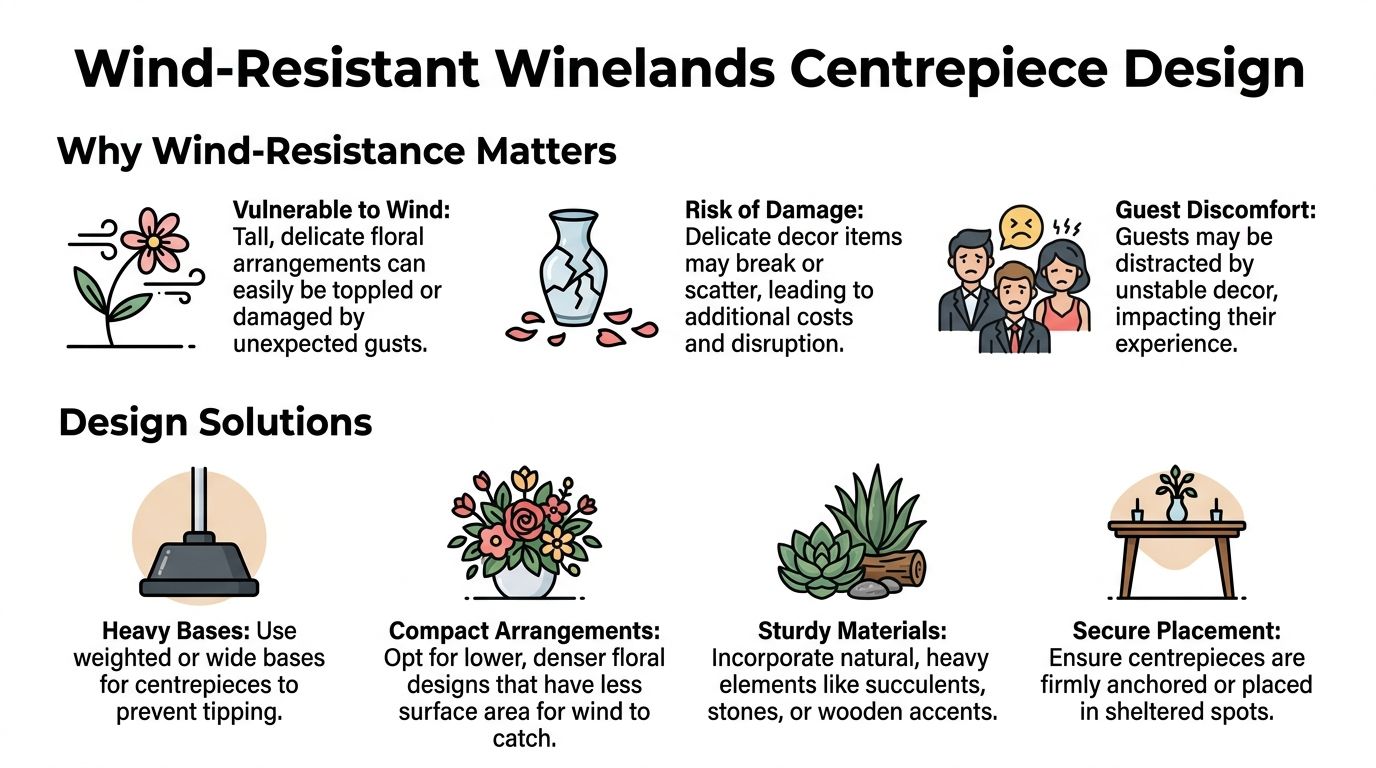
Infographic

The answer is not to give up on beauty. It is to stop designing as if Paarl, Franschhoek, and Cape Town all behave like sealed hotel ballrooms.

What fails first outdoors

The most vulnerable centrepieces usually have one or more of these problems:

  • Too much height: wind catches the upper shape first
  • Too little weight: narrow vessels tip easily
  • Too much loose material: pampas, untethered ribbons, and airy stems become unstable fast
  • No anchor plan: runners, candles, menus, and florals are styled separately instead of as one secure composition

A centrepiece does not fail only when it falls over. It also fails when guests keep fixing it, servers cannot clear around it, or the runner bunches under the vase.

What works in the Winelands

For local conditions, I favour lower, denser designs with visible weight. They feel intentional, not compromised.

Use materials that belong here:

  • Fynbos and proteas: naturally suited to the region and visually strong without needing excessive height
  • Stone, ceramic, or acrylic bases: enough presence to hold the arrangement visually and physically
  • Clustered vessels: three lower pieces often outperform one tall arrangement
  • Compact candle groupings: safer and steadier than long exposed tapers in wind

A grounded centrepiece also helps guests talk across the table. That matters at weddings and matters even more at corporate dinners where conversation is part of the event outcome.

Anchor the whole table, not just the flowers

If the venue is exposed, treat the centrepiece and the tabletop as a single build.

A practical checklist:

  1. Start with a stable base that does not wobble on farm tables or uneven outdoor flooring.
  2. Choose a low profile that keeps the visual weight under control.
  3. Secure soft goods so the runner does not become the weak point.
  4. Test one complete table outside before event day if possible.
  5. Add shelter where needed, including practical support elements such as outdoor umbrella stands for exposed event areas.

In the Winelands, the prettiest centrepiece is often the one that still looks composed after the first gust, not the one that looked tallest during setup.

There is also room for modern styling here. Heavy illuminated furniture pieces can act as part of the table story rather than separate lounge decor. Used sparingly, they give you a clean anchor point and an evening glow without relying on fragile overhead effects.

One sensible option is ABC Hire’s LED furniture rentals, which can be worked into night events as stable, contemporary support elements around dining areas and feature table zones. That works especially well when you want the decor to shift naturally from sunny vineyard lunch to after-dark celebration.

Perfecting Each Guest's Place and Lighting

Guests judge a table at eye level. They notice the centrepiece from afar, but they experience the event through the place setting in front of them.

That means decor on table should never stop at the middle of the table. The edge matters just as much.
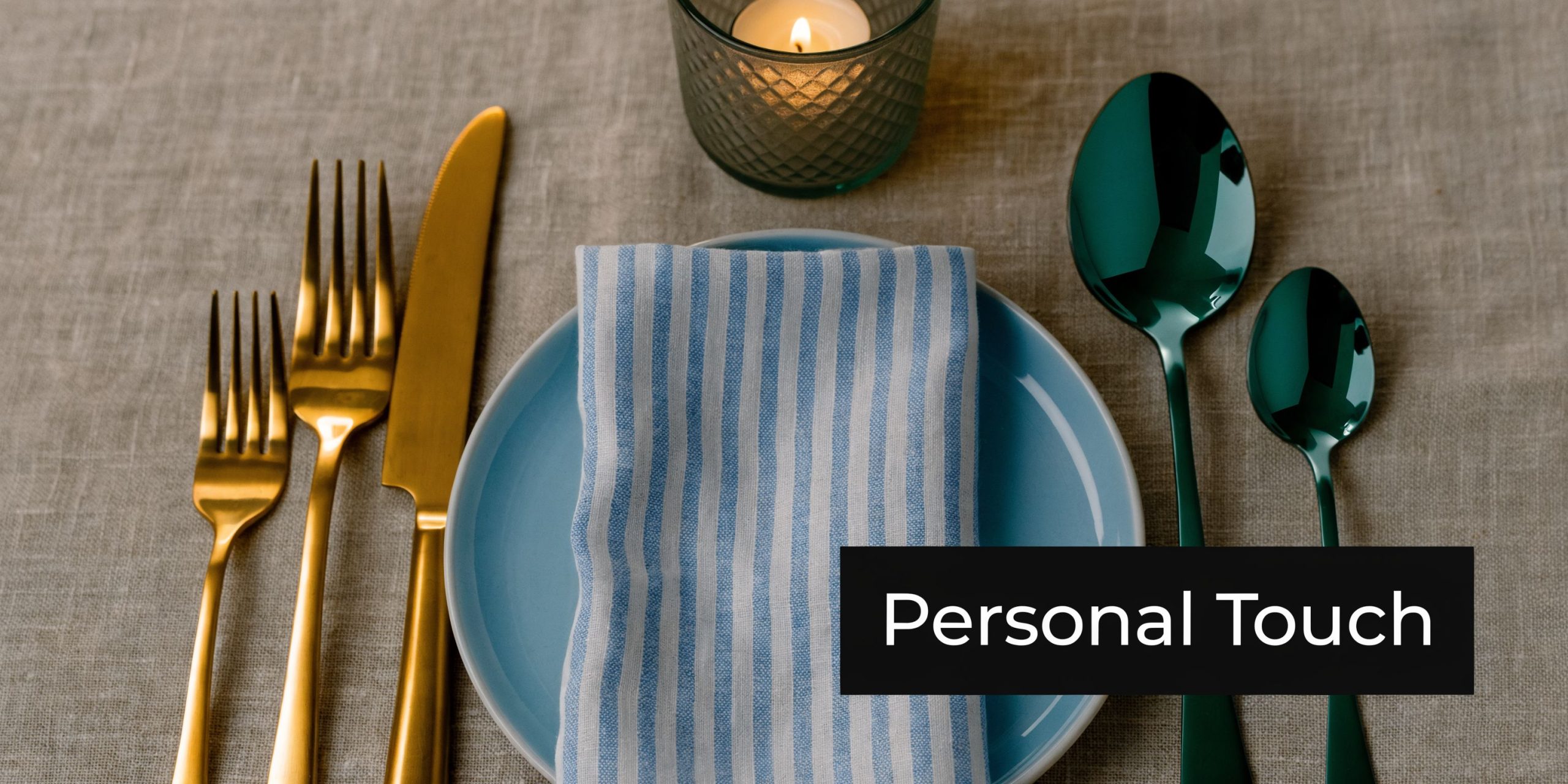
A place setting with a blue plate, striped napkin, gold silverware, and green spoons on linen.

Professionals using a step-by-step assembly methodology for table decor, including LED integration, achieve a 78% task success rate, and a common pitfall is battery mismatch, which leads to 30% of LED decor dimming during a standard four-hour event, according to this product-design statistics page used for the benchmark data.

Build the place setting from the plate outwards

The easiest way to make a table feel messy is to style from random points. Start with the main plate position and work outward.

A reliable sequence is:

  1. Charger or base plate
  2. Dinner plate or menu plate
  3. Napkin
  4. Cutlery
  5. Glassware
  6. Name card or small guest detail

This gives you visual order. It also keeps every seat consistent, which is where many DIY tables lose polish.

Formal settings need more discipline. Informal settings can be looser, but they still need repetition. If one guest has a knotted napkin, another has a folded napkin, and another has none because setup ran late, the table immediately looks under-managed.

Use layering for texture, not clutter

A good place setting usually has one statement and several supporting parts.

For example:

  • A coloured plate with plain linen
  • A textured napkin with simple crockery
  • Brass cutlery against crisp white ceramics
  • A name card paired with one small botanical element

What does not work is every item competing. Patterned plate, metallic charger, elaborate menu, ribboned napkin, beaded glassware, and oversized favour all at once usually feels heavy.

Light the table in zones

Lighting should not come from one source only. Relying only on overhead venue lighting flattens everything. Relying only on candles can leave faces lost in shadow.

Use three zones of light:

  • Ambient light: whatever the venue already provides
  • Table glow: candles or rechargeable lamps
  • Accent light: nearby furniture glow, bar lighting, or architectural wash

Rechargeable lamps are especially useful where wind makes open flame difficult or where venues restrict candles. For practical ideas, see these rechargeable table lamp considerations for event use.

Before guests arrive, switch every light source on and leave it running through the same duration as the event. Styling under dead batteries is avoidable. Fix it in prep, not during speeches.

A quick pre-service lighting check

Item What to verify
Lamps or LED pieces Correct charging and matching battery type
Candles Stable holders and safe placement
Reflections No glare into guest sightlines
Colour temperature Warm tones for dining, cleaner tones for branding-heavy events

The best-lit tables feel soft, legible, and intentional. Guests should be able to read the menu, see the food, and still feel atmosphere once the sun drops behind the vines.

Maximising Your Budget with Smart Rentals

Buying every table detail outright rarely makes sense for events. You pay for transport, storage, cleaning, replacements, and the risk that half the items do not suit the next brief.

Rentals solve that problem, but only if you rent strategically.
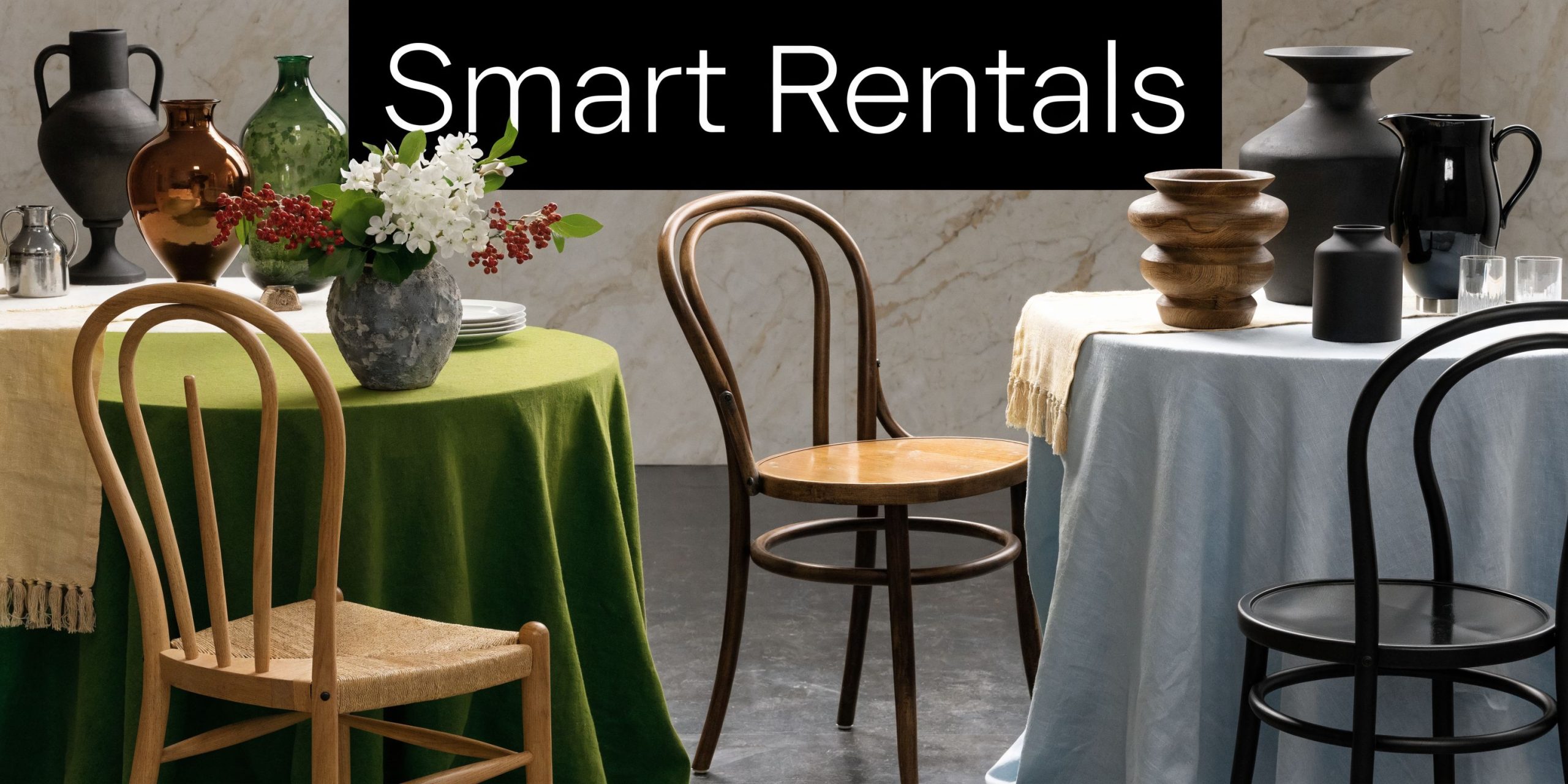
A sophisticated dining setting featuring two tables with green and light blue tablecloths, decorative vases, and chairs.

In Cape Town, event inflation reached 18.2% and furniture rentals were up 22% in 2025. The same local council reporting notes that 55% of Winelands corporates prefer “invisible tech” decor over ornate florals to manage cost and cleanup, according to this cited reference page.

That tells you something important. Planners are not only trying to spend less. They are trying to spend more cleanly.

What to rent and what to own

A simple rule works well.

Rent the structural pieces.
These are the items that define scale and style but are annoying to store and transport. Think tables, chairs, statement lighting, larger vases, serving furniture, and specialty items for themed events.

Buy or DIY the personal layer.
Menus, place cards, small favours, and sentimental details often make more sense to source separately.

This split keeps your spend focused. It also helps you avoid paying ownership costs for items you may only use once.

Why modular stock helps corporate events

Corporate dinners, launches, and activation tables often need flexibility more than romance.

One week the brief is black and white with subtle branding. The next week it is a school awards dinner. The week after that it is a product launch with illuminated elements and quick reset requirements.

That is where modular furniture and reusable decor systems are useful. You can change inserts, linens, colour accents, and tabletop accessories without rebuilding the entire concept each time.

A practical starting point for local planners is to browse decor hire options in Cape Town and build a shortlist around function first, then finish.

Spend where guests notice, save where they do not

Use this filter before signing off any hire list:

  • Keep: items that shape the room immediately on entry
  • Question: items visible only in close-up photos
  • Cut: duplicates that do the same visual job

For example, if the room already has strong chairs and attractive tables, your money may work harder in linen, lighting, and one disciplined centrepiece style rather than extra tabletop accessories.

If cleanup time is a concern, reduce loose elements. Fewer moving parts often gives a more refined result anyway.

The Final Assembly Layout and Last-Minute Checks

A well-styled table can still fail if the room layout is awkward. Guests need enough space to sit, stand, and be served without dragging chairs into each other or knocking the decor.

Round tables encourage shared conversation. Long rectangular tables create a more dramatic line and suit vineyard dinners well. Square setups can work for smaller private events, but they need careful spacing or the room starts feeling blocked.

Read the room before you place the decor

Do one walk-through from a guest perspective, not a planner perspective.

Check:

  • Entrance view: what people see first
  • Seated view: whether centrepieces block faces
  • Service view: whether staff can clear and pour comfortably
  • Night view: how the tables look once daylight drops

Use a final tabletop checklist

A clean last check saves frantic fixes later.

  • Place cards: spelling, placement, and table allocation
  • Napkins: same fold at every seat
  • Glassware: polished and evenly spaced
  • Centrepieces: level, stable, and aligned with table shape
  • Lighting: switched on, charged, and visually balanced
  • Runners and linen: straight, smooth, and secure

The last ten minutes before doors open should be for refinement, not rescue. If you are still solving structural styling problems then, setup started too late.

The room should feel calm before guests ever enter it. That calm is usually the result of careful layout, not extra decor.

Frequently Asked Questions About Table Decor Rentals

How early should I book table decor rentals for a Cape Town event

Book as soon as your venue and guest format are confirmed. Popular styles and practical stock go quickly during peak wedding and year-end event periods. If your event is outdoors, lock in weather-related support items at the same time rather than treating them as an afterthought.

What works better for Winelands weddings, tall or low centrepieces

Low centrepieces are usually the safer and more useful choice outdoors. They hold up better in wind, make conversation easier, and often look more refined in vineyard settings. Tall arrangements can work indoors or in sheltered spaces, but they need a proper stability plan.

Can I mix candles with modern lighting

Yes, if the lighting roles are clear. Let candles provide softness and let rechargeable or LED elements provide reliability. If both are competing at the same brightness or colour tone, the table can feel visually confused.

How do I make corporate tables feel branded without looking tacky

Keep branding embedded rather than loud. Use brand colours in runners, napkins, florals, menus, or subtle light accents. Avoid turning the dining table into a merchandise display. Guests should feel the identity without being hit over the head with it.

Is fynbos a good choice for decor on table

Yes. Fynbos works well in Western Cape styling because it is native to the region. It also gives structure, texture, and a more grounded local look than imported florals that feel disconnected from the venue.

What is the most common mistake people make

They style for a photo instead of for the actual event. A table has to survive setup, weather, service, dining, speeches, and cleanup. If it only looks good for ten minutes, it was not styled properly.


If you’re planning an event in Cape Town, Stellenbosch, Franschhoek, Paarl, or the surrounding areas, ABC Hire can help you build a table setup that is practical, polished, and suited to the venue. Start with your layout, guest count, and event style, then match the right rental pieces to the atmosphere you want to create.
Your Complete Guide to the Wood Round Table for Events

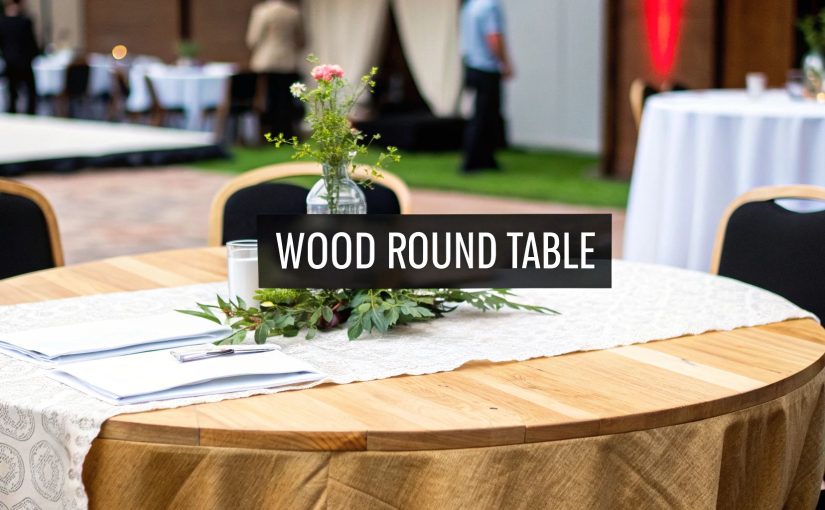
A wood round table is so much more than just a place to sit. It’s the heart of your event, a centrepiece that creates a warm, inviting, and genuinely interactive atmosphere. The magic is in its shape; a circle naturally does away with the formal, rigid feel of a rectangular table, encouraging a more communal and engaging vibe for everyone. This simple fact makes it a fantastic choice for any occasion, from weddings to corporate get-togethers.

Why a Wood Round Table Elevates Any Event

There’s a good reason event planners here in Cape Town and beyond keep coming back to the classic wood round table. Unlike long, straight tables that can feel a bit like a boardroom and limit conversation to the person next to you, a round table pulls everyone together. This simple change in geometry has a huge impact on the feel of an event.

Think of it this way: a rectangular setup is like a lecture hall, while a round table is like gathering around a campfire. One feels formal and structured, the other encourages shared stories and makes sure everyone is part of the conversation. Every guest can see everyone else, so interactions feel more natural and inclusive. This is absolute gold for events where connection is key, like weddings, anniversary dinners, or even collaborative workshops.

The Power of Inclusive Design

A circle is democratic by its very nature. There’s no head of the table, which means every seat is just as important as the next. This subtle detail is brilliant for breaking down social barriers and creating a relaxed, communal mood. Guests stop being just attendees and become part of one big, connected group.

Beyond the social perks, wood round tables are incredibly versatile when it comes to style. The natural grain and texture can be used to create all sorts of looks:

  • Rustic Charm: An unfinished or reclaimed wood table is the perfect anchor for a farm-style wedding or an outdoor event in the beautiful Cape Winelands.
  • Modern Elegance: A sleek, dark-stained wood table brings an organic warmth to a slick, contemporary corporate gala.
  • Bohemian Flair: Lighter woods, like pine or ash, look amazing dressed up with eclectic runners and centrepieces for a chilled, chic celebration.

A round table’s design inherently promotes interaction. By eliminating sharp corners and a designated 'head,' it creates a continuous flow that makes every guest feel equally included in the conversation and the celebration.

At the end of the day, choosing a wood round table isn't just about logistics; it's a deliberate design choice. It shows you want to create an event built around warmth, connection, and shared experiences – setting the stage for a truly unforgettable day.

Choosing the Right Size for Your Guest List

Getting the table size right is one of those make-or-break decisions when you're planning an event. It's not just about fitting everyone in; it's about the entire vibe of the day. A table that's too small feels cramped and uncomfortable, but one that’s too big can make even a lively gathering feel a bit empty and disconnected.

The trick is finding that sweet spot. You want a setup that feels welcoming and makes it easy for guests to chat and move around. Before you book anything, take a moment to picture the kind of experience you're trying to create.

A casual, stand-up cocktail party can get away with a cosier arrangement. But if you're planning a formal wedding dinner with multiple courses, you absolutely have to give your guests enough elbow room. It's all about matching the table size to what the event actually needs.

Decoding Table Dimensions and Seating Capacity

Standard wood round tables come in a few key sizes, and each is designed to seat a different number of guests. Knowing these dimensions is your first step to a flawless floor plan. A classic mistake we see is people trying to squeeze in the maximum number of guests, which almost always ends up feeling a bit tight.

Take the 1.8-metre (or 6-foot) diameter table – it's the workhorse of the event world for a reason. This size is perfect for seating 8 to 10 guests. Eight guests will have plenty of space, which is ideal for a formal dinner. If you push it to ten, you create a more buzzy, intimate feel that’s great for social get-togethers.

If you're working with smaller groups, a 1.5-metre (5-foot) diameter table is a fantastic choice, comfortably seating 6 to 8 guests. These are brilliant for creating little conversation zones within a larger event or for those more intimate celebrations where you want everyone to feel connected.

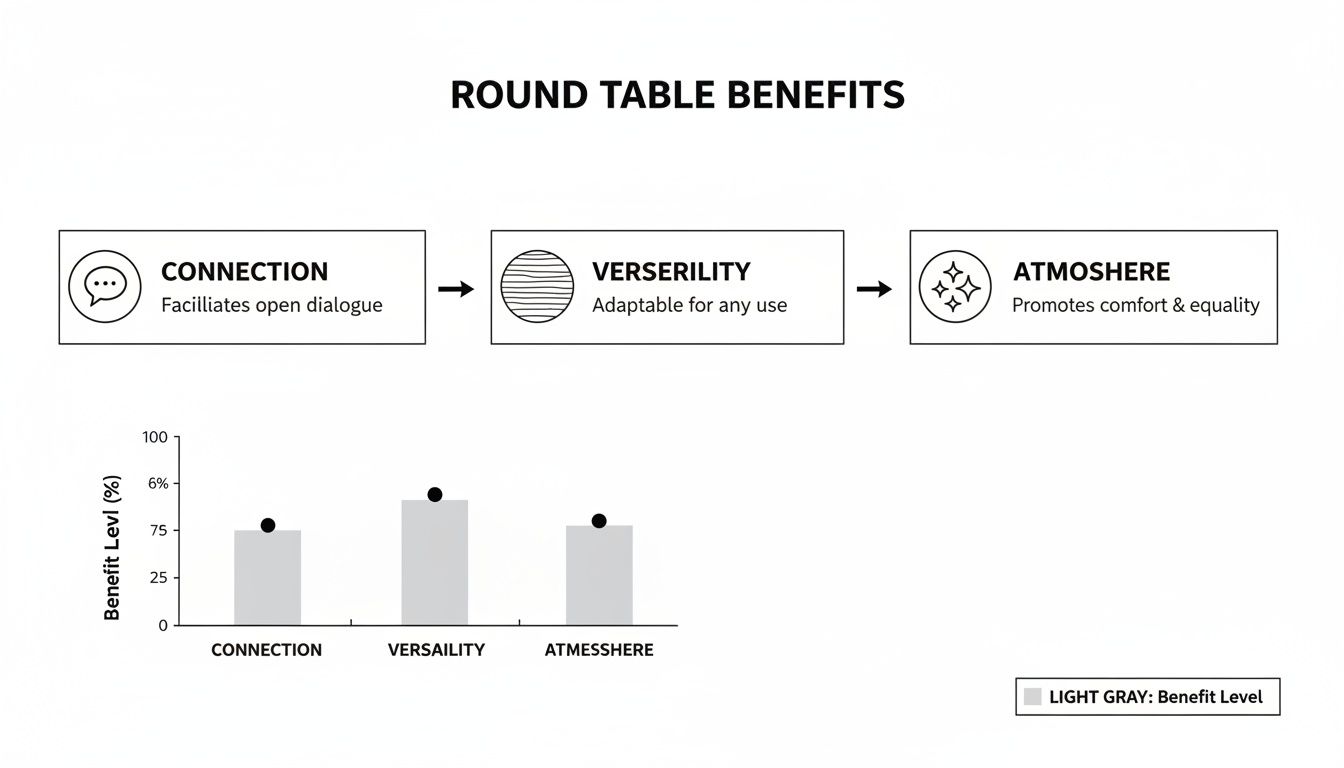
This infographic really nails why round tables are such a go-to choice for creating a great atmosphere.

Infographic detailing round table benefits: connection, versatility, and atmosphere, supported by a bar chart.

As you can see, the shape itself naturally encourages conversation and just works with so many different styles and themes.

Pro Tip: Don't forget to account for your centrepieces! A big, beautiful floral arrangement will eat up table space. You might need to seat one less person per table or just go for the next size up to make it work.

To make things a bit easier, here’s a quick guide to help you choose the right wood round tables for your event.

Wood Round Table Seating Capacity Guide

This little chart is your cheat sheet for matching our standard table sizes with how many guests they can comfortably accommodate.

Table Diameter (cm) Comfortable Seating (Guests) Maximum Seating (Guests) Ideal For
150 cm (5 ft) 6-7 8 Smaller gatherings, intimate dinners, breakout areas
180 cm (6 ft) 8-9 10 Weddings, corporate galas, standard event seating
210 cm (7 ft) 10 12 Large celebrations, maximising venue space

Keep this handy when you’re sketching out your floor plan – it’ll save you a lot of guesswork!

Calculating Your Space and Table Count

Okay, so you've got your guest count and you know which table size you prefer. Now it's time to map it all out. It’s not just about squeezing the tables in; you have to think about the chairs and, most importantly, the space people need to walk around. A good rule of thumb is to leave at least 1.5 metres of space between each table.

This buffer zone is non-negotiable, and here’s why:

  • Guest Movement: It lets guests pull their chairs out without knocking into someone behind them.
  • Service Flow: Waiters and catering staff need clear paths to serve food and clear plates without a fuss.
  • Accessibility: It ensures everyone can get to the dance floor, restrooms, or the bar without having to squeeze past other tables.

To figure out how many tables you’ll need, just divide your total number of guests by how many people you're seating at each table. For instance, if you have 120 guests and you want to seat 8 people comfortably at each table, you'll need 15 tables (120 ÷ 8 = 15). If you end up with a decimal, always round up. It’s far better to have an extra table with slightly fewer people than to cram everyone in. A little bit of planning here goes a long way in making your setup feel both beautiful and practical.

Exploring Different Wood Types and Finishes

The real heart and soul of a wood round table comes from the timber it’s made from and how it’s been treated. This choice goes way beyond just how the table looks; it dictates its weight, how durable it is, and the entire feeling it brings to your venue.

Think of the wood as the table's personality. Is it light and cheerful, or rich and formal? It's all about matching the material to your event's aesthetic. Each wood has its own grain, colour, and texture, giving you a completely different canvas for your tablescape. A rustic, textured wood might be perfect for a wedding in the Cape Winelands, while a sleek corporate function in the city centre probably calls for something more polished and uniform.

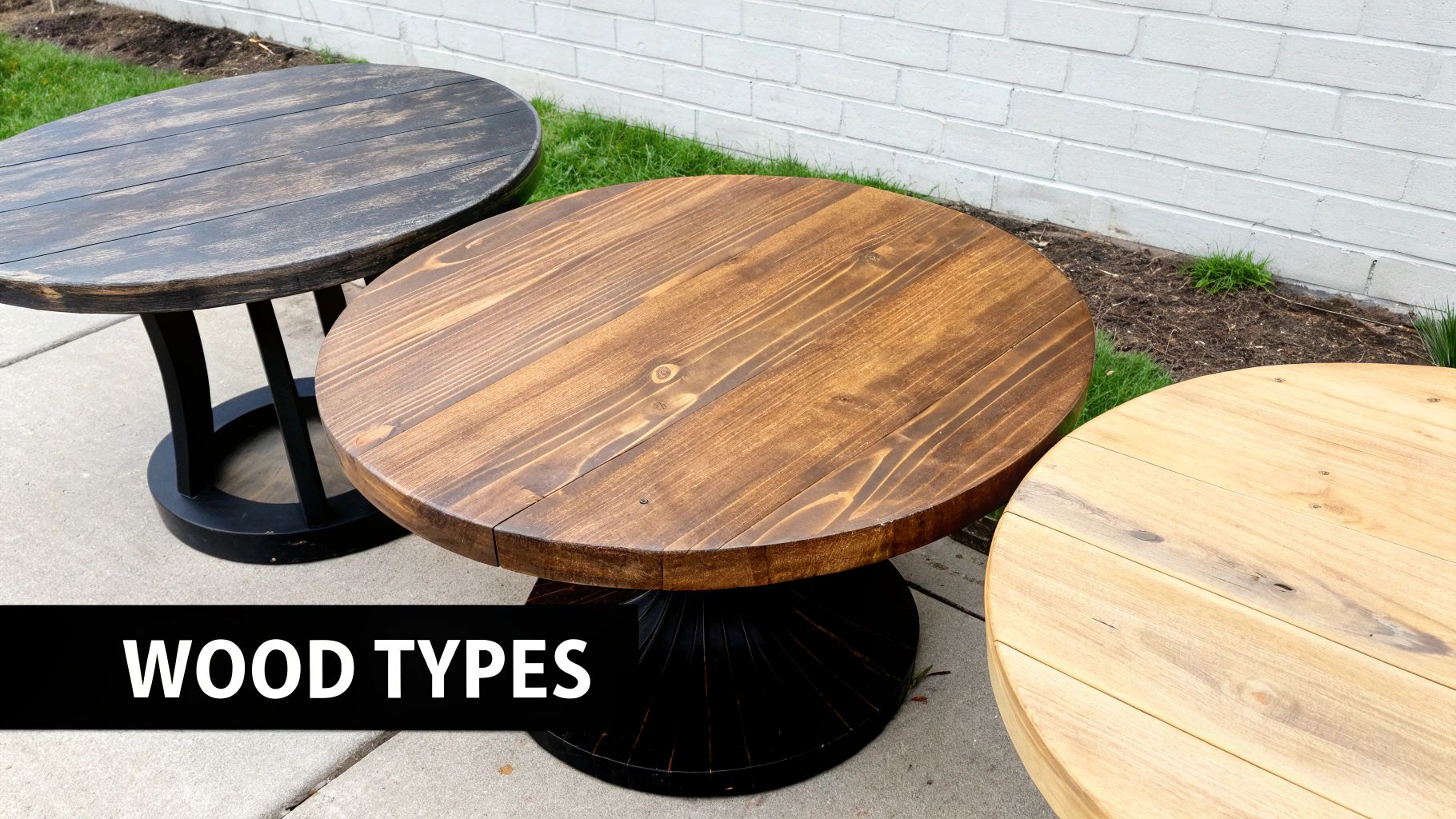
Three round wooden tables display various wood types and finishes outdoors next to a white brick wall.

Common Woods for Event Tables

Here in South Africa, we're lucky to have access to some incredible local timbers for event furniture. Pine is a hugely popular choice for a wood round table, loved for its light colour and affordability. It’s a softer wood, which gives it a charming, rustic look—especially when it shows a few signs of character from past celebrations.

Oak, on the other hand, is a classic hardwood. It's known for its strength, heavier weight, and beautiful grain patterns. An oak table feels substantial and traditional, bringing a sense of timeless elegance to any setting. It's tough, so it can handle the hustle of countless events, making it a reliable and sophisticated choice.

Locally, our timber industry is a big deal. In a single year, South Africa produced around 18.21 million cubic metres of timber, with pine and eucalyptus leading the charge. This strong local supply, especially from regions like Mpumalanga and KwaZulu-Natal, means we have a steady stream of beautiful materials to craft our event tables.

Understanding Finishes and Their Impact

The finish is what truly brings the wood to life. It protects the timber, but more importantly, it defines the final look. This is what makes a table feel raw and organic or refined and luxurious. The finish can completely transform the mood of your event.

Here are a few common finishes you’ll come across:

  • Natural/Unfinished: This style is all about celebrating the wood in its raw state. It’s perfect for rustic, bohemian, or outdoor themes where you want to highlight natural textures.
  • Stained: Stains change the wood's colour while letting the natural grain show through. This can be anything from a light wash to a deep, dark espresso, allowing you to perfectly match the table to a specific colour scheme.
  • Polished/Varnished: A clear varnish or lacquer adds a protective layer and a noticeable sheen. A high-gloss polish creates a formal, reflective surface, while a satin or matte varnish offers protection with a more subtle, modern feel.

The finish on a wood round table does more than just protect the surface; it sets the tone. A rustic, matte finish invites a casual, communal atmosphere, while a dark, polished gloss suggests formality and elegance.

The choice of finish is a powerful styling tool. A dark-stained wood round table, for instance, can anchor a dramatic, moody theme, while a light, natural finish keeps the space feeling bright and airy. It’s crucial to think about how the table’s finish will play with your lighting, linens, and centrepieces to create a cohesive look. When you understand the various options, selecting the perfect wooden tables and chairs for your event's theme becomes so much easier.

Ultimately, it’s the combination of wood type and finish that gives each table its unique identity. By considering these elements, you can pick a wood round table that not only does its job but also becomes a key part of your décor, perfectly aligning with your event’s vision.

How to Style Your Table with Linens and Centrepieces

This is where the magic happens. Styling your wood round table is where its personality truly shines, turning a beautiful piece of furniture into a show-stopping focal point that sets the tone for your entire event. Your first big decision? Linens. This choice will fundamentally shape the table's final look.

How you approach linens can range from covering the table completely to letting the natural wood be the star of the show. Each option creates a totally different vibe, so the right path really depends on the theme and formality you're aiming for at your Cape Town gathering.

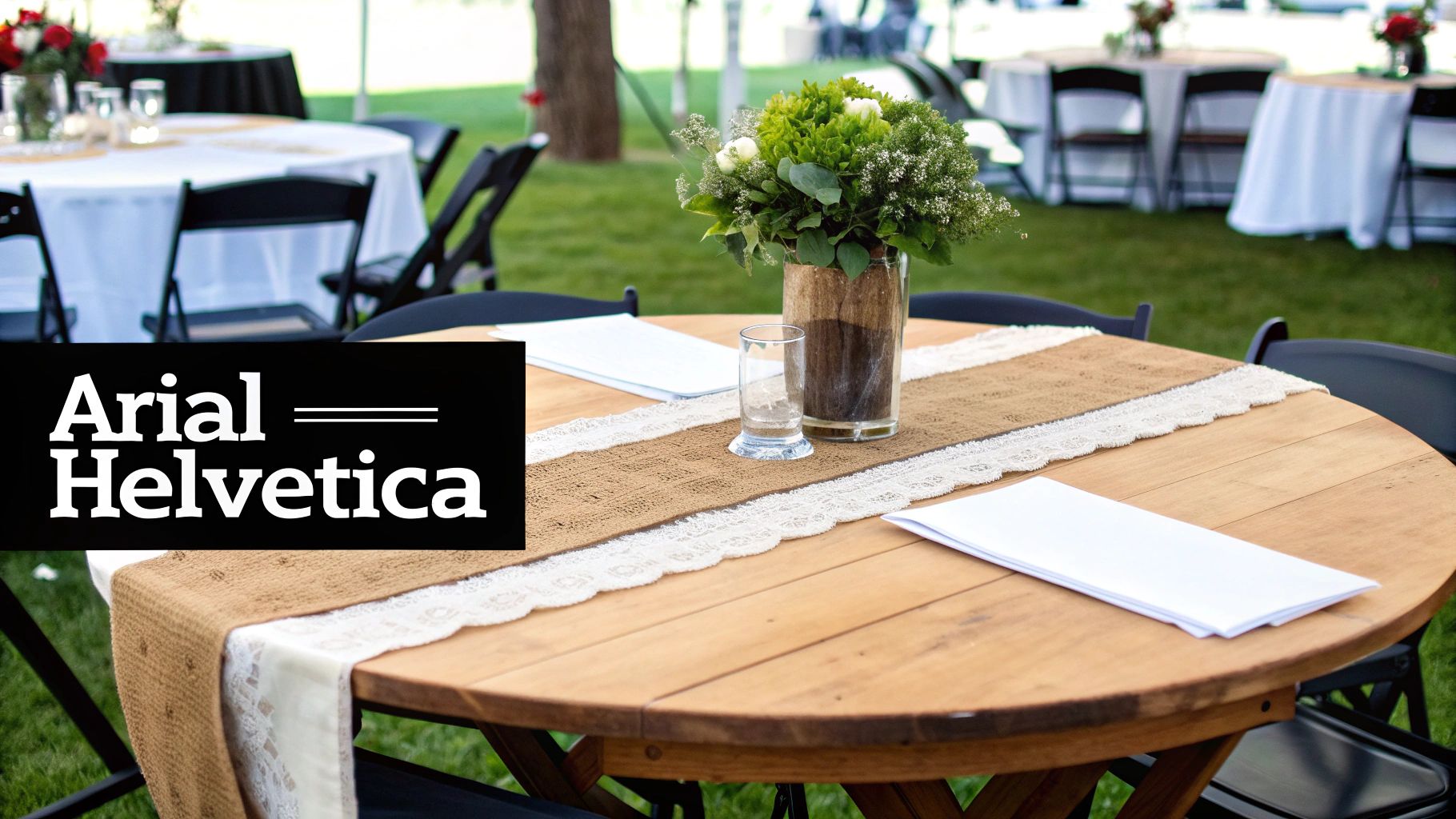
A round wooden table set for an outdoor event with a burlap runner, floral centerpiece, and glasses.

To Cover or Not to Cover: The Linen Decision

When you've hired a gorgeous wood table, deciding whether to cover it is all about balancing elegance with authenticity. You've really got three main options, and each brings its own unique flavour.

  1. Full Tablecloth: This is your go-to for classic, formal events like weddings or corporate galas. A crisp, floor-length tablecloth in white, ivory, or even a bold colour adds a layer of sophistication and creates a clean, polished look across the room.
  2. Table Runner: We love a runner—it's the perfect compromise! You get to add a pop of colour and texture down the middle while still letting that beautiful wood grain peek through on the sides. This works brilliantly for semi-formal events or rustic-chic themes.
  3. Bare Wood: Sometimes, less is more. If you've chosen a table with a stunning grain or a unique rustic finish, letting the wood speak for itself creates an organic, warm, and effortlessly cool look.

Your choice of linen is a key styling moment. A full cloth signals formality and tradition. A bare table feels modern and connected to nature, celebrating the material itself.

For a rustic farm wedding, a simple hessian runner or one of these beautiful natural round linen tablecloths can be the perfect touch. On the other hand, a sleek corporate dinner might demand the sharp, clean finish of a full, dark-coloured tablecloth. If you're still on the fence, our complete guide on tablecloths for round tables has plenty more tips to help you decide.

Choosing the Perfect Centrepiece

Once your linen choice is sorted, the centrepiece is the crowning glory. A round table is practically made for a central arrangement, but it does come with one challenge: making sure your guests can still see each other!

The goal is to create a visual impact without building a floral wall that kills conversation. A great centrepiece draws the eye and ties the theme together, but never gets in the way of your guests connecting.

When you're picking a centrepiece, think in terms of two height options:

  • Low and Lush: Arrangements that stay below eye level are always a safe—and beautiful—bet. Think sprawling garlands of eucalyptus, clusters of pillar candles at different heights, or a collection of small bud vases with single, delicate stems.
  • Tall and Slender: If you want drama, the trick is to go above your guests' sightlines. Use tall, slim vases with minimal fuss at the base. This lets the main floral feature float high above the table, creating that wow-factor without blocking anyone's view.

Styling Inspiration for Your Event Theme

Your event's theme is your North Star for all styling decisions. When everything on the table tells the same story, your event feels thoughtful, cohesive, and completely immersive.

To get your creative juices flowing, we’ve put together a quick guide to matching your styling to your theme.

Linen and Styling Choices for Different Event Themes

Event Theme Recommended Linen Centerpiece Idea Best Wood Finish
Rustic Farm Wedding Hessian Runner or Bare Wood Wildflower bouquet in a mason jar, lantern cluster Natural or Reclaimed
Modern Corporate Gala Black or White Full Tablecloth Single tall orchid in a slim vase, geometric candles Dark Stain, Polished
Bohemian Celebration Macramé Runner, Coloured Gauze Eclectic mix of bud vases, scattered tea lights Light Pine or Ash
Elegant Formal Dinner Ivory Full Tablecloth Low, classic rose arrangement, silver candelabra Cherry or Oak, Varnished

Ultimately, styling your wood round table is about creating harmony. The wood, the linens, the centrepiece—they should all work together to bring your vision to life, making your tables more than just a place to sit, but a key part of a beautiful, unforgettable experience.

Mastering Your Event Layout and Logistics

Having the perfect wood round table is one thing; knowing how to arrange them to create a space that feels both beautiful and effortless is another game entirely. The layout is the invisible architecture of your event's atmosphere. A well-planned floor plan gets your guests mingling, ensures service runs like clockwork, and makes the whole venue feel balanced and intentional.

On the flip side, a poor layout can create frustrating bottlenecks, awkward empty pockets, or a cramped feeling that kills the mood. You're aiming for a design that not only looks incredible but also works for every single person in the room, from your guests to the catering staff. It’s all about creating flow.

This isn't just about plonking tables down wherever they fit. It’s a strategic game that considers traffic routes, sightlines to key spots like the stage or dance floor, and the overall guest experience.

Crafting the Perfect Floor Plan

Every venue in Cape Town, whether it’s a historic wine estate in Stellenbosch or a slick city centre ballroom, has its own unique footprint. The first rule is to work with the venue's dimensions, not against them. A great layout makes the most of the space while respecting its natural flow and features.

The priorities for your floor plan will change depending on the kind of event you're hosting.

  • Weddings: Here, the layout needs to feel romantic and connected. Think about arranging tables so everyone has a great view of the head table and, of course, the dance floor. You’ll want to create clear pathways to the bar, bathrooms, and any outdoor areas to avoid guest traffic jams.
  • Corporate Galas: For these events, the focus might be on a stage or presentation area. A tiered or chevron-style arrangement is brilliant for ensuring clear sightlines for all attendees. The layout should feel professional and organised, with plenty of room for networking.
  • Conferences: If you're running workshops or collaborative sessions, grouping a few wood round tables together can create fantastic breakout zones. This encourages small-group discussion while still keeping everyone connected to the main event.

A successful floor plan is all about pathways. Try to imagine tracing the journey of a guest from their arrival to their seat, over to the bar, and then to the dance floor. If that path is clear, easy, and logical, you've nailed it.

No matter the event, always prioritise movement. A good rule of thumb is to keep at least a 1.5-metre gap between tables. This isn't just for comfort; it’s absolutely essential for efficient food service and lets guests move around freely without bumping into others.

Nailing the Logistics in Cape Town

Once your floor plan is sorted, the focus moves to the practical side of things: getting your tables on-site and set up perfectly. This is where clear, upfront communication with your rental supplier—like us here at ABC Hire—is non-negotiable for a stress-free experience.

Coordinating the logistics well in advance saves you from any last-minute chaos. You need a solid plan for delivery, setup, and breakdown that works with your venue’s specific rules and your event's timeline.

Key Logistical Steps

  1. Coordinate Delivery Times: Pin down a precise delivery window with your vendor and the venue. Make sure someone is on-site to receive the tables and guide the delivery team according to your floor plan. This simple step stops tables from being dropped in the wrong spot.
  2. Plan for Setup: Don't underestimate how long setup takes. Placing each wood round table, arranging the chairs, and then dressing the tables with linens and centrepieces all add up. Schedule this with plenty of buffer time before guests are due to arrive.
  3. Handle with Care: Wooden tables, especially ones with beautiful finishes, need to be handled carefully to avoid scratches or dings. Check that the setup crew knows how to move and place them correctly to protect both the furniture and the venue's floors.
  4. Organise Breakdown: The end of the night needs just as much planning. Coordinate a pickup time that suits the venue and have a clear process for breaking down tables and stacking them for collection. A smooth exit is just as important as a grand entrance.

Getting these logistical details right means the vision you created on paper becomes a flawless reality, letting you relax and focus on hosting an event to remember.

Budgeting for Your Table Rentals in Cape Town

Let's be honest, figuring out the budget is a massive part of planning any successful event here in Cape Town. When it comes to hiring a wood round table, the final cost isn't just a single number. To avoid any nasty surprises, you need to understand what actually goes into that price.

Think of it this way: the price is a mix of the table's unique features and the services you’ll need. Things like the type of wood, the table's diameter, the finish you choose, and how long you need it for all play a big role. It makes sense, right? A huge, solid oak table with a fancy polished finish is naturally going to cost more to hire than a smaller, rustic pine one.

Key Factors Influencing Rental Costs

To put together a budget that actually works, you need to break down what you're paying for. It’s less about a single price tag and more about a handful of variables you can often tweak to fit what you want to spend.

Here are the main things to keep in mind:

  • Table Size and Type: Bigger tables that can seat more guests simply use more material and are heavier to move around, and the rental price reflects that. Likewise, premium woods like oak will always be a bit pricier to hire than more common options like pine.
  • Finish and Condition: If you're after a table with a special finish, like a dark stain or a high-gloss varnish, expect to pay a little more than for one with a simple, natural look.
  • Rental Duration: Most companies work on daily rates, but if you're planning a multi-day event, you can often negotiate a better overall price for a longer hire period.
  • Delivery and Collection Fees: This is a big one that people often forget. The cost here depends on how far your venue is from the supplier's warehouse, how easy it is to get to, and whether you need them to deliver or collect outside of normal business hours.

When you're budgeting, always, always ask for a fully itemised quote. This transparency is your best friend. It shows you exactly where your money is going and helps you spot any potential hidden costs, like damage waivers or setup charges, before you've signed anything.

A great way to get a handle on your budget is to gather a few quotes from different suppliers. You can easily obtain a table quote to start comparing your options. Getting a full picture of the costs is so important, and our guide on tables and chair rentals dives even deeper into this.

Renting Versus Buying A Wood Round Table

For most one-off events like weddings or corporate functions, renting is almost always the smarter move, both financially and logistically. Buying a whole set of high-quality wood tables is a massive upfront cost, and that's before you even think about where you'll store them, how you'll maintain them, and how you'll get them to your venue. Renting just makes all that hassle disappear.

The furniture market in South Africa is also growing. The national market was valued at around US$2.47 billion in 2024 and is expected to keep climbing. This will likely push up the demand for timber and could affect both the cost and availability of a new wood round table if you were looking to buy.

Renting gives you incredible flexibility. You get access to a huge range of styles without the long-term commitment. This means you can pick the absolute perfect table for your event's theme, and when the party's over, it simply gets taken away. It’s a practical, wallet-friendly solution for creating a beautiful event space.

Your Questions Answered

When you're in the final stages of planning your event, a few last-minute questions always seem to come up. It's completely normal! Getting these details sorted is the key to booking your wood round table hire with total peace of mind.

Here are a few of the things we get asked most often.

How Far in Advance Should I Book?

This is a big one. For the best selection, especially during Cape Town's peak wedding season from October to April, we always suggest booking your tables at least 3 to 6 months ahead. This gives you a much better chance of securing the exact style and number of tables you've got your heart set on.

Rental and Logistical Details

What about the practical side of things, like delivery and setup? We’ve got you covered. We offer a full delivery and collection service across Cape Town and the beautiful surrounding Winelands. While setup isn't included as standard, we can absolutely arrange it for an extra fee to make sure your floor plan comes to life just as you pictured it.

And what if something gets damaged? We get it, accidents happen! Your quote includes a standard damage waiver to cover the usual minor wear and tear. If something more significant happens, we’ll simply chat about the repair or replacement cost as laid out in your rental agreement.

A quick tip from our team: Always double-check venue access times with your coordinator before you finalise delivery and collection slots with us. It’s a simple step that saves a world of stress on the day.

Finally, let's talk linens. While our passion is beautiful furniture, we know the right tablecloths and runners complete the look. We’ve built up a great network of trusted local suppliers and we’re more than happy to point you in the right direction. Just ask, and we'll help you find the perfect linens to go with your chosen wood round tables.


Ready to create an unforgettable atmosphere for your next event? For the finest selection of event furniture in Cape Town, explore the beautiful range at ABC Hire. Find your perfect tables and chairs today at https://abchire.co.za.

📍 Cape Town + Winelands