
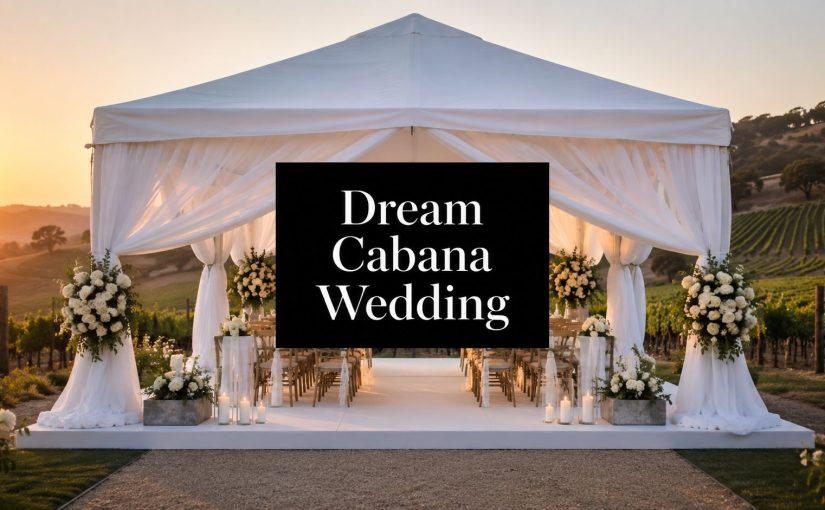
You're probably somewhere between excited and slightly overwhelmed right now. You've found the venue, or at least narrowed it down to a few beautiful farms in Stellenbosch or Franschhoek. You can already see the ceremony on the lawn, the long lunch or elegant dinner, the photos under the mountains, and that soft white tented backdrop that makes the whole day feel polished without losing the outdoor atmosphere.
Then the practical questions start. Will guests be warm once the sun drops? What happens if the wind picks up? Will the tent fit the tables, bar, dance floor, and service space, or will it feel cramped the moment everyone sits down? These are the questions that matter in the Winelands, and they matter more than Pinterest usually admits.
A cabana tent often ends up being the right answer because it gives you shelter, shape, and a refined wedding look without closing off the setting that made you choose a Winelands venue in the first place. It works beautifully for couples who want something airy and elegant, especially for a classic white wedding style.
I've seen many couples arrive at the same point. They want the romance of an outdoor celebration, but they don't want to gamble on comfort. If you're drawing inspiration from destination celebrations, these Italian wedding weekend details are useful because they show how structure, flow, and atmosphere come together over several events, not just during the ceremony itself.
Your Dream Winelands Wedding Starts Here
A Winelands wedding usually starts with a feeling before it becomes a floorplan. It's the light on the vineyards, the mountain line behind the ceremony, the thought of guests gathering outside with a glass in hand while the reception space glows in white and warm gold.
That's exactly why so many couples land on a cabana tent for wedding celebrations. It protects the event without making it feel boxed in. You still get the outdoor scenery. You still get natural light. You still get that sense that the celebration belongs to the setting rather than being dropped on top of it.
The mistake is treating the tent as an afterthought. In the Winelands, the tent is part venue, part weather plan, part design framework, and part logistics puzzle. When it's chosen well, everything feels easy. When it's chosen badly, the problems show up fast. Guests queue awkwardly, caterers fight for space, draping hangs beautifully but the sides rattle in the evening breeze, and the dance floor steals room from the dining setup.
A good tent doesn't just cover the wedding. It helps the whole day flow properly.
Couples who plan best usually ask practical questions early. Not only “Will it look beautiful?” but also “Where will guests enter?”, “Where does catering work from?”, and “How will the space feel after sunset?” Those are the questions that separate a pretty setup from a comfortable one.
In the Cape, especially at exposed venues, comfort and elegance have to work together. You shouldn't have to choose between them.
What Is a Wedding Cabana Tent
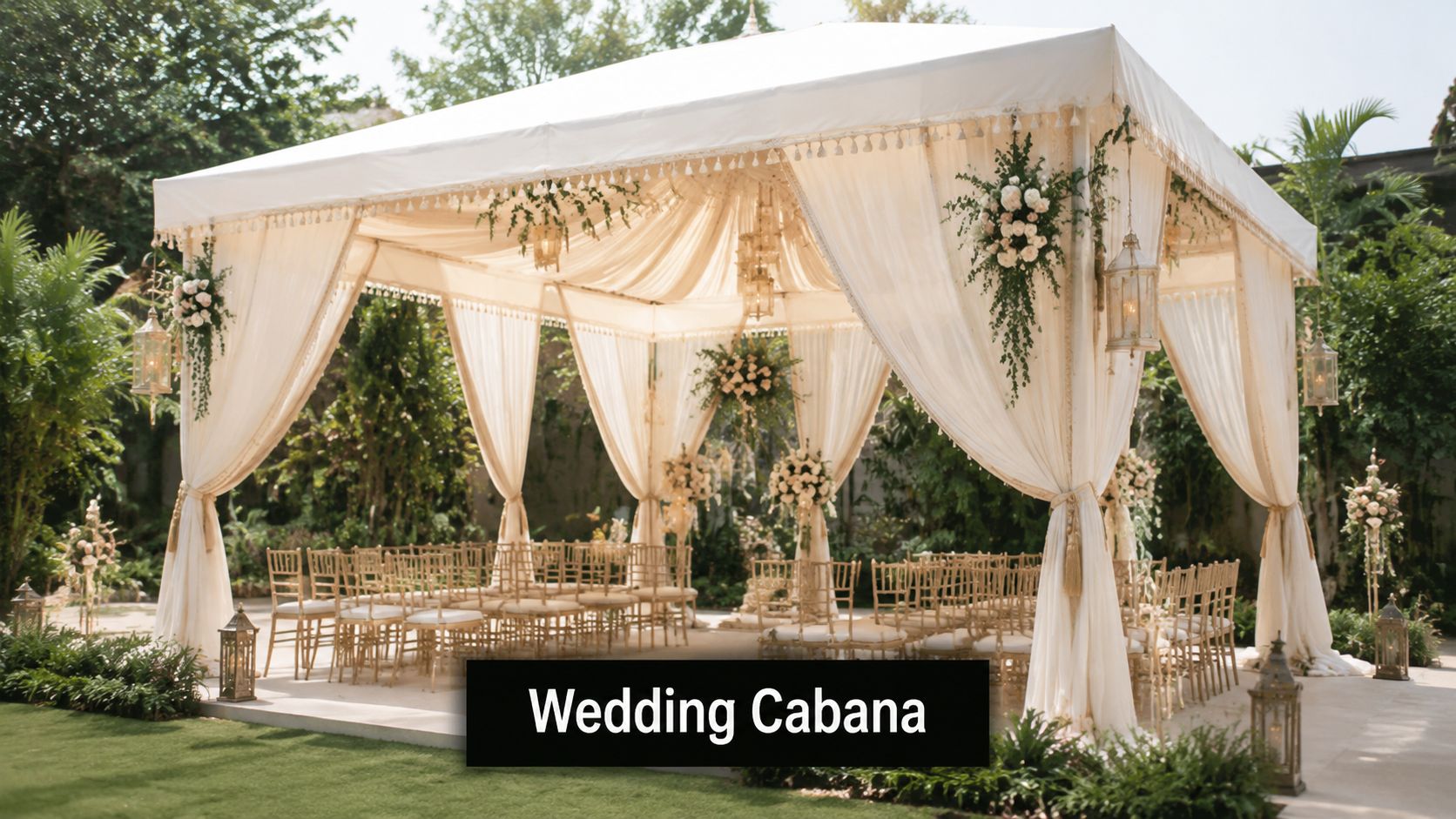
A cabana tent for wedding use is a framed event tent designed to create a light, formal, open-sided setting. It's known for its clean lines, peaked roof profile, and the way it takes draping, florals, and lighting. For South African weddings, it has become closely tied to the classic white wedding look.
The visual appeal is straightforward. The frame gives structure. The roofline adds height. The open sides keep the setting connected to the surroundings. Decorative draping softens the interior and turns a plain frame into something romantic and polished.
Why couples choose this style
The strongest reason is aesthetic. The cabana tent is widely recognised as the top choice for the white wedding aesthetic in South Africa, and demand for white draping and fairy light decorations has seen a 40% increase over the past three years for engagements and formal wedding ceremonies, according to this South African wedding styling reference.
That increase makes sense on the ground. White fabric reflects light well during the day, photographs cleanly, and creates a neutral base for almost any floral palette. It also works across very different venue styles, from formal estates to more relaxed garden settings.
How it compares with other tent options
If you're deciding between tent styles, the biggest differences come down to shape, mood, and weather behaviour.
| Tent type | Best known for | Where it works well | Main trade-off |
|---|---|---|---|
| Cabana tent | Elegant white wedding styling, draping, formal reception look | Ceremonies, seated receptions, classic wedding layouts | Open-sided feel can be less forgiving in wind and cold |
| Marquee | More enclosed event shell | Formal events where a sealed environment matters more | Can feel heavier and less visually open |
| Stretch tent | Organic shape and relaxed feel | Cocktail-style events and less formal celebrations | Different aesthetic, less suited to a crisp white wedding look |
If you're comparing structures in more detail, this overview of different event tent styles is a useful starting point.
Practical rule: If the look in your head includes white draping, layered lighting, and a formal aisle or dining layout, a cabana tent usually gets you there more naturally than a stretch tent.
What a cabana tent does best
Cabana tents shine when you want the setting to feel dressed, not improvised. They work especially well for:
- Ceremony and reception in one area where the tent needs to shift mood through the day
- Classic round-table dining with a defined entrance and central visual focus
- Layered décor schemes using ceiling draping, chandeliers, fairy lights, and floral installations
The style is elegant. The planning around it needs to be equally disciplined.
Choosing the Right Cabana Tent Size and Capacity
A couple books a beautiful Winelands venue, sees a 6×9 on a hire list, and assumes it will cover dinner, a bar, a DJ, and a bit of dancing. On installation day, the tables go in, the service aisles get marked out, and the tent suddenly feels far smaller than it did on paper.
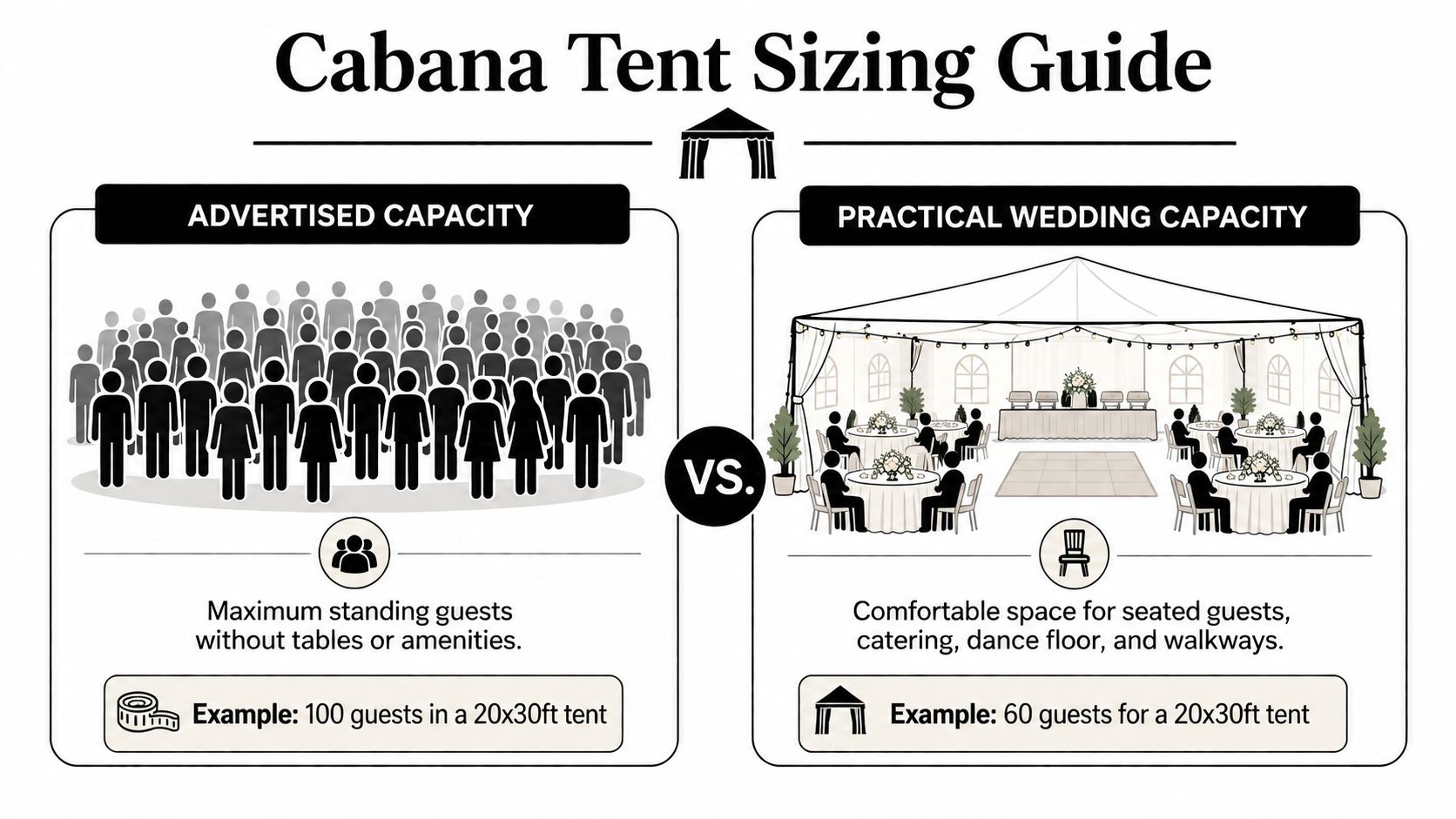
That mistake is common because advertised capacity usually reflects a basic layout, not a real wedding floorplan. A cabana tent must carry furniture, staff movement, décor, and often a weather plan for the Cape. If we are planning for a Winelands wedding, I size for comfort first and headcount second.
The sizes that matter most
A 6m x 9m cabana tent gives you 54 square metres of covered space and suits a smaller seated wedding if the layout stays disciplined. Suppliers such as Lillybees Events list a 6×9 cabana tent for intimate to medium functions, but the practical result depends on what else needs to live inside that footprint.
A 6m x 12m cabana tent is often the point where couples get useful breathing room. Hire companies in South Africa commonly position this size for mid-sized functions, and this 6×12 frame tent listing from Events Guys is a better reference for that size than a duplicated source elsewhere in the article. In practice, whether it handles around 100 guests depends on table shape, bar placement, and whether you are keeping one side more enclosed against the wind.
For a fuller reception with dining and a dedicated dance area, a 12×18 metre cabana tent is usually the safer starting point. It gives the planner more freedom to separate dining from circulation, which matters once staff are carrying plates and guests are leaving tables in heels on a cool evening.
Seated dinner versus cocktail flow
Guest count alone does not decide tent size. Layout does.
A formal seated wedding uses space quickly because the tent must accommodate:
- Dining tables and chairs
- Service aisles for catering staff
- Clear routes to exits and bathrooms
- A gift table, cake table, or welcome drinks station
- Entertainment equipment, a DJ table, or a dance floor
Cocktail layouts can hold more people, but they also create pinch points. I see this often when the bar, grazing table, and lounge furniture all land in the middle of the tent. The result is not shortage of space. It is poor use of space.
Choose the size for your floorplan, not the maximum number printed on the quote.
A practical way to decide
Use this guide as a starting point:
| Tent size | Better suited to | What usually works best |
|---|---|---|
| 6x9m | Intimate weddings | Seated lunch or dinner for a smaller group, with limited extras inside the tent |
| 6x12m | Mid-sized gatherings | Works well for a reception where the layout is planned carefully and circulation stays clear |
| 12x18m | Larger receptions | Better for dining, dancing, and weather contingencies under one structure |
If your wedding will blur into a more social, party-style setup later in the evening, this guide to tent hire for parties and events helps with the movement side of planning, which is usually where capacity assumptions fall apart.
What works in the Winelands
The Winelands adds its own constraints. A tent that works on a flat school field in town can lose usable capacity on a vineyard lawn with a slight slope, a row of uneven pavers, or a wind-exposed edge. Once the team widens aisles for safe service and adjusts table positions to keep chairs level, your original guest plan can tighten up fast.
There is also the Cape weather factor. If you expect a temperature drop after sunset and want heaters, side panels, or a more enclosed edge on the windward side, protect space for that from the start. Those decisions affect comfort, but they also affect how open and spacious the tent feels.
Start with your seating plan. Then add the bar, catering paths, entertainment footprint, and your bad-weather backup. That number is the one worth trusting.
Site Selection and Setup Logistics
The prettiest patch of lawn isn't always the right place for the tent. At Winelands venues, the best tent position usually comes from balancing the view with access, stability, and service flow.
The first thing to inspect is the ground itself. Cabana tents want a site that is as level as possible. Even a mild slope can complicate table setup, flooring, and guest comfort. Glassware, candle holders, and cake tables don't forgive uneven surfaces. Neither do formal dining chairs.
What to check on your site visit
Walk the route from the venue entrance to the setup point and look at it from the installer's perspective, not only the couple's.
- Vehicle access: Delivery teams need a clear route for the tent frame, draping, tables, and any additional equipment. Narrow farm roads, soft verges, and sharp turns can slow setup.
- Ground condition: Grass is fine if it's firm and reasonably even. Muddy, steeply sloped, or heavily rutted areas create avoidable problems.
- Power availability: Lighting, sound, and any heating or cooling equipment need practical power access. Long cable runs need planning.
- Drainage: If there's any chance of rain, low-lying areas can collect water and make the entire space uncomfortable.
- Orientation: Position the open sides to capture the view without exposing dining guests directly to the strongest prevailing wind.
The view should work with the floorplan
Many couples choose a spot because the ceremony photos will be beautiful. That matters, but it's only half the story. The reception needs a sensible back-of-house rhythm too. Caterers need access. Staff need a service path that doesn't cut through family photos. Guests need to arrive without stepping around extension leads or stacked hire items.
A good layout often places the focal point toward the best view, while tucking practical areas to the least visible side of the structure. That could mean:
- Bar to one side, not blocking the central sightline
- DJ or band placed where sound projects well without dominating the room
- Food service near the most efficient access point for kitchen or prep support
If installers have to fight the site, the wedding will feel harder than it needs to.
Questions worth asking the venue
Before you confirm the exact spot, ask:
- Can vehicles reach the lawn safely for setup and breakdown?
- Are there underground irrigation lines or restrictions on staking?
- Where is the nearest power source?
- Does the venue already know which areas become windy after midday?
Those answers save time, money, and stress. In the Winelands, local site knowledge is often more valuable than a pretty map.
Weatherproofing for the Cape Climate
You can have a calm, warm Stellenbosch afternoon at 4pm and a cold, gusty dinner service by 7pm. I see that shift catch couples out every season. With a cabana tent, weather planning starts at booking stage, because the same open look that suits the Winelands so well also lets wind move straight through the reception.
Wind needs a plan before decor goes in
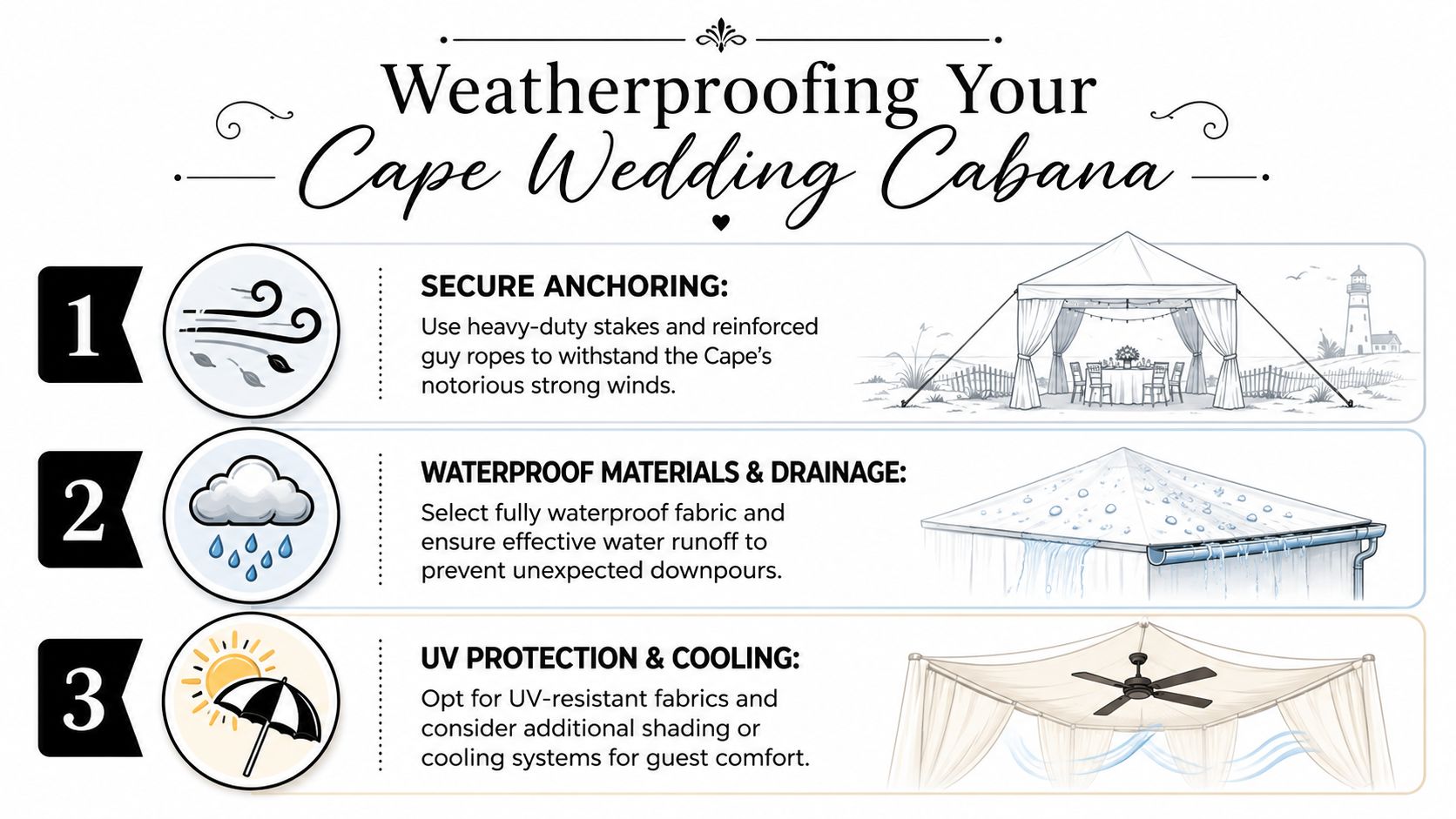
Around Cape Town and the Winelands, wind is usually the first comfort problem, not rain. The structure may be secure, but guests still feel every draft during speeches, every flap in the sidewalls, and every temperature drop once the sun disappears behind the mountain.
A 6m x 12m steel-framed cabana can work well for a wedding setup of around 100 guests if it is installed correctly and suited to the site. The detail that matters is not the catalogue photo. It is the anchoring method, the exposure of the lawn, the condition of the ground, and whether side panels are available where the wind hits hardest. For frame and wind-loading guidance, I prefer to work from supplier specs and engineering notes such as those published by Tent Manufacturer, then match that to the venue conditions on the day.
On exposed estates, I usually advise couples to budget for more protection than they think they need. It is easier to leave a panel open than to wish one existed once glassware starts rattling.
Evening cold changes the mood fast
The Winelands can feel generous in late afternoon and sharply cold after sunset. That matters most at dinner, because guests are seated, less active, and often dressed for photographs rather than warmth.
The best fixes are practical:
- Sidewalls ready on the windward sides, even if you keep them open at first
- Portable climate-control hire, planned with enough power and the right placement
- Dining tables positioned away from direct draft paths
- A technician or hire team briefed to adjust the setup as conditions change
The weak approach is hoping body heat will warm the tent or leaving every side open because the room looked better earlier in the day.
Guest comfort shapes the memory of the night.
A weather plan that works on real wedding days
For Cape weddings, I recommend making three weather decisions well before the final week.
Confirm how the tent will be secured
Pegging, weighting, and site-specific installation all affect performance. A tent on soft lawn behaves differently from one on compacted ground or paving, and the installer should plan for that.Choose a sidewall strategy in advance
Decide which sides protect the dining area, which side can stay open for the view, and who has authority to close panels if the wind picks up. That decision should not wait until guests are already seated.Treat heating or cooling as part of the floorplan
Climate-control units need power, space, and sensible positioning so they do the job without creating noise or clutter. This is also worth coordinating with the evening programme, especially if you are planning creative wedding celebration ideas that keep guests moving between the dance floor, lounge areas, and outdoor spaces.
A good weatherproofing plan protects more than the structure. It protects the atmosphere.
Designing Your Dream Interior Decor and Lighting
Once the structure is right, the tent becomes a blank canvas in the best sense. At this point, a cabana tent for wedding styling earns its place. The frame gives you order, and the soft finishes create mood.
For a classic Winelands reception, white draping overhead with warm lighting is still one of the most reliable combinations. It flatters the room during daylight and then shifts gracefully into evening. The change feels natural rather than dramatic, which is exactly what you want at a wedding.
The elements that make the space feel finished
A beautiful tent interior usually comes from layering, not from one oversized feature.
- Ceiling draping: This softens the frame and draws the eye upward. It also helps the tent feel intentional from every angle.
- Fairy lights or chandeliers: Fairy lights create warmth and softness. Chandeliers add formality. Some weddings use both, with chandeliers over key zones and softer lighting elsewhere.
- Flooring: Flooring changes the feel more than generally anticipated. It gives guests confidence underfoot and visually anchors the room.
- Furniture pockets: Lounge corners break up the dining layout and give older guests or non-dancers a place to settle comfortably.
How to avoid a flat-looking tent
The most common styling mistake is treating the whole interior as one visual note. White on white can be elegant, but it still needs contrast. That contrast can come from:
- Gold or black chair frames
- Textured table linen
- Timber, mirrored, or gloss accents
- A defined dance floor
- Low lounge seating that shifts the silhouette of the room
A wedding tent should have movement inside it. Guests should be able to circulate from dining to dancing to quieter conversation without feeling like they're walking through one large blank rectangle.
Good décor creates zones without building walls.
Small details that lift the room
Some of the strongest results come from practical design choices rather than expensive floral excess. A well-lit entrance, a clear focal point behind the couple, and a lounge nook near the dance floor often do more for the atmosphere than scattering décor evenly everywhere.
If you're looking for ideas beyond flowers and tables, these creative wedding celebration ideas are helpful for thinking about how the reception can feel once guests are inside the space.
A strong tent interior always supports the way people use the wedding. That's why the best-styled spaces don't just photograph well. They host well too.
Your Cabana Tent Rental Checklist and Timeline
The smoothest wedding hires usually follow a simple rhythm. Decide early, confirm the practical details properly, and don't leave layout or weather items to the final week.
A cabana tent booking should happen as soon as your venue and approximate guest count are stable. Popular dates in the Cape fill quickly, especially for spring and summer weekends, so delay limits your options on tent size, flooring, and supporting items.
Early planning stage
When you first enquire, have these basics ready:
- Your venue name and area
- Estimated guest count
- Whether the event is ceremony, reception, or both
- Preferred style, especially if you want a formal white wedding finish
- Any known site constraints, such as slopes, restricted access, or no-stake areas
This is also the moment to ask what is included in the tent setup. Some configurations include draping and installation, while others may require separate decisions on walls, flooring, lighting, or climate items.
Before you approve the final setup
Once your guest list firms up, review the tent layout with real wedding functions in mind.
Check for:
- Dining configuration
- Service aisles
- Cake and gift table placement
- Bar location
- DJ or band footprint
- Dance floor position
- Weather side closures if needed
A useful planning companion at this stage is this broader wedding planning checklist, especially if multiple suppliers are feeding into the same setup window.
Final week checks
The week before the wedding should be for confirmation, not redesign.
Use this short final check list:
- Reconfirm delivery and collection times
- Verify the exact setup point with the venue
- Confirm power access for lighting and any climate equipment
- Check who is responsible for being on site at delivery
- Make sure the quote reflects every required item
- Review weather exposure and backup sidewall decisions
If rain or wind is in the forecast, don't improvise emotionally. Use the plan already agreed.
On the day and after the event
Leave enough setup time for proper installation and dressing of the tent. Rushed installs create avoidable stress for every supplier who follows. After the event, make sure personal décor items are separated clearly from hire stock before collection starts.
The goal isn't only to hire a beautiful structure. It's to remove uncertainty from a very full day. When the checklist is handled well, the tent fades into the background in the best possible way. Guests experience a wedding that feels comfortable, polished, and well organised.
If you're planning a Winelands celebration and want a cabana tent setup that looks refined and works properly in Cape conditions, ABC Hire can help with the practical pieces that make the biggest difference, including furniture, lighting support, and climate-control equipment for Cape Town, Stellenbosch, Franschhoek, Paarl, and surrounding areas.