
It is usually not the flowers, the lighting, or the seating plan that causes the panic call on event day. It is the cold chain.
A planner in Cape Town can have every moving part locked down, then hit one hot afternoon in Stellenbosch and watch the whole catering plan wobble. Ice softens. Dessert service slips. A prep team starts opening and closing a domestic fridge that was never meant to hold event volumes. If the site also has patchy power or a long walk from the loading area, small refrigeration mistakes become expensive ones.
That is where a deep freezer with refrigerator earns its keep. Not as a nice extra, but as working infrastructure for events that need frozen stock and chilled stock in the same footprint. In the Western Cape, that matters more than many generic event guides admit. Wine farms, courtyards, marquees, school venues, heritage buildings, and off-grid sites all create their own refrigeration problems.
The Event Planner’s Secret Weapon for Flawless Catering
A summer function in the Winelands can look calm from the guest side and chaotic from the service side. The bar team needs hard ice. The caterer needs fresh garnish, dairy, sauces, and plated components held at proper chill. The dessert station needs reliable cold holding before service. One wrong appliance choice, and staff start improvising with cooler boxes and bags of melting ice.
That is why experienced planners stop treating refrigeration as an afterthought. In the Western Cape, reliable cold storage has become more important as event activity has grown. The region’s food services industry expanded by 12.5% annually from 2019 to 2023, and refrigeration equipment rentals surged 18% during the post-COVID event boom, according to Grand View Research.
Why one unit often beats two separate ones
A combined unit solves a practical event problem. You usually need two different temperature environments at once.
A chest freezer on its own keeps ice and frozen goods safe, but it does nothing for beverages, dairy, salads, garnish trays, or ready-to-serve platters. A standard bar fridge helps with drinks, but it will struggle with bulk frozen stock. A deep freezer with refrigerator brings both functions into one workable setup.
For planners who are still weighing smaller beverage units against larger mixed-use cooling, this guide to a bar fridge and freezer helps frame the difference in event terms.
Where planners get caught out
The failures are usually predictable:
- Underestimating heat load. A unit placed in a hot tent or loading area works harder all day.
- Using household appliances for commercial volume. Home units are fine until they are opened constantly by staff.
- Splitting stock badly. Frozen and chilled goods get mixed, and service slows down.
- Ignoring venue access. Historic properties and farm venues often make placement harder than expected.
If your menu includes both bulk ice and temperature-sensitive prep, assume you need separate freezer and fridge zones from the start.
In practice, the best refrigeration decisions are made at planning stage, not the morning of setup. That means matching the unit to the menu, the site, the weather, and the power reality on the ground.
Understanding the Combined Deep Freezer and Refrigerator
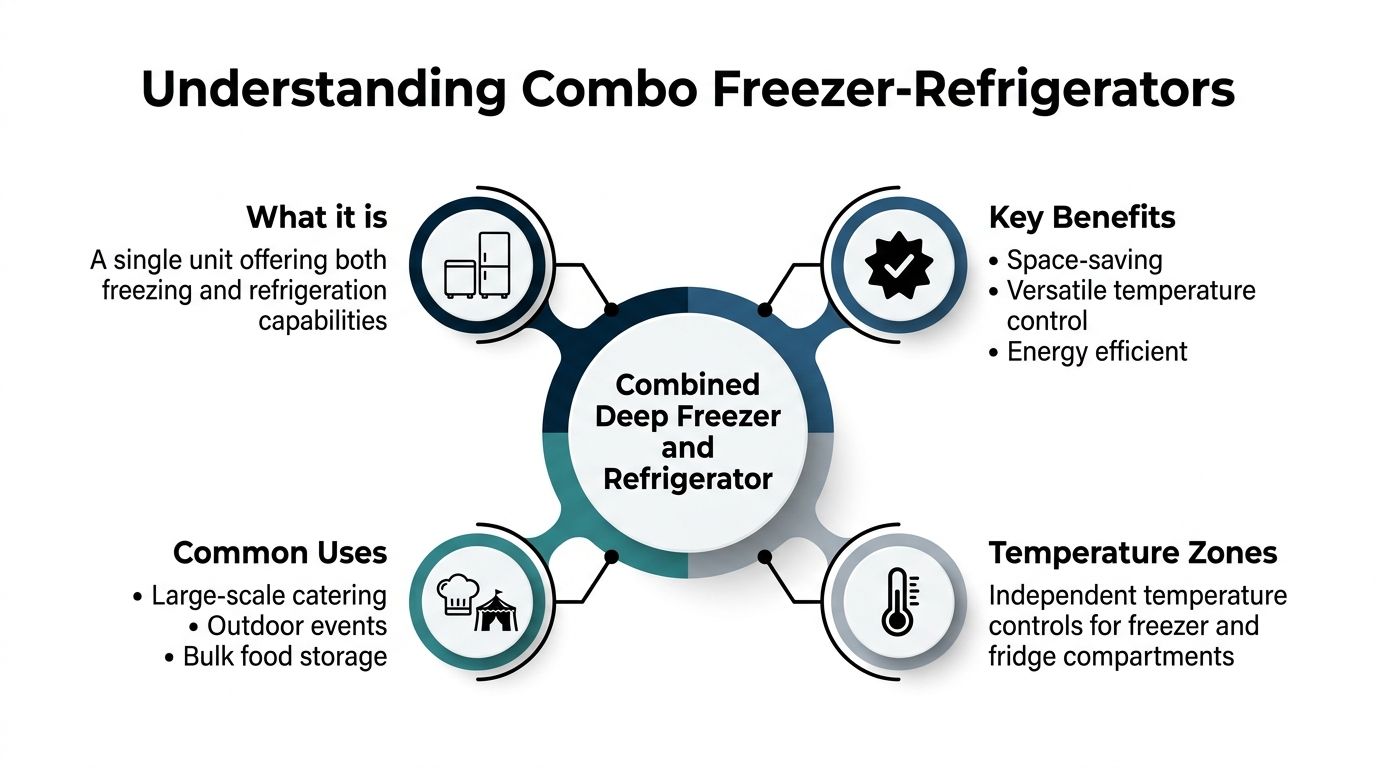
A deep freezer with refrigerator is best understood as a two-in-one climate control unit. It gives you a freezing zone for stock that must stay frozen, and a refrigeration zone for goods that need to stay chilled and service-ready.
That sounds simple, but it changes the way an event kitchen runs.
What makes it different from a normal fridge-freezer
A domestic fridge-freezer usually gives priority to the fridge section. The freezer compartment is smaller and not ideal for serious event stock such as bags of ice, frozen desserts, backup proteins, or pre-frozen cocktail ingredients.
A standard chest freezer does the opposite. It gives you strong frozen storage, but no dedicated chilled zone for produce, dairy, drinks, or plated elements.
A combined unit sits in the middle. It is built for mixed demand.
Typical event use looks like this:
- Freezer zone at -18°C for ice, frozen meats, sorbets, desserts, or backup catering stock
- Refrigerator zone at +4°C for beverages, garnishes, dairy, sauces, and prepared dishes
That split matters because staff can retrieve what they need faster, without sacrificing the rest of the stock.
Why this setup works so well at events
At events, the biggest gain is not theory. It is workflow.
With a combo unit, the team does not need one appliance for drinks and another for frozen stock if space is tight. That helps at venues where the catering tent is small, the access is awkward, or the power layout is limited. One footprint, one placement decision, one operational hub.
Some planners also look at commercial enclosure details and insulation standards when they are comparing long-term venue fit-outs or back-of-house upgrades. If that is part of your brief, Cooler Freezer Doors shows the sort of door and cold-room hardware principles that affect temperature retention and traffic flow in heavier-duty setups.
Convertible models and practical flexibility
Some units are fixed as a freezer-and-fridge combination. Others are convertible, meaning the operator can switch a zone from freezer mode to refrigerator mode when the event profile changes.
That flexibility helps in situations:
- A wedding with a large gin bar may need more freezer space for ice.
- A brand activation may need more chilled space for beverages and garnish.
- A birthday at a private home may need mixed storage without bringing in multiple appliances.
A combo unit is not just about storage volume. It is about putting the right temperature next to the right task.
When planners understand that difference, they stop asking only, “How big is the unit?” and start asking the better question: “What does the kitchen need this unit to do?”
Choosing the Right Size Unit for Your Cape Town Event
At a Stellenbosch wedding, the refrigeration plan can look fine on paper and still fall apart by 6 pm. The caterer has dessert components that must stay cold, the bar is burning through ice faster than expected, and the venue kitchen is smaller than the site visit suggested. Size mistakes usually start there. The unit is either too small for the menu or too awkward for the venue access and service flow.
For Cape Town events, the right size sits in the middle of three pressures. Storage volume, transport practicality, and recovery during service all matter. A bigger cabinet gives more breathing room for stock, but it also takes longer to load in, needs more space around it, and can become a problem at wine farms with gravel paths, cellar steps, or narrow back-of-house doors.
Start with the menu and service plan
Guest count helps, but it does not answer the fundamental operational question. What needs to be held cold, for how long, and how often will staff open the doors?
A plated dinner usually needs disciplined fridge space for sauces, dairy, garnish, plated starters, and dessert mise en place. A buffet often needs broader chilled holding for trays and replenishment stock. A drinks-led event needs a different split again. More freezer space for ice, more fridge space for mixers, beer, soft drinks, and MCC.
Adjust your estimate for these event realities:
- Bar demand. Ice-heavy service can swallow freezer capacity quickly.
- Catering style. On-site prep increases fridge pressure.
- Event duration. Longer service windows need backup stock.
- Venue access. Remote wine farms and private estates often justify extra reserve stock because quick restocking is not realistic.
- Load-shedding planning. Extra headroom helps maintain safe temperatures when generator changeover or power interruptions slow recovery.
If the drinks service is driving the refrigeration brief, this guide on choosing the right bar fridge size for an event gives a more focused way to estimate beverage volume.
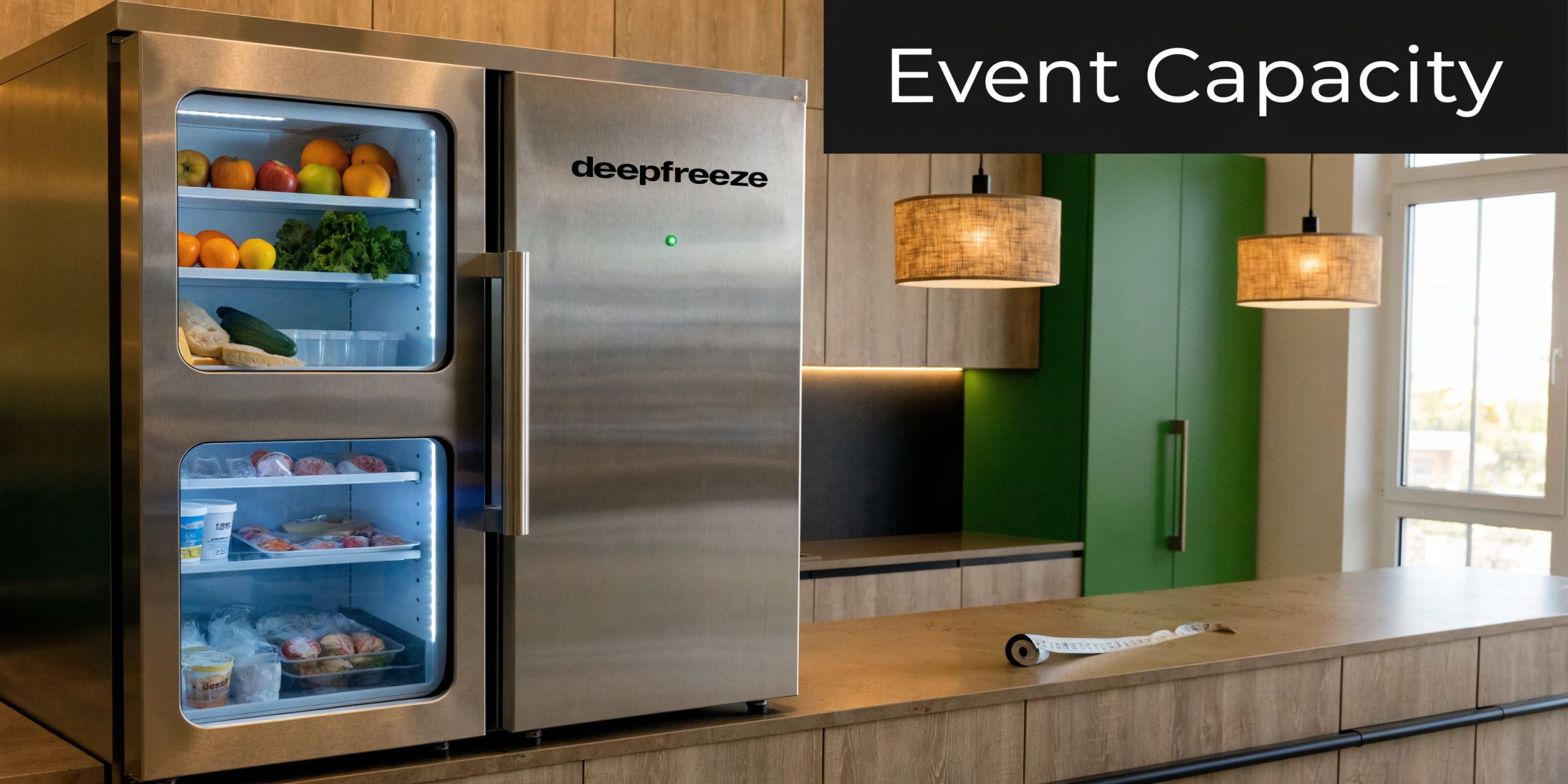
Event Refrigeration Capacity Guide
| Event Type | Guest Count | Recommended Total Capacity (Litres) | Best For |
|---|---|---|---|
| Birthday party | Up to 50 | 150 to 300 | Drinks, cake storage, light catering, ice backup |
| Matric dance | 80 to 150 | 300 to 450 | Beverages, desserts, prep overflow, ice |
| Wedding | 120 to 200 | 450 to 650 | Mixed catering, frozen dessert stock, bar service |
| Corporate event | 150 to 300 | 450 to 850 | Drinks service, canapés, branded catering, ice |
| Large wedding or activation | 300+ | 650 to 850 | Bulk storage, multiple service points, long-duration events |
Use the table as a working range, not a fixed rule.
I usually tell planners to size for the hardest hour of service, not the average hour. If the venue is thirty minutes from town, the bar is high-volume, and the caterer has no cold room on site, the lower end of the range is often too optimistic.
A practical way to estimate
Use this simple field method before you book:
List frozen stock
Ice, frozen desserts, pre-batched cocktails, sorbet, backup proteins.List chilled stock
Dairy, fresh garnish, salads, platters, bottled drinks, sauces, desserts.Separate live service stock from reserve stock
Staff should reach service items fast without digging through backup inventory.Allow operating space inside the unit
Overpacked cabinets recover temperature slowly, especially during summer service and repeated door openings.
That last point matters more in Cape Town than many generic buying guides admit. Warm loading, frequent access, and delayed generator switchover can turn a tightly packed fridge into a weak point very quickly.
What works in practice
Works well
- Medium to large combo units for events running both catering and bar service
- Clear shelf or basket zoning by course, prep station, or bar stock
- Separate access planning for caterers and bar staff so one unit does not become a traffic jam
- Slightly upsizing for remote Winelands venues where replenishment is slow
Usually causes problems
- Small domestic fridge-freezers at summer outdoor events
- One chest freezer forced to handle both chilled and frozen stock
- Oversized units booked without checking cellar doors, service passages, or trailer access
- Units filled to the top with no allowance for airflow or emergency stock rotation
For events with a serious bar and a full catering team, treat refrigeration as two workloads sharing one appliance, not one generic storage box. The right size gives staff fast access, holds temperature properly, and leaves enough margin to handle Cape Town heat, venue constraints, and the occasional power interruption without putting food safety at risk.
Power and Placement Logistics for Local Venues
Refrigeration can be the right size and still perform badly if it is placed badly. This is common at farm venues, temporary structures, and older city properties where the prettiest event spaces are not the easiest service spaces.
Modern garage-ready chest freezer models are built to operate in ambient temperatures from -17°C to 43°C, which is useful in South African conditions and during Cape Town heatwaves, according to Danby.
That temperature tolerance helps, but it does not excuse poor setup.
Placement rules that save trouble
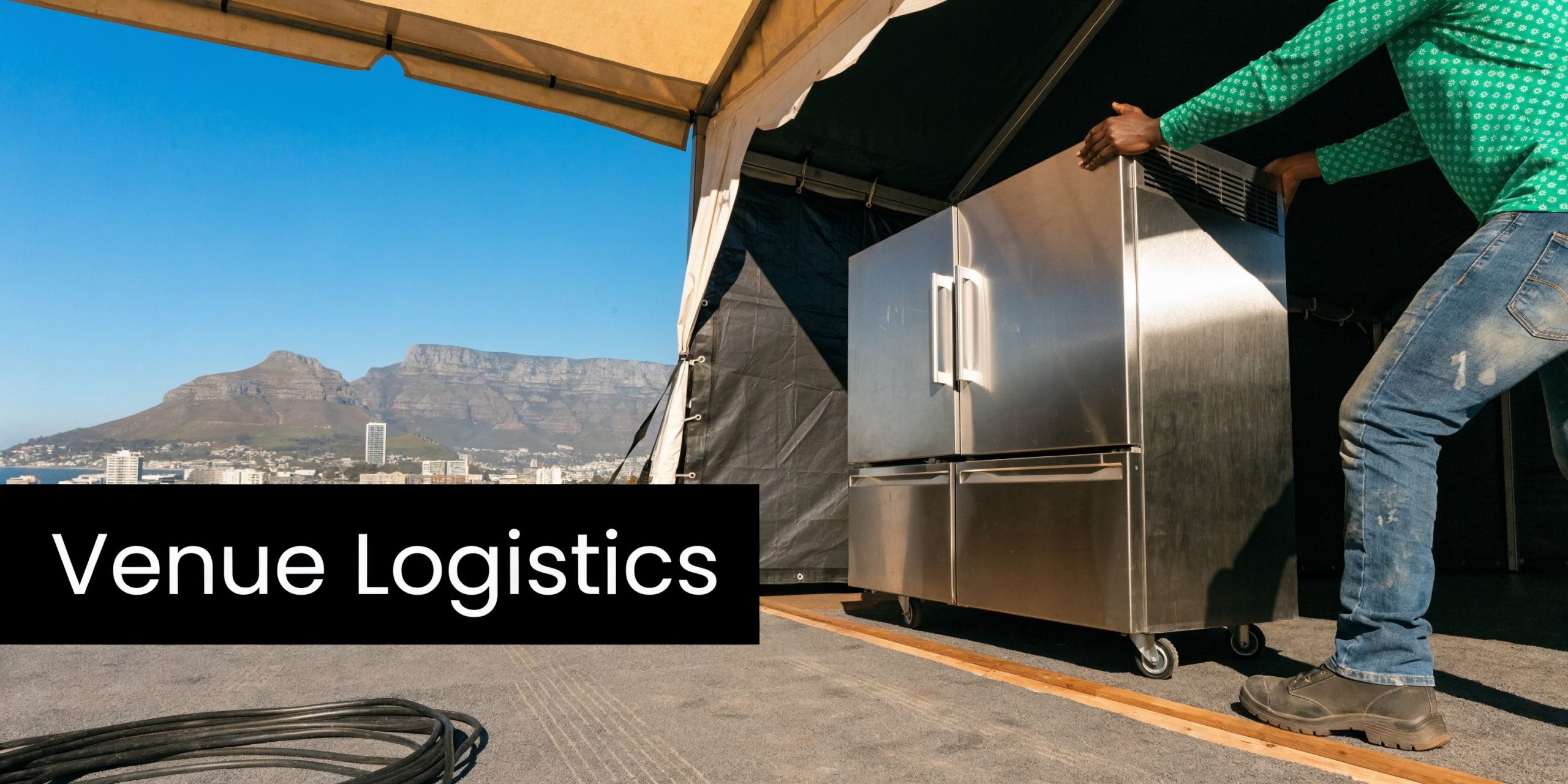
A unit should sit on level ground, away from direct afternoon sun, with enough breathing room around it for airflow. If you wedge it into a hot corner behind draping or stack décor against the vents, the compressor works harder and the recovery time after door openings gets worse.
Historic venues in Cape Town often have narrow passages, steps, and limited service entrances. Wine farms add gravel, slopes, and long hauls from parking to prep area. That means placement needs to be checked before delivery day, not assumed.
Key checks on site:
- Surface. Stable and level, not soft lawn or uneven cobbles
- Shade. Under cover is better than direct sun
- Access route. Measure gates, doorways, and passage turns
- Staff flow. Keep the unit close enough for service, but out of the traffic crush
- Drain path. Manual-defrost units need sensible cleaning access
Load-shedding changes the brief
Cape Town planners do not need a lecture on load-shedding. What matters is operational response.
Well-insulated units hold temperature better than flimsy consumer units. Convertible and garage-ready models are useful because they are designed for harsher environments, but they still need a power plan. For event sites, that usually means confirming one of three things in advance:
- Reliable venue supply
- Generator support
- Inverter or hybrid backup
If a venue uses temporary power runs, do not leave extension planning to the last minute. Cable routes need to be safe, weather-aware, and positioned so staff are not tripping over them in the dark. This practical guide on a 20 m extension cord is worth reviewing when refrigeration and catering equipment are sharing the same event footprint.
Venue-specific judgement calls
A marquee in Paarl behaves differently from a stone-walled hall in the city.
A tented kitchen area gets hotter through the day. A heritage building may stay cooler but offer awkward access and older electrical layouts. Outdoor prep near a lawn ceremony can look convenient and still be the worst possible place for refrigeration if the unit takes direct late-afternoon sun.
Put the unit where service teams need it, but never where heat and congestion are highest.
A simple pre-event site walk
Do this before confirming the refrigeration plan:
- Trace the delivery route from vehicle to placement point.
- Check whether the floor is level and firm.
- Identify the nearest reliable power source.
- Confirm airflow space around the cabinet.
- Test how the service team will open, load, and access it during peak periods.
The best event refrigeration setups are rarely glamorous. They are well placed, properly powered, and protected from predictable site problems.
Mastering Food Safety and Hygiene Protocols
Cold storage is not only about keeping items pleasant to serve. It is about keeping them safe.
For high-volume catering, hygiene compliance matters under South African food safety regulations R638, and combo units need proper management in both the +4°C fridge zone and the -18°C freezer zone to reduce bacterial risk and manage defrost correctly, as noted by WebstaurantStore’s undercounter freezer guidance.
The biggest mistake is treating cold as one category
It is not enough to say “everything is in the fridge” or “everything is in the freezer”. Different products need different handling, and event teams often create risk when they pack a unit for convenience rather than hygiene.
Raw proteins, dairy, plated elements, garnish, desserts, and open beverages should not all live in one muddled stack. A combo unit gives you a better system, but only if someone uses it properly.
A practical approach looks like this:
- Use the fridge zone for chilled ready-to-use items
- Use the freezer zone for stock that must stay fully frozen
- Keep raw ingredients separate from ready-to-eat foods
- Avoid overpacking, which blocks airflow and slows cooling recovery
Stock layout matters
Inside the refrigerator section, put ready-to-eat foods where staff can access them fast. Keep raw items contained and positioned so drips cannot contaminate other stock. Label trays clearly. If multiple teams are using the same unit, assign shelves or baskets by function.
That sounds basic, but it stops the most common event-day problems. People make bad decisions when service pressure rises. Good layout removes temptation.
Temperature checks are not optional
A unit display is helpful, but service teams should still verify temperatures as part of their routine. Especially on outdoor sites, after transport, during long setup windows, and after repeated door openings.
Use a simple written log:
| Checkpoint | What to confirm |
|---|---|
| On delivery | Unit is clean and cold before loading |
| After loading | Stock is settling at correct zone temperatures |
| Pre-service | High-risk food is still properly chilled |
| Mid-service | Frequent door use has not pushed temps up |
| Pack-down | Spoilage risks are identified before leftovers are retained |
A temperature log is not admin for its own sake. It gives the caterer proof that the cold chain was controlled.
Cleaning and defrost discipline
Before loading, wipe and sanitise all food-contact surfaces, handles, shelves, and baskets. After the event, remove spills quickly, especially sugary liquids, dairy, or raw product residue.
Manual-defrost models often suit event use well, but only if the team plans for cleanup. Frost buildup reduces efficiency and can make stock handling messier over a busy event cycle.
Good hygiene habits include:
- Sanitise before loading
- Keep packaging intact and sealed
- Do not use the floor of the unit as a catch-all
- Remove damaged packaging immediately
- Clean again before collection or return
Food safety is one area where “almost right” is not good enough. The cold chain needs a responsible person, clear zones, and a habit of checking, not guessing.
Renting vs Buying and Budgeting for Cold Storage
For most event clients, buying a refrigeration unit makes less sense than they think.
Top-freezer deep freezer combos are typically priced between ZAR 8,000 and 15,000, which is one reason they are popular. It also explains why short-term rental is often the more economical option for event-specific needs than outright purchase, according to Coherent Market Insights.
When buying sounds smart but is not
Purchase can look attractive if you have repeated events, but ownership brings extra jobs that planners and hosts often underestimate.
You are not only buying a machine. You are taking on storage, cleaning, transport, maintenance, repair risk, and the awkward question of where the unit sits between events. That matters a lot in Cape Town where many planners work from offices, homes, or shared warehouse space rather than dedicated equipment depots.
This is similar to the broader event-storage problem. If you already juggle décor, stock, and temporary assets between dates, guidance on short-term storage solutions is useful because the same planning logic applies to refrigeration ownership. Idle equipment still takes up room and still needs management.
A side-by-side decision view
| Option | Best suited to | Main upside | Main drawback |
|---|---|---|---|
| Renting | One-off events, seasonal peaks, variable venues | No capital outlay, no long-term storage burden | Must book in advance and coordinate logistics |
| Buying | Frequent use in one fixed location | Control over availability | Purchase cost, maintenance, storage, transport responsibility |
What to budget for when renting
The rental line item should not be judged in isolation. It supports catering quality, bar performance, food safety, and service timing.
When planning a cold-storage budget, ask about:
- Delivery and collection
- Access complications at the venue
- Setup timing
- Collection timing after late-night events
- Whether the unit suits the exact menu and bar brief
The cheapest unit is not always the cheapest outcome. A lower-cost appliance that cannot keep up with service pressure can force emergency ice runs, waste stock, or delay catering.
What works in practice
Renting is usually the stronger choice for:
- weddings on wine farms
- matric dances at schools or hired venues
- corporate activations with temporary infrastructure
- milestone birthdays at private homes
- caterers handling occasional high-volume functions
If the unit is only essential on event days, renting usually aligns better with how event operations work.
Buying makes more sense when one site uses the same unit repeatedly and has secure, suitable storage between dates. Everyone else should look hard at the convenience cost of ownership before calling it an investment.
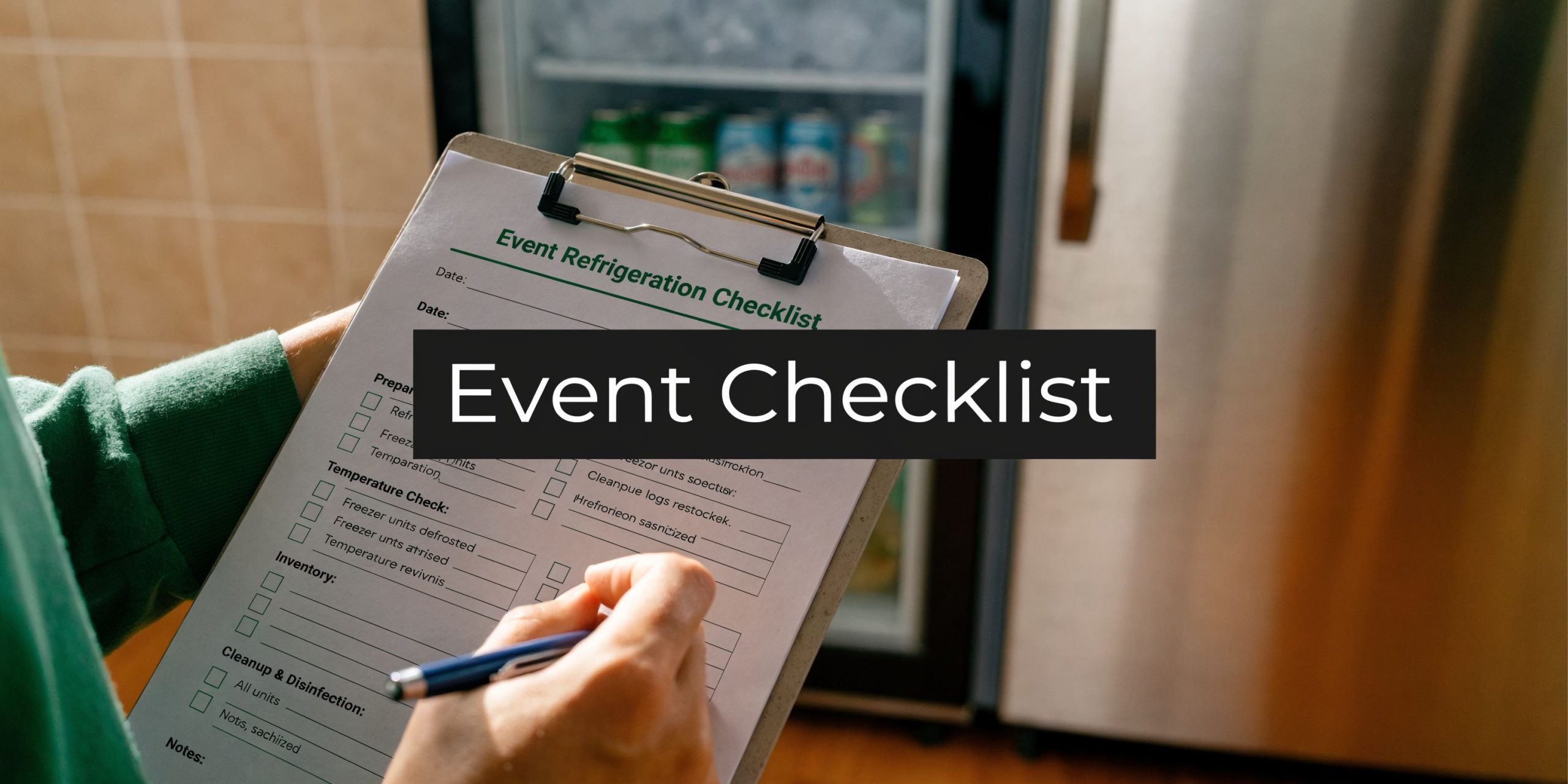
Your Ultimate Event Refrigeration Checklist
Good event refrigeration is quiet work. If the checks are done early, the unit disappears into the operation and service runs without last-minute stock moves, soft drinks, or unsafe holding temperatures.
Use this checklist before confirming any deep freezer with refrigerator booking for a Cape Town or Winelands event.
Planning stage
Confirm the menu and drinks list
Split stock into frozen, chilled, and service-ready items. A wedding dessert station, oyster bar, and frozen canapé component do not place the same demand on one unit.Match the unit to the service pattern
A fridge-freezer that works well for back-of-house prep can struggle if bar staff and caterers open it constantly during peak service.Check the venue against the unit size
Historic wine farms, cellar venues, and private estates often have tight passages, uneven yards, and limited prep space. Confirm dimensions before the unit is dispatched.Plan around the hottest part of the day
Summer afternoon setup in the Winelands puts more strain on refrigeration than an evening indoor function in town.
Site and logistics checks
Measure the full delivery route
Gates, stairs, gravel, farm roads, and narrow kitchen doors matter more than the parking area.Choose a sensible operating position
Place the unit on level ground with airflow around it and cover from direct sun.Confirm the precise power point to be used
Do not rely on a venue manager saying there is "power nearby". Check the precise socket location, extension requirements, and whether that circuit is already feeding other catering equipment.Have a load-shedding plan
Ask whether the venue has generator backup, what that backup carries, and how long the unit may sit unopened if supply drops. In Cape Town events, that check is routine, not optional.
I have seen beautiful venues fail on refrigeration because access was poor, the power point was too far from prep, or the generator did not cover the catering area.
Packing and service controls
Load in service order
Put high-turnover stock where staff can reach it fast. Every extra second with the door open costs temperature recovery.Separate raw products from ready-to-serve items
Use sealed containers, trays, and clearly assigned shelves or baskets.Keep a simple temperature record
Check on arrival, before guests are served, during the busiest service window, and before any leftovers are retained.Nominate one person to manage the unit
At busy functions, shared ownership usually means no one notices a door left open or stock packed back incorrectly.
Pack-down and return readiness
- Remove food and beverage stock promptly after service
- Clear spills before collection
- Check for leaks, broken packaging, or cracked containers
- Leave the inside clean and sorted
- Confirm after-hours collection access with the venue or farm manager
A good checklist prevents small refrigeration mistakes from becoming catering problems. That matters even more at remote venues, summer events, and sites where power stability cannot be assumed.
If you need dependable event refrigeration for a wedding, corporate function, matric dance, or private party in Cape Town, Stellenbosch, Franschhoek, or Paarl, ABC Hire can help you match the right cold-storage setup to your venue, menu, and power conditions. The right unit keeps service steady, supports food safety, and removes one avoidable risk from the day.