
Hire Top Events Companies Cape Town for Your 2026 Event

You’re probably doing what most clients do at the start. You’ve got a date range, a rough budget, a venue shortlist, and about twelve browser tabs open for events companies Cape Town. Everything looks polished. Everyone says they handle “full service”. Very few explain how the event gets built on the ground.

That gap matters in Cape Town more than people realise. A beautiful plan can still fall apart if the planner doesn’t work smoothly with specialist suppliers, venue teams, technical crews, and rental partners. The strongest events aren’t created by one company doing everything alone. They’re built by a well-led team of specialists with clear roles, clean handovers, and one shared event brief.

That matters whether you’re planning a Winelands wedding, a CTICC conference function, a matric dance, or a private celebration that needs more than the standard table-and-chair package. If you hire only for style, you can end up with weak logistics. If you hire only for logistics, the event can feel flat. The sweet spot is a planner who can lead the process and knows when to bring in the right specialists.

Navigating the Cape Town Events Landscape

Cape Town gives you range. You can host a formal gala in the city, a wedding in Stellenbosch, a product launch in an industrial venue, or a sunset celebration in Franschhoek. That variety is exactly why the search for events companies Cape Town can feel messy. Not every company is built for every format, and not every venue suits the plan you have in your head.
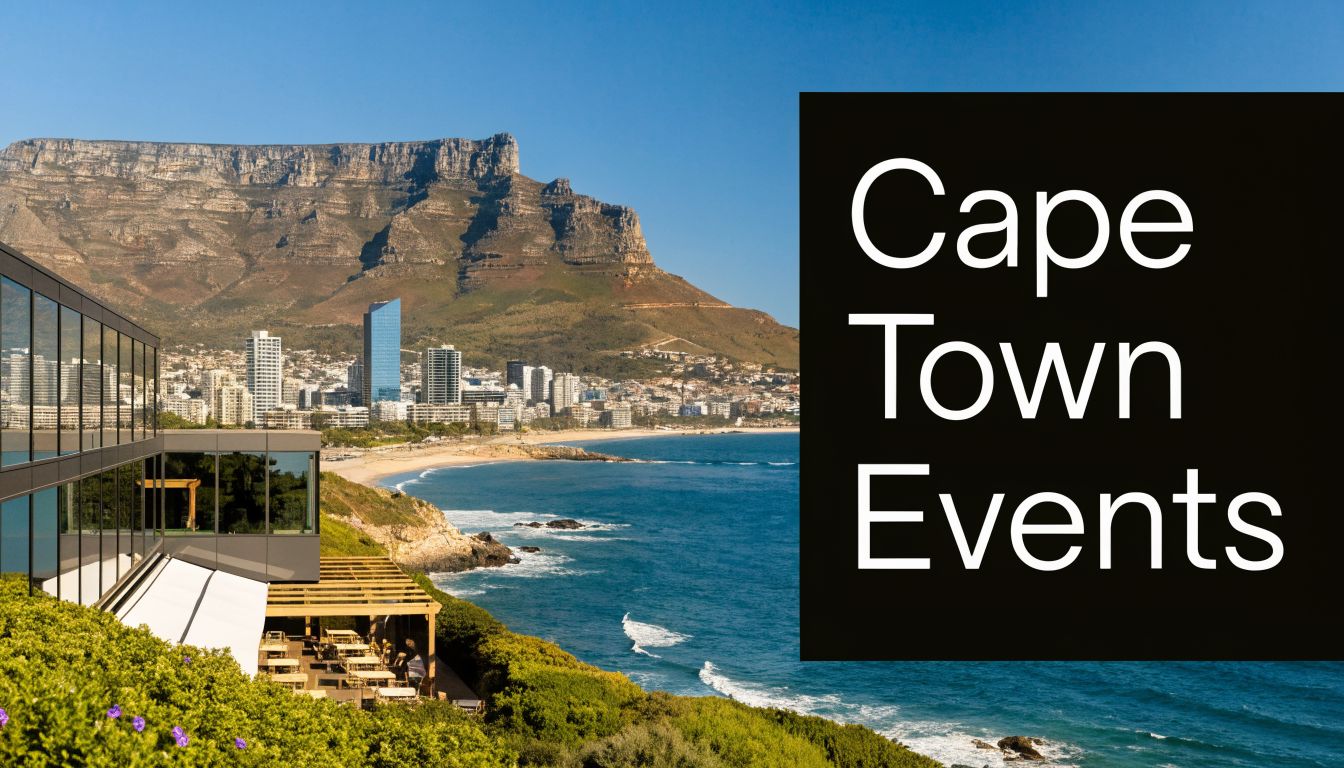
A scenic view of Table Mountain and the coastline with a modern event venue in Cape Town.

Cape Town’s event economy is also larger and more mature than many clients expect. Cape Town hosts 52% of South Africa’s international conferences, which gives local planners access to a developed network of venues, suppliers, and technical support according to Research and Markets coverage of the South African event management industry. That depth is good news for buyers, but it also means you need to separate polished marketing from real delivery capability.

What makes Cape Town different

A planner here has to think beyond décor boards and running orders.

  • Weather shifts fast: Outdoor ceremonies, tented receptions, and brand activations need backup thinking.
  • Venues operate differently: City venues often have strict access times. Winelands venues may involve transport delays, narrow roads, and limited power points.
  • Guest expectations vary: A corporate audience at the CTICC won’t respond the same way as a wedding crowd in Paarl or a school formal in the southern suburbs.
  • Supplier coordination is everything: Furniture, lighting, catering, entertainment, power, and security all affect one another.

A useful outside perspective on guest movement and event transport planning comes from All Black Limo LLC event blogs, especially if your event includes VIP arrivals, conference delegates, or multiple venues in one programme.

The local shortcut that saves time

Most clients start by comparing full-service planners. A better first move is to understand how local teams collaborate. A practical overview of that workflow sits in this guide to event management in Cape Town, which helps frame the relationship between planners, venues, and rental suppliers.

Practical rule: In Cape Town, the right company isn’t the one that says yes to everything. It’s the one that knows which parts should stay in-house and which parts should go to specialists.

Defining Your Event Vision and Core Needs

Before you ask for quotes, get specific. “Elegant but relaxed” sounds clear until three suppliers interpret it in three different ways. One sends gold ghost chairs and formal linens. Another proposes lounge pods and low seating. A third prices a conventional banquet layout because that’s what they use most often.

That’s why the first real job isn’t finding events companies Cape Town. It’s writing a brief that gives your planner and suppliers something solid to work from.

A creative professional writing in a notebook at a desk with abstract colorful liquid art elements.

Start with the guest experience

Don’t begin with colour palettes. Begin with the room you want people to walk into and the way you want them to behave in it.

Ask yourself:

  1. What should guests feel on arrival? Calm, impressed, playful, luxurious, energetic, intimate?
  2. What should they do during the event? Sit for long periods, move between stations, dance, network, photograph everything?
  3. What will they remember the next day? The food, the ceremony, the lighting, the lounge areas, the branded moments?

Those answers shape everything else. If guests need to mingle, rigid seating plans can work against you. If the event happens at night outdoors, furniture and lighting become part of the experience, not an afterthought.

Build your non-negotiables list

Strong briefs separate must-haves from nice-to-haves. That prevents budget drift and stops planning meetings from becoming circular.

A practical brief usually includes:

  • Event type and purpose: Wedding, launch, conference dinner, matric dance, birthday, awards function.
  • Venue style: City, beachside, farm, estate, private home, campus.
  • Mood: Formal, modern, celebratory, understated, youthful.
  • Operational priorities: Fast setup, weather backup, crowd flow, accessibility, easy strike after midnight.
  • Specialist requirements: LED furniture, slush machines, mobile bars, climate control, lounge seating, statement pieces.

Local context changes the brief

South African events need local intelligence, not imported assumptions. Event planning here requires culturally aware decision-making that reflects local customs and practices, and approaches that work in other markets often need adaptation for local audiences, including destination weddings in Stellenbosch, according to The Event Company’s guidance on event proposals and best practices.

That shows up in practical ways. Service timing, menu style, speech structure, family expectations, formalities, and even seating patterns may differ depending on the crowd. A planner who understands Cape Town won’t treat your event as a generic template.

If your brief doesn’t mention guest comfort, weather exposure, and how people will move through the venue, it’s incomplete.

A simple brief format that works

Use this before your first supplier call.

Brief item What to write down
Event purpose Why the event exists and what success looks like
Guest profile Who’s attending and how formal or relaxed they’ll be
Venue reality Indoor, outdoor, mixed, access times, power limits
Visual direction Clean, bold, romantic, luxury, playful, minimal
Functional needs Seating, bars, dance floor, shade, heating, cooling
Specialist add-ons LED pieces, lounge zones, activation stations, slush machines

Clients who do this early get better proposals. They also spot weak planners faster, because weak planners respond with generic packages instead of customized ideas.

How to Find and Vet Cape Town Event Companies

A good shortlist isn’t built from search rankings alone. Some events companies Cape Town market themselves well but rely heavily on outsourced execution without strong project control. Others have excellent operational depth but weaker online presentation. You need a filter that tests both style and substance.
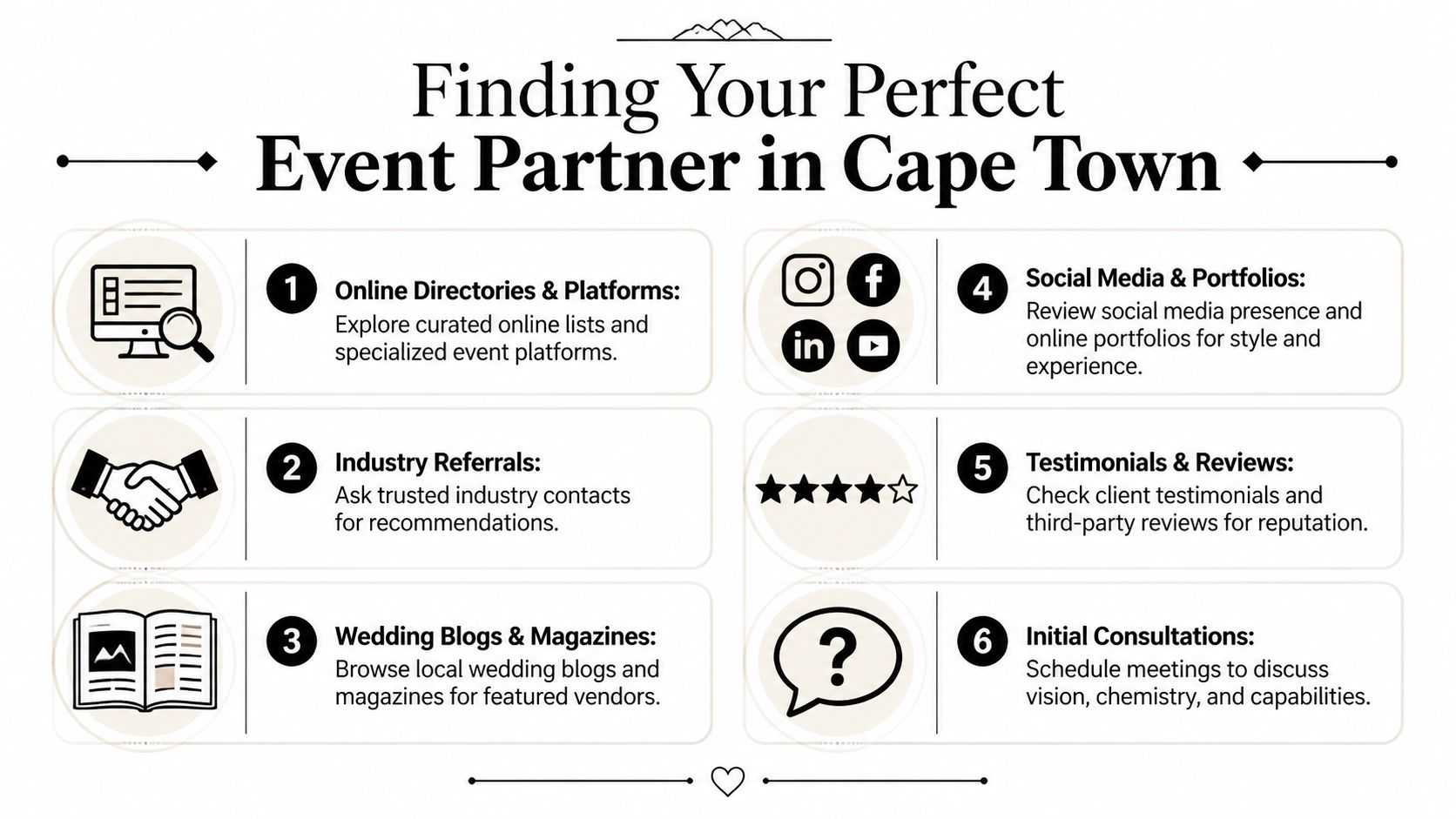
An infographic titled Finding Your Perfect Event Partner in Cape Town with six steps for choosing vendors.

What to look for before you make contact

Start with relevance, not popularity. A planner who mainly handles luxury weddings may not be right for a school formal. A company built around conferences may struggle with a design-led private party.

Check these first:

  • Recent work: Look for events similar to yours in size, tone, and venue type.
  • Operational clues: Setup photos, behind-the-scenes content, team presence on-site, not just finished hero shots.
  • Service boundaries: Can they explain what they handle directly and what they source through partners?
  • Venue familiarity: Cape Town city bowl, Atlantic Seaboard, and the Winelands all create different logistical demands.

Ask harder questions in the first call

The first consultation should tell you how they think. Don’t ask only, “Can you do this?” Ask how they solve problems.

Try questions like these:

  • Who manages supplier communication on event week?
  • How do you handle specialist rentals that sit outside your own inventory?
  • What happens if weather shifts the setup plan?
  • Which parts of the event require final sign-off from the venue?
  • Who’s on-site from your team on the day?

A serious planner answers directly. A weak one hides behind broad assurances.

The best event companies don’t just present ideas. They explain dependencies, timing, and points of failure before those problems become expensive.

Sustainability and BBBEE are not side issues

If you’re planning a school event, private celebration, or any function with procurement criteria, ask about sustainability and BBBEE status early. Don’t leave it until contract stage.

A useful data point here is that 62% of school and private event queries in Cape Town seek affordable eco-friendly options, and reusable furniture can reduce costs by 20% to 25%, according to True North’s reporting on sustainable and BBBEE-compliant event practices. Yet many companies still don’t explain these options clearly on their websites.

That matters because “eco-friendly” can mean very different things in practice. It may involve reusable furniture, reduced single-use décor, smarter transport planning, or a tighter rental schedule that avoids unnecessary duplication. Ask for specifics.

How to assess fit with specialist vendors

Many clients miss the mark at this point. They hire a planner, then assume all specialist items will slot in smoothly later. Sometimes they do. Sometimes they don’t.

Look for planners who can work well with:

  • Furniture rental firms for lounge setups, bars, dance floors, and statement pieces
  • Power and climate suppliers for outdoor comfort
  • Security providers for access control and guest safety
  • Venue coordinators who control loading times and floor protection rules

If your event has public access, high-value equipment, or a late finish, it also helps to review practical considerations around security for event hire, especially when multiple vendors are loading in and out.

For design-heavy events, this guide to event decoration hire is a useful reference for understanding how decorative rentals, practical furniture, and layout planning overlap.

A shortlist should be small and deliberate

By the time you finish vetting, you shouldn’t have ten options. You should have a focused list of companies that match your event type and planning style.

Keep on the shortlist if they… Remove from the list if they…
Show relevant recent work Rely on generic galleries
Explain supplier coordination clearly Stay vague about who does what
Understand your venue type Push one standard package
Discuss sustainability or procurement honestly Avoid the topic
Ask smart questions about guest flow and logistics Talk only about décor

Three strong options are easier to compare than a pile of pretty proposals.

The Essential Vendor and Logistics Checklist

Creative direction gets the client excited. Logistics determines whether the event survives contact with reality.

That’s especially true in Cape Town, where one event may happen in a central venue with strict dock access and another on a wine farm with uneven ground, shifting weather, and long setup routes. If you want your planner to build a proper dream team, assess how they manage specialist vendors before you approve the concept.
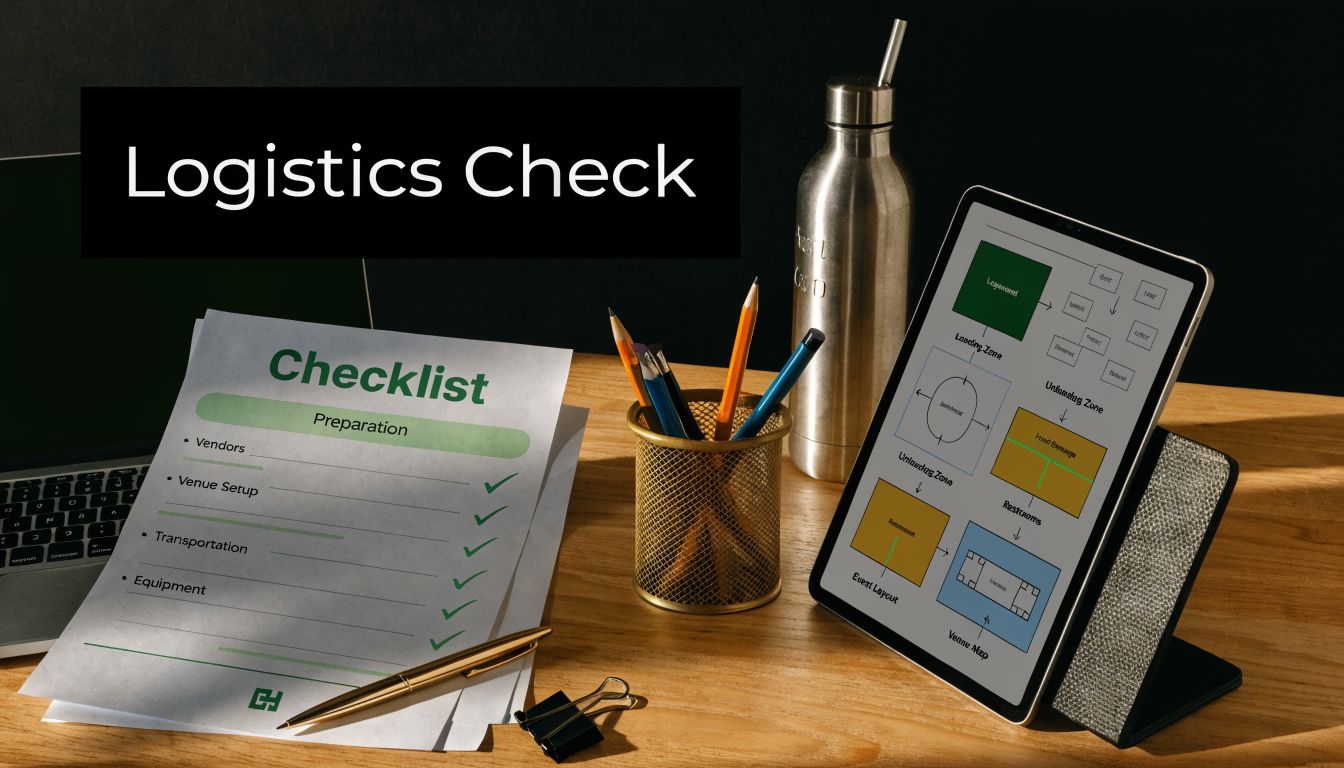
A professional desk setup featuring a checklist document and a digital tablet displaying logistics event planning diagrams.

Inventory versus partnerships

A common mistake is assuming a company with a large website gallery owns everything shown. Many planners don’t. That’s not a problem if they’re transparent and their supplier network is reliable.

The better question is this: Do they know how to integrate external vendors cleanly?

That includes:

  • Load-in sequencing: Furniture can’t block lighting access. Bars can’t land before flooring is protected.
  • Design compatibility: LED items, couches, cocktail tables, and climate equipment must fit the event style.
  • Single point of control: Someone needs authority on site when suppliers arrive at different times.

Specialist rental firms add real value. For example, post-2025 load-shedding recovery led to a 35% spike in demand for climate control and supplementary power solutions like LED furniture for outdoor events in the Western Cape, according to Catalyst Events. Full-service planners often meet that need through specialist rental partnerships rather than holding all that stock themselves.

The questions experienced clients ask

Use this checklist in your meetings.

Insurance and liability

  • Ask for proof of cover: A professional team should be able to provide insurance details without fuss.
  • Check venue requirements: Some venues require supplier compliance documents before load-in.
  • Clarify damage responsibility: Know who pays if a hired item damages floors, walls, or staging.

Setup realities

  • Access windows: How many hours do they have on site?
  • Crew size: Is the schedule realistic for the amount of furniture and décor involved?
  • Strike plan: Late-night breakdown needs as much thought as installation.

Technical practicality

  • Power planning: Outdoor bars, lighting, DJ gear, and climate equipment all compete for supply.
  • Weather backup: Wind, heat, and moisture affect layouts, soft furnishings, and electronics.
  • Surface conditions: Gravel, grass, decking, and polished concrete each change what can be installed safely.

“Can you source it?” is the wrong question. Ask, “How will it arrive, where will it go, and who signs it off on site?”

Don’t ignore guest comfort

Clients often focus on visual impact and leave comfort until too late. That’s backwards. If guests are too hot, too cold, cramped, or unsure where to gather, the event feels poorly run no matter how attractive it is.

The right specialist stock makes a difference. Lounge seating changes how long guests stay in a space. Climate control changes whether a tented reception feels elegant or exhausting. LED furniture changes the atmosphere of a night event without relying only on overhead lighting. ABC Hire is one Cape Town supplier that offers items such as LED furniture, bean bags, slush machines, tables, chairs, and climate control equipment for events in Cape Town and the Winelands.

International guests add another layer

For destination weddings, conferences, and executive events, logistics don’t stop at the venue door. Guests may also need practical guidance around travel money and local transactions. If you’re hosting attendees from abroad, Zaro's insights for currency exchange can help you think through that guest-facing detail before arrival day.

The red flags that usually surface late

Here’s what tends to go wrong when logistics haven’t been tested properly:

  • Last-minute substitutions because the planner didn’t confirm specialist stock early
  • Venue disputes over access, floor protection, or electrical load
  • Messy layouts because the furniture supplier never received the final floor plan
  • Uncomfortable guests because heating, cooling, or shade was treated as optional

Logistics aren’t glamorous. They’re also the reason polished events look effortless.

Understanding Quotes Contracts and Timelines

A quote tells you what the event might cost. A contract tells you how the relationship will work when things change, suppliers miss timings, or the weather turns. Clients who only compare totals usually miss the actual risks.

The strongest event agreements link money, scope, and accountability in one place. That matters because successful events depend on clear, measurable objectives tied to trackable KPIs, and events without defined objectives from the contract stage suffer resource waste and diluted impact, according to Panacea’s guidance on event production planning mistakes.

Read the quote line by line

Start by checking whether the quote separates planning fees, rentals, labour, transport, setup, strike, and contingency items. If everything is bundled into broad categories, ask for detail.

Look closely at:

  • Included items: Exact furniture counts, lighting elements, staffing hours, delivery zones.
  • Excluded items: Venue fees, permit costs, generators, security, overtime, corkage, post-midnight labour.
  • Substitution terms: Can the company swap products or vendors if stock changes?
  • Revision limits: How many quote revisions are included before admin fees start appearing?

A cheap-looking proposal can become expensive if key operational costs sit outside the first draft.

Contract clauses worth slowing down for

Many clients skim the legal pages. Don’t.

Payment schedule

Deposits, progress payments, and final settlement dates should be obvious. If suppliers must be paid before event week, that should be spelled out.

Cancellation and postponement

Cape Town events can shift because of weather, venue issues, or client-side delays. The contract must explain what happens to deposits, rentals, and third-party bookings in each scenario.

Force majeure

You want clear wording on what counts as an uncontrollable event and how both parties respond.

Change control

If you increase guest count, add a bar, move outdoors, or extend operating hours, there should be a process for approving the extra cost in writing.

Decision check: If a dispute happened two days before the event, could you point to the contract and settle it quickly? If not, the contract is too vague.

Timelines protect quality

Good timelines don’t just protect the planner. They protect the client from rushed decisions and stock shortages.

A practical sequence usually looks like this:

  1. Brief approval
  2. Venue confirmation
  3. Initial concept and budget
  4. Specialist supplier holds
  5. Final layout sign-off
  6. Operational confirmations
  7. Final guest and timeline update
  8. Event execution
  9. Post-event review

For clients who need a working document to keep all of that visible, this event planning checklist template is a useful planning aid.

Put success in writing

Even for weddings and private events, it helps to define what “worked” means before the day arrives.

That might include:

  • guest flow working as intended
  • comfort in outdoor areas
  • on-time transitions between programme moments
  • sponsor visibility for branded events
  • a clean breakdown with no venue penalties

For corporate events, that KPI conversation should be sharper. If your planner proposes interactive lounges, LED features, or branded installations, ask how those choices support engagement, dwell time, photography moments, or sales conversations. A good company won’t dodge that. They’ll build it into the scope.

Bringing It All Together for Your Cape Town Event

The dream team model works because every event has one lead and several specialists. The lead planner protects the vision, controls timing, and manages communication. The specialist suppliers bring the items and expertise that make the event feel finished rather than generic.

Winelands wedding

A couple books a venue between Stellenbosch and Franschhoek. The setting is strong, the light is beautiful, and the ceremony lawn looks perfect on a site visit. Then the detailed planning starts. The reception is in a marquee, the access road is tight, the afternoon runs hot, and the venue’s built-in furniture doesn’t suit the look.

A smart planner doesn’t pretend those issues are minor. They bring in a rental partner for the exact seating, lounge pieces, and climate support the event needs. The florist and lighting team then work from the same floor plan. Guests arrive to a space that looks elegant, but more importantly, it feels comfortable and organised from cocktail hour through dancing.

Corporate brand activation

A marketing team wants a Cape Town launch that feels current, not corporate in the tired sense. They hire a full-service event company to run production, registration, staffing, and programme flow. That planner then pulls in specialist rentals for illuminated pieces, bar units, interactive zones, and guest seating that encourages people to stay and talk.

The activation works because each part has a clear function. The planner runs the event. The AV team controls presentation timing. The furniture supplier helps shape the environment people photograph, share, and remember. No one is guessing on the day because the layout, power needs, and setup order were settled properly in advance.

Matric dance or university formal

These events often carry tighter budgets and higher emotion. Schools and committees want a big impact, but they also need safe movement, durable furniture, and a setup that won’t collapse under pressure.

The right event company keeps the brief disciplined. Instead of trying to recreate a luxury gala badly, they build a smart room. Lounge clusters for photos. Practical seating for parents and staff. Statement items where students gather naturally. A dance floor that fits the venue. Security and access planning that don’t feel heavy-handed but still protect the event.

That’s what good event work looks like in Cape Town. Not one company claiming to do everything. A planner who knows when to lead, when to delegate, and which specialists can turn a good concept into a memorable event.


If you’re building your event team and need a specialist rental partner for furniture, LED pieces, slush machines, or climate control in Cape Town, Stellenbosch, Franschhoek, or Paarl, ABC Hire is one option to consider alongside your planner and venue team. The key is to bring specialist suppliers into the conversation early, while the layout and logistics are still being shaped.

Finding the Best Wedding Planners Cape Town for 2026

So, you’re planning your dream wedding in Cape Town, one of the most breathtaking places on Earth. It's an exciting thought, isn't it? But turning that dream into a seamless reality is where a professional planner comes in. They're the secret ingredient—the architect, storyteller, and organiser who ensures your day is nothing short of perfect. For anyone even thinking about wedding planners in Cape Town, let's be clear: they aren't just a luxury. They're a crucial investment for a celebration you'll actually get to enjoy.

Why a Cape Town Wedding Planner Is Your Best Investment

Let’s be honest. Trying to plan a major event from afar, juggling dozens of suppliers, keeping a complex budget in check, and putting out fires you didn’t even know could start… it’s a recipe for stress, not celebration. This is exactly where a local expert proves their worth, time and time again.

A Cape Town wedding planner is your person on the ground. They know this region inside and out—from the iconic Winelands estates to those hidden-gem beach spots only a local would know about. Their relationships with the best photographers, caterers, and florists are already built, which means you get access to the A-team, often at rates you couldn't find on your own.

The Architect of Your Vision

Think of your planner as the architect of your wedding day. You bring the vision—the Pinterest boards, the must-haves, the "absolutely-nots"—and they draw up the blueprint to make it all happen. They're the ones who translate your ideas into a real, workable plan.

What does that actually look like?

  • Venue Scouting: They won't just send you a list. They'll find the locations that truly match your style, guest count, and, importantly, your budget.
  • Supplier Curation: They've worked with everyone. They know who is reliable, who fits your aesthetic, and who will deliver on the day. No more endless scrolling through Instagram hashtags.
  • Budget Management: They’ll help you create a realistic budget from the start and track every single rand. This alone can save you from a world of financial stress.

This architectural role is what holds everything together. It ensures every tiny detail, from the napkins to the lighting, works in harmony to create the day you've always imagined. If you want to dive deeper into what professional event coordination involves, our guide on event management in Cape Town offers some great insights.

A planner’s greatest skill is transforming overwhelming logistics into a seamless, joyful journey. They manage the complex web of contracts, timelines, and personalities so that your only job is to celebrate.

At the end of the day, hiring one of the best wedding planners in Cape Town is really about buying yourself peace of mind. They handle the pressure, solve problems you’ll never even know existed, and make sure your focus stays right where it should be: on marrying the love of your life in an unforgettable setting. That expertise is what turns a wedding from just another event into a memory you’ll cherish forever.

Understanding Wedding Planner Costs and Services

Let's get one of the biggest questions out of the way: what does a wedding planner actually cost? Figuring out the financial side is the first real step towards a stress-free planning journey. This guide will give you a clear, honest breakdown of what planners in Cape Town charge and exactly what you get for your money.

Think of it like producing a movie. Your wedding is the production, and the planner is your producer, taking on different roles depending on how much support you need.

  • A full-service planner is your Executive Producer. They're with you from the very beginning, turning your initial ideas into a final masterpiece and managing every single detail along the way.
  • A partial planner is more like a Line Producer. They jump in when you need them most, perhaps to source those last few tricky suppliers or to organise all the logistics for the final few months.
  • A day-of coordinator is your on-set Director. They show up closer to the time to make sure the "big day" runs like clockwork, managing the schedule and all the moving parts so you don't have to.

Deconstructing Planner Fees

In the Cape Town wedding scene, planner fees usually come in two forms: a percentage of your total wedding budget or a simple flat rate. For those big, beautiful, design-focused weddings, a percentage-based fee is the norm.

It's a structure that makes sense, as it aligns the planner’s work with the size and complexity of your wedding. As Cape Town has cemented its place as a top wedding destination, these fees have become fairly standard. For comprehensive, full-service planning, you can expect wedding planners in Cape Town to charge between 8% to 12% of the total wedding budget.

For most couples, this works out to an average fee of R20,000 to R60,000. Of course, for incredibly lavish and detailed celebrations, this can go up towards R250,000. You can dive deeper into these cost breakdowns for Cape Town planners to get a better sense of the numbers.

This visual below really captures the essence of a planner's role. They aren't just ticking boxes; they're the architect, storyteller, and logistical brain behind the entire operation.

Diagram illustrating a wedding planner's role as visionary architect, narrative storyteller, and logistics organizer.

As you can see, a great planner does so much more than just logistics. They are creative partners who help build the story and feel of your day from the ground up.

Comparing Service Packages

Knowing what’s included in each type of package is key to making the right choice. Here’s a straightforward look at the most common services offered by wedding planners in Cape Town and what you can expect to pay.

Cape Town Wedding Planner Service and Cost Comparison

This table breaks down the different levels of service, helping you match your needs and budget to the right professional.

Service Level Typical Cost (Percentage of Budget) Included Services Best For Couples Who…
Full-Service Planning 8%–12% of total budget Full event design, budget creation & management, all vendor sourcing & coordination, contract negotiation, timeline management, full wedding day execution. …want expert guidance from start to finish, are planning a destination wedding, or have demanding schedules.
Partial Planning Flat fee or smaller % Assistance with specific tasks, like finding the last few vendors, décor styling, or month-of coordination. …have already planned parts of their wedding but need professional help to pull the final details together.
Day-of Coordination Flat fee (e.g., R7,000–R15,000) Final vendor confirmations, creation of a detailed day-of timeline, on-site management of the ceremony and reception. …have planned everything themselves but want to relax and enjoy their wedding day without managing logistics.

Ultimately, the right service level comes down to how much you want to handle yourself and where you need support most.

It's easy to think of a planner as just another expense, but that's a common misconception. Their industry connections and negotiation skills often lead to supplier savings that can offset a good chunk of their fee, delivering incredible value.

If you love the idea of planning but get stressed thinking about managing the actual wedding day, a day-of coordinator is a brilliant investment. They're the secret to making sure you and your family are fully present and enjoying every moment.

On the other hand, if you're trying to plan from another country or just don't have the hundreds of hours it takes to manage such a big project, full-service planning is a game-changer. It turns what could be an overwhelming task into a fun, creative partnership and gives you complete peace of mind.

Key Questions to Ask Your Potential Wedding Planner

Choosing a wedding planner isn't just about finding someone with a pretty portfolio. You're looking for a partner you can trust, someone who gets your vision and has the grit to handle one of the most important days of your life. This is your chance to find a creative, a logistics whiz, and a calm-headed problem-solver all in one.

Your first chat is about more than just their fees. It's where you dig deep and see how they really operate. These questions are your secret weapon, helping you understand their experience, creative spark, and how they handle pressure. Get this right, and you’ll find one of the top wedding planners in Cape Town who won’t just plan your dream wedding—they'll execute it flawlessly.

Experience and Local Knowledge

First things first, you need to know if they have real, on-the-ground experience in the Cape Town and Winelands wedding scene. A stunning portfolio is one thing, but knowing the local landscape is everything. This is where their network and insider knowledge truly shine.

Kick things off with these essential questions:

  • How many weddings do you plan a year? And how many others will you be working on alongside ours?
  • Can you show us weddings you’ve planned at our venue, or at similar spots in Cape Town or the Winelands?
  • What’s your process for building and sticking to a budget? How do you deal with surprise costs?
  • Do you have a list of go-to suppliers? Do we have to use them, or can we bring in our own people?

These questions are gold. They tell you about a planner's capacity, their firsthand venue experience, and how they manage money. A planner with deep local roots has built relationships with the best suppliers, which often means better service and sometimes even better prices for you. And their answer on supplier flexibility tells you how much control you get to keep over your wedding team.

A planner’s answer to "What was the biggest challenge you faced at a recent wedding, and how did you solve it?" tells you everything. It shows their honesty, their ability to think on their feet, and whether they can keep their cool when things go sideways—a must-have skill for any live event.

Communication and Creative Vision

Once you know they have the experience, it’s time to see how you’ll work together. This is a partnership, and solid, consistent communication is the foundation. You need to feel heard and be kept in the loop from start to finish.

To get a feel for their style, ask:

  • What’s the best way to reach you (email, calls, WhatsApp)? And how quickly do you usually respond?
  • How will you keep us updated on what’s happening and what’s next? Do you use a specific planning tool or software?
  • How do you approach the design and styling? How will you help us take our ideas and turn them into a reality?
  • If we don’t see eye-to-eye on a creative choice, how do you handle that conversation?

The answers here paint a picture of what your planning journey will look like. A true pro will have a clear system for keeping you informed without overwhelming you. Their design process should feel like a team effort, where they take your vision and use their expertise to make it even better. This way, the final result is perfectly you, but with a flawless, professional finish. Ultimately, you’re hiring a guide to make the entire process organised, stress-free, and even fun.

Planning a Destination Wedding in Cape Town

People attending an outdoor destination wedding ceremony with mountains and coastline in the background.

It’s easy to see why so many couples dream of a Cape Town wedding. With its stunning scenery, world-class wine farms, and incredible vibe, it’s the perfect backdrop. But let’s be honest: planning a wedding from another city—or another country—adds a whole new level of complexity.

This is exactly where local wedding planners in Cape Town prove their worth, doing far more than just standard event coordination.

When your friends and family are travelling thousands of kilometres to celebrate with you, your wedding becomes more than just one day. It’s a multi-day experience, a mini-holiday with you as the host. Your planner’s role completely shifts; they become a guest experience manager, and their local knowledge is suddenly your most powerful tool.

They’re not just booking a venue and a florist anymore. They’re orchestrating an entire travel experience from start to finish.

The Planner as Guest Experience Manager

Think of your planner as the personal concierge for your entire wedding group. Their real job is to make the whole journey seamless and memorable for everyone, turning potential travel headaches into fantastic moments. It’s all about crafting an experience that shows off the absolute best of the Cape.

So, what does this actually look like?

  • Group Accommodation: They’ll be negotiating block bookings at hotels or finding private villas for your guests.
  • Seamless Transport: This means organising everything from airport transfers to shuttles between hotels, pre-wedding events, and the venue itself.
  • Curated Itineraries: Imagine planning welcome braais, guided tours of the Winelands, or sunset cruises for your guests. That's what they do.

A planner who truly knows destination weddings understands the rhythm of a multi-day celebration. They know how to pace events to keep guests energised while making sure everyone feels looked after and immersed in the local culture.

For a destination wedding, the guest experience begins the moment they book their flights. A great planner anticipates their needs at every step, from providing transport options to suggesting local activities, ensuring your wedding feels like an incredible, stress-free holiday for everyone.

The logistics can be massive. The Cape Town wedding industry is a huge contributor to the local economy, and many planners now specialise in tourism and guest management. To give you an idea, one well-known Cape Town firm looked after roughly 3,000 guests at their weddings in a single year. You can dig into the numbers on the economic impact of the local wedding industry to see just how big it is.

Navigating International Logistics

Beyond planning fun activities for your guests, a destination planner is your guide through the nitty-gritty of getting married in South Africa as a foreigner. The good news is the process is surprisingly straightforward, but it absolutely requires an expert eye for detail.

Your planner will help you with:

  1. Legal Documentation: They’ll guide you on the necessary paperwork, like Letters of Non-Impediment or affidavits, which can change depending on your country of origin.
  2. Supplier Vetting: You’ll get connected with trusted, reliable suppliers who know how to work with international clients and understand the unique demands of a destination event.
  3. Cross-Border Communication: Your planner becomes your single point of contact on the ground. They’ll manage different time zones and make sure communication is crystal clear between you and your entire team of vendors.

At the end of the day, hiring one of the expert wedding planners in Cape Town for your destination event means putting your vision—and your guests' entire experience—in the hands of a local specialist. They don't just plan a party; they create an unforgettable journey.

Coordinating Event Rentals to Create the Perfect Atmosphere

Event planner takes notes at a tented outdoor wedding reception with tables, chairs, and decor.

The breathtaking feel of a perfect wedding comes down to the details. A stunning venue gives you the canvas, but it’s the carefully chosen event rentals that really paint the picture and make your theme come alive. This is where your planner’s creative vision meets the practical power of a great rental company.

A savvy planner is like a translator, turning your dreams into a list of tangible items. They work hand-in-hand with event hire suppliers to select everything from elegant seating and tables to those incredible statement pieces like LED furniture or a bespoke outdoor bar.

This partnership is the engine room of your wedding’s aesthetic. A planner isn't just ordering chairs; they're managing a complex dance of delivery, setup, and placement, making sure every single element is perfect. They’re the ones who turn an empty patch of grass or a bare hall into the scene for your celebration, and it all begins with having the right rentals.

Building Your Wedding's Foundation with Furniture

Think of your furniture as the bones of your wedding’s look and feel. The tables and chairs you pick do much more than just give people a place to sit. They set the style, define the space, and dictate the overall flow and comfort of the day.

For instance, long, rustic wooden tables can create that warm, communal vibe that’s just perfect for a Winelands feast. On the other hand, classic round tables draped in crisp linen give off a more formal, timeless elegance. The chairs you choose—be it classic Tiffany chairs, modern Ghost chairs, or rustic cross-backs—help lock in the theme. A good planner knows how to guide you through these choices to create a look that feels completely cohesive.

Your planner's job is to make sure every rental item works for you, both functionally and aesthetically. They'll stop you from making that common mistake of choosing something that looks amazing but is a nightmare for guests to actually use.

This is absolutely crucial for outdoor or marquee weddings. Your planner will coordinate not just the pretty things but the practical essentials too, making sure the whole setup is seamless.

Creating Memorable Moments with Statement Rentals

Once you’ve got the basics sorted, it’s the statement rentals that create those "wow" moments your guests will be talking about for years. This is where wedding planners in Cape Town get to show off their creative flair, using unique pieces to inject personality and style into your day.

Here are a few ideas for high-impact rentals:

  • LED Furniture: Imagine glowing bars, cocktail tables, and cubes that transform your reception space into a chic, modern lounge after dark. It adds a vibrant, playful energy.
  • Custom Bars: A stylish bar is more than a place to get a drink; it's a feature. Whether it's a sleek modern design or a rustic wooden setup, it becomes a natural gathering spot.
  • Lounge Pods: Creating cosy little seating areas with plush sofas and armchairs gives guests a comfy spot to chat and relax away from the music.

These pieces aren't just for show; they're a key part of the guest experience. Working with a planner gives you direct access to a network of trusted suppliers who can bring these ideas to life. You can also explore our complete guide on wedding decor hire to get inspired.

Logistics and Climate Control for Marquee Events

For a marquee or tented wedding in the Cape, managing the environment is every bit as important as the decor. Our coastal weather can be famously unpredictable, which makes climate control an absolute non-negotiable in your rental plan. This is where a planner’s logistical know-how is worth its weight in gold.

They will coordinate all the essential equipment hire to guarantee your guests are comfortable, whatever the weather decides to do.

  1. Heating: For those cooler evenings, especially out in the Winelands, mushroom heaters or powerful ducted heating systems are essential to keep a marquee feeling warm and cosy.
  2. Cooling: On a hot summer afternoon, well-placed fans or portable air-con units can be a lifesaver, stopping the marquee from turning into an uncomfortably hot tent.

Even if you’ve gone for a day-of coordinator, their fee often leaves enough room in the budget for these crucial rentals. With day-of coordination services in Cape Town typically running between R5,000 and R7,000, it’s only about 2% of a standard R250,000 wedding budget. This smart thinking frees up funds for quality furniture and essential climate control, ensuring your guests have a flawless experience.

Ultimately, it’s the planner’s expert coordination of all these rental logistics—from the first chair delivered to the last heater being switched off—that ensures a comfortable and seamless day for everyone.

Your Essential Cape Town Wedding Planning Checklist & Timeline

Think of your wedding planning timeline as your personal roadmap. It’s what takes you from the dizzying excitement of your engagement all the way to that final, perfect moment on your wedding day. For couples who’ve brought one of the top wedding planners in Cape Town on board, this checklist is a shared guide, making sure everyone is on the same page and not a single detail gets missed.

It’s all about breaking down a massive project into bite-sized, manageable pieces. This turns what could feel overwhelming into the exciting journey it’s meant to be. For you, the couple, it points to key decisions like setting your budget and finalising the guest list. For your planner, it maps out crucial milestones, from locking in suppliers to crafting the all-important day-of schedule.

Let’s walk through the key phases and who handles what.

The First Steps (12+ Months Out)

This is the dreaming phase. It's where you paint the big picture and lay the groundwork for everything else. Get these foundational pillars right, and the rest will fall into place much more smoothly.

  • For the Couple: Your job is to define your vision. Get together and have those big conversations about your budget, a rough guest count, and who you want by your side in your wedding party. Start that Pinterest board and begin collecting inspiration to nail down your overall wedding style.
  • For the Planner: A great planner takes that vision and turns it into a concrete, workable plan. They’ll dive straight into creating a detailed budget, scouting for that dream Winelands estate or city venue, and getting the most in-demand suppliers—like your photographer—booked before they’re gone.

Think of this stage like punching your destination into the GPS. You need to know where you're headed before you can map out all the turns. Locking in your budget and venue early on is the most critical first step.

Getting Down to Details (6-9 Months Out)

With the skeleton of your day now in place, it’s time to add the flesh. This is where your vision truly starts coming to life as you make key creative choices and assemble the rest of your supplier dream team.

  • For the Couple: Time to get the word out! You’ll be sending your save-the-dates and launching your wedding website. This is also when you'll need to finalise that guest list and begin the really fun part—shopping for wedding attire!
  • For the Planner: Your planner will be in their element, presenting you with a curated list of incredible florists, caterers, bands, and decor hire specialists. They’ll handle the contracts, schedule tastings, and ensure every supplier perfectly aligns with your theme and budget.

To get an even deeper dive into the process, this ultimate guide to wedding planning for 2026 is a fantastic resource.

The Final Stretch (1-3 Months Out)

The official countdown has begun! All those moving parts are now coming together. Your planner will be obsessing over every last detail to make sure your day is completely seamless.

  • For the Couple: It's time to mail your invitations, apply for your marriage license, and go for your final dress or suit fitting. You’ll also sit down with your planner to finalise the seating chart and the master timeline for the wedding day itself.
  • For the Planner: This is go-time. They’re confirming final guest numbers with all suppliers, building a hyper-detailed schedule for the entire wedding party and vendor team, and taking care of all final payments and last-minute logistics.

For a more granular breakdown of tasks, you'll want to review this fantastic checklist for a wedding.

Wedding Planning Timeline and Task Checklist

To give you a clearer picture, here’s a simplified table breaking down the key responsibilities for both you and your planner throughout the journey. This helps visualise how you'll work together as a team.

Timeline Key Tasks for the Couple Key Tasks for the Planner
12+ Months Set budget, create a rough guest list, choose the wedding party, and gather style inspiration. Develop a detailed budget, scout and secure the venue, and book high-priority suppliers (photographer, etc.).
9-11 Months Finalise guest list, send save-the-dates, and launch the wedding website. Source and present options for caterers, florists, decor, and entertainment. Begin contract negotiations.
6-8 Months Shop for wedding attire and book accommodation blocks for guests. Coordinate supplier meetings, tastings, and decor mock-ups. Manage all supplier contracts.
3-5 Months Order invitations, plan the honeymoon, and finalise the ceremony details. Design the floor plan, coordinate rental orders (tables, chairs, lighting), and create a draft timeline.
1-2 Months Mail invitations, apply for a marriage license, and have final attire fittings. Confirm final guest numbers with all suppliers and create a detailed day-of timeline for the wedding party and vendors.
Final Weeks Provide the final guest count, finalise the seating chart, and write vows. Distribute the final timeline, reconfirm all details with suppliers, and manage final payments.
Wedding Day Get married and enjoy every moment! Oversee all setup, manage supplier arrivals, solve any issues, and ensure the entire day runs smoothly.

This checklist isn't just a to-do list; it's a partnership framework. When you and your planner are perfectly in sync, the entire process becomes less about stress and more about the celebration ahead.

Frequently Asked Questions About Wedding Planners

Thinking about hiring a wedding planner? It’s a big decision, and you probably have a few questions swirling around. Let's clear things up and tackle some of the most common queries we hear from couples planning their big day in Cape Town.

When Should I Hire My Wedding Planner?

Ideally, you’ll want to bring your planner on board 12 to 18 months before your wedding. This is especially true if you’re dreaming of a destination wedding in the Winelands or getting married during Cape Town’s buzzing peak season from November to March.

Getting a head start gives you the best chance of securing your first-choice venues and top-tier suppliers before they’re all booked up. That said, a seasoned planner can work wonders on a shorter timeline, so don’t be afraid to reach out even if your date is closer than you’d like!

Does a Venue Coordinator Replace a Planner?

Not at all. This is a common point of confusion, but their roles are fundamentally different. The venue coordinator works for the venue. Their job is to manage everything related to the venue itself—catering, the facilities, and in-house staff.

A wedding planner, on the other hand, works exclusively for you. They’re your advocate, overseeing your entire vision, managing all the moving parts (from photographers to florists), tracking the budget, and making sure your dream becomes a reality.

The two roles are designed to complement each other. Your planner will work closely with the venue coordinator, but their loyalty and focus are always 100% on you.

What Is a Realistic Planner Budget?

A good rule of thumb for full-service planning is to set aside 8% to 12% of your total wedding budget. So, for a R300,000 wedding, you’d be looking at a fee between R24,000 and R36,000.

Partial planning packages will naturally cost less, while day-of coordination is typically a flat fee, often landing somewhere between R7,000 and R12,000. Keep in mind that a fantastic planner often saves you money in the long run. Their industry connections and sharp negotiation skills can unlock savings that help offset their fee. To get a handle on all the details, this Expert Destination Wedding Planning Checklist is an incredible resource.

Do Planners Get Kickbacks from Suppliers?

It's a fair question, and one you should definitely ask. Reputable wedding planners in Cape Town do not accept kickbacks. Their business is built on trust and strong relationships with the best suppliers in the industry. Any discounts they negotiate are passed directly on to you.

Transparency is non-negotiable. When you’re chatting with potential planners, ask them how they handle supplier commissions. An ethical professional will be completely open about their process, confirming their commitment is to your best interests and your budget. That's the foundation of a great partnership.


At ABC Hire, we partner with the finest wedding planners in Cape Town to bring your vision to life. From elegant furniture to essential climate control, we provide the high-quality rentals that create unforgettable atmospheres. Discover our full range at https://abchire.co.za.

📍 Cape Town + Winelands