
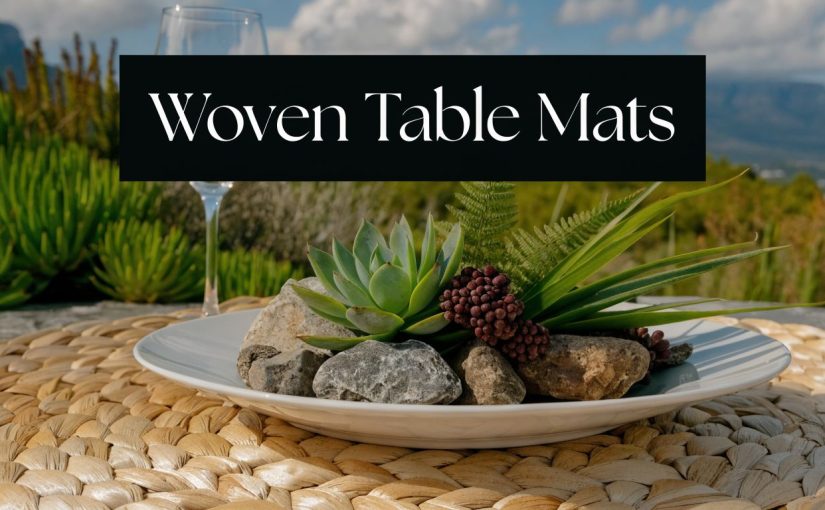
You’ve booked the venue. The florals are sorted. The menu makes sense for the room. Then you look at the table setup and something still feels unfinished.
That flat, slightly generic feeling usually isn’t caused by the big items. It’s caused by the missing layer between the plate and the table. In Cape Town and the Winelands, where venues range from polished city spaces to weathered farm tables and open-air courtyards, woven table mats often solve that problem faster than a full redesign.
They add texture without bulk. They warm up hard surfaces. They give each place setting a proper frame. They also force better styling decisions, because once a woven mat is on the table, every other element has to earn its place.
The Secret to an Unforgettable Tablescape
A good tablescape doesn’t start with abundance. It starts with balance.
At a Winelands wedding, you might have raw timber tables, soft linen napkins, glassware catching the late light, and a floral palette that feels effortless. Yet the table can still look scattered if there’s no visual anchor under each setting. The same happens at a corporate dinner in Cape Town. Crisp crockery and branded details are in place, but the table still reads as functional rather than considered.
That’s where woven table mats do their best work. They introduce structure, warmth, and contrast in one move. On wooden tables, they stop everything from blending into one brown plane. On clothed tables, they create a second layer that makes the setting look finished rather than covered.
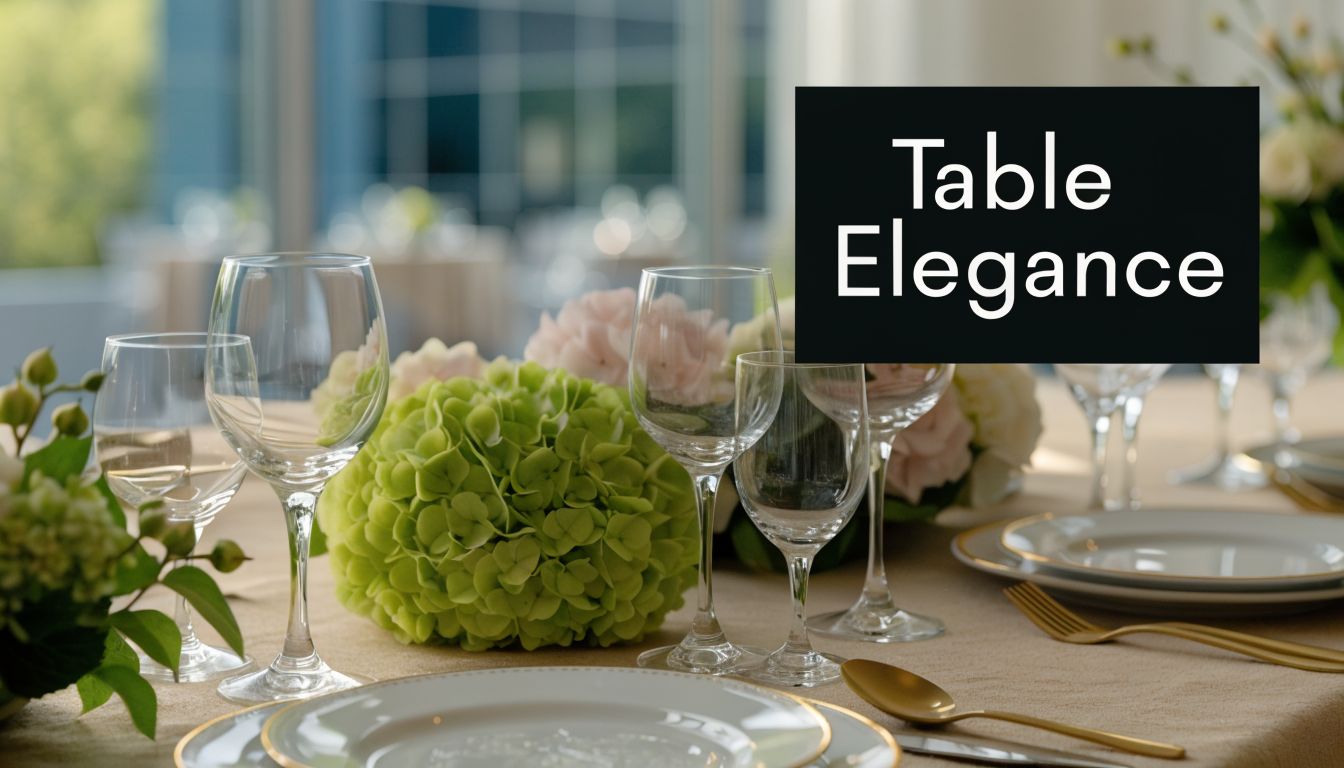
The detail matters commercially too. The global placemats market was valued at USD 2.16 billion in 2024, which tells you these pieces aren’t an afterthought in modern dining and event styling according to this table linen history overview.
Practical rule: If the table feels flat, don’t add more décor first. Add a tactile base layer and reassess.
The mistake I see most often is treating woven mats as purely decorative. They’re not. They affect scale, spacing, material contrast, and how premium the event feels in photographs. They also have to work with service, heat, cleaning, and the realities of reset time.
If you’re refining your broader table design, this guide to choosing exquisite table linens is useful because it helps you think about mats as part of the full linen story, not as isolated accessories.
Choosing Your Texture A Guide to Woven Mat Materials
Material choice separates a beautiful setup from a practical one. The right woven table mat should suit the event’s mood, but it also needs to survive plating, clearing, transport, and storage.
Some fibres are forgiving. Others look brilliant for a few hours and become high-maintenance the moment service starts.
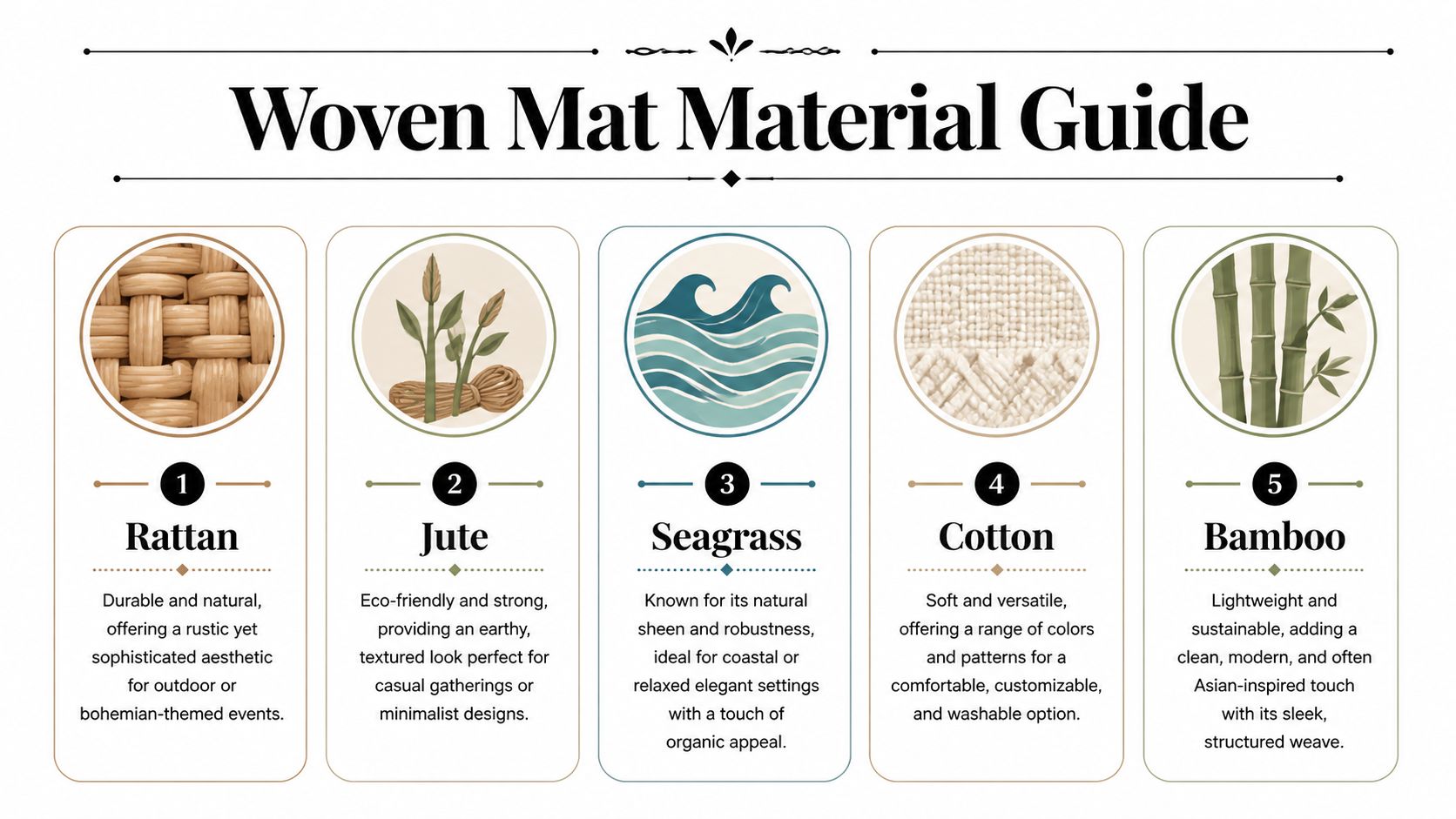
Natural fibres for softness and character
Rattan gives you that structured, artisanal look many planners want for vineyard weddings and long-table lunches. It holds its shape well and brings a stronger visual line than softer fibres.
Seagrass usually feels more relaxed. It’s ideal when the brief calls for coastal elegance or a laid-back layered look. It pairs well with stoneware, soft neutrals, and unfussy florals.
Water hyacinth has a slightly fuller, rustic character. It works best when you want obvious texture and don’t mind the mat being part of the visual statement rather than a quiet background detail.
These natural options can also handle warm service well. Natural fibres such as rattan, water hyacinth, and seagrass provide a protective thermal barrier against hot dishes, which makes them useful when catered plates are landing fast and the table needs a practical buffer.
PVC for volume, speed, and repeat use
For heavy event rotation, woven PVC often outperforms natural materials. It won’t give you the same handcrafted feel, but it solves problems quickly.
For professional use, it’s worth looking for PVC woven mats with heat tolerance up to 100°C and Martindale abrasion ratings over 15,000 cycles so they can manage hot plates and repeated use without damage, as outlined in this guide to choosing the right woven placemats for event-ready performance.
That matters for brand activations, school functions, conferences, and any event where turnaround speed matters more than hand-finished texture.
| Material | Look & Feel | Best For | Durability & Care |
|---|---|---|---|
| Rattan | Structured, earthy, refined | Vineyard weddings, outdoor lunches, bohemian styling | Durable, but needs careful cleaning and dry storage |
| Seagrass | Relaxed, natural, slightly softer visual line | Coastal events, intimate dinners, organic styling | Robust in use, but can be fussy in damp conditions |
| Water hyacinth | Rustic, fuller texture, decorative | Farm venues, layered tablescapes, casual-luxe setups | Attractive but needs more attentive maintenance |
| Woven PVC | Clean, consistent, modern | Corporate events, high-volume functions, fast resets | Strong for repeated use, wipe-clean, suited to frequent handling |
What works and what doesn’t
A common mismatch is using delicate natural mats at high-traffic events with plated service, oily mains, and tight strike times. They look excellent at setup and tired by the end.
What works better is matching the mat to the pressure on the event:
- Low-touch elegance: choose seagrass or rattan for intimate weddings and styled shoots.
- High-turnover service: choose woven PVC where hygiene, durability, and easy reset matter.
- Rustic with discipline: use stronger natural fibres when the venue aesthetic matters, but keep the rest of the table restrained so the texture doesn’t become visual noise.
The most successful woven mats don’t just match the colour palette. They match the workload.
Perfect Proportions Sizing Mats for Common Event Tables
Even a beautiful mat looks wrong when the scale is off. Too small, and the plate appears to spill beyond the setting. Too large, and the table starts feeling crowded before the glassware even arrives.
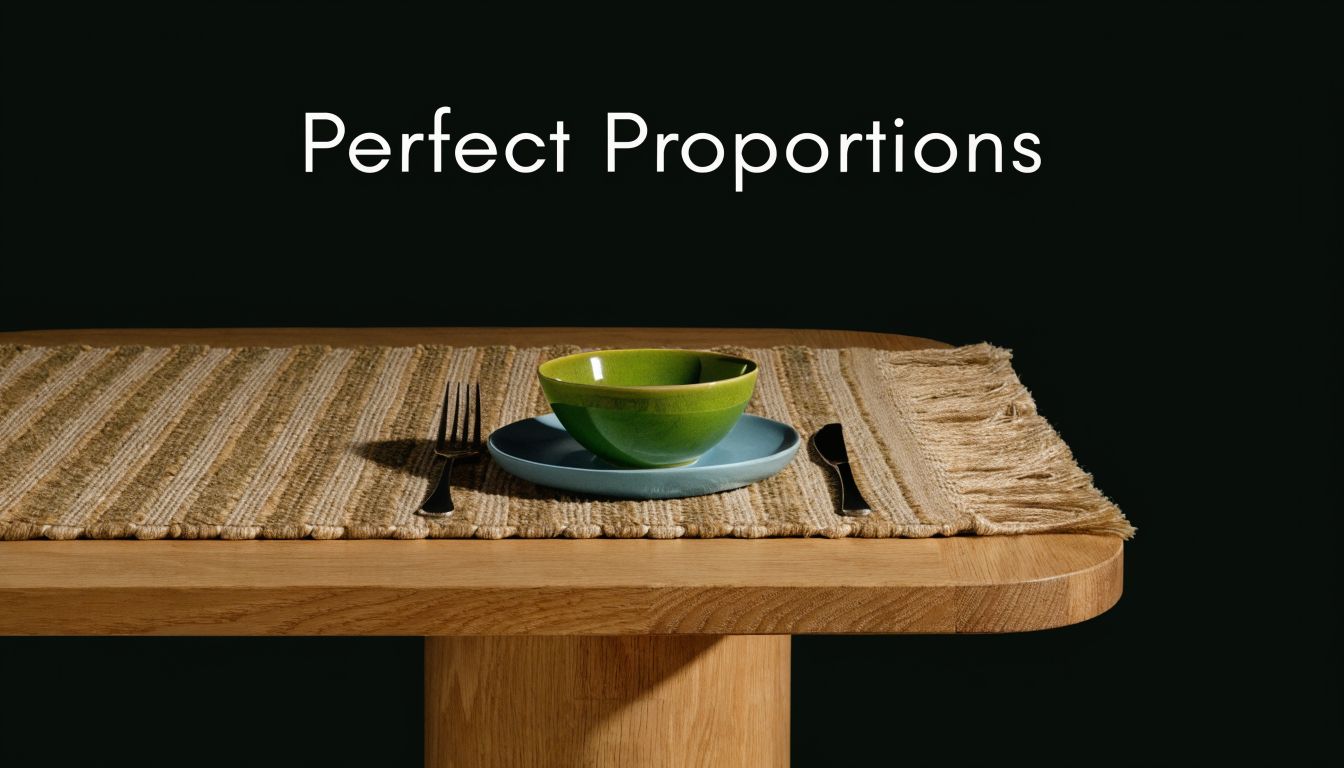
For formal events, the safest benchmark is bigger than many people expect. Industry guidance recommends a minimum of 35cm x 50cm for rectangular mats and 38cm for round mats to give modern dinner plates proper coverage and a more luxurious finish, as noted in this overview of recommended placemat sizes for formal settings.
Round tables
On round guest tables, woven mats need to support the place setting without fighting the table shape. A 38cm round mat is a reliable choice when the plate itself is generous and the event leans formal.
Use round mats when you want the setting to feel softer and more fluid. They’re especially effective if the floral centrepiece is already lush, because they stop the table from becoming too angular.
If you’re working with clothed rounds, the cloth drop and underlay also affect visual scale. This guide to tablecloths for round tables is worth reviewing alongside mat selection so the proportions read properly from floor level and in photos.
Long tables and trestles
Rectangular woven table mats suit banquet lines, harvest tables, and corporate dining layouts because they reinforce the geometry of the table.
Use the 35cm x 50cm format as your starting point for formal dining. It gives enough depth for charger, plate, cutlery framing, and folded napkin placement without the setting looking undersized.
A few rules make the layout cleaner:
- Keep each mat aligned to a common table edge.
- Leave visible table or linen between settings so guests don’t feel boxed in.
- If the table already has a runner, choose mats that complement the runner width rather than compete with it.
Mixed layouts and odd venue furniture
Cape Town venues often mix rounds, banquet tables, and occasional narrow service tables in one event. In those rooms, consistency matters more than forcing the same mat shape everywhere.
Use one weave family across the event, then change shape to suit the furniture. That keeps the look organised while respecting the function of each table.
A woven table mat should frame the plate, not disappear under it and not dominate the whole place setting.
Tablescape Inspiration for Cape Town and Winelands Events
Cape Town events rarely happen in neutral, blank rooms. There’s usually a strong setting already in play. Vineyard views, mountain backdrops, city architecture, exposed brick, sea air, or old cellar walls all push the table in a certain direction. Woven table mats work best when they respond to that setting rather than trying to overwrite it.
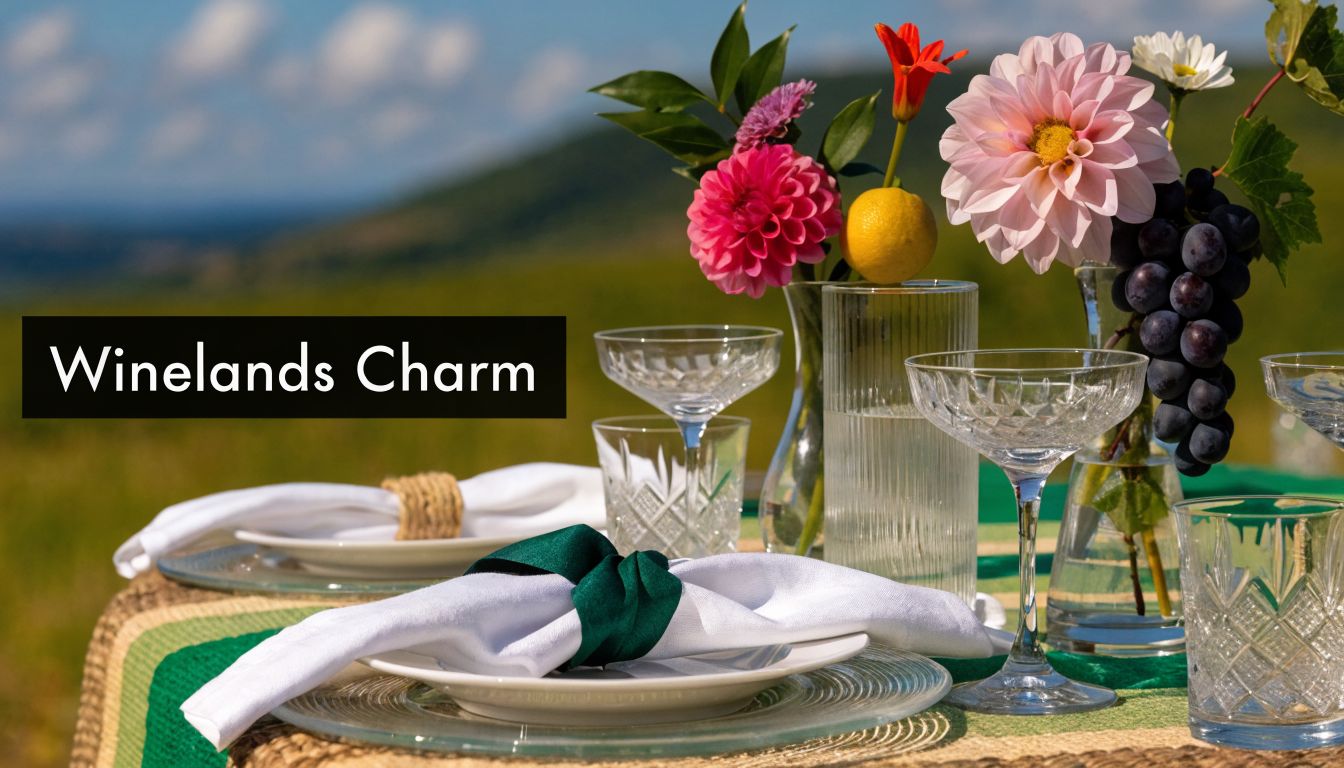
Winelands wedding tables
For Stellenbosch or Franschhoek weddings, natural woven mats shine when the venue already has warmth built in. Think timber tables, cream runners, brass cutlery, and glassware with a slightly softer silhouette.
What works:
- Natural weave with linen: a woven mat under a clean napkin keeps the setting tactile without looking busy.
- Loose florals and fynbos: these pair naturally with textured mats because both have an organic, slightly irregular character.
- Restrained crockery: if the mat has visible pattern and depth, keep the plate simple.
What usually doesn’t work is layering too many rustic signals at once. Heavy timber, thick runners, dark napkins, woven chargers, and bold mats can make the table feel weighed down.
Corporate events with polish
At city venues or waterfront spaces, woven mats can still work. You just need a cleaner hand.
Use darker or tighter weaves with minimalist crockery, sharper fold lines, and florals that are more sculptural than romantic. This creates contrast without losing professionalism. The table still feels designed, but it doesn’t drift into wedding territory.
For branded events, mats are especially useful when you need texture without introducing another colour. The neutral base lets the brand accents stay in the flowers, menus, or lighting rather than scattering the identity across every surface.
The boho-glow look for evening receptions
One of the more interesting local styling shifts is the move toward combining natural texture with modern light. A 2026 SA Event Planners Association survey noted the boho-glow theme, with 47% of planners looking for ways to combine woven textures with LED furniture for evening receptions, referenced in this write-up on woven décor and event styling trends.
That combination works because the contrast is deliberate. The woven mat grounds the table with something tactile and familiar. The LED element adds atmosphere and edge.
A good application looks like this:
- Natural woven mats on dining tables.
- LED cocktail furniture used nearby as a glowing secondary zone.
- Warm candlelight or ambient pin-spotting to bridge the rustic and modern elements.
- Glass and metallic details that catch both natural and artificial light.
This article on decor on table is helpful if you’re balancing mats with centrepieces and don’t want the styling layers to compete.
Natural texture and artificial light can work together beautifully. The trick is to let one ground the space and let the other lift it.
Protecting Your Linens Woven Mat Care in a Coastal Climate
A lot of people treat woven mats like a simple finishing detail. In Cape Town, that’s a mistake.
With Cape Town's average annual humidity at 74%, untreated natural fibre décor such as woven mats is highly susceptible to mould, which means rental-quality stock needs strict storage and treatment protocols to stay event-ready, as noted in this reference on woven mat care in humid conditions.
The real local risk
Natural fibres absorb atmosphere as much as they absorb spills. After an outdoor event, a mat may look dry but still hold moisture in the weave. Stack it too quickly, wrap it too tightly, or store it in a poorly ventilated room, and that faint organic smell arrives first. Visible mould often follows.
This is why woven table mats need handling routines, not just cleaning products.
What actually works after service
For most event use, the practical sequence is simple:
- Shake out loose debris first. Don’t rub crumbs deeper into the weave.
- Spot clean immediately. Use a lightly damp cloth rather than soaking the mat.
- Dry fully before stacking. Airflow matters more than speed.
- Store with space around the stacks. Dense packing traps lingering moisture.
Natural fibres don’t respond well to aggressive wet cleaning. If you flood them, they can distort, tighten, or develop odour later even when the stain appears gone.
For broader fibre-care principles, this guide to Birmingham sisal rug cleaning advice is useful because sisal has similar practical sensitivities around moisture, staining, and controlled cleaning.
Red wine, oil, and venue dust
The problem stain matters. Red wine needs blotting, not scrubbing. Oily residue needs lifting before it spreads through the weave. Fine venue dust settles into textured mats quickly, especially after outdoor setup.
The wrong instinct is to clean harder. The better approach is to clean earlier and dry better.
Field note: The best-looking woven mats at event time are usually the ones that were stored correctly the week before, not the ones that were scrubbed hardest on the night.
Rent or Buy A Practical Decision Guide for Event Planners
Buying woven table mats sounds sensible until the logistics arrive. You need enough of the same style, enough spares for damage, enough storage to keep them flat and dry, and enough labour to inspect them after every use.
That’s manageable for a venue with stable stock needs and dedicated storage discipline. For most planners, hosts, schools, and once-off corporate teams, it becomes a burden very quickly.
When buying makes sense
Buying can work if you use the same event format repeatedly and the design brief hardly changes. A venue that runs consistent long-table dining or a brand team with a recurring activation format may prefer ownership for control and immediate access.
Even then, you need systems:
- Storage space: natural fibre mats can’t just be pushed into damp cupboards or compressed into random crates.
- Cleaning discipline: someone has to inspect each mat, deal with stains properly, and remove damaged stock from rotation.
- Style commitment: once you buy in volume, you’re tied to that look for longer than most trends last.
Why renting is usually the smarter move
For most event professionals, renting solves the least glamorous but most disruptive parts of the job. You avoid storage, replacement, maintenance, and the visual fatigue that comes from reusing the same styling layer on every brief.
You also get flexibility. A woven mat that suits a Franschhoek wedding may be wrong for a city product launch. Rental allows you to choose for the job instead of forcing the job to fit the inventory you own.
The convenience side matters too. Hiring from an event furniture specialist means mats arrive as part of a broader setup plan rather than as a loose décor problem you still need to manage separately. If you’re weighing that broader question, this guide to renting furniture for events gives a useful overview of why rental often makes operational sense.
The practical checklist
Ask these questions before deciding:
- How often will these exact mats be used? If the answer is occasional, ownership is hard to justify operationally.
- Who will clean and store them properly? If there’s no clear answer, buy with caution.
- Does the event style change from client to client? If yes, flexibility is valuable.
- Is your team already stretched on setup and breakdown? Extra inventory usually creates extra friction.
The trade-off in plain terms
Buying gives control but adds responsibility. Renting limits the back-end workload and usually improves consistency on event day because the products are selected for purpose, not because they happen to be sitting in storage.
For woven table mats in particular, that trade-off matters more than people expect. These pieces are small, but they’re not low-maintenance.
Create Your Perfect Event Setting with ABC Hire
The strongest tables don’t rely on excess. They rely on the right layers used well. Woven table mats earn their place because they do several jobs at once. They soften hard tables, define each setting, support the wider colour palette, and bring a tactile finish that photographs beautifully.
The practical side matters just as much as the visual side. Material choice affects heat resistance, durability, and cleaning. Size affects guest comfort and the overall balance of the table. In Cape Town, storage and moisture control matter more than many planners realise. And for evening events, woven texture can even bridge rustic styling with modern lighting in a way that feels current rather than forced.
That’s why these mats work best when they’re chosen with the full event in mind. Not as a last-minute add-on. As part of a disciplined styling plan.
If you want a setting that feels considered from the first guest arrival to the final photo, woven table mats are one of the simplest upgrades you can make. The key is choosing them with a stylist’s eye and an operator’s realism.
For expertly curated event furniture, textured table styling, and standout pieces for Cape Town and the Winelands, ABC Hire can help you build a setting that looks polished and works hard on the day. From elegant dining setups to LED furniture for evening receptions, the team understands how local venues, weather, and event flow shape the details that matter.