
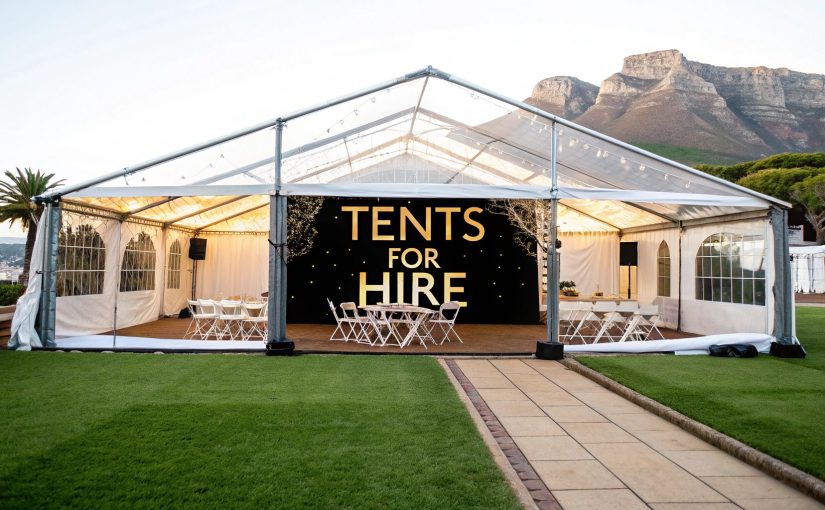
Every event has its ideal canopy. Pop-up, frame, clear-span and pole tents each bring their own strengths. By choosing the right structure for your guest count and site conditions, you avoid last-minute headaches and ensure a smooth setup.
Selecting The Best Tent Type
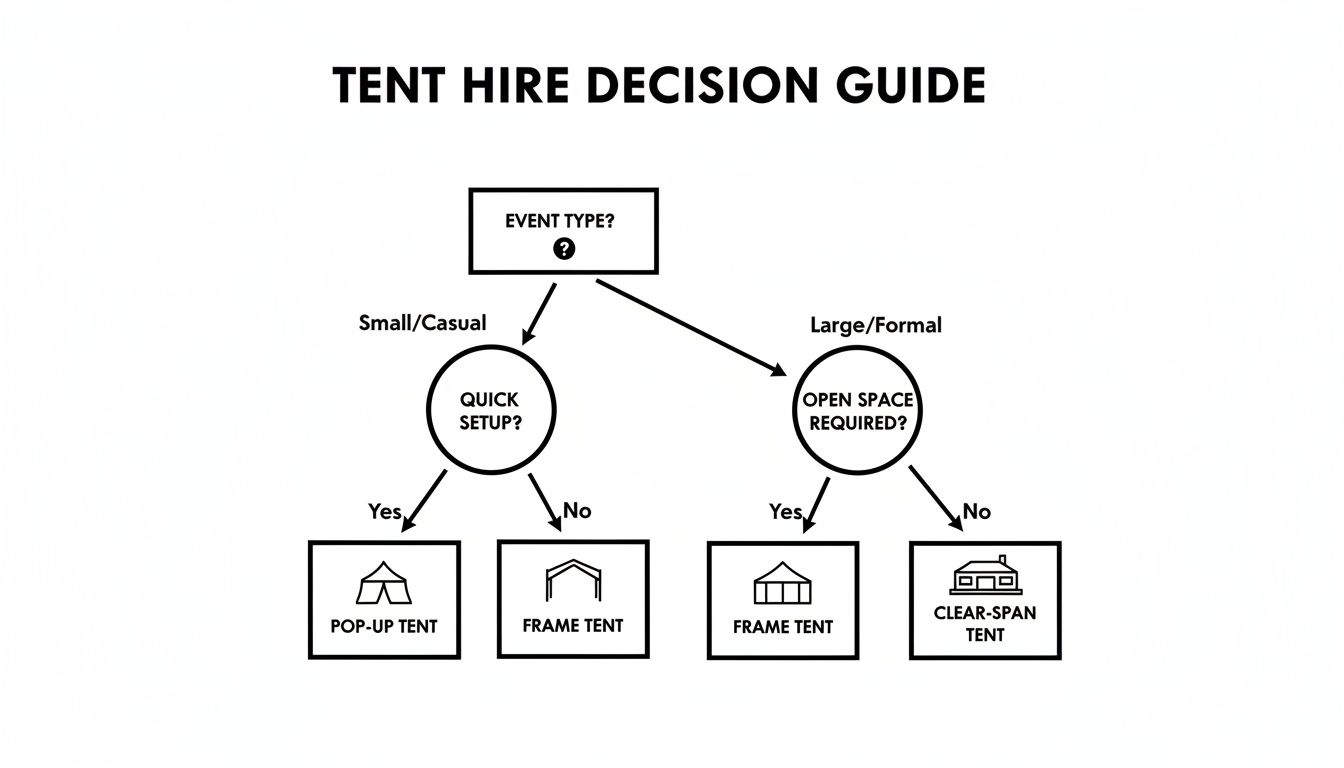
Before you commit, consider how many people you’re hosting, the ground you’re working with and how fast you need to get under cover.
- Pop-Up Marquees: Ready in minutes, they handle up to 50 guests on flat lawns or patios.
- Frame Tents: No centre poles means flexible seating for around 200, perfect on uneven terrain.
- Clear-Span Tents: Steel-beam construction opens up space for 200+ attendees—ideal for grand weddings or galas.
- Pole Tents: That classic peaked look accommodates 80–150 guests, provided you have clear anchoring zones.
These overviews help you match style, capacity and site requirements at a glance.
Comparison Of Common Tent Types
Below is a quick reference to guide your decision:
Comparison of Common Tent Types
| Tent Type | Capacity Range | Structure Type | Ideal Use |
|---|---|---|---|
| Pop-Up | Up to 50 | Lightweight Frame | Small backyard parties |
| Frame | Up to 200 | Alloy Frame | Weddings on uneven ground |
| Clear-Span | 200+ | Steel Beams | Corporate events and galas |
| Pole | 80–150 | Centre-Pole Design | Festivals and concerts |
Use this table to spot which design fits your event vision.
Picture a clear-span canopy draped across a sloping vineyard for a gala dinner. You get unobstructed sightlines, rain-tight walls and enough headroom to suspend chandeliers.
“Frame roofs adapt to rocky surfaces without centre poles blocking sightlines.”
On the flip side, pop-up marquees shine for spontaneous beach birthday parties or corporate lunch breaks.
Industry forecasts predict an 11.7% CAGR in MEA party-supply rentals from 2023 to 2030, reflecting growing demand in South Africa’s events market. Read the full report from Grand View Research.
For a different look, check out our guide on stretch tents for hire in Cape Town and discover how those flowing canopies can transform any outdoor space.
When your guest list outgrows one structure, think modular. You can link two pole tents for a seamless aisle or add sidewalls to expand weather protection.
In Cape Town’s coastal breeze, sturdy sidewalls are non-negotiable for stability. Always request precise venue measurements and share a detailed layout with your supplier. That extra step prevents miscommunication and surprise charges on install day.
Matching tent type to your vision—and logistics—delivers real peace of mind. Enjoy seamless hire.
Assess Site Conditions and Secure Permits
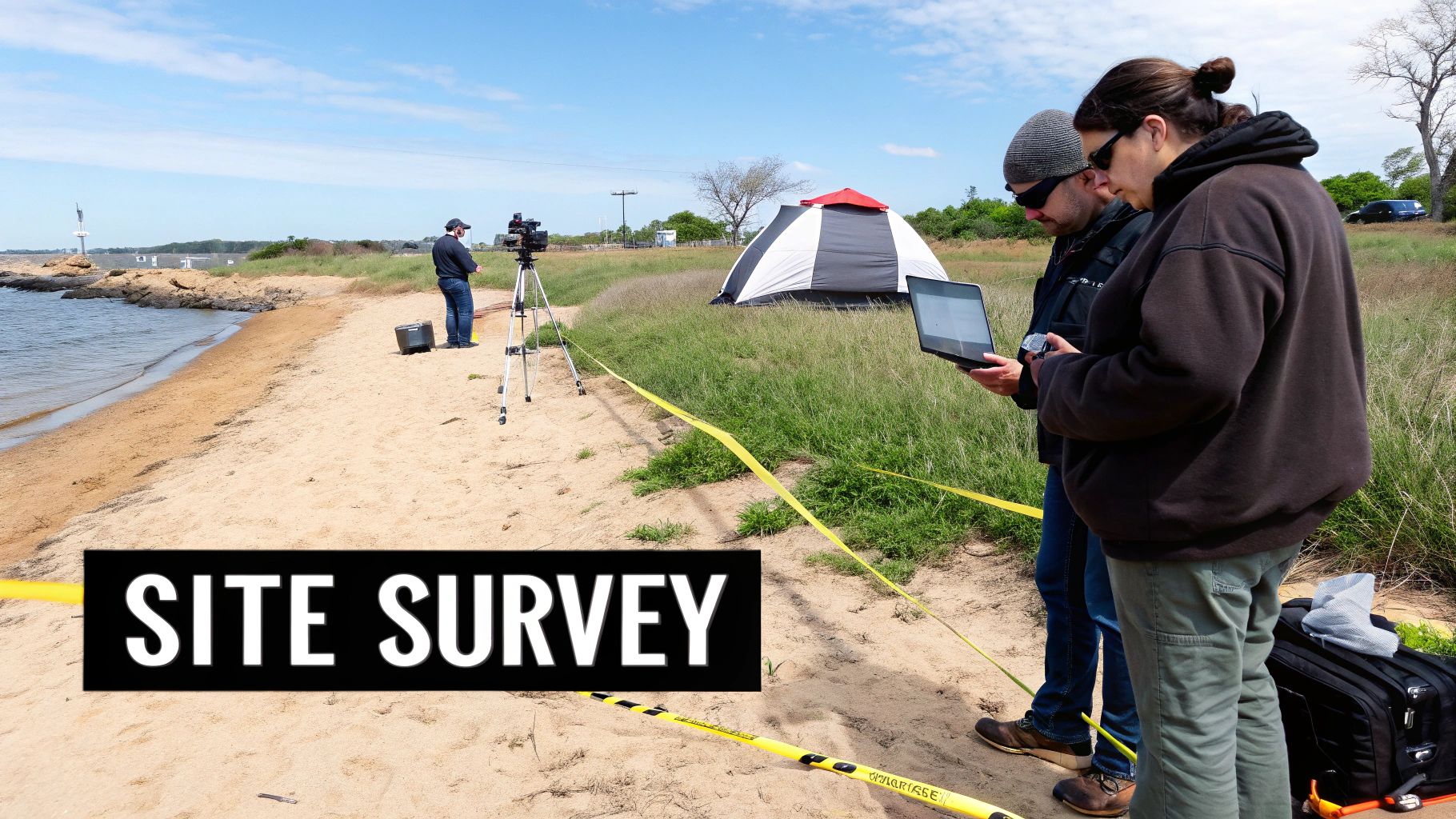
You’ll quickly find that ground stability sets the tone for any successful tent hire. A thorough site survey reveals soil type, slope and drainage patterns—details that keep muddy chaos at bay.
Imagine comparing a sandy beach with a lush riverside lawn. Beach locations often call for weighted anchors or ballast systems, while lawns benefit from raised matting to keep your guests comfortably dry.
- Soil Composition: Guides your choice of anchors and flooring mats
- Ground Slope: Shapes tent orientation and footprint
- Drainage Channels: Ensures water won’t pool under flooring panels
- Power Points: Helps you map cable runs and generator spots
- Access Lanes: Confirms delivery trucks can reach the setup area
Site Survey Checklist
A series of wide-angle photos becomes your best friend when you’re dealing with planners. Capture each corner from different perspectives to log obstacles and natural features.
Municipal parks in Cape Town often demand precise site coordinates. GPS-marked corners let you draft an accurate plan and avoid map revisions from council at the eleventh hour.
Allow a 5–7 day buffer for basic groundworks like trenching or drainage piping. That way, even unexpected underground pipes won’t derail your timetable.
“We saved hours by mapping power and water lines in advance,” says one Cape Town event coordinator.
Permit Submission Tips
Before you rush to apply, gather every document you’ll need. Typical requirements include:
- A detailed site plan showing tent footprint, anchor spots and emergency exits
- Proof of public liability insurance
- Environmental impact notes where required
Then tick off these actions:
- Draft the site plan and mark out all anchor locations
- Submit your temporary use application to the City of Cape Town at least 21 days before your event
- Arrange electrical inspection certificates for any generator or mains hook-up
- Pay permit fees and record your confirmation reference for on-site checks
Keep council holiday closures in mind. Around December, service desks handle 30% fewer submissions, so schedule your application early to beat the backlog.
| Permit Type | Processing Time | Fee Range (ZAR) |
|---|---|---|
| Temporary Use Permit | 10–15 working days | 500–1 200 |
| Electrical Inspection | 3–5 working days | 250–600 |
| Environmental Clearance | 7–10 working days | 800–1 500 |
Preparing For Ground Work
Once your permits arrive, map out trailer access and mark off clear zones for forklifts and crew vehicles. A well-planned approach keeps everyone safe and on schedule.
- Confirm permit numbers are displayed on-site
- Double-check GPS coordinates with the venue manager
- Schedule a final site walk-through 2 days before installation
- Build in buffer time for unexpected ground repairs
Consider using surface protection boards on lawns. Polypropylene boards in 1 m² panels spread weight evenly and prevent turf damage.
“A few trenches saved us from soggy carpets after Cape storms,” recalls a local wedding planner.
Basic levelling and drainage prep typically take 8–12 hours for a 100 m² area. Book your mini-excavator or compactor in advance to avoid last-minute equipment shortages.
Access And Equipment Coordination
Before the big day, verify site entrance dimensions against your trailers—many Cape Town gates are under 3 m wide. Don’t forget to measure overhead clearances for crane lifts.
- Check trailer turning radius for precise site approach
- Plan around low-hanging branches and power lines
- Designate parking zones for crew and equipment
- Label each equipment batch for swift identification
Align your delivery window with local traffic patterns—avoid peak periods around the V&A Waterfront. Securing a timed slot cuts waiting costs and idle crew hours.
Stay in close contact with venue managers and council liaisons. A shared checklist or simple project tool can keep everyone aligned and ensure installation day runs without surprises.
Choose Accessories And Enhance Guest Comfort
Accessories can turn a blank tent into a space your guests will remember long after the last dance. A well-chosen floor, sidewall design and climate solution keeps everyone cosy and engaged no matter the weather. Drawing on years of event work in Cape Town, I’ve seen how the right details can elevate any gathering.
Luxury flooring often sets the tone. Think polished panels for a chic wedding reception or vinyl-backed carpet rolls that hug your path and absorb footsteps at a product launch. I once fitted foam-backed strips at a beach birthday—bare feet sank into plush softness while echoes faded away.
- Dance-floor panels: Interlocking MDF or PVC boards built tough for DJs, dancers and high heels.
- Roll-out carpet: Vinyl-backed strips that go down in minutes and lift up just as fast.
- Transparent sidewalls: Clear PVC walls that frame mountain views and flood your tent with natural light.
- Blackout sidewalls: Opaque walls ideal for film screenings or creating an intimate dinner glow.
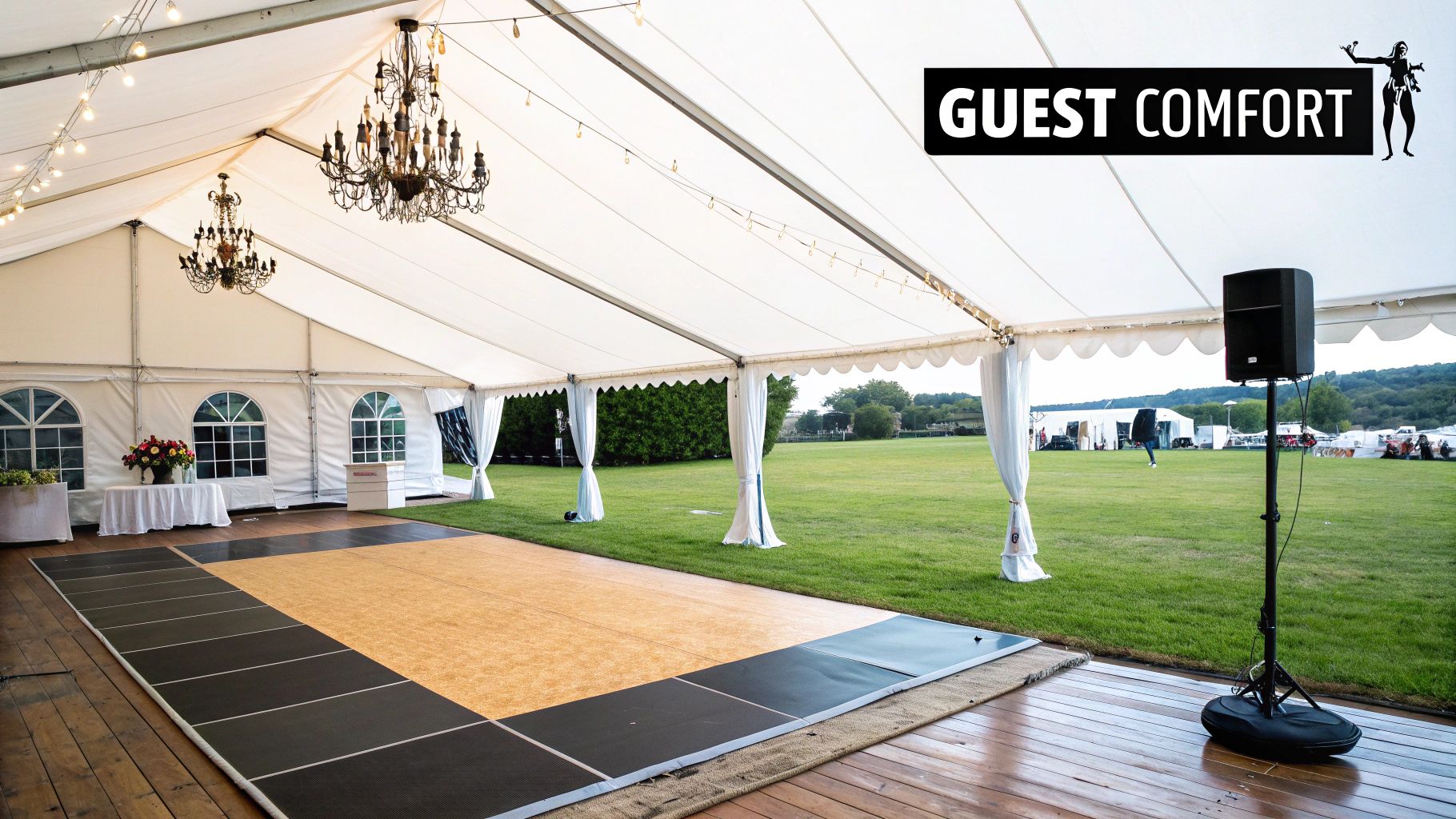
Lighting does more than chase shadows. It defines zones and keeps the ambience on point. From backyard parties to black-tie galas, the right fixtures can make or break your event vibe.
Select Lighting And Atmosphere
At an annual corporate gala, I combined warm LED uplights along the peaks with a statement chandelier above the head table. Guests felt drawn to the stage, then ushered into cosy conversation corners. Meanwhile, battery-operated lanterns lined the aisles—no cables snaking across walkways and zero trip hazards.
Cape Town’s unpredictable weather means temperature control is non-negotiable. For crisp winter evenings, gas-powered patio heaters deliver instant warmth under that canvas roof. When summer heat crunches in, evaporation mist fans and portable air-con units can cool the space by 6–8°C in under ten minutes.
You might be interested in advanced tips on gas-powered patio heaters in our article on gas outdoor heating solutions.
Matching temperature control to guest flow can boost revenue by 15% in shoulder seasons.
| Accessory Bundle | Benefit | Example Rate (ZAR) |
|---|---|---|
| Basic Seating | Saves setup time | 150 per guest |
| Table and Linen | Cohesive look | 250 per guest |
| Full Decor Pack | Turnkey design | 450 per guest |
Package Extras For Higher Revenue
Bundling essentials—tables, chairs and linens—can turn quiet months into high-traffic seasons. In Stellenbosch last June, a simple 10% discount on table-and-linen packages saw a 20% spike in bookings. It’s a win-win: clients love the value, and your team spends less time juggling spreadsheets.
Grouping accessories also simplifies the quoting process and keeps your crew focused on flawless execution. When everything comes from one supplier, coordination runs smoothly and peace of mind comes standard.
Plan Delivery and Installation Logistics
On the big day, timing is everything. Working out the delivery window with your tent supplier and venue manager early will save you from last-minute headaches.
Seasoned event pros always build in a 30-minute buffer for traffic snarls around Table Mountain.
Plan early and stage gear zones for swift tent assembly.
Before the crew rolls in, mark the tent outline with spray paint or chalk. Double-check power outlets and water access to avoid unwelcome surprises.
Sample Timeline For Tent Setup
The goal here is clarity. Break down tasks into bite-sized chunks so every team member knows what’s expected.
- Footprint Marking And Stake Placement
- Frame And Pole Erection With Weather Checks
- Sidewall And Flooring Installation
- Power Hookup Testing And Lighting Setup
- Final Safety Inspection And Punch-List Sign-Off
Label your crates and designate drop zones at each corner. That way, no one is tripping over equipment—and the tent goes up without a hitch.
Communication Strategies With Vendors
Transparent, consistent communication is the glue that holds logistics together. Share a simple arrival schedule by email and follow up with a quick SMS.
- Set a 15-minute check-in window for each delivery.
- Assign one person as the on-site decision-maker.
- Draft a backup plan for last-minute tweaks.
A quick pre-install call can iron out any questions. When the day wraps, gather your team for a mini-debrief. Note what worked and what you’d tweak next time.
A concise punch list of finished zones—complete with photos—helps everyone see the end result. Tuck that list into your invoice to reinforce transparency and build trust.
Budget Wisely for Tents and Extras
Working out your real costs means looking beyond the tent marquee itself. In my experience, the base hire fee is just the tip of the iceberg.
Small pop-up tents typically start at R2 000, while clear-span giants can climb to R25 000. On top of that, delivery and labour sneak in another 15–20%, and during high season you might see surcharges of up to 30%.
Planning ahead and unpacking every line item will save headaches (and budgets) later on.
Break Down Core Charges
When quotes arrive, ask suppliers to spell out each cost:
-
Base Rental Fee
Covers only the tent frame and canopy—no extras here. -
Delivery Charge
Varies by distance, vehicle requirements and site access. -
Labour Costs
Depends on crew size, setup complexity and ground conditions. -
Seasonal Surcharges
Peak months often attract higher rates as demand soars.
Seeing all fees laid out side by side helps you spot hidden add-ons before you sign. That clarity makes comparing tents for hire a breeze—and keeps surprises off the final bill.
In South Africa, summer events dominate the tent market. From November through March, utilisation rates spike. Come winter (June–August), things quiet down—and so do prices.
Here’s a quick look at how pricing and demand swing with the seasons.
Seasonal swings in tent hire can really stretch your budget. Below is a snapshot of average rates and margins during busy versus quieter periods.
Pricing Variations By Season
Comparison of average utilisation rates and rental prices during peak and off-peak periods
| Season | Utilisation Rate | Average Rental Price | Margin Range |
|---|---|---|---|
| Peak (Nov–Mar) | 80% | R15 000 | 25–35% |
| Off-Peak (Jun–Aug) | 40% | R8 000 | 15–25% |
Notice how margins tighten outside high-demand months. Use these insights to time your booking and protect your bottom line.
What’s more, labour and delivery costs can climb an extra 20–30% during those summer rushes. Factor that in when you draft your budget.
Negotiate Smartly with Suppliers
Bundling services is a proven way to shave off costs. Industry pros often package heating or lighting with the tent shell—and unlock 10–15% volume discounts.
“Combining services sharpens your negotiating edge and keeps clients happy.”
Set aside a 5–10% contingency fund for permit delays or unexpected weather. I always track every expense in a simple spreadsheet—this level of transparency builds trust and speeds up approval cycles.
Here are a few tactics that consistently work:
- Ask for flat-rate delivery when securing multiple tent sections.
- Leverage end-of-season inventory to negotiate lower rates.
- Propose multi-event contracts to reduce labour charges.
- Request bundled quotes with a clear cost breakdown per service.
These moves can cut up to 8% off your total spend.
Before signing off, compare the final estimate against your budget sheet. Smart budgeting like this turns tent hire into a predictable—rather than painful—part of event planning.
With these strategies in hand, you’ll hit your financial targets without last-minute surprises. Enjoy the savings and smooth service delivery!
Local Cape Town Event Checklist
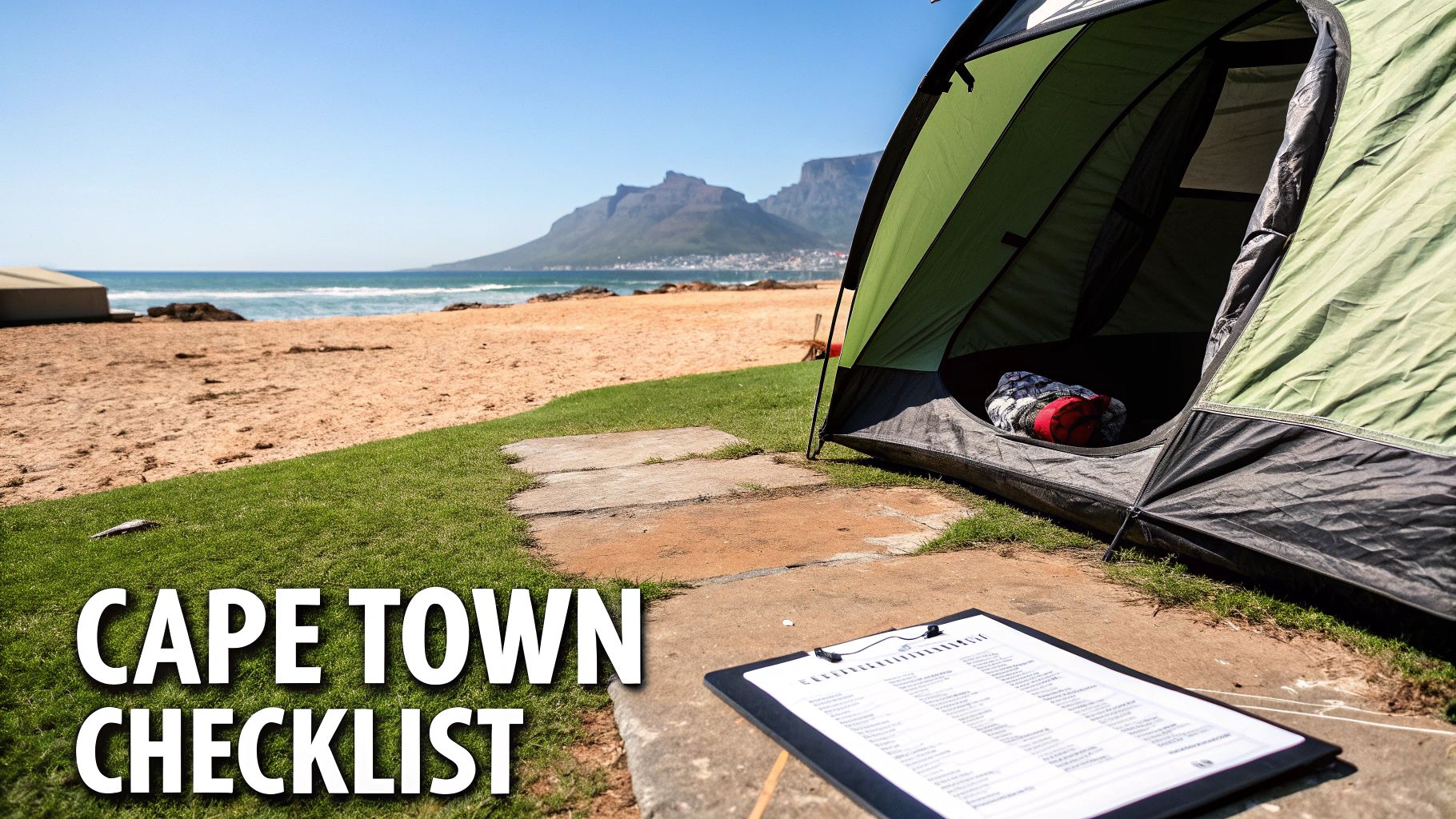
Getting your tent hire sorted in Cape Town means juggling permit windows, venue rules and our famous microclimates. Start by pencilling in deadlines for every public park, heritage site or municipal space on your shortlist.
- Lodge applications for Kirstenbosch or Green Point Park at least six months before your event.
- Double-check noise curfews and branding limits with each venue’s manager.
- Factor in holiday periods that can push approvals out by up to 30%.
“Securing permits early saved us from scrambling when office closures hit in December.”
Assess Local Weather Risks
Shade from Table Mountain can disappear by lunchtime, only to be replaced by gusty coastal winds. Pick a tent and accessories that suit your exact spot.
- Wind-rated sidewalls for beachside gatherings.
- Ground sheets or ballast systems on sandy lawns.
- Reliable power and water suppliers for remote sites.
Since the pandemic, demand has soared — driven by weddings, corporate functions and the tourism sector. Forecasts predict South Africa’s vacation and event rental markets will generate hundreds of millions in revenue every year, with peak seasons from November to March. Learn more about these findings on Statista.
Plan Logistics And Timing
In high season (November–March), build in extra days for delivery and setup. Sync calendars with your tent supplier and the venue so nothing clashes.
Track every milestone with ABC Hire’s checklist:
- Site surveyed and GPS mapping completed
- Permits confirmed and insurance documents uploaded
- Delivery window locked in with your supplier
- Final walkthrough scheduled 48 hours before the event
Download the event planning checklist template for Cape Town events.
A few well-timed tweaks now will save you last-minute headaches later and keep guests comfortable from start to finish.
Frequently Asked Questions
Knowing how much space to allocate can save headaches. Generally, allow 1.2 m² for each guest who’ll be mingling and 1.5 m² for every diner at a seated banquet. Then tack on a 20% buffer for aisles, service tables and bar stations.
- Standing Reception: approx 1.2 m² per person
- Seated Banquet: approx 1.5 m² per person
That extra breathing room keeps queues at a minimum and conversations flowing.
If you’re hosting 100 guests at tables, aim for at least 150 m². A 10×15 m marquee or a pair of linked frame tents hits that mark nicely. Armed with these figures, you’ll get accurate quotes and avoid scrambling for space at the eleventh hour.
Plan your booking well before Cape Town’s peak season. Secure a tent 3–6 months in advance. A 30% deposit typically holds your dates and prices, with the balance due about 2–4 weeks before your big day.
- Peak Season: book 4–6 months ahead
- Rush Orders: expect a 10–15% surcharge
These windows align with suppliers’ schedules and seasonal fee structures.
Tent Booking Advance Guide
Your basic hire package includes the canopy, poles and stakes. Everything beyond that – flooring, sidewalls and lighting – is itemised separately. Order anything less than three weeks out, and you’ll likely see a 15% rush fee.
“Flexibility drops off sharply within three weeks of your event,” says a Cape Town event coordinator.
Are Power and Lighting Included?
Most suppliers treat power hookups and LED strips as extras. You’ll find them listed individually so you know exactly what’s covered.
- LED Strip Section: from R150
- Generator Hire: from R850 per day
Knowing this upfront avoids nasty surprises on your invoice.
Customisation on Short Notice
Last-minute requests hinge on stock levels. Closer than three weeks, you might find sidewalls or dance floors in short supply. Aim to have 80% of your accessories confirmed before the supplier starts finalising.
Local Permit Requirements
Every venue in Cape Town has its own rules. Most councils ask for permit applications at least 21 days before installation.
- Keep permit numbers visible onsite for inspectors
Contact ABC Hire, your trusted event partner, for expert tents for hire in Cape Town at https://abchire.co.za today