
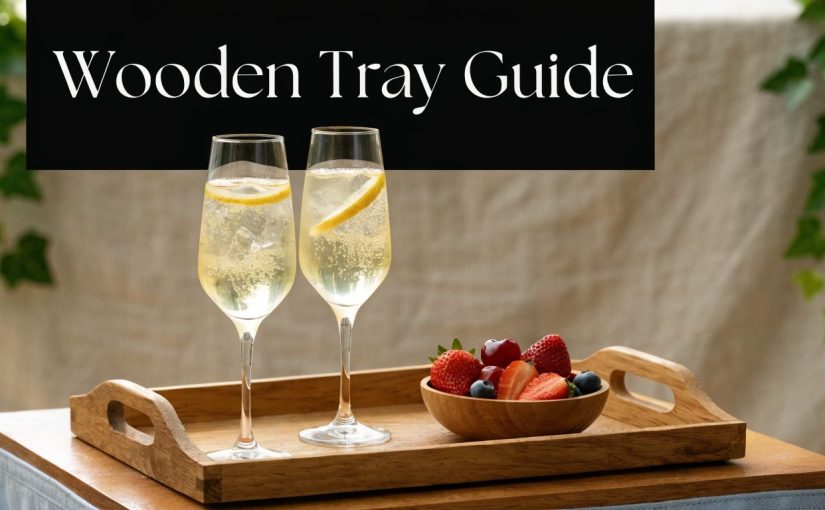
You’re often making a decision about trays when the rest of the event already feels busy. The menu is signed off, the linen colours are nearly final, the venue wants service timings, and someone asks a simple question: “Do we have trays for welcome drinks?” That’s usually the moment a wooden tray with handles moves from afterthought to detail that affects both the look of the event and the pace of service.
In the Western Cape, that detail matters more than people think. A tray sits in full view during arrivals, canapé rounds, lounge service, dessert displays, and drinks stations. If it looks cheap, the whole setup feels less considered. If it’s awkward to carry, staff slow down, glasses wobble, and the event starts to feel less polished than it should.
The Unsung Hero of Event Styling and Service
A well-chosen wooden tray with handles does two jobs at once. It supports service and it adds visual warmth. That combination is why it works so well at vineyard weddings, city launches, private birthdays, and formal school functions.
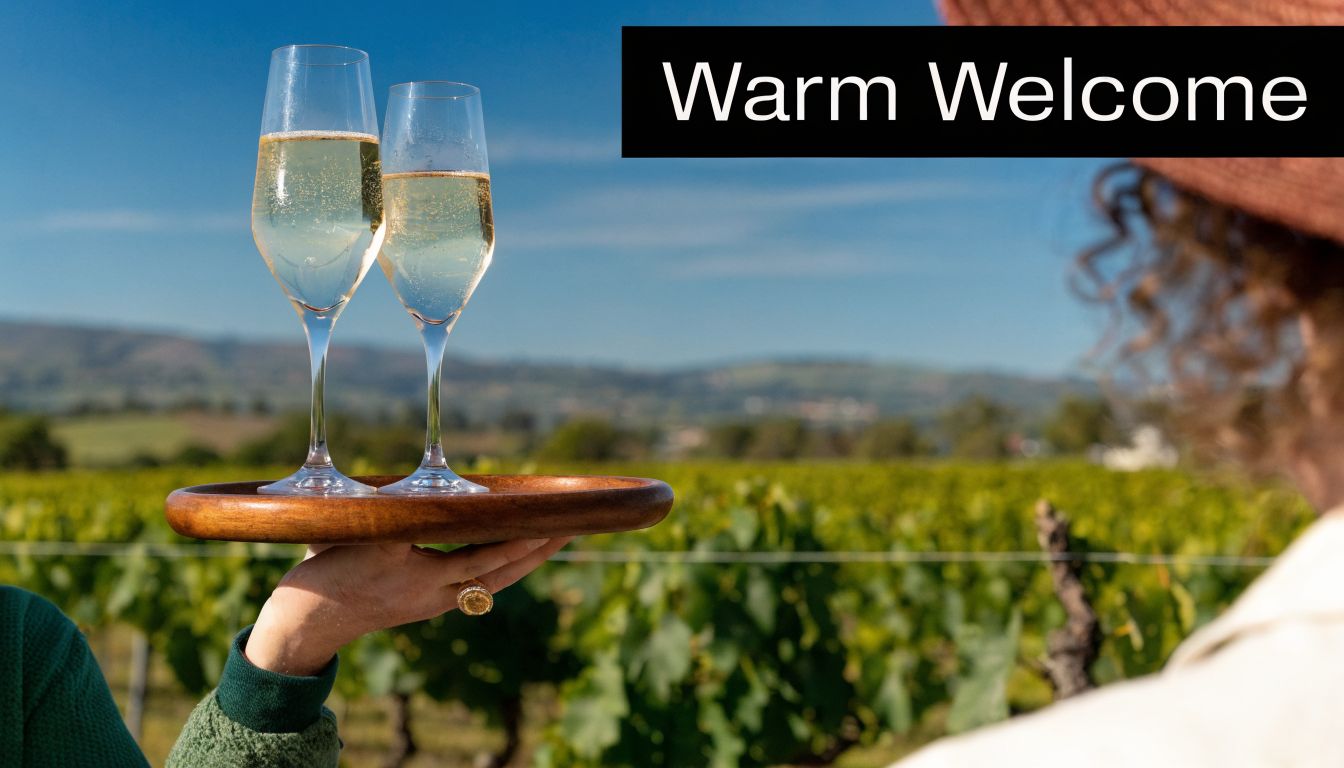
At a Winelands wedding, guests usually encounter the tray before they notice the table plan or floral details. A server arrives with flutes, stemless cocktails, or bottled water. The tray frames the first impression. Wood feels grounded, tactile, and appropriate in a setting where stone, vineyard views, oak trees, and natural linens already shape the mood.
Why it changes the feel of service
Plastic trays can do the basic job, but they rarely enhance the room's aesthetic. Wood softens a formal setup and gives casual service more intention. Handles also matter. A tray without proper grip points may look neat on a table, but in live service it’s harder to lift, turn through guests, and steady when glasses shift.
Practical rule: If a tray will move through a crowd, handle comfort matters as much as appearance.
That’s especially true during welcome drinks and roaming canapé service, where staff need stable weight distribution and enough confidence to move naturally instead of cautiously.
A local hosting tradition
There’s also a strong regional fit. The use of wooden trays in the Western Cape has deep historical roots, drawing from colonial Dutch and British influences introduced during the 17th to 19th centuries, when Cape Town served as a key refreshment station. By the late 1700s, with over 1,000 ships docking annually, durable serving ware was essential. That tradition sits within today’s provincial furniture manufacturing sector, which contributes R12.5 billion in the Western Cape, according to the background cited in this history of serving trays.
That history doesn’t mean every event needs a heritage look. It does explain why wooden service pieces still feel so natural here. In Cape Town and the Winelands, they don’t look imported into the setting. They look like they belong.
How to Choose the Right Wooden Tray for Your Event
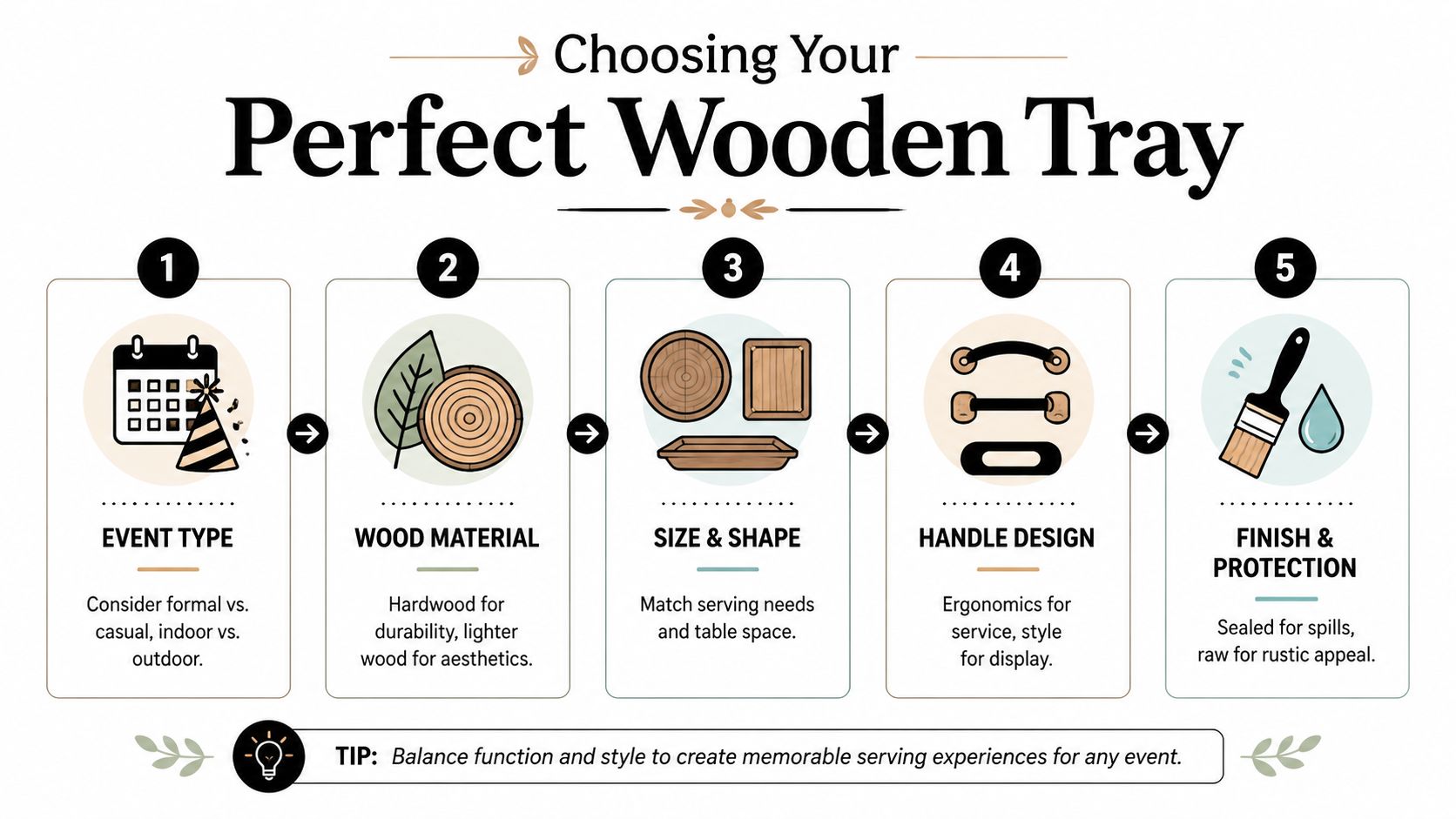
Choosing the right tray starts with one question. Is it mainly for active service, static display, or both? Once that’s clear, the right size, material, and finish become much easier to judge.
Start with size and workflow
In event service, tray dimensions aren't just a styling decision. They affect turning space, load balance, and how quickly staff can work. Functional details such as weight distribution and handle design directly impact staff efficiency and reduce spillage risk during high-volume service, as noted in this guidance on tray sizing and ergonomics for service workflows.
A small tray can look elegant for a premium drinks round, but it may force too many return trips. A larger tray increases carrying capacity, yet it can become clumsy in tight aisles or crowded cocktail hours. That’s why event planners should choose for the service path, not just the mood board.
Here’s a practical guide for common setups:
| Event Type | Recommended Tray Size (cm) | Best Suited Material | Styling Note |
|---|---|---|---|
| Welcome drinks at a wedding | 40 to 50 x 30 to 40 | Acacia | Warm tone suits vineyard and garden venues |
| Cocktail canapés at a corporate event | 40 to 50 x 30 to 40 | Beechwood | Cleaner look for structured service |
| Static bread, cheese, or amenities display | 40 to 50 x 30 to 40 | Pine or acacia | Rustic finishes work well with layered textures |
| Dessert handoff or coffee station service | 40 to 50 x 30 to 40 | Beechwood | Neutral wood keeps branded elements visible |
The dimensions above align with common rental tray sizing used in Western Cape event operations.
Pick a wood that matches the venue conditions
Acacia is a strong all-rounder for events. In the Western Cape rental context, trays are commonly acacia or beechwood, often sized 40 to 50cm long, 30 to 40cm wide, and 4 to 5cm high, weighing 2 to 6kg. Acacia also suits the demands of many local events because of its hardness and steady feel in the hand.
Beechwood tends to read slightly more refined and neutral. It works well in city venues, gallery launches, conference spaces, and contemporary private homes. Pine can be visually appealing for rustic styling, but it’s usually better where the tray will spend more time on display than in heavy roaming service.
If you’re building a broader tablescape around natural materials, it also helps to think beyond the tray itself. Pairing timber service pieces with compostable details can keep the whole catering setup coherent. This guide to sustainable catering packaging is useful if you want the serviceware and tabletop details to feel intentional rather than mixed at random.
Finish changes the mood
Finish is where many planners either sharpen the concept or lose cohesion.
- Natural oil finish: Best for vineyard weddings, garden lunches, and events where linen, rattan, dried florals, or timber furniture already lead the palette.
- Dark stain: Better for black-tie functions, premium whisky service, evening canapés, and sleek brand events.
- Light or whitewashed tone: Useful when the room needs airiness, especially with neutral florals and soft upholstery.
For a complete room, the tray should relate to your furniture tone. If your event uses timber seating or farmhouse tables, this article on wooden tables and chairs for event styling helps align the larger rental pieces with the smaller service details.
The best tray choice usually disappears into the event. Guests notice the atmosphere, not the decision behind it.
Creative Styling and Serving Ideas
A wooden tray with handles earns its place when it does more than carry glasses. The strongest event styling uses trays as mobile decor, practical service tools, and visual anchors in spaces that would otherwise feel scattered.
Weddings in the Winelands
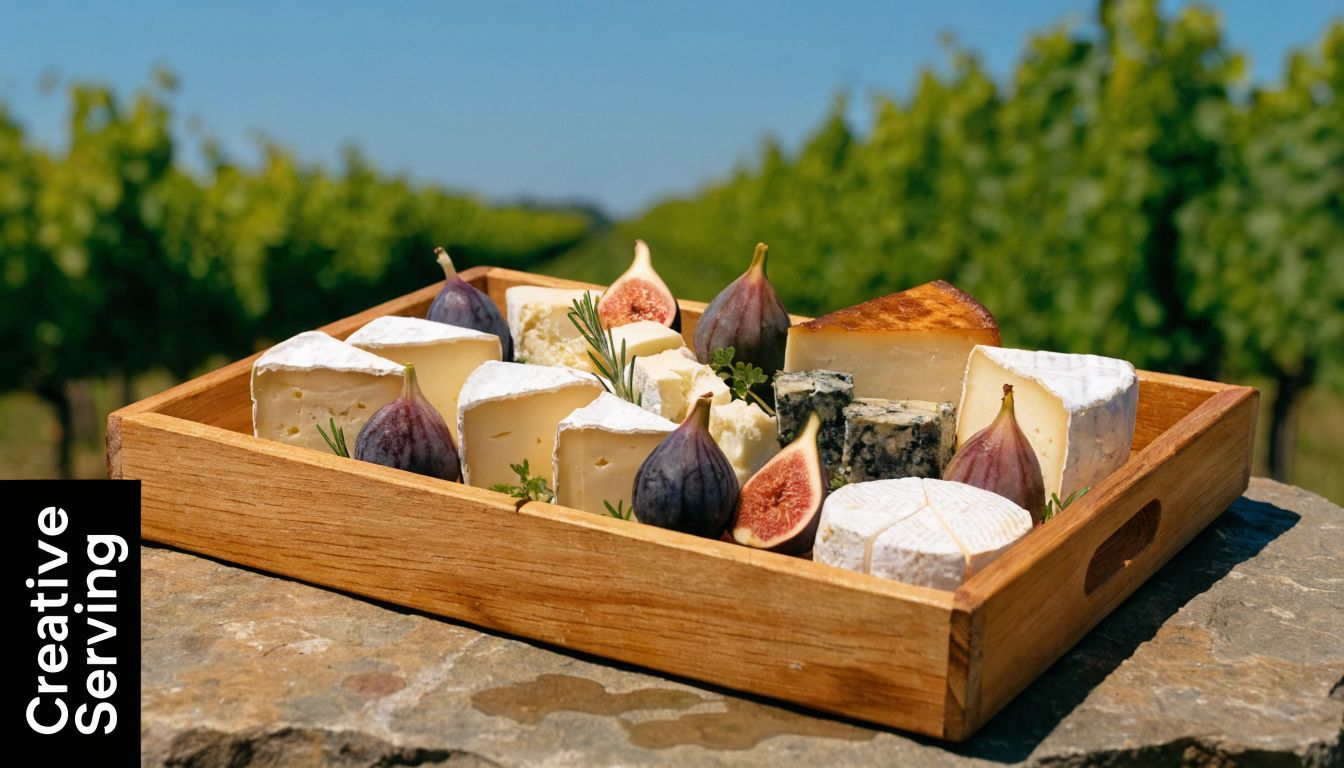
For vineyard weddings, trays work best when they echo the venue rather than compete with it. A simple example is welcome drinks served with one garnish detail repeated across the event, such as rosemary sprigs, citrus ribbons, or edible flowers. The tray ties that first service moment into the wider design story.
Another reliable approach is a grazing or bread service moment near the pre-drinks lawn. A wooden tray can hold artisanal rolls, small cheese portions, preserves, or napkins for a compact display that feels personal instead of overbuilt.
Good wedding uses include:
- Welcome drink rounds: MCC, gin spritzes, or sparkling water served as guests arrive from the ceremony.
- Ceremony comfort station: Programmes, tissues, bottled water, or fans arranged neatly for easy guest access.
- Lounge styling: Candles, guestbook cards, or late-night snack cones grouped on one surface instead of spread loosely across furniture.
Corporate and branded events
In city venues, darker wood tones often work better than rustic finishes. They sharpen the contrast against glassware, branded dessert elements, and clean-lined furniture. For product launches, trays are useful for mini dessert passes, bottled drinks, or compact gift handouts that need to move with the guest flow.
One of the smartest uses is at a registration or networking lounge. Instead of letting business cards, mints, pens, or amenity items drift across a counter, a tray creates a controlled focal point. It gives small practical objects a finished presentation.
Keep the tray styling disciplined at corporate events. Fewer items, stronger arrangement, cleaner impact.
Private parties and layered table moments
At milestone birthdays or engagement dinners, trays can shift from service to decor during the evening. Early on, they may carry signature drinks. Later, the same tray can become a base for candles, after-dinner sweets, or coffee condiments.
If the cake table needs more height and variation, combine trays with dedicated display pieces rather than using the tray as the hero for everything. A styled stand proves useful. For ideas on building that dessert area properly, see this guide to a wooden cake stand for event displays.
The tray works best when it has one role at a time. Trying to make it serve drinks, hold signage, support florals, and display favours all at once usually creates visual clutter.
Pairing Trays with Your Event Furniture and Linens
Cohesion is what separates a nice event from one that feels properly designed. A wooden tray with handles may be small compared with tables, seating, bars, and lighting, but it can either reinforce the room or feel like an afterthought dropped in at the end.
The simplest way to pair trays well is to think in three layers. Start with the furniture silhouette. Add the textile texture. Then use the tray as the linking material element.

Use contrast on purpose
Wood has natural grain, warmth, and slight visual irregularity. That makes it excellent against furniture that is sleek or illuminated. At evening events, a timber tray paired with LED furniture creates a deliberate tension between organic and modern. The tray prevents the setup from feeling too cold. The glowing furniture stops the timber from becoming overly rustic.
This contrast works particularly well for:
- Night-time lounges: Wood softens acrylic, LED, and polished surfaces.
- Brand activations: Timber adds tactile interest to otherwise sharp visual branding.
- Cocktail corners: A tray of garnished drinks reads better when the base has texture.
Match undertones, not exact shades
Trying to match the tray perfectly to every timber surface usually backfires. Different woods rarely look identical under venue lighting. Instead, match undertones. Warm woods can sit together even if the grain differs. Neutral pale woods can pair well if the rest of the palette is restrained.
A few combinations work repeatedly:
| Tray look | Best furniture pairing | Linen direction |
|---|---|---|
| Light natural wood | White trestle tables or pale timber seating | Oatmeal, ivory, stone |
| Mid-tone acacia | Farm tables, cross-back chairs, cane details | Natural linen, sage, muted floral prints |
| Dark stained tray | Black cocktail tables, ghost chairs, LED bars | Crisp white, charcoal, deep green |
Let linen do the softening
Linen is where the room gets depth. A smooth wooden tray on heavily textured fabric feels more considered than wood on wood on wood. If the tray is visually strong, keep runners and napkins more relaxed. If the room already has a lot of woven texture, use a cleaner tray finish so the tabletop doesn’t feel too busy.
A tray should echo the event language. If the room says refined, don’t introduce a rough rustic piece just because it’s made of wood.
That applies to drinks stations too. A tray carrying cocktails, napkins, or favours should feel related to the surrounding bar, side table, or console. When every small piece speaks the same visual language, guests may not name the reason, but they’ll feel that the event is organised.
Mastering Rental Logistics in the Western Cape
The tray itself is only half the decision. The other half is logistics. If quantities are wrong, delivery windows are tight, or the trays aren’t suited to local weather conditions, a good-looking item quickly becomes a planning problem.
In the Western Cape, climate matters more than many clients expect. Different wood types and protective finishes respond differently to humidity cycling, which affects rental longevity and maintenance in Cape Town and the Winelands, especially for outdoor service environments, as noted in this article on wood durability in humid conditions.
Work out quantity by service style
The best starting point isn’t guest count alone. It’s how the event is being served.
For example:
- Roaming welcome drinks: Count how many service staff will be circulating at once, then add a few extra trays for reset, bar backup, or breakage cover.
- Static displays: Count the stations. Bread station, coffee point, lounge amenities, dessert handoff, bathroom baskets, and gift table may all need separate pieces.
- Hybrid service: Combine active waiter use with display needs so the same tray inventory isn’t double-booked in your run sheet.
That planning becomes easier when the broader furniture order is coordinated at the same time. This guide to renting furniture for events is a helpful reference if you’re aligning trays with bars, tables, lounge items, and delivery timing.
Ask the right rental questions early
Before confirming trays, ask these practical questions:
- Will they be used indoors, outdoors, or both?
- Are they carrying glassware, plated items, or decorative objects only?
- Do you need matching trays throughout, or a mix of display and service styles?
- Will the event team have a dry back-of-house area for temporary storage?
Those questions tend to uncover the true requirement fast.
What works and what doesn’t
What works is a tray plan tied directly to your floor plan and service schedule. What doesn’t work is adding trays at the end as “miscellaneous styling” with no assigned use.
A planner should also expect a rental provider to be clear about inclusions, handling expectations, and where delivery and collection fit into the event timeline across Cape Town, Stellenbosch, Franschhoek, and Paarl. Trays may be small, but on a large event day they behave like operational equipment. Treat them that way and the event runs more smoothly.
Professional Care and Handling of Rented Trays
Professional handling protects the look of the tray and keeps returns straightforward. That matters because timber reacts badly to the wrong cleaning habits, especially after a long service shift with spills, condensation, and fast pack-down.
A 5-step maintenance protocol used in the local rental context can support 95% durability over 200 rental cycles, with 85 to 90% client satisfaction, according to the referenced benchmark for wooden rental tray maintenance.
The handling habits that help
The most important rule is simple. Don’t soak wooden trays. Wipe off spills quickly, hand-wash with a pH-neutral soap, and keep harsh chemicals away from the finish.
A sound post-event routine looks like this:
- Inspect first: Check for cracks, loose handles, rough edges, or signs of fresh damage before washing.
- Wash gently: Hand-wash rather than sending trays into aggressive cleaning systems.
- Dry properly: Air-dry them horizontally instead of stacking them wet.
- Sanitise correctly: Professional sanitisation methods should protect hygiene without saturating the wood.
- Store with airflow: Keep stacked trays separated enough to avoid trapped moisture.
The shortcuts that cause trouble
The common mistakes are predictable. Staff leave trays with wet glass rings overnight. Someone stacks them while still damp. Another person uses a strong degreaser meant for metal prep tables. That’s how finishes dull, timber lifts, and mould risk starts.
Never treat a wooden tray like stainless steel. It needs a gentler cleaning rhythm and a dry finish before storage.
If you’re managing a venue or catering team, it helps to brief casual staff on that difference before pack-down starts. Most tray damage happens after the event, not during service. A careful final half hour often saves a lot of frustration later.
Your Partner in Creating Memorable Events
A wooden tray with handles does more work than its size suggests. It helps shape the guest welcome, supports smoother service, anchors small styling moments, and links practical event operations to the overall visual story. When the tray is chosen well, it feels effortless. When it’s chosen badly, staff notice immediately and guests often sense that something is slightly off, even if they can’t name it.
The strongest results come from thinking about the tray in context. Match the size to the service pattern. Match the wood tone to the room. Use it where it adds order, not clutter. Respect the care requirements, especially in coastal and outdoor conditions.
For planners building proposals or visual decks, presentation matters too. If you need sharper mock-ups or cleaner supplier-style visuals while developing your concept, this guide to PhotoMaxi for AI product photos is a useful resource for improving the way event elements are shown before the day itself.
Good event planning often comes down to small decisions made properly. A tray is one of them. It isn’t just a carrier for drinks or canapés. It’s part of how the event feels in motion.
If you’re planning a wedding, corporate function, matric dance, or private celebration in Cape Town or the Winelands, ABC Hire can help you pull the full event look together with furniture and accessories that are practical, polished, and ready for service.