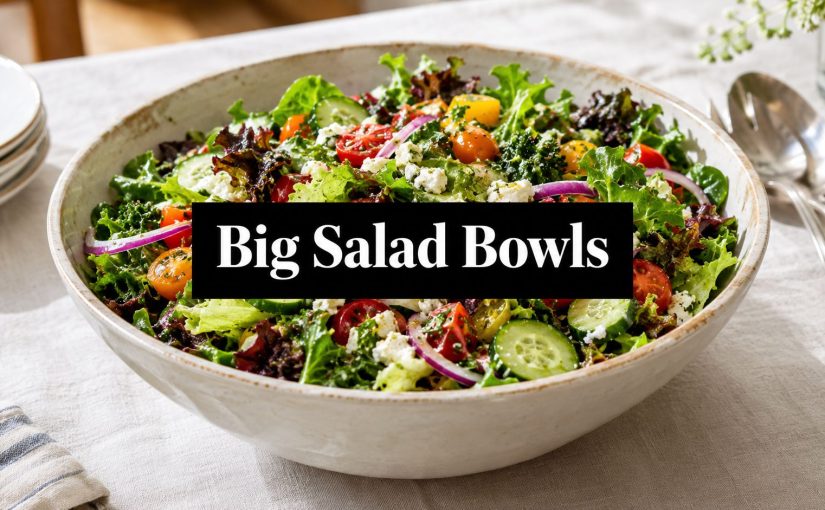
You've chosen the menu, confirmed the caterer and spent time getting the buffet looking right. Then the salads arrive, and the serving bowls are too shallow, too small, too fragile or completely out of proportion with the rest of the table. Guests reach across one another, leafy greens spill over the rim and someone has to refill the same bowl before the first wave has served itself.
The right big salad bowls prevent those problems. For Cape Town weddings, Winelands celebrations, corporate lunches and large private parties, a bowl needs to hold the food comfortably, suit the service style and survive transport, handling and cleaning. It also needs to look intentional. A well-chosen bowl supports the menu, the décor and the pace of service without demanding attention.
The Unsung Hero of Your Event Buffet
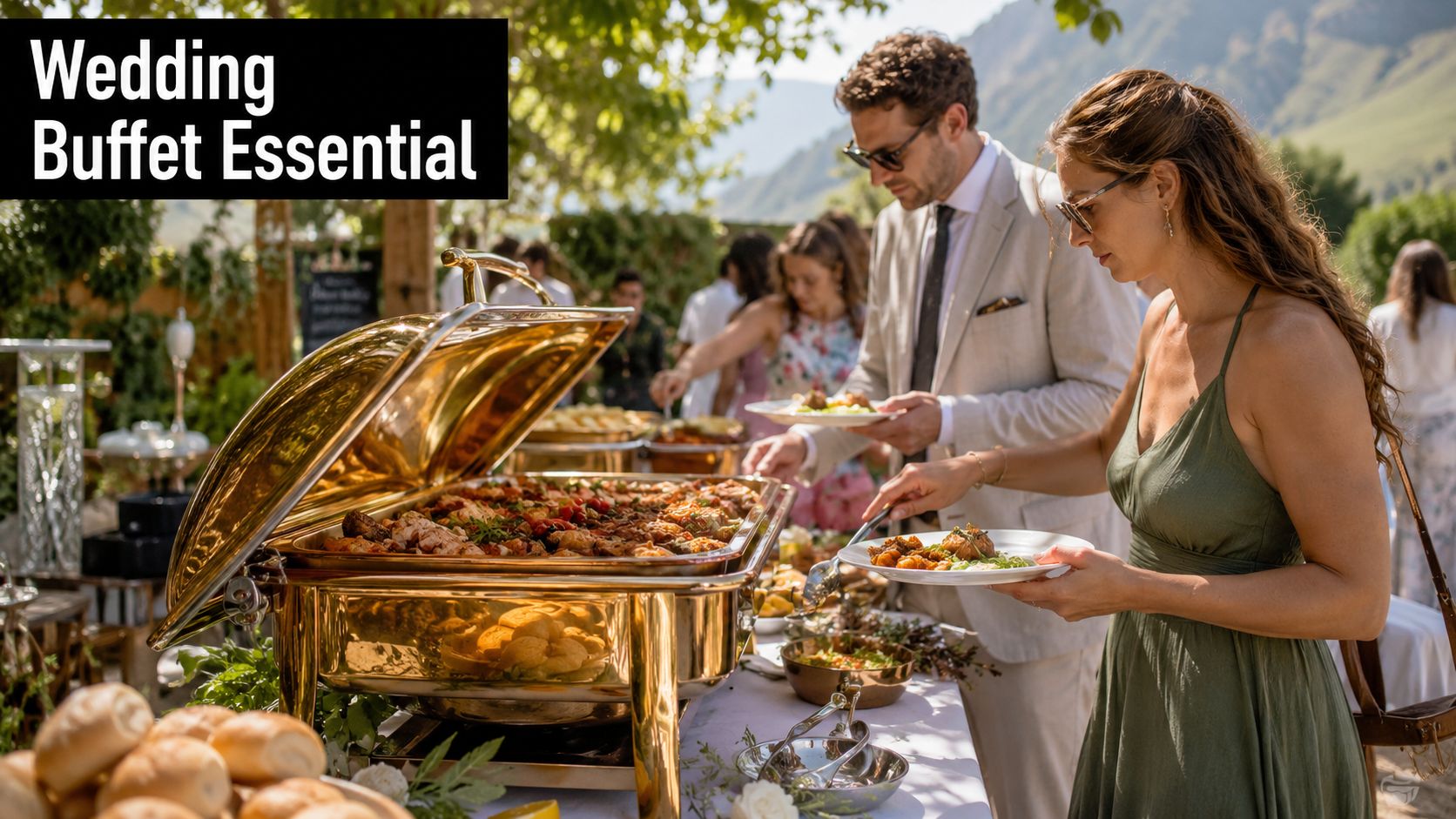
A successful buffet has a visual rhythm. Platters sit at different heights, serving utensils are easy to find and each dish looks generous without appearing crowded. A large bowl of crisp greens placed in the centre can give the table freshness and colour, while a second bowl of pasta salad or roasted vegetables adds substance. Guests understand the menu at a glance, and the food remains accessible as the queue moves.
That effect depends on more than the salad itself. A narrow bowl forces guests to dig down through the leaves. A low bowl spreads food too thinly and makes a generous portion look sparse. A heavy bowl placed at the end of a self-service table can also become awkward if guests need to move it or if staff must lift it repeatedly for refills.
South Africa's wider kitchenware market reflects how important serving and dining pieces have become. Tableware represented about 55.58% of the country's kitchenware market in 2024, according to Grand View Research's South Africa kitchenware market report. That matters to event planners because tableware isn't background equipment. It shapes how guests interact with the meal.
Practical rule: If guests can't serve themselves neatly from the bowl, the bowl is the wrong size or shape, regardless of how attractive it looks.
For a children's party, presentation also extends beyond the savoury buffet. Colourful sweets can sit alongside fruit and salads, and resources such as best Italian candies for children's events can help you coordinate a cohesive food table rather than treating dessert as an afterthought.
A good bowl supports the experience in quiet ways. It keeps toppings contained, gives serving spoons room to work and makes the food look abundant without overfilling. For professional catering, it also reduces last-minute handling, which helps staff keep the buffet clean and organised.
Choosing Your Bowl Material
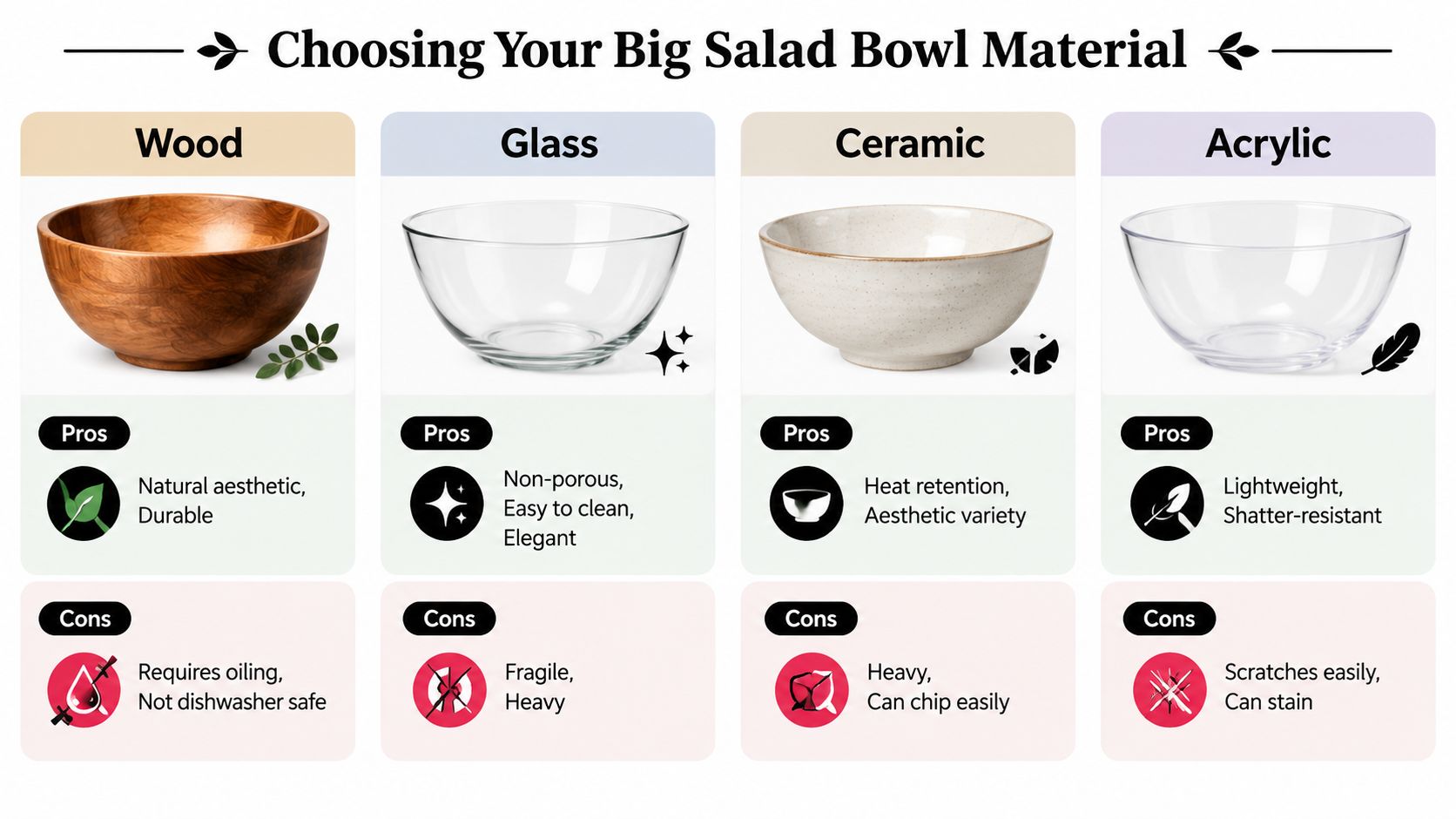
Material affects nearly every practical decision, from how the bowl looks under event lighting to how confidently a staff member can carry it when full. There isn't one perfect option. The right choice depends on whether the bowl will sit on a feature table, travel between kitchen and buffet, or form part of a high-volume self-service line.
Match the material to the service
Wood brings warmth to rustic weddings, farm-style lunches and natural décor schemes. It's durable and visually forgiving, but it needs proper care. Oils, dressings and prolonged moisture can affect the finish, and wooden bowls generally aren't the easiest choice for a fast turnaround or dishwasher-heavy operation.
Glass is non-porous, easy to clean and visually elegant. It works particularly well when the salad has colourful layers or when the bowl needs to complement formal crockery. The trade-off is weight and fragility. Glass is a poor fit for a crowded transport crate or a buffet where guests may knock against the table.
Ceramic and stoneware offer strong visual presence and can suit substantial dishes. Their weight makes them stable on a table, while their insulating qualities can help warm ingredients retain heat for longer than they might in a thin, lightweight bowl. They can also chip, so they need careful packing and deliberate placement.
Acrylic is practical for large events because it's light and shatter-resistant. It's easier to move during setup and safer around children or tightly packed tables. Scratches and staining are the main concerns, particularly if the bowl has been used for strongly coloured dressings or is cleaned with abrasive products.
Treat compliance as part of specification
The material decision must start with food safety, not appearance. South African food-contact guidance from SGS states that bowls and other food-contact materials must not transfer constituents to food in quantities that could endanger health, alter food composition unacceptably or worsen taste and odour. Suitable items should also be marked for food contact.
Ask the hire company or supplier whether the bowl is intended for food service and how it should be cleaned. Don't assume that a decorative wooden vessel, painted ceramic piece or display container is suitable because it looks like a serving bowl.
For most events, a sensible specification is a stable, food-contact-safe bowl with a wide opening, manageable weight and a finish suited to the menu. Save the most delicate pieces for supervised feature displays, not busy self-service stations.
The Ultimate Size and Capacity Guide
Capacity planning starts with the salad, not the guest list. A fluffy green salad takes up considerable space but may be served in lighter portions. Potato, pasta, grain and bean salads are denser, more filling and usually occupy less volume per serving. A single capacity rule can therefore create either needless refills or excessive leftovers.
South African catering supply listings commonly place large serving bowls in the 3L to 3.6L range, providing a useful local benchmark for buffet service, as shown by Core Catering's bowl listings. That range is a practical starting point, but you still need to consider the menu, the number of other sides and whether the bowl will be refilled during service.
Use this planning guide
The table below is a working planning aid, not a promise of exact portions. Confirm quantities with the caterer, especially when the salad is a main component rather than one of several side dishes.
| Bowl Volume (Litres) | Servings (Leafy Green Salad) | Servings (Dense Salad, e.g. Potato, Pasta) |
|---|---|---|
| 1L | Small group service | Small group service |
| 2L | Moderate side-dish service | Moderate side-dish service |
| 3L | Large buffet service | Large buffet service |
| 3.6L | High-volume buffet service | High-volume buffet service |
The key is to use the table comparatively. If you're serving a leafy salad alongside several other sides, a 3L bowl may be easier for guests to access than a very deep vessel. If the menu includes a dense pasta salad that guests may treat as a substantial side, the same capacity may disappear faster.
Plan for access, not just volume
A bowl's opening matters as much as its litre capacity. Wide, moderately shallow bowls let guests see the ingredients and reach the base with a serving spoon. Very deep bowls can hide toppings, trap dressing at the bottom and encourage guests to stir aggressively, which quickly makes a buffet look untidy.
Check the wider equipment plan before finalising your bowls. The ABC Hire guide to catering equipment for hire can help you assess bowls alongside tables, serving equipment and the rest of the food-service setup.
Serving insight: A bowl that can be lifted safely when full is more useful than one that only looks impressive when empty.
For events with staggered service, ask whether the caterer prefers two smaller bowls displayed at separate points or one large bowl at the centre. Splitting a salad can reduce queues and keep one presentation area looking fresh, but it increases the number of utensils and display positions to manage.
Styling and Placing Bowls on Your Buffet
A buffet should guide people naturally. Put plates and cutlery at the start, place salads where guests can pause without blocking the main dishes, and leave enough space for a serving spoon to rest without sliding into the food. The bowl should support that movement rather than becoming an obstacle.
Create height without creating risk
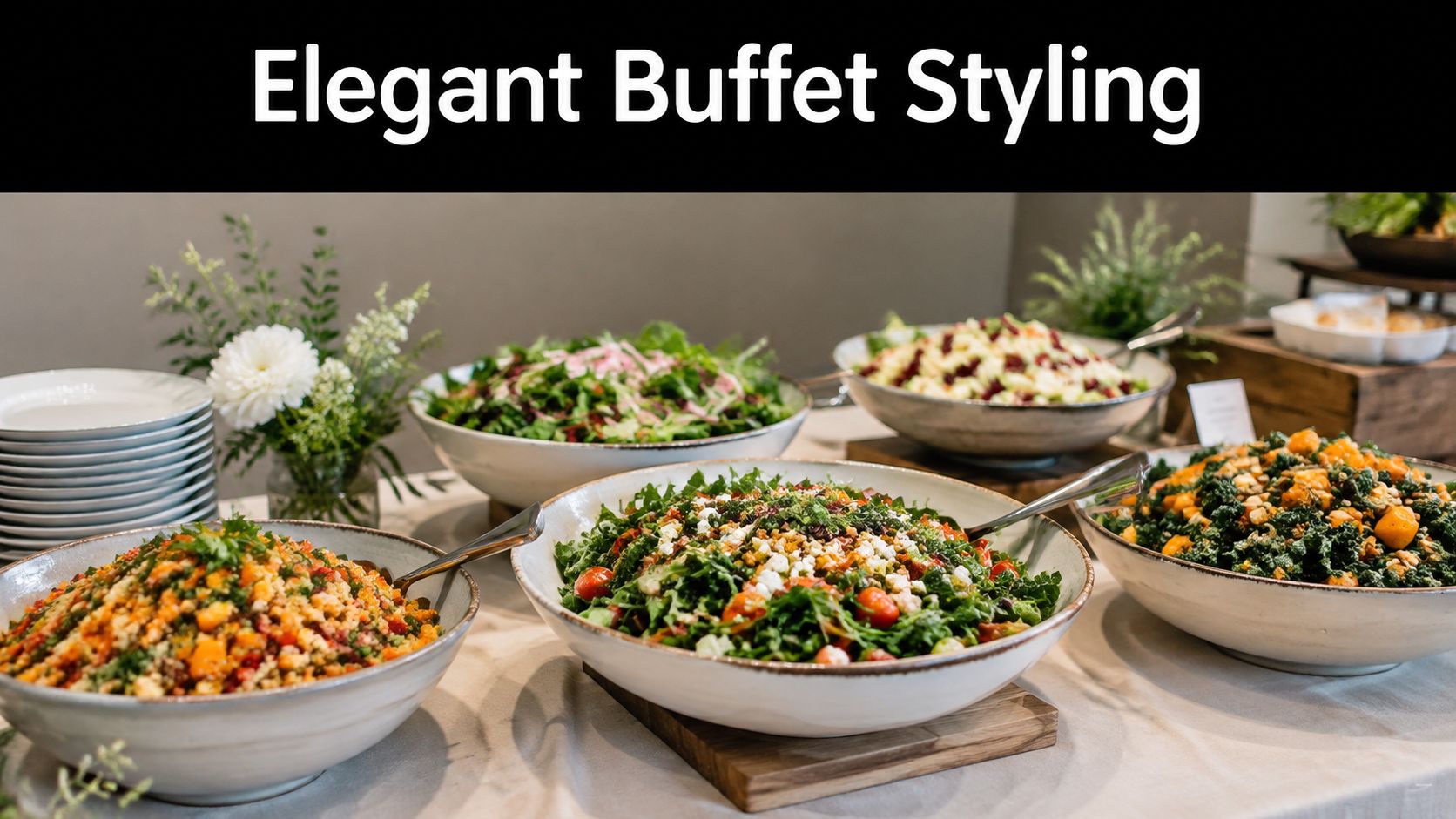
Use sturdy risers beneath selected bowls to break up a flat table line. A raised bowl is easier to see from the queue and can give a central salad the importance it deserves. Keep heavier ceramic or stoneware pieces on secure, low platforms, and avoid placing a full bowl where a guest must lean across hot food to reach it.
Shape also creates interest. Round bowls soften a formal rectangular table, oval bowls work well along a long buffet and square vessels can suit a modern corporate setup. Don't mix shapes randomly. Repeat one material or colour so the display feels coordinated rather than assembled from whatever was available.
Use serving utensils that match the food. Long-handled salad servers work in deep bowls, while shorter utensils give better control in wide, shallow vessels. A pasta salad needs a spoon or fork that can lift dense ingredients without spilling dressing over the rim.
For a broader approach to table presentation, the ABC Hire guide to décor on a table offers useful context for balancing food vessels with centrepieces, candles and other decorative elements.
Style for the season
South African food coverage points to a move towards substantial winter salads, challenging the idea that salads belong only to summer entertaining. The Africa Food Show's discussion of South African food trends highlights the growing appeal of hearty formats with warm or roasted ingredients.
For these menus, stoneware can work particularly well. Its weight and visual warmth suit roasted vegetables, grains and legumes, while an earthy finish complements winter tablescapes. Keep warm ingredients separate from delicate leaves where possible, and confirm the bowl's intended use with the caterer before adding hot food.
Summer displays can be lighter. Acrylic or clear glass can emphasise colourful vegetables, citrus and herbs, while pale ceramics keep the table bright. For creative inspiration beyond catering, fruit bowl artwork can provide colour and composition ideas for a produce-led display.
The strongest buffet styling looks effortless because the practical details have already been solved. Leave room around each bowl, label unfamiliar ingredients and replace messy utensils before the table begins to look tired.
Rental Logistics Cleaning and Care
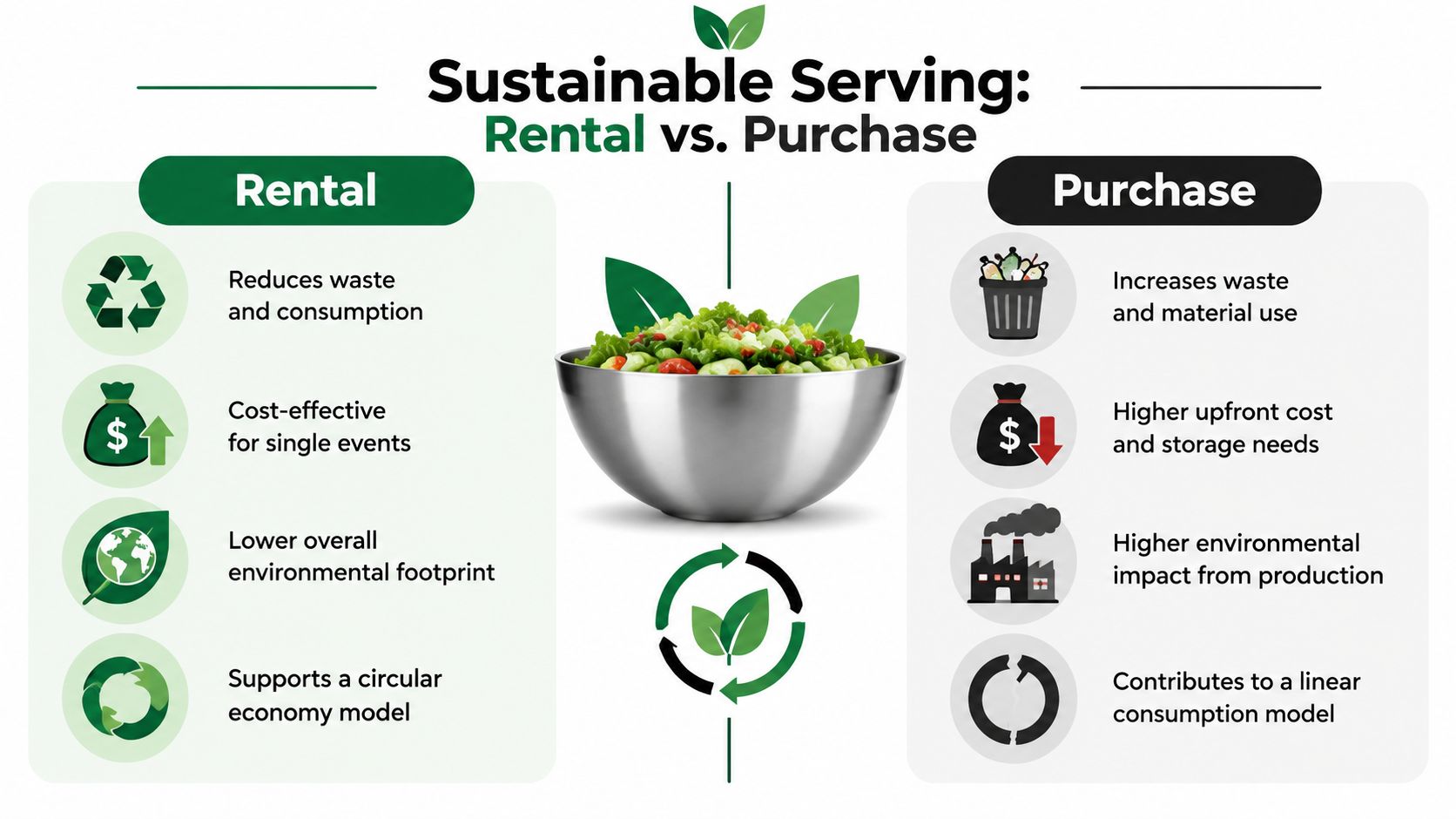
Buying big salad bowls makes sense when you host often and have suitable storage, but ownership brings work that's easy to underestimate. Large vessels occupy awkward cupboard space, need protective packing and can become expensive to replace when a rim chips or a glass bowl breaks. You also need enough matching pieces to cover peak events, even though much of that stock may sit unused between occasions.
Rental changes the calculation. You select the capacity and finish required for one event, then return the items instead of storing them indefinitely. A professional hire service can also manage cleaning, inspection and packing as part of its operating process.
What to confirm before booking
Ask specific questions rather than assuming every hire package works the same way.
- Food-contact suitability: Confirm that the bowls are intended for serving food and ask about any restrictions on warm ingredients, acidic dressings or staining foods.
- Cleaning standards: Establish whether the service supplies sanitised items and how you should scrape, rinse or pack them after use.
- Delivery access: Share the venue address, loading conditions, stairs and setup time so the delivery team can plan realistically.
- Collection requirements: Find out whether bowls need to be stacked in supplied crates and whether leftover food must be removed before pickup.
- Replacement terms: Read the policy for chips, cracks, breakage and missing serving utensils before the event.
For a fuller view of how crockery fits with plates, glasses and other tableware, use the ABC Hire guide to cutlery and crockery hire.
Protect the bowl during service
Don't drag a full bowl across linen. Lift it with both hands, keep the base level and use a trolley for heavier ceramic pieces. Place a non-slip mat beneath bowls on polished tables, particularly when guests will serve themselves.
At the end of service, remove food promptly and follow the hire company's instructions. Don't soak wooden bowls for long periods, stack ceramic vessels while they're still greasy or use scouring pads on acrylic. Good handling protects the equipment and prevents avoidable charges.
ABC Hire is one Cape Town rental option that supplies event furniture, décor, cutlery, crockery, glassware and event equipment for functions across Cape Town and nearby Winelands areas. For planners, the main value of hiring isn't just access to a bowl. It's reducing the number of storage, transport and cleaning tasks that compete with the rest of event delivery.
Sustainable Serving A Modern Event Choice
Single-use tableware can look convenient until you account for purchasing, transport, disposal and the visual effect of a waste-heavy service. A reusable hire bowl follows a different pattern. It's delivered, used, cleaned and returned for future events, which keeps the item in circulation rather than sending it into the waste stream after one occasion.
That model suits event work because many functions already rely on hired infrastructure. Tables, chairs, glassware, lighting and décor move from venue to venue. Reusable serving bowls fit naturally into the same system.
Choose the format that matches the event
A reusable rental is usually the strongest choice for weddings, corporate functions and venue-based events where collection is already organised. It also gives the table a more finished appearance than a disposable container, particularly when the menu is designed around shared presentation.
Compostable options can be appropriate where retrieval, washing or reverse logistics aren't practical. They still need correct disposal arrangements, and the event team must know which local facilities can accept the material. “Compostable” on its own doesn't remove the need for planning.
Returnable systems require clear accountability. Assign one person to collect bowls after service, separate food waste from equipment and check that utensils haven't been left at guest tables. A small end-of-event procedure makes reuse far more reliable.
South African businesses are adopting reuse and refill models as part of a wider sustainability direction, according to the South African Plastics Pact annual report. That makes reusable rental bowls a practical choice for planners who want to reduce disposable consumption without compromising presentation.
Better event practice: Choose the lowest-waste serving format your venue can realistically collect, clean or return. Good intentions fail when the logistics aren't assigned.
Sustainability also includes durability. A bowl that survives repeated service, packs efficiently and remains attractive over time can be more responsible than a cheap item that needs frequent replacement. Discuss the full handling cycle with the hire company before making the final selection.
Common Questions About Big Salad Bowls
How many bowls should I hire?
Start with the number of salads, their density and the service layout. One large bowl can suit a compact buffet, while two matching bowls may work better for a long table or separate serving points. Ask the caterer whether they'll refill during service, then choose a capacity that allows safe access without filling the bowl right to the rim.
Can I serve warm salad in a large bowl?
You can, but the material must suit the food. Stoneware or ceramic may complement warm ingredients, while acrylic and some wooden products may have restrictions. Confirm the manufacturer's or hire company's food-use guidance before placing hot roasted vegetables, grains or warm dressings in the bowl.
Is a wide bowl better than a deep bowl?
For most self-service buffets, yes. A wide opening gives guests better visibility and access, helps serving utensils reach the base and makes the display look generous. A deep bowl can still work for a leafy salad if it remains stable and the utensil is long enough to serve comfortably.
How should filled bowls be transported?
Transport salads separately from the bowls whenever possible, then fill them at the venue. If a filled bowl must be moved, use both hands, keep it level and place it on a trolley or stable tray. Don't carry a heavy ceramic or glass bowl through a crowded venue without a clear route.
Should I rent or buy?
Rent if the event is occasional, the menu changes frequently or you don't have suitable storage. Buy only when you host regularly, can protect the inventory and have a consistent need for the same size and material.
For Cape Town and Winelands events, ABC Hire offers crockery, glassware, décor, furniture and event equipment that can help you build a coordinated buffet without buying and storing every item. Contact the team with your guest count, menu and venue details, then confirm the right big salad bowls, delivery arrangements and collection plan before your event date.