
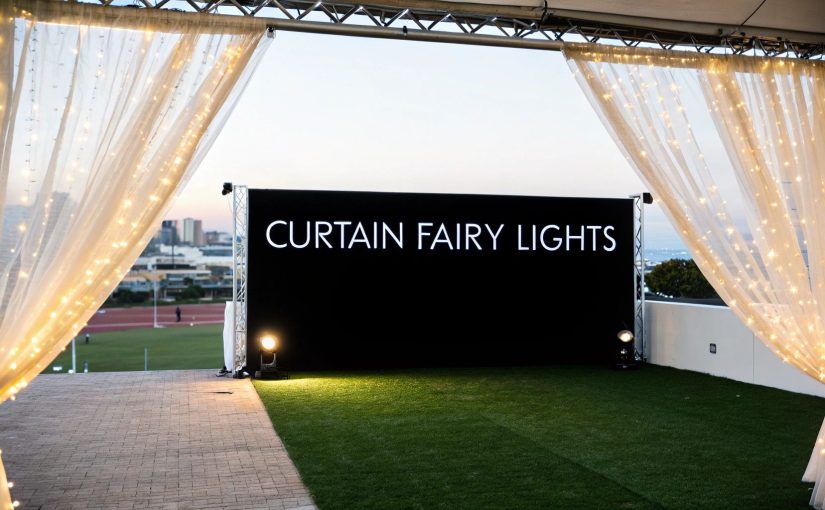
Choosing the right curtain fairy lights is about so much more than just picking a pretty sparkle. It's about matching the light's technical details to the unique vibe and logistical needs of your event.
A soft, intimate glow from warm white lights can transform a Stellenbosch wedding, while crisp, cool white lights bring a sharp, modern edge to a corporate gala at the CTICC. Getting this right from the start is the secret to creating a lighting design that not only looks stunning but actually works flawlessly on the day.
Choosing the Right Curtain Fairy Lights for Your Venue
The magic of a breathtaking lighting design begins long before you plug anything in. For those of us planning events in and around Cape Town, this means thinking about everything from the exact shade of white to whether the lights can handle a surprise southeaster shower. The small details you focus on now make all the difference.
And it’s a choice more and more people are making. The demand for curtain fairy lights in South Africa is absolutely booming, driven by the festive and wedding markets. With festive spending recently jumping by 25% year-on-year, curtain lights snatched a huge 18% of all holiday lighting sales. Just look at social media—hashtags like #FairyLightsZA are flooded with tens of thousands of posts. This isn't just a local trend; it reflects a massive global market expansion. You can dive deeper into the numbers with this market trend analysis from DataHorizzon Research.
Matching Light Colour to Event Mood
The colour temperature of your lights is your most powerful tool for setting the mood. It's measured in Kelvin (K), and even a slight shift can completely change the feel of a space.
- Warm White (2700K-3000K): This is the classic choice for a reason. It gives off a soft, golden, almost candle-like glow that feels incredibly romantic and welcoming. Think of it draped behind the main table at a rustic winelands wedding—it's pure magic.
- Cool White (4000K-5000K): With its clean, bright, and almost blueish hue, cool white is perfect for corporate functions, modern-themed parties, or brand activations. It screams energy and sophistication, making it an ideal fit for a sleek event at a contemporary venue like the Zeitz MOCAA.
Getting the Size and Density Right
The physical size of your fairy light curtain is just as important as its colour. One of the most common mistakes we see is choosing a set that’s too small for the wall or window, leaving it looking a bit sparse and lost.
First things first: measure the height and width of the area you want to cover. For a show-stopping backdrop behind a stage or bridal table, you'll need a curtain with a decent vertical drop—say, 3 metres. If you're creating a starry canopy overhead, the horizontal width becomes your most critical measurement.
Next, think about density—how close together are the vertical strands of light? For that full, shimmering "wall of light" effect, look for curtains where the strands are spaced just 10-15 cm apart. You can get away with wider spacing for a more subtle twinkle, but for that signature wow-factor, denser is always better.
Pro Tip: If you're ever in doubt, go slightly larger than you think you need. It's so much easier to bunch up or drape extra length for a fuller, more luxurious look than it is to try and stretch a small curtain to its absolute limits.
Power Source and Weatherproofing
Let's talk practicalities. Between Cape Town’s famously unpredictable weather and the reality of loadshedding, you have to plan for everything.
- Plug-In vs. Battery: Plug-in models are brilliant for consistent, bright light at indoor events where you have plenty of wall sockets. For outdoor setups, marquee weddings, or venues where power points are few and far between, high-quality battery-operated lights are a lifesaver. They get rid of messy extension cords (a major trip hazard!) and give you a much cleaner look.
- IP Rating: This is non-negotiable for any outdoor event, whether it's a garden party in Constantia or a beachfront ceremony in Llandudno. Always check the IP (Ingress Protection) rating. The absolute minimum you should look for is IP44, which means it’s protected against splashes of water. This gives you peace of mind that your lights won't fail you if a classic Cape Town drizzle decides to make an appearance.
To make the decision a little easier, here’s a quick-glance checklist tailored for event planners working in the Cape.
Curtain Fairy Light Selection Checklist for Event Planners
This table breaks down the key considerations to help you quickly choose the perfect curtain lights based on your event type, venue, and logistical needs here in Cape Town.
| Consideration | Wedding/Romantic Event | Corporate/Modern Event | Key Tip for Cape Town Venues |
|---|---|---|---|
| Colour Temp | Warm White (2700K-3000K) for a soft, candle-lit glow. | Cool White (4000K-5000K) for a crisp, energetic look. | Match the tone to the venue—warm for rustic wine farms, cool for city-centre galleries. |
| Size & Density | Go for a long drop (3m) and dense spacing (10-15cm) for lush backdrops. | Width is often key for stage backdrops or entrance features. | Always measure the space first. Don't guess! An extra metre is better than being short. |
| Power Source | Battery-operated is great for outdoor ceremonies or marquee receptions. | Plug-in ensures consistent brightness for long evening functions. | Have a loadshedding plan! Battery backups or generators are essential. |
| Weatherproofing | Minimum IP44 rating is a must for garden or beach weddings. | IP44 is still vital for any outdoor welcome areas or terrace setups. | The Southeaster can bring unexpected rain. Never risk using indoor-only lights outside. |
Choosing the right lights comes down to balancing the creative vision with these practical realities. Thinking through these points beforehand ensures your event lighting will be both beautiful and reliable, no matter what the day throws at you.
How to Measure and Plan Your Installation Like a Pro
A stunning curtain light display is all about the prep work. Honestly, the difference between a professional-looking installation and a messy one comes down to planning, not just hanging. Before you do anything else, grab your measuring tape and get the exact dimensions of your space. It's a simple step, but it's what stops you from running short of lights or having weird, empty gaps on the day.
Start with the basics: measure the vertical drop for backdrops and the horizontal span for canopies. If you’re creating a dramatic backdrop behind the main table in a Winelands marquee, you need the precise height from where you'll hang the lights right down to the floor. For an overhead canopy in a city venue, get the length and width of the ceiling area you want to cover.
Calculating the Right Number of Light Sets
Once you have your measurements, you can figure out how many sets you'll need. But don't just match the length exactly—that's a rookie mistake! You always want to factor in a bit extra for styling. If you're aiming for soft swags or a draped effect, you're going to need more length than a straight, tight hang.
A solid rule of thumb is to add 1.5 times the measured length for a gentle drape. If you want a more dramatic, billowy look, go for up to 2 times the length. This gives you enough slack to play with, creating that luxurious, full effect instead of a taut, stretched-out one.
Insider Tip: Always, always order at least one extra set of lights beyond what you've calculated. This single backup can be a total lifesaver if a set turns out to be faulty on-site or if a last-minute design change calls for more coverage.
Mapping Out Power Sources and Cable Runs
Knowing your dimensions is only half the battle; you also need to know where your power is coming from. Before the event, do a proper site visit specifically to find all the available plug points. Sketch them out on a simple floor plan to get a clear picture of your power grid.
This bit of forward-thinking lets you plan the most discreet routes for extension cords, so you can hide them along walls, under rugs, or behind decor. A clean setup doesn't just look more professional—it’s absolutely essential for keeping guests safe and eliminating tripping hazards.
This quick infographic breaks down the core decisions in your planning process, from colour to power.
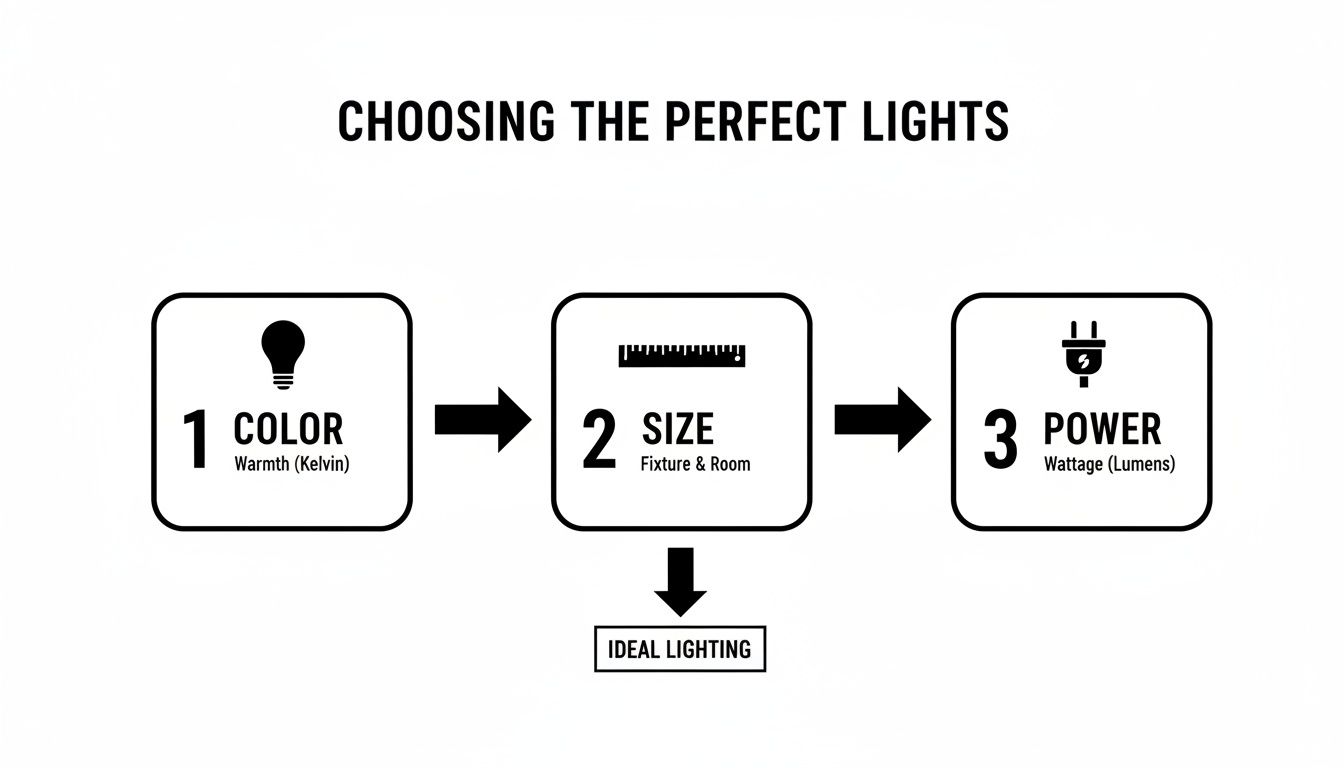
It's a great little reminder that successful planning involves a series of technical choices, not just what looks pretty.
Planning for Energy Efficiency
Here in South Africa, being smart about power usage is a massive consideration for any event. The good news is that modern LED curtain lights are incredibly energy-efficient. A standard 3m x 3m curtain setup typically uses only 10-15 watts. That's up to 80% less energy than those old-school incandescent strings!
This efficiency is a game-changer, especially with the constant reality of loadshedding. The industry's move towards LED solutions has been huge, with LEDs now capturing over 40% of the market share as electricity costs climb. You can get a better sense of how LED efficiency helps event setups in this insightful article on lighting trends.
Mastering Safe and Secure Installation Techniques
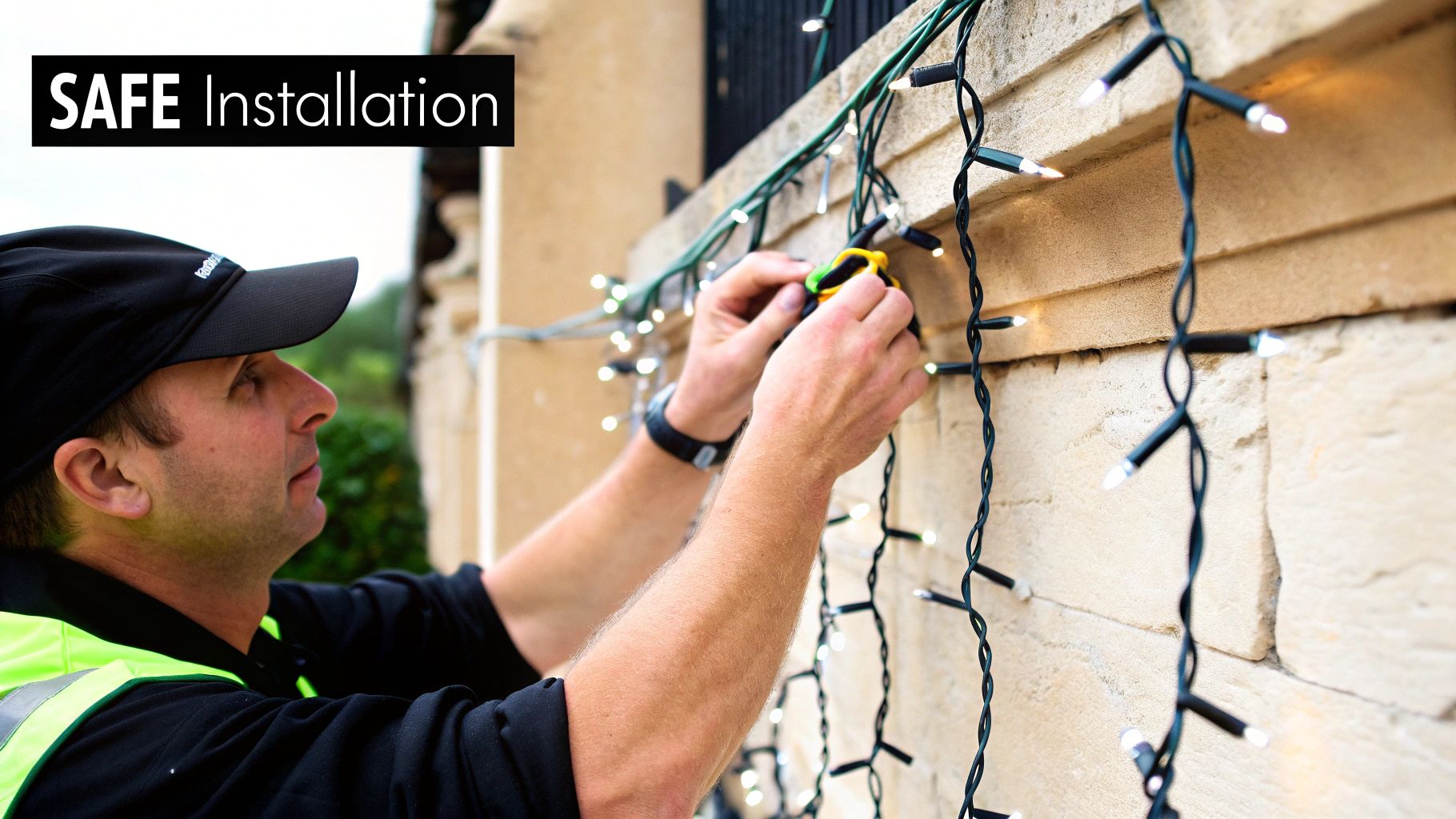
Once your lights are chosen and the space is measured, the real work begins. Getting the installation right is non-negotiable—it's about protecting the venue, your guests, and your professional reputation. How you hang the lights will vary wildly depending on the surface, from the delicate walls of a historic Cape Town manor to the open expanse of a large event hall.
The key is to always use the right tool for the job. For many indoor applications, especially in venues where you can't just drill holes, temporary mounting solutions are your best friends. They let you create those stunning effects without leaving a single trace.
Damage-Free Hanging on Delicate Surfaces
Historic venues, like those you find in Constantia or Stellenbosch, often have very strict rules about what you can attach to their walls. This is where damage-free hanging becomes an art form.
- Command Hooks and Strips: These are the industry standard for a reason. They stick firmly but peel off cleanly. The trick is to use multiple hooks to distribute the weight evenly, especially for larger sets of curtain fairy lights.
- Specialty Tapes: Gaffer tape is an event pro's secret weapon. Unlike duct tape, it has a serious hold but leaves almost no residue behind. It’s perfect for taping cables to floors but can also work on certain durable surfaces for hanging lightweight items.
- Clamps and Clips: If you're lucky enough to have a venue with exposed beams, pipes, or ledges, small, rubber-tipped clamps offer a secure grip without scratching or denting the surface.
If you’re ever unsure about a wall's finish, always test your chosen adhesive in a small, out-of-the-way spot first. A quick test can save you from a very costly mistake.
Remember, the goal is to make the installation look effortless. A visible mess of tape or sagging hooks can instantly cheapen an otherwise elegant design. Plan your attachment points to be as discreet as possible.
Rigging for Overhead Canopies and Large Spaces
Creating a breathtaking overhead canopy of curtain fairy lights requires a more structural approach. You’ll need to move beyond simple hooks and start thinking about proper rigging.
Rigging wire or even heavy-duty fishing line is ideal for creating a support grid. Stretch the wires tautly across the ceiling, securing them to existing structural points like beams or support columns. Once your grid is in place, you can easily attach the main horizontal wire of your curtain lights to it using cable ties or S-hooks. This method not only keeps the lights secure but also lets you achieve perfectly straight lines or elegant swags.
Electrical Safety and Weatherproofing
Electrical safety is paramount, particularly when you're connecting multiple light sets or working outdoors. The first rule is simple: never overload a circuit. Check the power rating of each light set and add them up. You need to make sure the total wattage doesn’t exceed the circuit's capacity, which in South Africa is typically around 2,400 watts for a standard 15-amp circuit.
When you're setting up outside, protecting your connections from the elements is critical. The infamous Cape South-Easter can bring unexpected moisture and put a real strain on your setup.
- Use Weatherproof Connectors: Invest in waterproof connector boxes or use high-quality electrical tape to thoroughly seal every connection point between light sets and extension cords.
- Secure All Cables: Don't leave any cords hanging loose where they can be whipped around by the wind. Secure them firmly to your structure to prevent them from getting unplugged or damaged.
For a more comprehensive look at managing power for different event lights, our guide on using PAR can lighting has some great tips that apply here, too.
Navigating Loadshedding with Confidence
For any event in Cape Town, having a loadshedding plan isn't just a good idea—it's essential. The last thing you want is for your beautiful light display to suddenly plunge into darkness.
Integrating a backup power solution is the only way to guarantee a seamless event. An Uninterruptible Power Supply (UPS) is perfect for smaller setups, giving you enough power to ride out a short outage. For larger events, hiring a generator is your best bet. Just make sure the generator has enough capacity for your lights, the sound system, and any other critical equipment to keep the party going, no matter what the loadshedding schedule says.
Creative Styling Ideas That Wow Your Guests
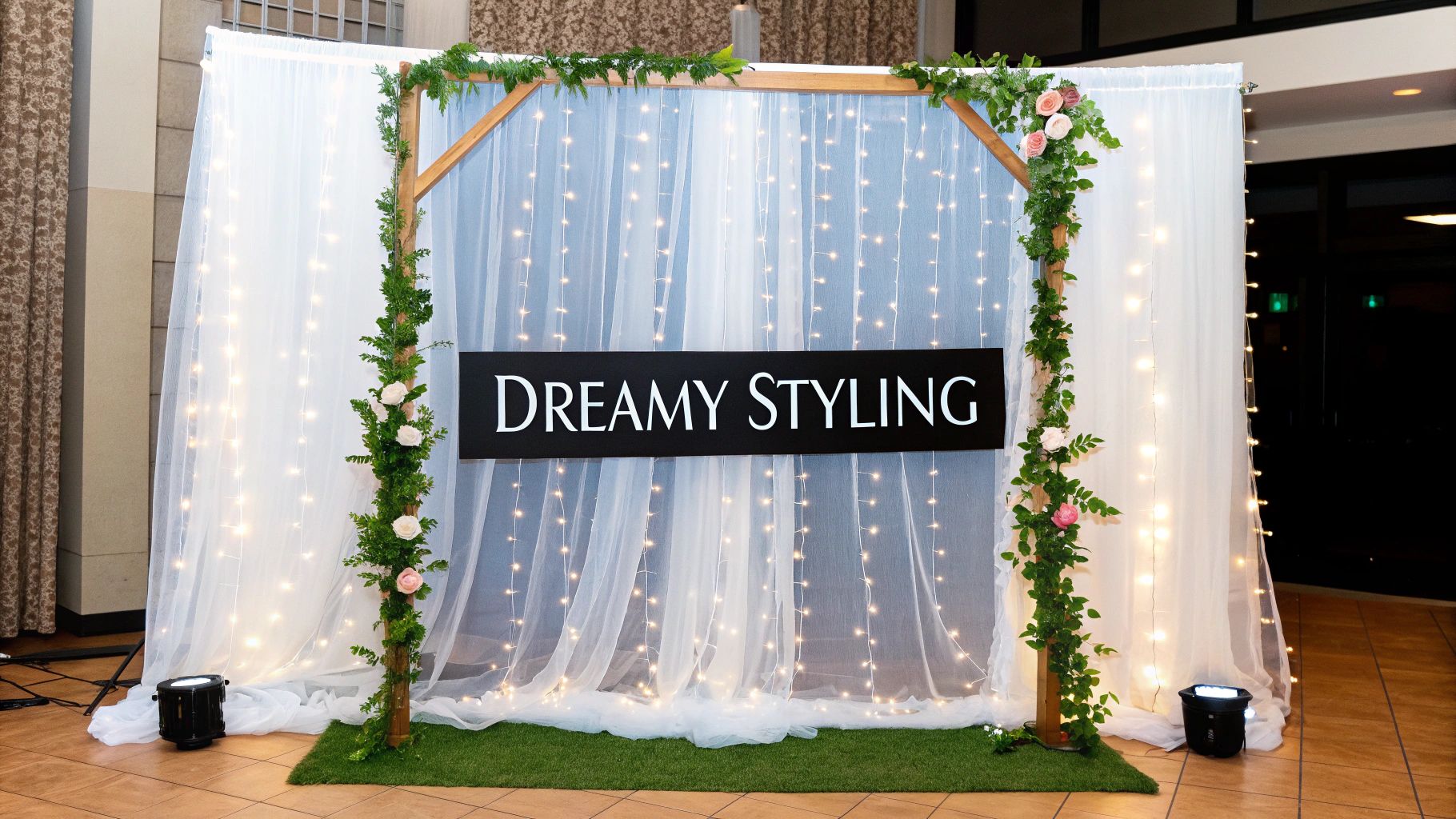
Once your lights are securely installed, the real magic can happen. A simple wall of lights is lovely, but creative styling is what takes a space from pretty to truly breathtaking. This is where you get to play with texture, depth, and ambiance to create a completely unique atmosphere that your guests will be talking about long after the event.
The secret is to think beyond the lights themselves. Consider how they interact with other materials and elements in your venue. By layering and combining different textures, you can transform a standard set of curtain fairy lights into a bespoke design feature that defines the entire event.
Layering Lights with Fabrics
One of the most effective tricks in the book for creating a soft, ethereal atmosphere is to layer your curtain fairy lights with sheer fabrics. This simple addition diffuses the light, producing a gentle, dreamy glow that’s absolutely perfect for weddings and romantic celebrations in the Cape Winelands.
Imagine draping materials like tulle, organza, or voile in front of your light curtain. The fabric catches the light, softening the individual points into one continuous, shimmering surface. This method is incredibly versatile; a single layer creates a subtle haze, while bunching multiple layers of fabric can build a cloud-like effect with incredible depth. It’s a fantastic way to hide an unappealing wall and create a magical focal point.
Integrating with Natural Elements
For events held in a garden, on a wine farm, or any venue with natural beauty, weaving curtain fairy lights into the environment creates an enchanted forest feel. This approach blends your lighting design seamlessly with the surroundings, making it feel organic and completely intentional.
Here are a few ideas we've seen work beautifully:
- Floral Arches: Weave the vertical strands of light through a floral or greenery arch. It creates a sparkling entrance or a stunning ceremony backdrop that comes alive as the sun sets.
- Tree Wraps: Instead of hanging them flat, drape the light curtains around tree trunks or let the strands hang down from large branches. The effect at dusk is just spectacular.
- Greenery Walls: If you're using a boxwood hedge or a living wall, hanging lights behind it can make the foliage appear to glow from within.
This technique is so effective because it adds an element of surprise, with light appearing from unexpected places and highlighting natural textures.
Expert Insight: Don't be afraid to mix different light modes. A static, warm glow is classic, but combining it with a second layer of lights on a slow "twinkle" or "fade" mode adds dynamic movement and visual interest that really captivates guests.
Defining Spaces with Light
Beyond just being decorative, curtain fairy lights are a powerful tool for styling a space. You can use them to define different zones within a large, open-plan venue, guiding guests and creating distinct areas without needing physical walls.
A brilliant example is creating a grand entrance tunnel. By setting up two parallel rows of curtain lights, you can craft a shimmering walkway that leads guests into the main event space. It immediately sets a magical tone and provides a fantastic photo opportunity right from the start.
Another popular application is creating a dedicated photo booth backdrop. A dense wall of twinkling lights guarantees stunning photos that guests will love sharing. For event planners looking to offer more comprehensive solutions, exploring a range of options is a great move. Our guide on selecting the perfect backdrop to hire offers more ideas for creating picture-perfect settings.
Finally, think about using lights to highlight key features. Drape them behind the main table, frame the dance floor, or wrap them around columns to draw the eye and add sparkle where it matters most.
The right styling can completely transform a venue, and curtain lights are one of the most versatile tools for the job. Here are a few specific ideas tailored to popular event themes we often see around Cape Town.
Styling Concepts for Different Cape Town Event Themes
| Event Theme | Styling Concept | Recommended Fabric/Element | Best Suited Venue Type |
|---|---|---|---|
| Boho-Chic Wedding | Hang lights behind a macrame wall hanging. Weave in pampas grass and dried florals. | Macrame, dried pampas grass, linen | Wine farms (e.g., Stellenbosch), rustic barns, outdoor forest settings |
| Modern Corporate Gala | Create a sleek light wall behind the main stage or bar. Use a single, dense curtain of cool white lights. | None – let the lights be the clean focus | Conference centres, contemporary art galleries, city hotels (e.g., V&A Waterfront) |
| Romantic Garden Party | Drape lights loosely from tree branches over dining tables, mingling with hanging greenery. | Trailing ivy, jasmine vines, sheer organza | Botanical gardens (e.g., Kirstenbosch), private estates, historic manor houses |
| Beachside Celebration | Form a canopy of lights over the deck or stretch tent, mimicking a starry sky. | Lightweight white cotton, driftwood accents | Beach clubs (e.g., Camps Bay), coastal restaurants, venues with sea views |
These are just starting points, of course. The best designs come from mixing these ideas with your own creative vision to craft something truly unique for your clients.
Thinking About Post-Event Care and Rentals
Once the last guest has left and the music fades, the real work begins. The breakdown is just as critical as the setup, especially with delicate items like curtain fairy lights. Getting this part right not only protects your gear but saves you a massive headache on the next job.
First things first: dismantle with care. It’s tempting to just pull everything down in a rush, but don't. Work methodically. Unplug every power source before you even think about touching the lights, then gently remove them from their hanging points. This simple habit prevents a world of pain from damaged bulbs and wiring.
The Art of Detangling and Storage
Let's be honest, the number one enemy of any fairy light is the dreaded tangle. A knotted mess can burn hours of your time and almost always leads to broken wires. The secret to avoiding this nightmare is all in how you pack them away.
Whatever you do, don't just coil the lights into a loose ball. Find a solid piece of cardboard or a purpose-made plastic winder. Secure one end of the main horizontal wire and wrap the curtain neatly around it, making sure the vertical strands lie flat as you go. It might feel a bit tedious, but this one step will save you so much time and frustration later.
Store your neatly wrapped lights in a proper plastic container, not just a bag. This protects them from getting crushed in transit and keeps them dry and dust-free until you need them again.
A Quick Tip: Before packing them away, give the lights a quick wipe with a dry microfibre cloth. This gets rid of any dust or grime they picked up at the event, keeping them looking bright and new for longer.
Navigating the Cape Town Rental Market
For a lot of event planners, buying and storing a massive inventory of lights just isn't practical. This is where hiring comes in as a brilliant alternative. It gives you flexibility and access to pro-grade equipment without the big upfront cost and storage headaches.
The demand for decorative lighting hire is booming. In fact, some South African event companies have seen a 30% year-on-year increase in bookings for fairy light backdrops, especially in hotspots like Cape Town and Gauteng. This trend shows just how popular and convenient rental services have become. You can read more on these event rental market statistics.
When you’re choosing a supplier, you need to ask the right questions. Don’t just look at the price tag.
- What’s included in the fee? Does it cover delivery, professional installation, and collection? You need to know the full picture.
- What condition are the lights in? Always ask to see them switched on before you commit. Look for consistent brightness across all the strands and check for any dead bulbs.
- What’s their damages policy? Make sure you read the rental agreement carefully so you understand what you’re liable for.
A good, reputable company will be upfront and transparent about all its terms. For a more detailed look at what to watch out for, our guide on decor hire in Cape Town offers some great local insights for picking the right partners.
Buying Versus Hiring: A Financial Breakdown
Deciding whether to buy your own curtain fairy lights or hire them for each event is a big call. Both have their pros and cons, and the best choice really depends on how often you're running events.
Buying gives you total control. The lights are yours, ready to go whenever you need them, and you can build an inventory that perfectly matches your brand's style. If you use them a lot, the cost-per-use can drop to almost nothing over time. The trade-off? You’re on the hook for storage, maintenance, testing, and eventually, replacement.
Hiring, on the other hand, is all about flexibility. You can pick different styles, sizes, and colours for every event without shelling out a fortune. It also means you don’t have to worry about storage or repairs. The downside is that rental fees add up, and you’re always dependent on your supplier's availability and the quality of their stock.
For many event businesses, a hybrid approach works best. Owning a core collection of versatile, go-to fairy lights while hiring speciality items for unique themes often gives you the perfect balance of control and flexibility.
Your Top Questions About Curtain Fairy Lights, Answered
Even the most experienced event pros run into questions on the day. When you're on-site and the pressure is on, you need quick, practical answers. We get it.
Here are the most common queries we hear from planners around Cape Town. Think of this as your field guide for sorting out those last-minute lighting hiccups with zero stress.
Can You Connect Multiple Sets Together?
Yes, absolutely. For those big, impressive backdrops, you’ll almost always need to link several sets. Professional-grade fairy light curtains are designed for this, letting you create a massive, seamless wall of light from just one plug point.
But—and this is a big one—there’s always a safety limit. You have to check the manufacturer’s instructions for the maximum number of sets you can connect. Pushing it too far can overload the circuit, which might just make the lights dim or flicker, but could also create a serious fire risk. A good rule of thumb for standard LED sets is no more than three or four linked together, but always, always read the label first.
How Do You Hide the Wires and Power Packs?
A flawless setup is all about making the mechanics disappear. Nothing kills the magic faster than a mess of visible wires, extension cords, and bulky power packs. Hiding them properly just takes a little forward-thinking.
Here are a few tricks we use all the time:
- Work with the venue. Tuck wires along skirting boards, hide them behind pillars, or run them neatly over door frames. Gaffer tape that matches the wall or floor colour is your best friend for making cables almost invisible.
- Use your décor. Fabric backdrops, floral installations, and greenery are perfect for concealment. Weave cables behind drapes or through foliage, and no one will ever know they’re there.
- Get creative with planters. A strategically placed pot plant or a decorative urn at the base of your light curtain is the ideal hiding spot for a chunky power adapter or an extension cord connection.
The aim is simple: guests should only see the glow, not the grid.
Pro Tip: Before you even start setting up, find your nearest power socket. This lets you map out the cleanest, most direct cable route from the get-go, saving you from having to hide a long, messy extension cord later on.
Are Curtain Fairy Lights Safe to Use Outdoors?
This is a huge question for events in Cape Town, and the answer is critical: it all comes down to the specific lights you choose. You can’t just hang any set of fairy lights outside and hope for the best. With the risk of a sudden downpour, morning dew, or the salty sea breeze, you must use lights rated for outdoor use.
Check the packaging for an IP rating. For any outdoor event, IP44 is the bare minimum you should be looking for. This certifies that the lights are protected against water splashing from all directions. If your event is in a more exposed spot or happening during the rainy season, it’s much safer to go for a higher rating like IP65, which offers better protection against dust and even jets of water. Using indoor lights outside isn't just a bad idea—it's a serious safety hazard.
What Do I Do if a Section of Lights Goes Out?
It’s that heart-stopping moment: you plug everything in, and one vertical strand—or a whole panel—stays dark. First, don't panic. This is usually a really simple fix.
Modern LED curtain lights are wired in parallel, which is fantastic because it means one dead bulb won't kill the entire string. If a single strand is out, it's almost always a loose connection where it plugs into the main horizontal wire. Just find that connection point and make sure it’s pushed in securely.
If a whole set in a connected chain is dark, the problem is likely the connection between that set and the one before it. Unplug them and reconnect them firmly. If that doesn’t solve it, swap in your backup set (you always bring a backup, right?). This will instantly tell you if the fault is with the lights or the power source.
Can the Brightness Be Adjusted?
Yes, and this feature is a game-changer for controlling the atmosphere of an event. Many higher-quality fairy light sets are dimmable, allowing you to fine-tune the mood as the evening progresses.
You could have a bright, welcoming sparkle as guests arrive, then dim the lights down for a soft, romantic glow during dinner. Later on, you can crank the brightness back up for speeches or to get the dance floor going. This is usually controlled with a small remote or a controller box on the power cord. When you’re hiring or buying lights, make sure to ask for dimmable models—it gives you so much creative flexibility.
Ready to create a truly unforgettable atmosphere at your next event? At ABC Hire, we provide a wide range of high-quality lighting and event furniture to bring your vision to life.