
You're probably here because the event is real, the date is close, and someone has just said, “We still need costumes.” That's the moment when a simple idea turns into a chain of calls, size questions, deposits, transport, and one person worrying about whether the whole thing will still fit the theme on the night.
In Cape Town and the Winelands, hiring dress-up outfits usually makes sense when the event is one-off, the look needs to be specific, and storage after the fact would just be a nuisance. Formal-wear-and-costume rental also fits the rhythm of event-driven demand, which is why short-term access keeps winning when weddings, matric dances, themed launches, and private celebrations all land in the same season, especially when customers want the experience without owning the item long term, as the broader rental economy shows in the U.S. formal wear and costume rental market data.
The practical question isn't whether a costume can be sourced. It's whether it will survive the event, the weather, the fitting, and the return process without creating avoidable stress. A solid party costume inspiration guide can help with theme ideas, but in the Western Cape the decision usually comes down to timing, comfort, and how much risk you're willing to carry on the day.
Why Hire Dress Up Costumes and When It Makes Sense
A bride in Franschhoek wants a vintage look for the welcome party. A school coordinator in Paarl needs a stack of character outfits for a production. A brand manager in the city bowl wants a themed launch that looks sharp for three hours and does not turn into a storage problem afterwards. In each case, hire dress up costumes solve a different problem, but the logic stays the same, you get the look when you need it, then you hand it back.
That short-term access model works because occasion wear is built for events, not for daily rotation. The category performs best when people need a costume for a single event, valuing short-term access over long-term ownership. That is why hiring keeps making sense for weddings, graduations, themed functions, and formal occasions. In South Africa, that matters even more because discretionary spending is selective, and rental turns a high upfront purchase into a manageable event cost, especially when the outfit is only needed once.
The other reason hiring makes sense is control. Buying a costume often means guessing on storage, maintenance, and whether it will still be relevant next season. Hiring removes that burden, but only if the supplier understands the event properly and has stock that suits the venue, the weather, and the expected movement of the wearer.
Practical rule: hire when the outfit is tied to a date, a theme, or a one-night use case. Buy only when repeated wear is likely or when you need a very specific fit that rental stock cannot reliably cover.
For Cape Town planners, that distinction matters more than people think. A beachside function in Blouberg, a winter wedding in the Winelands, and a corporate costume theme in Stellenbosch do not behave the same way. If the outfit needs to photograph well, move well, and come back clean, hiring is often the cleaner operational choice. For event teams coordinating several moving parts, the planning logic also overlaps with broader supplier management, which is why a practical event decoration hire overview can sit naturally beside costume planning. If the brief starts with a theme board rather than a finished outfit, a party costume inspiration guide helps narrow the options before fittings begin.
Where to Source Hire Dress Up Costumes in Cape Town
The first path is the specialist costume hire shop. That's the right fit when the brief is unusual, the character reference is specific, or size and styling need proper attention. A Matric dance organiser in the southern suburbs, for example, is usually better off with a supplier that understands formal silhouettes, alteration questions, and what happens when a fitted look meets a long night of dancing.
The second path is a broader event rental partner, especially one that already handles decor, furniture, and themed pieces. ABC Hire, for example, offers event and party furniture rental in Cape Town and the surrounding areas, so it can sit alongside costume planning when a client is coordinating the whole room rather than a single outfit. That's useful for corporate hosts and wedding planners who want one vendor conversation for multiple moving parts, and the company's event decoration hire overview sits naturally beside that kind of planning.
The third path is the party supply or theatrical stockist. This route can work well for a school concert, a quick birthday theme, or a production where the costume needs to read clearly from a distance. The trade-off is that these stockists often focus on availability and theme coverage first, so fit, return rules, and cleaning expectations may need more scrutiny from the buyer.
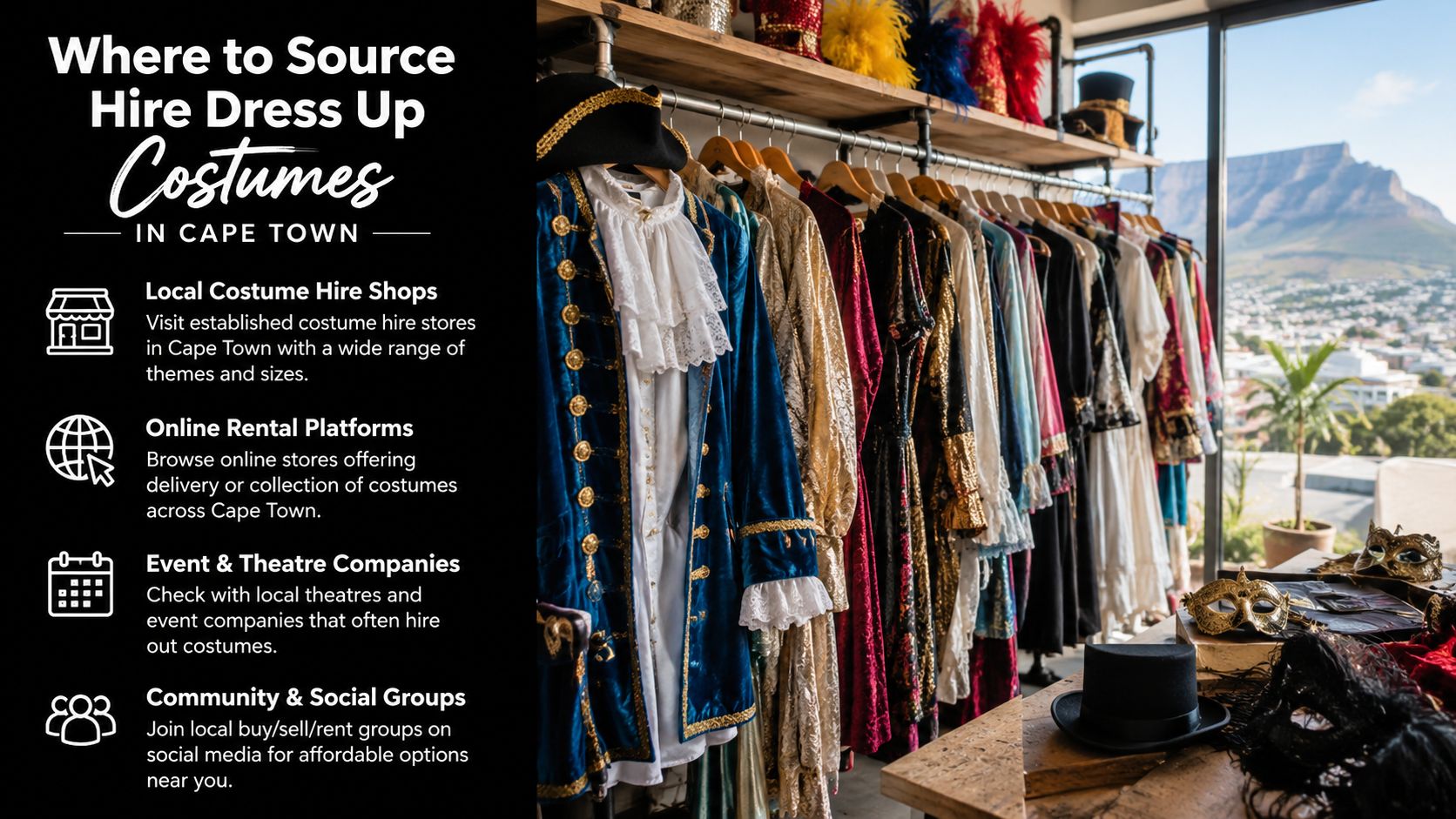
A planner in Franschhoek might choose the specialist route for a period theme, while a corporate host in the city bowl may prefer a rental partner who can combine costume planning with chairs, tables, or LED furniture. A coordinator in Paarl may use a theatrical stockist for children's items, then switch to a fitter-led hire house for the adults. The right source depends on how much support the event needs, not just how good the costume looks on the rail.
Booking Timeline and Order Checklist
The cleanest costume bookings start with the brief, not the outfit. UK occupational standards for costume hire begin with interpreting the production brief, confirming budget and timetable, selecting items with the supplier, and then booking out by number and size before delivery, which is exactly the sort of sequence that prevents a lot of avoidable friction in real hire work, as outlined in the UK costume hire standard. A good supplier will ask questions before they promise stock.
For peak season, book earlier than feels necessary. Matric dances, wedding season, and corporate year-end functions all compress demand into the same windows, so the first enquiry should happen as soon as the date and theme are fixed. If the event is large or the sizing is unusual, the fitting or sizing confirmation should follow quickly, because the risk is not just unavailability, it's discovering too late that the chosen item runs small or needs a different cut.
A useful booking conversation should cover deposit, return date, itemised costume components, and the invoice or receipt number linked to the order. The production benchmark from theatre costume hire also stresses that the return appointment should be scheduled at checkout, then the items should be checked back in, cleaned or repaired promptly, and released only once completeness and condition have been verified, which makes the whole process easier to audit, as set out in the costume hire procedures office guide.
| Booking timeline for peak-season costume hire | First enquiry | Fitting or sizing confirmation | Final balance and delivery slot |
|---|---|---|---|
| Matric dance | As soon as the date is fixed | After shortlist is approved | Before the event delivery window is locked |
| Wedding or welcome event | When theme and venue are confirmed | Once outfit direction is chosen | Before collection or delivery is scheduled |
| Corporate activation | As soon as the brief is signed off | After wardrobe approvals | Before bump-in timing is finalised |
| School production | As early as the cast list settles | Before the full order is released | Before technical or rehearsal handover |
WearView is useful here if you need a place to think through fit presentation and how clothing reads on camera or in a visual brief, especially when a supplier wants more than a loose theme description. Pair that with a simple planning pack, and the event planning checklist template can help keep the ordering conversation grounded.
Measuring, Fitting and Comfort for Long Events
A costume that looks perfect on the hanger can feel wrong the moment someone sits down, dances, or stands under lights for hours. Cape Town events make that worse because the weather can change fast, with warm afternoons turning into cool, windy evenings, and outdoor lawns adding UV exposure, movement, and temperature swings all at once. That's why fit needs to be judged by use, not just by appearance.
Start with the measurements that matter for the garment you're hiring. Waist, chest, hip, shoulder width, and inseam usually matter more than the label on the tag. If the costume has structure, ask whether there's any ease in the seam, whether the lining adds bulk, and whether the fastening allows for minor adjustment after a long dinner or a few hours of dancing.
Practical rule: if the outfit will be worn for more than a couple of hours, comfort beats dramatic effect every time. A slightly simpler look that stays in place will outlast a spectacular costume that pinches, rides up, or overheats.
The most useful question for a Cape Town supplier is whether the costume is breathable, lined, or layered. In a hot inland venue, that matters for comfort. In a breezy coastal or evening setting, it matters for warmth and movement. A lighter accessory-based look can often work better than a full costume when the venue mixes indoor and outdoor spaces, which is common in the Western Cape wedding and events market.
If a size runs small, don't try to force it and hope for the best. Ask immediately whether the supplier can swap sizes, adjust with accessories, or change the look to a safer option that still fits the brief. A costume that works on paper but fails on the body is not a win, especially when there's no spare time before doors open.
Pricing, Deposits and Damage Policies
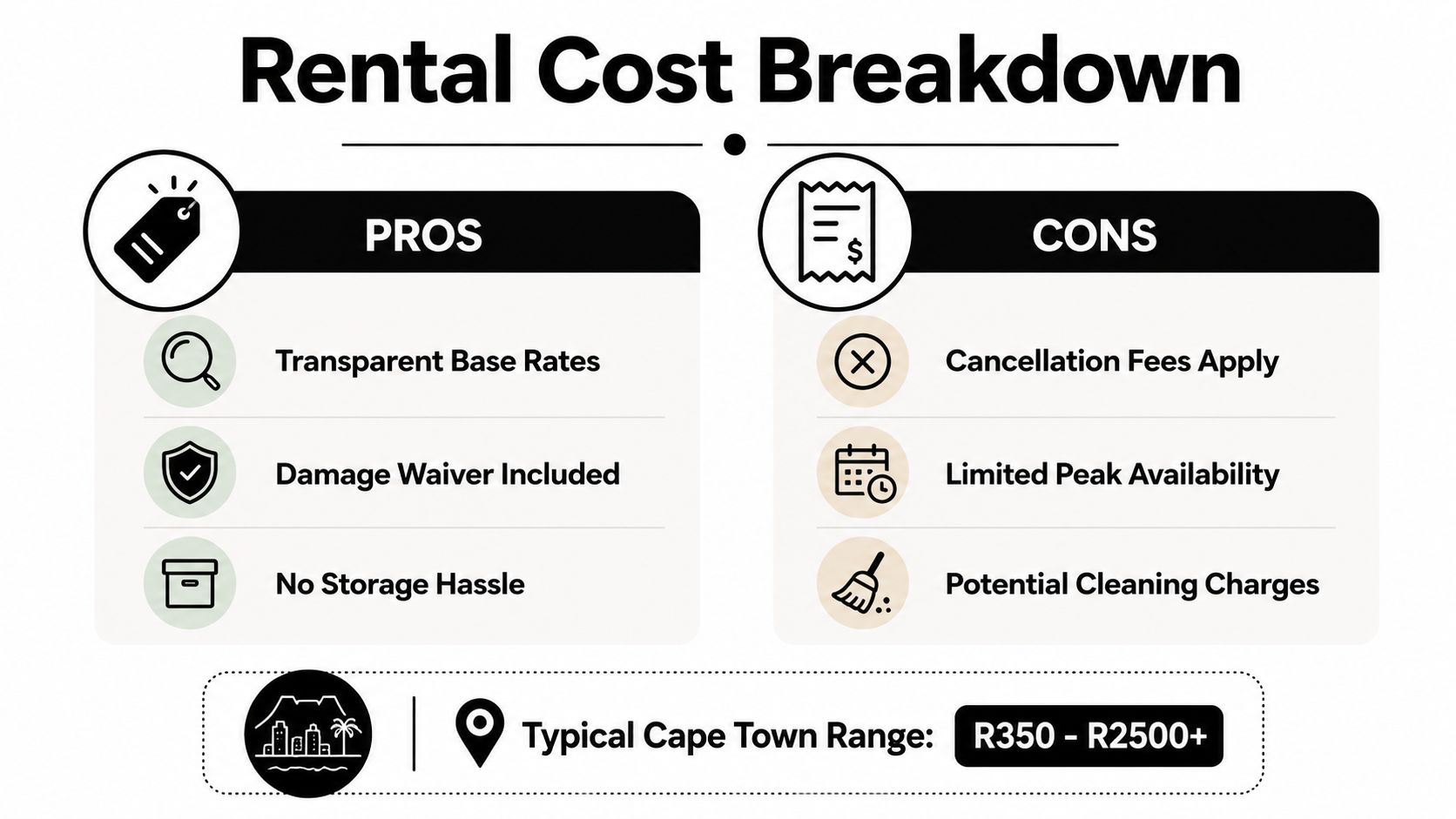
The sticker price is only part of the story. A costume quote can look manageable until you add the deposit, cleaning expectations, delivery, late returns, or a damage waiver that wasn't discussed clearly at the start. That's where a lot of event budgets go sideways, not because the price was hidden, but because the buyer didn't ask which parts were refundable and which parts were not.
For Cape Town and the Winelands, the budget conversation should cover the full hire order, not just the costume itself. If you're bundling the outfit with chairs, tables, LED furniture, or other event pieces, it's worth asking whether the supplier can package the order. ABC Hire's rent-to-own furniture discussion is relevant here in the sense that event buyers often compare temporary use against ownership decisions, and costume hire sits in the same mindset, short-term access, lower commitment, less storage.
The fairest damage policies are the ones that spell out what counts as normal wear, what counts as avoidable damage, and when the deposit is released. A refundable deposit should not be treated like a mystery charge. It should be linked to the item's return condition, with any cleaning or repair costs explained in advance, not after the fact.
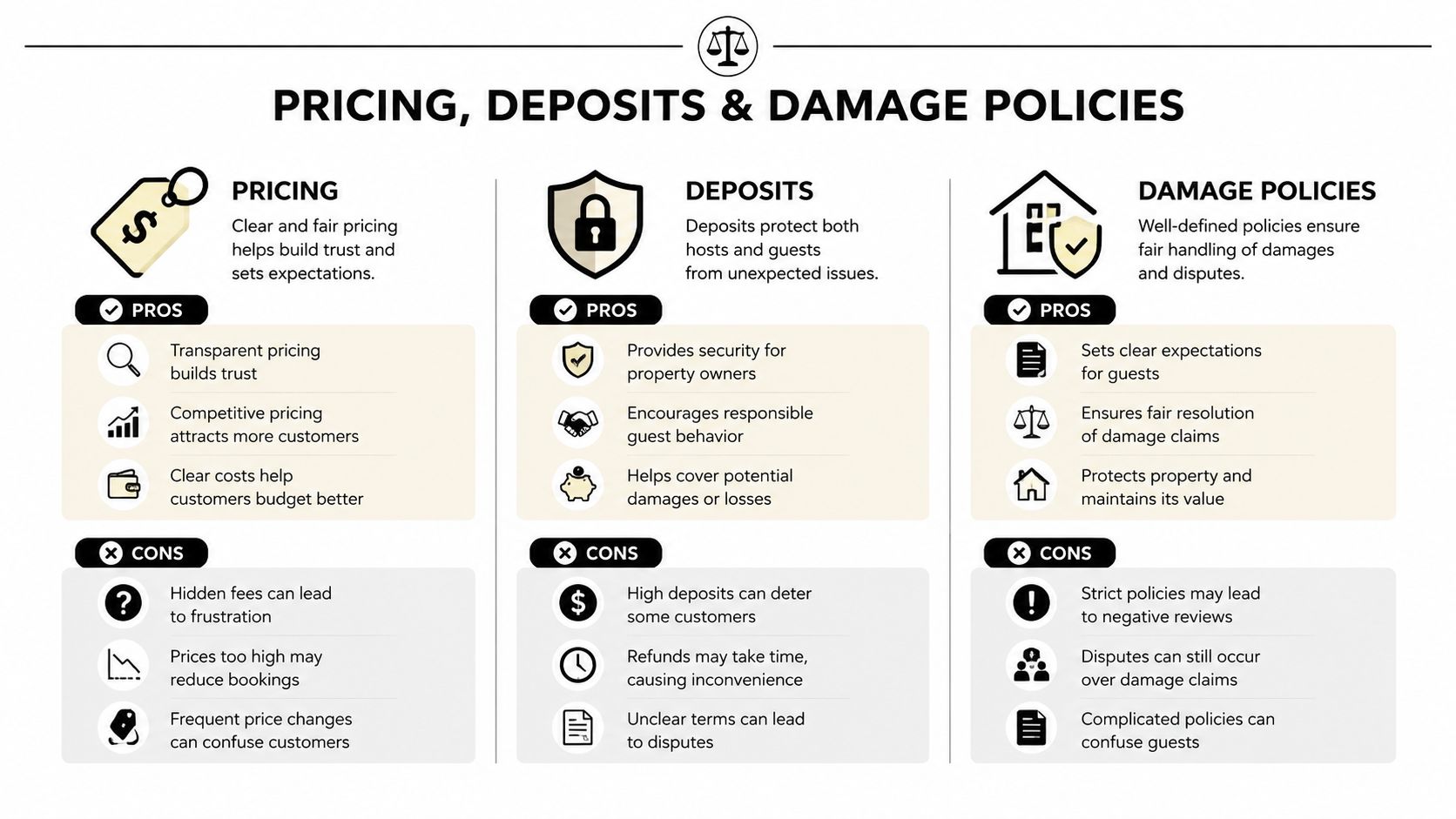
A fair quote usually reads like a contract, not a guess. It tells you what's included, what triggers an extra charge, and who is responsible if the outfit comes back dirty or incomplete. If the supplier can't explain that clearly, the order is too risky for a formal event, especially when the calendar is already tight and the client expects the hire to stay neat.
Cleaning, Returns and Contingency Planning
Most costume problems don't start on the night, they start the day after. Someone spills on a sleeve, someone forgets an accessory, or the event runs late and the return window becomes a problem. That's why return-day discipline matters just as much as the fitting, and why the best hires are the ones with a clean chain of responsibility from handover to return.
Before anything leaves the shop, inspect it with the supplier. Check the condition, confirm all pieces are present, and make sure the return expectations are written down. The WearView approach to presentation and fit reminds buyers that clothing needs to work in real settings, and that same logic applies when the outfit has to survive heat, movement, and post-event handling. If you need a broader reference point for planning spend around visual production, the photoshoot pricing insights from Picjam are useful for thinking about how people budget for one-off visual outcomes, even when the setting is an event rather than a shoot.
The strongest position, in practice, is simple. Hire when the costume is part of a one-time event, buy when the item will be used often enough to justify storage and maintenance, and DIY only when the look is forgiving enough to tolerate improvisation. A child's themed birthday can often handle DIY accessories. A corporate activation usually needs hire because the presentation has to stay consistent. A budget-conscious wedding is better served by hiring a few statement pieces than trying to own a full theme wardrobe no one will use again.
If the event runs later than planned, tell the supplier early. If a piece goes missing, report it immediately. If the sizing was wrong, don't leave the problem until collection day. The more transparent the handover, the fewer surprises there are when the deposit is checked and the return is logged.
Hire Versus Buy Versus DIY and Your Final Checklist
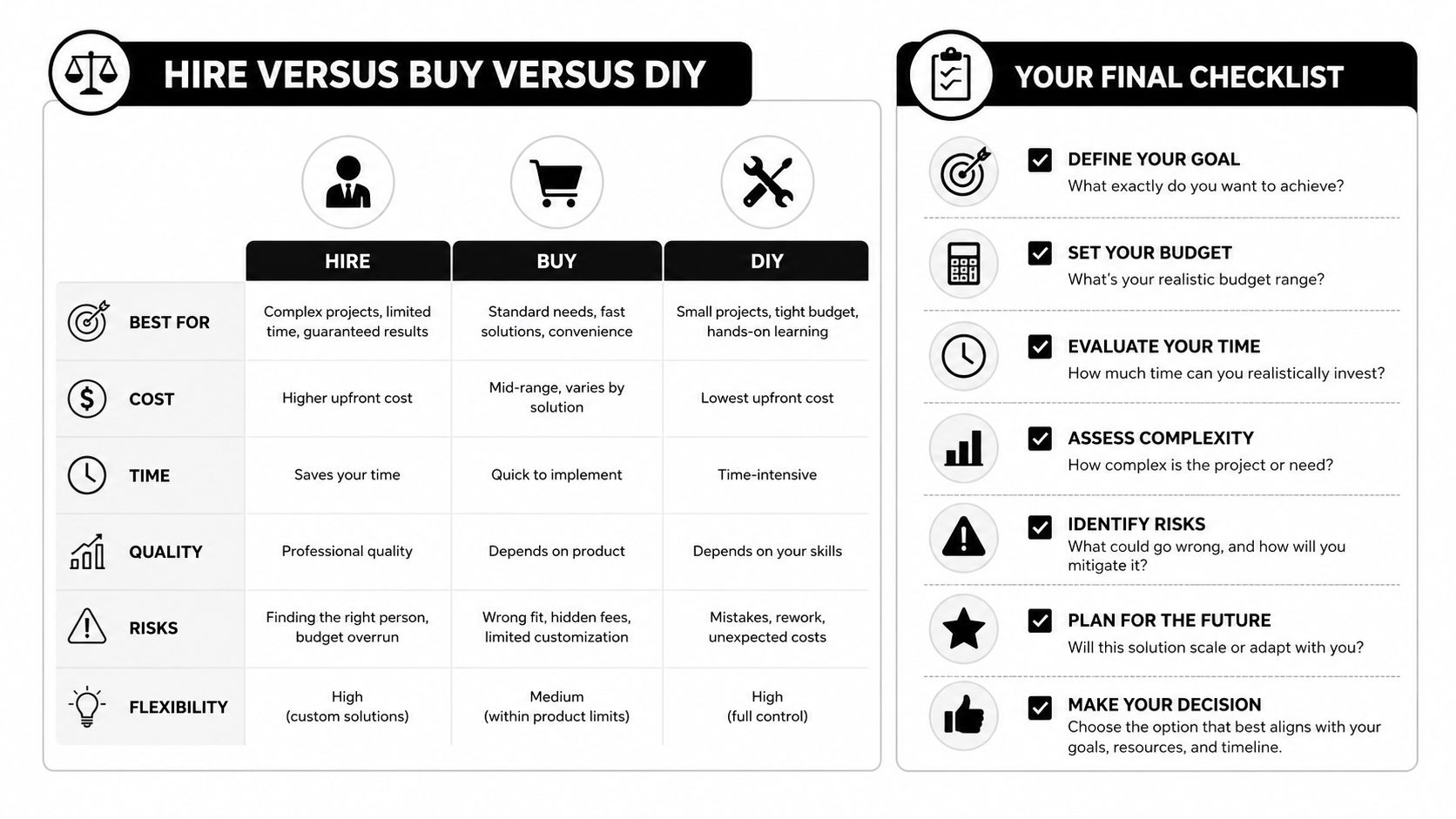
For a matric dance, hire wins because the look is single-use and fit matters. For a corporate brand activation, hire or a hybrid rental setup wins because consistency and turnaround matter. For a child's themed birthday, DIY can work if the look is flexible. For a budget-conscious wedding, hire is usually the safest way to keep the theme polished without buying storage problems.
Take this checklist to the supplier this week. Confirm the date, theme, and venue. Shortlist three suppliers. Book a fitting or sizing confirmation. Lock the deposit. Schedule the return. Ask who handles cleaning, what counts as damage, and what backup exists if a size runs small.
If you want a practical Cape Town rental partner that understands event logistics as well as presentation, ABC Hire can help with the furniture and event-side pieces that often sit alongside costume planning. Reach out before the peak-season dates fill up, then build the hire around the event instead of trying to patch it together at the last minute.