
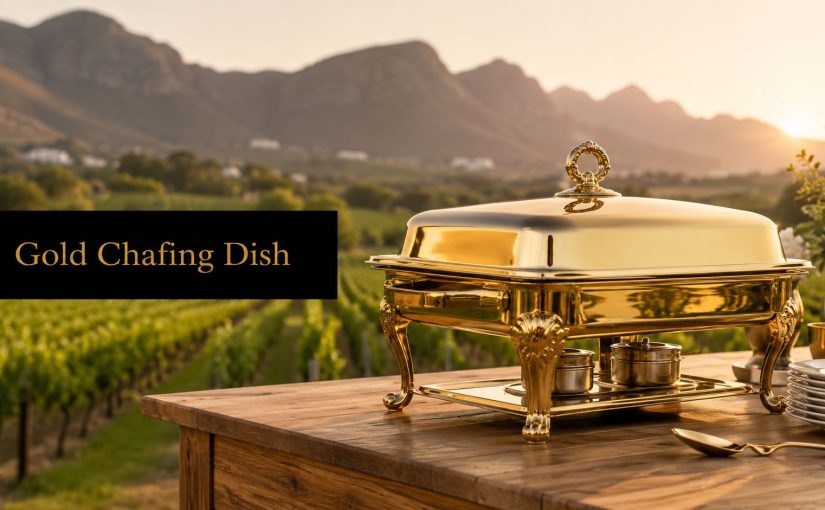
You've got the menu printed, the venue's tables are lined up, and the florist has started crowding the space with candle stands and greenery. Now the buffet has to do two jobs at once, hold food properly and look like it belongs in the room. That's where a gold chafing dish earns its keep in Cape Town, not because gold is magic, but because the finish gives you a cleaner presentation while the work still happens under the lid and in the water pan.
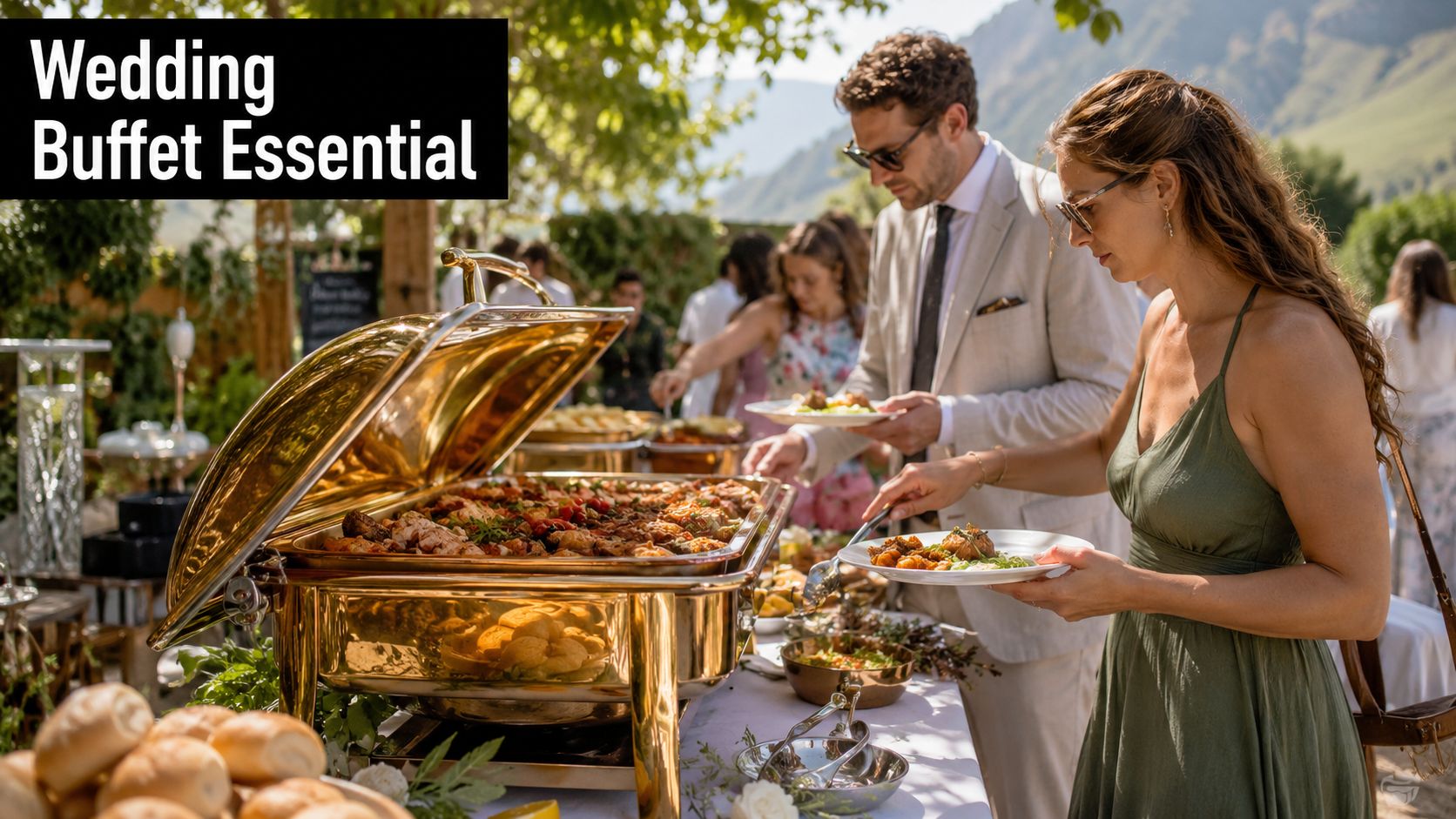
If you're setting up a wedding in Stellenbosch, a corporate lunch in Cape Town, or a private celebration in Franschhoek, don't get distracted by the finish first. Start with the job. A chafing dish is a passive food-warming vessel, historically used to keep delicate food warm rather than cook it, with a raised stand, heat source below, and food pan above, a design that's been around since early modern Europe and stayed structurally familiar for centuries Wikipedia on chafing dishes. If you need a reference point for hot-water service gear in hospitality, the practical setup is similar in spirit to commercial urns used for holding temperature, which is why caterers often compare equipment categories before they buy buy urns from Ring Hot Water.
A gold finish changes the mood of the buffet. It doesn't change the basic mechanics. The food still has to sit in hot, safe conditions, the water pan still has to do the thermal buffering, and the frame still has to survive transport, washing, and repeated service. That's the standard I'd use for wedding planners, corporate event managers, caterers, and private hosts working across Cape Town, Stellenbosch, Franschhoek, and Paarl.
Why a Gold Chafing Dish Earns Its Place on a Cape Town Buffet
The strongest Cape Town buffets look under control before service starts, then stay that way after the lids come off. A farm table in the Winelands can be styled to perfection, but once guests arrive the equipment has to do real work, hold heat, stay steady, and look intentional under strong light. A gold chafing dish earns its place when it helps the buffet look finished without slowing the catering team down.
The finish is presentation, not performance
That distinction matters. The historical record shows the chafing dish as a warming vessel first, and a display object much later, with luxury finishes becoming fashionable in the late 19th century when copper and silver moved the item from utility into status territory Edwardian Promenade on the Gilded Age craze for the chafing dish. The modern gold version carries that same visual logic. It signals formality, but it does not make the food hotter, safer, or easier to hold for long service.
Practical rule: if the unit looks beautiful but wobbles, rusts, or loses heat, it's the wrong hire.
I treat the gold finish as a styling layer, not a quality signal. In Cape Town and the Winelands, outdoor receptions and semi-open venues put more pressure on buffet gear, because the setup has to handle long service windows, changing light, and weather exposure. The right unit should look good at the start and still behave properly by the last guest.
What the finish adds on the day
Gold works best when the buffet is meant to read as formal. It suits weddings, award dinners, brand launches, and school formals because it sits comfortably beside warm linen, glassware, candles, and florals. It also gives planners a cleaner visual line than some plain utility units, especially when the buffet is photographed heavily.
The catch is simple. If the surrounding setup is messy, the gold just makes the clutter more obvious. If the equipment is well maintained, the finish feels intentional. That is the difference between an expensive-looking buffet and a polished one.
If you are hiring for a one-off event, do not overthink the colour. Choose the gold finish when the room needs warmth and formality, then judge the unit on sturdiness, heat control, and how well it survives service.
What a Gold Chafing Dish Is
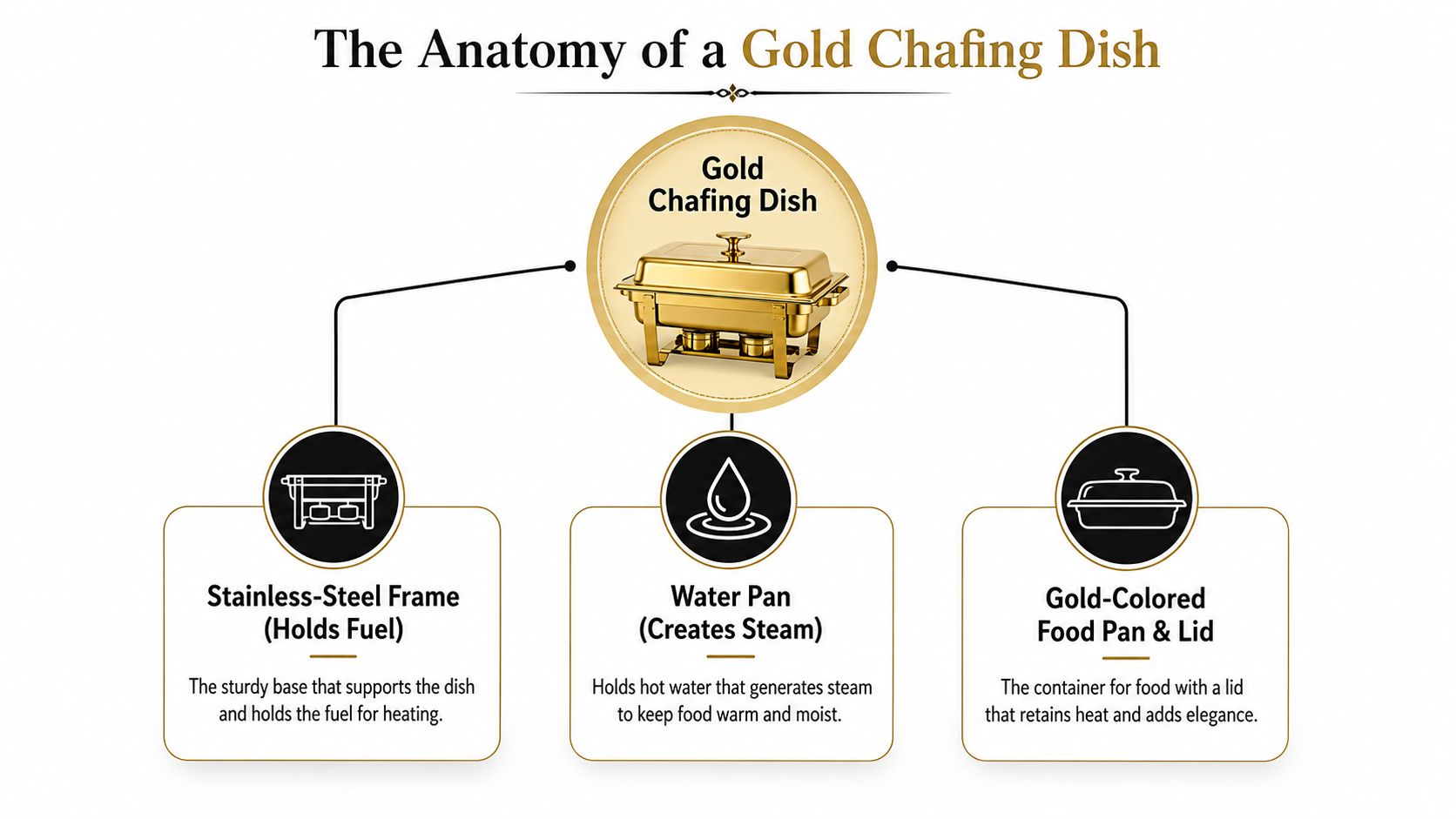
A gold chafing dish is a standard catering unit with a gold-tone finish on the visible parts, not a solid-gold object. The working structure is still stainless steel in most cases, with the pan, frame, lid, and fuel holder doing the same job they do on any other chafing dish. The finish changes the presentation. It does not change how the unit holds food warm above the water pan and heat source.
What you are paying for
You are paying for a presentation layer first. That matters at formal weddings, corporate functions, and venue setups where the buffet sits in plain view. You are also paying for the quality of the coating or plating, because a better finish survives washing, transport, and repeated handling more cleanly than a thin decorative surface.
The build still matters more than the shine. A good gold unit should have a rigid body, a lid that sits properly, and hardware that does not feel loose after a few rounds of use. In other words, the gold is only useful if it sits on a unit that can handle service without wobbling or looking tired halfway through the event.
Plain answer: the gold finish frames the buffet. The water pan, fuel, and lid design do the real work.
What to ignore in glossy product copy
Ignore any product description that hints that the gold tone helps with warming performance. It does not. Ignore “luxury” language unless the listing also gives you something concrete to check, such as the body thickness, the finish type, and how the unit handles cleaning and transport. And ignore thin painted units that look fine in photos but mark up quickly, chip at the edges, or start looking shabby after a few hires.
The smarter read is simple. A polished stainless unit is usually the safer workhorse for heavy use. A gold-tone unit is the better visual choice when the buffet is part of the decor. A cheap painted version is often the one that causes trouble on site.
Read the build before you read the finish
Look at the frame, the lid fit, and the way the unit feels when lifted empty. If it flexes before food goes in, it will frustrate your crew once it is loaded. The gold tone should sit on a solid catering platform, not disguise a flimsy one.
For Cape Town outdoor and semi-outdoor events, that point matters more than most sellers admit. Wind, salt air, transport, and repeated cleaning all expose weak plating fast. A good-looking unit that stains, scratches, or rusts early is a bad hire, no matter how smart it looked on the product page.
Selection Criteria That Actually Matter
Most buyers start with colour because the gold tone is what catches the eye. That's backwards. Start with the factors that decide whether the buffet survives service, then choose the finish after that. For Cape Town conditions, especially coastal humidity, material thickness, weld quality, and finish durability matter far more than the colour label.
Compare the unit type before you compare the shine
| Chafing Dish Type | Best For | Finish Notes |
|---|---|---|
| Standard stainless steel | High-use catering, mixed venue work | Most practical if you care more about durability than decorative impact |
| Gold-tone plated unit | Weddings, launches, formal tables | Good when the look matters, but finish quality must be checked closely |
| Gold-painted budget unit | Occasional indoor display use | Often the weakest choice for repeat hire, cleaning, and transport |
A good shortlist starts with capacity. Full-size pans make sense for high-traffic buffets. Half-size pans help when you need more menu variety or better portion control. After that, look at lid geometry. A lid that opens cleanly and closes firmly is better than a dramatic-looking one that gets awkward when servers are moving fast.
Stability beats style in windy, busy spaces
Cape Town and the Winelands don't give you luxury conditions every time. Outdoor patios, farm venues, and tented spaces create movement around the buffet. A stable frame with sensible weight distribution will outperform a prettier unit that feels top-heavy or shifts when the table gets bumped.
A gold finish can hide minor cosmetic sins, but it won't hide a bad frame.
That's why I'd rather see a solid stainless body with a durable gold finish than a thin decorative shell. Coastal air is rough on weak coatings. Salt-laden humidity accelerates tarnishing and surface damage, so the finish has to survive real washing and real use, not just one photo session. That's especially important for rental stock moving between Cape Town, Stellenbosch, Franschhoek, and Paarl.
If you're deciding between similar-looking units, ask for physical samples, check the welds, and inspect the finish up close. A polished surface should still look tidy after handling. If it scratches easily in the showroom, it'll age badly on the event floor.
Fuel Type and Heat Management for Long Buffets
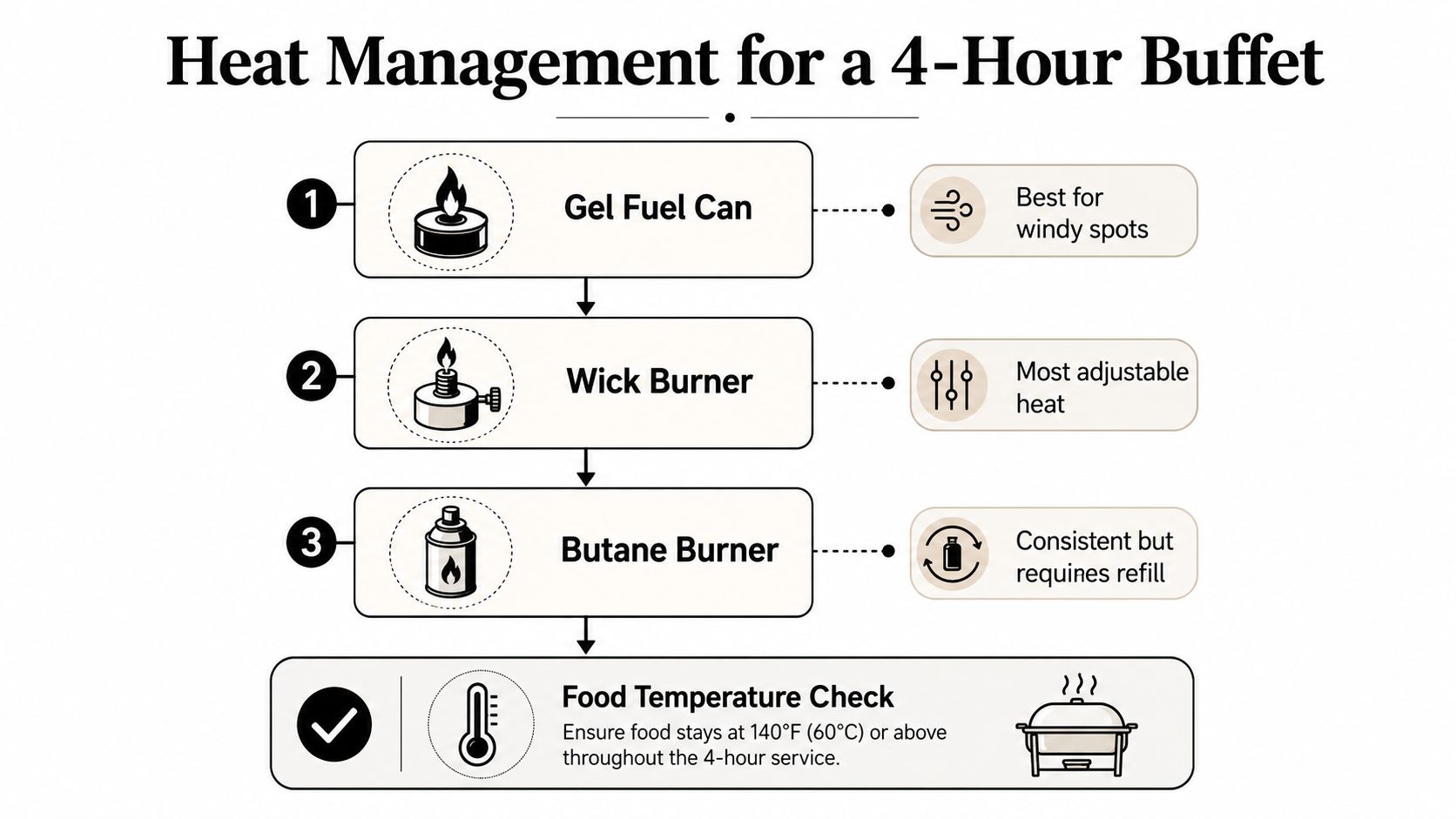
A long buffet lives or dies on fuel discipline. The prettiest gold frame in the world won't help if the food pan cools off, the water boils away, or the centre of a dense curry never gets back up to safe holding temperature. In banquet service, the water pan is the thermal buffer, so stable holding depends on preheating, water depth, and keeping the fuel managed throughout service.
Choose the heat source for the venue, not for the brochure
Gel fuel is often the better choice where wind is a problem and you want a cleaner look. Wick burners give you more adjustment if the crew knows how to run them properly. Electric warming units are useful when the venue gives you power and the buffet is expected to sit for a long service window. The right choice depends on the site, not on what looks most stylish.
If you're comparing options, an event equipment guide such as the ABC Hire catering food warmer overview is useful because it shows how buffet warmers are tied to practical service conditions, not just appearance. For outdoor setups, I still put fuel discipline ahead of aesthetics every time.
Run the buffet like a system
Here's the rule set I use on site.
- Preheat the water pan first: don't load cold food into a cold system and expect it to recover quickly.
- Keep enough water in the pan: the water does the buffering, and boil-off kills consistency.
- Don't overcrowd the food pan: heavy loading slows reheating and drags the centre temperature down.
- Watch the wind: open air can wreck a weak setup faster than bad menu planning.
South African hospitality rules expect hot food to stay safely held and protected from contamination during service. That means your buffet line needs active monitoring, not hope. Wind shields, lid discipline, and fuel checks are part of the job.
Best habit: assign one person to fuel and water checks, because nobody notices boil-off until the food starts dropping.
For weddings, corporate functions, and school events in Cape Town, I'd rather have a slightly less glamorous unit run properly than a stunning one left to drift. The operational basics are what protect the food, not the finish.
Setup, Safety, and Food Hygiene on the Day
The safest buffet starts before the first lid comes off. Once the gear arrives, the team should check placement, fuel, and lid movement before any food goes near the line. South Africa's food premises hygiene framework expects equipment and utensils to be kept clean, maintained, and constructed to reduce contamination risk, which is exactly why a damaged or badly placed chafing dish becomes a real problem, not a minor irritation.
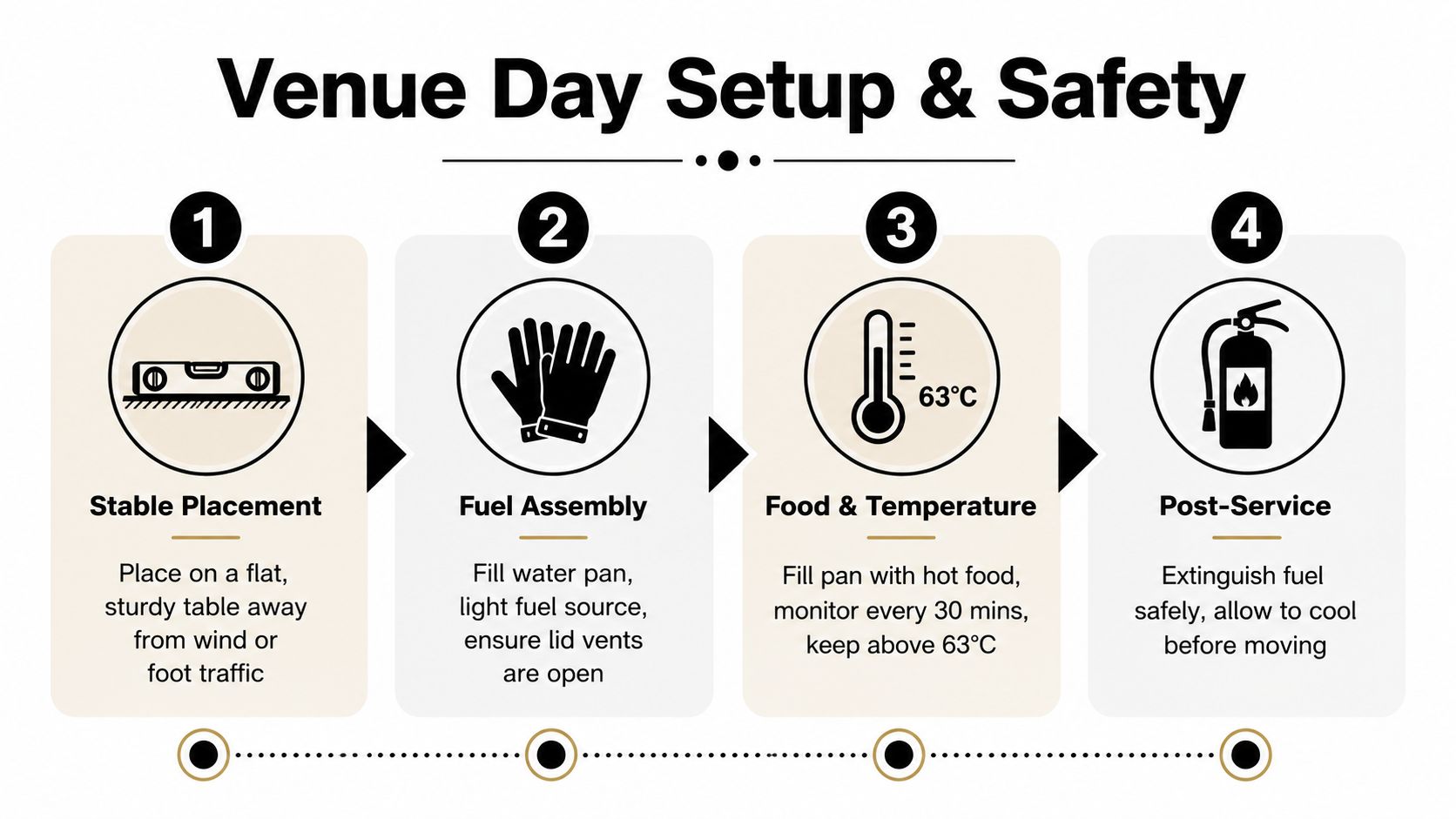
The setup sequence that actually works
Put the unit on a flat, sturdy table first. On farm tables and uneven Winelands surfaces, a wobble at setup becomes a spill risk later. Keep it away from foot traffic and out of the main drag of décor so servers can work without brushing against floral arrangements or guest bags.
Then fill the water pan and light the fuel safely. The lid vents should be open if the unit design uses them, and the crew should confirm flame stability before loading food. After that, add food that has already been properly heated, then monitor the line through service rather than assuming the first half-hour tells the full story.
Hygiene is about surfaces, not just handwashing
A polished decorative finish still has to withstand repeated washing, heat exposure, and contact with acidic or salty foods without flaking or pitting. Once a coating starts to fail, sanitation risk goes up and rental life goes down. That's why I prefer units that clean properly and keep their finish intact after multiple events.
For venue coordinators, the practical checklist is short:
- Stable placement: no leaning, no rocking, no cramped corners.
- Controlled fuel: handle open flame or hot canisters with care.
- Lid discipline: keep lids shut when the food isn't actively being served.
- Post-service cooling: let the unit cool before moving it.
That's the standard whether you're in a coastal venue, a marquee, or a private estate. The gold finish is allowed to look elegant. It's not allowed to complicate the clean-down or create a safety headache.
Rental Versus Buy for Cape Town and Winelands Planners
For most Cape Town planners, renting a gold chafing dish makes more sense than owning one. The reason isn't just cash flow, it's maintenance reality. Gold finishes wear faster than plain stainless when you stack, wash, and transport them repeatedly, and that matters if your schedule swings between weddings in Stellenbosch, launches in the city, and private events in Paarl.
Use frequency should drive the decision
Occasional hosts should rent. Wedding planners who need different looks for different clients should rent. Even many venues should rent unless they have a dedicated storage area and a team that can clean and handle the units properly after each use. Ownership only starts to make sense when the same stock moves out often enough to justify the storage, washing, and finish care.
That's where a practical hiring guide such as the guide to hiring for hospitality helps frame the broader staffing and logistics side of event work. The same principle applies to equipment. If the team can't support the item properly, owning it becomes a burden.
Match the option to your service pattern
If you hire, you get flexibility and less wear risk. If you buy, you take on finish management, repairs, and storage discipline. For a gold finish, that trade-off is sharper than it looks, because decorative surfaces show handling damage sooner than utilitarian stainless.
ABC Hire also supplies catering equipment for hire, which makes rental a straightforward option for local planners who need a setup that arrives ready to work. That matters more than ownership pride when the event date is fixed and the guest list is already locked.
My view: if the unit is going to live in a garage, get scratched in transport, and be cleaned in a rush, rent it.
The simple rule is this. Rent for variety, flexibility, and finish protection. Buy only if you have repeat use, proper storage, and a team that treats the equipment like event stock rather than kitchen clutter.
Styling and Placement for Weddings and Corporate Events
A gold finish earns its place when you place it with discipline. A gold chafing dish looks polished when it sits inside a clear table plan. It looks awkward when it is surrounded by clutter, mixed metals, and random service pieces. Placement, linen, lighting, and the rest of the buffet all affect how that finish reads.
Weddings need warmth, not clutter
At weddings, gold works best with ivory, soft neutrals, greenery, and candlelight. Long banquet tables are the cleanest solution, because the finish can repeat down the line and create a steady visual rhythm. Scatter in too many unrelated metals, and the buffet starts looking thrown together.
Service stations need the same control. Keep the station tidy, keep the garnish tight, and skip overloaded signage or mismatched silverware. If the room already has gold candle holders, the buffet looks more deliberate, which is why a styling reference like the ABC Hire candle holders gold page helps planners keep the palette consistent.
Corporate events need restraint
For corporate launches or formal functions, use the gold tone more sparingly. Let it pick up warm LED lighting or chandeliers, then keep the rest of the station clean and branded. A gold finish reads as polished and intentional when the room already has a clear corporate identity.
Cape Town brand launches often run under tight marquee power limits, so the lighting plan matters. Use enough light for the buffet to read well in photos, but do not crowd the table with fixtures that compete with service or strain the circuit load. That sort of detail is what separates a slick-looking setup from a stressful one, and it sits alongside the practical hygiene standards that why sanitation is key for festivals keeps reminding event teams to respect.
If you want the buffet to look premium, leave space around the units. Guests need room to move, and staff need room to lift lids without clipping décor or shoulder-checking each other. The finish should catch the light, not compete for attention.
Styling rule: if the buffet needs a lot of explanation, it is overdecorated.
A gold chafing dish works best when it supports the mood of the room instead of taking over the table. That is true in a vineyard wedding, and it is true at a corporate dinner where the presentation has to stay sharp from first service to last plate.
Common Questions From Cape Town Event Planners
A gold chafing dish performs well on long outdoor service only if the fuel, water, and lid discipline are handled properly. The finish doesn't do the warming. The water pan and heat source do. If the buffet runs in wind or heat, the setup has to be managed actively, not left to coast.
Coastal air can tarnish weak finishes faster. That's why I push durable construction over pretty photos. If the coating is thin, the unit will show wear sooner in Cape Town than it would in a dry inland storeroom.
Electric units can be worth it when the venue has stable power and the buffet is expected to run for a long time. Fuel units are still simpler for outdoor spaces and places where cables become a nuisance. The right answer depends on access, layout, and the kind of service you're running.
Cleaning doesn't change because the unit is gold. It still has to be washed carefully, dried properly, and stored without damaging the finish. Use the same hygiene standard you'd use for any food-contact metal warming vessel, then be stricter about surface care so the decorative layer lasts.
If you want the short version, here it is. Gold is for presentation. Fuel management, water discipline, and finish durability are for performance.
If you're planning a buffet in Cape Town, Stellenbosch, Franschhoek, or Paarl, contact ABC Hire and ask for chafing dish hire options that match your venue, service length, and styling brief. Give them the event date, venue type, and guest count, then check the finish and setup details before you confirm.