
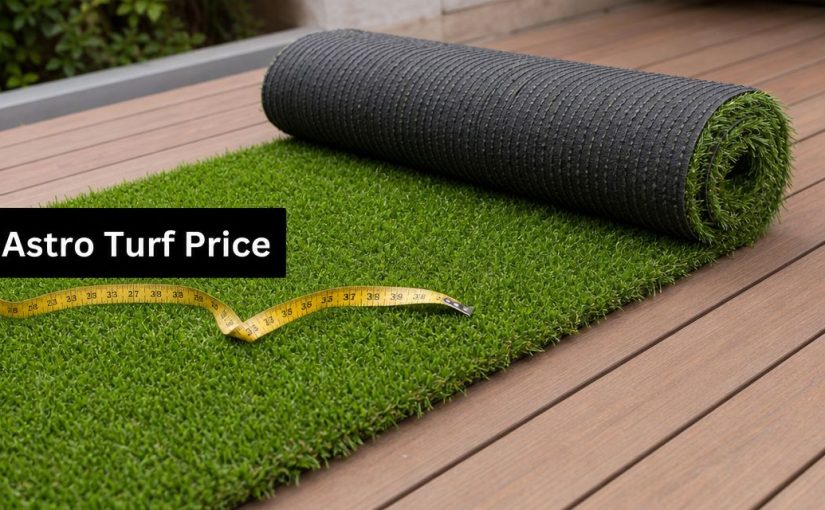
Renting astro turf for a Cape Town event can range from R80 to R150 per m², while buying and installing it can range from R400 to over R1000 per m² depending on turf quality and how much site preparation the venue needs. If you're planning a wedding, corporate function, or private celebration, that difference matters because a one-day green finish and a permanent installation are priced for completely different jobs.
That's usually the point where clients get stuck. They've found overseas articles quoting square feet, local suppliers quoting square metres, and event companies talking about setup, collection, and floor coverage as if it's all the same thing. It isn't.
In Cape Town and the Winelands, astro turf is often less about landscaping and more about problem-solving. A ceremony lawn needs to look neat after setup traffic. A corporate activation needs a clean branded floor inside a tent. A birthday marquee needs something better than dusty paving or patchy grass. The right answer depends on whether you need turf for a few hours, a weekend, a season, or a permanent surface.
Your Guide to Astro Turf Prices in Cape Town
A couple books a Winelands wedding venue, visits after a week of southeasterly wind and light rain, and suddenly the lawn they loved in the brochure is the weakest part of the plan. The grass is patchy near the ceremony spot, the path to the tent is dusty, and high heels will struggle by late afternoon. In Cape Town event work, that is usually the point where astro turf moves from nice extra to practical fix.
For temporary events, astro turf gives you control. It cleans up tired entrance areas, protects high-traffic spots, and helps a space photograph well even when the venue lawn is inconsistent. That matters at weddings, product launches, school functions, and corporate events where guests judge the setup before the programme even starts.
The first decision is not colour or pile height. It is whether you need turf for a few hours, a weekend, or years.
- Renting for an event: Best for once-off use such as aisles, lounge areas, registration zones, stage surrounds, marquee entrances, and branded activation floors.
- Buying and installing: Better for venues, estates, schools, hospitality sites, and private homes that will keep using the surface.
Cape Town clients often get tripped up by mixed pricing language. International articles usually quote installed rates in square feet. Local event suppliers quote in square metres and may separate delivery, laying, joins, edge finishing, and collection. Those are not small admin differences. They change the actual price you approve.
I advise clients to treat overseas installation guides as broad context only, including references such as Prescott artificial turf pricing. For an event in Cape Town, the sharper question is simpler. Are you paying for a temporary floor covering that must look clean for one service window, or for a permanent surface that needs ground prep, drainage, and long-term wear performance?
If your priority is event hire rather than landscaping, this guide to fake grass carpet for events is closer to how local suppliers quote.
Practical rule: For a once-off event, compare full hire cost against the area you need covered and the finish you want on the day. Retail turf price on its own rarely helps you choose the right option.
Understanding The Cost Per Square Metre
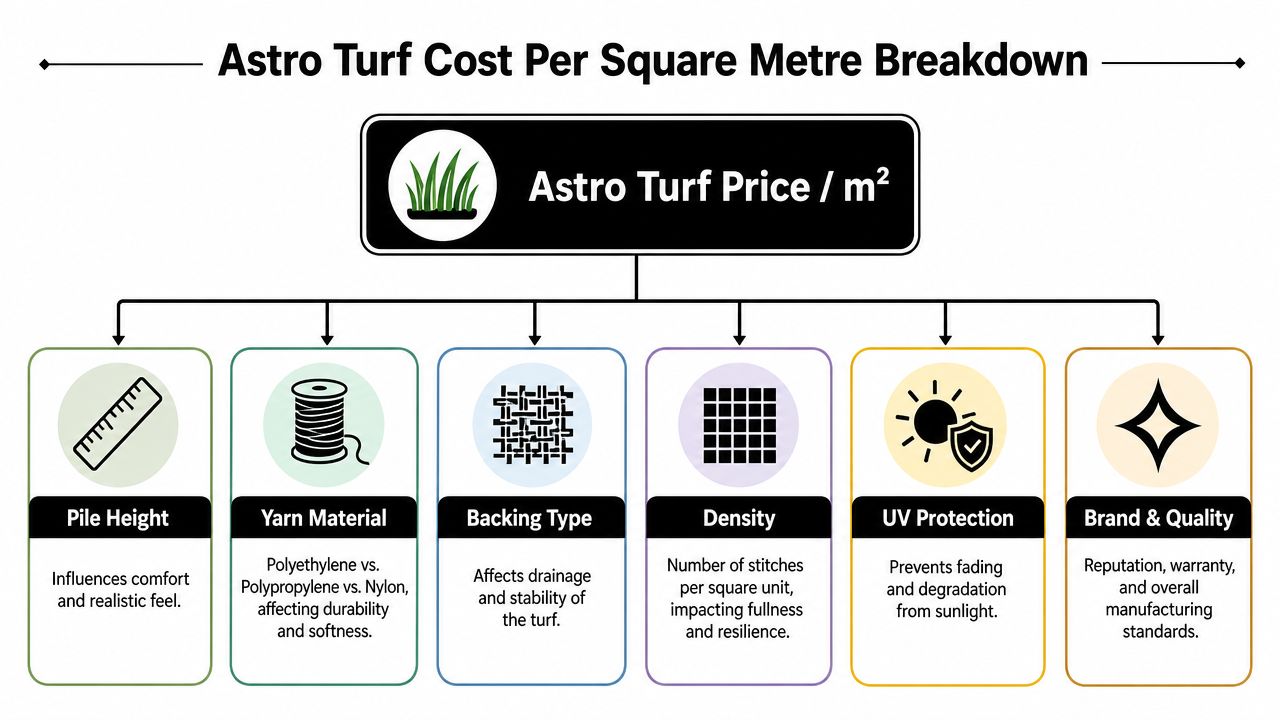
Many buyers focus on colour and softness first. Installers focus on specification first. They're right to do that, because technical spec is usually the strongest driver of astro turf price.
According to this pricing breakdown on turf material tiers, polypropylene sits at the budget end, polyethylene is the mainstream mid-range option, and nylon is the premium tier. The same source places material cost roughly at US$2 to US$4 per sq ft for polypropylene and polyethylene, rising to US$5 to US$6 per sq ft for nylon.
The three material tiers in plain language
| Material | Where it fits | Event use verdict |
|---|---|---|
| Polypropylene | Budget tier | Fine for light decorative use, but not my first choice for heavy guest movement |
| Polyethylene | Mid-range mainstream option | Usually the safest balance for events because it looks good and feels better underfoot |
| Nylon | Premium tier | Best where durability matters most, especially repeated use or demanding foot traffic |
For event work, the material has to match the use case.
- Ceremony aisles and styled lounge areas: Polyethylene usually makes the most sense because appearance matters.
- High-traffic entrances and service areas: A tougher spec is often worth it.
- Repeated commercial use: Nylon starts to make more sense when the turf will be handled, rolled, unrolled, and walked on again and again.
Why pile height and density matter
Think of pile height and density like fabric quality. Two carpets can look similar in a photo, but one feels thin and flat while the other feels fuller and holds its shape. Turf behaves the same way.
- Pile height: Affects softness and visual lushness.
- Density or face weight: Affects how full the turf looks and how well it recovers after foot traffic.
- Backing and UV resistance: Matter more than clients realise, especially in Cape Town sun and for outdoor events that involve setup over several days.
A low astro turf price can be false economy if the pile is too sparse for the event. High heels expose weak turf quickly. So do mobile bars, plinths, buffet stations, and repeated crew traffic during setup.
If you want a useful comparison point from an overseas market that also shows how material and install complexity change the total, Prescott artificial turf pricing from R.E. and Sons Landscaping is worth a look. Not because the local rates are identical, but because it helps clients see how fast “cheap turf” becomes expensive once specification and installation quality enter the conversation.
Don't buy by colour sample alone. Ask what fibre you're getting, how dense it is, and what surface it's expected to sit on.
From Turf Roll to Total Project A Full Cost Breakdown
A bride books a wine farm in Stellenbosch, sees a neat per-square-metre turf price, and assumes the flooring budget is sorted. Then the actual costs show up. Delivery to the venue, crew to carry heavy rolls across gravel, joins that must sit flat under guest traffic, and collection the next day often matter more than the turf roll itself.
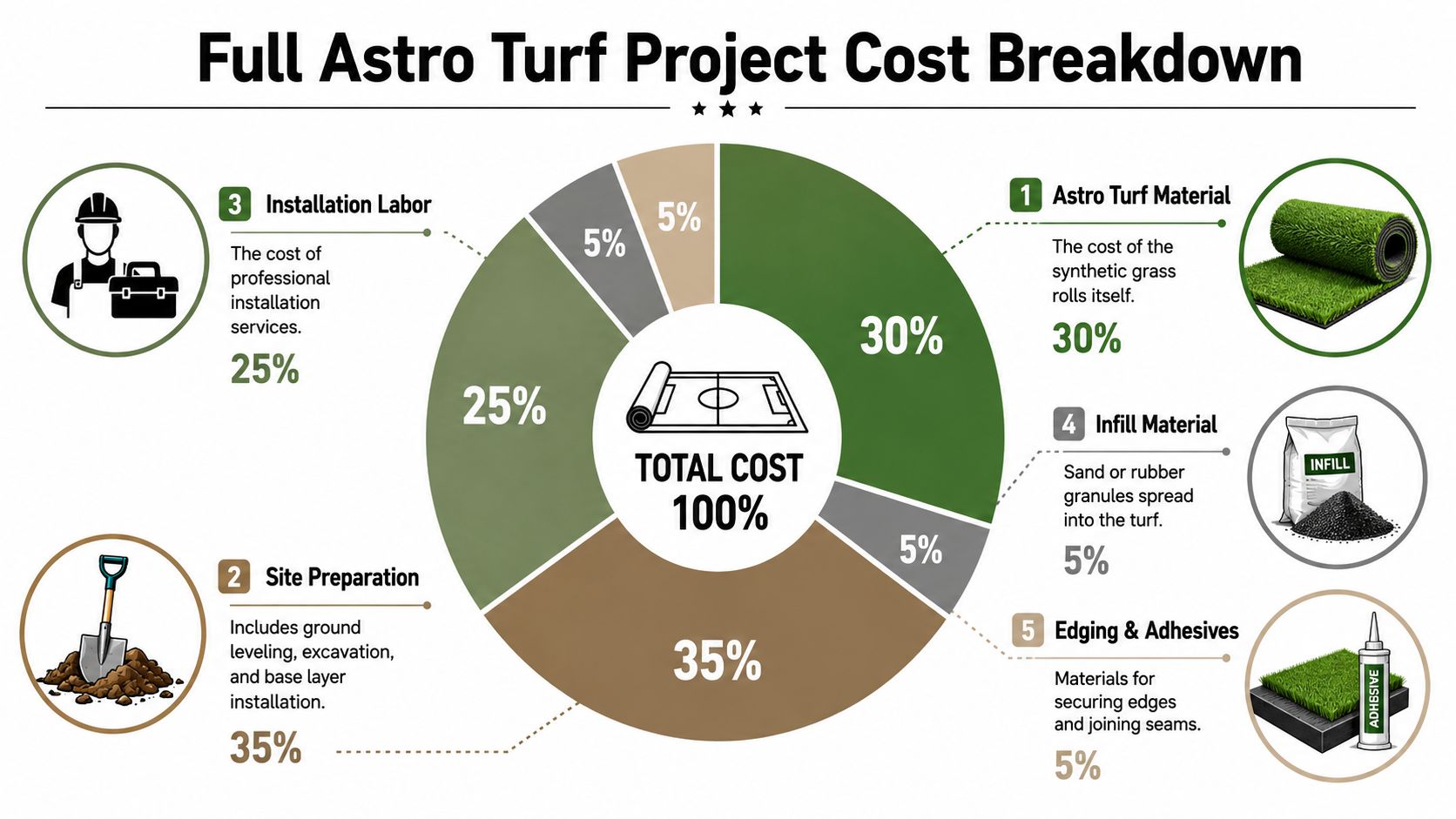
For permanent installations, the biggest line item is often the work under the turf, not the turf on top.
What permanent install quotes usually include
A proper permanent quote usually covers far more than material supply:
- Ground preparation: removing grass, rubble, roots, and soft spots
- Sub-base work: building a stable layer so the surface stays level
- Drainage correction: handling water flow before the turf goes down
- Seaming and trimming: cutting and joining sections cleanly
- Edging and fixing: securing the perimeter so edges do not lift
- Labour: measuring, carrying, laying, compacting, and finishing
A common misunderstanding arises when clients see a product price in an online article, but the contractor's pricing for the job includes time, access, surface condition, and finish standard.
Cape Town sites vary a lot. A flat courtyard in town is one thing. A garden venue in the Winelands with soft patches after irrigation is another. In winter, drainage mistakes show up fast. In summer, dusty ground and dry conditions can mean more prep if you want the area to look clean and stay comfortable underfoot.
Event use has a different cost structure
Temporary event turf has fewer civil works, but the quote still has moving parts. For events, the hidden costs usually sit in handling and logistics.
| Event cost element | Why it matters |
|---|---|
| Delivery | Turf rolls are bulky, heavy, and awkward to move through venues |
| Setup crew | Straight joins and flat edges take time and experience |
| Surface protection | Some venues need protection under the turf on timber, paving, or polished floors |
| Collection and removal | Once-off events still need breakdown, loading, and transport |
| Cleaning and reset | Hire stock must be cleaned and checked before the next booking |
I see this often at corporate functions and weddings. The client compares one supplier's material figure with another supplier's laid-and-collected figure, and it looks like a pricing gap. It usually is not. One quote covers a roll of turf. The other covers a working event floor.
Access changes the price quickly. Stairs, narrow service passages, late setup windows, and mixed surfaces all add labour. If the turf needs to meet a stage or connect to another floor finish, detail work also goes up. The same applies if you are pairing it with a hired dance floor for an event venue layout. The join between the two surfaces needs to be neat and safe.
What works and what does not
Ask for a full-use quote. That means turf size, transport, labour, laying method, edge treatment, protection layers where needed, collection, and any cleaning charges.
A single rate per square metre is only a starting point. For event clients in Cape Town, the useful question is the final installed or hired cost for the exact venue and event window. That is the number you can budget against.
Renting vs Buying Turf For Your Event
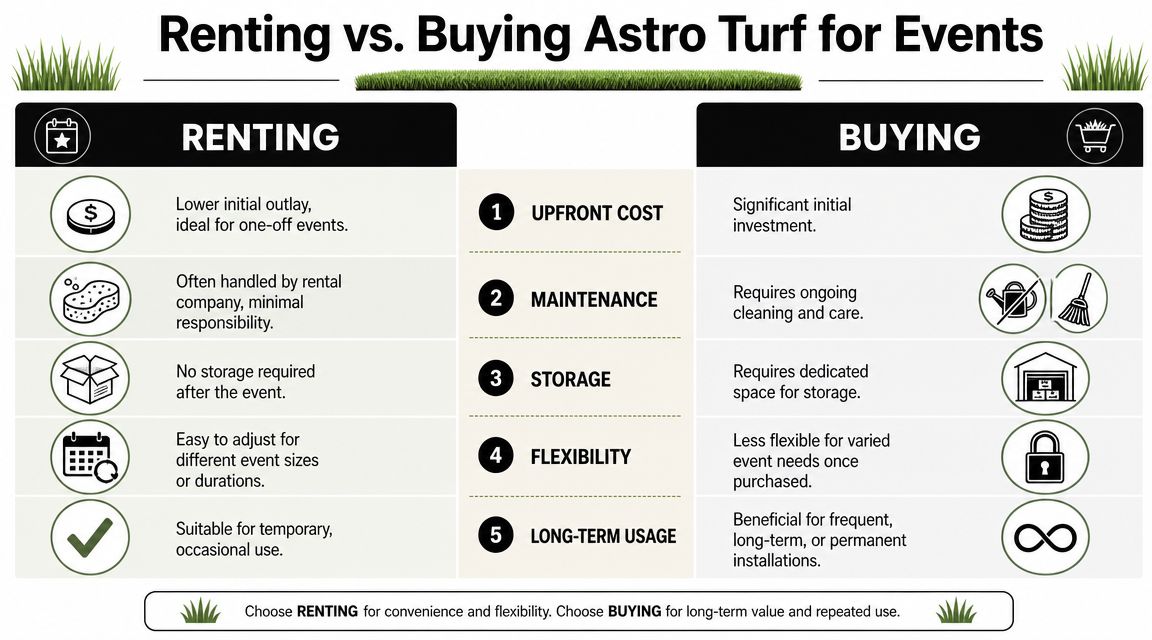
This is the decision that matters most for event clients. Not “what does turf cost?” but “what kind of turf cost am I dealing with?”
Local buying decisions are often muddied by the fact that South African suppliers tend to quote product in rand per square metre, while many online articles discuss installed square-foot pricing and don't separate temporary use from permanent landscaping. That mismatch is exactly why hire-versus-buy feels more confusing than it should, as noted in this overview of local product pricing and event use cases.
When renting usually wins
For most weddings, private functions, school events, and brand activations, renting is the sensible route.
- One-day or weekend events: You avoid paying for a long-life asset when you only need a polished finish for a short window.
- No storage burden: After the event, the turf leaves with the supplier.
- Flexible sizing: You can cover only the zones that matter, such as the aisle, lounge patch, entrance, or tent floor.
- Less responsibility: Cleaning, handling, and reset are normally part of the supplier's workflow.
If you're already comparing temporary flooring options, it also helps to weigh turf against alternatives like staging and modular flooring. This guide on hire of dance floor options gives a useful comparison point for areas where you need a firmer finish than turf can provide.
When buying makes sense
Buying starts to make more sense in a narrower set of cases:
- Permanent venue upgrades
- Hospitality spaces with repeat guest use
- Schools or institutions that host regular outdoor functions
- Homes where the area will serve as both outdoor setting and event space
In those situations, you're not just buying event décor. You're buying a surface asset.
A simple decision filter
| Your situation | Better fit |
|---|---|
| Wedding at a Winelands venue | Rent |
| Corporate activation for a short campaign | Rent |
| Private party under a marquee | Rent |
| Venue lawn that hosts events year-round | Buy |
| Hospitality courtyard needing a long-life green finish | Buy |
A once-off event should not carry permanent-install costs unless the site will keep using that surface after the guests are gone.
The practical mistake I see most often is buying cheap turf for a temporary event in the hope of “saving the hire fee”, then paying separately for transport, setup labour, tape, edge fixing, and post-event storage. That route often creates more admin, not more value.
Budgeting Examples For Cape Town Events
Real budgets make this easier. Here are three common event scenarios where astro turf comes up quickly during planning.
Winelands wedding ceremony area
A ceremony setup on a wine farm often needs turf for the aisle, signing area, or a photo-friendly patch near the reception entrance. The biggest issue usually isn't colour. It's consistency. Natural grass can photograph beautifully in one area and look worn in the next.
For a wedding like this, renting usually works best because the turf only needs to perform for setup, ceremony traffic, and guest movement around key zones. A permanent purchase rarely makes sense unless the venue itself is upgrading part of the property for repeated use.
What affects the quote most:
- Ground condition: Flat lawn is easier than uneven farm ground.
- Edge finish: Visible ceremony spaces need cleaner joins.
- Access for crew: Long carry distances raise labour effort.
- Weather planning: Wind, damp ground, and tent structures all influence setup method.
Corporate activation in the CBD
A branded event space in town is a different animal. Here, astro turf often acts more like a visual floor finish than a garden substitute. It defines a zone, softens a hard venue, and can support furniture, display units, and guest circulation.
For this kind of event, the cheapest turf often looks exactly like cheap turf under daylight and camera coverage. That's why event managers usually do better with rental stock chosen for appearance and clean installation rather than trying to source bargain rolls themselves.
If you want another external benchmark showing how buyers think about material versus total installed cost, this overview of synthetic turf pricing from Vistancia from Pool & Landscaping of Vistancia LLC is useful as a comparison lens.
Backyard marquee for a milestone birthday
Private hosts often want turf when they're covering a patio extension, a dusty side yard, or a patchy back garden under a marquee. This is one of the most practical uses for hired turf because it improves the guest experience immediately.
What usually works:
- Cover the visible guest zones only
- Pair turf with proper walkway planning
- Use it where children, elderly guests, or heels need a friendlier surface
What usually doesn't work:
- Trying to cover every square metre of the property
- Using decorative turf where heavy catering traffic will roll over it all day
- Assuming turf can replace proper floor support on very uneven ground
How to budget sensibly
Ask for quotes in the format that reflects the job:
- State the size in square metres.
- Describe the surface underneath.
- Clarify whether it's a temporary hire or a permanent install.
- List furniture or structures going on top.
- Ask whether transport, setup, and removal are included.
That approach gets you closer to a usable number than chasing a generic astro turf price from a landscaping article that doesn't match your event.
Lifecycle Costs And Local Cape Town Considerations
A Winelands wedding lawn can look acceptable on the site visit, then turn patchy after a hot week or soft after winter rain. That matters if guests are arriving in formal shoes, the ceremony is outdoors, and the photos need a clean green finish.
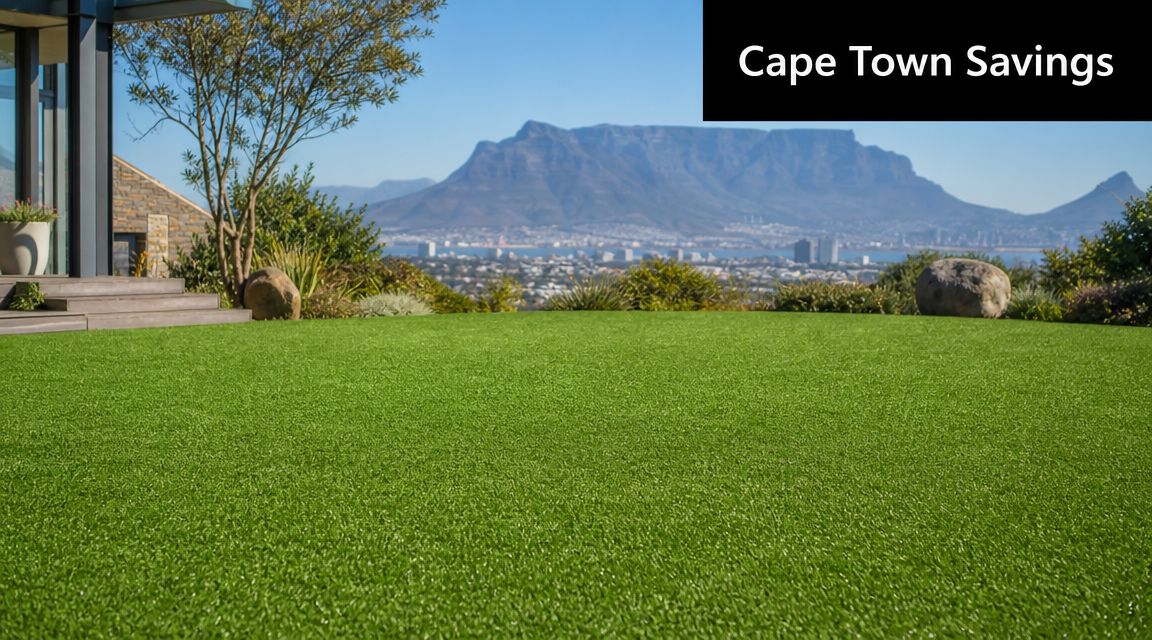
In Cape Town, astro turf often gets considered for one practical reason first. Surface control. Water restrictions, summer heat, and uneven natural lawns make real grass harder to keep event-ready than many clients expect. For venues and private hosts, that changes the price conversation. The question is not only what the turf costs per square metre. It is what it saves in prep, repair, watering, and presentation risk.
For a permanent installation, lifecycle cost matters because natural grass keeps charging you after the event is over. Irrigation, mowing, fertiliser, re-seeding, and patch repairs add up, especially on properties that host functions more than once a season. In the Western Cape, water scarcity also pushes some owners toward low-maintenance surfaces to reduce ongoing pressure on the site.
For temporary events, the calculation is different. Hire usually makes more sense than buying if the turf is only needed for a wedding weekend, a corporate launch, or a single private function. Buying means paying for the product, transport, storage, cleaning, and the wear that comes from rolling and reusing it badly. Hiring shifts those responsibilities to the supplier and gives you material that is chosen for event use rather than long-term landscaping.
That distinction catches people out.
A landscaping product priced for residential installation is not automatically the right product for a dance floor extension, a marquee entrance, or a tasting area on an estate. Event turf needs to cope with foot traffic, furniture pressure, joins, edges, and fast turnaround. If the brief is temporary, judge it on finish, safety, and handling, not only on the advertised purchase price.
Cape Town conditions add a few local checks:
- Summer UV exposure can make cheaper turf look tired quickly if it is bought for repeated event use.
- Winter ground moisture can affect stability on lawns and soft surfaces.
- Winelands venues often need cleaner visual presentation because the turf sits in full view in ceremony and photo areas.
- Water-wise planning matters more here than in wetter regions, especially for venues comparing real lawn upkeep with artificial options.
Clients weighing these options usually benefit from reading broader advice on event hiring in Cape Town before they decide whether to rent surface cover, flooring, or full infrastructure.
The bottom line is simple. If you need astro turf for a once-off event, hire is usually the cheaper and lower-risk route. If you are a venue, hospitality site, or private property owner hosting functions regularly, then lifecycle cost becomes a property decision, not just an event line item.
Your Astro Turf Questions Answered
Can astro turf go over paving or an existing patio
Yes, often it can, but only if the surface underneath is stable, reasonably level, and suitable for the intended use. For an event, that usually means the team still needs to think about joins, edge security, and whether furniture will sit flat. Turf can improve the look of paving quickly, but it won't hide major surface problems.
Is astro turf a good idea for high heels and formalwear
Usually yes, if the product is dense enough and laid properly. Thin or poorly secured turf is where problems start. If the event includes stilettos, cocktail tables, plinths, or formal dining furniture, don't choose based on colour alone. Ask about finish and stability.
How is rental turf cleaned between events
Professional rental stock is typically brushed, cleared, checked for damage, and reset before the next use. That's one of the practical benefits of hiring rather than buying for a once-off function. You're not the one dealing with post-event cleaning, storage, or maintenance logistics.
Is it suitable for children and pets at private functions
For most event settings, yes. The key issue is not whether it is “artificial” but whether it is clean, stable, and appropriate for the traffic level. If children will be running across it all day, or pets will use the area, mention that when you request a quote so the supplier can recommend the right grade.
How far in advance should you book
Earlier is always safer, especially in the Cape Town summer season and during peak wedding weekends in the Winelands. Turf stock can also be tied up in multi-day builds where setup happens well before guest arrival. If your event date is fixed, lock the flooring plan early.
What should you ask for in a quote
Use this checklist:
- Surface type: Lawn, paving, decking, concrete, or mixed ground
- Use case: Ceremony, lounge area, activation space, marquee floor, entrance
- Duration: Single day, weekend, or longer
- Handling needs: Delivery only, setup included, or full removal after the event
- Load on the turf: Chairs, bars, stages, service stations, or decorative use only
A good quote should match the job. If it doesn't describe the surface, access, or actual use, it probably won't stay accurate once installation day arrives.
If you need a custom astro turf quote for a wedding, corporate event, or private function, ABC Hire can help you price the right option for your layout, surface, and event timeline. Send through your venue, square metre estimate, and whether you need a short-term hire or a more permanent solution, and they'll help you budget with fewer surprises.